Toyota GR GT and GR GT3: Hybrid V8 Flagships Unveiled
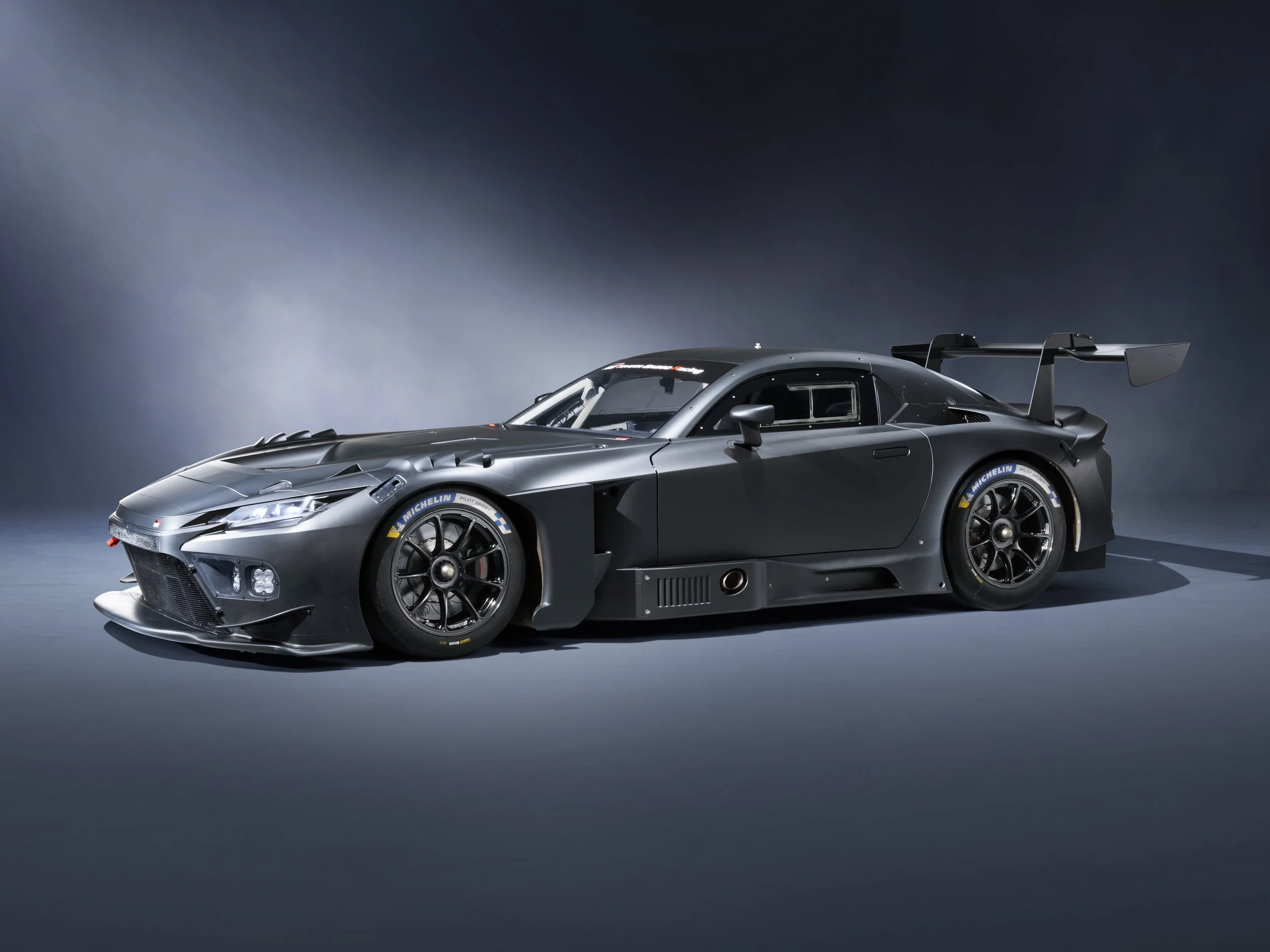
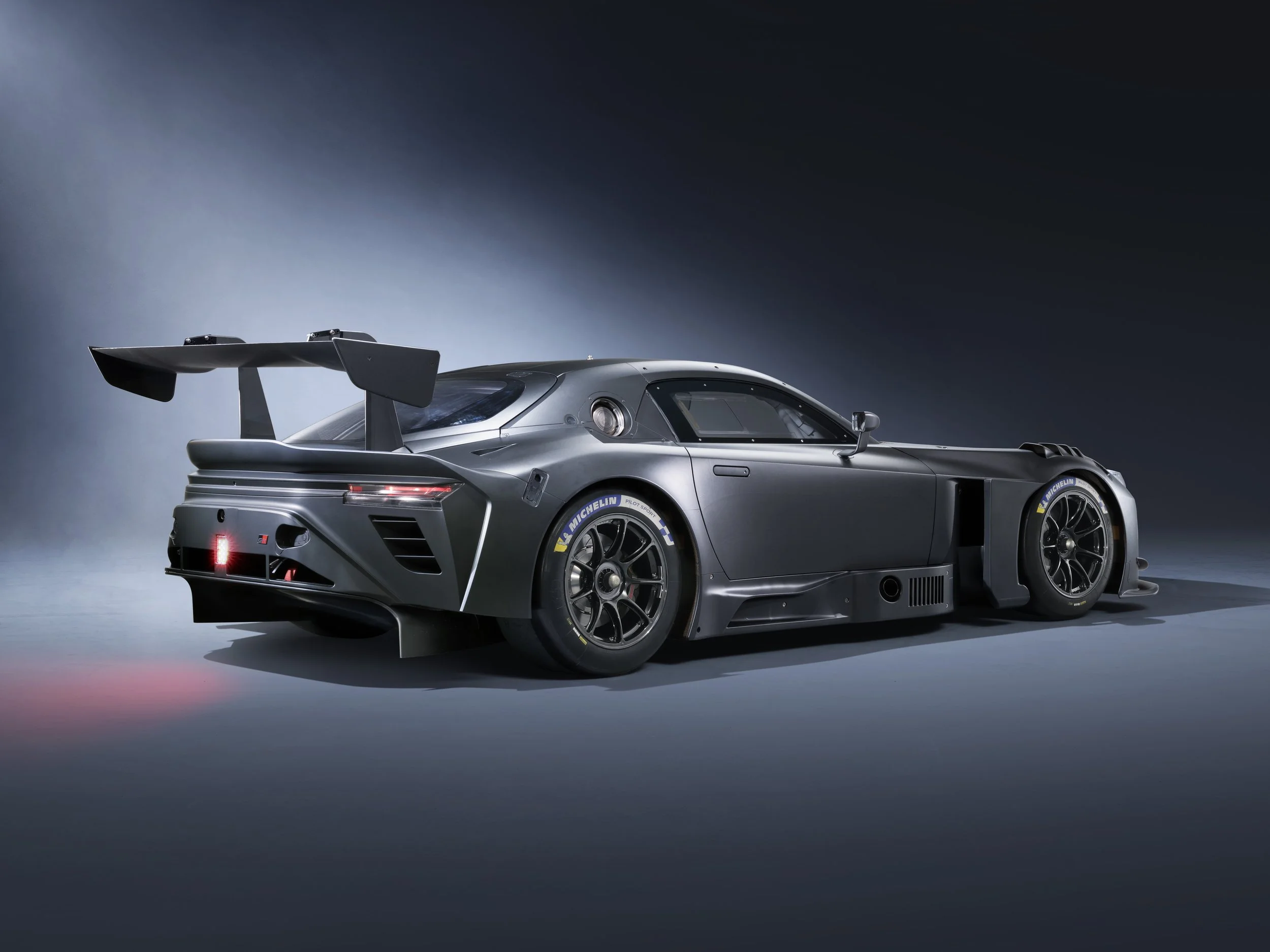
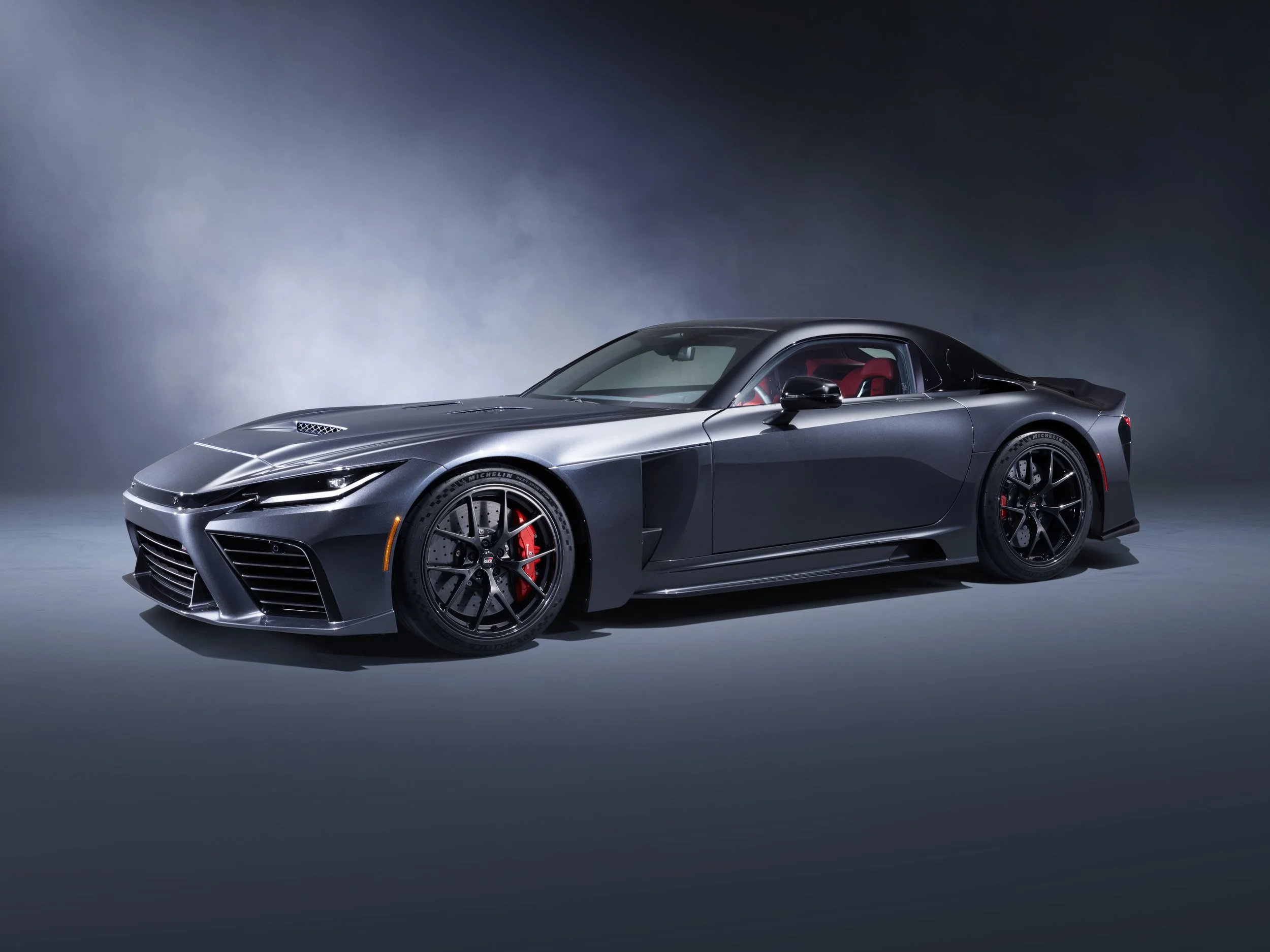
Toyota GAZOO Racing (TGR) world premiered two new models, the GR GT and GR GT3, by publicly displaying under-development prototypes for the first time. With these flagship performance cars, TGR aims to channel motorsport expertise into a road-legal race car and a customer-focused FIA GT3 challenger that reflect the brand’s driver-first philosophy.
TGR positions the GR GT and GR GT3 as modern flagships in the footsteps of the Toyota 2000GT and the Lexus LFA. The team also aims to preserve and pass on “the secret sauce of car-making” to the next generation as “Toyota’s Shikinen Sengu”. Veterans from the Lexus LFA programme share skills and techniques with younger members, while teams adopt new Toyota-first technologies and take on unprecedented development and manufacturing challenges.
Akio Toyoda, also known as Master Driver Morizo, leads a one-team development approach from the vehicle concept stage. Professional drivers Tatsuya Kataoka, Hiroaki Ishiura and Naoya Gamou, gentleman driver Daisuke Toyoda and in-house evaluation drivers work in unison with engineers. The team defines the GR GT through a driver-first approach that listens to, understands and fulfils the needs of the person behind the wheel. TGR applies the same approach to the GR GT3, the race car based on the GR GT.
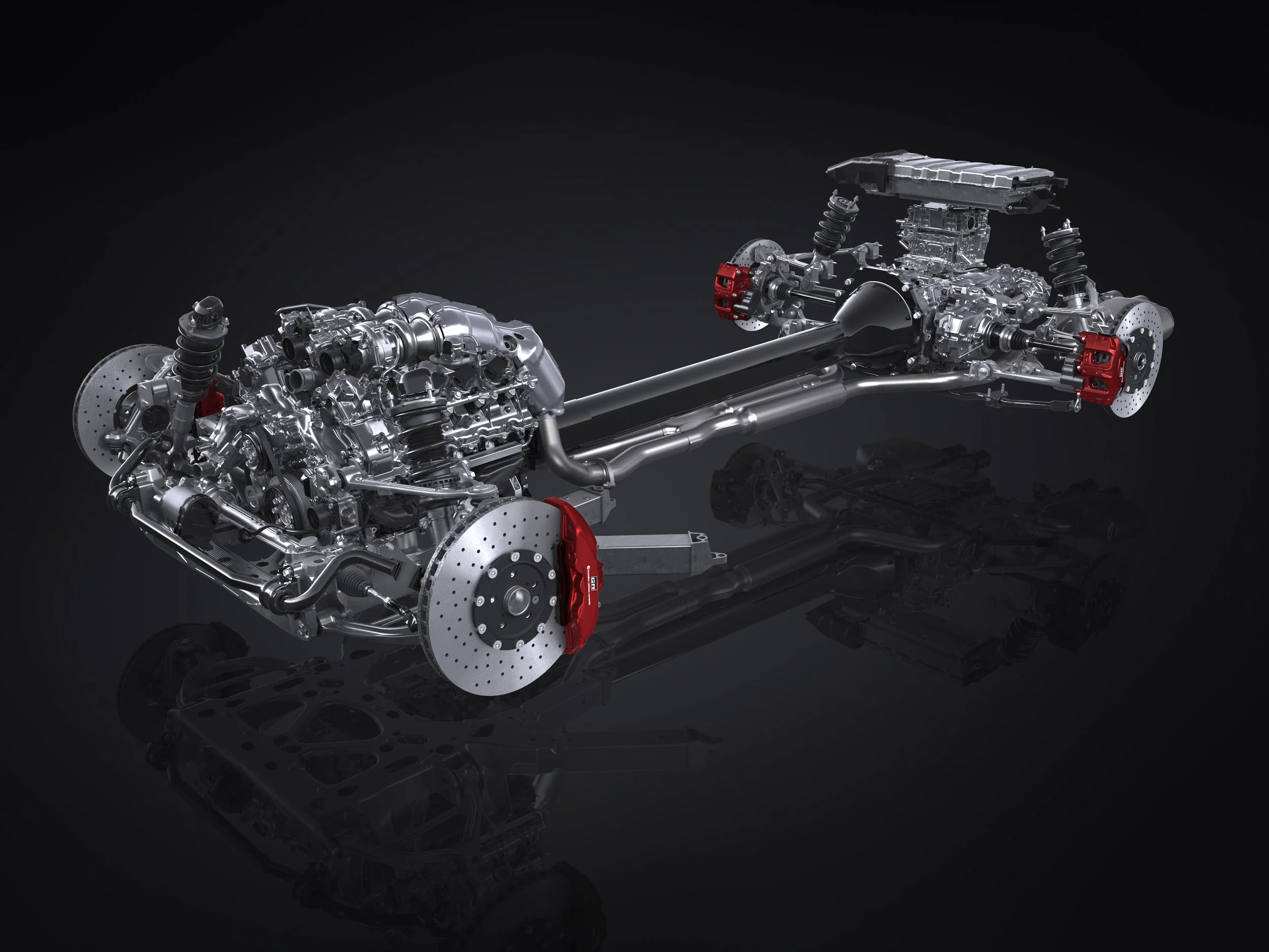
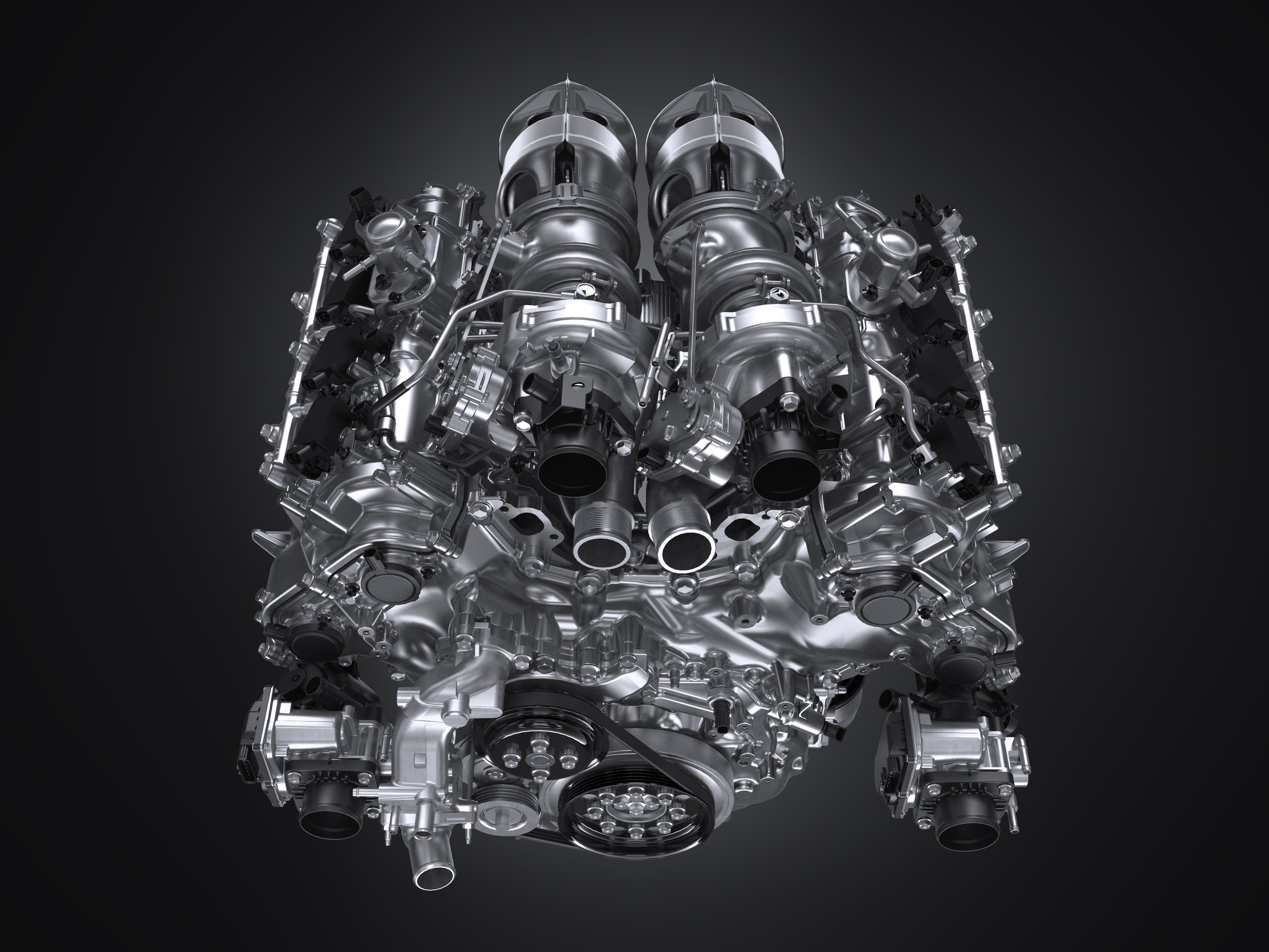
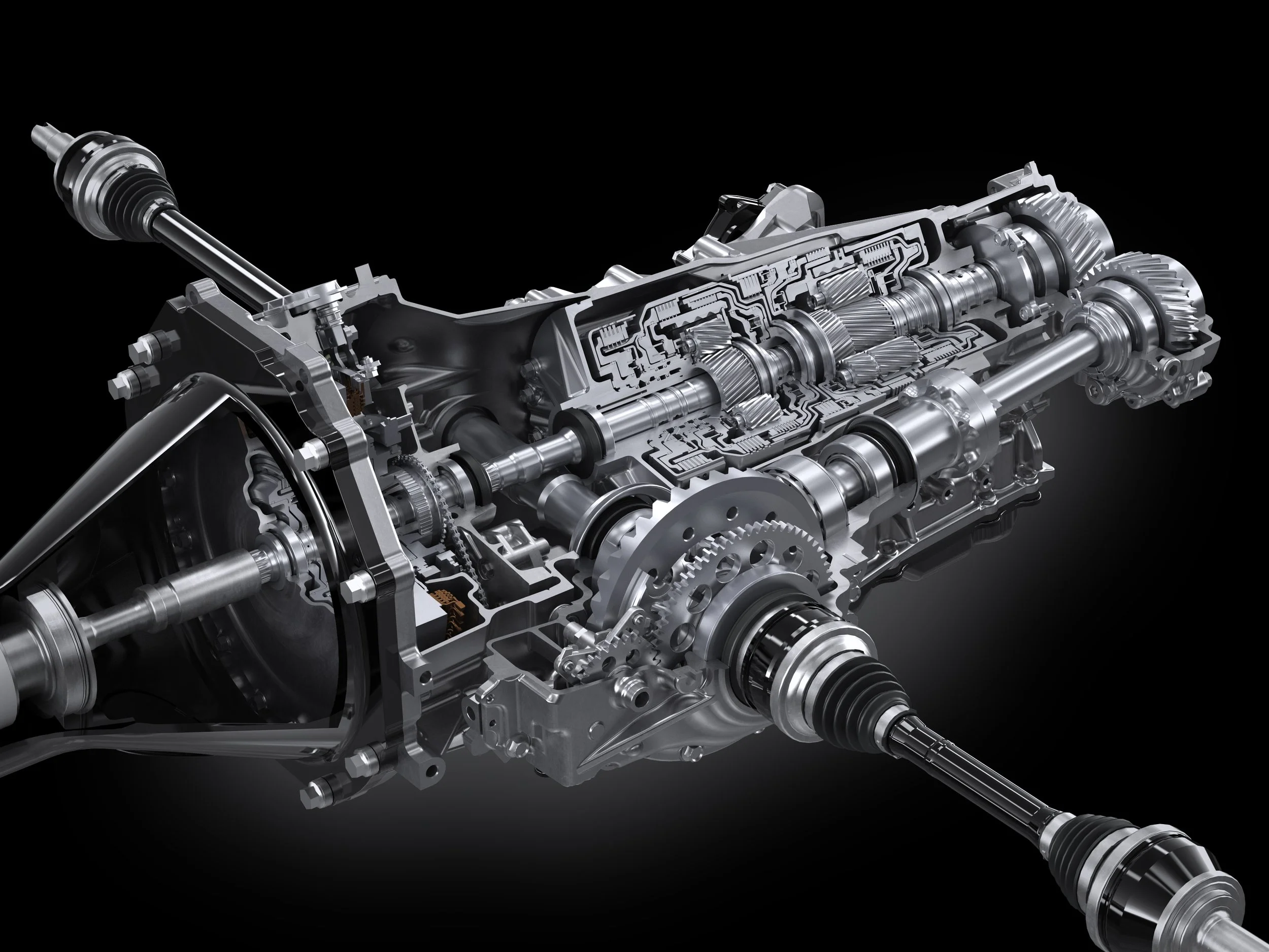
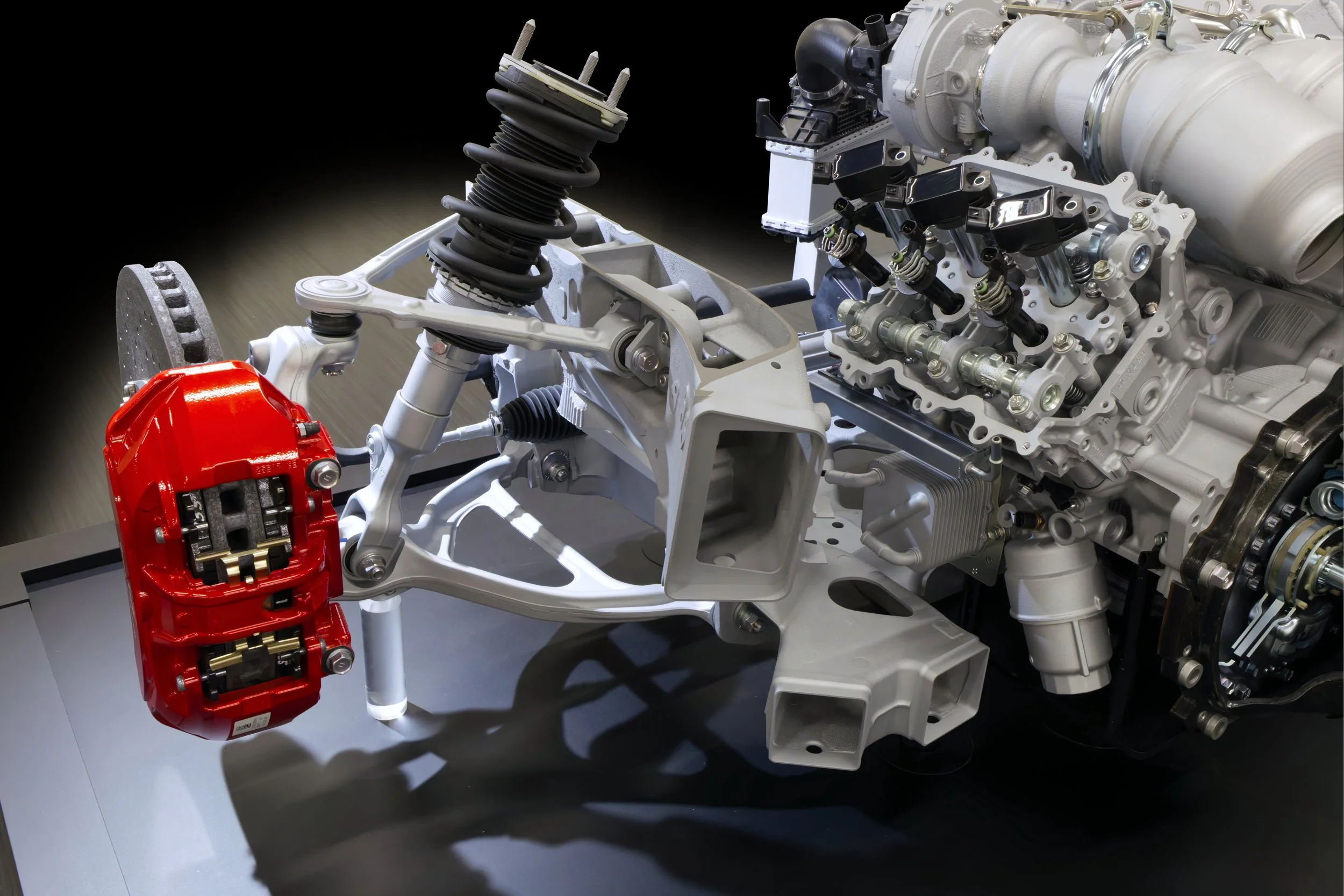
TGR conceives and develops the GR GT as a road-legal race car that delivers a high level of dynamic performance and a strong sense of car-driver unity. The GR GT pairs a newly developed 4.0-litre V8 twin-turbo engine with dry-sump lubrication and a single electric motor in a transaxle-integrated hybrid system. The development targets call for maximum system output of 650 PS or greater and maximum system torque of 850 Nm or greater. The team focuses on three pillars: a low centre of gravity, low weight with high rigidity and the pursuit of aerodynamic performance.
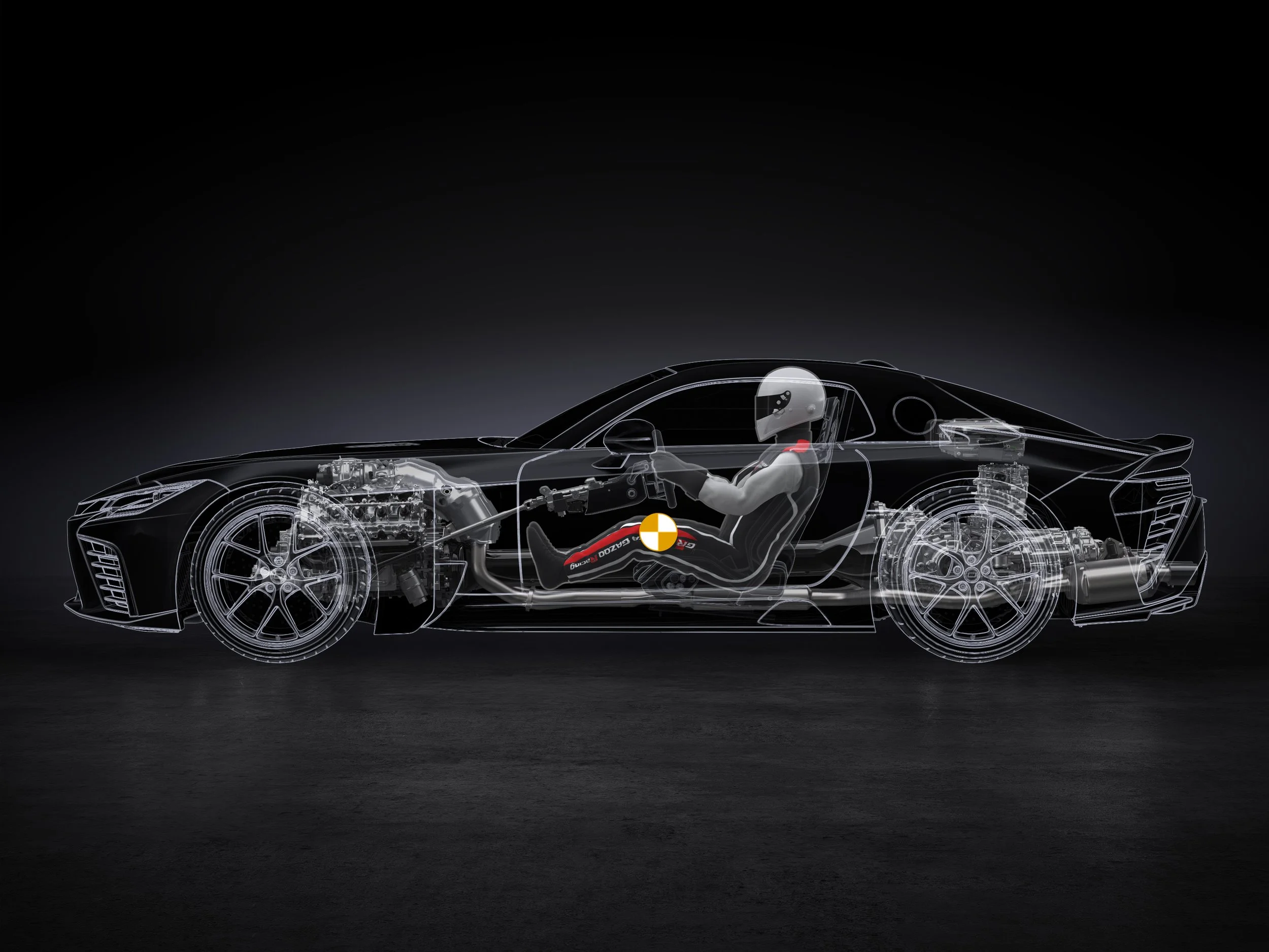
Engineers start with packaging that lowers overall vehicle height and the driver’s position as far as possible. They adopt a front-engine, rear-wheel-drive layout to support confident control at the limit. By optimising the placement of heavy components such as the V8 engine, the rear-mounted transaxle and other major mechanisms, the team significantly lowers their centres of gravity. The engineers also pursue an ideal driving position that aligns the driver’s and car’s centres of gravity as closely as possible to enhance handling and reinforce the sense of unity.
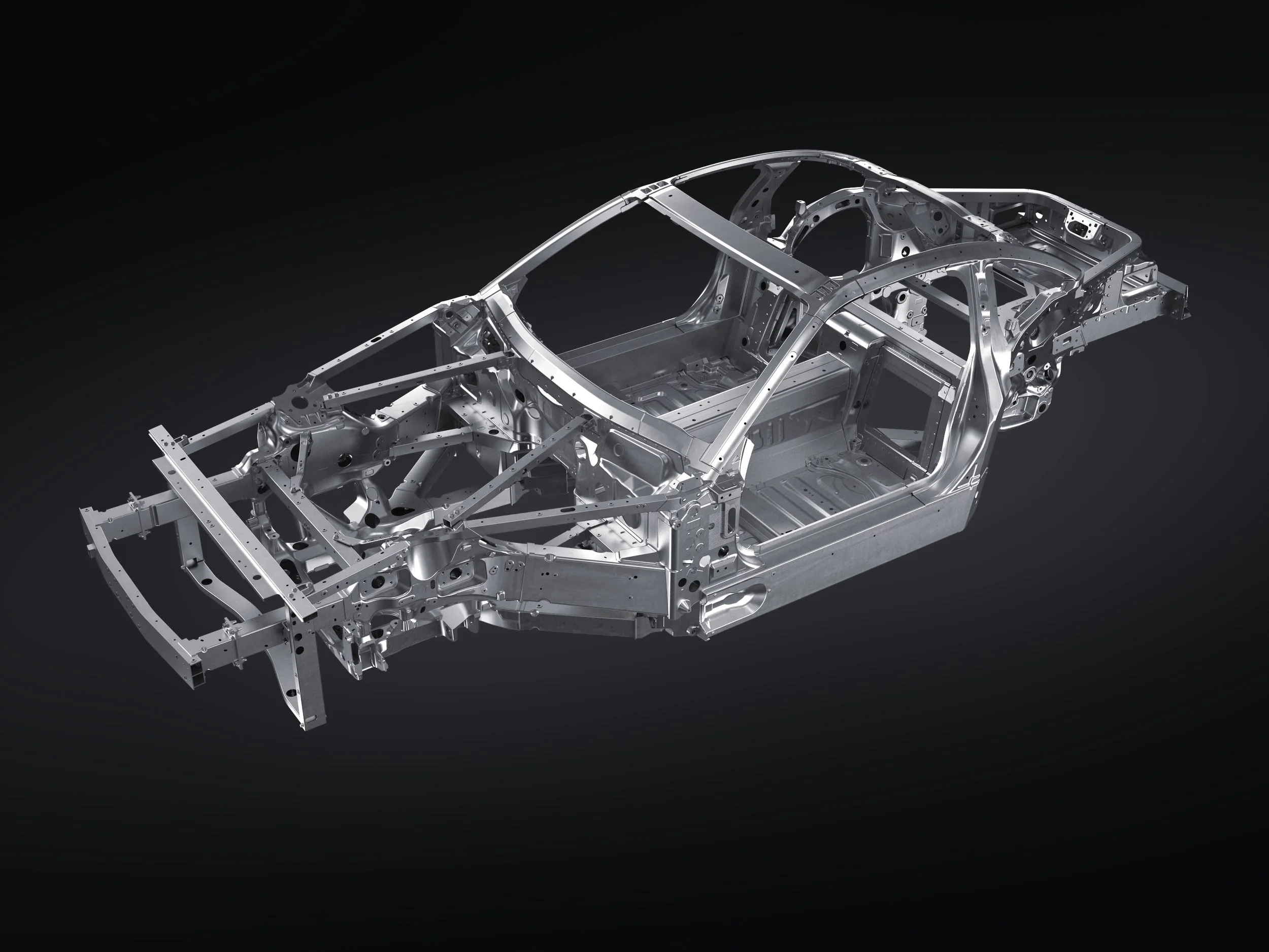
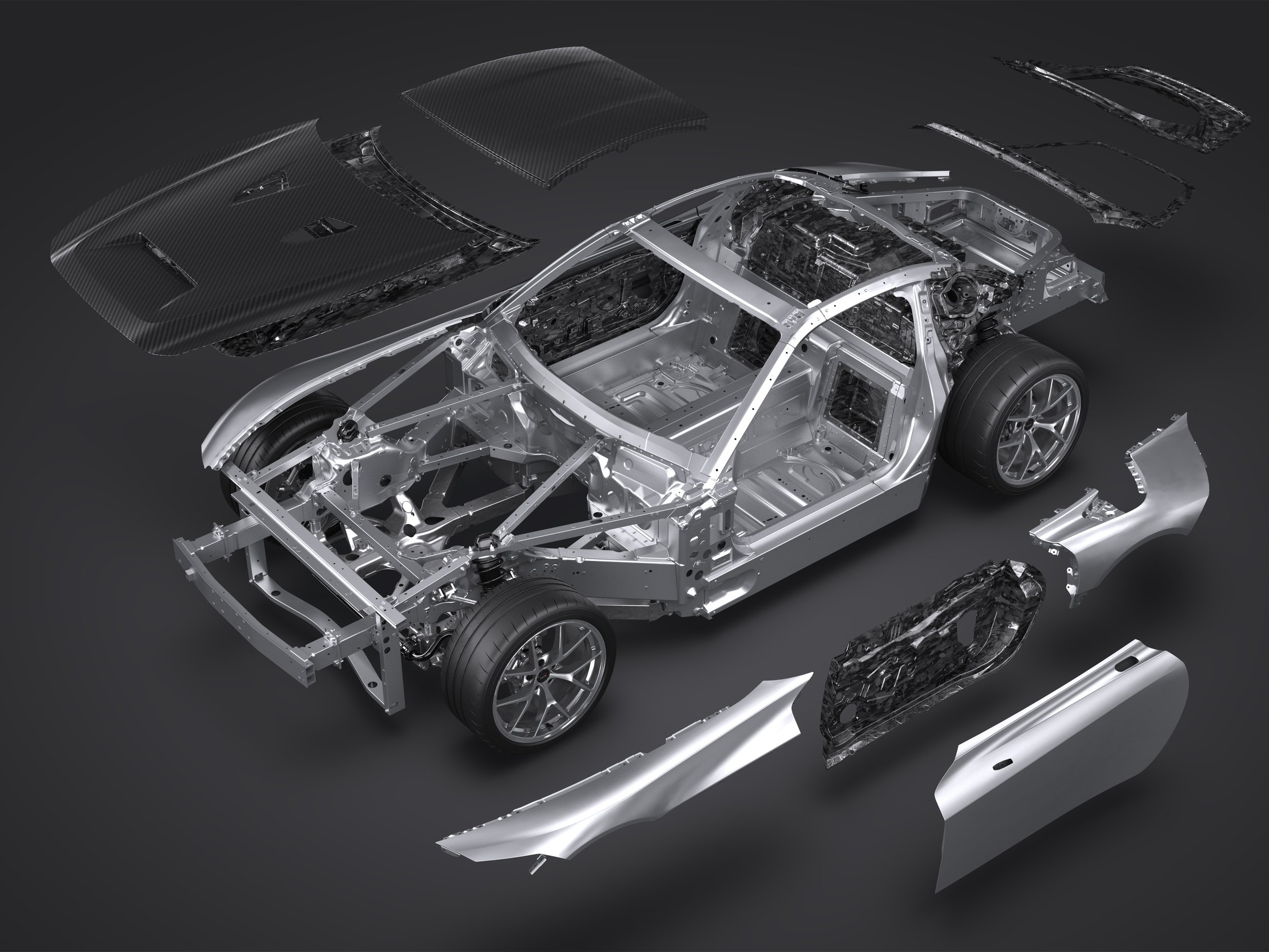
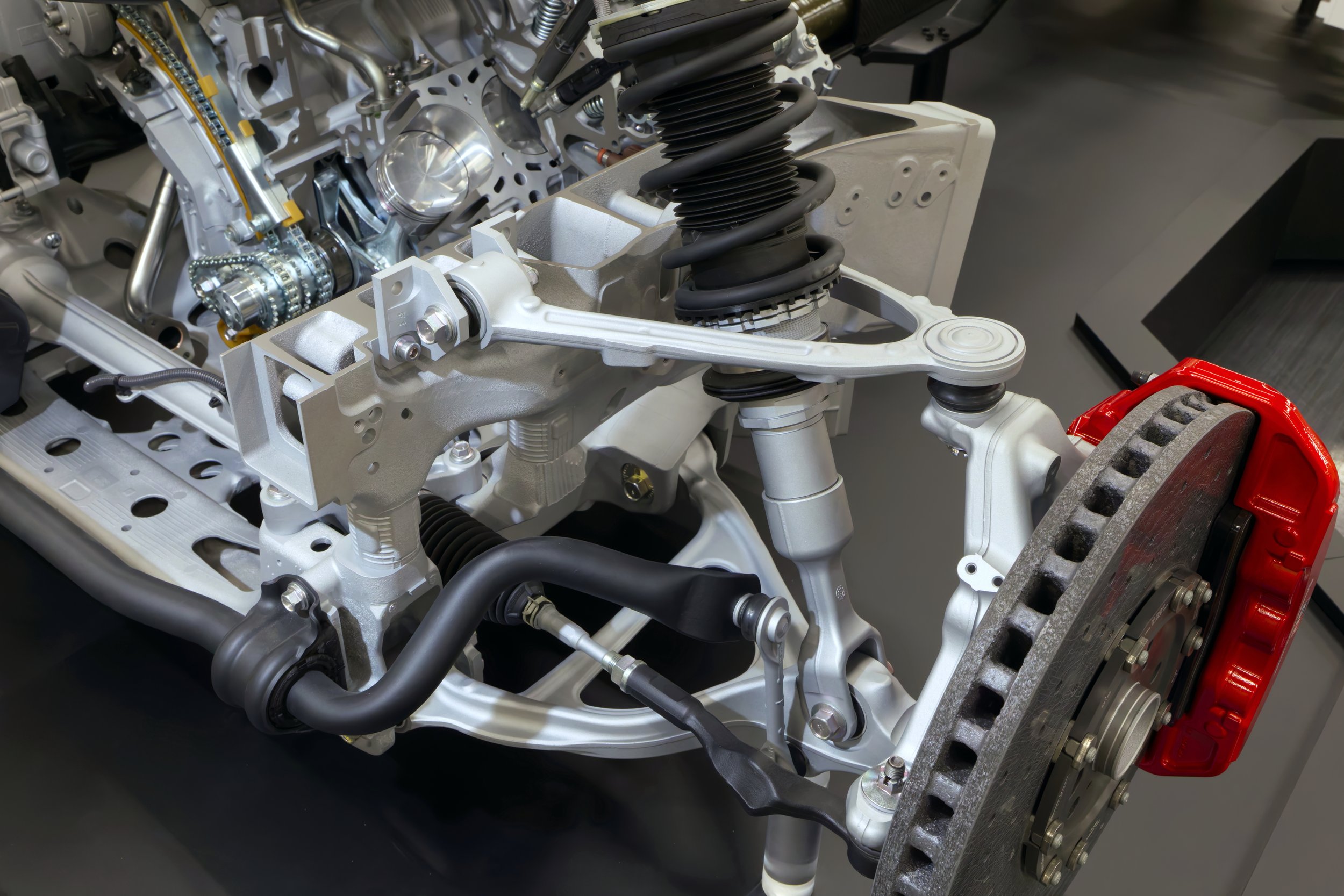
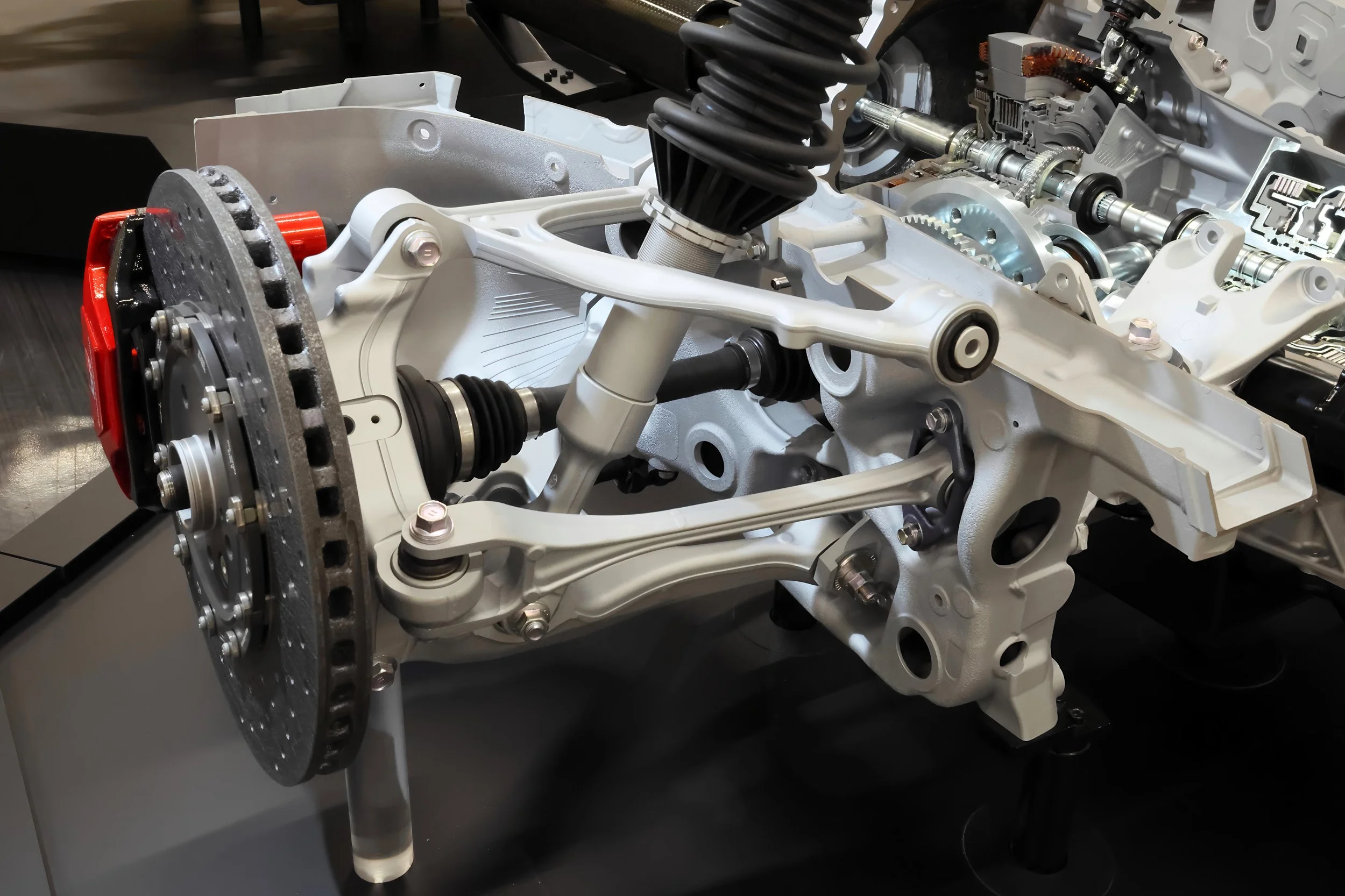
To achieve low weight with high rigidity, TGR introduces Toyota’s first all-aluminium body frame for the GR GT. Designers then use carbon fibre reinforced plastic, plastics and other materials strategically in the body panels to create a strong yet lightweight structure. The chassis uses a newly designed, low-mounted double-wishbone suspension with forged aluminium arms front and rear, while the brakes use carbon ceramic discs. The Vehicle Stability Control system offers multi-stage adjustment of driving force and braking control, so drivers can match assistance to their skill and the weather conditions.
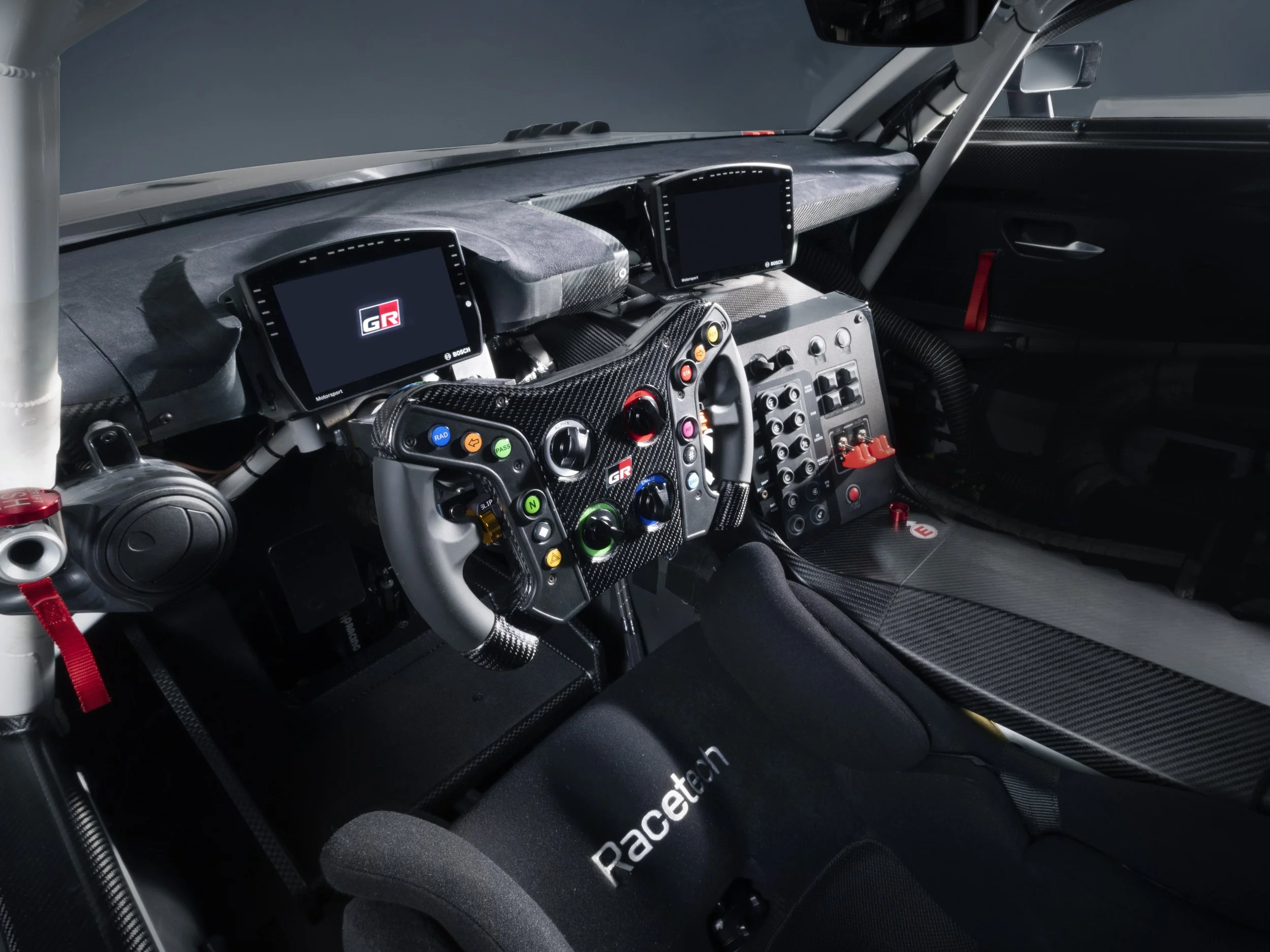
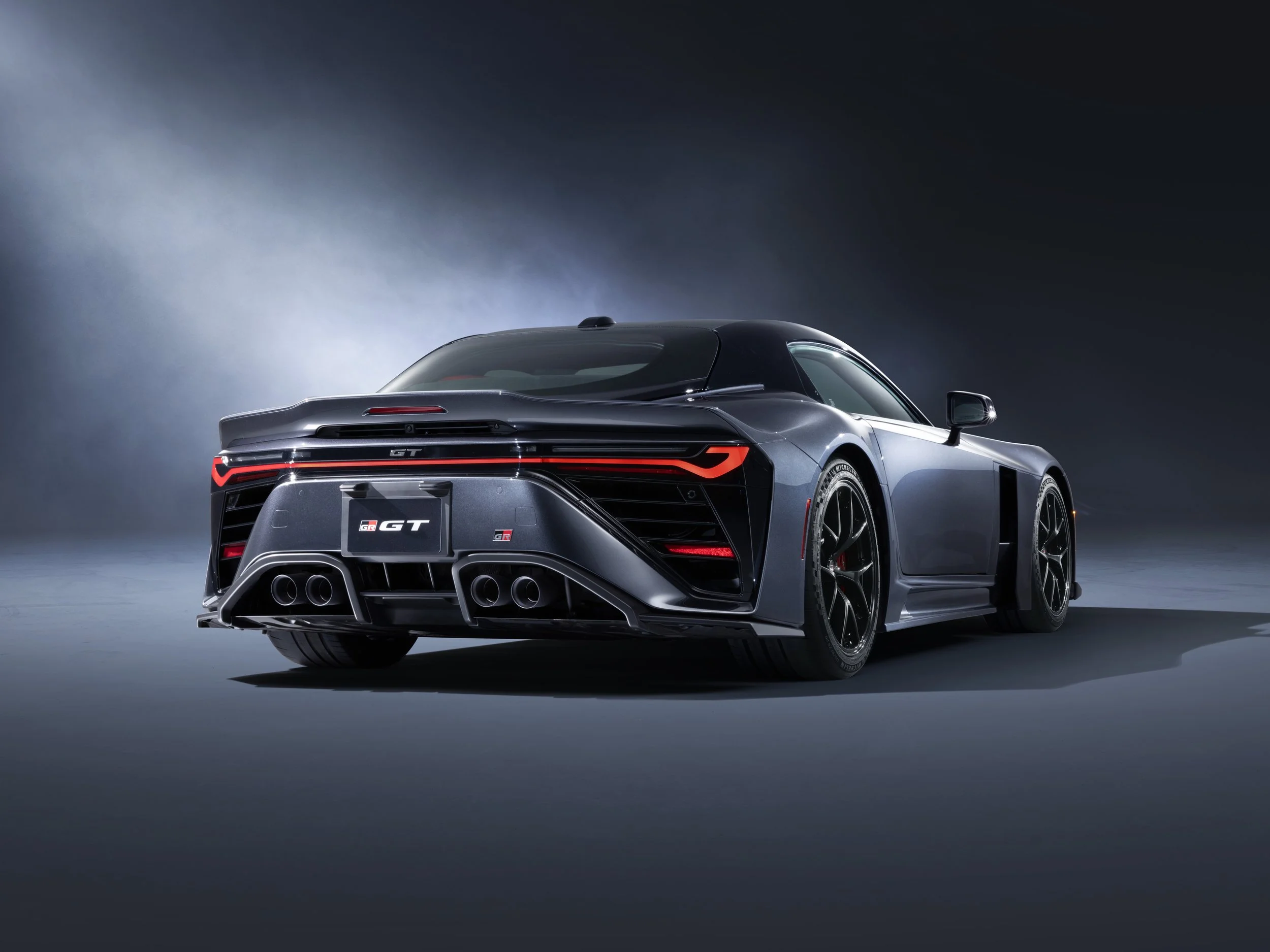
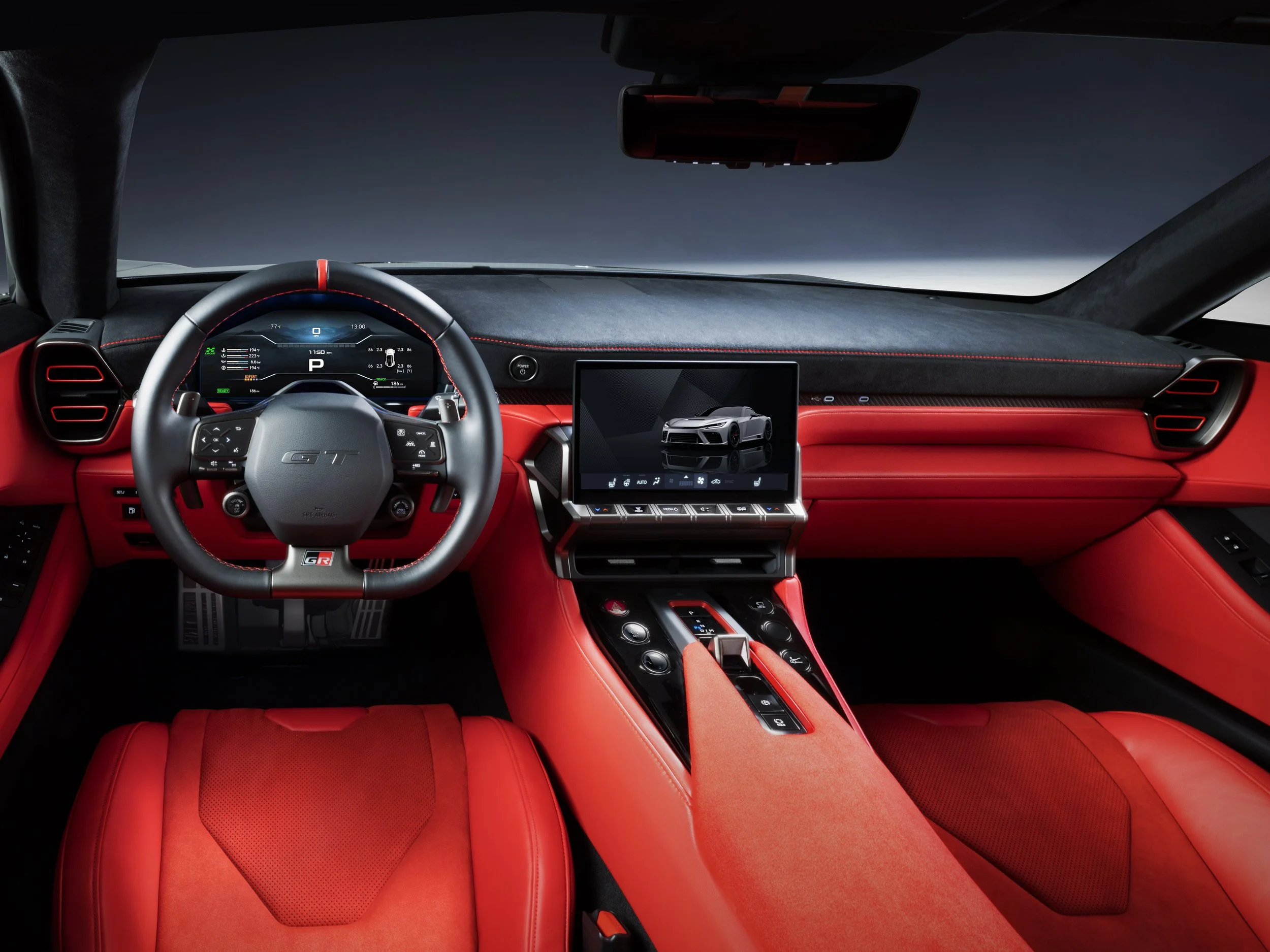
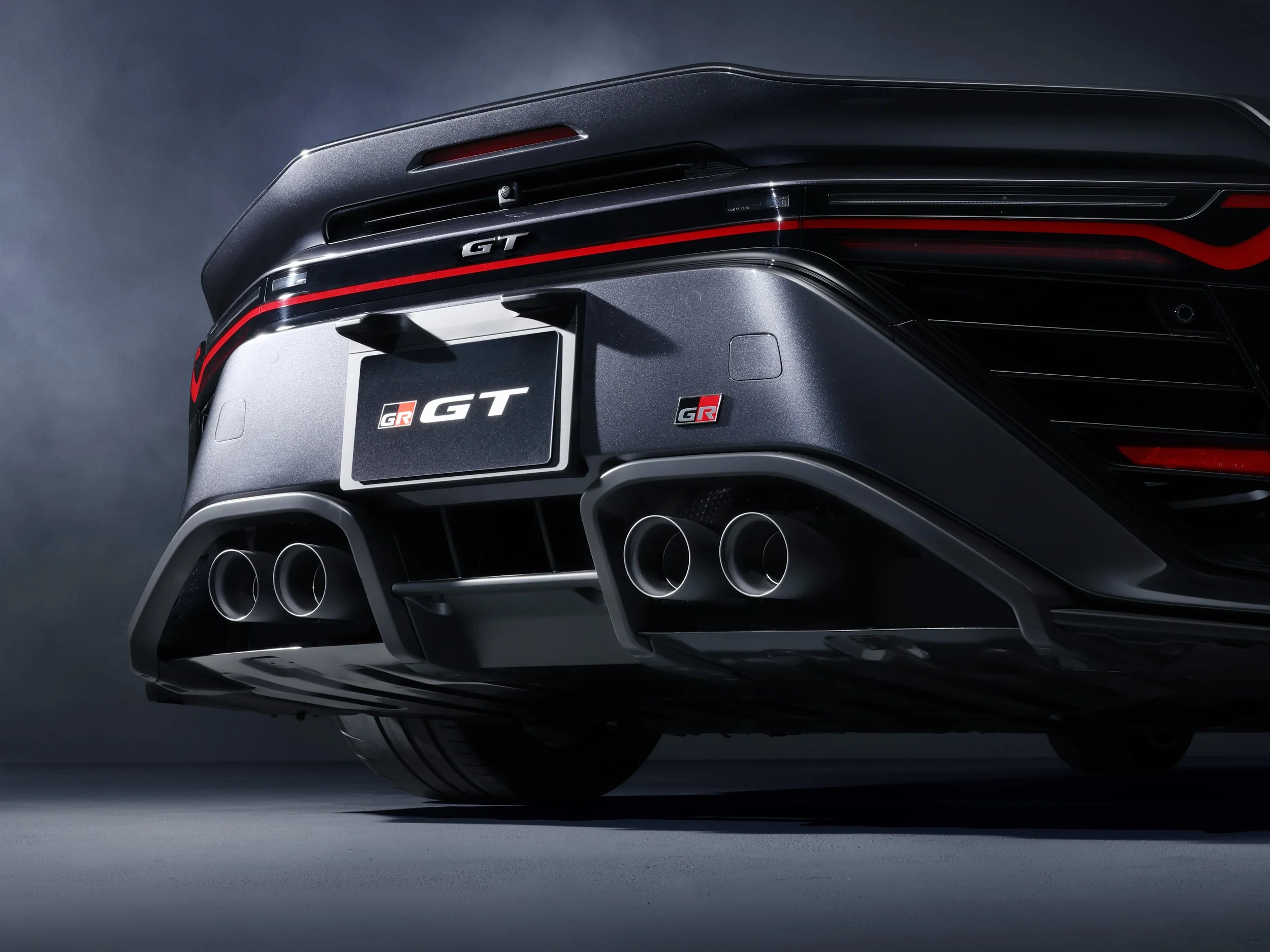
For exterior styling, the GR GT team reverses the conventional process and adopts an “aerodynamics first” concept. Aerodynamics engineers and exterior designers work as a single team, draw on FIA WEC experience and establish an overall package based on an “aerodynamic model” before finalising production-minded design sketches. This approach supports the GR GT’s development target of a top speed of 320 km/h or greater and promotes both aerodynamic efficiency and cooling performance. The team applies the same no-compromise mindset to the interior, prioritising ergonomics, visibility and intuitive operability for both circuit driving and daily use.
TGR builds the GR GT3 around the same three pillars and designs it to meet FIA GT3 regulations, the top category of production vehicle-based customer motorsport. The team aims to deliver a race car that people who want to win will choose, while ensuring it remains easy to drive for both professional and gentleman drivers. Alongside improving competitiveness, TGR prepares an optimal customer support system that helps racers fully enjoy motorsport.
TGR accelerates development by combining motorsport-derived methods with extensive real-world validation. The team introduces driving simulator-assisted research early to refine fundamental vehicle characteristics from the outset, then tests components and full vehicles at facilities such as Toyota Technical Center Shimoyama and at global circuits including Fuji Speedway and the Nürburgring. Engineers also evaluate the GR GT on public roads to balance exhilaration, ease of handling and peace of mind in everyday use. Like other GR models, the team repeatedly hones, drives to failure and repairs these prototypes to meet wide-ranging driver expectations.
The GR GT prototype targets include a length of 4,820 mm, width of 2,000 mm, height of 1,195 mm and wheelbase of 2,725 mm, with a two-seat cabin. TGR targets a vehicle weight of 1,750 kg or lower and a 45:55 front-to-rear weight distribution. The powertrain uses a 3,998 cc V8 twin-turbo with a newly developed 8-speed automatic, a wet-start clutch and a mechanical limited-slip differential. The GR GT also targets tyre sizes of 265/35ZR20 at the front and 325/30ZR20 at the rear.
The GR GT3 prototype targets a length of 4,785 mm, width of 2,050 mm and height of 1,090 mm. It uses the same 3,998 cc V8 twin-turbo in a front-engine, rear-wheel-drive layout. TGR notes that the GR GT and GR GT3 remain under development and may change without notice. The team continues development towards a planned launch around 2027 and will release further details as they become available.