BMW i7 Battery System Debuts with Rimac Technology
Rimac Technology and BMW Group have announced the first production vehicle to emerge from their technology partnership, which they launched in 2023. The new BMW i7 will make its world premiere at Auto China 2026 in Beijing on 22 April. This launch marks a major step for the BMW i7 battery system and highlights new progress in electric vehicle battery technology.
The new BMW i7 will be the first BMW Group battery-electric vehicle to use a jointly developed battery system. Rimac Technology and BMW Group combined BMW’s Gen6 4695 lithium-ion cylindrical cells with Gen5 module-based technology to create a scalable high-voltage battery system. This new BMW i7 battery system aims to improve energy delivery, extend range and strengthen charging performance.
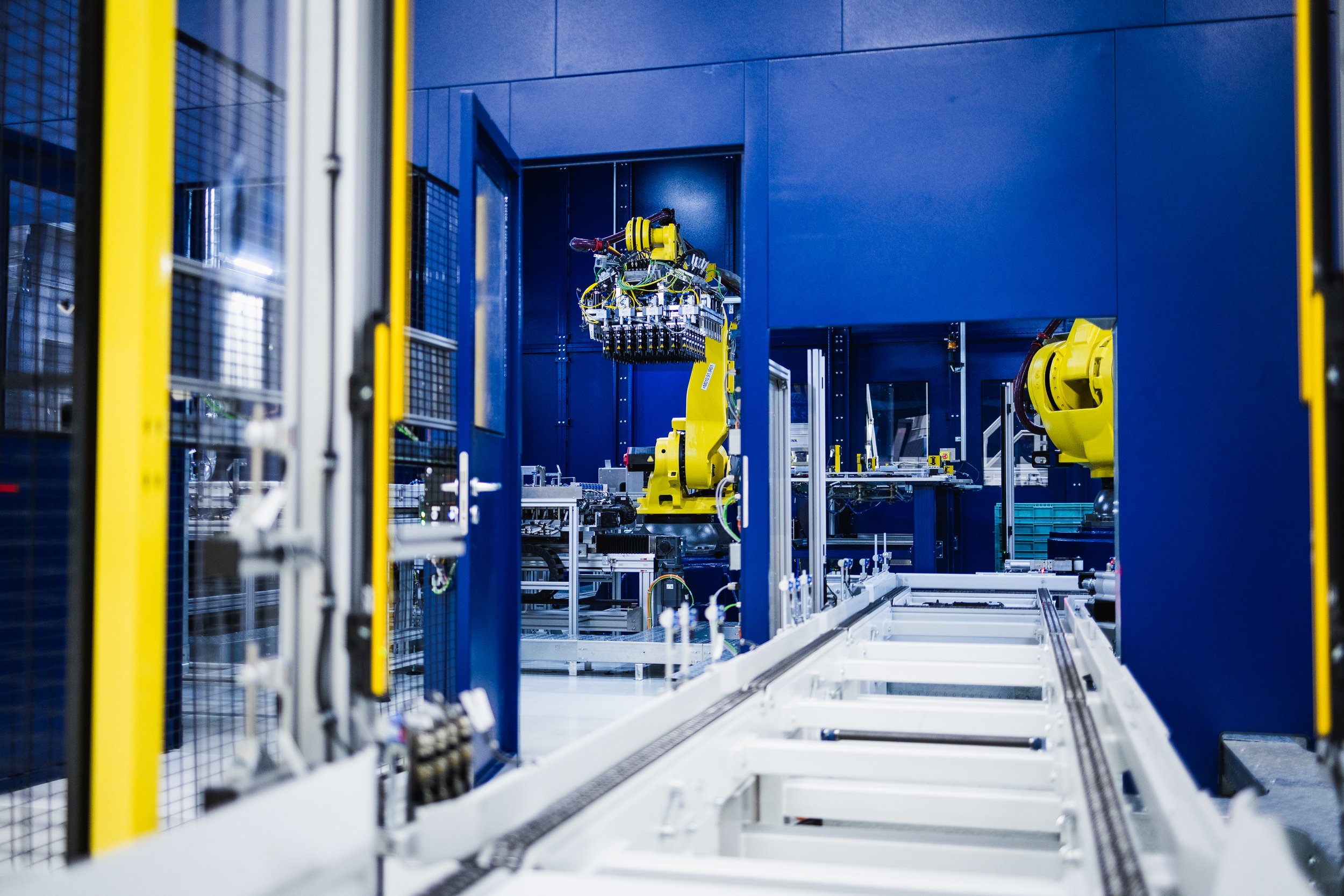
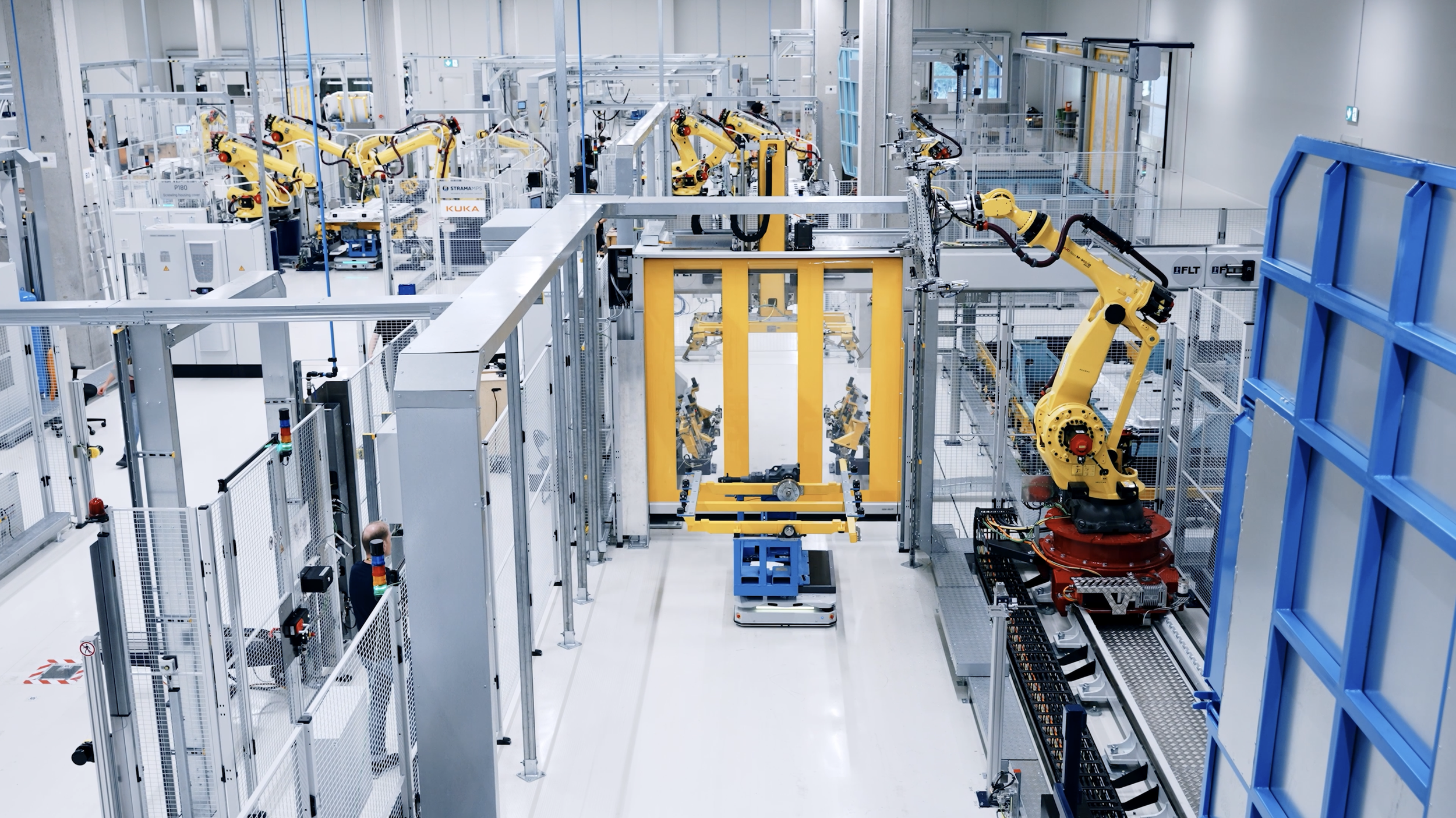
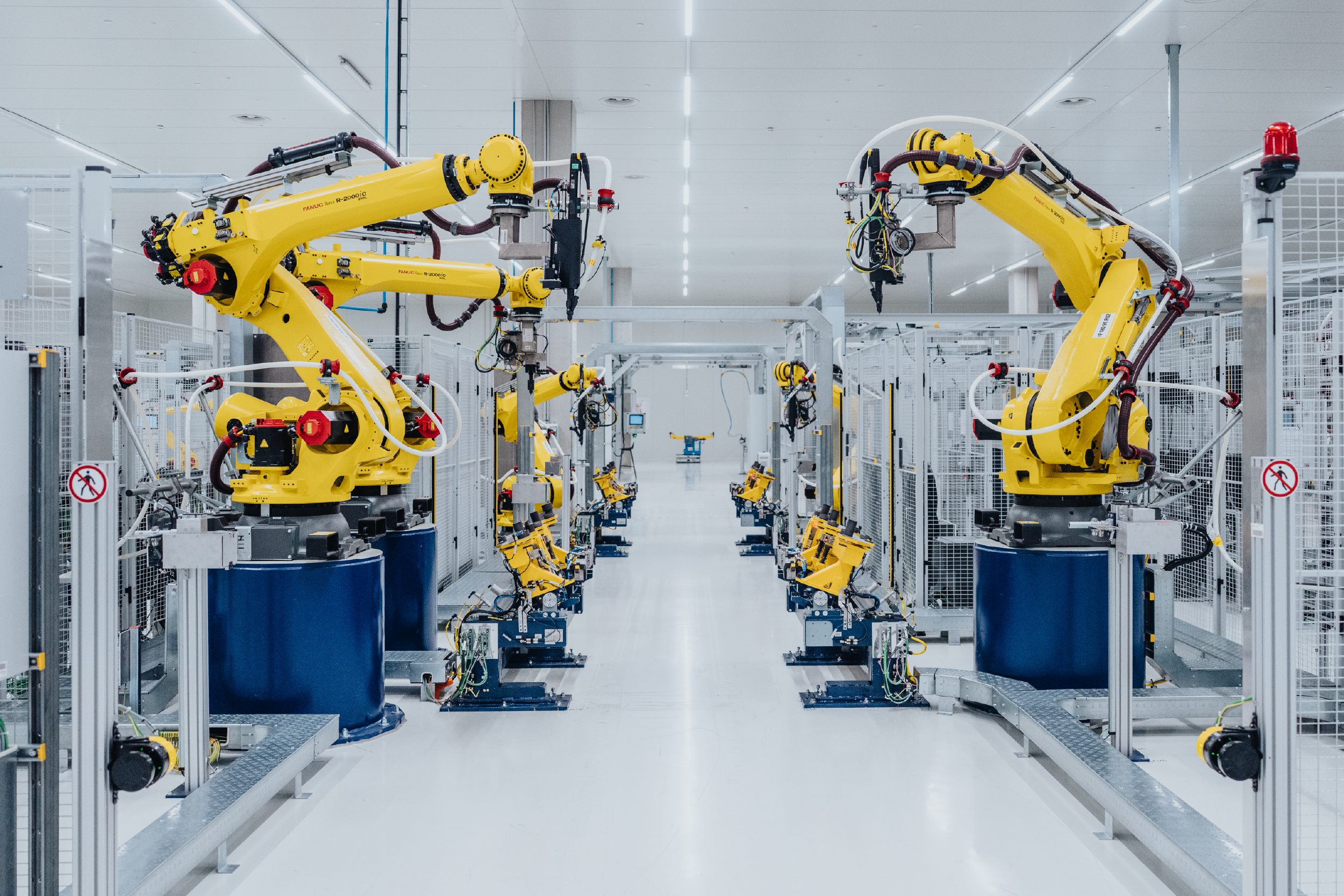
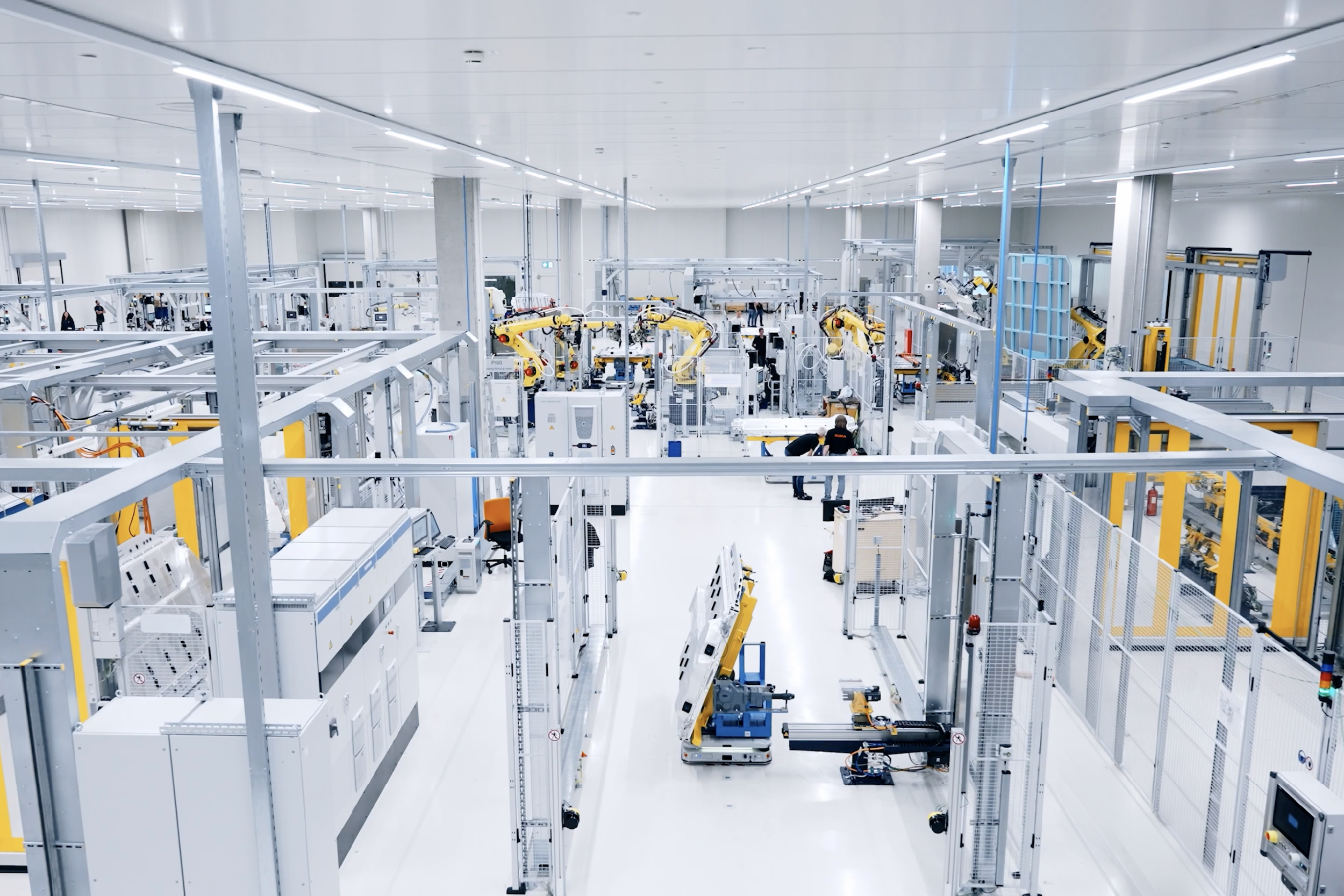
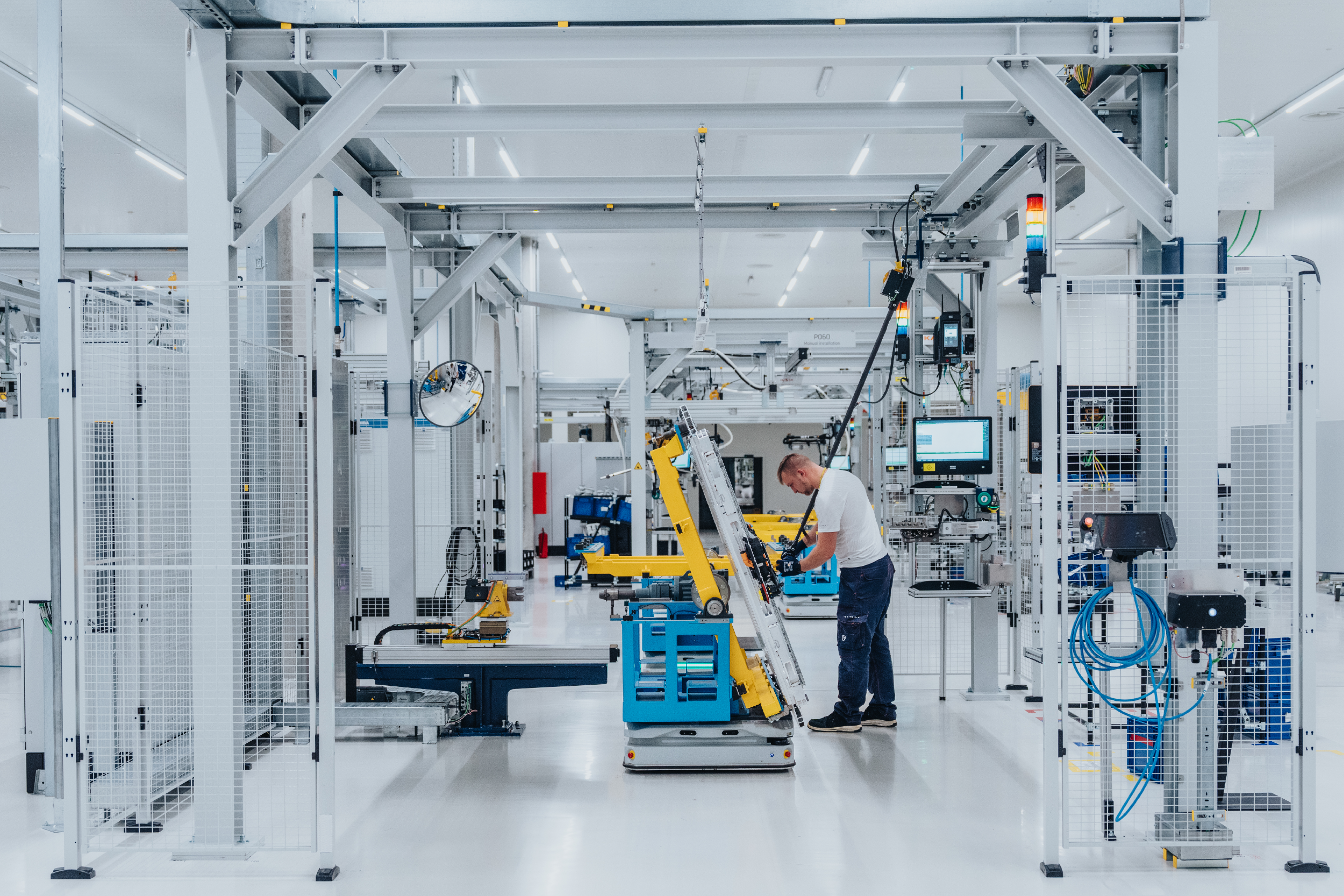
Rimac Technology has also matched this engineering milestone with a major operational achievement. In just a few years, the company built a completely new production facility, industrialised two full production lines and established an end-to-end supply chain that meets the strict quality and volume standards of a premium global OEM. Rimac Technology and BMW jointly developed the battery system, and Rimac Technology now manufactures it at the Rimac Campus near Zagreb. The company built this purpose-designed, state-of-the-art site as one of the largest industrial construction projects of its kind in Europe.
Rimac Technology has dedicated 15,000 square metres of production space to this programme within a 90,000-square-metre facility. The company has already committed 70% of the site’s capacity to battery system production across several programmes for global OEMs. Rimac designed the campus from the start for complex, high-specification, high-volume battery production for leading automotive brands. The site provides Rimac Technology with the infrastructure, flexibility, and scale it needs to operate as a Tier 1 partner at the highest level of the automotive industry.
Mate Rimac, Founder and President of the Rimac Group and CEO of Bugatti Rimac, said: "BMW has always been known for pushing engineering to the highest level, which made this collaboration especially exciting for us. Together, we developed a high-voltage battery system that unlocks the full potential of the new cylindrical cells in record time, delivering significant improvements in energy, range, and charging performance. We are proud to see this system being produced at scale at our new Rimac Campus."
Nurdin Pitarević, CEO of Rimac Technology, said: "This collaboration with BMW represents an important step forward in electric vehicle technology. Together, we have developed advanced battery technology for the BMW i7, delivering outstanding performance, efficiency, and reliability. What makes this partnership special is BMW’s engineering excellence and the way they approach collaboration — treating Rimac Technology not just as a supplier, but as a true technology partner. I believe this is a great example of how OEMs and technology companies should work together in the future."
Thomas Engelhardt, Senior Vice President Development High-Voltage Battery and Charging at BMW Group, said: "We are rapidly rolling out the technologies of the Neue Klasse across our entire model portfolio — naturally including our fully electric luxury sedan. The development teams of both companies have created a tailor-made solution for the new BMW i7 in a remarkably short time. The excellent collaboration with Rimac Technology is a strong example of European innovative strength."
Rimac Technology operates as a Tier 1 automotive technology supplier and is wholly owned by the Rimac Group. The company specialises in electrification technologies such as battery systems, e-axles and electronic systems. It manages the full development process from early concepts and prototypes through to series production. Rimac Technology has its headquarters in Croatia, operates offices in the UK, employs more than 1,000 people and works with several of the world’s best-known OEMs.