New BMW 3 Series: Electric i3 and Petrol Models Revealed
For more than 50 years, the BMW 3 Series has blended benchmark driving dynamics, everyday usability and distinctive design. BMW has sold more than 18 million examples worldwide since 1975, making it the brand's most successful model. Now in its eighth generation, the new BMW 3 Series brings the design and technology of the Neue Klasse to the core of BMW, and gives customers a broad choice of powertrains.
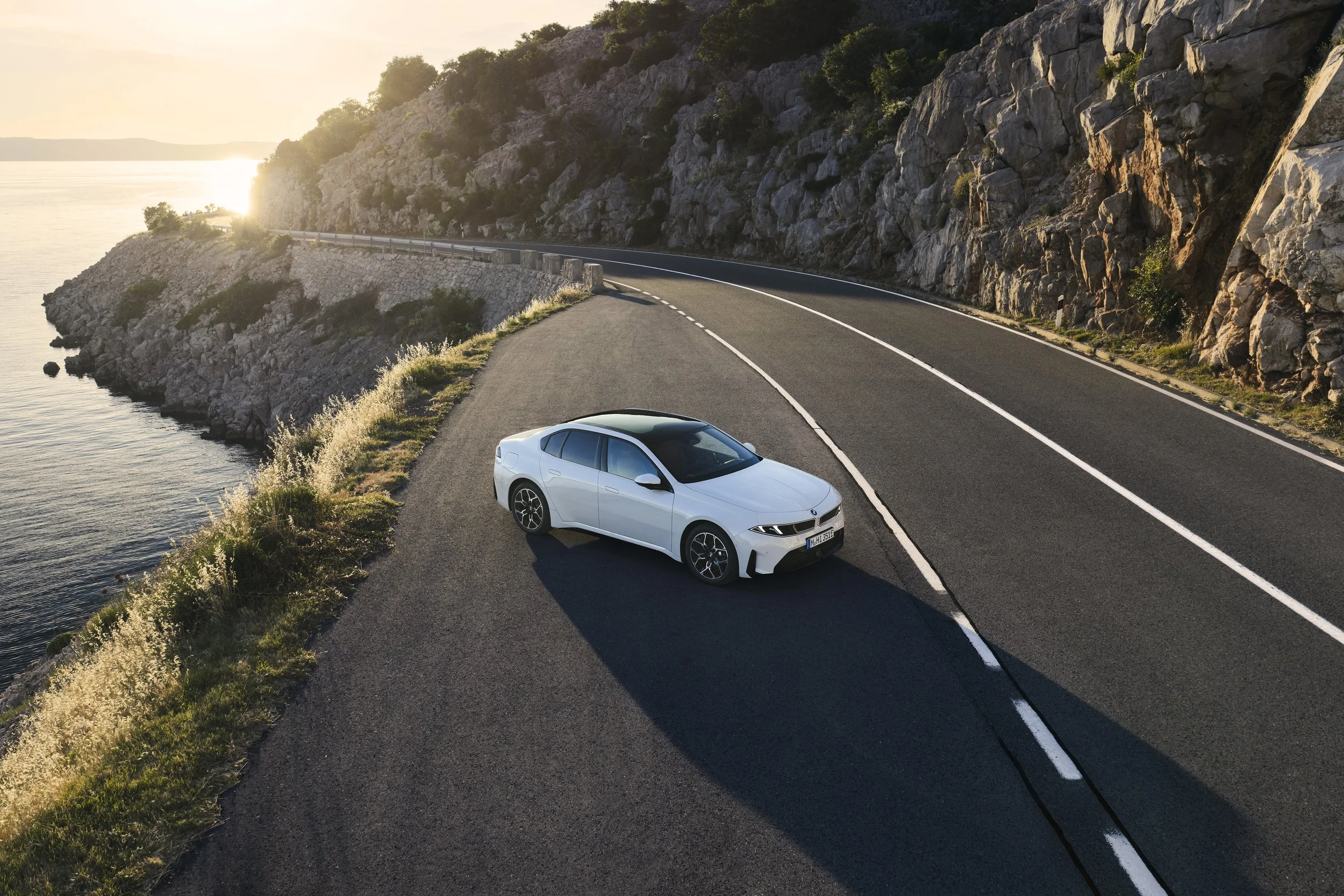
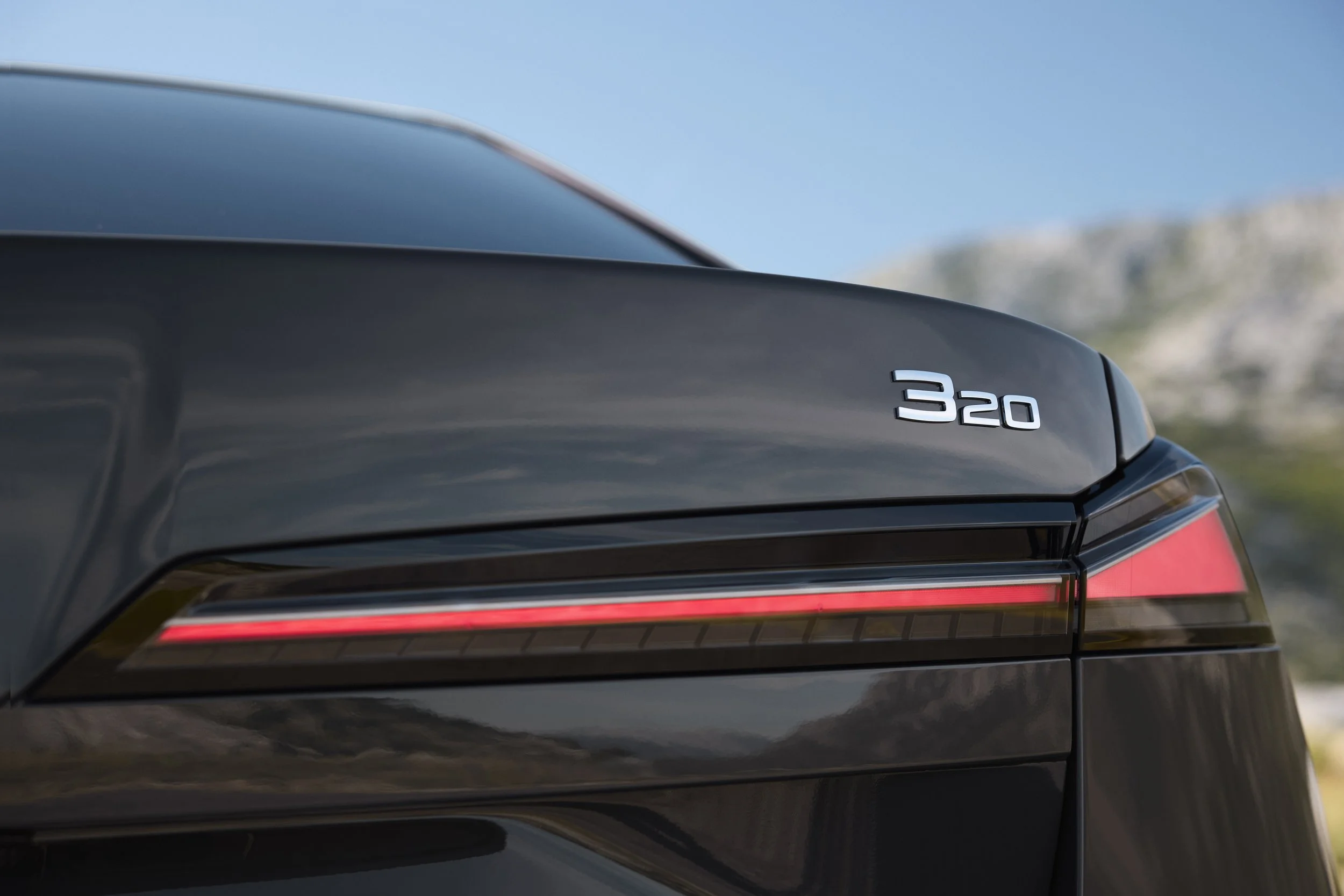
With the new BMW i3, the 3 Series goes fully electric for the first time. At launch, customers can choose between the BMW i3 40 xDrive and the BMW i3 50 xDrive, which offer up to 566 miles (WLTP) on a single charge. An all-electric M Performance model, the BMW i3 M60 xDrive, will join the line-up in 2027. Two petrol models will also be available from launch: the BMW 320 and the flagship six-cylinder BMW M350 xDrive.
"The Neue Klasse is about far more than a single car. With the BMW iX3 we demonstrated for the first time how our new design language could blend the sixth-generation of BMW eDrive technology, BMW Panoramic iDrive and the Heart of Joy into a unique overall experience. Scalable and global, the Neue Klasse innovations are now being rolled out across our entire model range. And with the new BMW 3 Series, we are bringing them to the core of the brand for the first time," said Dr Mike Reichelt, Head of Neue Klasse, BMW Compact and Midsize Class.
The BMW i3 40 xDrive produces 374 hp and 520 Nm of torque, reaches 62 mph in 5.4 seconds and has a top speed of 124 mph. It offers up to 441 miles of WLTP range, produces zero CO2 emissions and uses between 14.3 and 17.9 kWh per 62 miles, with prices from £47,925 OTR. The BMW i3 50 xDrive delivers 469 hp and 645 Nm, sprints to 62 mph in 4.7 seconds and also reaches 124 mph. It covers up to 566 miles, again with zero CO2 emissions, and uses between 13.4 and 18.0 kWh per 62 miles, with prices from £53,425 OTR. The BMW 320 develops 211 hp and 330 Nm, takes 7.4 seconds to reach 62 mph and tops out at 149 mph. It returns 37.7 mpg combined, emits 169 g/km of CO2 and costs from £44,975 OTR. The BMW M350 xDrive produces 443 hp and 580 Nm, hits 62 mph in 4.1 seconds and has an electronically limited top speed of 155 mph. It returns 34.5 mpg combined, emits 187 g/km of CO2 and starts at £66,785 OTR. All figures for output, charging capacity, performance, energy consumption and range are provisional.
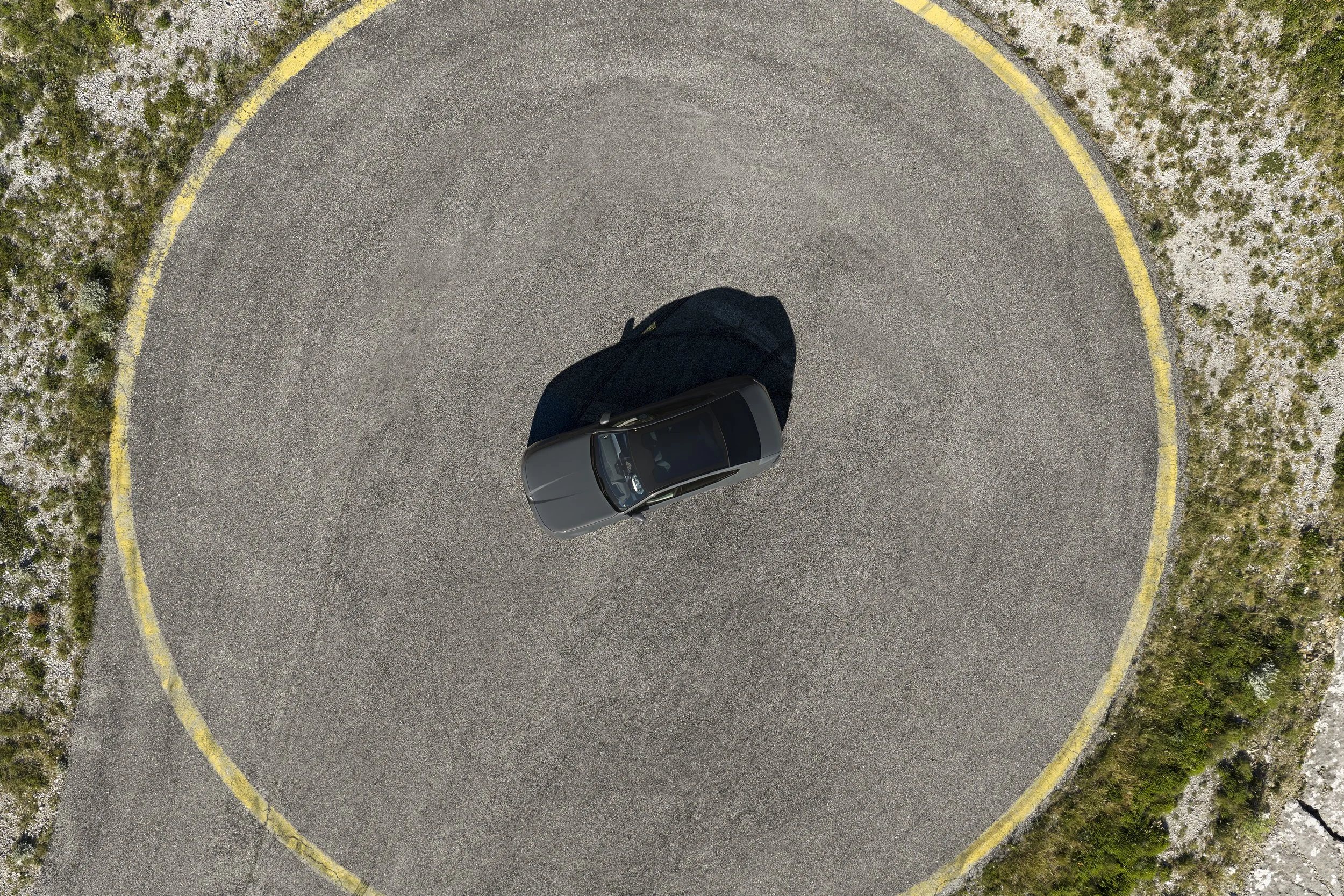
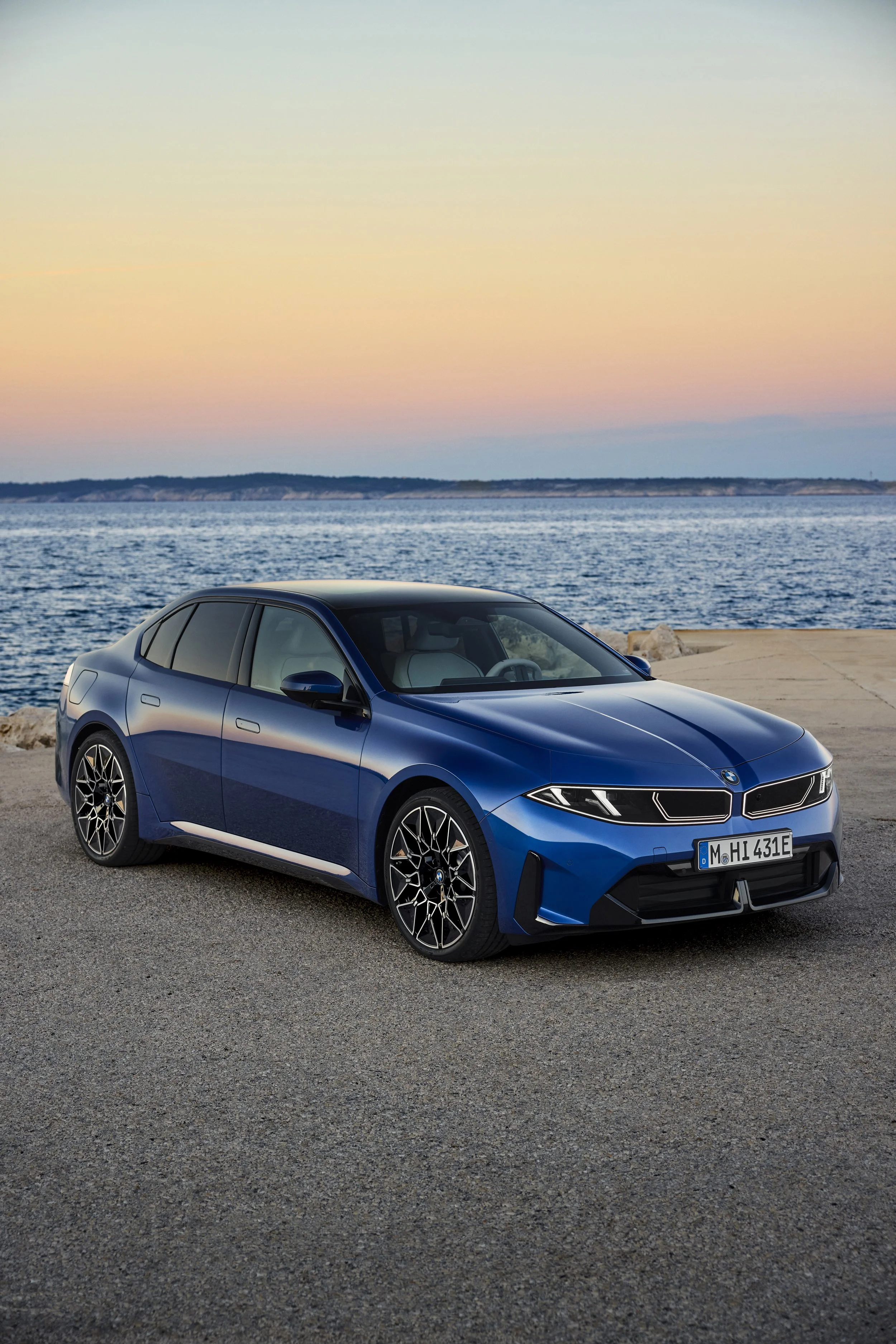
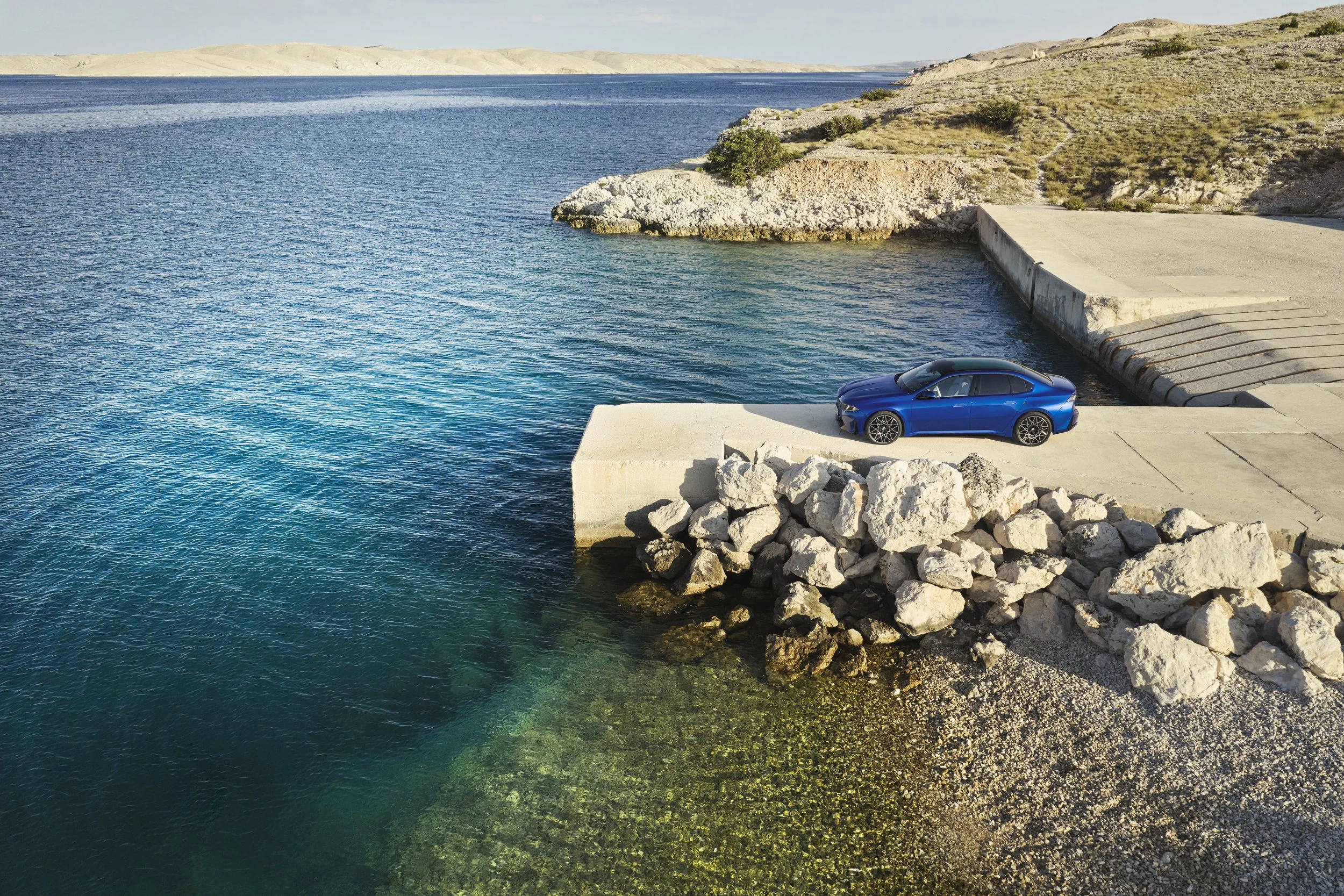
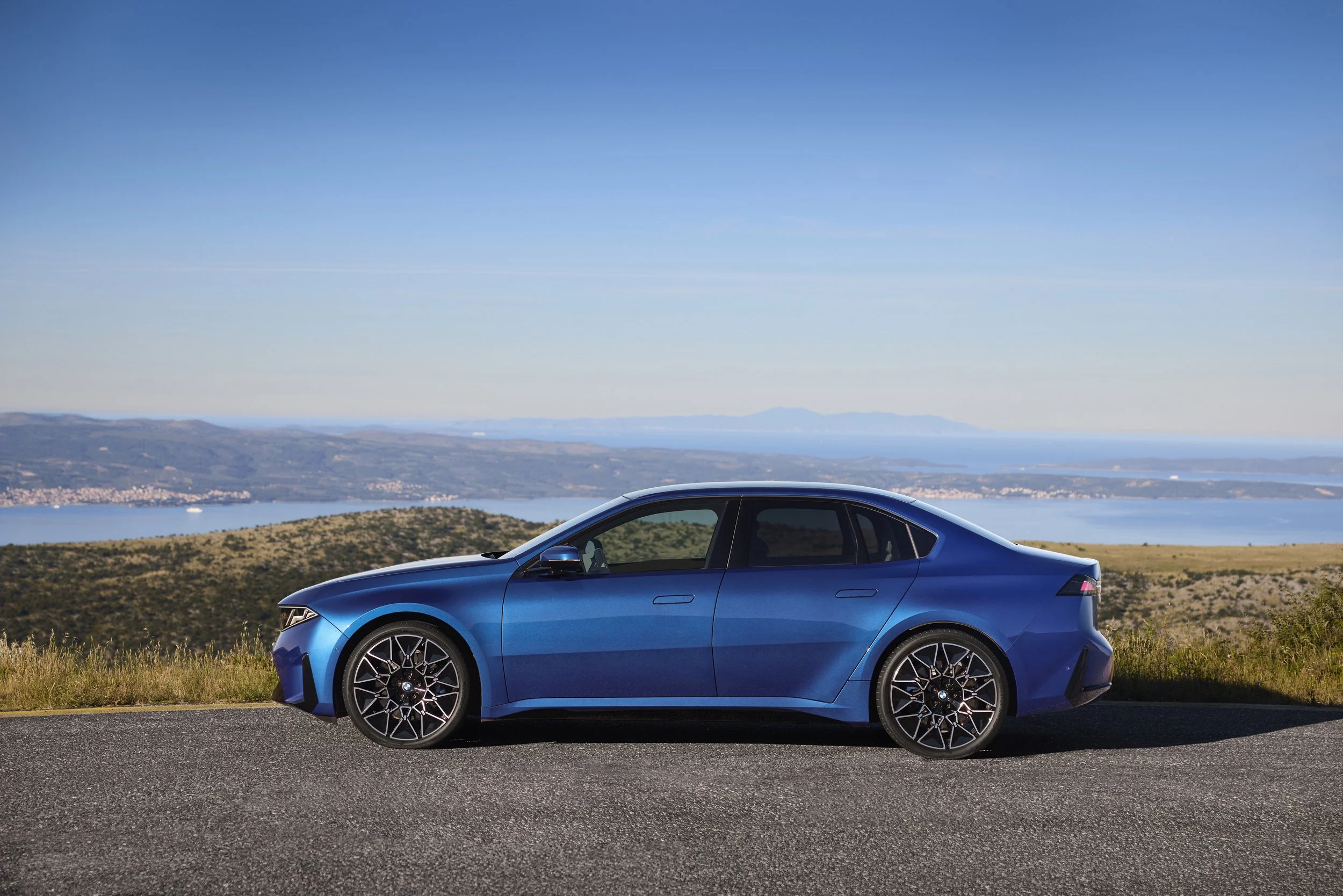
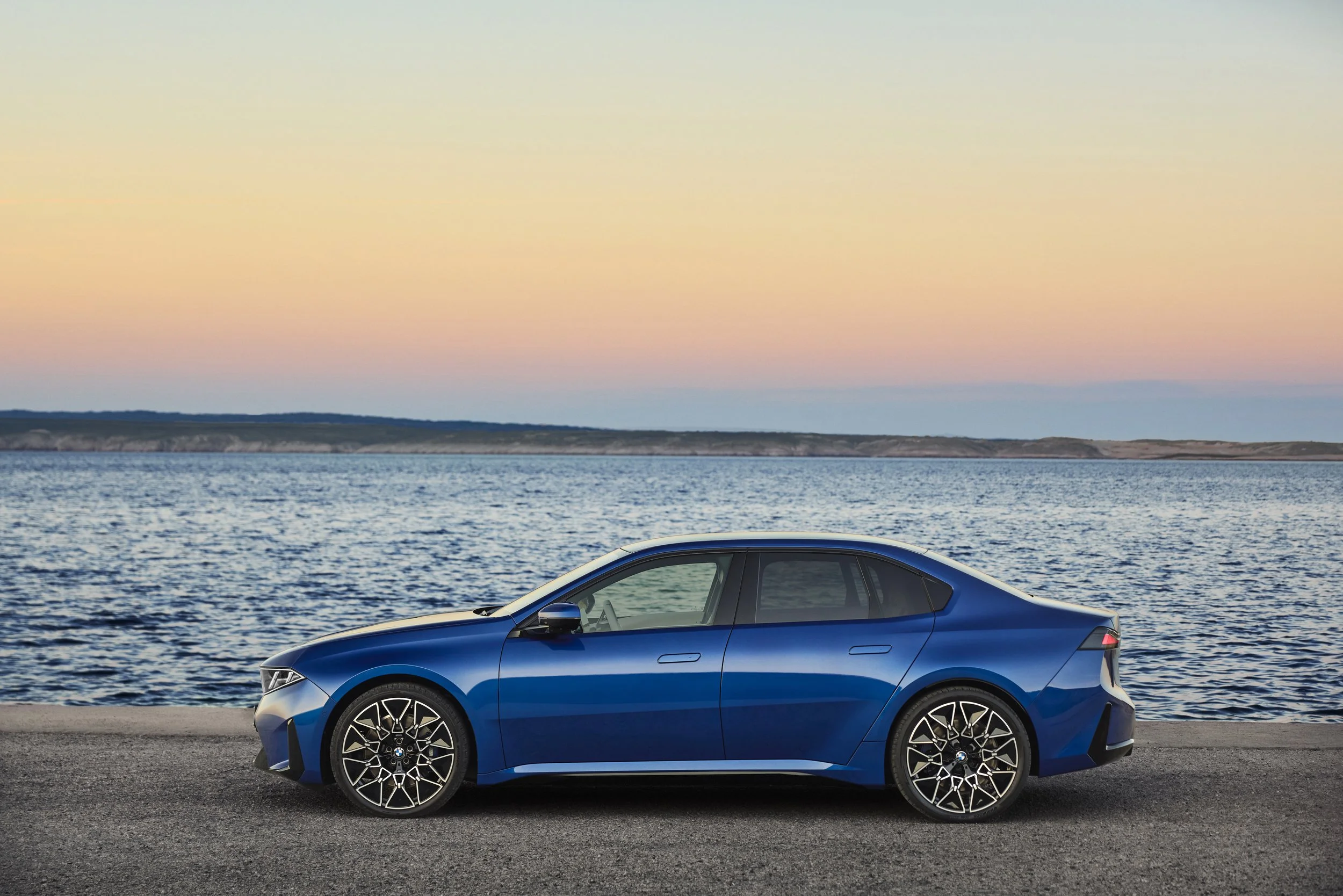
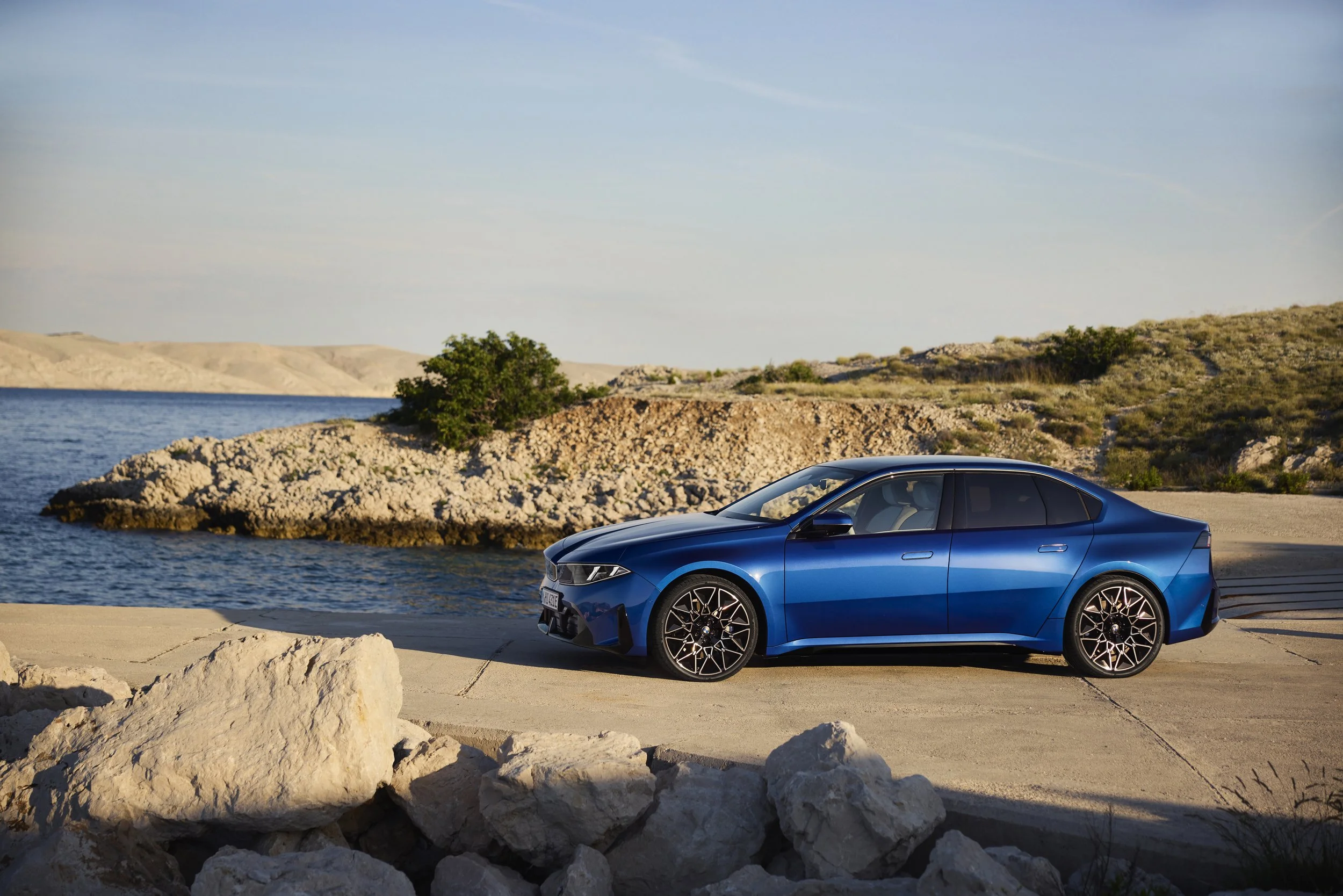
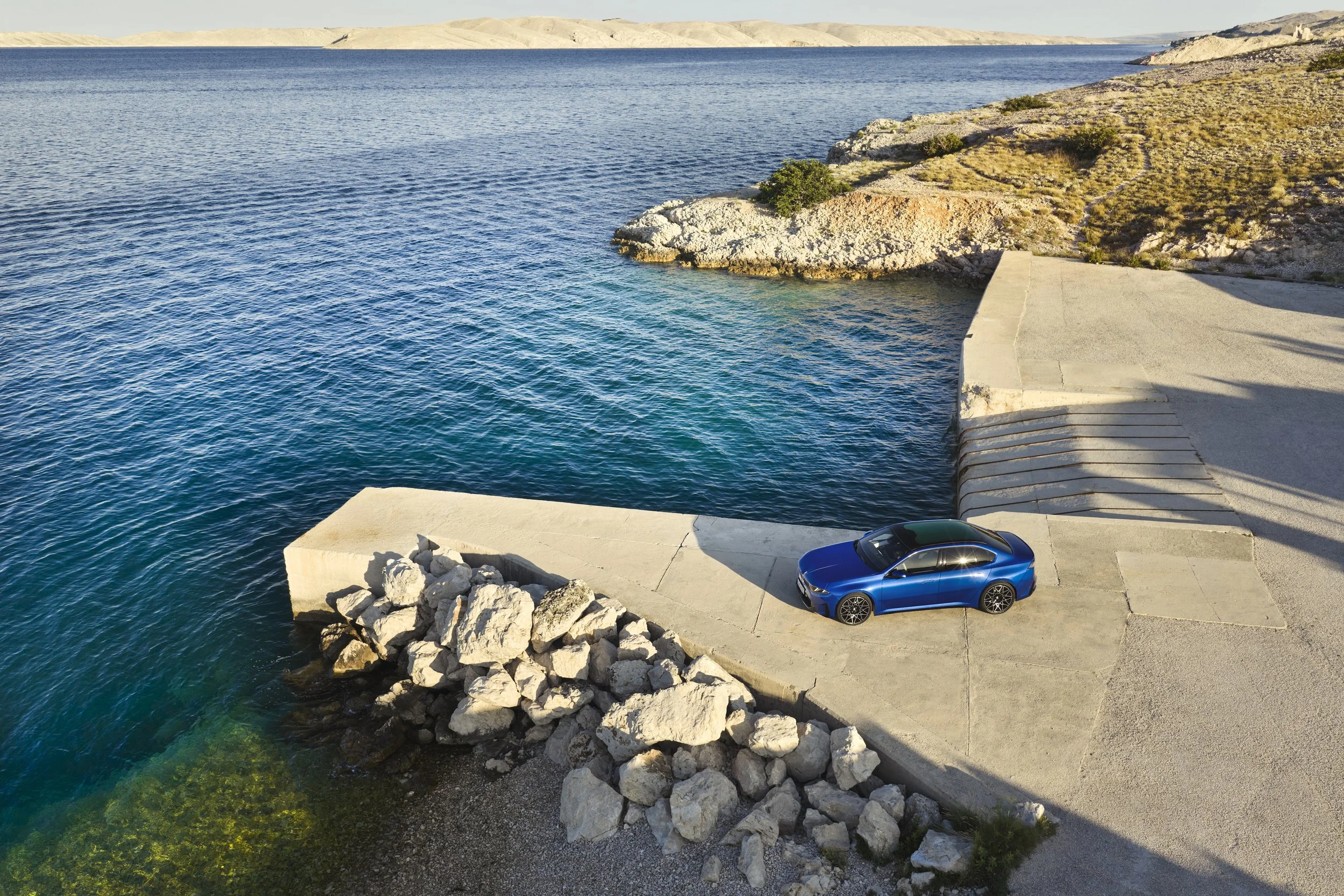
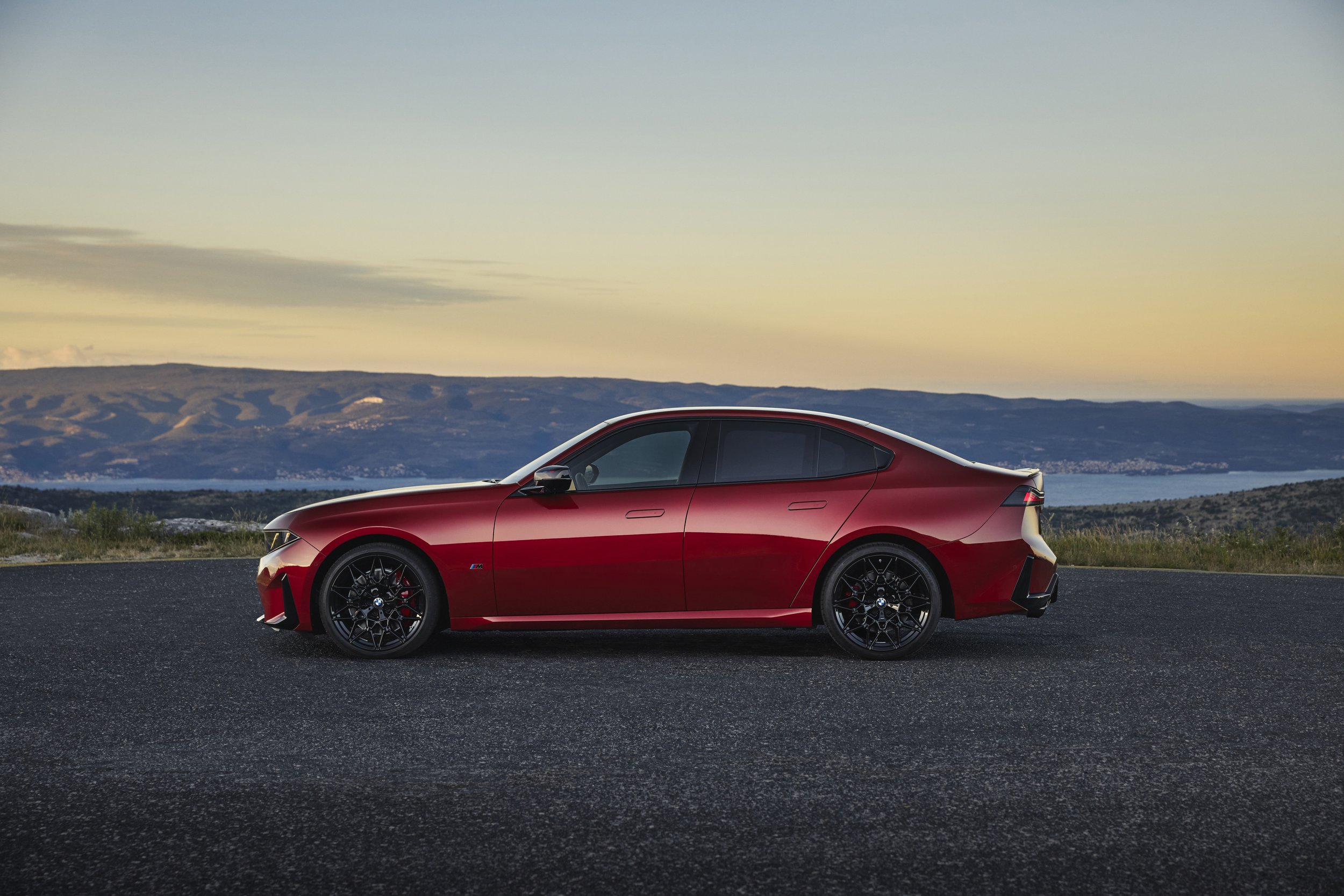
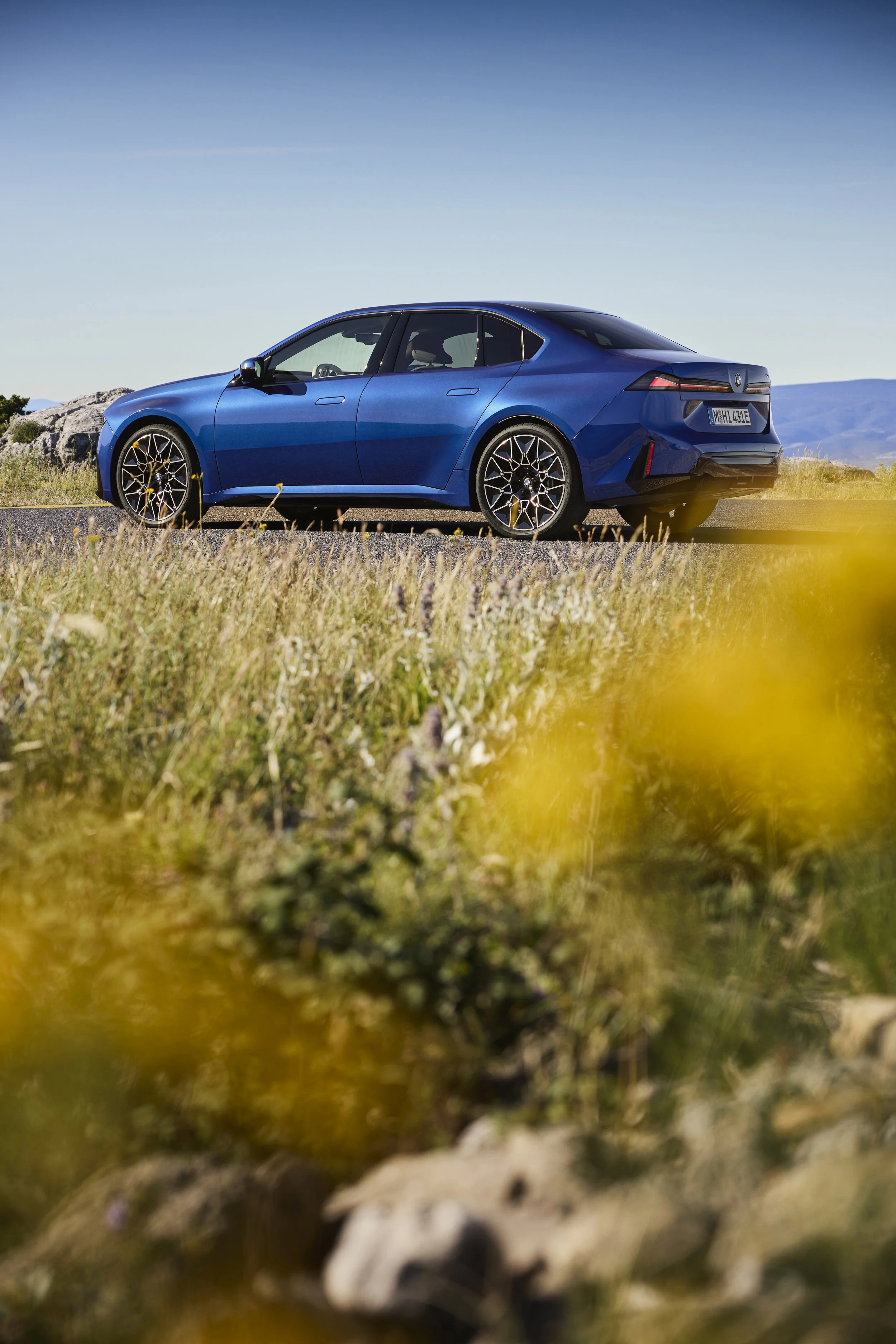
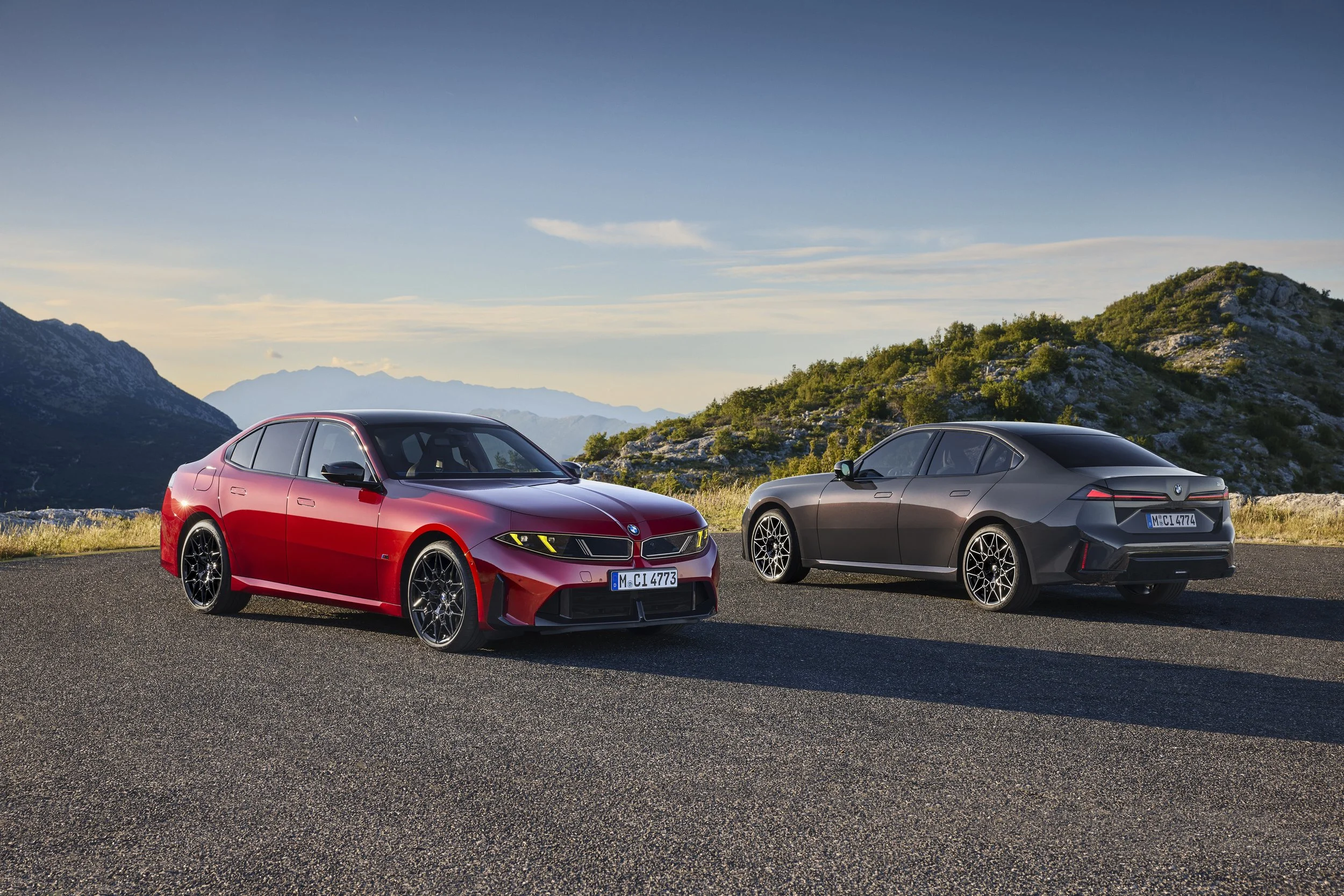
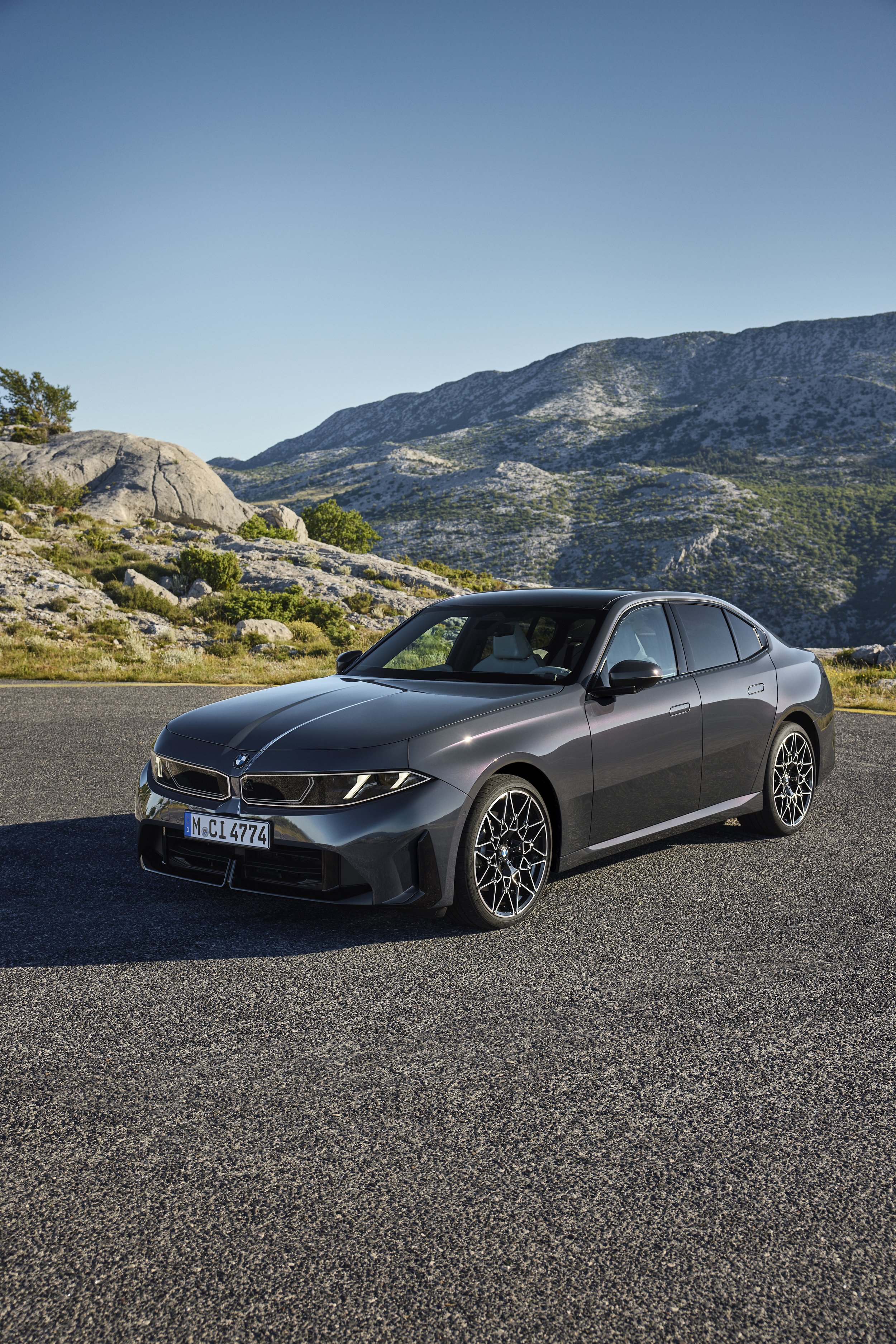
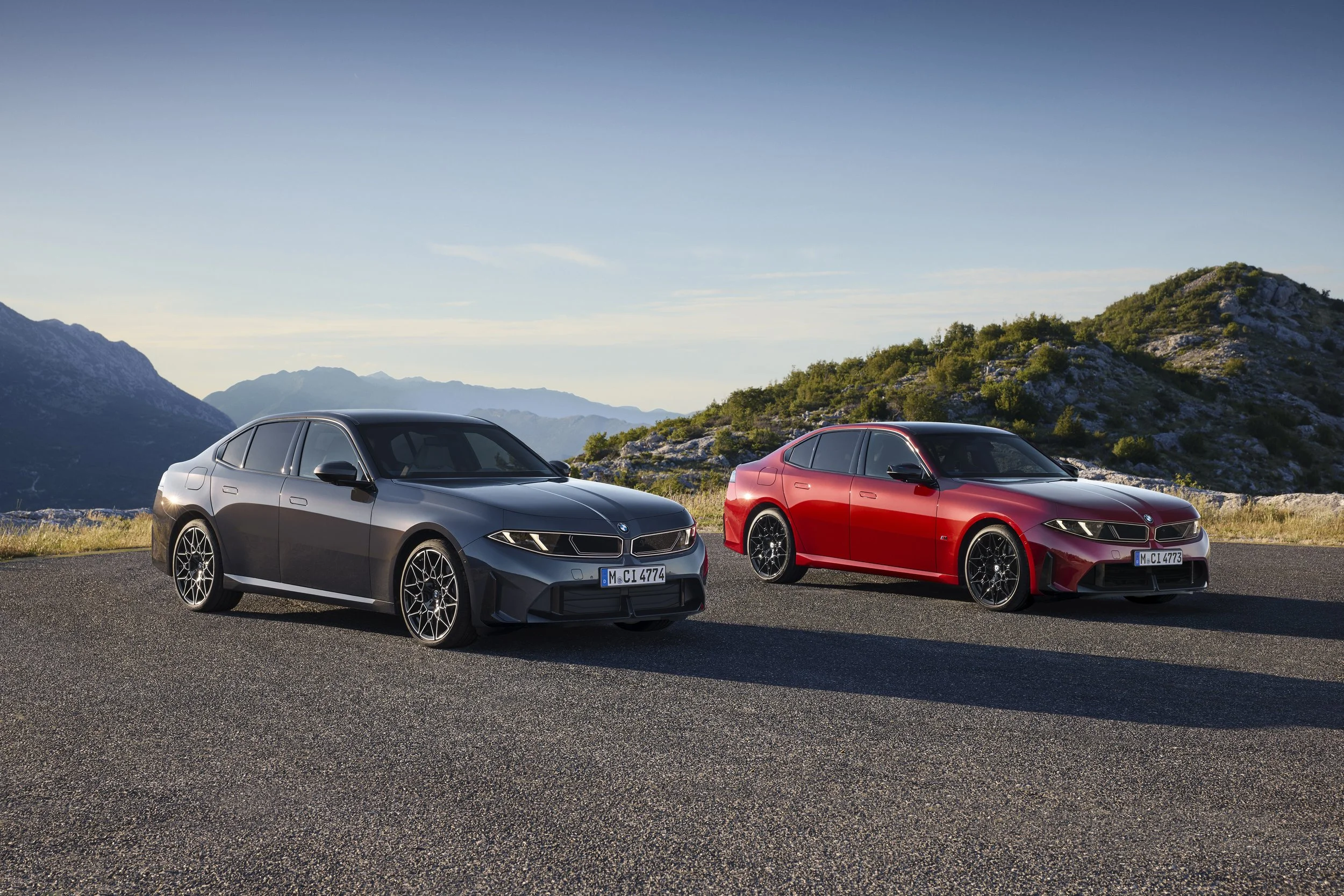
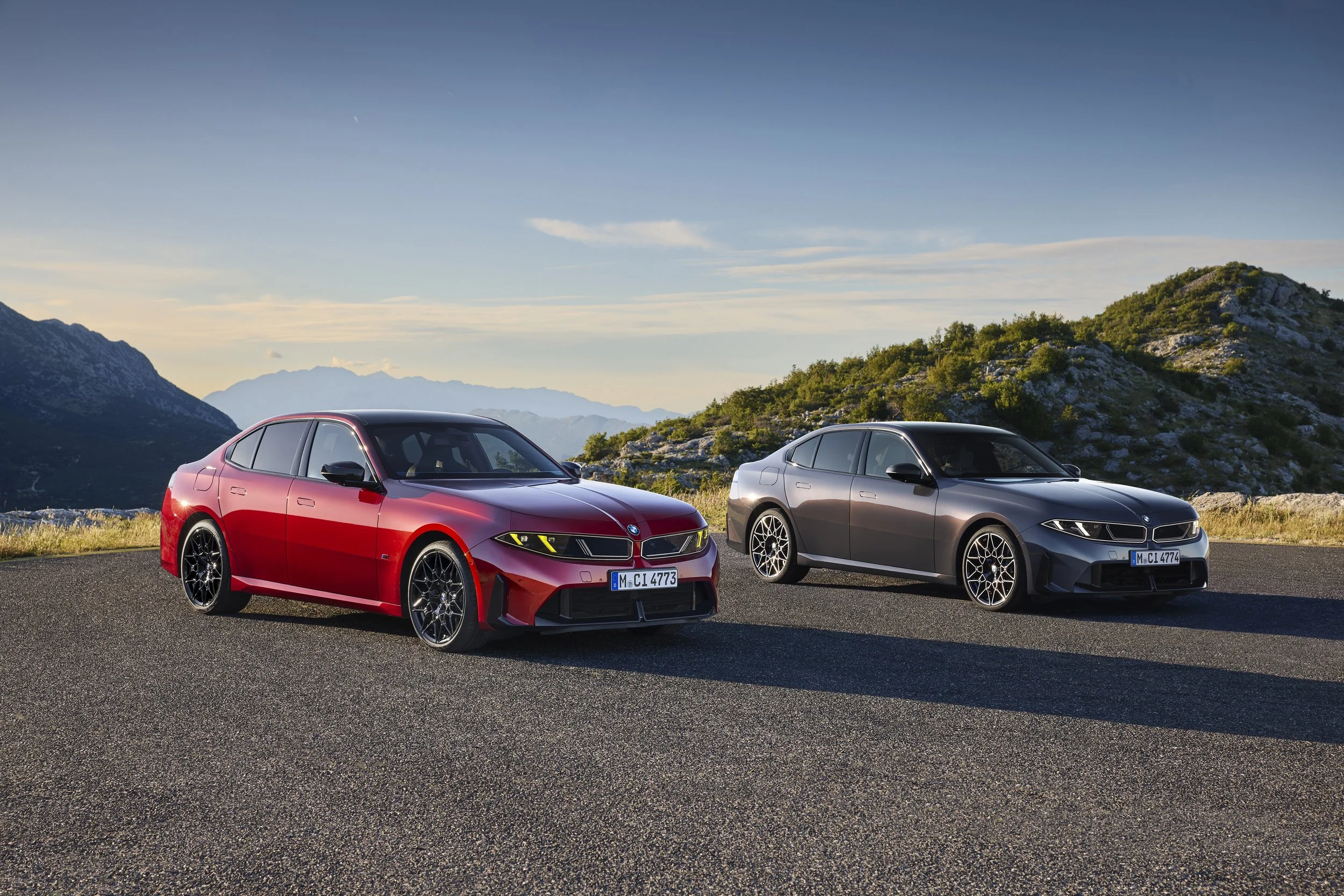
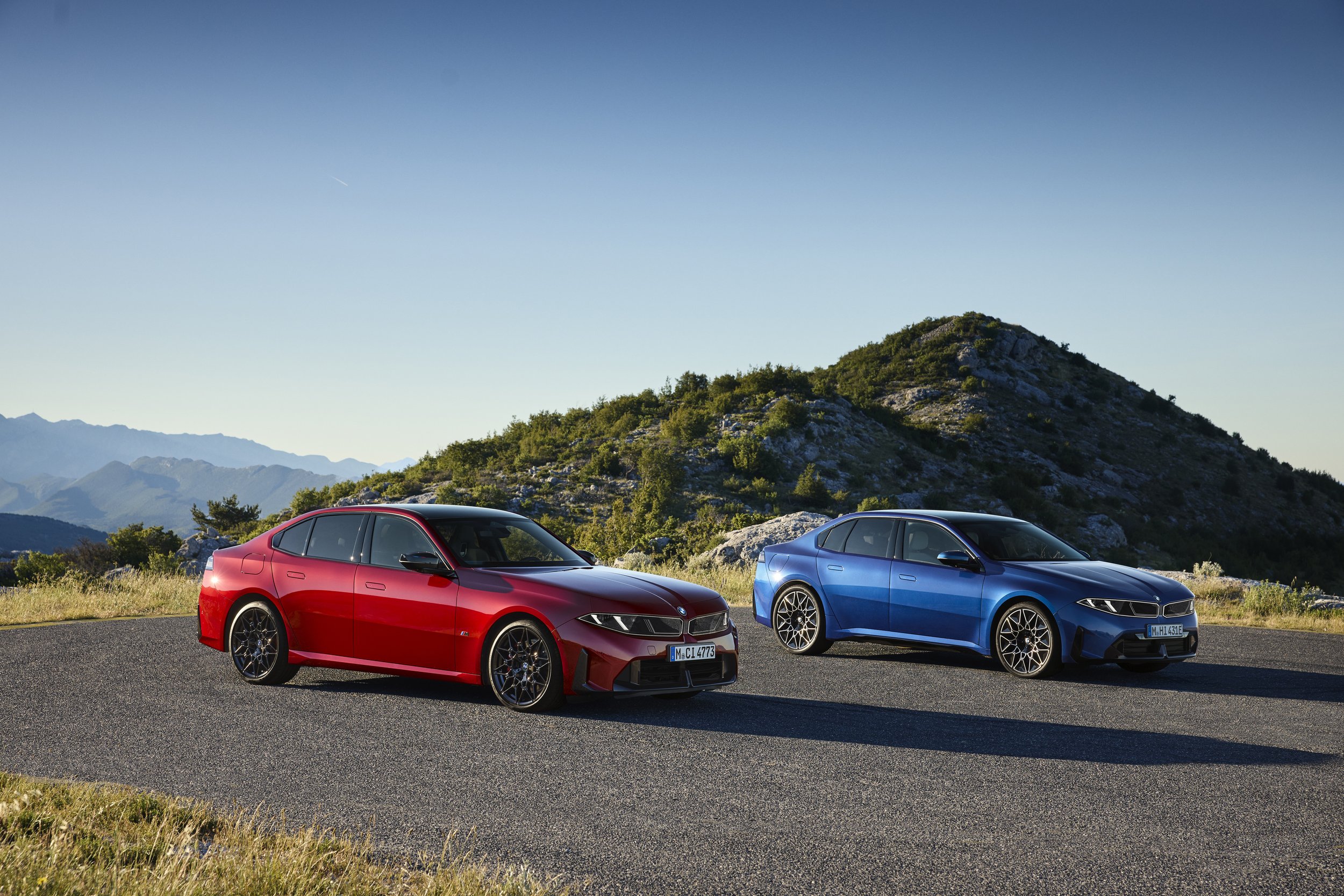
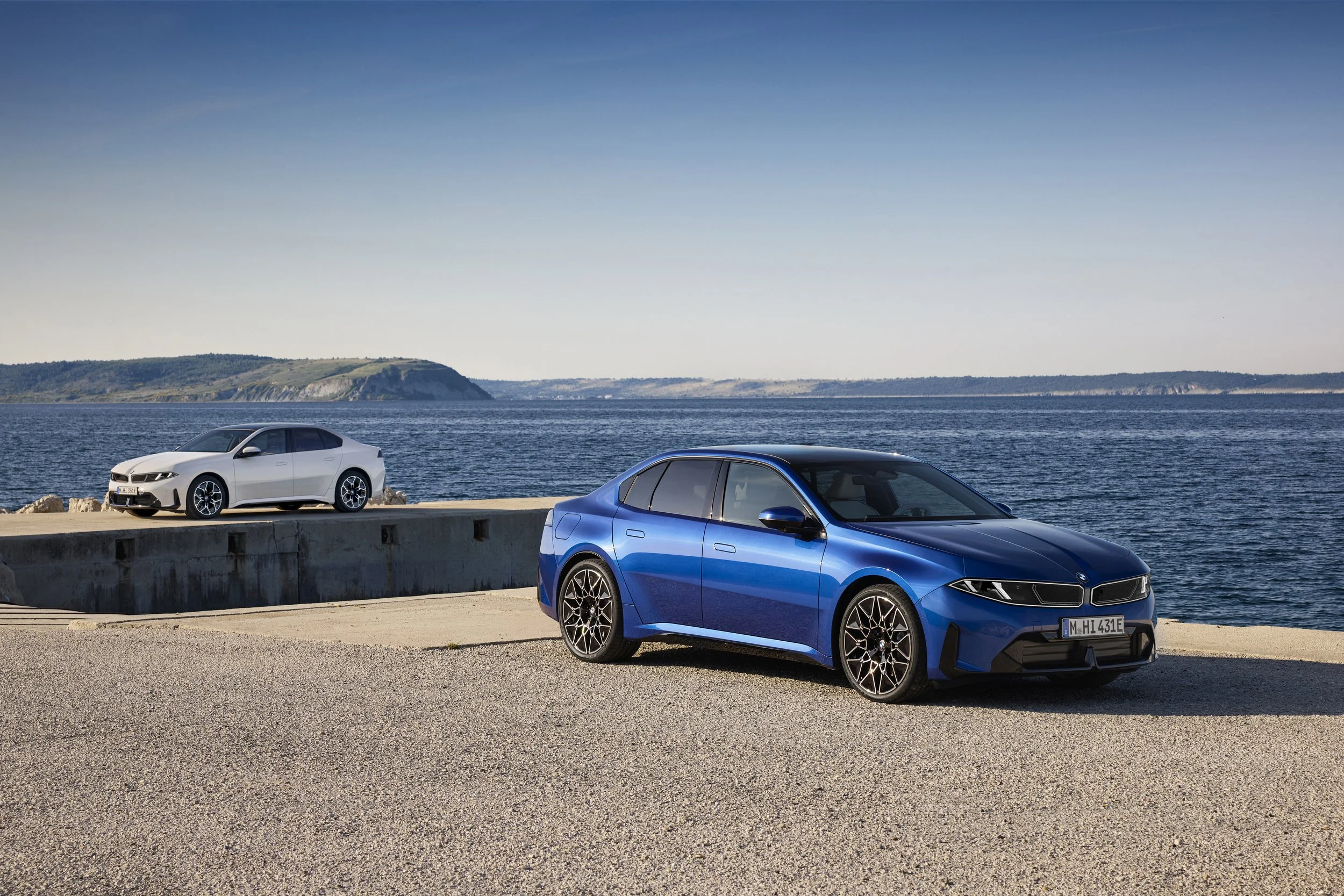
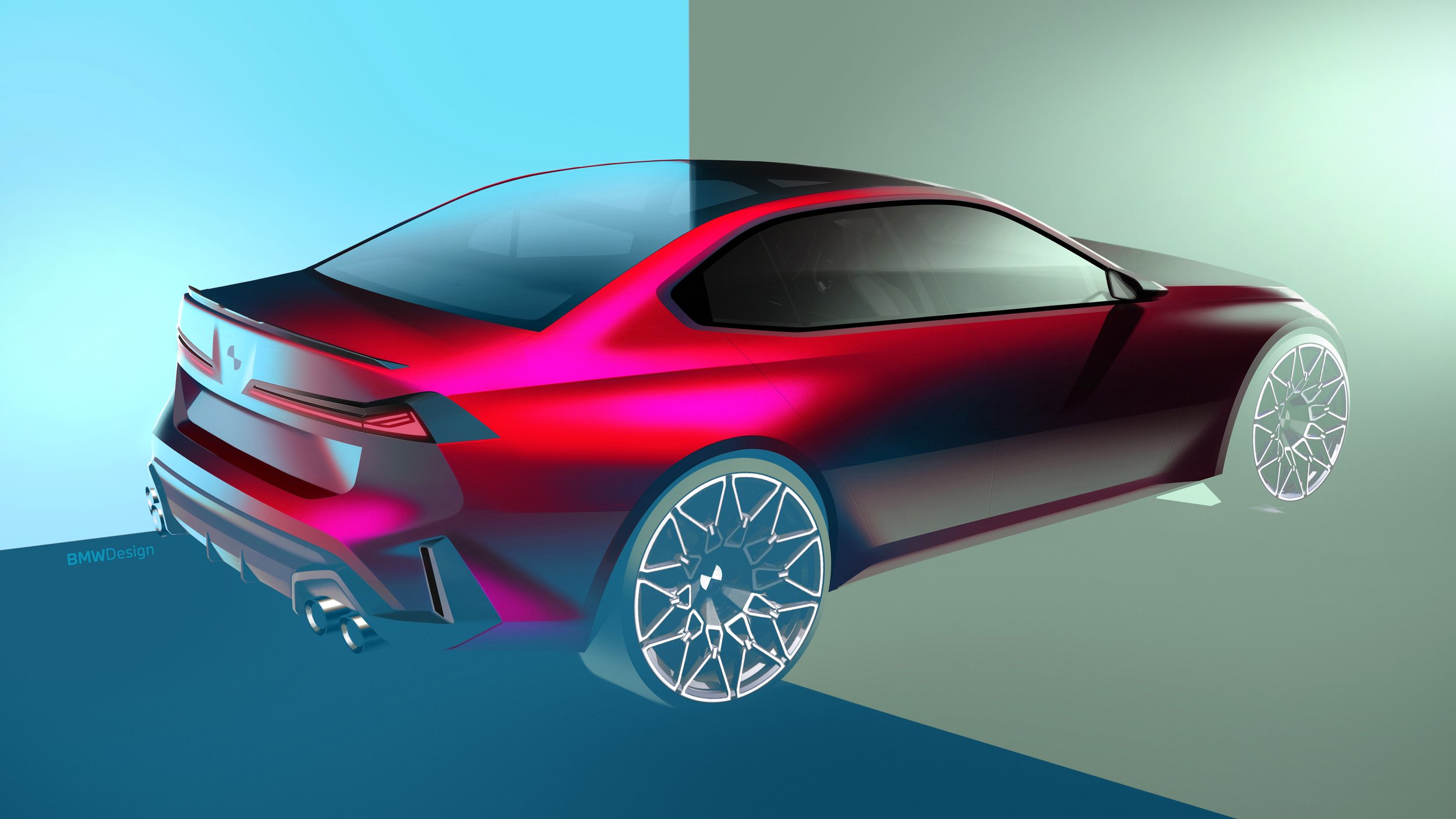
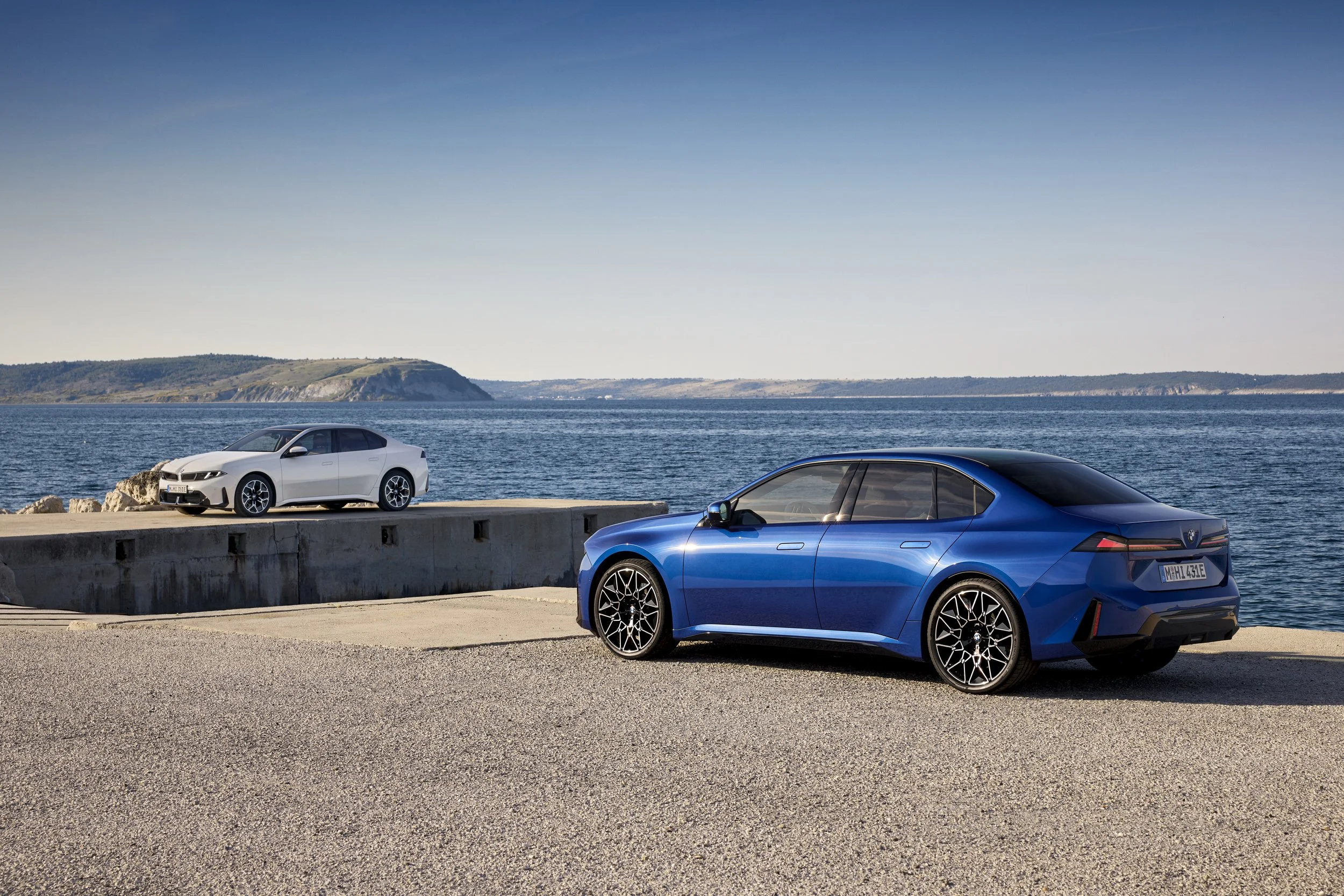
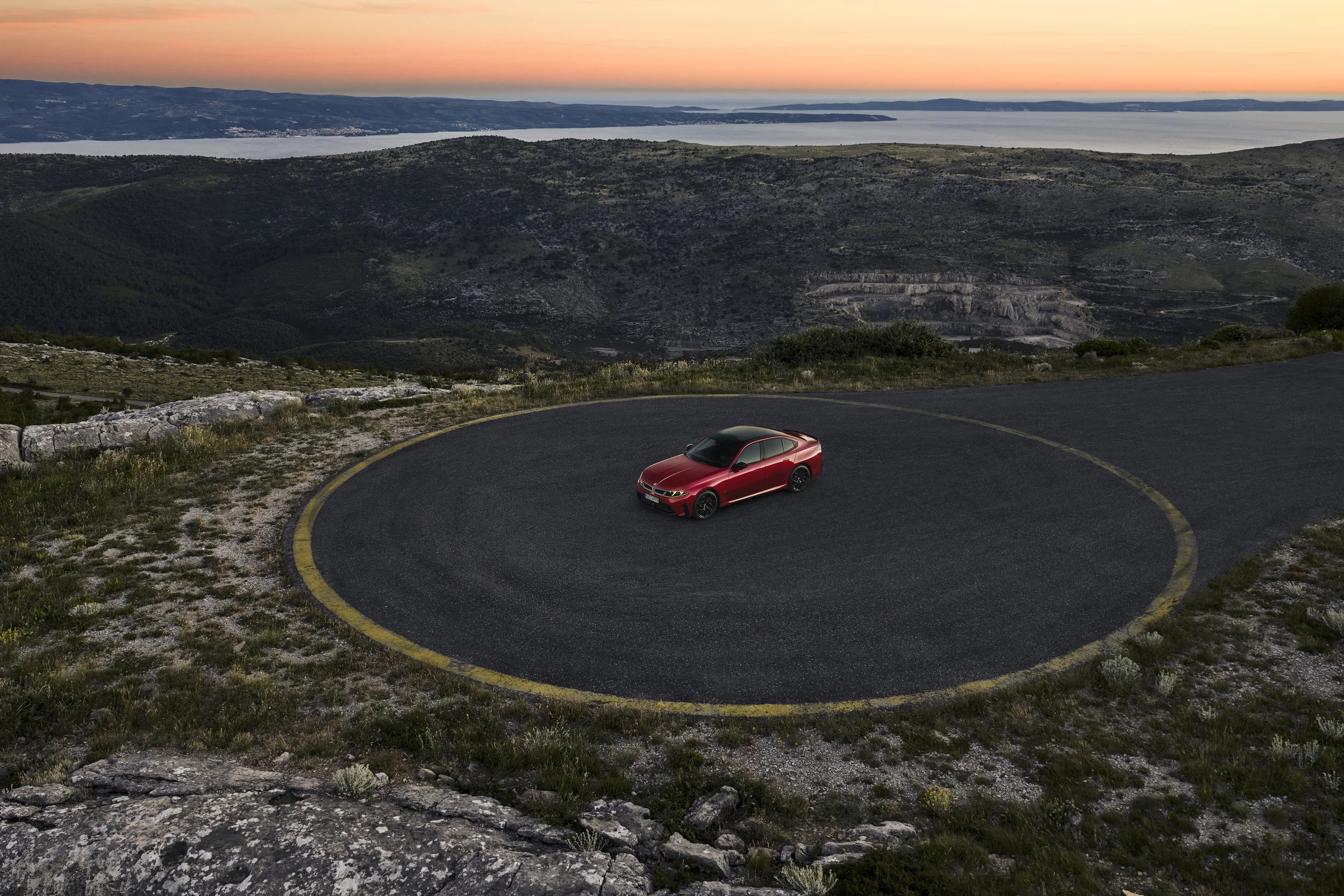
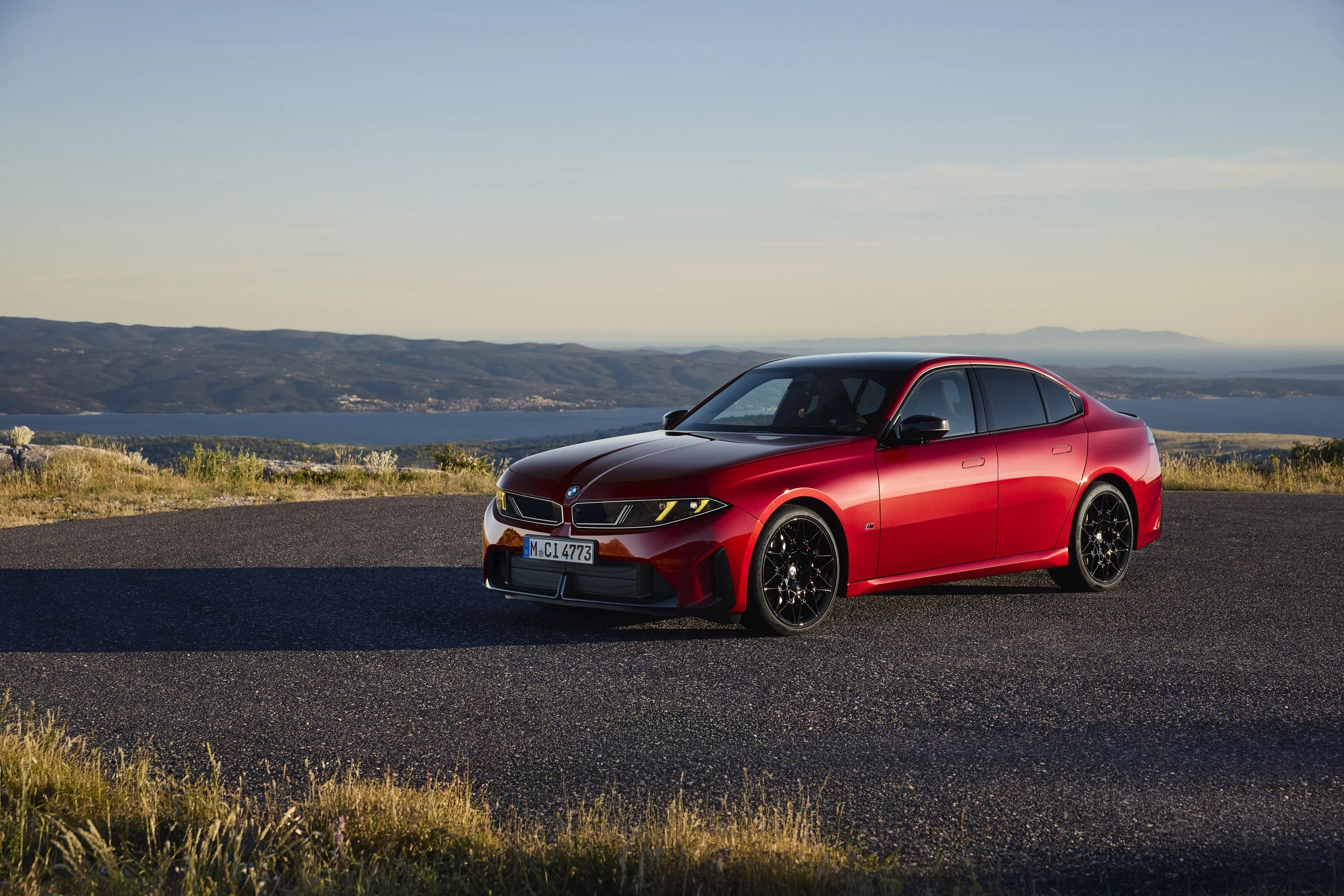
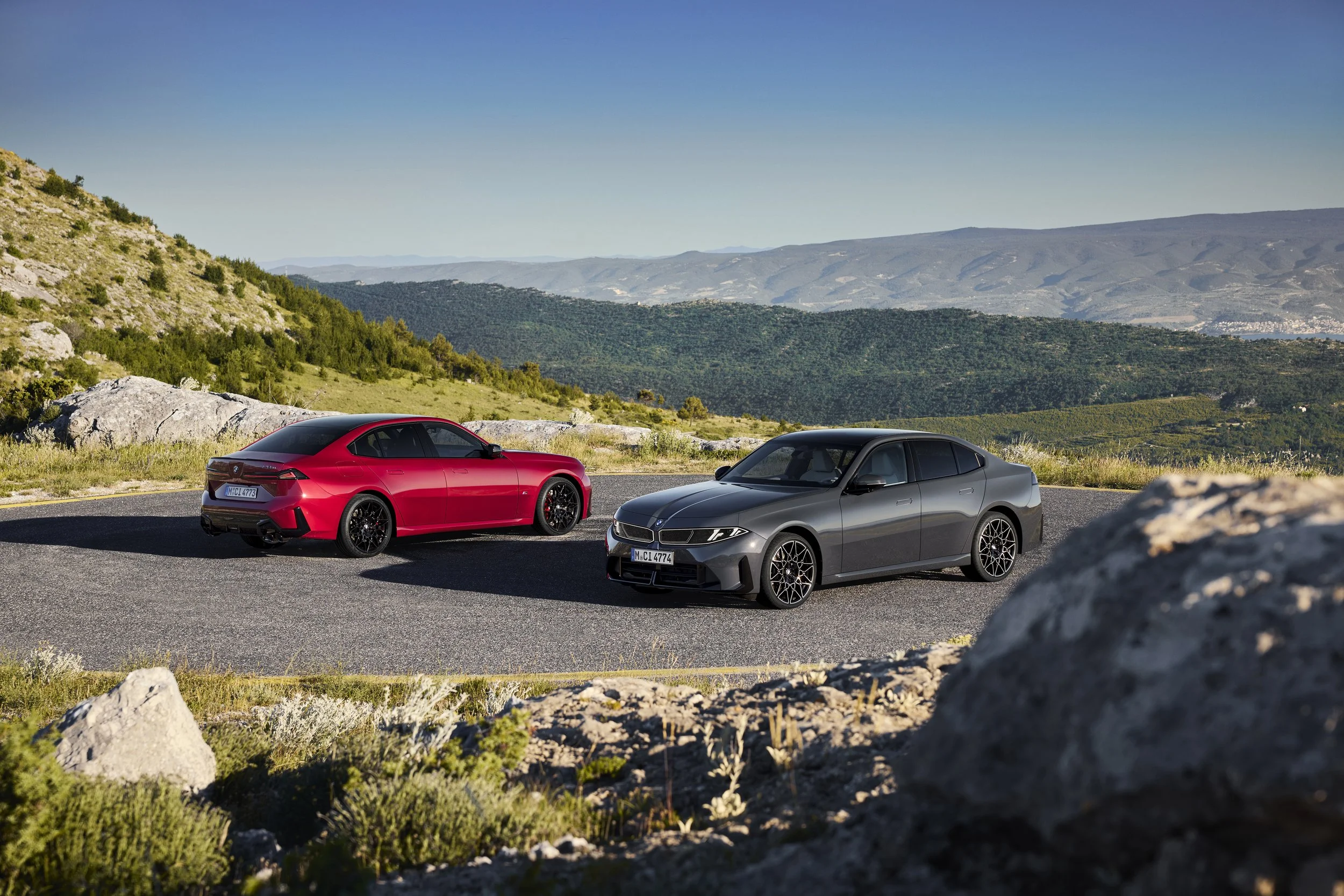
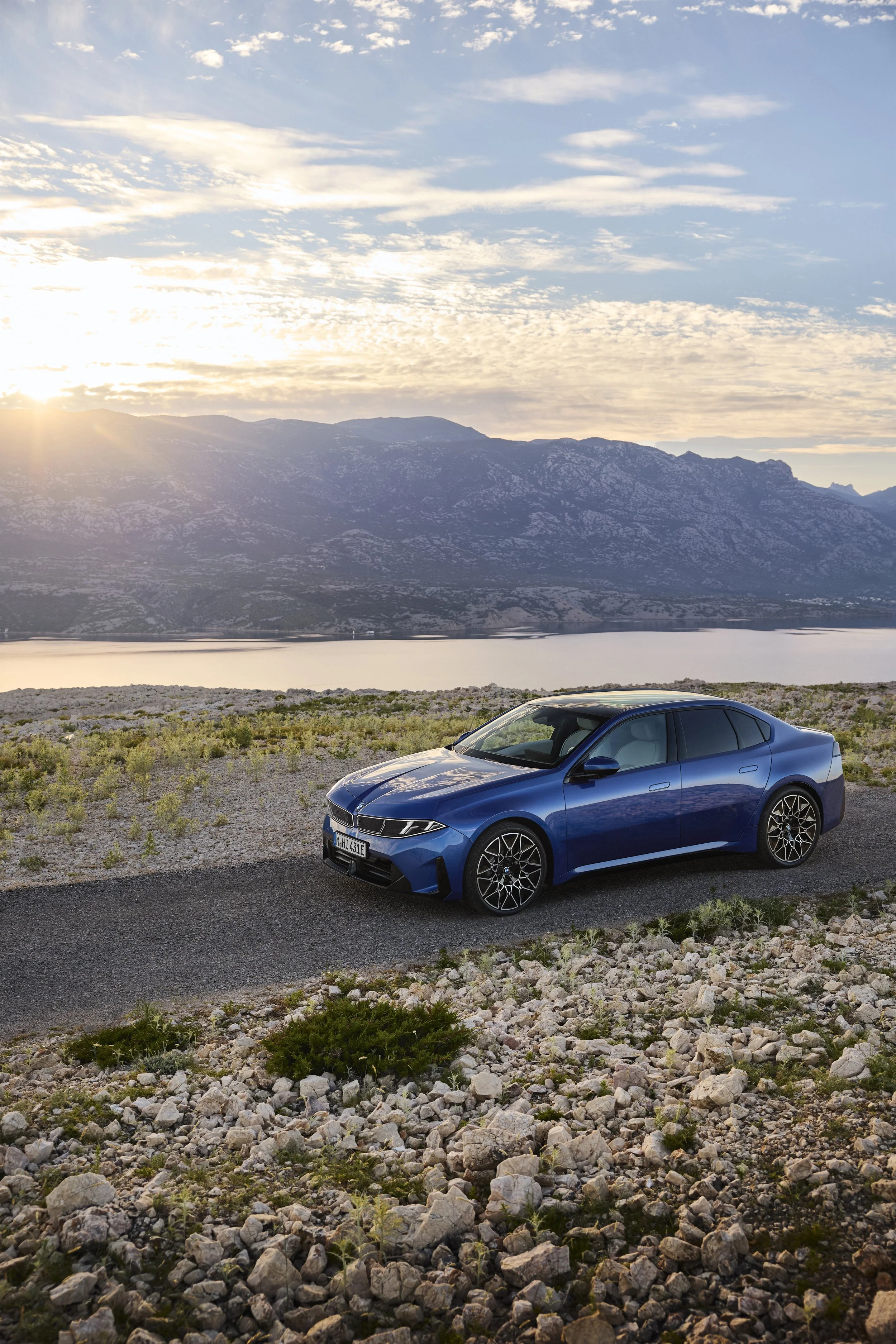
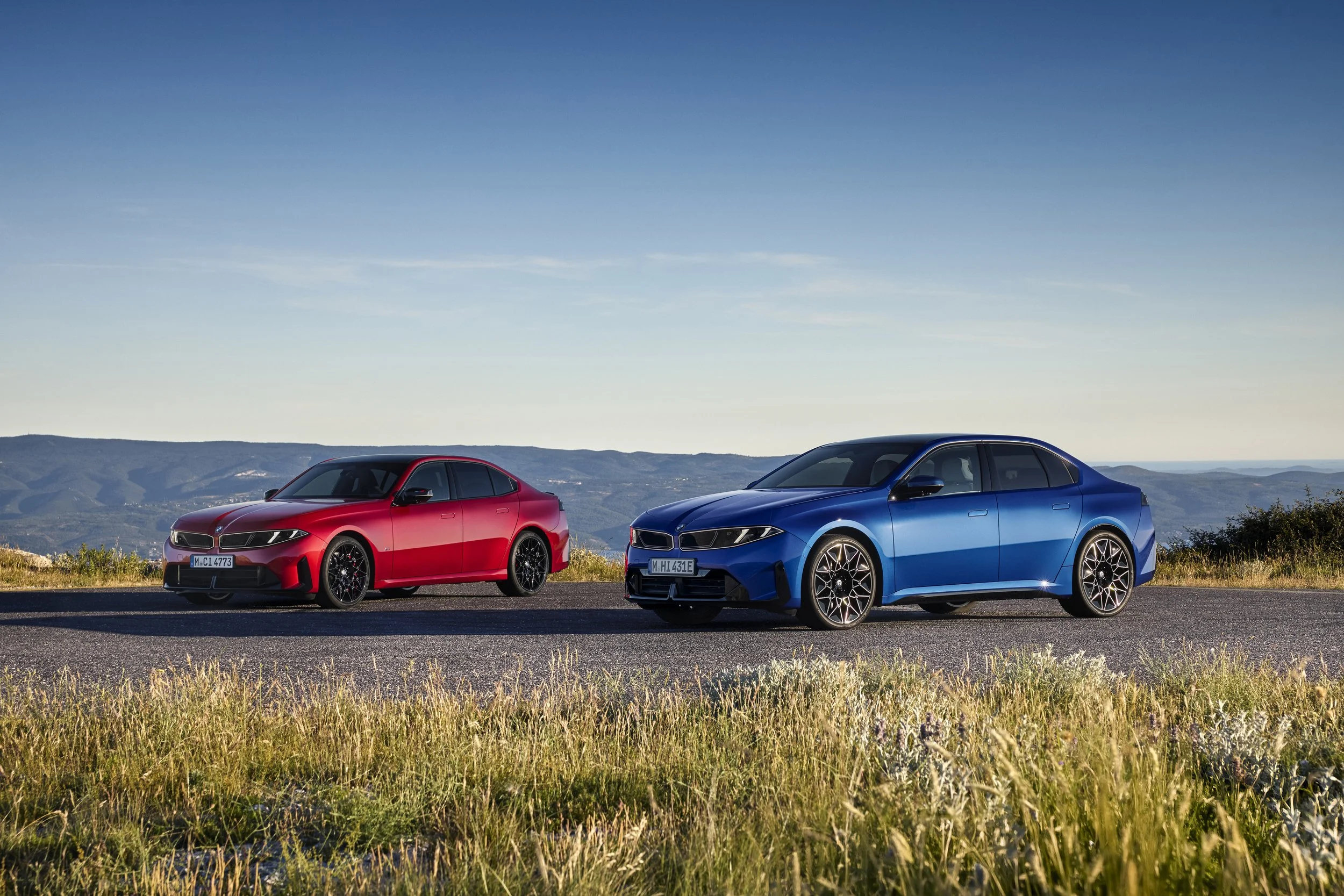
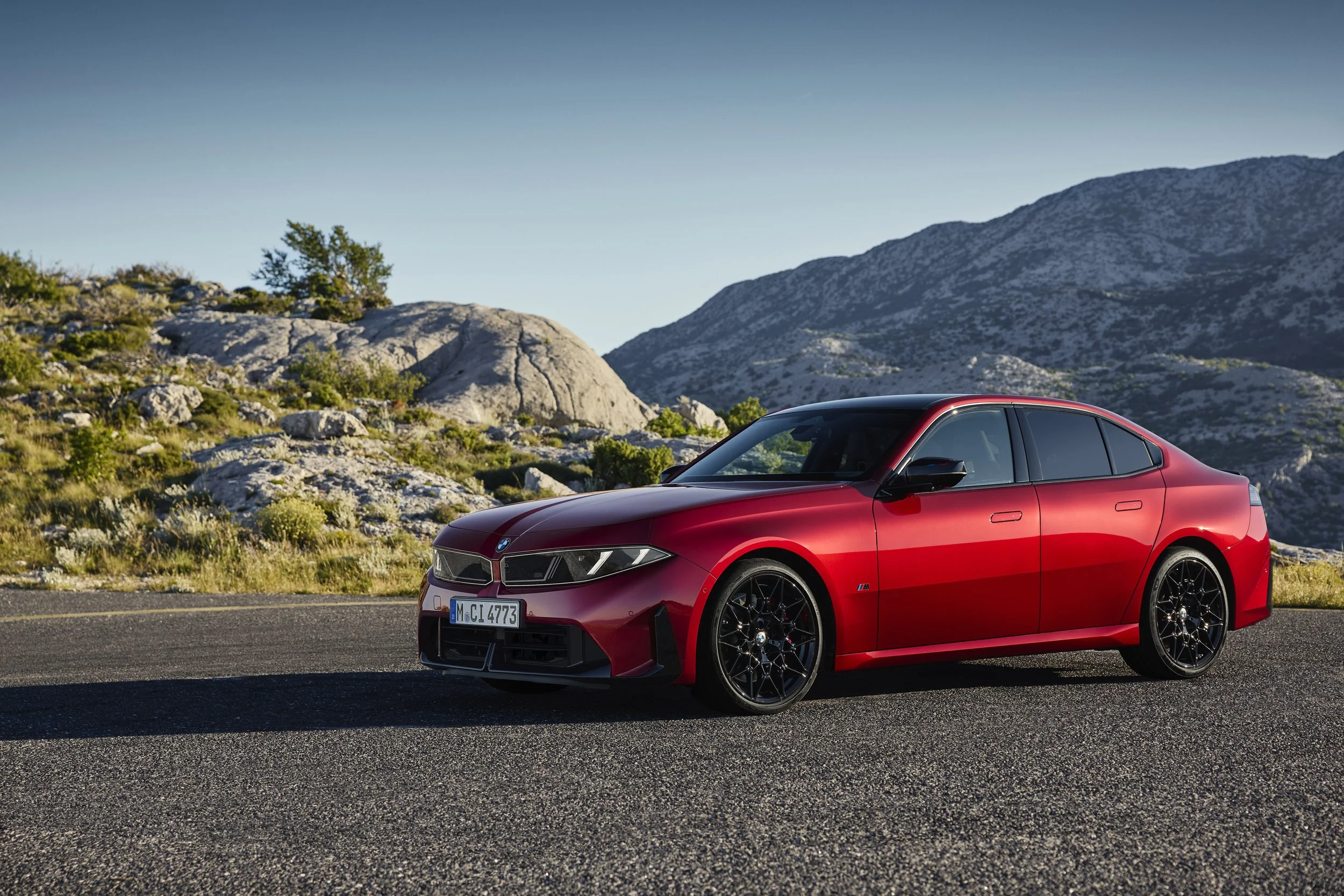
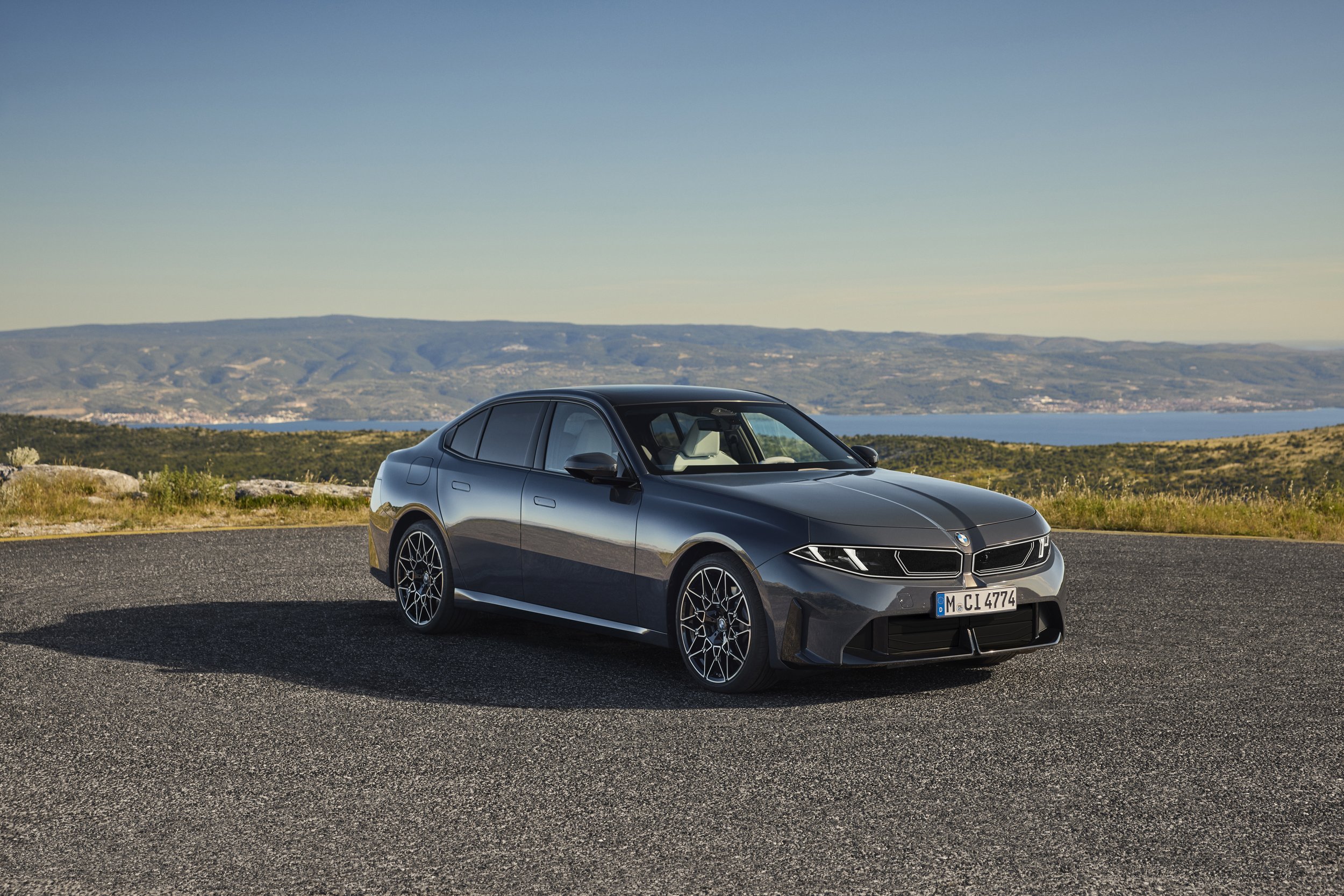
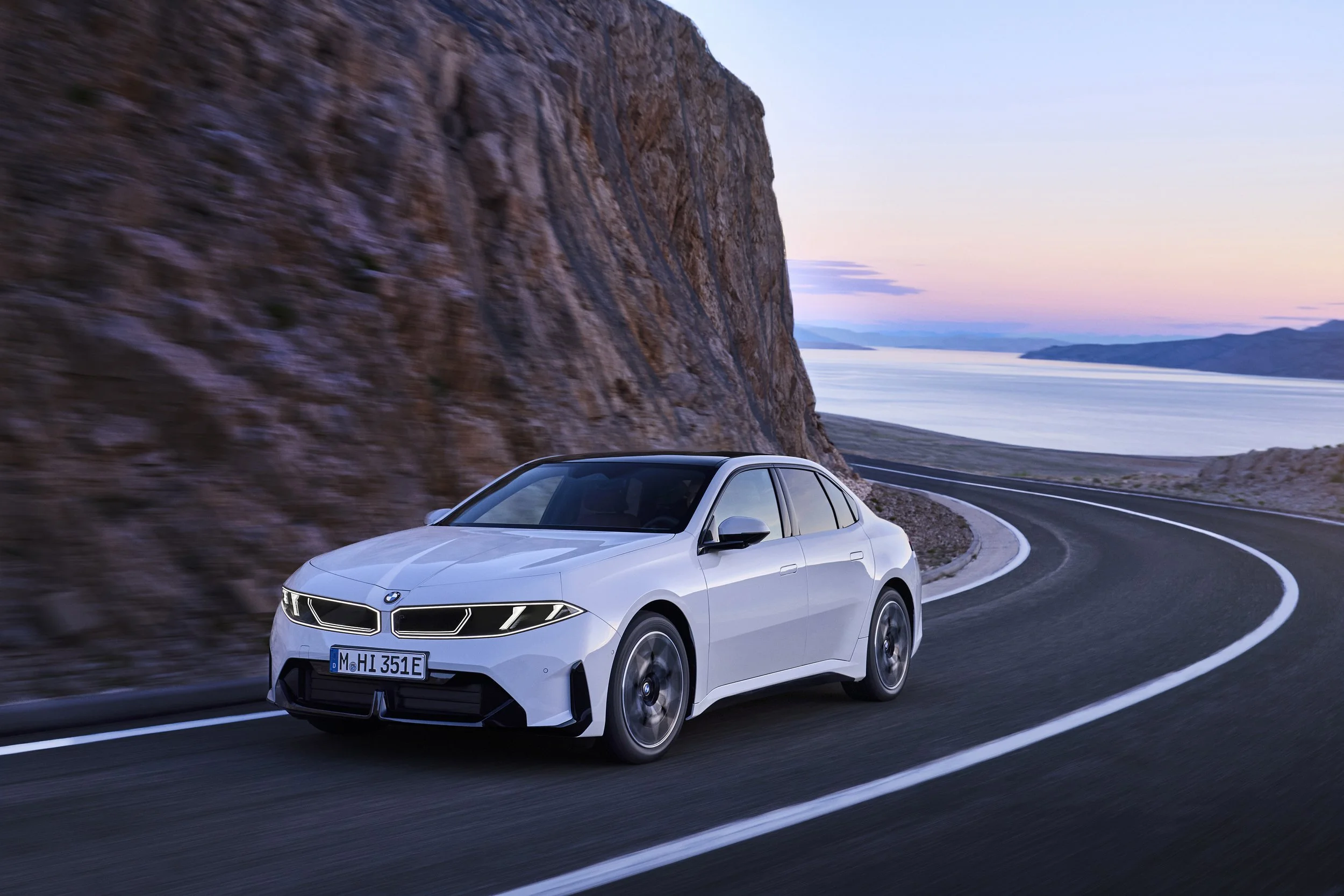
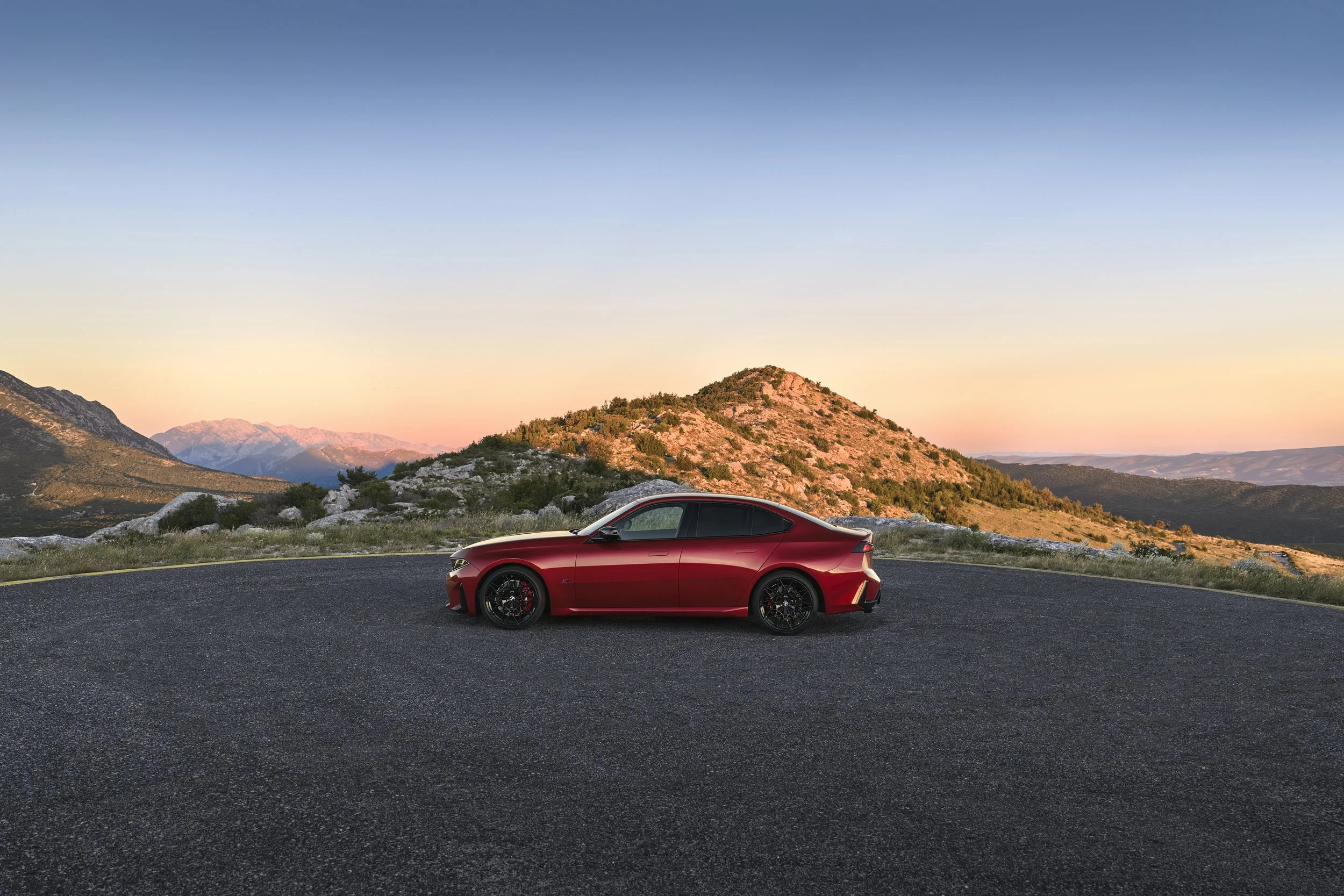
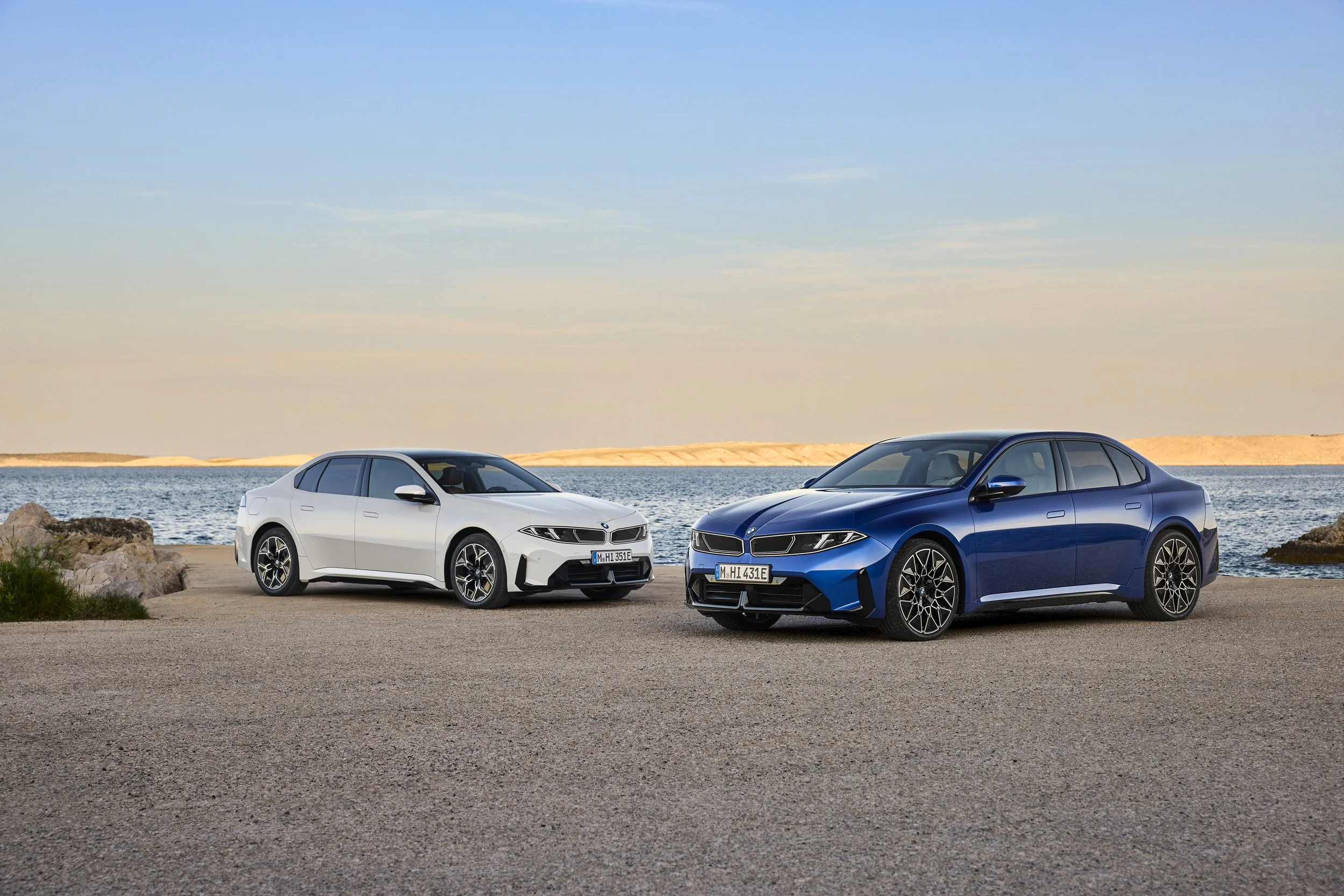
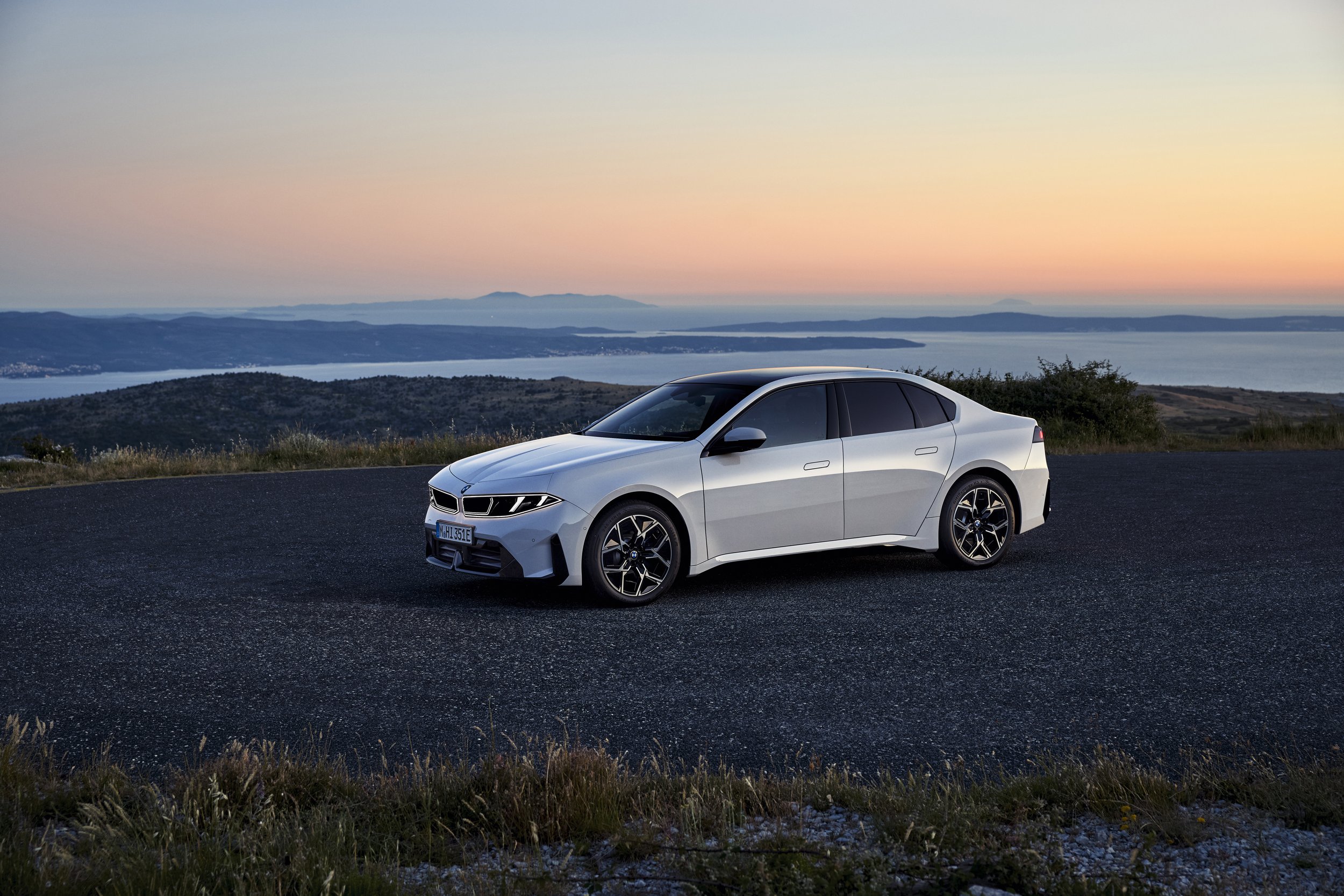
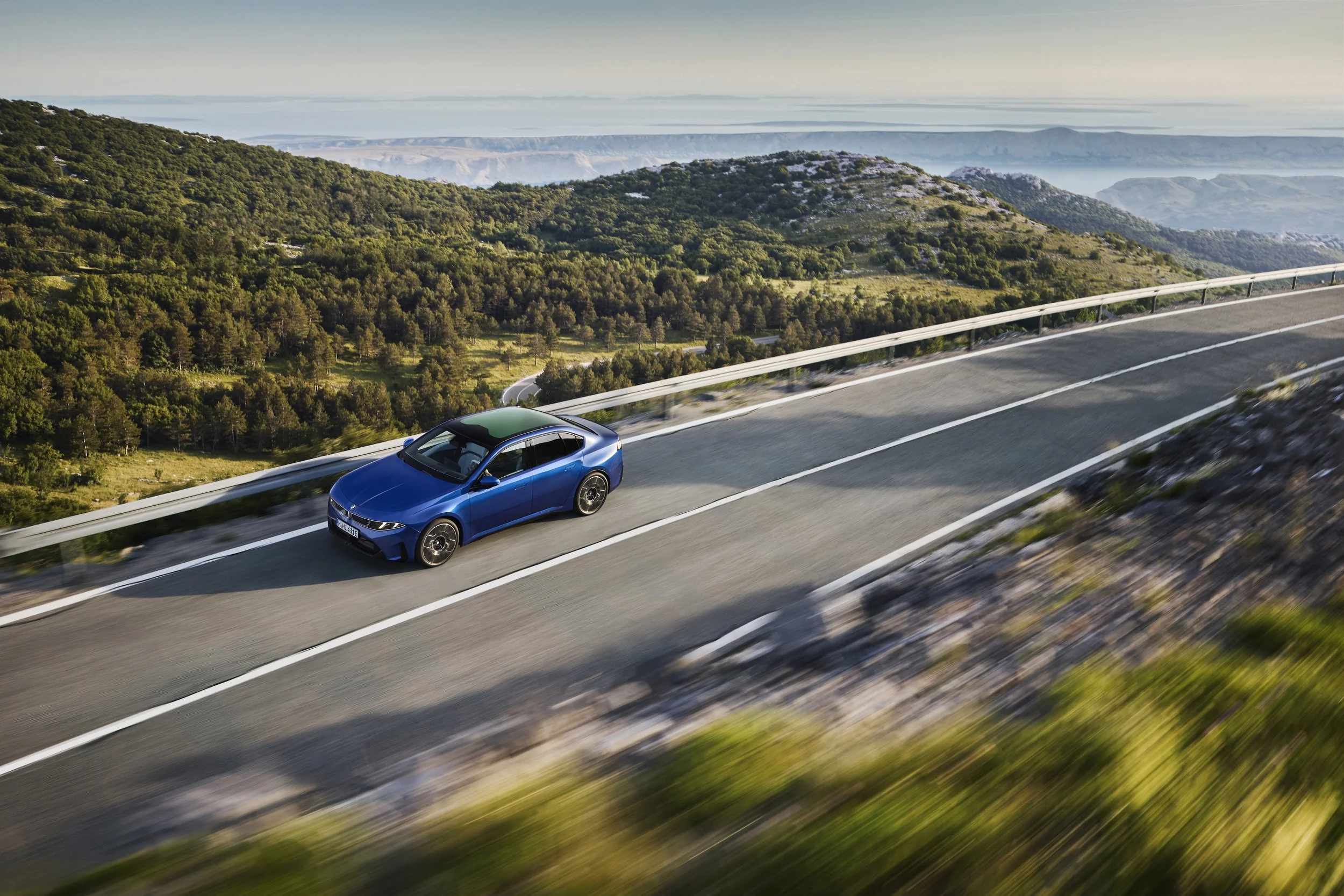
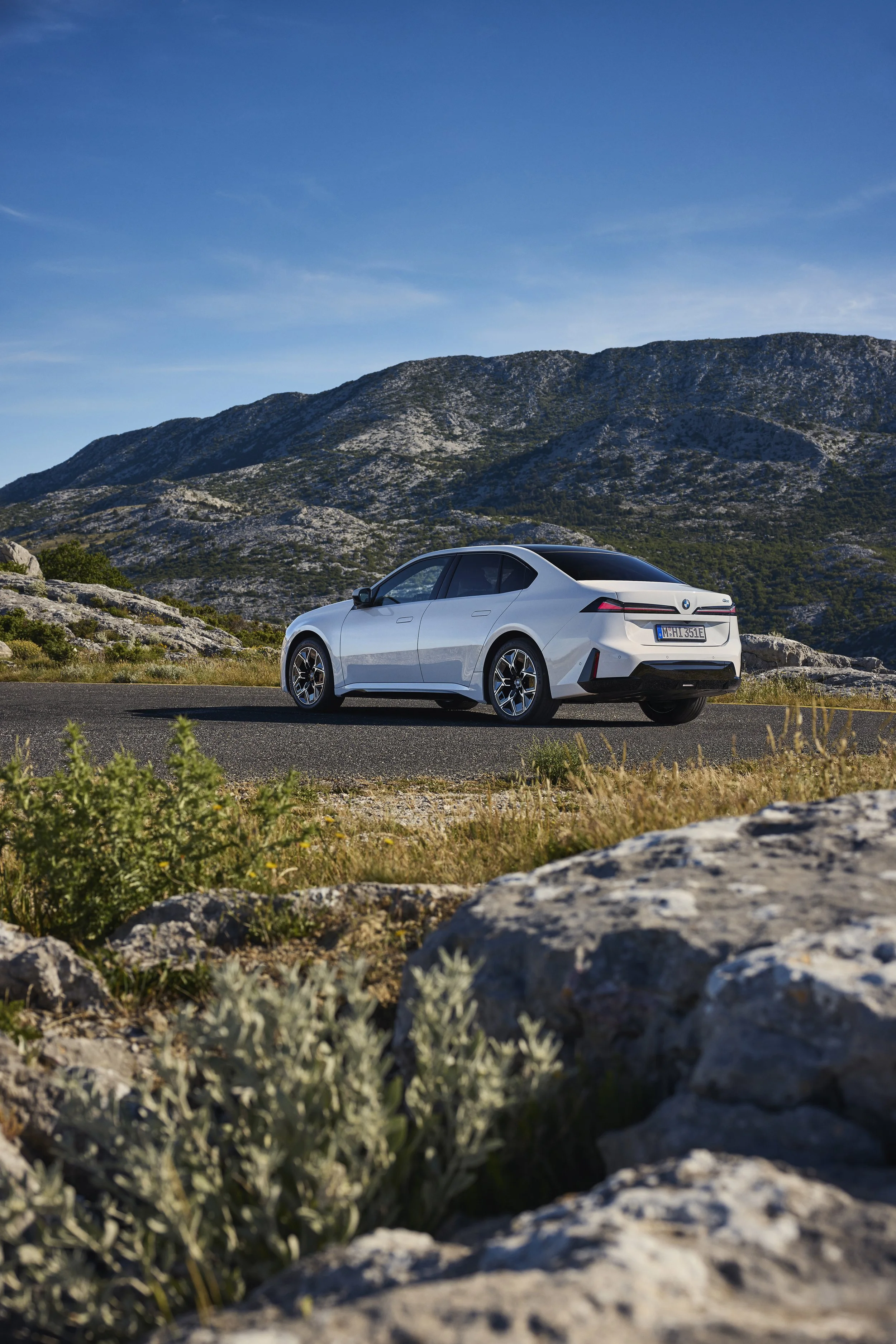
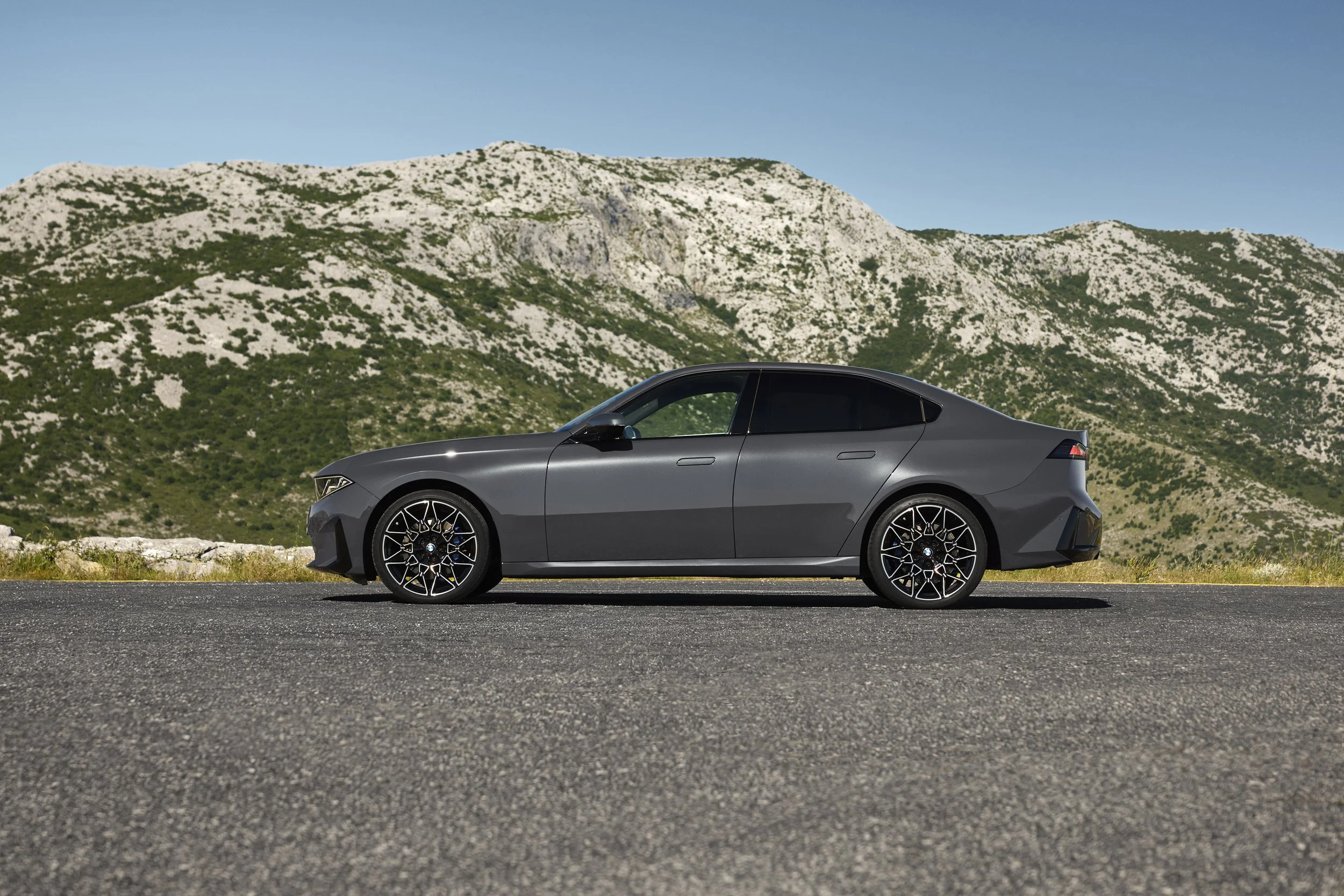
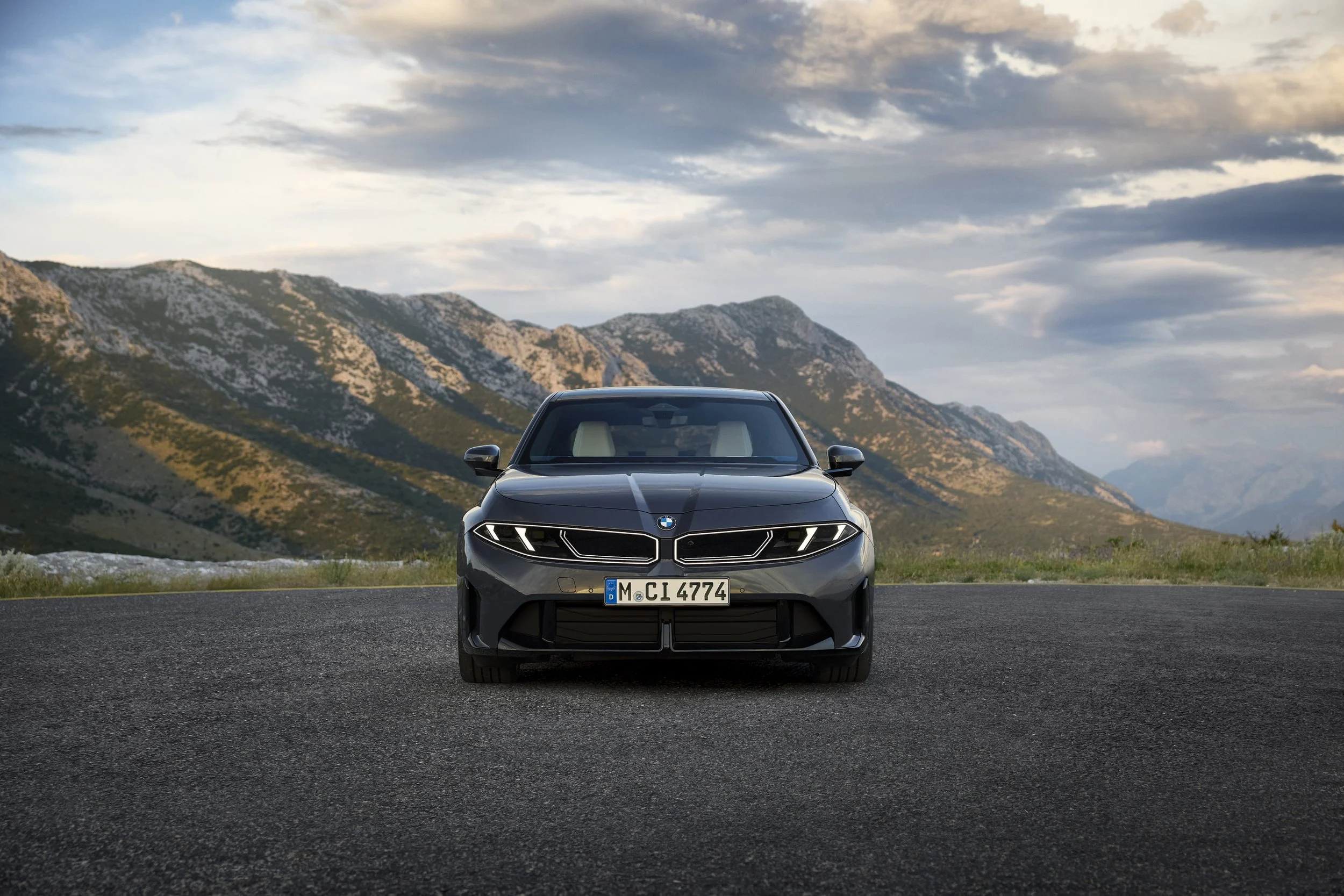
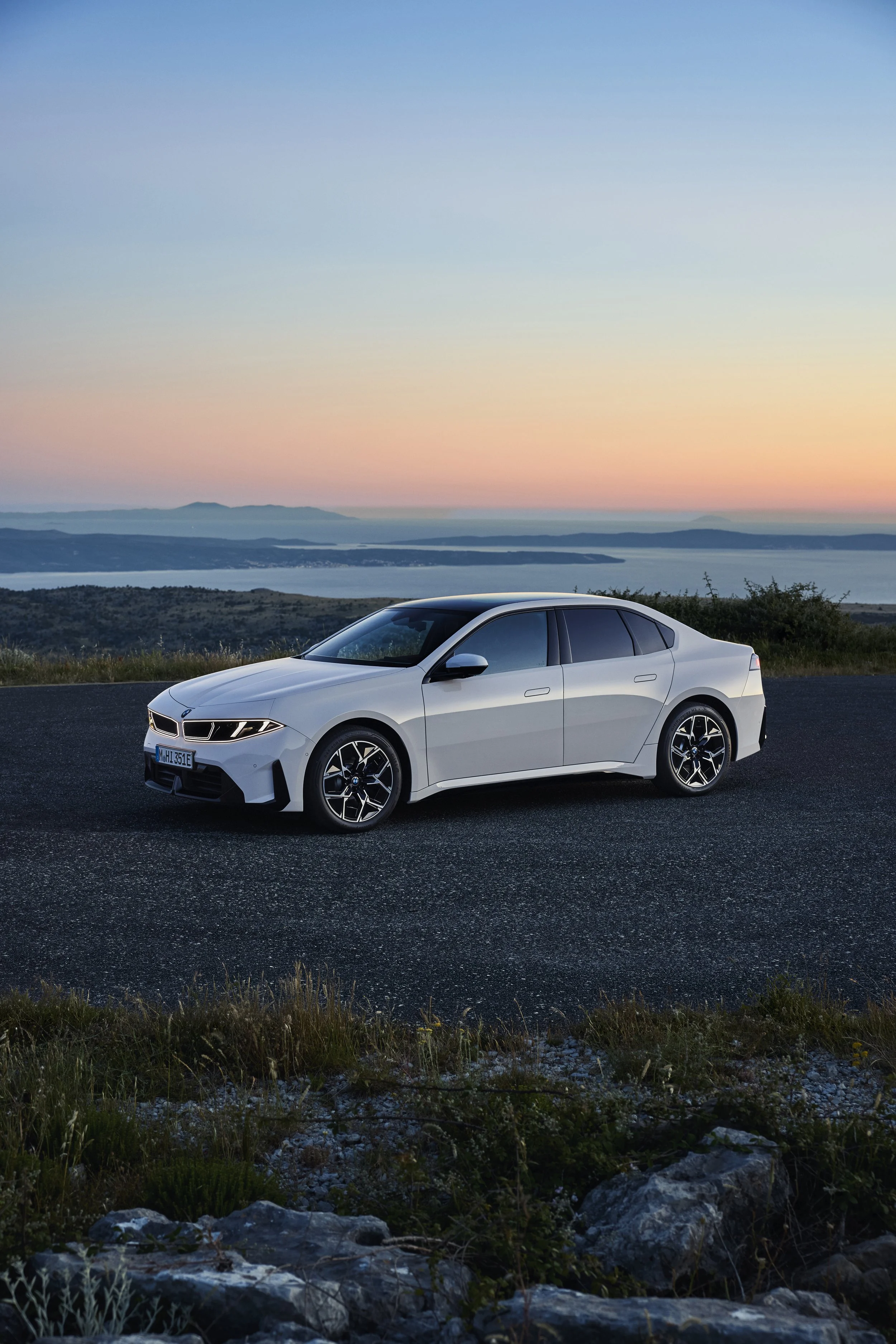
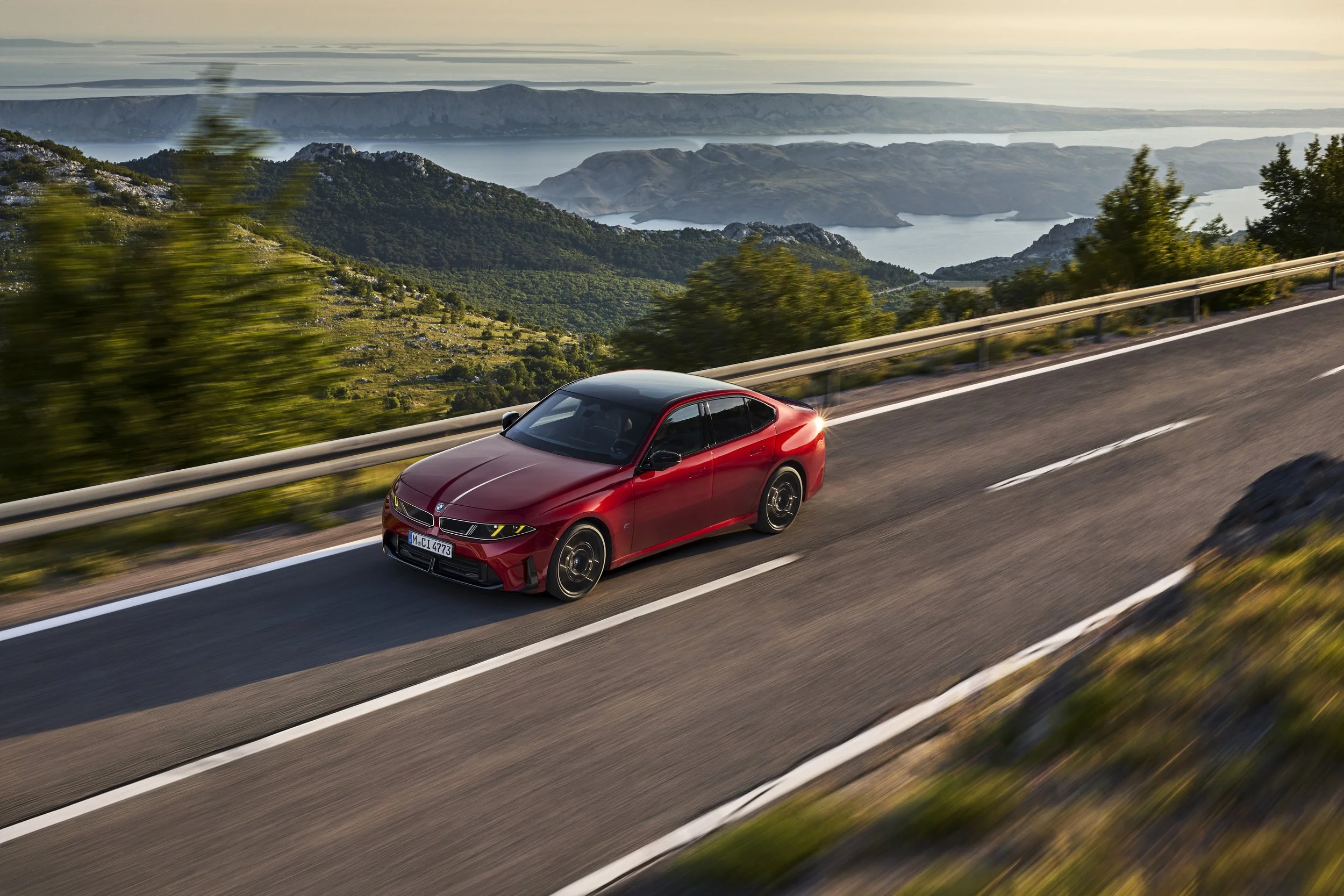
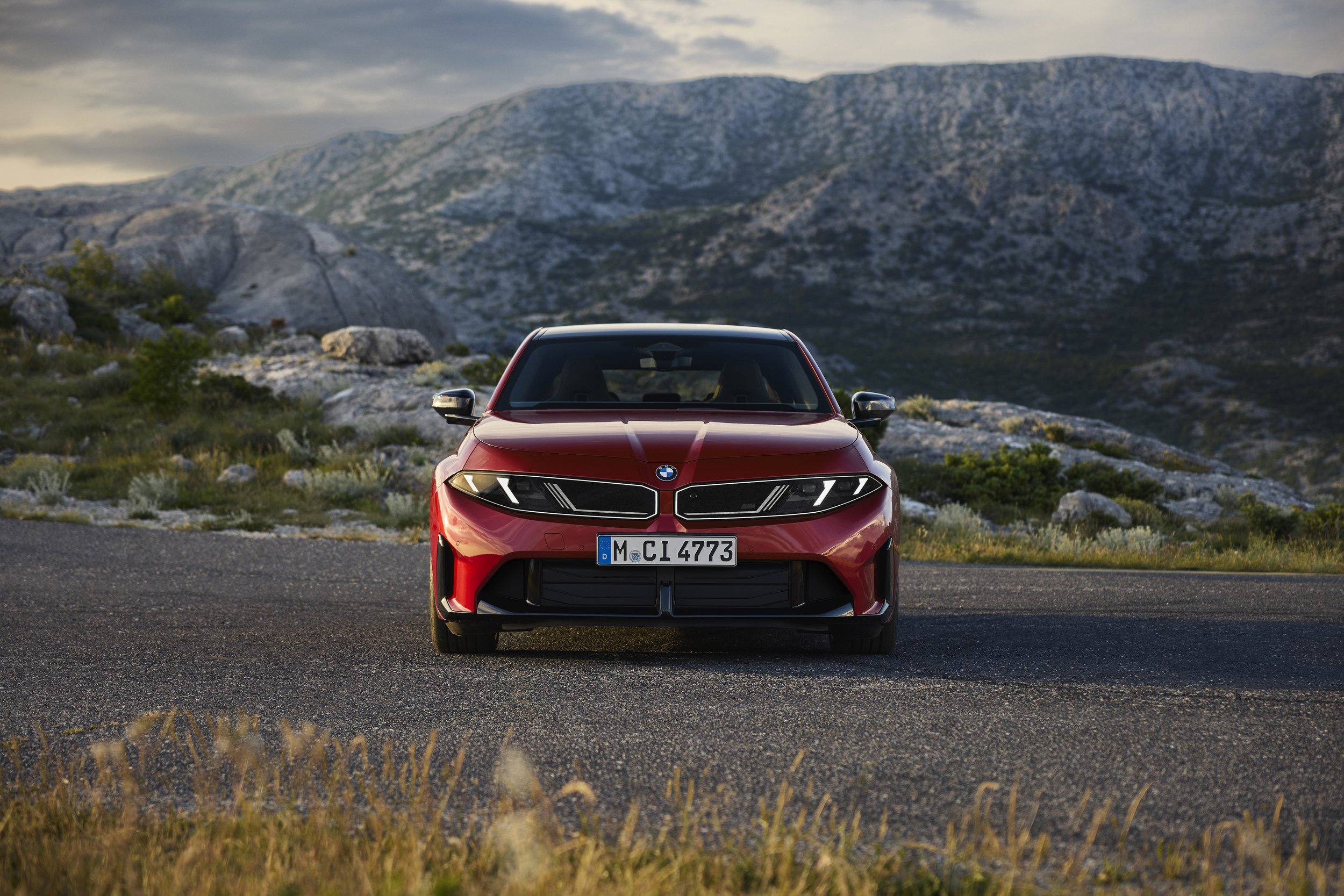
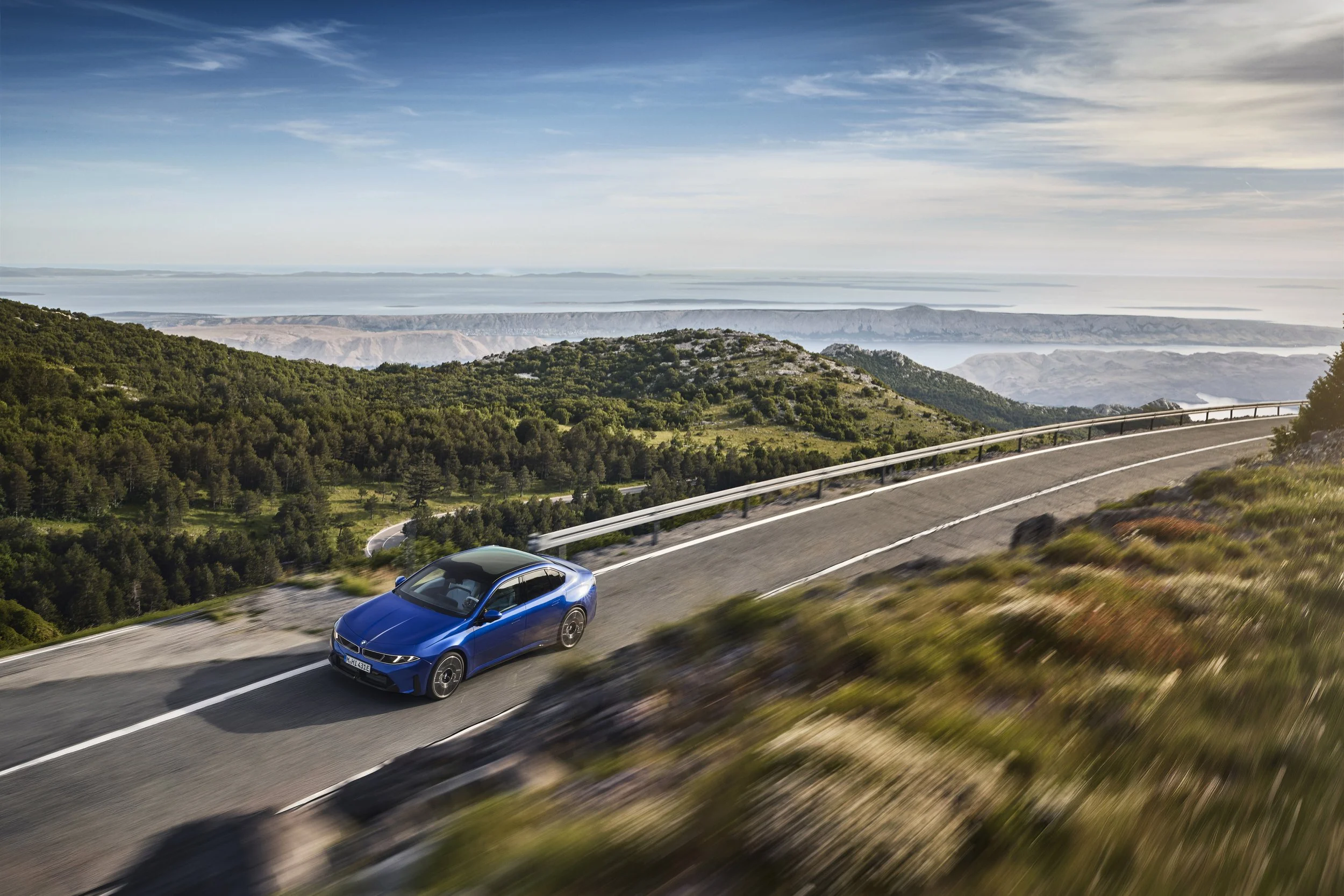
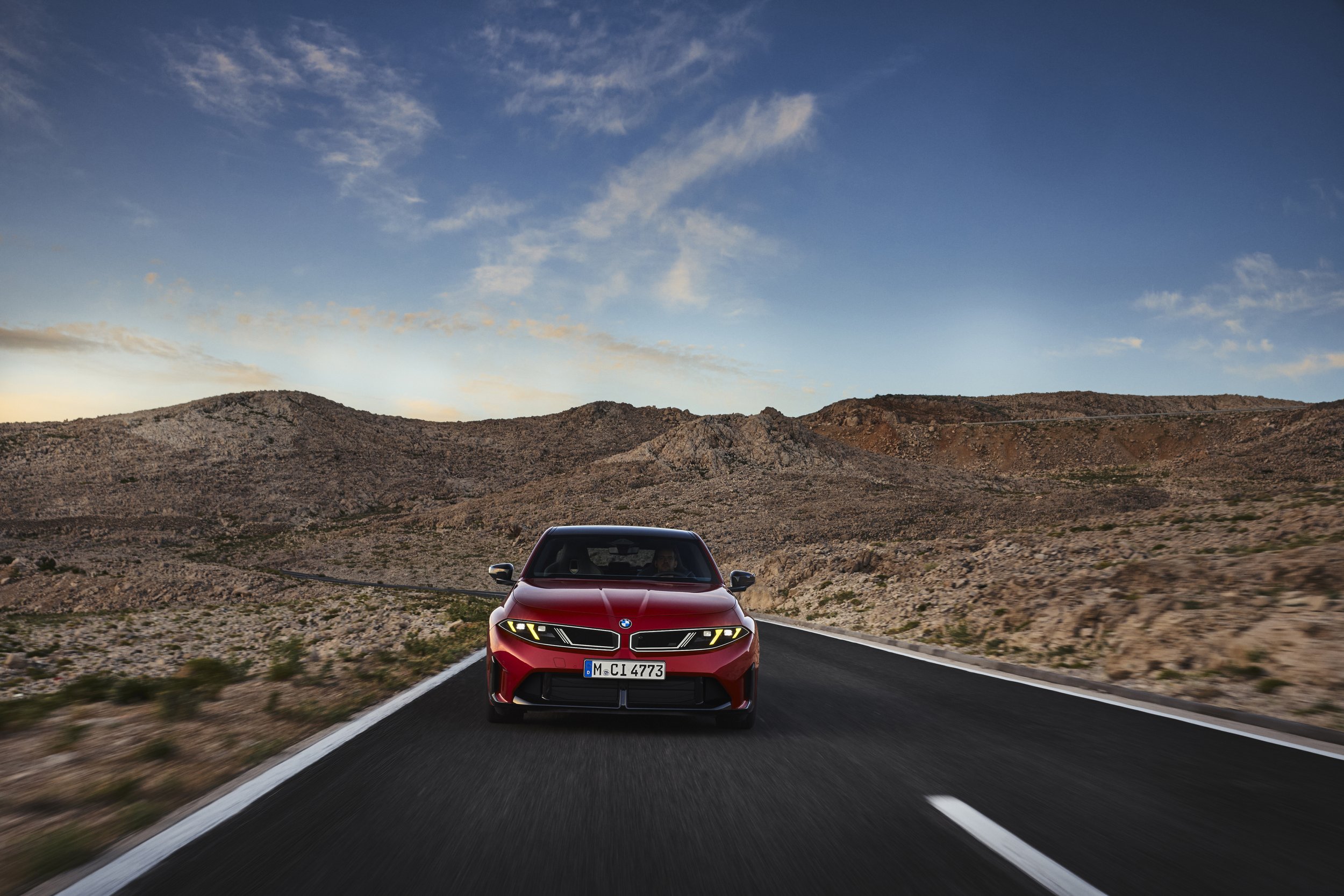
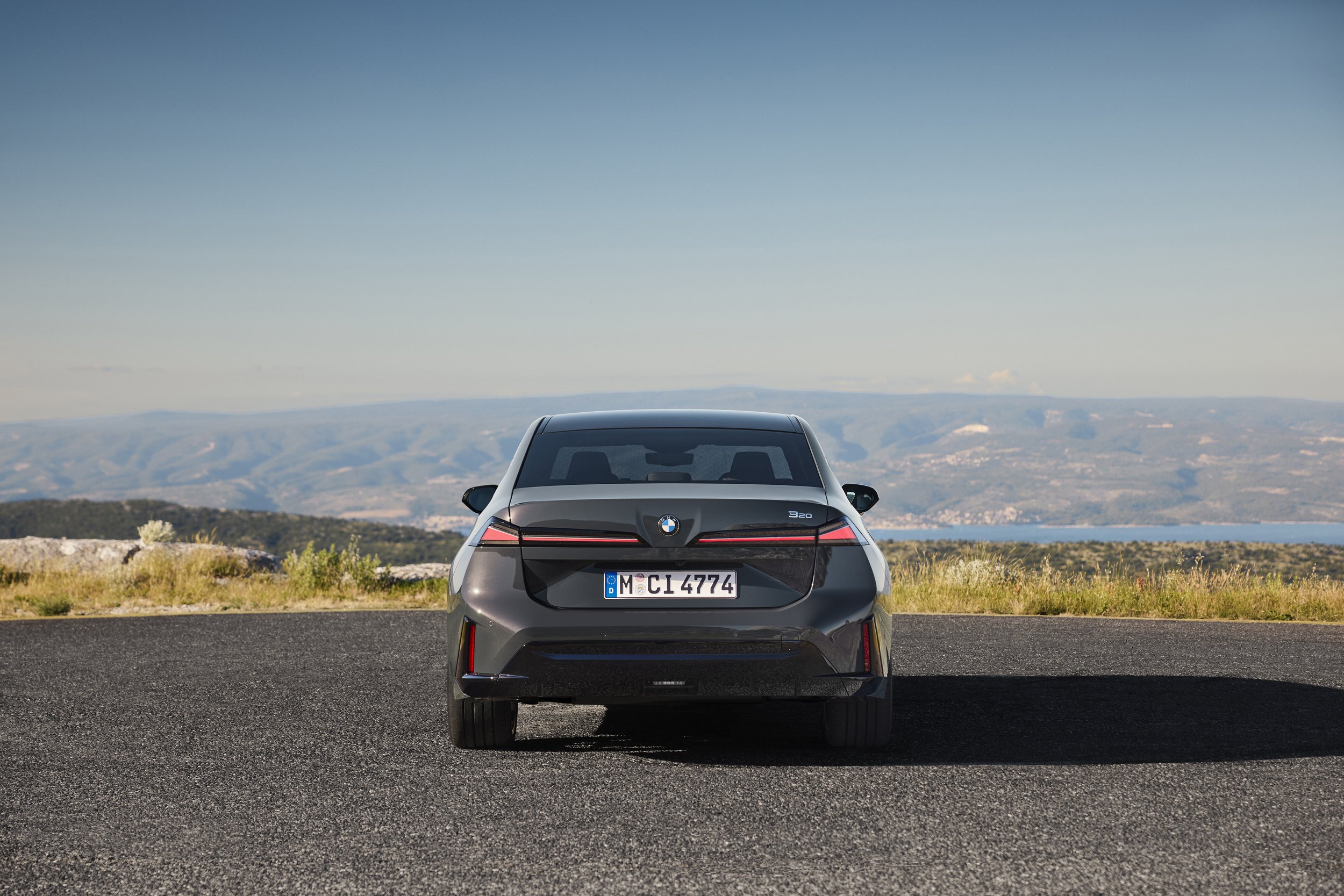
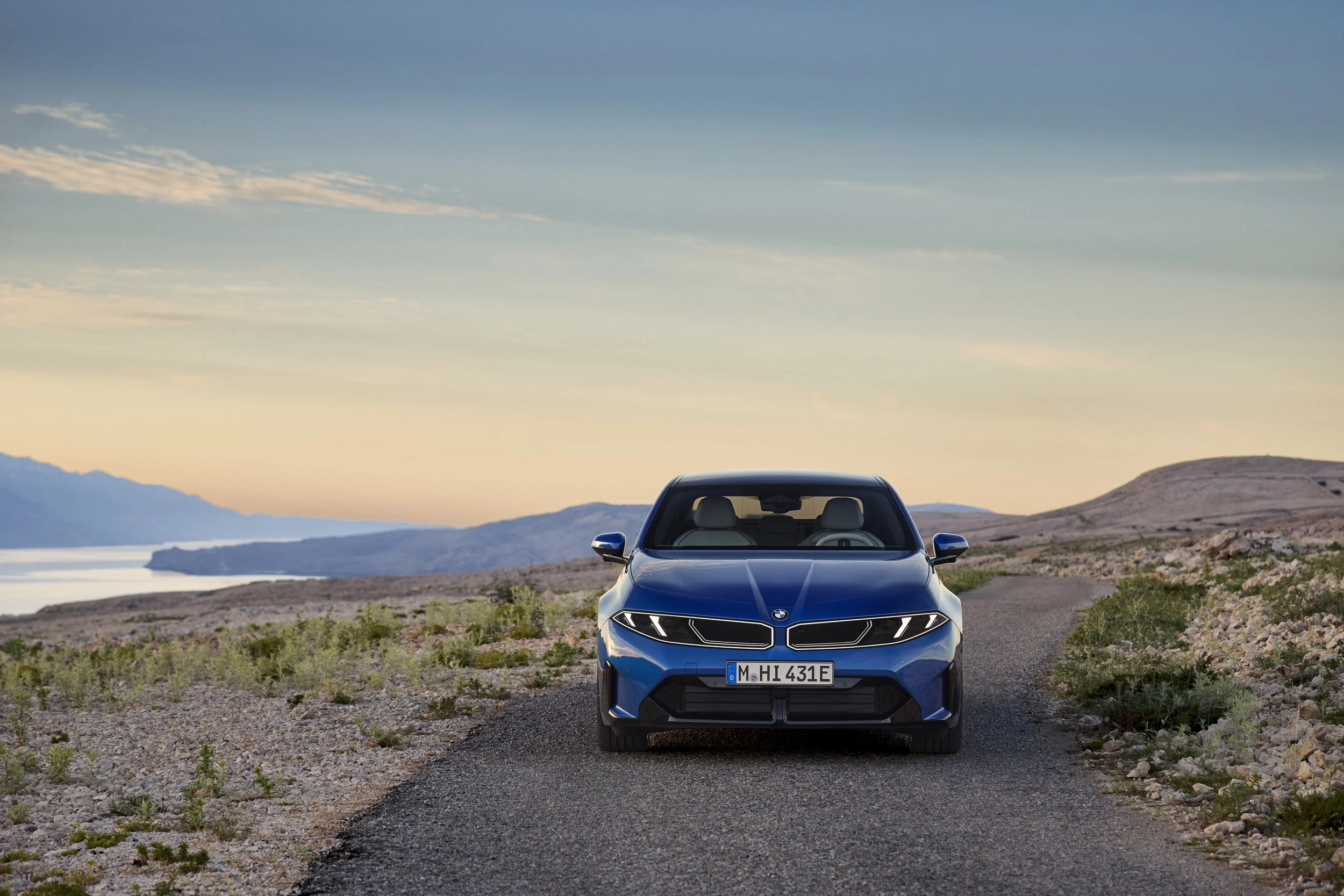
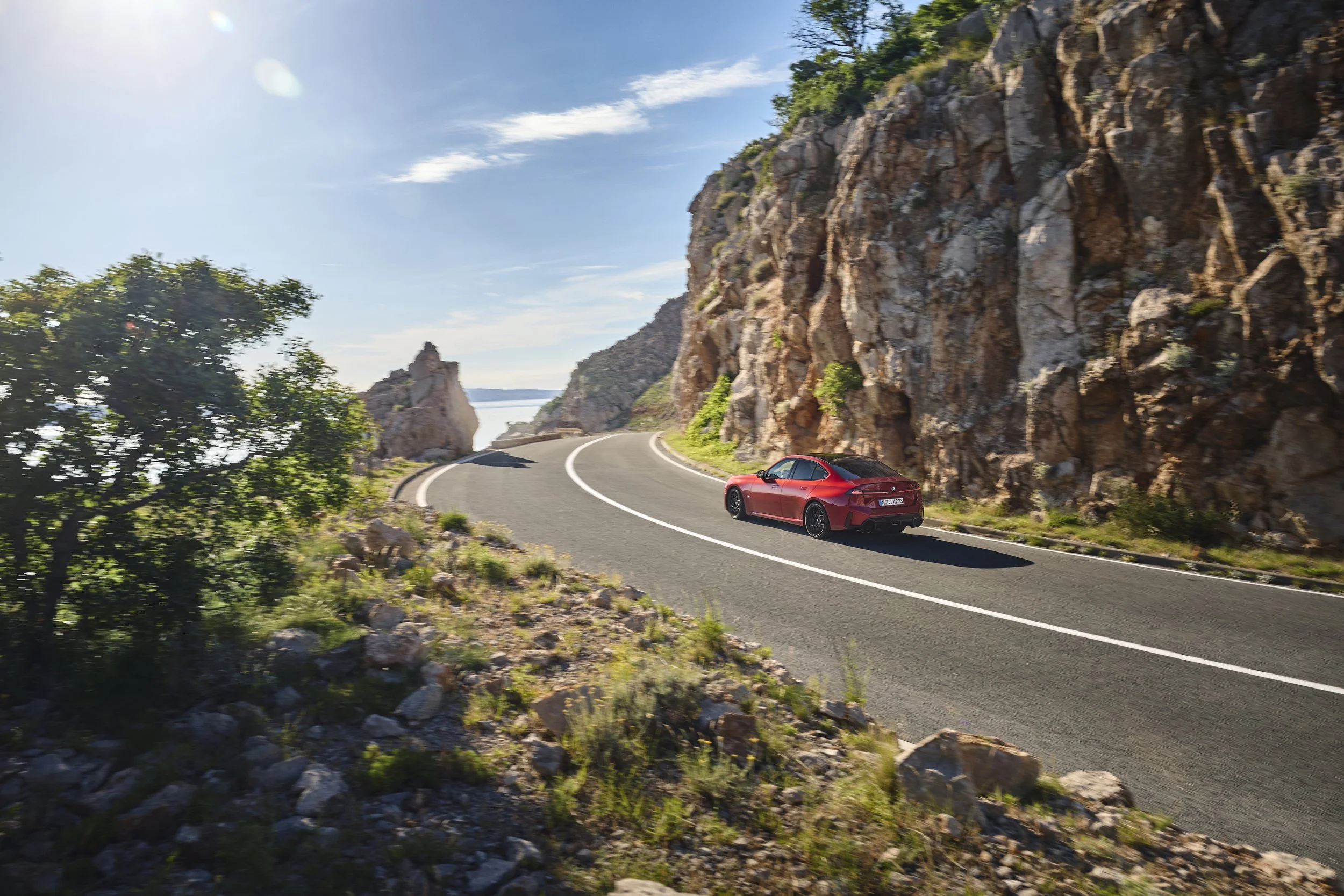
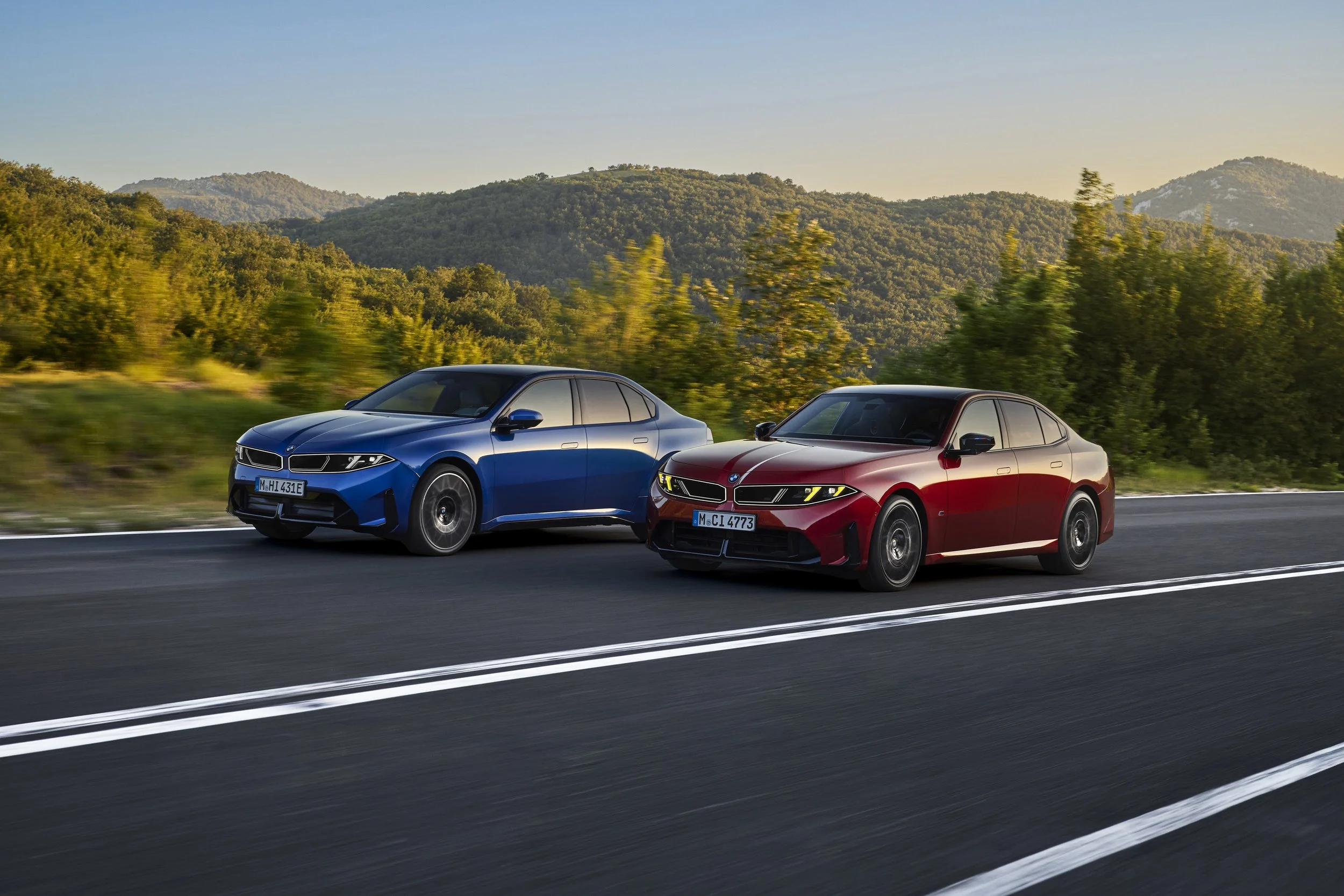
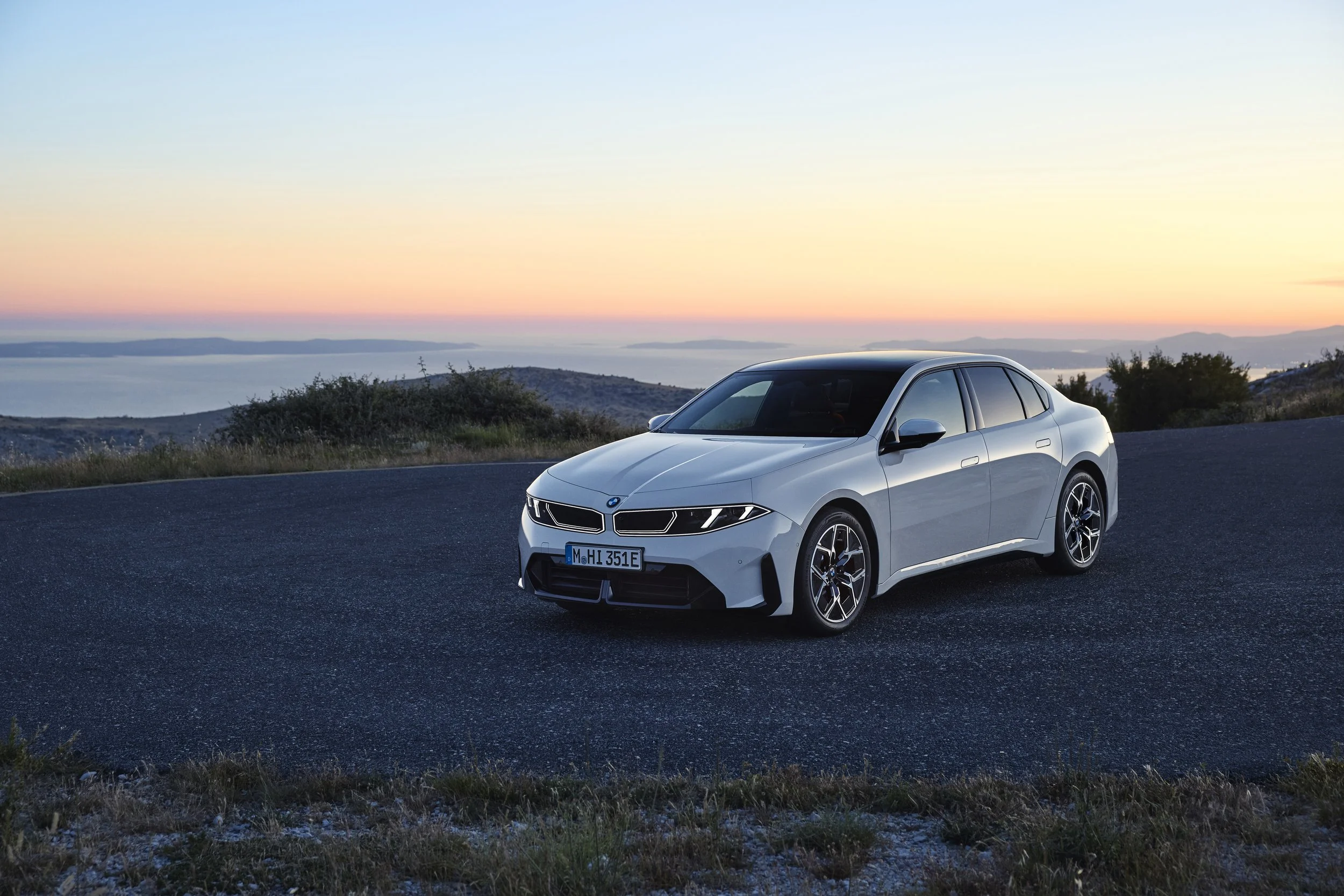
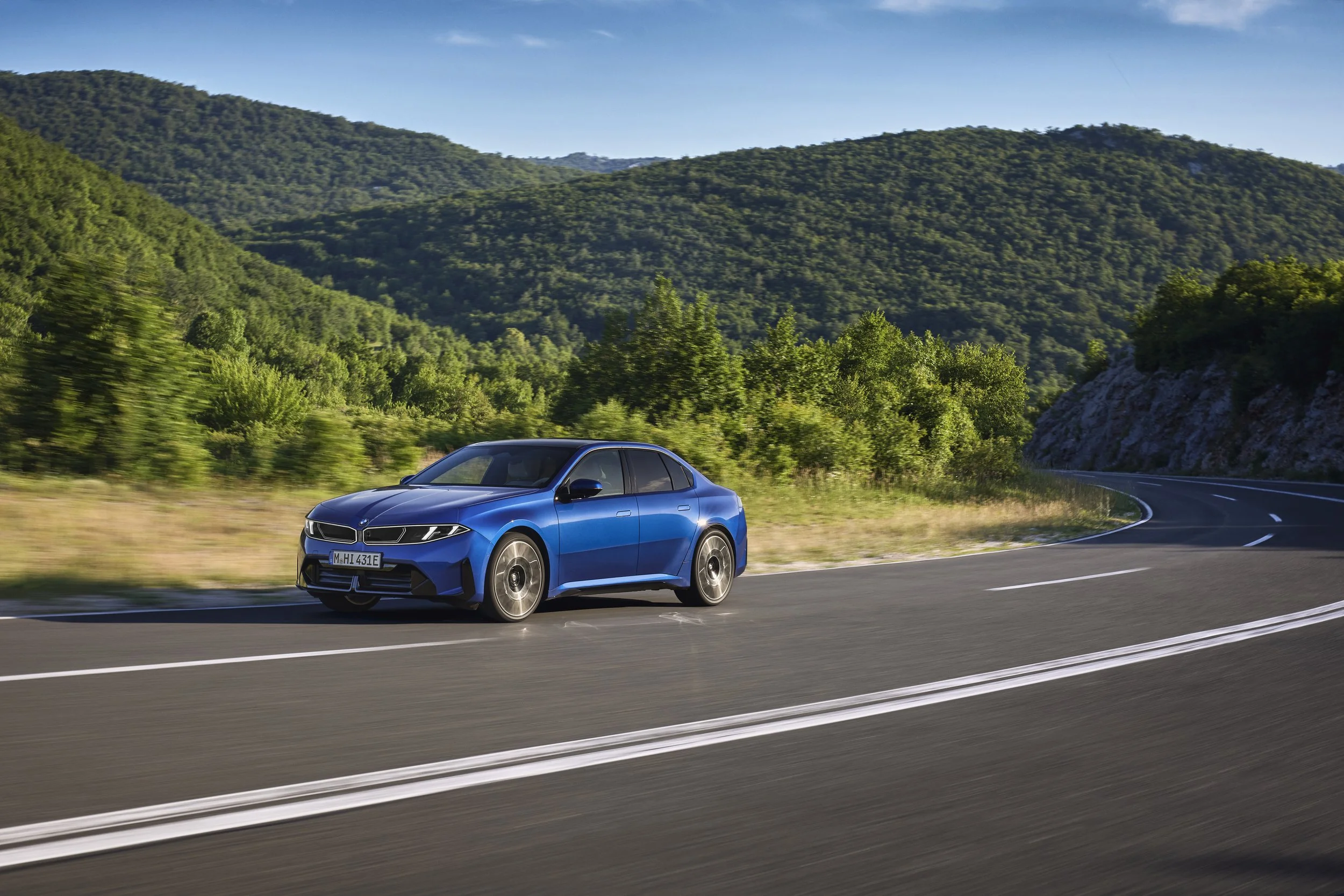
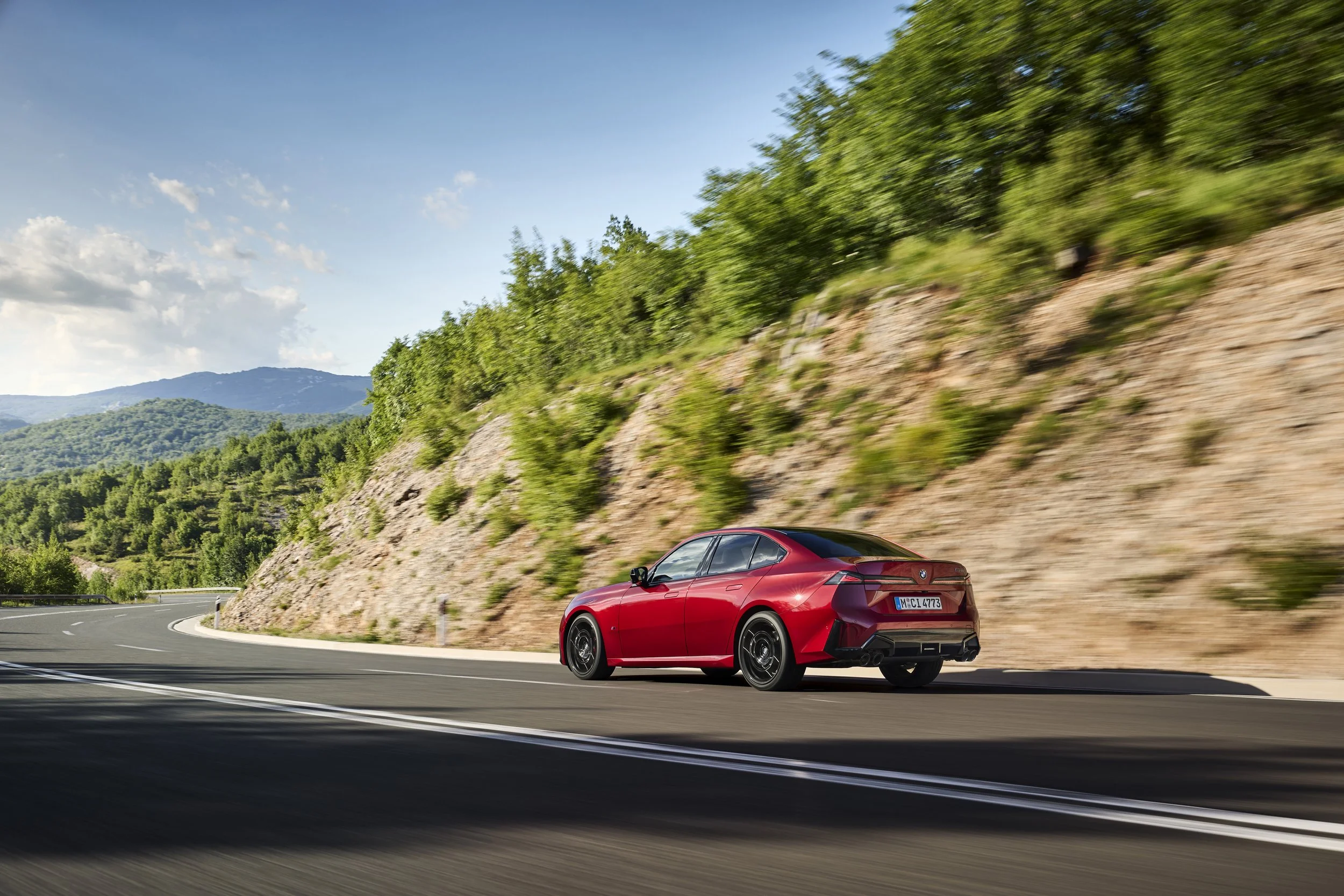
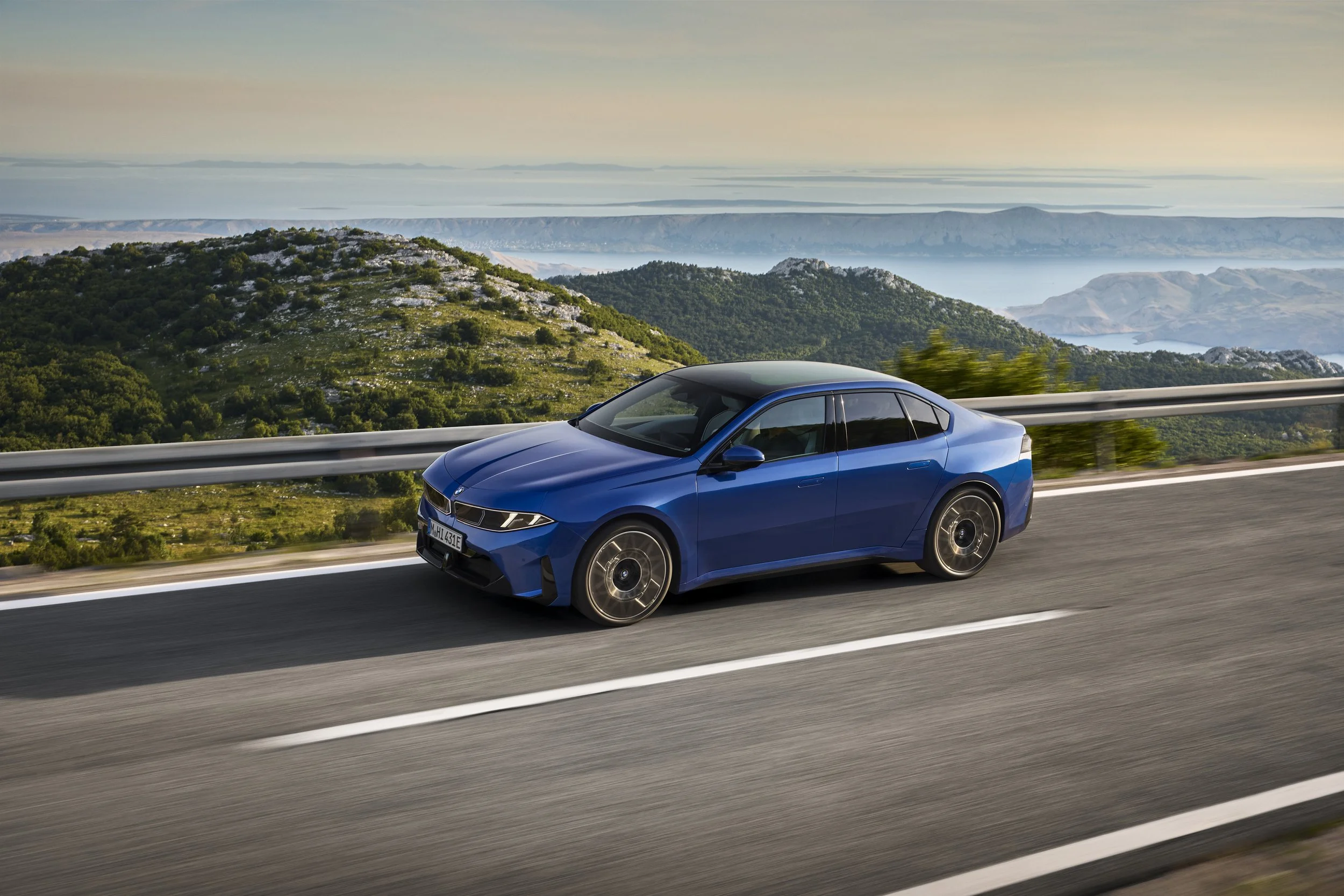
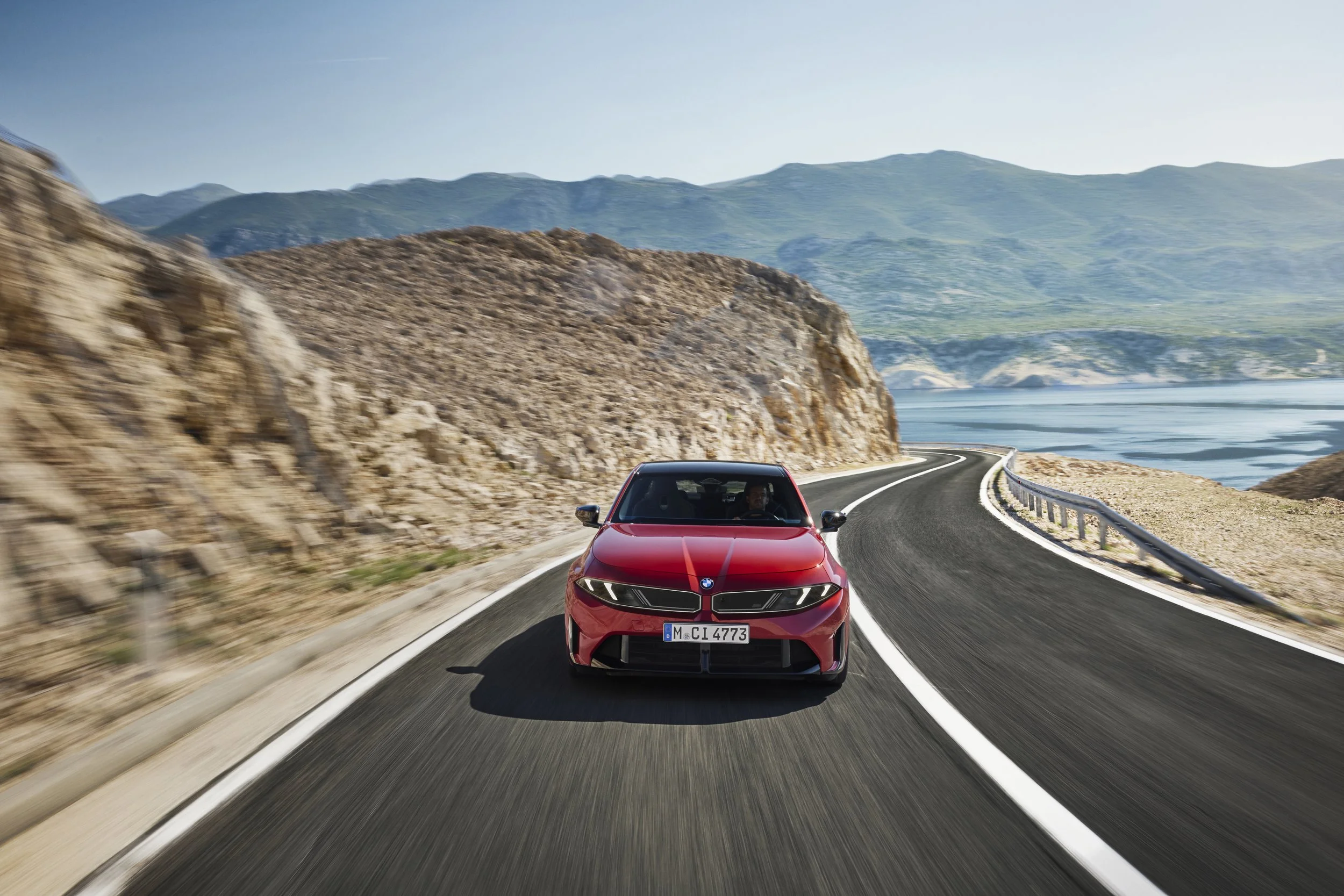
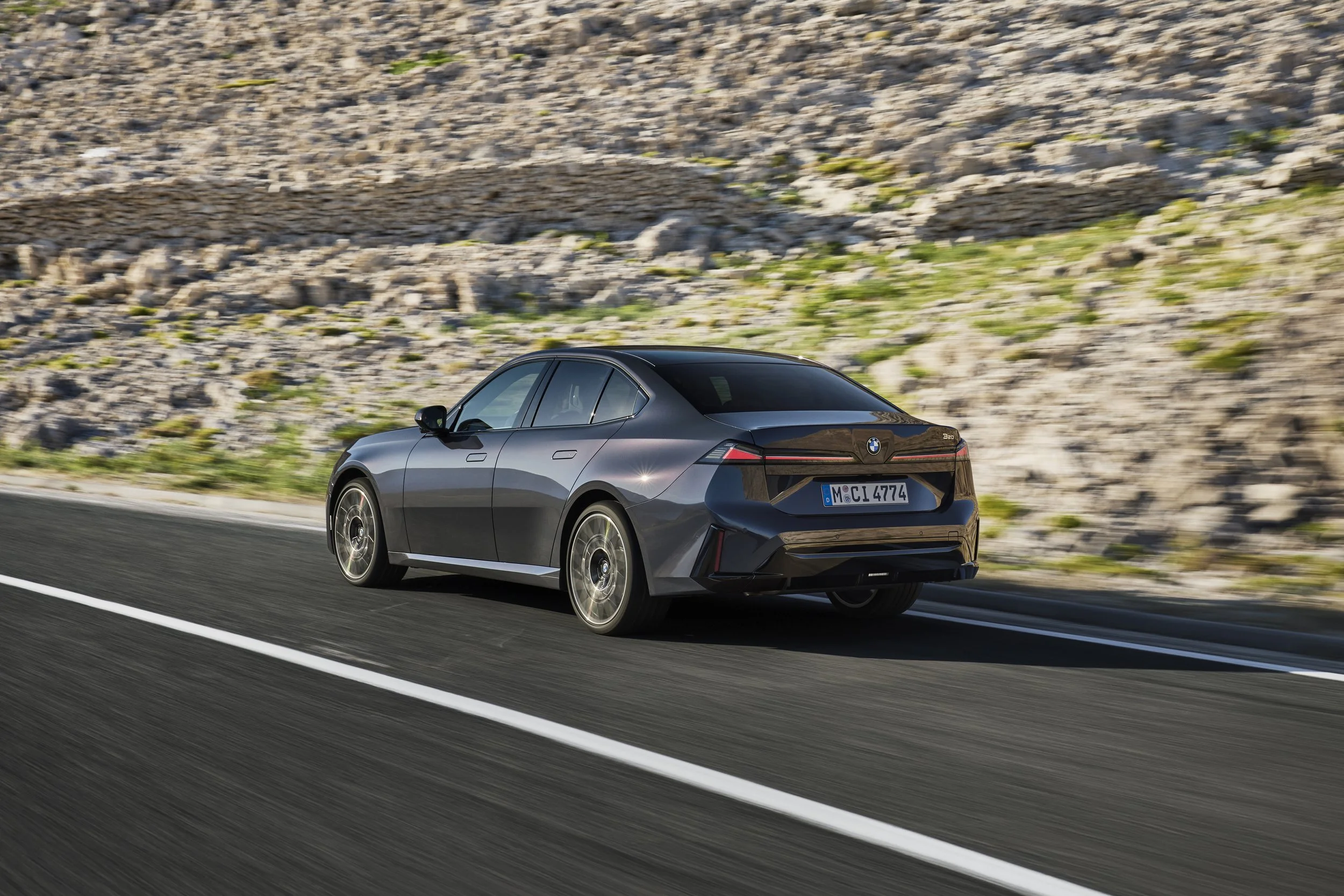
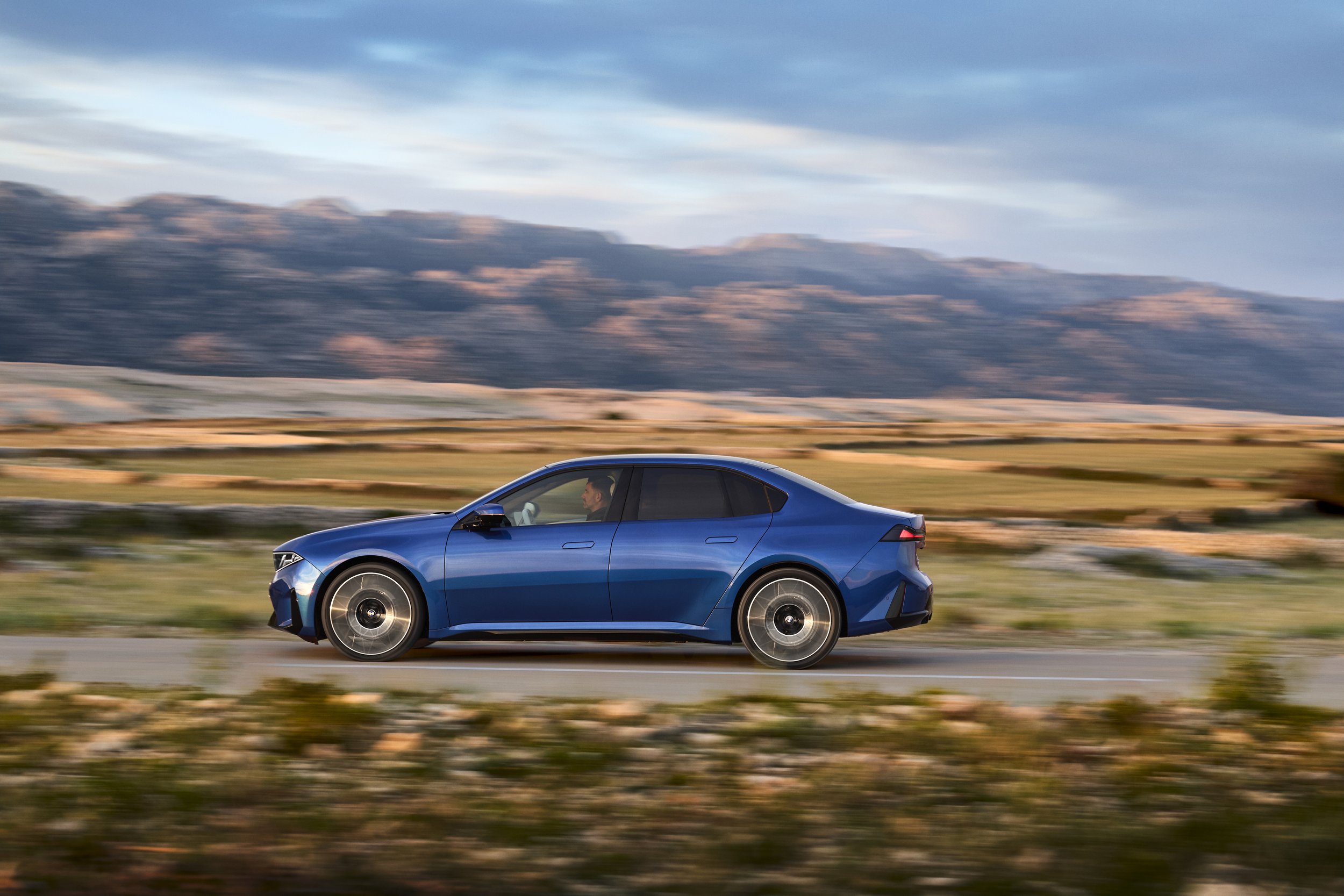
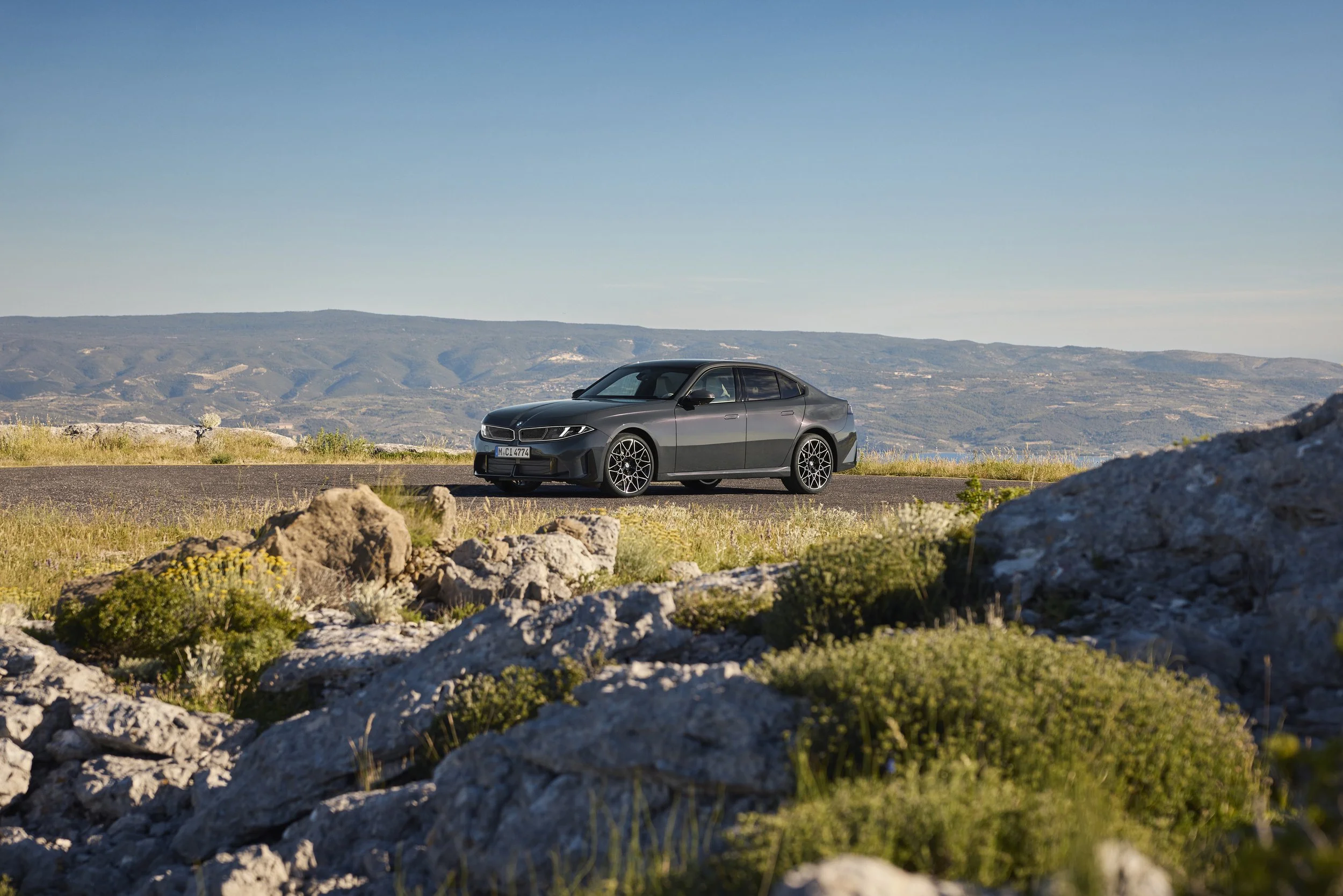
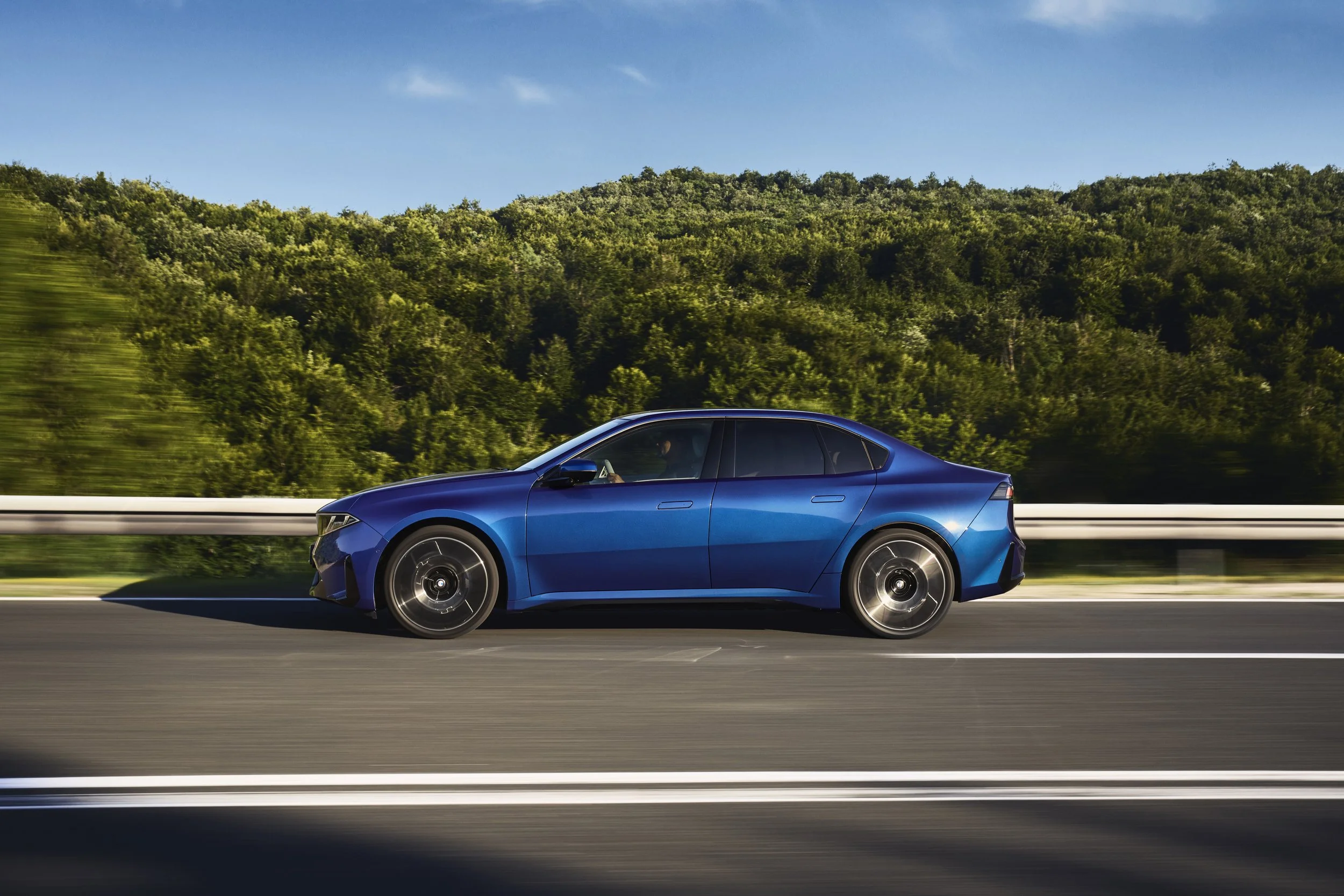
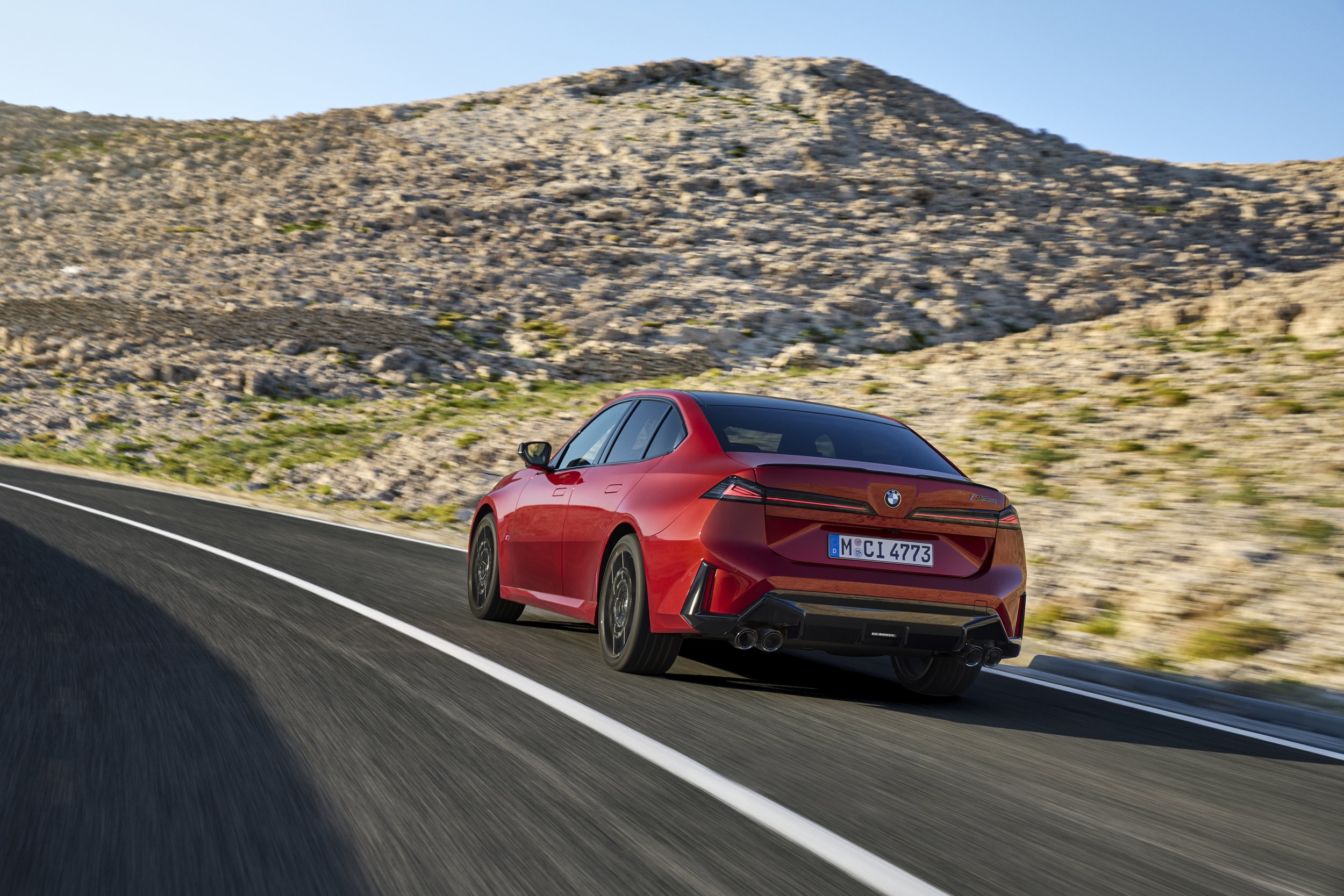
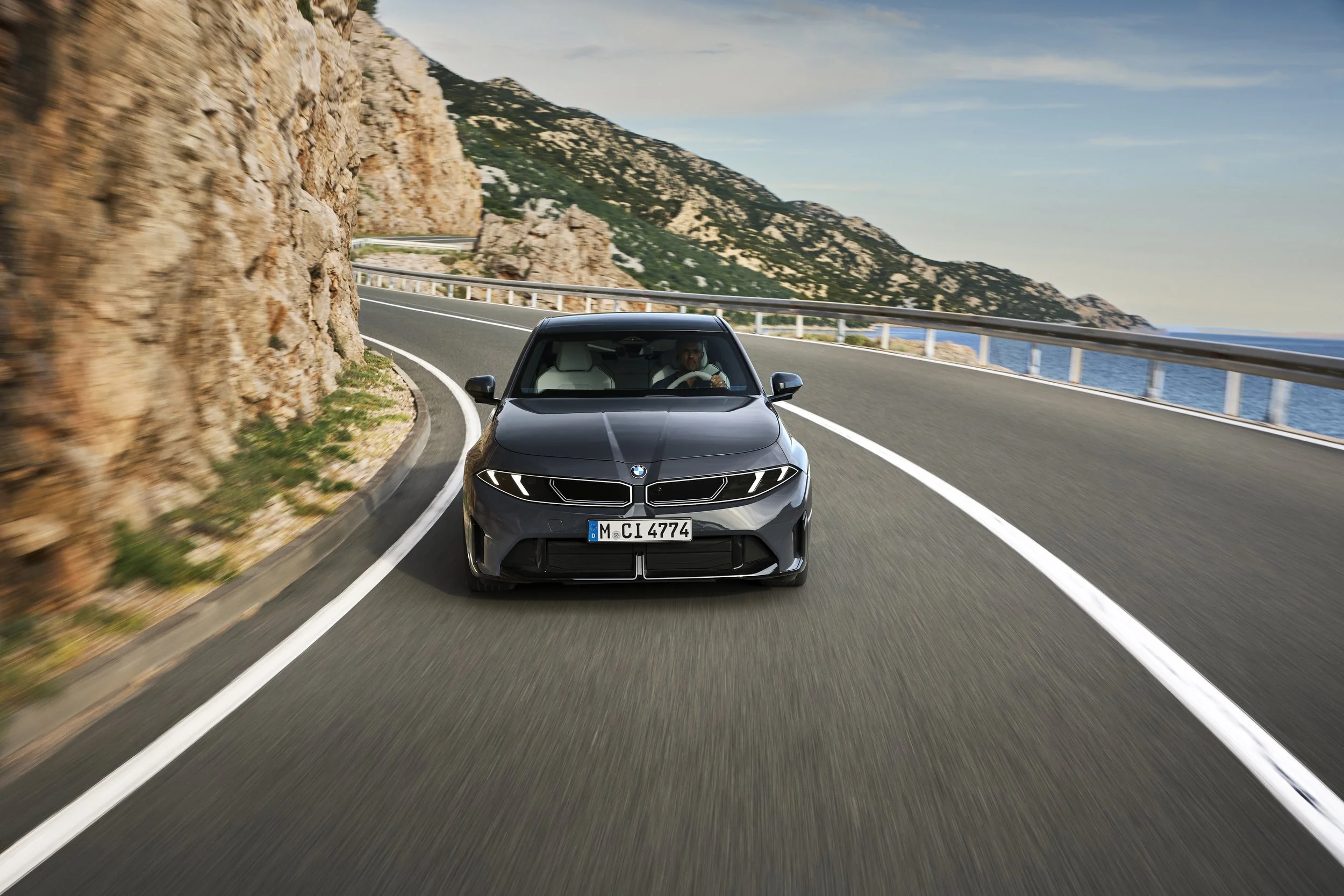
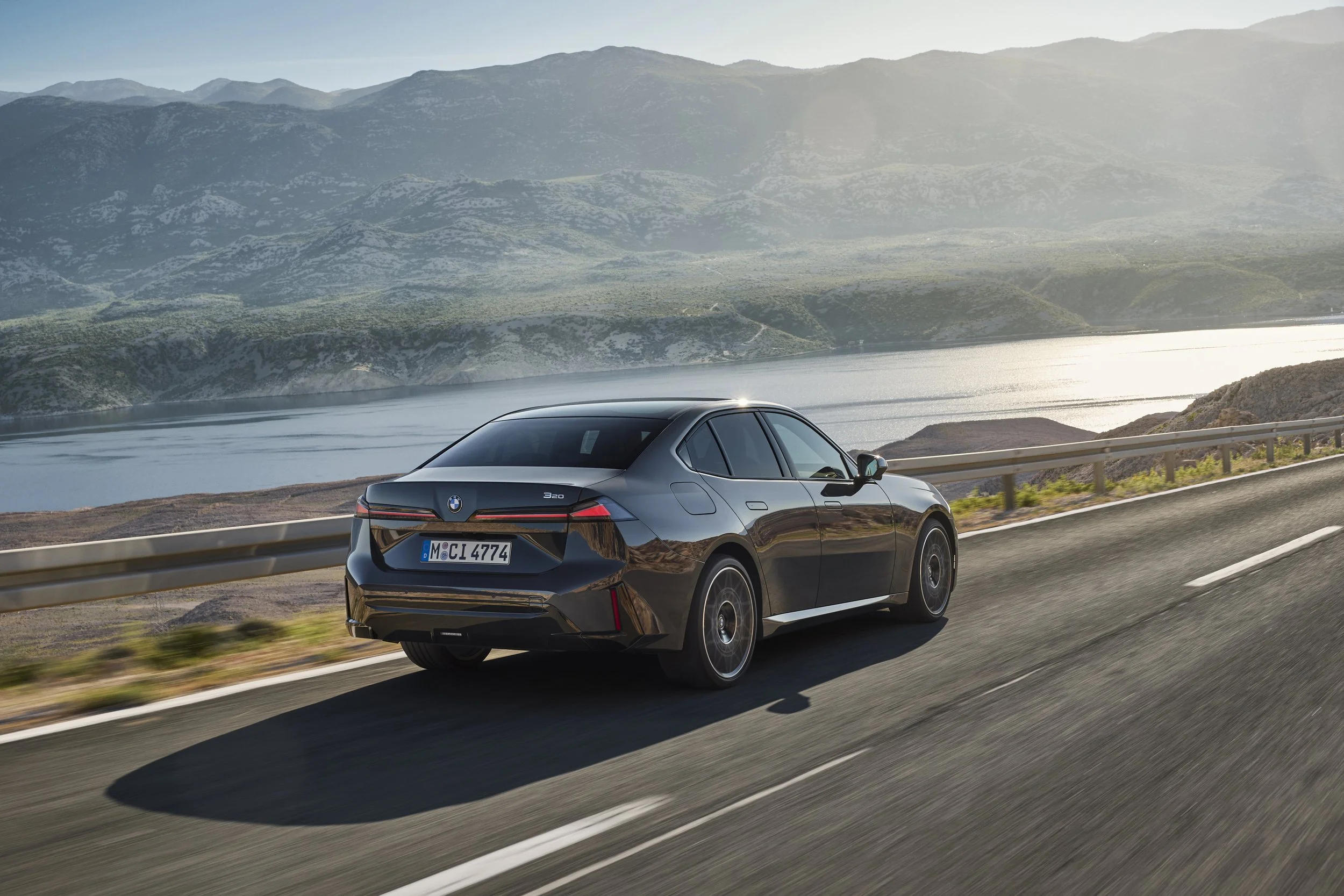
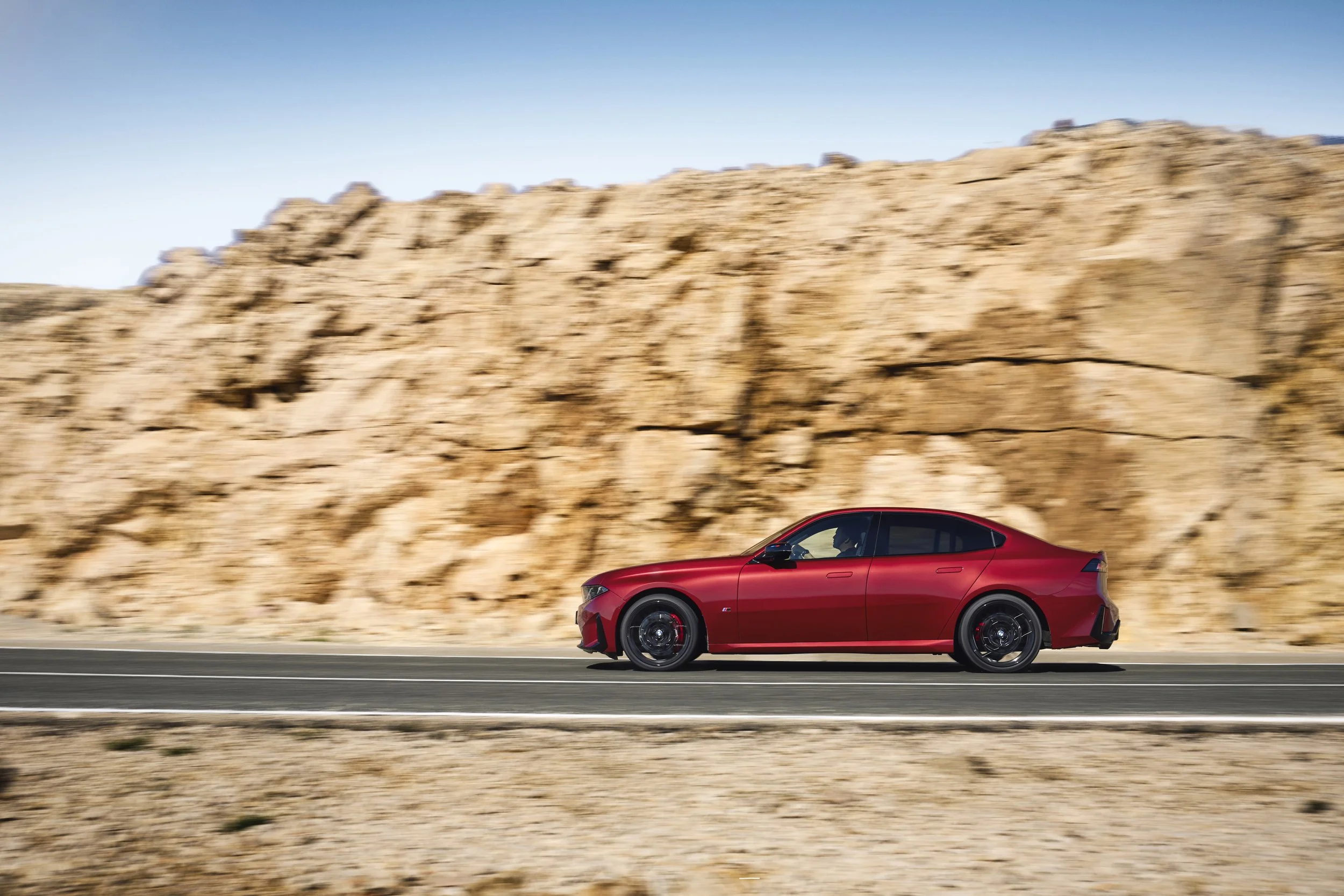
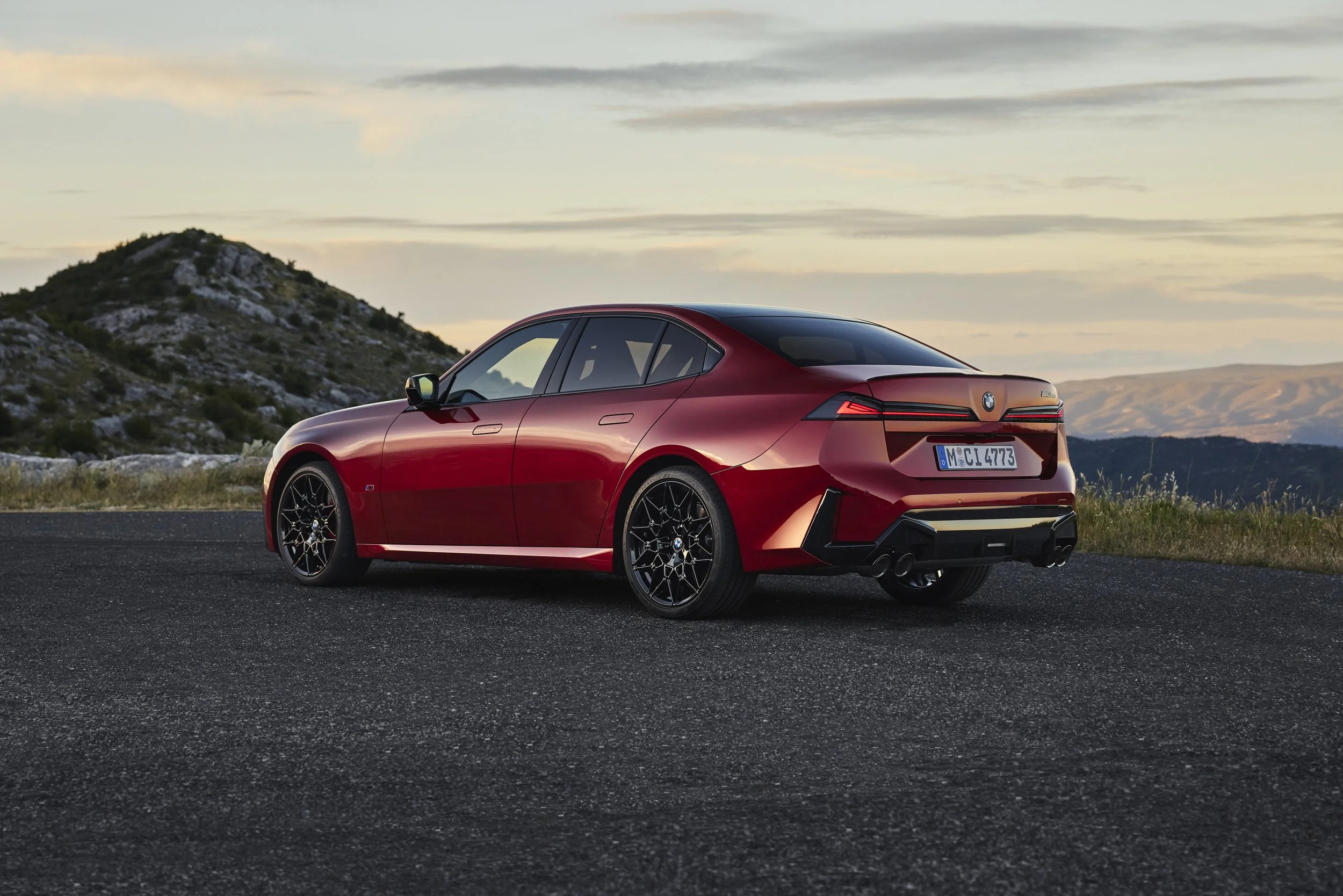
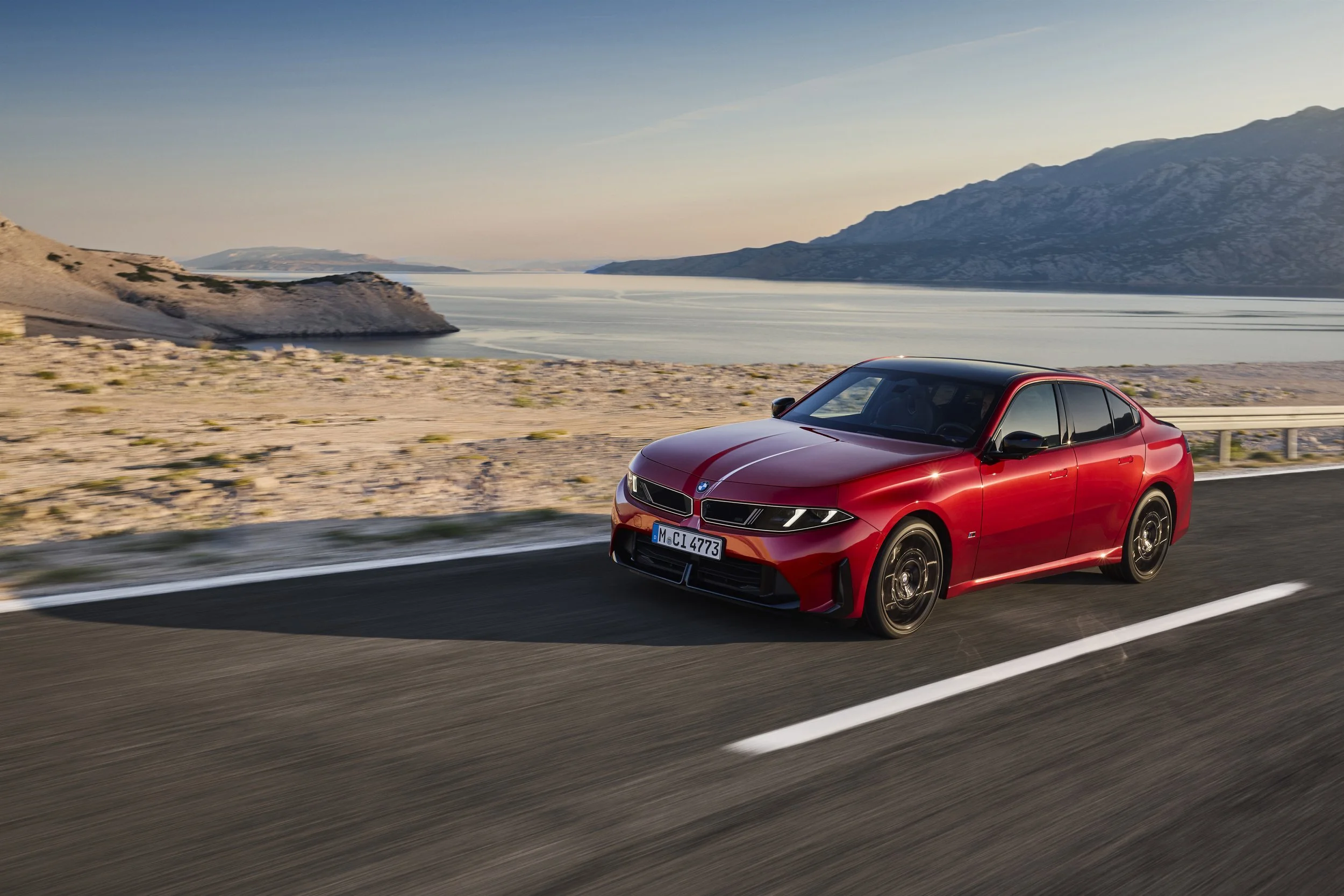
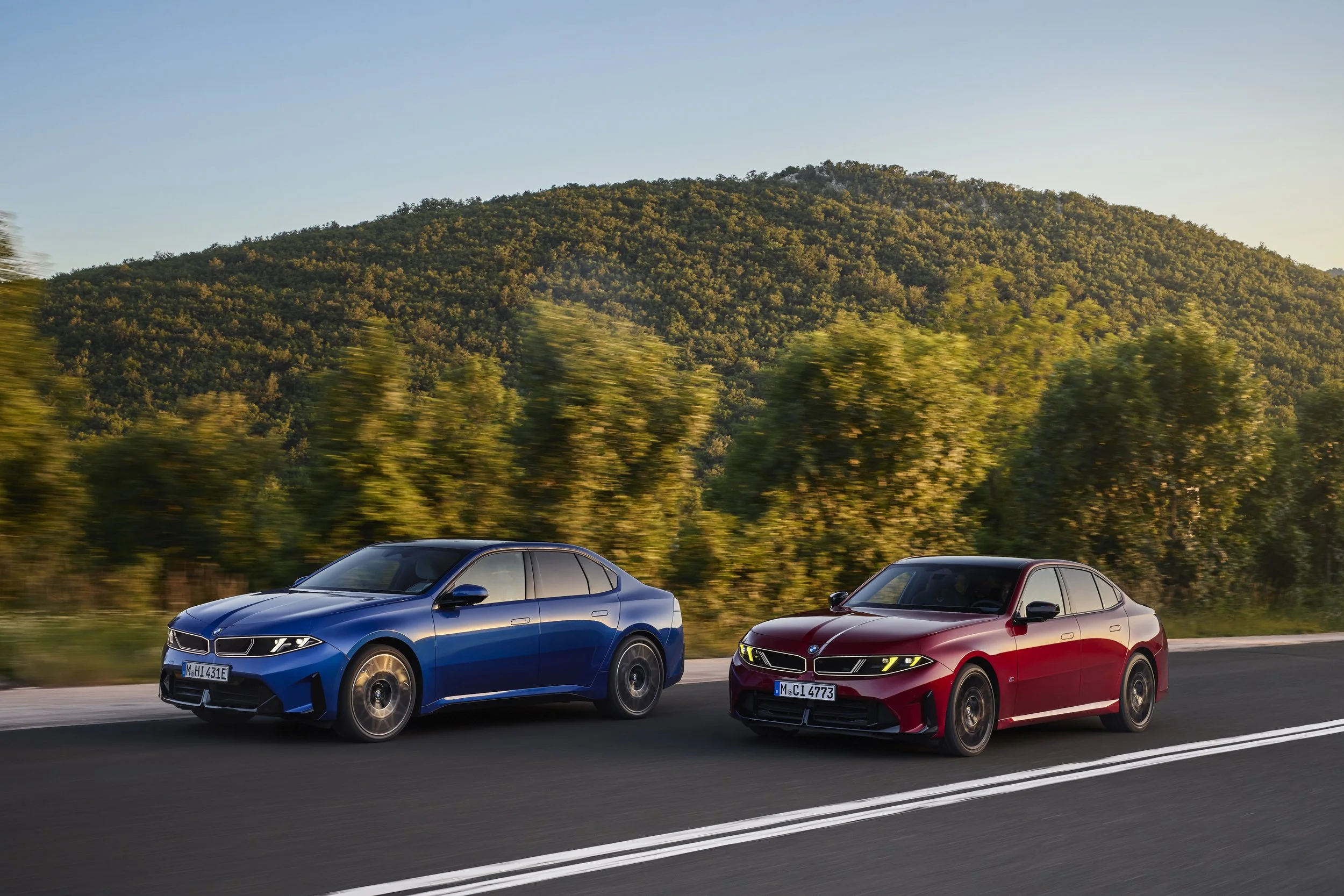
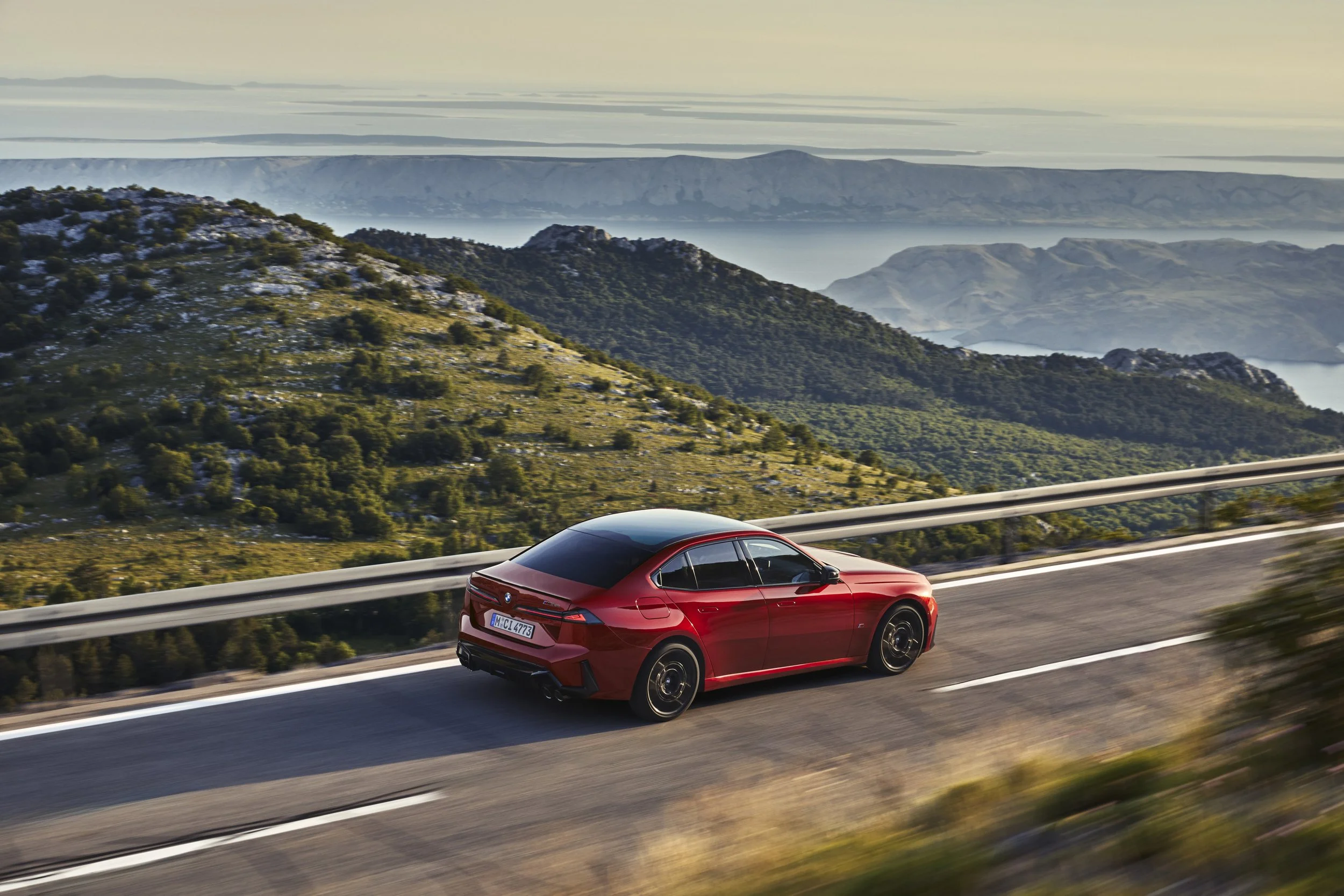
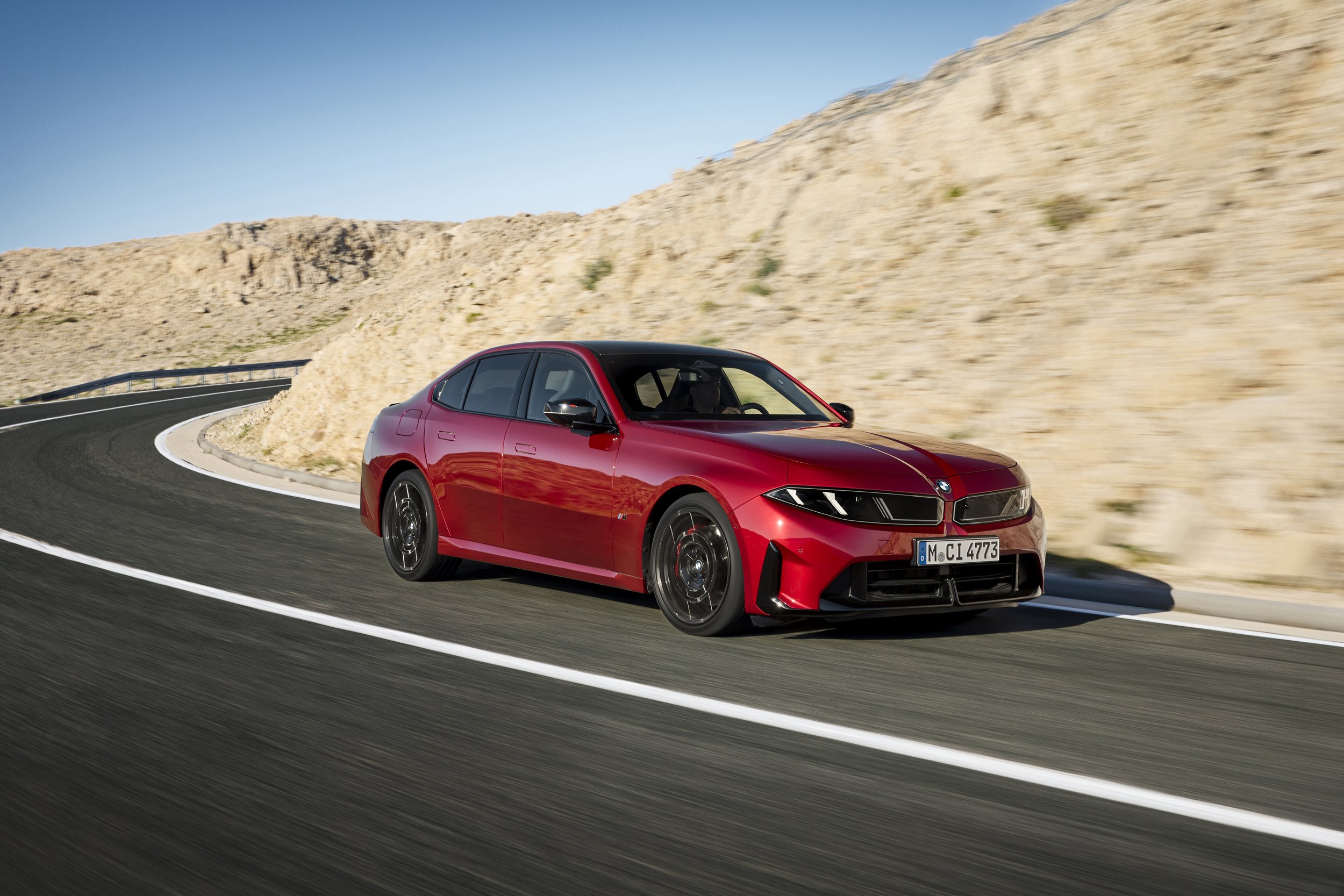
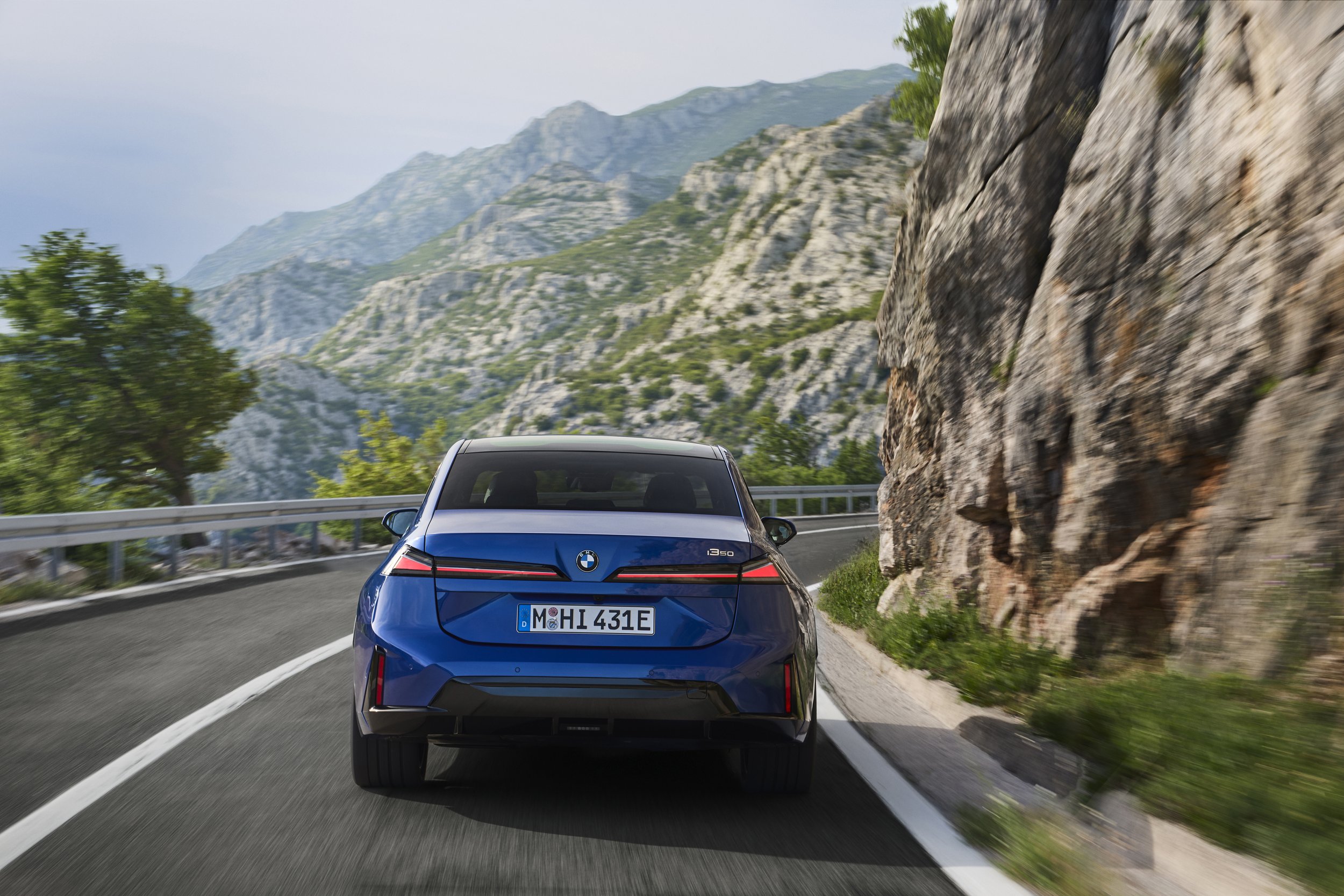
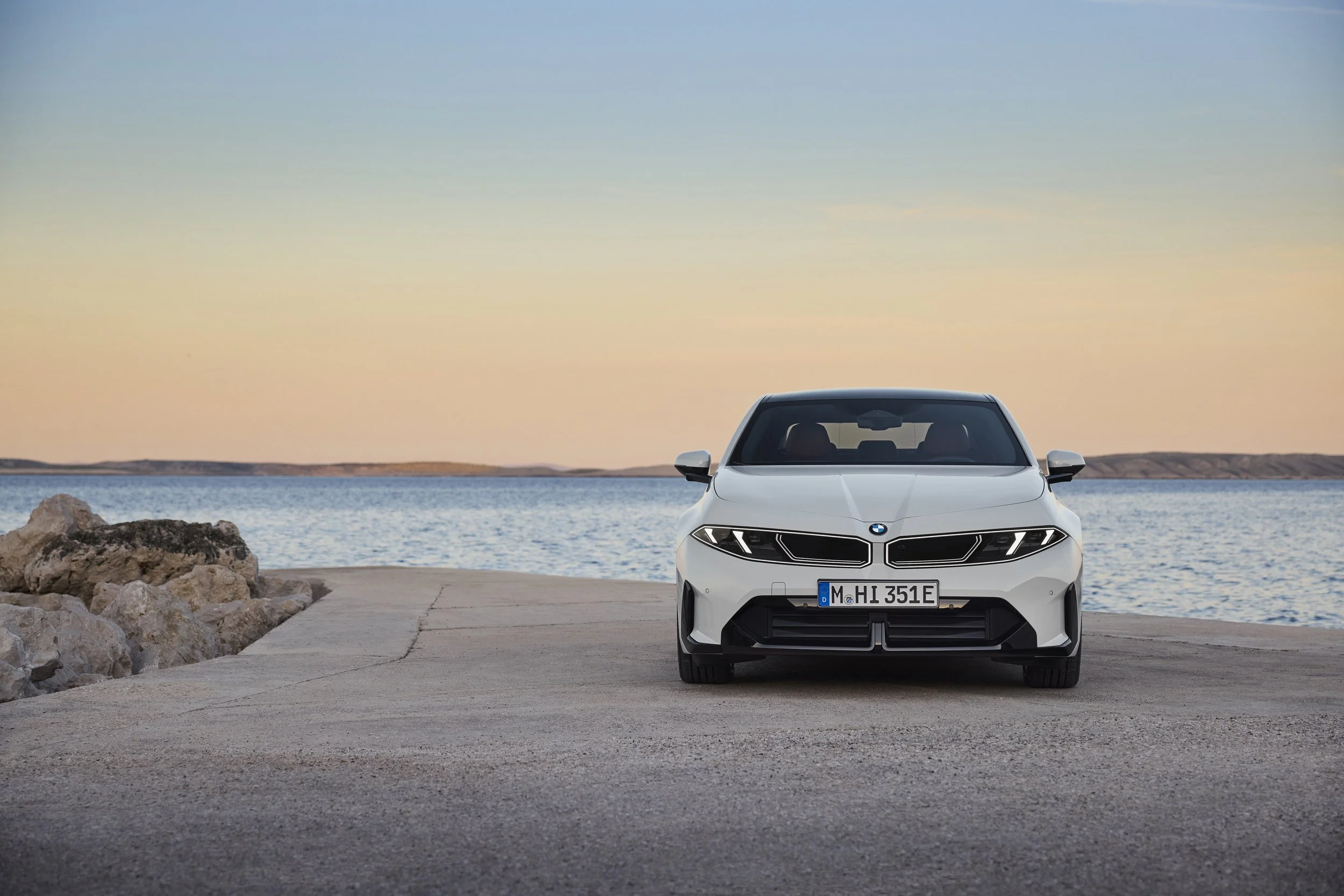
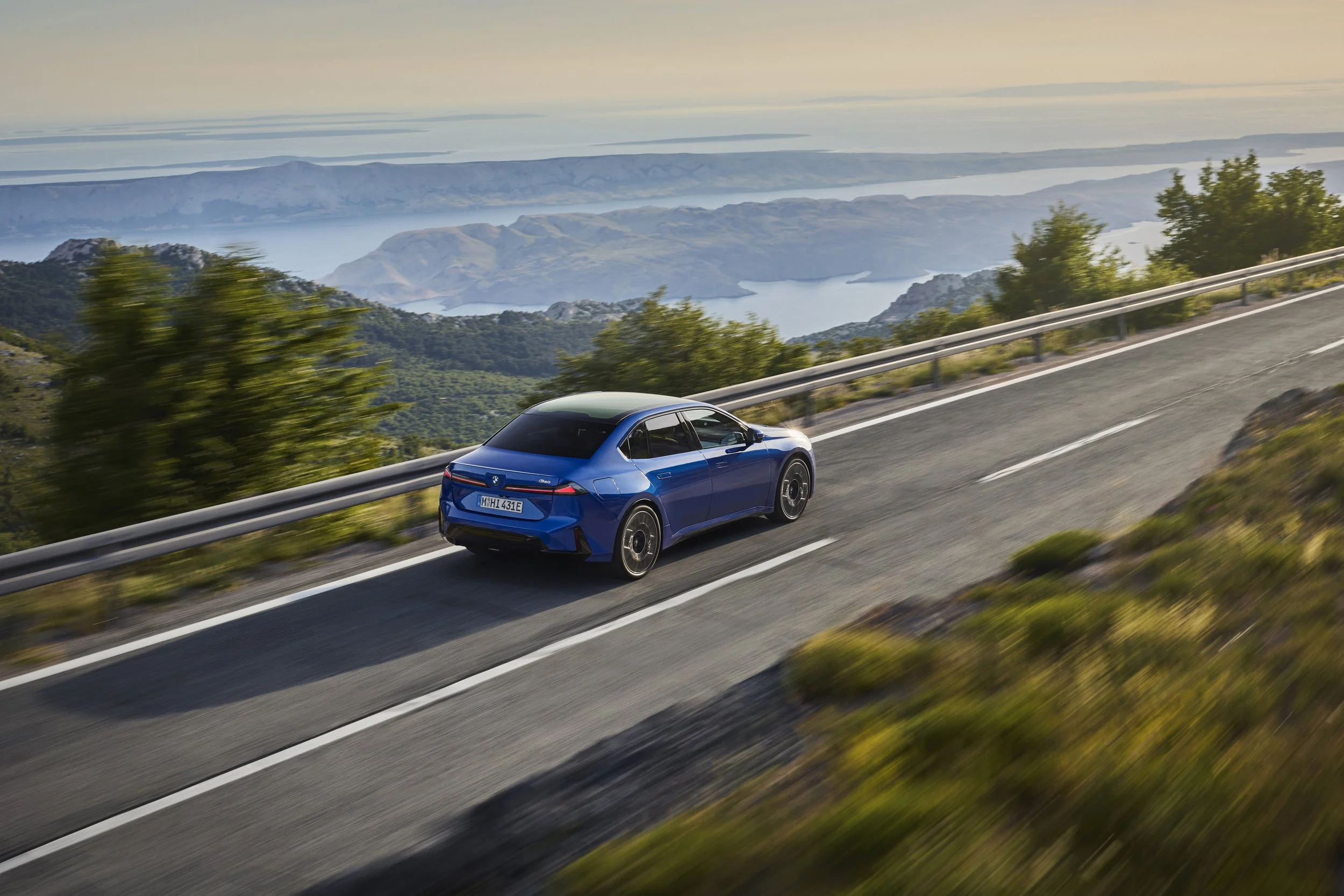
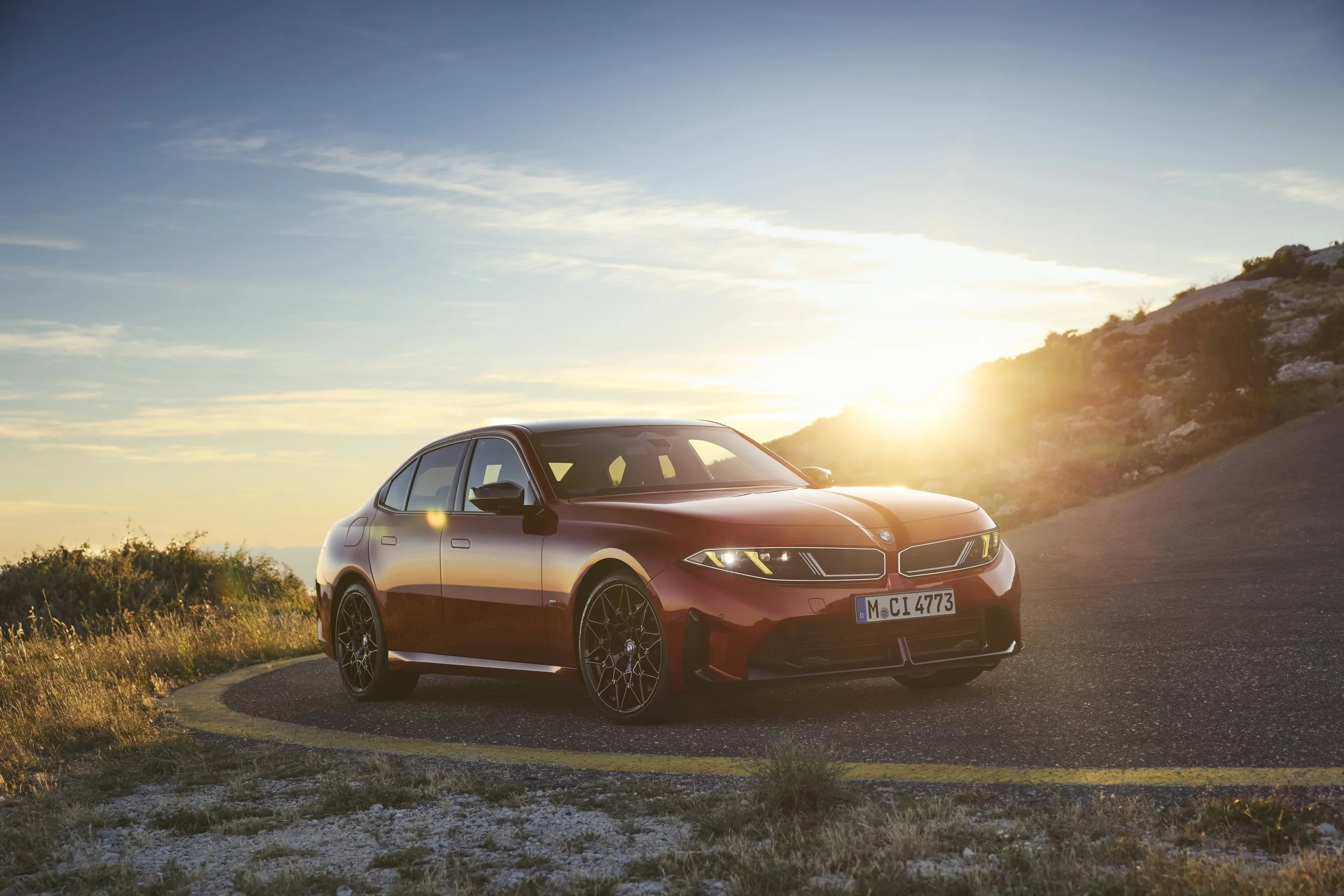
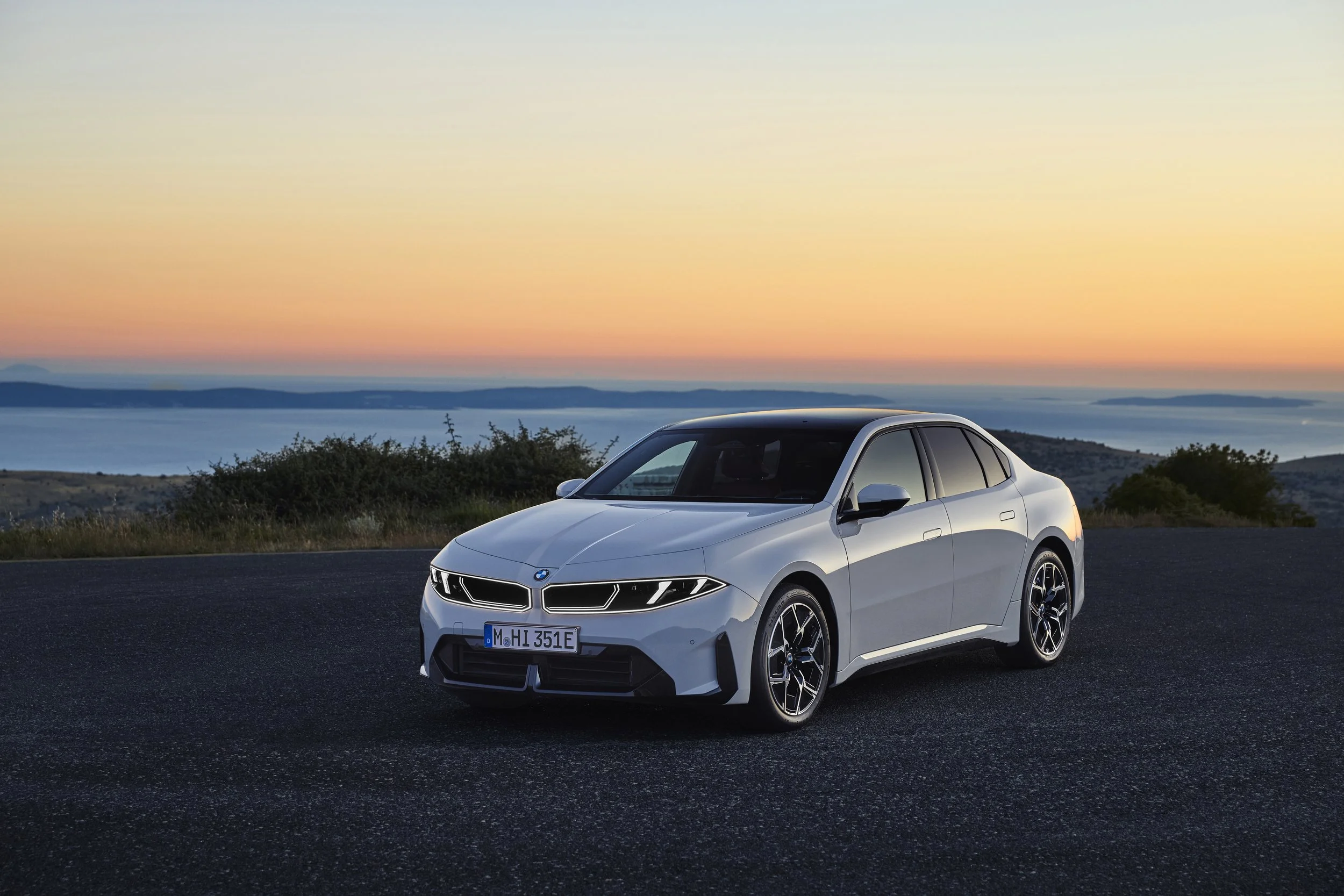
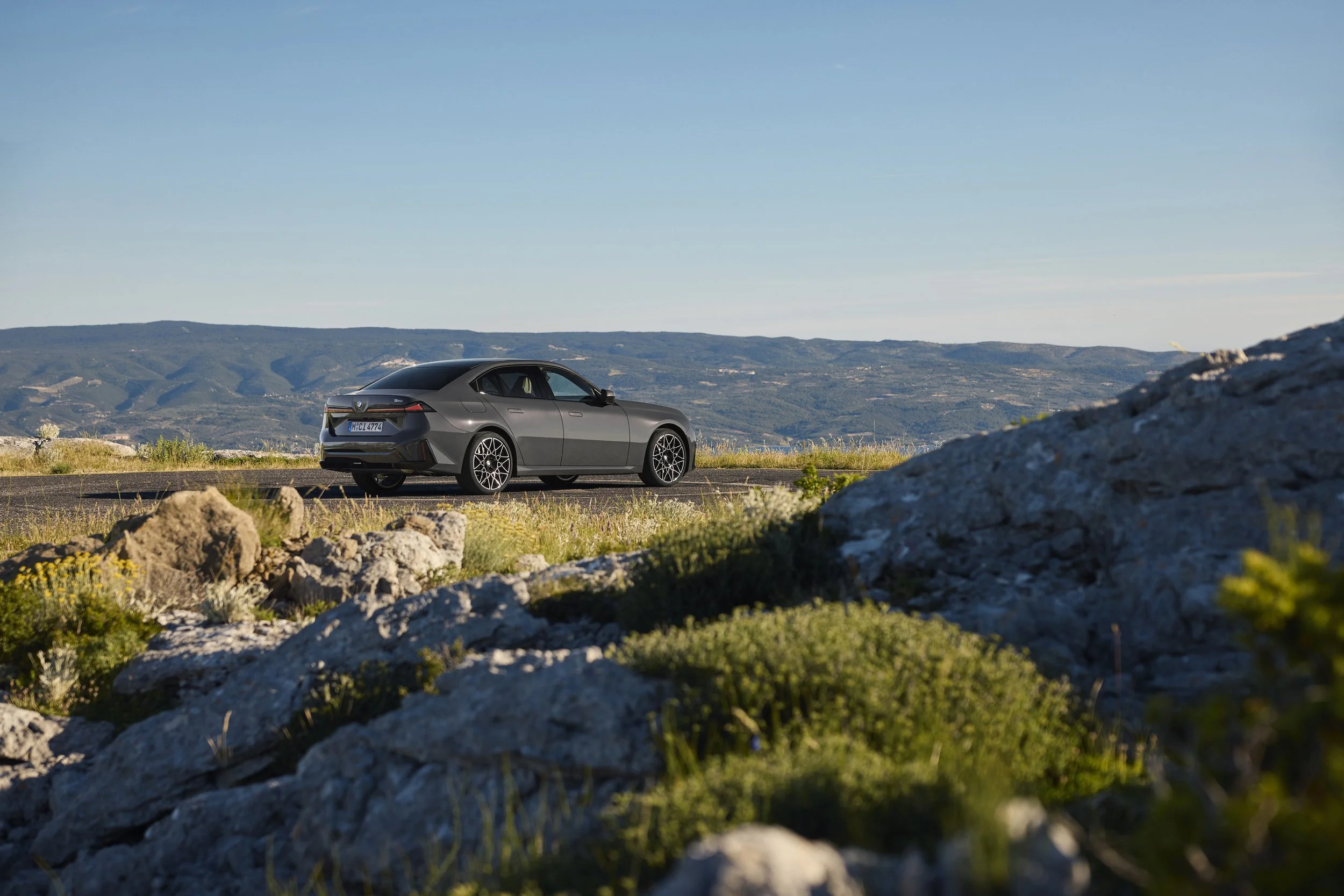
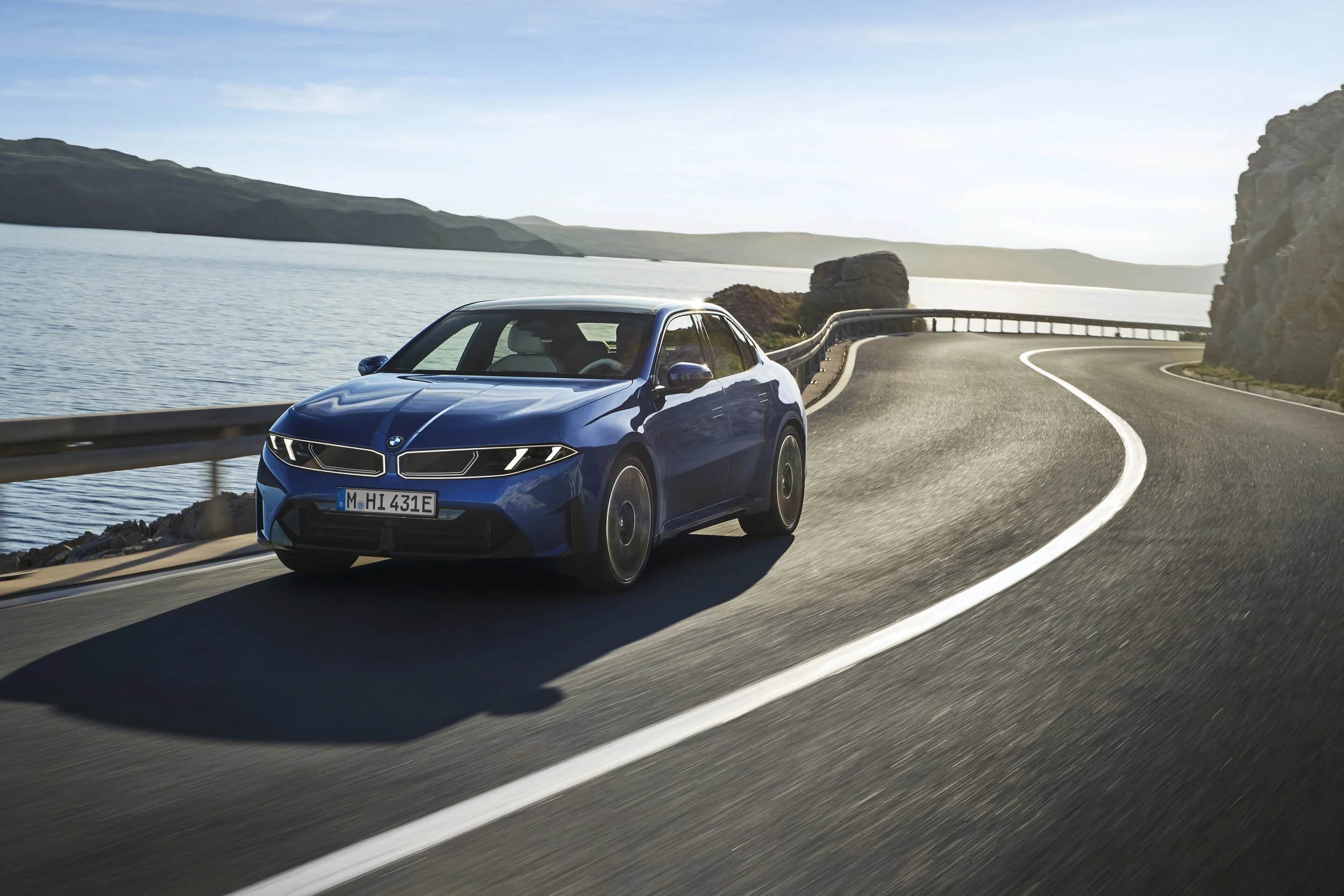
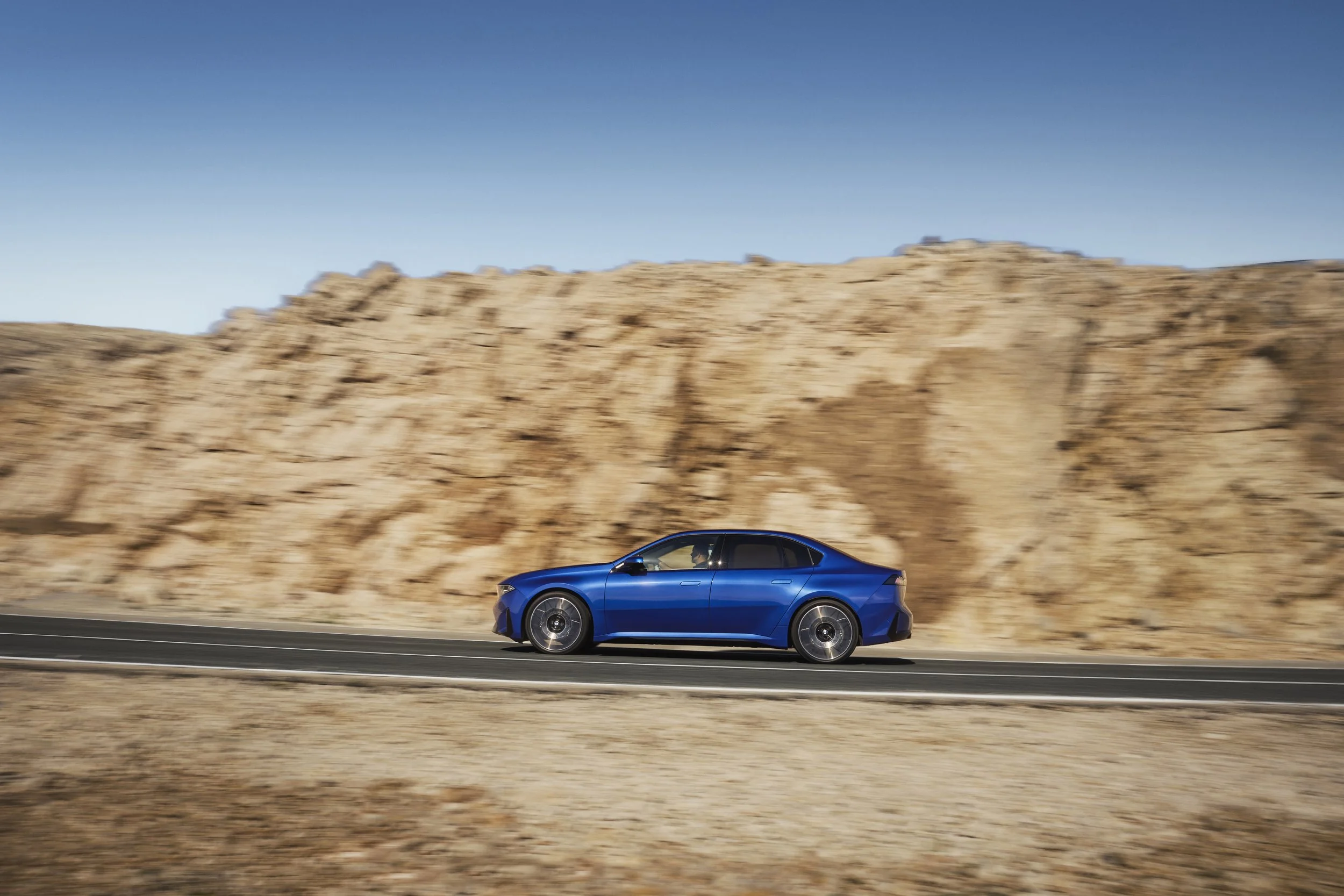
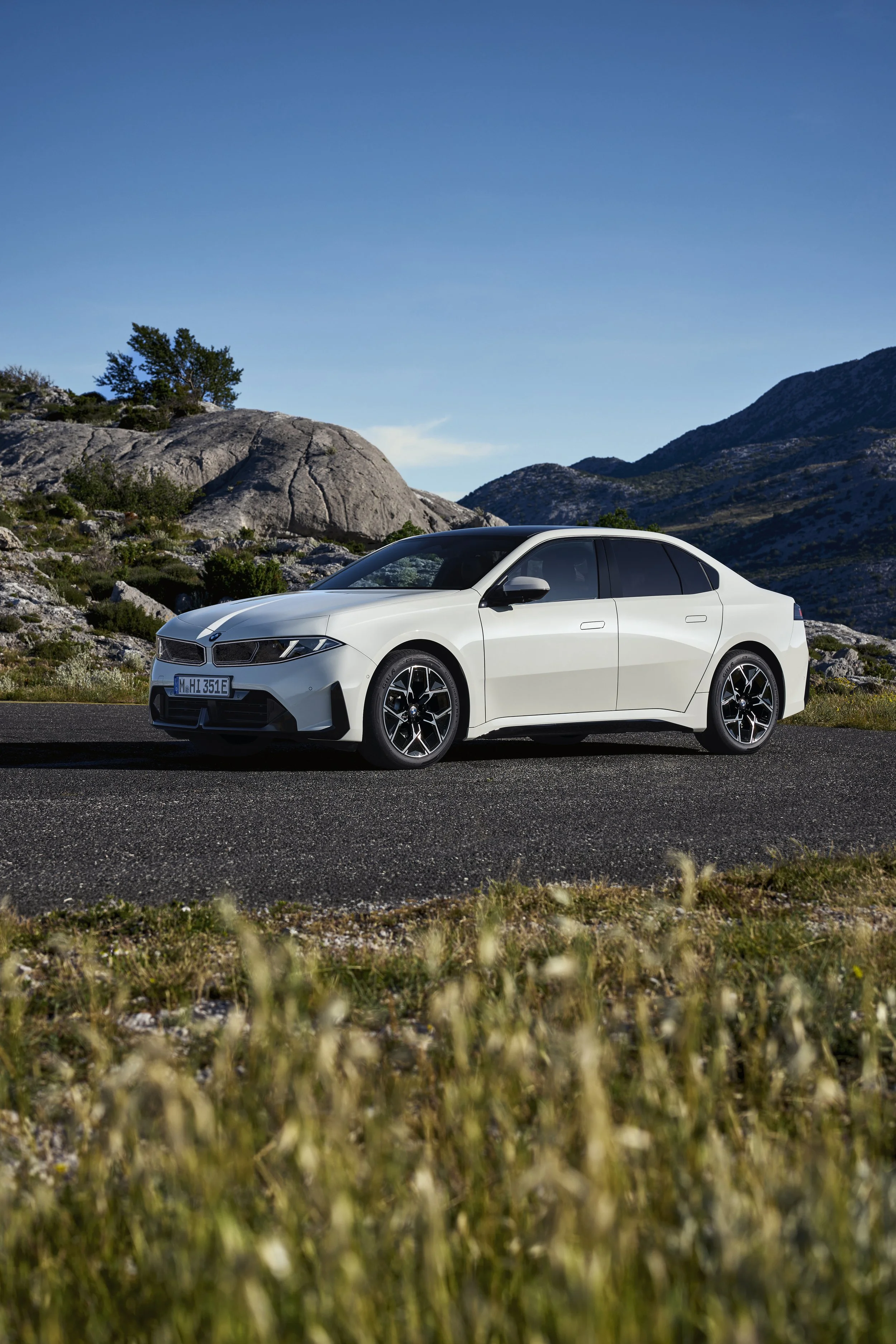
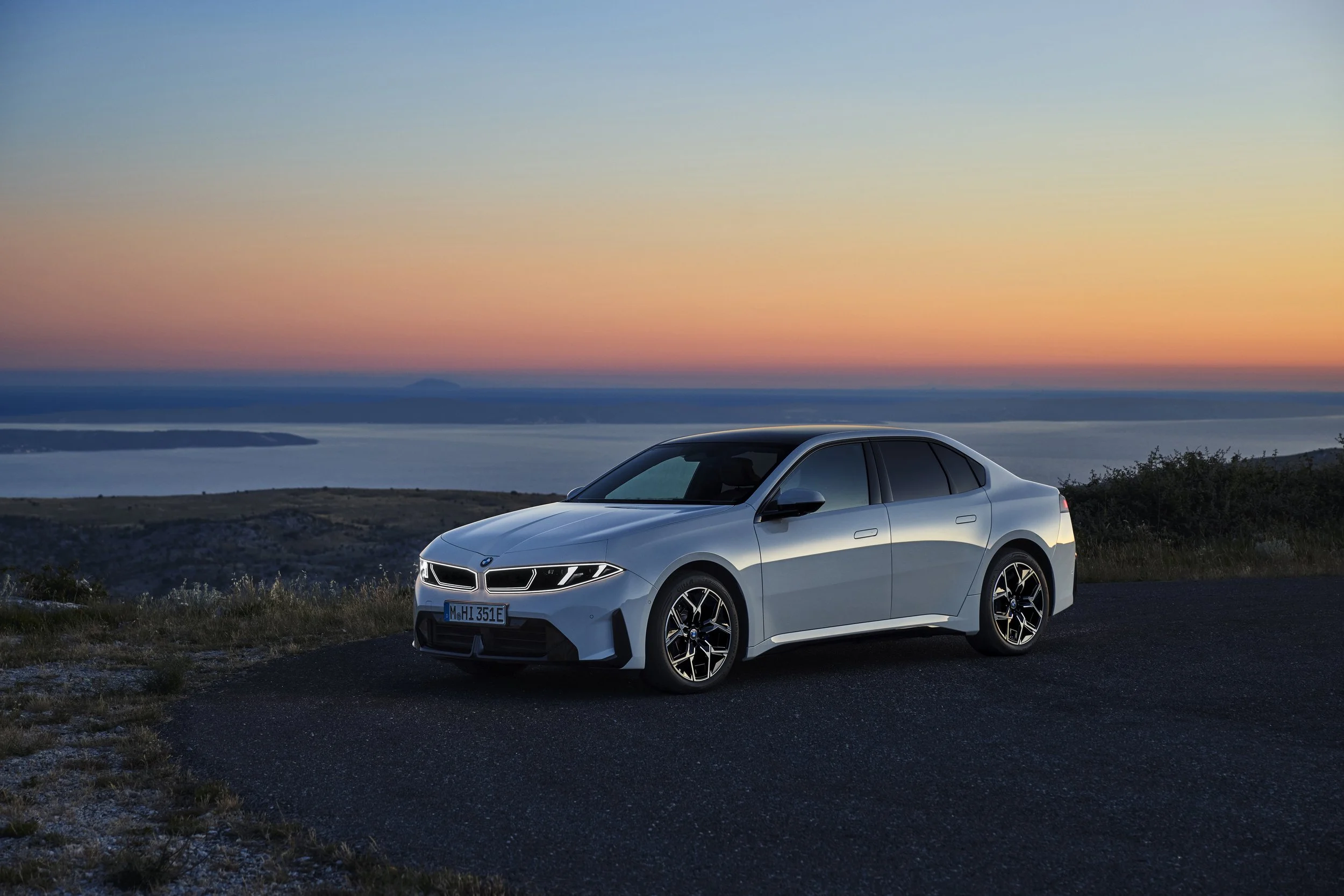
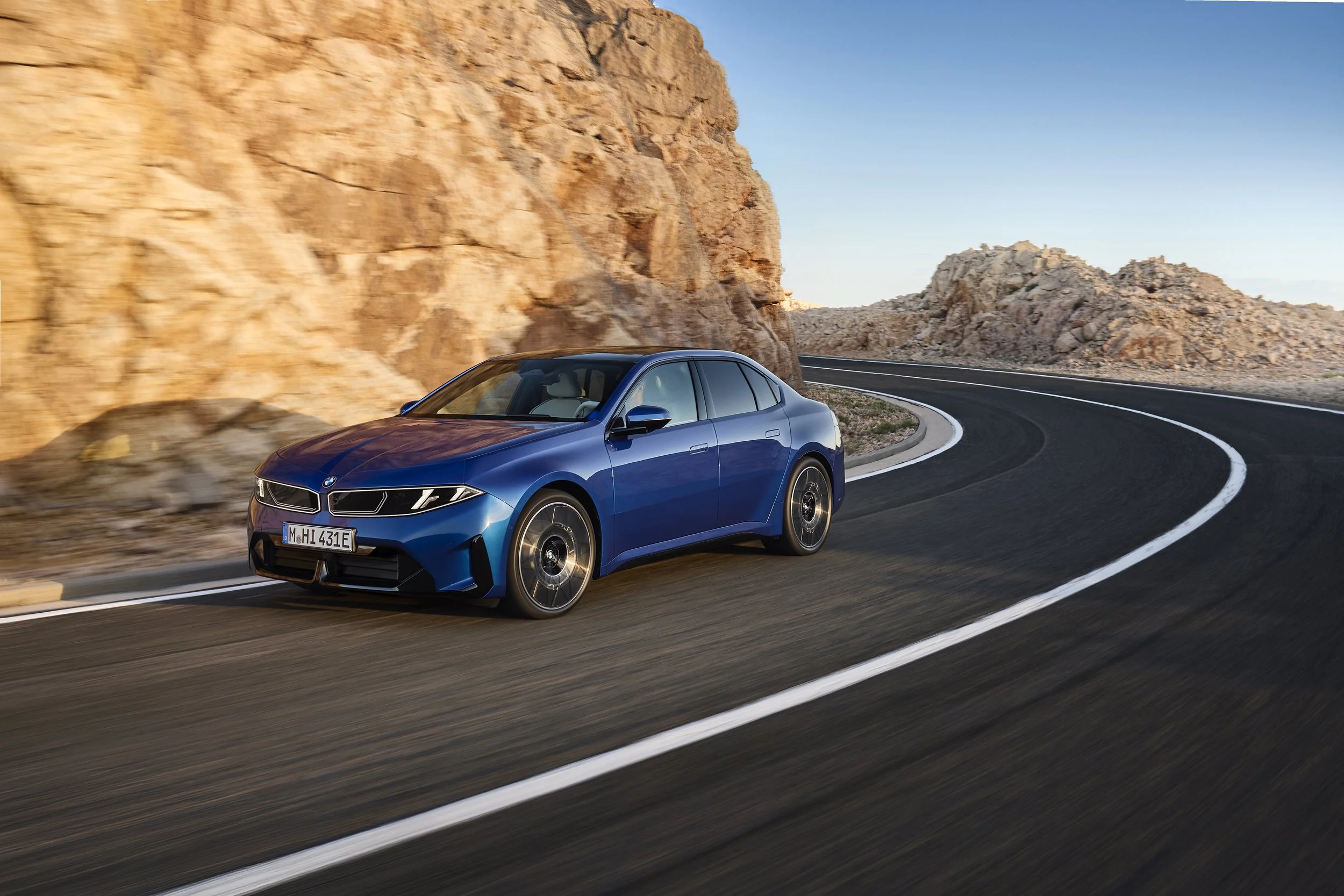
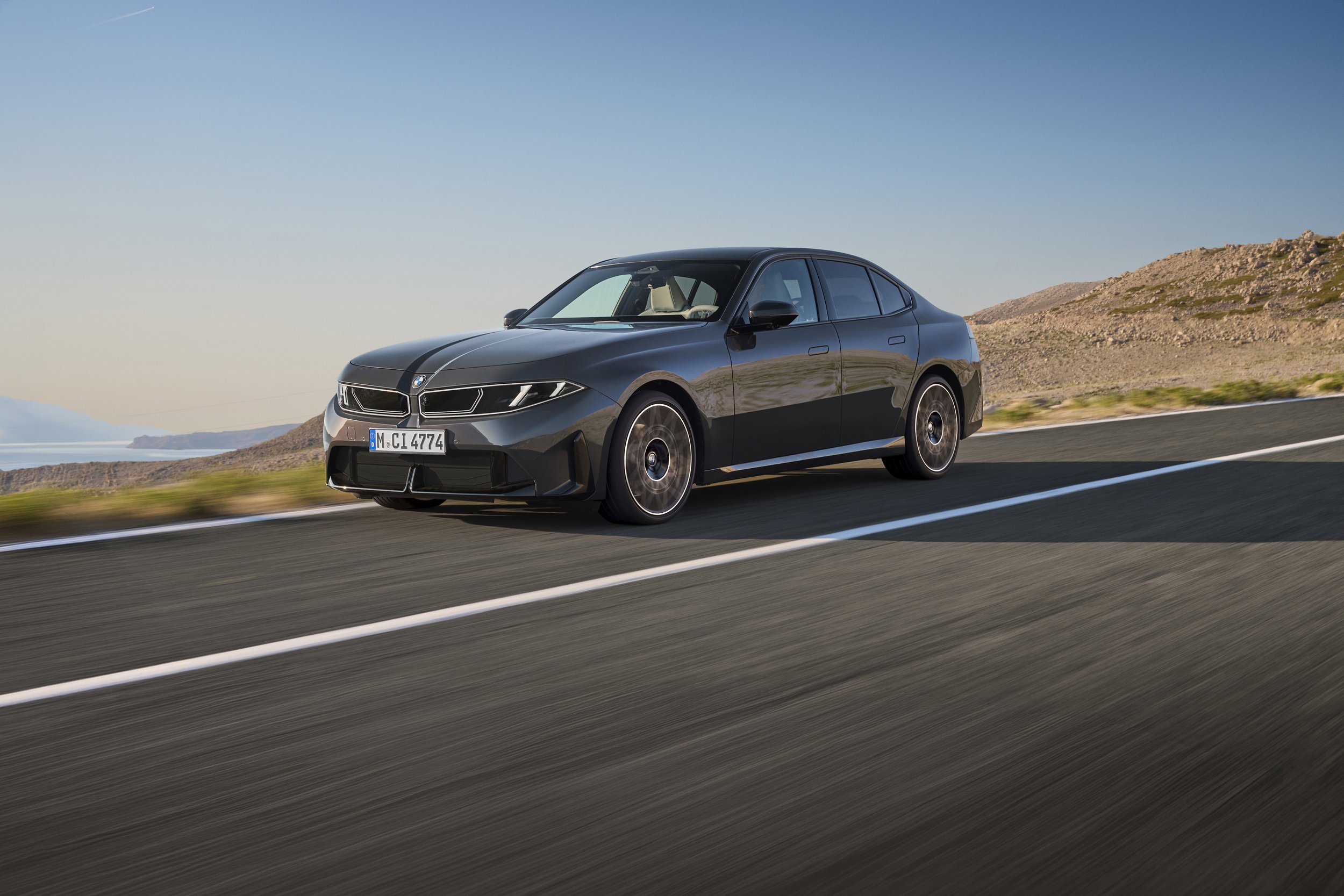
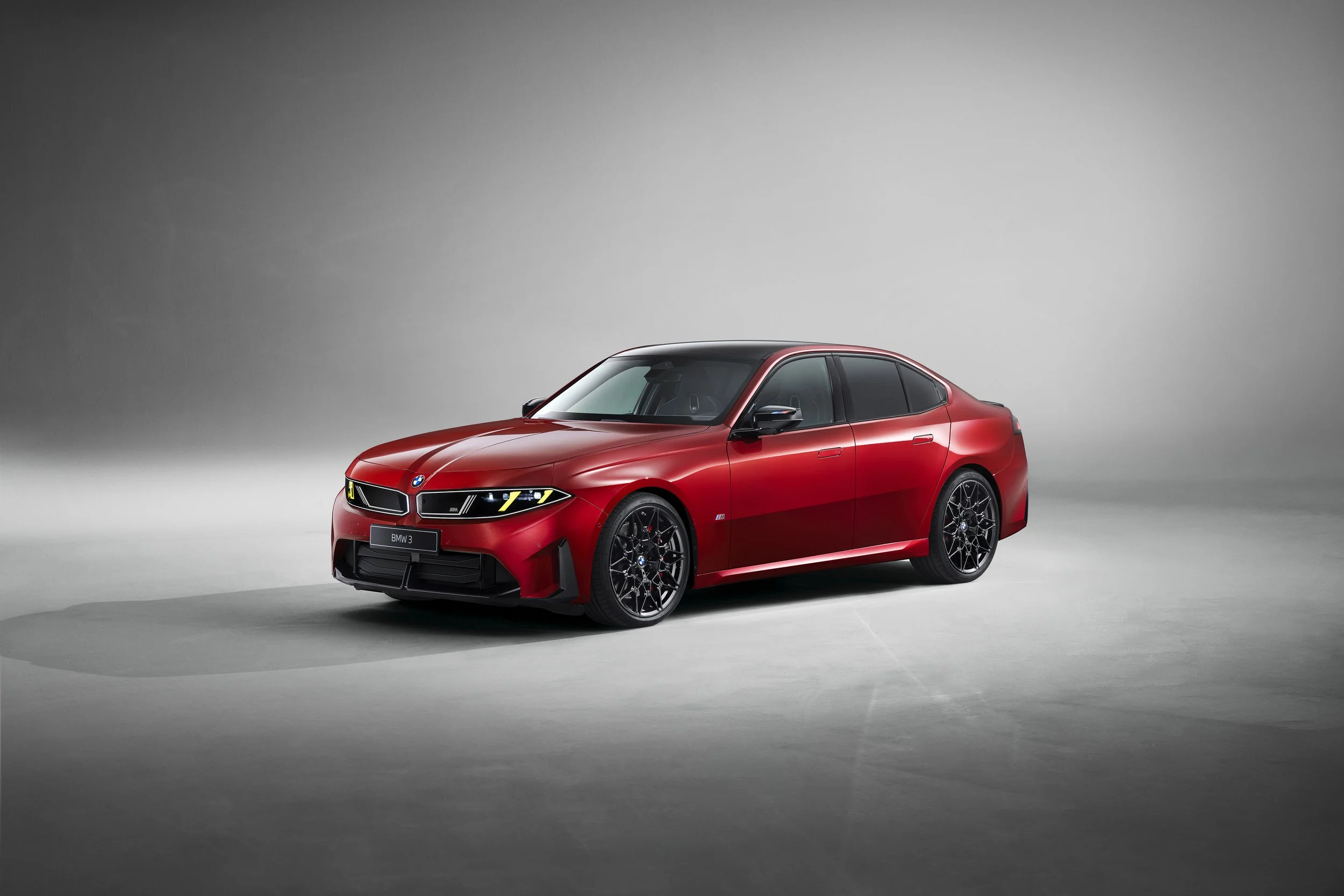
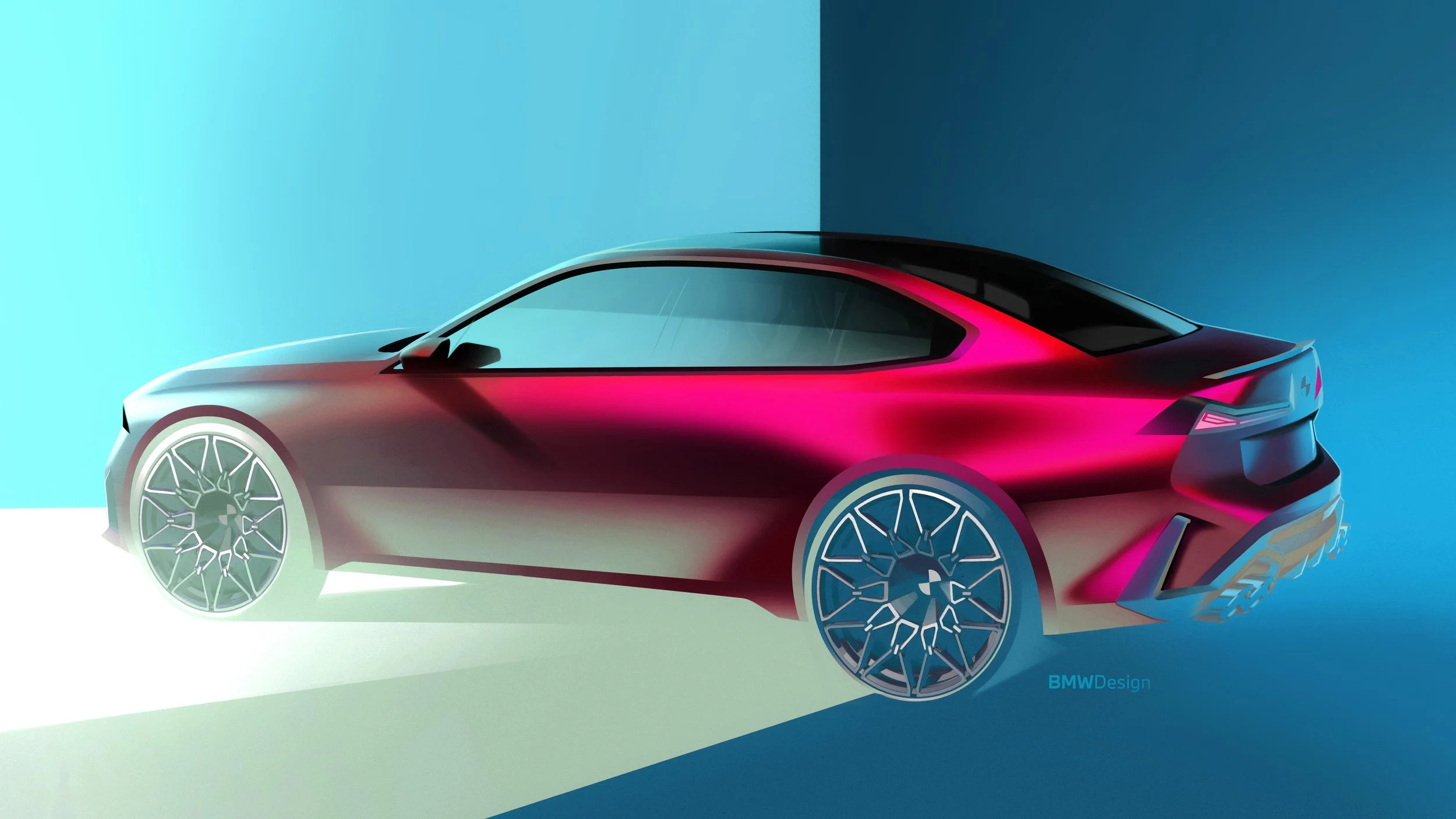
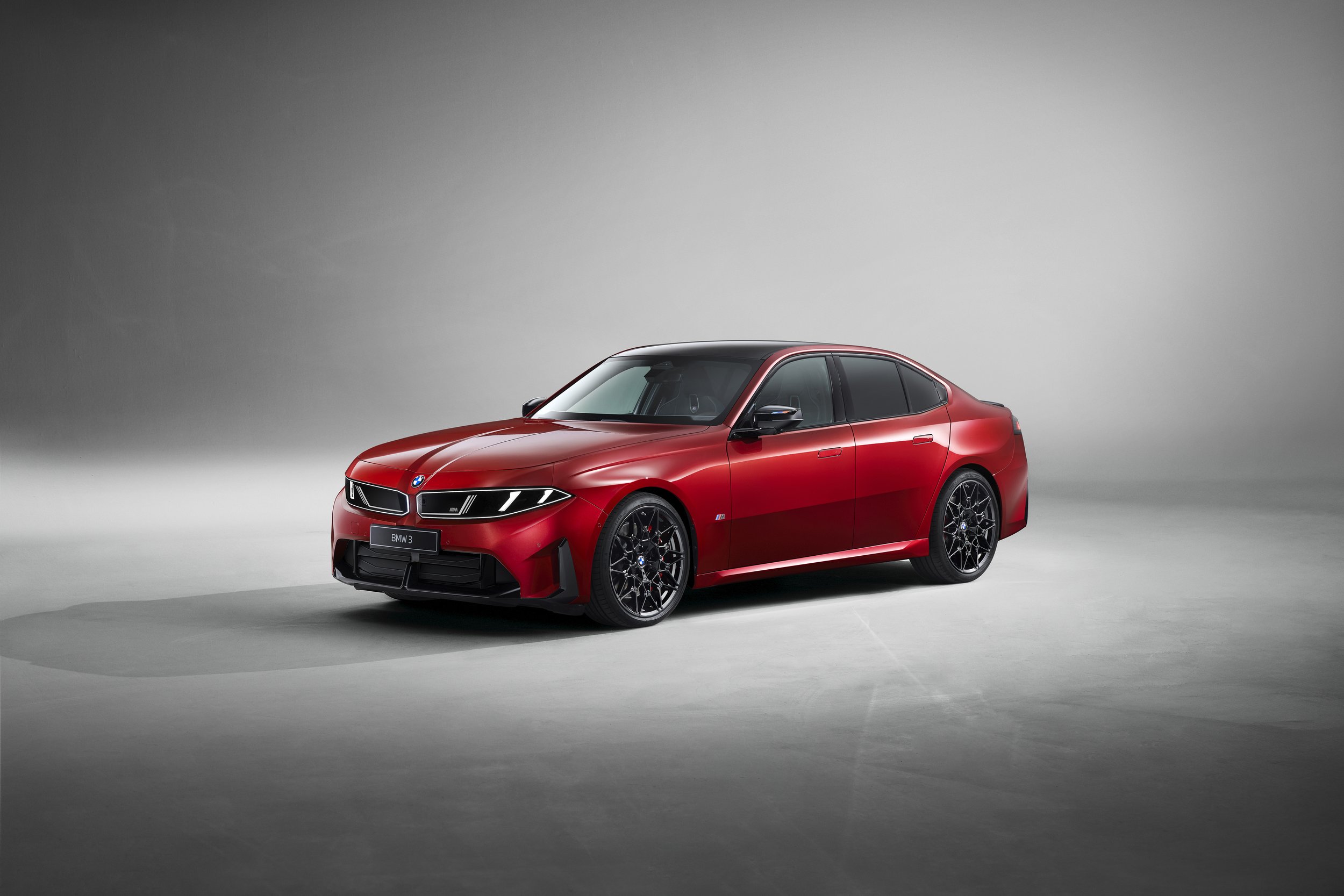
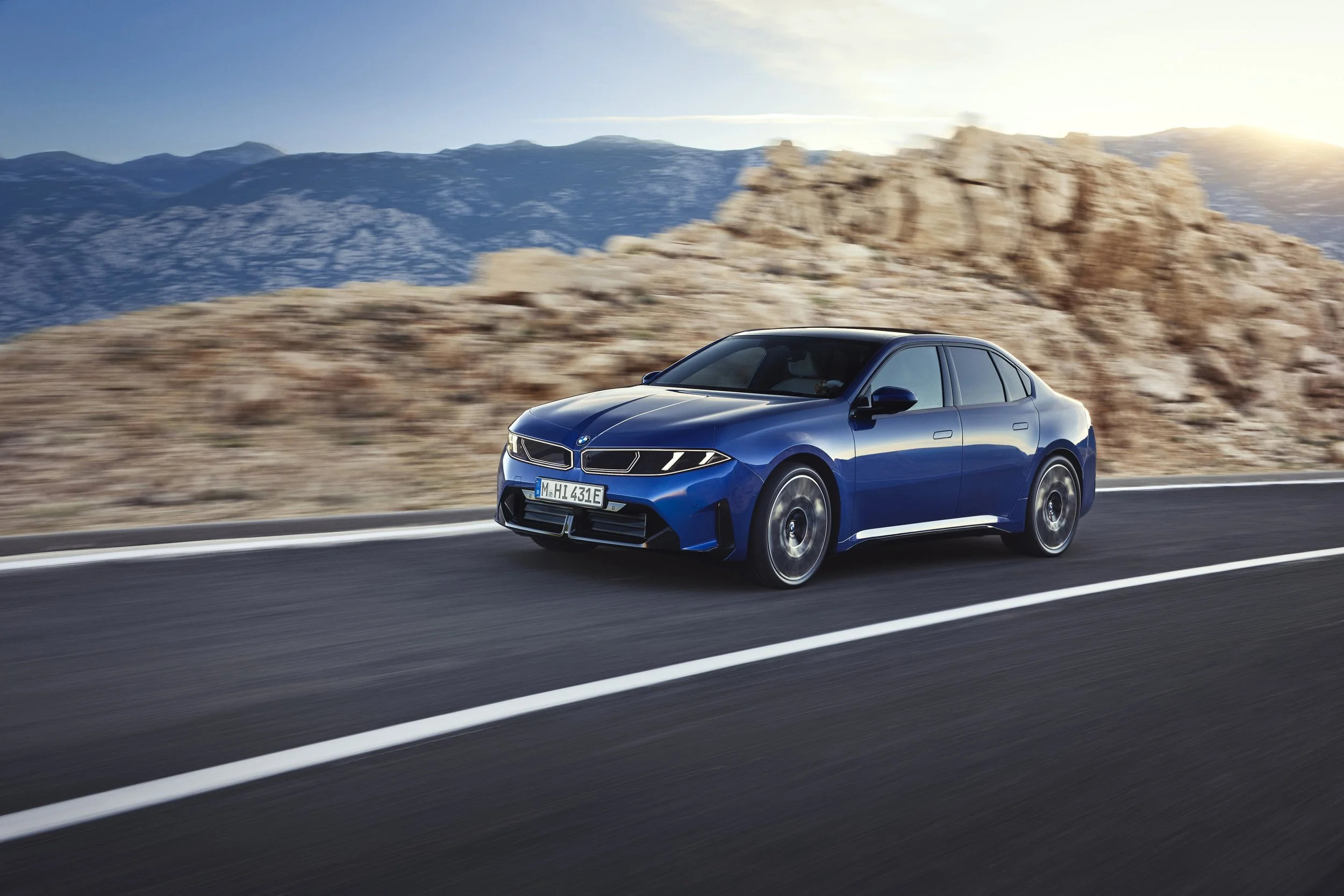
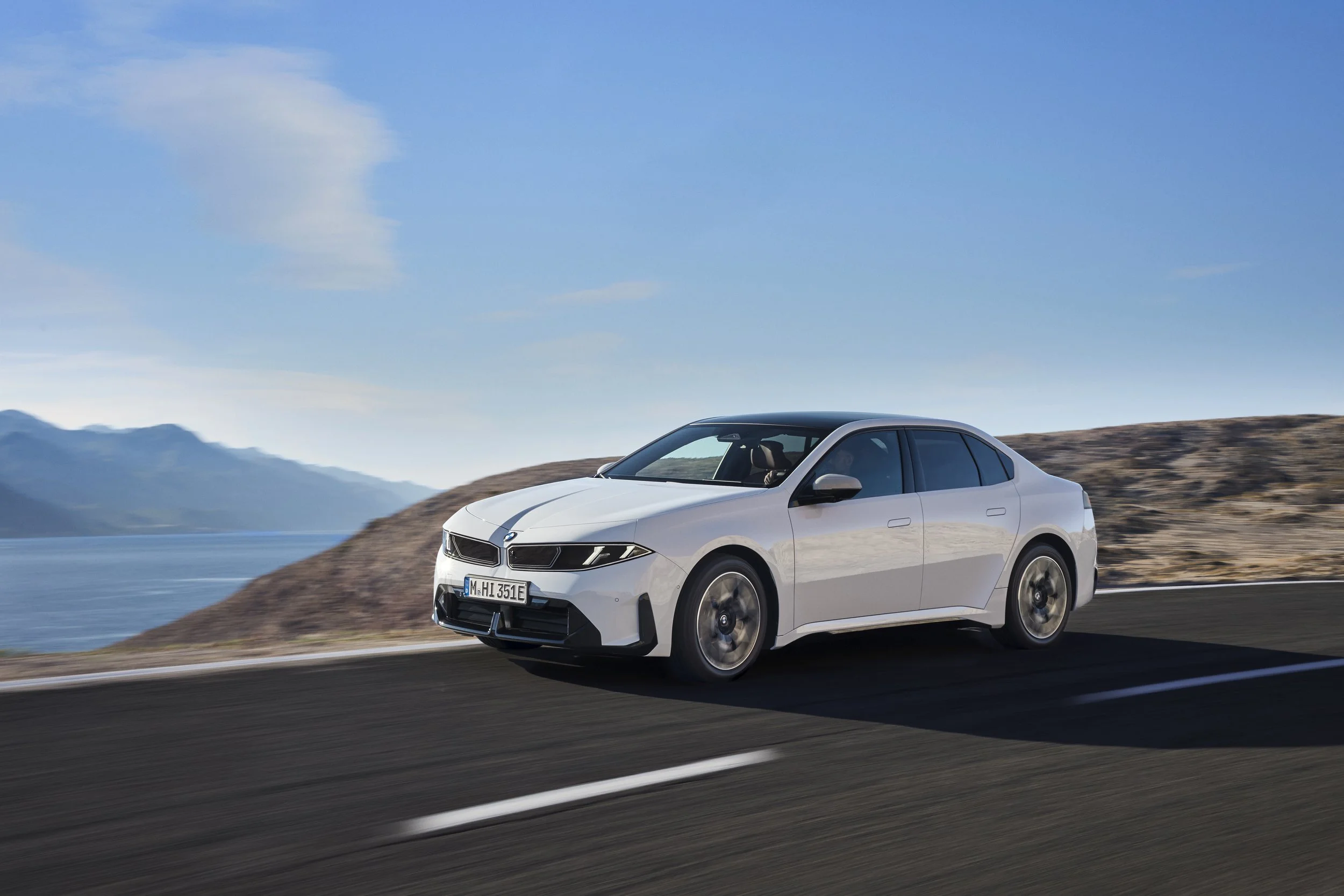
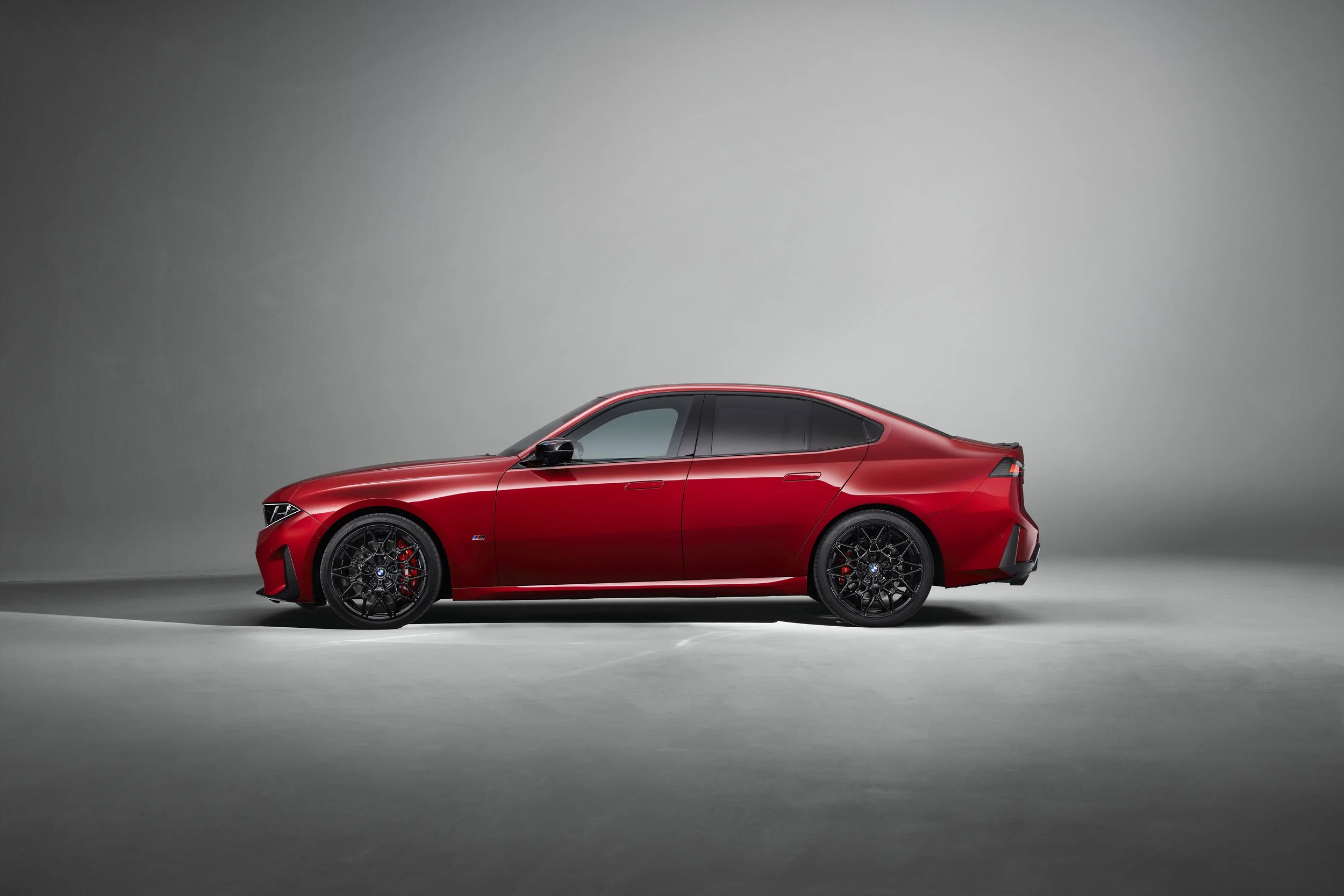
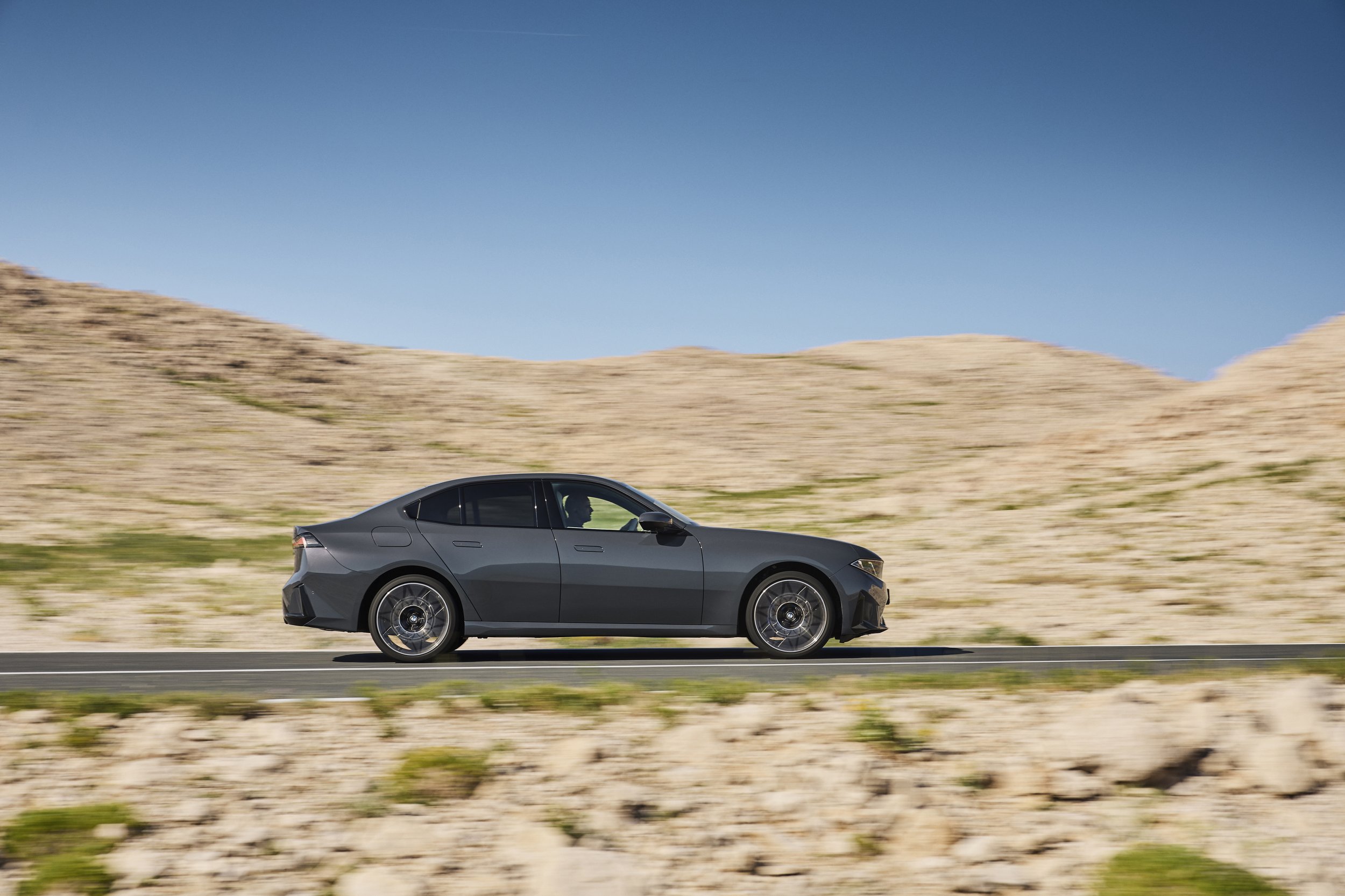
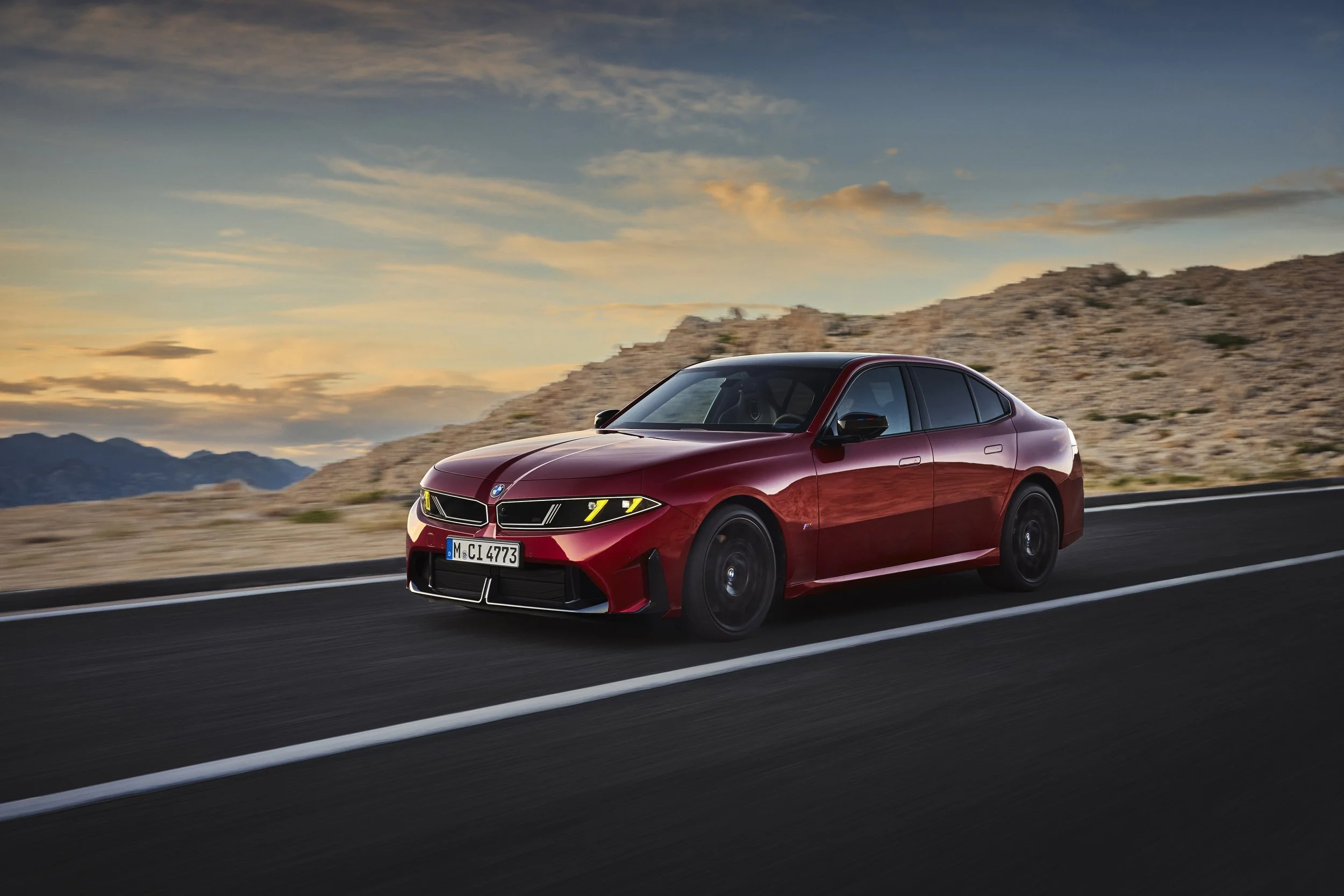
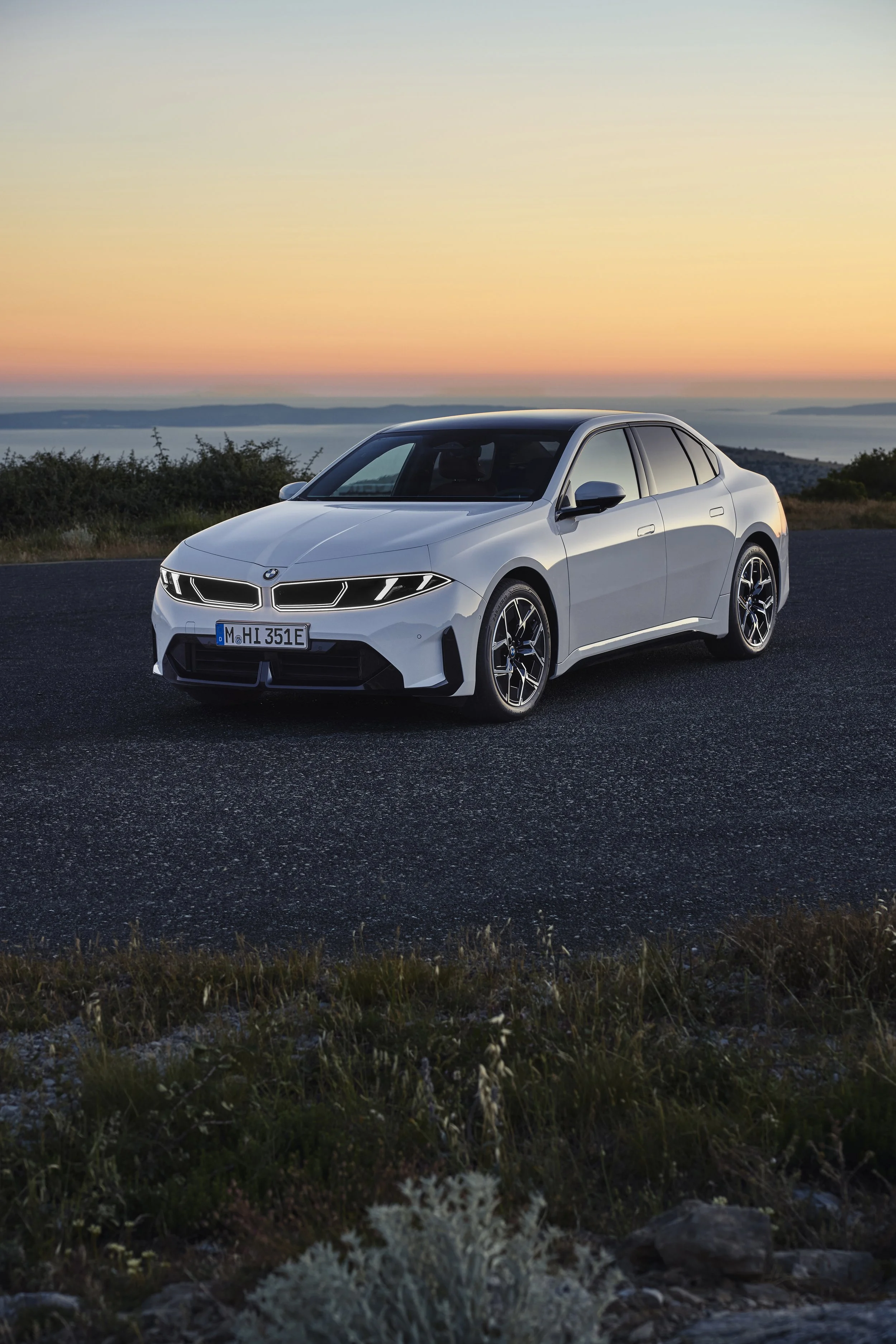
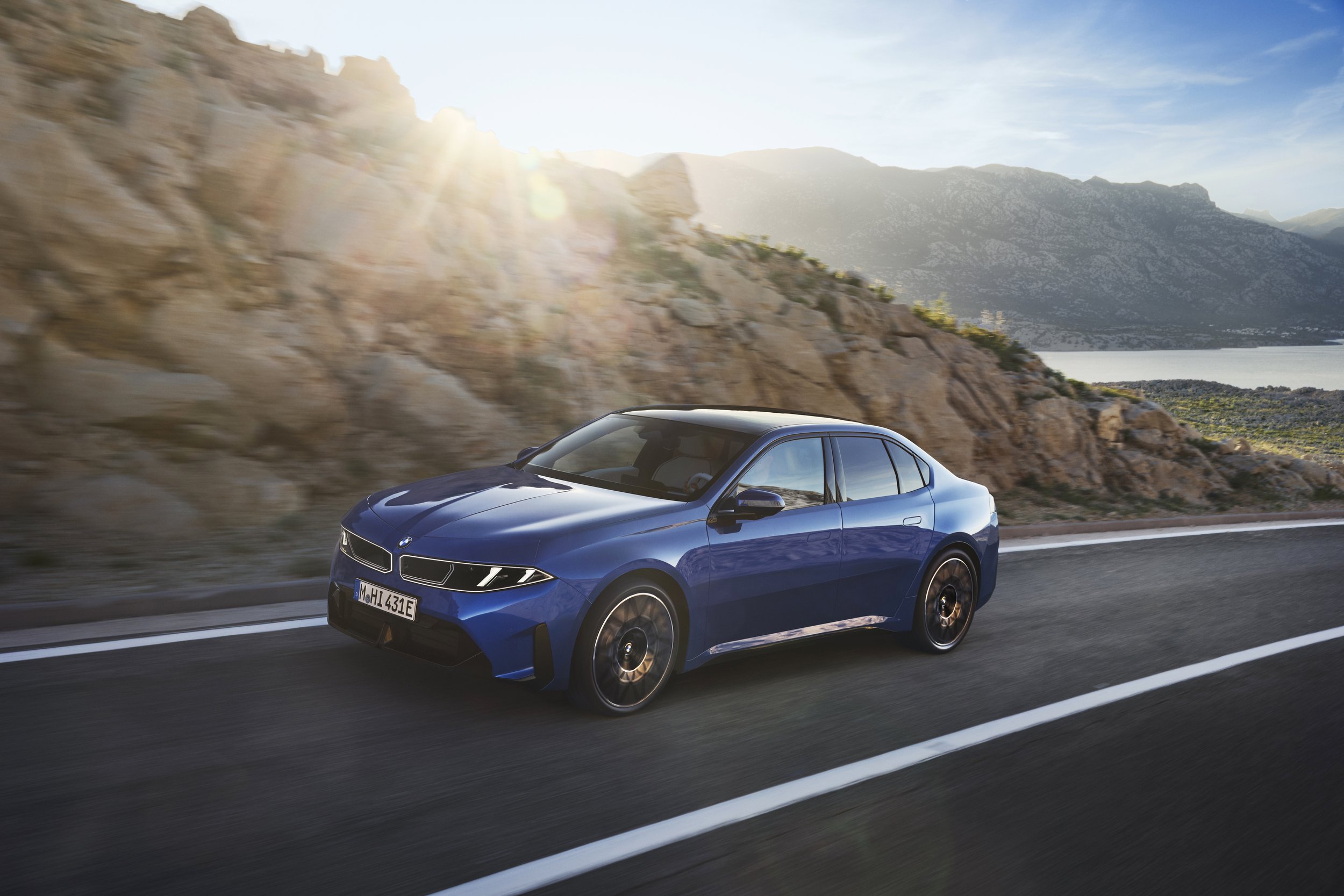
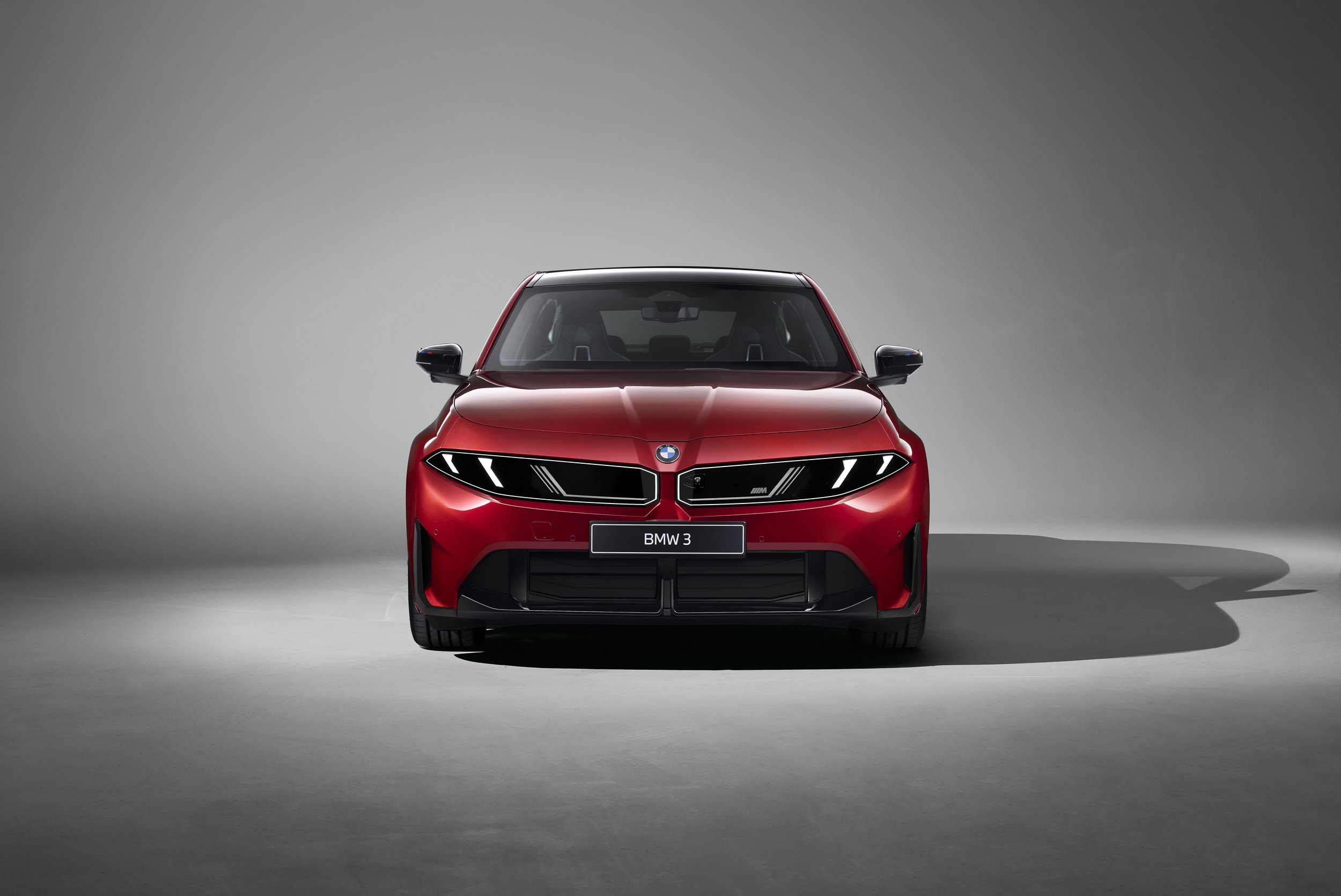
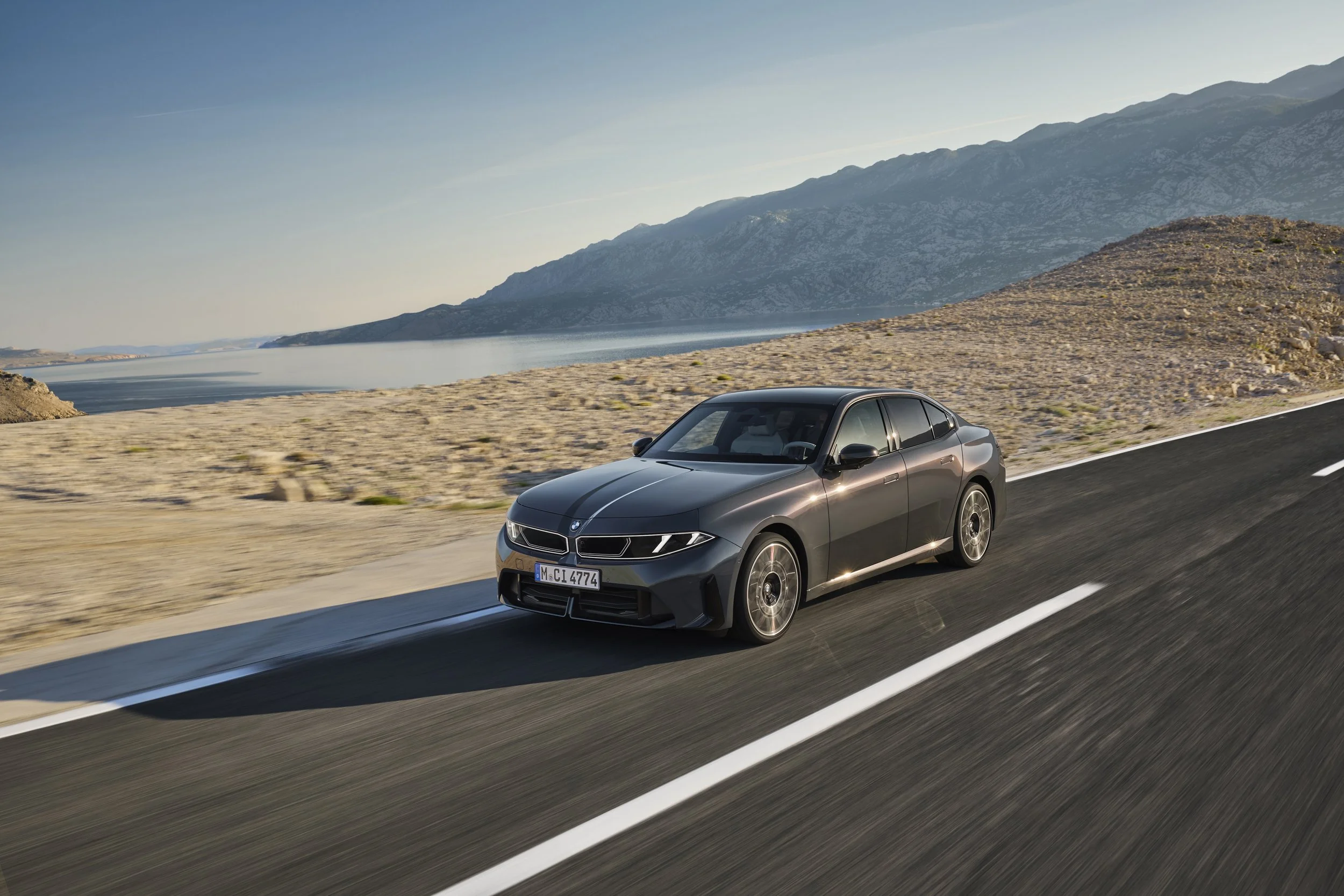
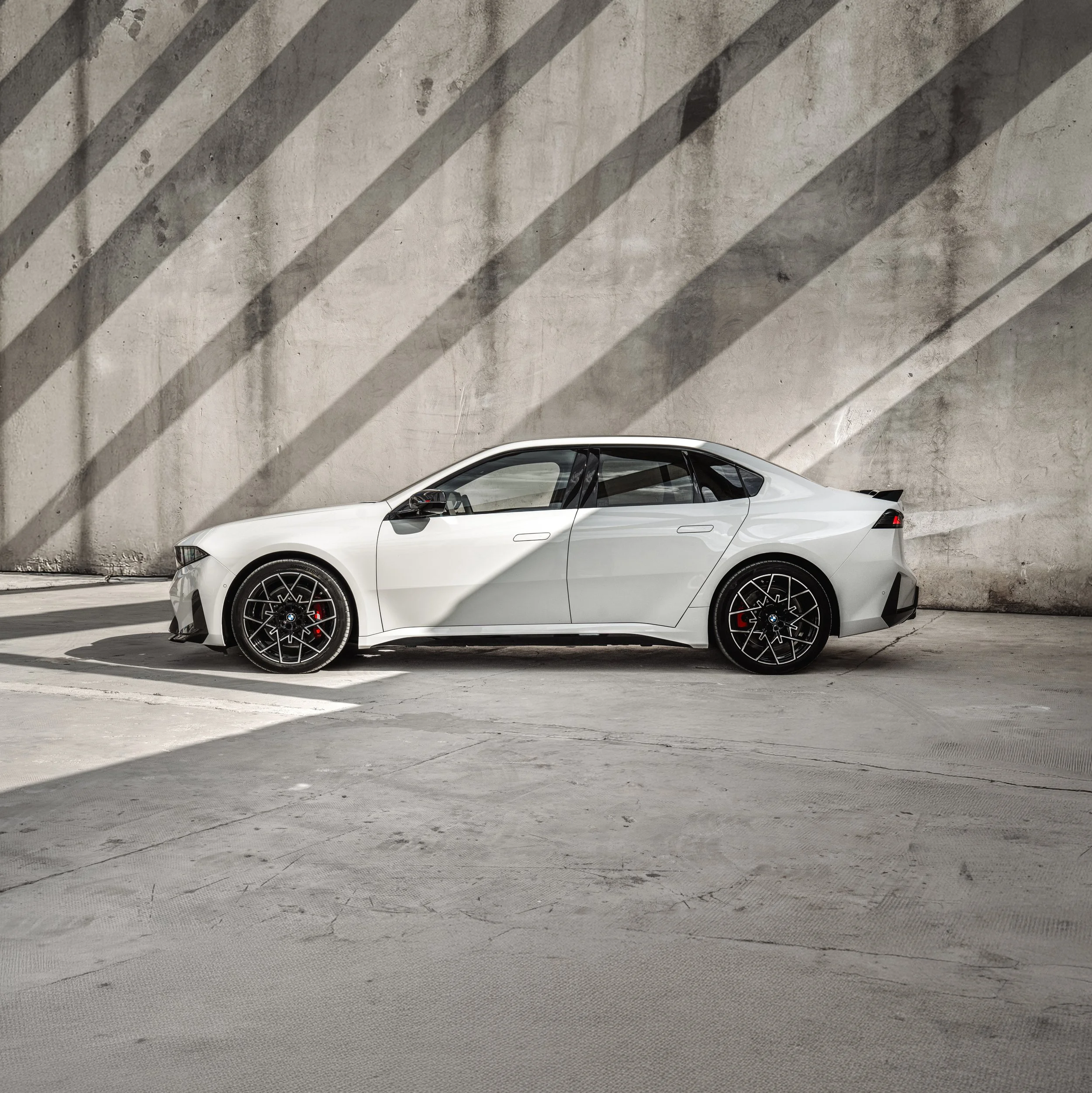
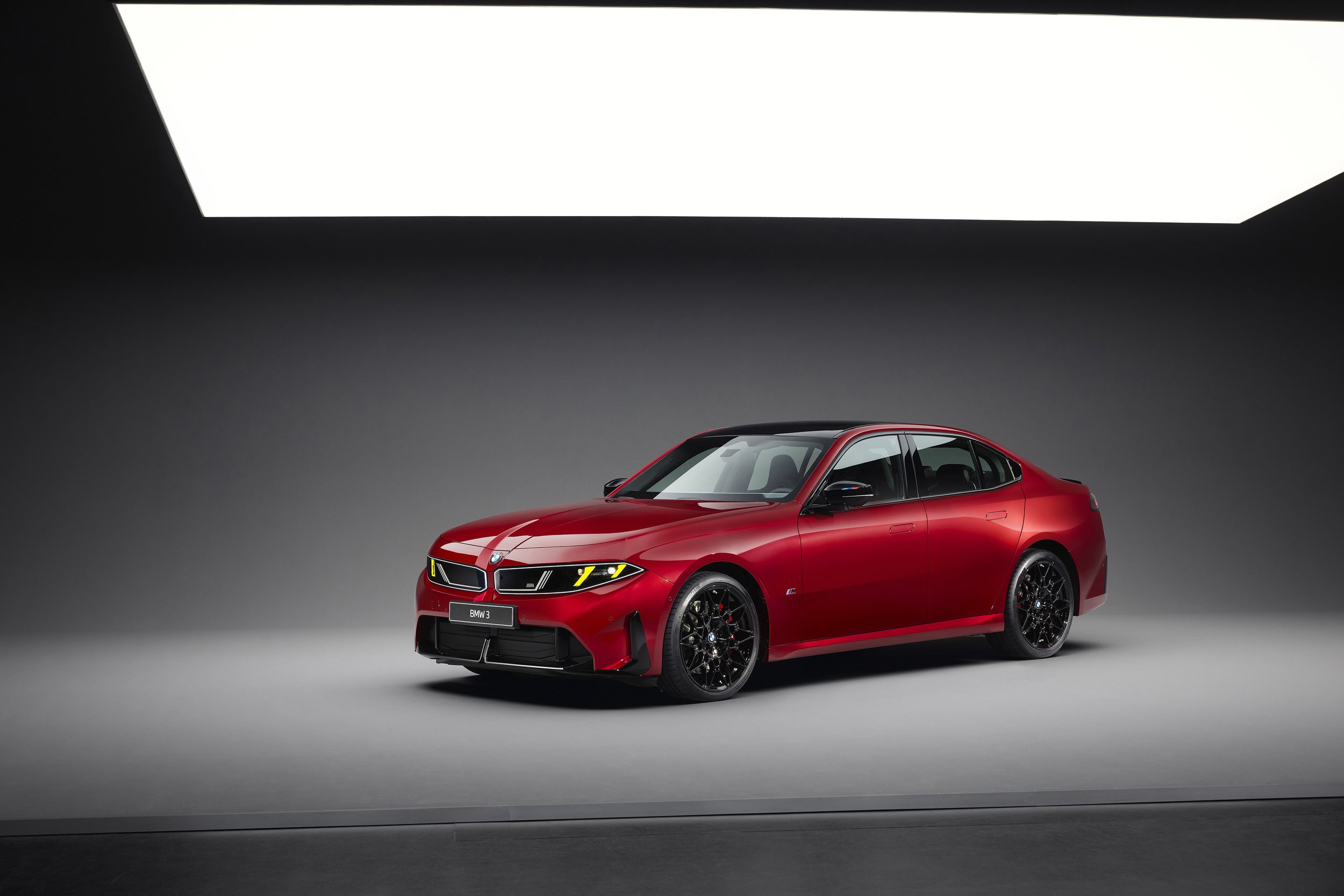
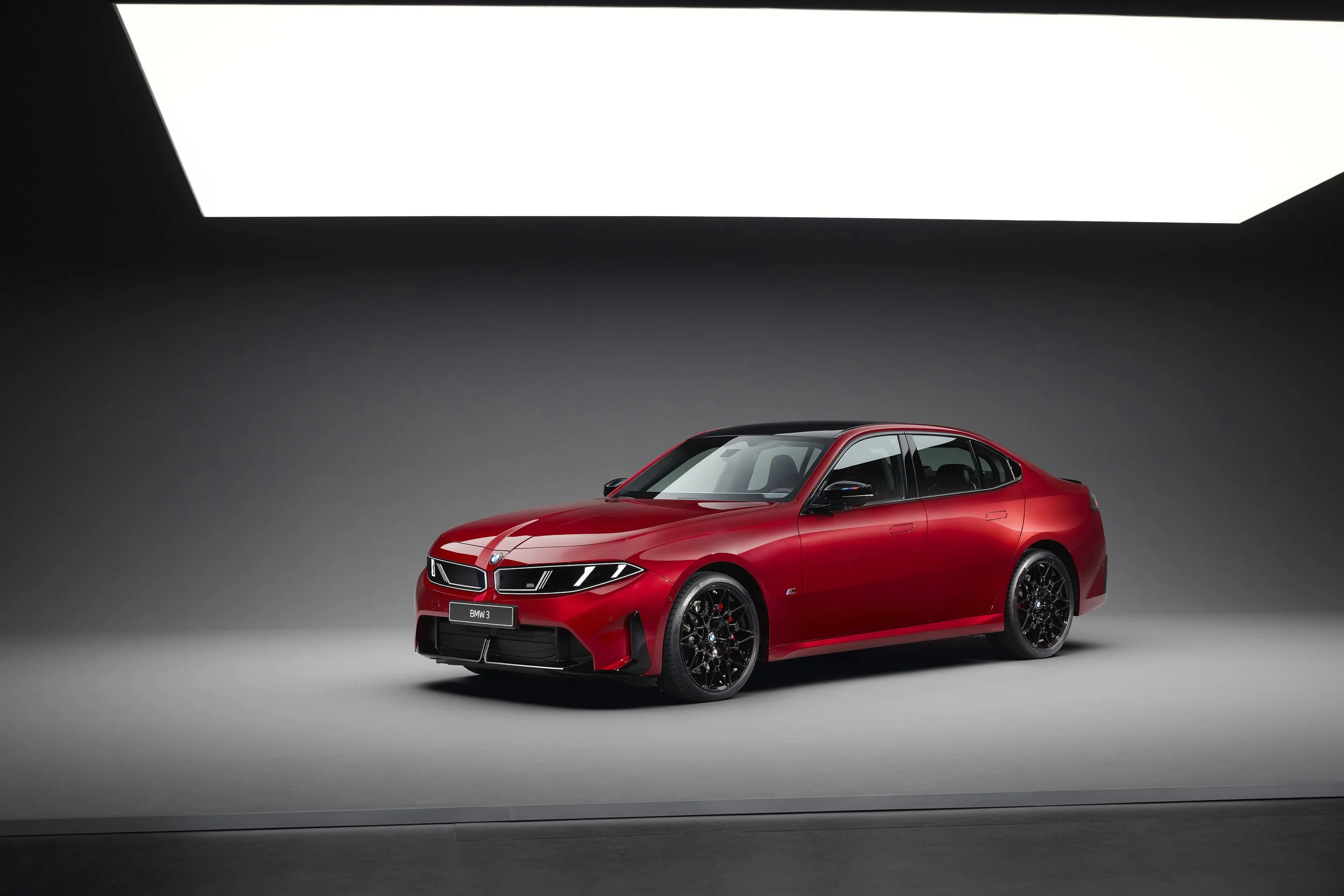
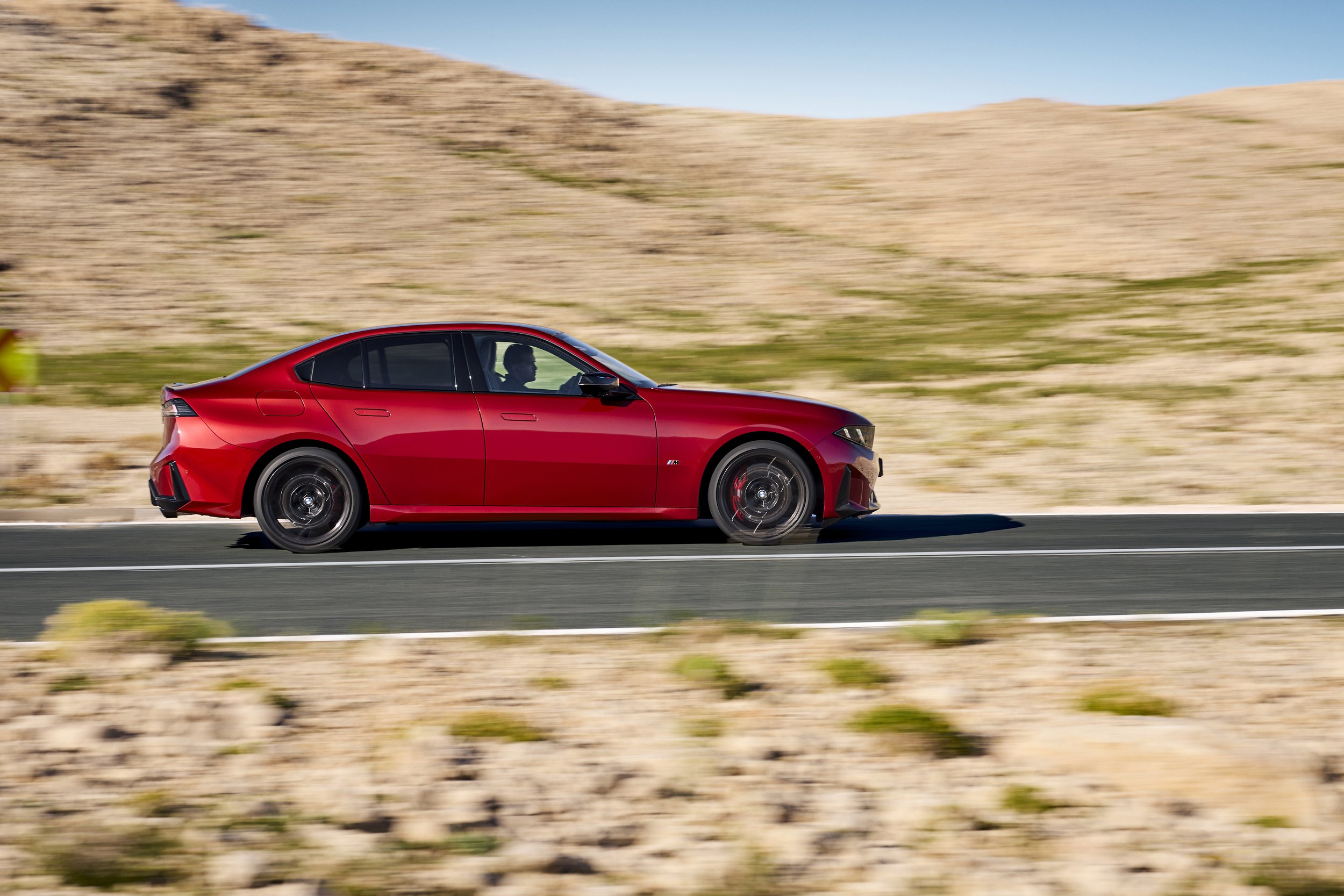
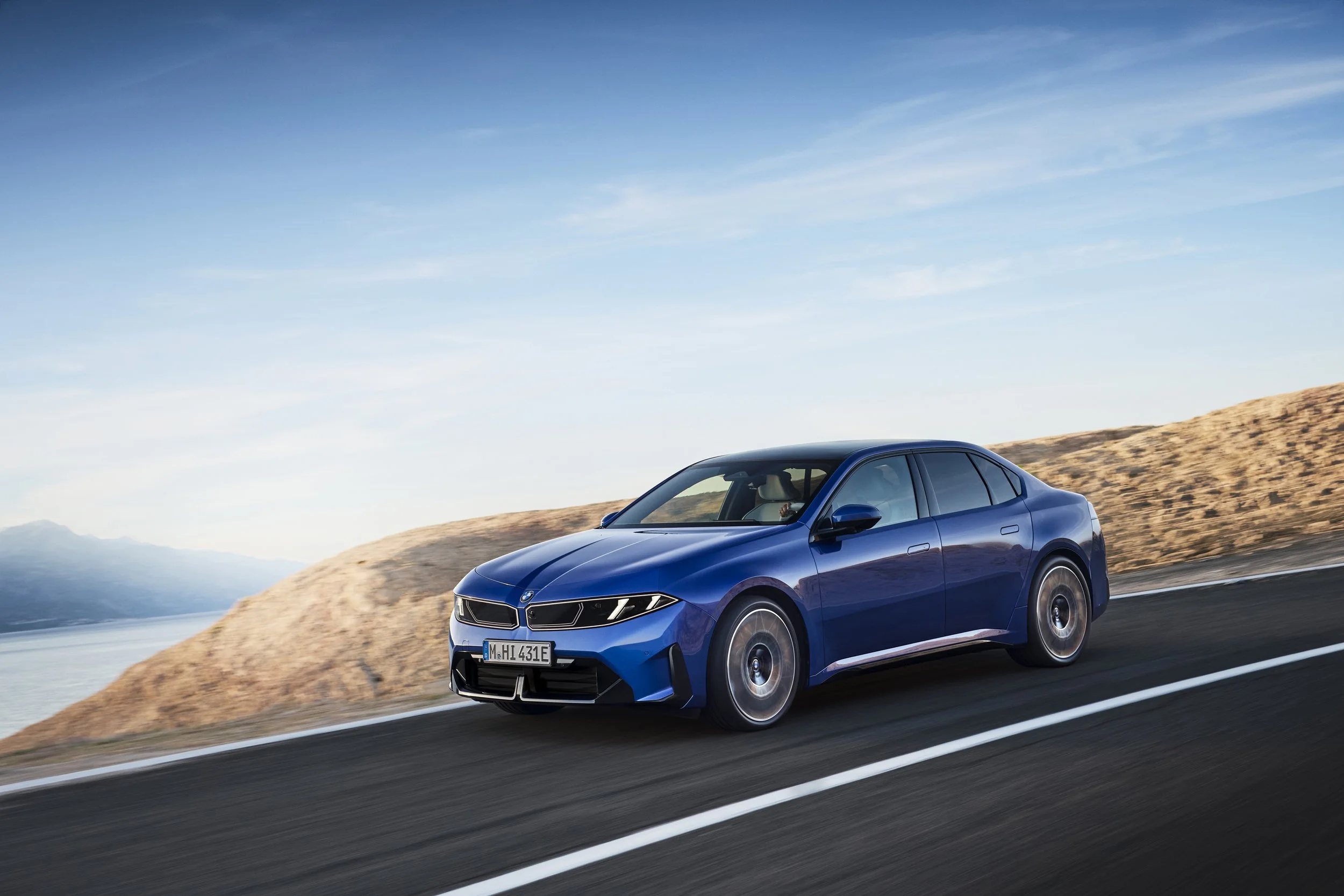
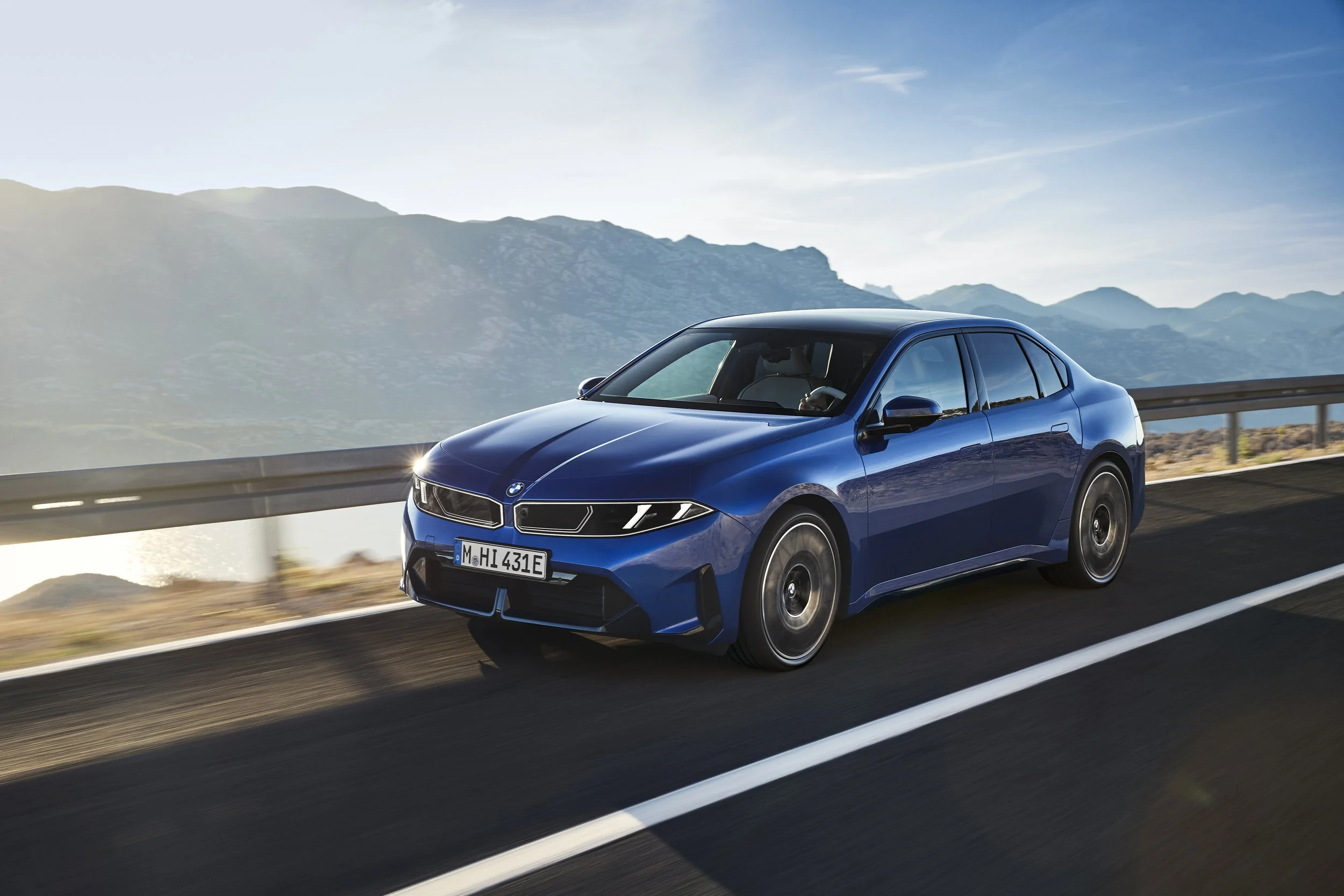
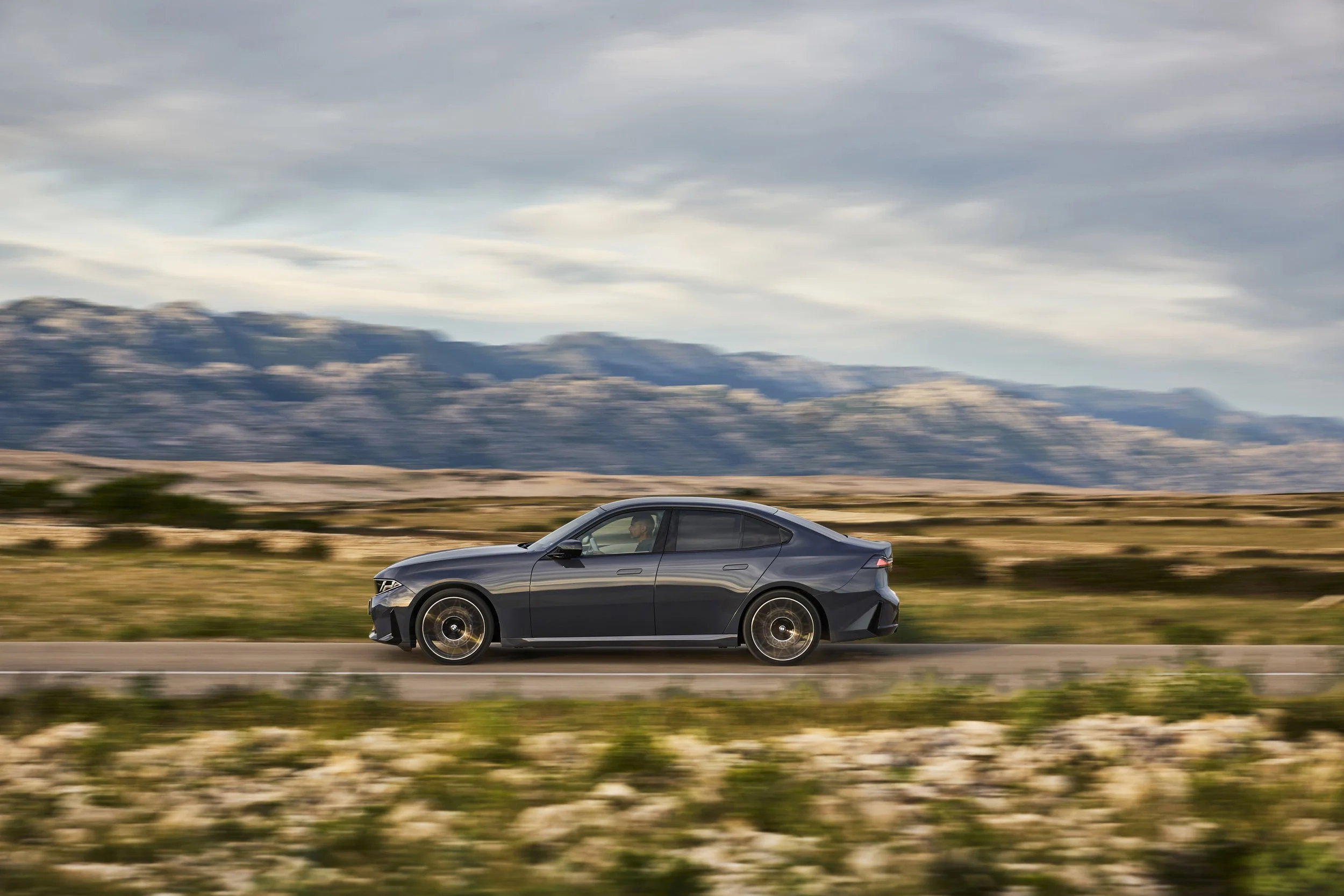
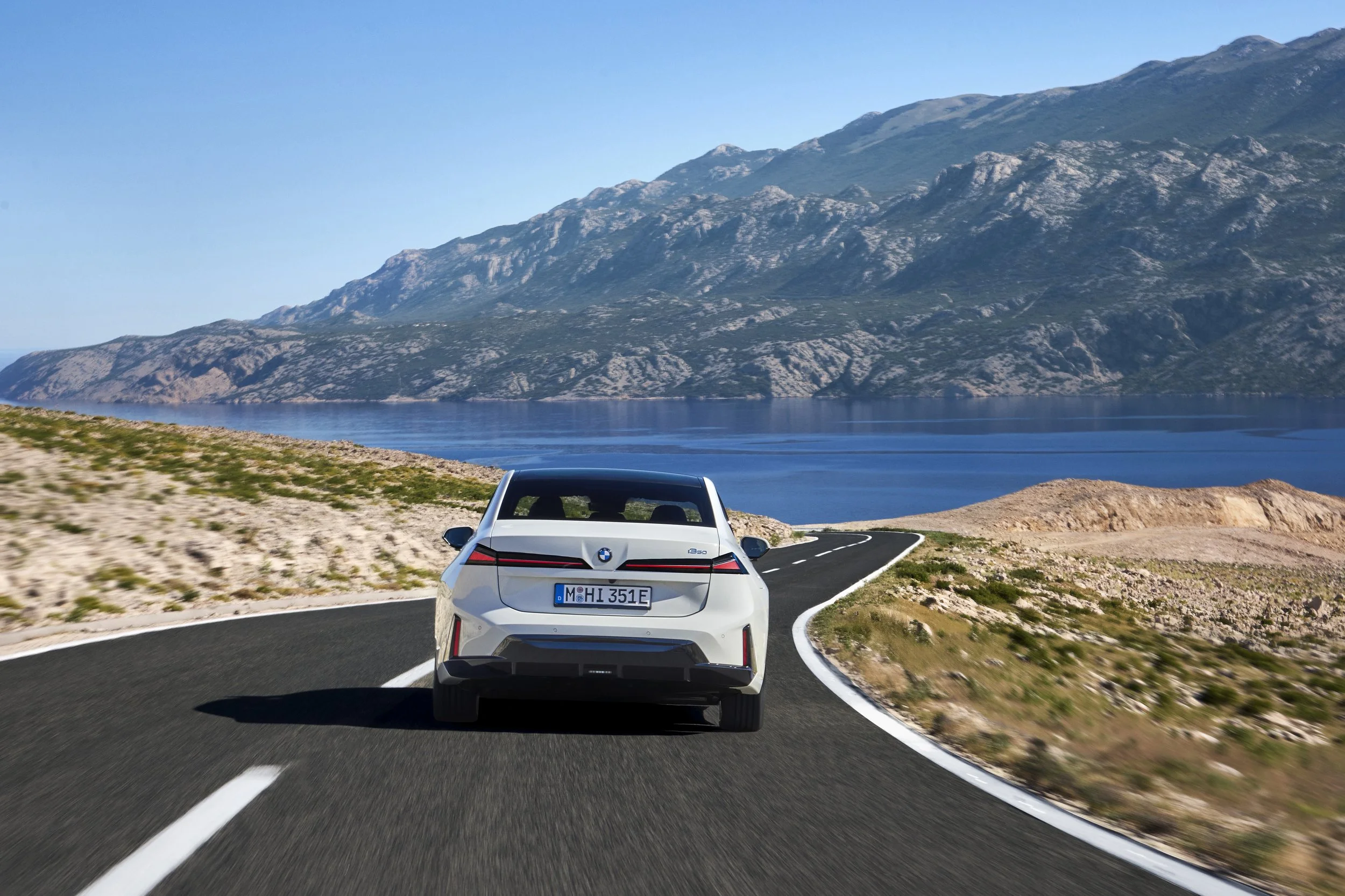
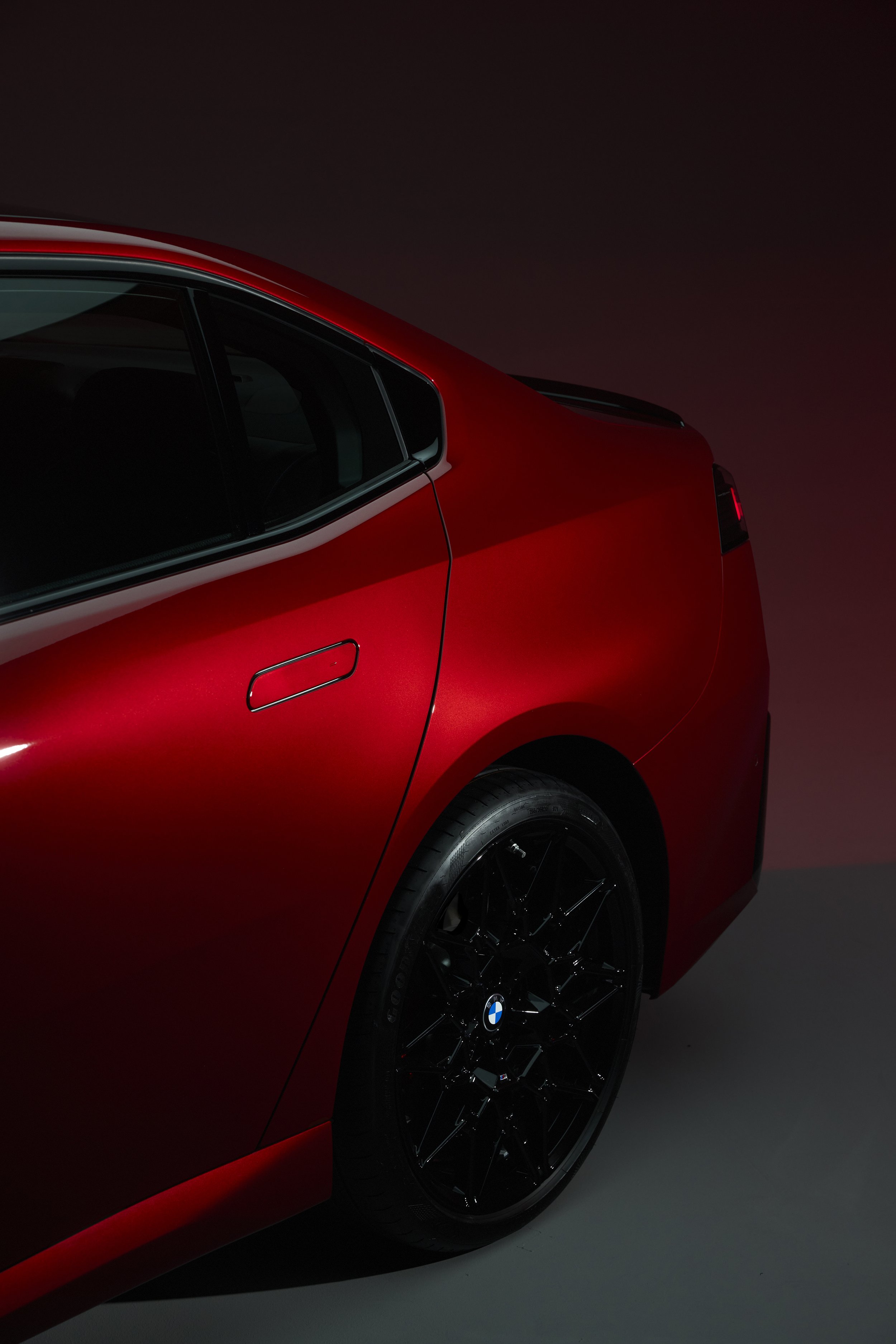
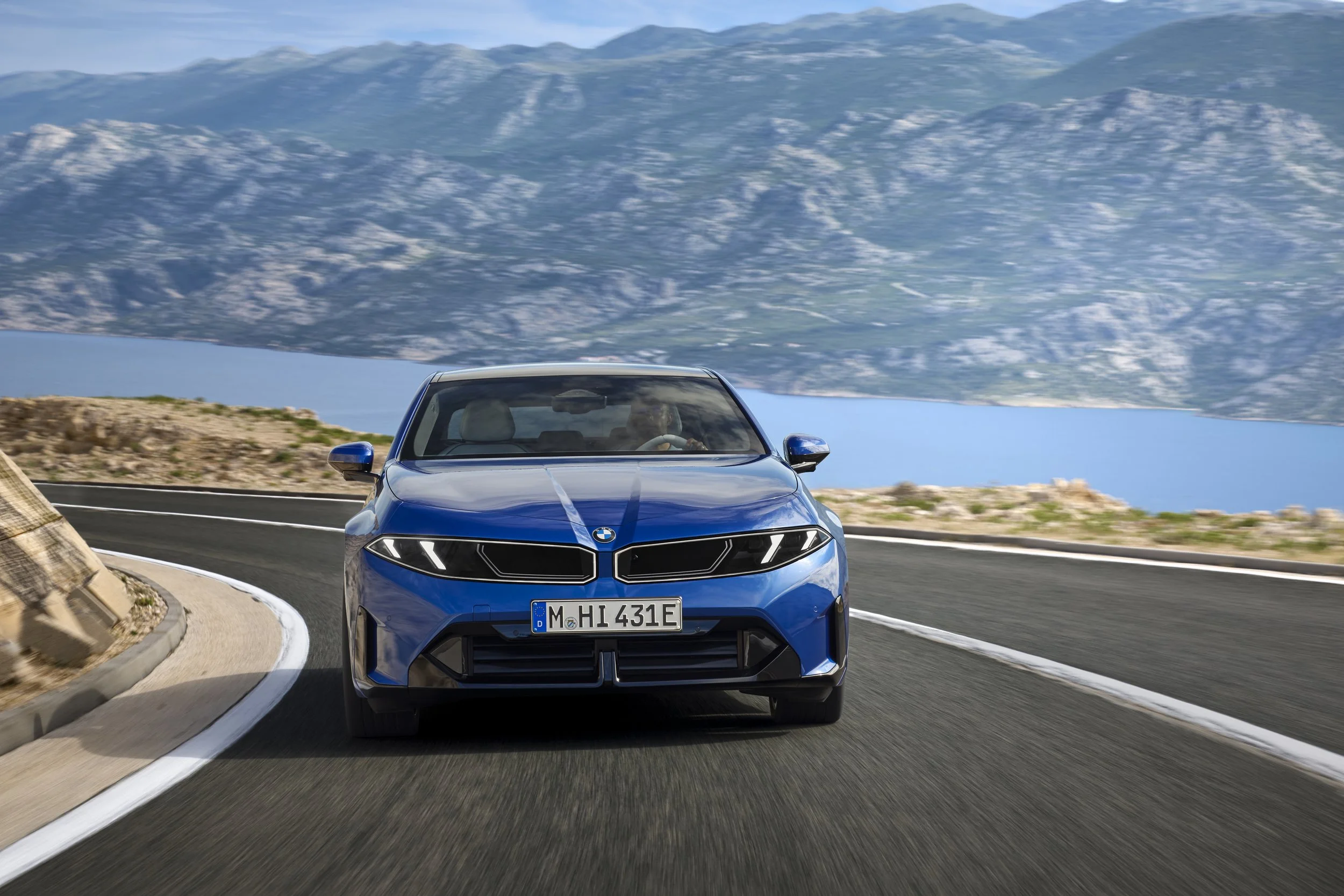
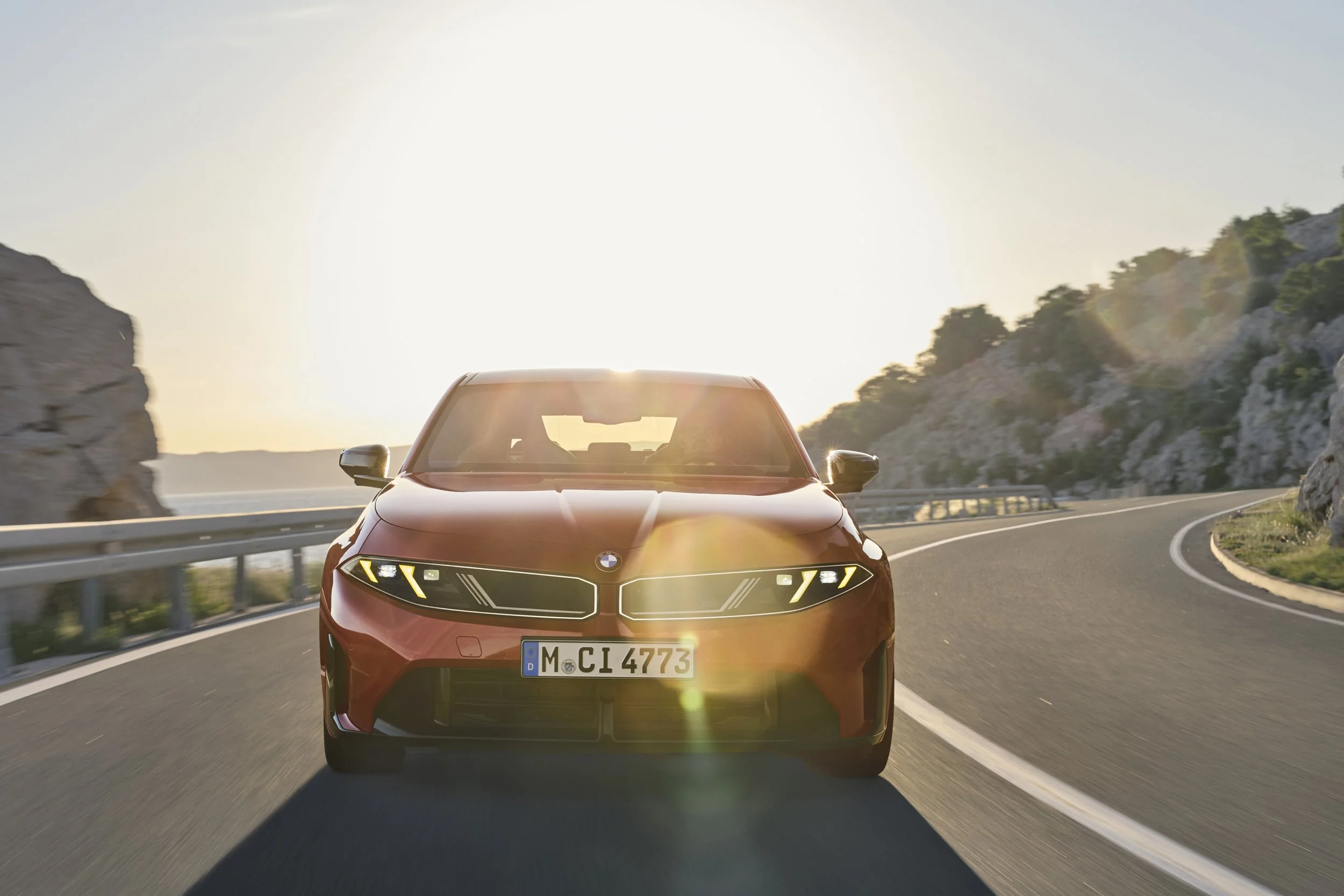
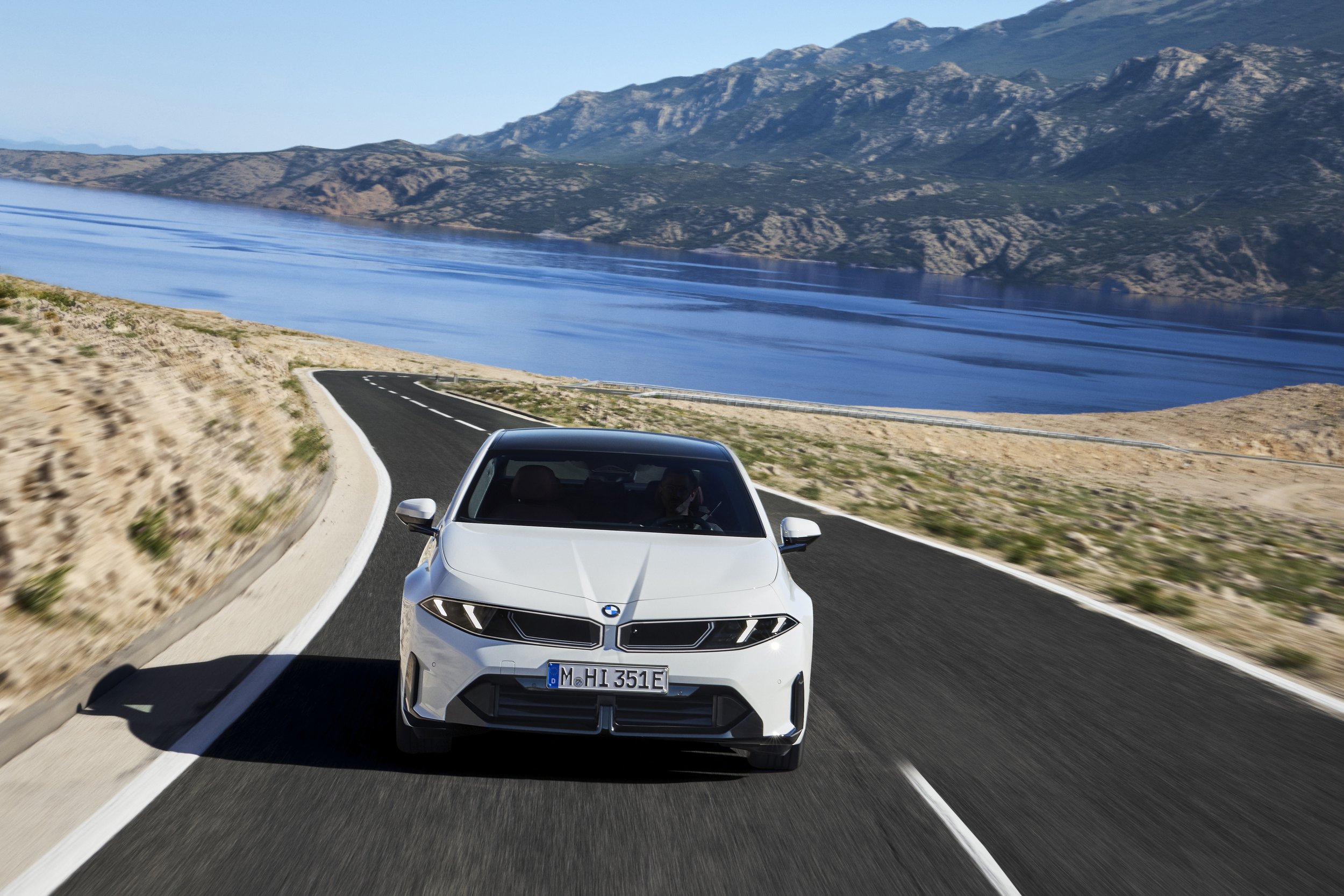
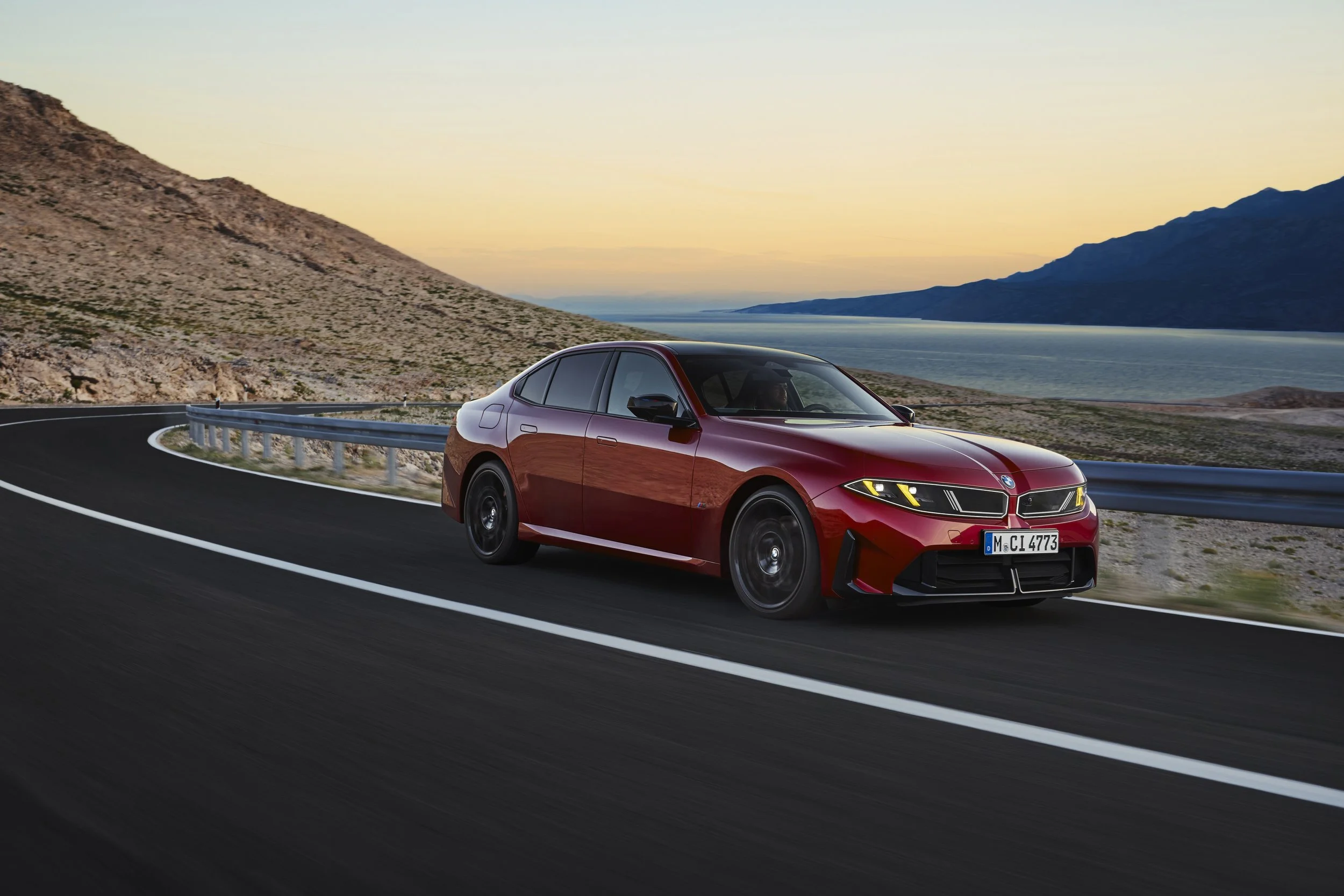
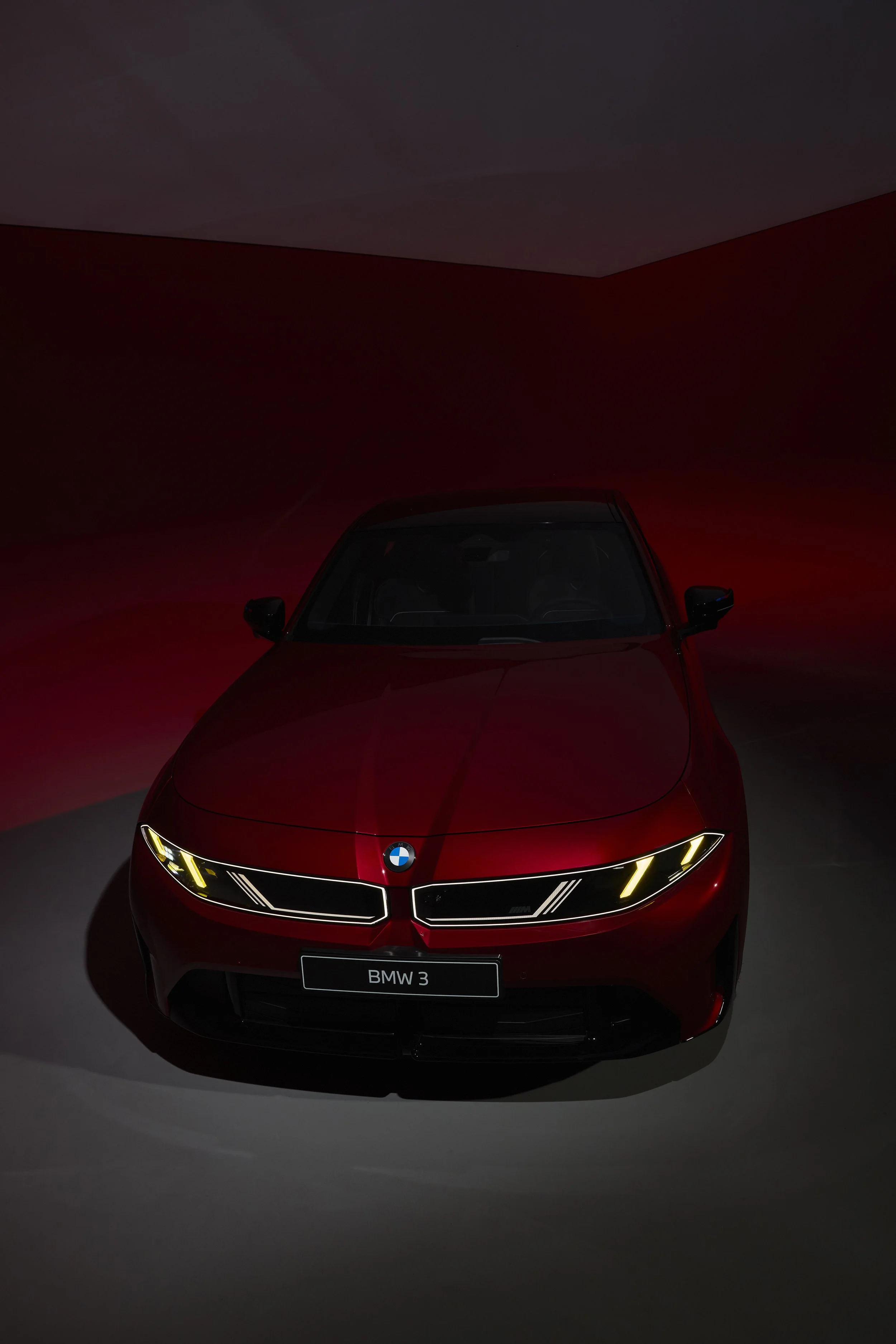
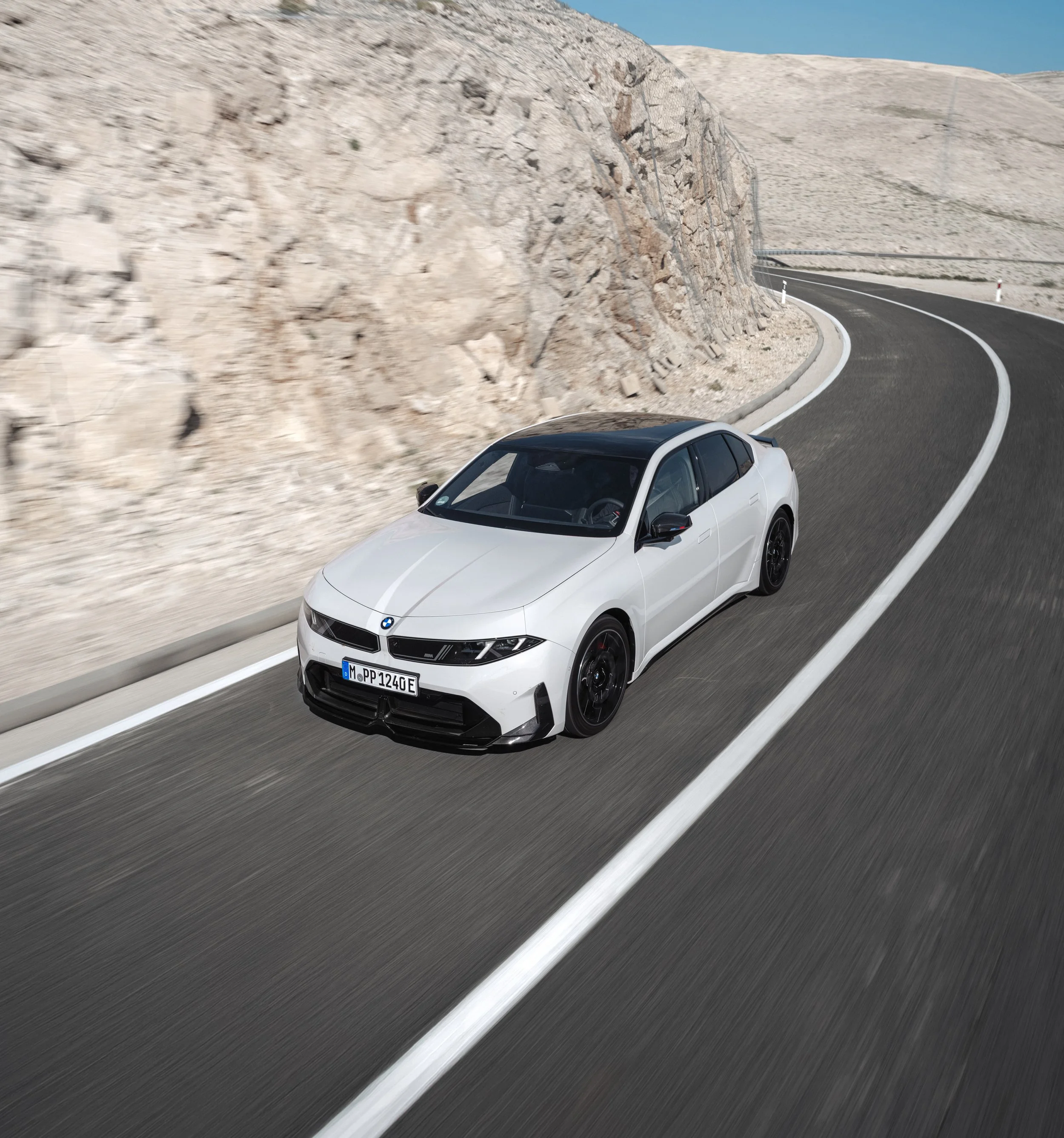
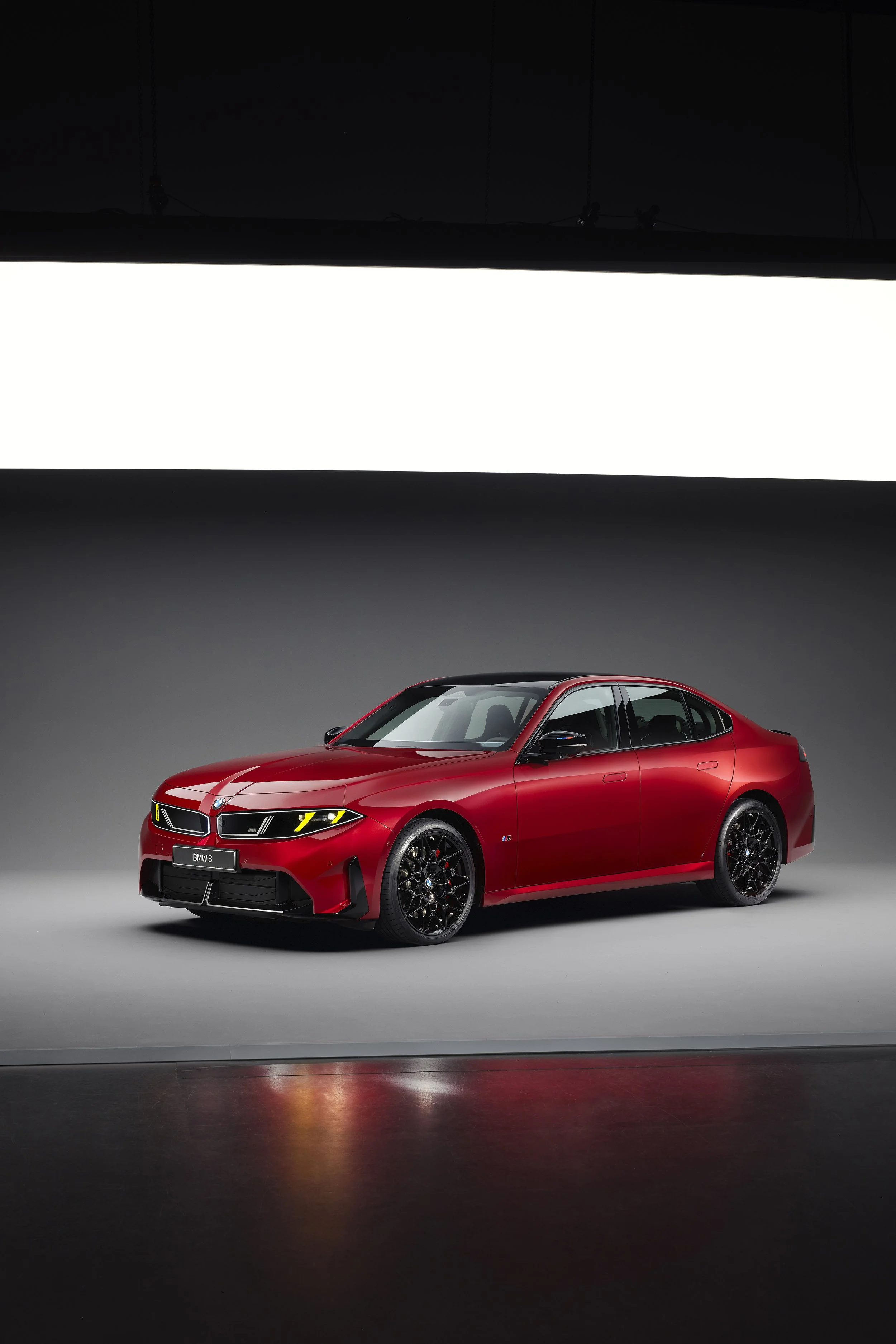
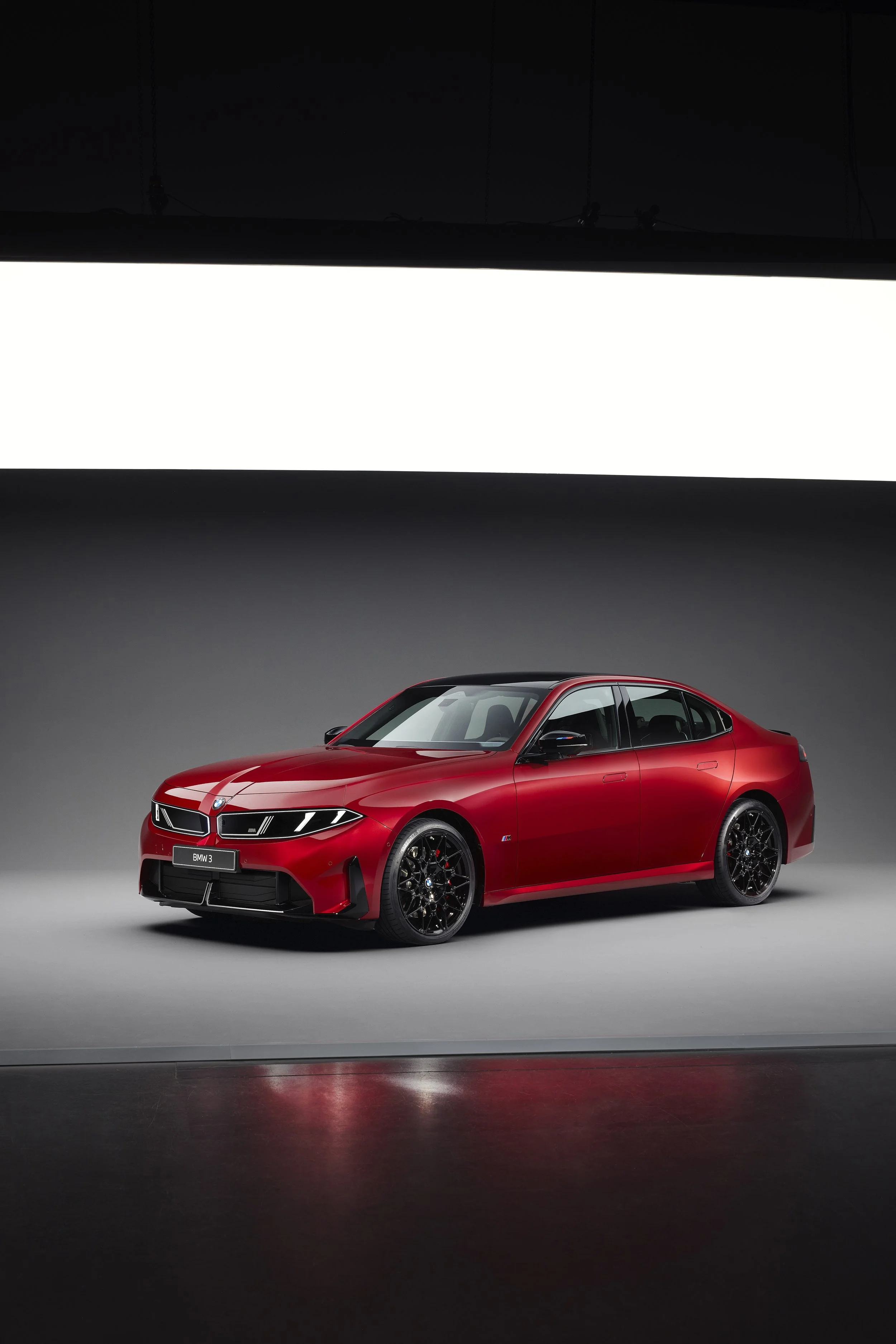
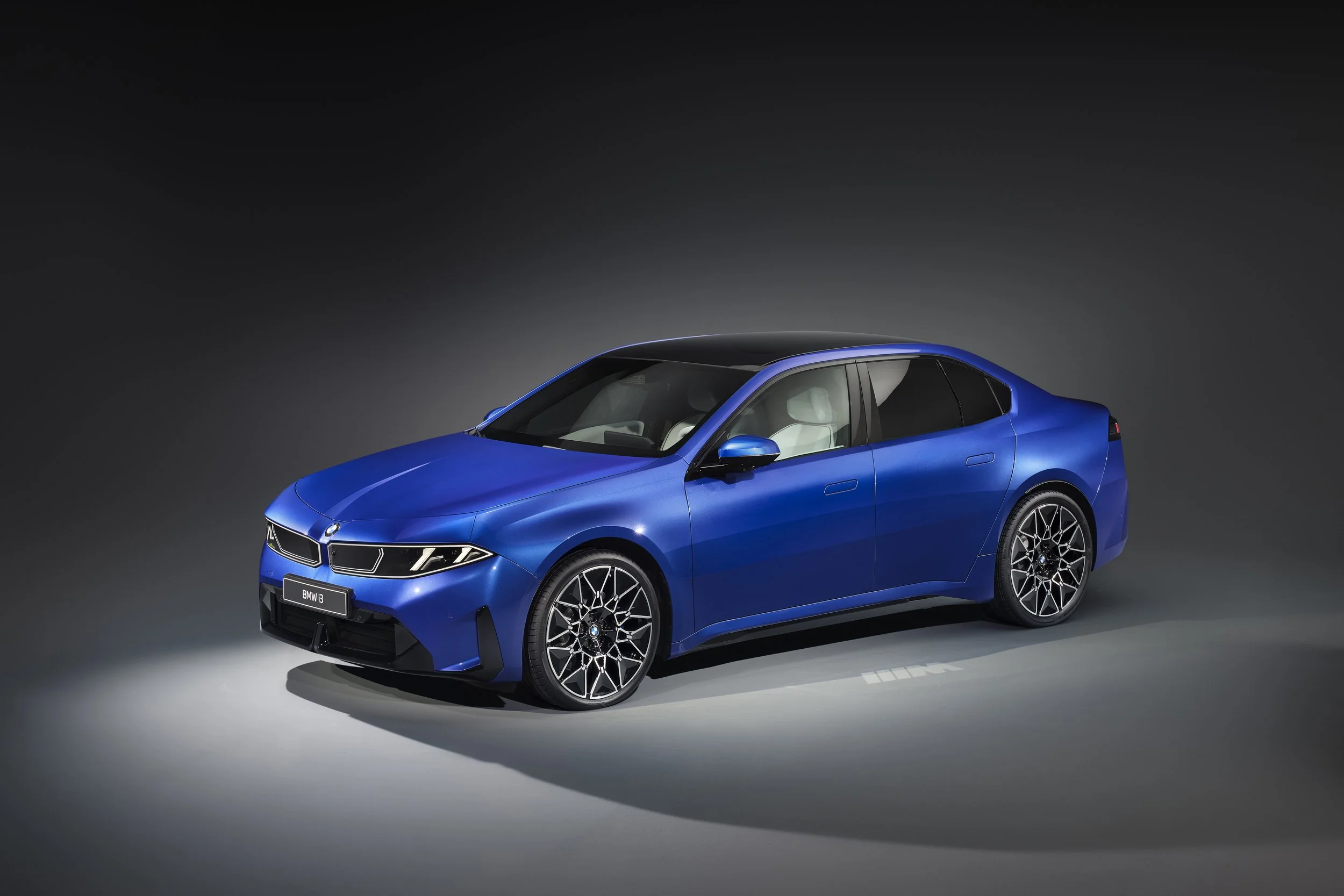
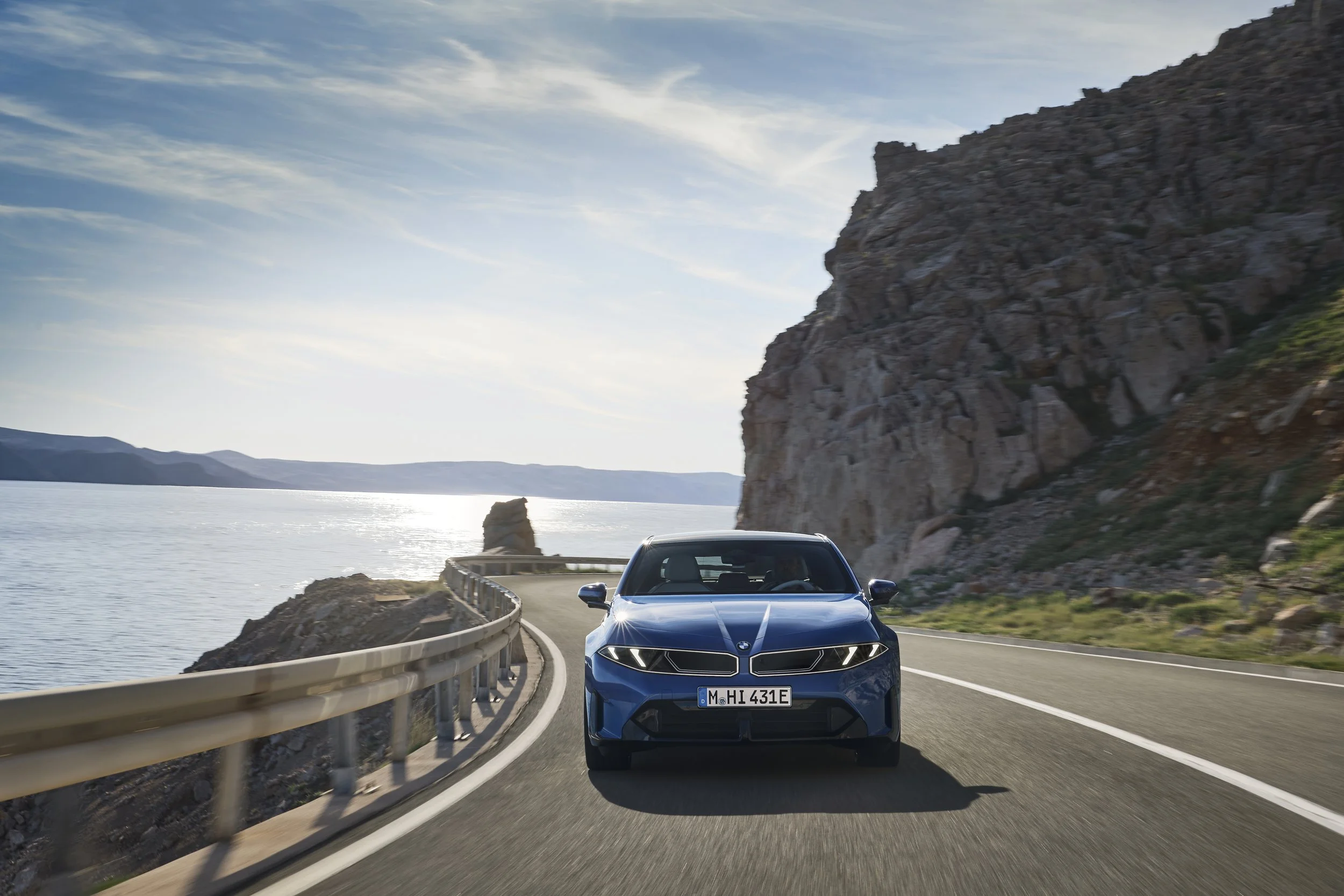
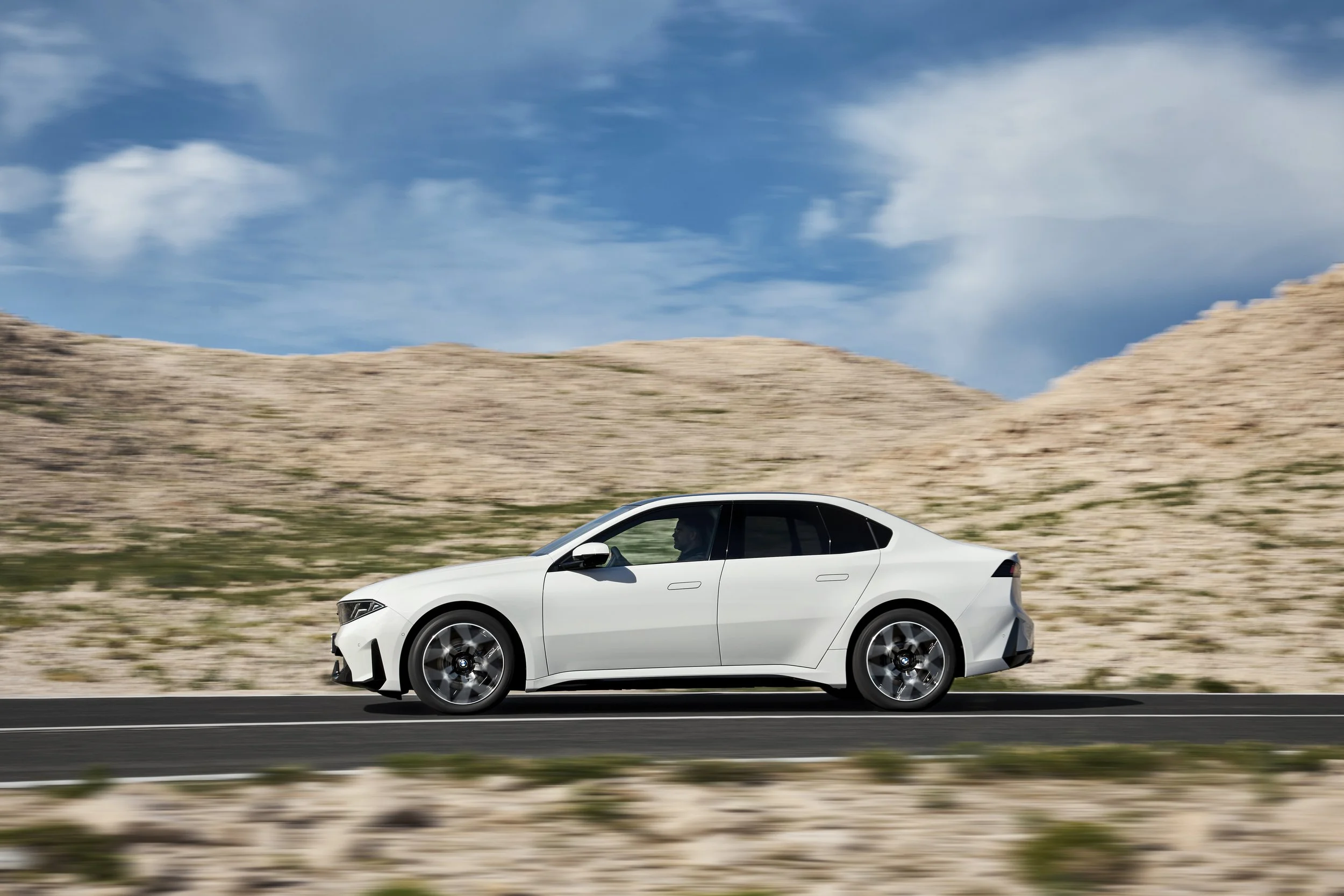
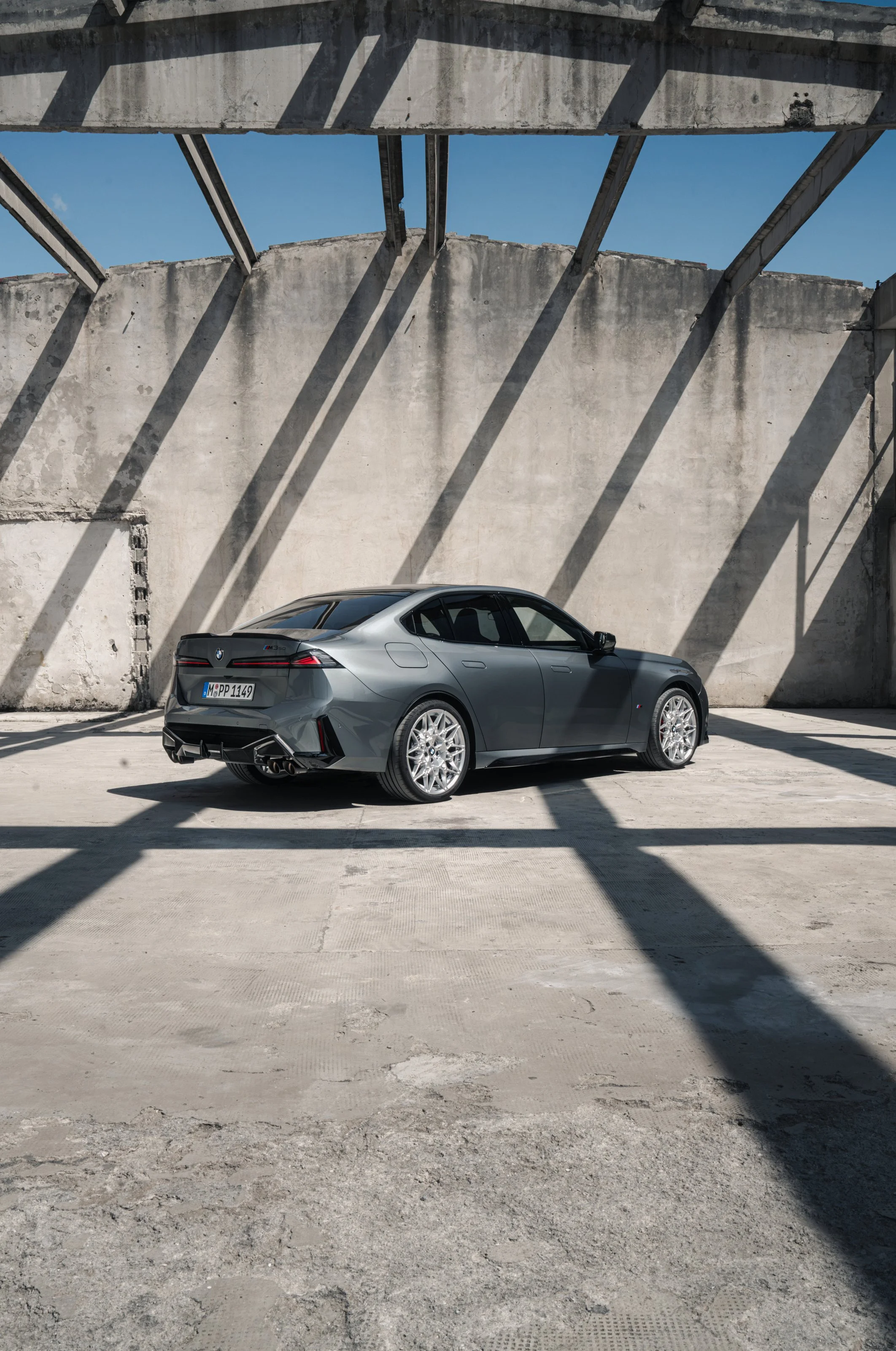
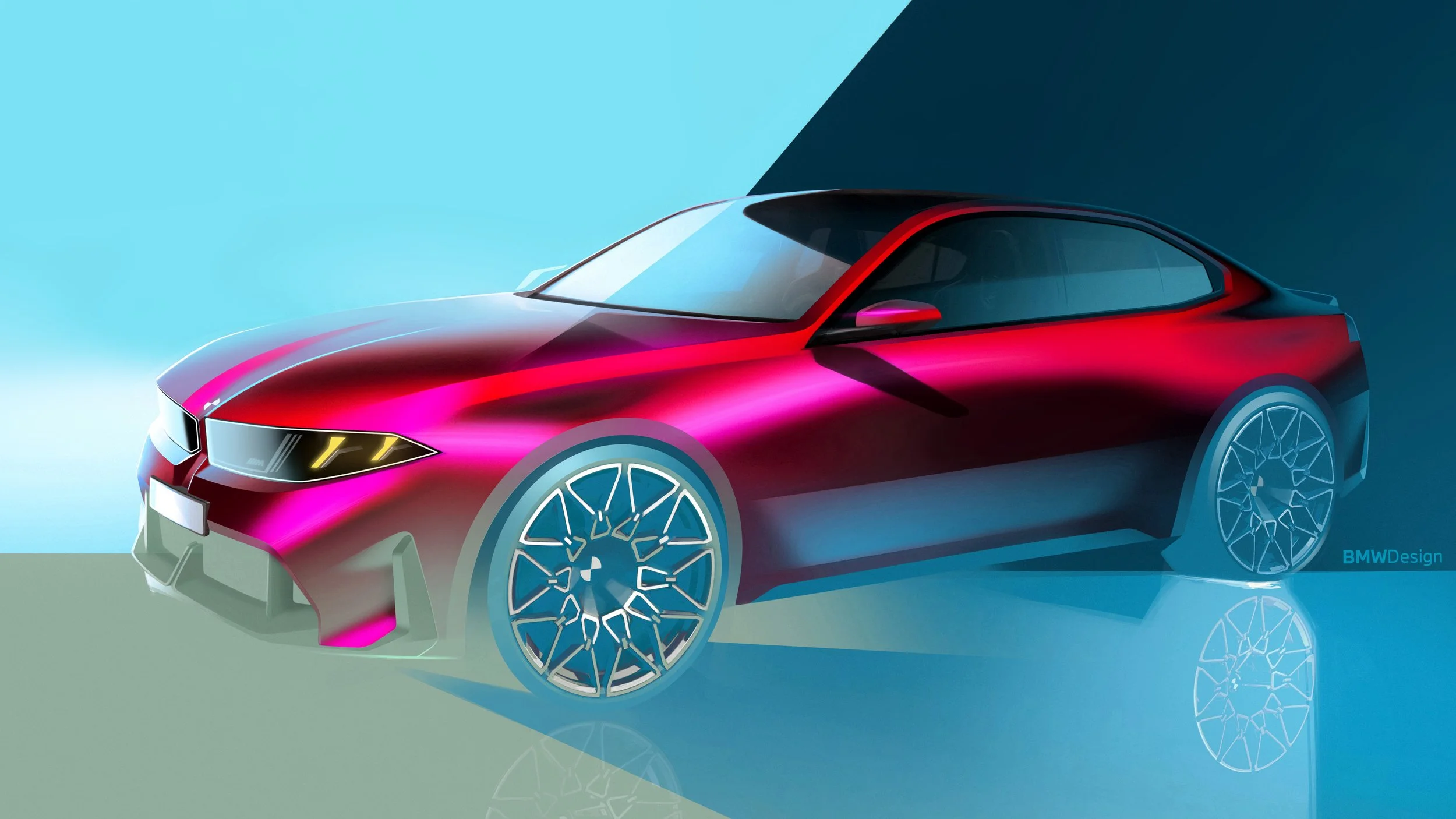
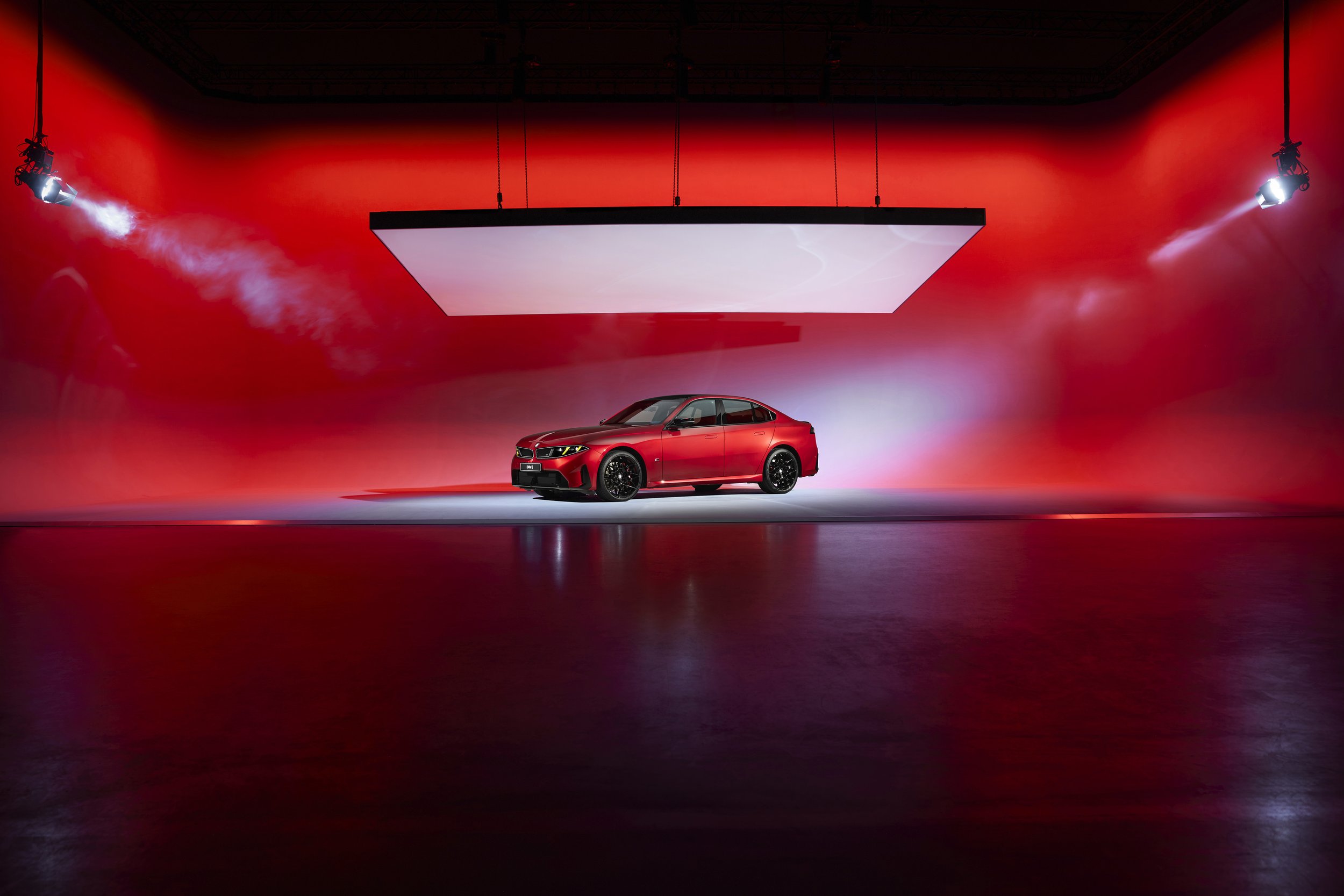
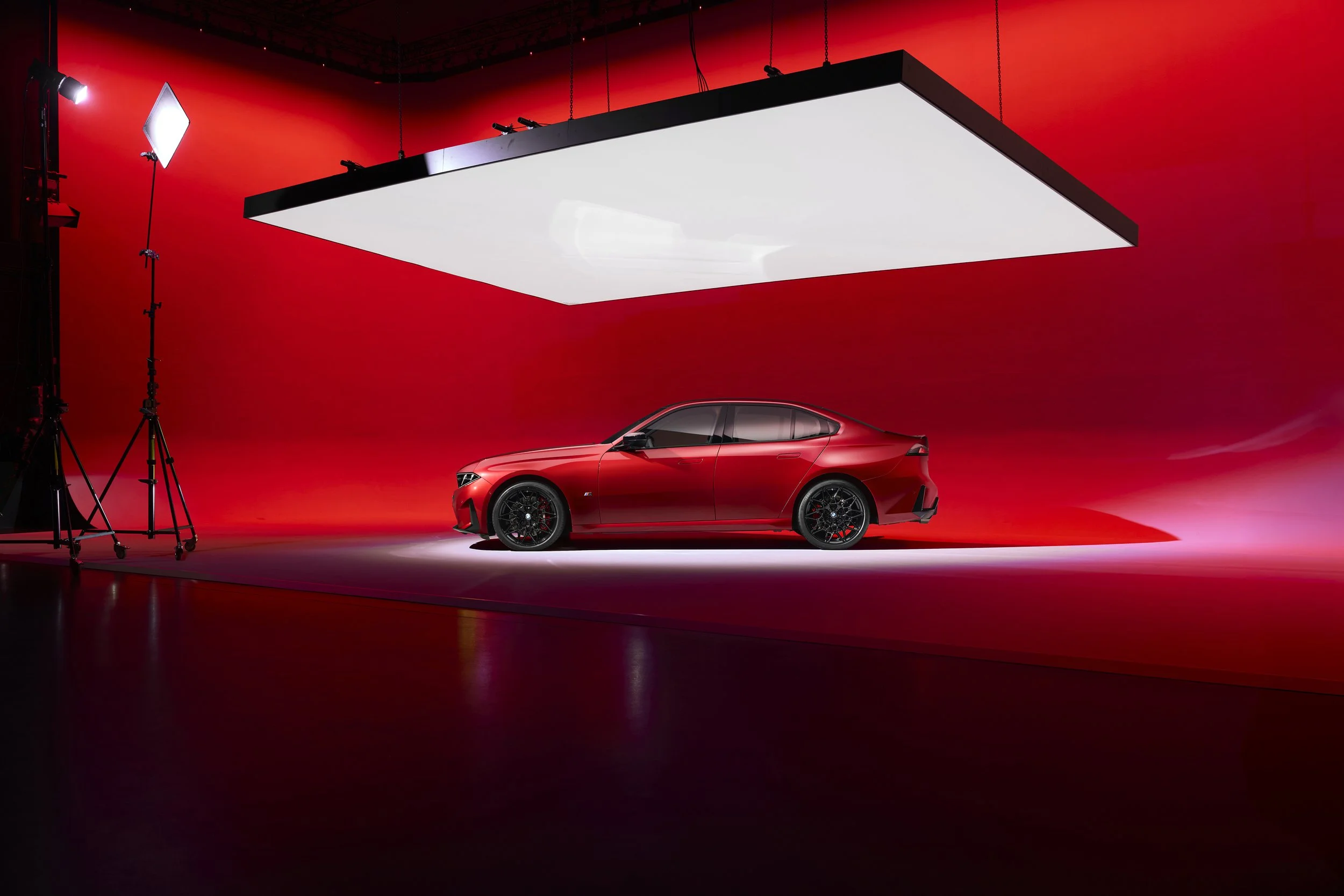
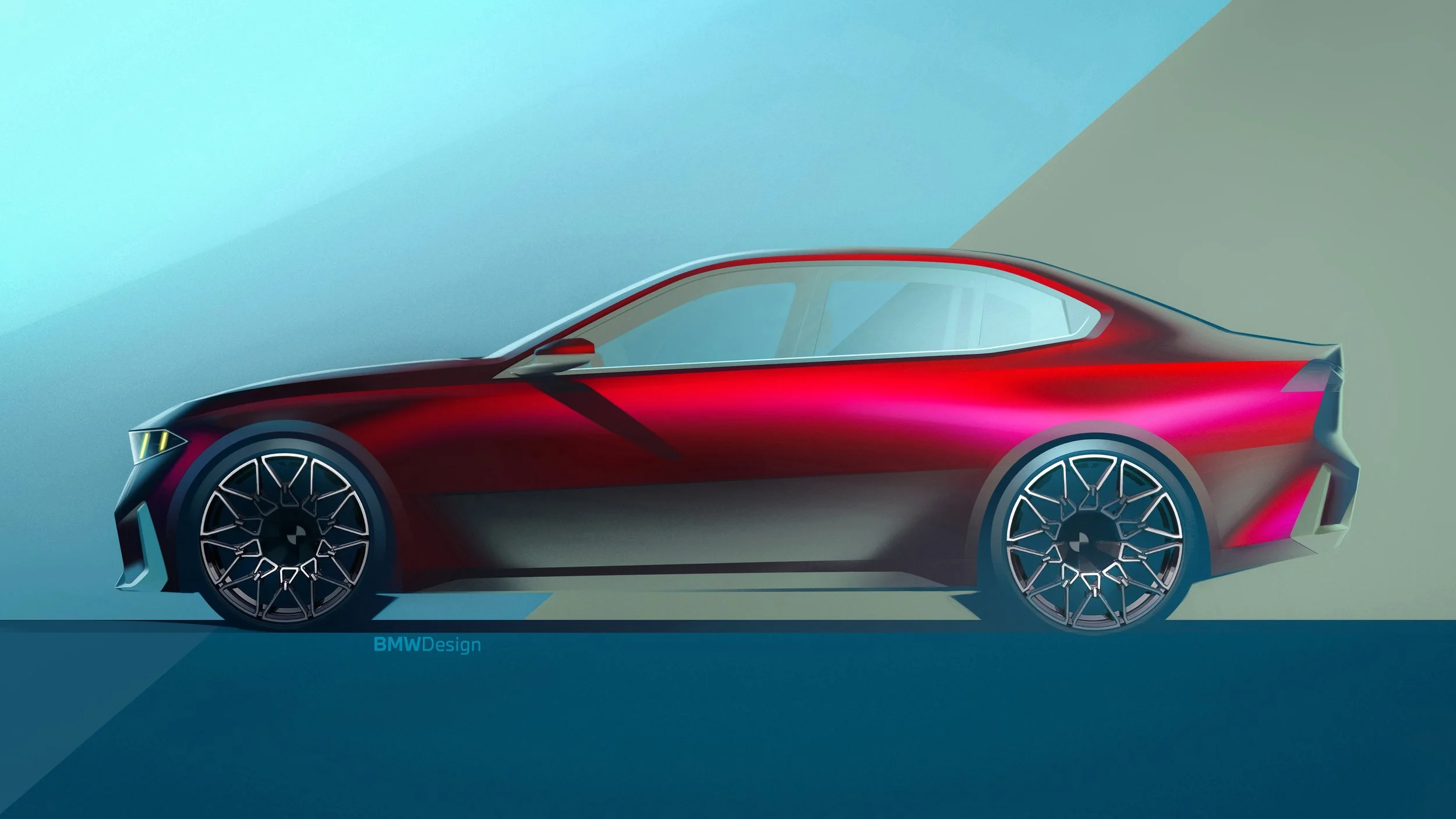
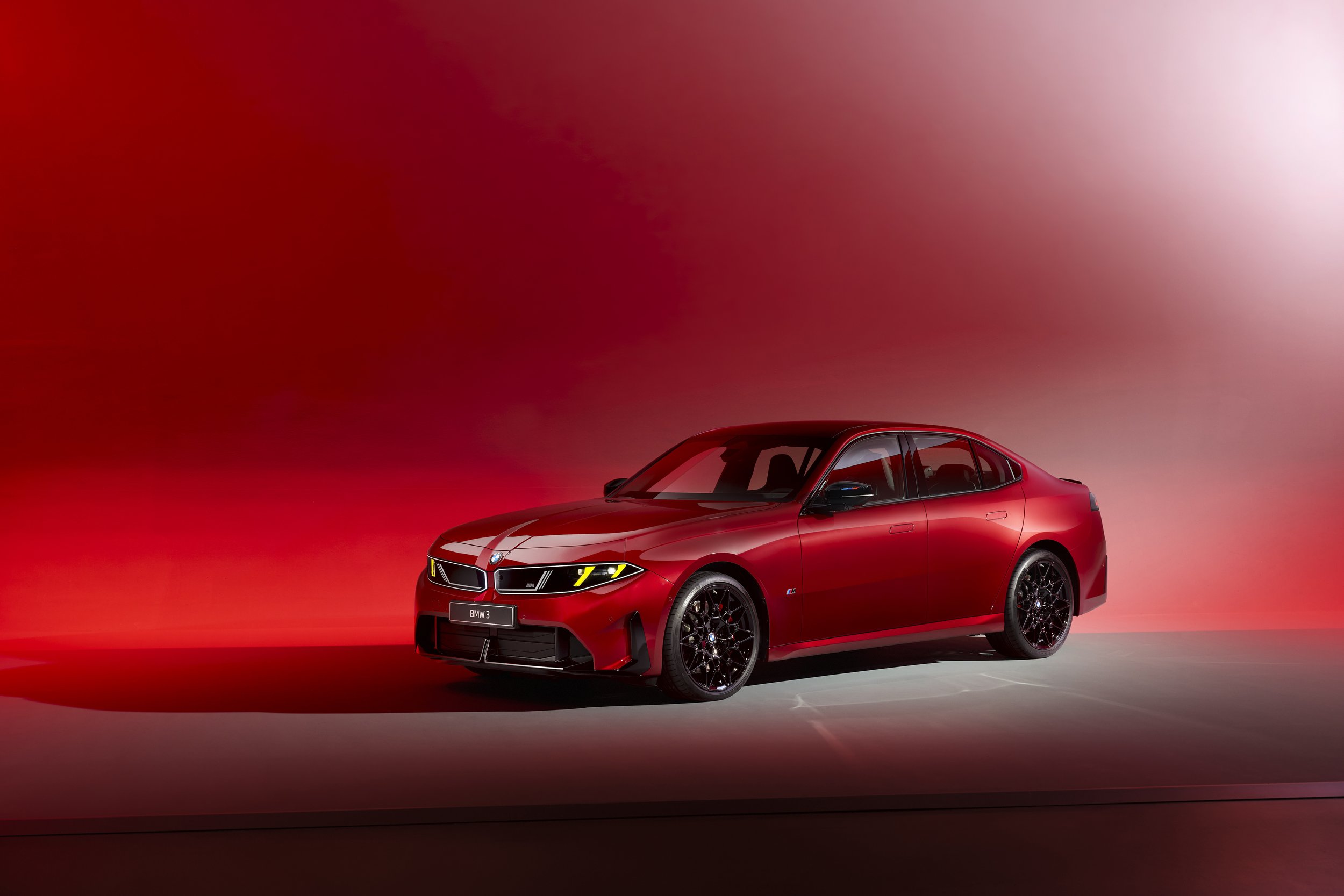
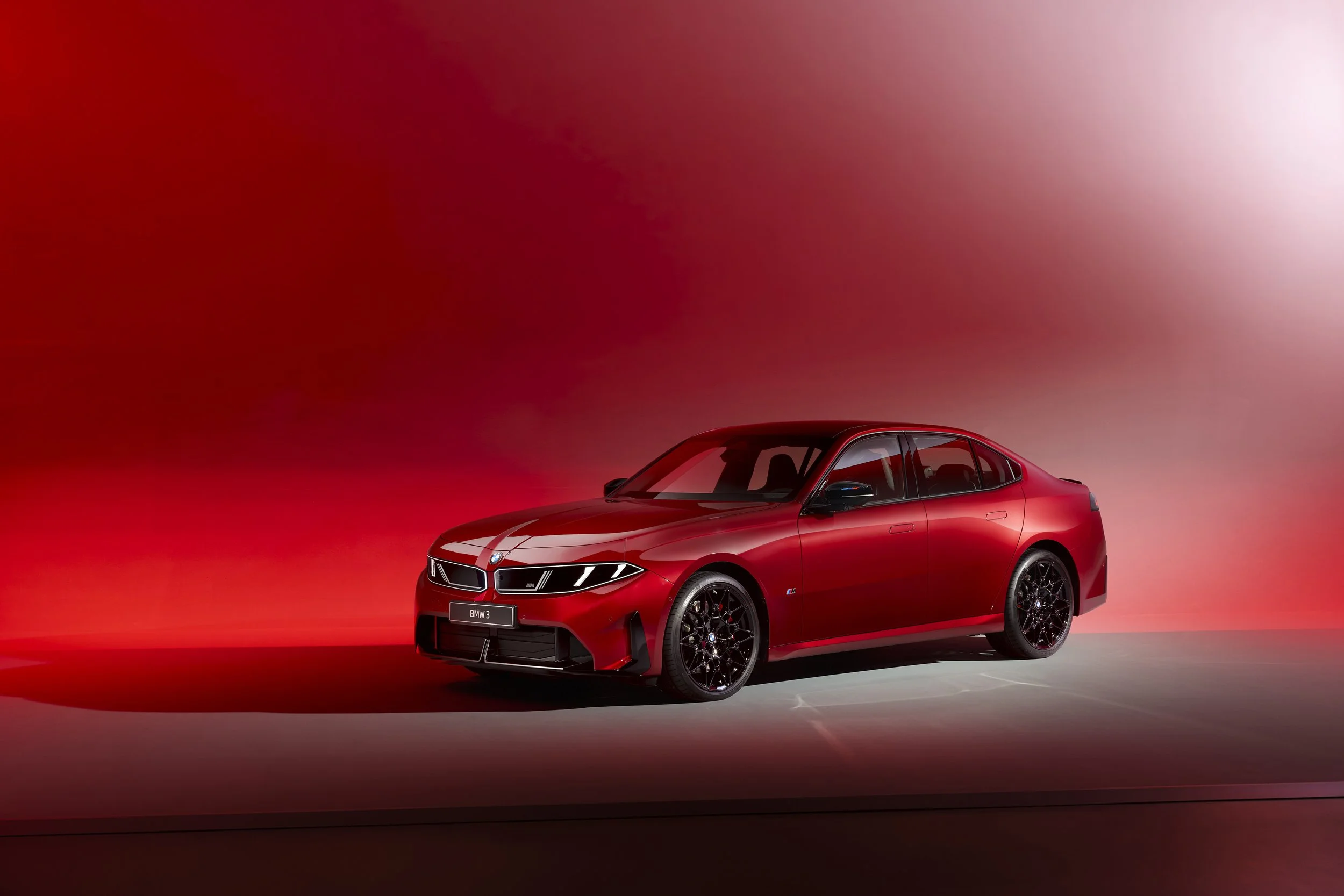
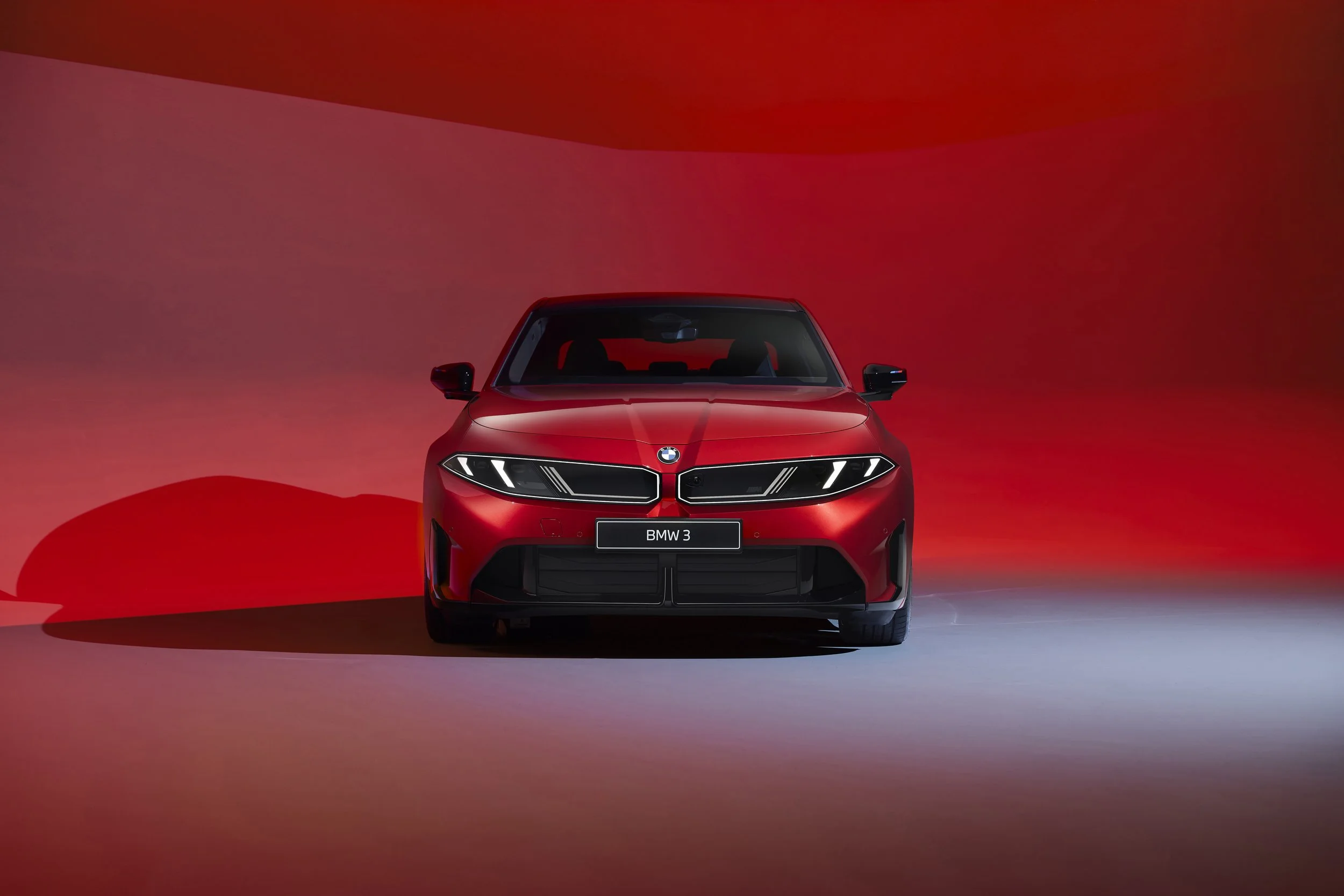
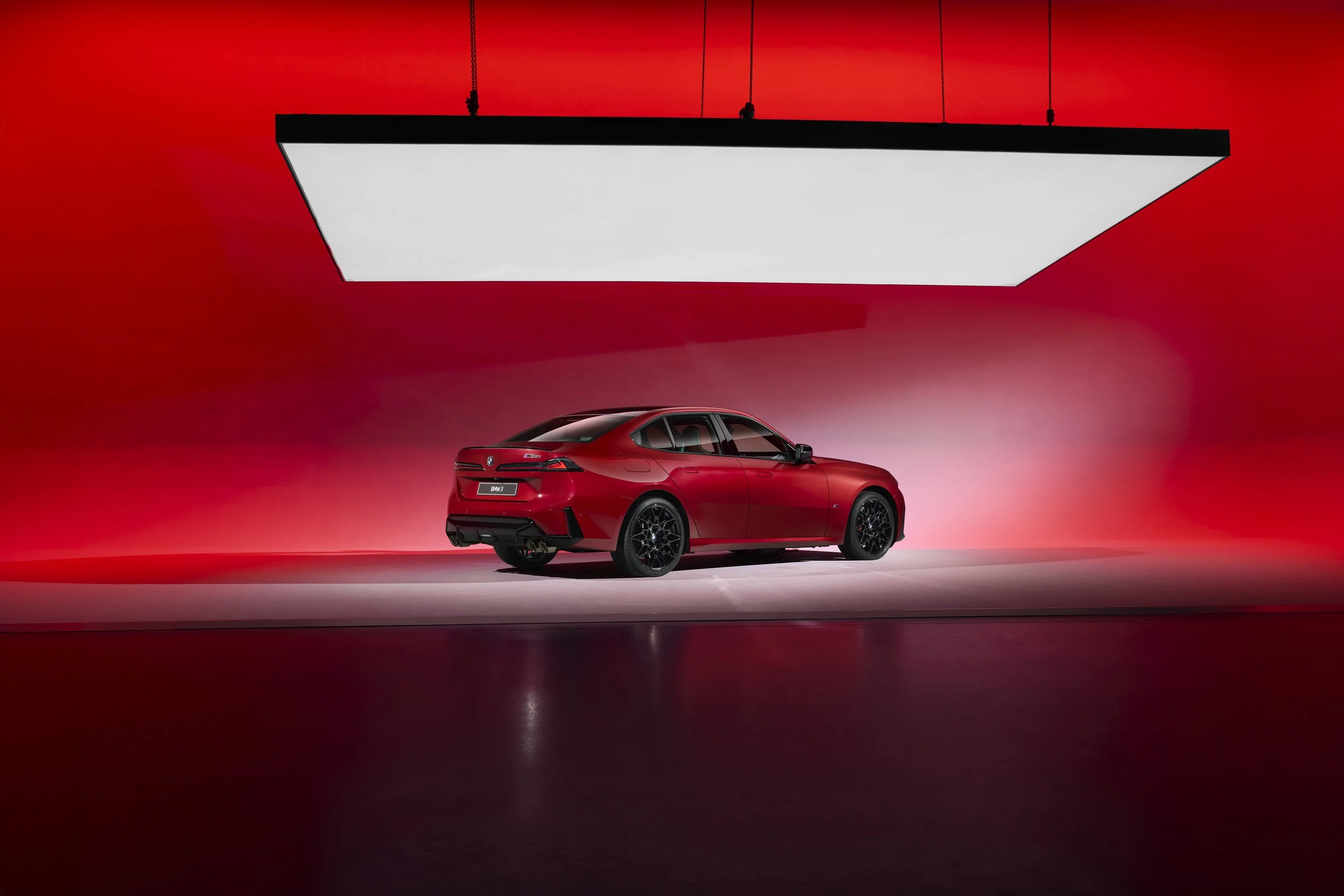
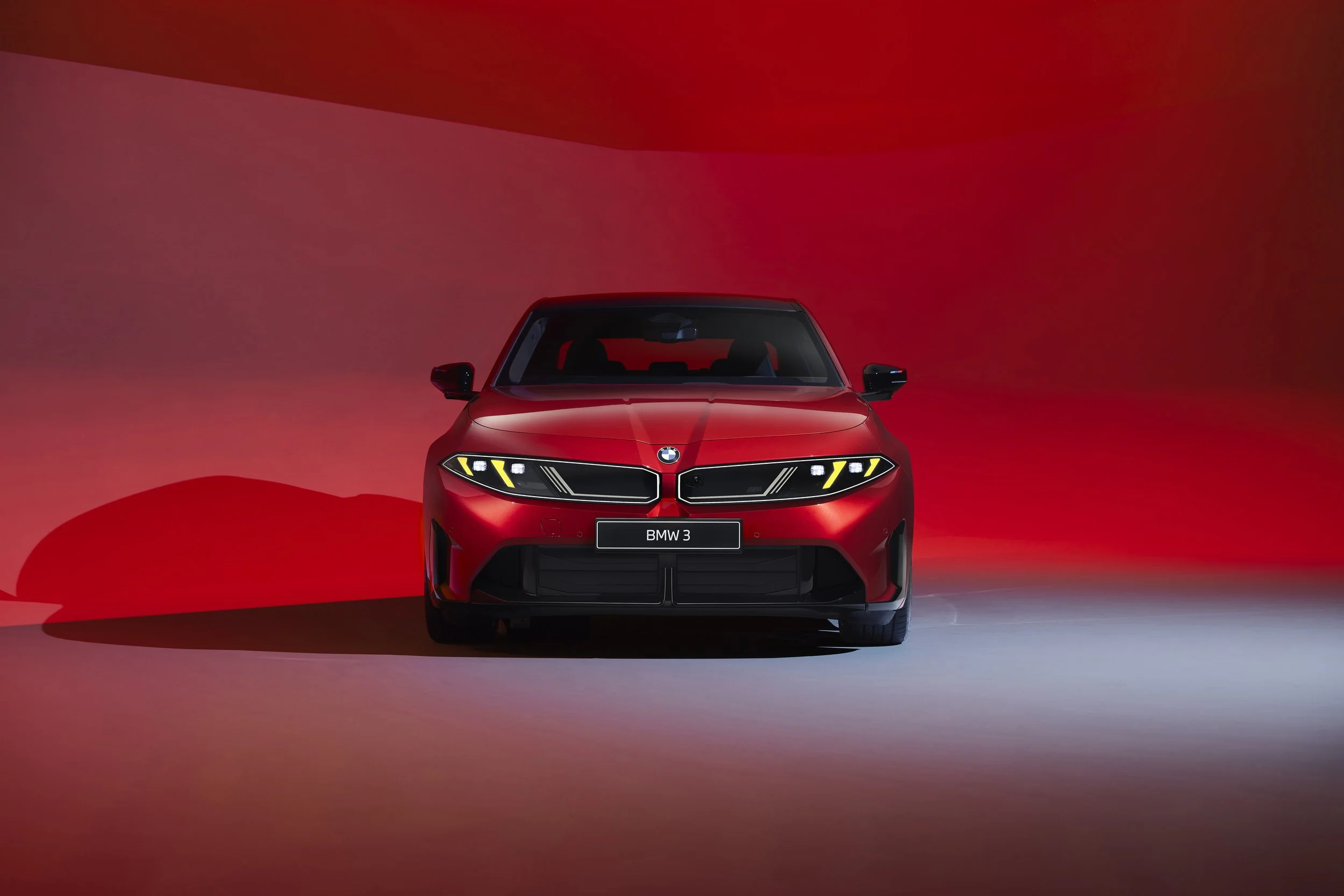
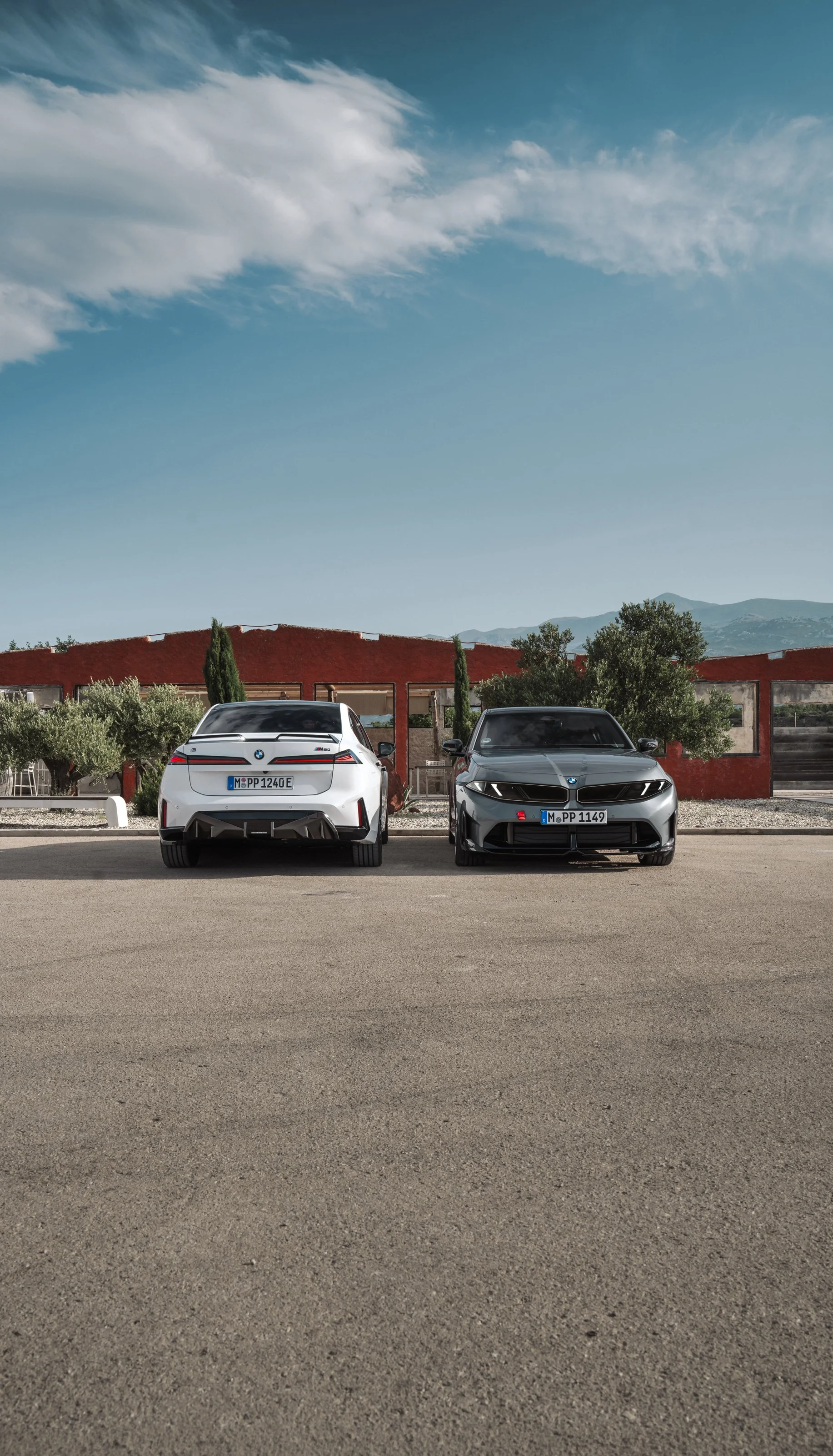
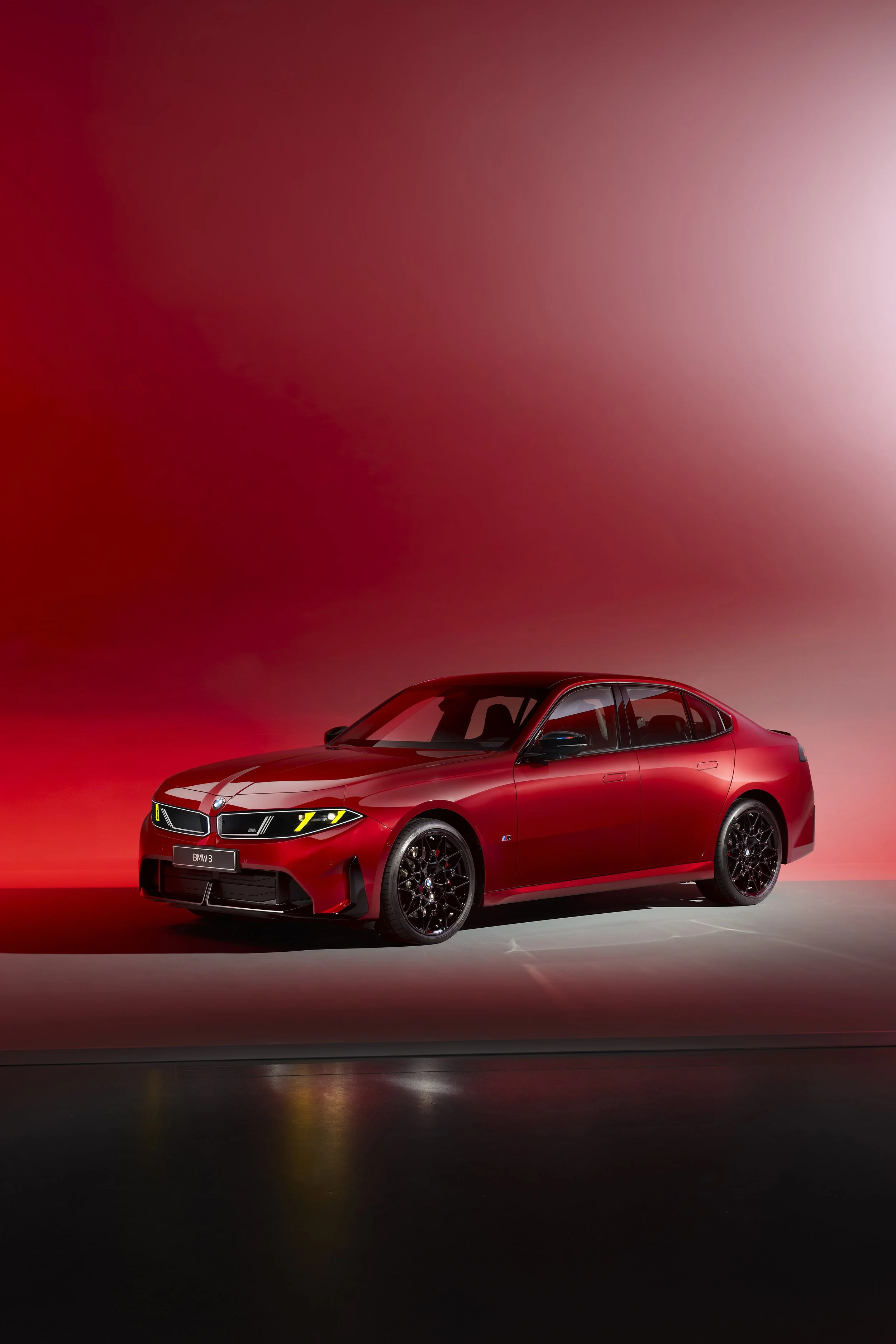
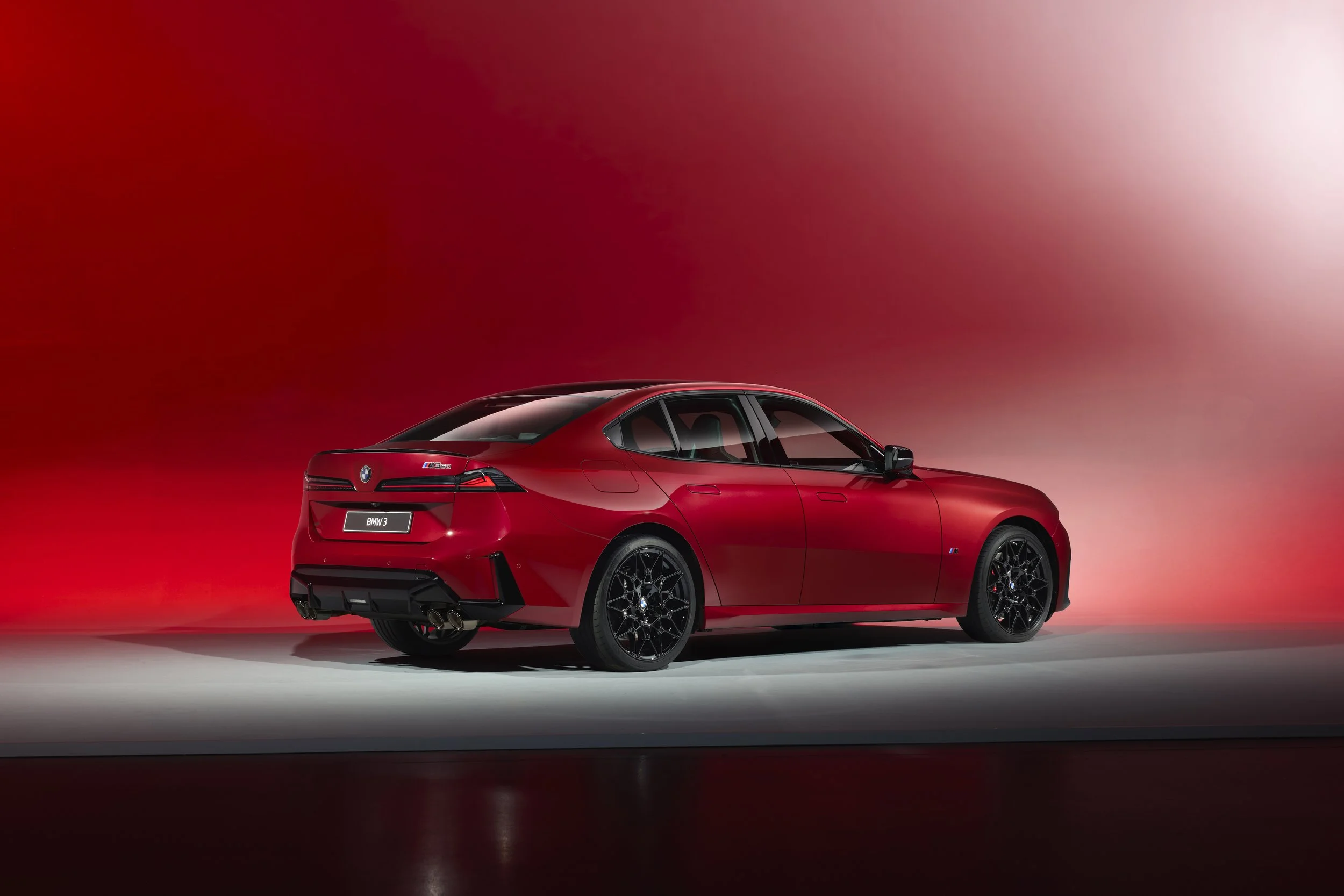
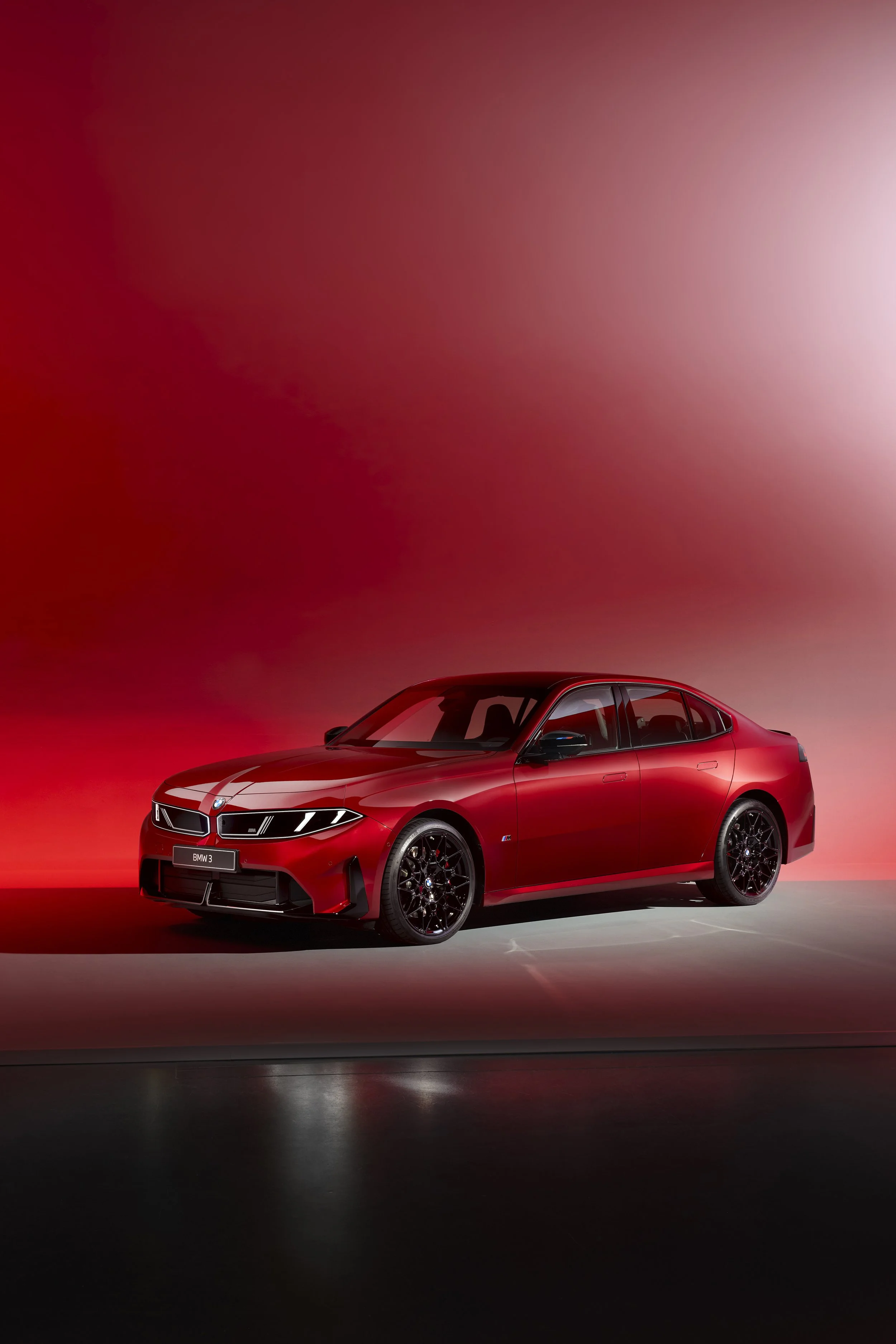
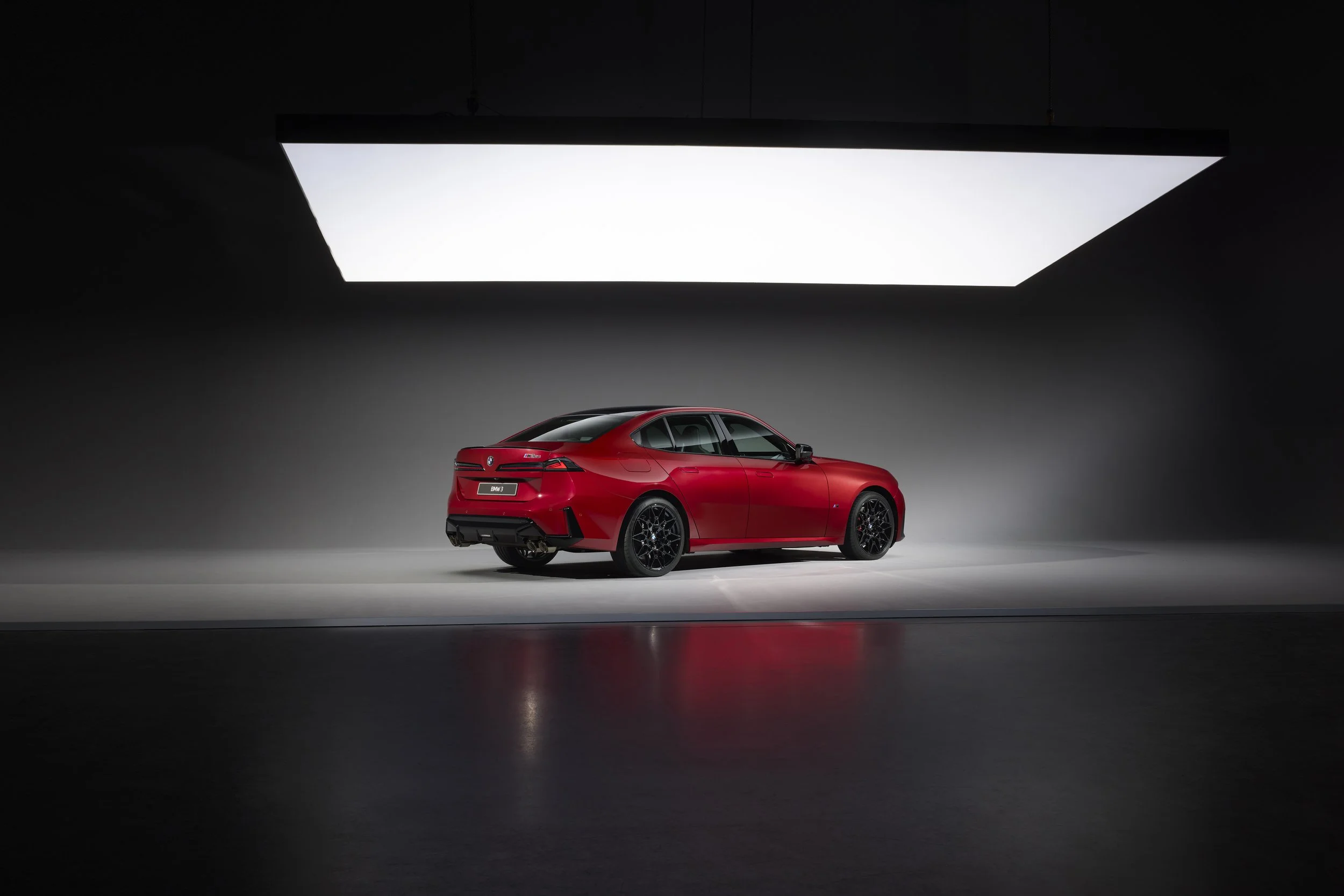
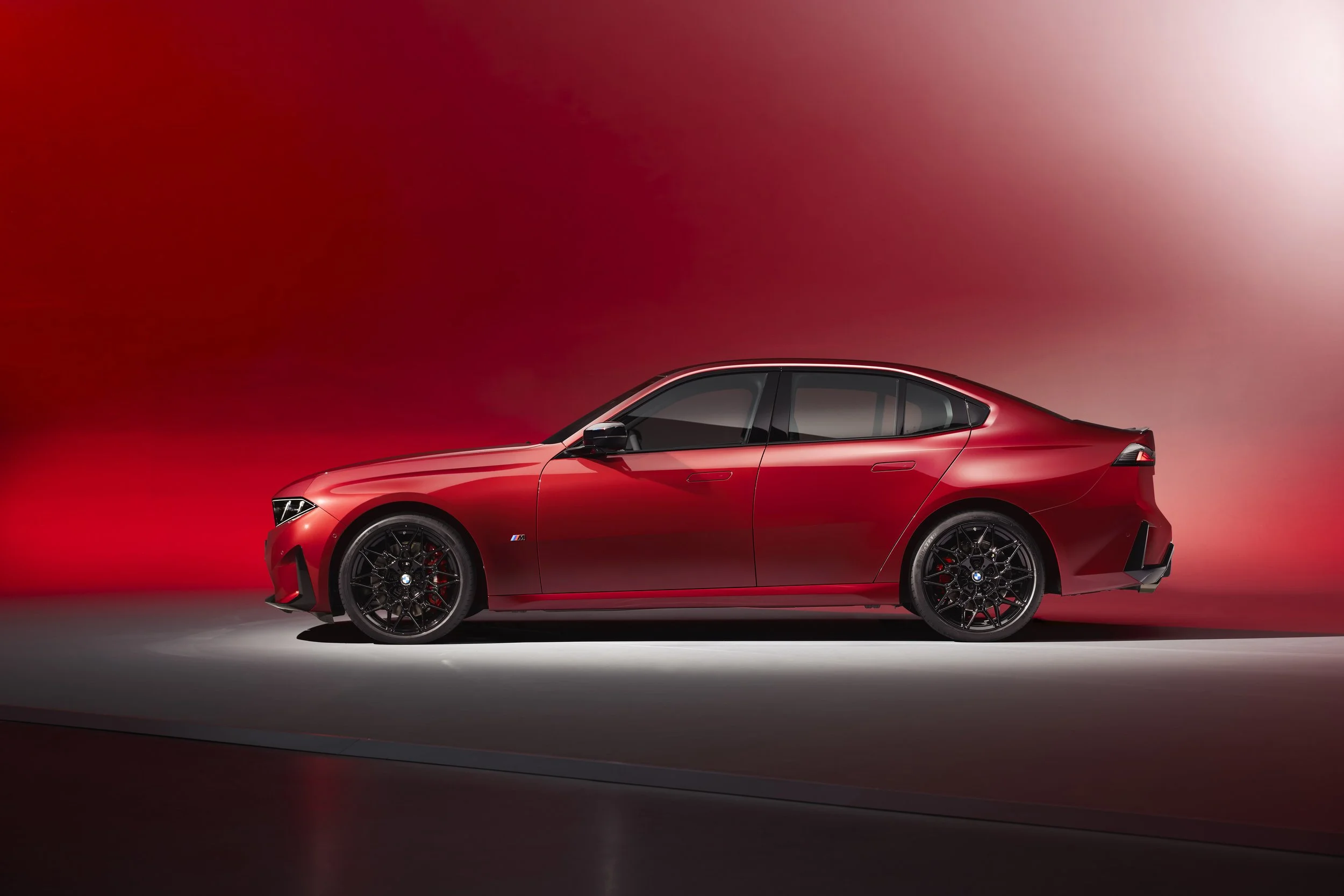
Every version of the new BMW 3 Series shares the same exterior and interior design. Outside, the car pairs the pared-back design language of the Neue Klasse with classic BMW saloon proportions. A long wheelbase, short overhangs, a set-back glasshouse and prominently flared wheel arches define its 2.5-box silhouette.
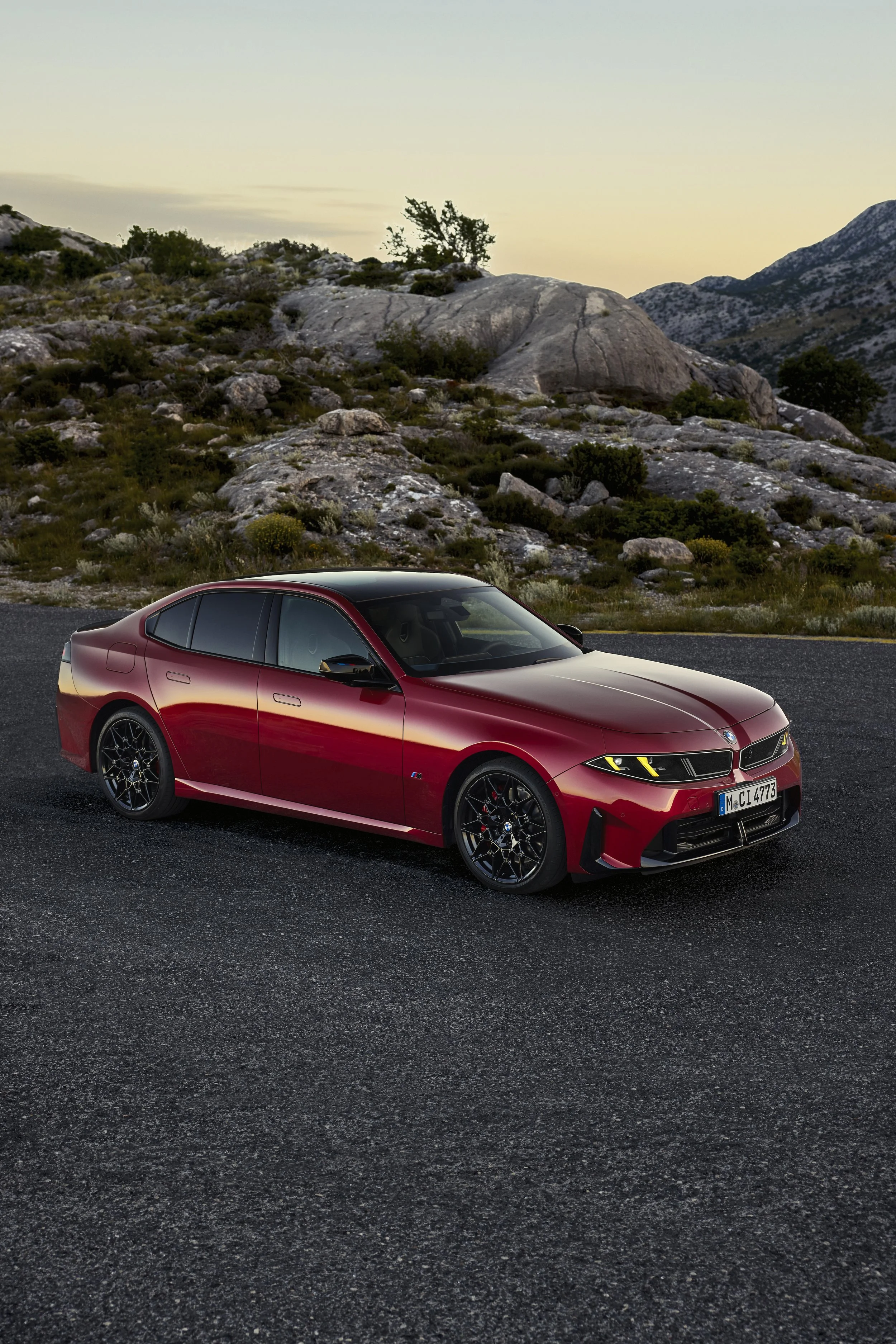
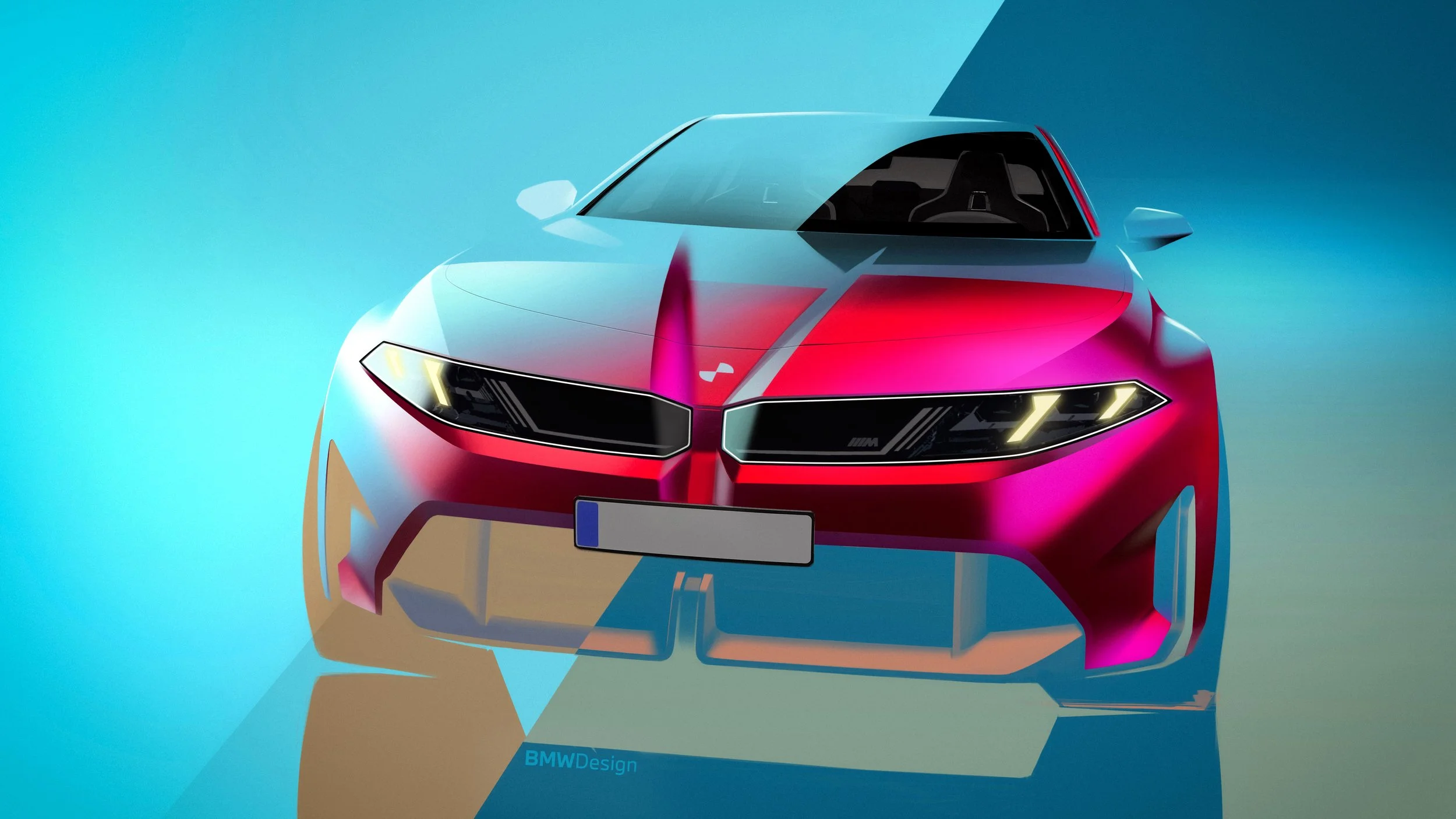
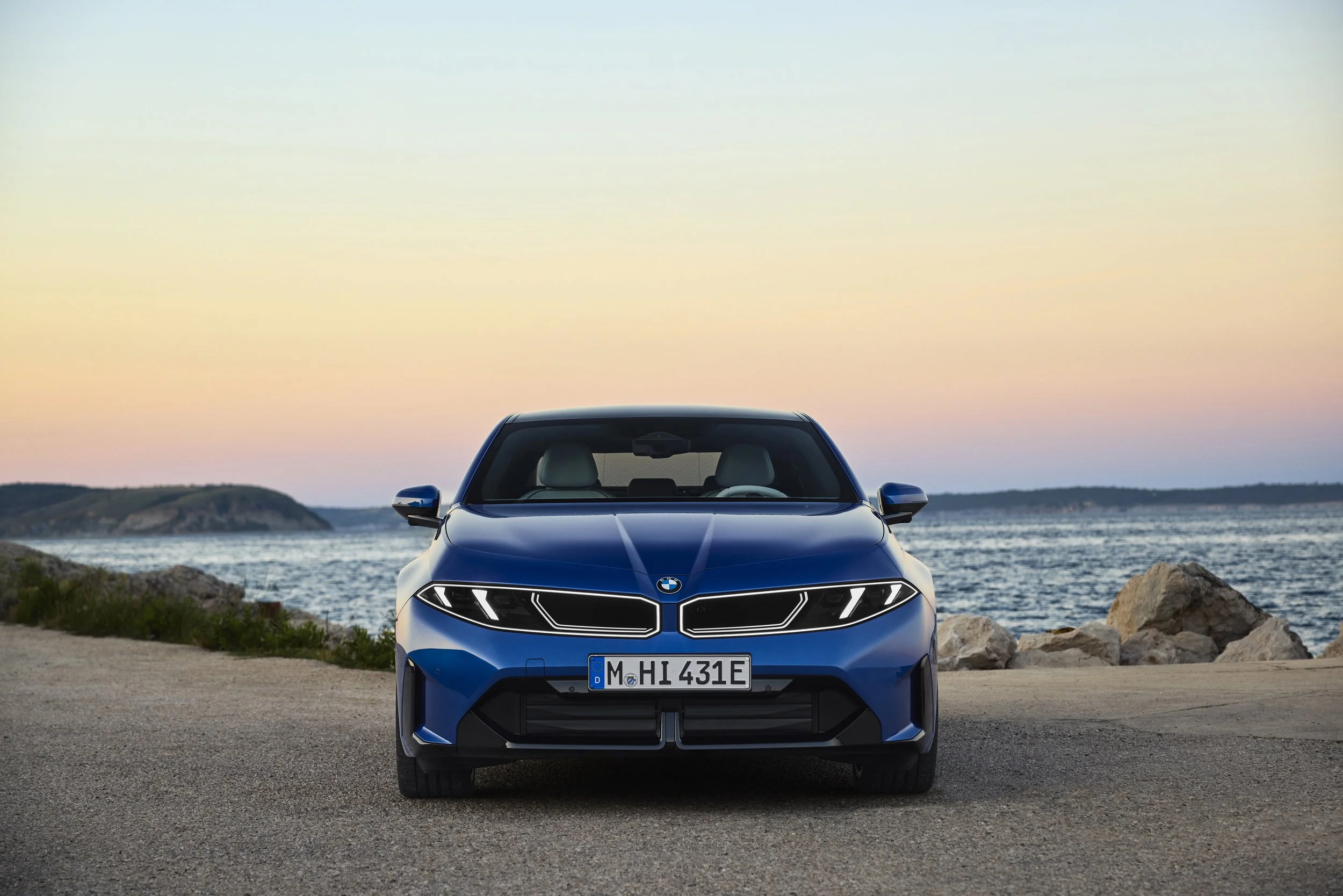
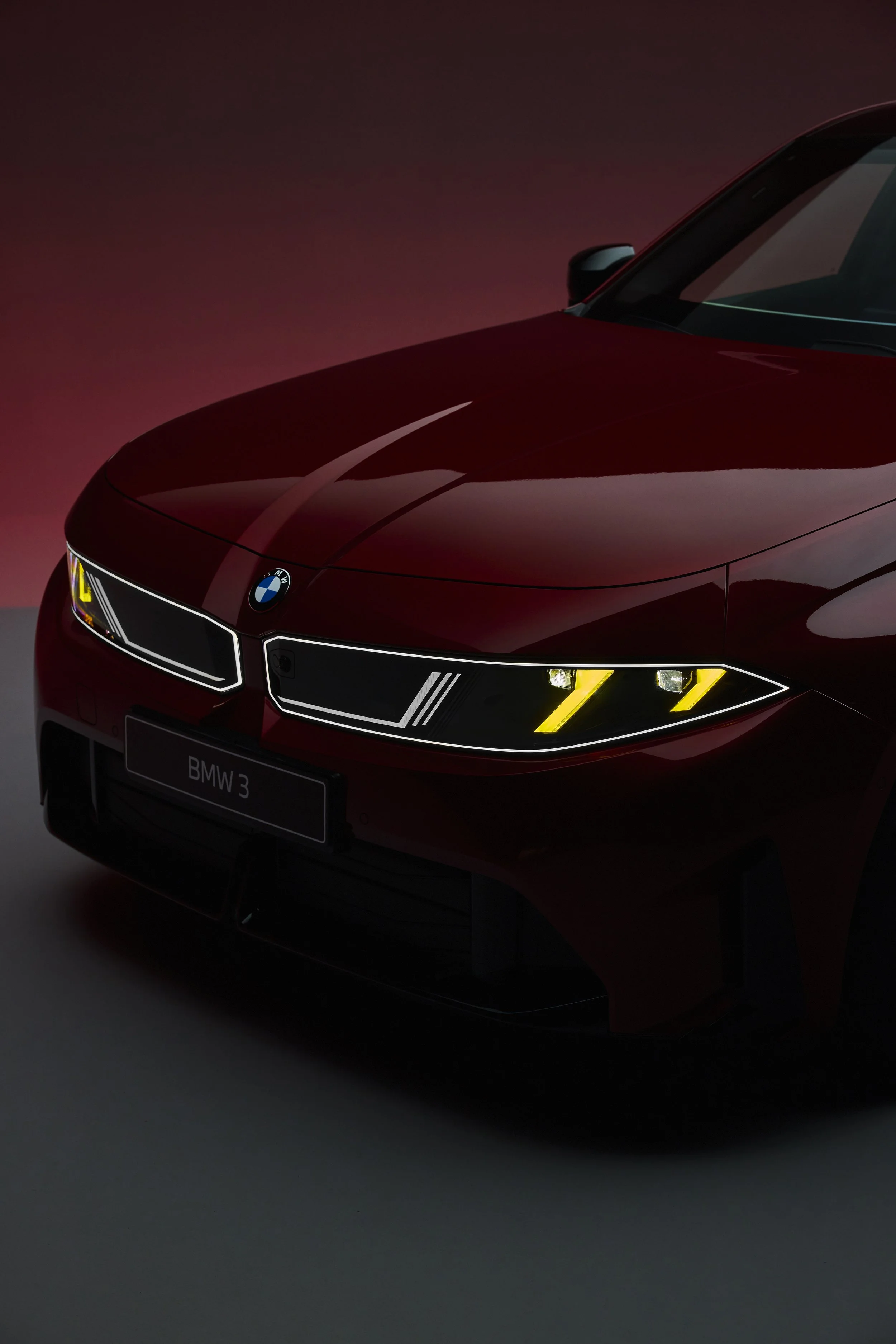
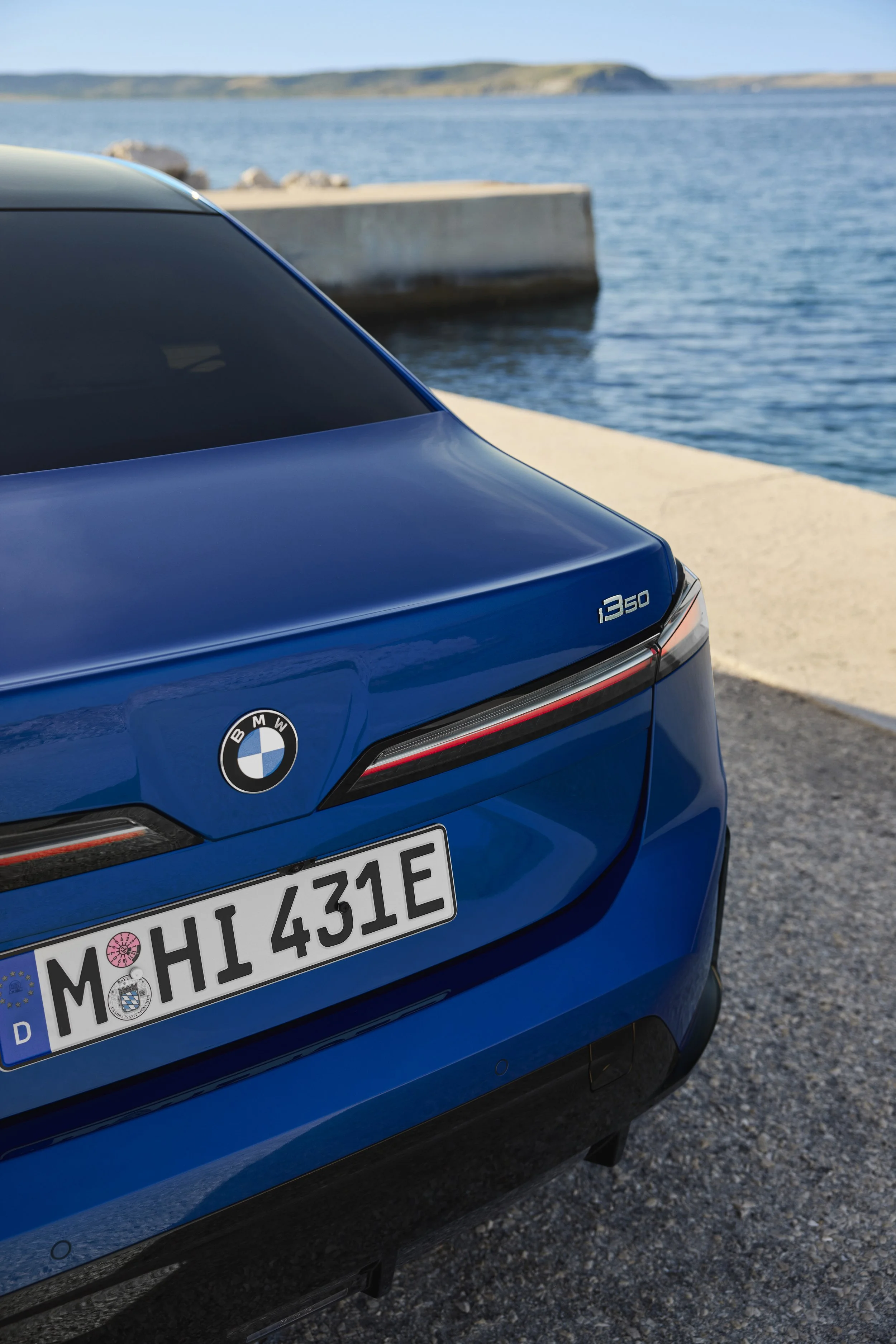
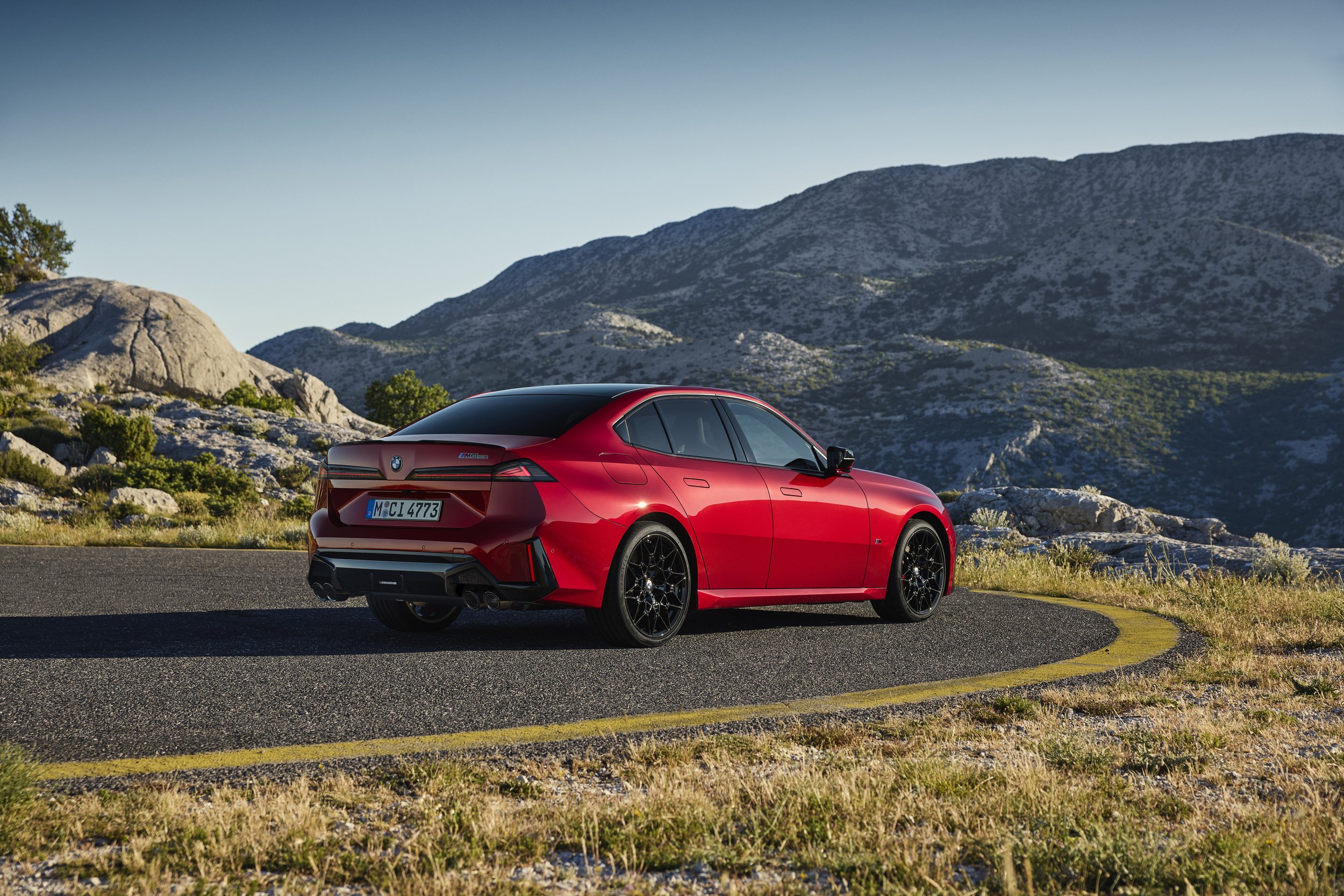
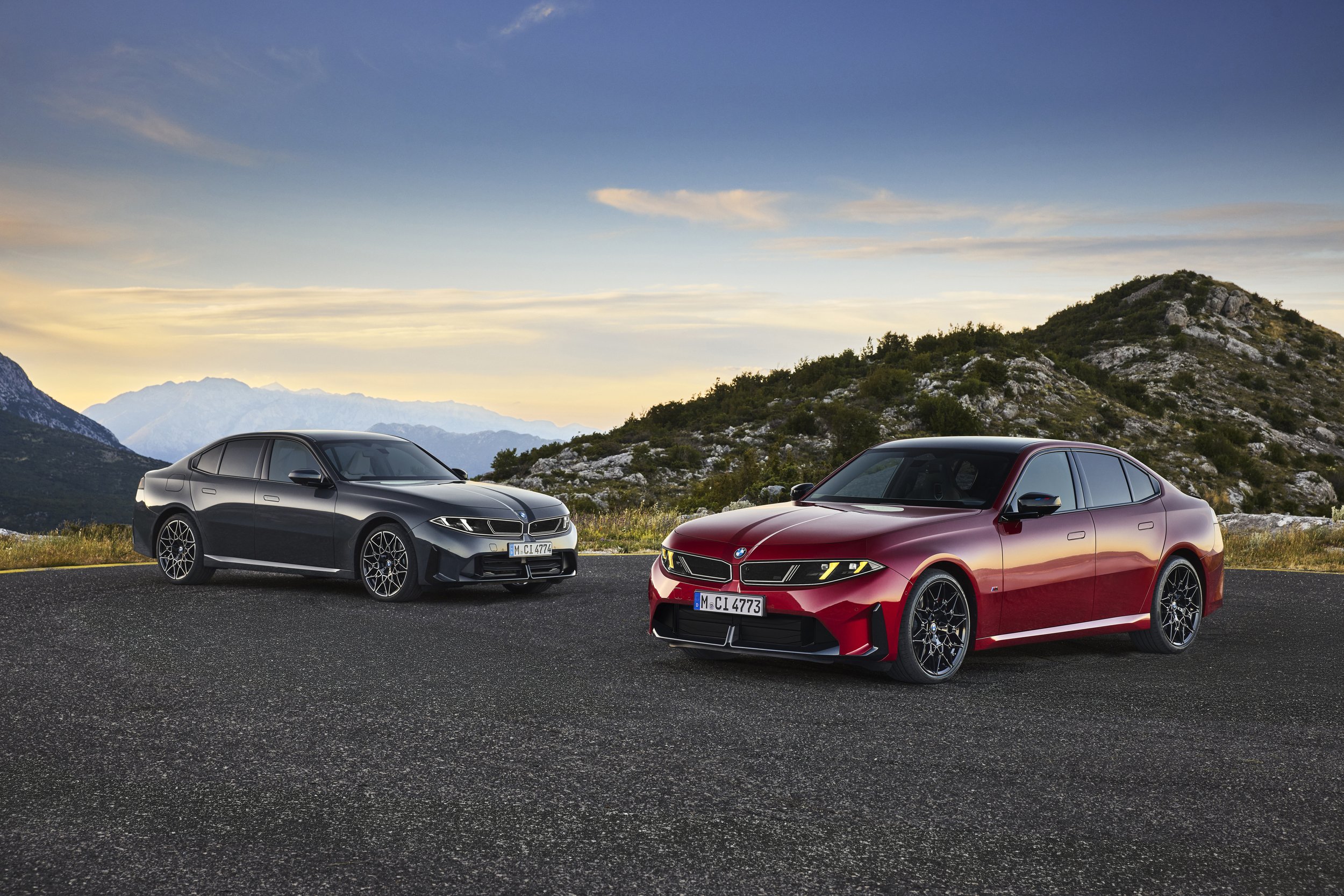
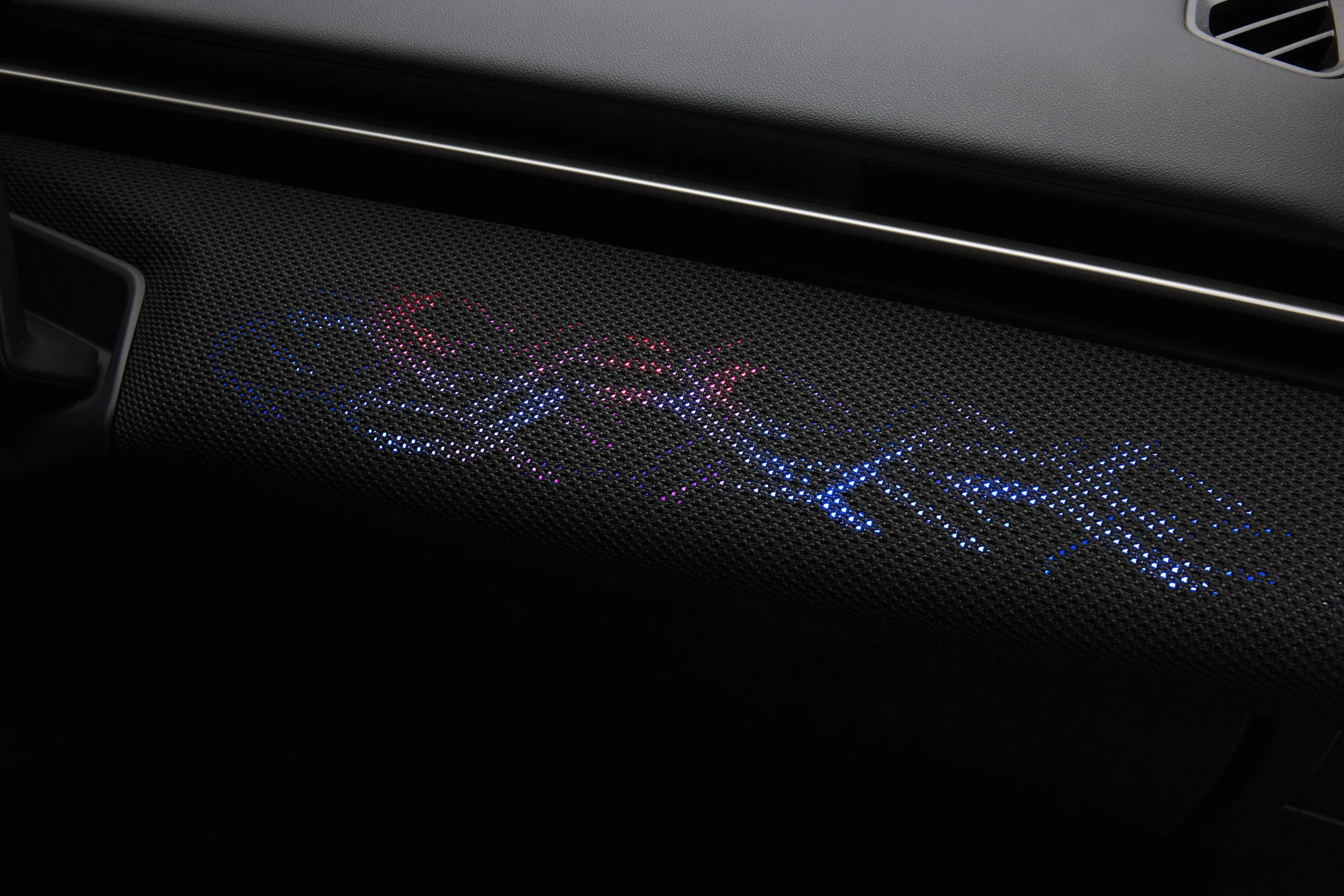
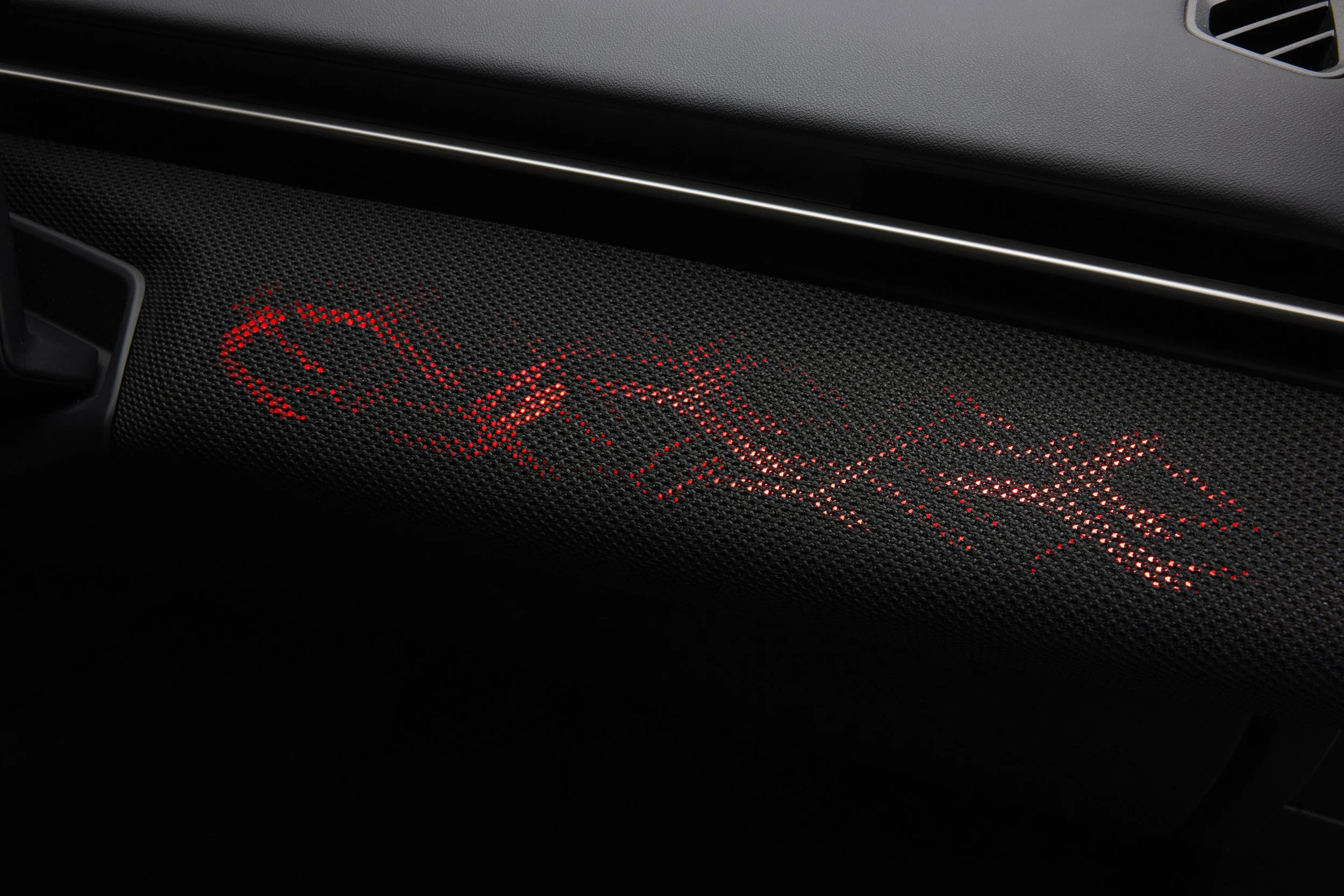
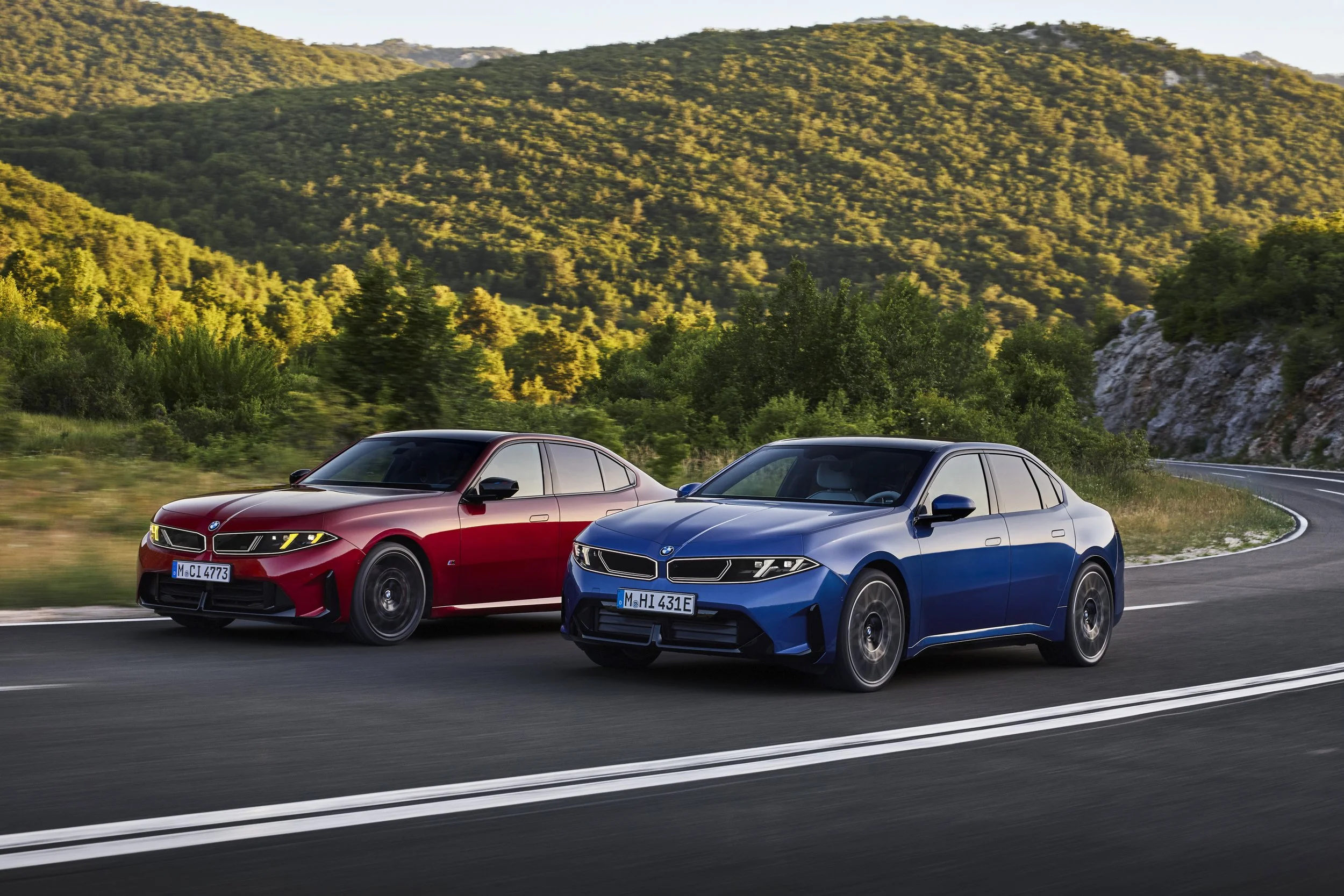
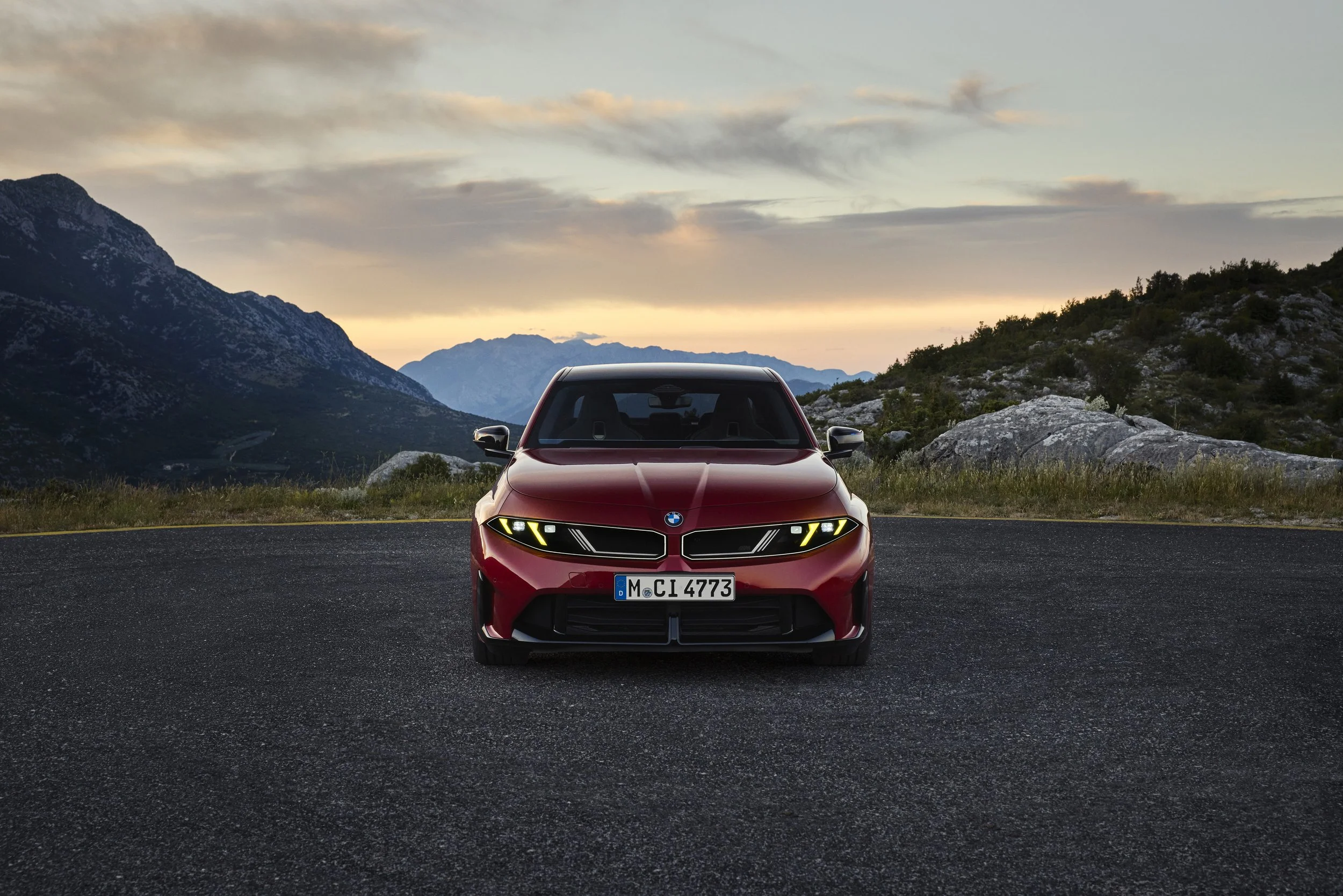
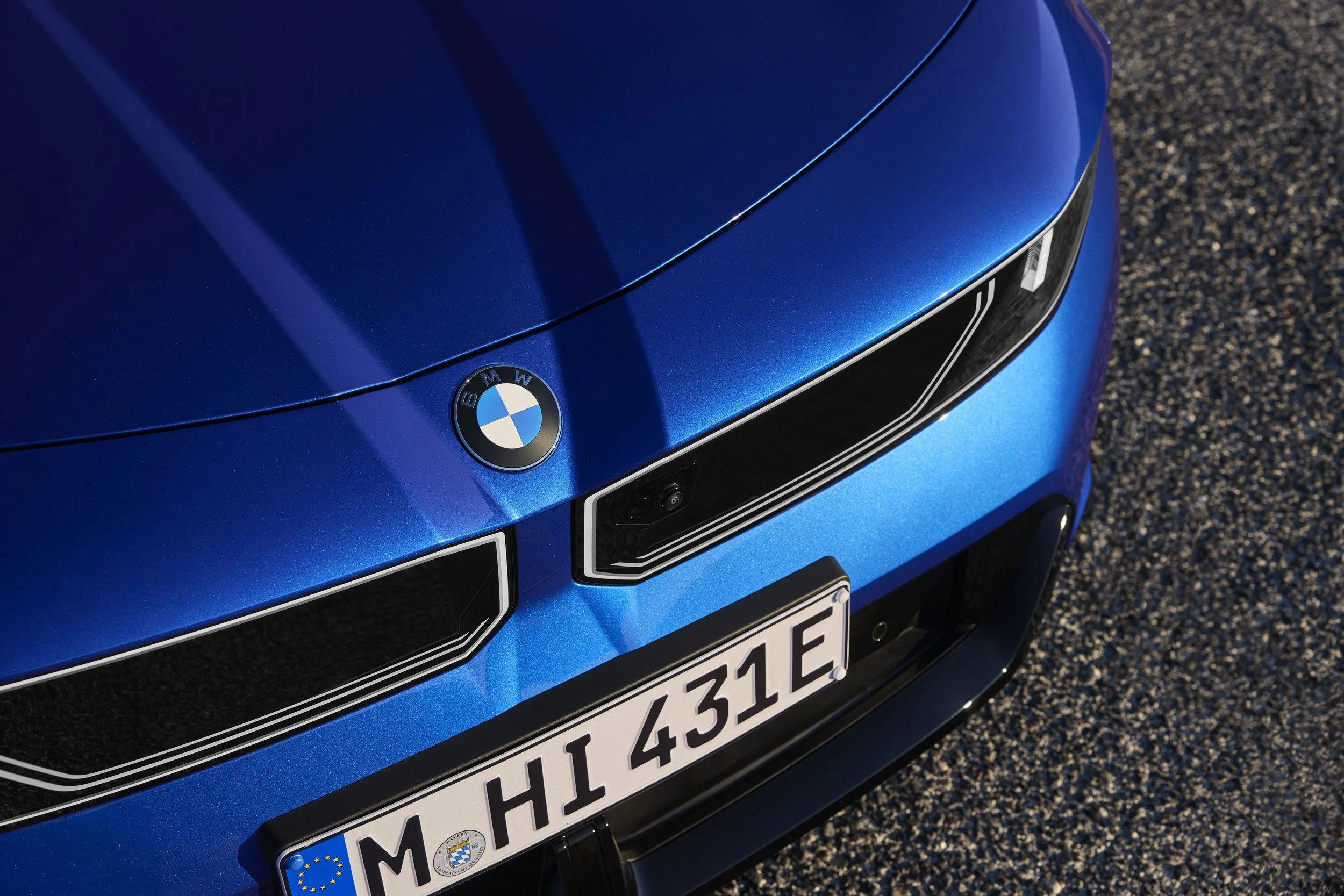
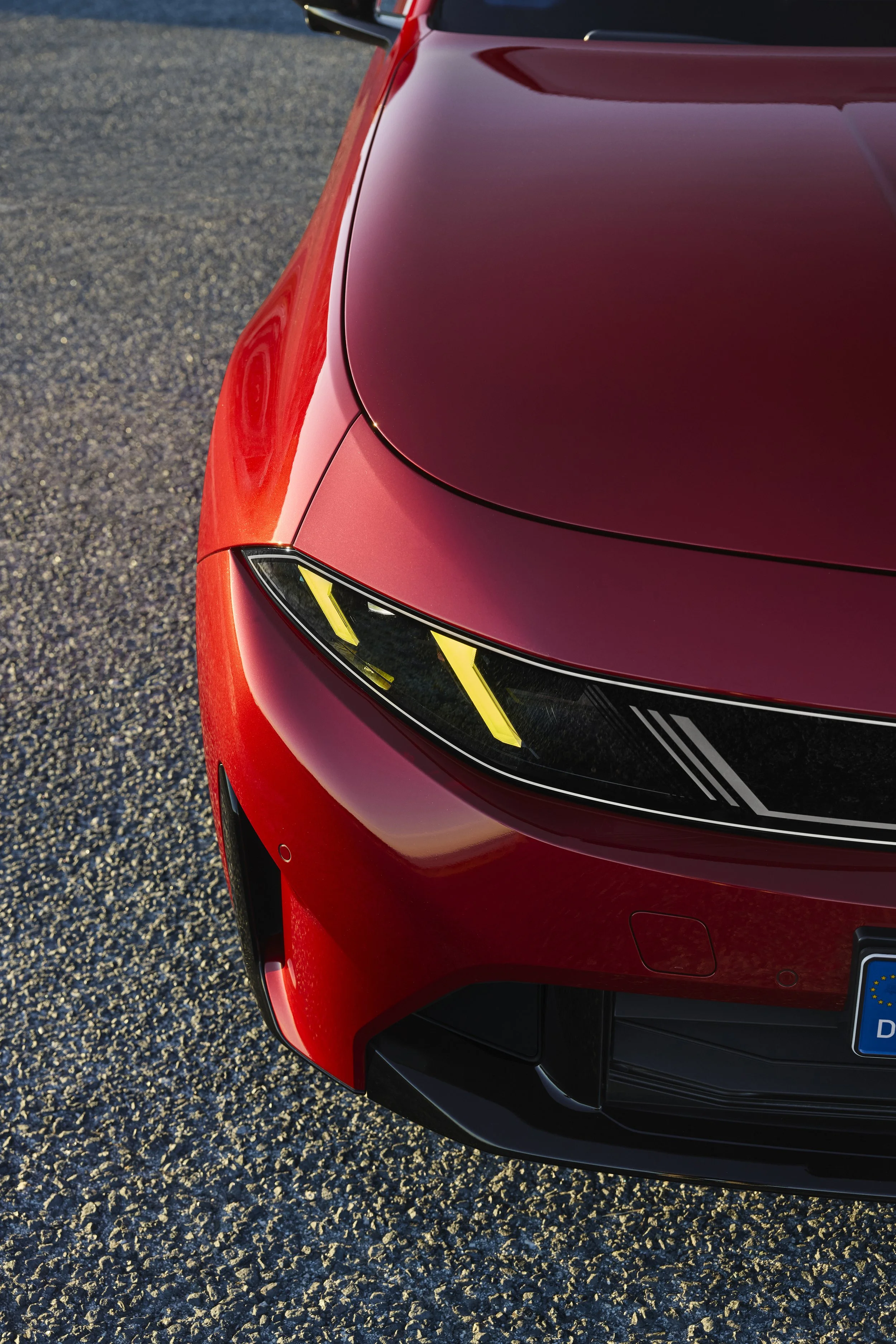
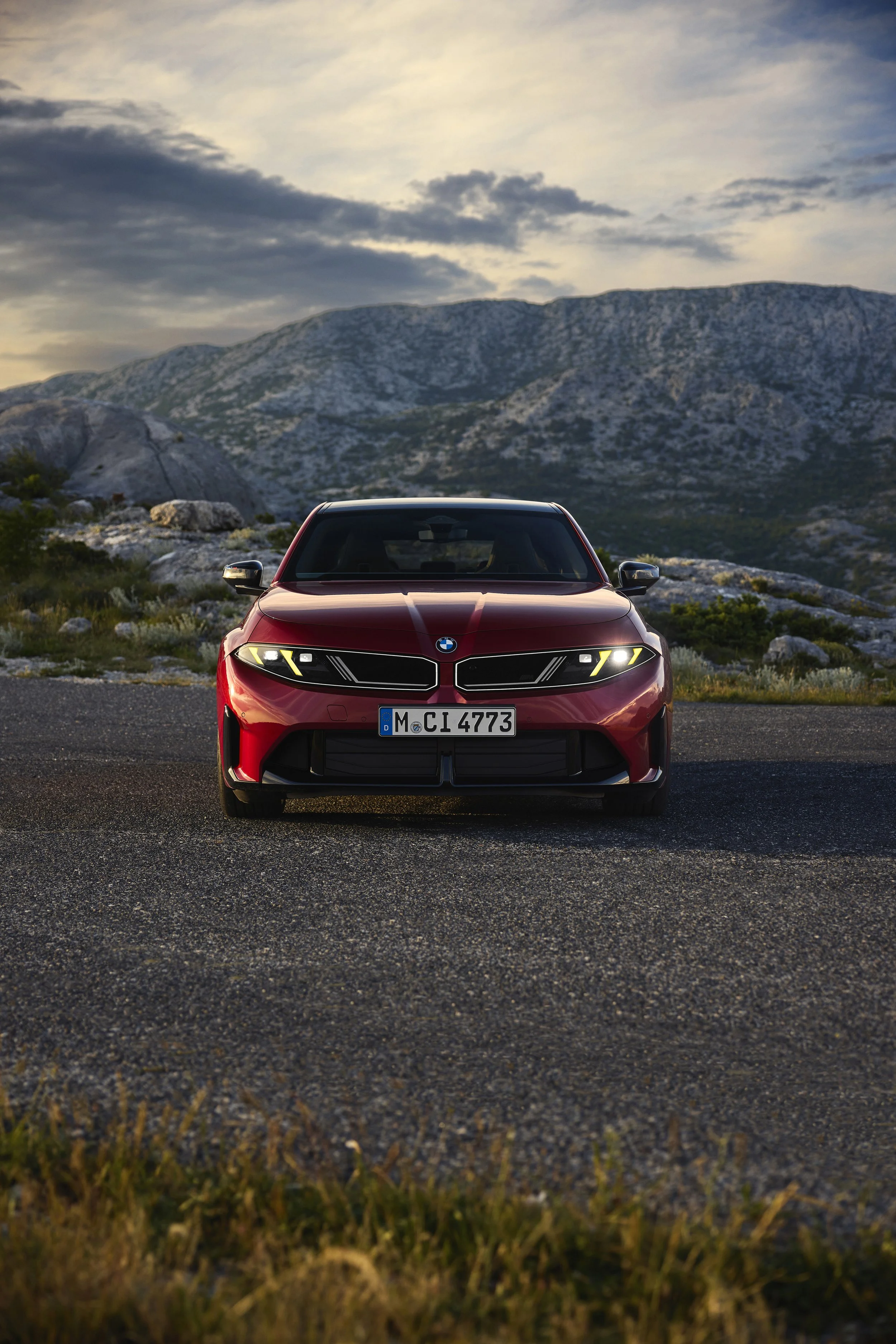
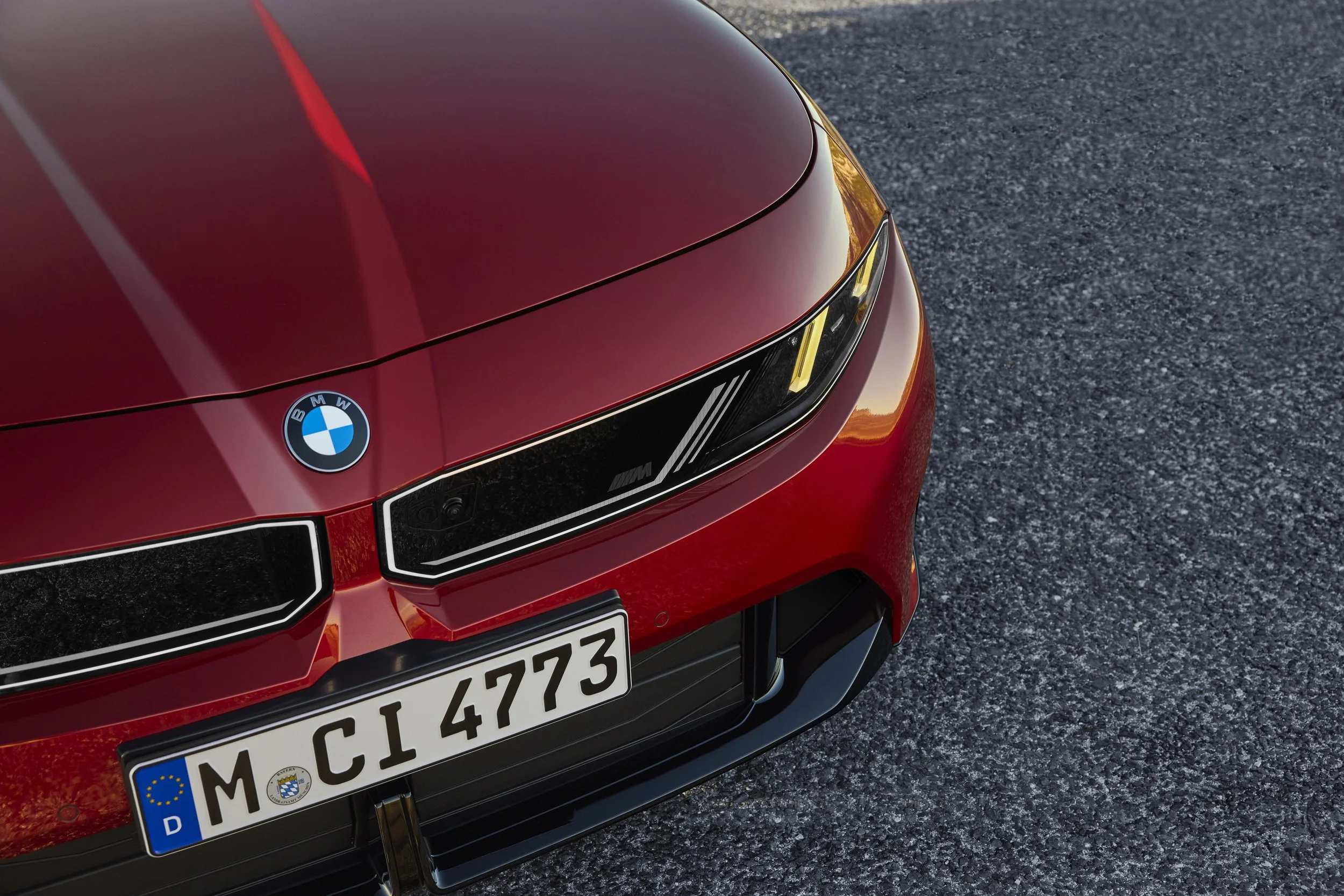
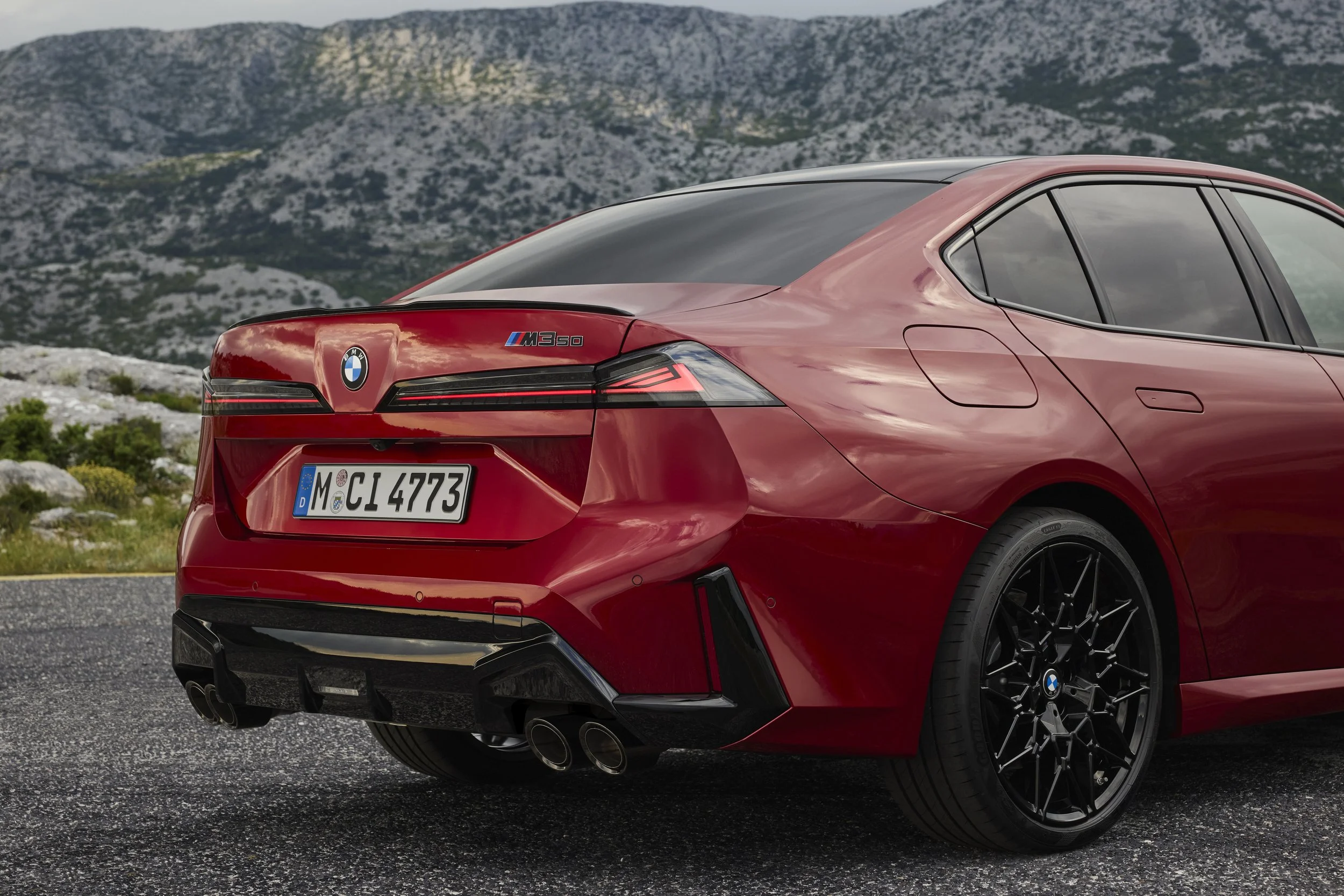
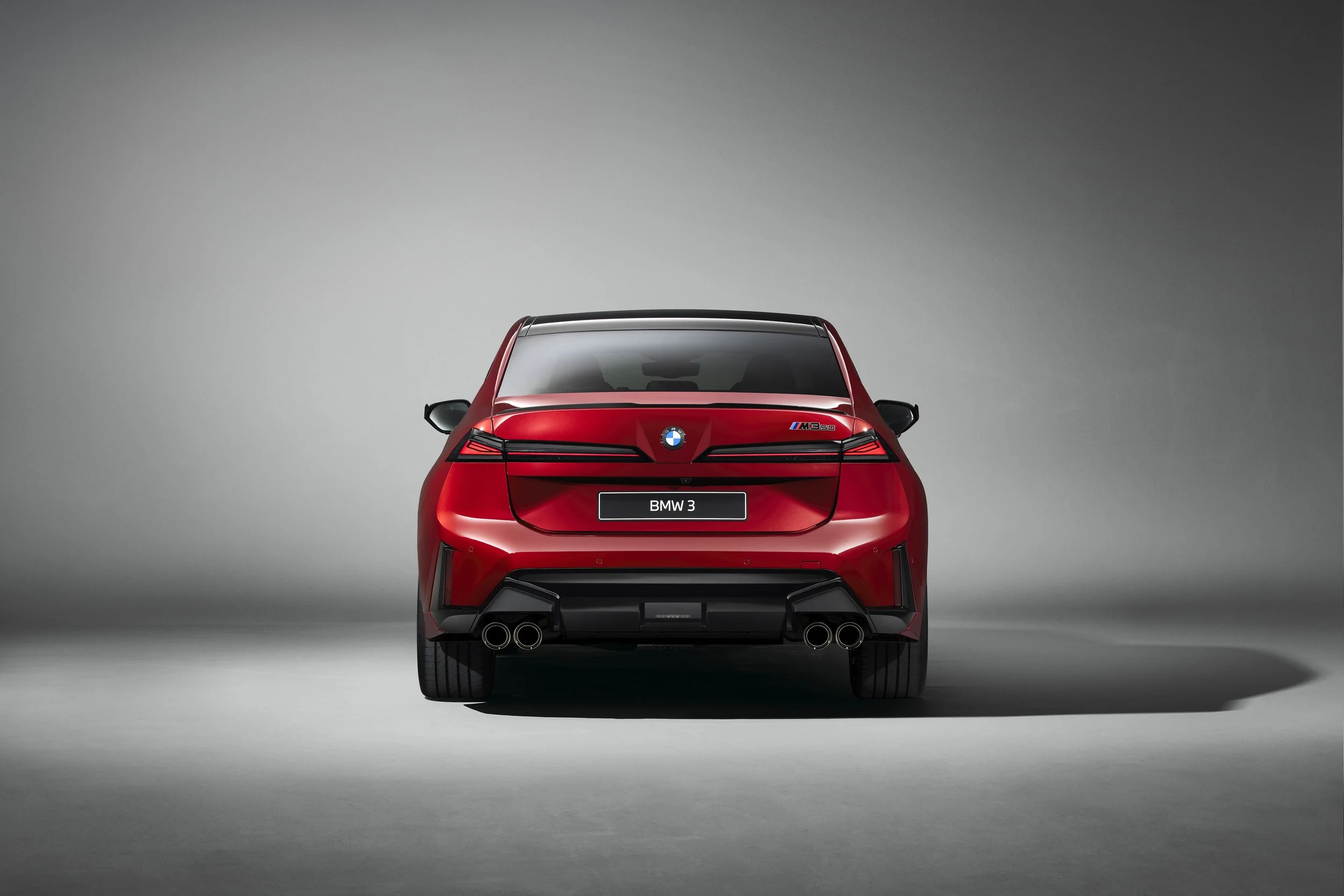
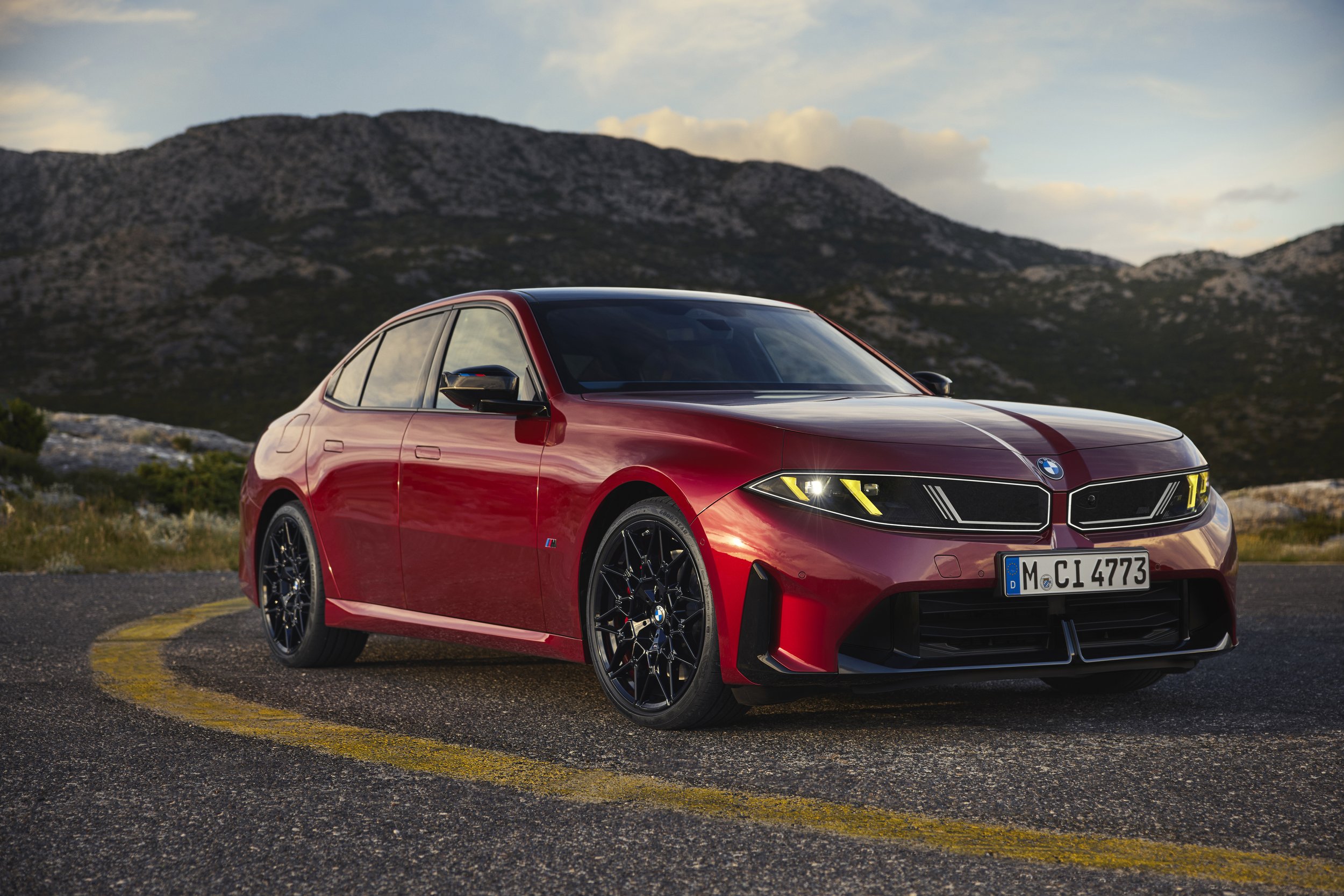
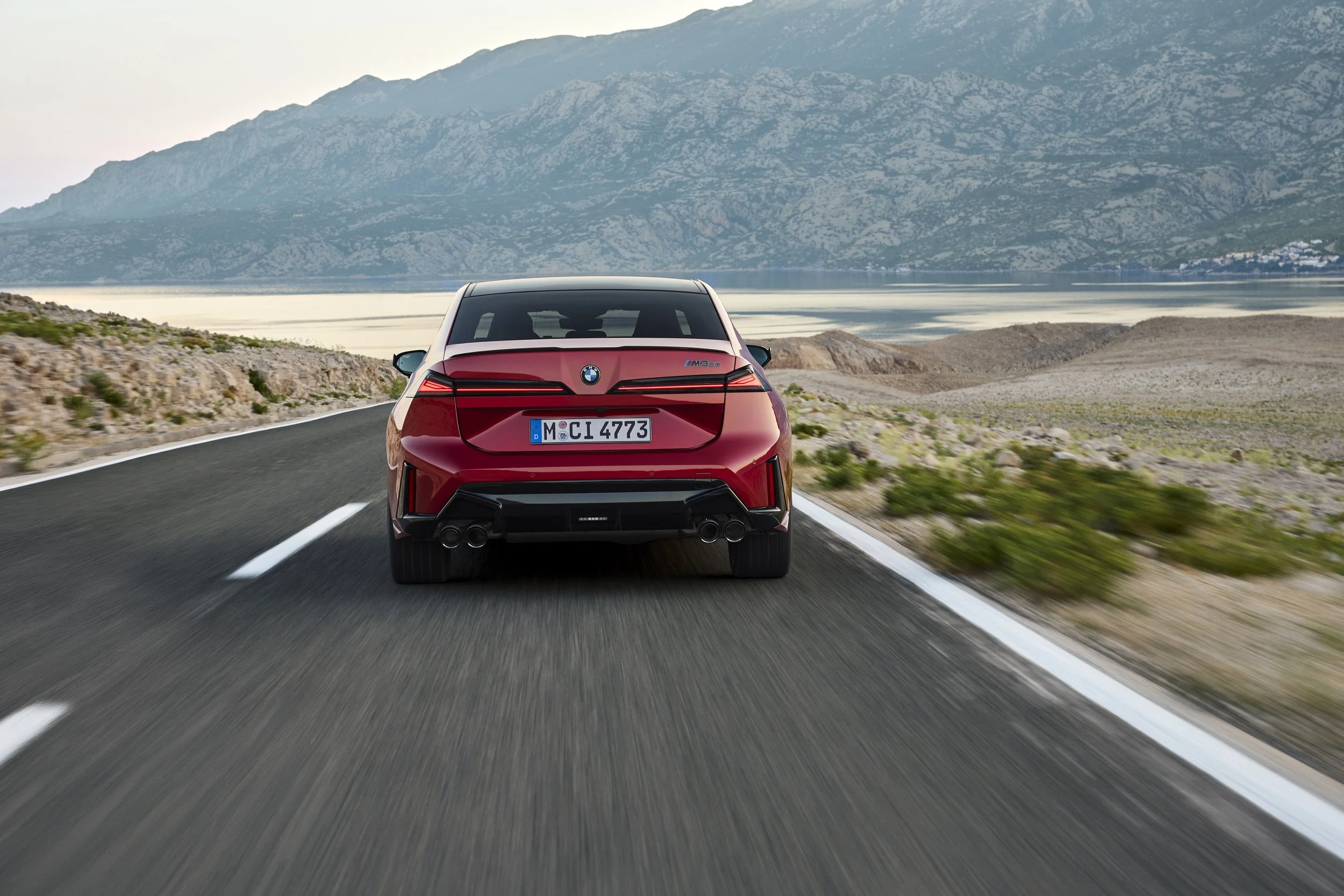
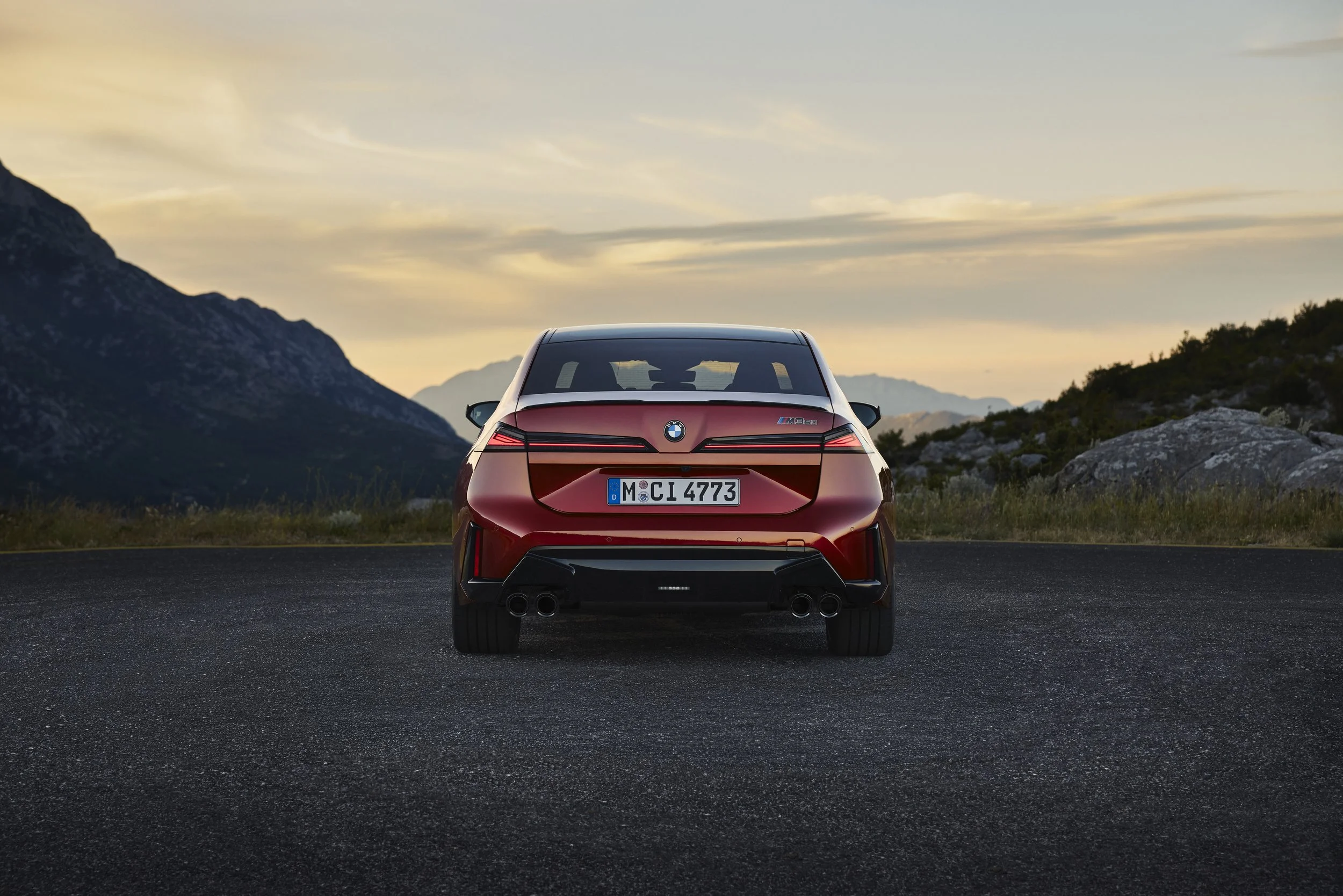
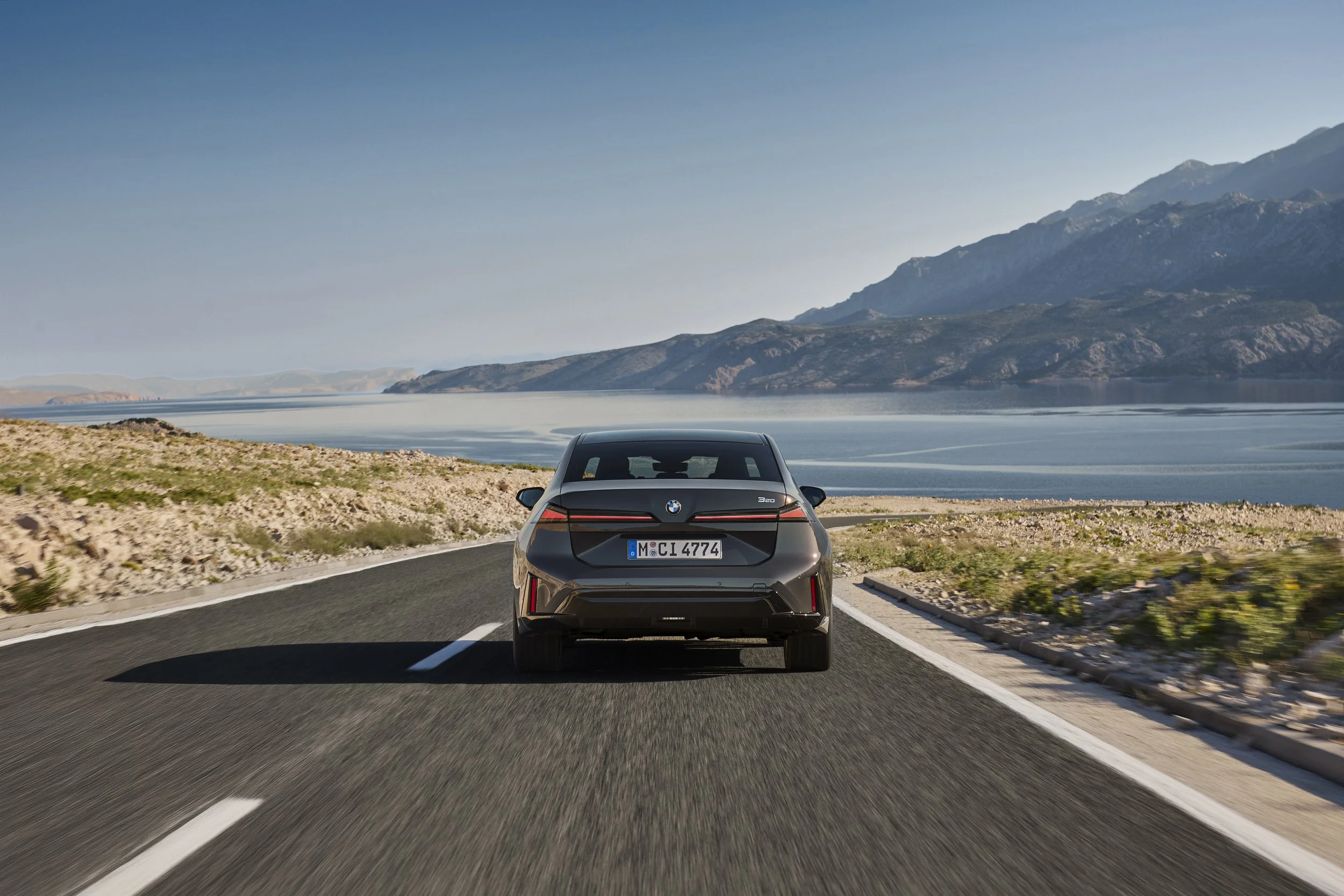
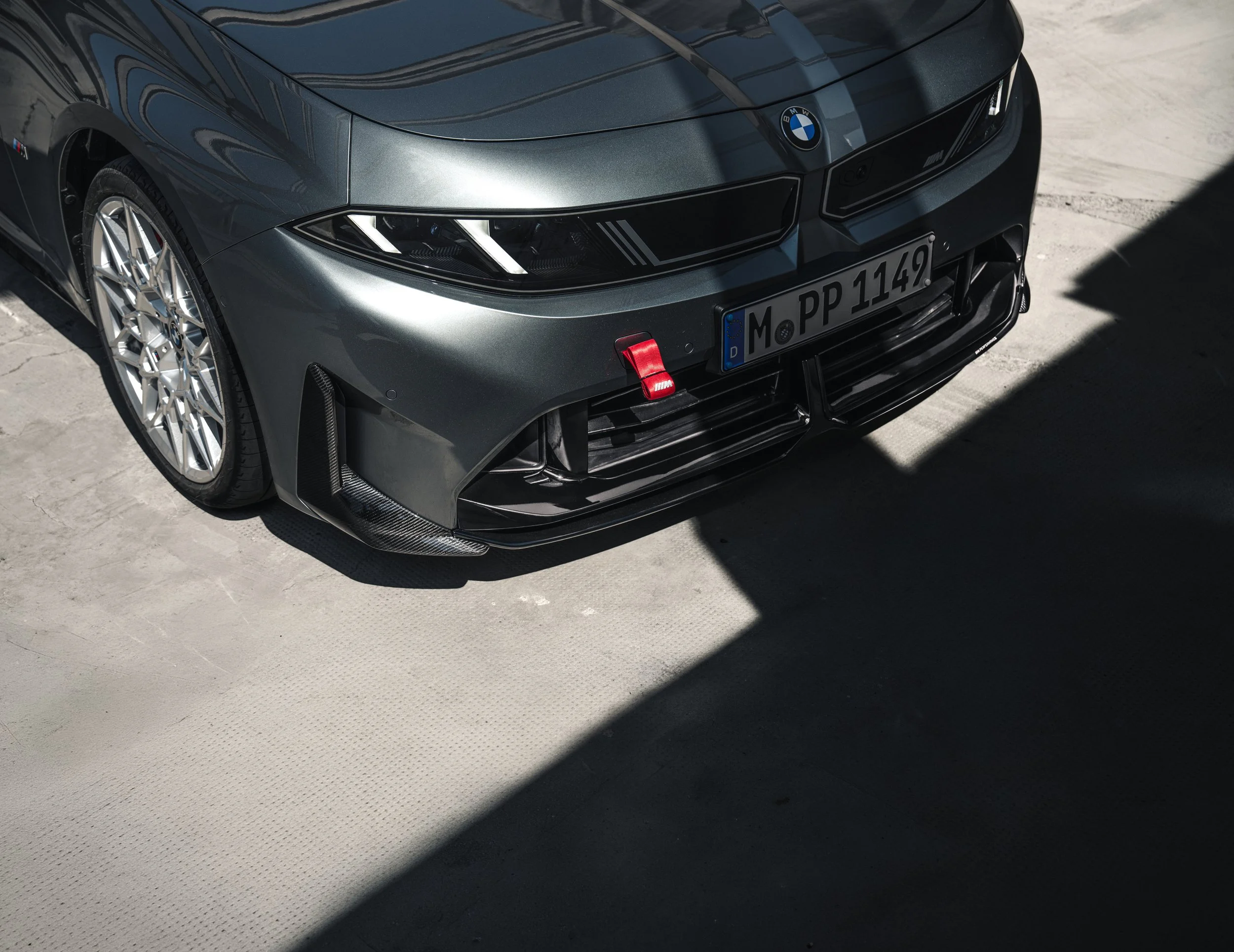
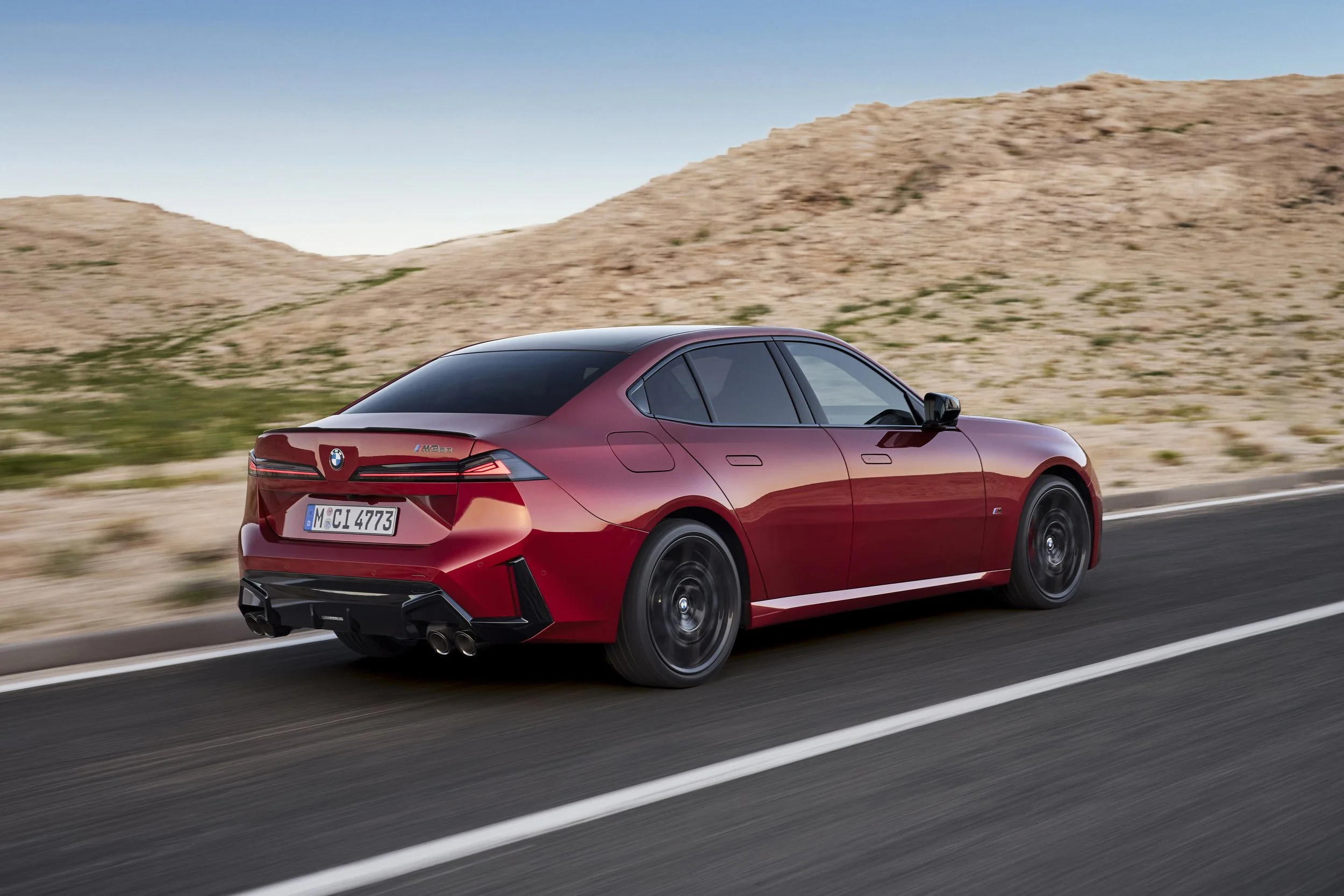
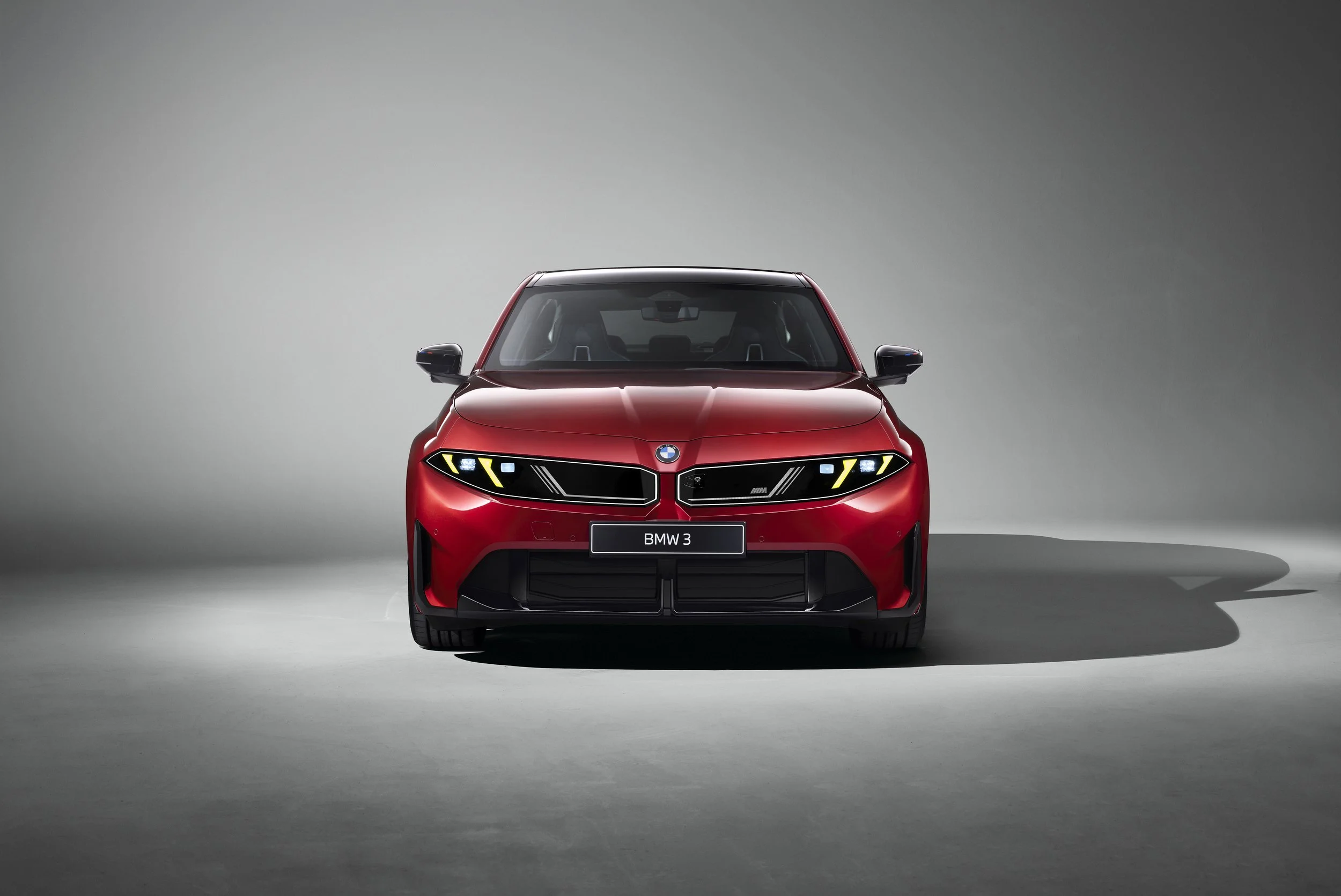
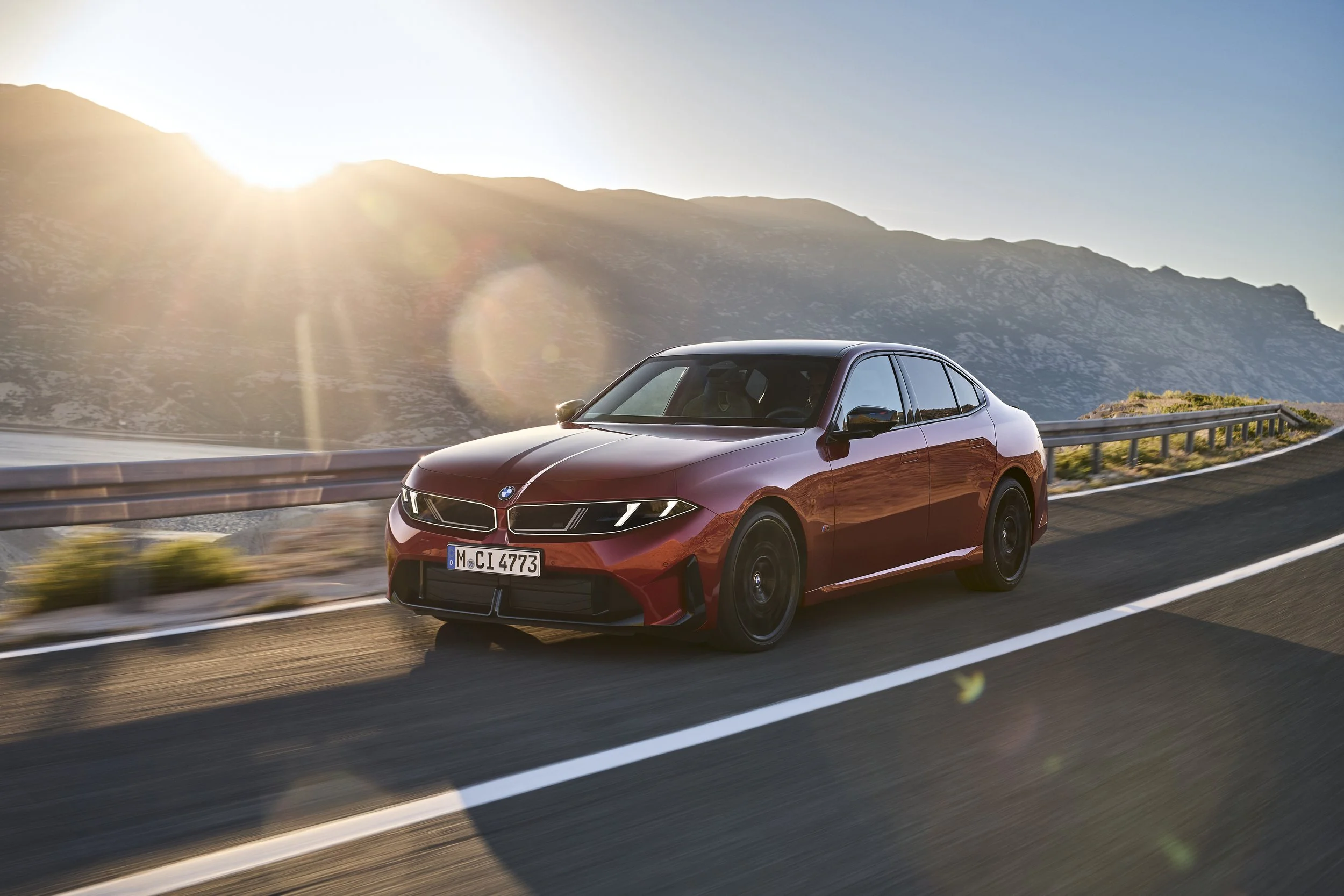
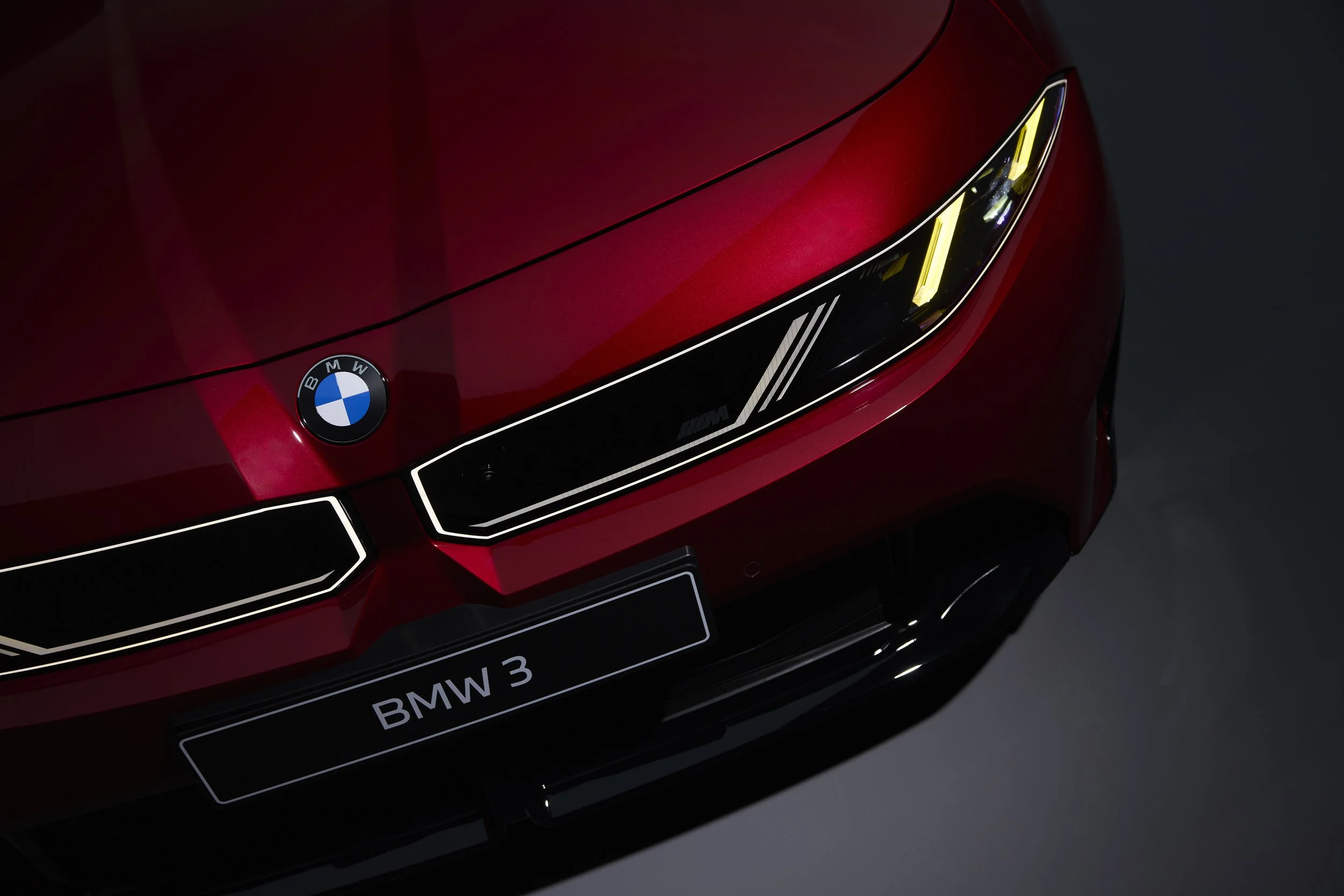
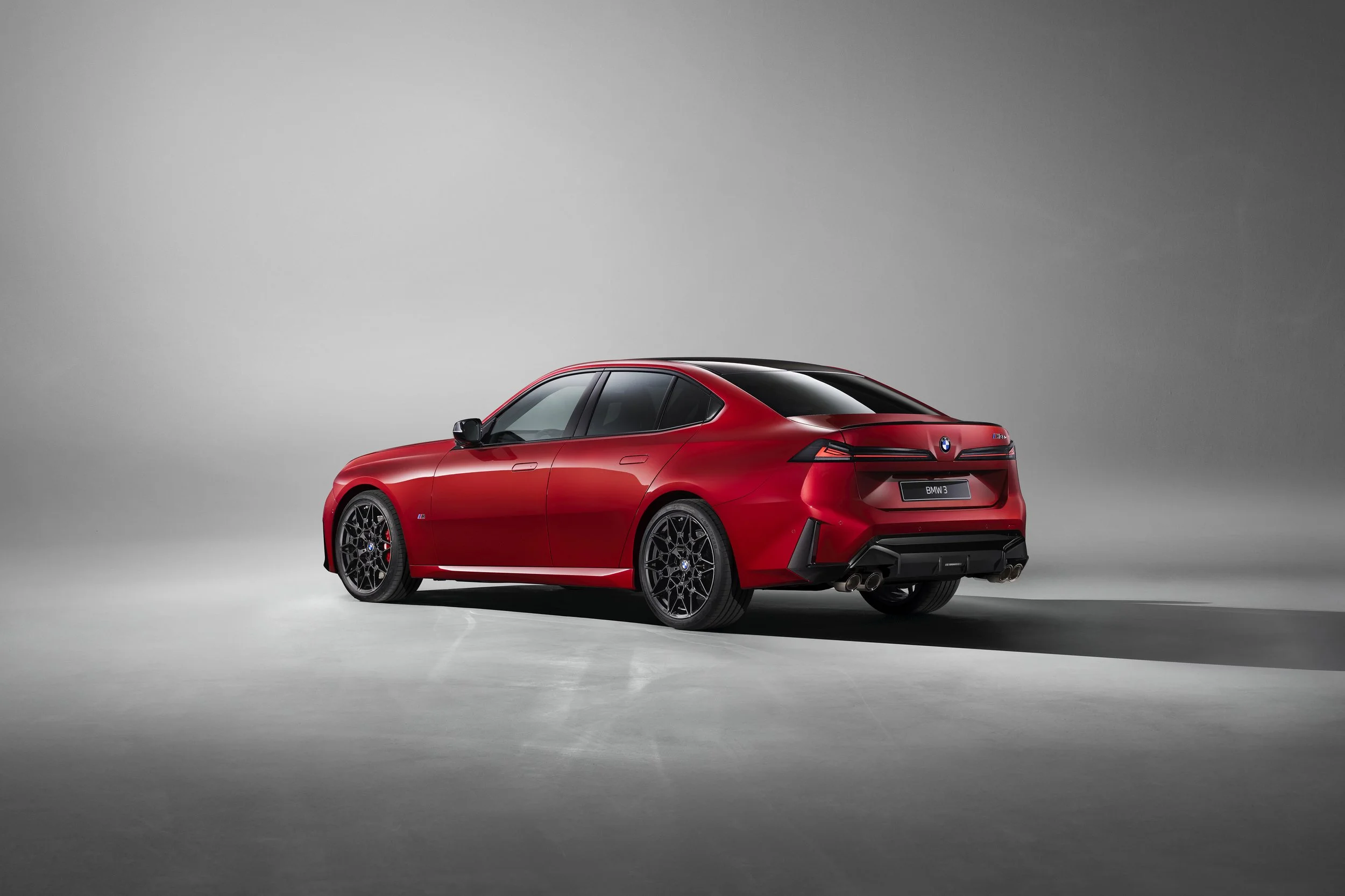
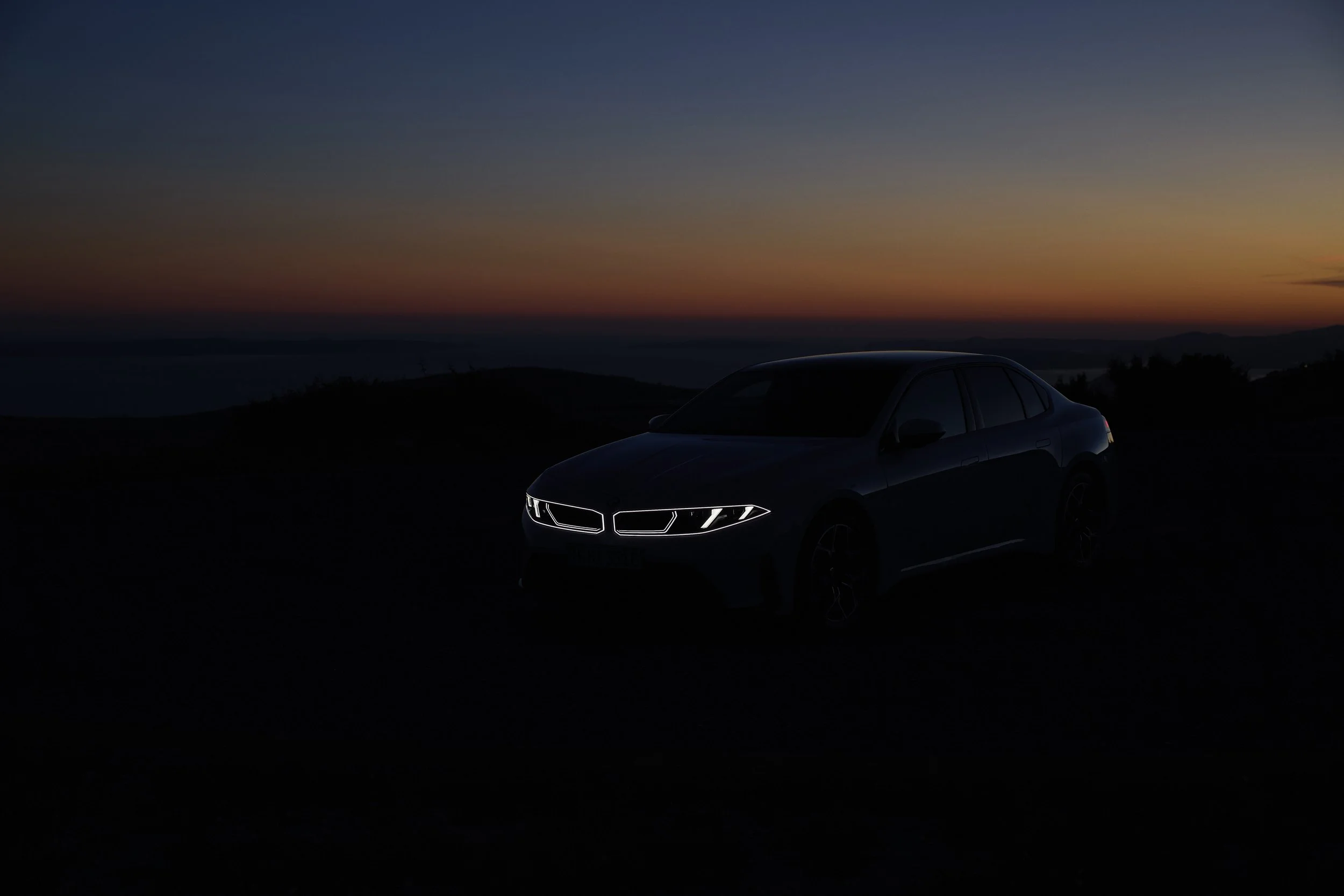
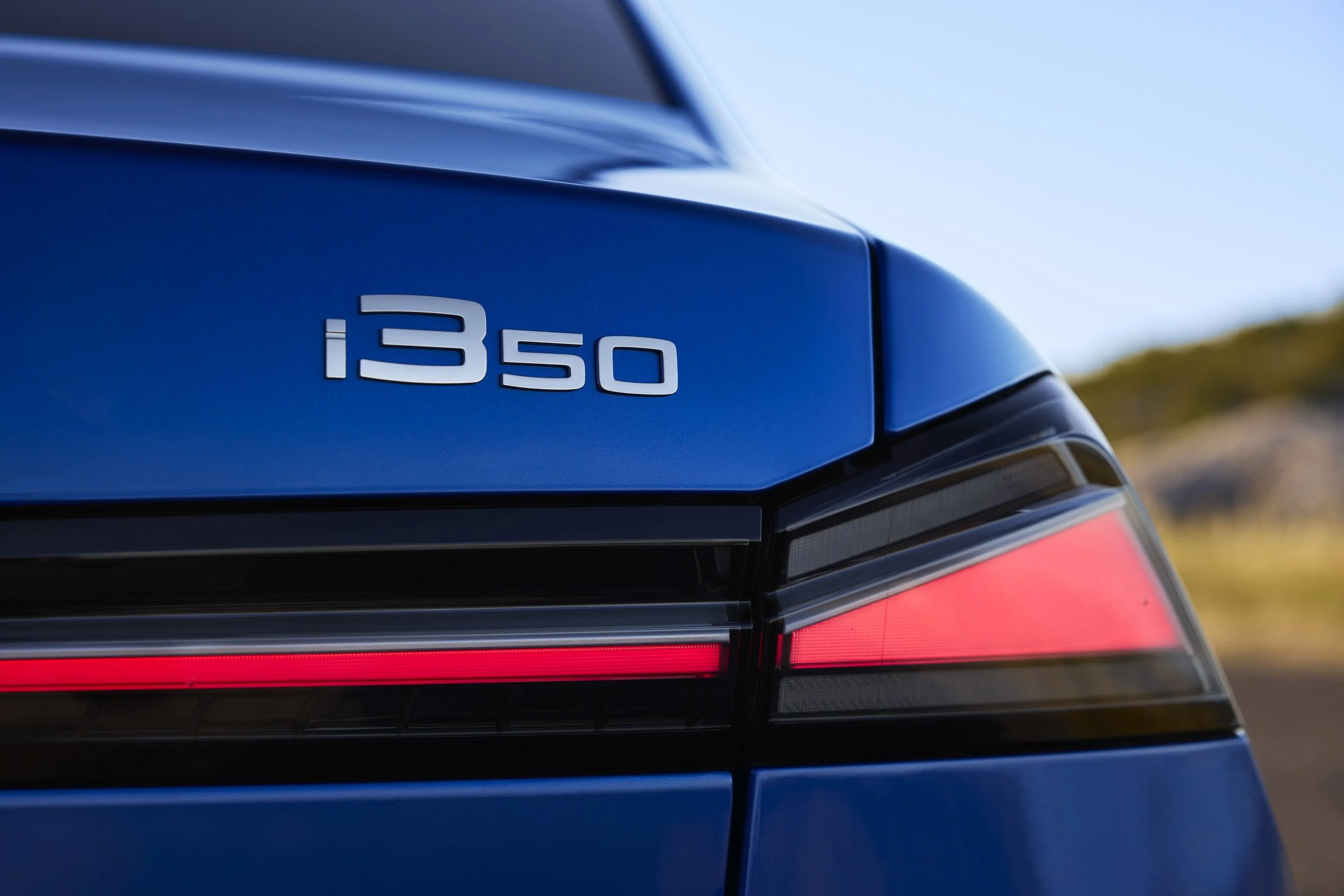
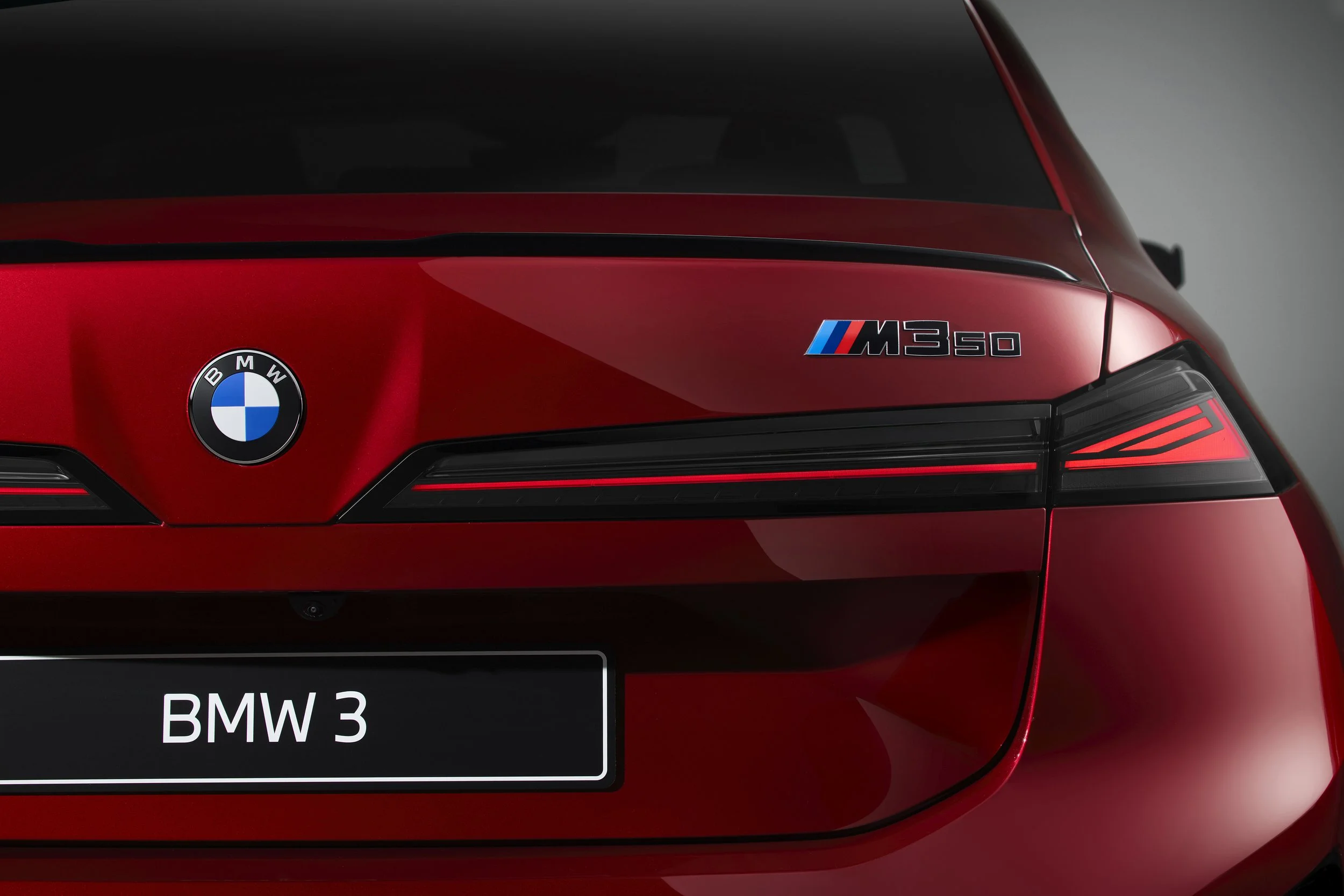
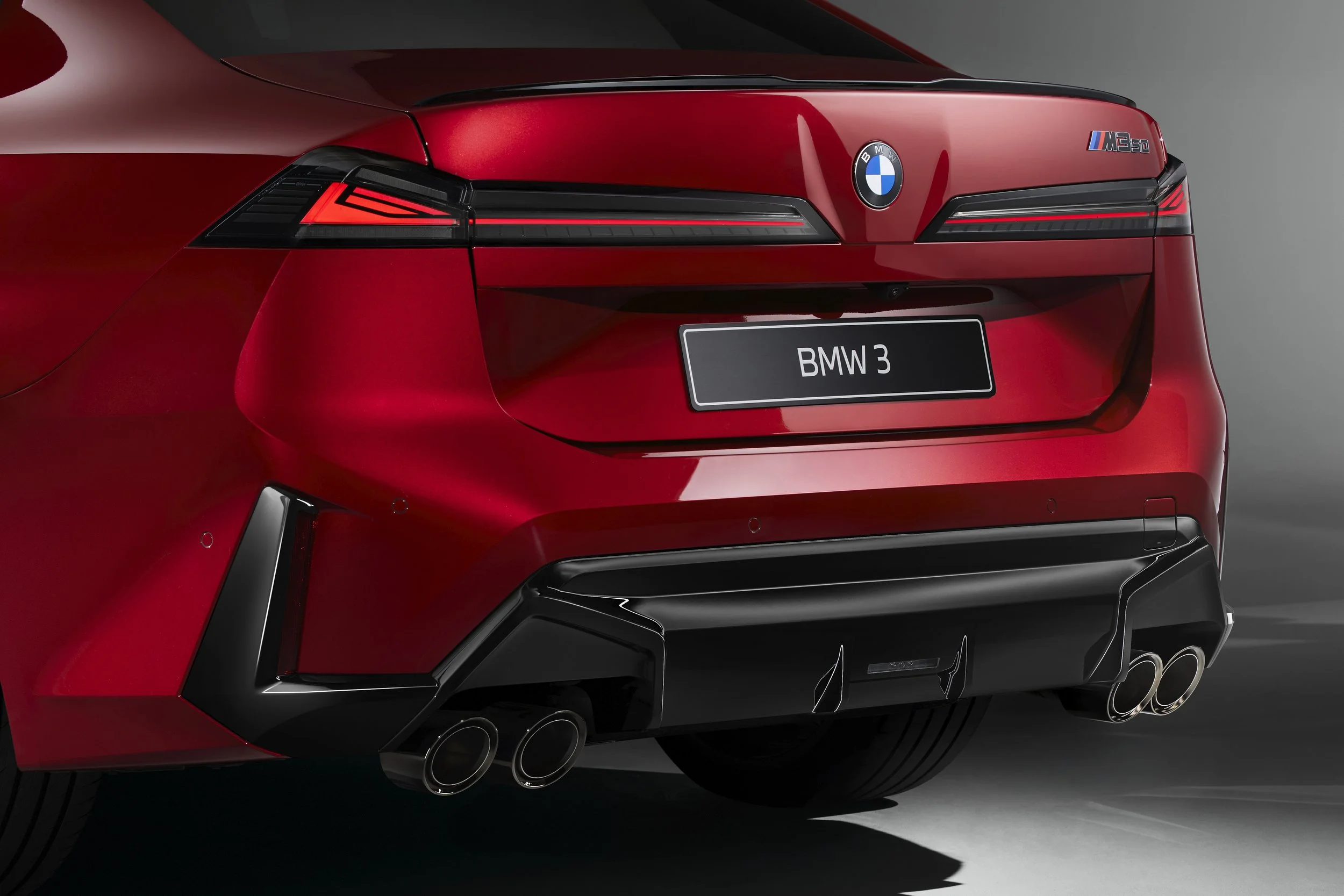
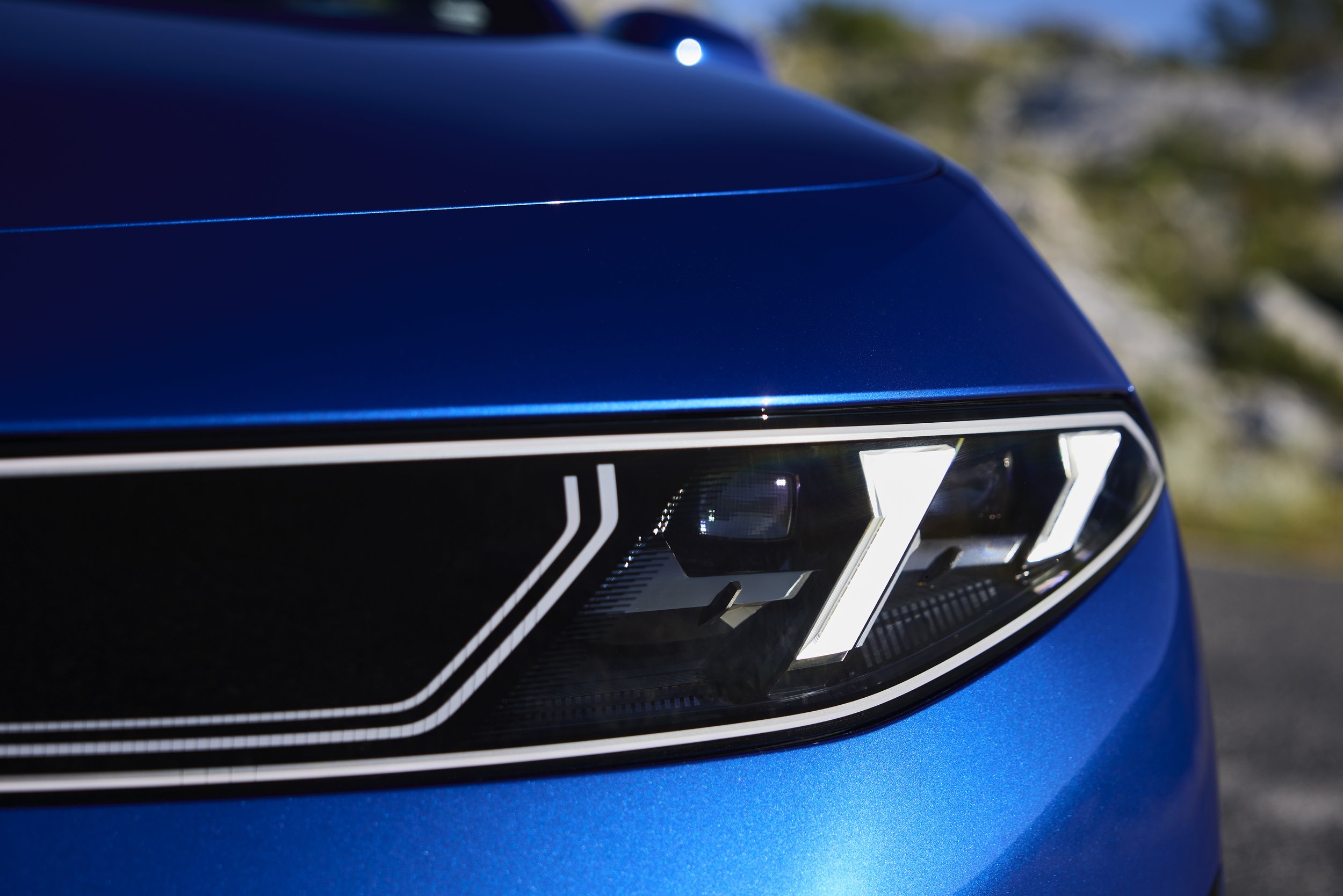
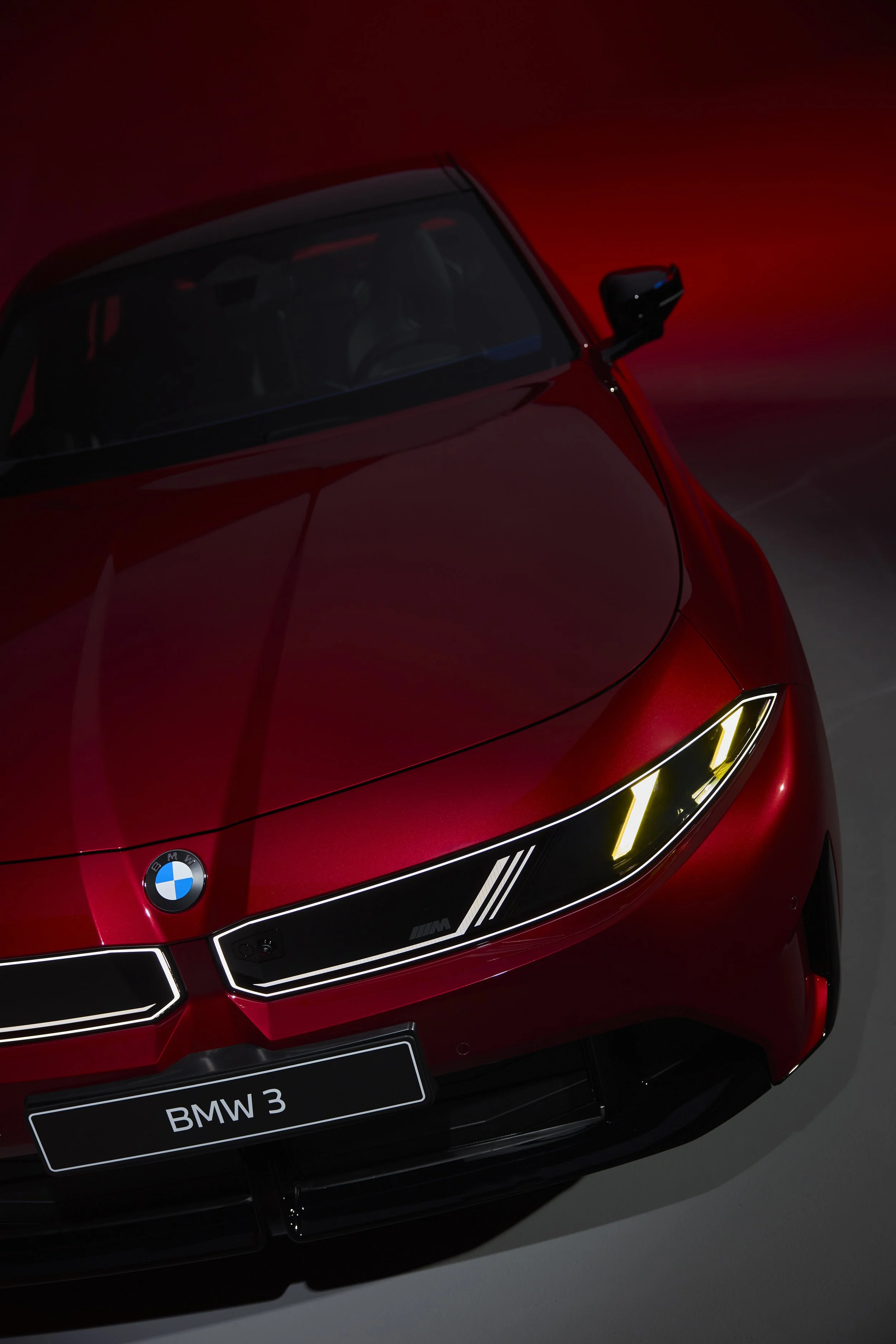
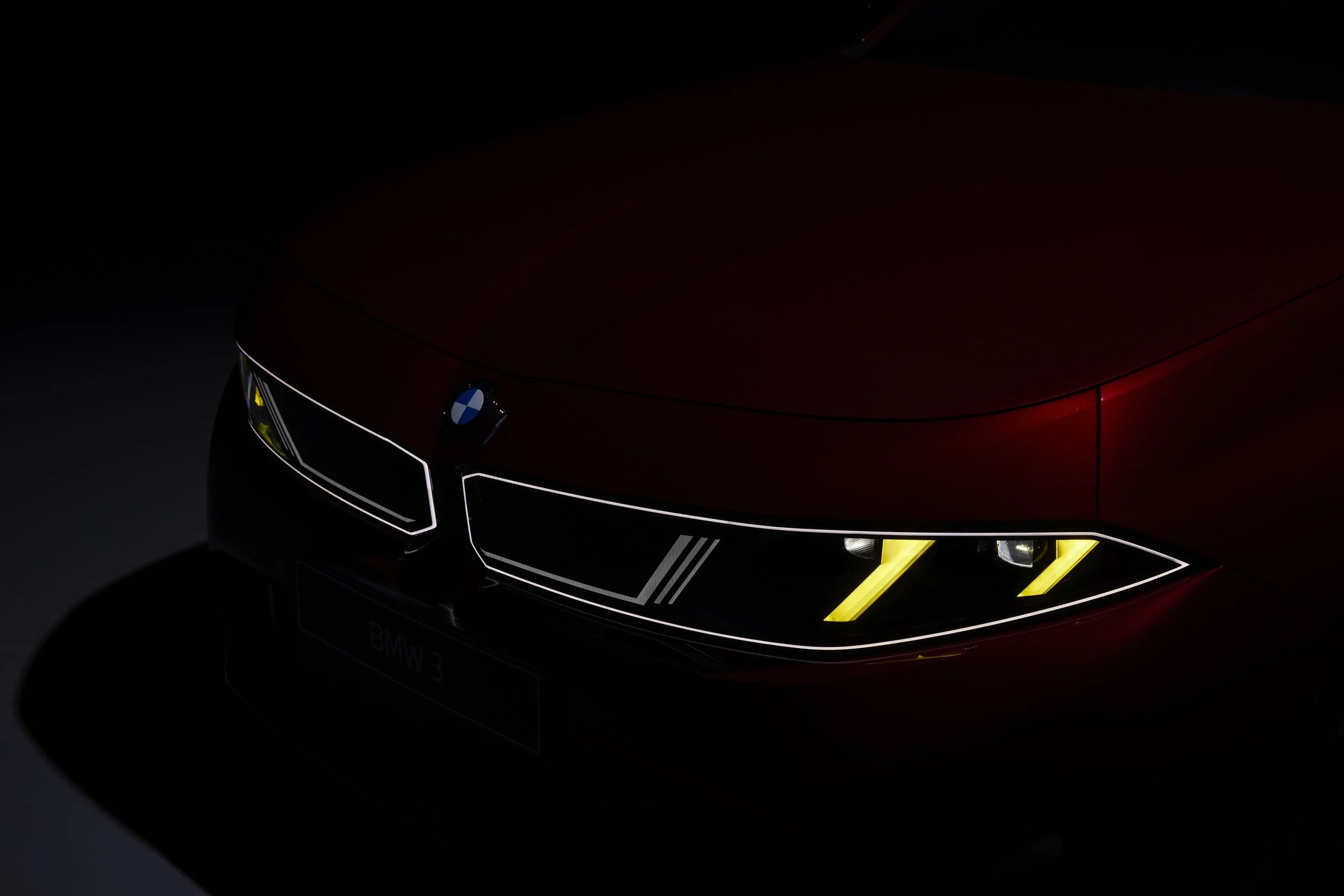
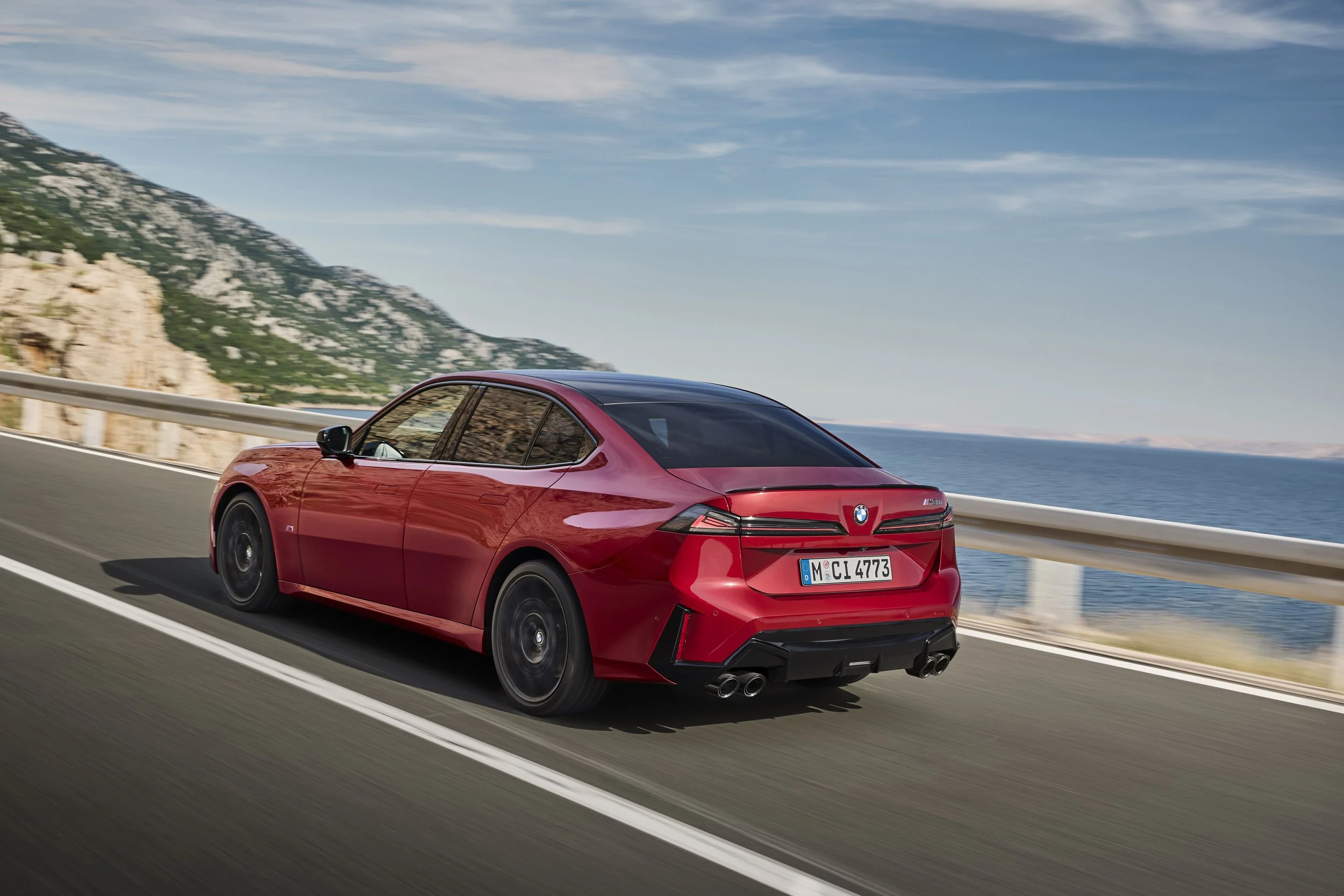
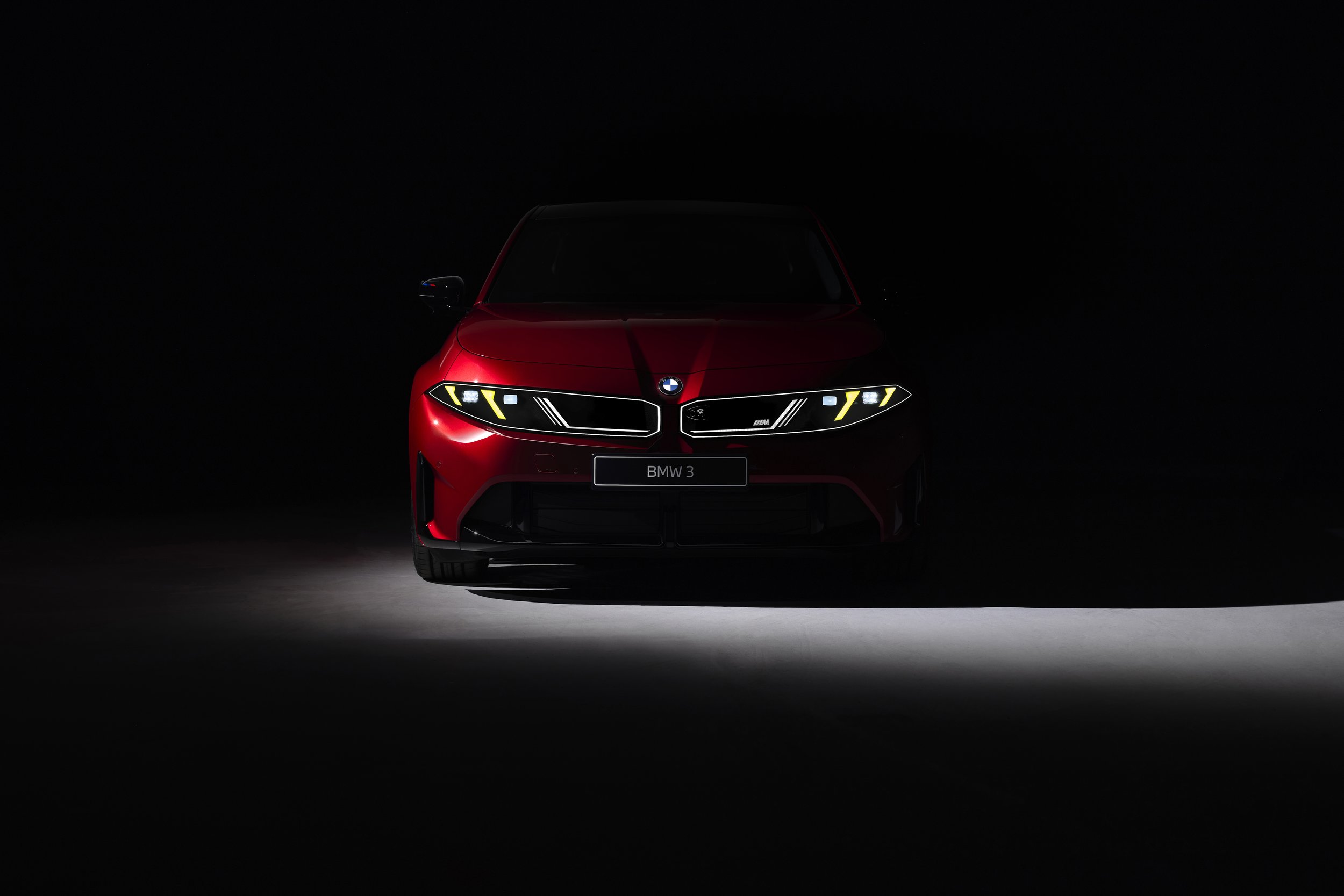
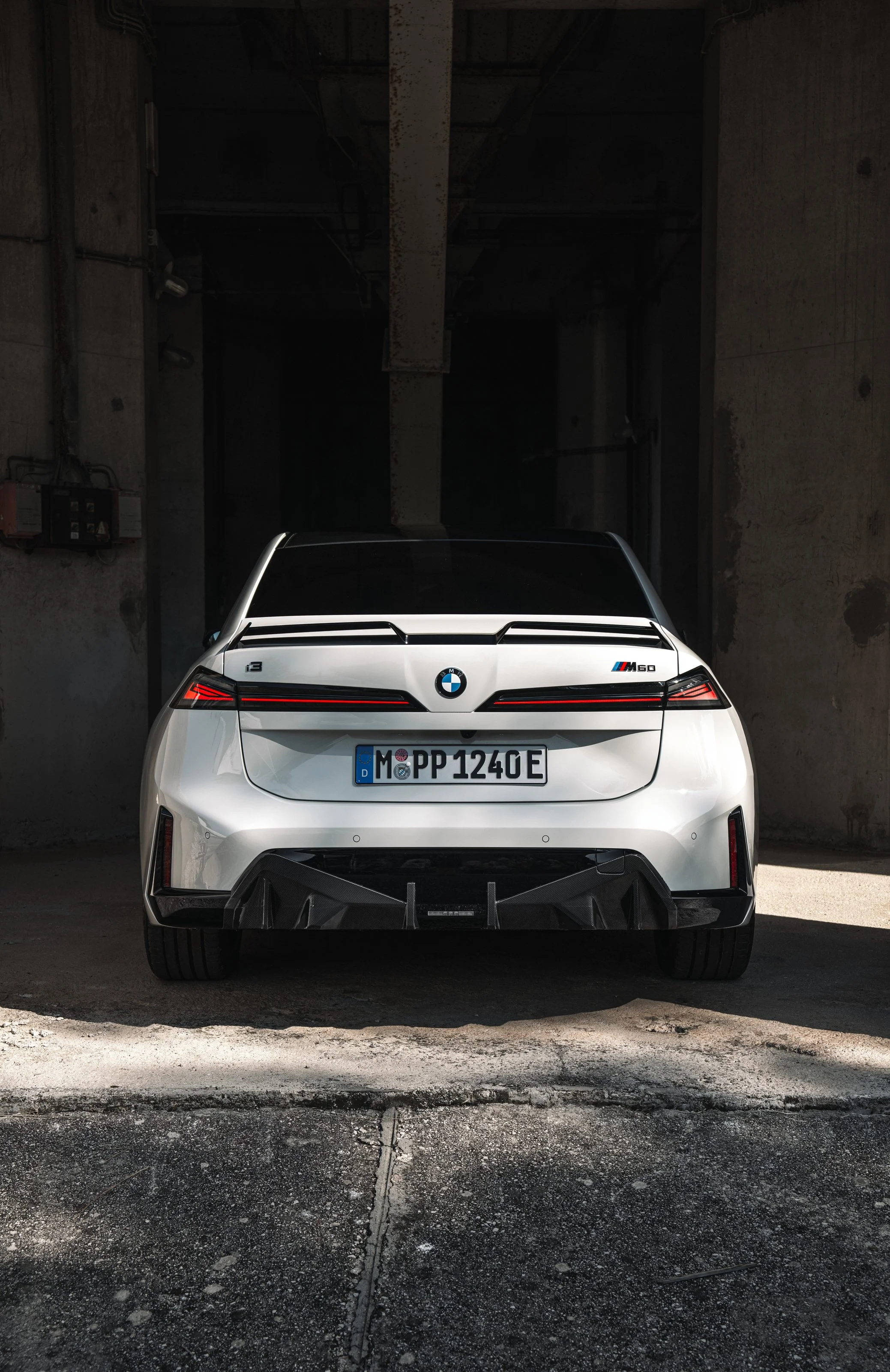
At the front, a single horizontal design element houses the BMW kidney grille and twin headlights. When customers specify BMW Iconic Glow, this element lights up and offers three customisable light animations. The daytime running lights sit vertically, while the shark-nose front profile highlights the car's dynamic character. Along the sides, flush-fitting door handles extend automatically when you unlock the car, and a low character line makes the 3 Series look closer to the road. At the rear, three-dimensional lights reinterpret the familiar BMW L-shape and stretch into the shoulder area, emphasising the saloon's broad stance.
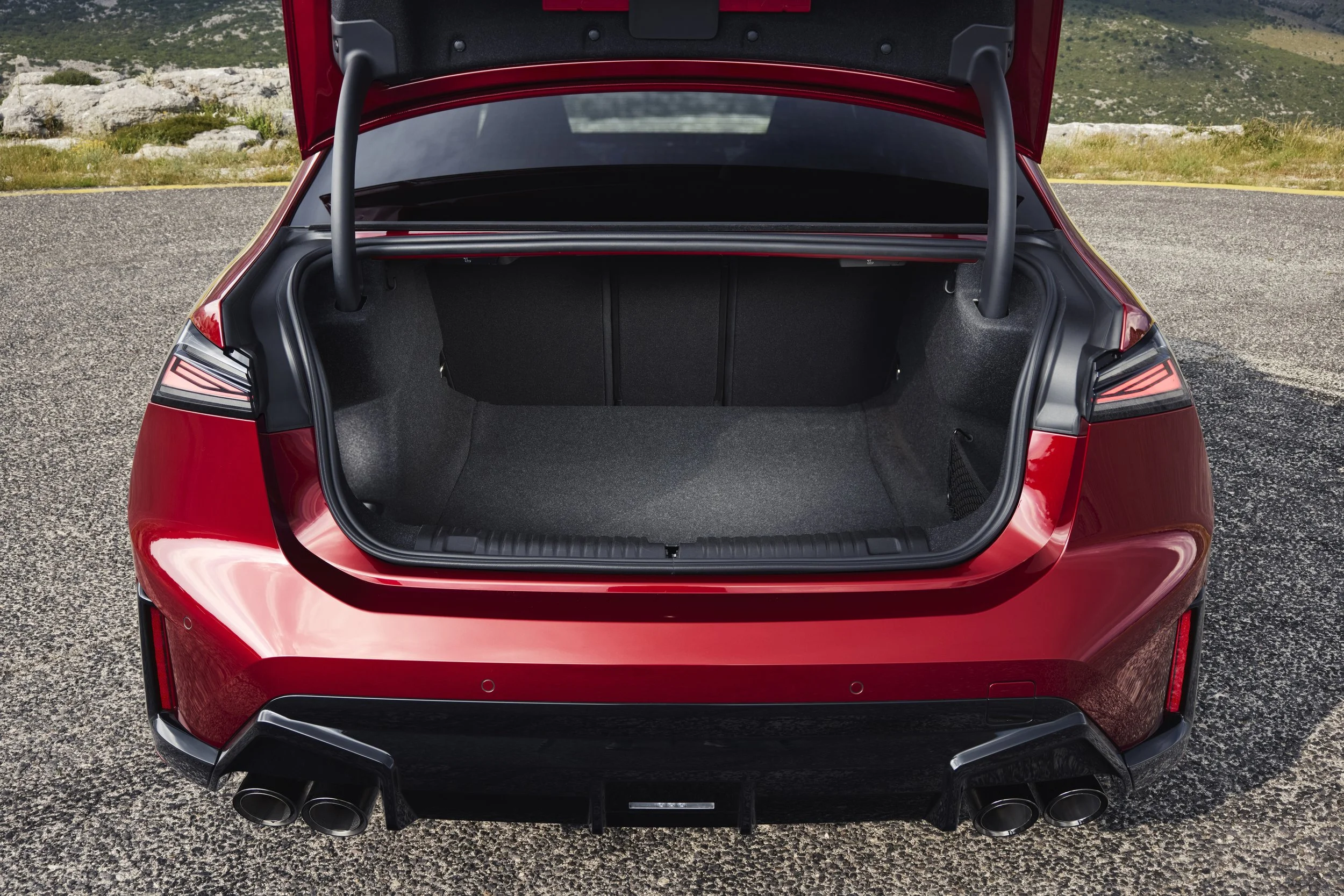
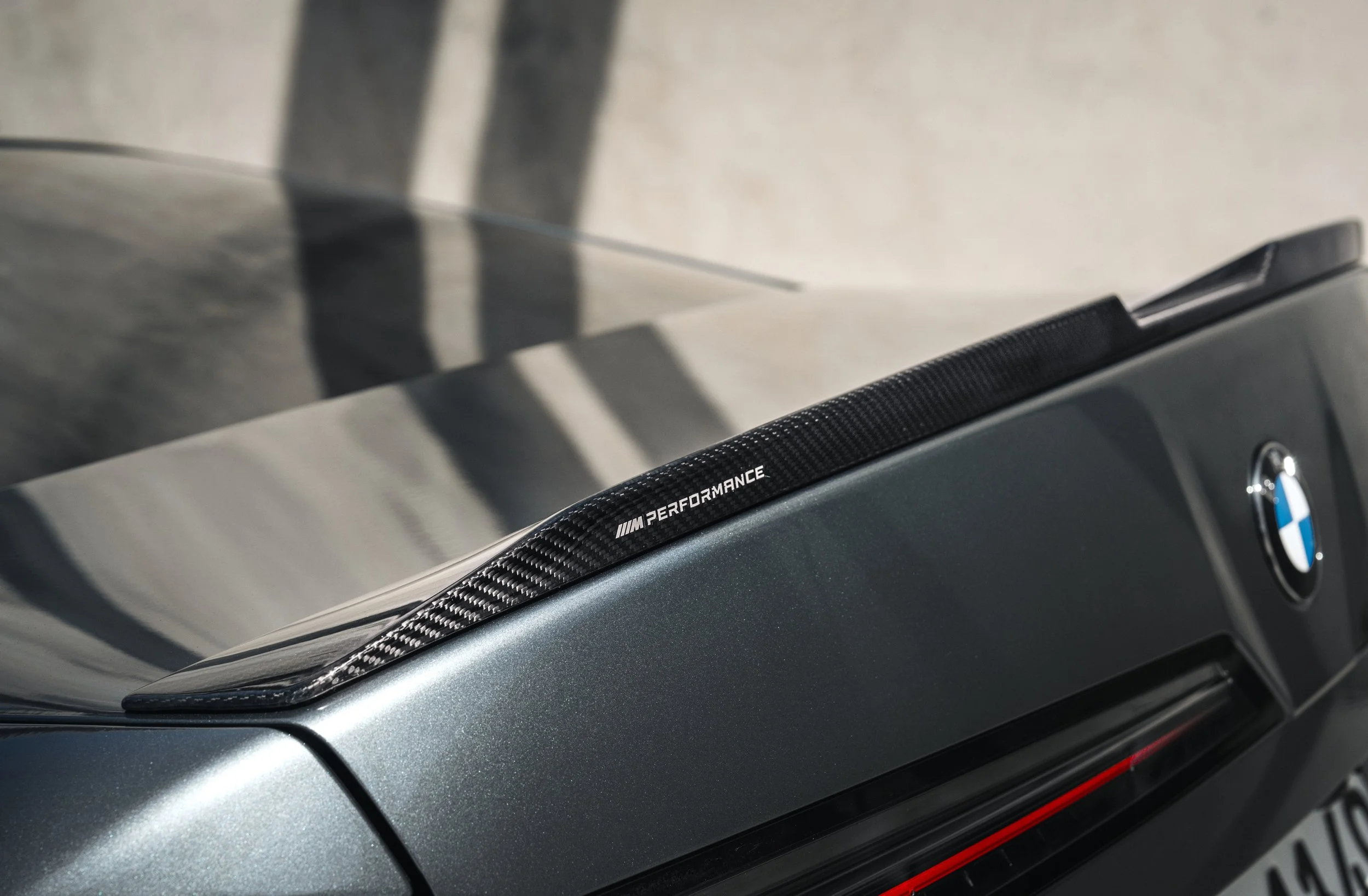
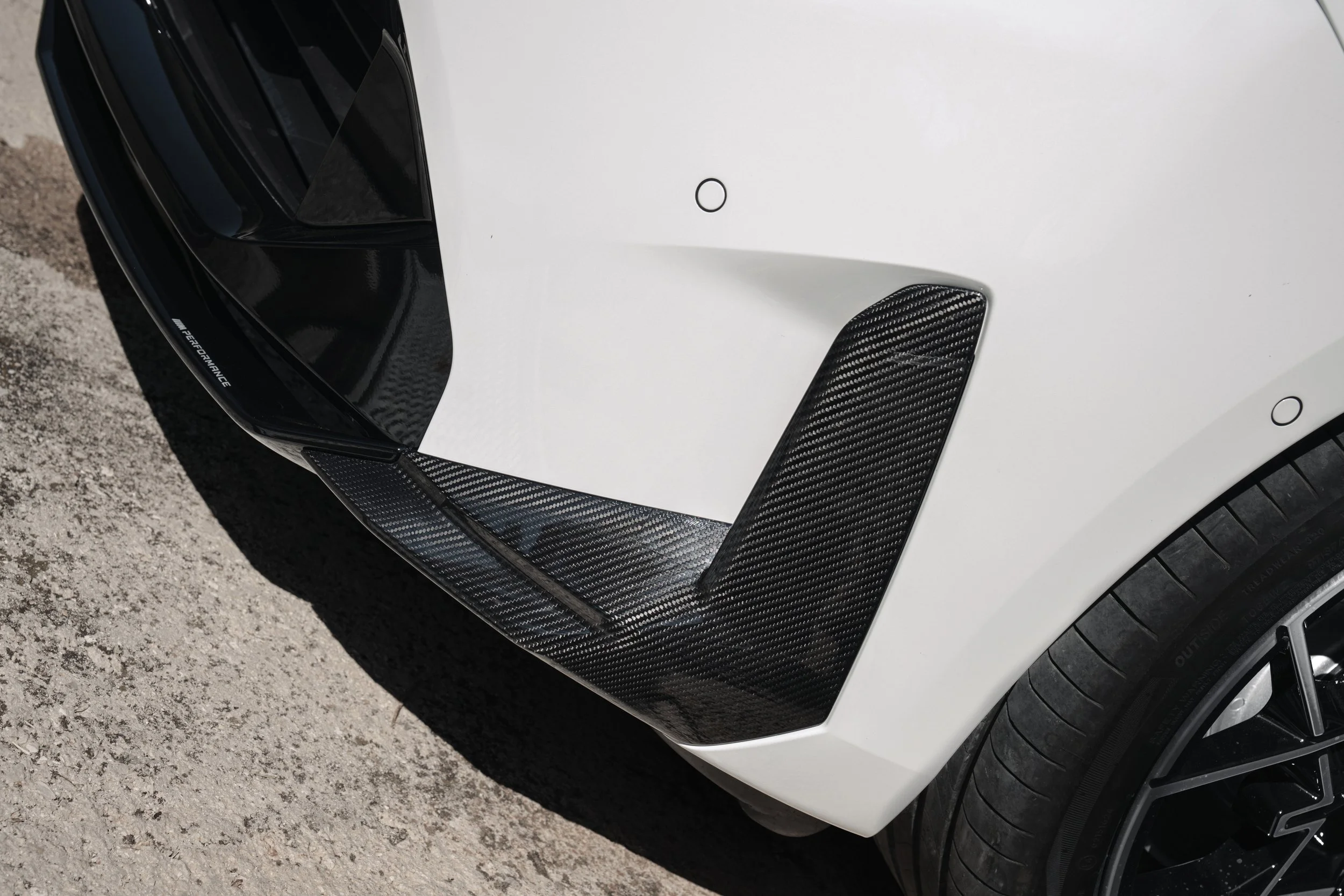
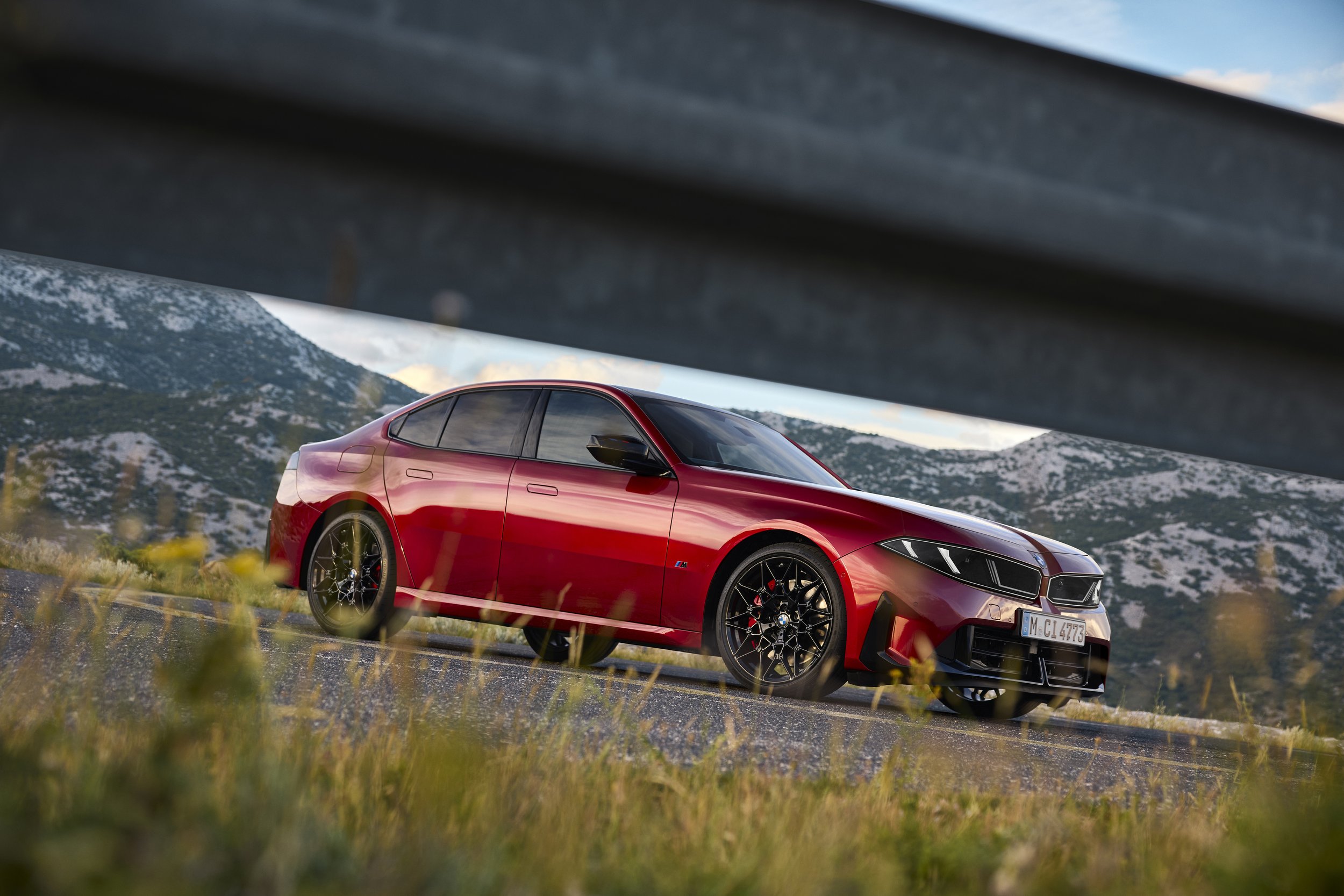
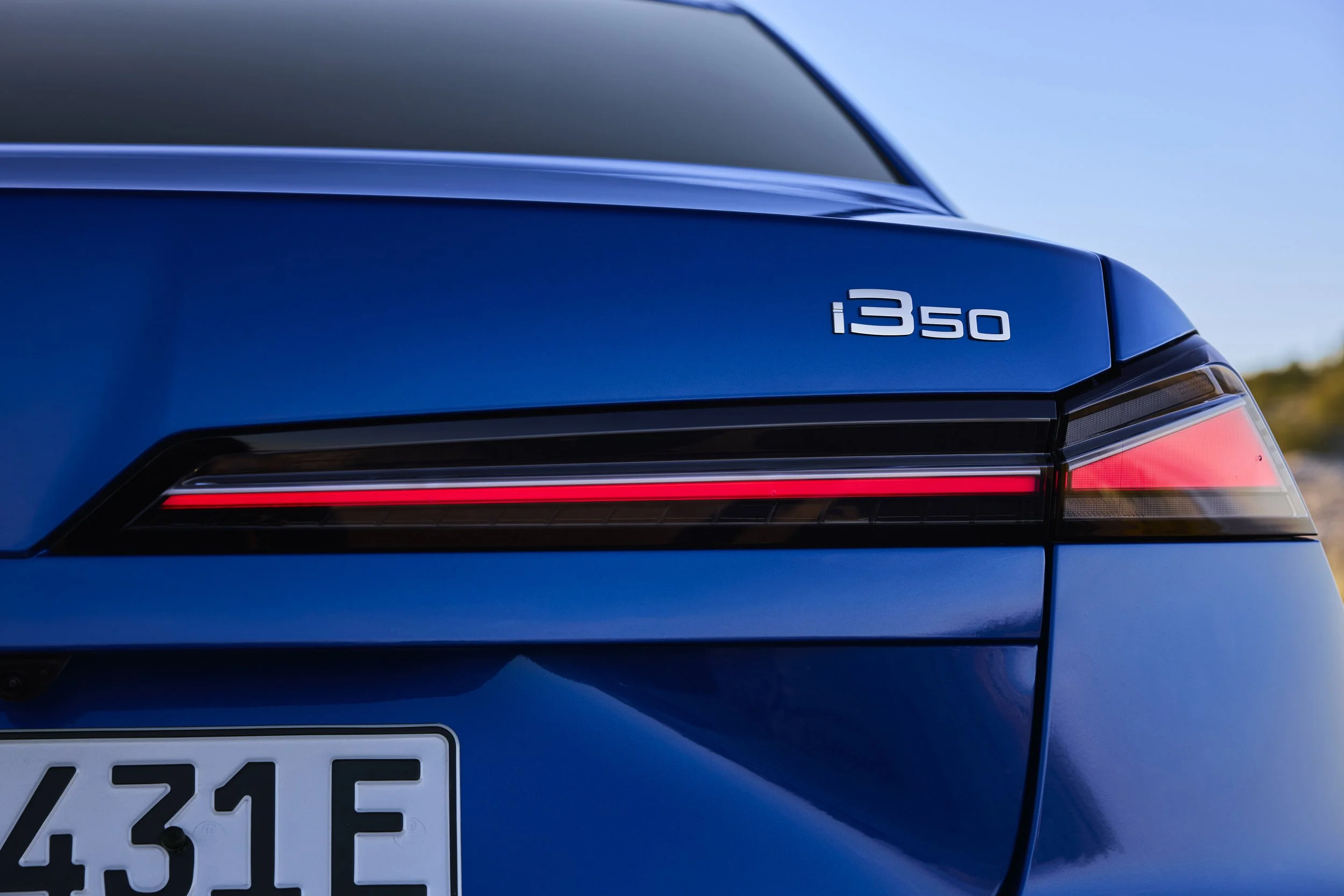
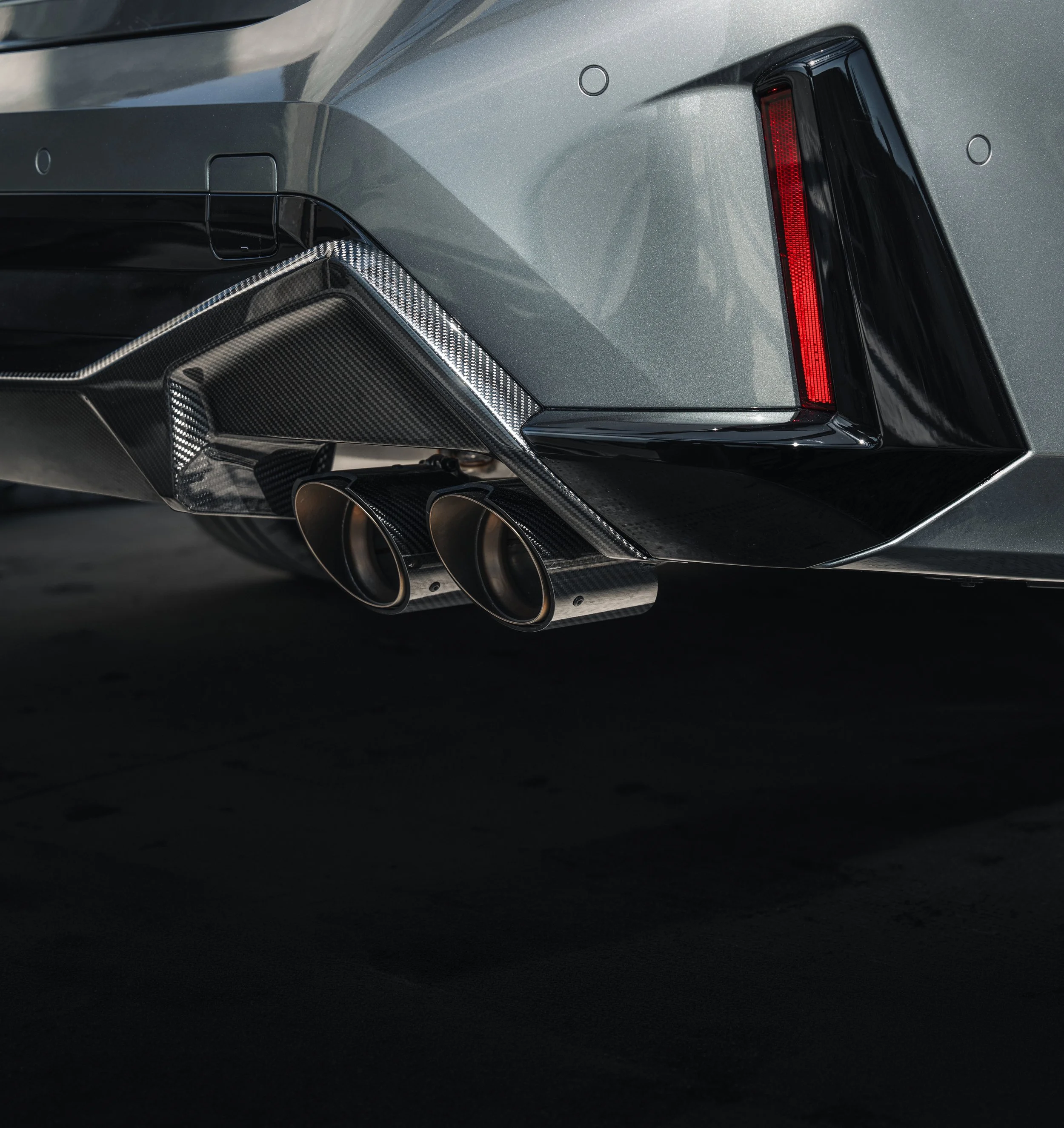
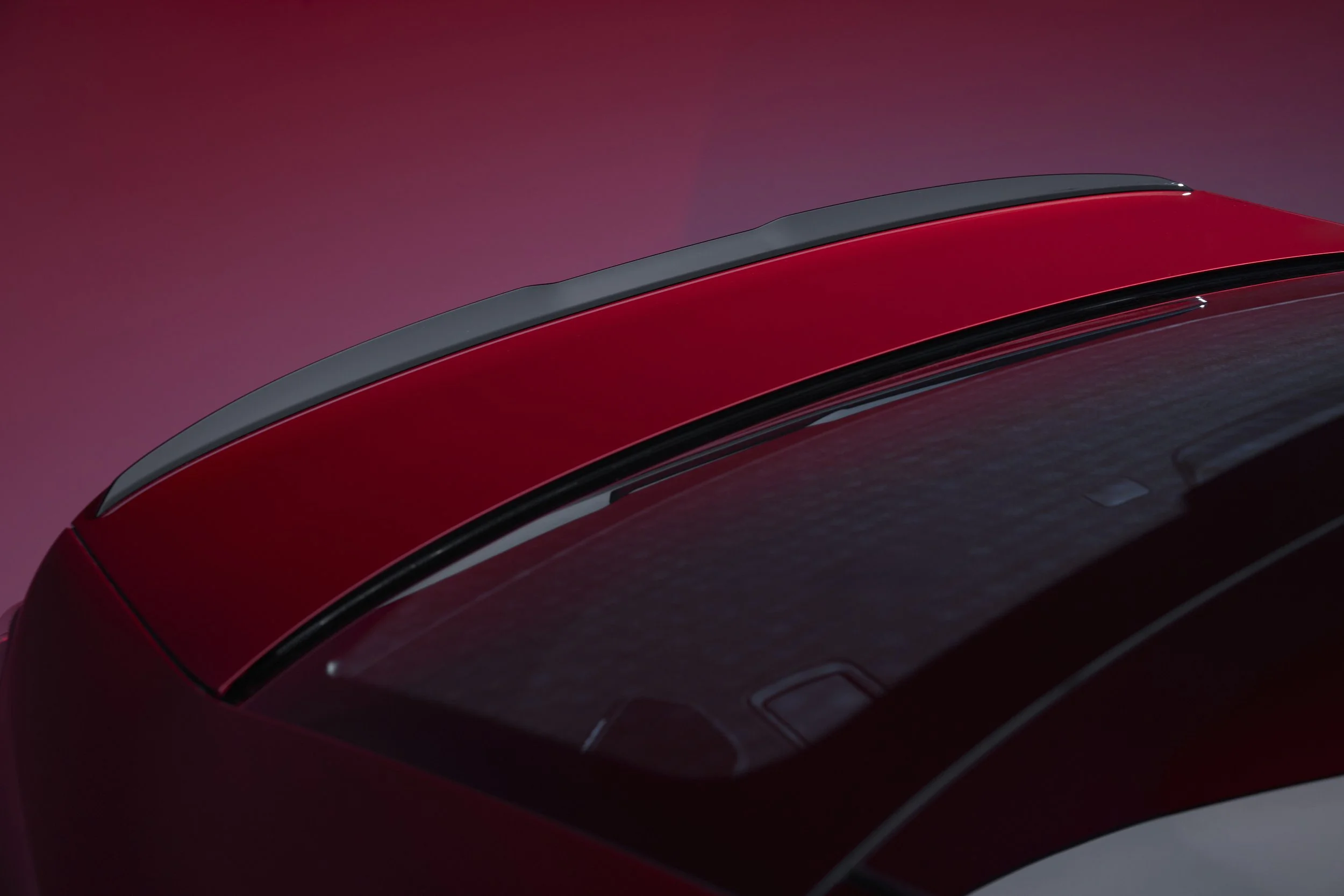
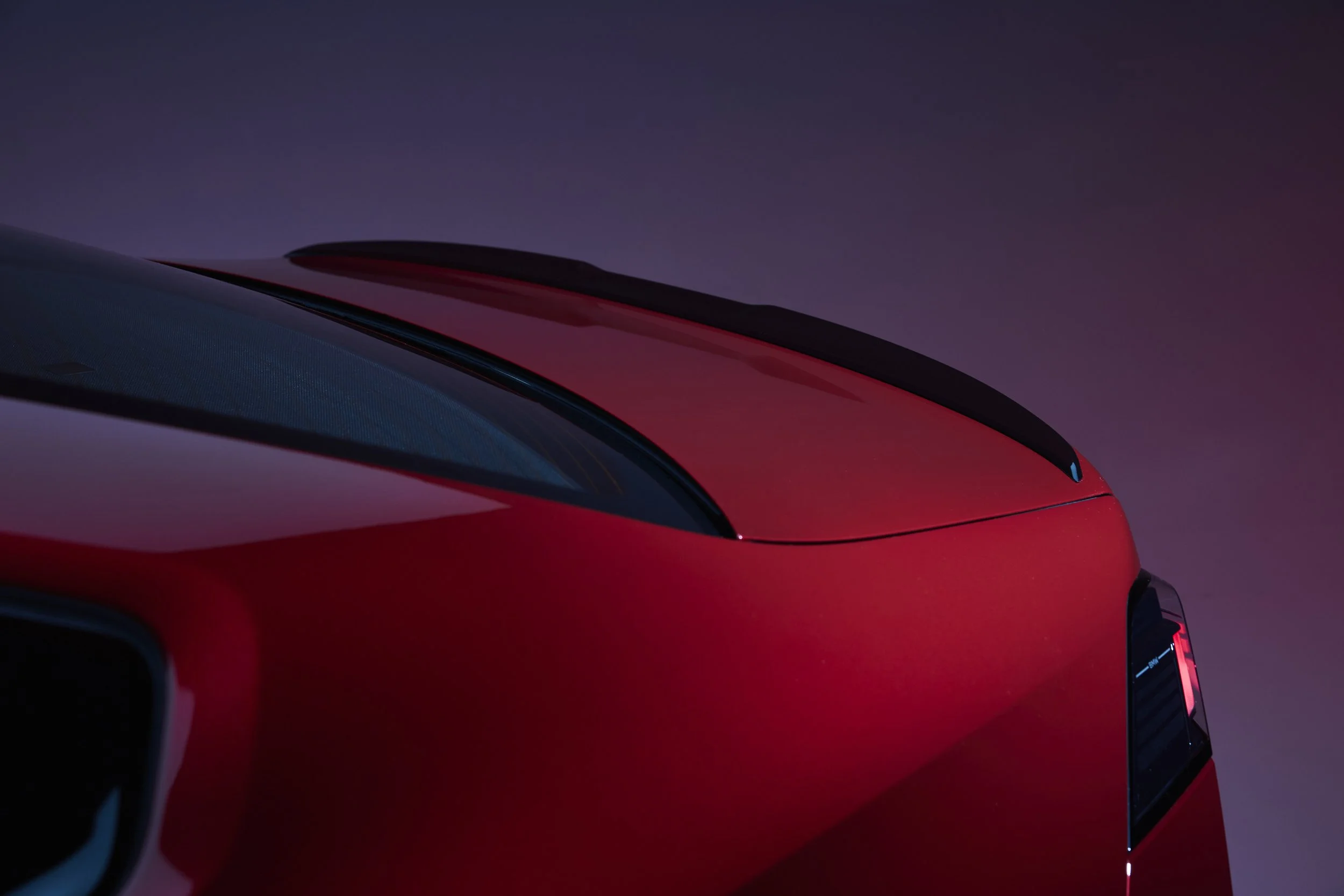
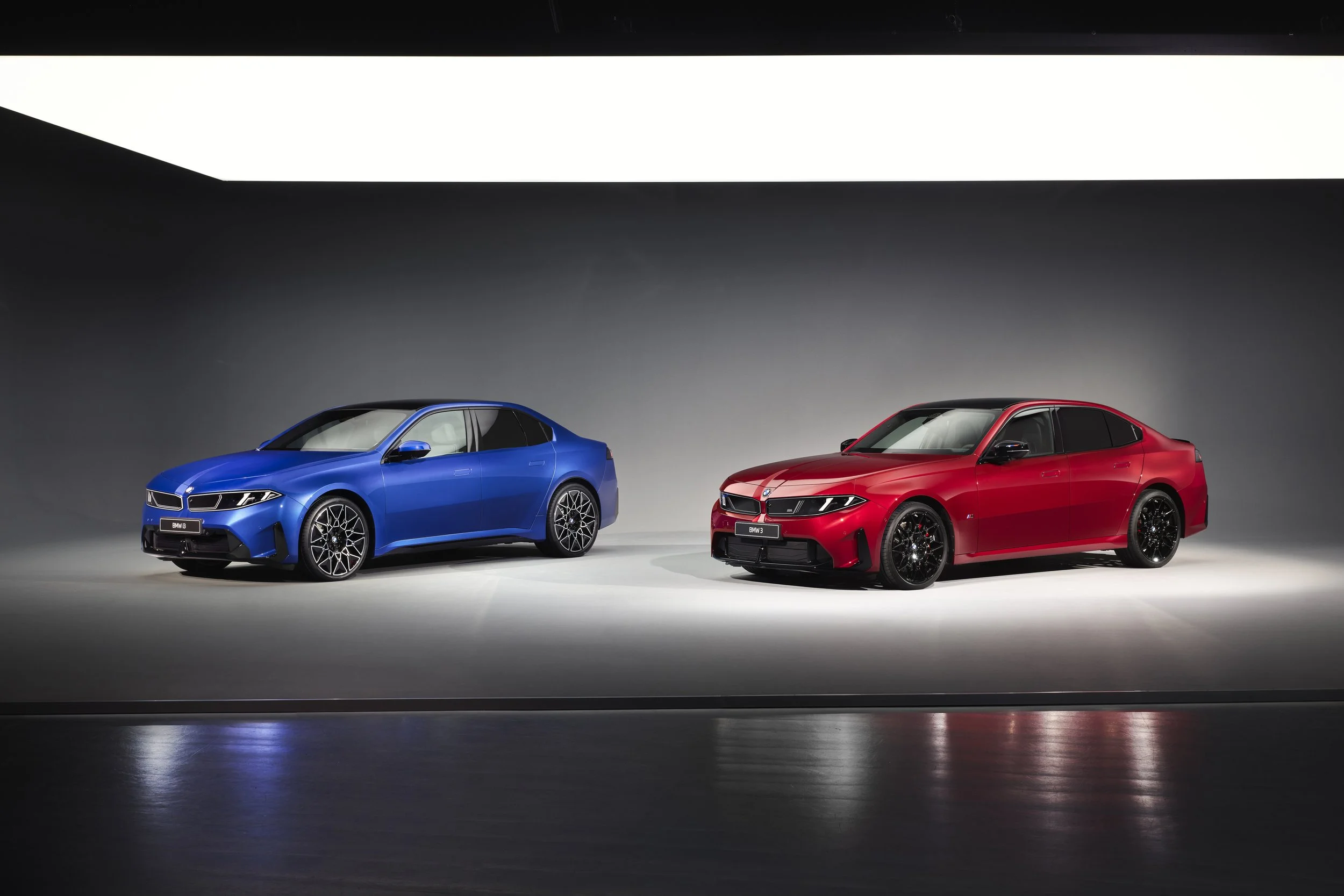
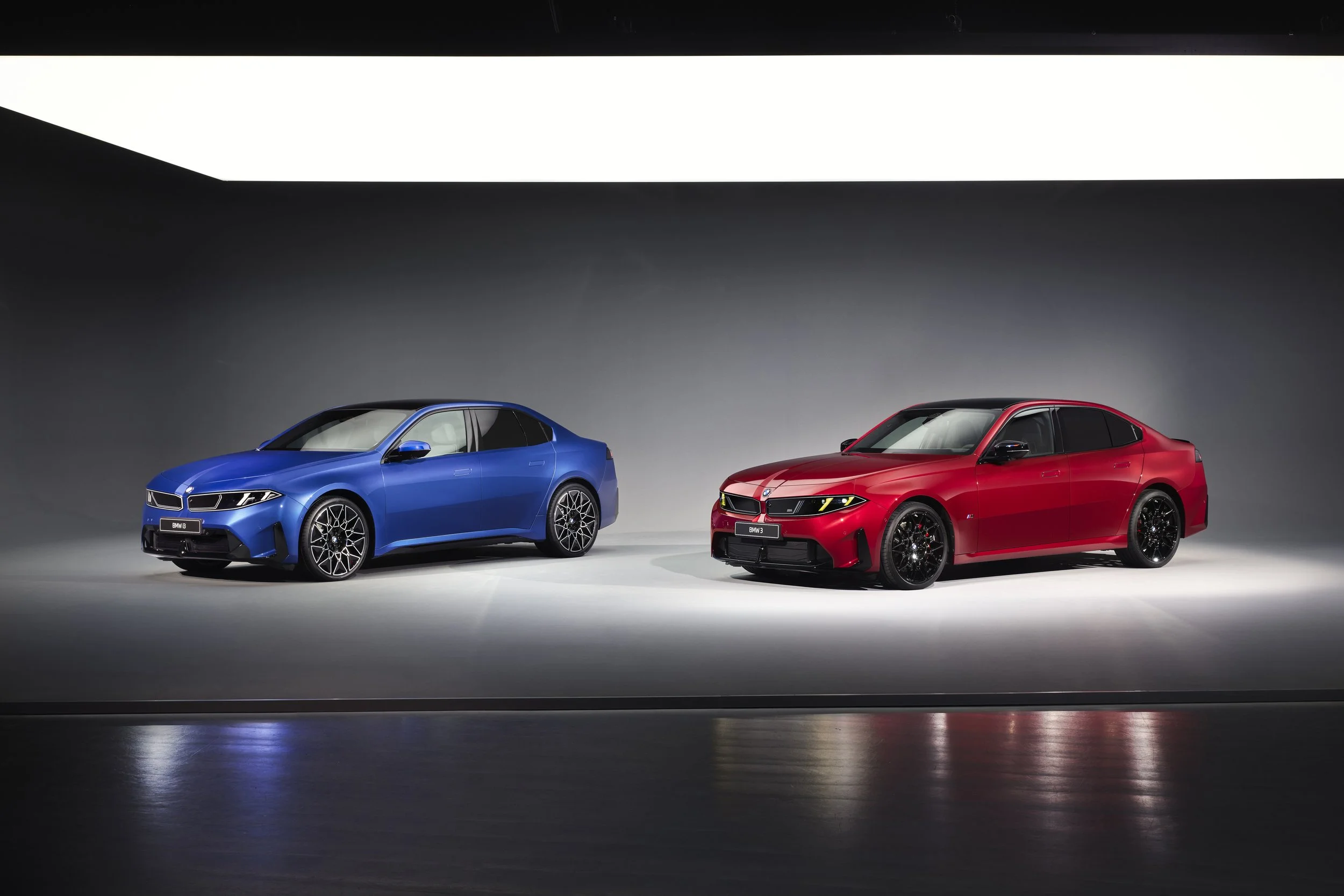
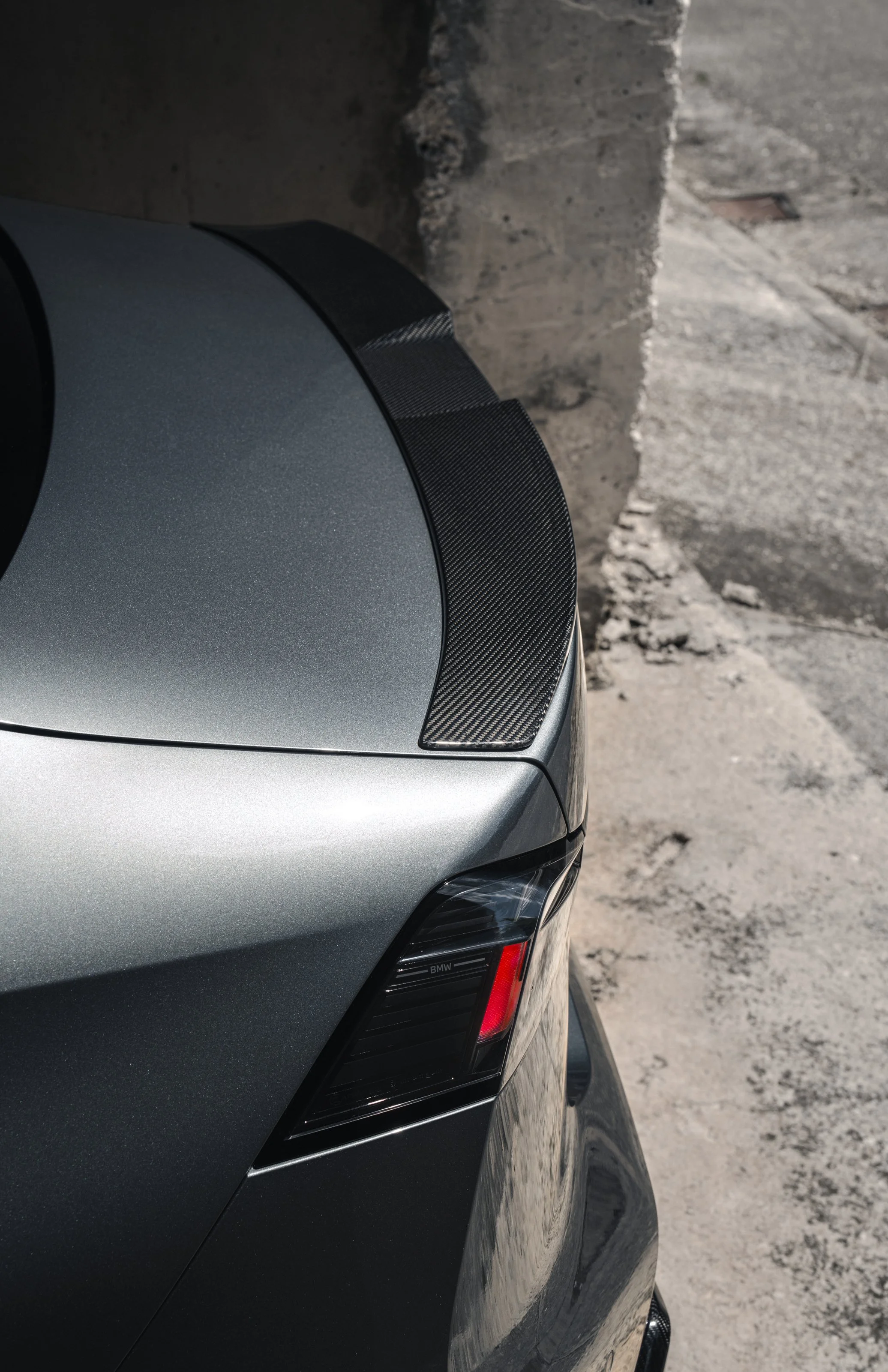
Unique design features set the BMW M Performance models apart, including M Yellow Lights inspired by the brand's racing heritage and a boot lip spoiler. In true BMW M fashion, the BMW M350 xDrive has four tailpipes at the rear.
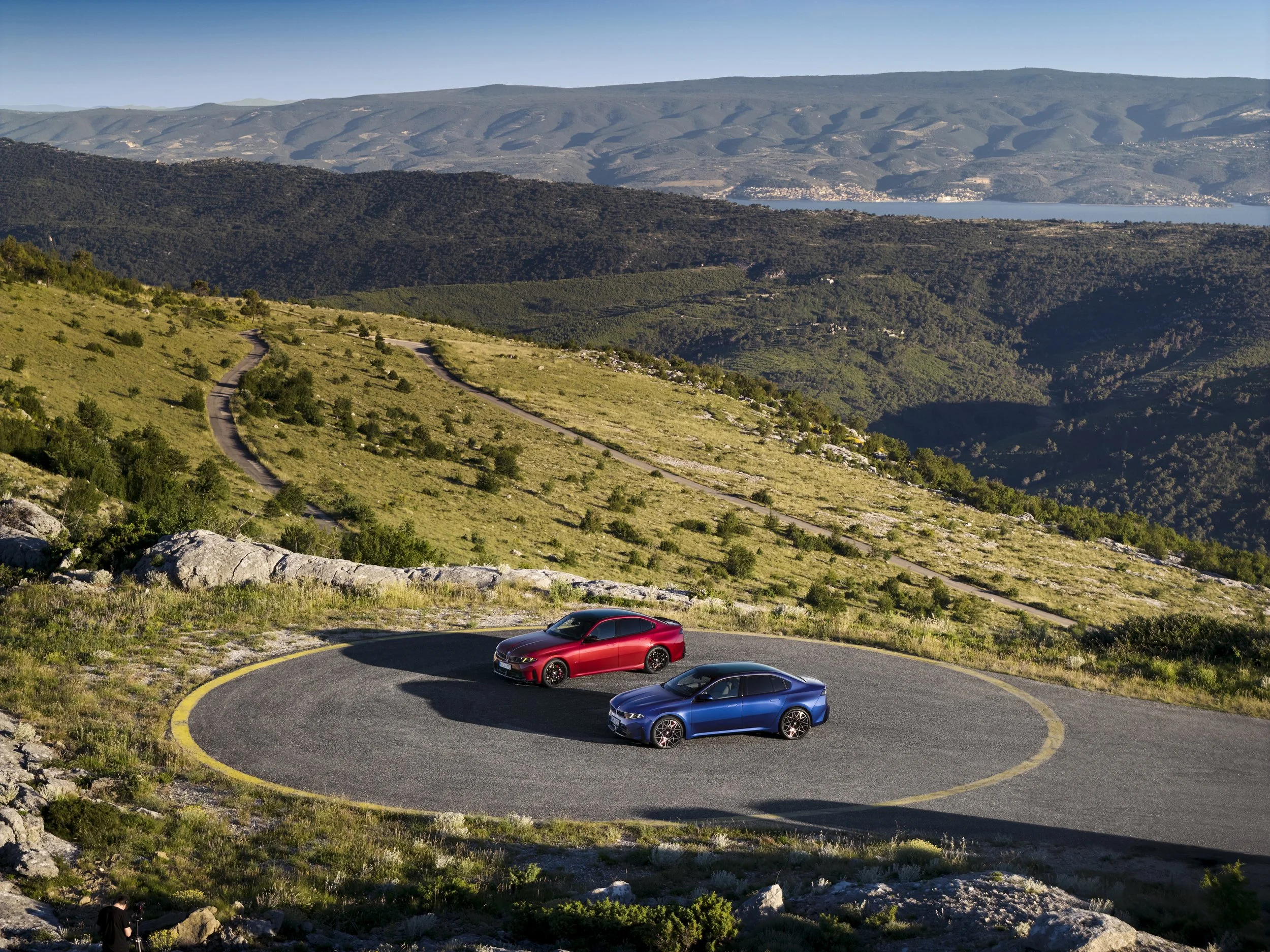
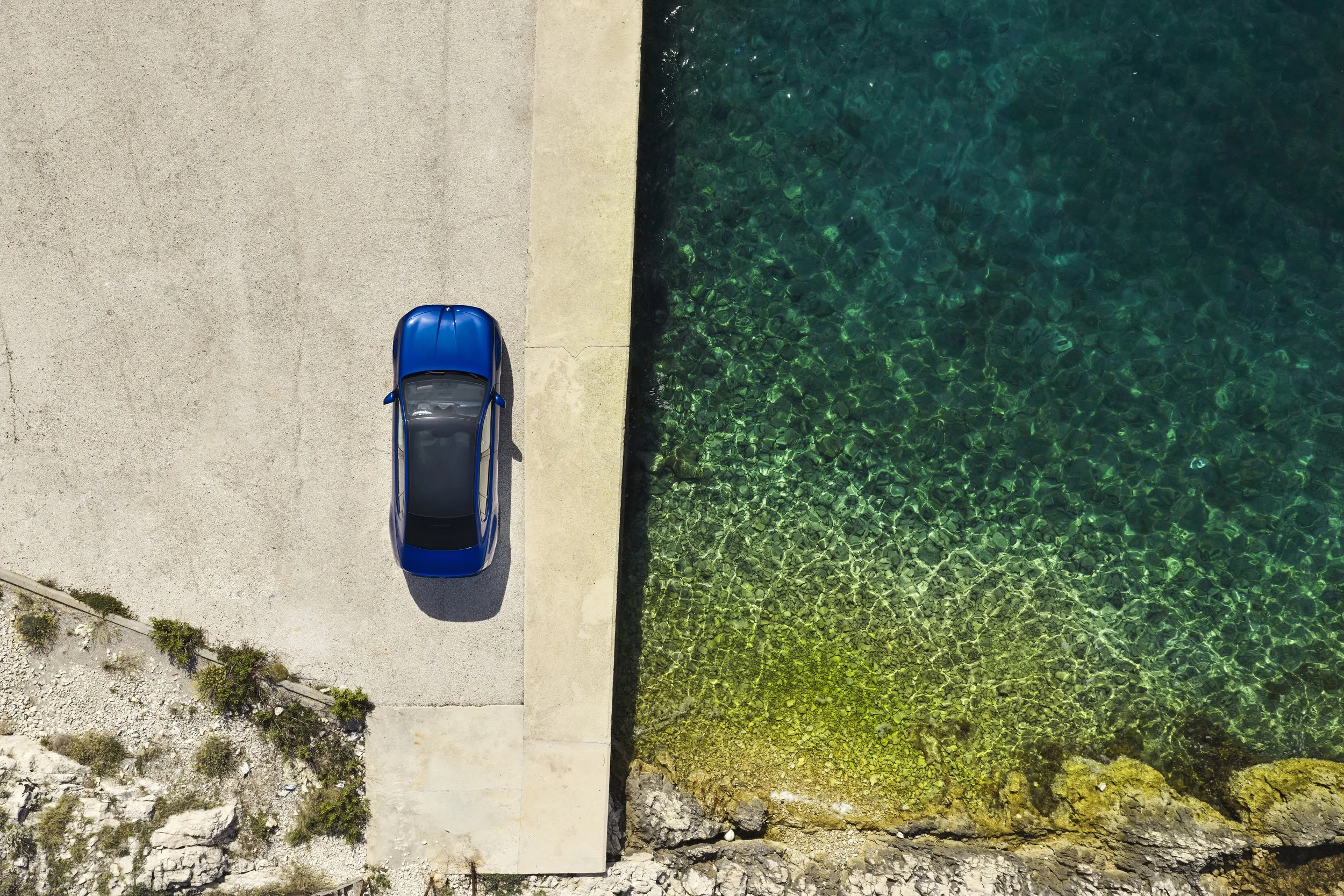
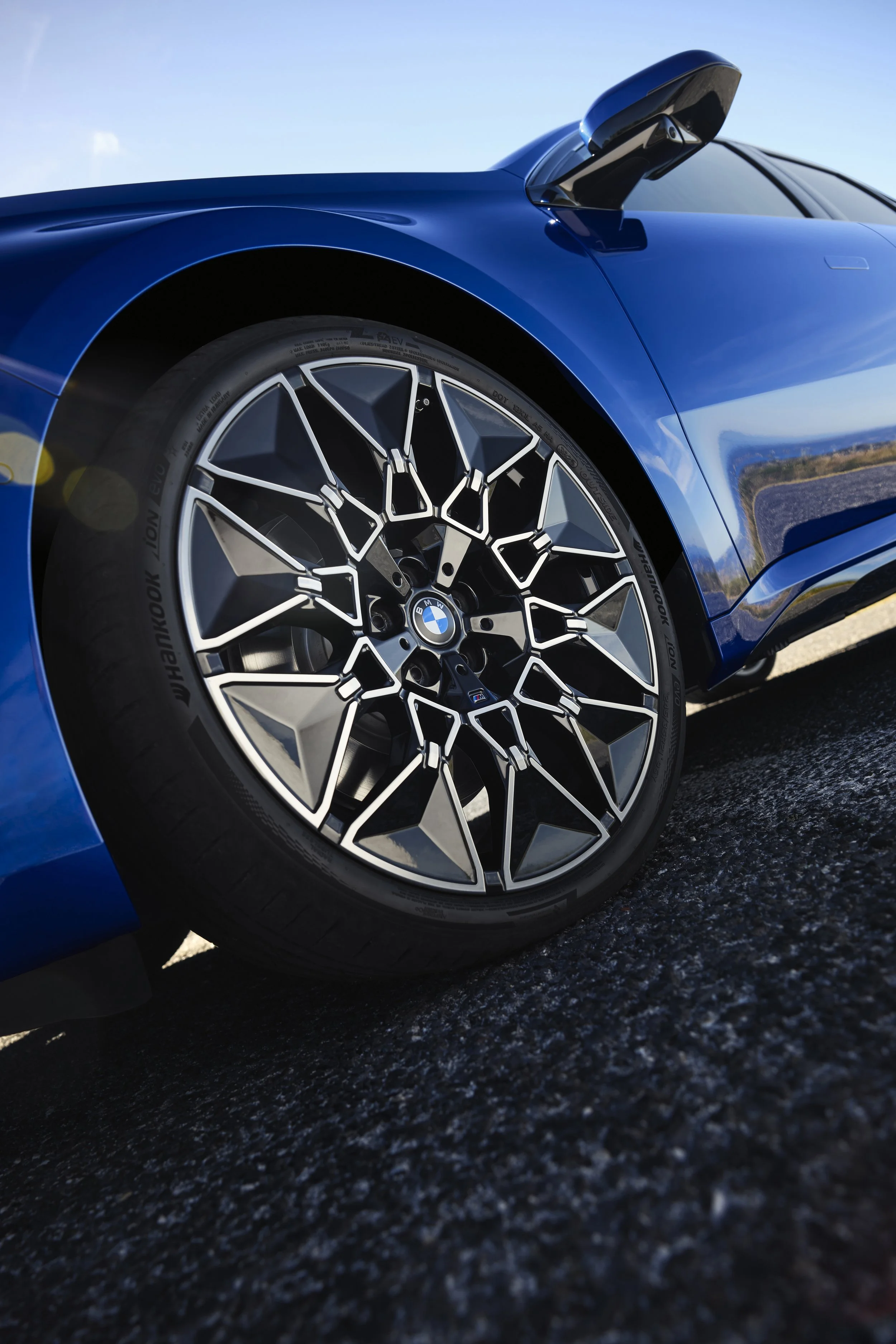
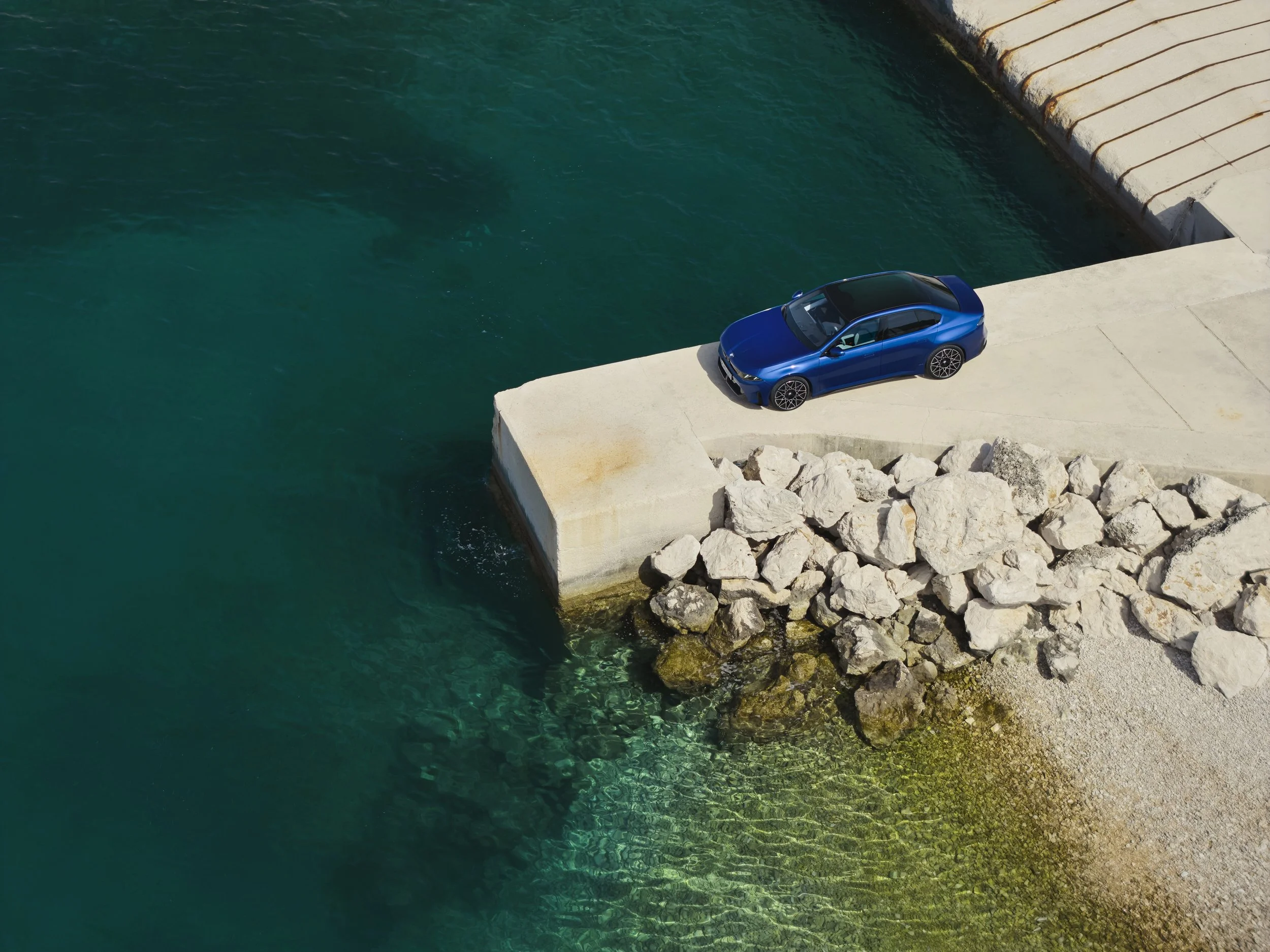
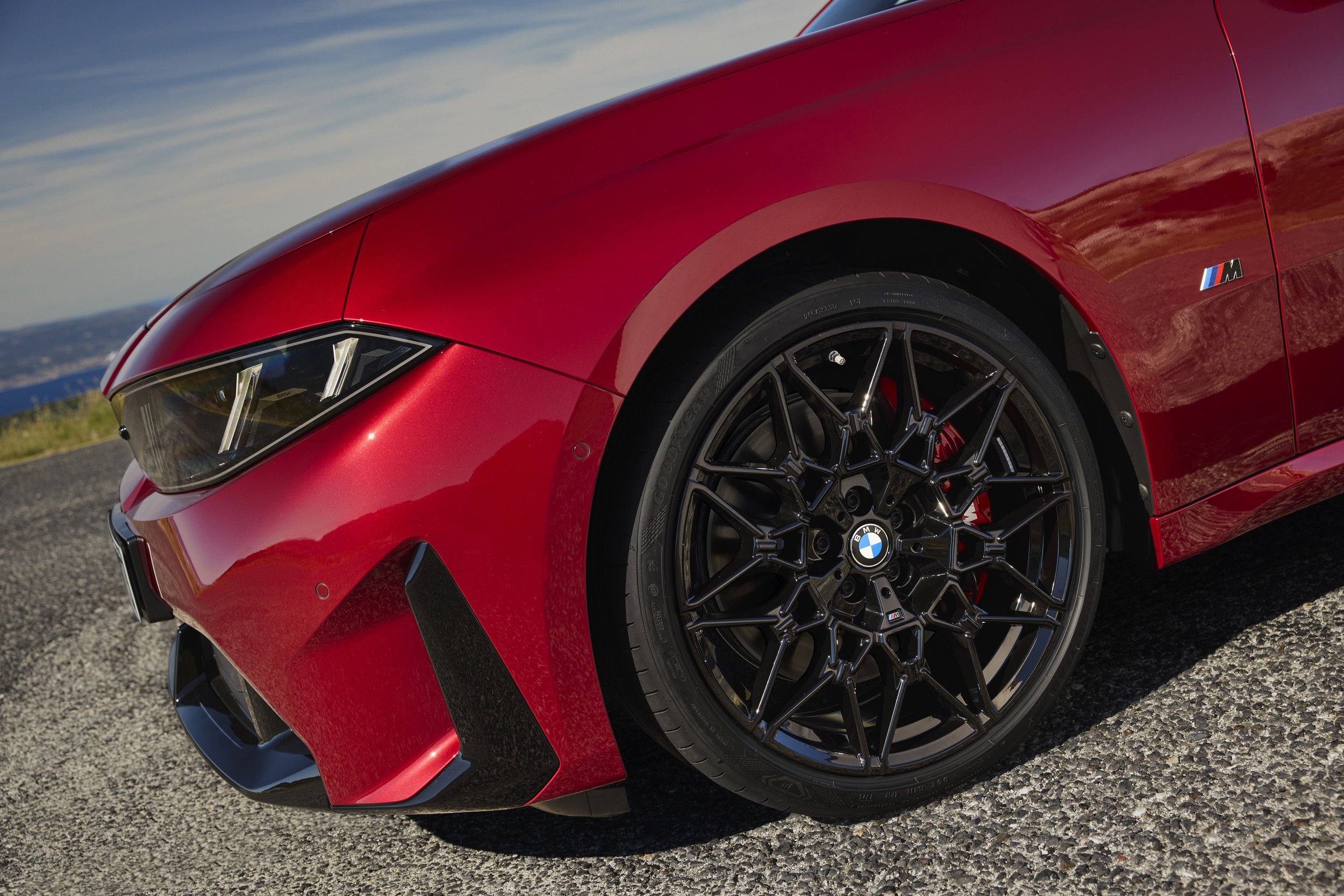
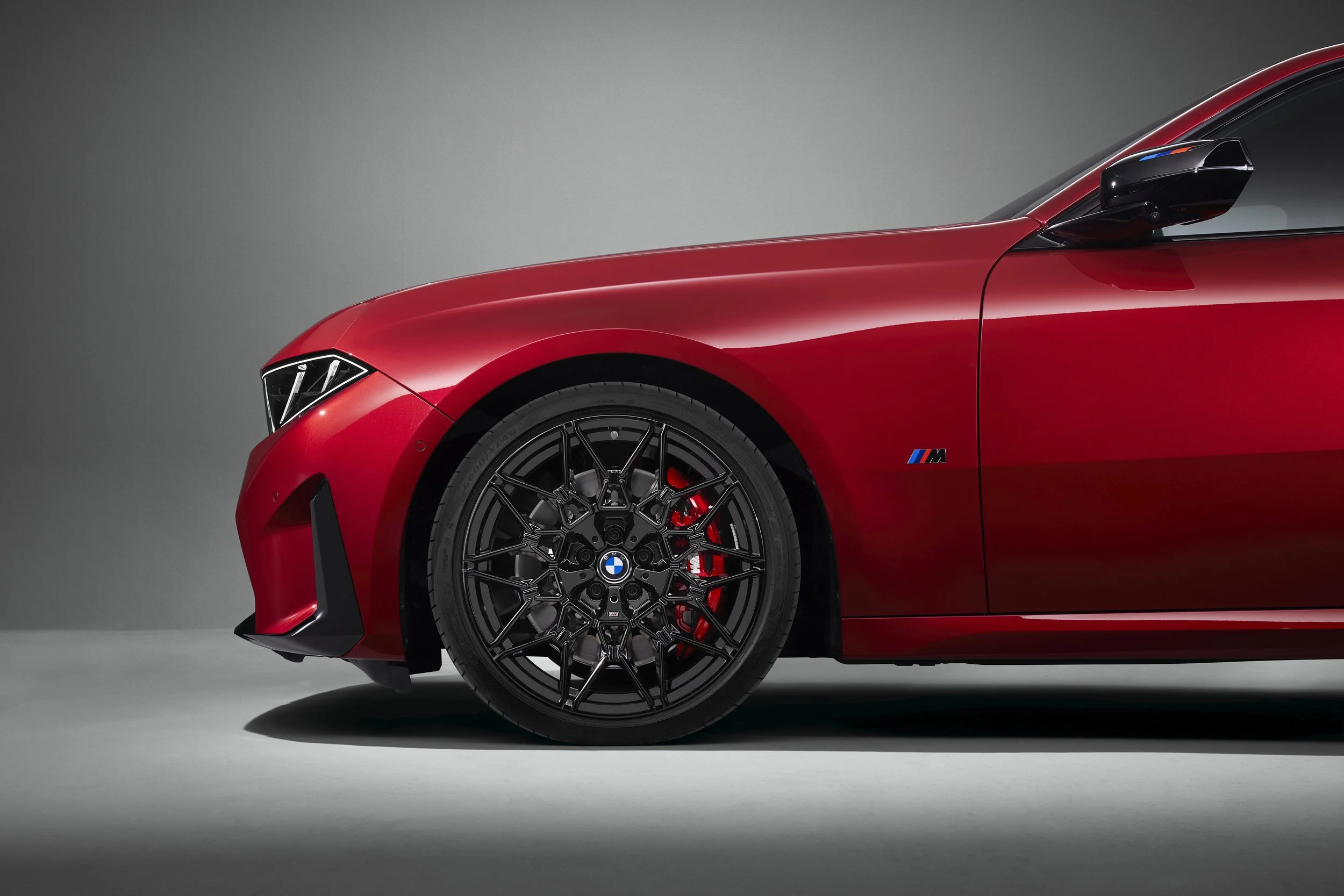
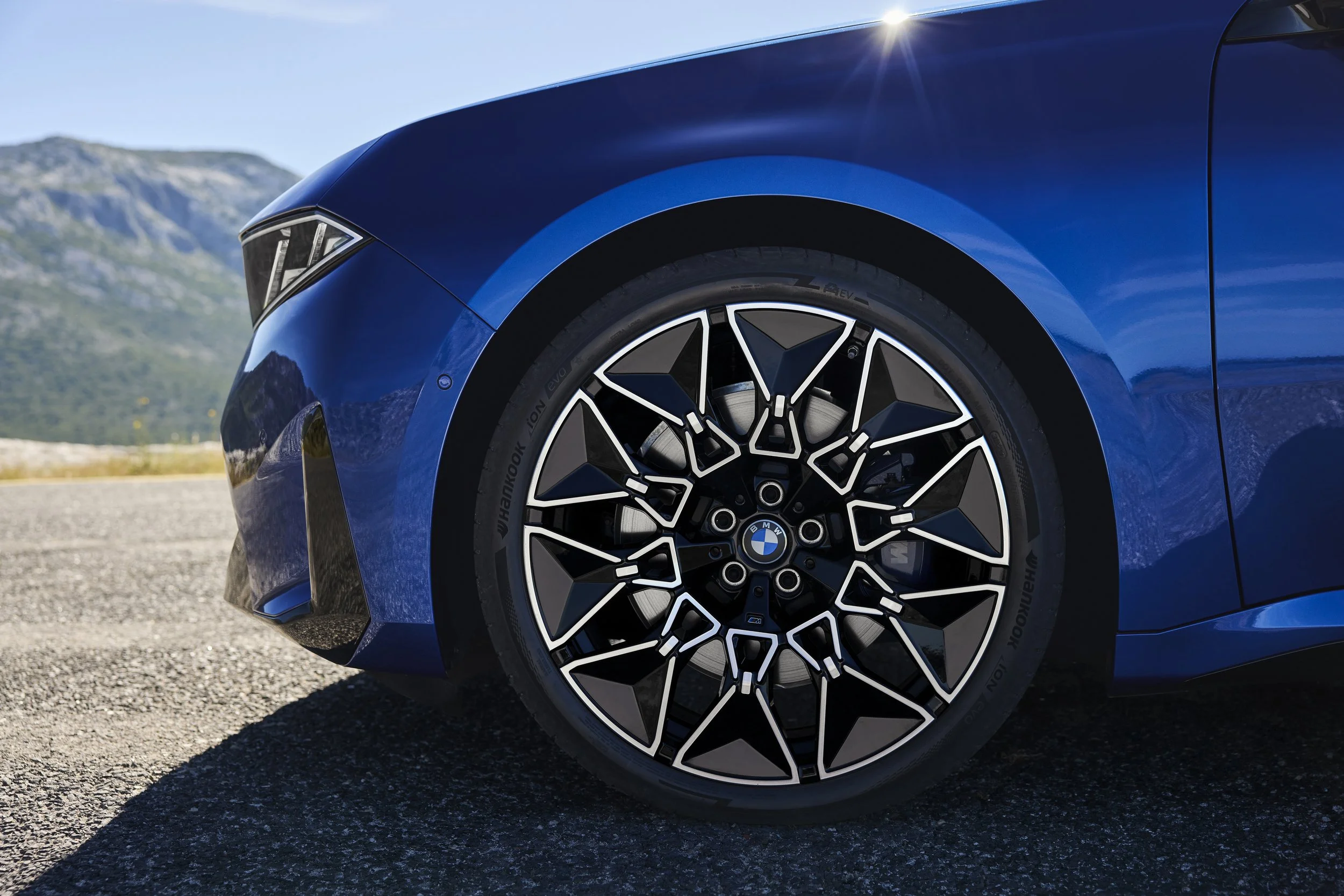
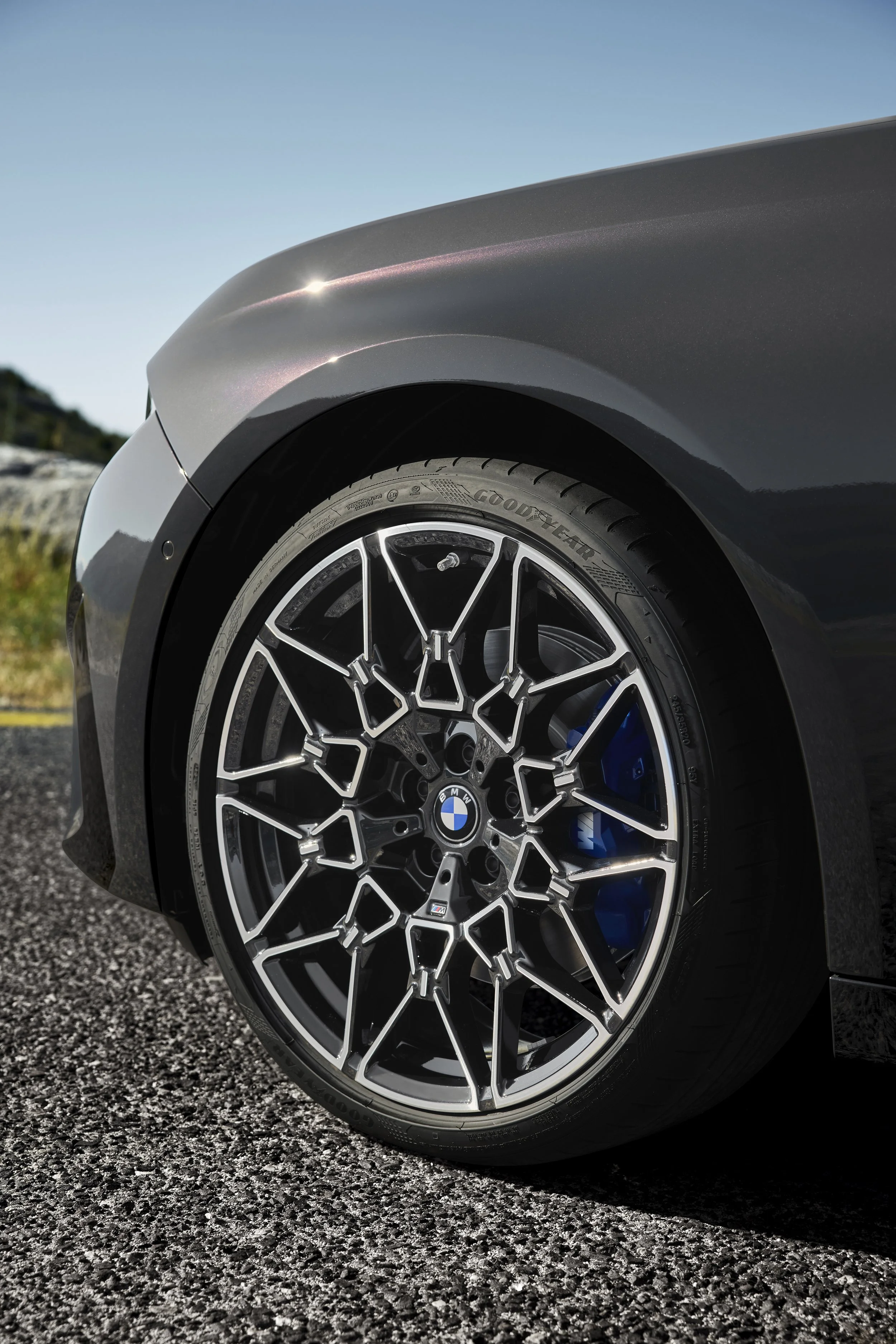
At launch, BMW 3 Series customers can choose from up to 11 exterior paint colours, including the new M Le Castellet Blue. Full personalisation through the BMW Individual paint catalogue will follow in 2027. BMW offers a wide range of alloy wheels, including aerodynamically optimised designs. The BMW i3 comes with 19-inch wheels as standard, with sizes of up to 21 inches available. The BMW 320 and BMW M350 xDrive come with 18-inch and 19-inch wheels respectively, and both can have optional 20-inch alloys.
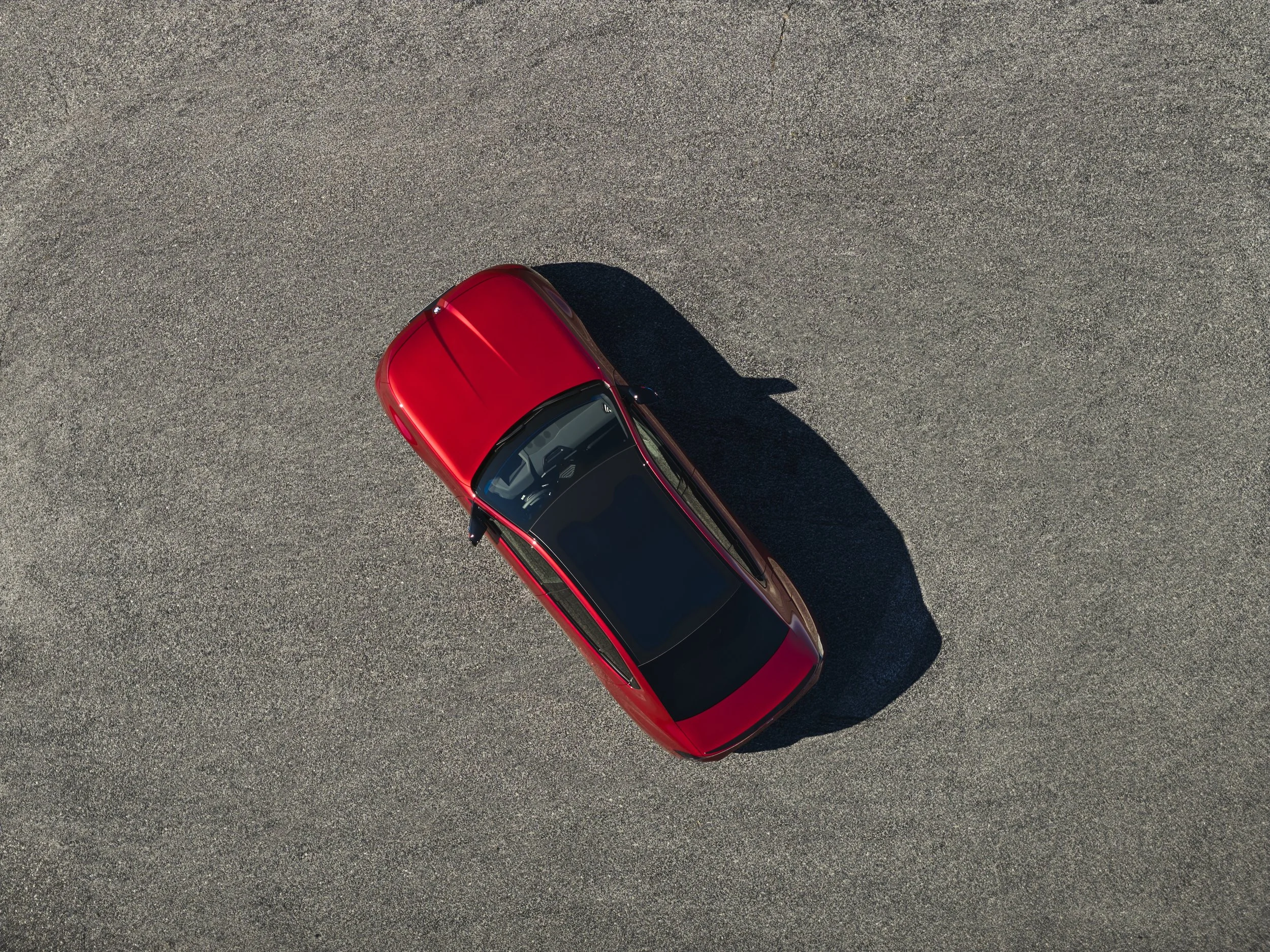
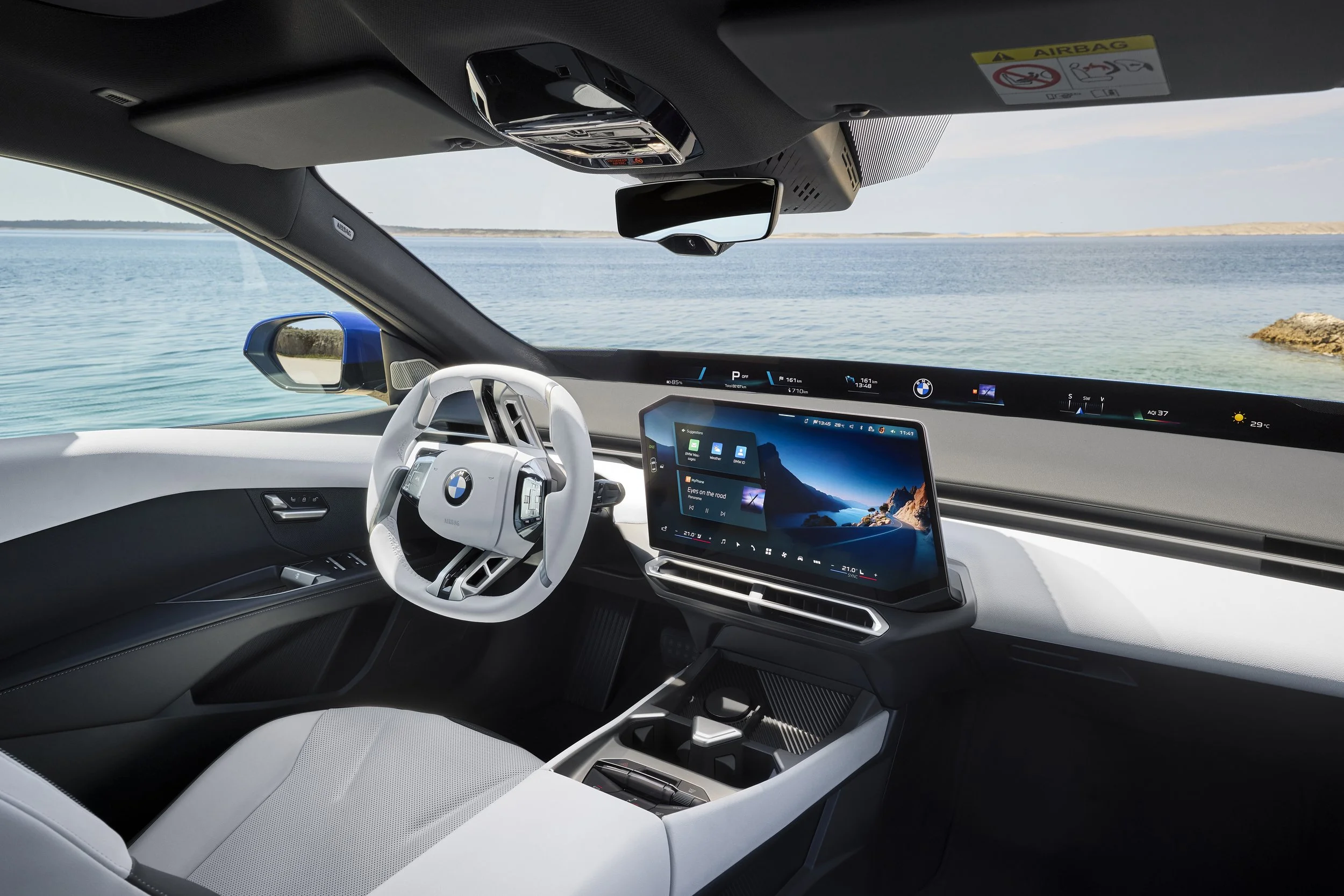
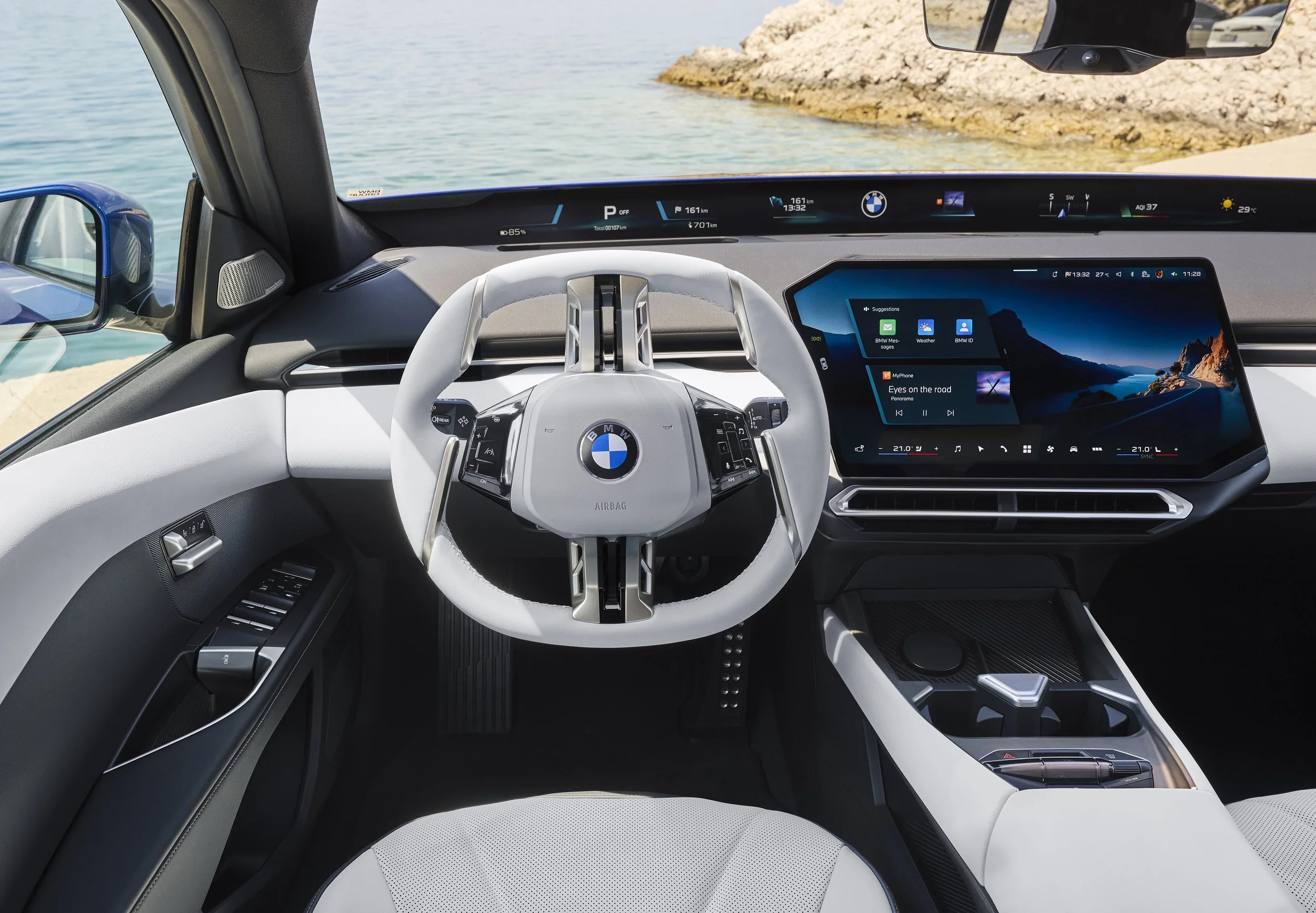
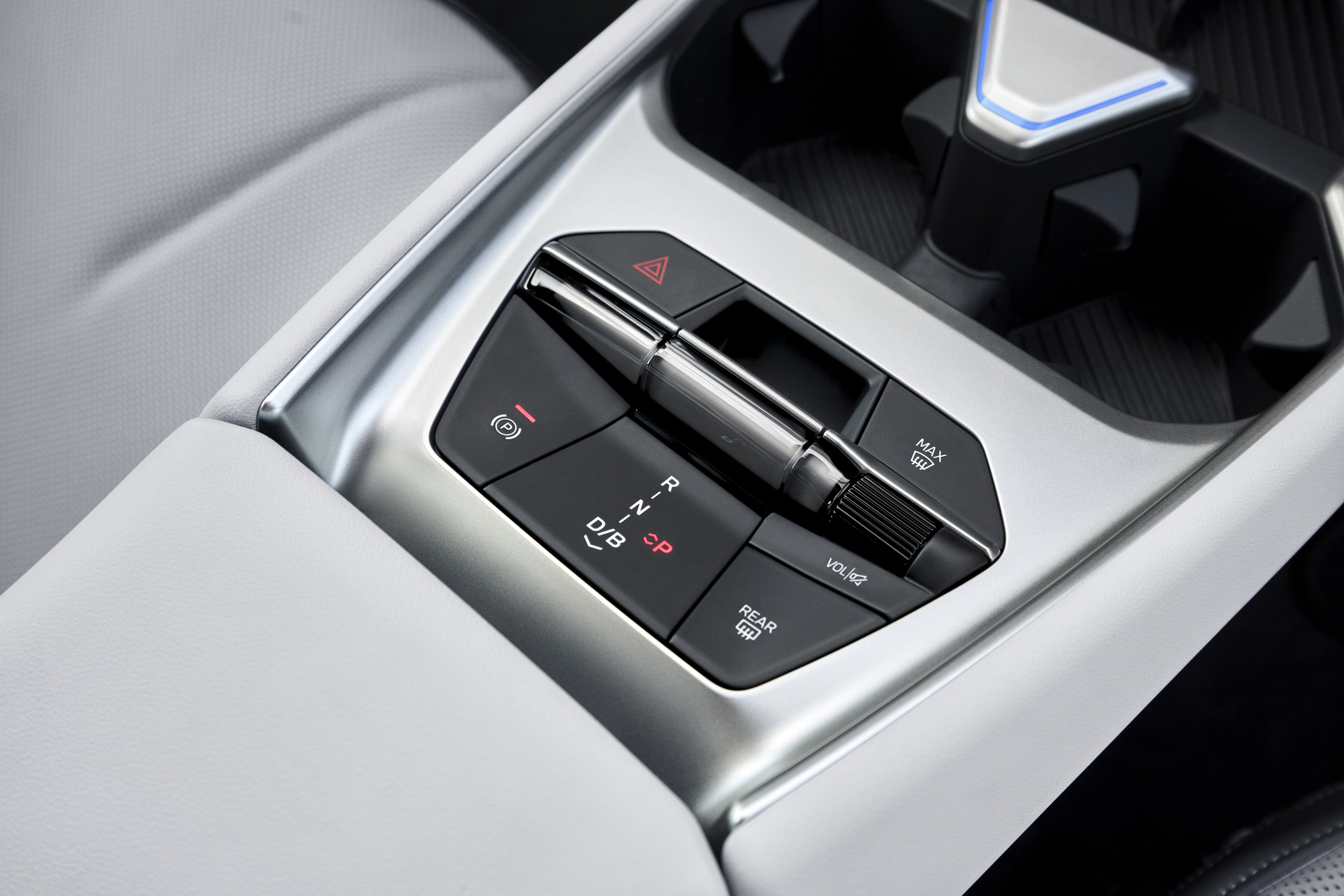
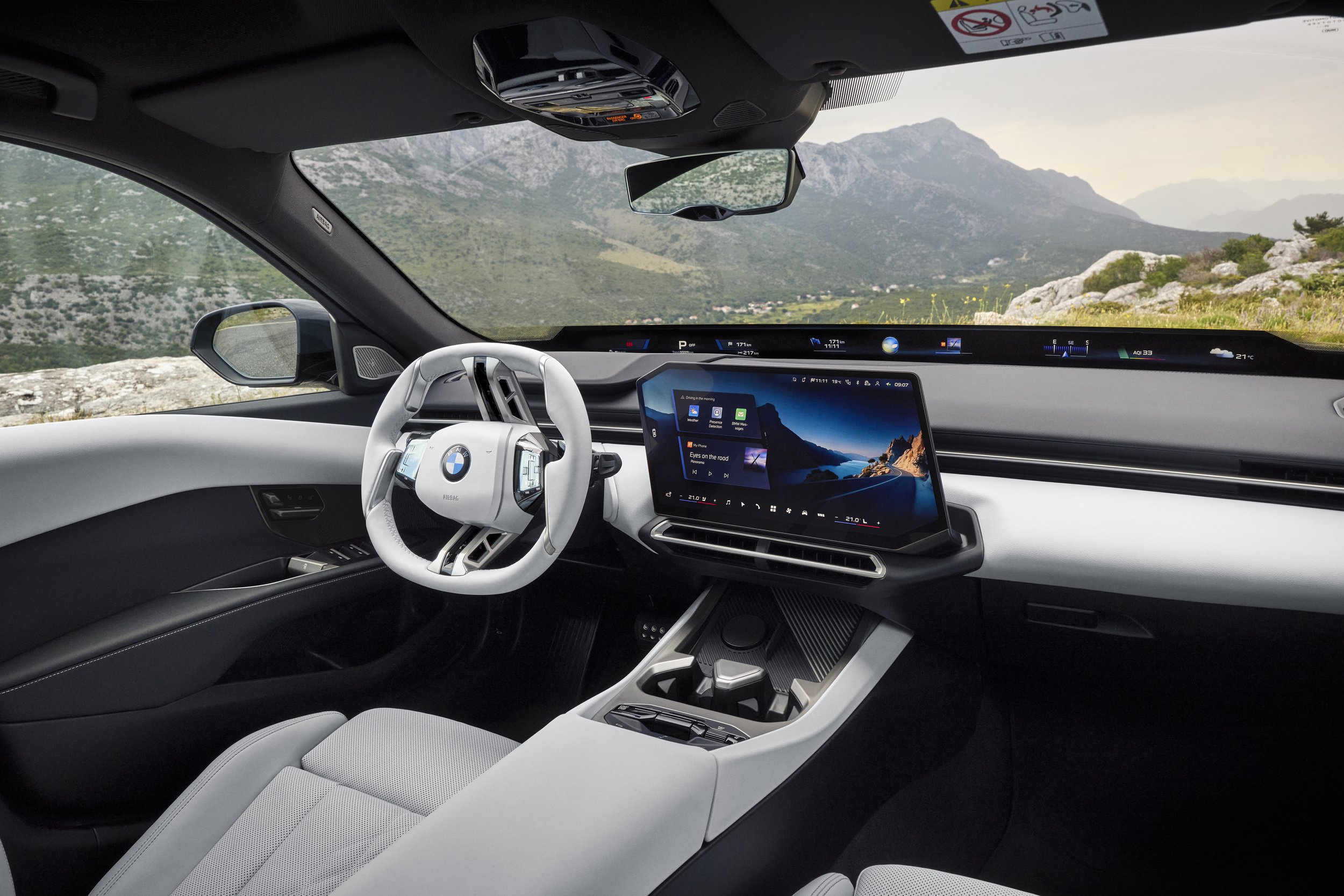
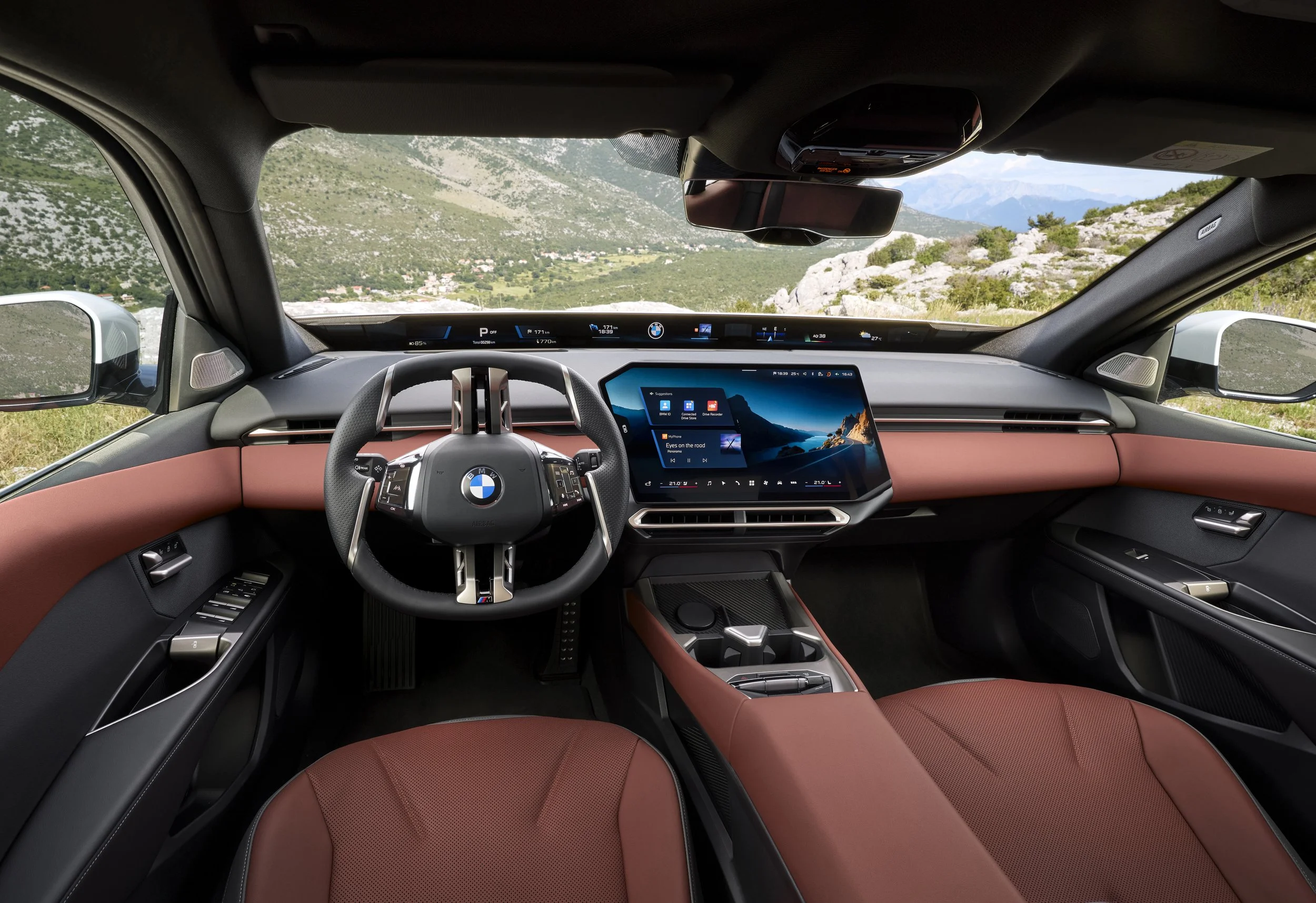
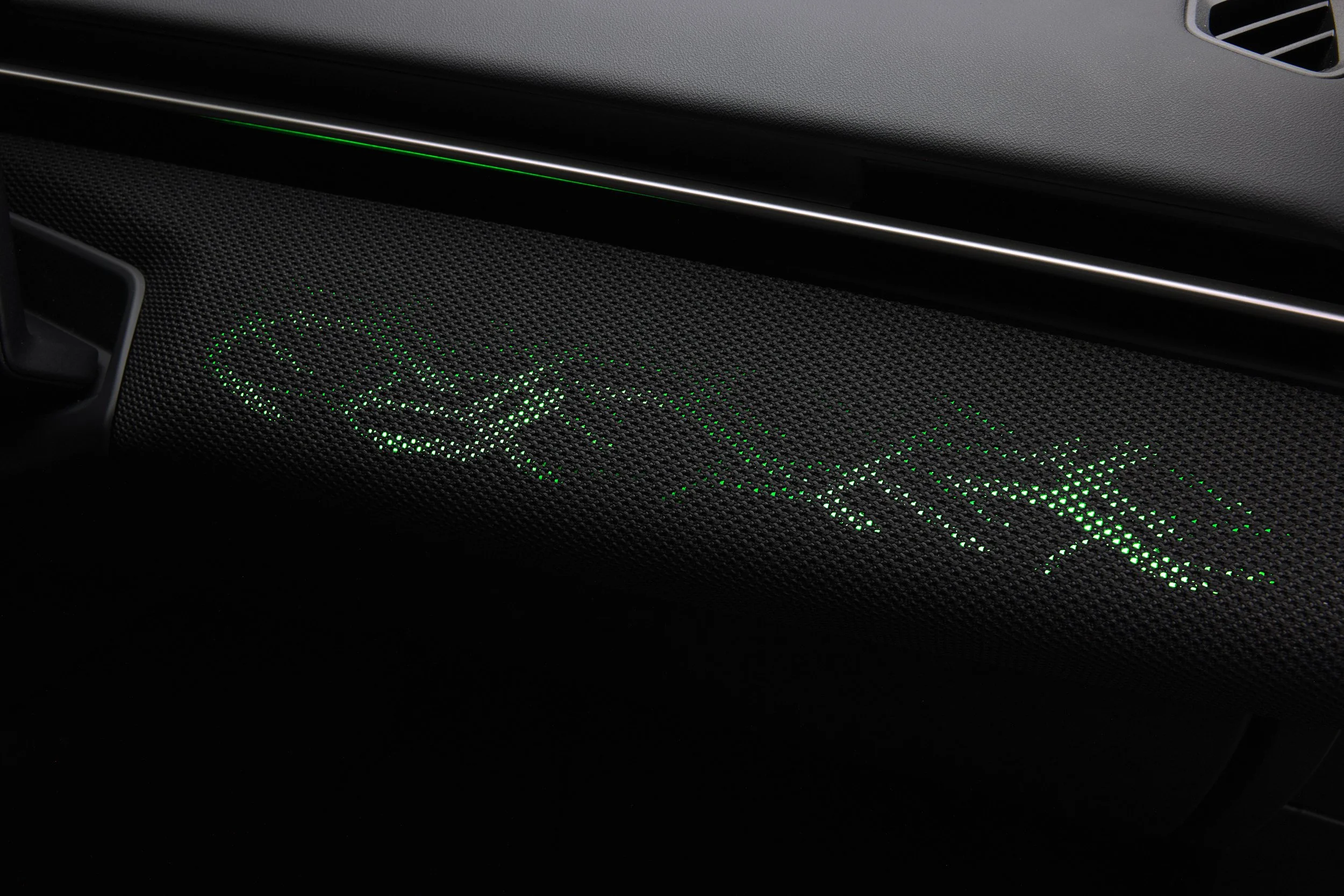
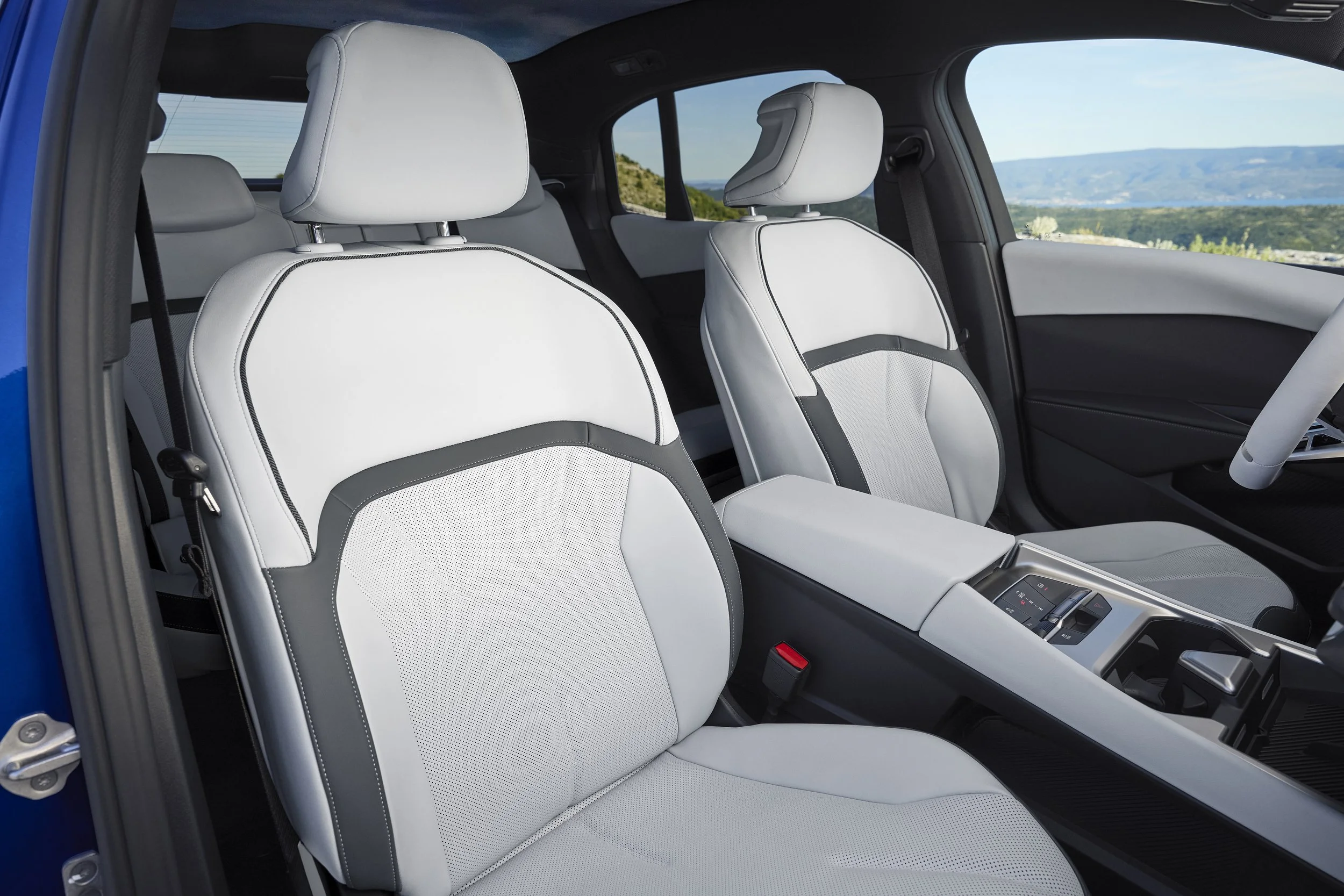
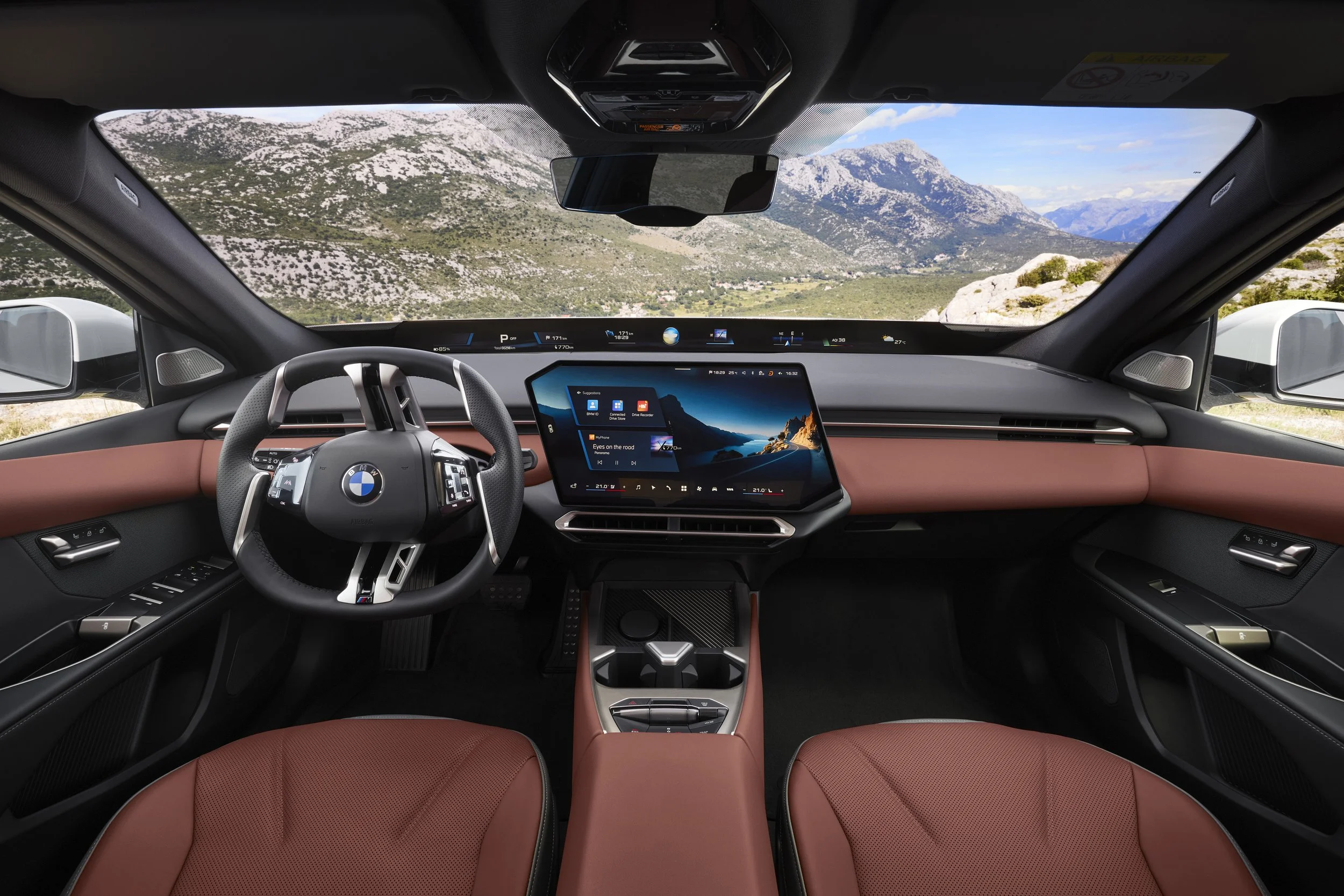
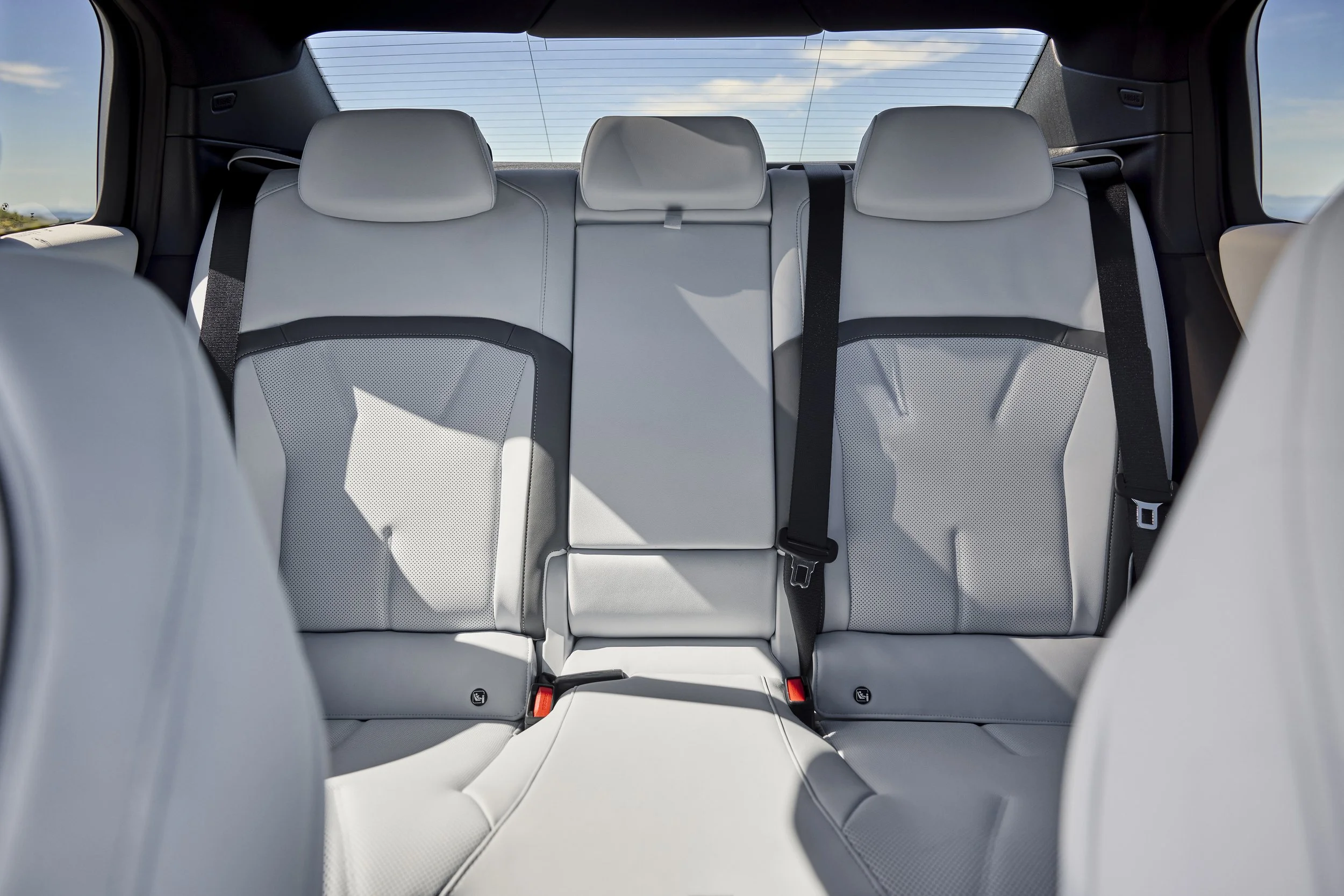
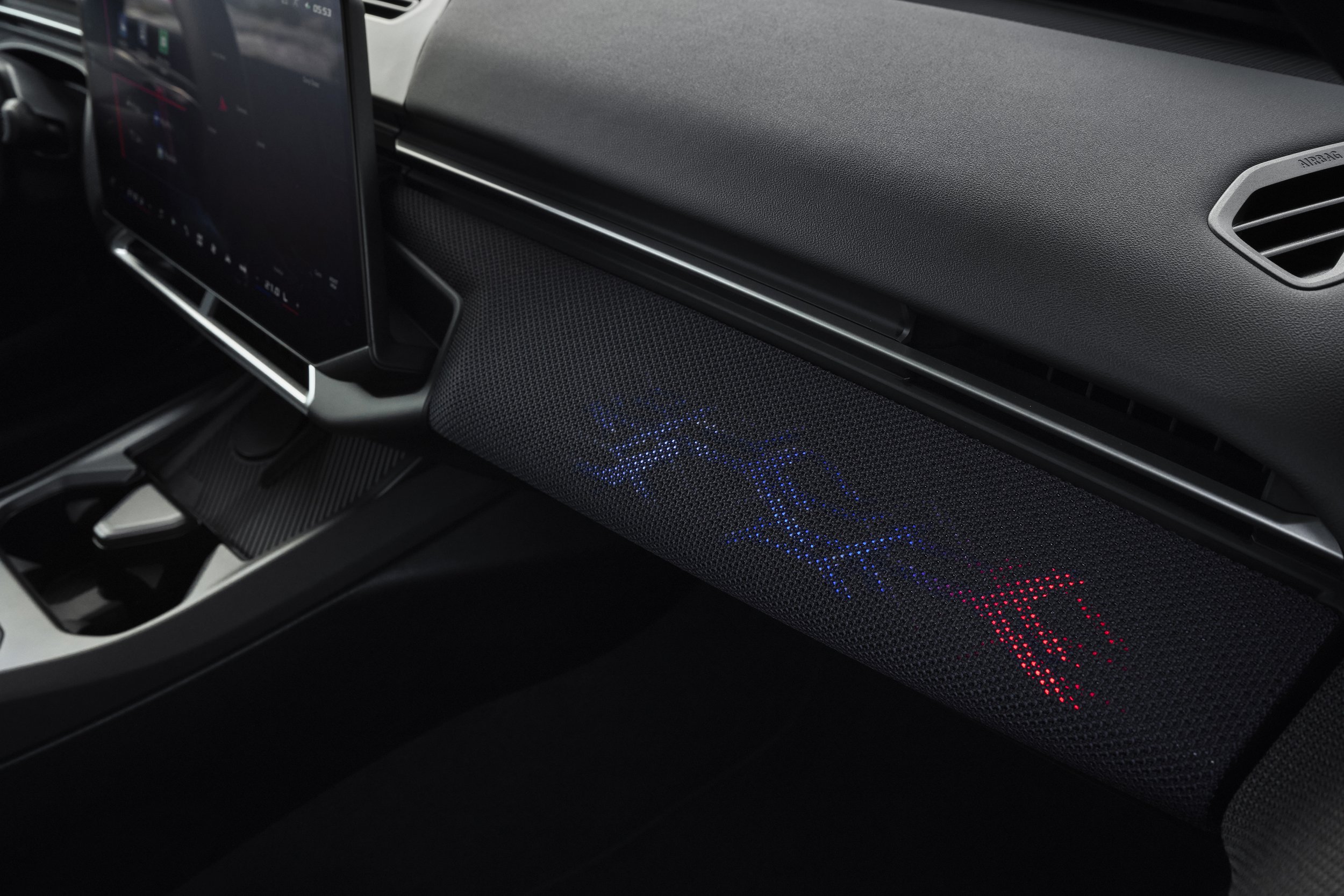
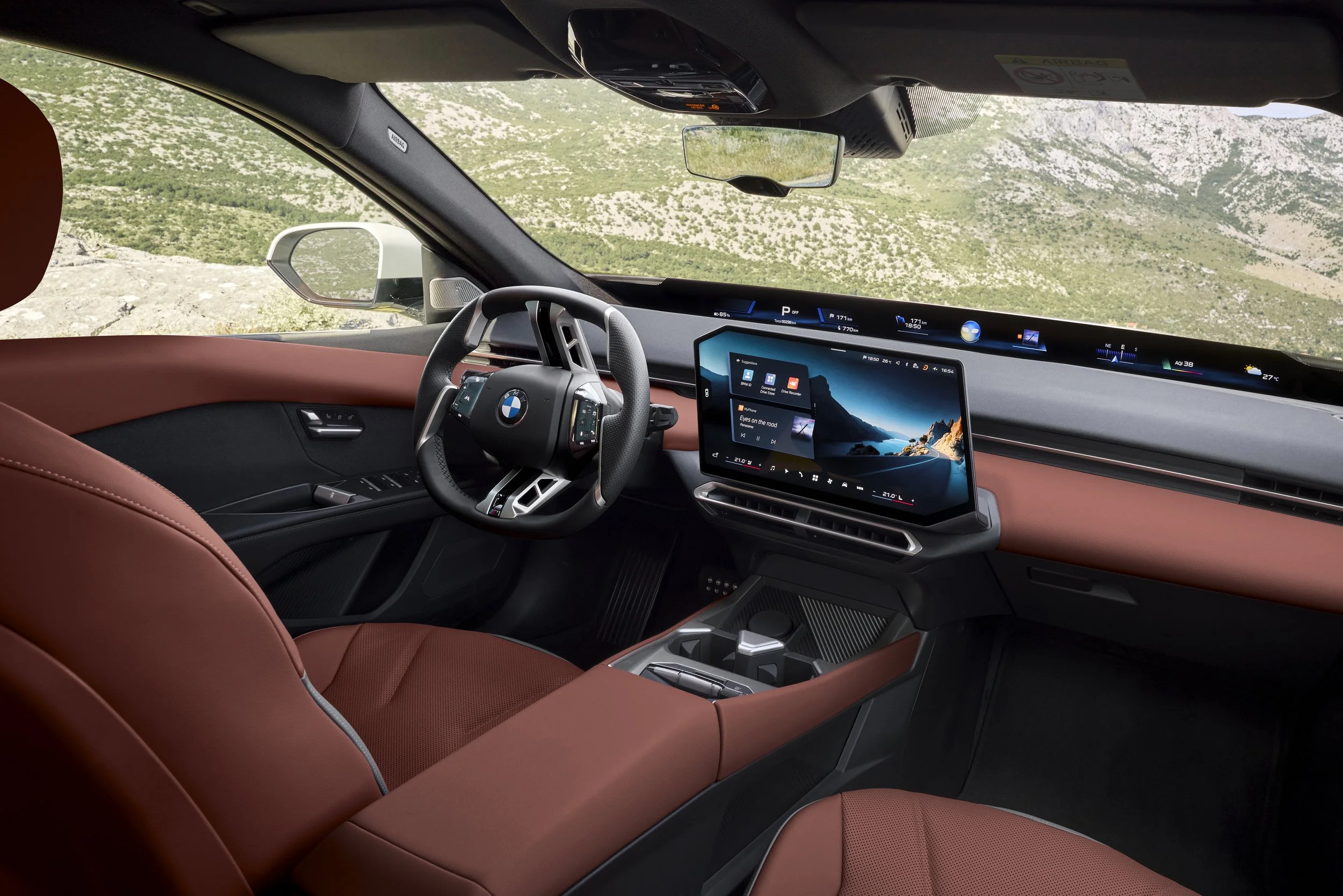
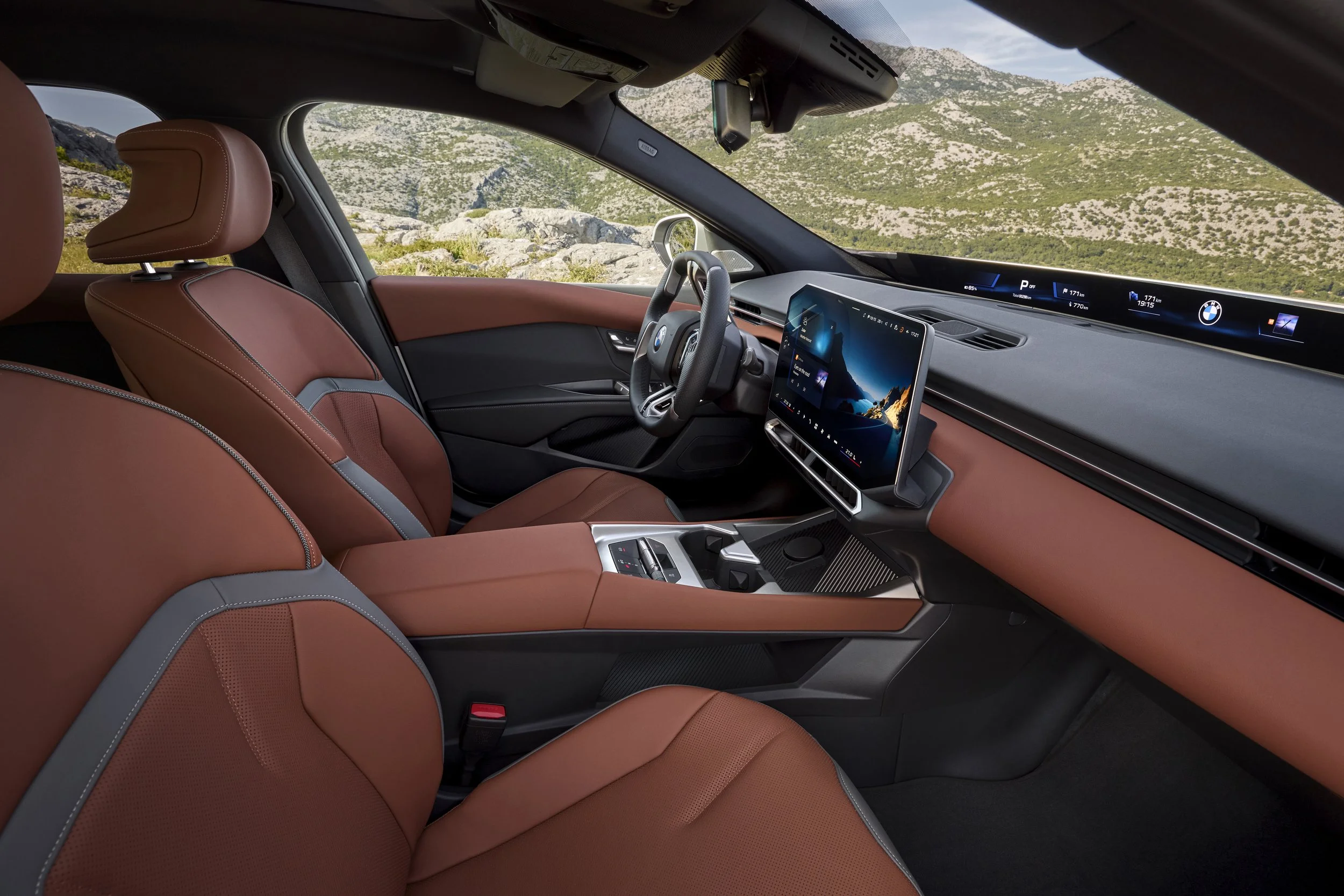
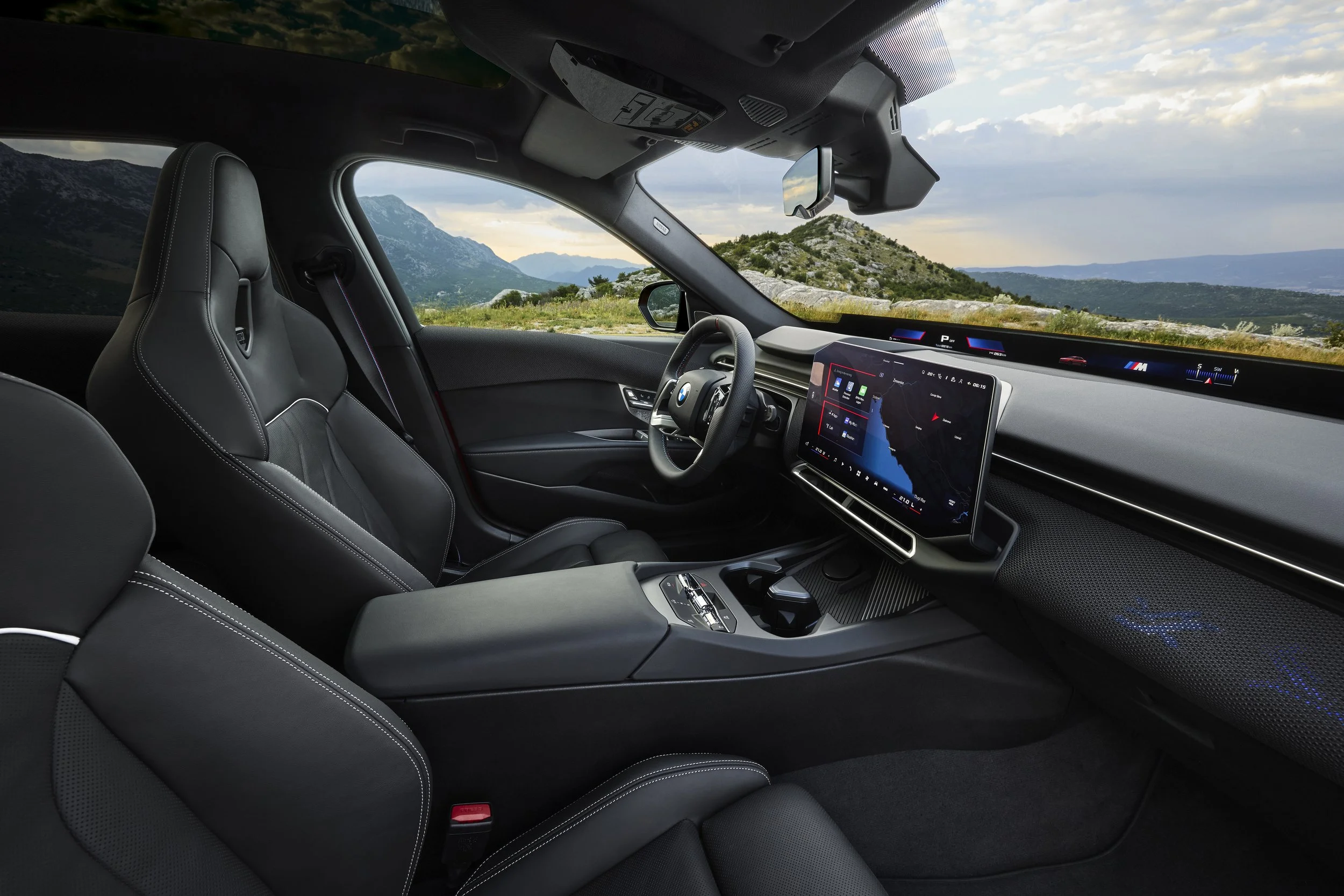
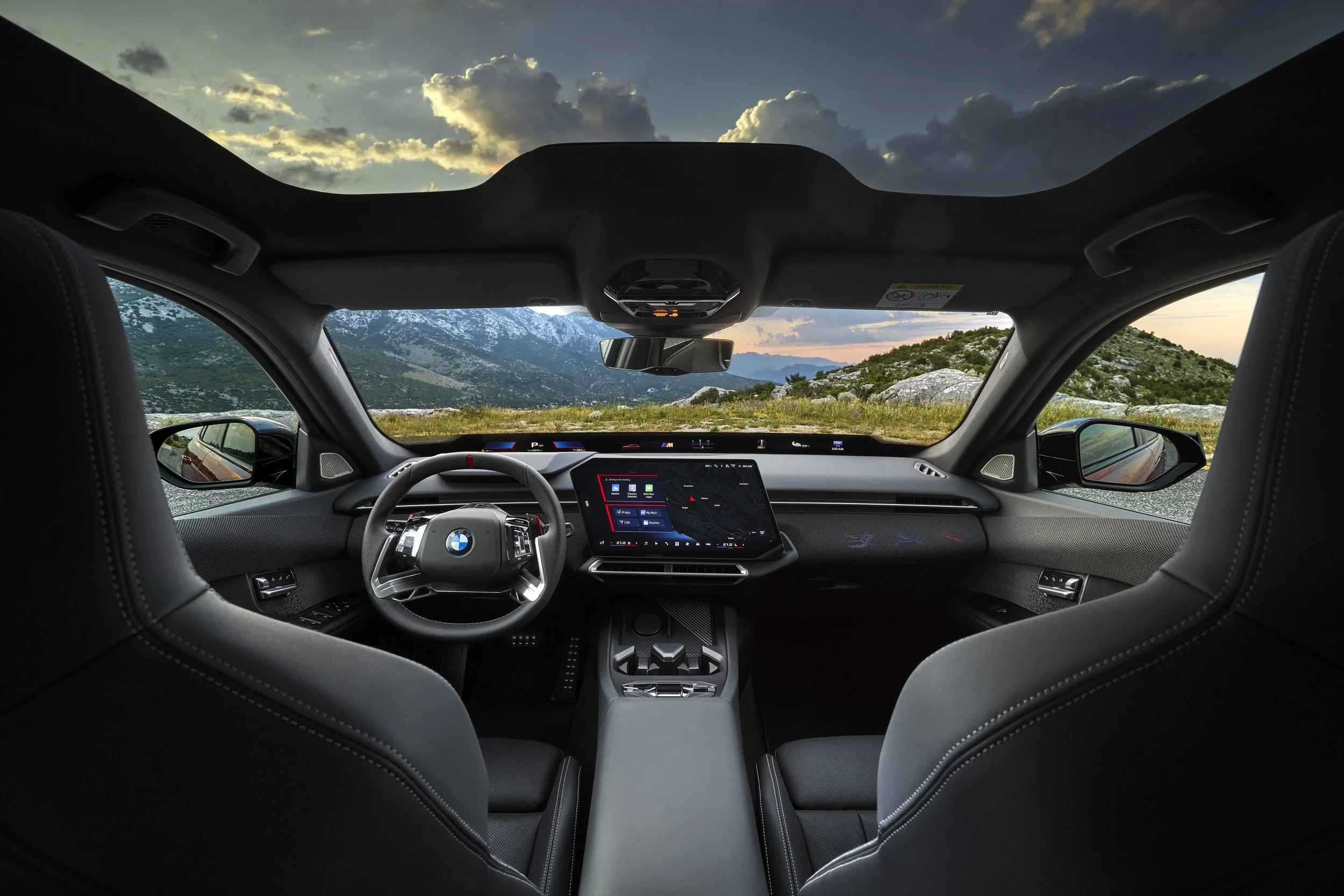
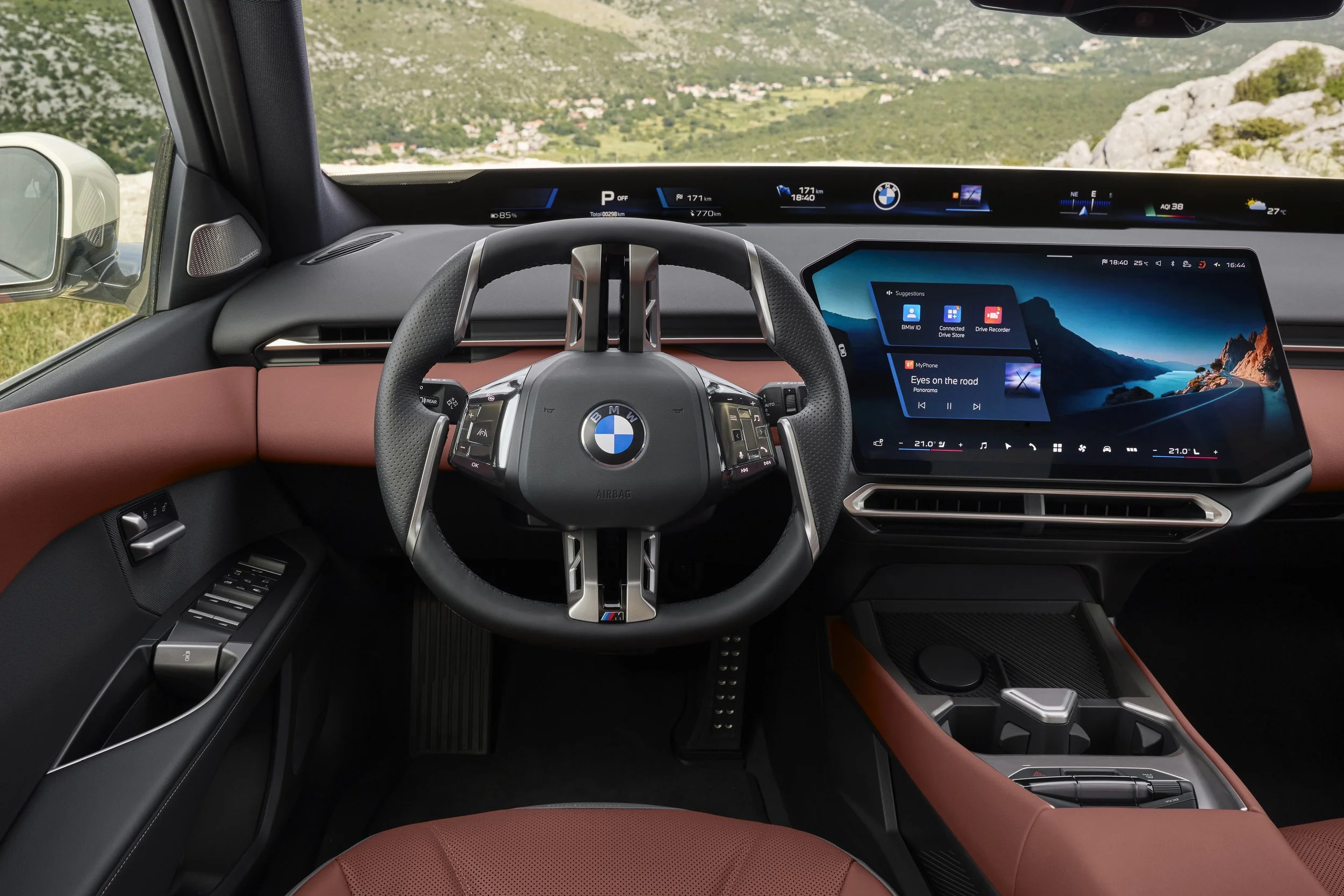
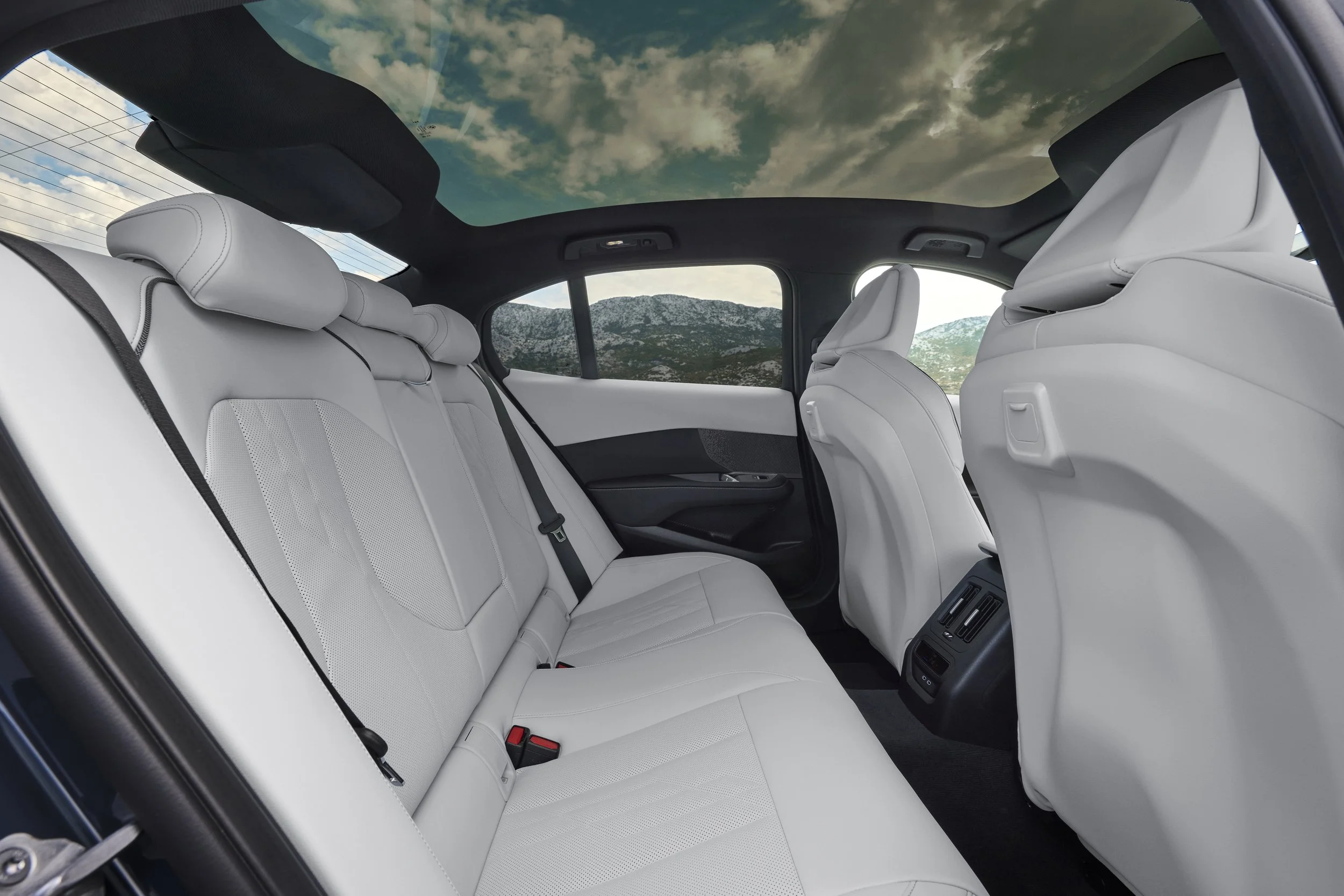
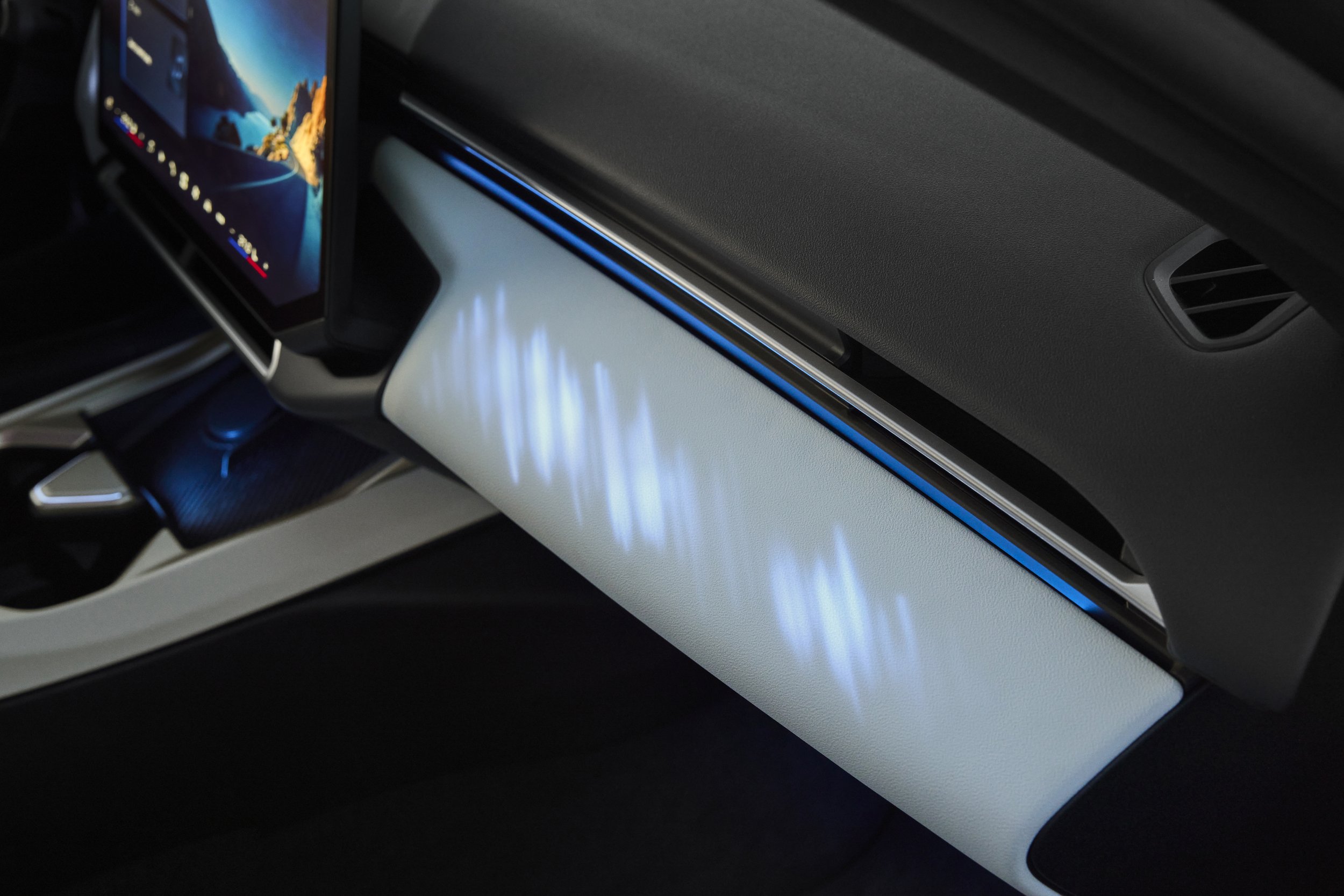
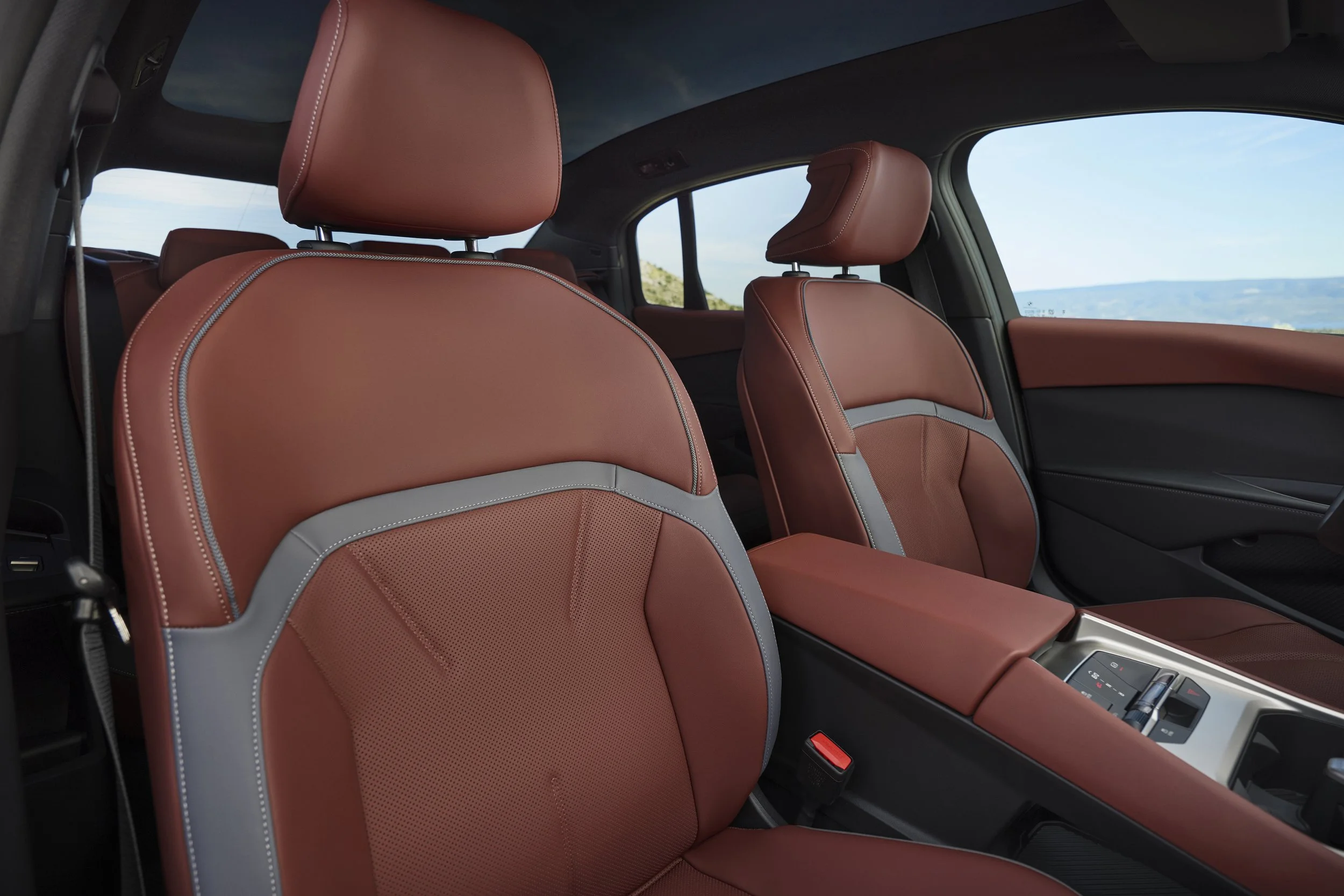
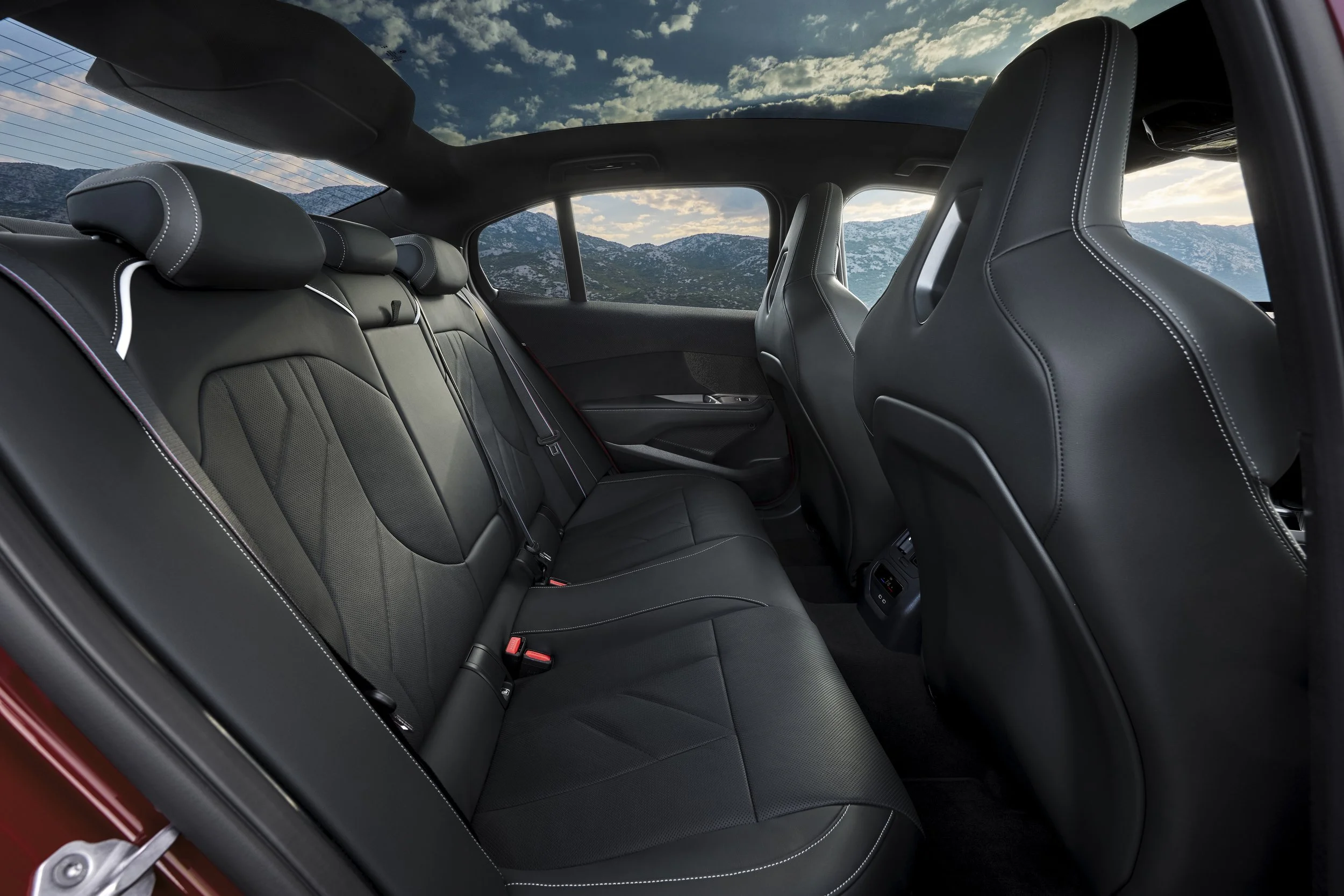
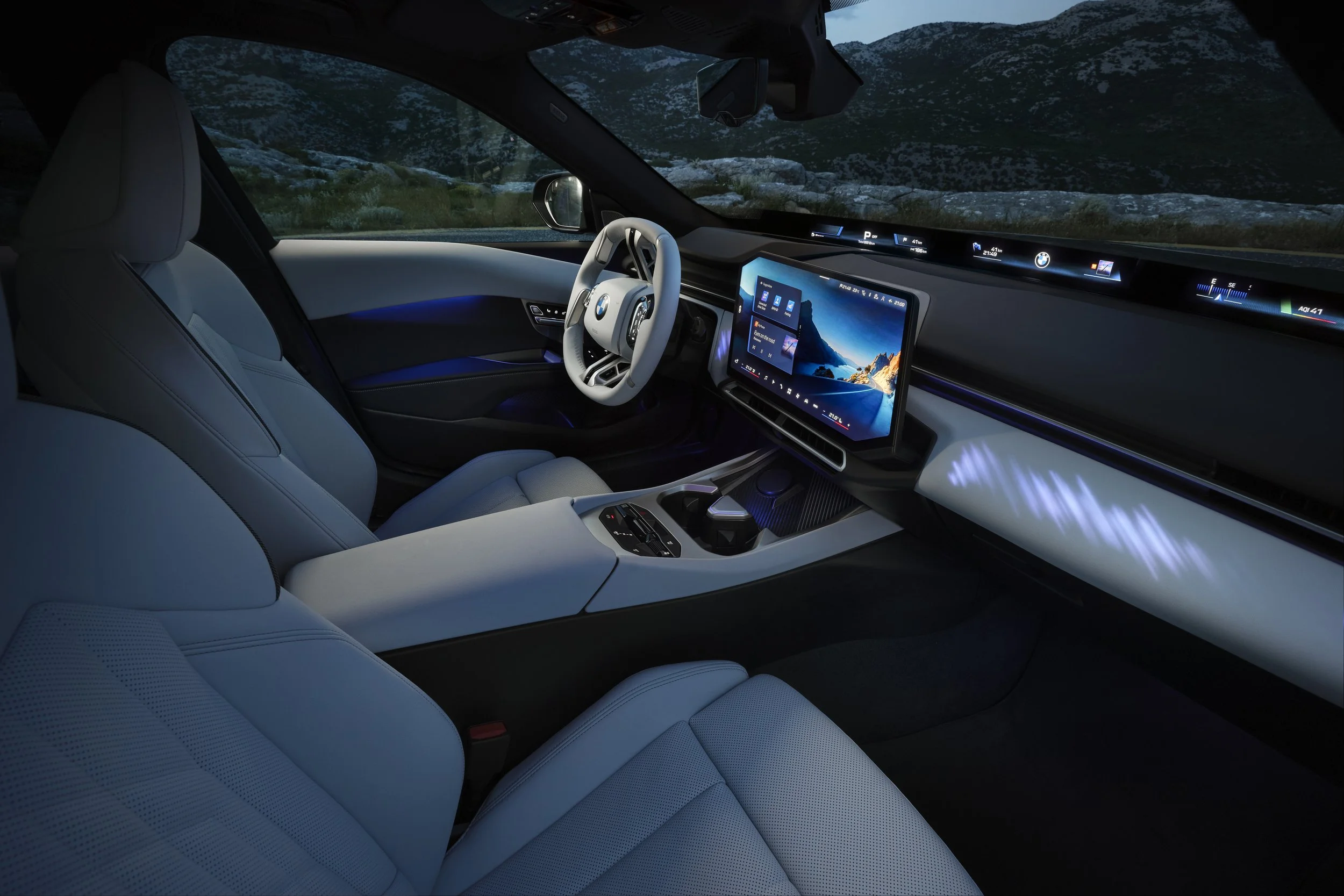
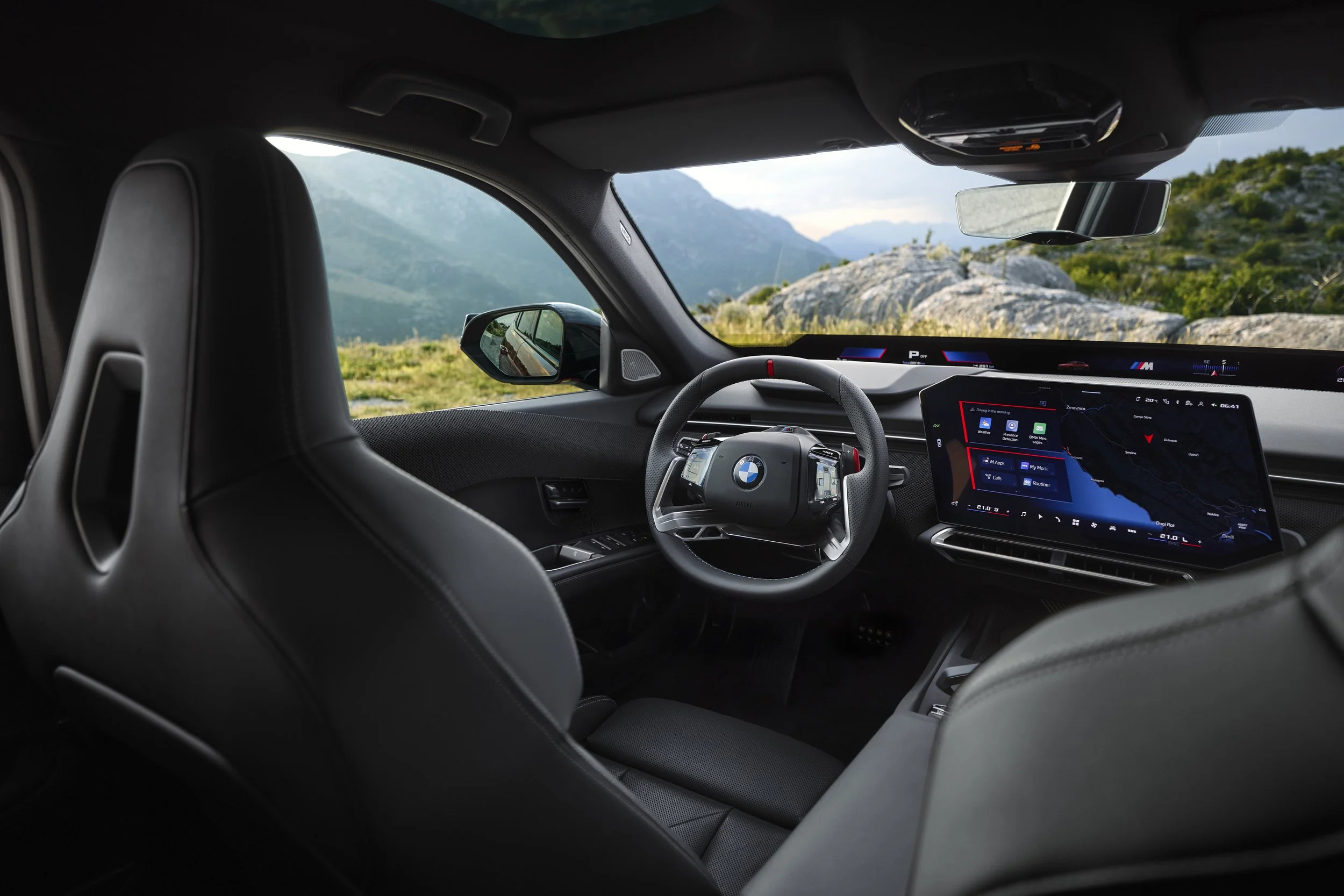
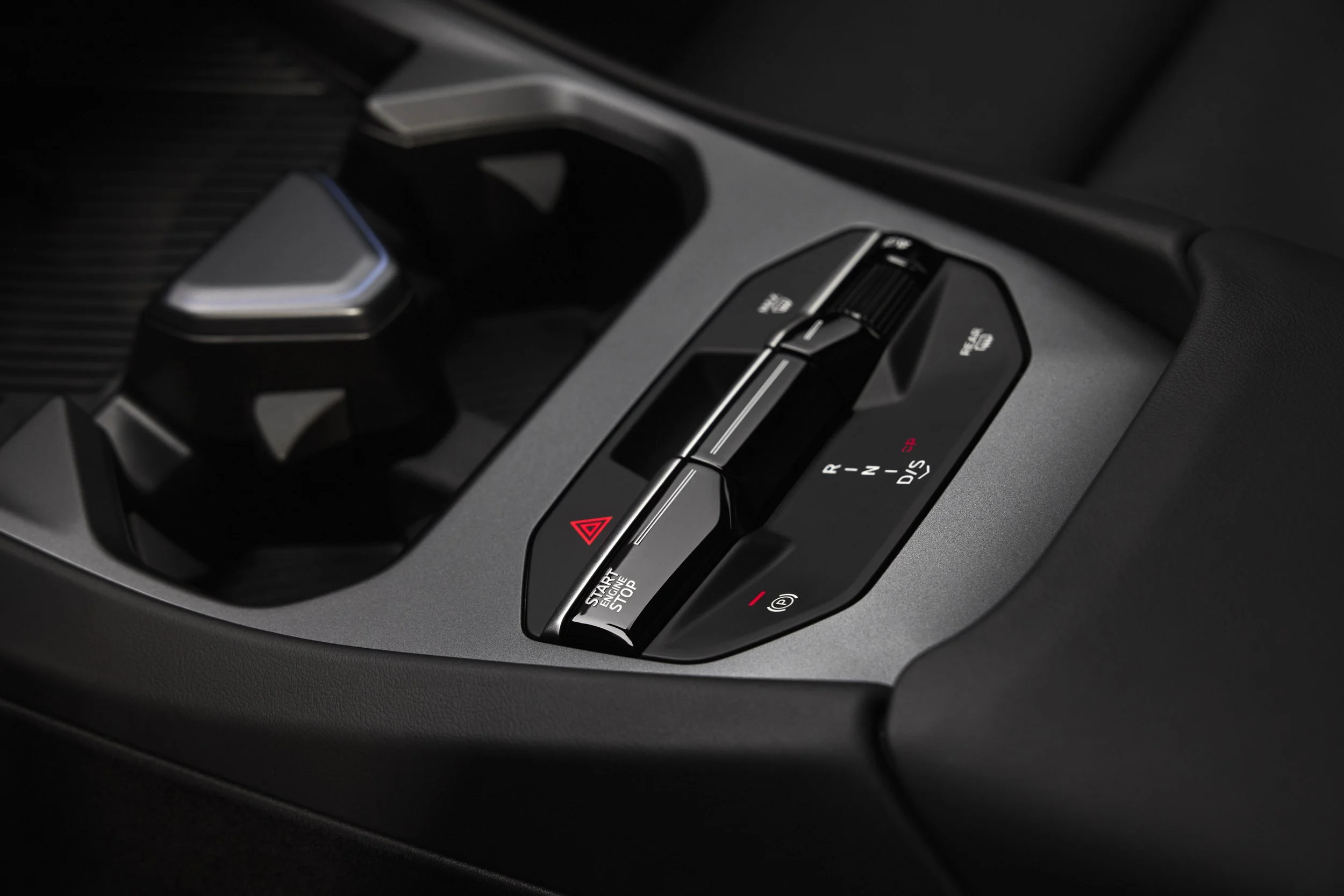
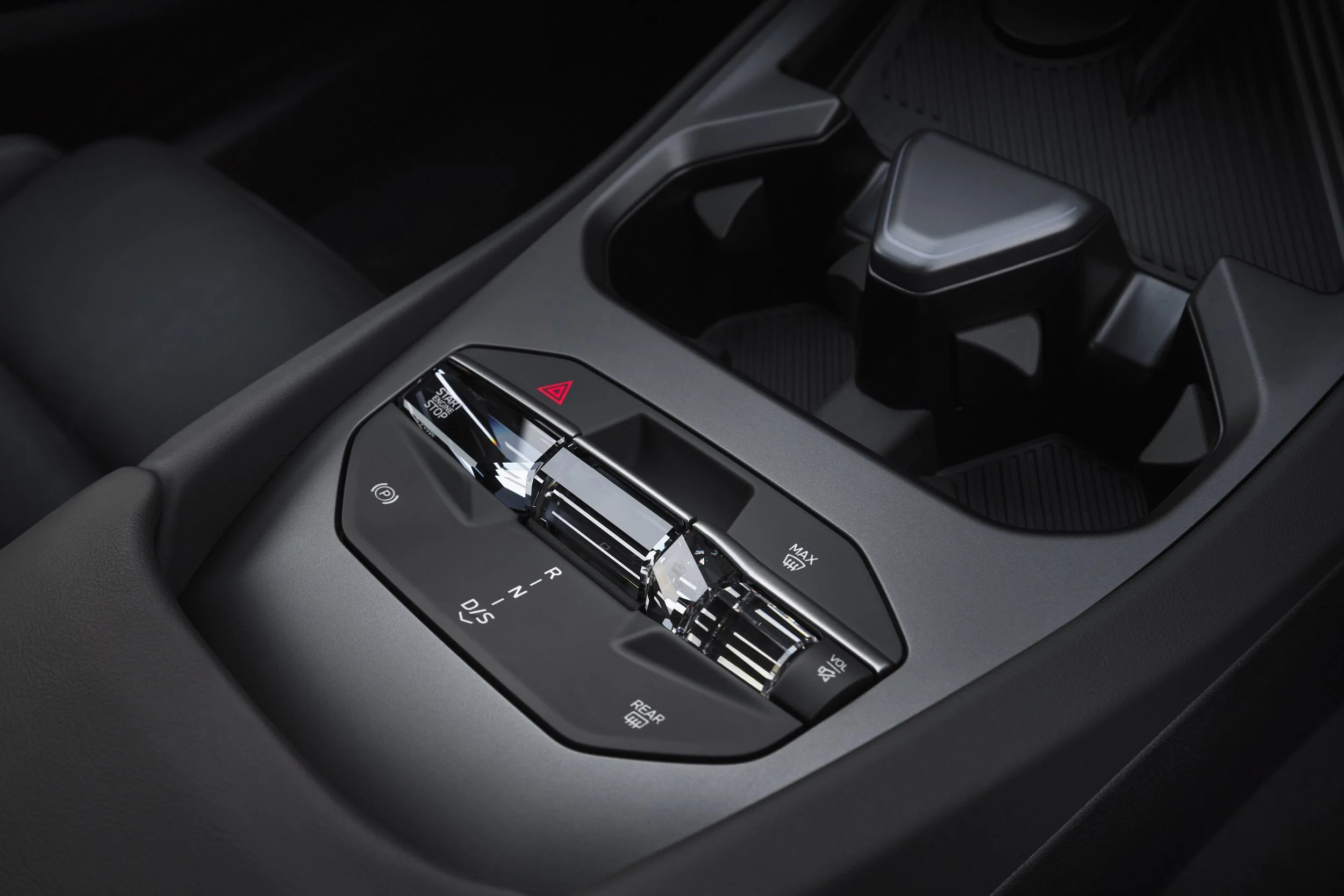
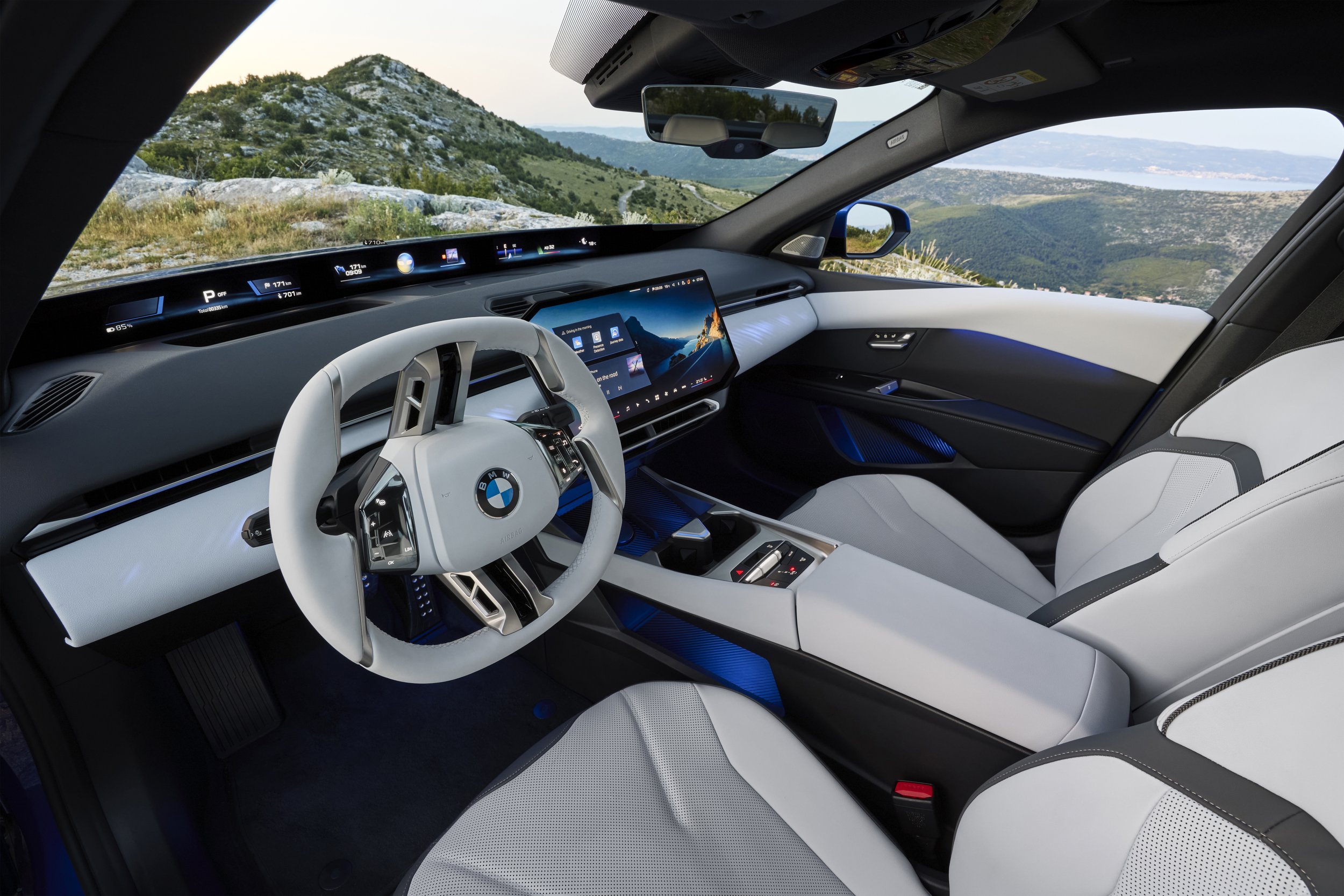
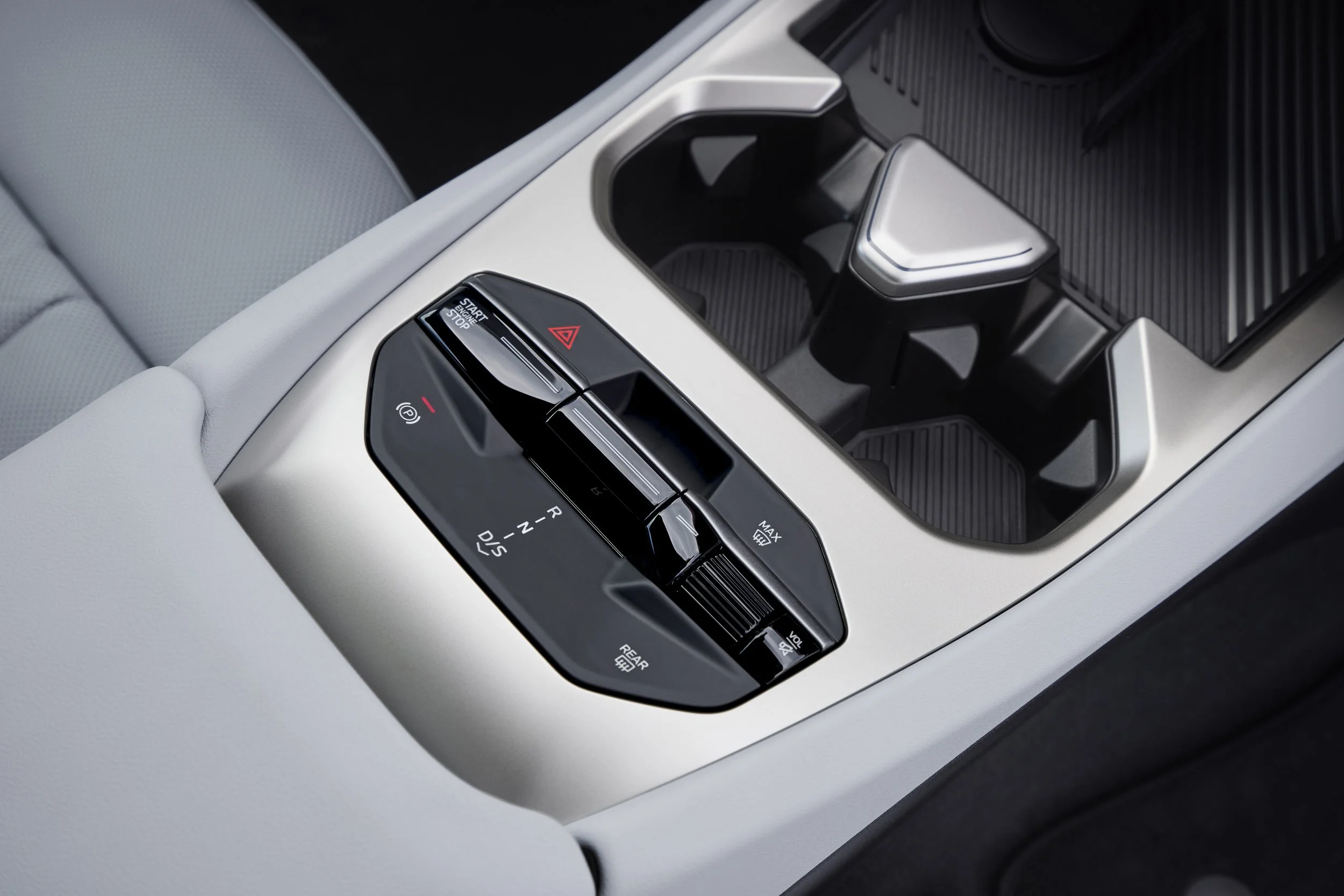
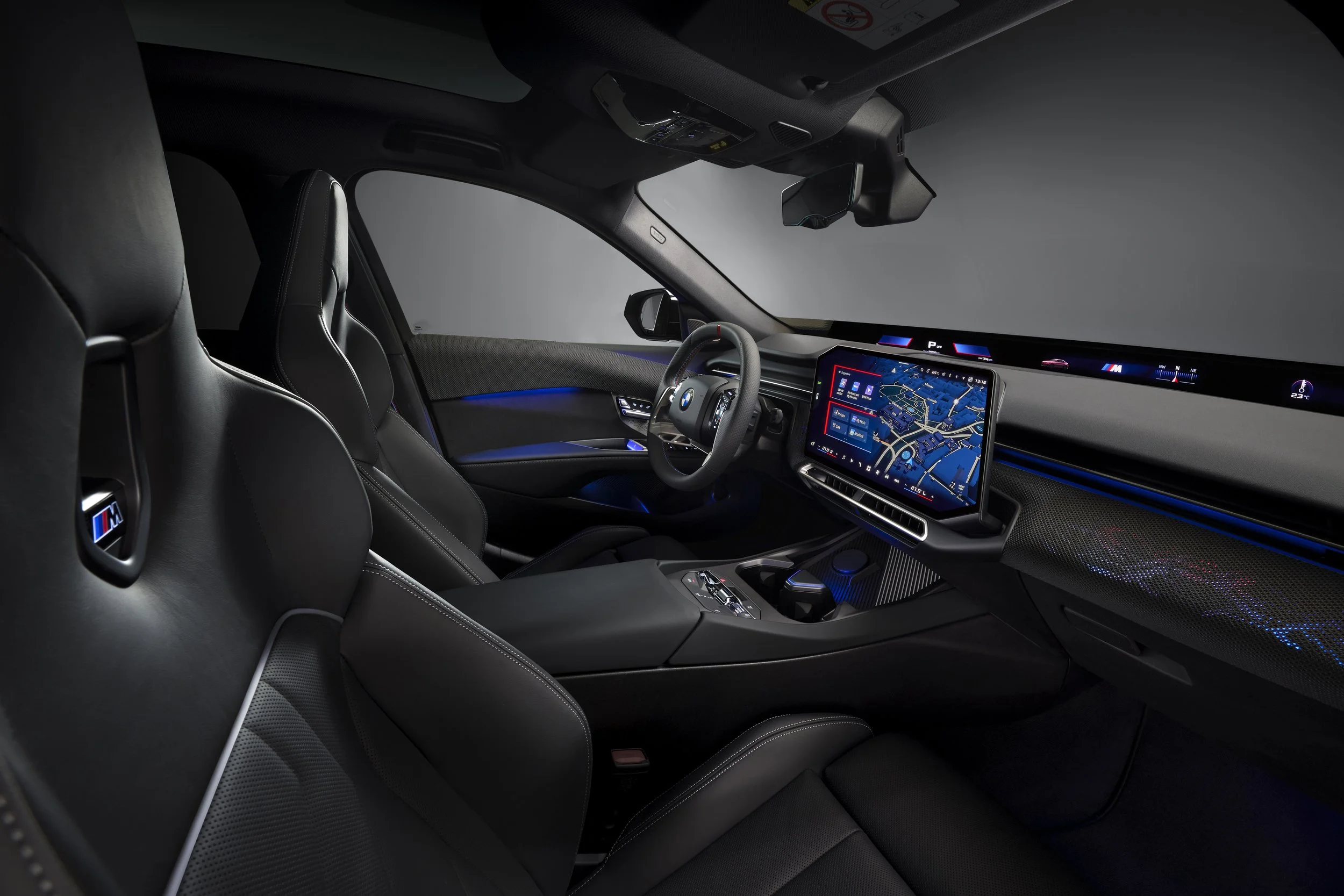
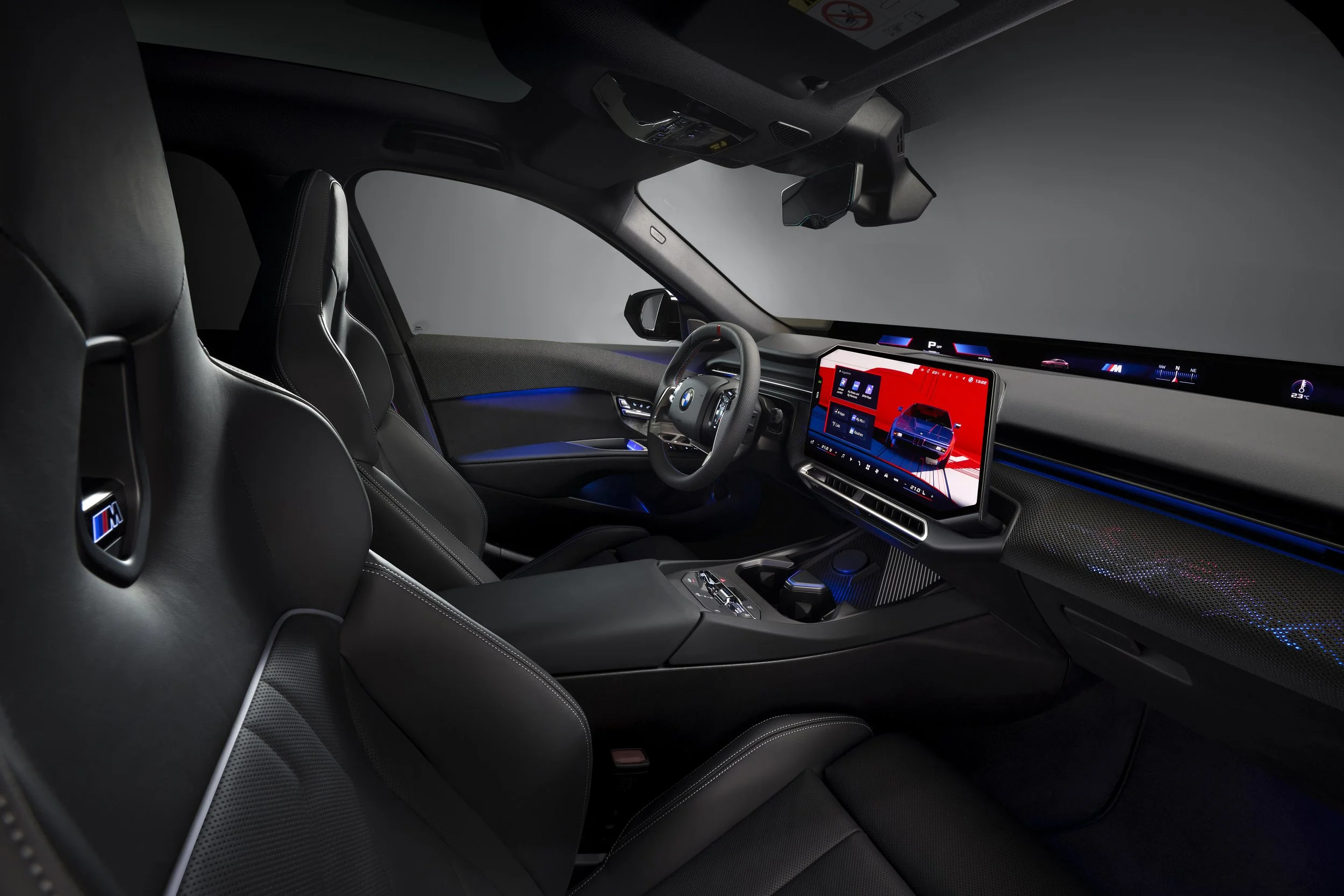
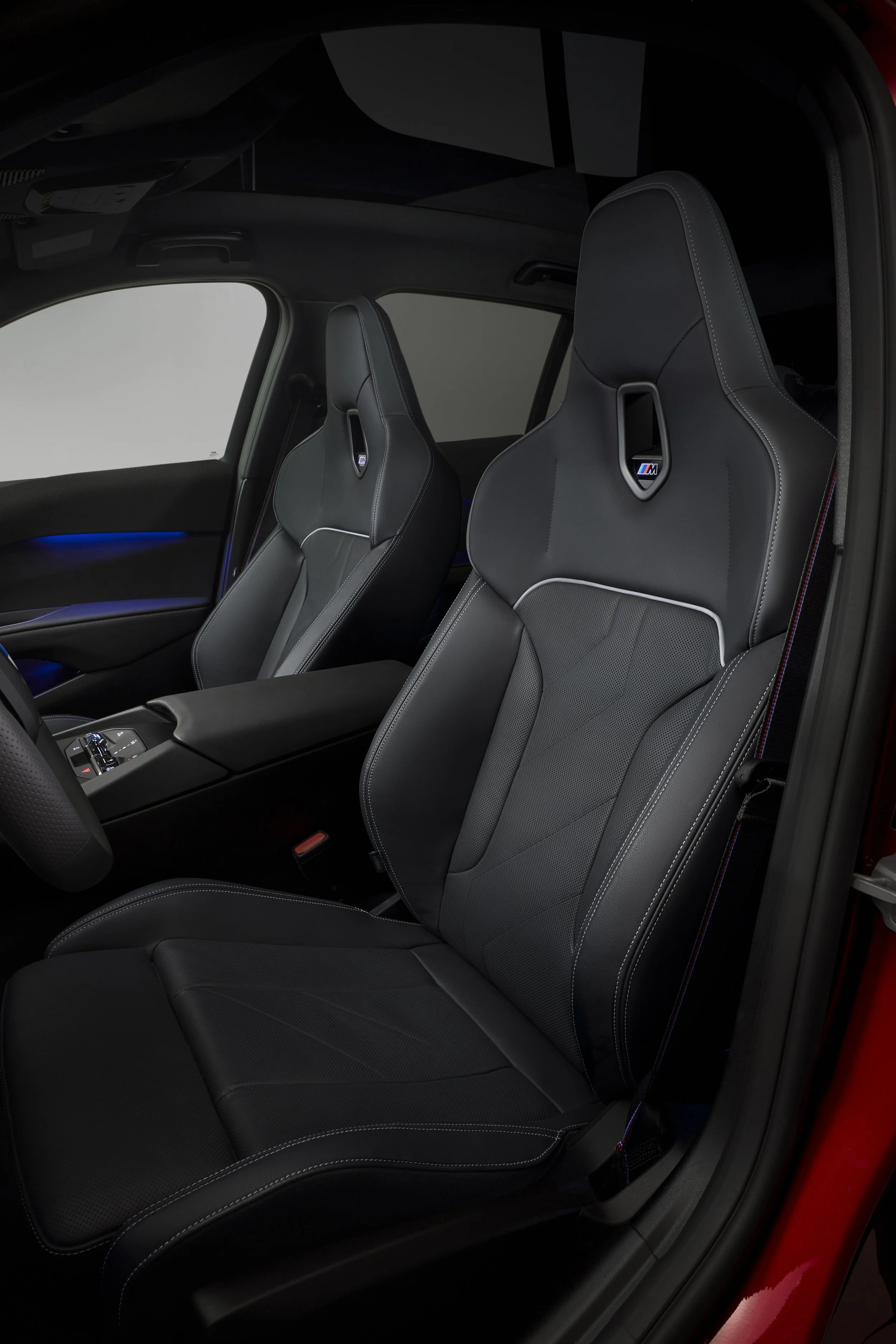
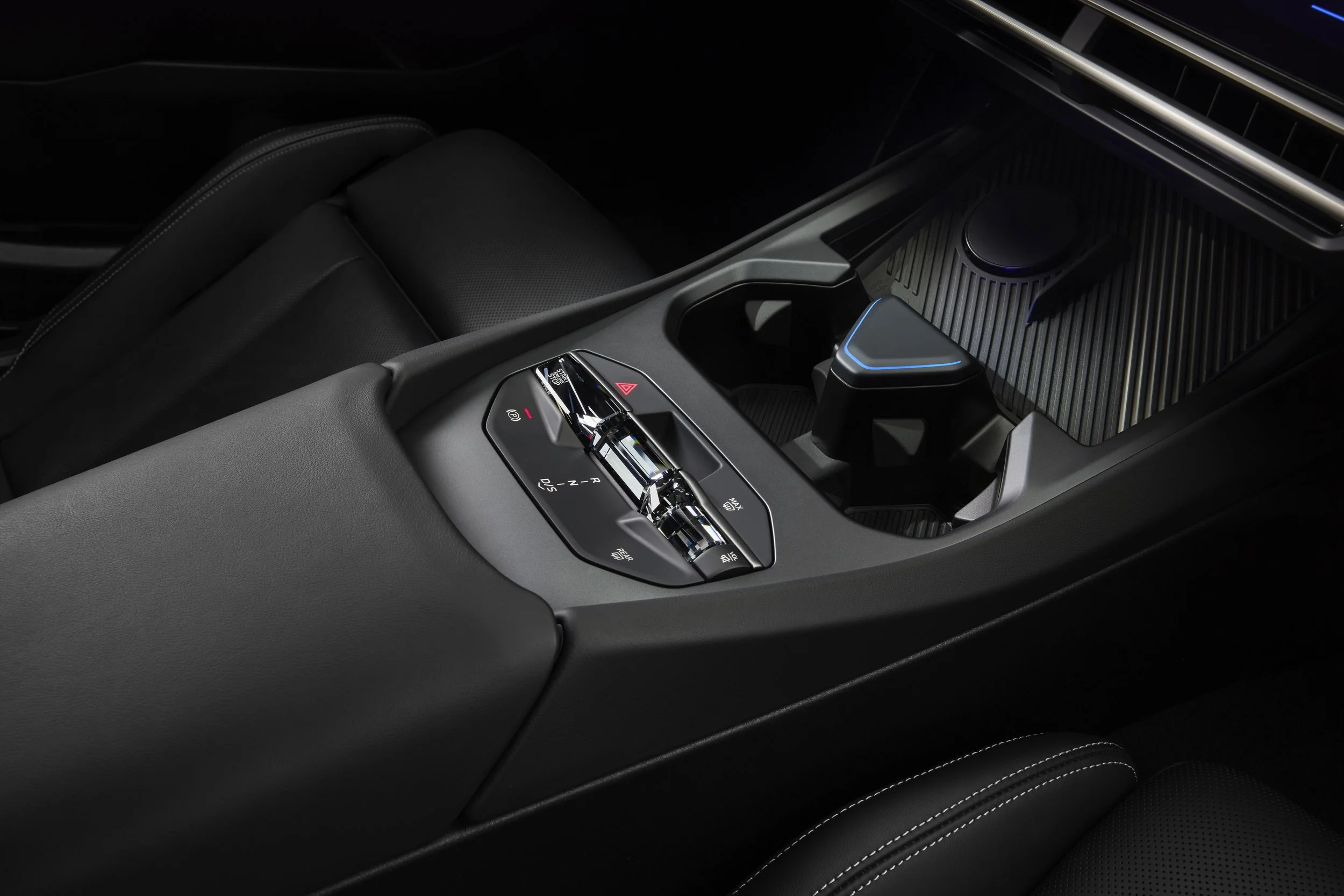
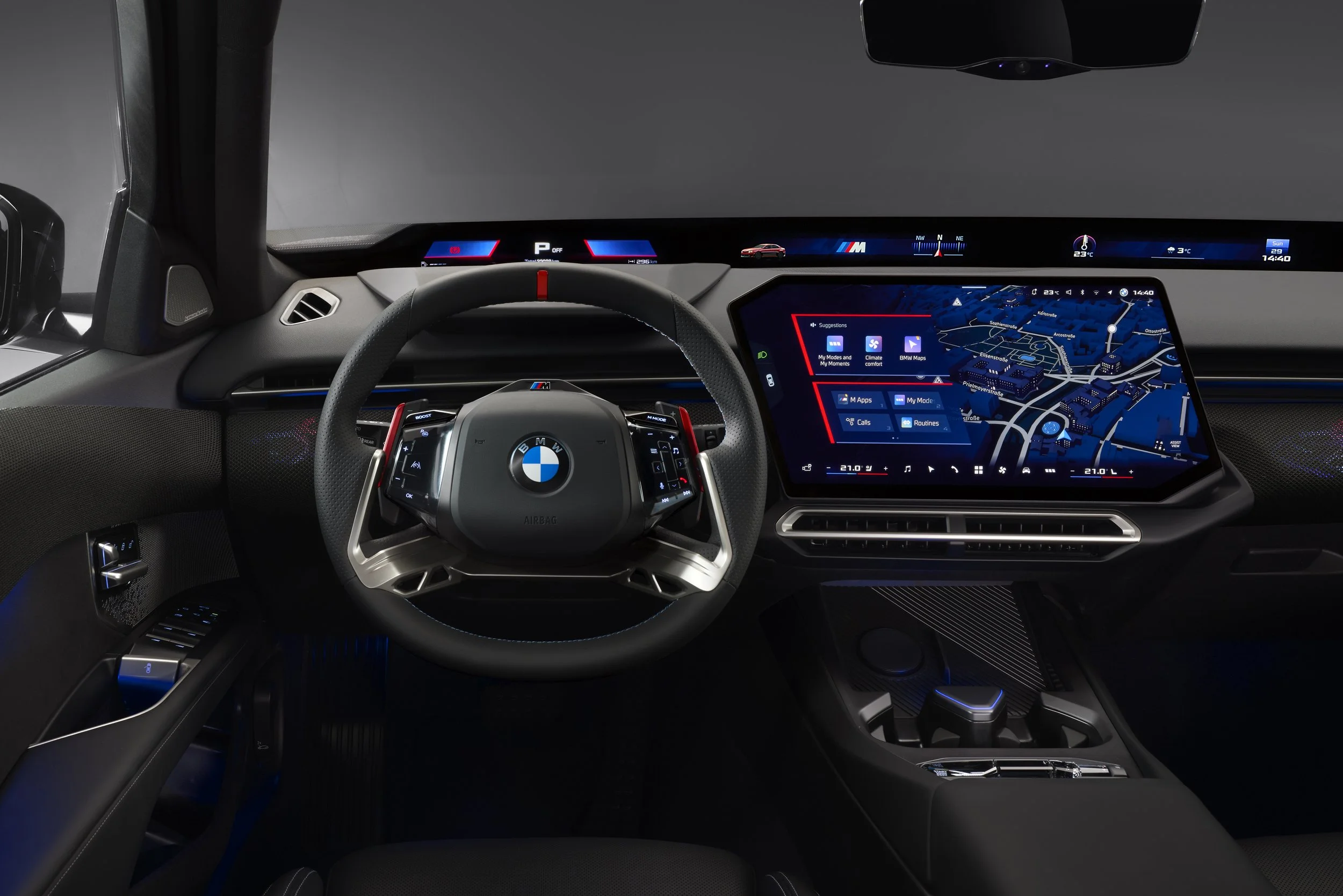
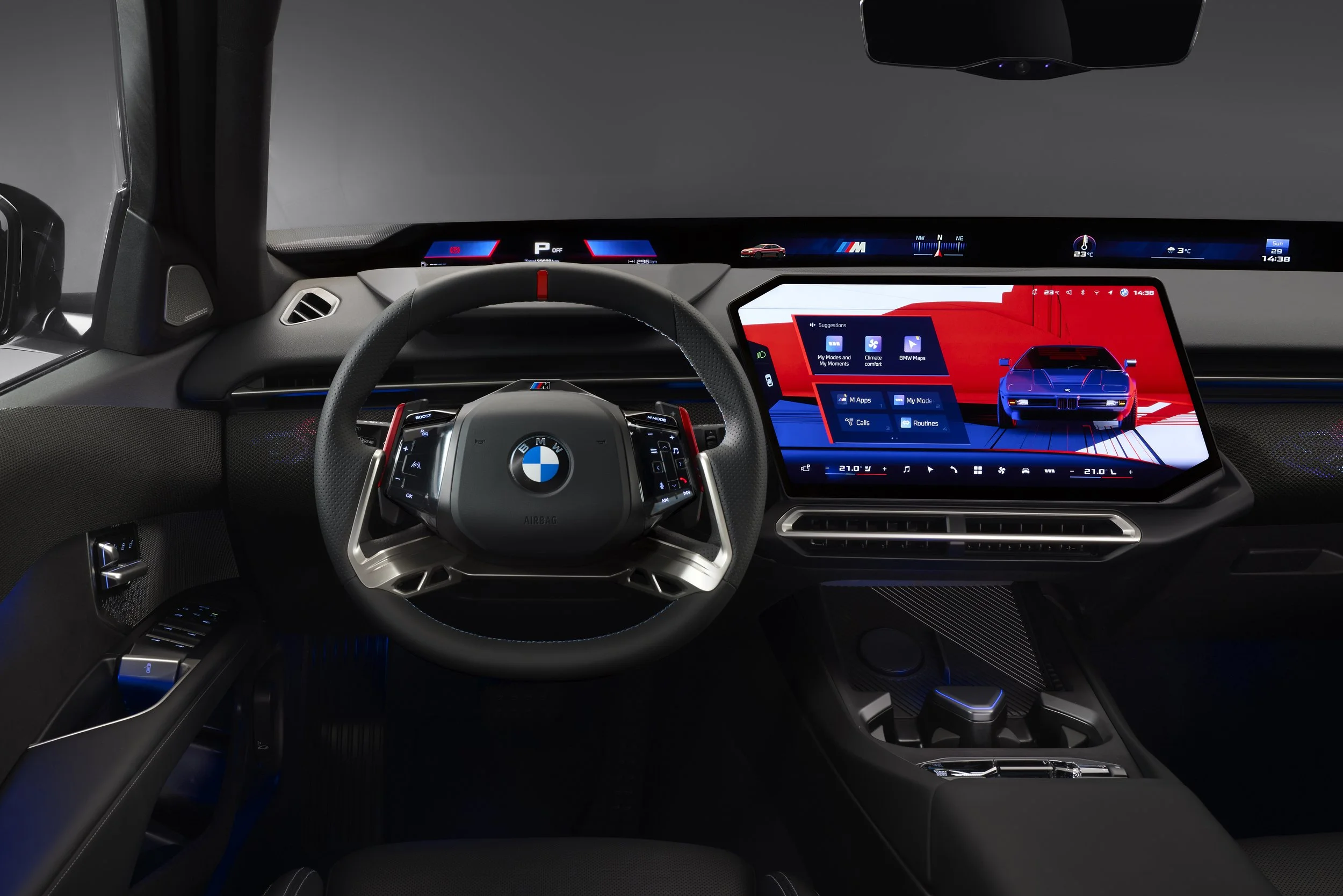
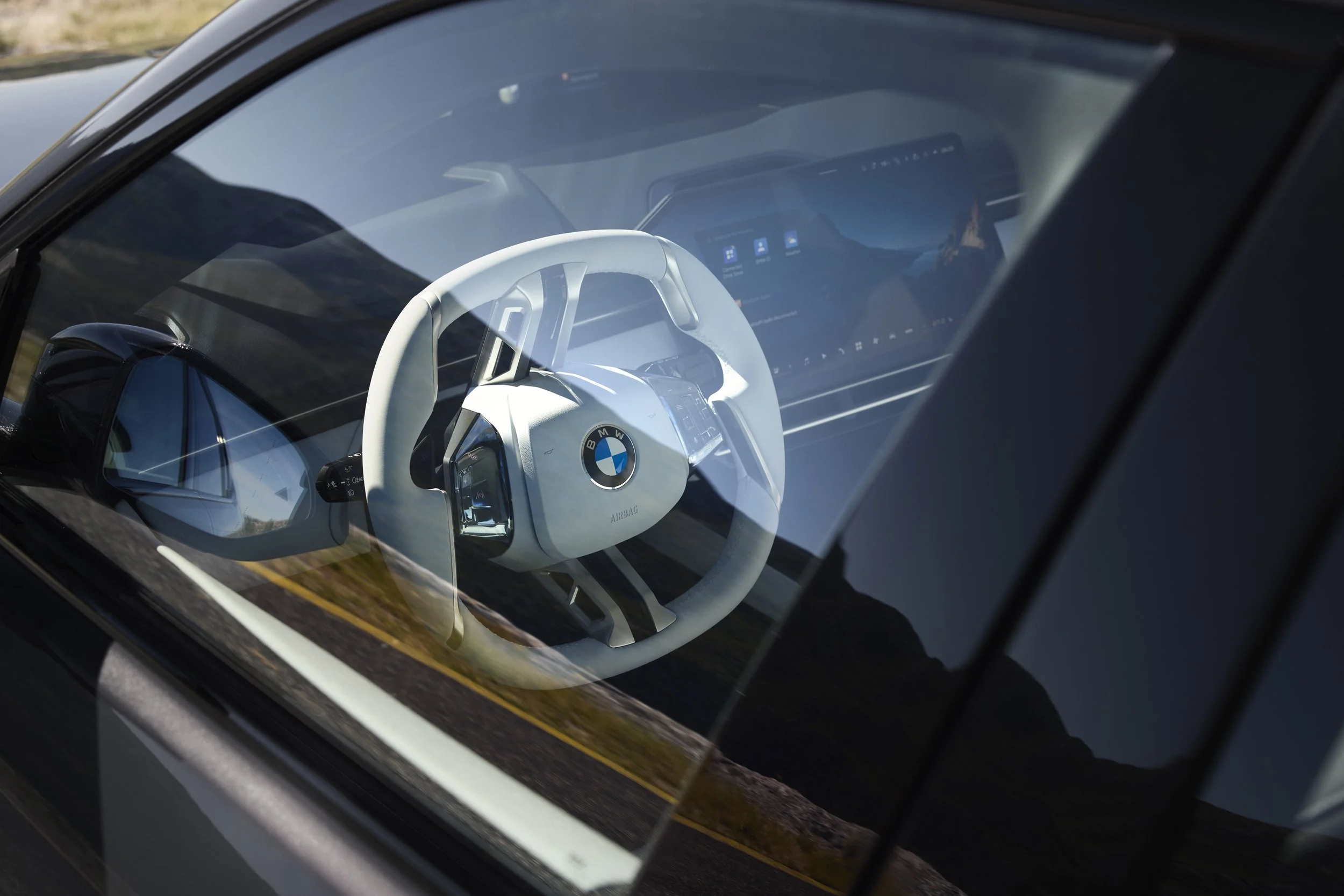
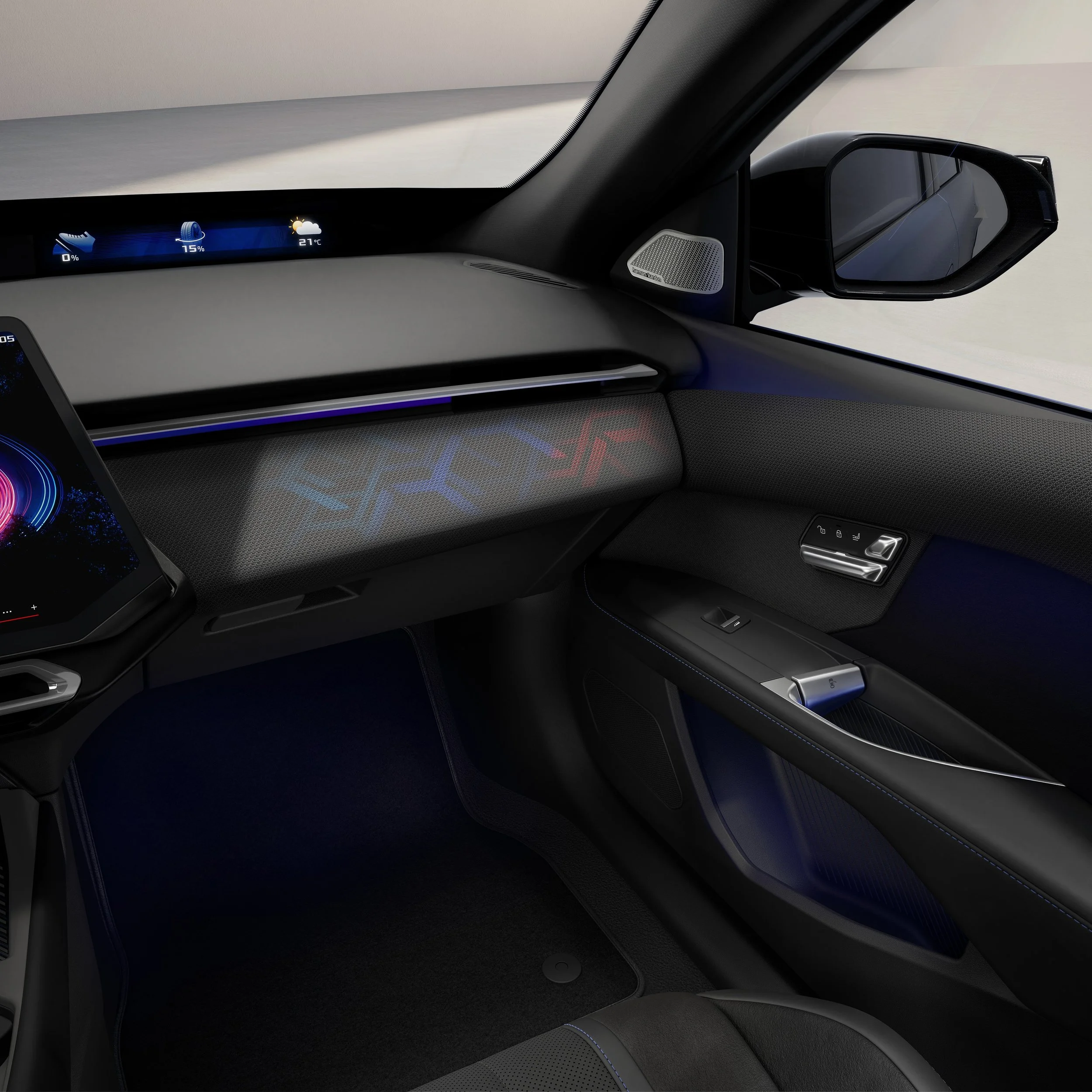
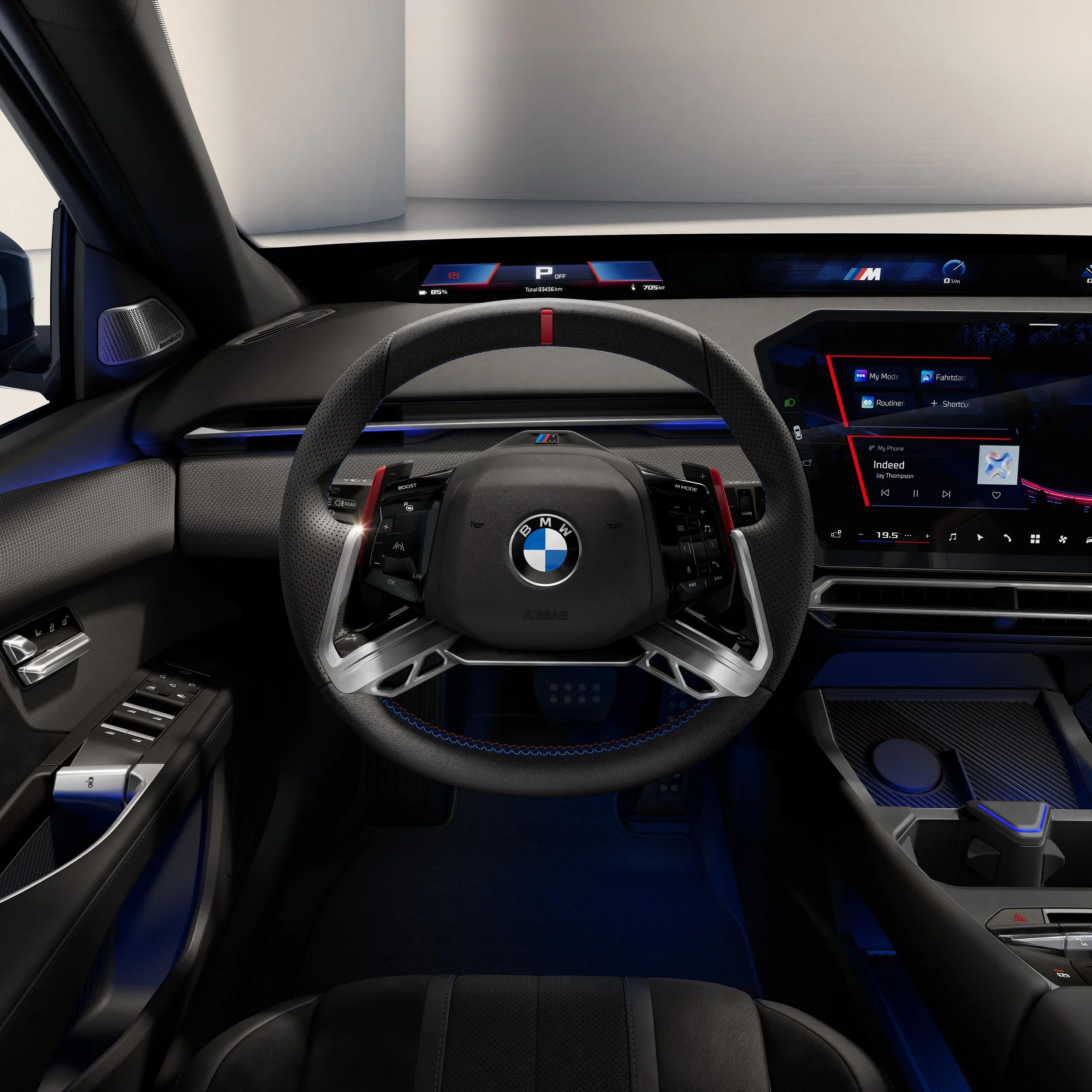
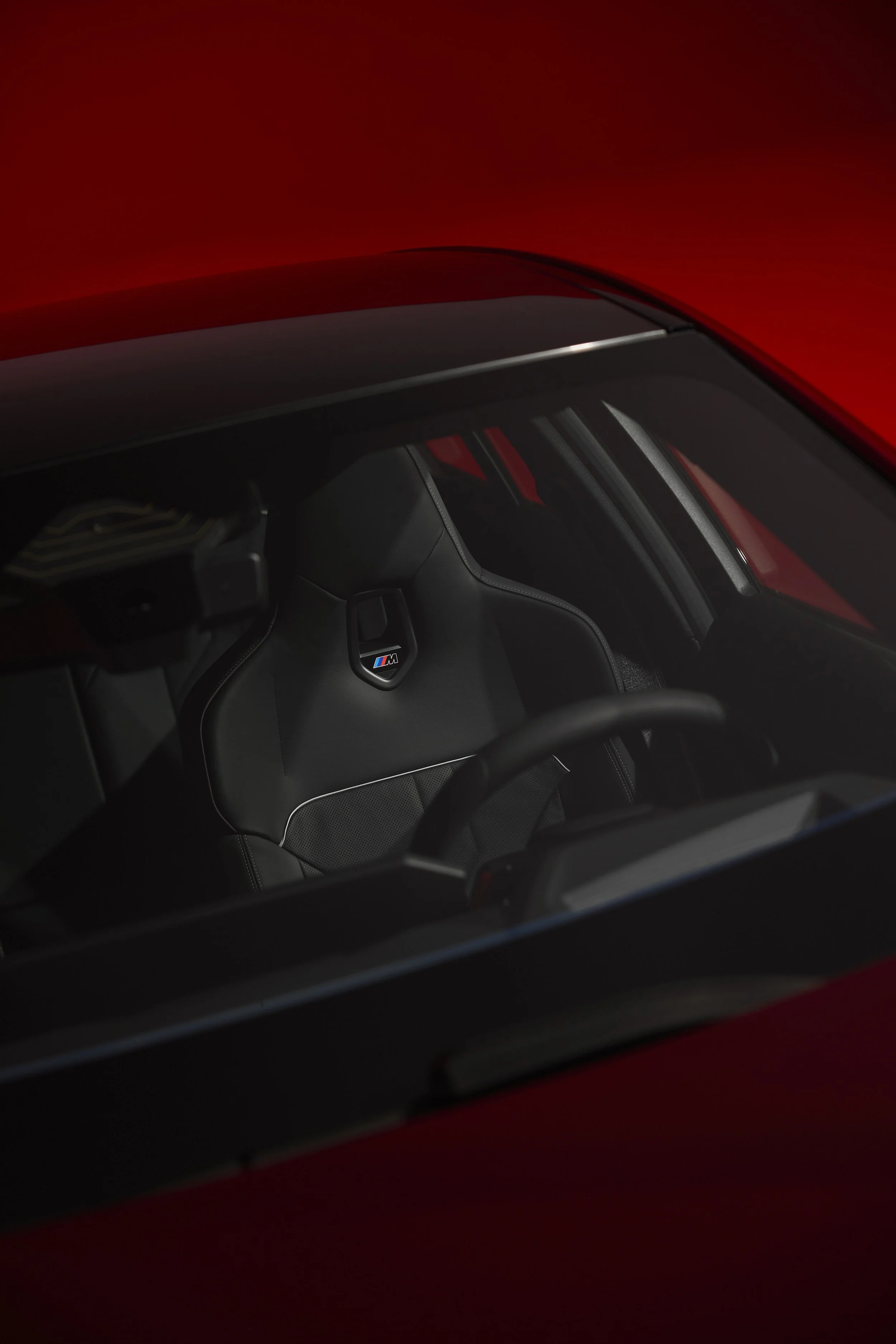
Inside, a new design combines clean, uncluttered surfaces with the driver-focused cockpit that has always defined the BMW 3 Series. Lines flow forward from the doors into the instrument panel, wrapping around the occupants, while large windows and a panoramic glass roof create a light, spacious cabin.
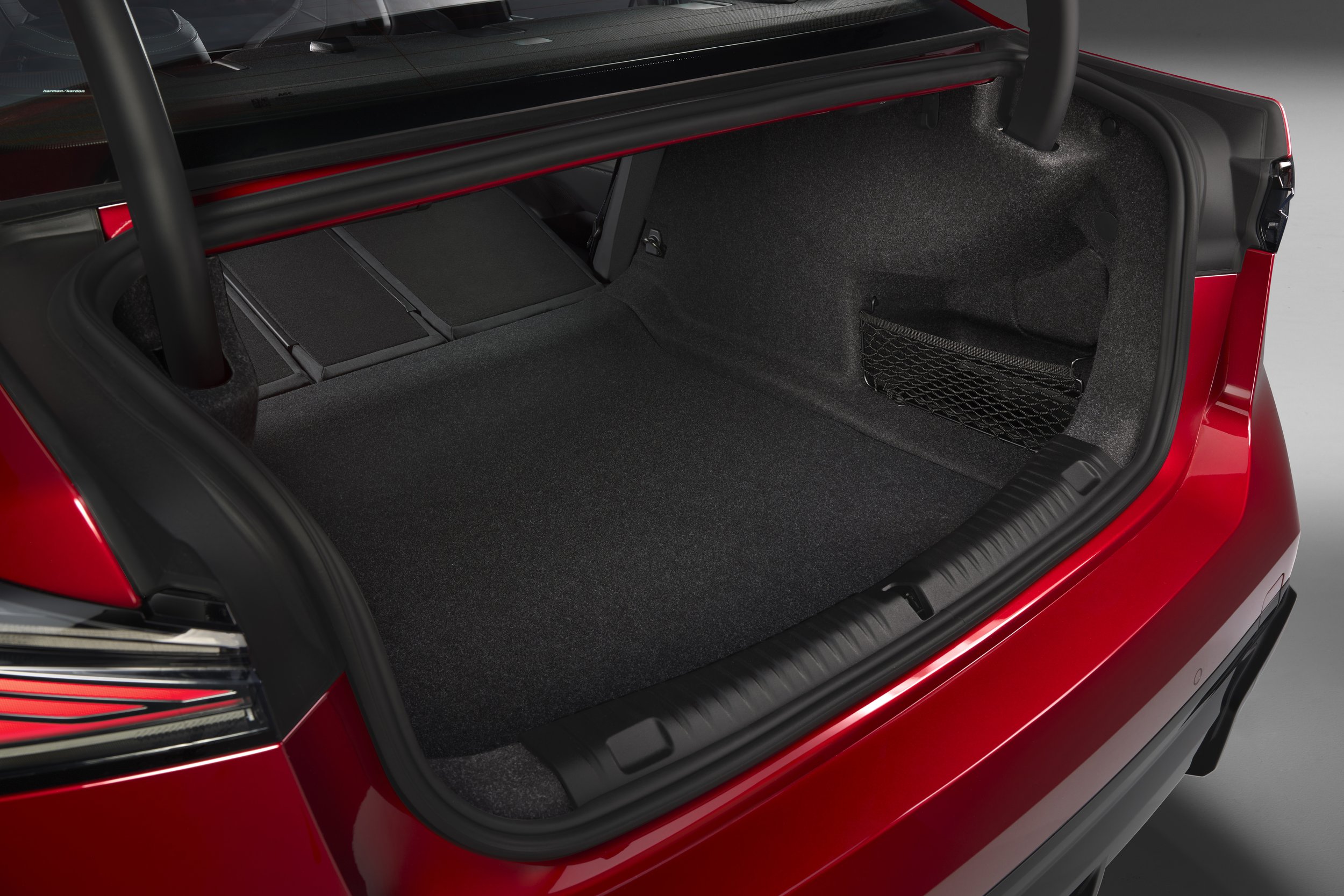
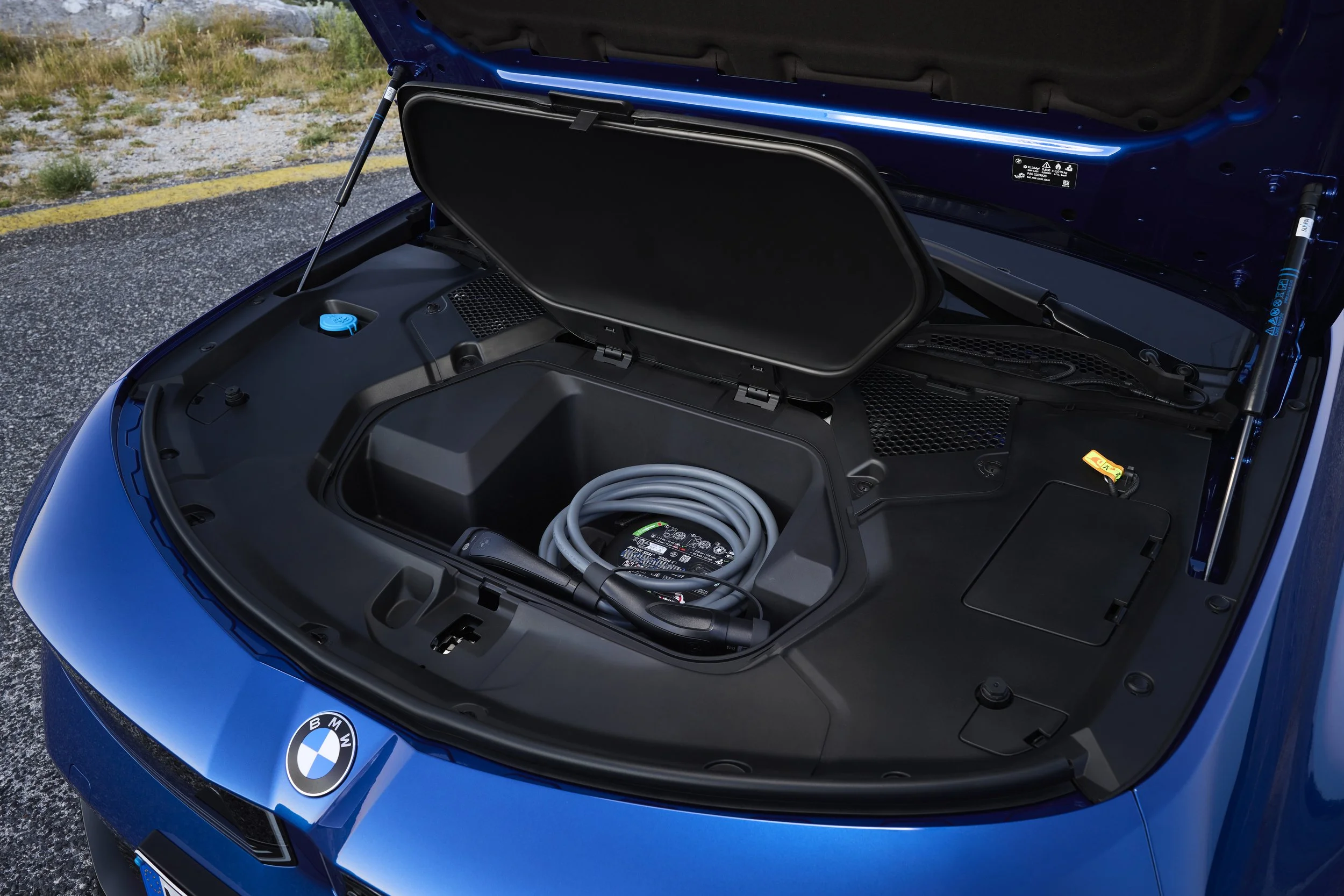
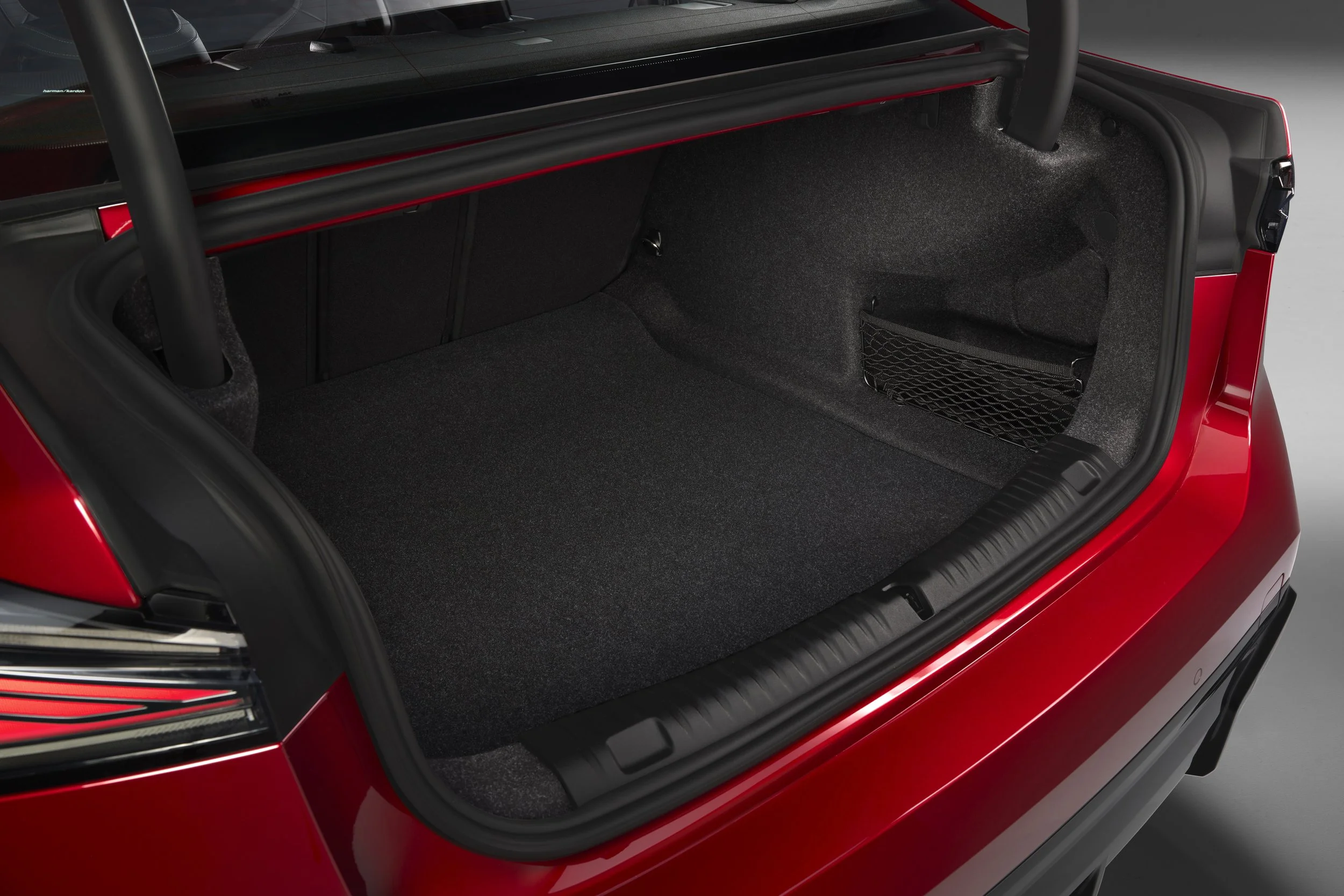
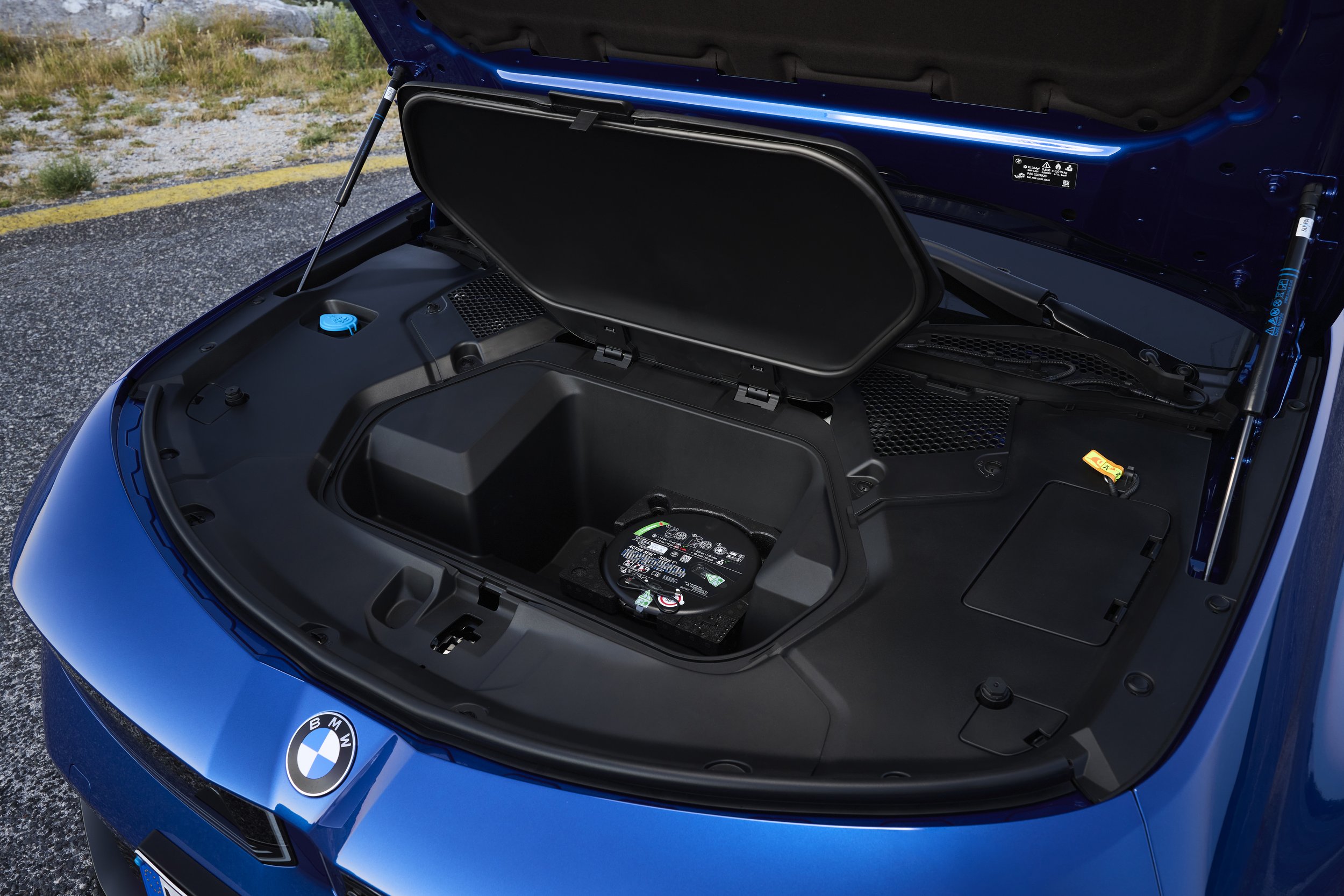
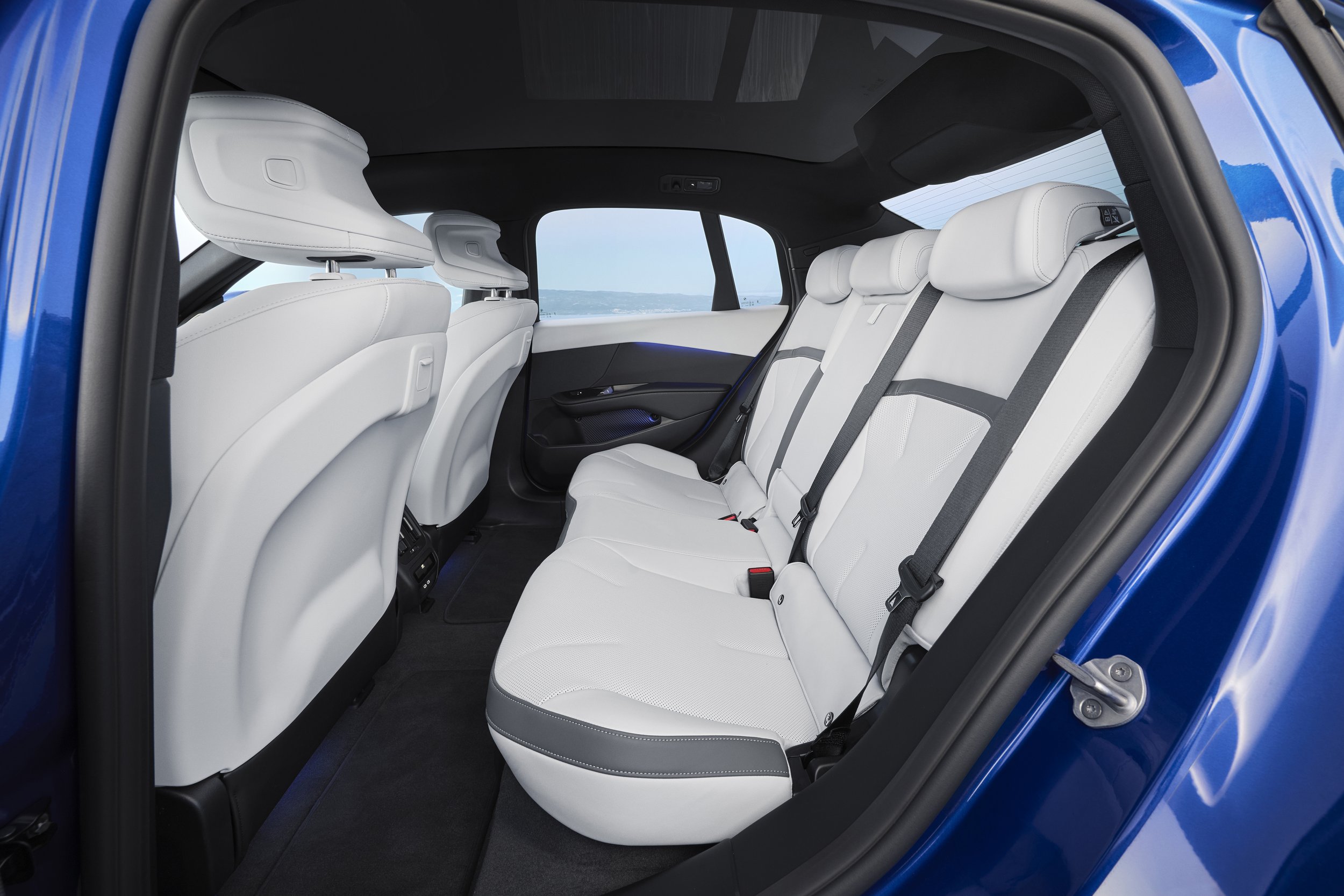
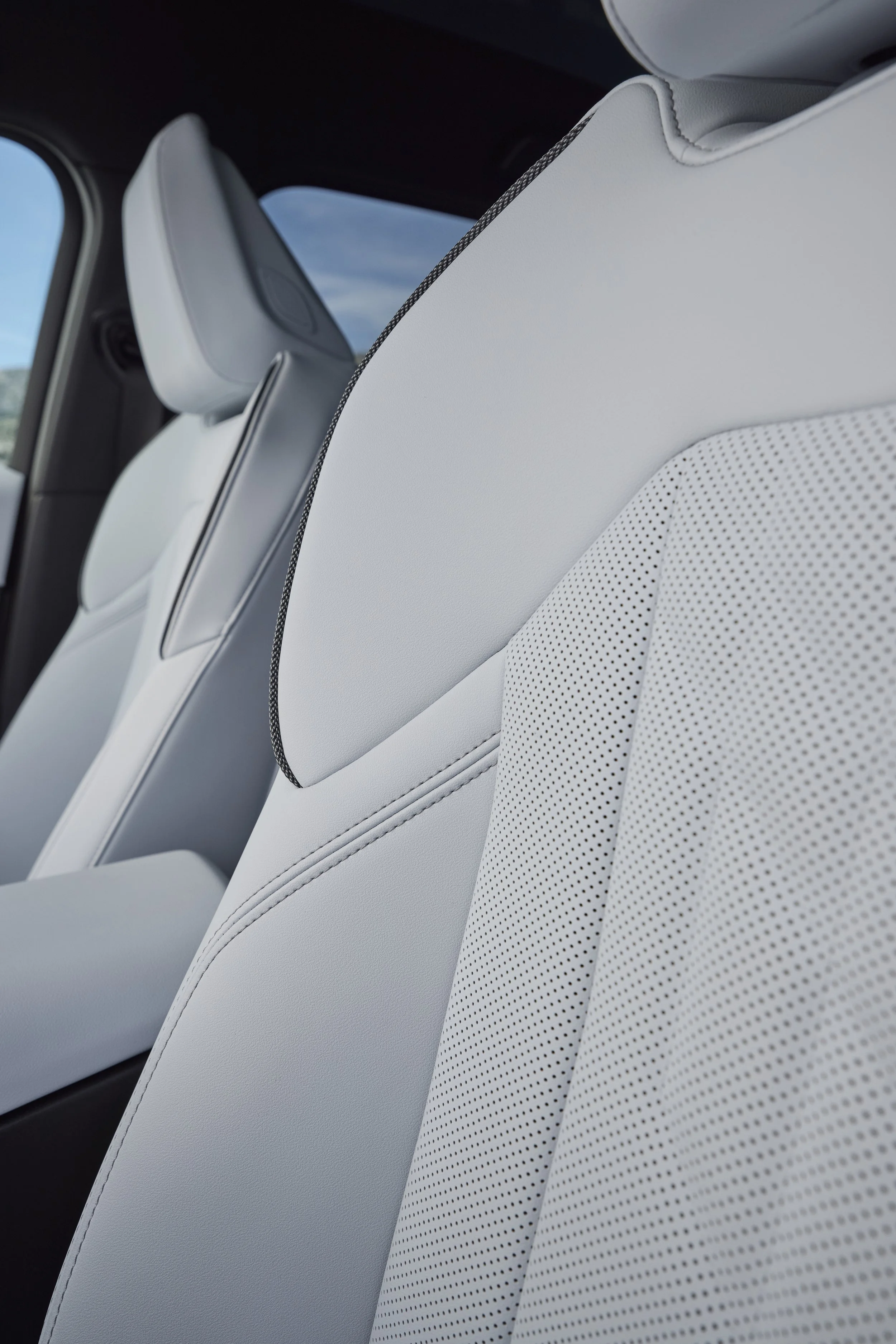
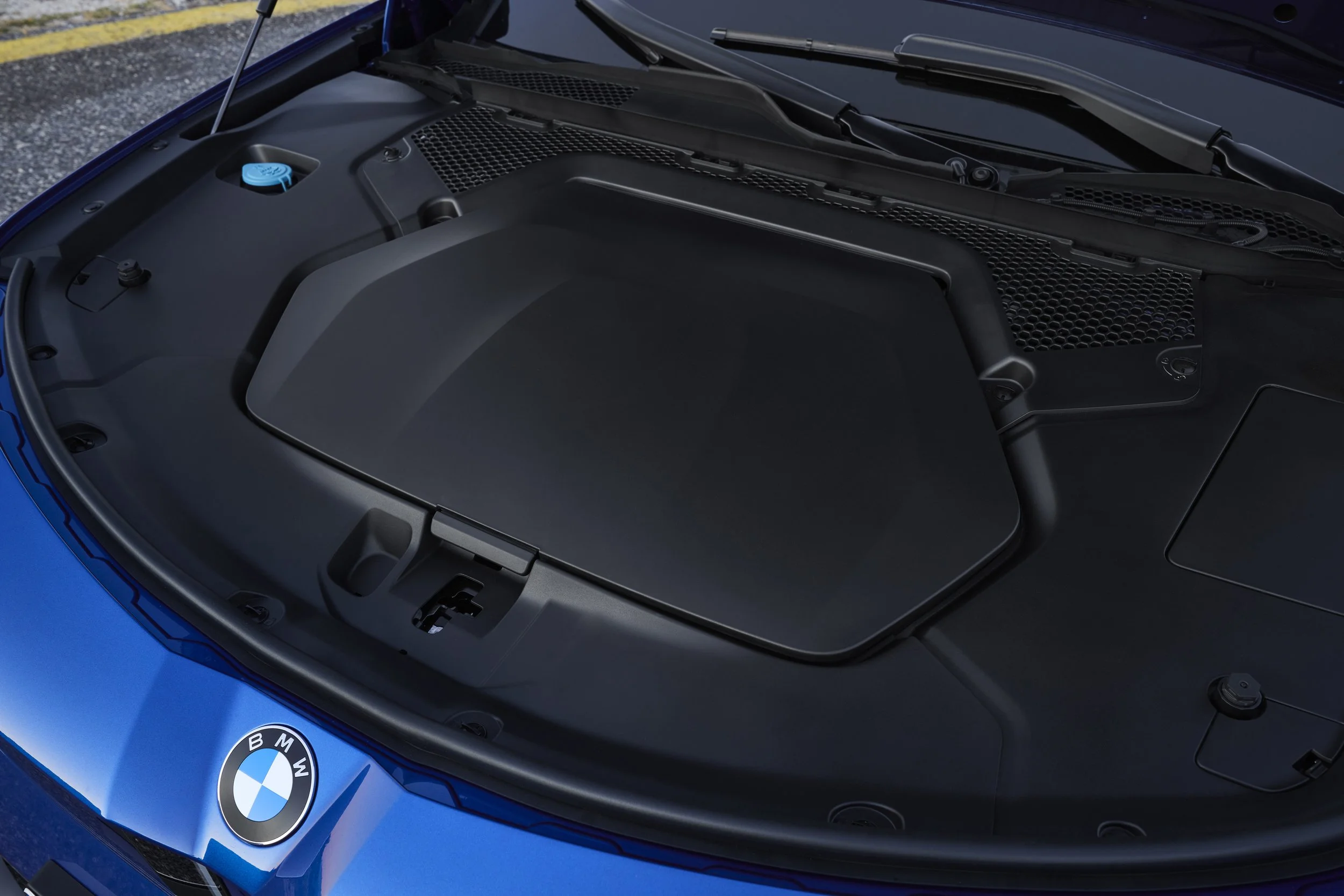
Supportive, electrically operated seats with a memory function come as standard, and multifunction seats with further adjustment are optional. The petrol models offer 450 litres of boot space, while the fully electric BMW i3 offers 420 litres. The BMW i3 also has an extra 31 litres of storage under the bonnet, bringing its total capacity to 451 litres. Rear seats that fold in a 40:20:40 split add further practicality.
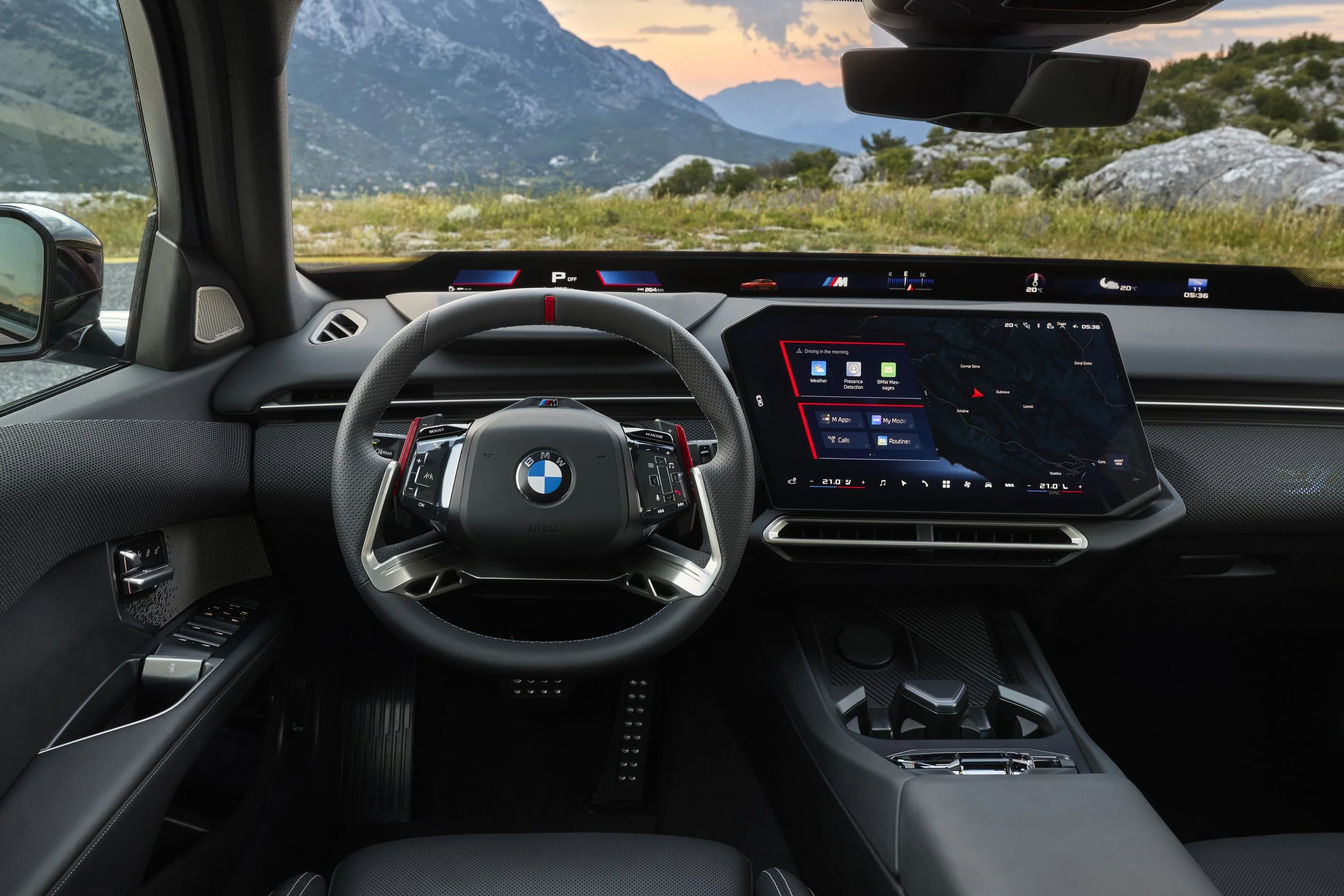
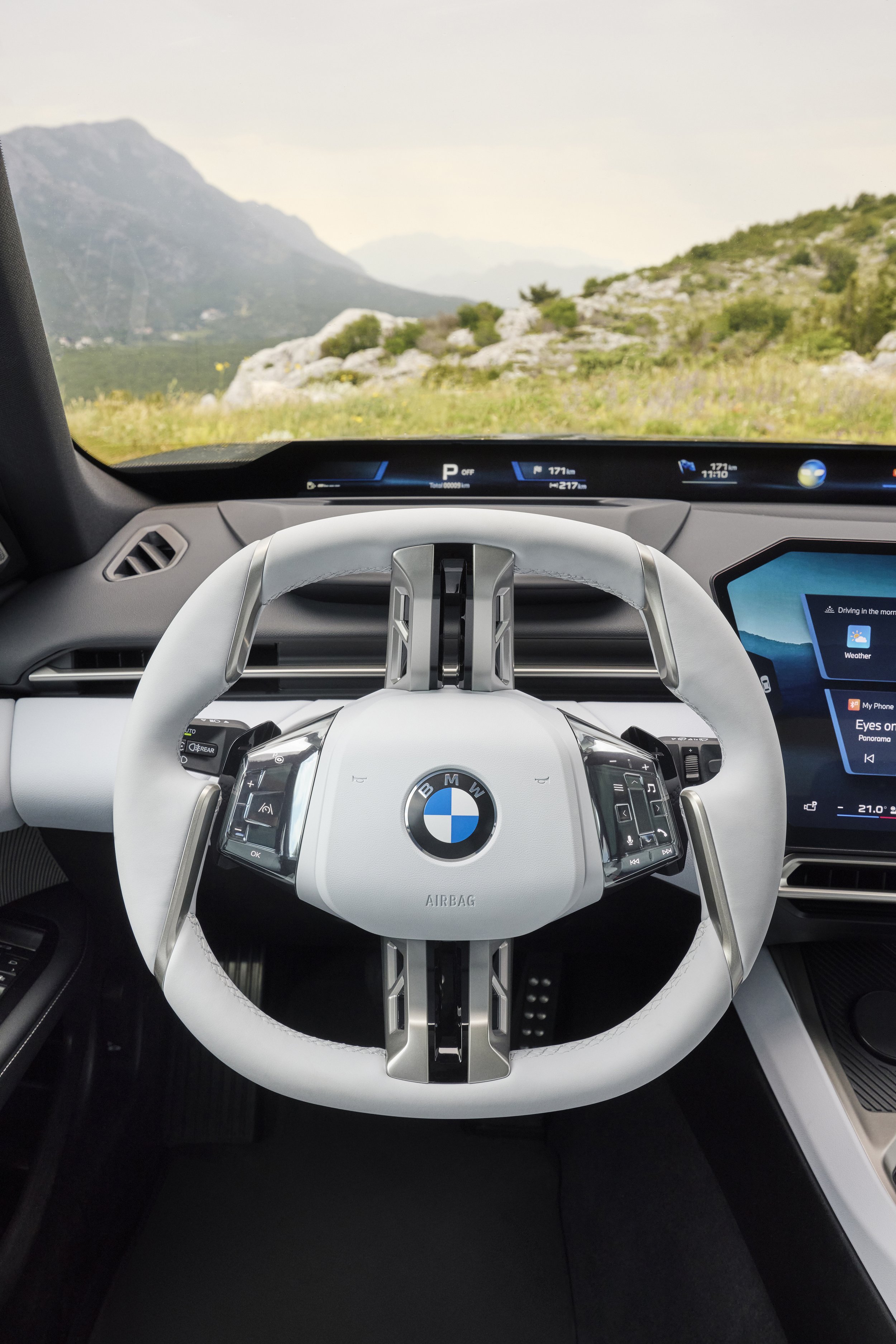
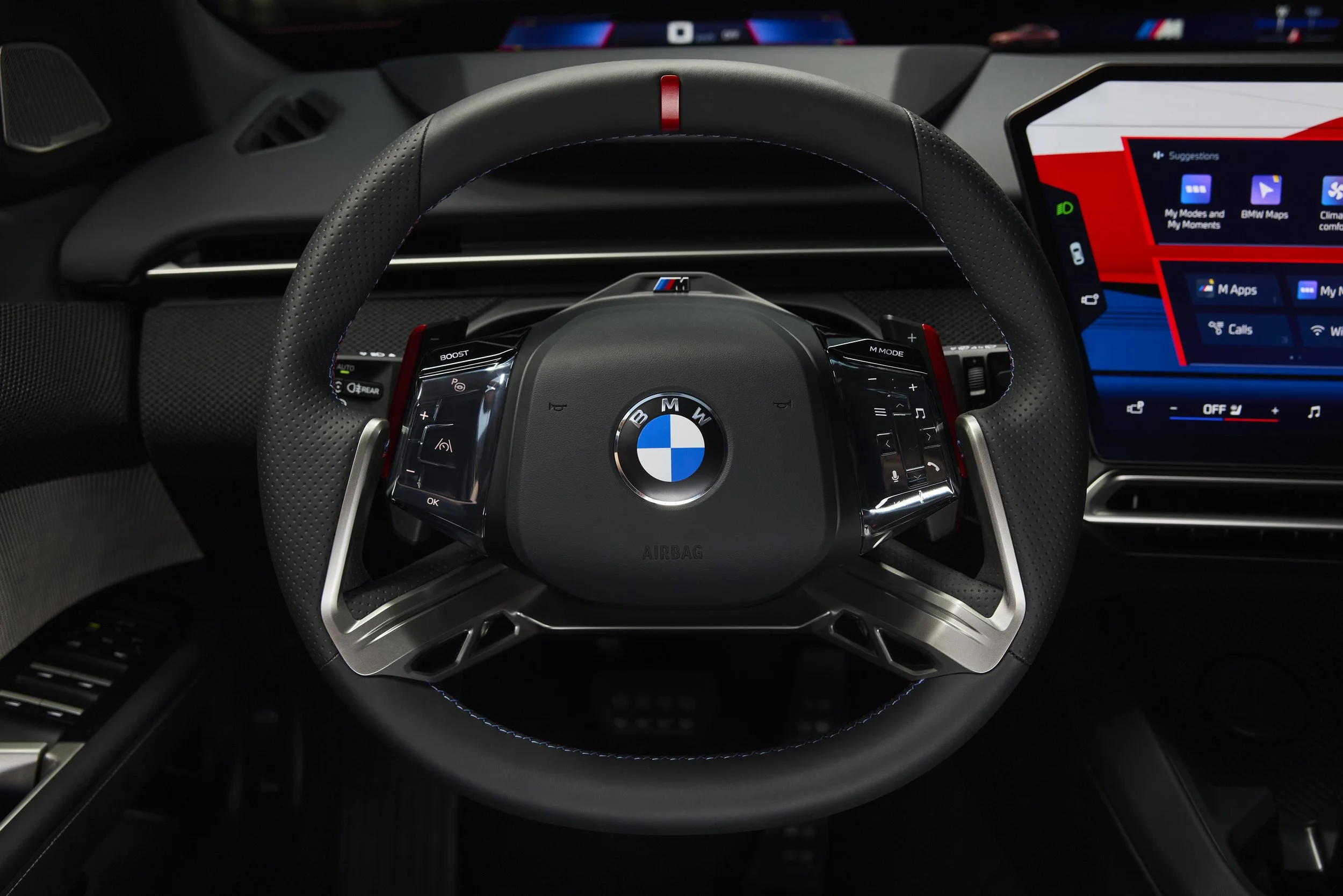
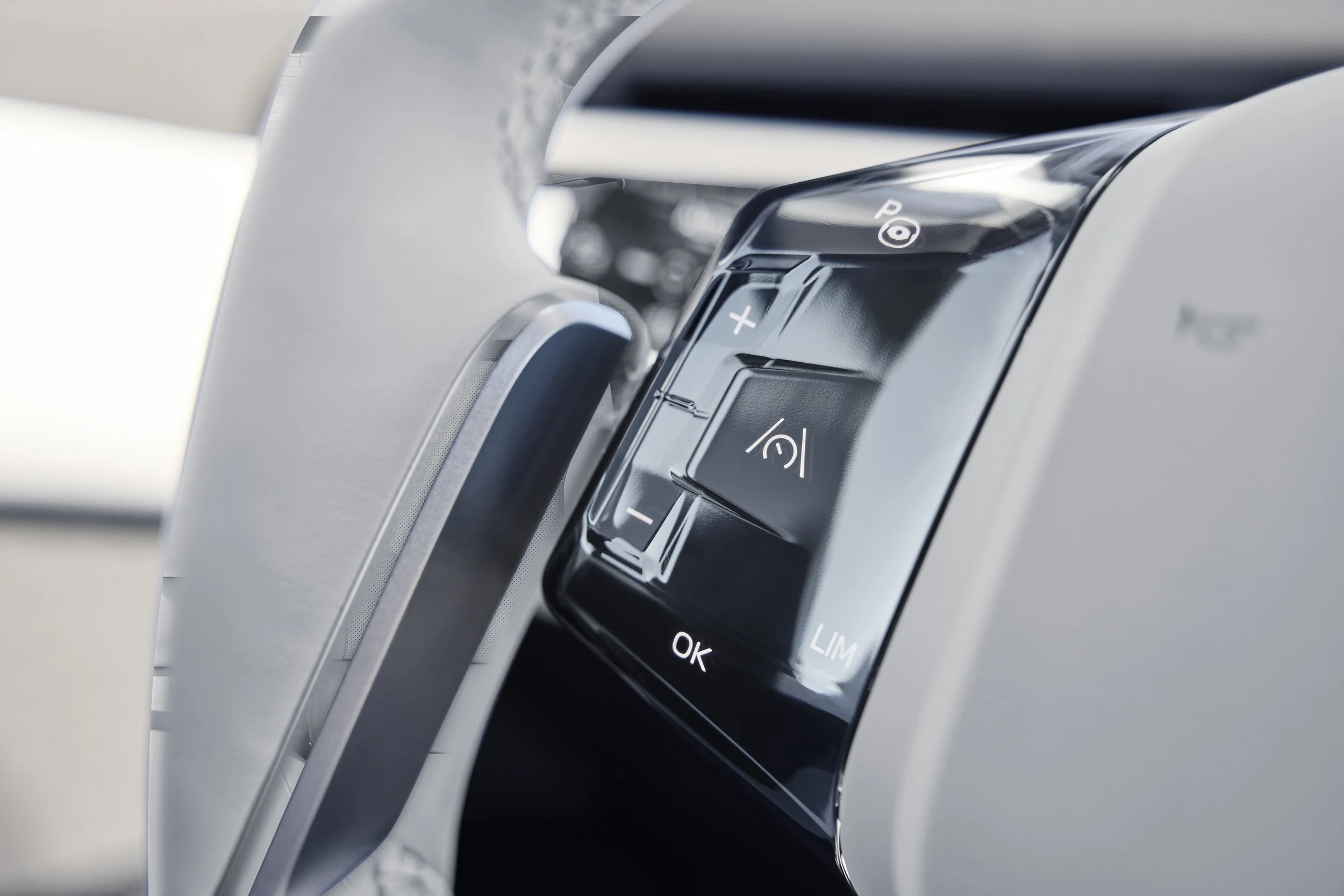
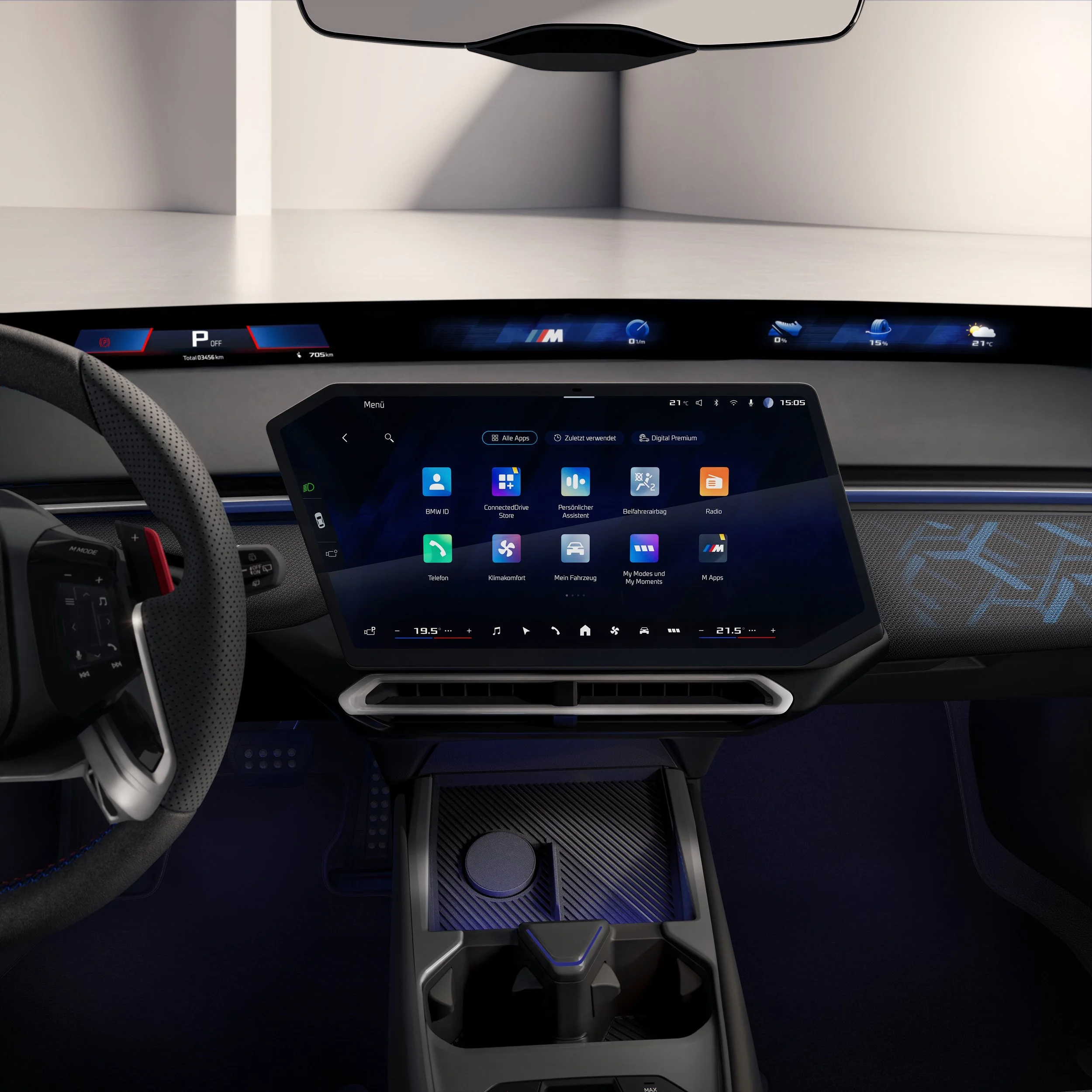
The new BMW 3 Series features BMW's latest operating concept, BMW Panoramic iDrive, powered by BMW Operating System X. The system includes the BMW Panoramic Vision display, an optional BMW 3D Head-Up Display, a 17.9-inch Central Display and a redesigned multifunction steering wheel. These components work seamlessly together to help drivers keep their hands on the wheel and their eyes on the road. The self-learning BMW Intelligent Personal Assistant handles voice control, and Amazon's Alexa+ AI technology helps it communicate naturally.
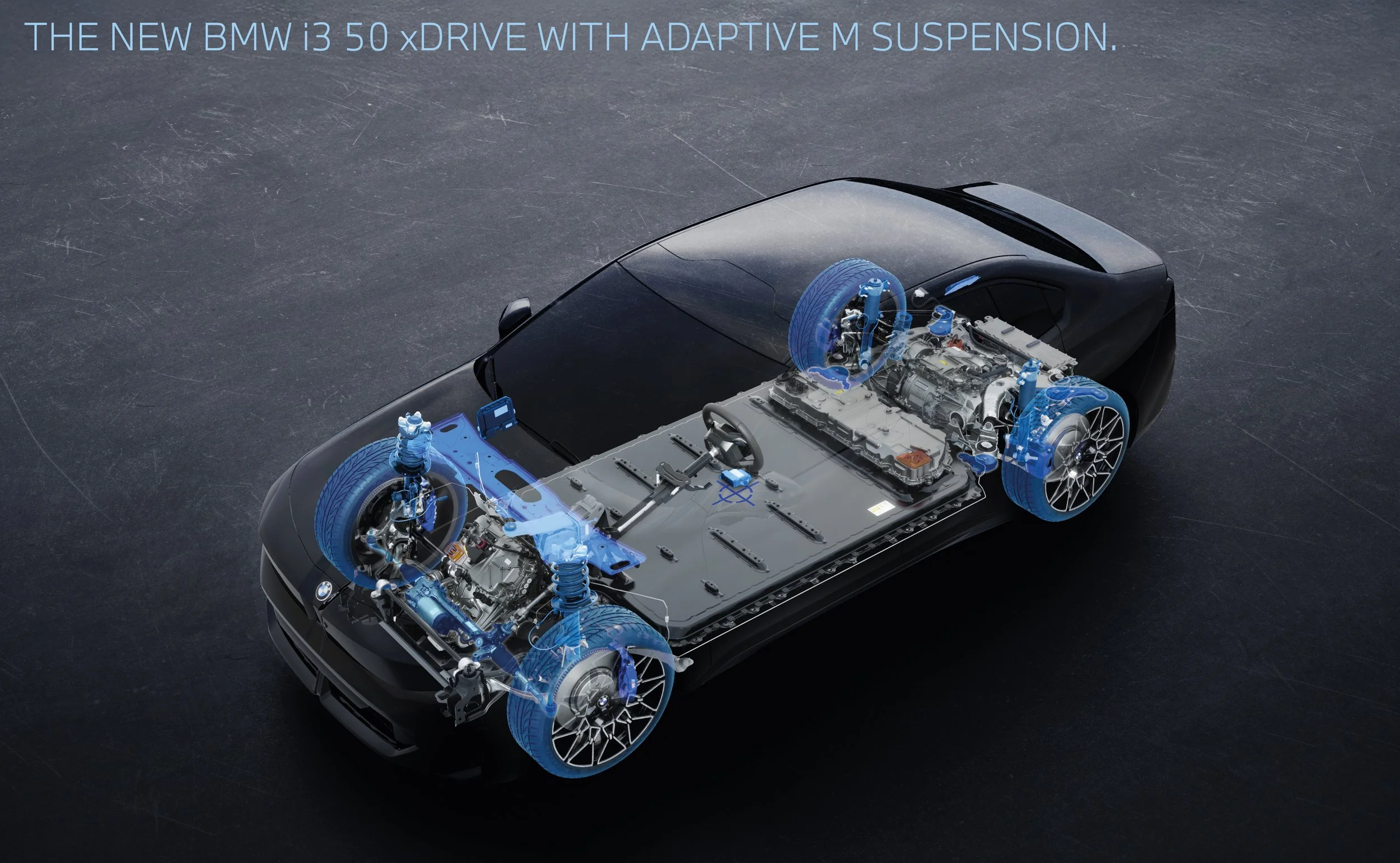
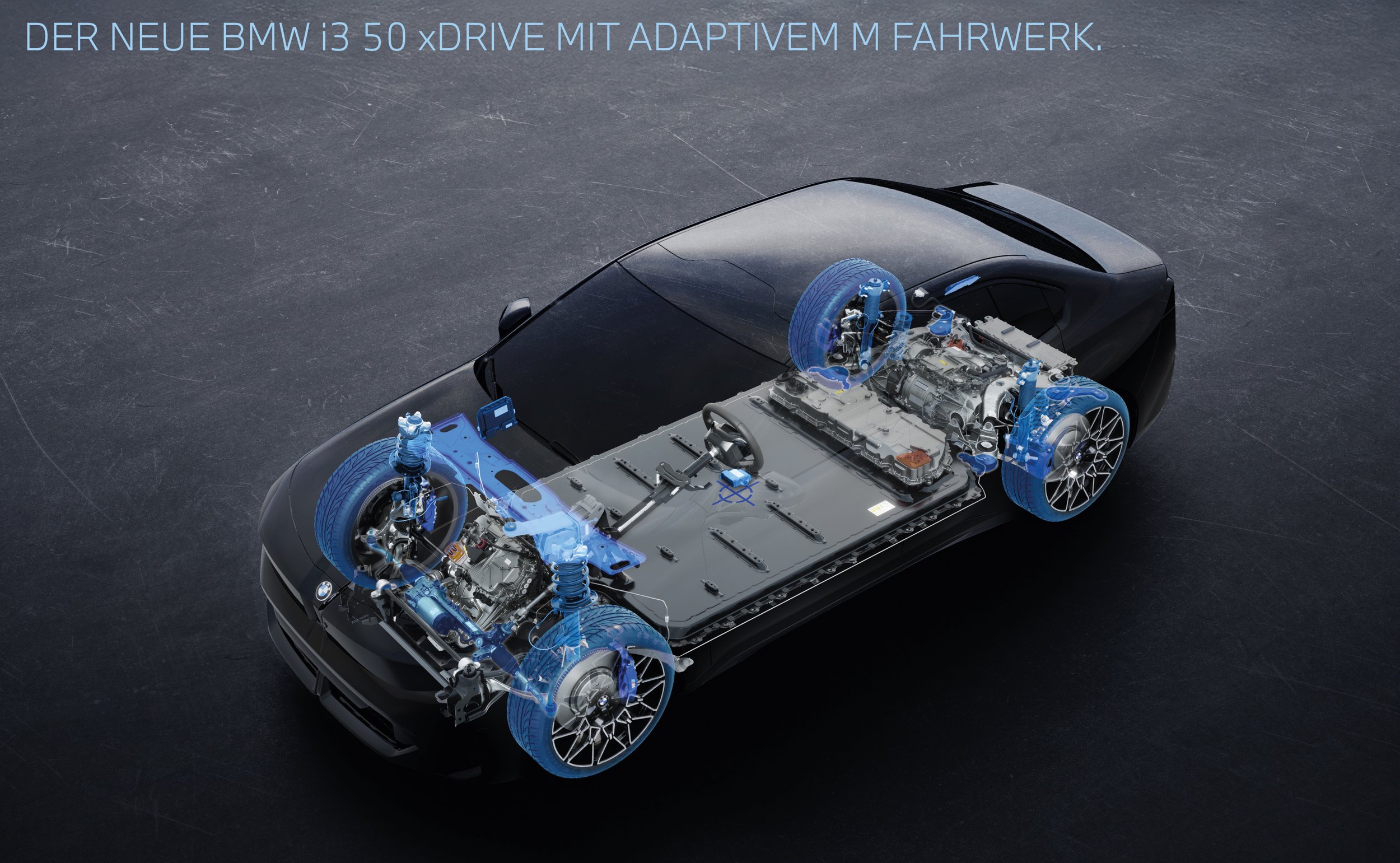
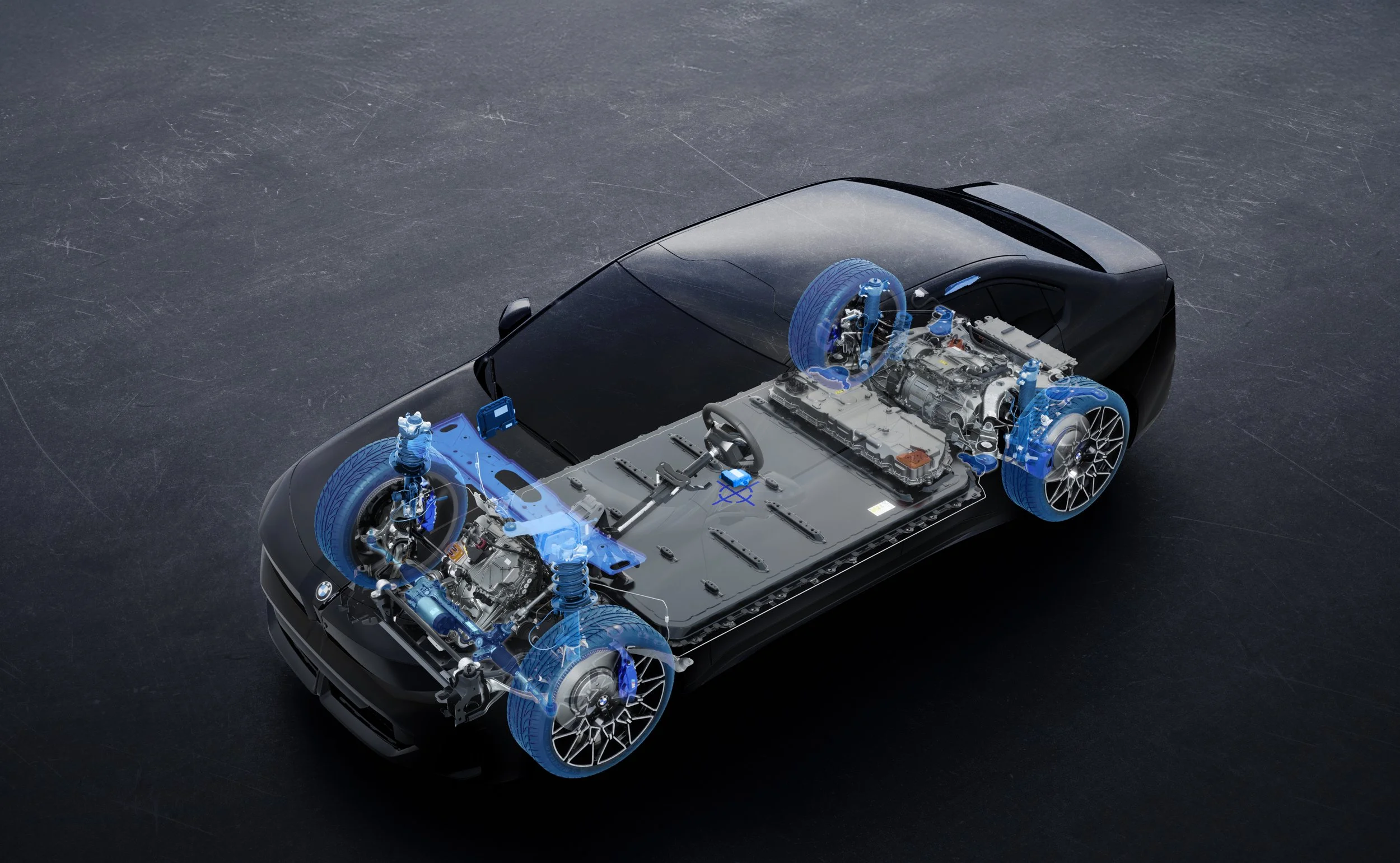
The fully electric BMW i3 combines class-leading range with fast charging. It uses sixth-generation (Gen6) BMW eDrive technology, which brings together energy-dense high-voltage batteries with cylindrical cells, highly efficient electric motors, 800-volt technology and bidirectional charging.
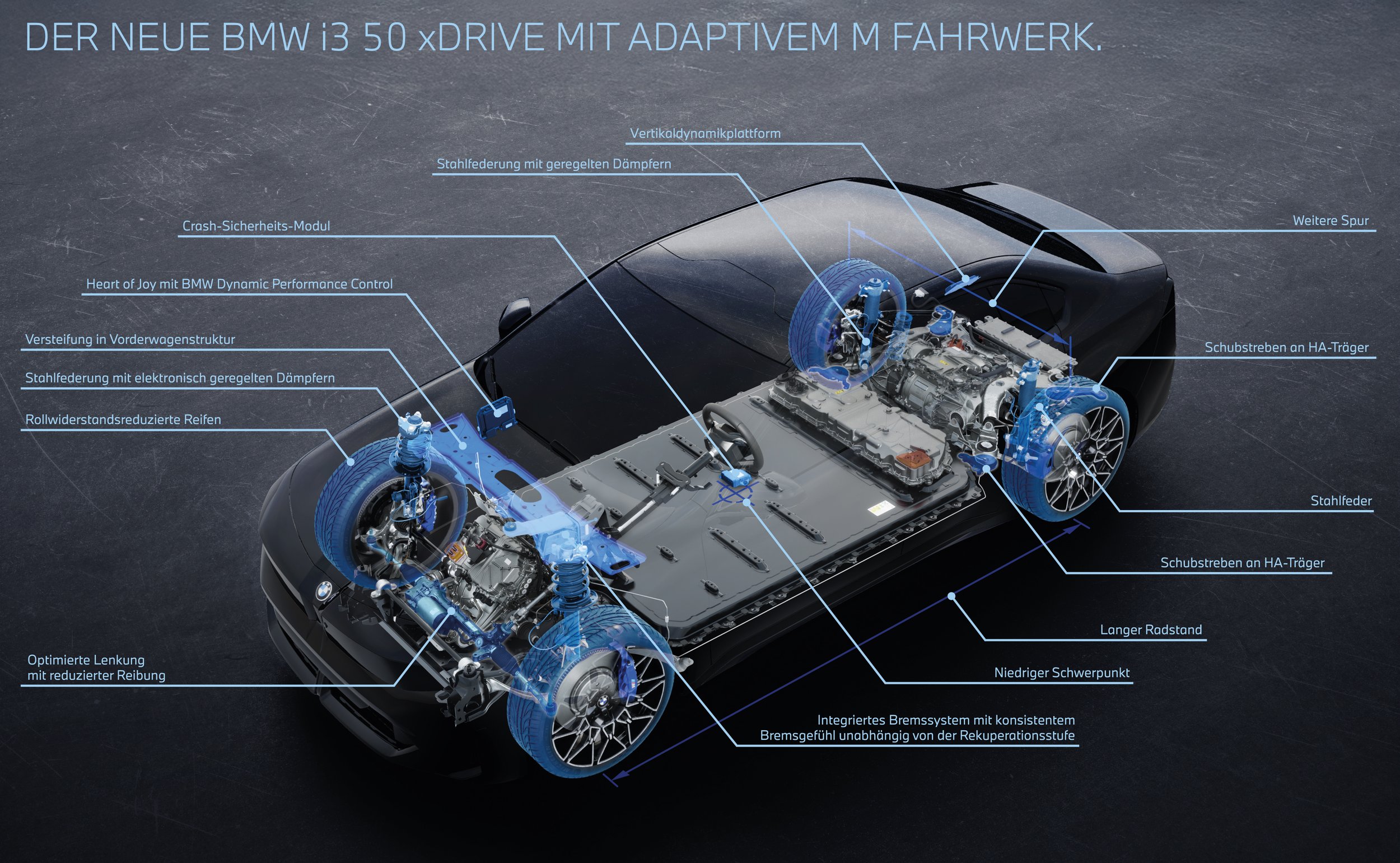
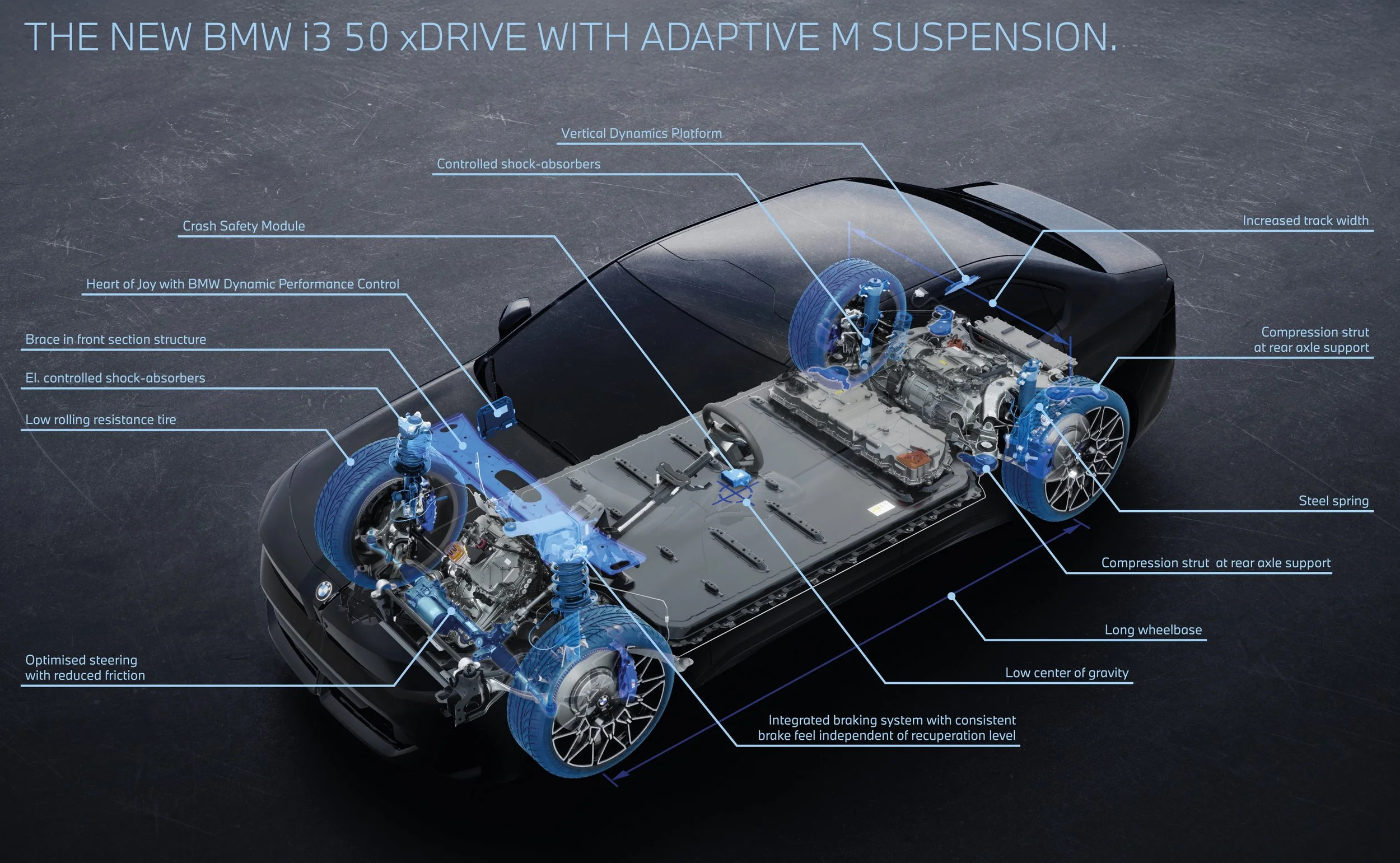
A 'cell-to-pack' design integrates the battery cells directly into the high-voltage battery. A 'pack-to-open-body' construction then lets the battery act as a structural component, significantly reducing weight and increasing the body's torsional rigidity for sharper driving dynamics.
The BMW i3 50 xDrive produces 469 hp and 645 Nm of torque and accelerates from 0 to 62 mph in 4.7 seconds. Its 108.7 kWh high-voltage battery provides up to 566 miles (WLTP) of range. At a suitable 800-volt DC rapid charger, it can charge at up to 400 kW and add up to 263 miles of range in ten minutes.
The BMW i3 40 xDrive develops 374 hp and 520 Nm of torque and completes the 0 to 62 mph sprint in 5.4 seconds. Its 82.8 kWh battery delivers up to 441 miles (WLTP) of range, and a maximum DC charging rate of 300 kW can add up to 209 miles in ten minutes. Both models come with 11 kW AC charging as standard, and 22 kW is optional.
An electrically excited synchronous motor on the rear axle provides the main source of drive when the car needs all-wheel drive; a compact asynchronous motor at the front steps in to help.
The Heart of Joy brings a new kind of electric driving experience. The BMW i3 uses four high-performance computers to manage driving dynamics, automated driving and parking, infotainment and comfort functions.
The Heart of Joy controls the electric drive system, braking, energy recuperation and steering sub-functions. Working with the BMW Dynamic Performance Control software stack, it processes driving-related information up to ten times faster than previous systems.
This integrated approach gives precise control over acceleration, deceleration and steering. The Soft Stop function uses this capability to bring the car to a smooth, quiet standstill. The forthcoming BMW i3 M60 xDrive will add steering-wheel shift paddles, allowing drivers to adjust how the M eDrive system responds to suit the driving situation.
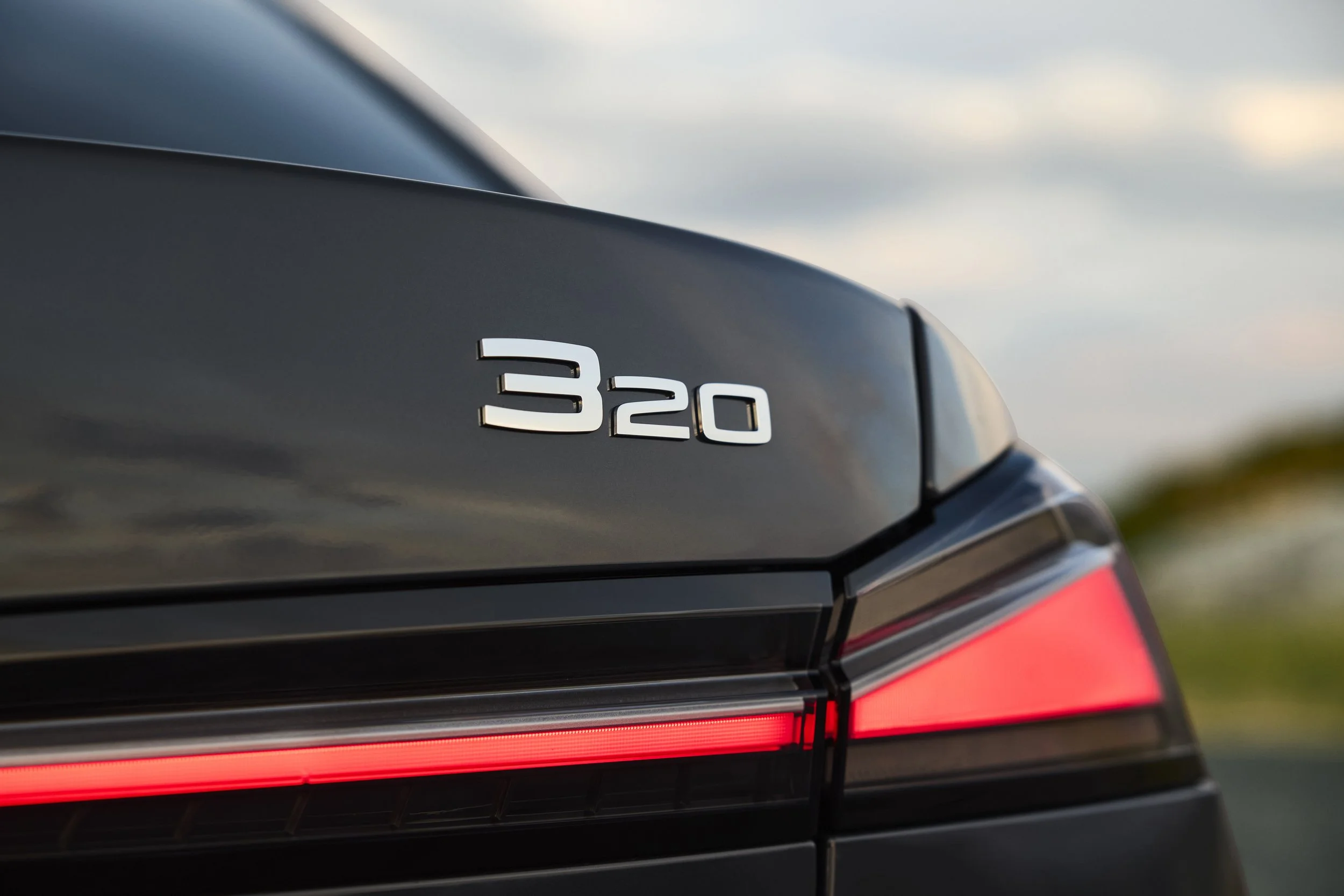
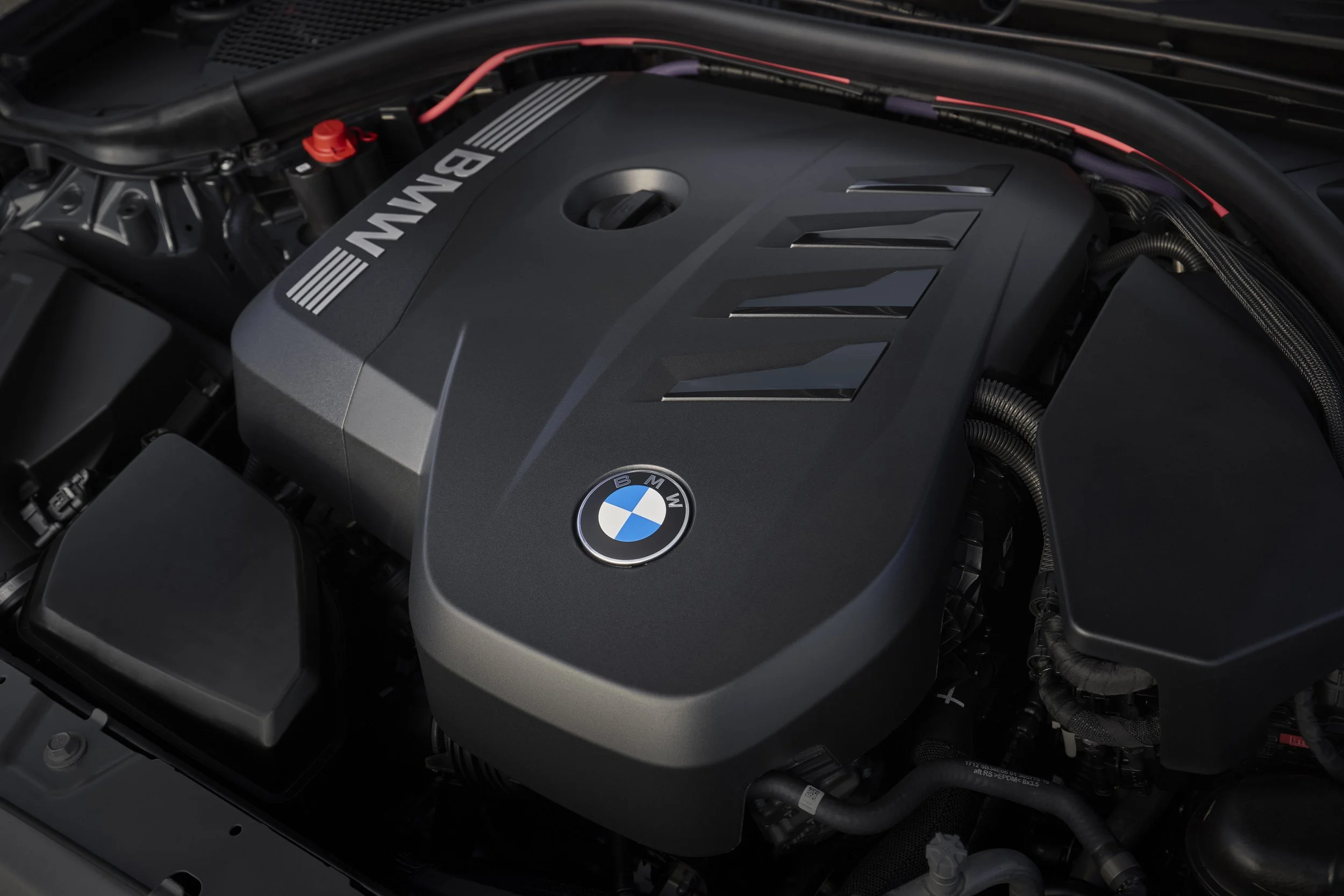
The petrol-powered BMW 3 Series range will launch in the UK with two models, both using the latest BMW TwinPower Turbo technology and 48-volt mild hybrid assistance. The rear-wheel-drive BMW 320 pairs a 2.0-litre four-cylinder engine with an eight-speed Steptronic transmission to produce 211 hp and 330 Nm of torque. It accelerates from 0 to 62 mph in 7.4 seconds and reaches a top speed of 149 mph.
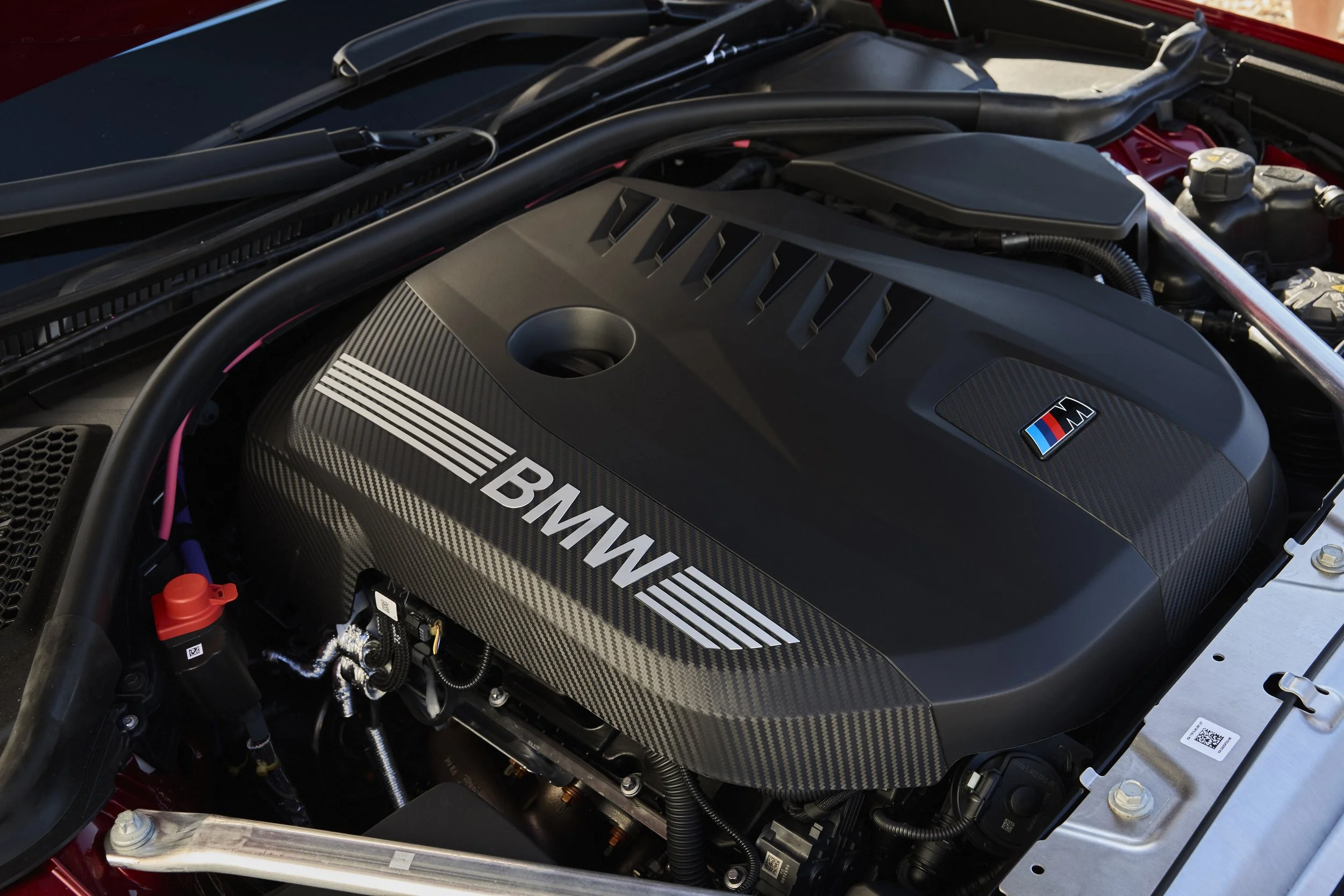
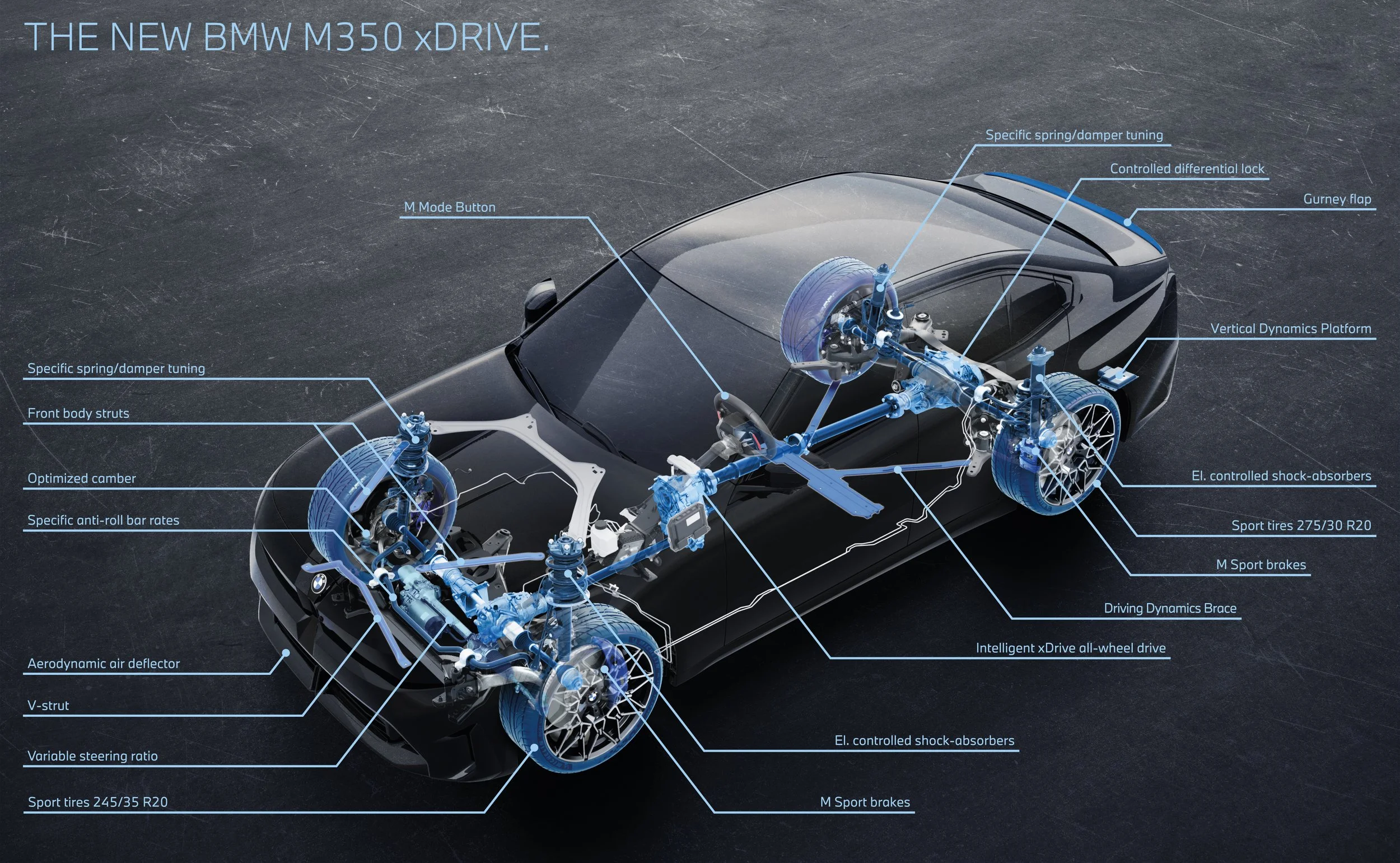
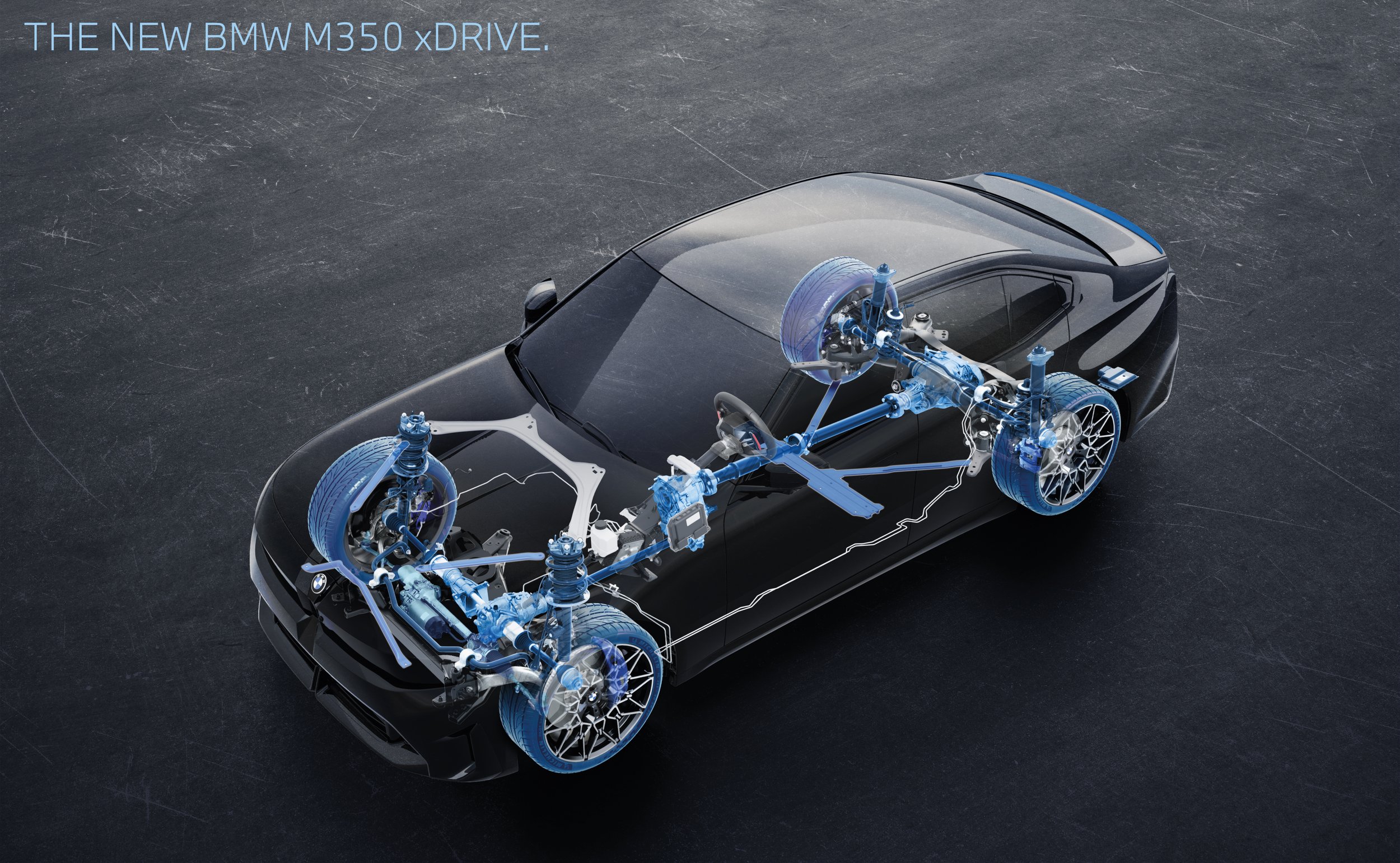
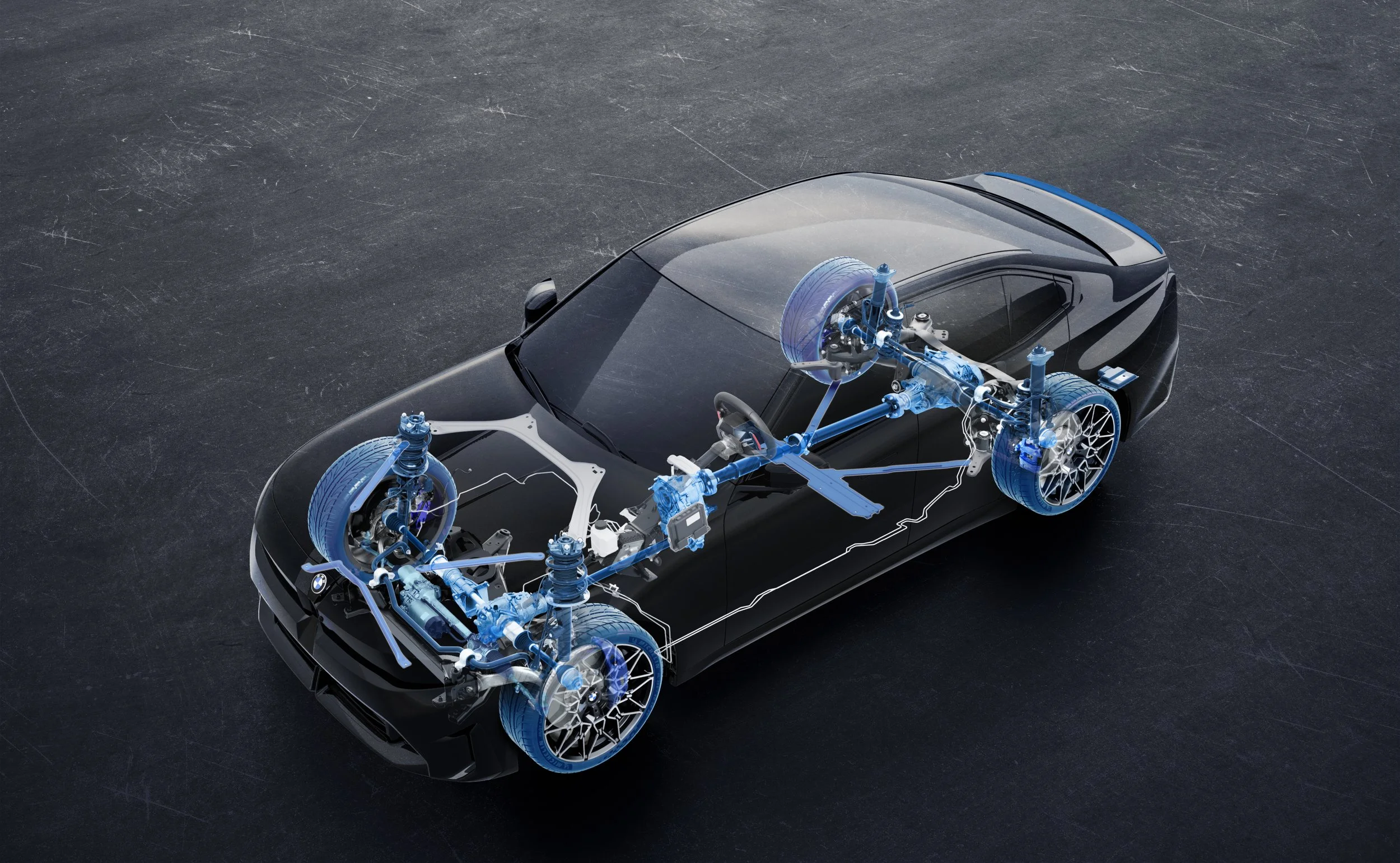
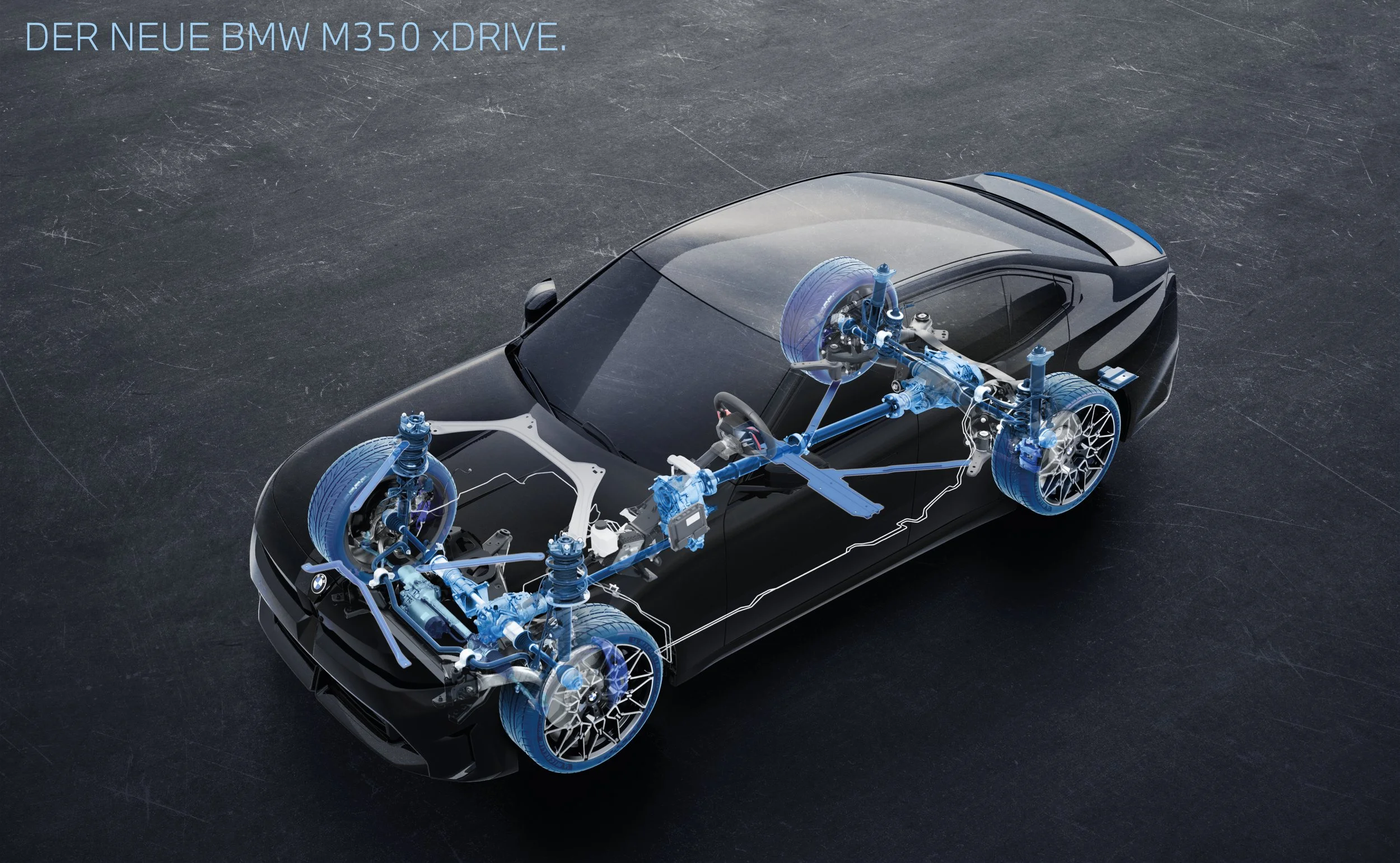
The flagship BMW M350 xDrive combines a 3.0-litre inline six-cylinder engine with a 48-volt mild hybrid system that features a crankshaft-driven starter-generator. Together, they produce 443 hp (69 hp more than its predecessor) and 580 Nm of torque, enabling a 0-62 mph time of 4.1 seconds and an electronically limited top speed of 155 mph.
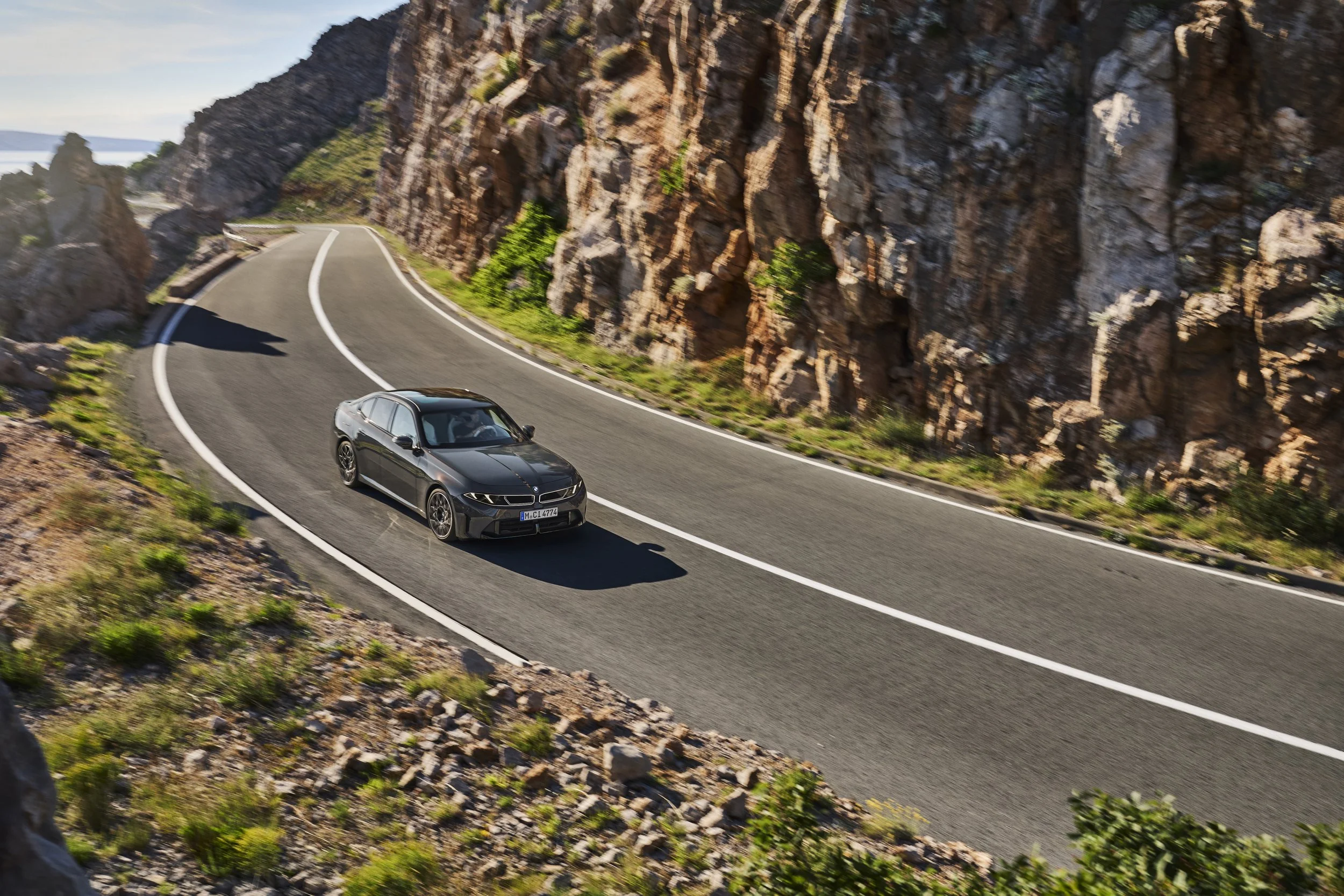
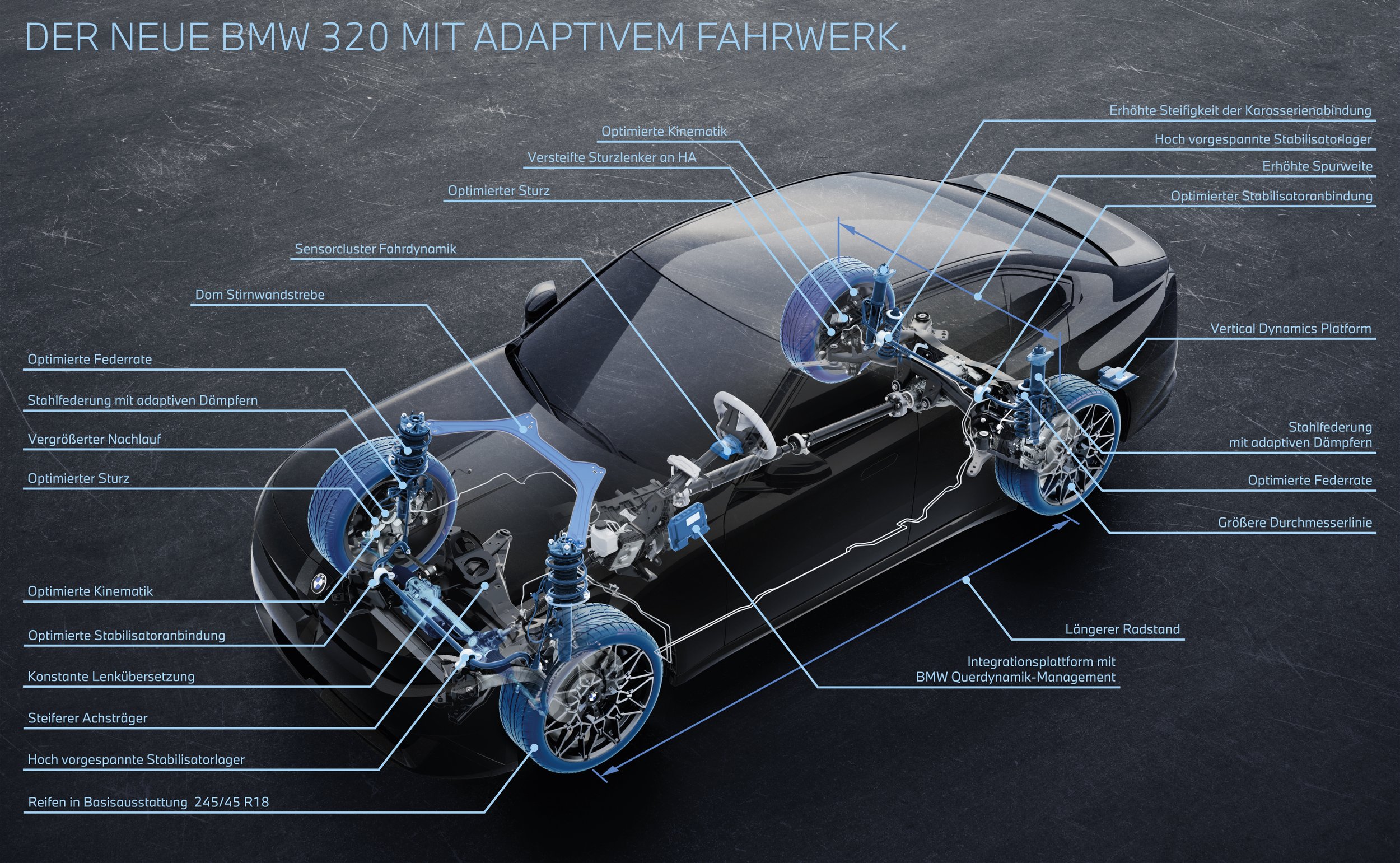
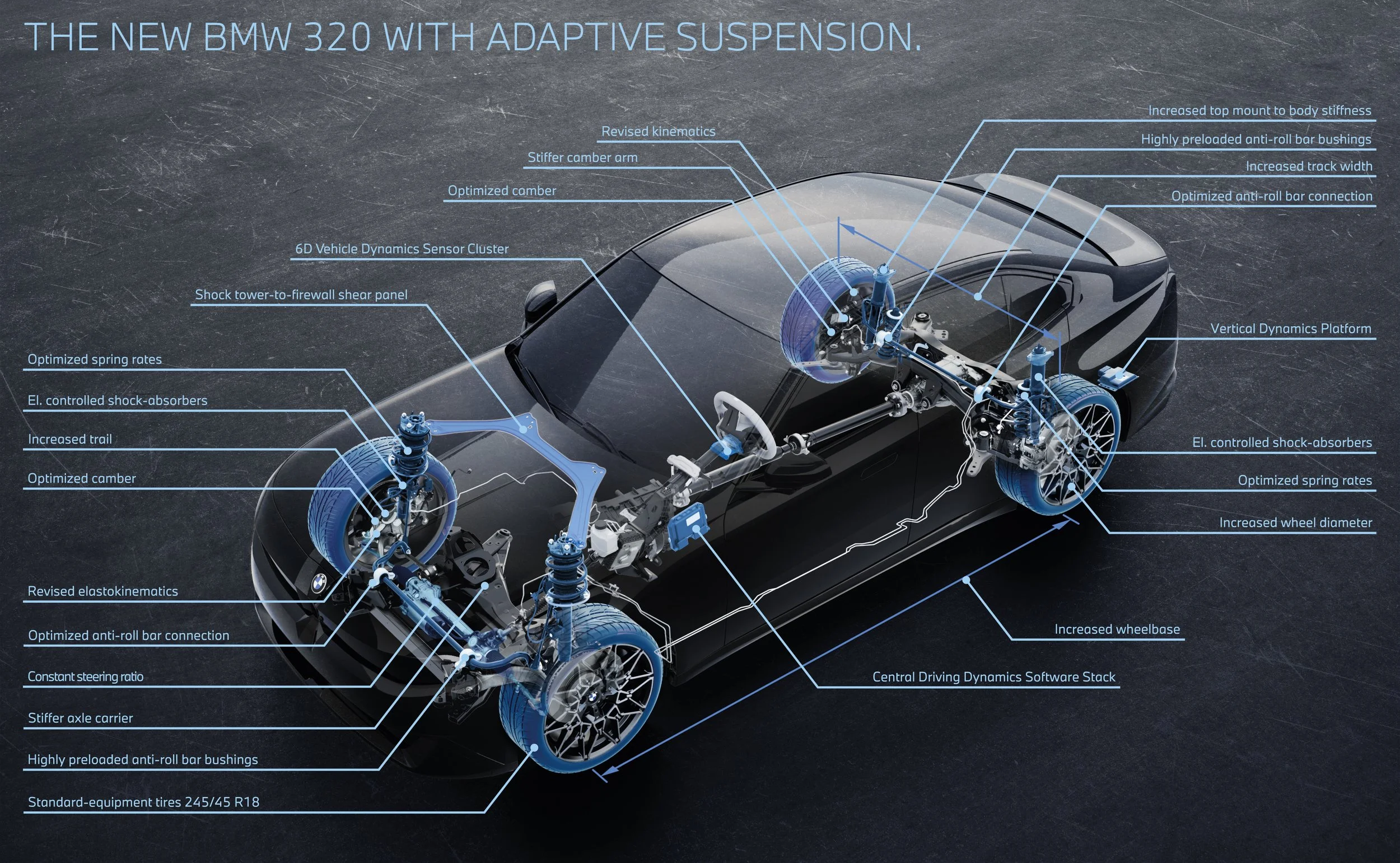
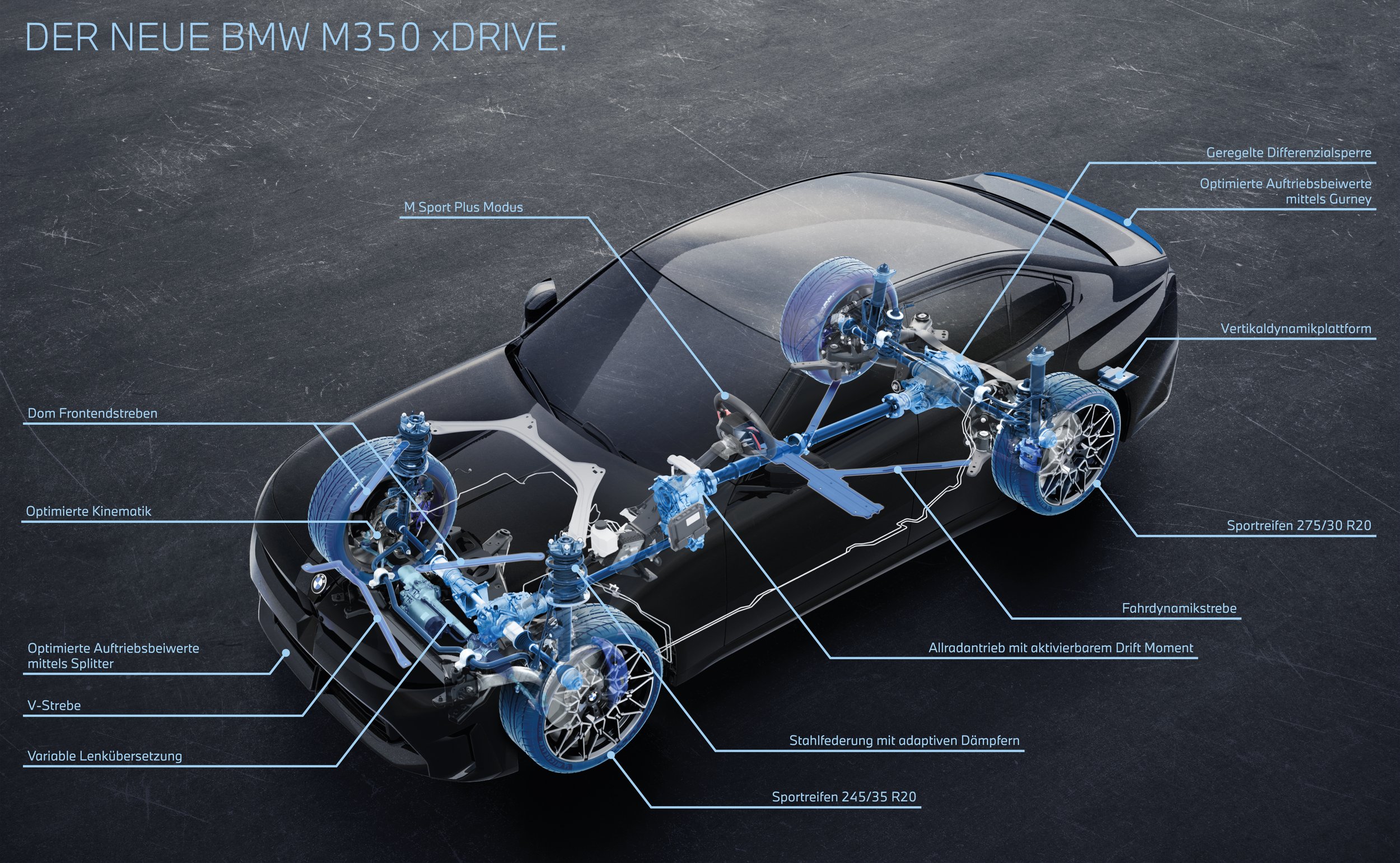
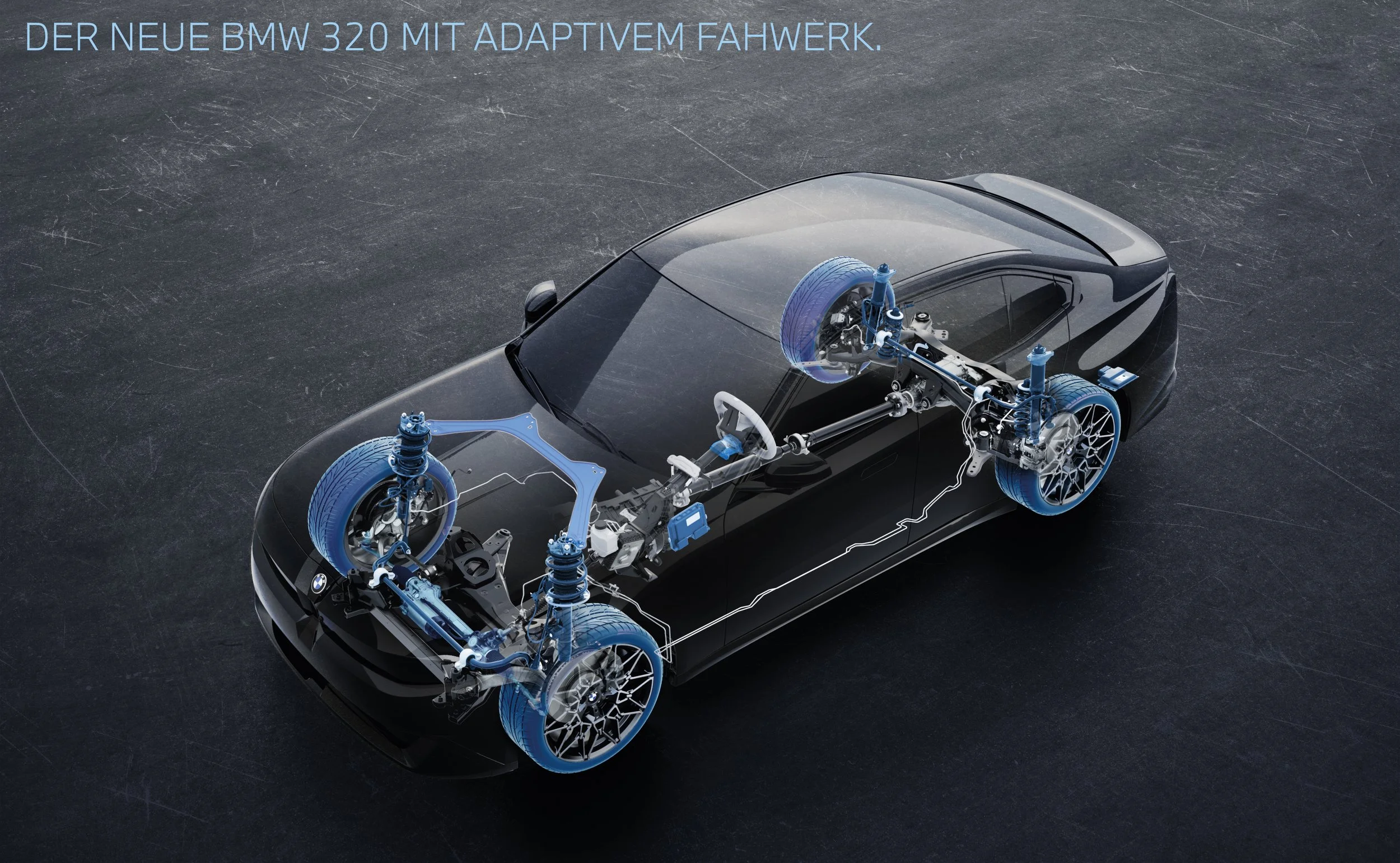
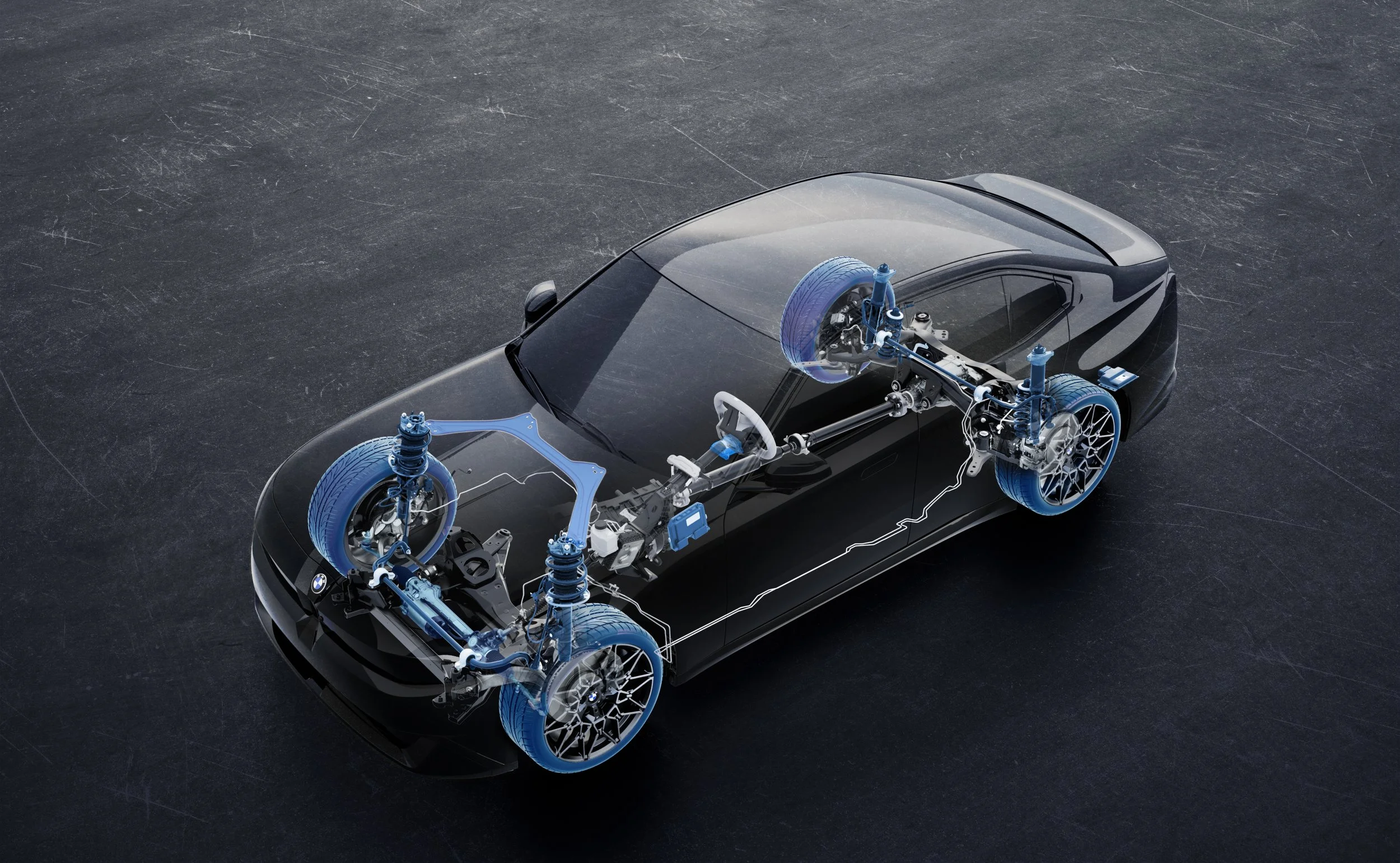
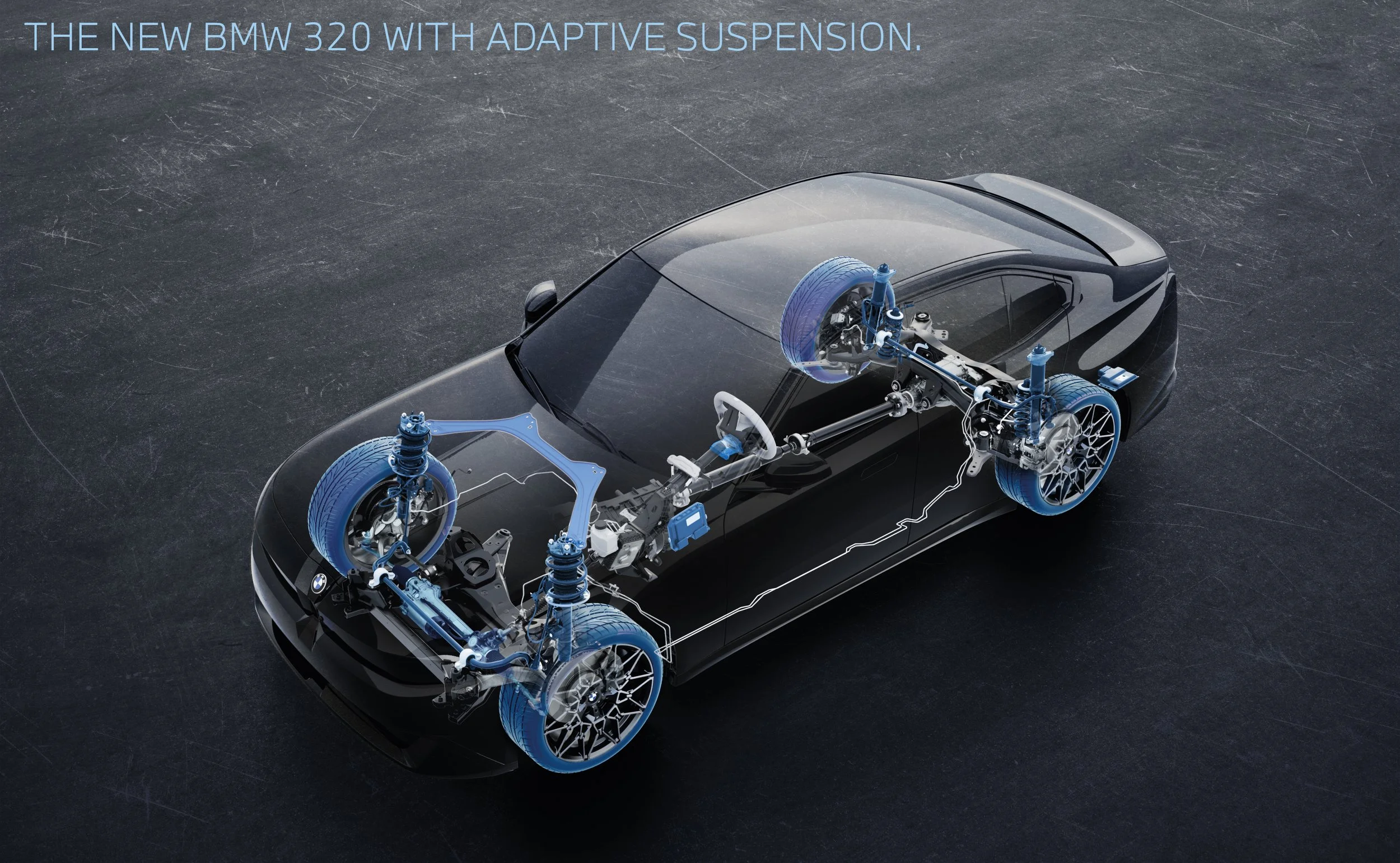
Revised front and rear axle settings sharpen handling and steering feel, while stiffer chassis and anti-roll bar mounts improve body control and stability. The petrol models also keep their near-perfect weight distribution, a longstanding ingredient of the 3 Series' dynamic character. Newly developed lift-related dampers come as standard, and adaptive suspension is optional.
The new Drift Moment feature adds another dimension to the BMW M350 xDrive's dynamic character. Drivers activate it through the Central Display, and it sends power only to the rear wheels, allowing controlled oversteer through corners. Until now, only high-performance BMW M models offered this experience. Drift Mode will arrive during 2027, and owners of cars already delivered can activate it via a Software Update.
Alongside the standard specification, UK customers can choose M Sport and M Sport Pro trim levels, opening up a broad range of personalisation options.
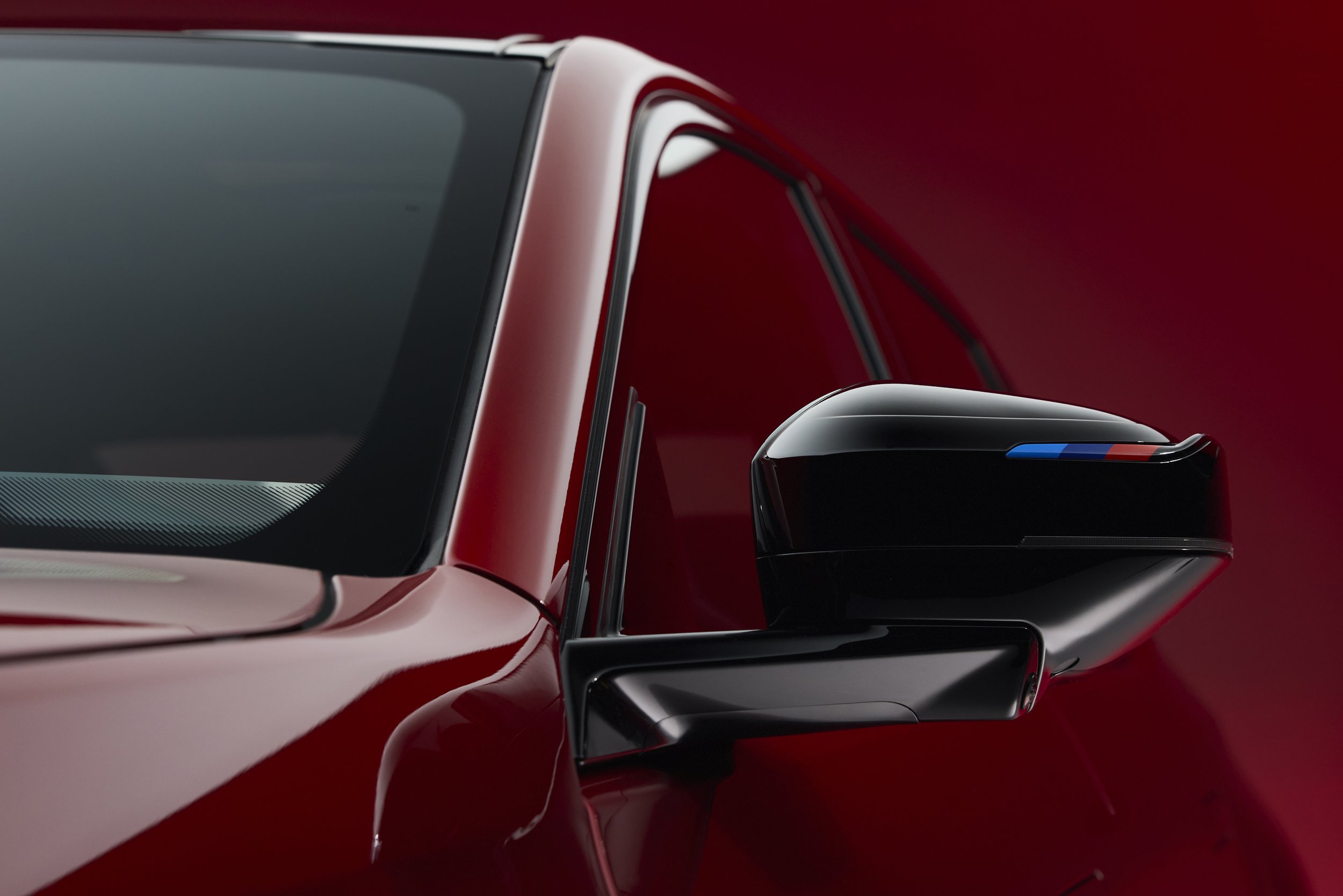
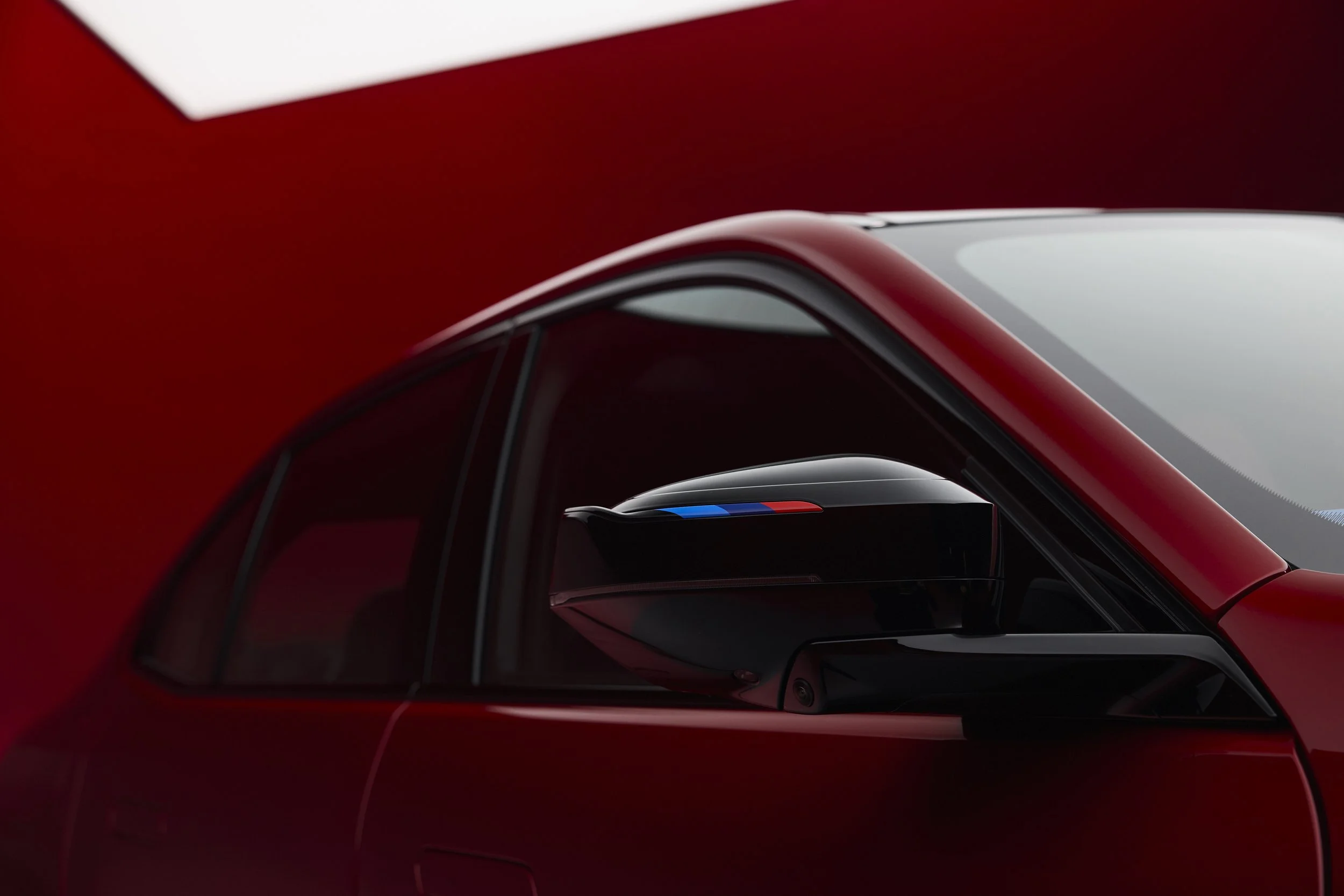
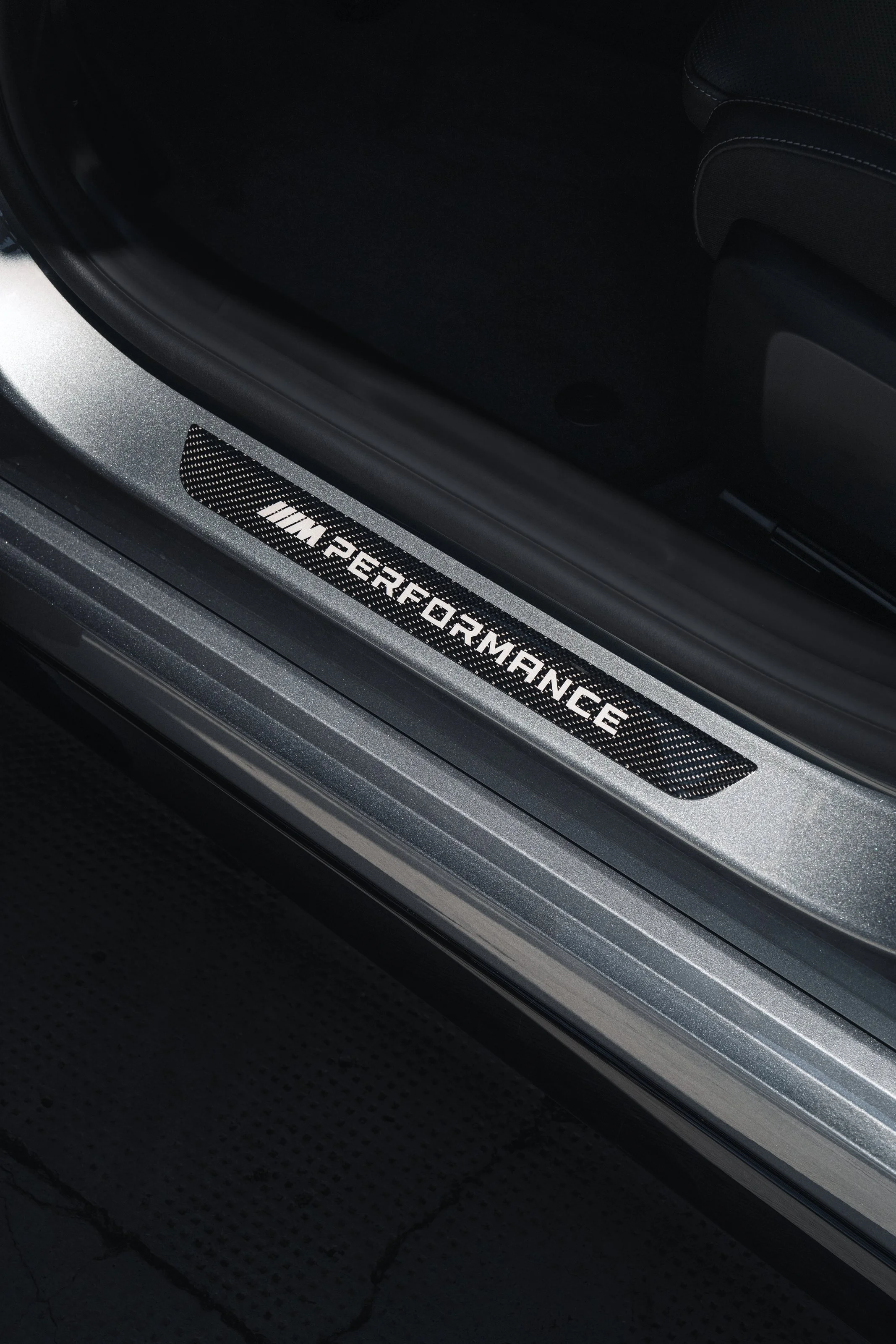
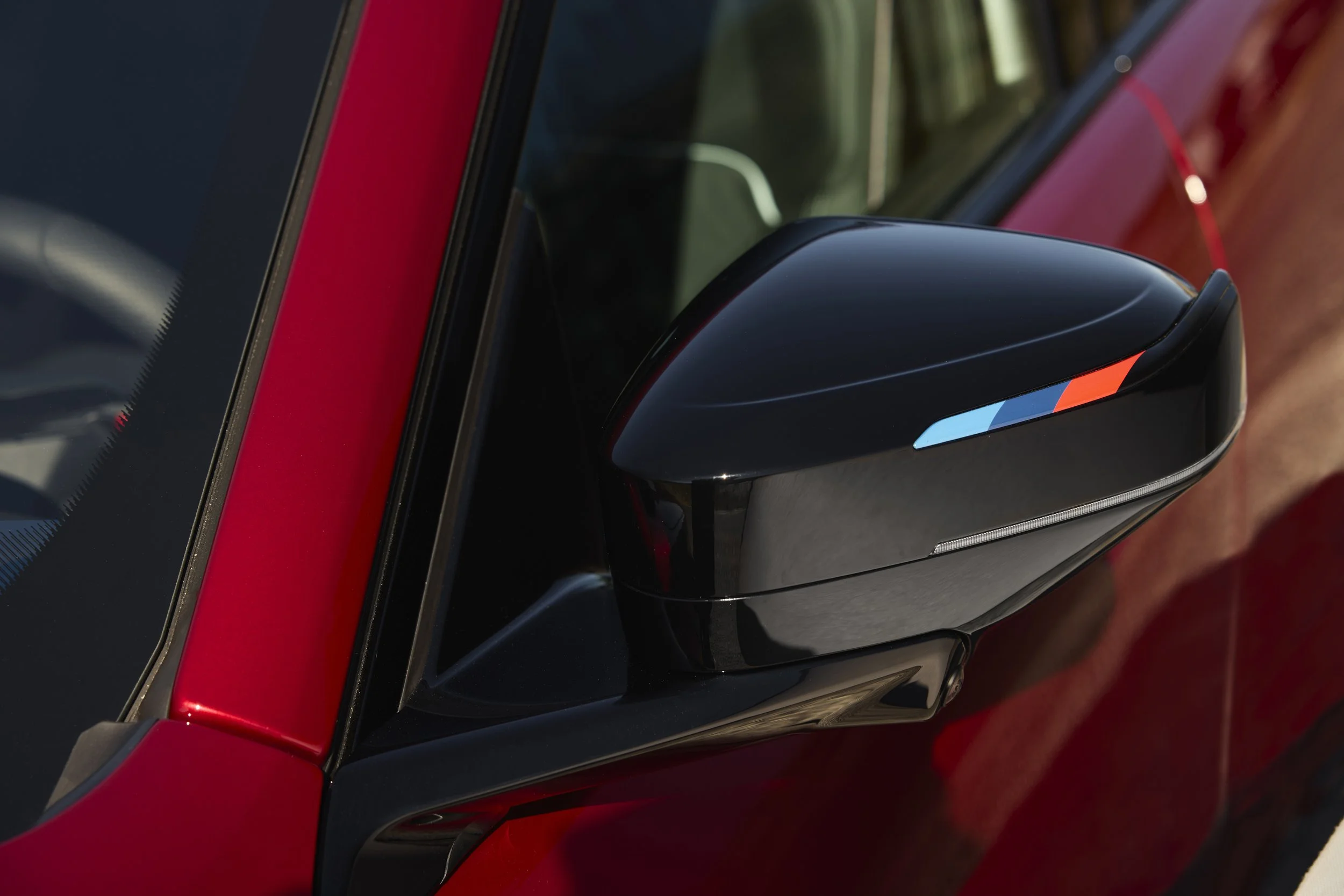
The BMW i3 comes as standard with 19-inch alloy wheels, Driving Assistant Plus with automatic cruise control, heated and electrically adjustable front seats, Comfort Access, BMW Digital Premium, a rear-view camera, Econeer upholstery, wireless smartphone charging and under-bonnet storage. M Sport models build on this with 19-inch M light-alloy wheels, M Sport brakes with blue callipers, M exterior styling, a sport steering wheel, interior ambient lighting, M interior details and Veganza/M PerformTex upholstery. M Sport Pro adds electrically adjustable M Sport seats, red M Sport brakes, an M-specific steering wheel, M seat belts, black exterior mirror caps, BMW Iconic Glow and sun protection glass.
The BMW 320's standard equipment includes 18-inch alloy wheels, a panoramic glass sunroof, heated and electrically adjustable front seats, Driving Assistant Plus, Comfort Access, BMW Digital Premium, a rear-view camera and Econeer upholstery. M Sport models add blue M Sport brakes, M exterior styling, a sports steering wheel, ambient lighting, M interior trim and Veganza/M PerformTex upholstery. M Sport Pro models also gain BMW Iconic Glow, sun protection glass, electrically adjustable M Sport seats, red M Sport brakes, an M steering wheel, M seat belts, black exterior mirror caps and Adaptive LED headlights.
On top of the M Sport Pro features, BMW M350 xDrive customers receive a Harman Kardon surround sound system, adaptive M suspension and three-zone automatic climate control.
BMW Symbiotic Drive brings the latest driver assistance technology to the range. Driving Assistant Plus comes standard across the 3 Series line-up, controlling speed and distance to the vehicle ahead and providing lane-keeping assistance. With BMW Symbiotic Drive, drivers can accelerate, steer or brake without switching off the assistance system straight away. The active safety functions only intervene when the system detects an unintended manoeuvre or a risk of collision. The optional Motorway Assistant supports hands-free SAE Level 2 driving on compatible motorways at speeds of up to the national speed limit. However, the driver must pay attention at all times.
BMW Group Plant Munich built the first BMW 3 Series in 1975. The plant now produces the first fully electric BMW 3 Series, and production of the new BMW i3 began there in August 2026. From November 2026, BMW Group Plant Dingolfing will build the BMW 320 and BMW M350 xDrive, returning the 3 Series to the plant that first produced it in 1980.
BMW Group Plant Steyr in Austria manufactures both the electric motors for the BMW i3 and the highly efficient petrol engines for the combustion-powered range. The newly opened BMW Group Plant Irlbach-Straßkirchen in Bavaria will supply the Gen6 high-voltage batteries.
UK deliveries of the BMW i3 will begin in autumn 2026, with the BMW i3 40 xDrive priced from £47,925 OTR. The petrol models will arrive in January 2027, with the BMW 320 priced from £44,975 OTR.