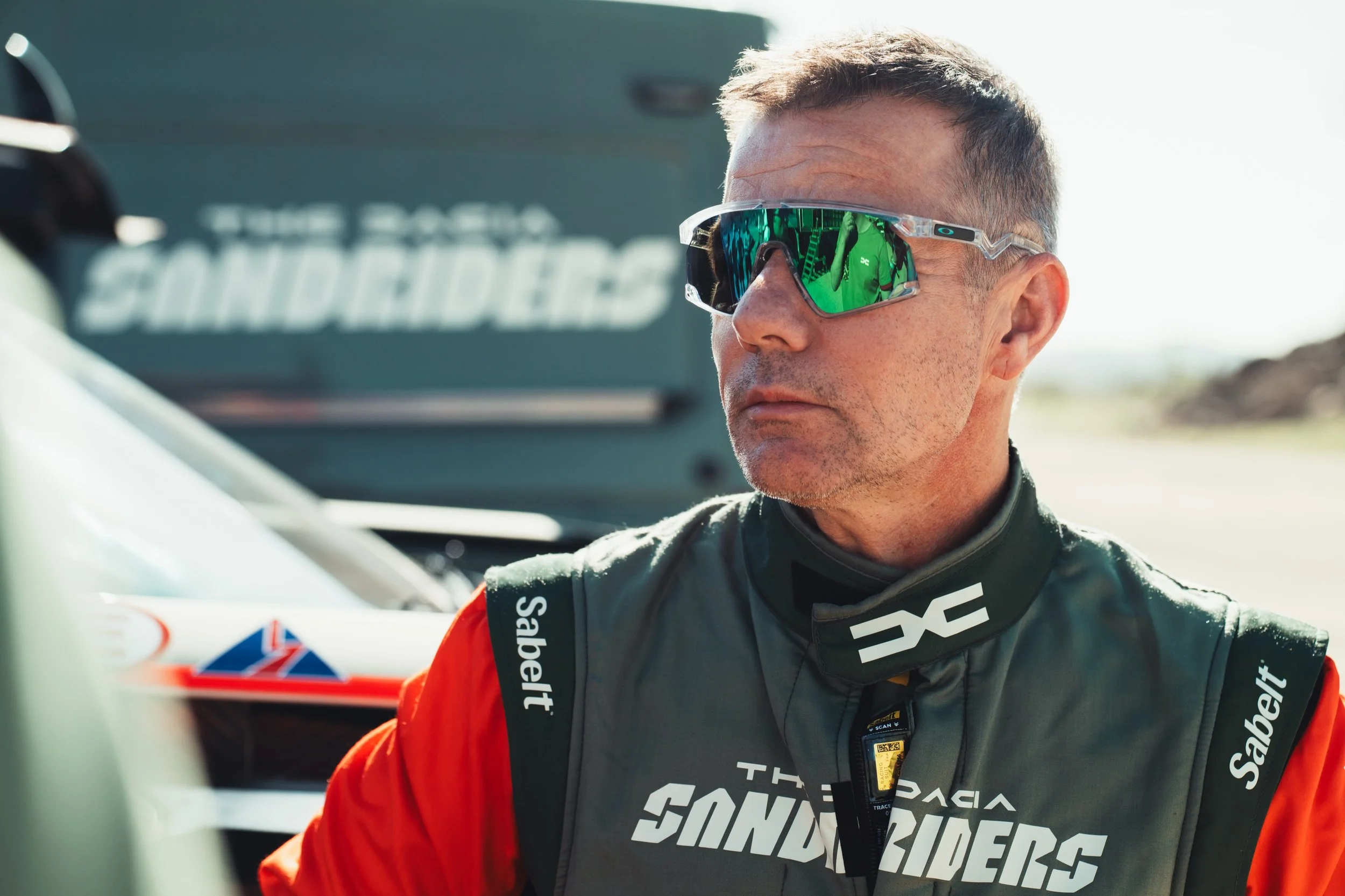
Dacia Sandriders Target Dakar Rally 2026 Glory in Saudi Arabia
The Dacia Sandriders will return for the Dakar Rally for the second time when the team starts its Dacia Sandriders Dakar Rally 2026 campaign in Saudi Arabia from 3 to 17 January 2026.
Dacia built momentum last season and secured a stage win on its Dakar Rally debut. The team also claimed two victories in the World Rally-Raid Championship (W2RC). The Dakar Rally continues to push drivers, navigators, and vehicles to the limit as it tests reliability, endurance, and skill across some of the world’s most challenging terrain.
Dacia sees Dakar as the ideal stage to live its brand values and align with the event’s adventure-first philosophy. The team aims to compete with determination, passion, and a love of the outdoors, while it takes on a challenge that demands total commitment.
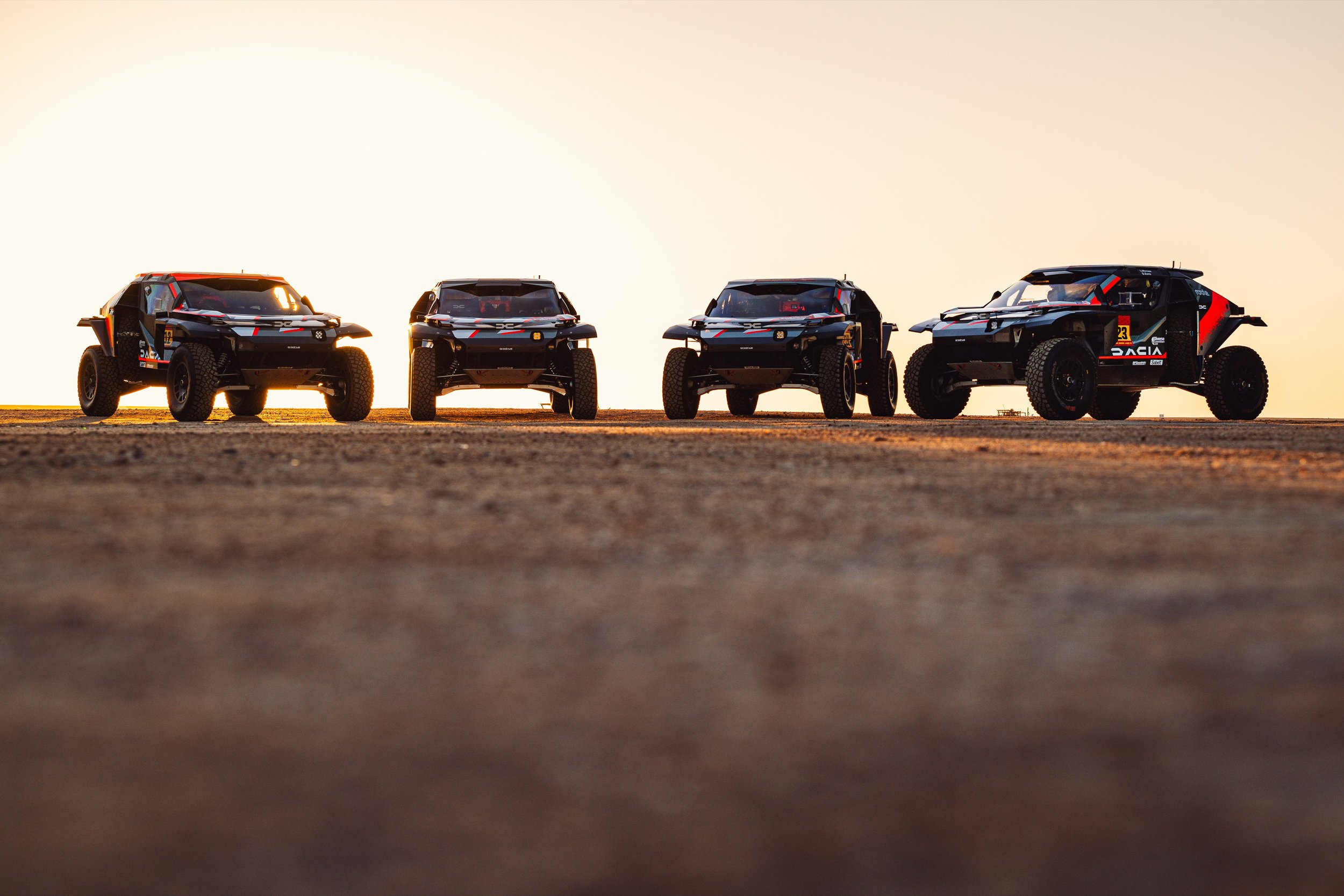
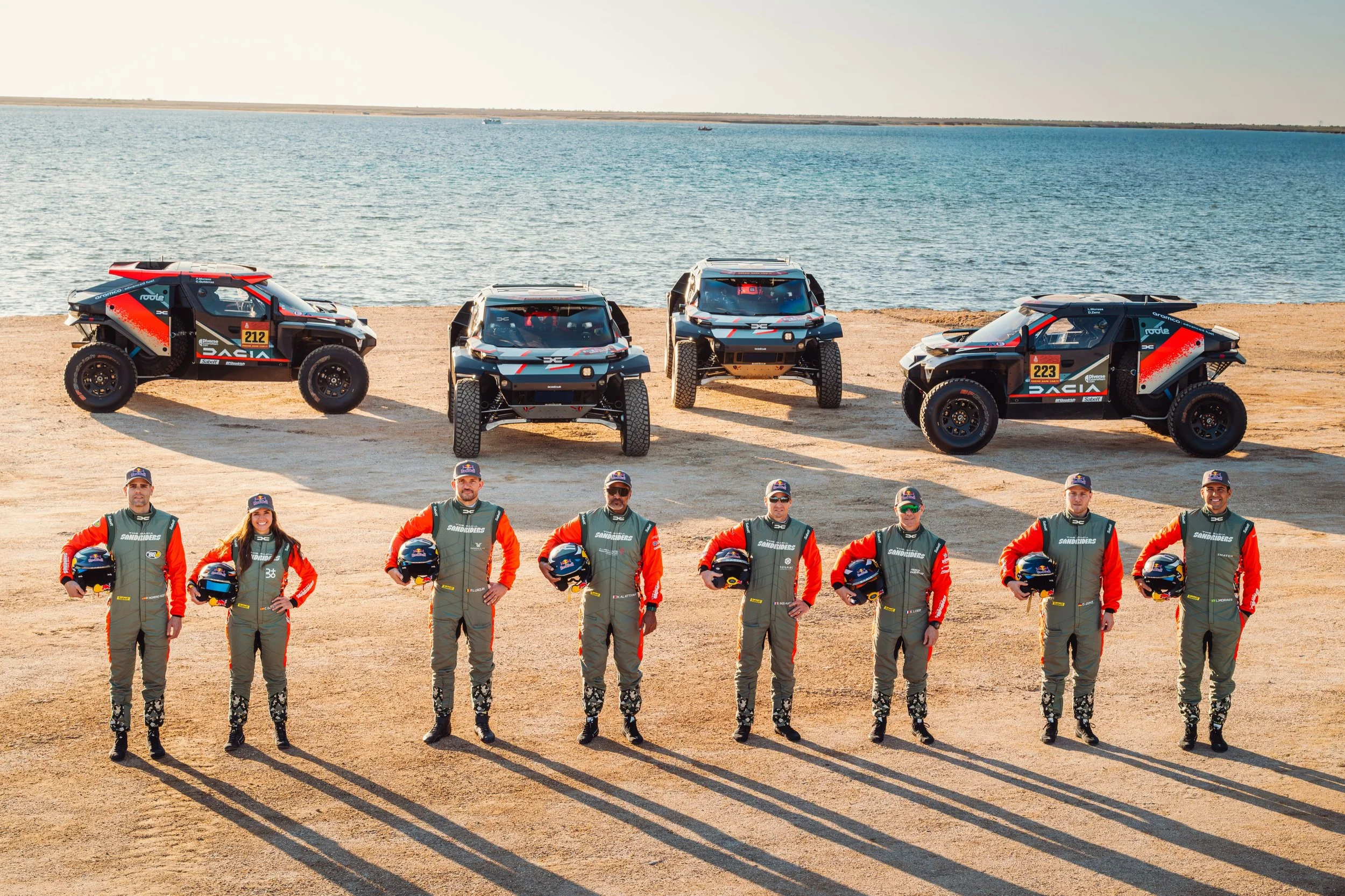
The Dacia Sandriders will return to Saudi Arabia with four crews as it targets more success on the opening round of the 2026 FIA World Rally-Raid Championship. Over two weeks, the team will race the clock across dunes, narrow rugged tracks, and rocky passes as it looks to launch its W2RC title challenge strongly.
The rally will cover 7,994 kilometres in total and start from the Red Sea port city of Yanbu before returning there at the finish. Four leading driver-navigator pairings will tackle the route.
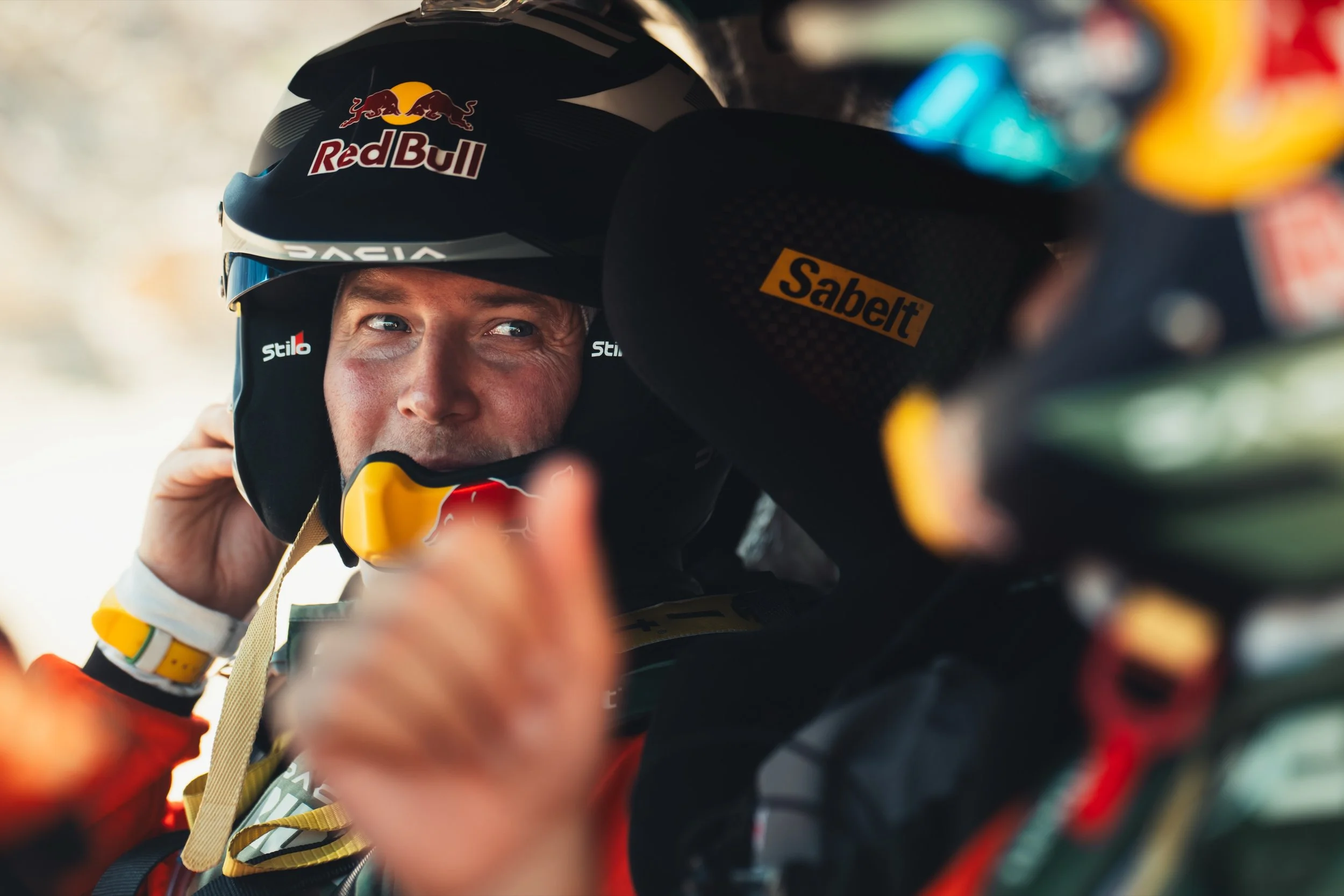
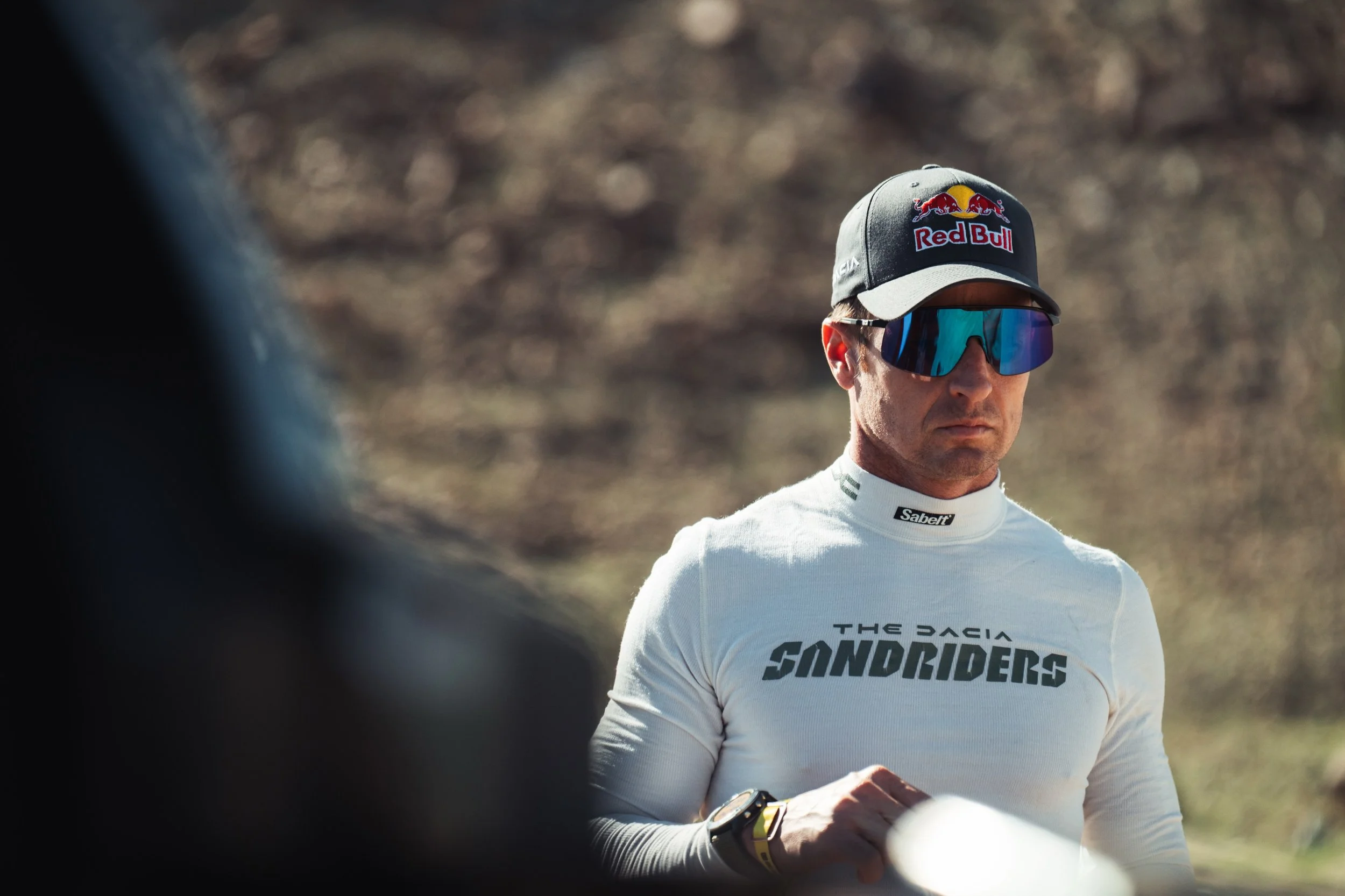
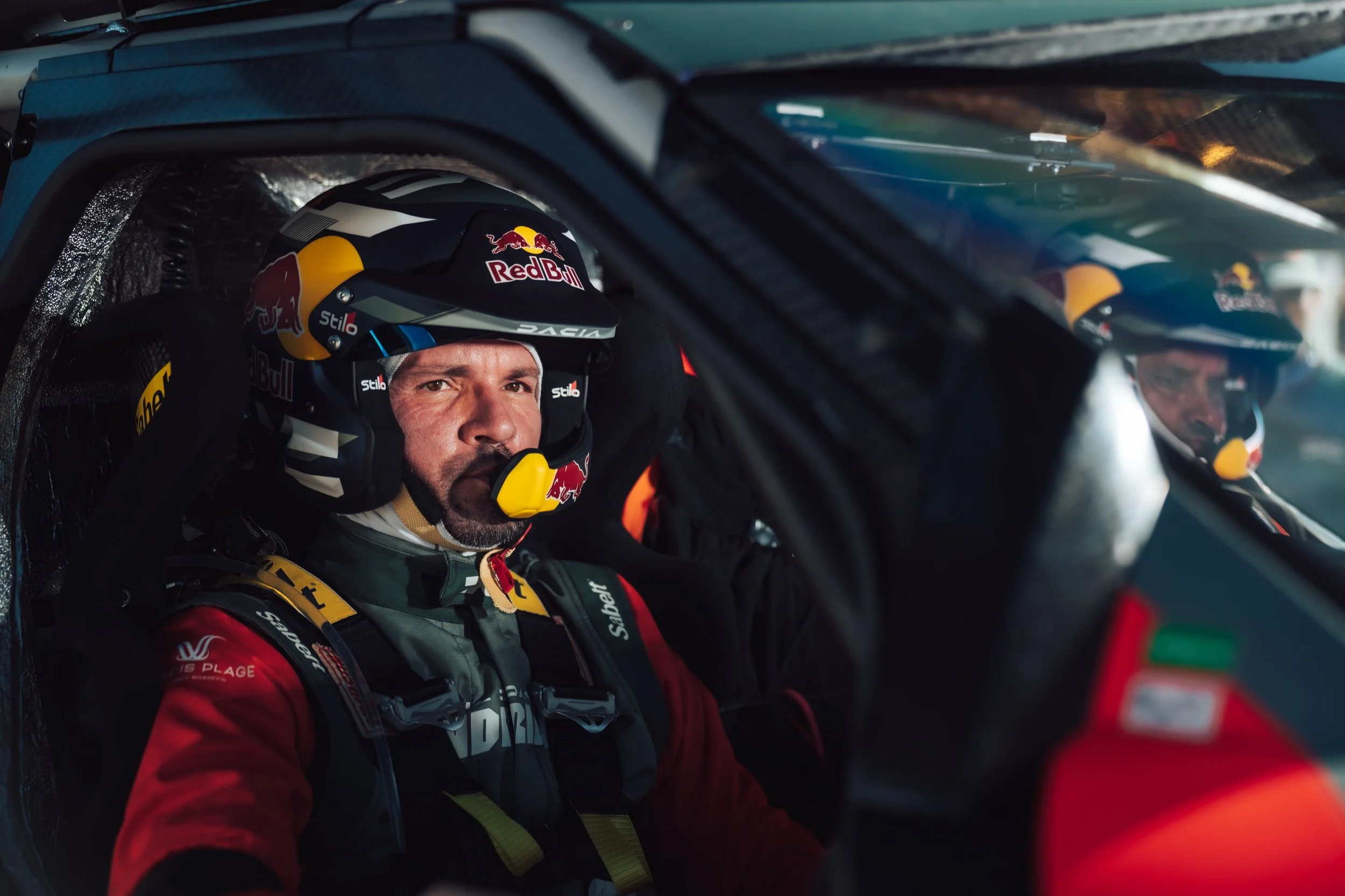
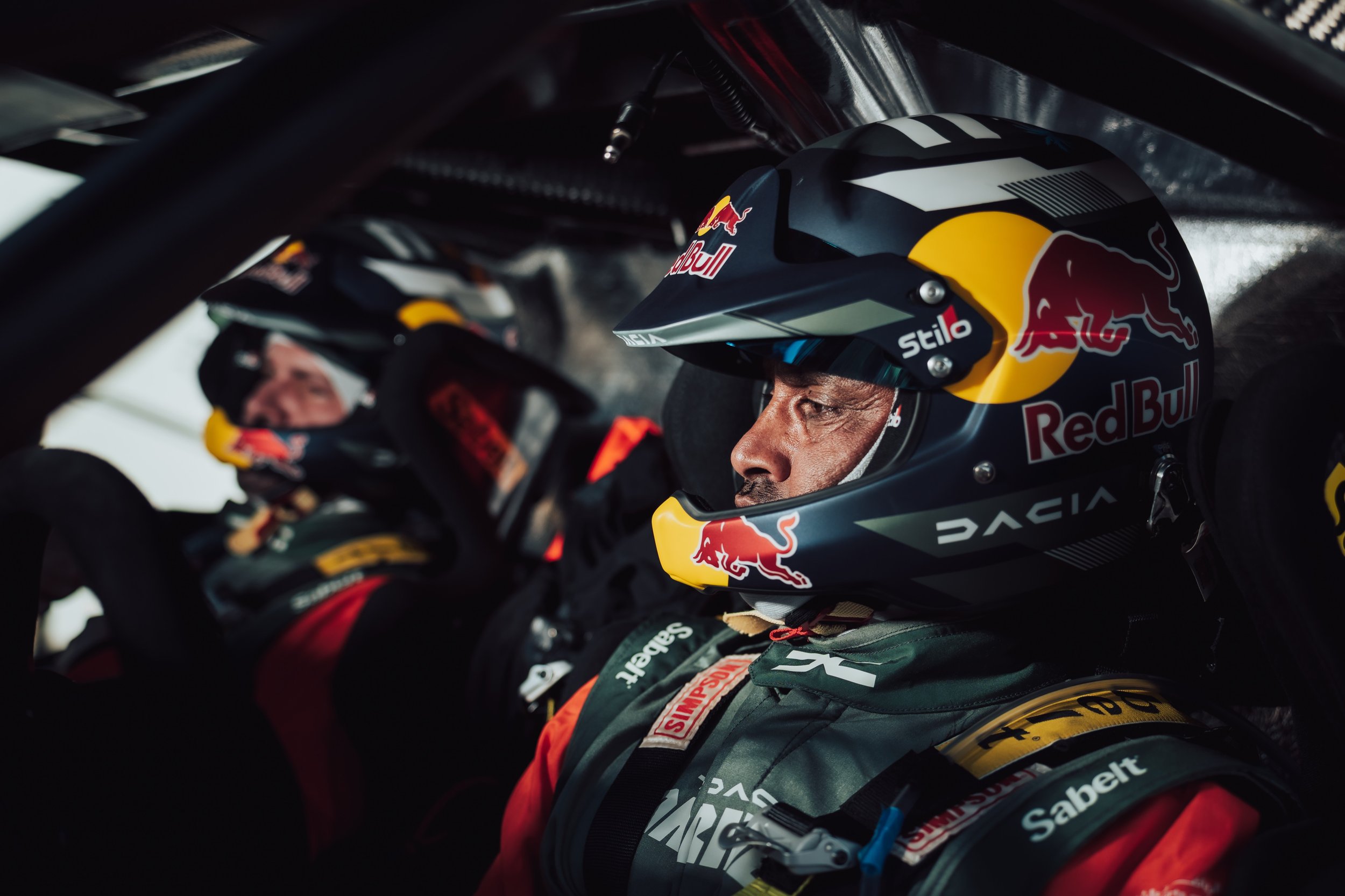
Nasser Al-Attiyah brings vast Dakar experience to the team, with 21 starts and five Dakar Rally victories. The three-time W2RC champion and runner-up in last season’s standings will compete with Belgian navigator Fabian Lurquin.
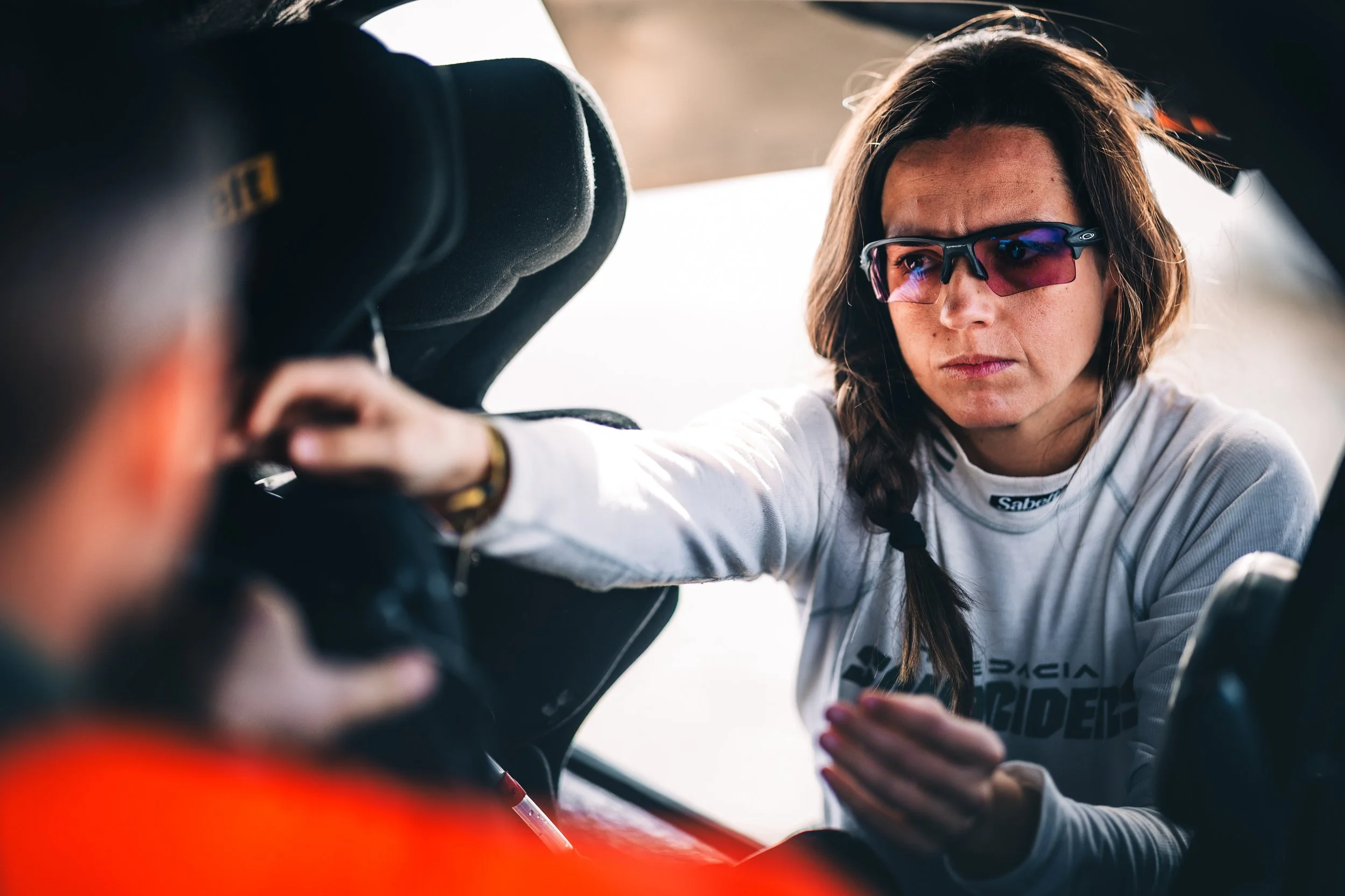
Cristina Gutiérrez and Pablo Moreno will return after earning praise for supporting their teammates during the 2025 Dakar Rally. The Spanish duo plan to let their pace speak for itself and build on the promise they showed across three W2RC appearances for The Dacia Sandriders last year.
Sébastien Loeb will contest his 10th Dakar after winning the FIA World Rally Championship nine times. He will team up with Édouard Boulanger, the 2025 W2RC champion navigator. Loeb retired from the Dakar Rally 12 months ago after an accident damaged his car on Stage 3, and he now aims to better his best Dakar result of second place from 2017, 2022, and 2023.
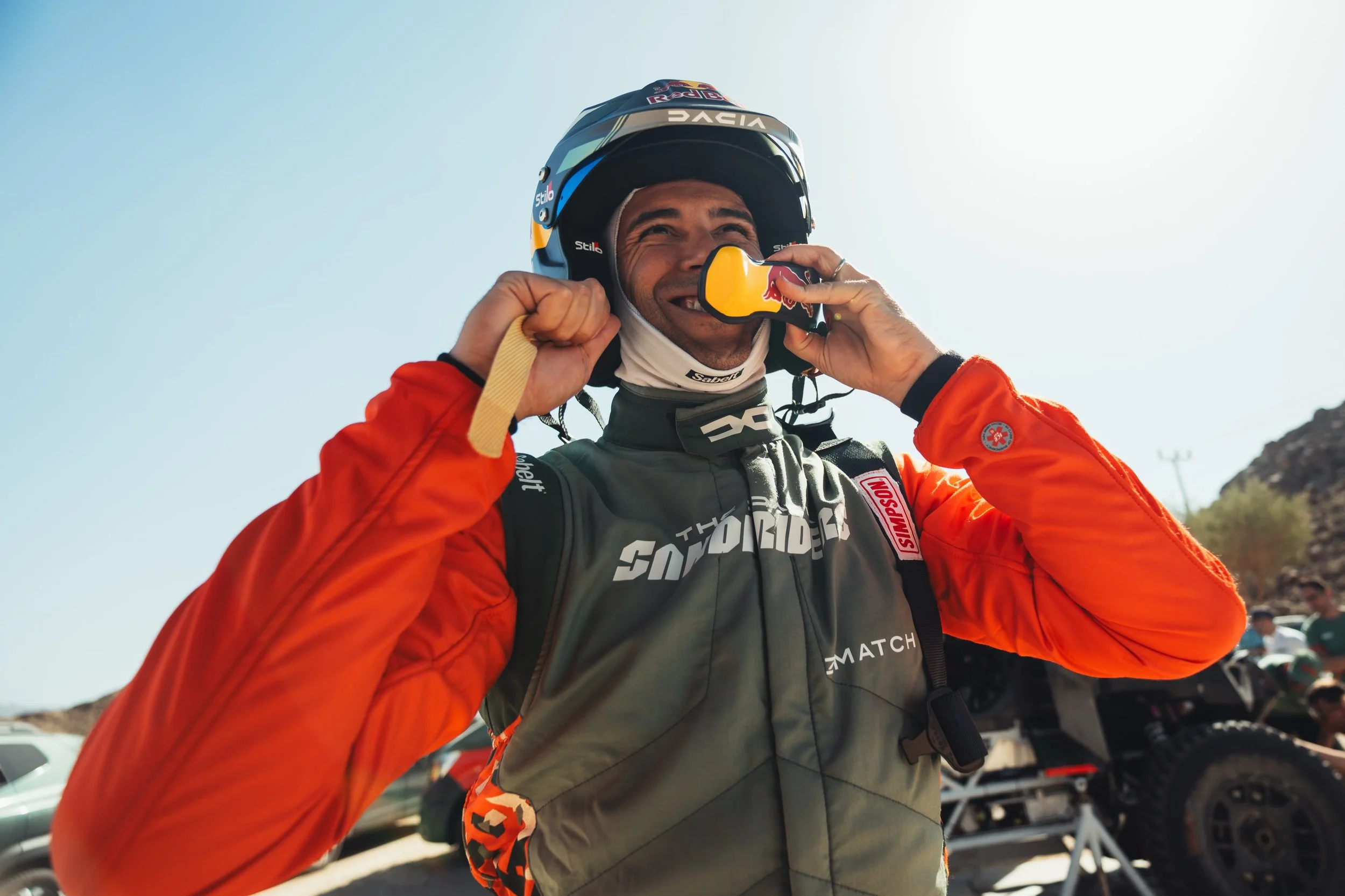
Lucas Moraes will strengthen The Dacia Sandriders’ Dakar Rally bid as the defending FIA World Rally-Raid champion. The Brazilian will compete with new German navigator Dennis Zenz. Moraes claimed a Dakar Rally podium on his event debut in 2023, and Zenz finished runner-up in class that same year.
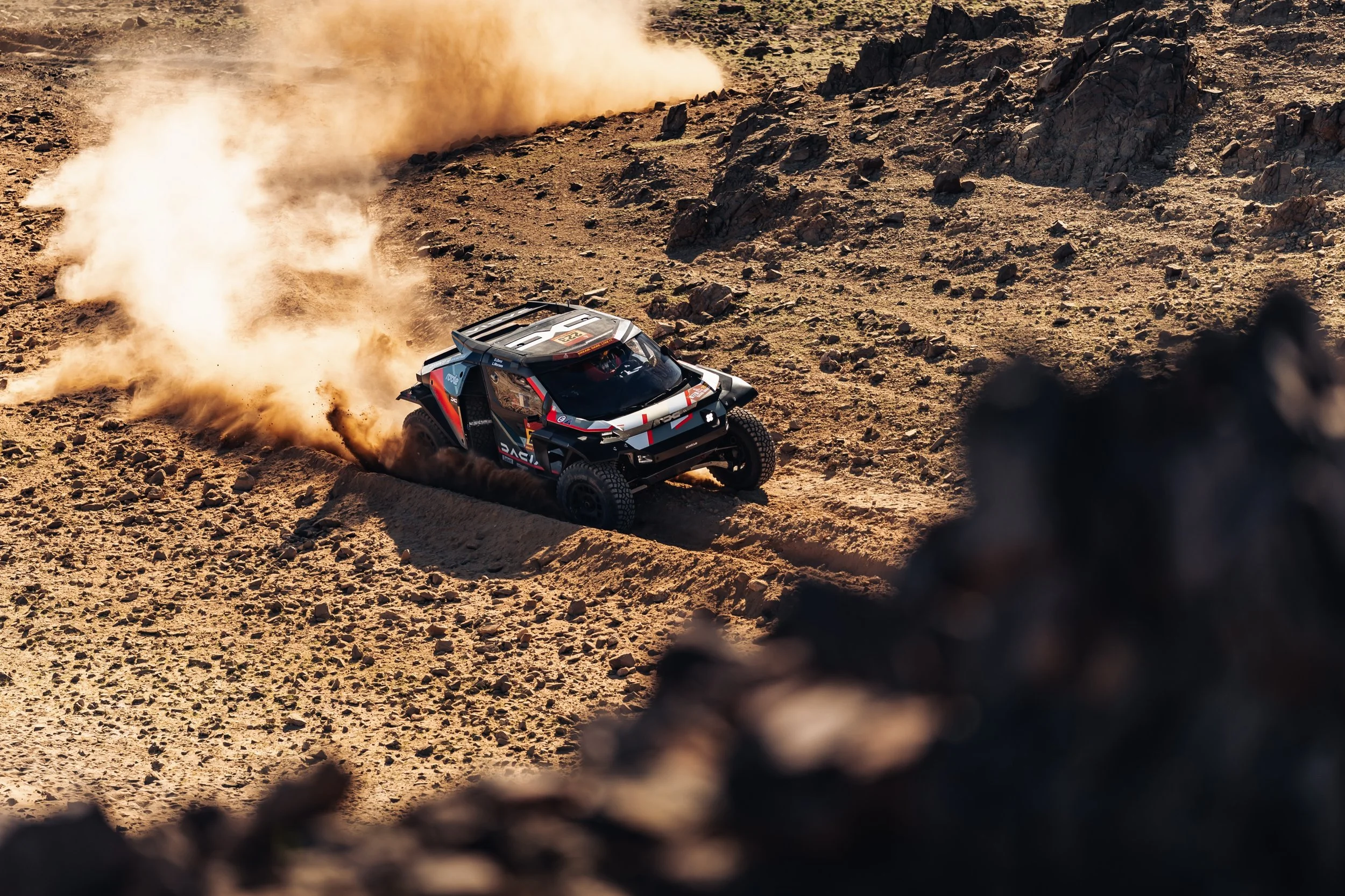
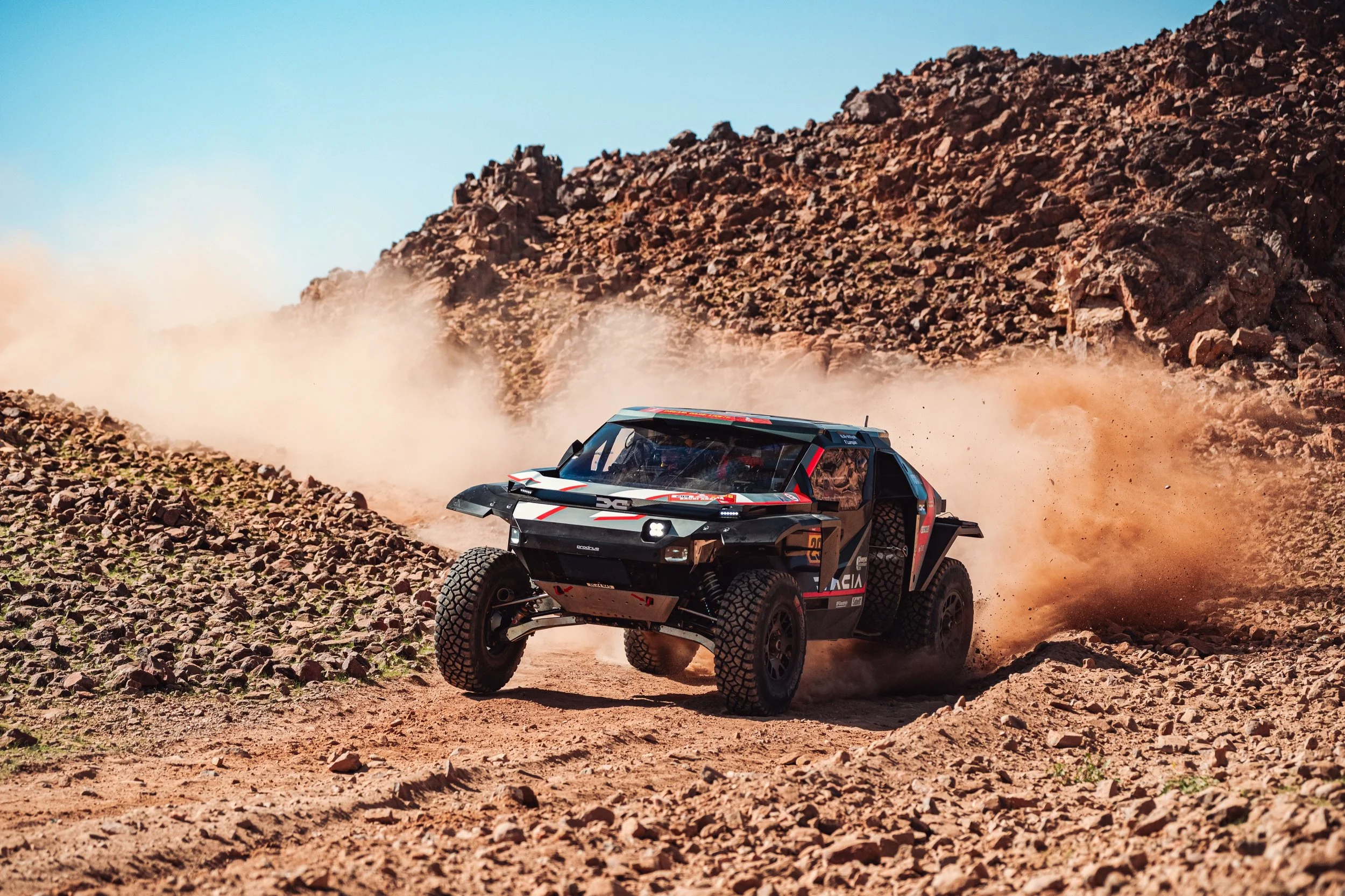
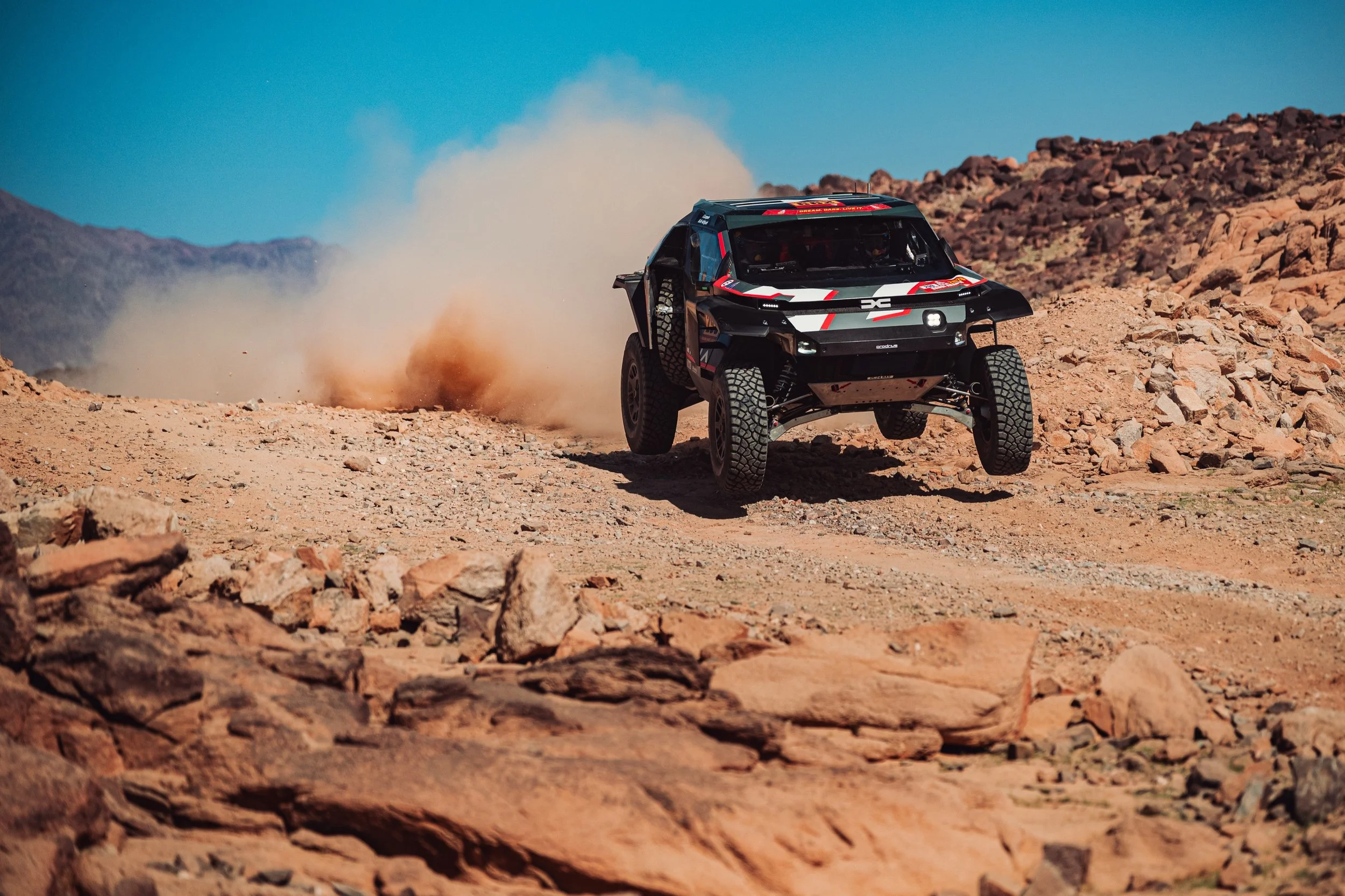
The quartet will race upgraded four-wheel-drive Dacia Sandrider cars. The team will power the vehicles with ARAMCO sustainable fuel and fit them with BFGoodrich tyres.
Dacia designed the Dacia Sandrider to win, and the car reflects the brand’s values of ‘Essential but Cool’, ‘Eco-Smart’ and ‘Robust and Outdoor’. For 2026, Dacia focused several key upgrades on weight reduction, cooling, visibility, reliability, and crew comfort.
Engineers reduced weight with lighter body panels to boost agility and efficiency. They redesigned the rear section, removed the boot assembly, and added a new rear panel. They also created a new air intake with a short snorkel, designed to meet Dakar-specific demands.
The team repositioned the air filter box and updated the rear radiator grille design so the car maintains cooling even if debris partially blocks airflow. Engineers added a foam filter to the front grille to reduce sand from entering the front fan. They installed new fan motors that run at higher speeds with updated electronics to improve reliability.
Dacia added a new water-cooled DC-DC unit to deliver cooling performance without relying only on airflow. The team removed the headlight LED housing to improve forward visibility between the bonnet and blade, and it upgraded the LED spotlight to enhance night driving vision.
Engineers reinforced the upper wishbones to improve durability and reduced the clamp-loaded clutch unit. They introduced a new front propshaft design to improve spine durability and fitted an updated torquemeter with a torque limiter to prevent overload. The team installed new FIA-homologated connecting rods to enhance engine reliability, updated the engine software to optimise power delivery within FIA limits, reduced the risk of overpower, and added a new on-board camera system to support performance analysis.
Tiphanie Isnard, Team Principal of The Dacia Sandriders, set out the team’s ambition while recognising the scale of the task ahead. She said: “Only one year after our first participation in the FIA World Rally-Raid Championship and Dacia’s very first steps into motorsport, we are already back at the start of the world’s toughest event, and the one that demands the most from everyone involved.”
She added, “We approach the Dakar Rally with determination and ambition. Our objective is clear: we want to win. To give ourselves every chance, we’ve built a line-up and assembled crews operating at the highest level of performance and expertise, with great consistency and calm inside the cockpits to take on such an extraordinary human challenge. The team is ready. Everyone has given so much – dedication, determination, countless hours of work – to ensure we arrive fully prepared for what lies ahead.”
The Dacia Sandrider has now reached technical maturity, having shown strong performance across all types of terrain, from dunes to fast tracks.
Tiphanie continued: “We are equipped to face the race, but we approach it with humility. The Dakar always has another side. Unexpected challenges, surprises and setbacks, and that’s why we love this event. It demands constant endurance and the ability to respond to whatever comes. We are ready to question ourselves every single day, to keep moving forward, and, I hope, bring home the win!”
Organisers will run the 48th Dakar Rally, and Saudi Arabia will host it for the seventh time. The event includes 4,840 competitive kilometres within a total of 7,994 kilometres, split across 13 stages. The rally starts with a 23-kilometre Prologue timed route around Yanbu on 3 January, and the results will set the starting order for Stage 1.
Stage 1 on 4 January starts and finishes in Yanbu before the rally heads north to AlUla on 5 January. The route then moves east to Hail via the first of two Marathon stages. Marathon stages require crews to sleep overnight in remote camps with limited resources and no technical back-up or assistance from their teams.
The rally will reach Hail on 8 January. Stage 6 follows on 9 January and covers 920 kilometres, which makes it the event’s longest stage, before the rest day in Riyadh. The race back to Yanbu begins on 11 January and includes the Wadi Ad-Dawasir loop stage on 12 January. The timed section runs to 481 kilometres and is the longest section of the event.
The second Marathon stage begins on 13 January, and the rally ends with Stage 13, which starts and finishes in Yanbu on 17 January. Organisers expect daytime temperatures between 11 and 21 degrees centigrade, and night-time temperatures between 0 and 6 degrees Celsius.
The Dacia Sandriders targeted last season’s gruelling W2RC opener as a key objective. Two of the three Dacia entries reached the finish line, and the team delivered a strong result for its first attempt at such a demanding event.
The team gained vital experience across the 7,828-kilometre route and secured several highlights. Nasser Al-Attiyah and Édouard Boulanger won a stage, Cristina Gutiérrez and Pablo Moreno set four top-10 stage times, and Sébastien Loeb and Fabian Lurquin showed impressive pace before accident damage ended their run early.
Al-Attiyah and Boulanger fought for a final podium position before finishing fourth overall, which underlined the Dacia Sandrider’s speed and potential. Their stage win also helped Al-Attiyah make Dakar history, as he became the only driver to set the fastest stage time across 18 consecutive participations, after going second quickest three times.
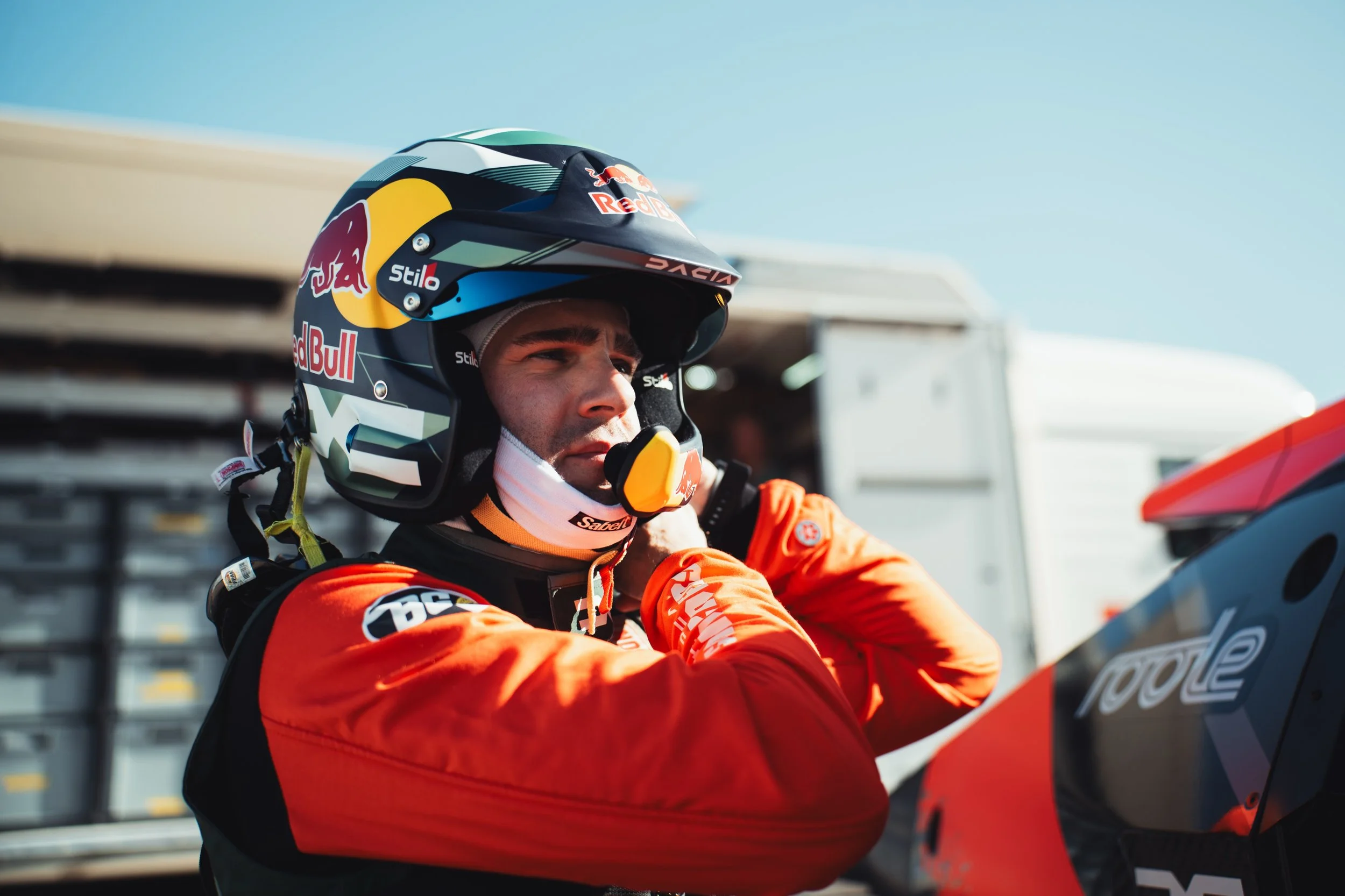
The Dacia Sandriders will rely on four navigators during the Dakar Rally 2026: Édouard Boulanger, Fabian Lurquin, Pablo Moreno, and Dennis Zenz. Team newcomer Zenz outlined his preparation. “I break down my preparation into three parts. The first part is fitness. We need to have excellent strength in the core and in the neck because we have nothing to hold on to except our remote-control device, so this is a priority. It’s also important to have good endurance because we face very long days, very demanding stages, and we need to stay concentrated for a long time each day, for two weeks.”
He continued: “The second part is the route information we get from the organiser, which intentionally is not a lot. We are now in the seventh year of the Dakar Rally in Saudi Arabia, so we have past data to look at to see how difficult the terrain and navigation were. The third part, together with the team, is to work on the technical aspect to see what we can repair with spare parts that we have inside the car, and how to fix things in case of emergency.”
Nasser Al-Attiyah (Qatar), Driver, The Dacia Sandrider said: “The Dacia Sandrider is a perfect car. The Dacia Sandriders are a powerful team. Therefore, I am sure we will have an excellent result. Even though the Dakar is complicated, I will push to win again; this is my target. It’s possible, even though it won’t be easy. We showed we had an excellent pace at last year’s Dakar, even though it was the team's first, and we maintained that pace all season; we didn’t always have the best luck. But we have much more experience now, and we are really well prepared.”
Cristina Gutiérrez (Spain), Driver, The Dacia Sandriders, added: “Last year I had some uncertainty about how things would go, but after seeing how we performed in the two races we’ve completed, I feel strong and highly motivated heading into the Dakar. I know we’re capable of achieving a great result. Of course, much will depend on how the race unfolds and the strategy we develop together with the team, but I’m confident and ready to take on the challenge.”
Sébastien Loeb (France), Driver, The Dacia Sandriders, continued: “The team has done a tremendous amount of work on the car since last year. Back then, we faced some issues with the radiators and cooling system because the car was still in its early development phase. The overall performance was strong, but a few reliability problems held us back. These have now been solved thanks to the excellent work carried out by the whole team throughout the 2025 W2RC season. On top of that, we won Rallye du Maroc last October, the traditional dress rehearsal for the Dakar, so I’d say we couldn’t be better prepared or more confident heading into this year’s event. We know the Dakar is long and complex, with challenges every single day, but all indicators are green – and we’re really looking forward to meeting up with the whole team over there.”
Lucas Moraes (Brazil), Driver, The Dacia Sandriders, said: “The Dakar Rally 2026 will be a new chapter for me: a new team, a new car and a new co-driver. What stays the same is the hunger to fight at the front. We know the challenge is huge, but that’s exactly what motivates us. I can’t wait to start this journey with Dacia and push for something truly special.”
The Dacia Sandriders will enter four crews in the Ultimate car category at the Dakar Rally 2026. Car 212 will pair Cristina Gutiérrez with Pablo Moreno, car 219 will pair Sébastien Loeb with Édouard Boulanger, car 223 will pair Lucas Moraes with Dennis Zenz, and car 299 will pair Nasser Al-Attiyah with Fabian Lurquin.
The rally will start and finish in Yanbu on 13 January, with 13 stages in total. The competitive distance will run to 4,840 kilometres within an overall distance of 7,994 kilometres.
A field of 325 vehicles will tackle the 2026 Dakar Rally, and Dacia will run four Sandriders within that overall entry. The Ultimate car category will feature 72 entries.