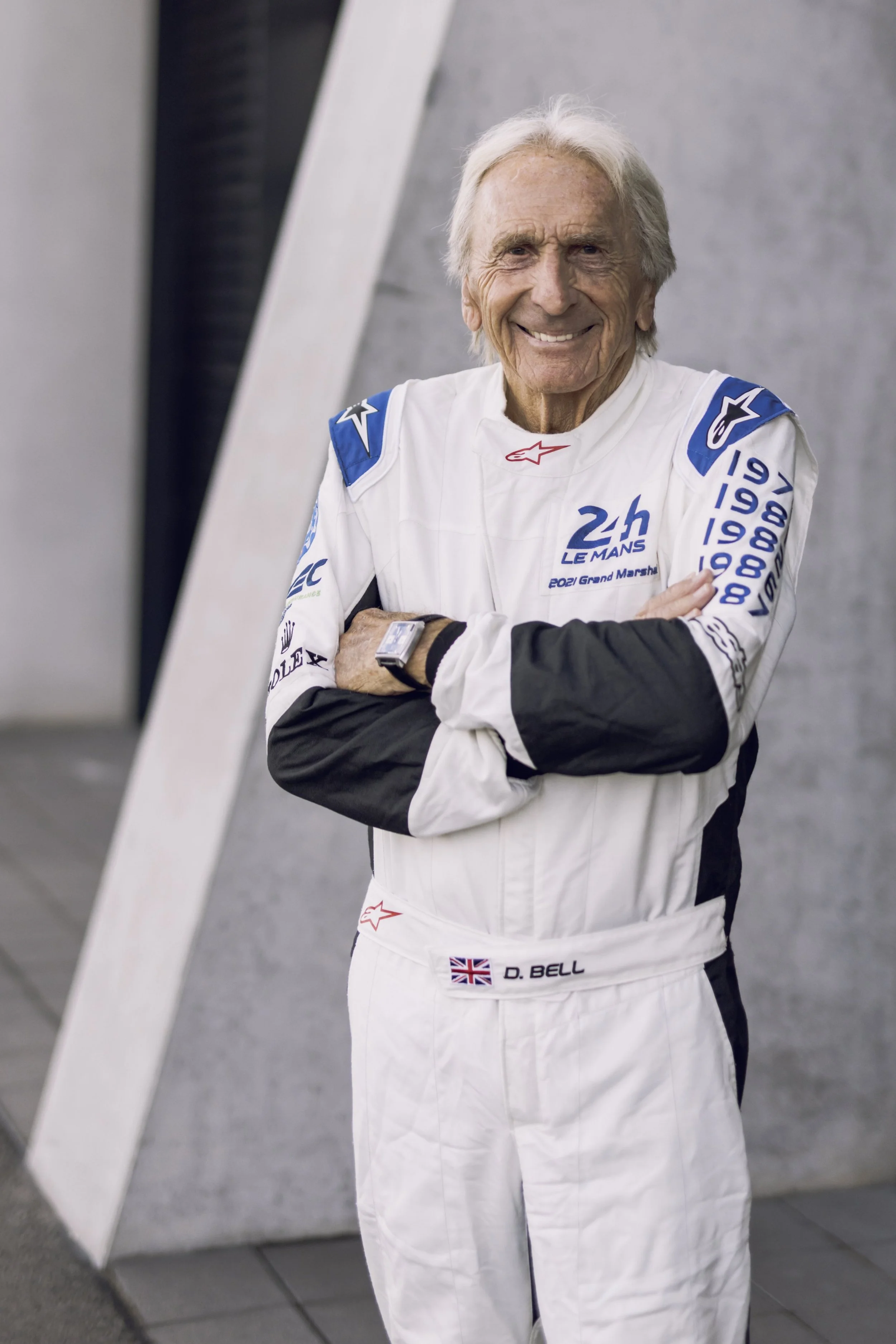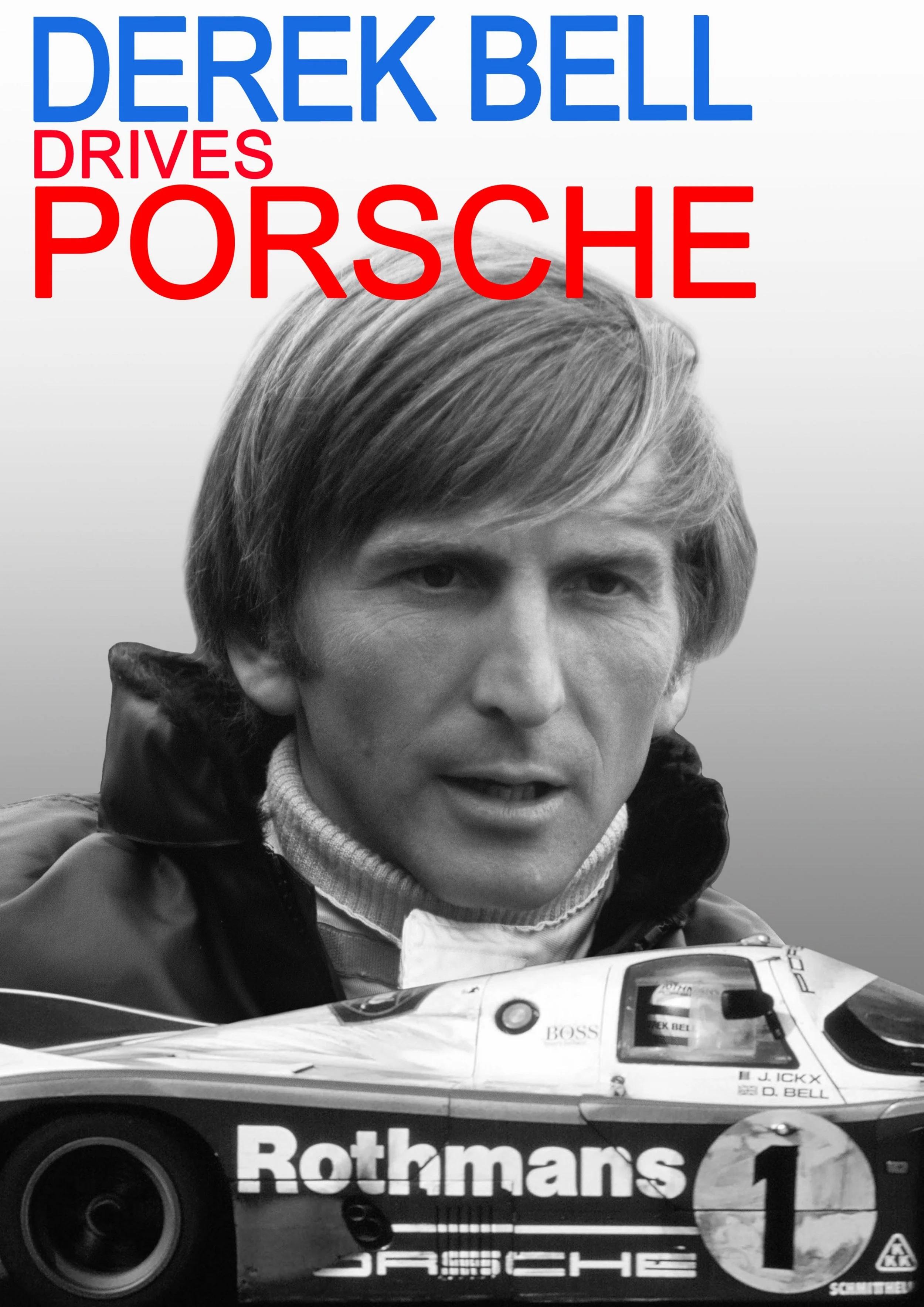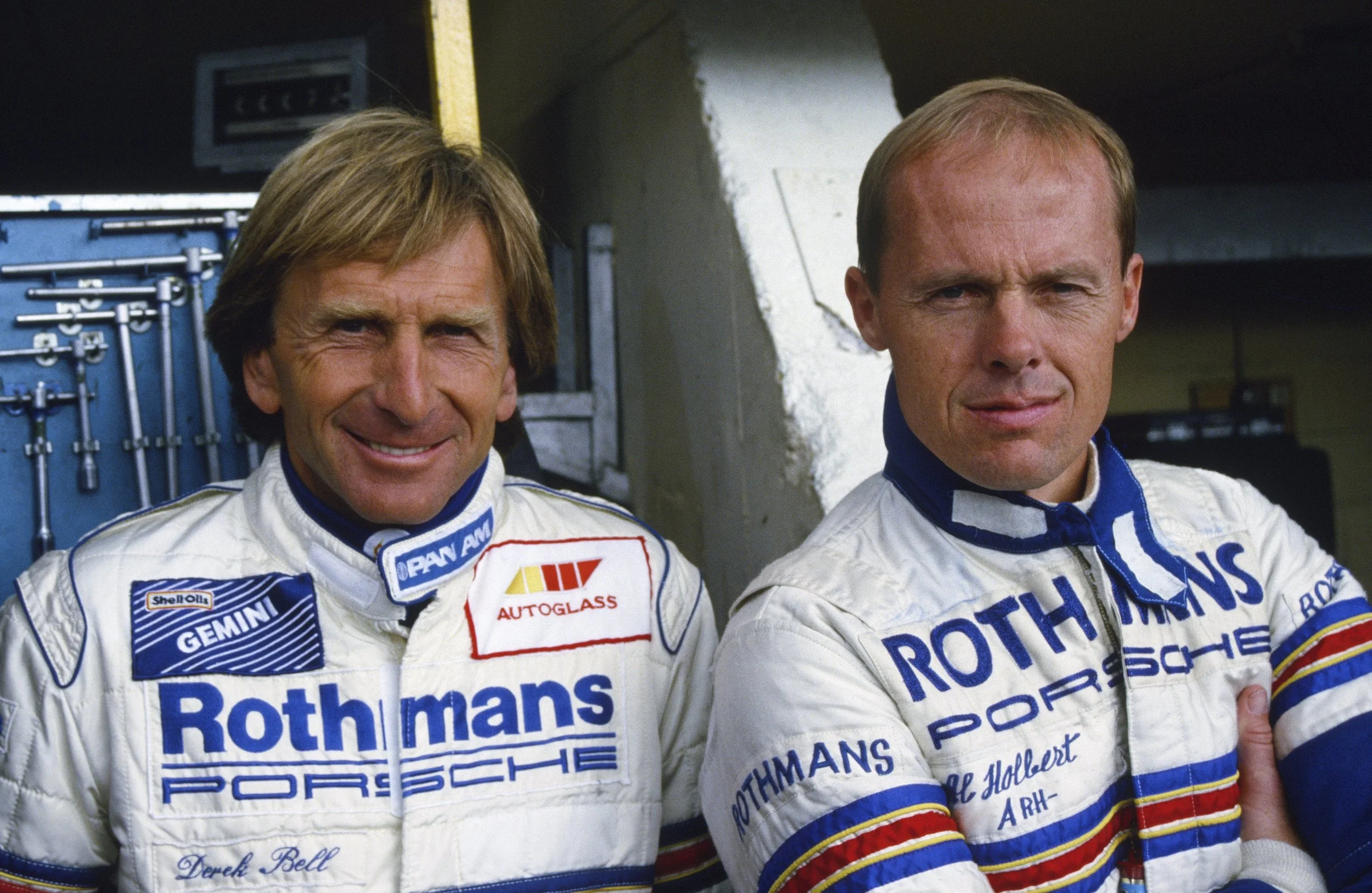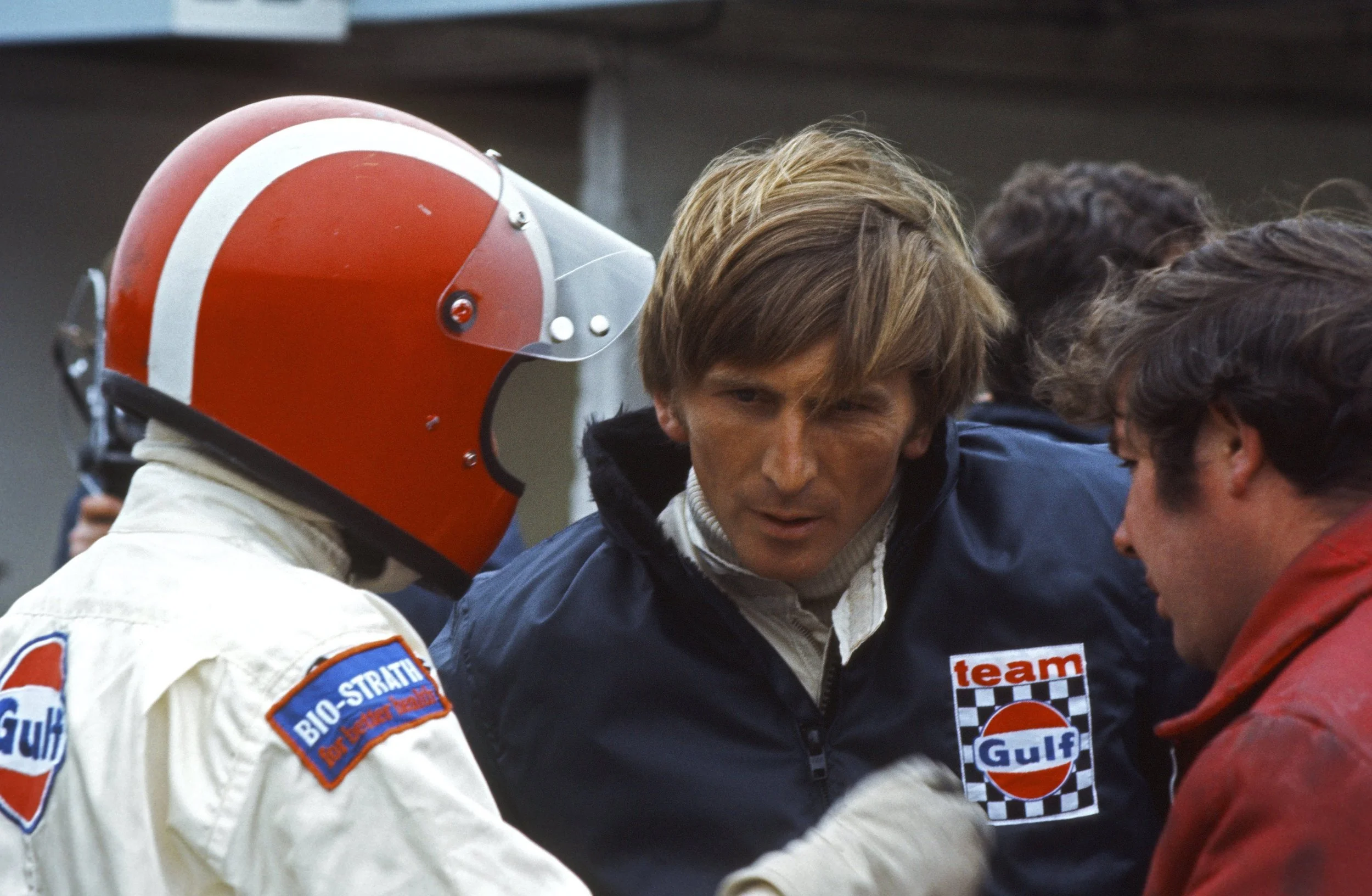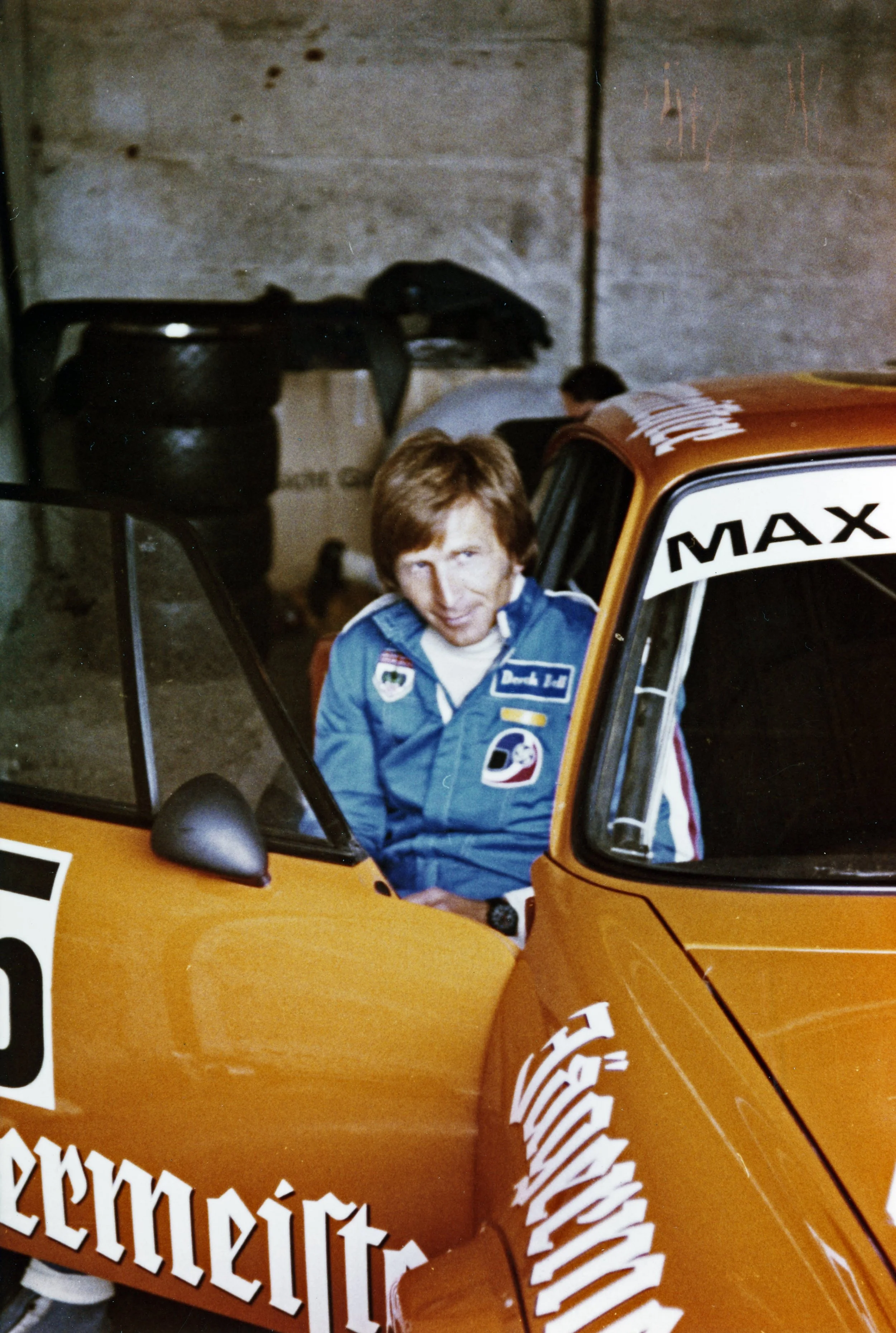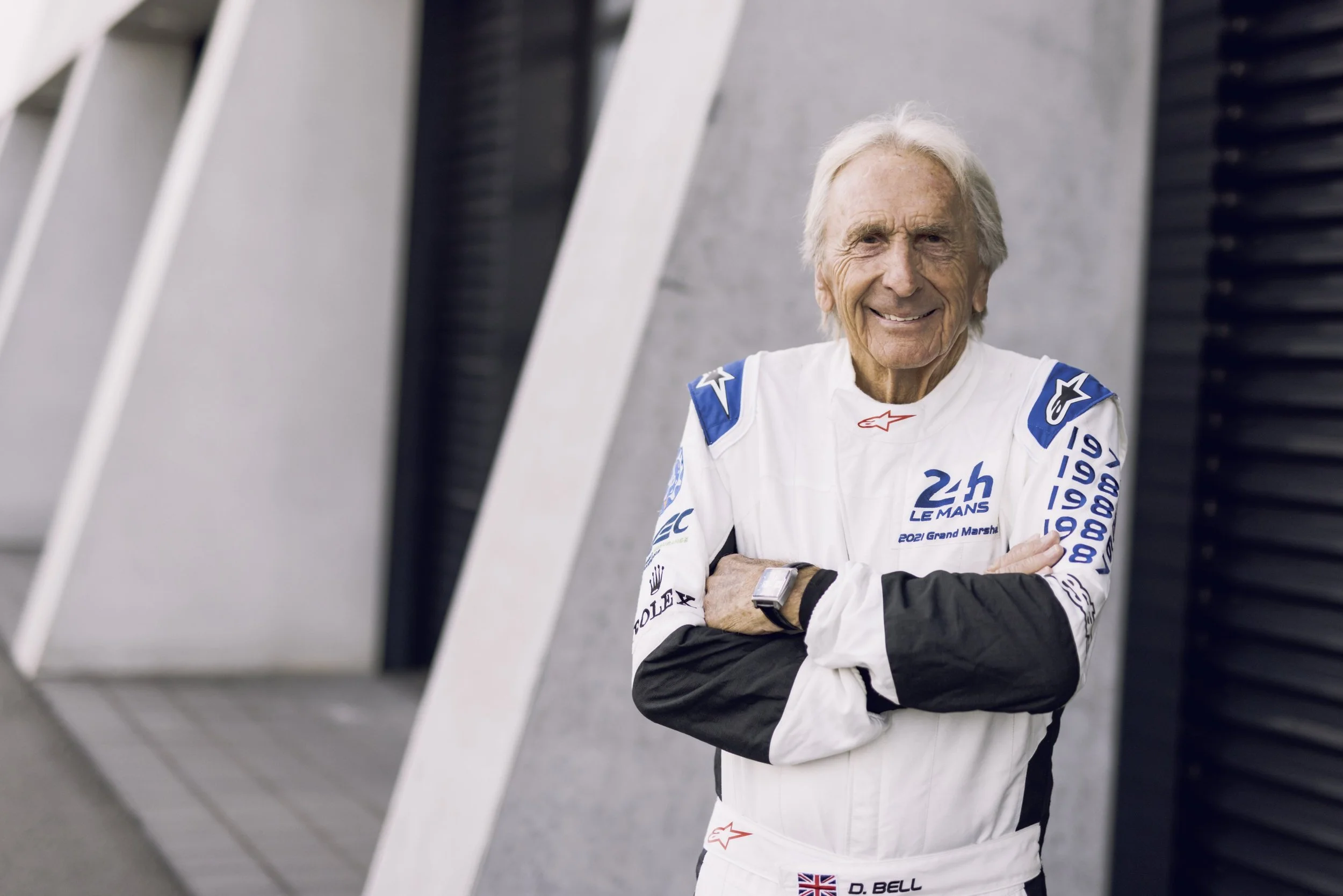

Derek Bell belongs to a generation of racing drivers who helped shape international endurance racing over the decades. On 31 October 2026, the highly successful Porsche works driver celebrates his 85th birthday. ‘Derek Bell epitomises an era in which technical innovation and human endurance formed an inseparable whole in motor racing,’ says Thomas Laudenbach, Head of Porsche Motorsport. ‘His victories, his understanding of the cars and his team spirit have been invaluable to Porsche during a crucial phase in the history of motor racing. We thank him for this important contribution to Porsche’s history and wish him all the best on his 85th birthday.’
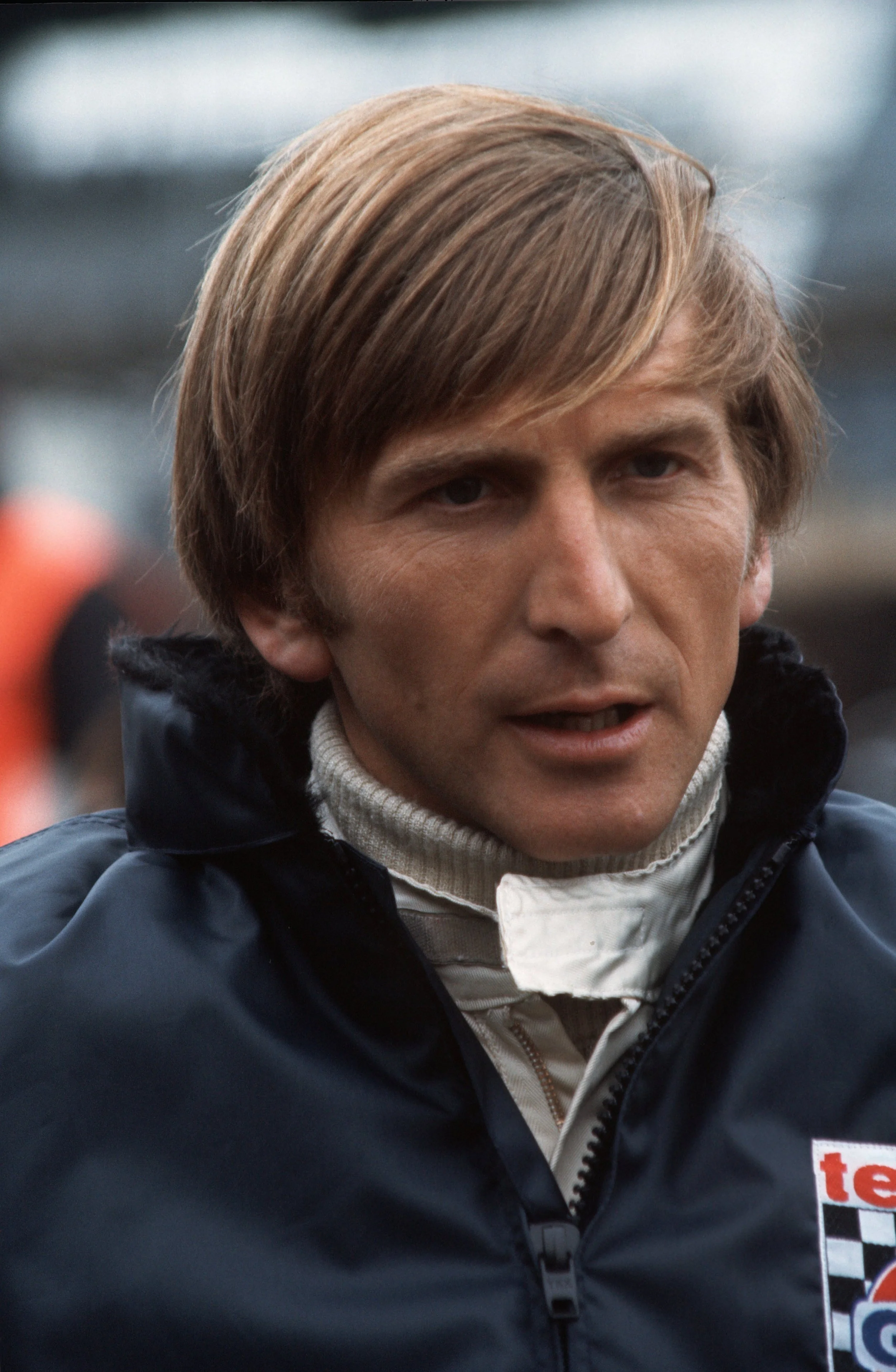
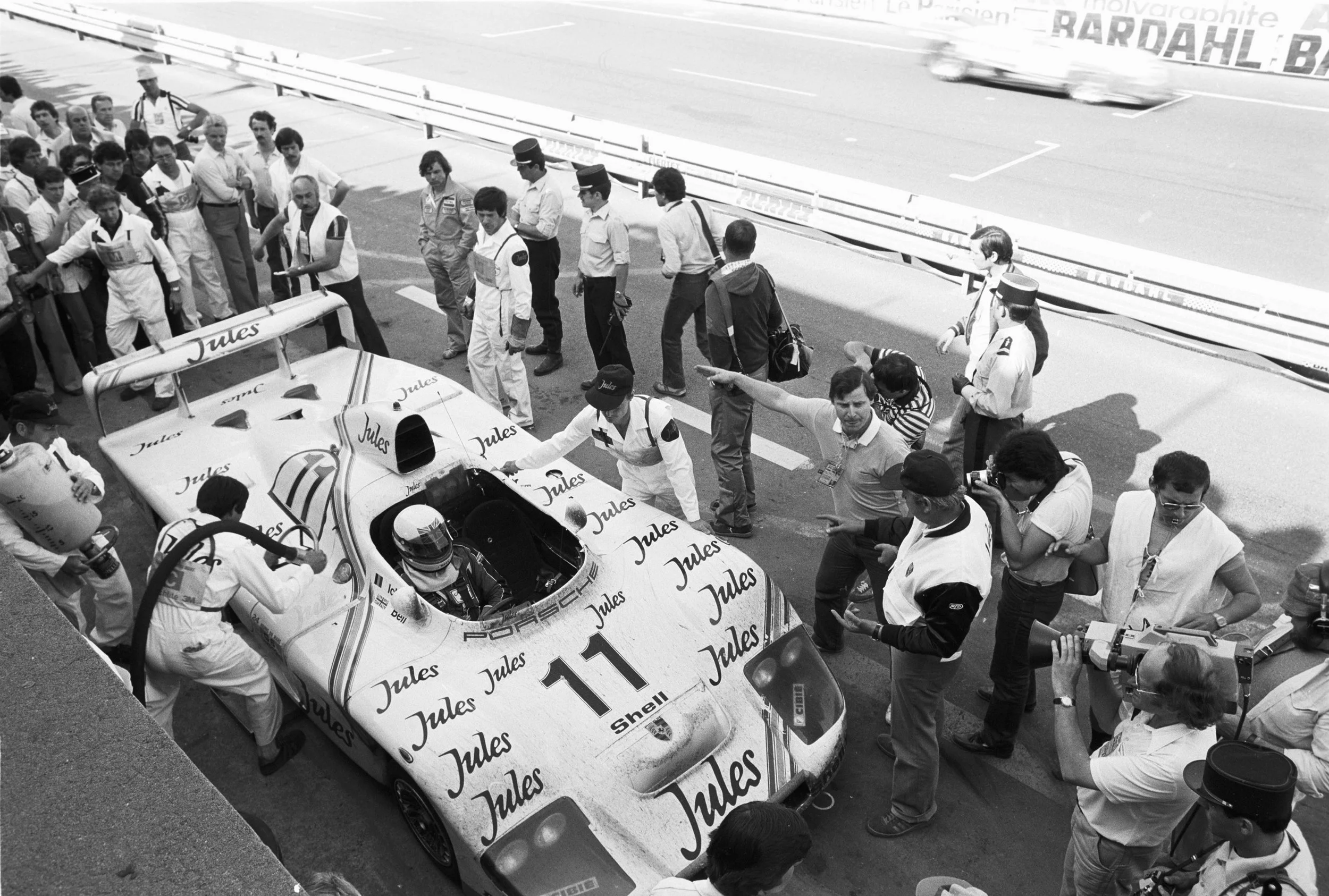
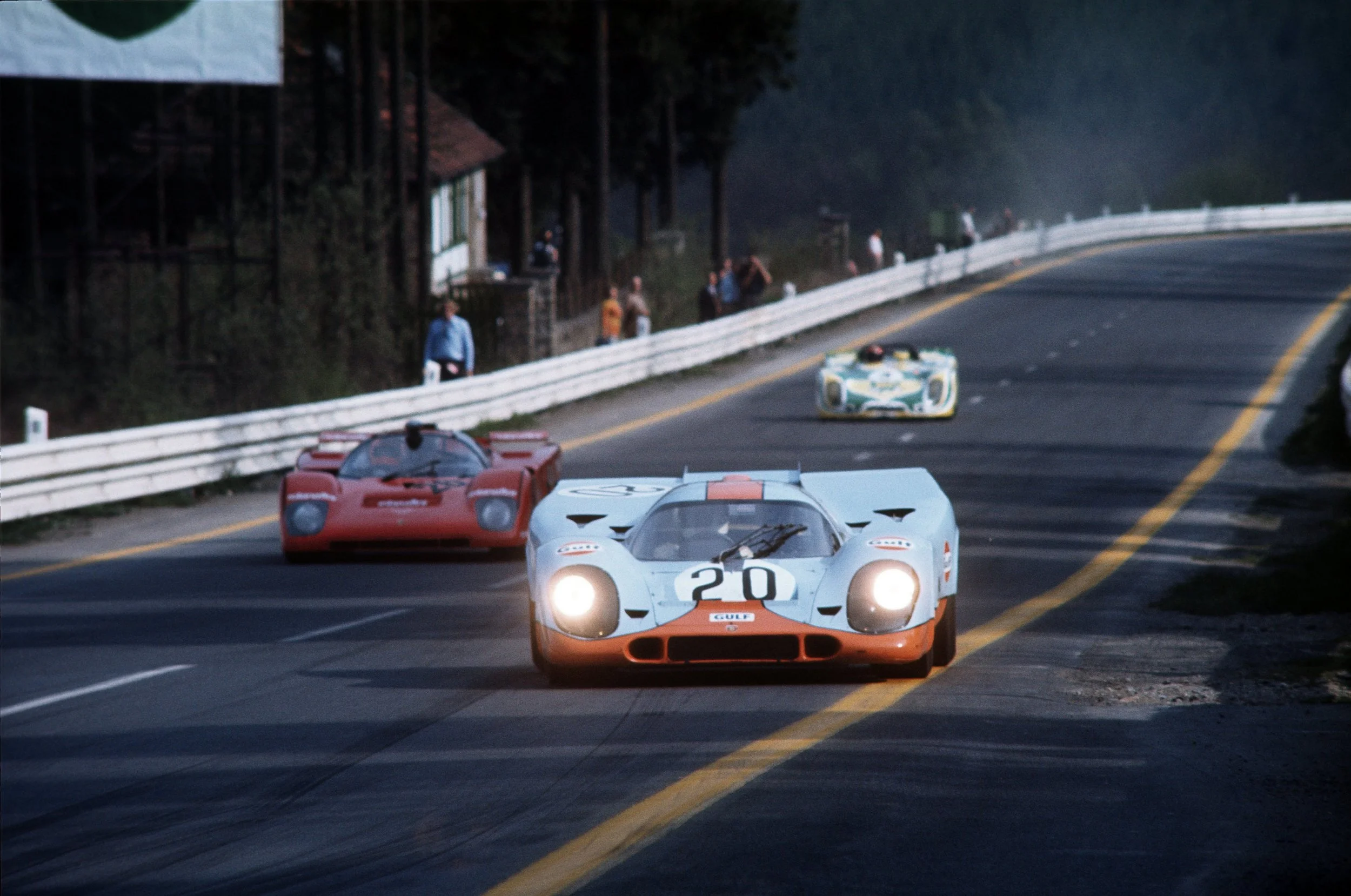
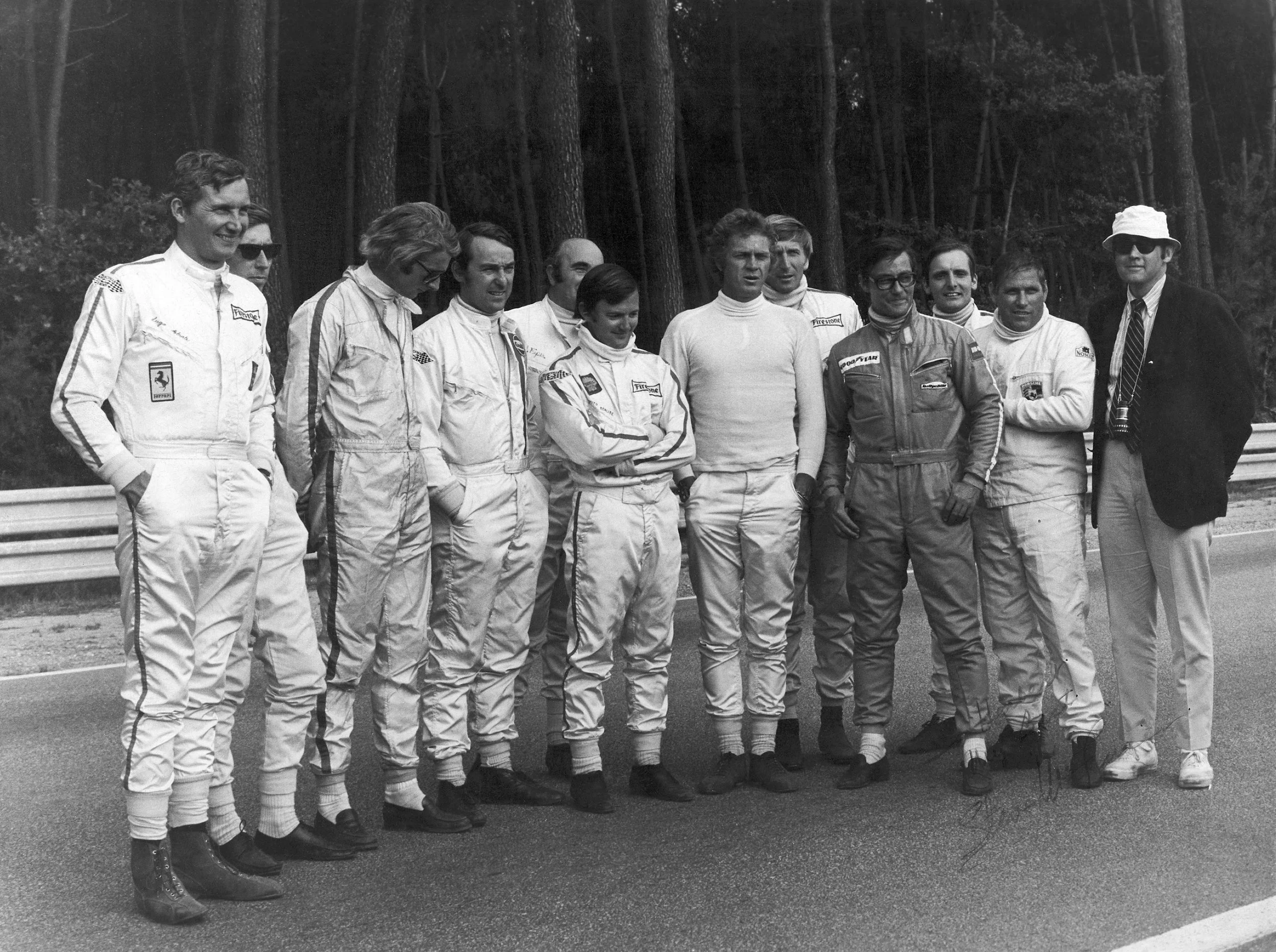
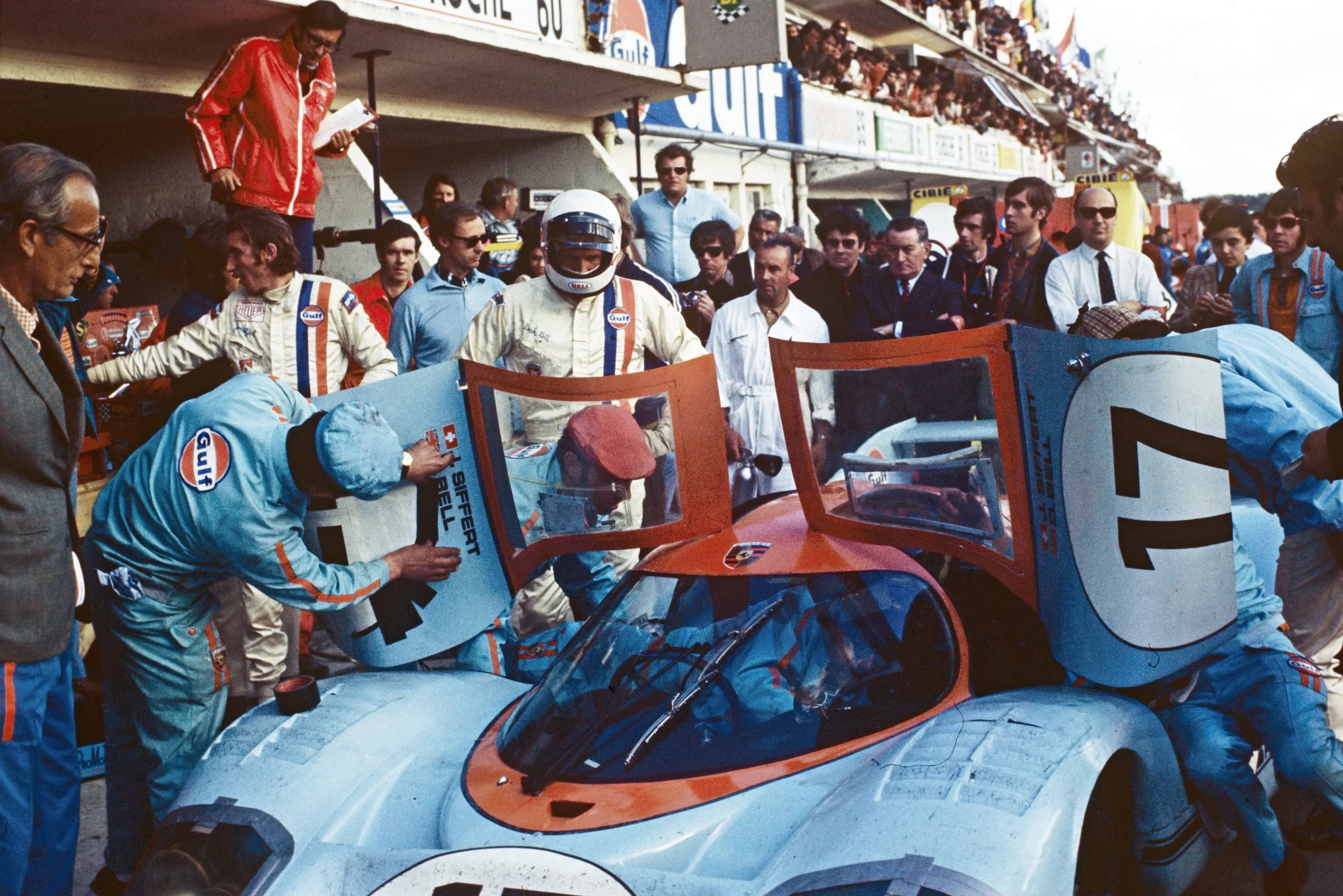
Bell was born on 31 October 1941 in Pinner, Middlesex, a suburb of London. He took the traditional route into professional motor racing, moving from British club racing into Formula 3 and then Formula 2. He first encountered Porsche in endurance racing in the early 1970s. In 1971, he drove a Porsche 917 LH at the 24 Hours of Le Mans. Built for maximum speed on the long straights at La Sarthe, it was one of the fastest racing cars ever built. For Bell, it marked the start of a relationship that would span decades.
Endurance racing in that period meant long stints and high speeds. Drivers formed an integral part of the system, acting as observers, strategists and mechanics from behind the wheel. Bell’s special qualities showed early on. People saw him less as a spectacular attacker than as an exceptionally consistent driver. Calmness, a clear overview and an understanding of the mechanics became his hallmarks.
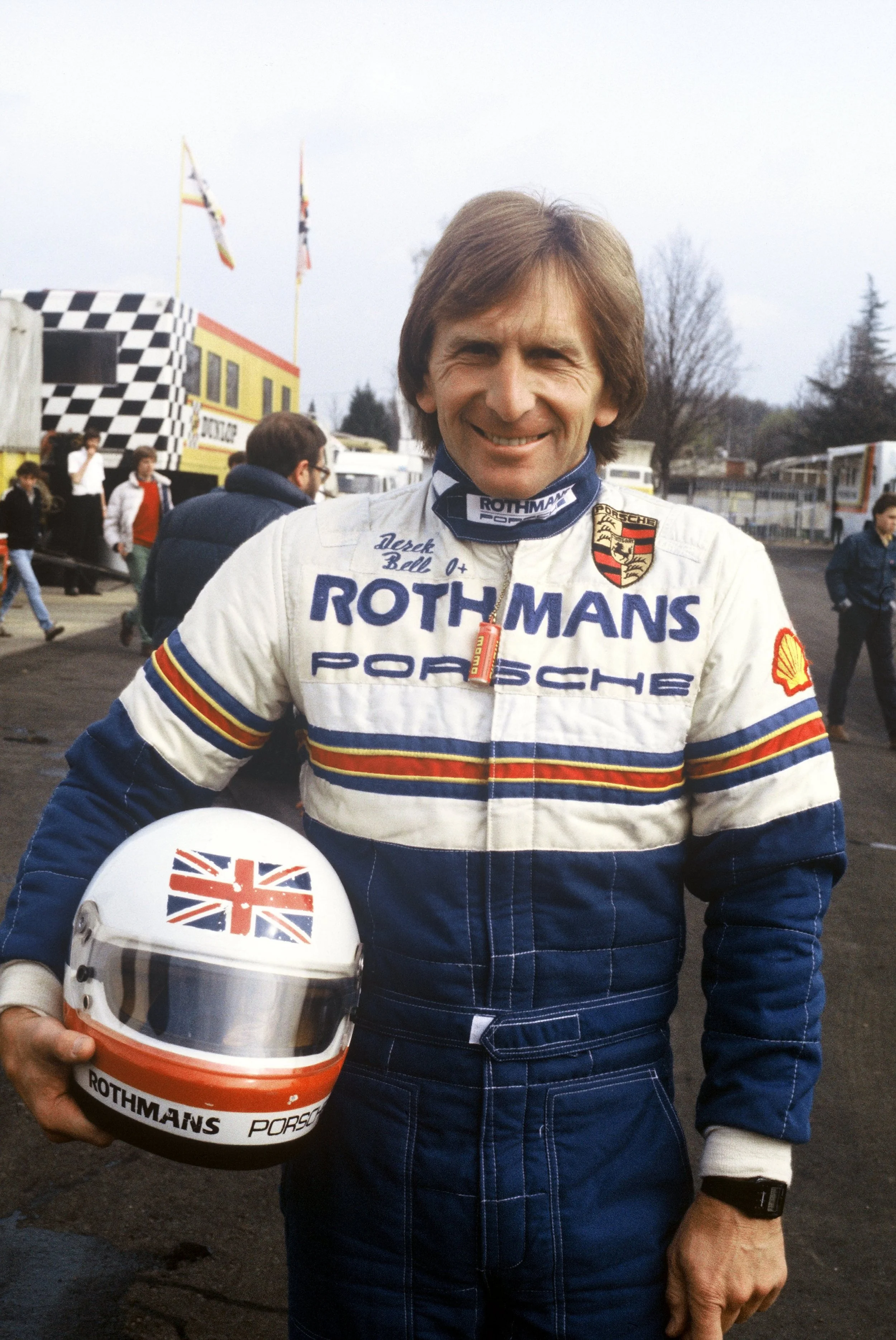
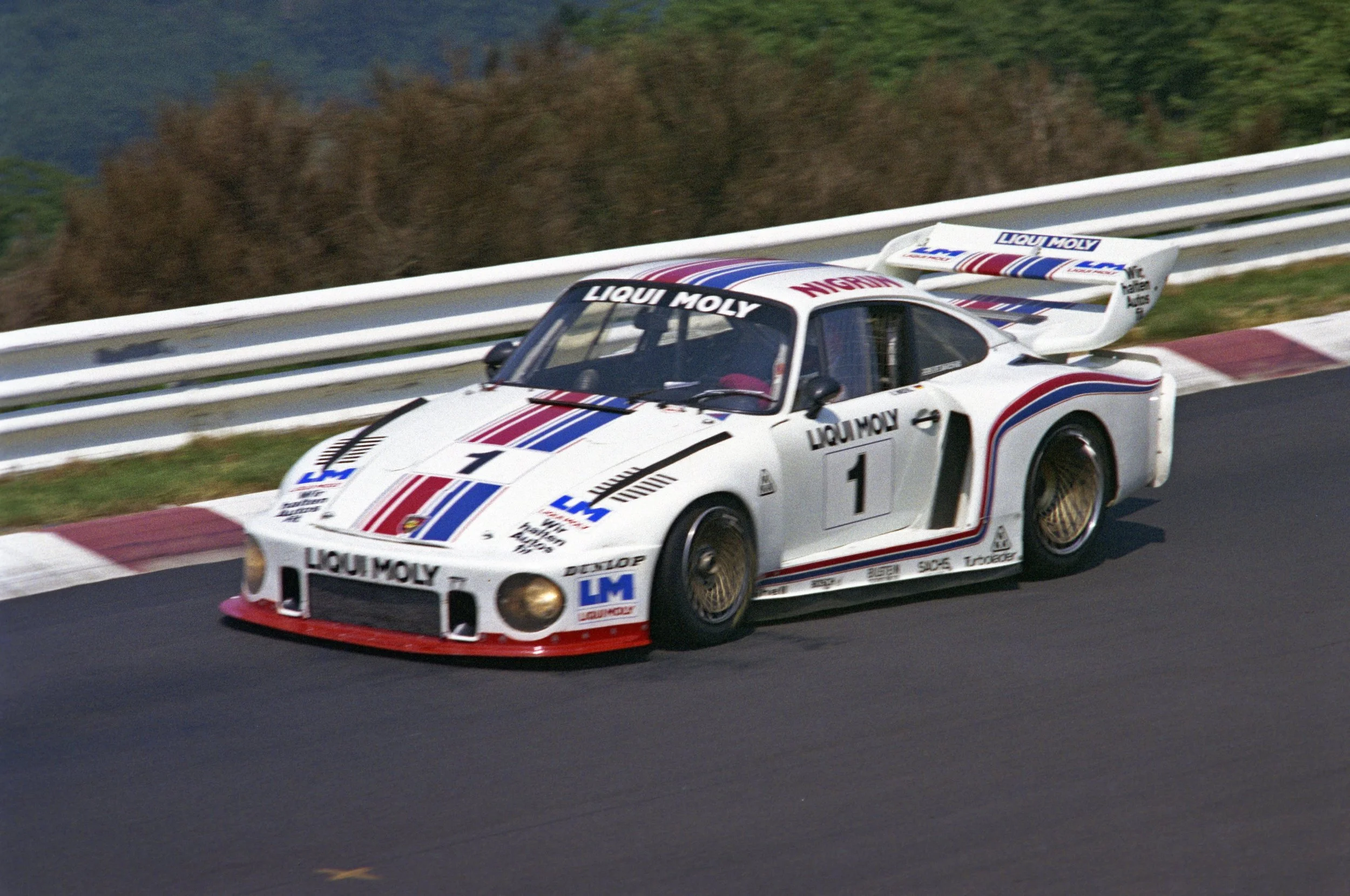
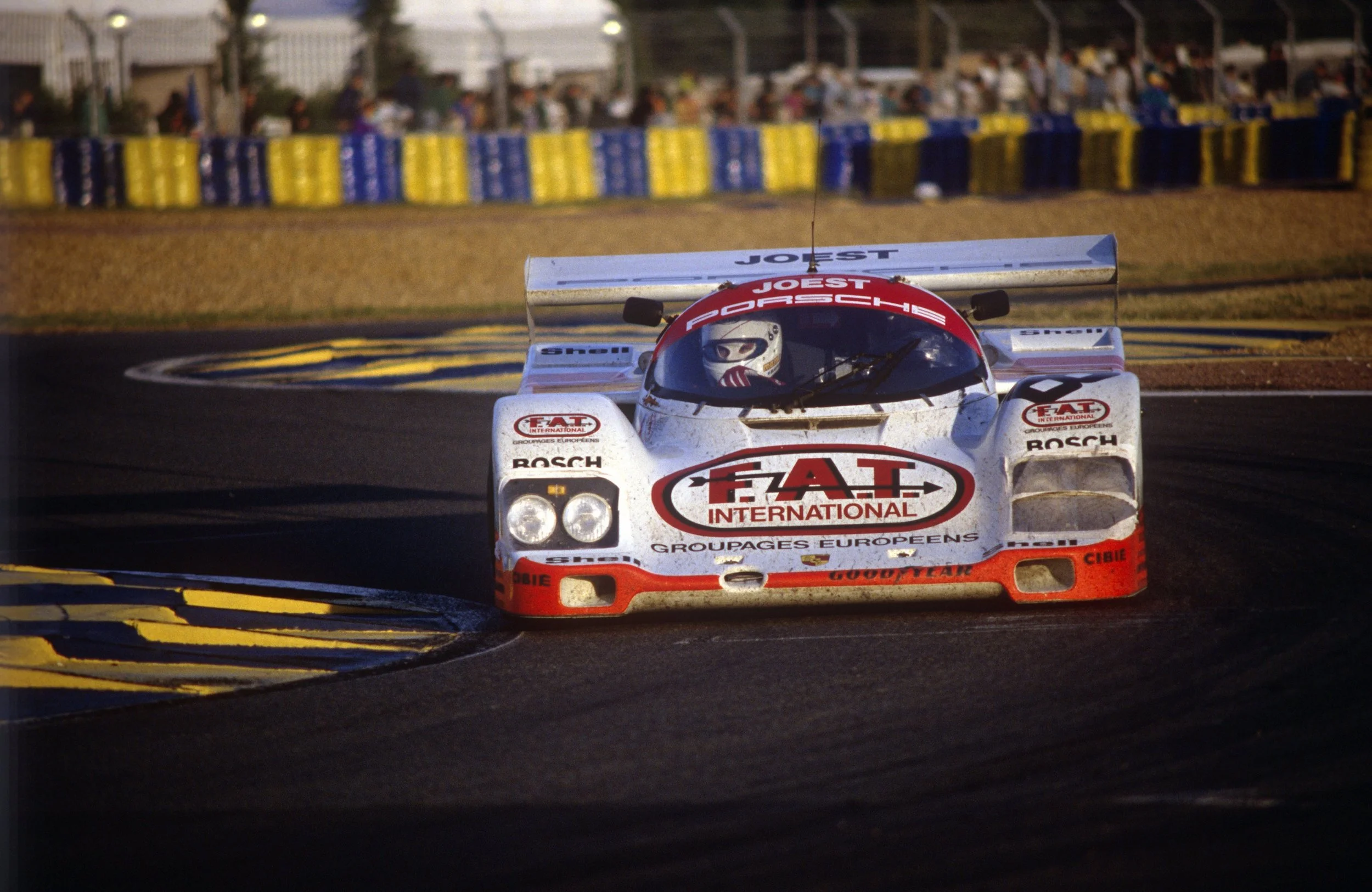
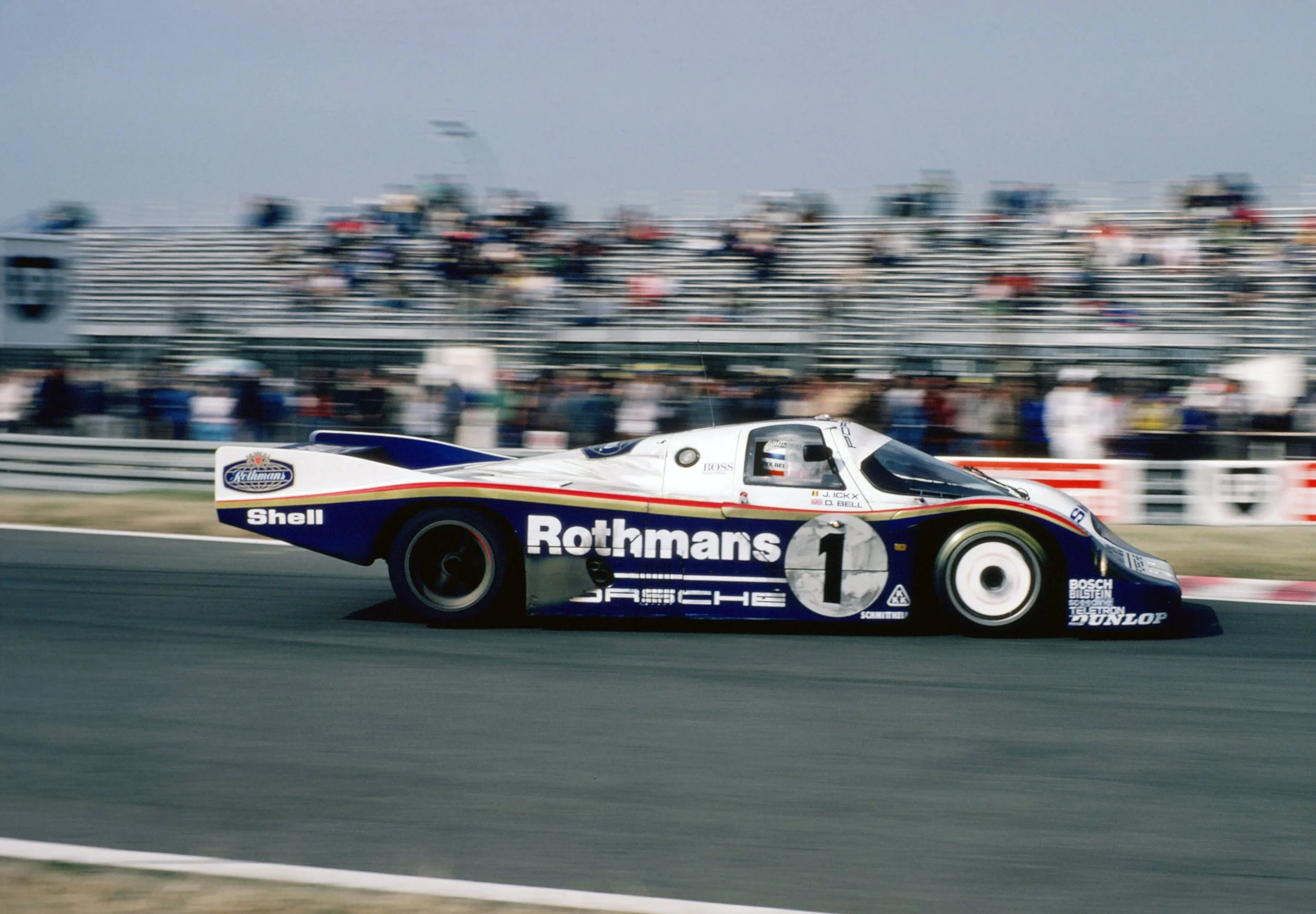
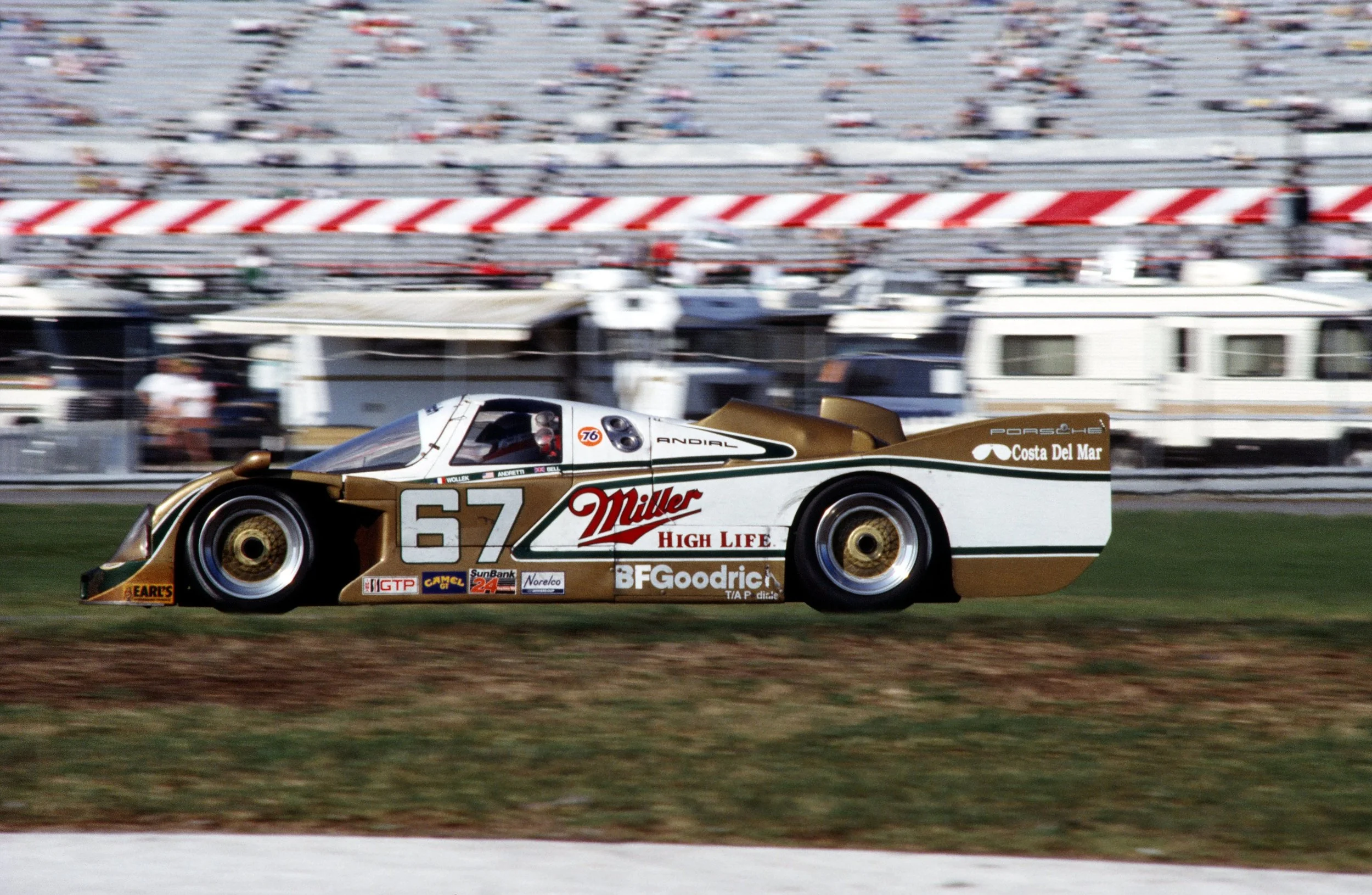
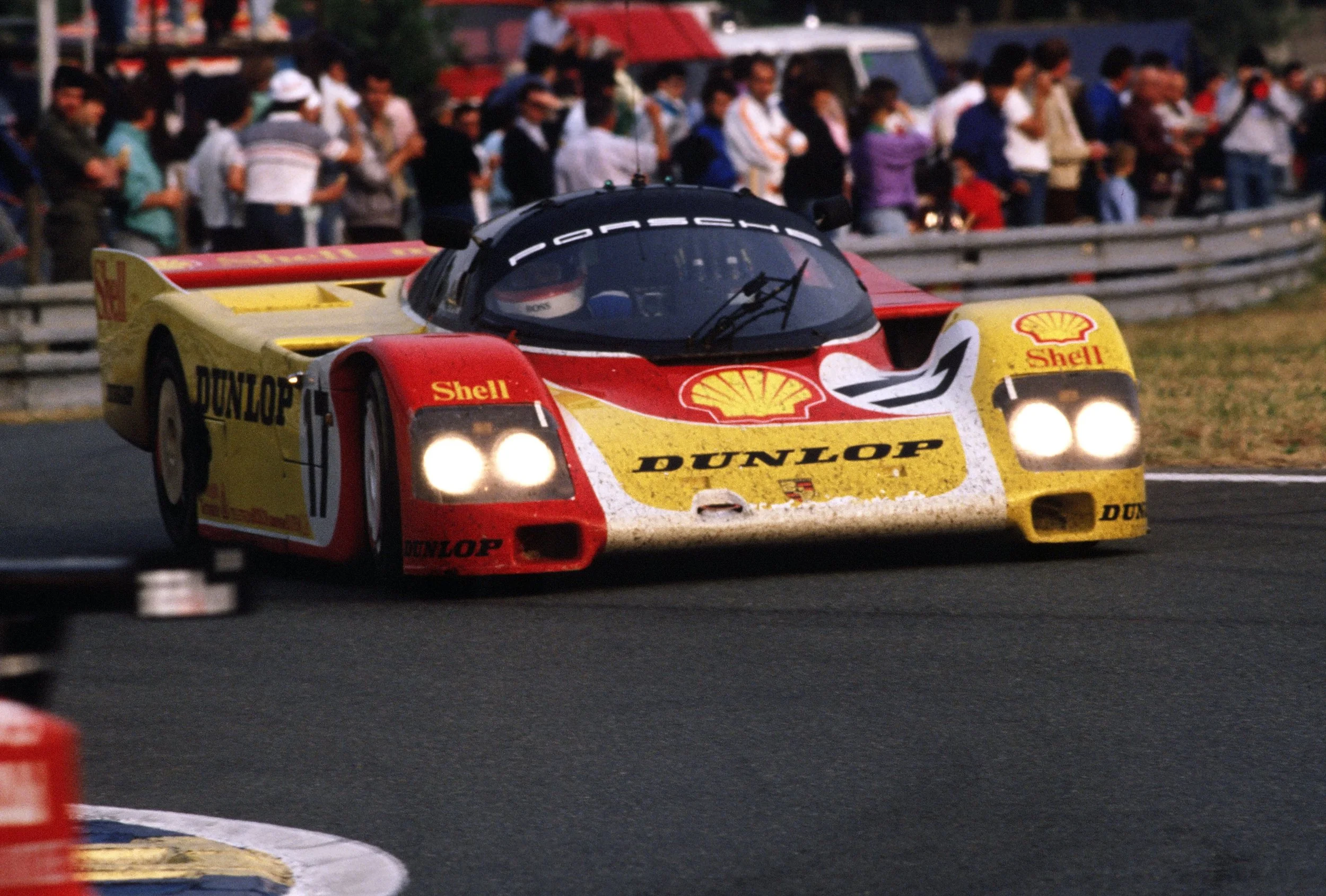
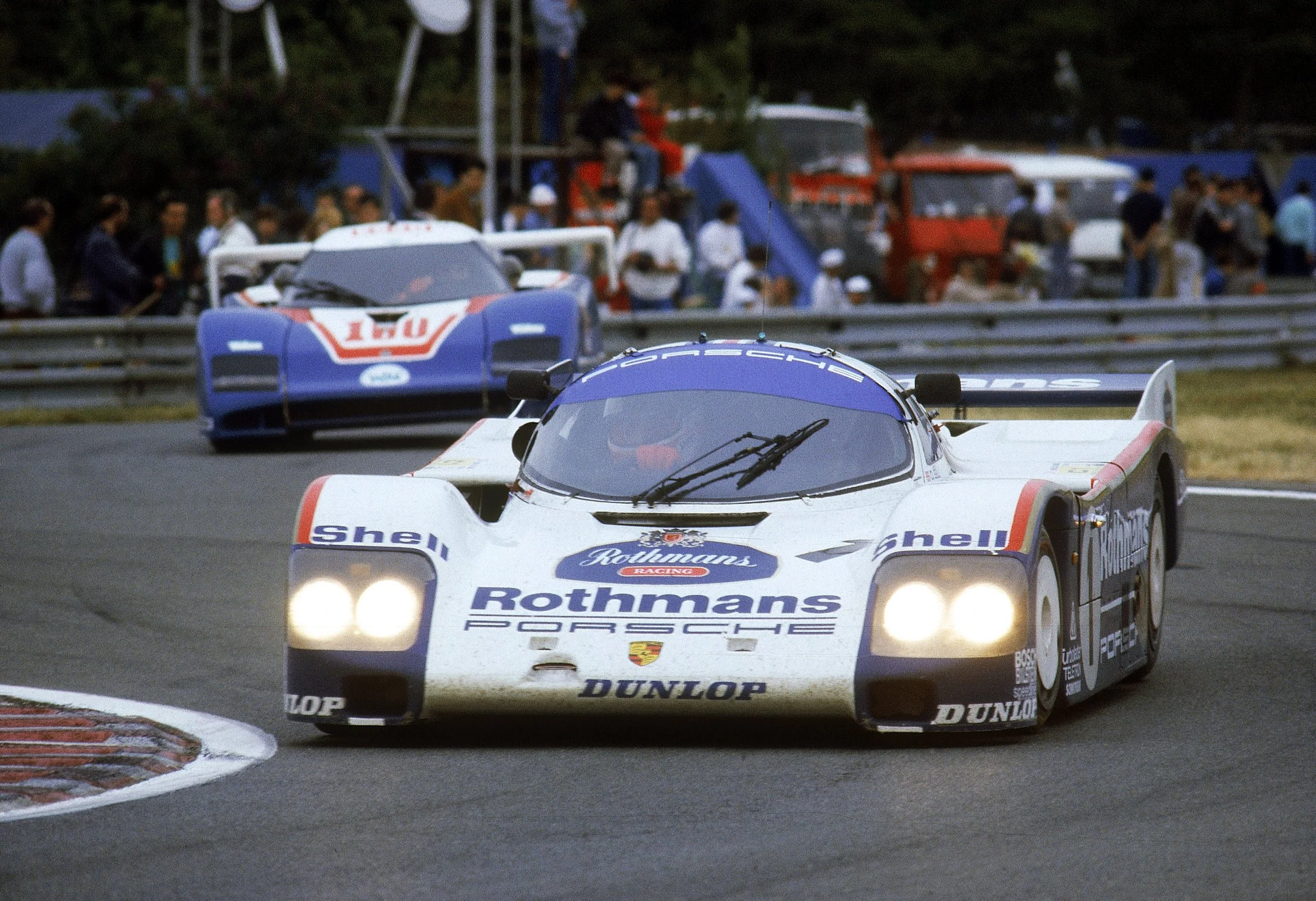
The Group C era of the 1980s lay at the heart of his years with Porsche. The Porsche 956 and, later, the Porsche 962 were prototypes that struck a new balance between aerodynamics, efficiency and stability. The 956 opened a new chapter in endurance racing. Ground effect and turbo technology took cornering speeds to a whole new level. For drivers, this meant extreme speeds, long distances and the utmost concentration throughout 24-hour races.
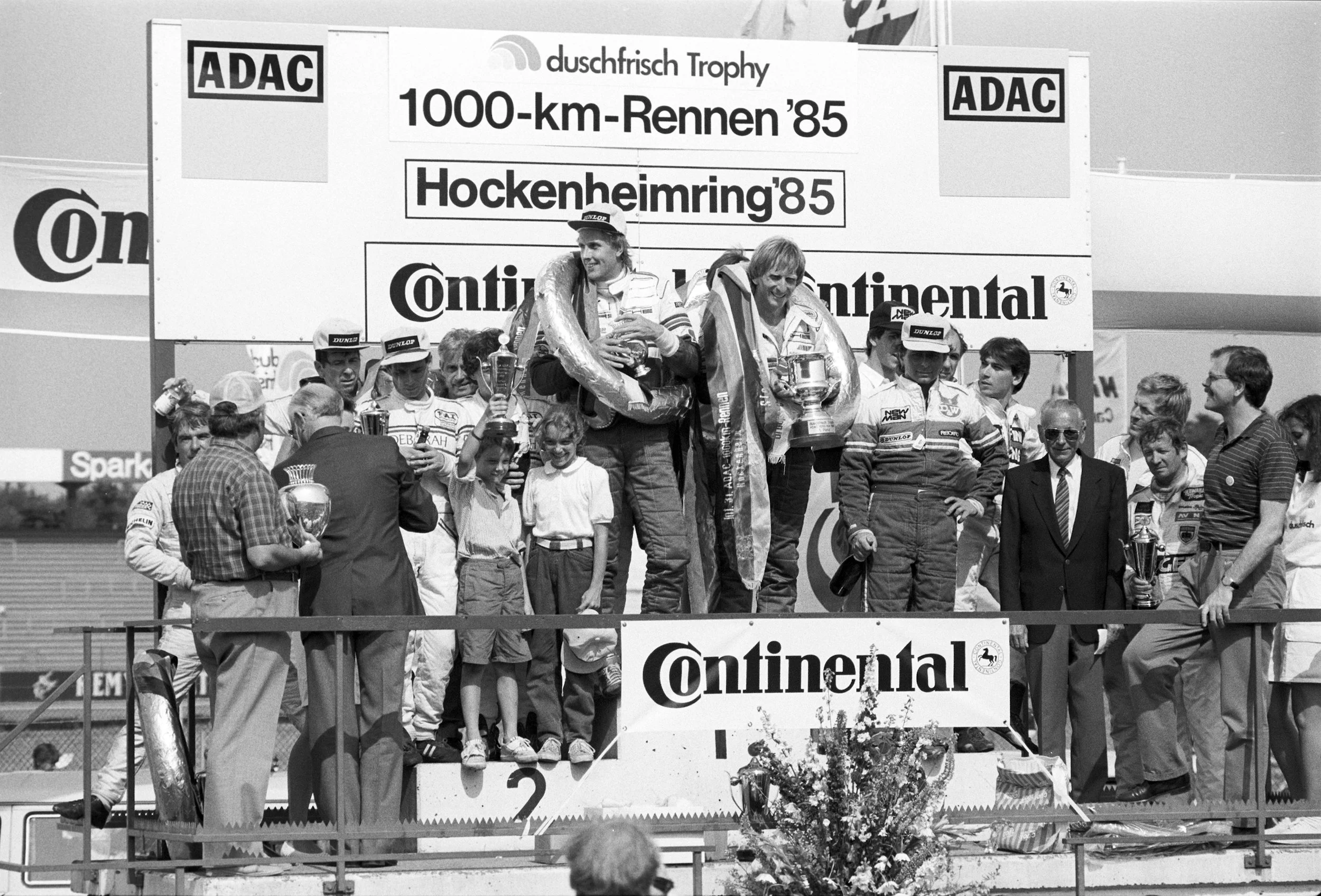
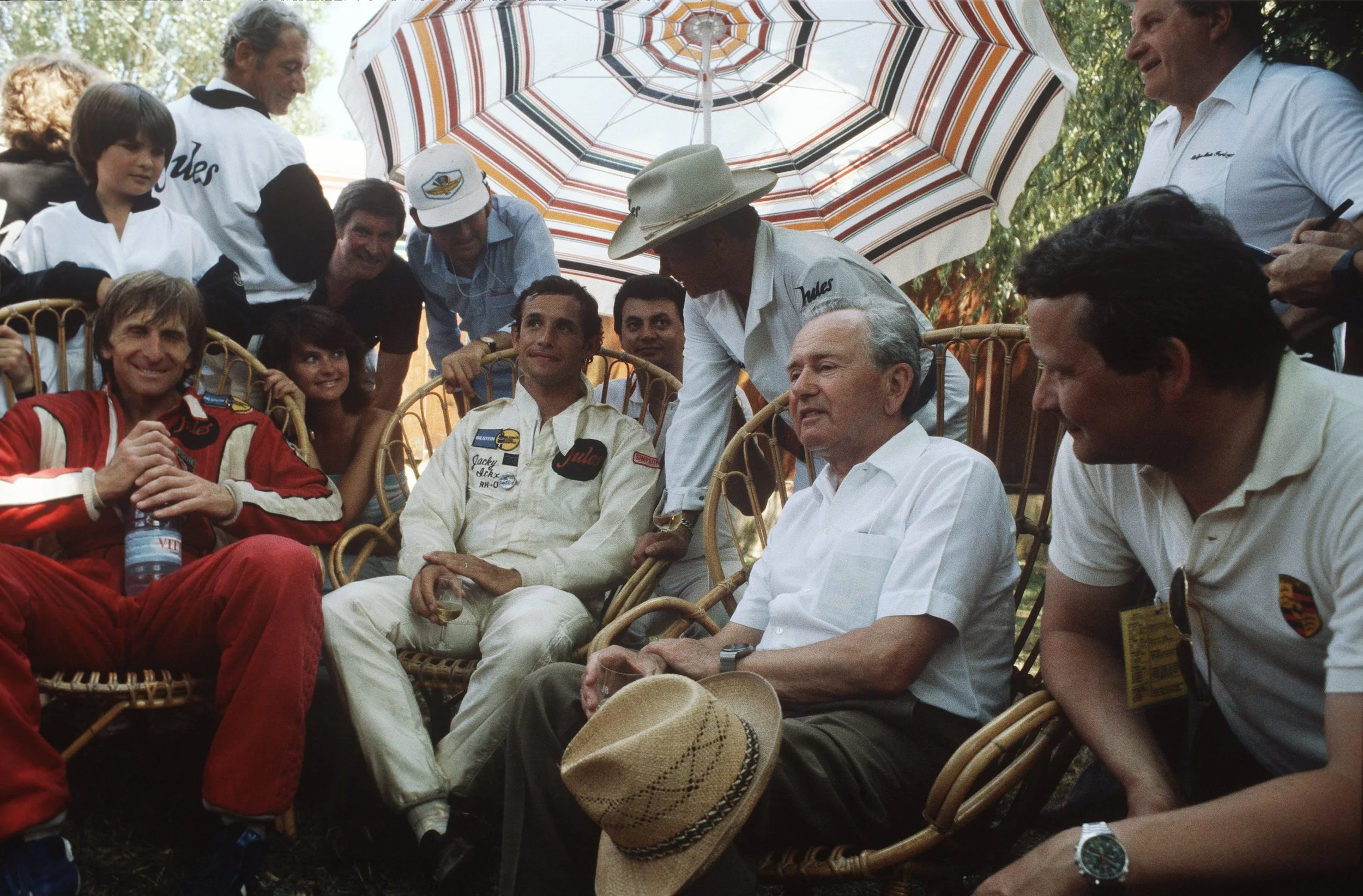
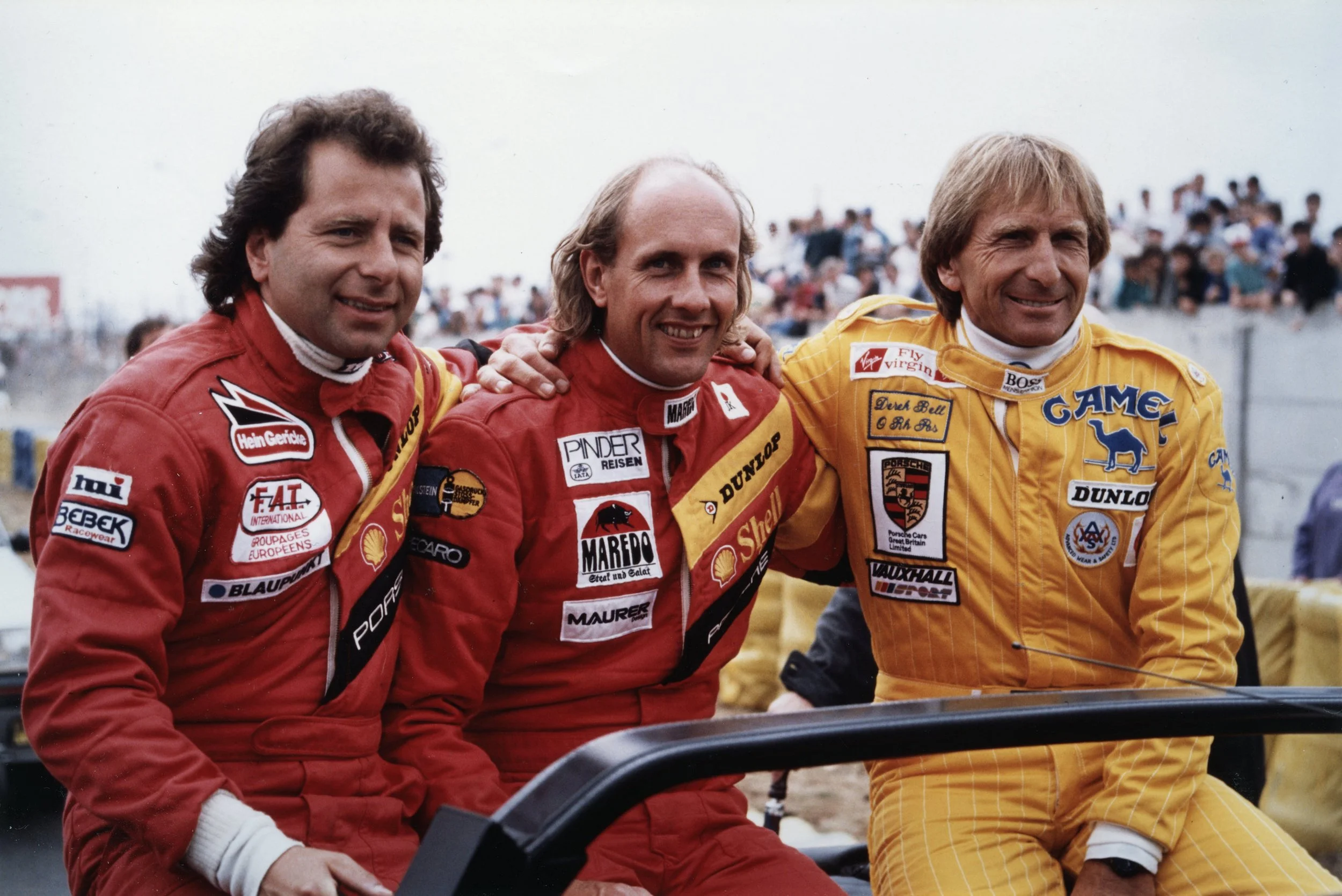
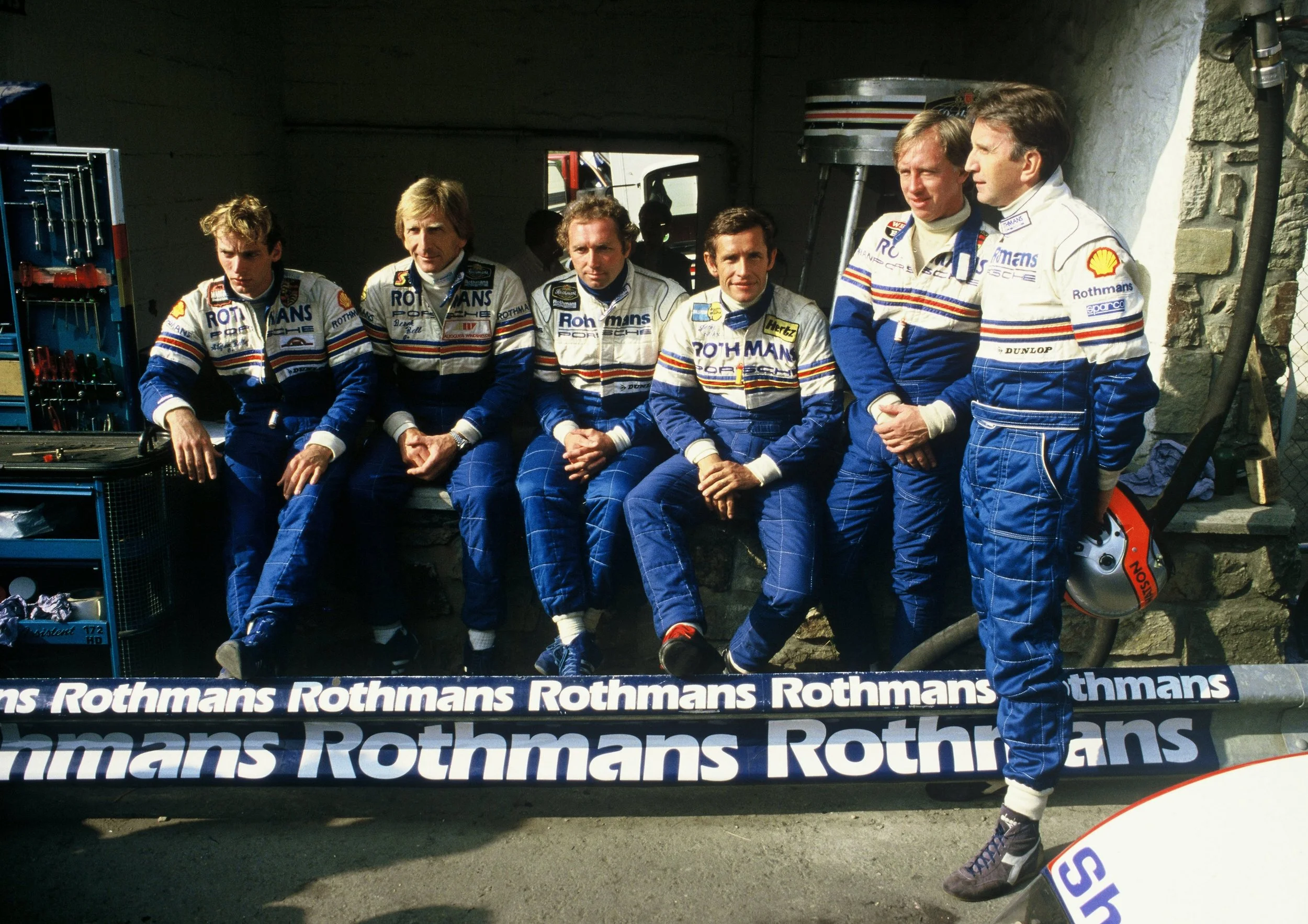
The Group C regulations of the day focused on fuel consumption as well as performance, so drivers had to strike a precise balance between speed and range. In this environment, Bell established himself as one of the defining endurance racers of his generation. With teammates such as Jacky Ickx, Hans-Joachim Stuck and Al Holbert, he won numerous races and championships. His partnership with Ickx proved particularly influential. Over several years, the pair formed one of the most consistent driver duos in motor racing.
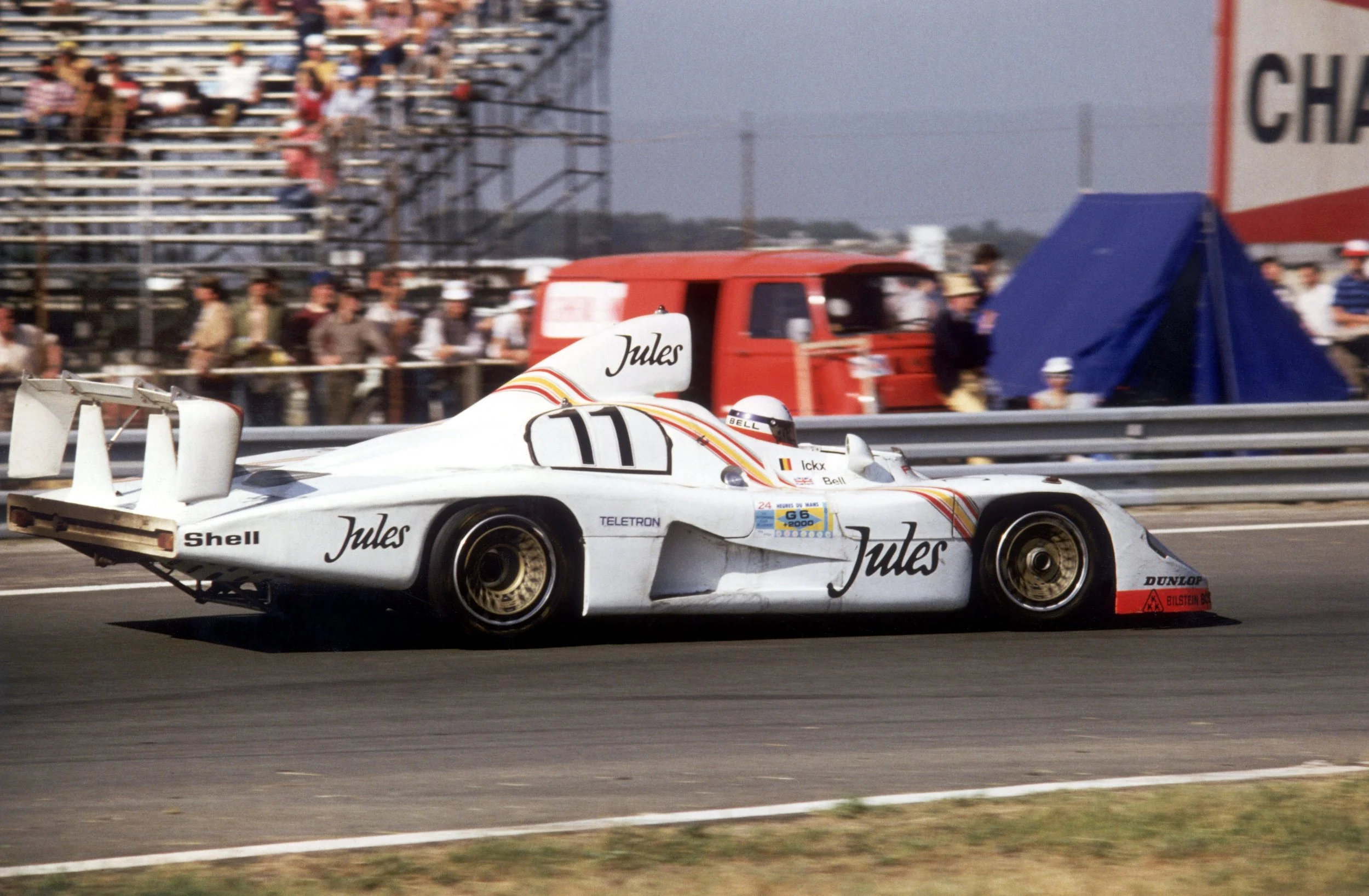
Bell became World Endurance Champion in 1985 and 1986. He won the 24 Hours of Le Mans five times, four of them with Porsche: in 1981 in the Porsche 936, in 1982 in the Porsche 956, and in 1986 and 1987 in the Porsche 962. His strength over long distances also showed at Daytona, where he won the 24-hour race in a Porsche 962 in 1986, 1987 and 1989.
A personal highlight of his Porsche years came when he raced alongside his son Justin. At the 1992 24 Hours of Le Mans, Derek Bell, Justin Bell and Tiff Needell shared the cockpit of a Porsche 962 C. The trio finished the race in 12th place.
Teammates and engineers consistently described Bell as calm, attentive and remarkably grounded. When he talks about his early years at Le Mans, he likes to recall a specific moment from his first Porsche race in 1971: a top speed of 396 km/h on the long Hunaudières straight. He later described the 917 LH's acceleration with a simple analogy, comparing it to an aeroplane taking off.
Bell stayed closely connected to the company after retiring from active racing. At historic events, in interviews and during presentations, he speaks of a time when engineers, mechanics and drivers often worked together to find solutions under enormous time pressure. A few years ago, at a reunion marking the ‘40 Years of Group C’ anniversary, he spoke openly about the effort behind the results: ‘We worked like mad.’ By ‘we’, he means all the racing drivers who once drove the Porsche 956/962, which Bell called the ultimate racing car, at racing speeds. At that particular gathering, though, he was referring especially to Jochen Mass, Hans-Joachim Stuck and Bernd Schneider.
Today, Bell lives in Florida and looks back on a career that spans several technical generations of endurance racing, from the 917 of the early 1970s to the Group C prototypes of the 1980s. His races tell the story of an era in which speed, endurance, and technical precision had to work in harmony for hours on end. That is precisely the constant in his career. Bell was not just fast: he understood how to manage his pace over the entire distance.