Singer Partners With Red Bull Advanced Technologies
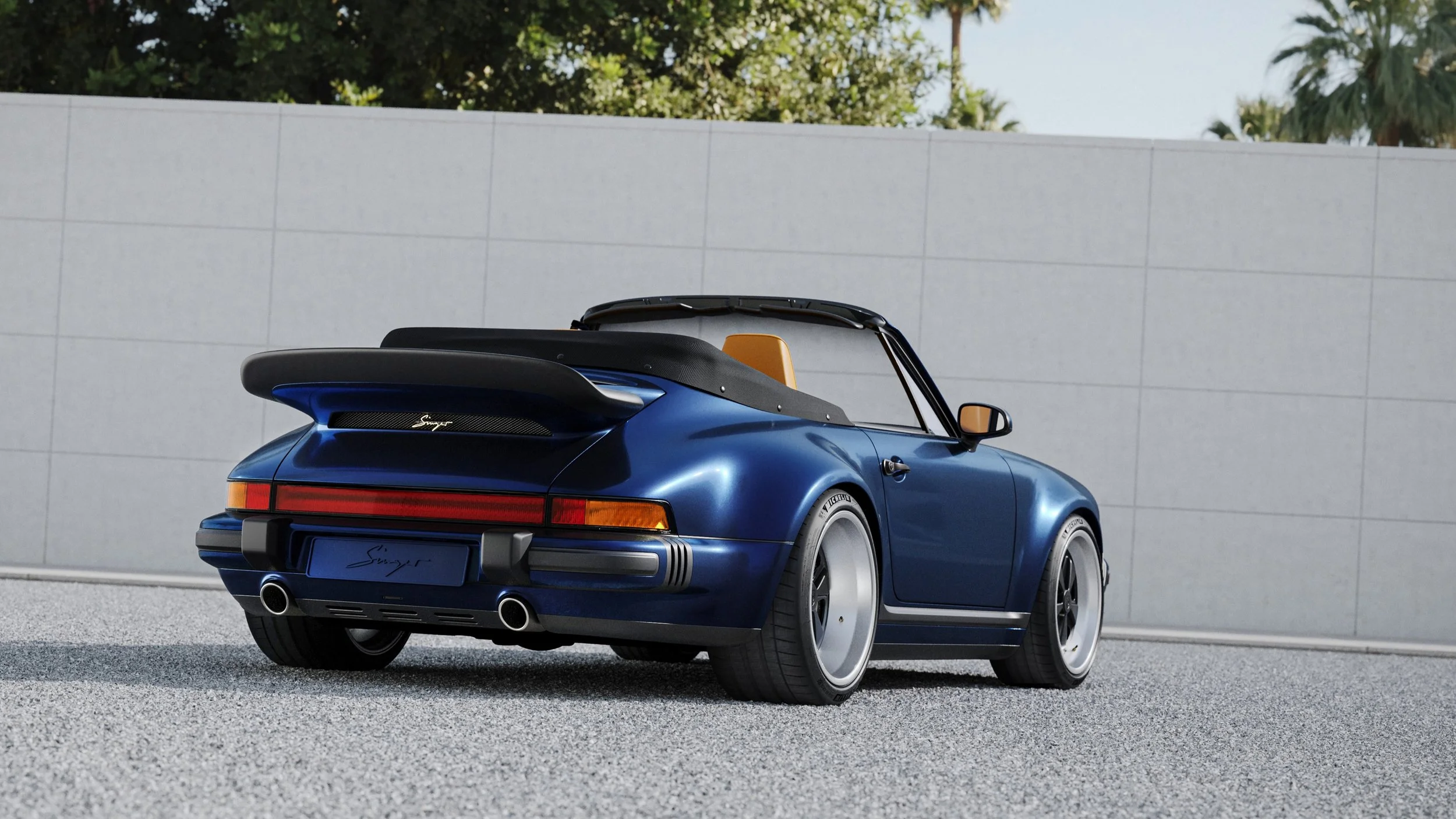
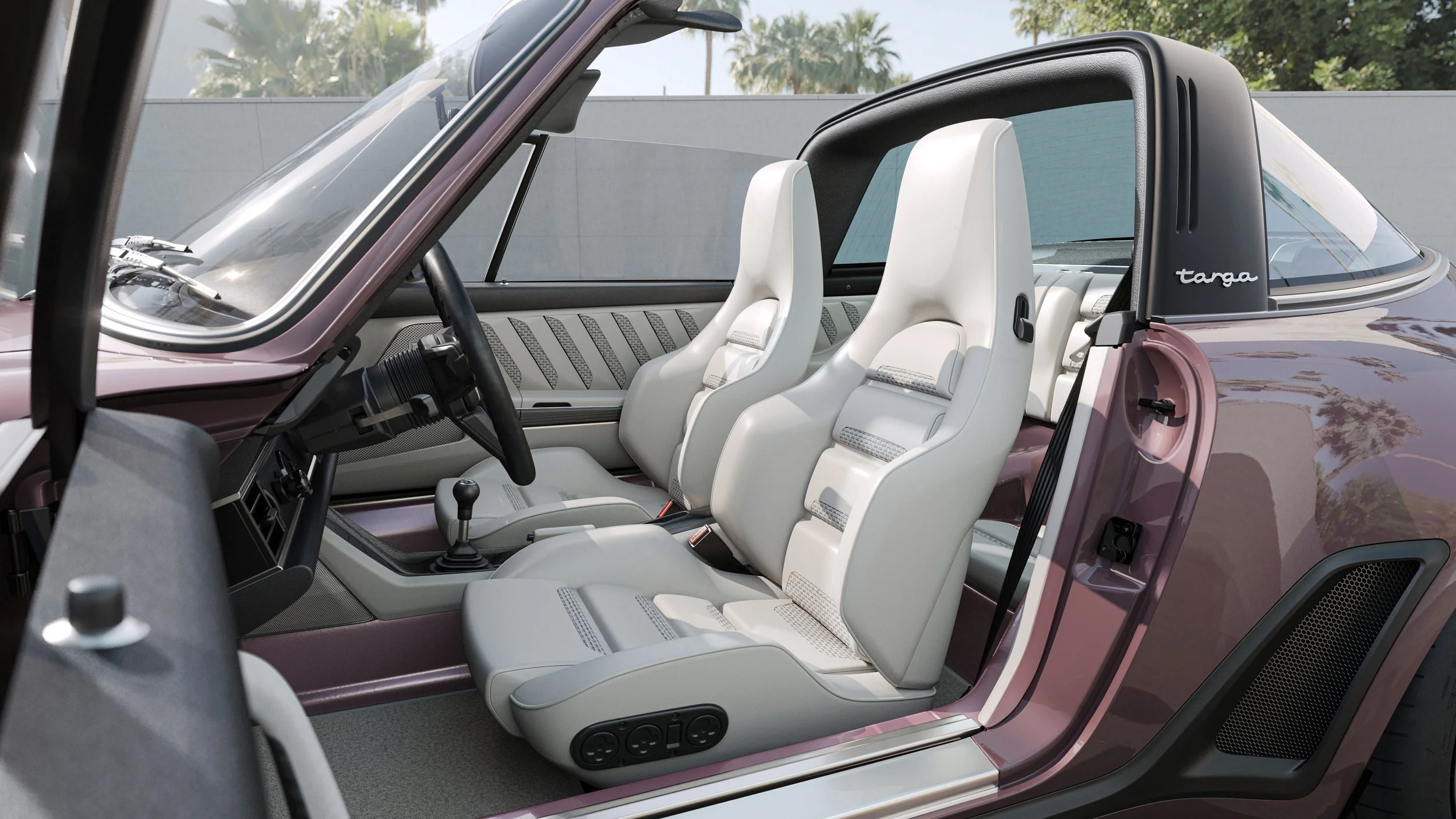
Red Bull Advanced Technologies, the high-performance engineering arm of Red Bull Technology Group, has joined forces with Singer, renowned for highly personalised restorations of air-cooled Porsche 911s. Together, they have created a strategy to increase the torsional stiffness of Type 964 Cabriolets and Targas reimagined through Singer’s Classic Turbo services.
Singer, founded in California in 2009, stands for a philosophy that is expressed simply as “A Relentless Pursuit of Excellence”. Red Bull Advanced Technologies mirrors that ethos through expert engineering and race-proven capability.
Singer begins work when an owner of a 964-generation Porsche 911 Cabriolet or Targa sends their car in and requests a personalised restoration through Singer’s Classic Turbo services. Porsche built these sports cars more than thirty years ago, and owners have kept them on the road ever since.
The team starts the restoration by carefully disassembling the owner’s car. They remove the interior, the exterior bodywork, and all mechanical components until they reveal the steel monocoque (chassis). They then assess the chassis in detail, clean it, and prepare it for optimal condition for the next stages of restoration.
Singer asked Red Bull Advanced Technologies to deploy world-class simulation and structural analysis for its clients. The engineers digitally modelled the Porsche 964 chassis using scanned data and manual measurements. They then used Finite Element Analysis (FEA) software to calculate the torsional stiffness of the car's variants, with and without a roof. The team refined the FEA model until the predicted stiffness values matched those recorded in physical tests.
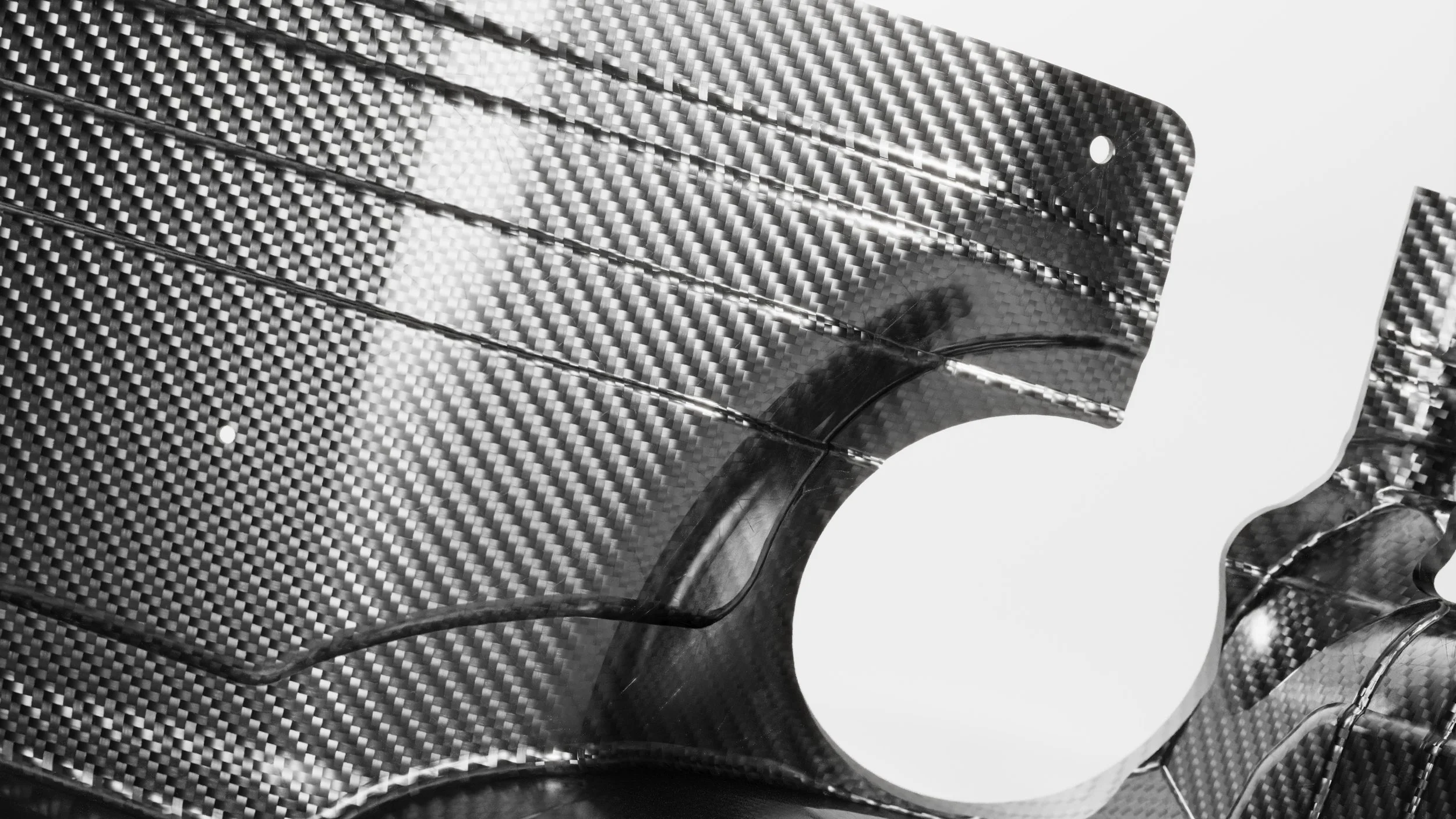
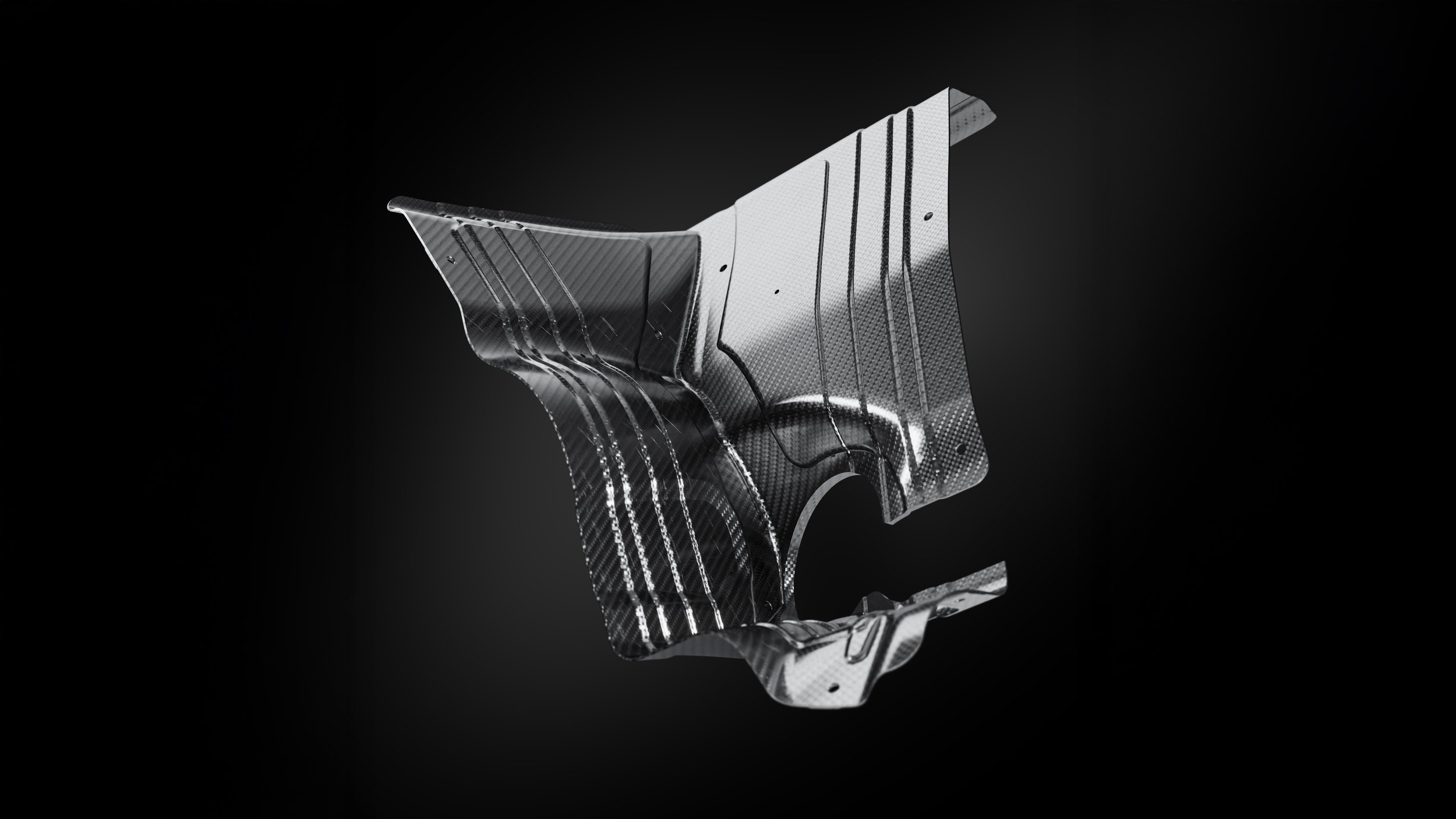
After the team calibrated the model, Red Bull Advanced Technologies used it to identify which parts of the open-roof structure resisted the applied torsion the most. The engineers focused primarily on strain energy to pinpoint the highest-loaded areas. Using that insight, they designed 13 carbon fibre structures to reinforce those areas while preserving the original Type 964 chassis and meeting packaging requirements. They then integrated the reinforcing structures into the correlated FEA model and tuned them to achieve the required torsional stiffness. Finally, the team tested a prototype vehicle with the reinforcing structures to validate the analysis.
During the restoration process, technicians bond the 13 carbon fibre reinforcing structures developed by Red Bull Advanced Technologies to the 964 monocoque. The approach increases overall torsional rigidity by 175%. The stiffer chassis improves handling, braking, and overall refinement, giving open-roof cars a driving experience that now matches the coupe.
Rob Gray, Technical Director of Red Bull Advanced Technologies, said: “Our expertise is derived from relentless competition and success at the very highest levels of motorsport. We apply that expertise to engineering challenges across a wide variety of projects and industries. Singer's challenge was to increase the stiffness of the open-roof Type 964, achieving the same dynamic performance as the coupe while minimising additional weight. The careful balancing of performance against weight is extremely familiar to us, and we’re delighted to have been able to support Singer and their clients with this solution.”
Mazen Fawaz, Chief Strategy Officer at Singer, said: “Our clients are some of the most discerning drivers in the world. To meet their standards, we work only with the best, and our search for expertise in this area led us to Red Bull Advanced Technologies. Since 2009, our approach has brought heritage together with cutting-edge engineering, and Red Bull’s mastery of advanced materials, simulation, and structural analysis exemplifies this approach. The results underline the extraordinary lengths we go to in our relentless pursuit of excellence”.
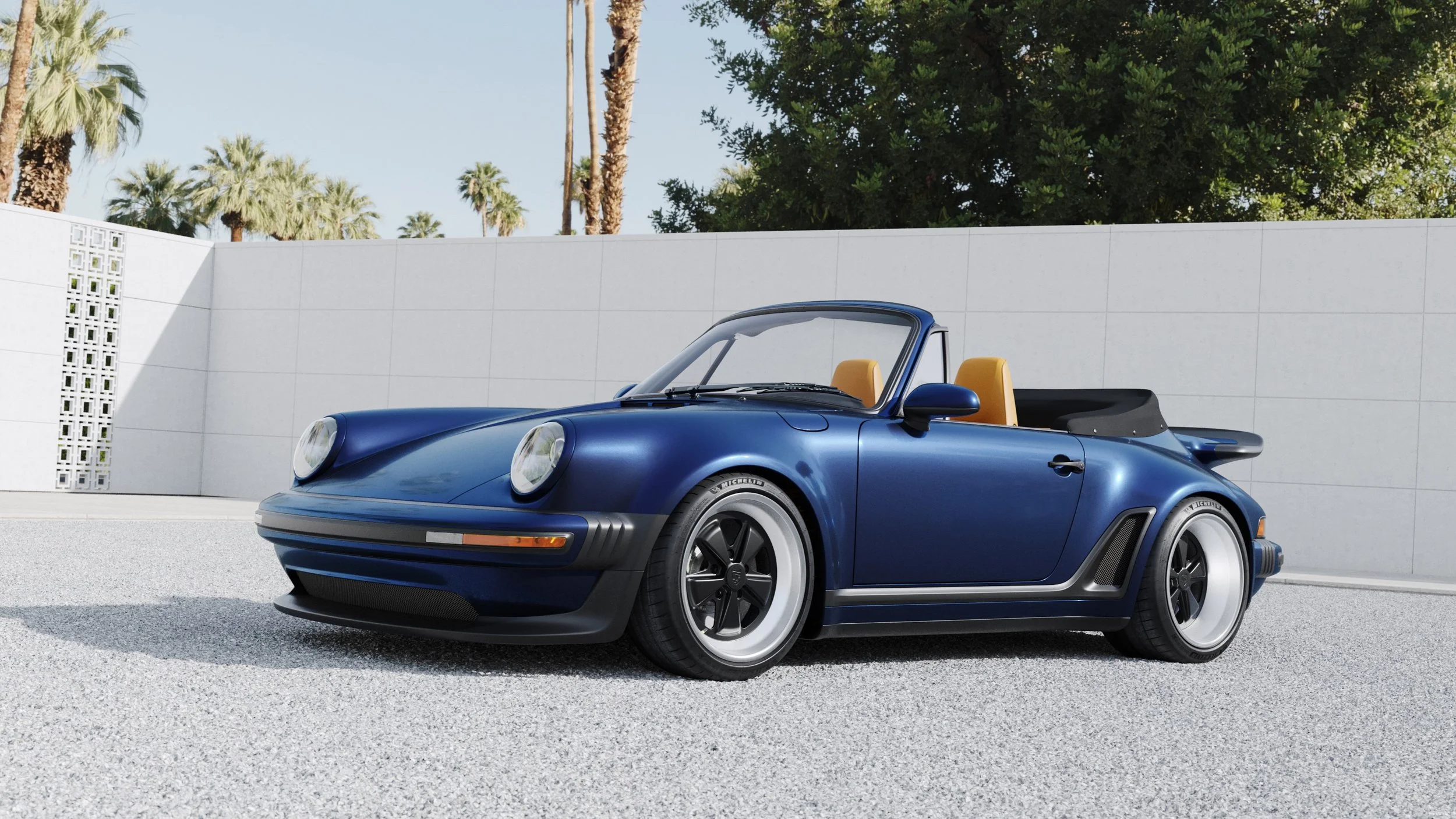
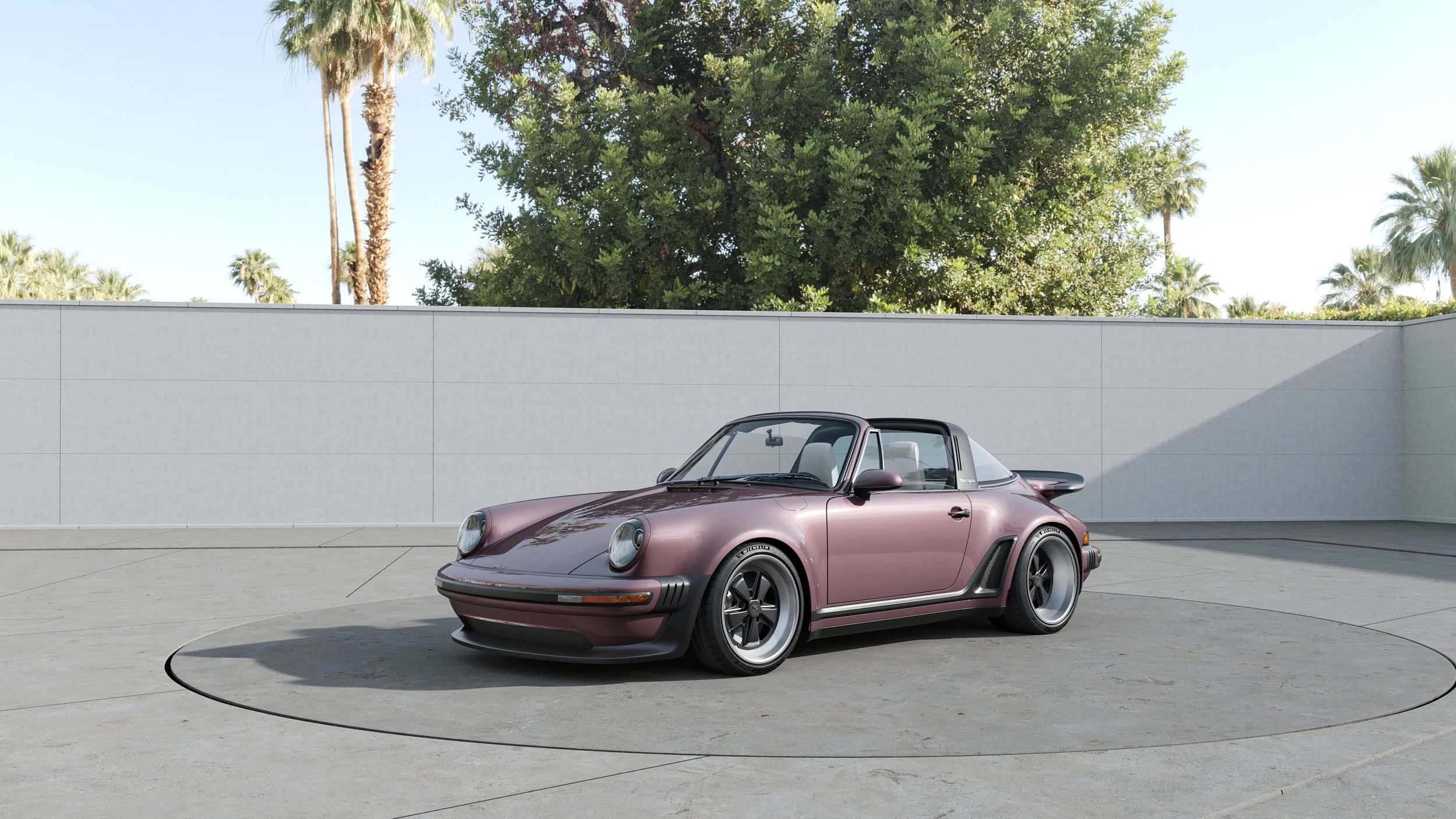
Singer’s Classic Turbo services allow owners to restore their cars with inspiration from the original 911 Turbo, launched in 1974. Owners can choose coupe, cabriolet, or Targa body styles. At the same time, the programme applies the same engineering focus on torsional stiffness, carbon fibre reinforcement, and improved chassis rigidity where it matters most.