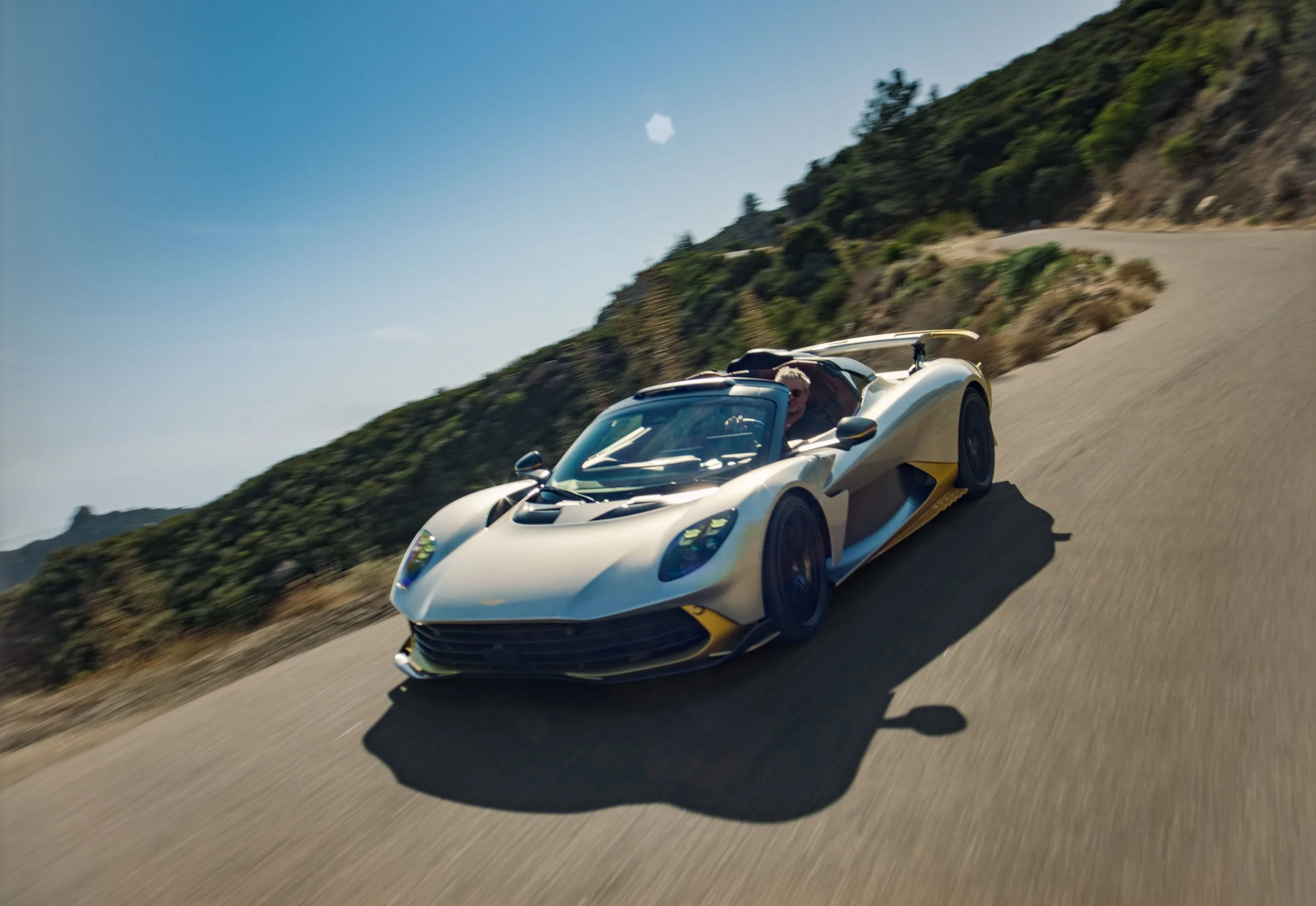
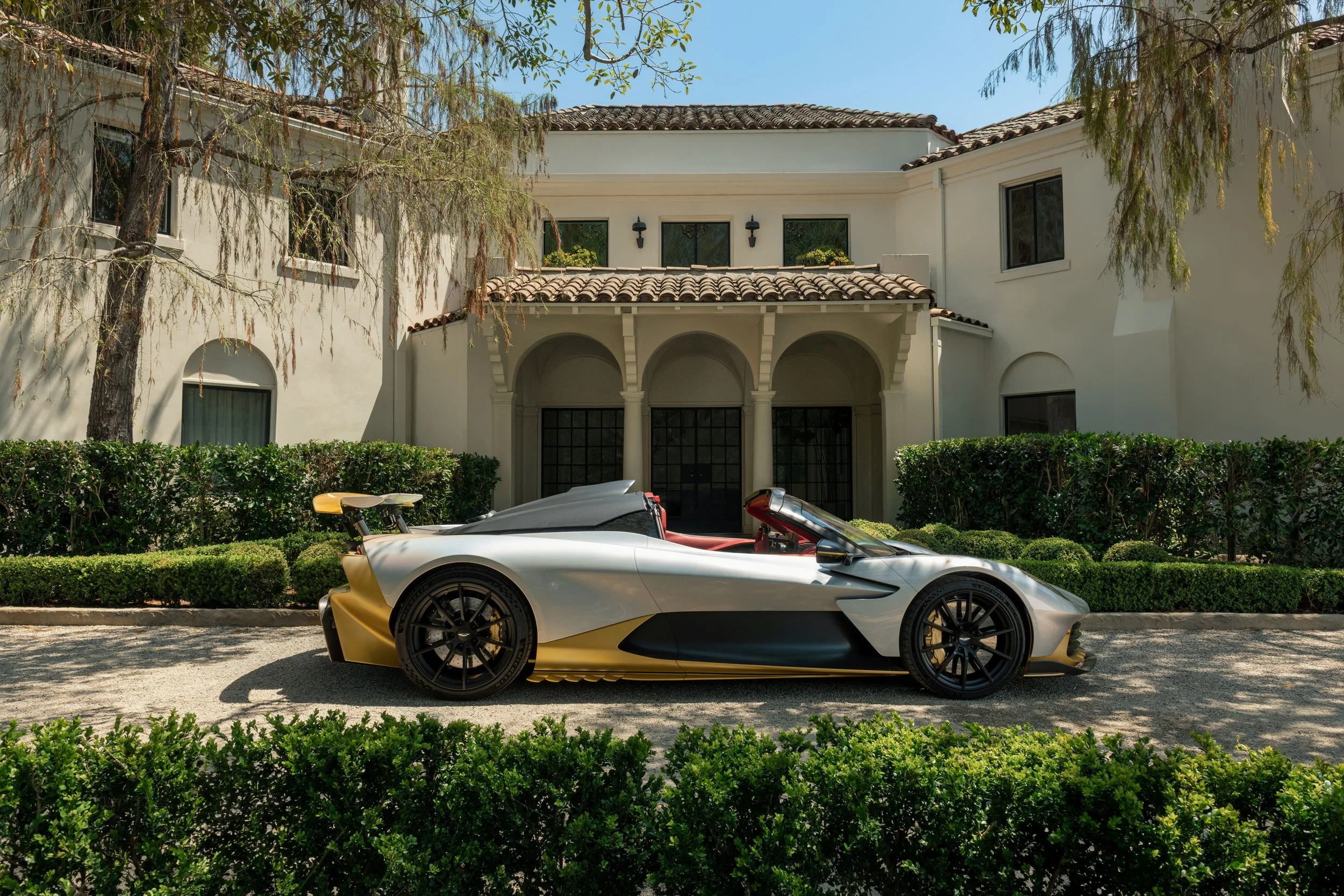
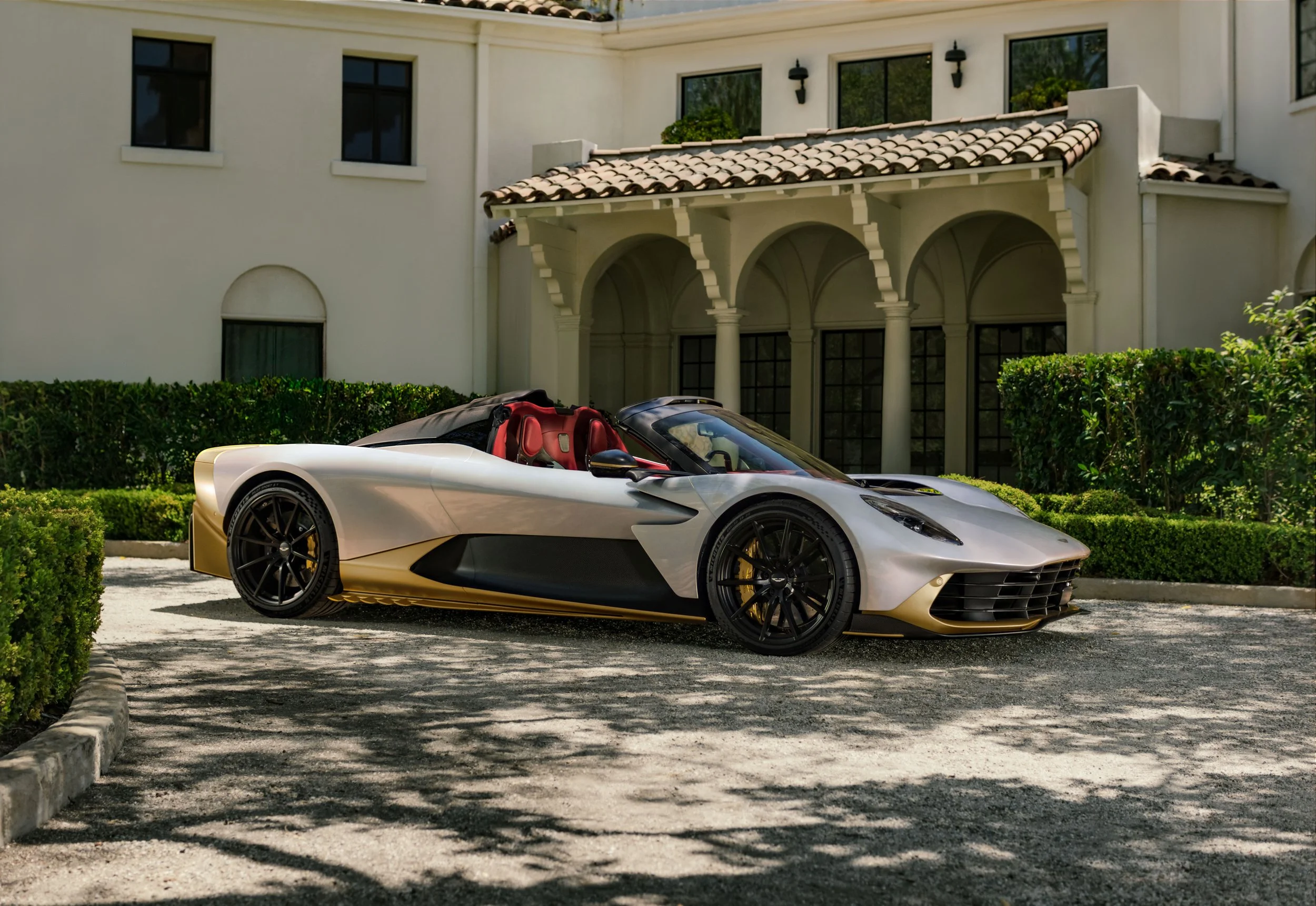
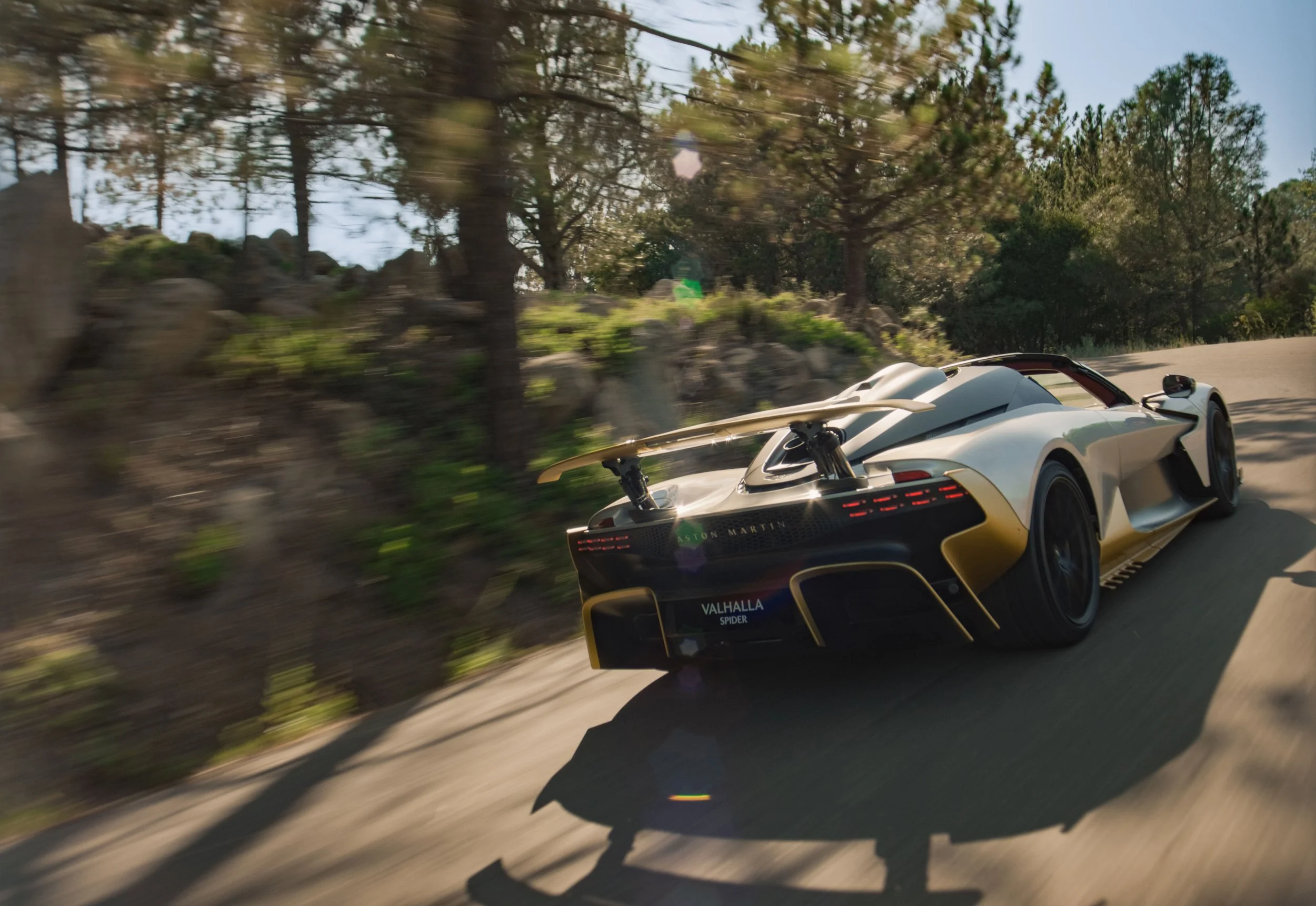
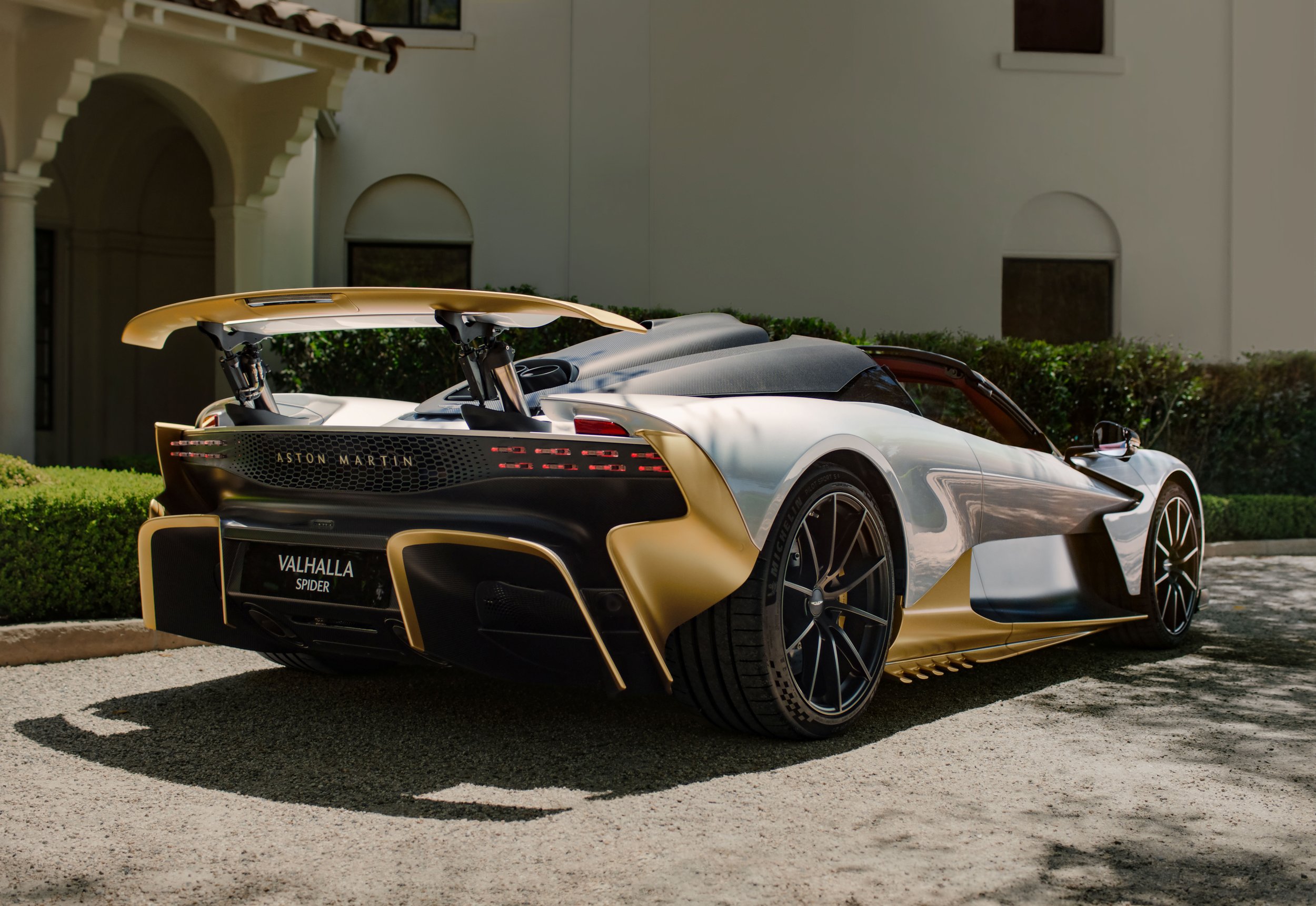
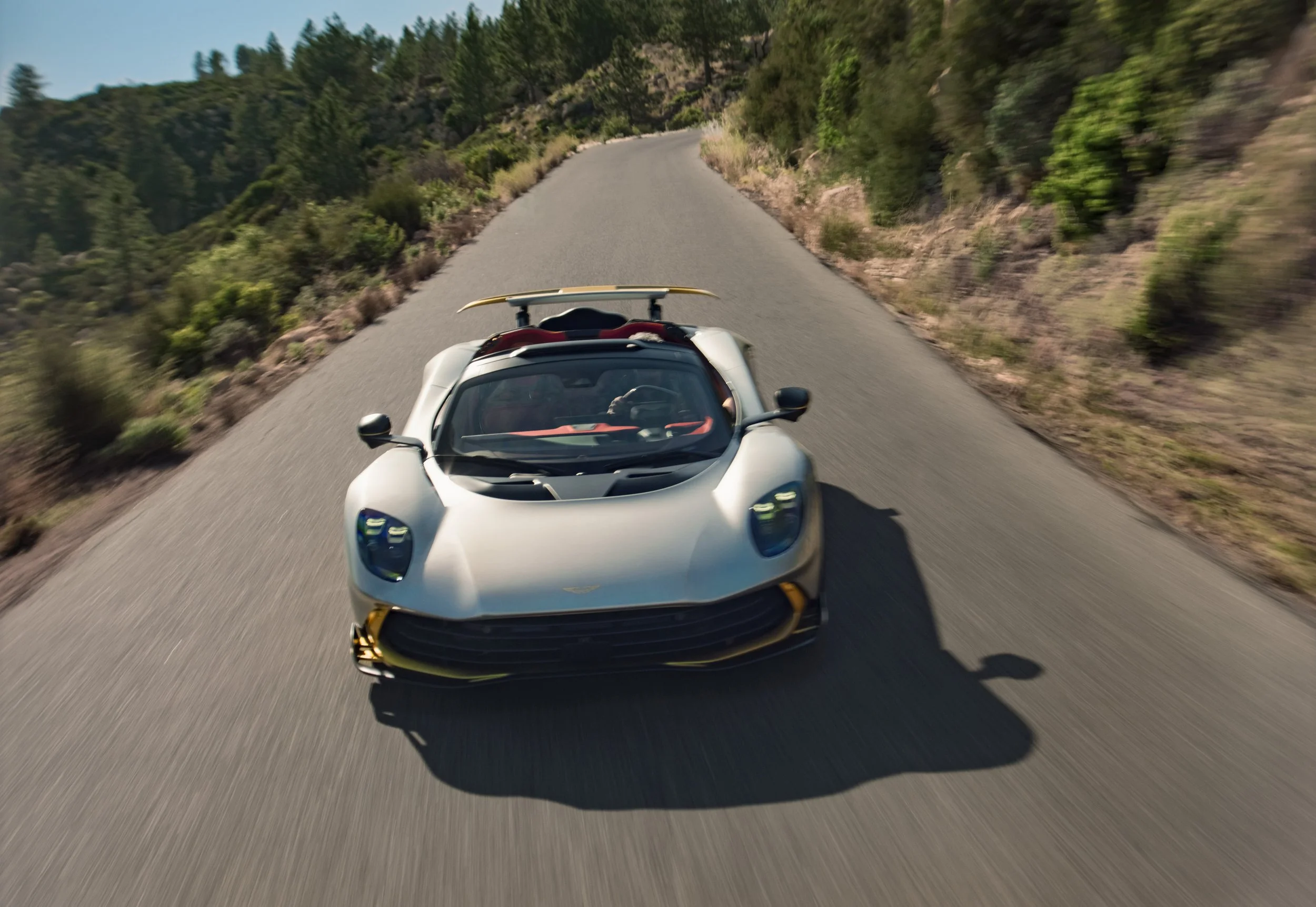
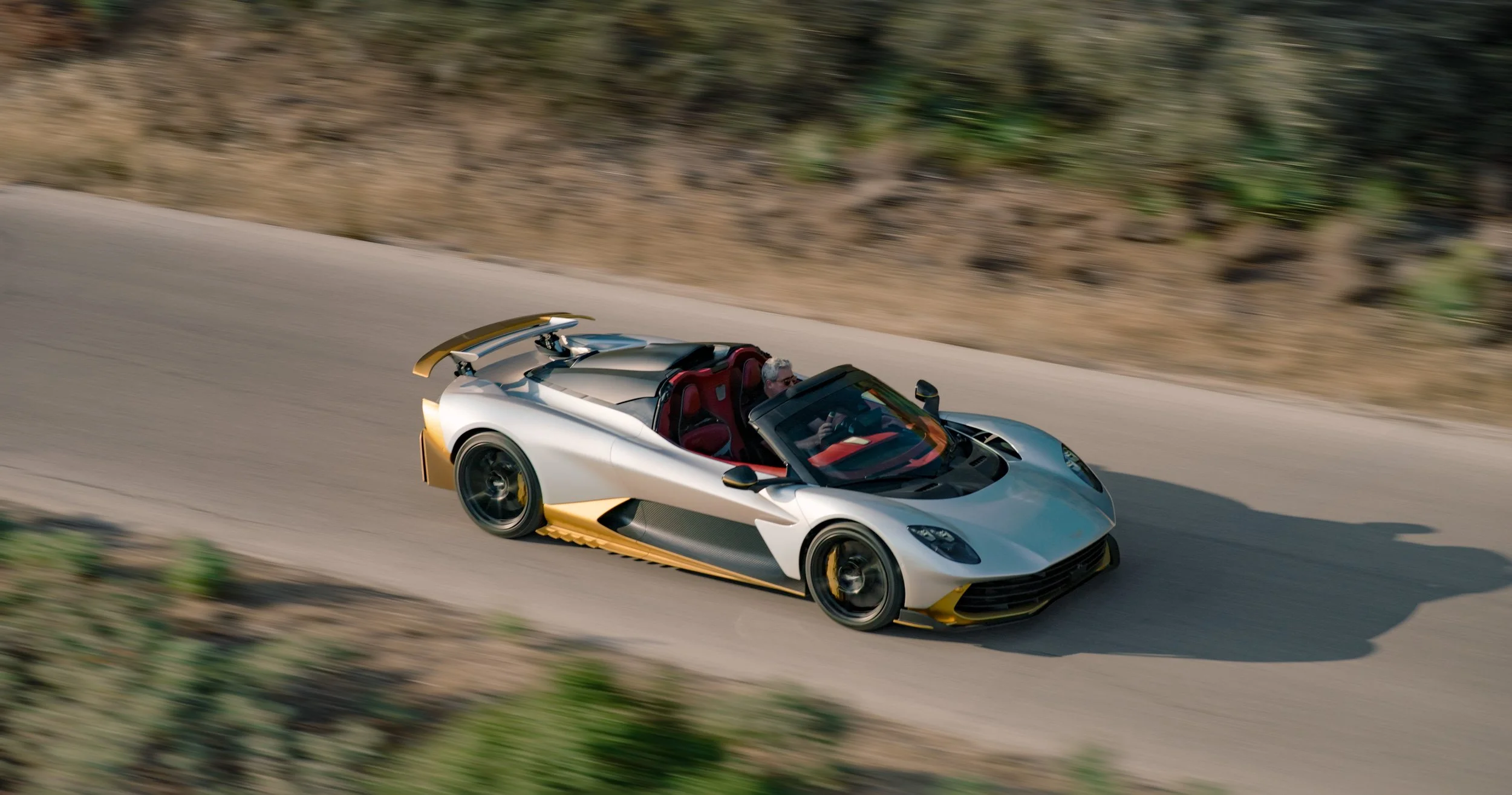
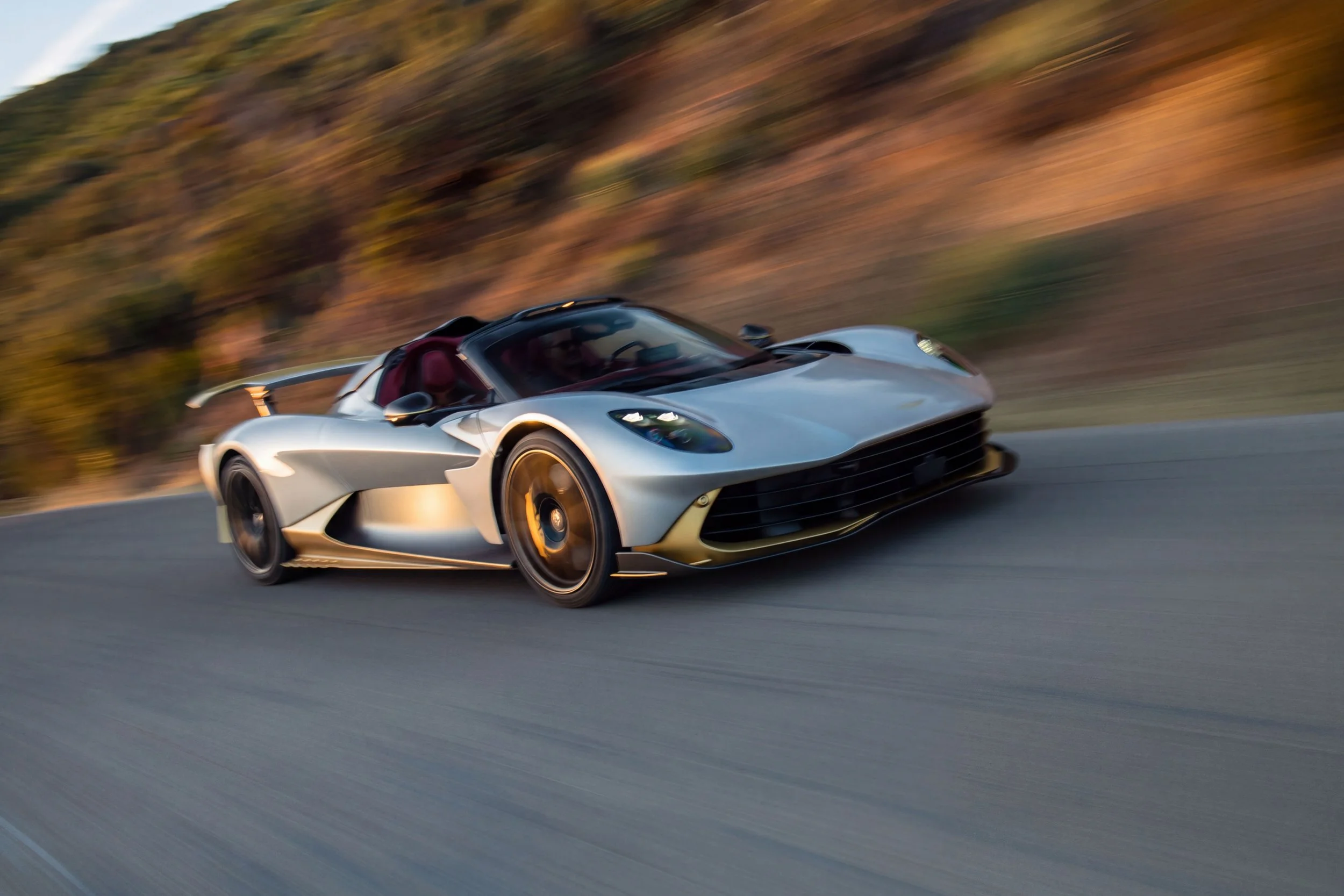
Following the successful introduction of the acclaimed mid-engined hybrid Valhalla Coupe earlier this year, Aston Martin is proud to present the new Aston Martin Valhalla Spider. It is the ultimate expression of roof-off driving and the fastest open-cockpit Aston Martin ever made.
As Aston Martin's first mid-engined open-cockpit production supercar, the Valhalla Spider has a clear mission. It aims to increase driver enjoyment while preserving the class-leading dynamic bandwidth that allows Valhalla to deliver the highest levels of accessible performance and engagement on both road and track.
Aston Martin has continued to work closely with Aston Martin Performance Technologies (AMPT), the consulting arm of the Aston Martin Aramco Formula 1® Team, on dynamics, aerodynamics and materials. This collaboration has brought an extra dimension of knowledge and skill to the Valhalla Spider's design and development. It has allowed Aston Martin to push the boundaries of supercar engineering and performance further, now in roof-off form.
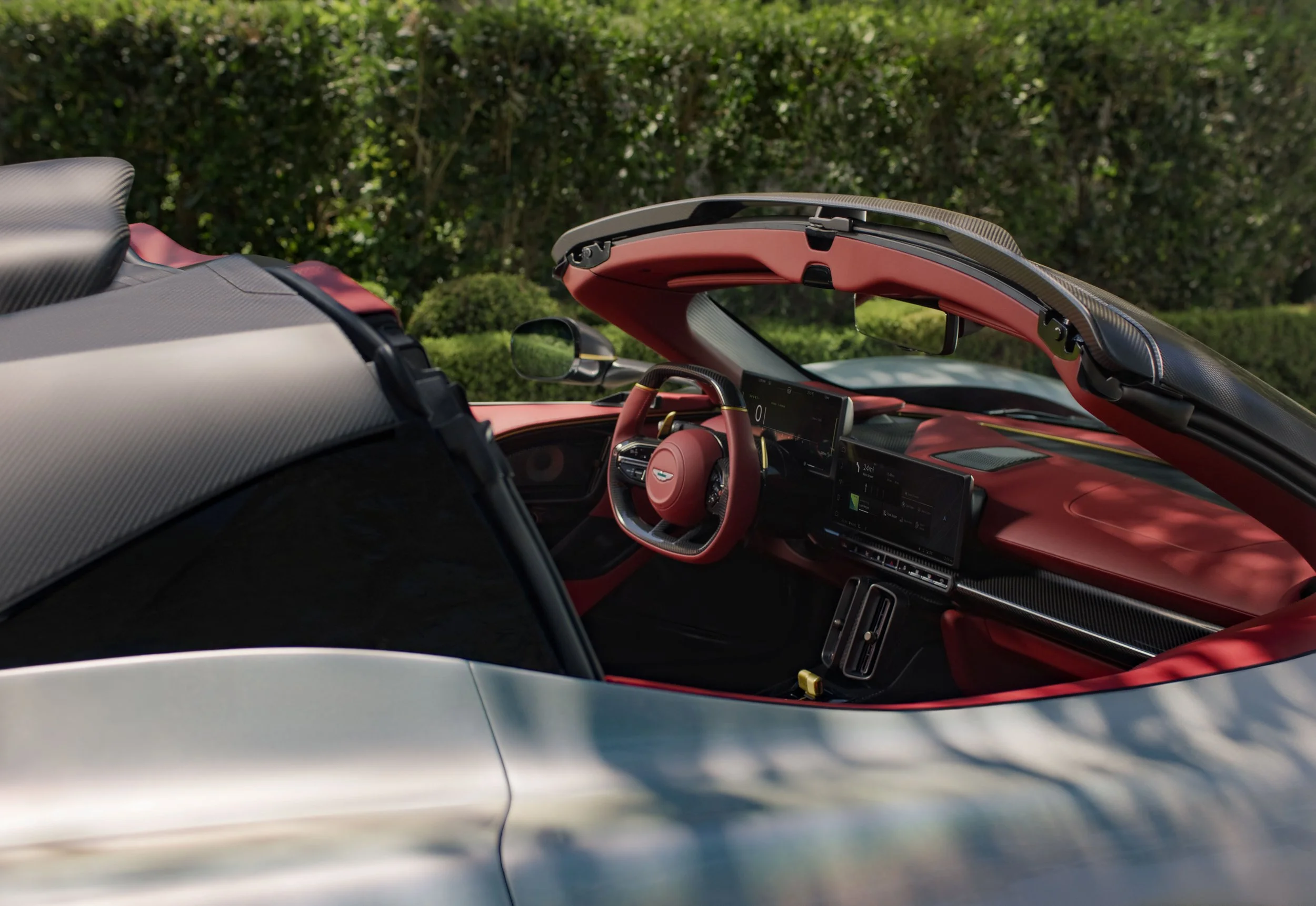
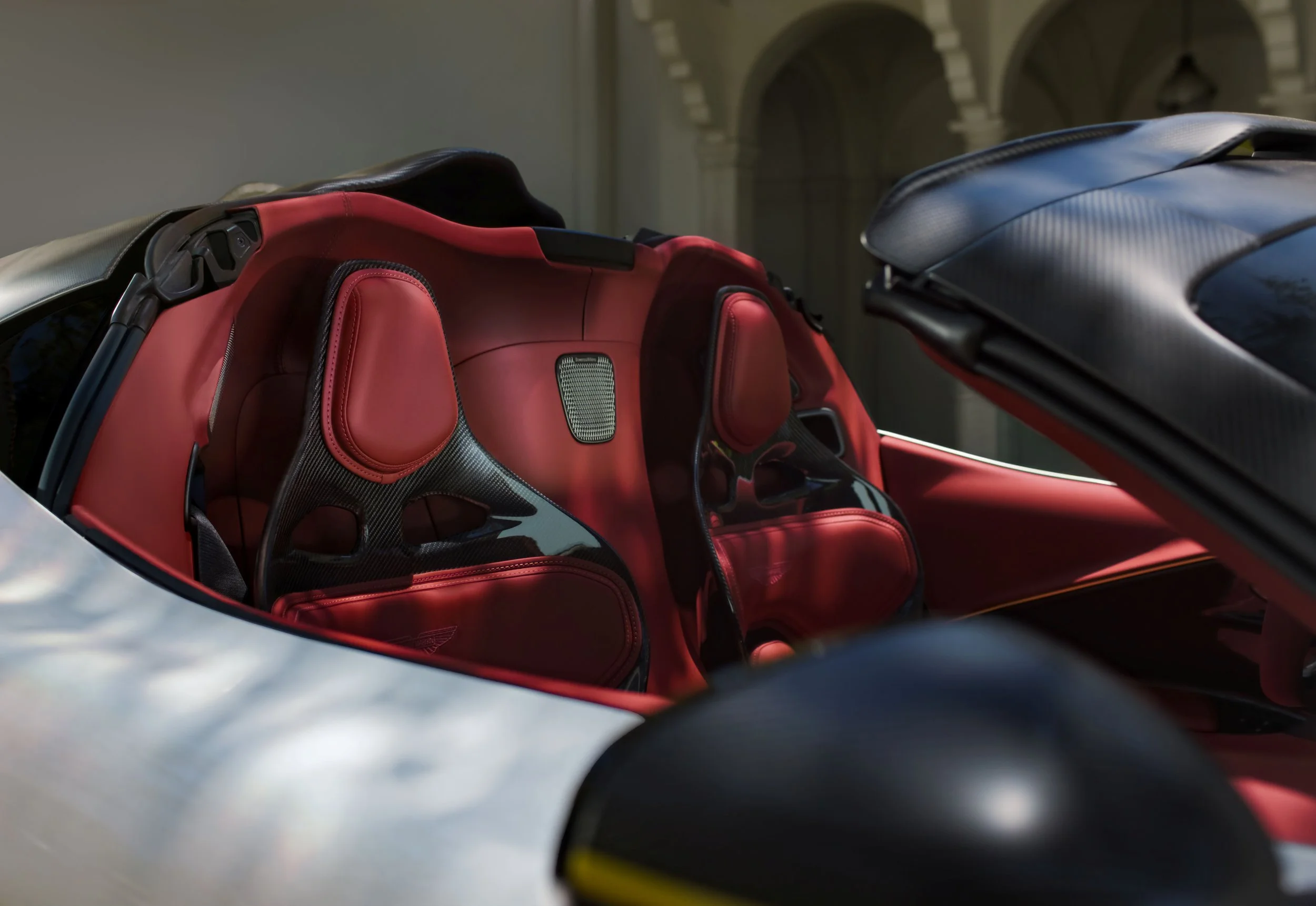
A comprehensive roof system preserves the Valhalla Coupe's clean, flowing lines and offers the best solution for every driving scenario. A removable, stowable black fabric roof comes standard*, so customers can enjoy roof-off driving while still having full weather protection should conditions change. With the fabric roof in place, drivers can reach speeds of up to a class-leading 124mph (200 km/h). An optional carbon fibre hard top offers an alternative. It gives unrestricted roof-on access to the Valhalla Spider's immense top speed, which is electronically limited to 217mph (350 km/h). Aston Martin also supplies a rain cover for static use.
Underlining its commitment to driving thrills, the Valhalla Spider can also reach Vmax with its roof removed. This makes it the fastest open-cockpit Aston Martin ever.
To maintain maximum performance with the roof off while optimising occupant comfort, the Valhalla Spider features a unique wind deflector. This simple yet effective device manages airflow over the open cockpit and clips quickly into position once the roof panel is removed. Its design controls airflow off the windscreen header, pulling cooling air down to the snorkel while lifting air over the occupants for greater comfort. Aston Martin has also optimised the snorkel for this open-top variant. Bespoke to the Valhalla Spider, it has a new profile and sits 35mm taller. With the roof on, the wind deflector folds into three parts and stows inside the new 15-litre sill stowage apertures. Revised active aerodynamics and Electronic Stability Programme (ESP) calibrations identify and adapt to airflow in both roof-on and roof-off conditions. They maintain consistent vehicle balance, stability and driver confidence.
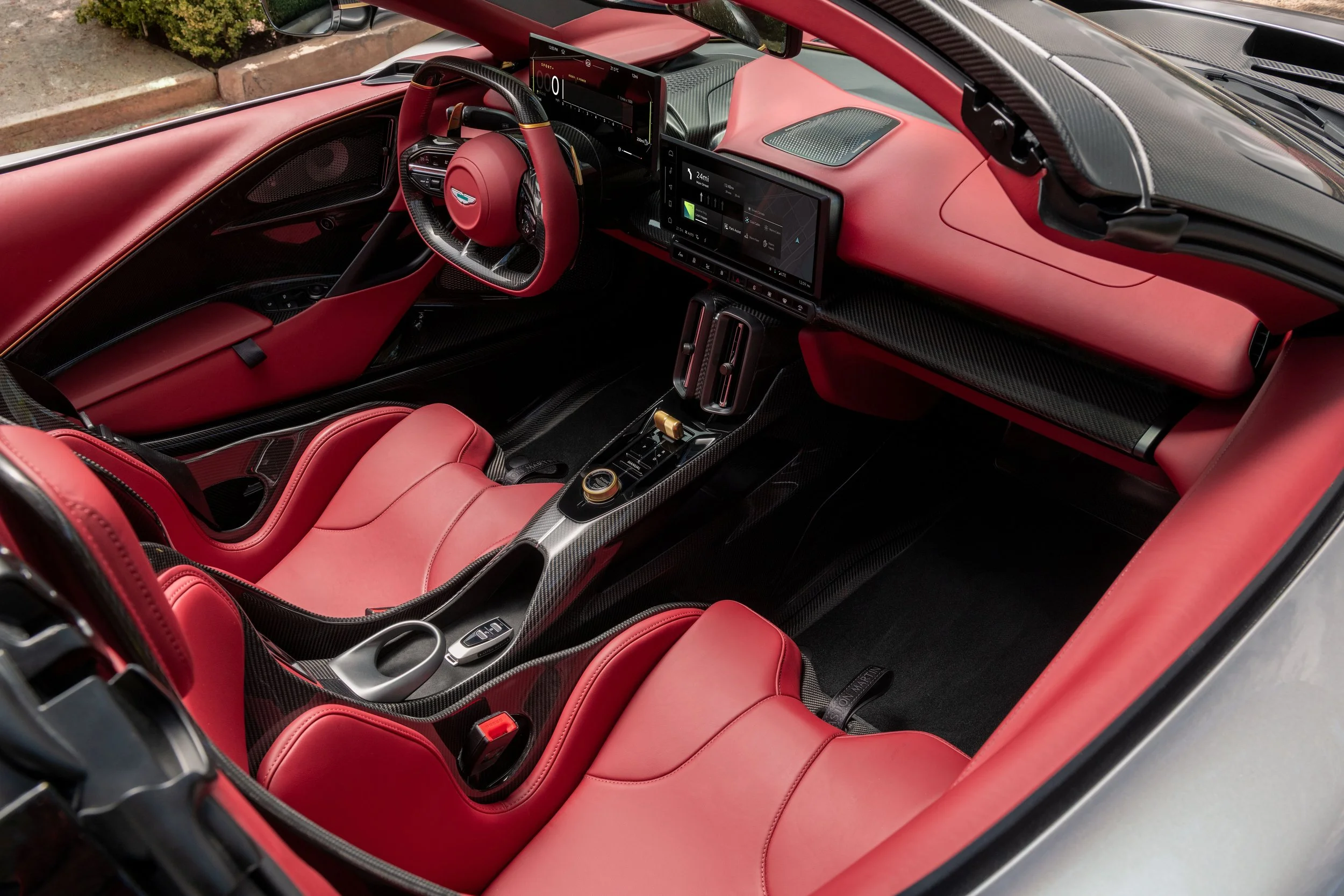
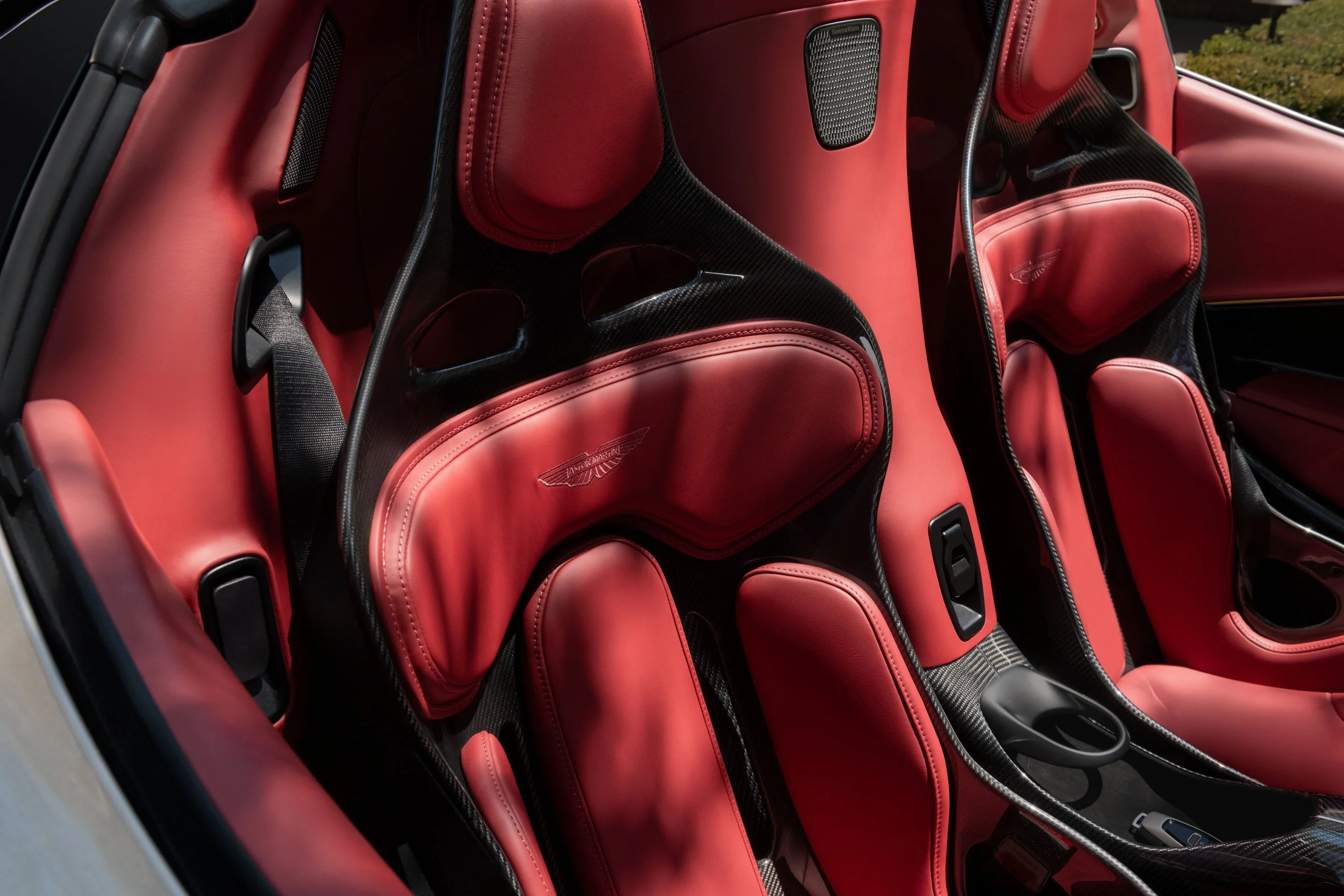
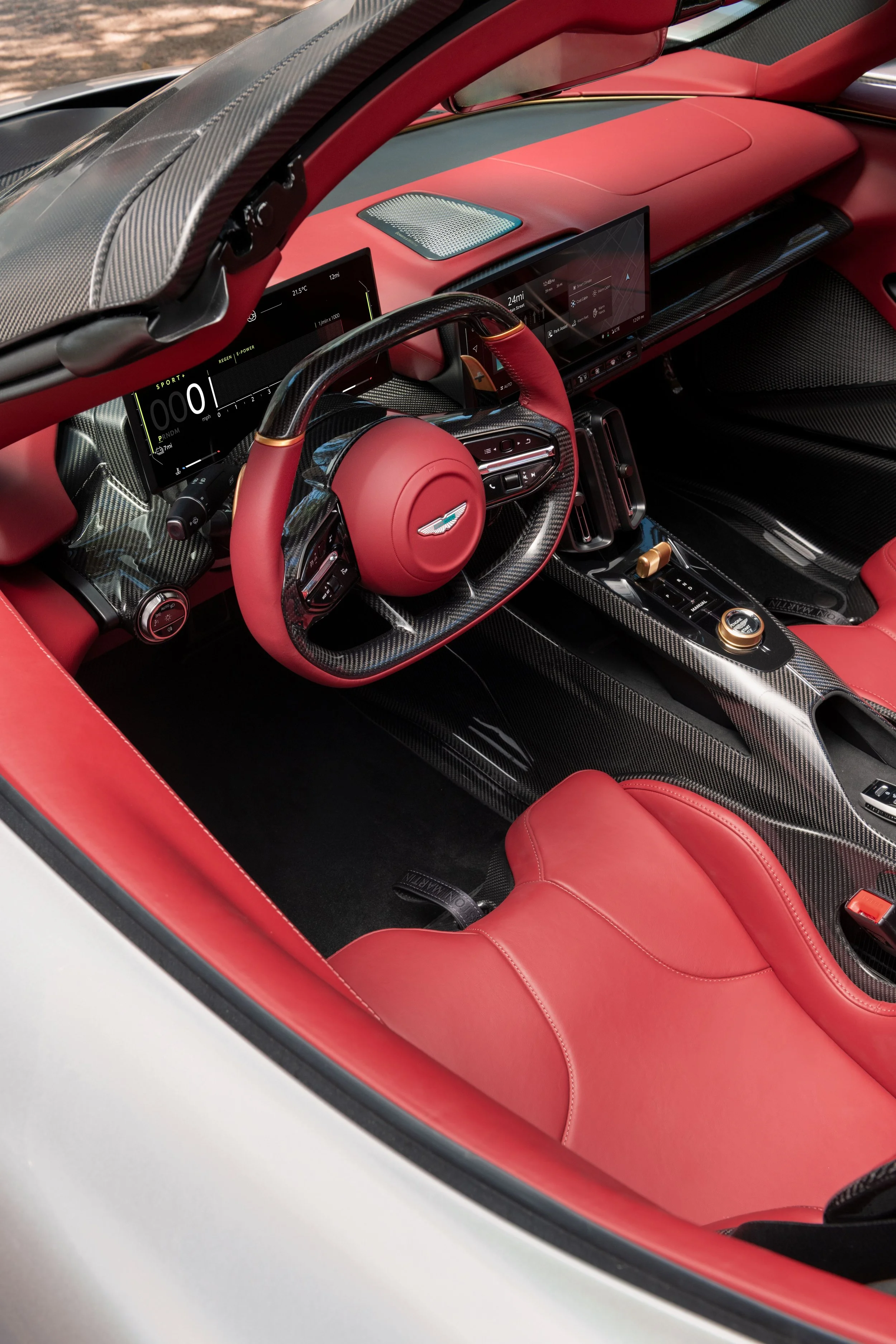
A new carbon fibre Touring Seat now comes as standard on the Valhalla Spider. It improves occupant comfort and makes entry and exit easier with the roof on. However, customers who prefer more dynamic driving support can keep the original carbon fibre seat from the Valhalla Coupe at no cost.
The Valhalla Spider shares the Valhalla Coupe's plug-in hybrid powertrain, which produces 1079PS and 1100Nm of torque. At its heart sits the 828PS 4.0-litre twin-turbo V8 engine. Unique to Valhalla, it delivers a specific output of 207bhp per litre, the highest of any Aston Martin combustion engine. A trio of e-motors and a High-Performance Battery (HPB) add a further 251PS, making Valhalla a true supercar with hypercar performance.
Two electric motors drive the front e-axle, with full Electric Torque Vectoring (E-TV) to sharpen both agility and stability. The third motor sits alongside the eight-speed DCT transmission and helps the V8 drive the rear axle and e-diff. There is no mechanical connection between the front and rear axles. Instead, Aston Martin's advanced Integrated Vehicle Dynamics Control (IVC) system continually manages drive to each wheel. The IVC electronics monitor the suspension, braking, steering, active aerodynamics and powertrain to achieve optimal performance and driver connection in every situation. Working in harmony with Valhalla's four driver-selectable drive modes, IVC continually shapes the Valhalla Spider's dynamic character by monitoring vehicle behaviour and driver demands. Through precise calibration, this immensely complex and sophisticated system delivers an organic, natural-feeling driving experience.
The Valhalla Spider also features the same advanced, extensive whole-vehicle active aerodynamics that debuted on the Valhalla Coupe. It combines movable aerodynamic surfaces with precise management of underbody airflow. Depending on the situation and the selected driving mode, the car continually adjusts front and rear downforce to maximise grip, handling balance, and response consistency. Alternatively, it reduces drag for optimum aerodynamic efficiency. Active aerodynamic mechanisms at both front and rear give Valhalla excellent control over how downforce is distributed between the axles, which is crucial for stability and vehicle performance.
Thanks to this shared hardware and software foundation, the technical differences between the Valhalla Spider and Coupe are limited to specific changes in active aerodynamics and Electronic Stability Control calibration. Aston Martin has tailored each precisely to maintain consistent aerodynamic performance and dynamic behaviour with the roof on or off. Maximum downforce exceeds 600kg with the roof fitted.
At the core of the Valhalla Spider is a version of the bespoke carbon fibre tub used in the Valhalla Coupe. AMPT designed and engineered it, applying its highly specialised F1® expertise and technical capabilities beyond the pinnacle of motorsport. The result is a structure built on cutting-edge composite technology.
Aston Martin created Valhalla's carbon structure using proprietary technology developed in-house. The upper and lower sections are moulded from carbon fibre using a combination of the Resin-Transfer-Moulding (RTM) process and F1®-derived autoclave technology. The outcome is a single, immensely stiff, strong and light passenger cell. It delivers outstanding dynamic structural attributes and safety without compromising ergonomics for the driver or passenger.
Complementing the open-air driving experience, the Valhalla Spider keeps its signature carbon fibre dihedral doors and their sense of theatre. They now have refined kinematics for smoother operation and a new frameless design. A slight increase in the curvature of the top edge of the door glass also makes entry and exit easier when the roof is fitted.
Aston Martin CEO Adrian Hallmark said of the Valhalla Spider: ‘Valhalla Coupe broke so much new ground. Our first production mid-engined supercar. Our first plug-in hybrid. The first to feature our bespoke flat-plane crank V8 engine, and the first to use our all-new 8-speed Dual Clutch Transmission (DCT). It also pioneered a fresh design language and achieved a unique blend of exemplary on-road feel and engagement matched by extraordinary on-track capability.
‘Valhalla Spider builds on those impressive ‘firsts’, preserving the aesthetic beauty and dynamic bandwidth of Valhalla Coupe while introducing the expanded opportunities for enjoyment and engagement that can only be found in an open-cockpit supercar. High speed or low speed. Rain or shine. Roof on or roof off. Road or track. Valhalla Spider ticks every box.’
The Valhalla Spider will make its global debut this weekend at the 2026 Concours at Wynn Las Vegas.