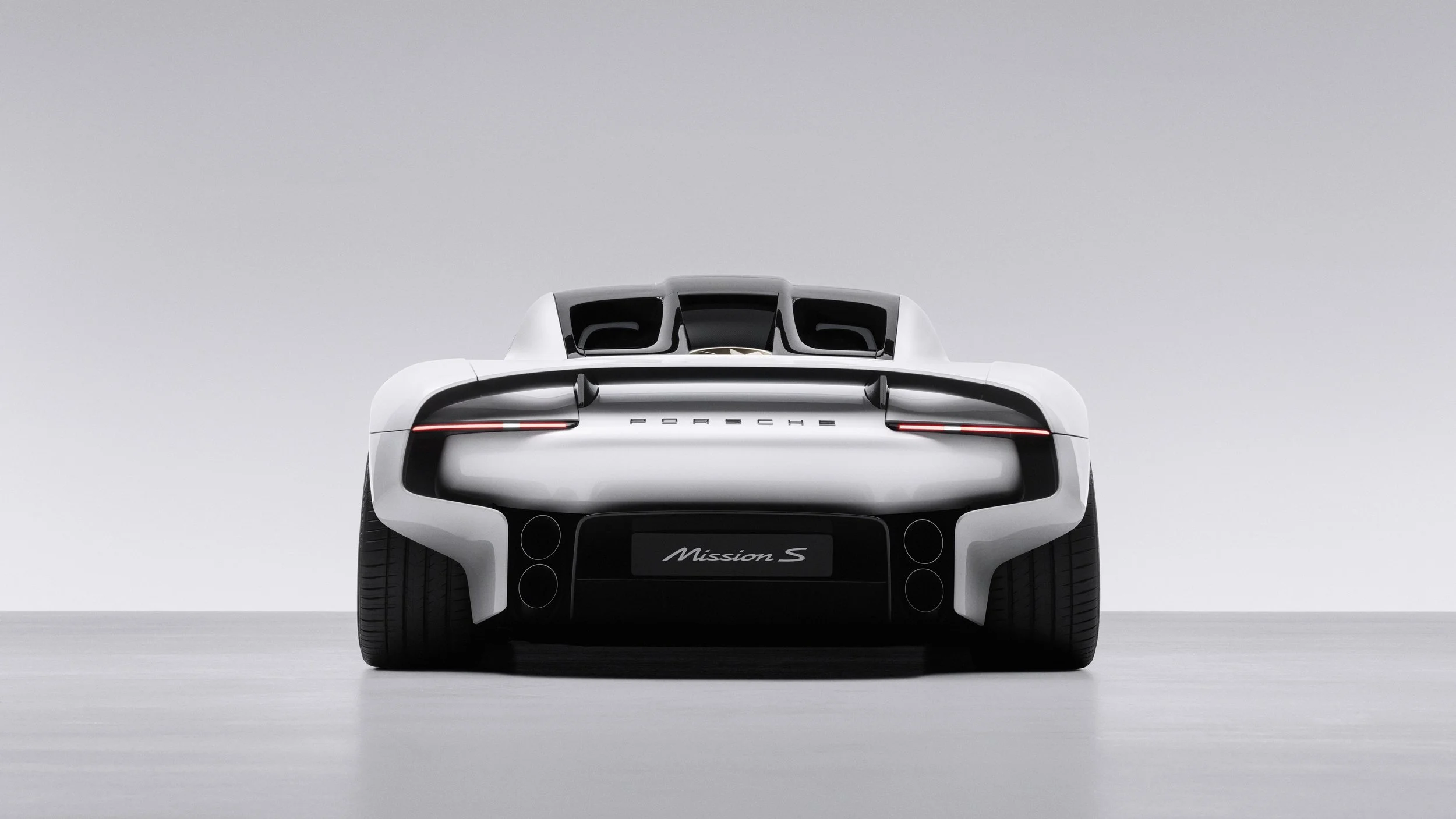
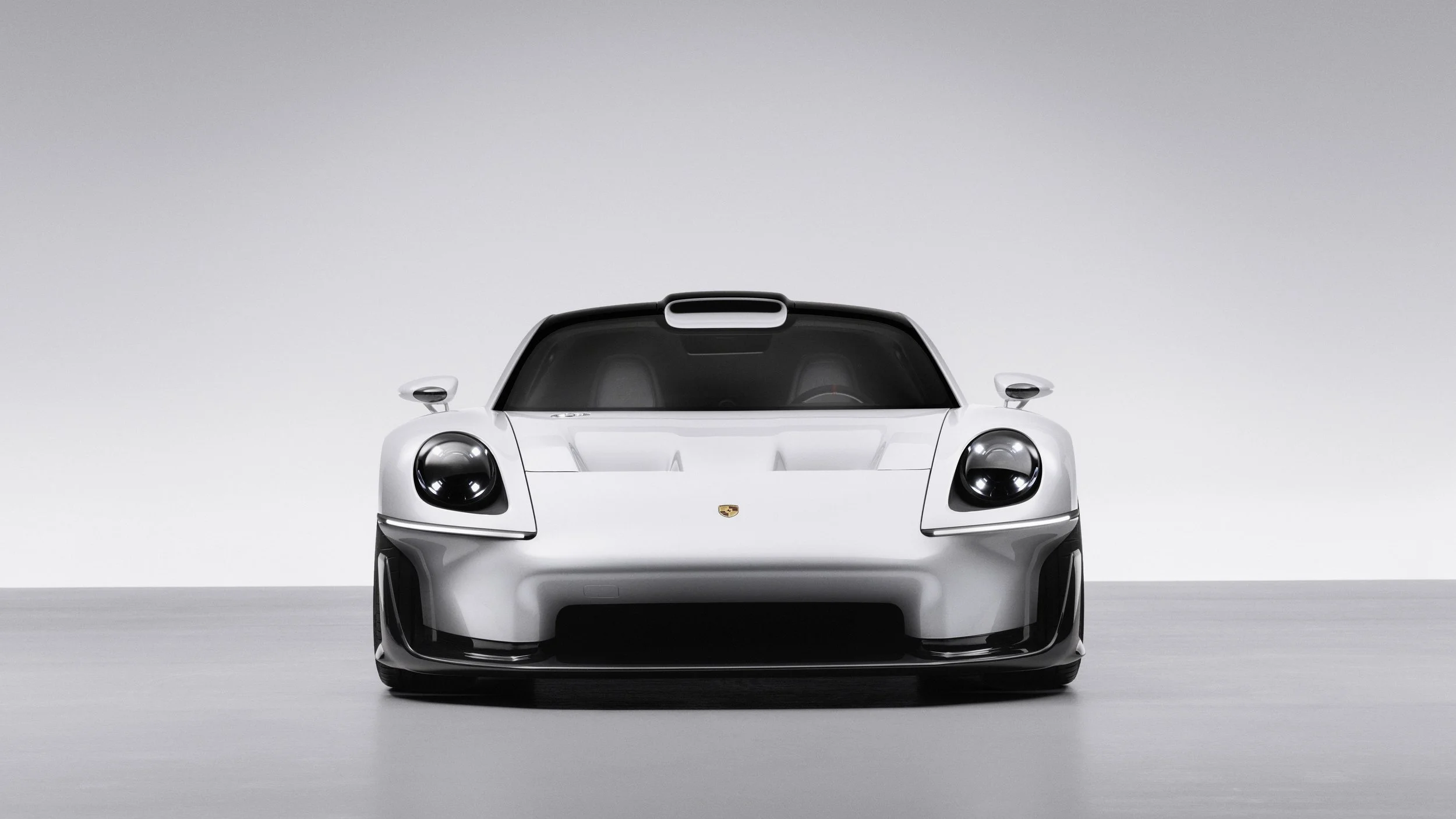
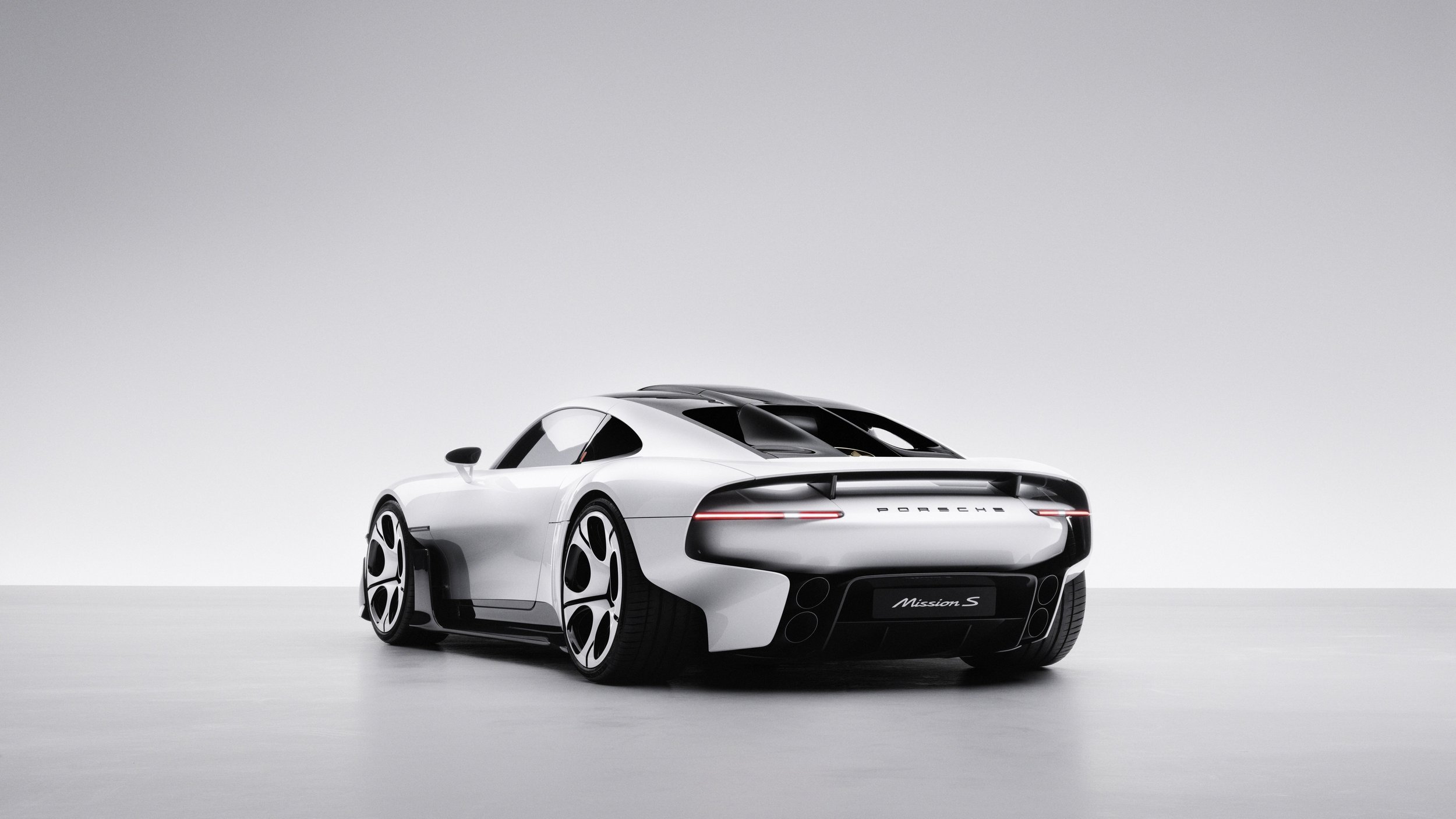
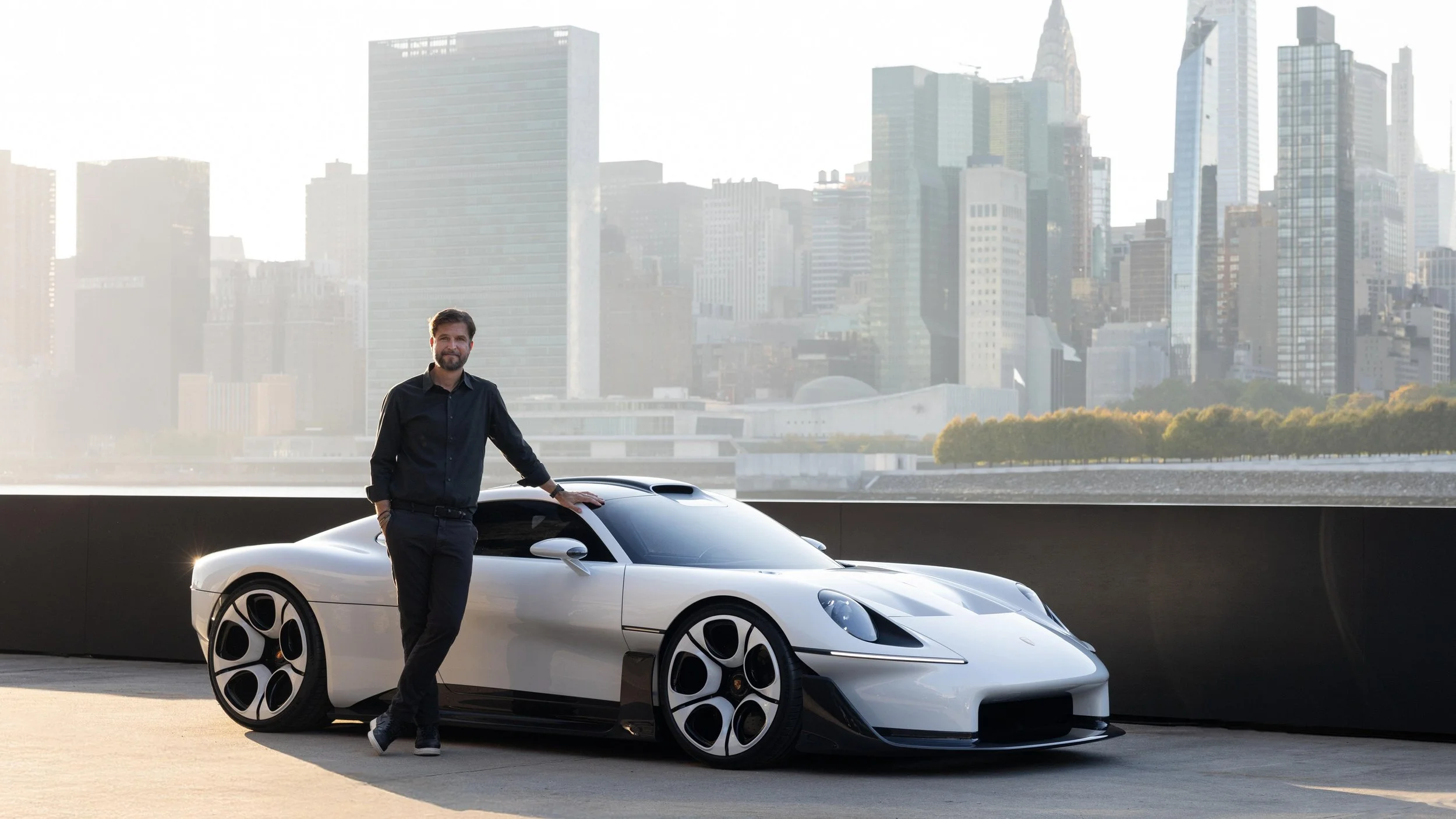
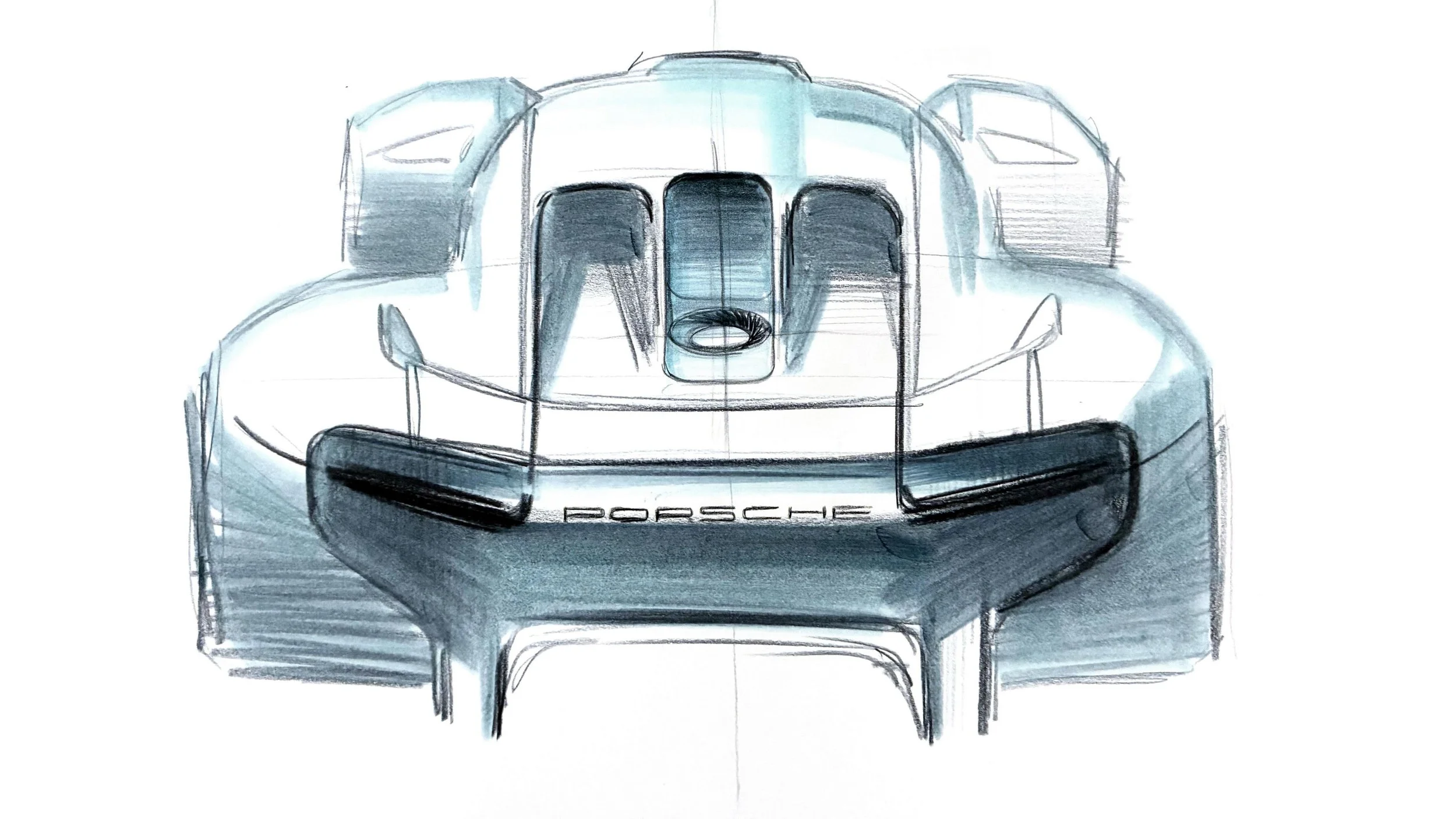
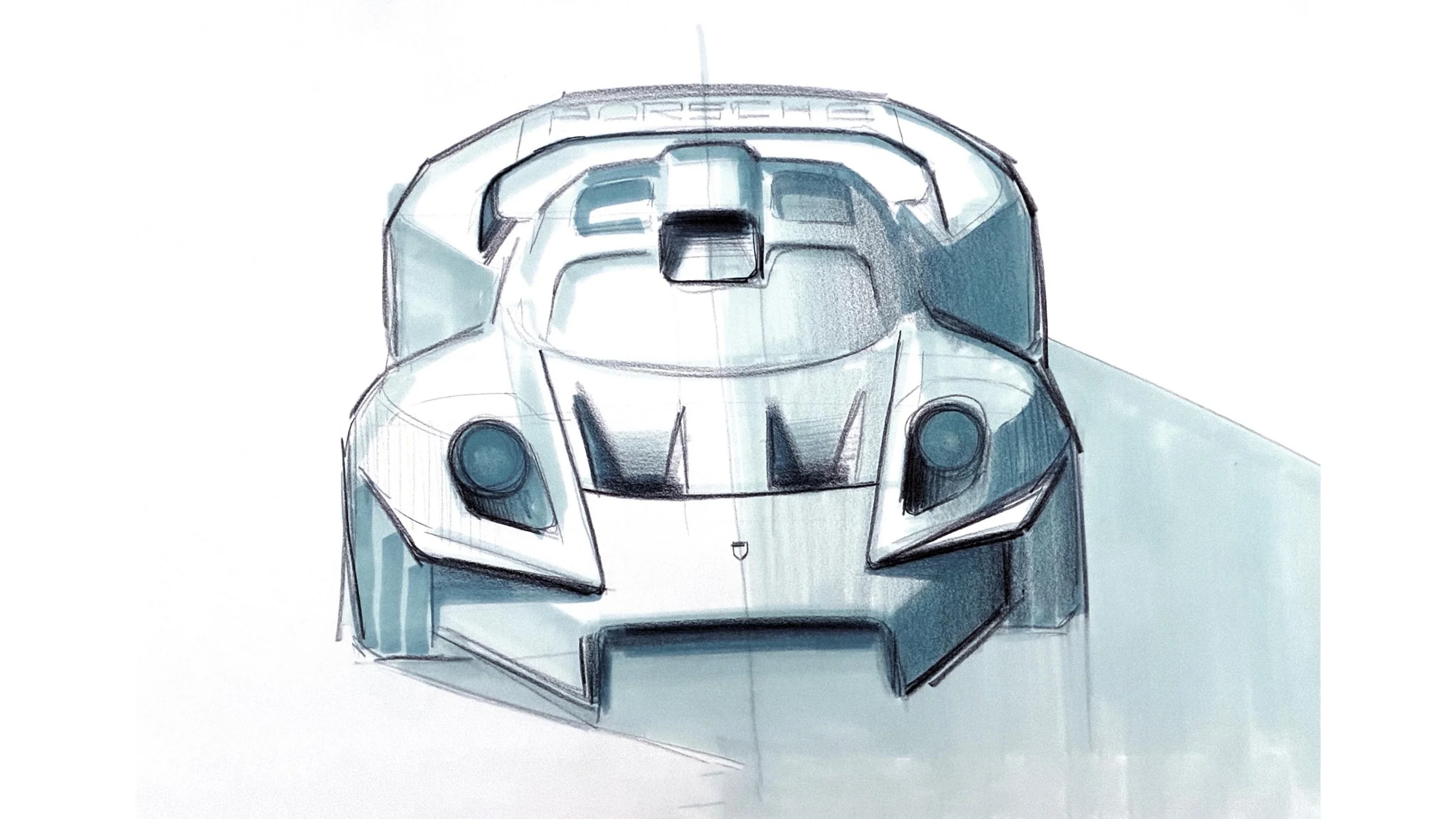
The Porsche Mission S puts authentic, consistent, timeless design at its heart, along with an especially intense connection between driver and car. ‘A Porsche must be recognisable as a Porsche at first glance,’ says Dr Michael Leiters, Chairman of the Executive Board of Porsche AG. ‘The Mission S provides a glimpse of the ideas and design features that will shape Porsche in the coming years.’ He sees it as more than a styling exercise. ‘At the same time, the Mission S represents a mid-engined super sports car platform positioned above the 911 – not as a one-off hypercar, but as a permanent and versatile addition to our customer offering,’ adds Leiters.
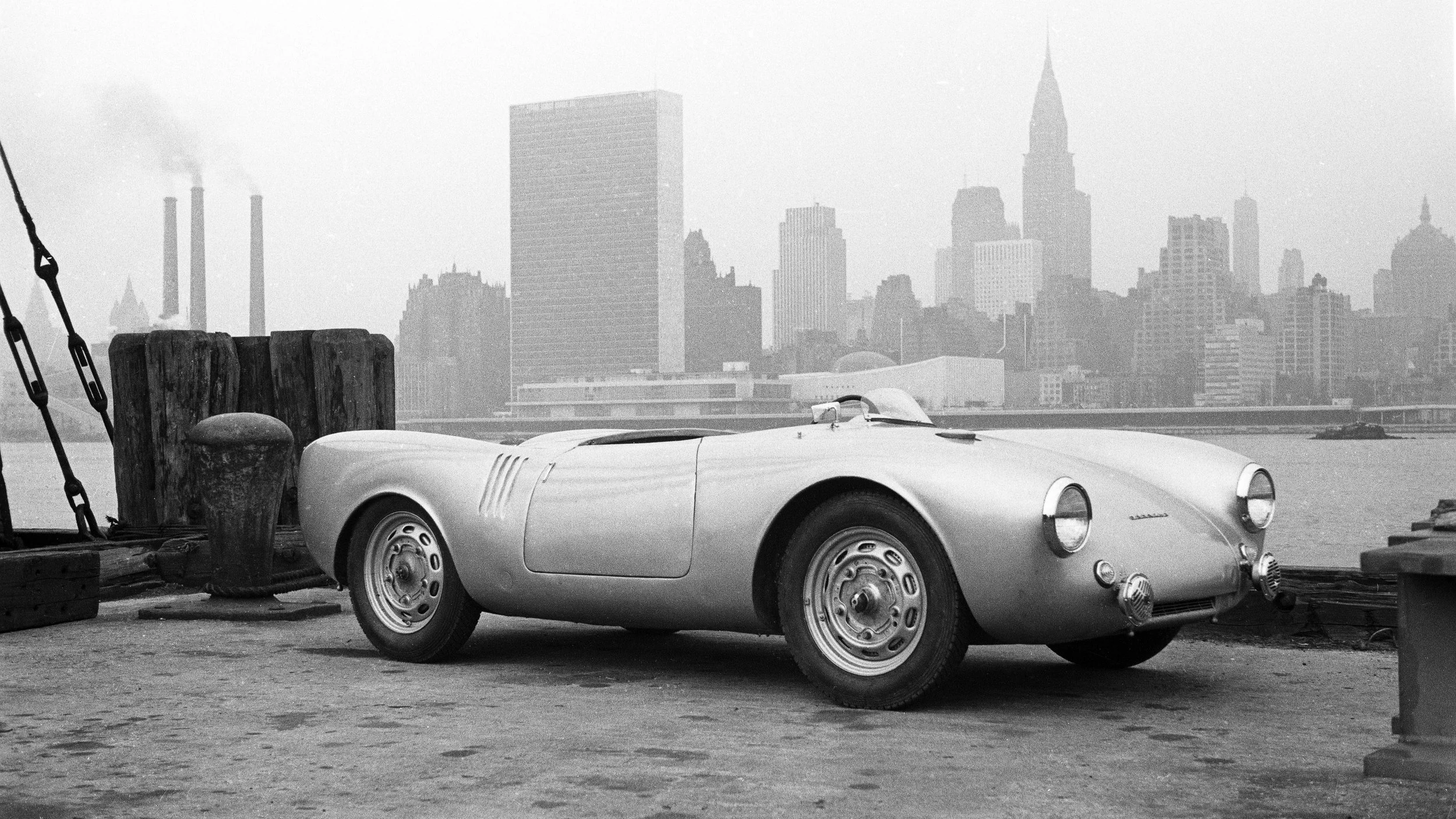
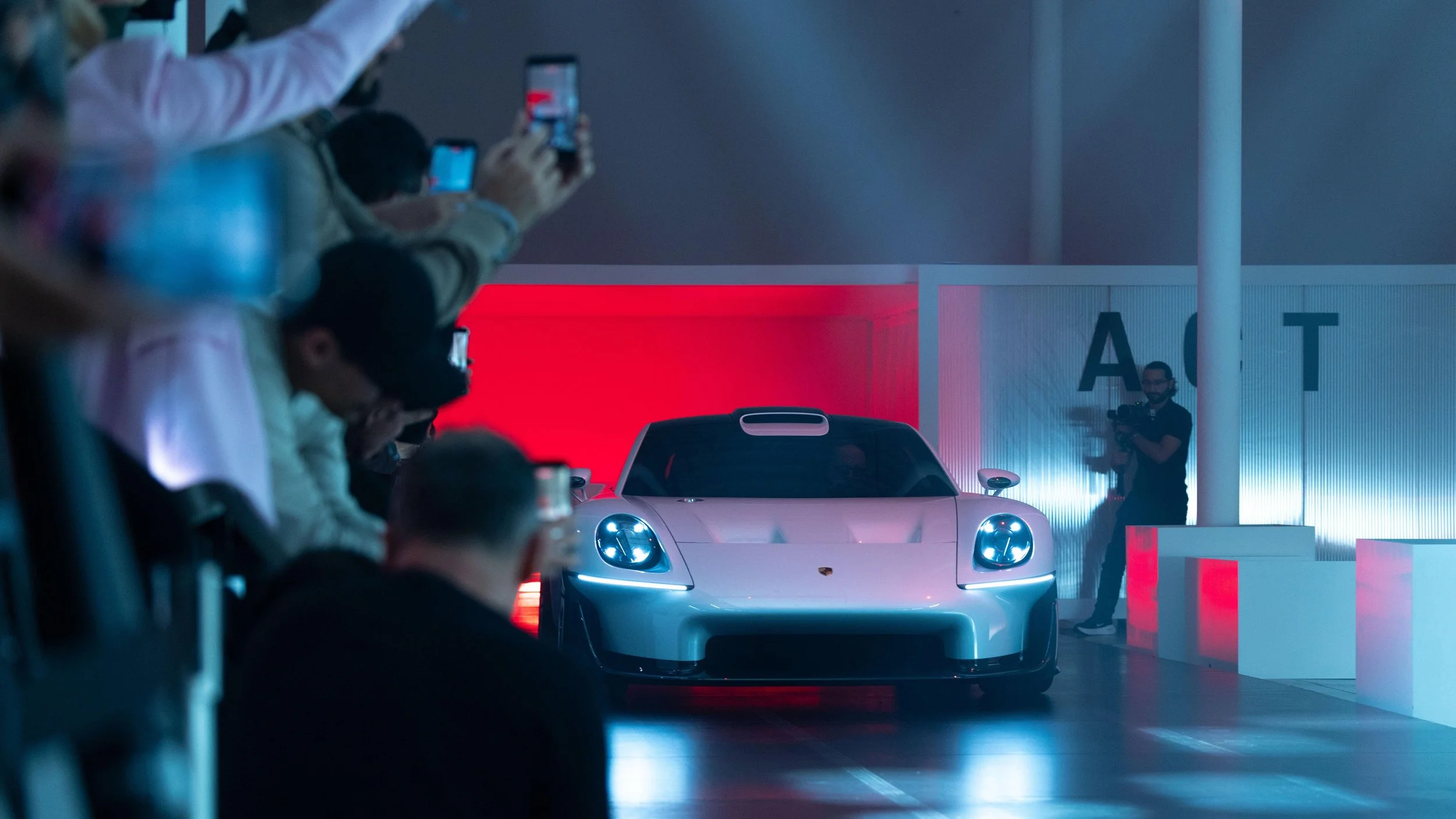
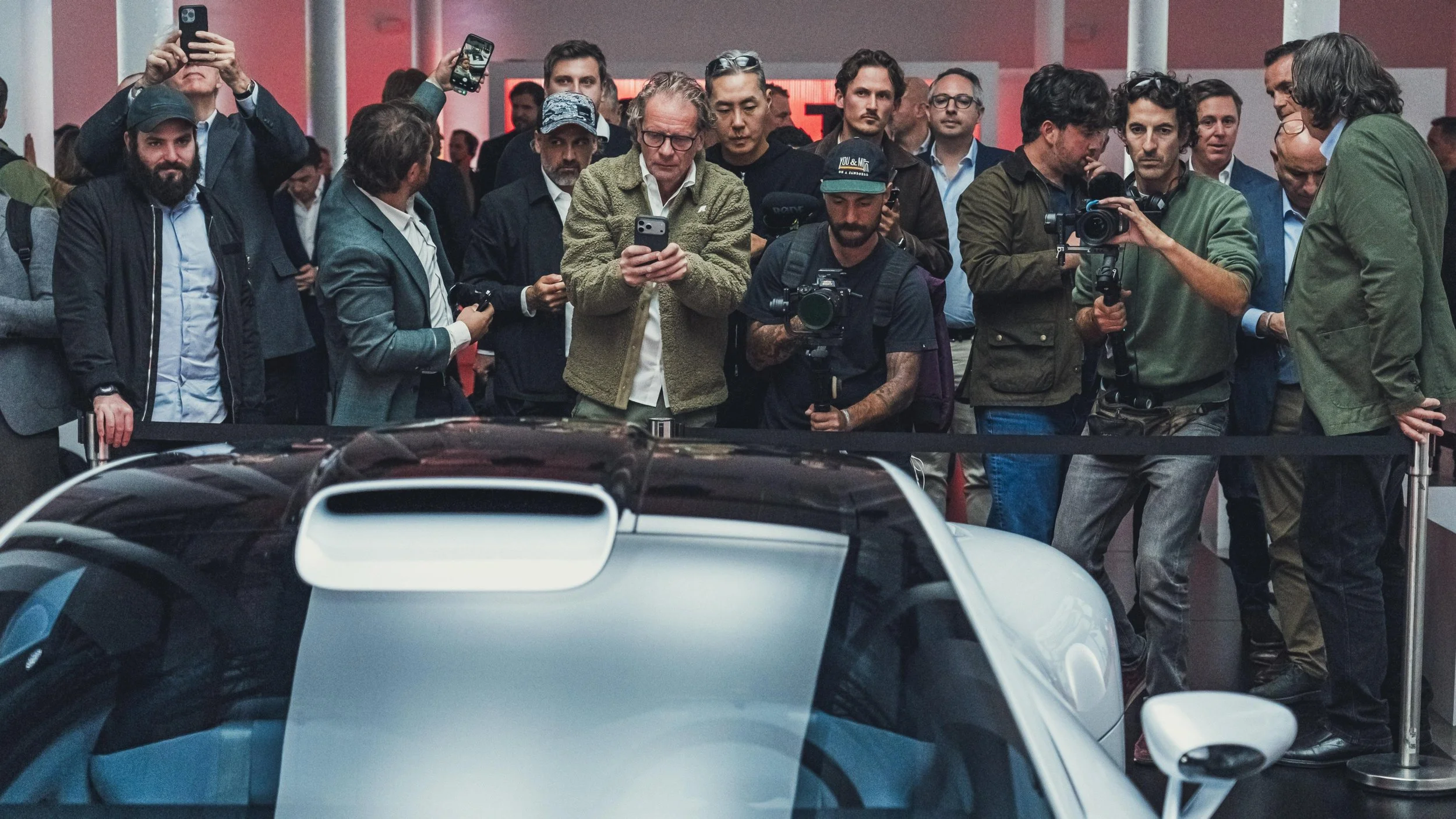
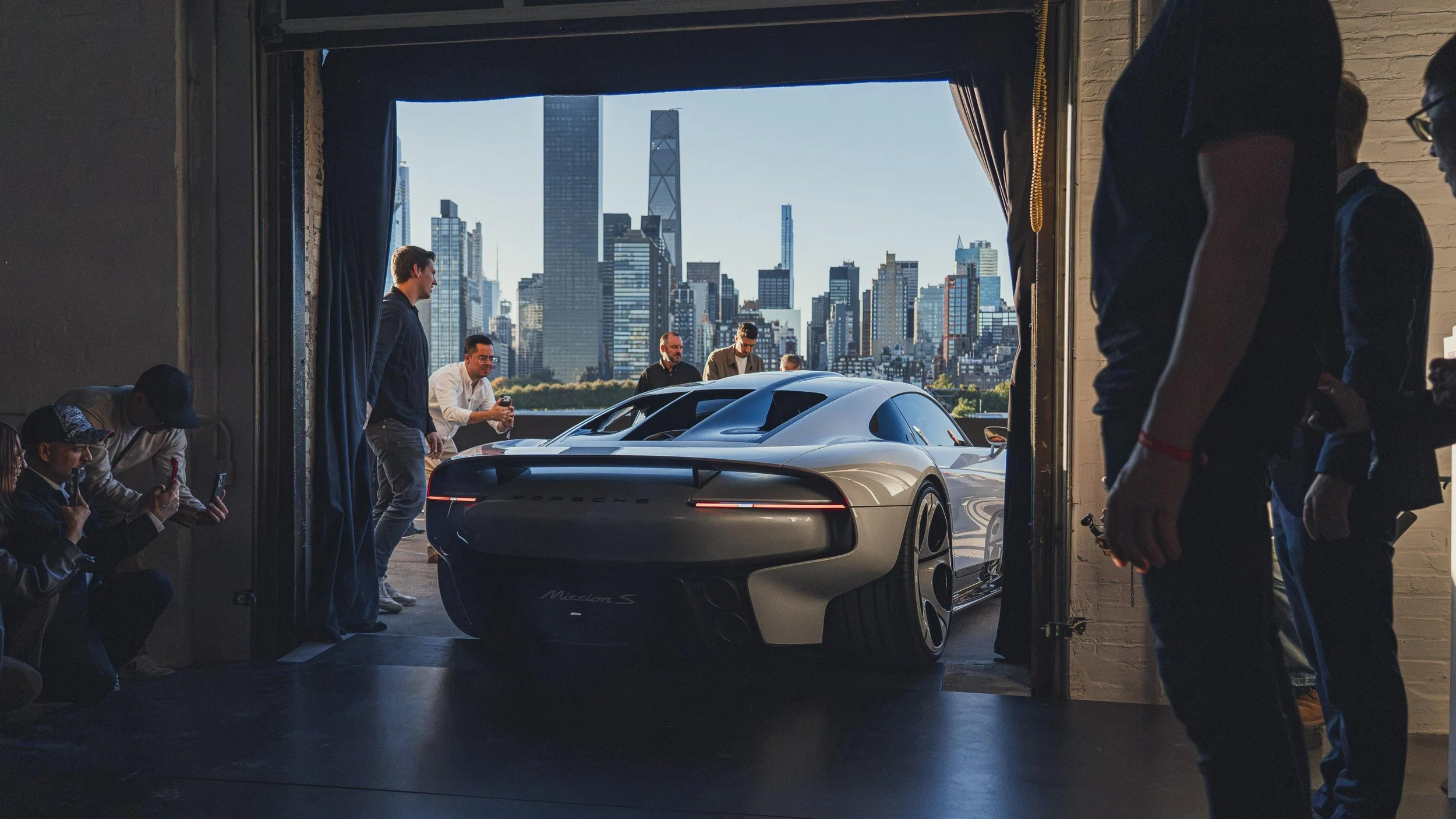
The Porsche Mission S celebrates its world premiere today (Thursday) at a site of real historical significance for the company: a pier in Queens, New York, overlooking the Manhattan skyline. In 1953, the first pictures of the mid-engined Porsche 550 Spyder, taken on this very pier, travelled around the world. As the brand’s first super sports car, the 550 Spyder is still regarded today as the car that defined the company’s identity. It also laid an important foundation for Porsche’s popularity and success in the US. By choosing this location, Porsche underlines how much its history matters for the future of its design and brand, a claim the Mission S also reflects.
Authentic, consistent and timeless: these three terms set the strategic framework for the further development of Porsche’s iconic design identity. ‘The Mission S is the result of a forward-looking, holistic design strategy,’ says Tobias Sühlmann, Vice President, Style, Porsche. ‘This vision model illustrates a fundamental strategic direction that we will soon be translating into our future product portfolio.’ The Mission S pairs a powerful mid-engined super sports car platform with a clear design language inspired by historic Porsche icons. Inside, the emphasis falls on purism, driver-oriented ergonomics and a forward-looking blend of analogue and digital controls. By deliberately reducing digital surfaces, the design concentrates on direct interaction between driver and vehicle.
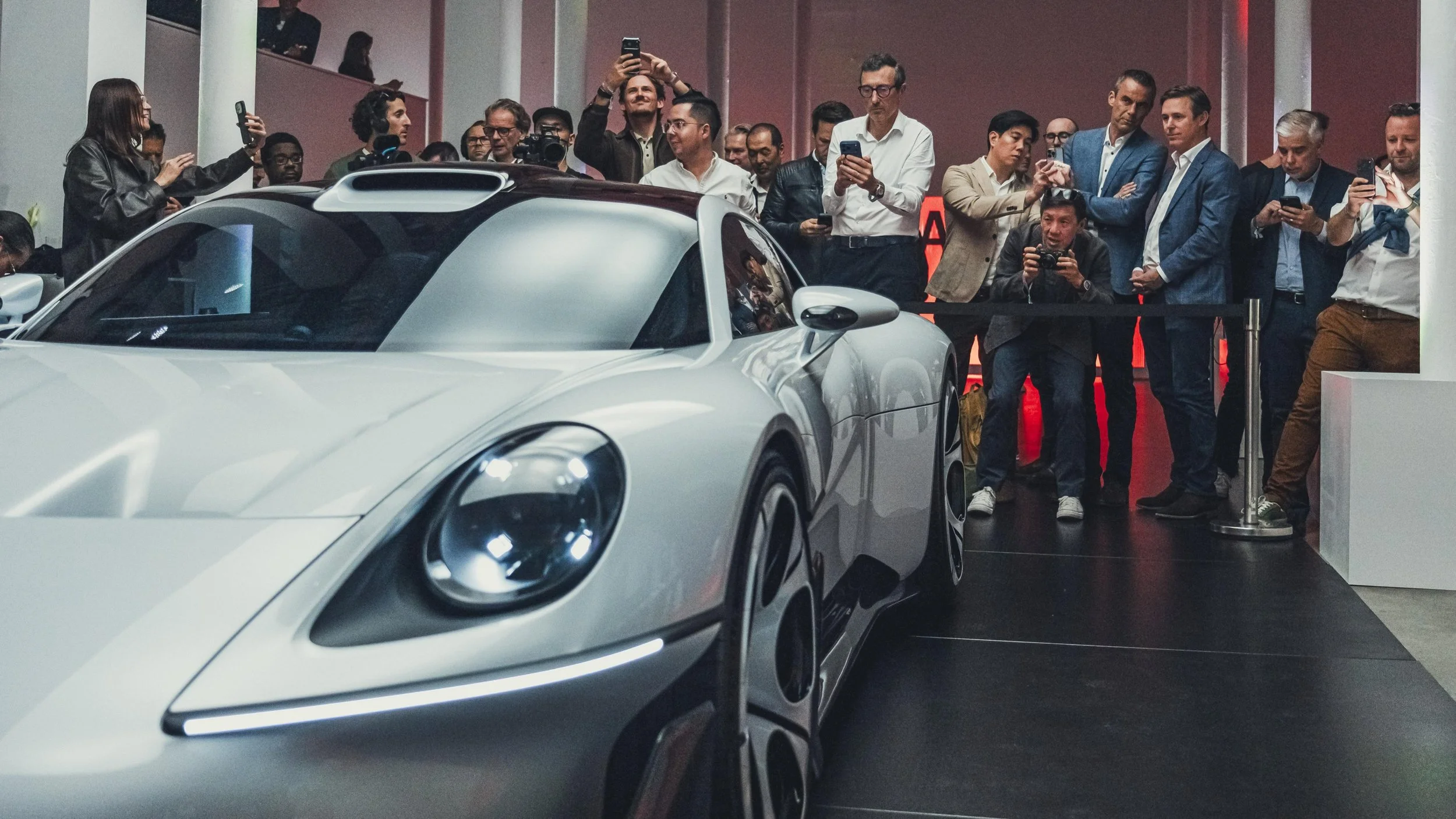
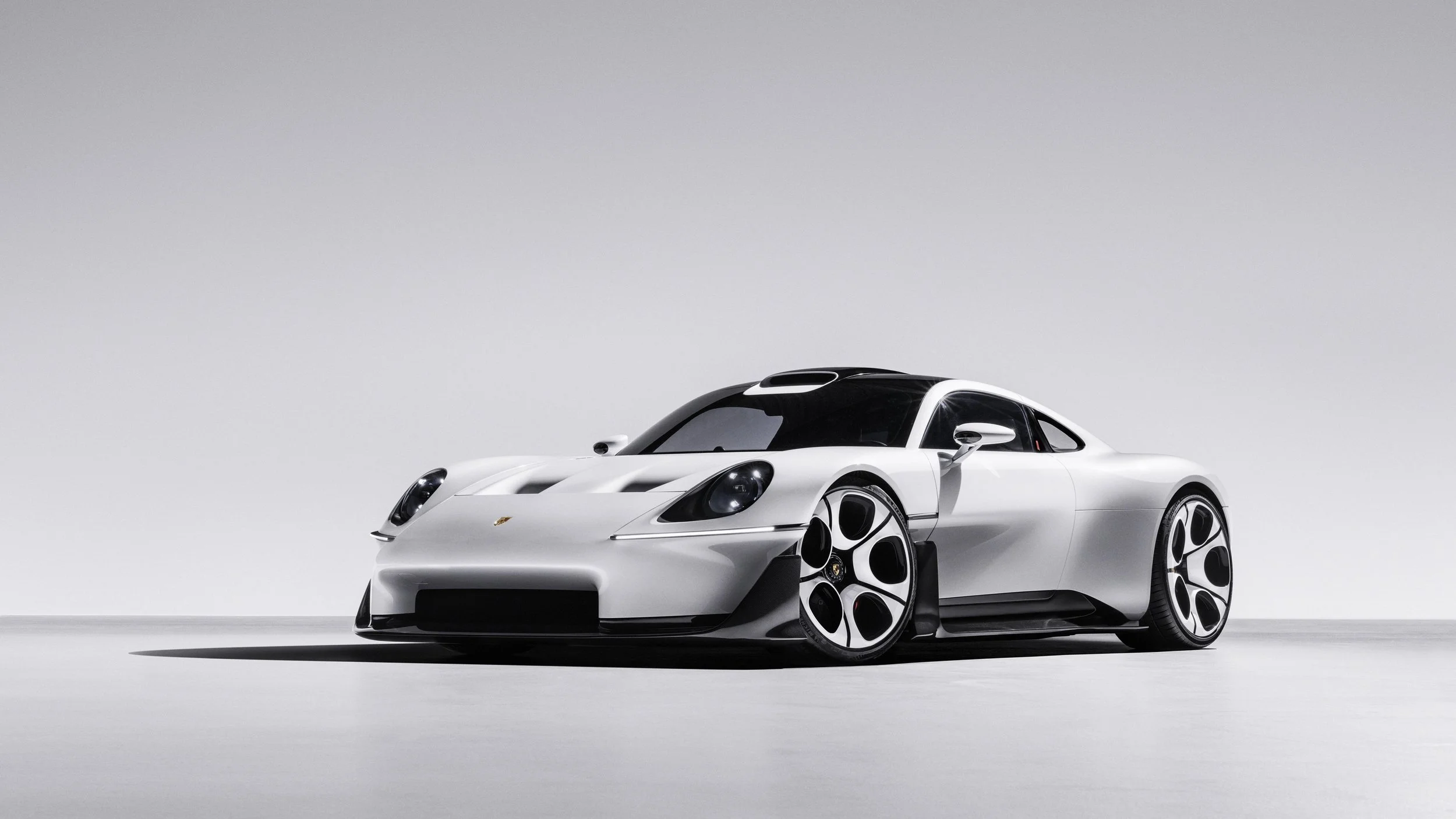
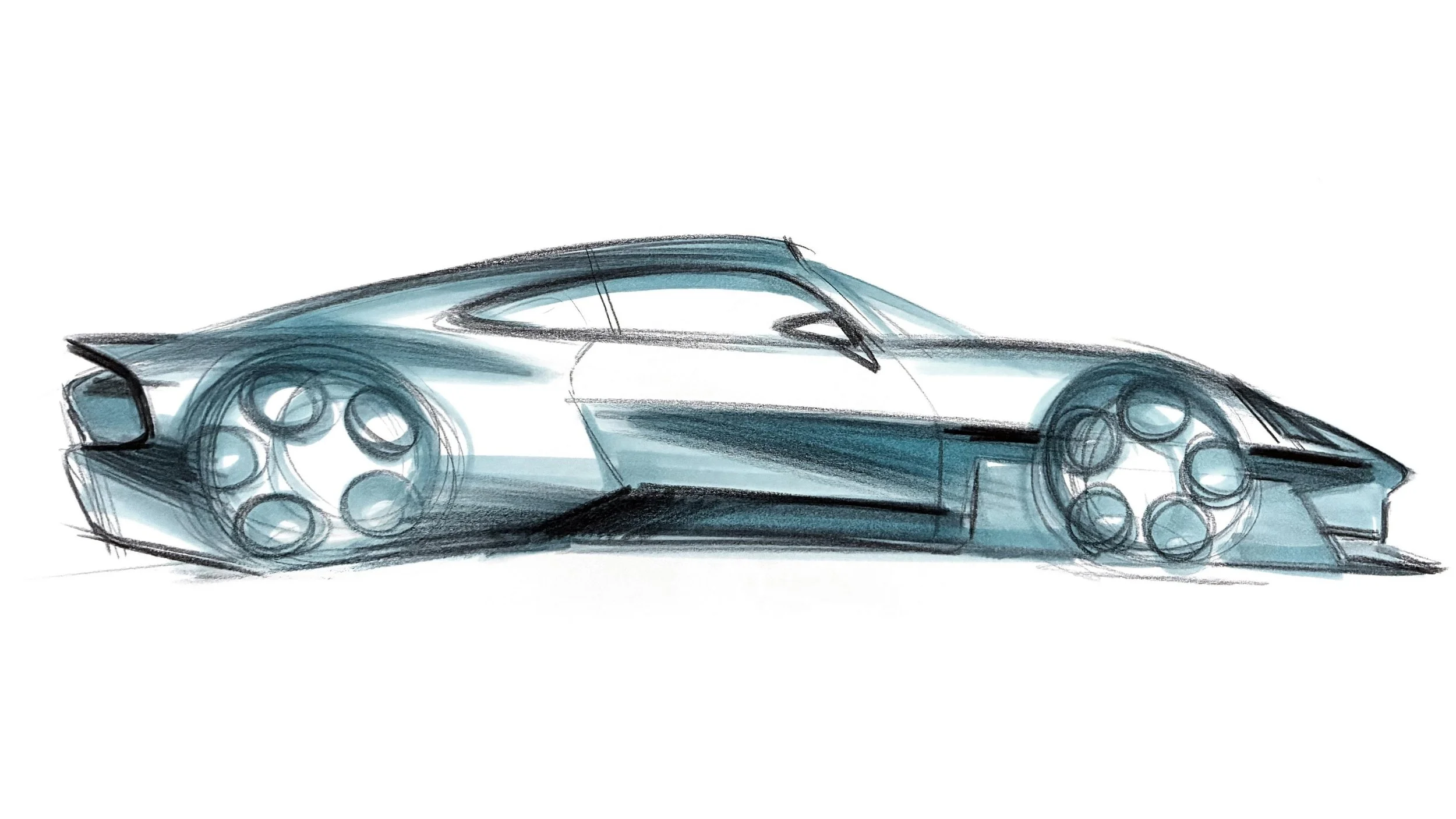
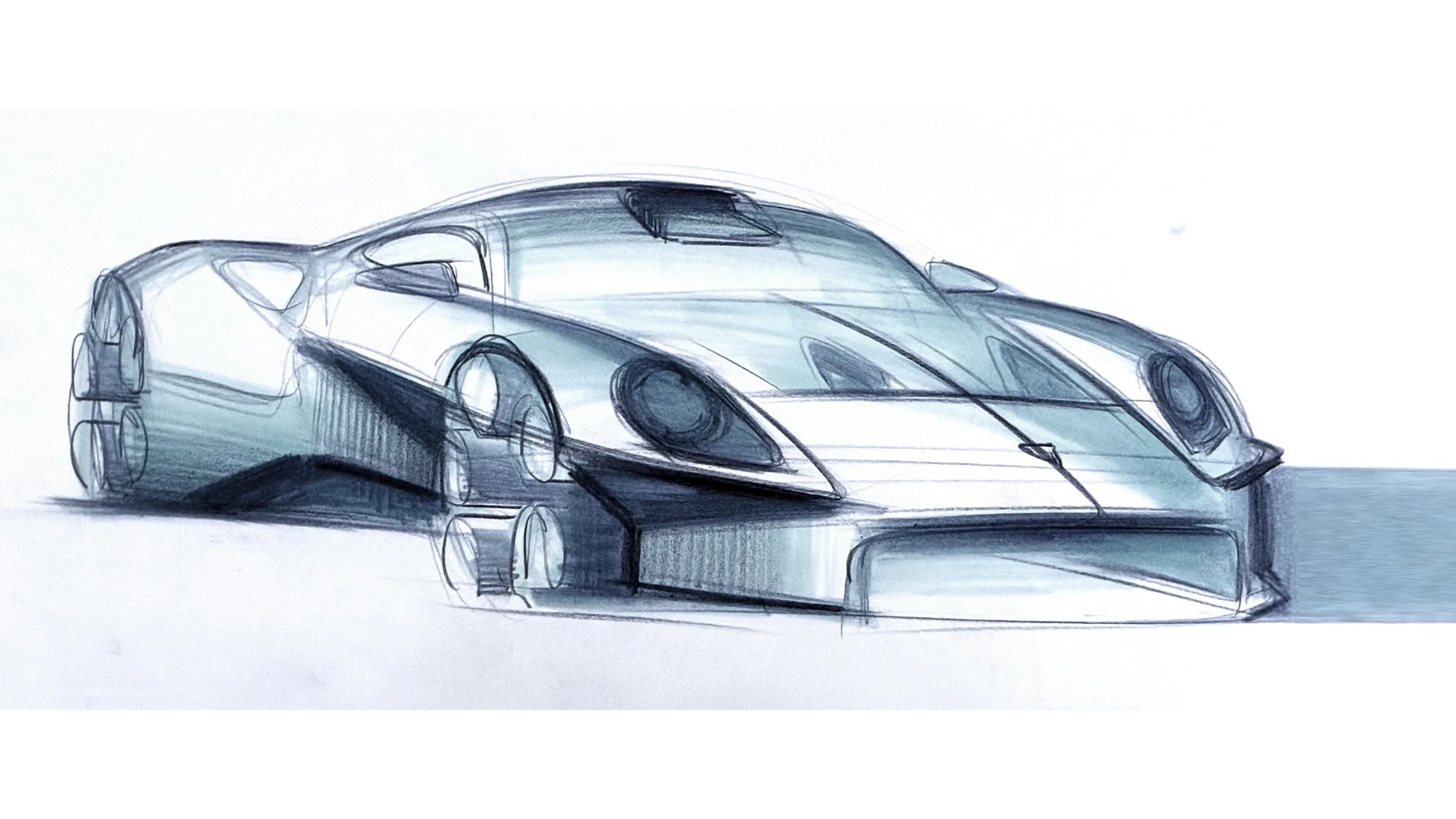
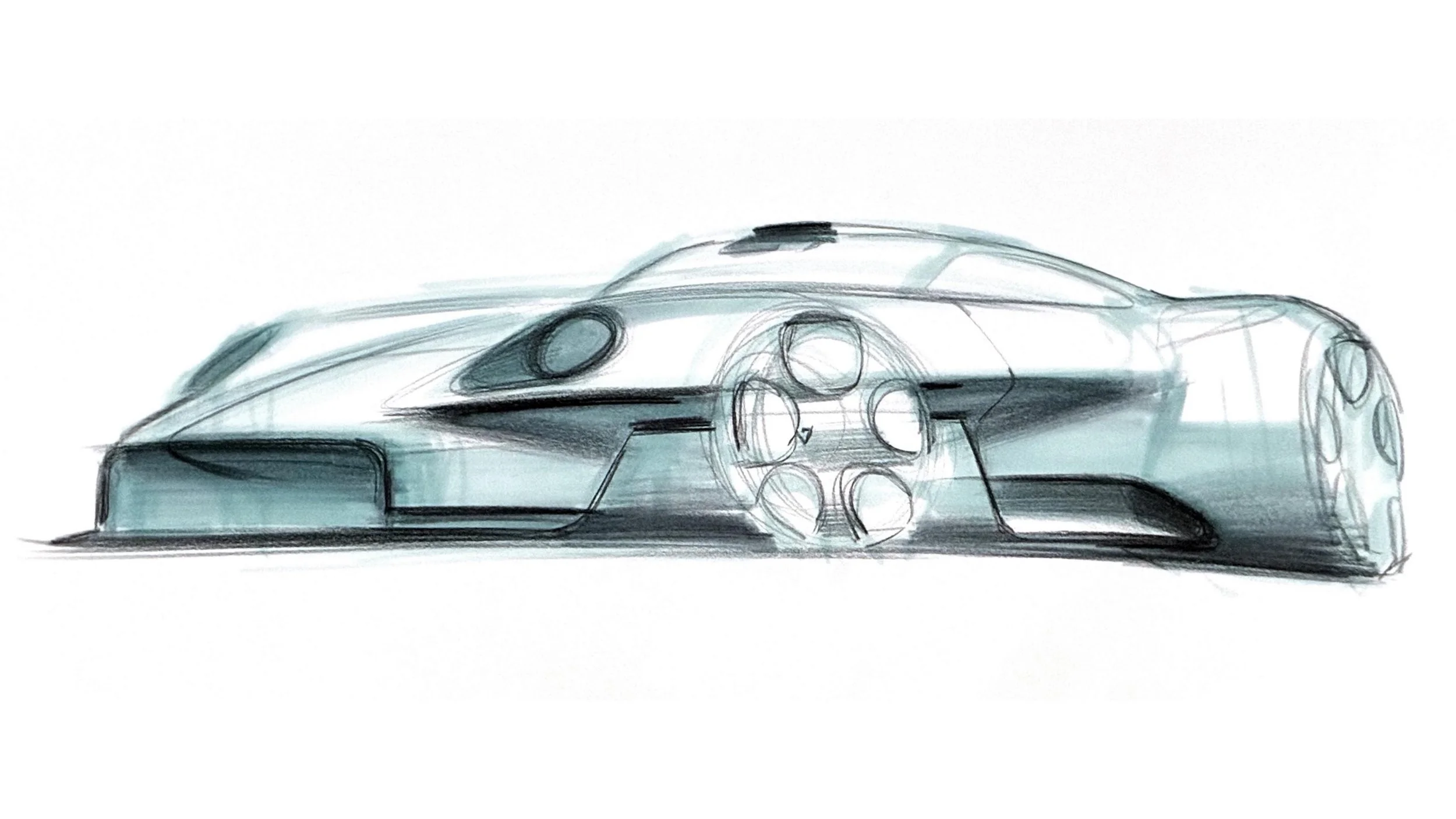
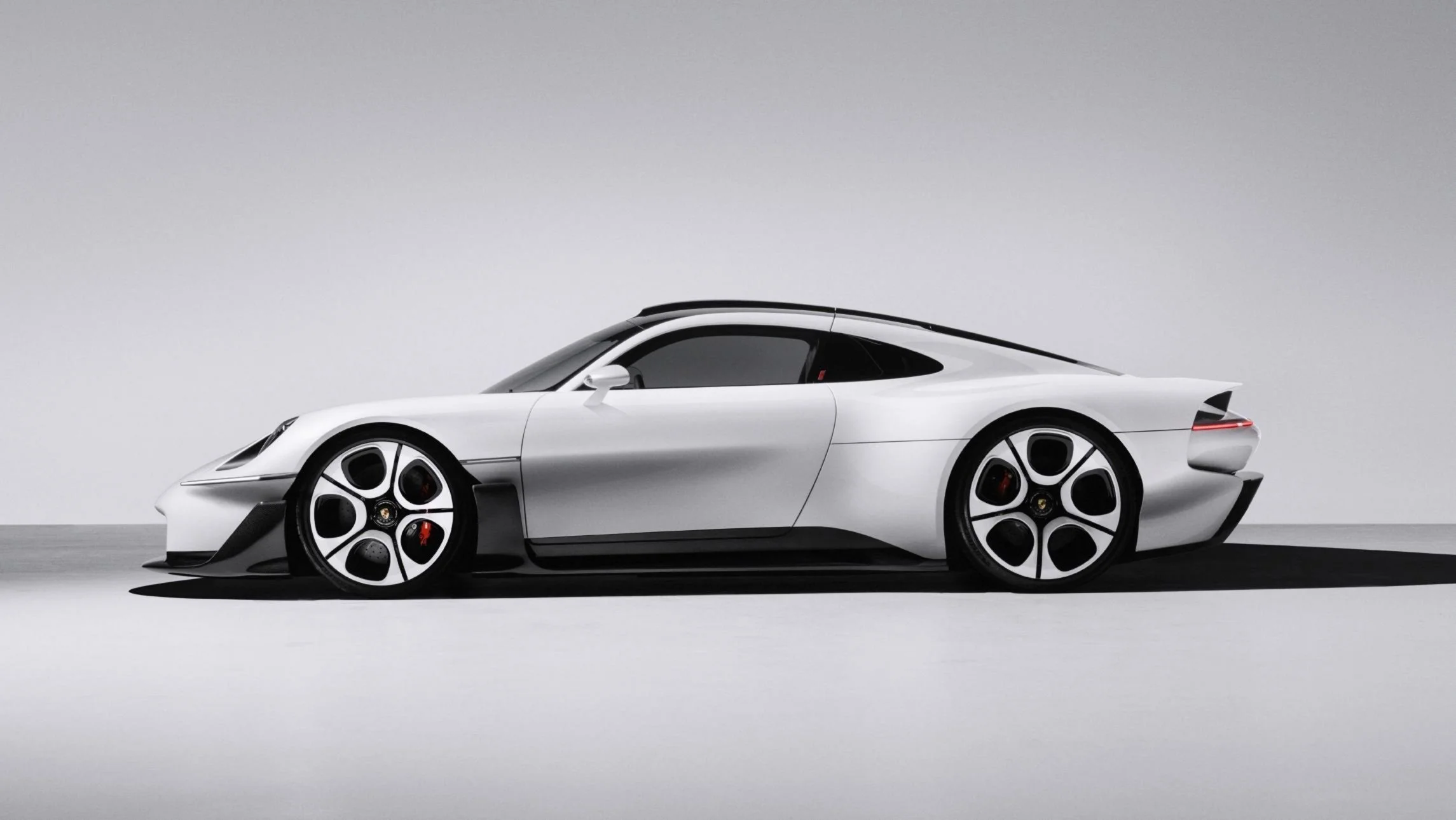
On the outside, the Porsche Mission S carries typical Porsche design features into the future. The characteristic torpedo wings, iconic roofline, and dramatic width-to-height ratio form the core of its sports car architecture. Together, they create what are known as ‘floating volumes’: flowing forms and surfaces that appear to float. The result is a powerful, technical-looking sculpture that clearly expresses the car’s performance character.
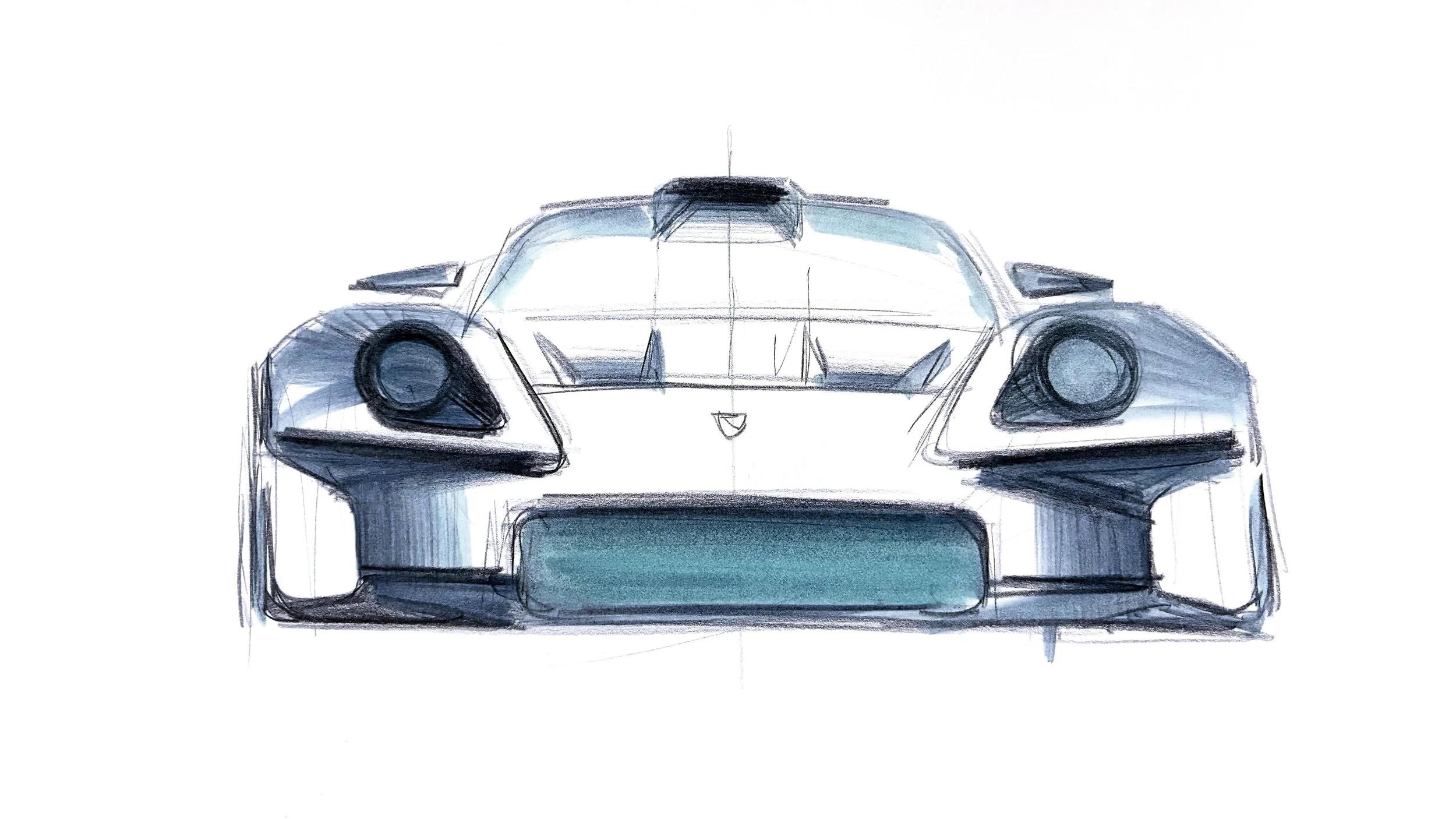
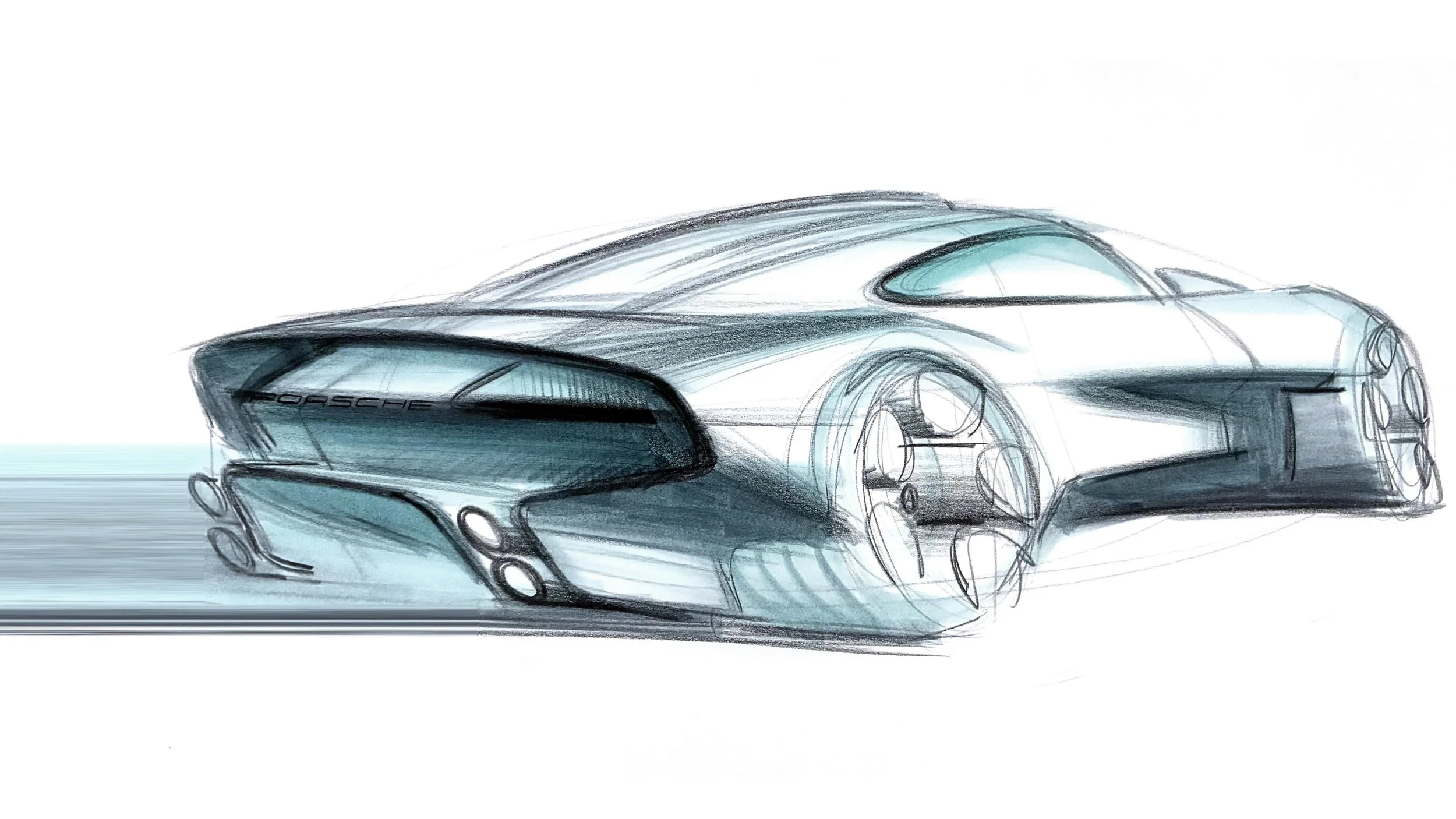
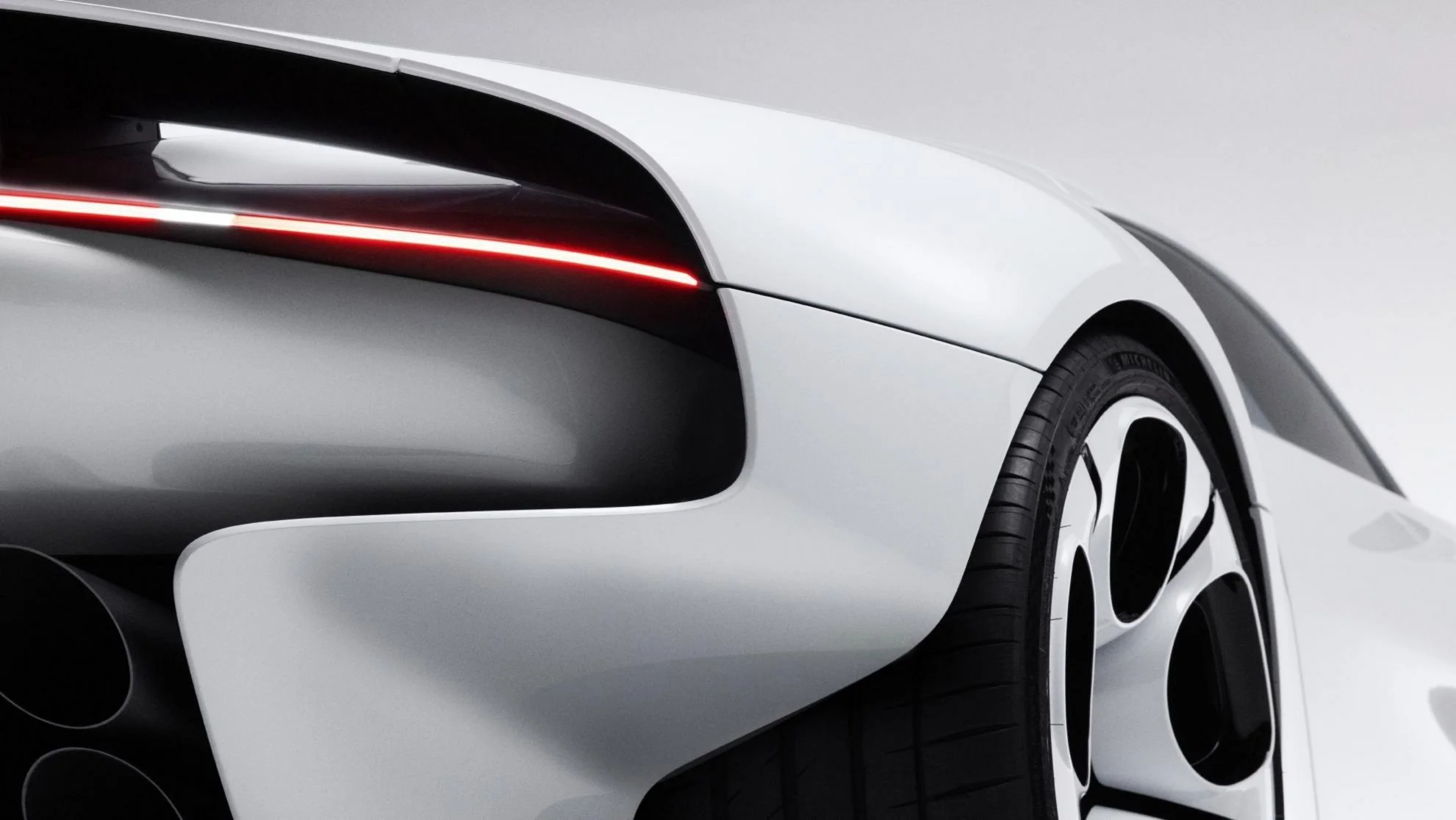
The designers paid particular attention to clean lines. A wraparound main line links the light signatures at the front and rear, giving an overall look that is as striking as it is harmonious. Above this line, the surfaces stress muscularity and dynamism. Below it, they reveal technical functions and highlight the lightweight construction philosophy. Historic Porsche icons inspire. The round headlights and the prominent wings, which echo the familiar ‘torpedo’ design while giving the side profile more presence, recall the 911. Shut lines that merge into the light graphics pay homage to the G model. The flat front takes its cue from the GT1, while the dynamic roofline beneath the rear wing recalls the 959. On the Mission S, this roofline runs distinctively all the way to the rear of the car. Another highlight is the car-in-car concept at the rear, which also derives from the GT1. Each element is reinterpreted for today and brought together in a harmonious overall design.
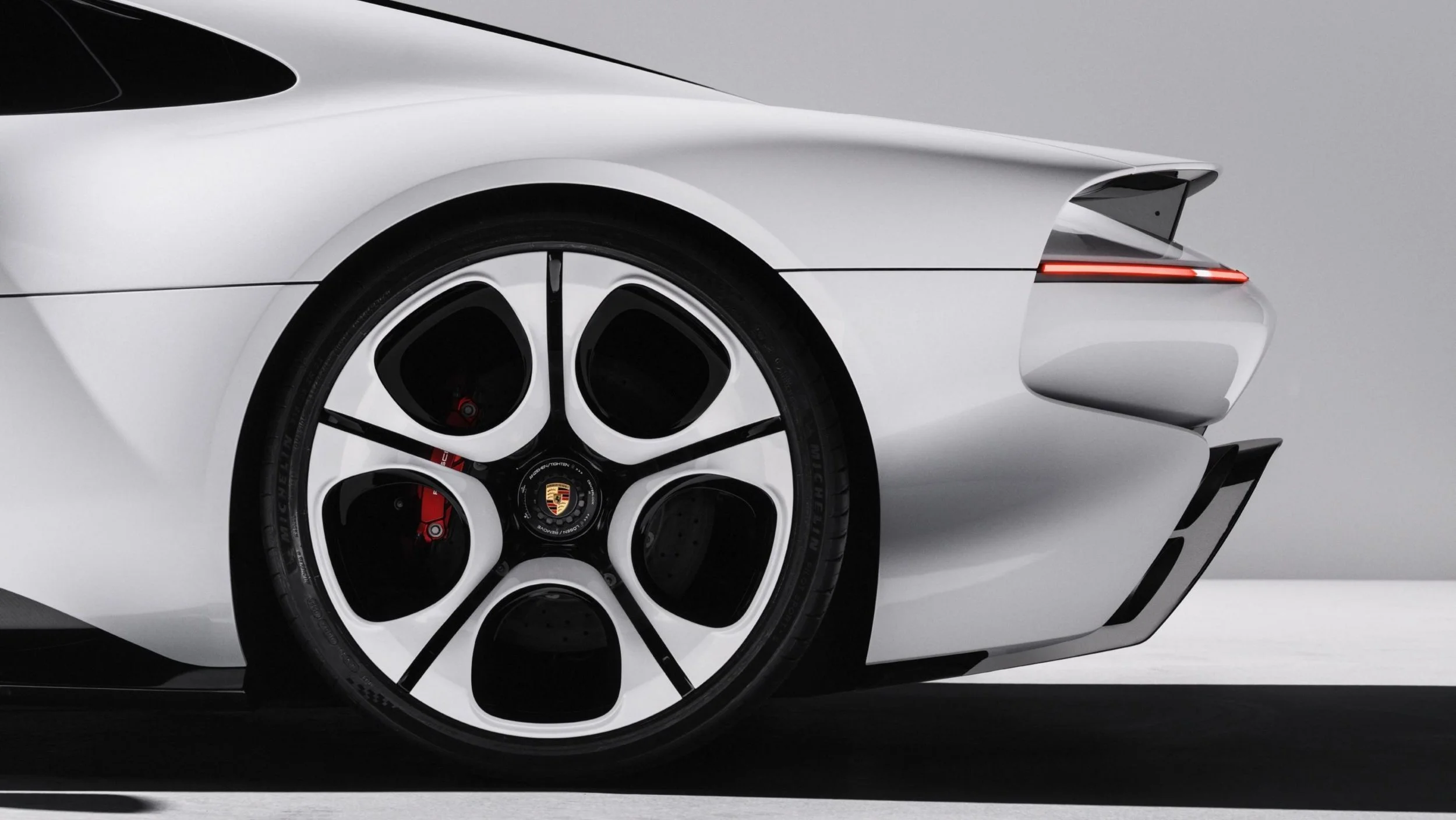
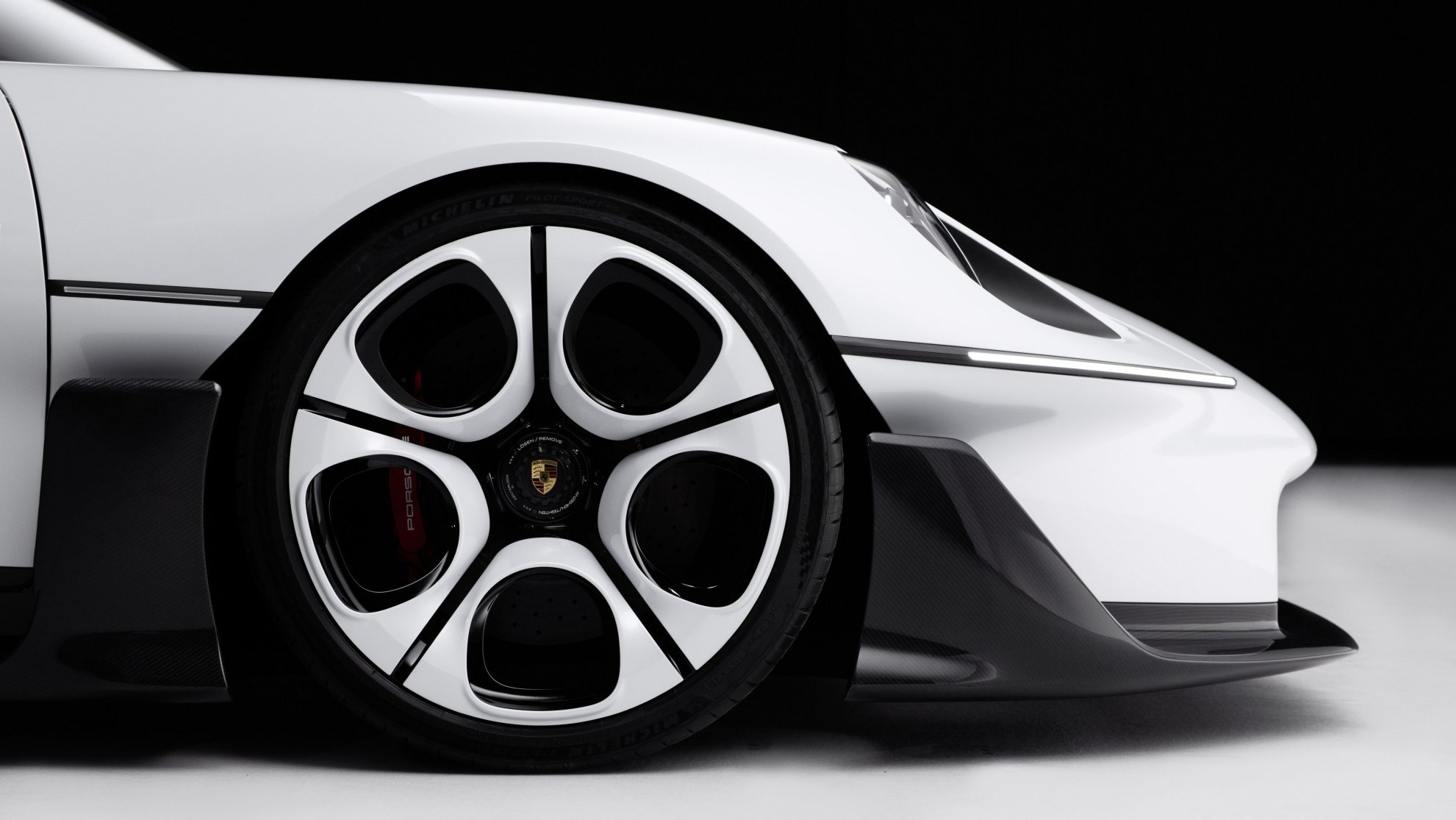
The mid-engined architecture shapes the show car’s proportions. With the engine placed centrally, the designers could realise Porsche’s familiar ‘flyline’. Technical details such as the cooling solution, which recalls the radiator fan of the Porsche 917, and the fully integrated active rear wing combine function and design in typical Porsche fashion. The wheels are another highlight. Based on the iconic ‘dial design’ of the 928, they introduce a new design concept geared toward lightweight construction and underline the vision model’s striking overall impression.
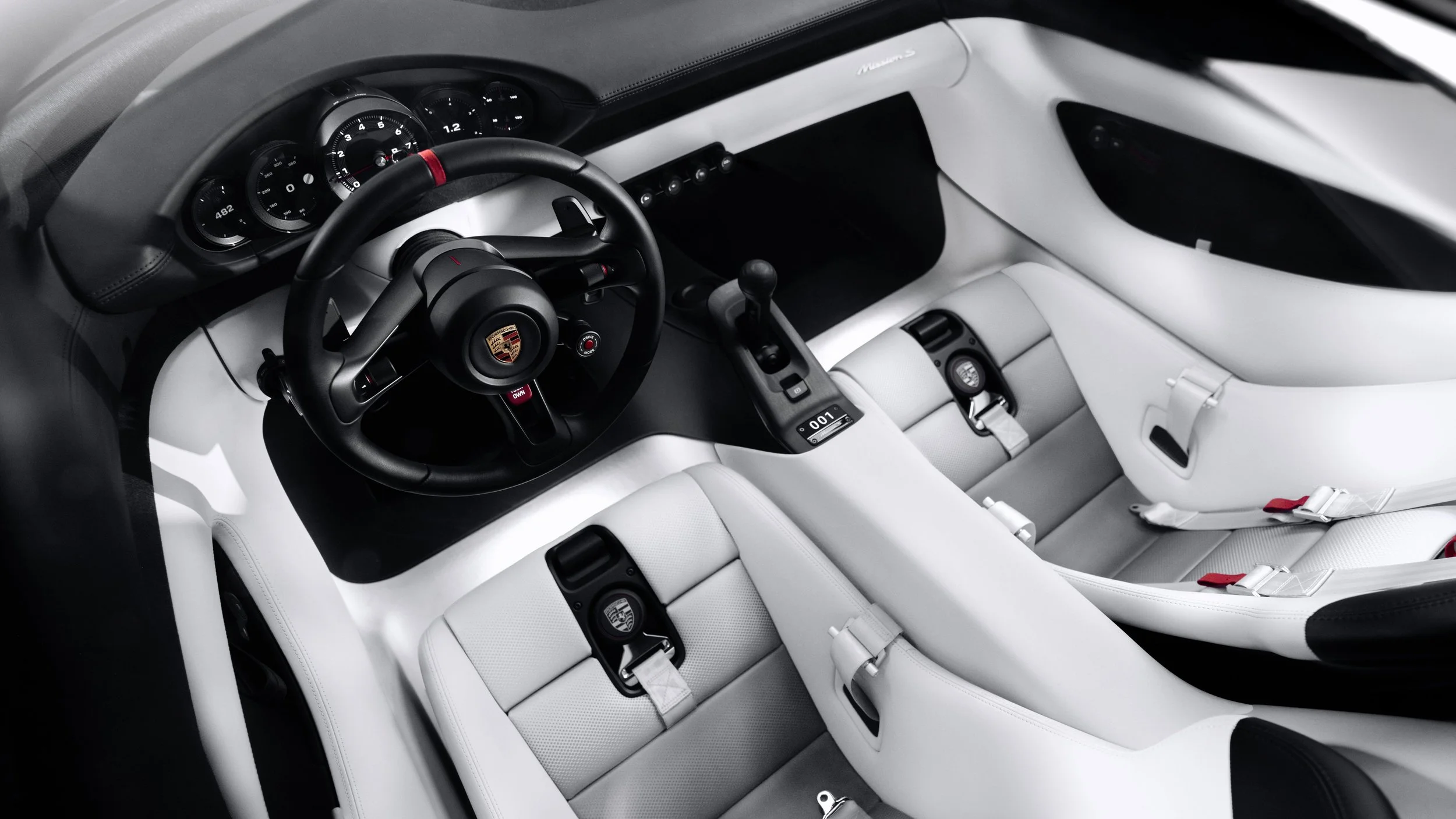
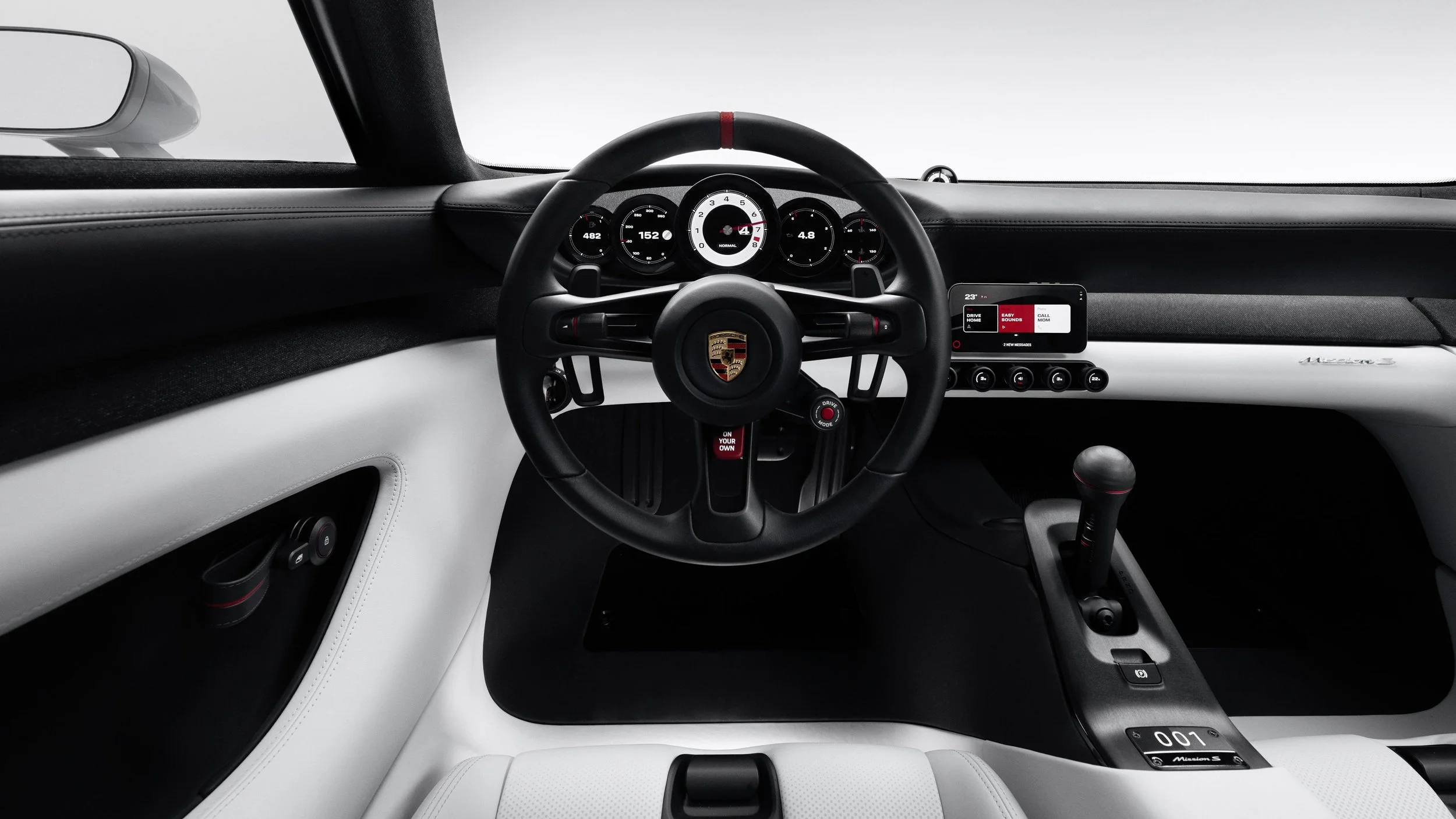
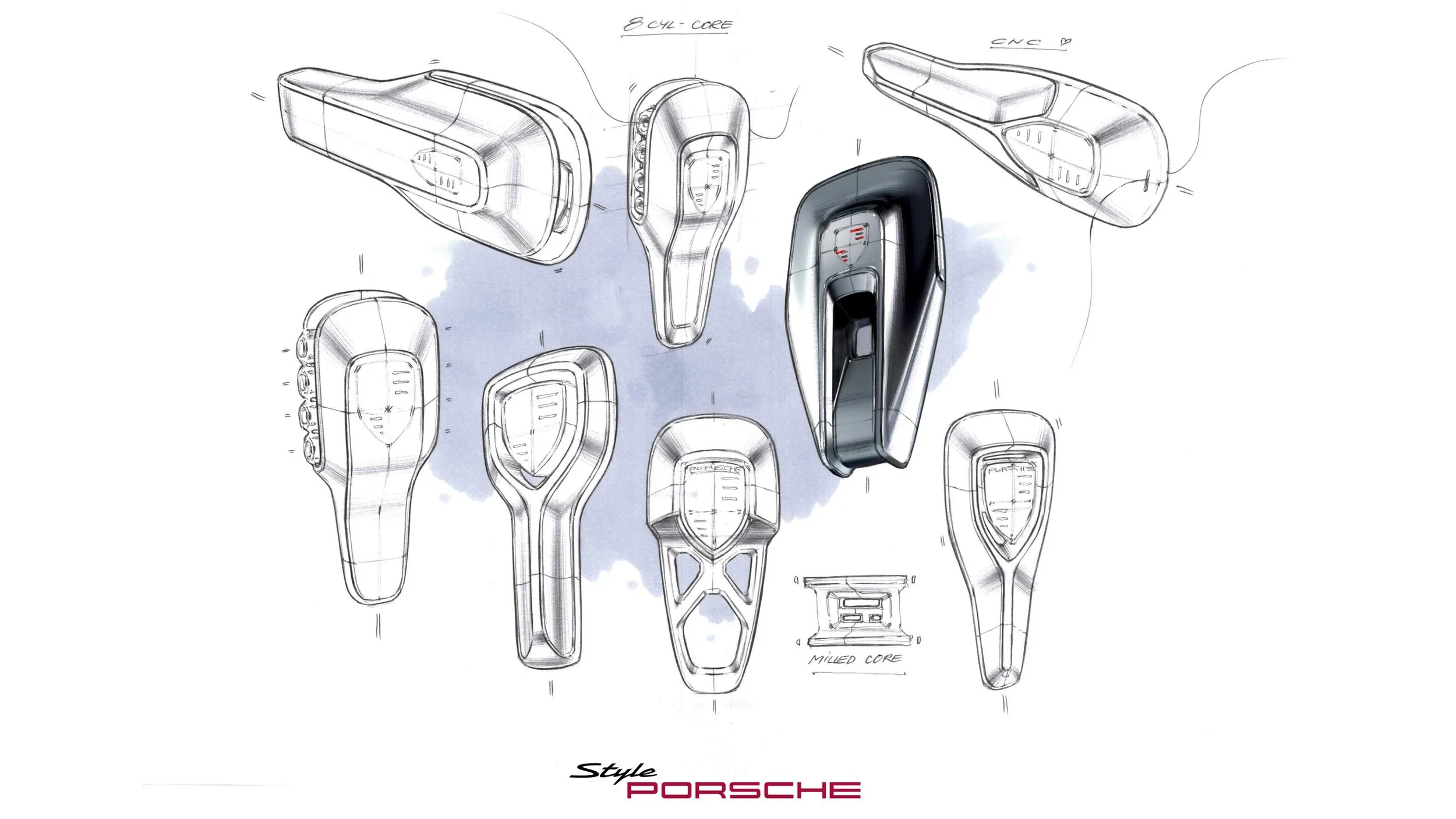
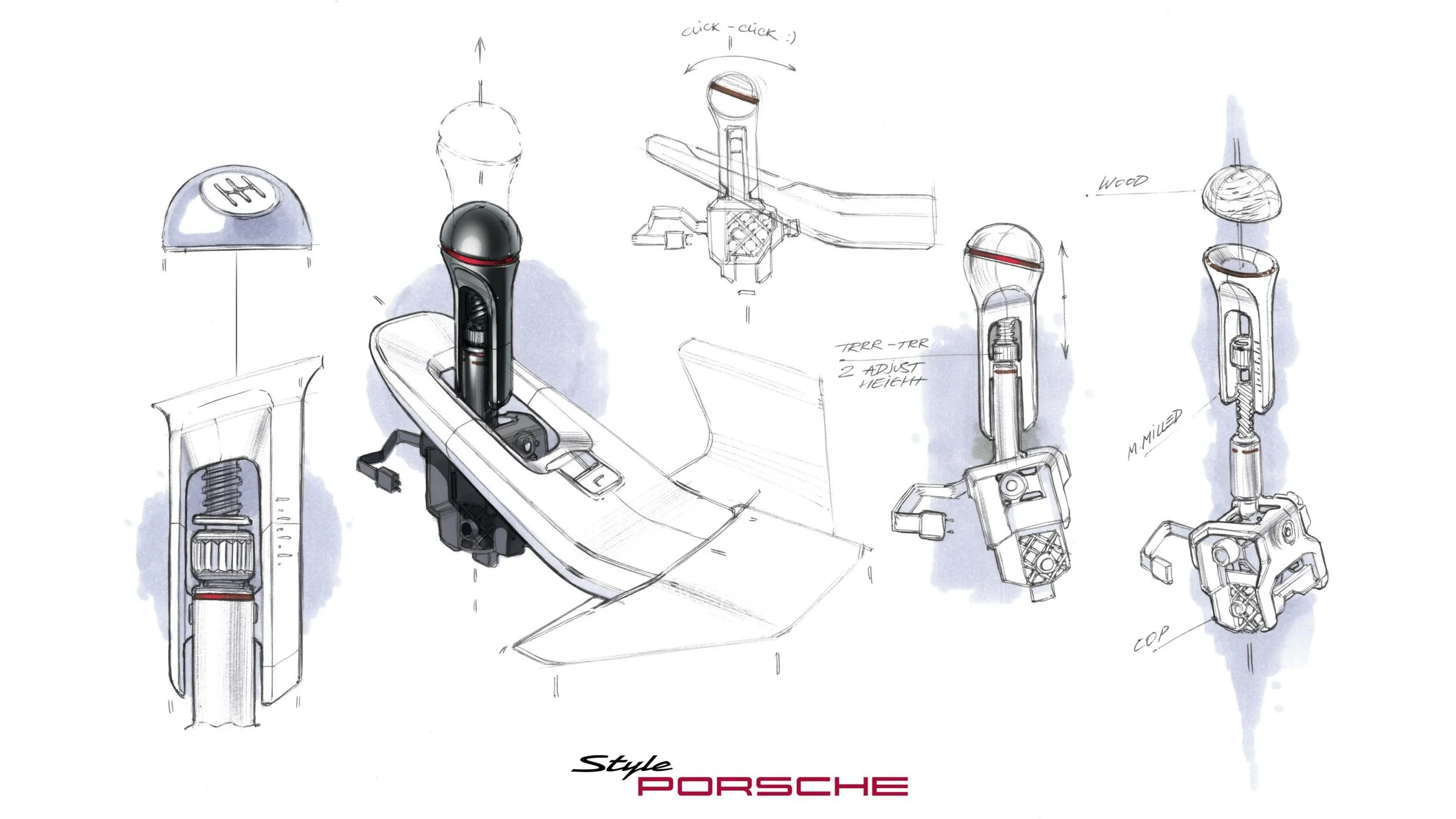
Inside, the Mission S makes a deliberate return to the core values of sports car engineering. Its interior architecture draws on historic Porsche sports cars such as the 550 Spyder and the 356. Two defining lines run through the dashboard and doors. They convey the characteristic feeling of sitting ‘deep within the car’ and create a visual link with the exterior. They also give the cabin a clear, timeless look that draws the eye to the essentials. A smooth transition between analogue and digital controls makes the interior feel both familiar and modern. Classic switches and buttons sit alongside modern displays in an ergonomic layout that combines the familiar with the future. The seats follow the same approach. New technical solutions, including a seatbelt buckle integrated into the centre panel and repositioned electric adjustment controls, bring together comfort, functionality and motorsport DNA.
For its colour scheme, the show car deliberately draws on the tradition of successful Porsche racing cars, with white, grey and red tones. The specially developed shades (Firn White Metallic, Light Red Metallic, Black Chrome and Special Black for the interior) reinterpret the classic Porsche Motorsport colours and strengthen the visual link to the brand’s sporting core.
Alongside the further developed interior architecture, the clear focus is on the ‘Driver Experience’. The aim is an ideal symbiosis of analogue and digital controls. Rather than adding more displays and functions, the concept concentrates on simplicity, clarity and intuitive operation.
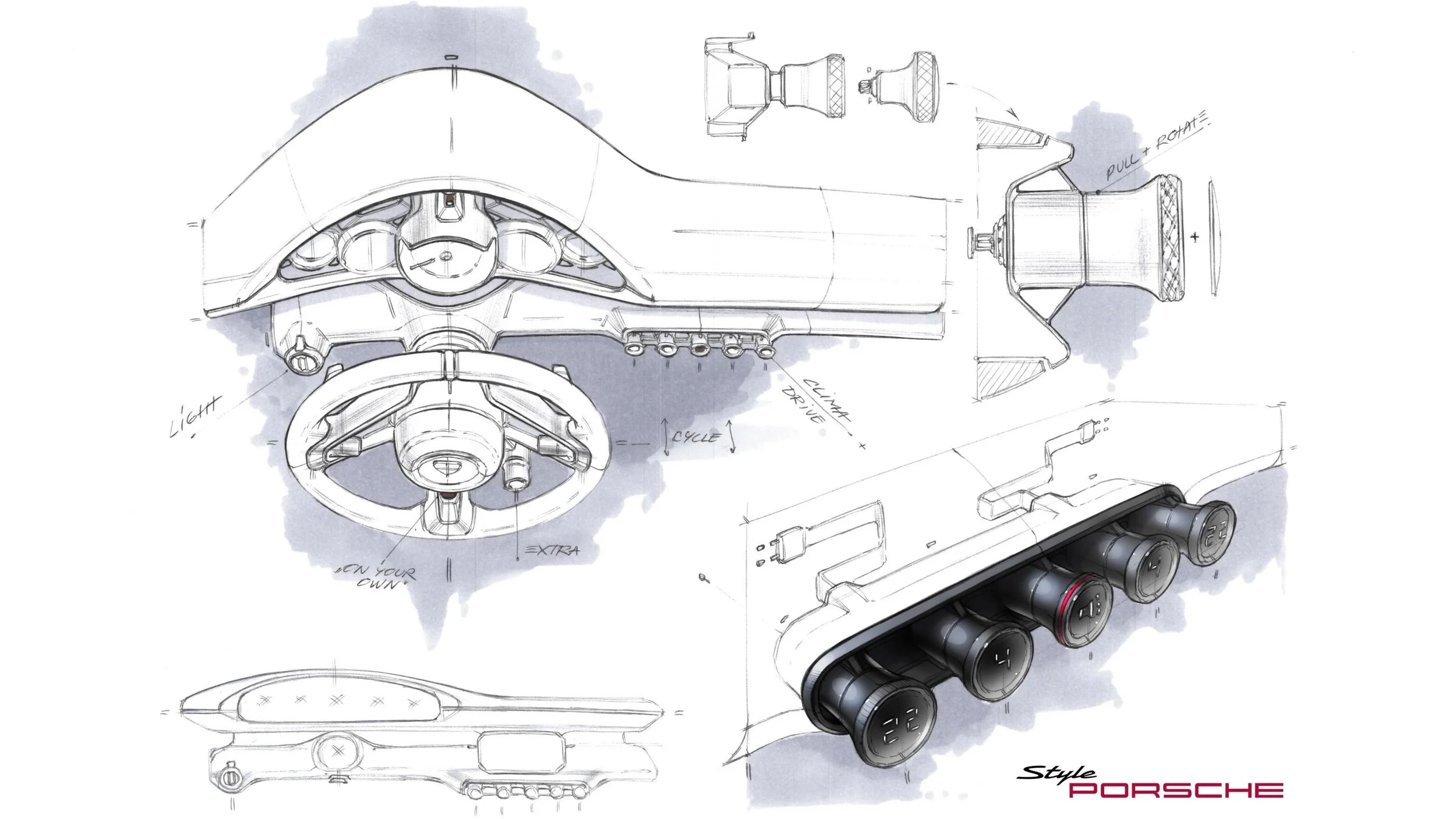
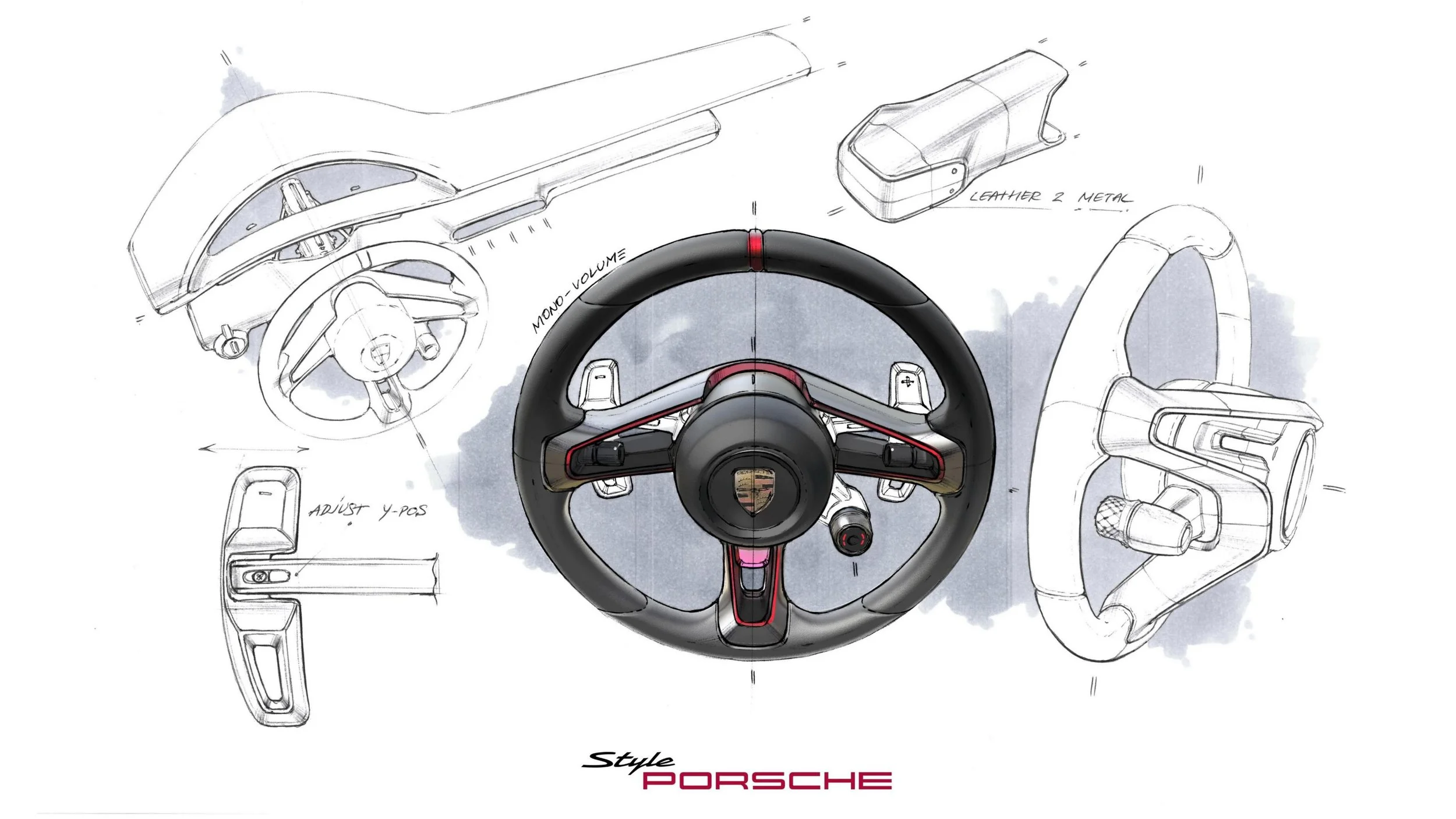
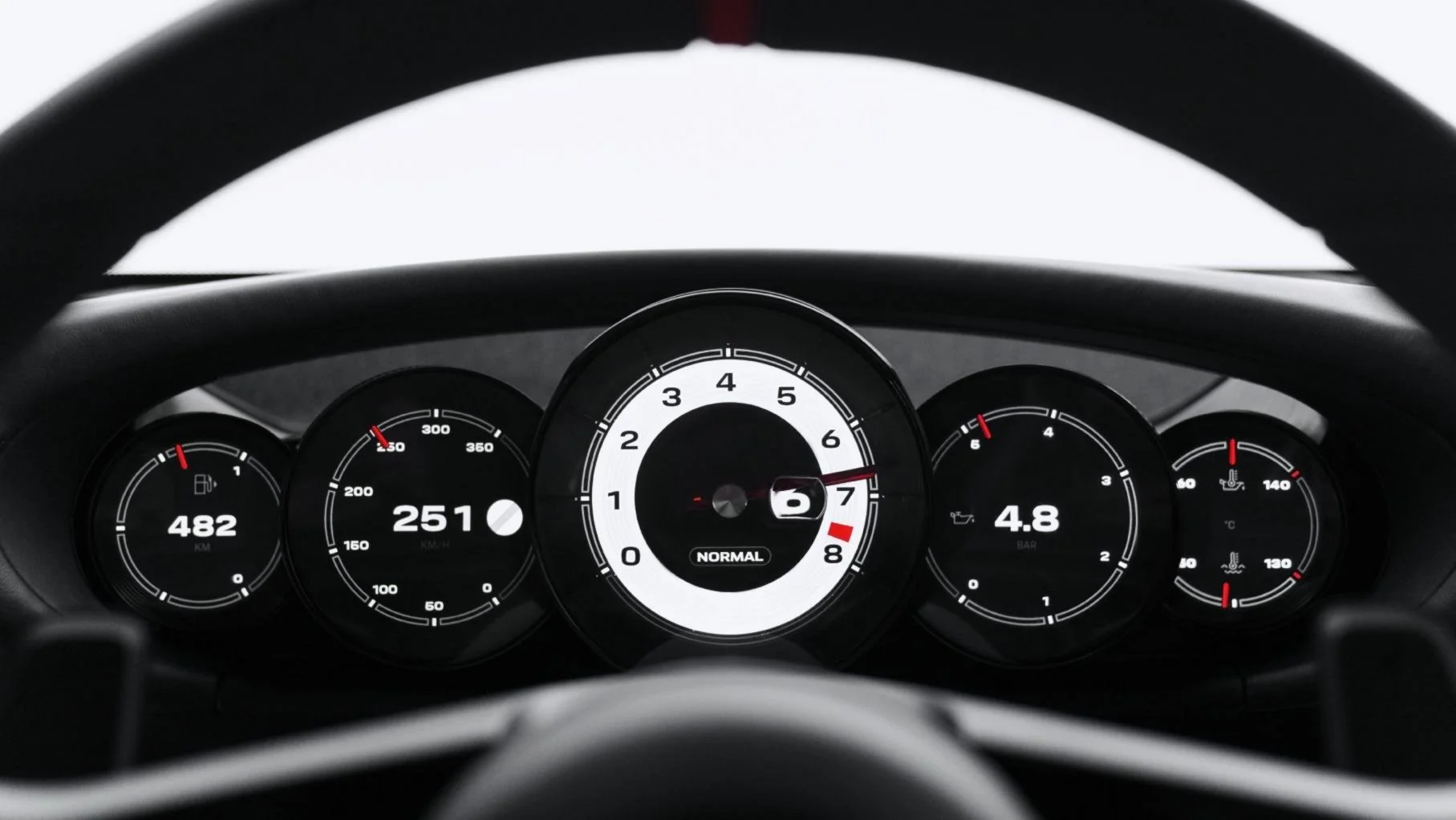
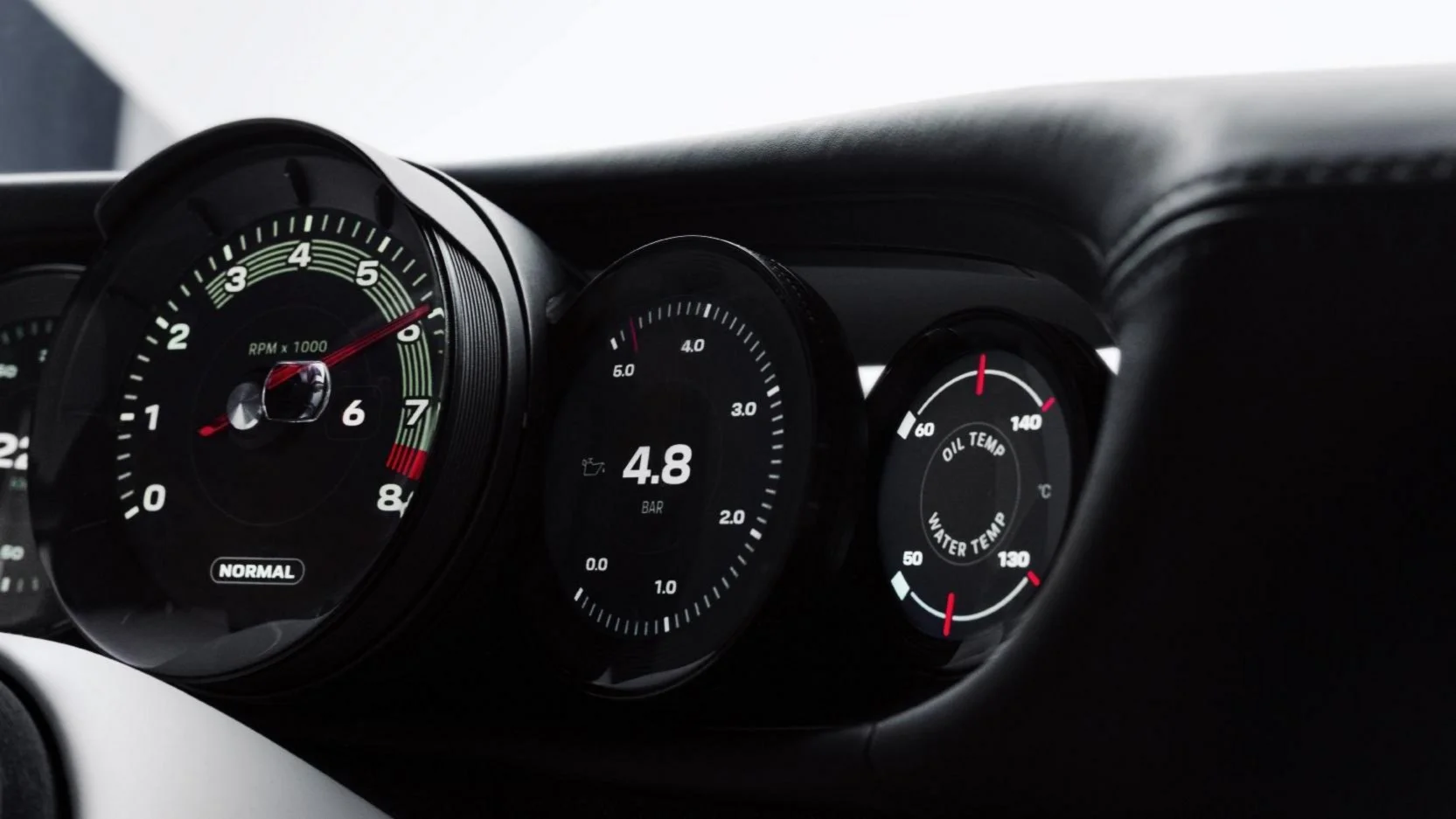
The driver’s axis forms the heart of the concept. Every control is systematically aligned toward the driver, and a mix of haptic and digital feedback creates a particularly direct user experience. Highlights include the five characteristic round instruments behind the steering wheel. At the centre sits the rev counter, with an analogue needle and a display behind it. Depending on the driving mode, the rev counter moves closer to the driver to sharpen focus. The arrangement of the round instruments also adapts to the selected mode, with the tubes positioned either side by side or one behind another to suit the driver’s needs. Other innovations include the holder for the specially designed key, which sits to the left of the steering wheel as is customary at Porsche, and new push-pull controls in the dashboard that give direct access to various comfort and driving functions. The reimagined Sport Chrono element also blends analogue character with digital precision.
Porsche has deliberately chosen not to include a permanently integrated centre display or a fixed passenger display in the dashboard. Instead, it has designed a retractable smartphone system, compatible with MagSafe technology, for use as needed. If they wish, users can turn their own smartphone into a navigation or information display. A clearly structured, streamlined My Porsche App provides access to all functions. It also lets users choose digitally rendered, historically inspired designs for the circular instruments. The result is an interior concept that puts the driving experience first while offering maximum flexibility and convenience.
Looking ahead, Porsche is planning, for the first time, a permanently available super sports car offer that will sit above the iconic 911. The clear objective is the highest level of engineering excellence combined with maximum flexibility. Decades of motorsport experience, innovative, brand-defining technology, and the forward-looking design unveiled with the Mission S underpin this ambition.