Bugatti Destrier: The One-Off Solitaire Sculpture Unveiled
The Bugatti Destrier, the third one-of-one creation in the Bugatti Programme Solitaire, transforms Bugatti's most extreme track machine, the Bolide, into a masterpiece of pure elegance. As a true Solitaire, it celebrates breathtaking proportion and beauty: a design of grace, dignity and style that Bugatti has conceived to endure, a creation destined to pass from generation to generation and to stand among the most significant designs in Bugatti's history.
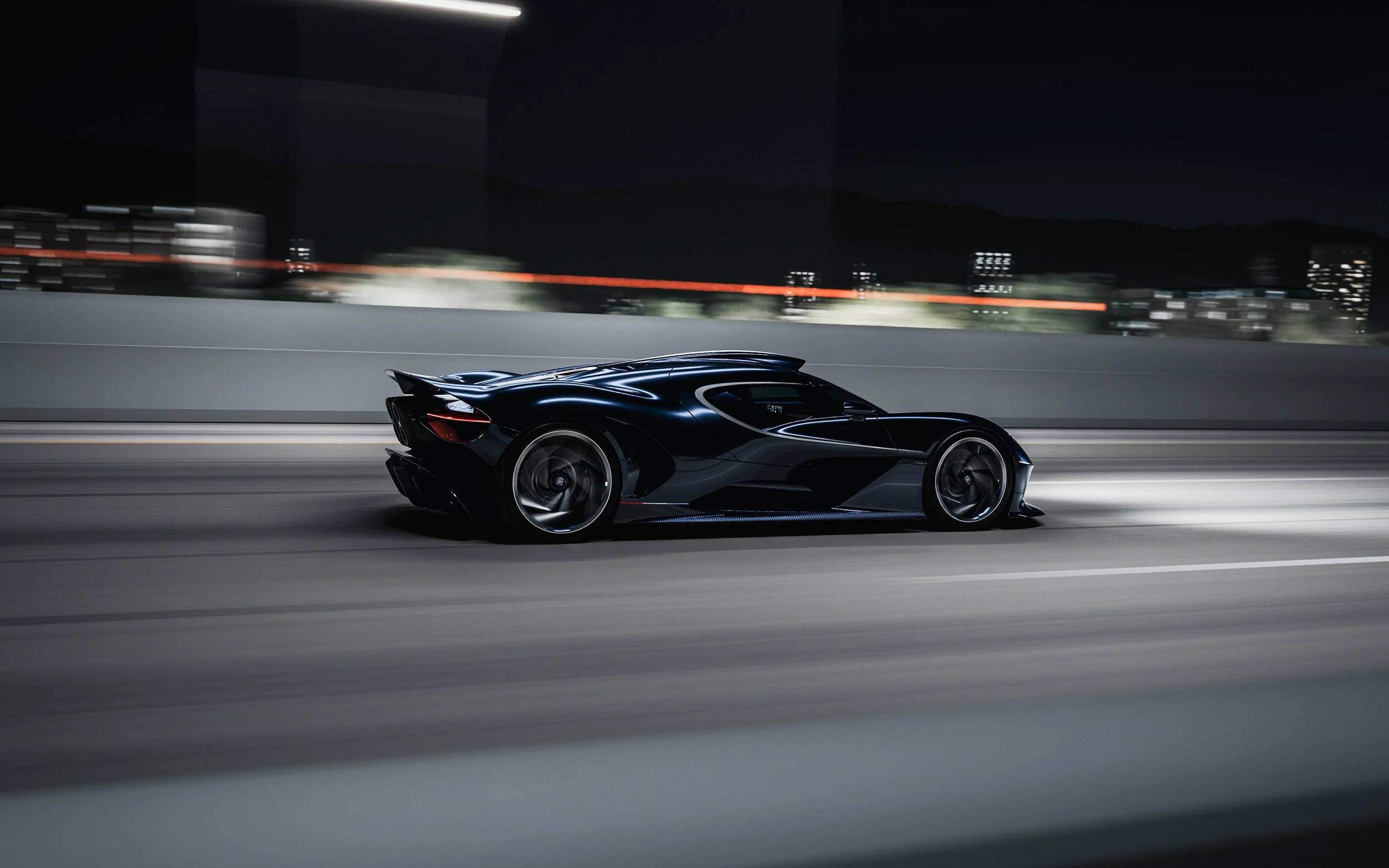
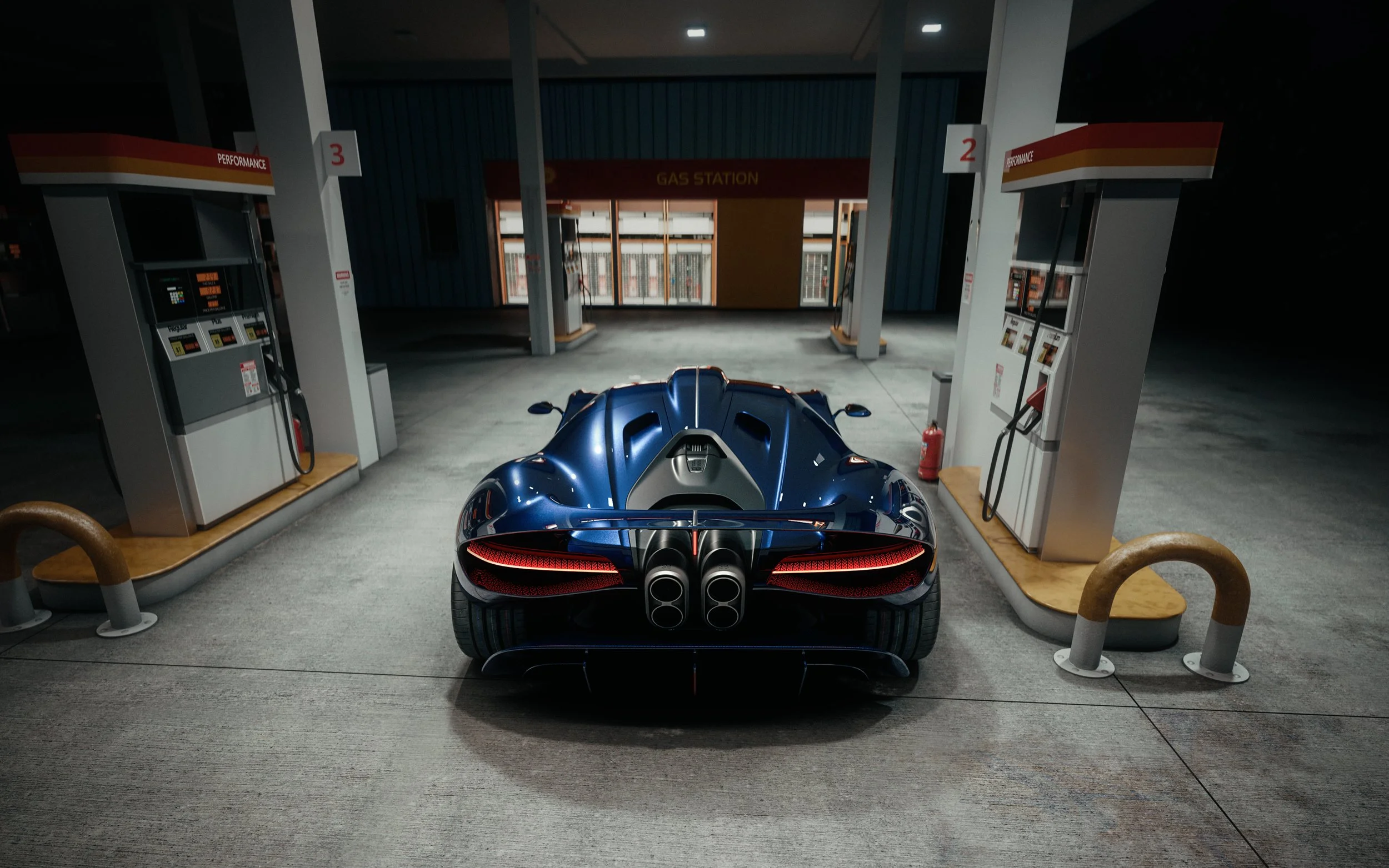
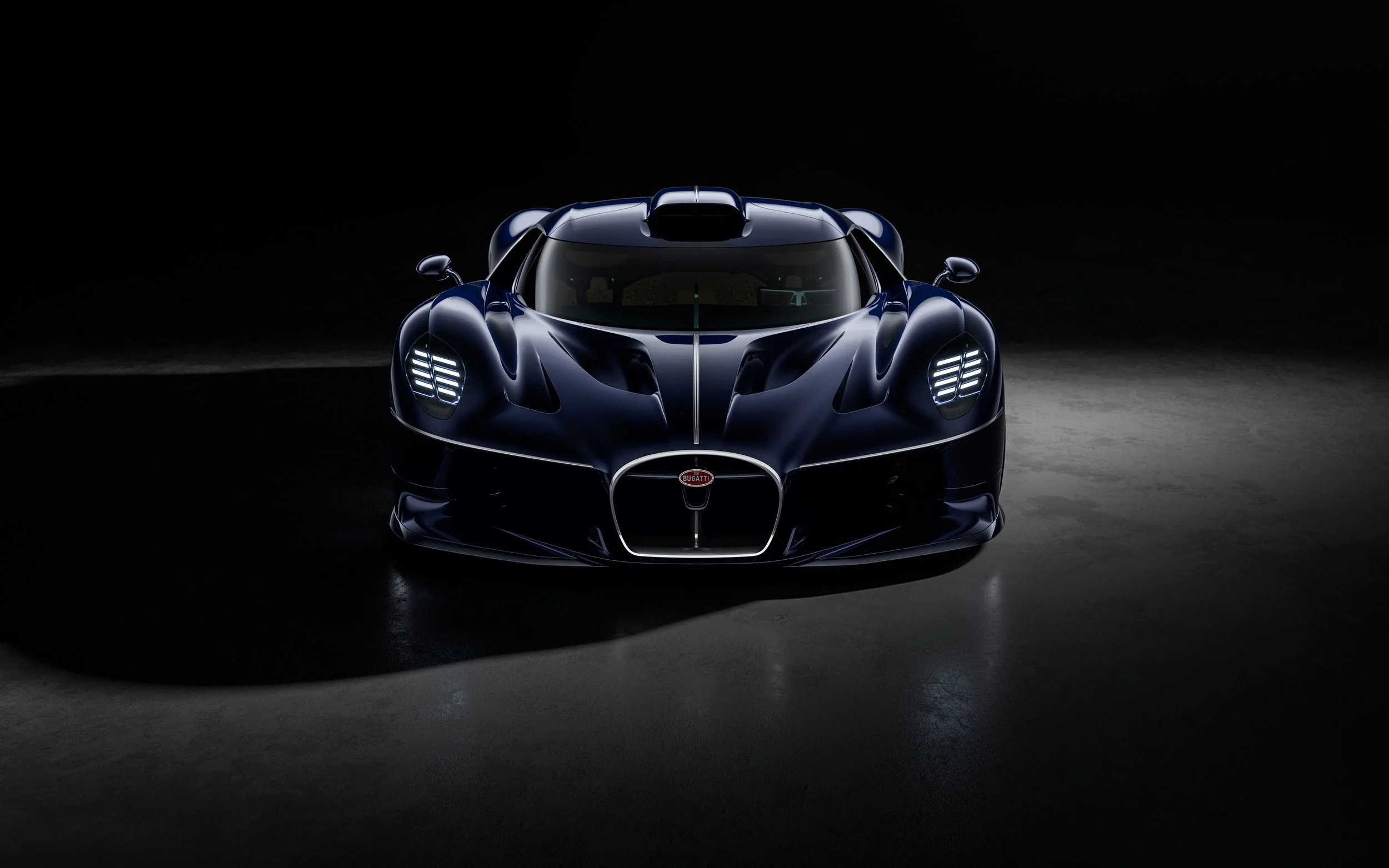
Bugatti named the Destrier after the finest and strongest type of medieval knight's horse, and the car poses a bold question: what if the most extraordinary Bugatti engineering package ever created shed its wings, vents and aerodynamic addenda, so that people could appreciate it purely for its proportions? The result stands just one metre tall, dramatically lower than any other Bugatti model. Its wheels, 20 inches at the front and 21 at the rear (a significant step up from the Bolide's 18-inch items), appear monumental against a body pared back to its purest volumes.
Whereas previous Solitaire commissions, Brouillard and F.K.P. Hommage, drew on emotive stories and steeped themselves in history, the Destrier instead pursues an instinctive, emotional, design-first sculptural approach. Yet the idea behind its creation remains authentic to Bugatti history. The Type 57 chassis, for example, once underpinned both the streamlined Type 57G and Type 57C "Tank" racers that won Le Mans outright in 1937 and 1939, as well as the Type 57SC Atlantic, which many regard as the most beautiful car ever built: a race car and an objet d'art sharing a single foundation. The Destrier and the Bolide continue that tradition, sharing one chassis while expressing two entirely different ideas. A hand-laser-engraved dedication plate above the windscreen makes this connection permanent, depicting both the Type 57G Tank and the Type 57SC Atlantic.
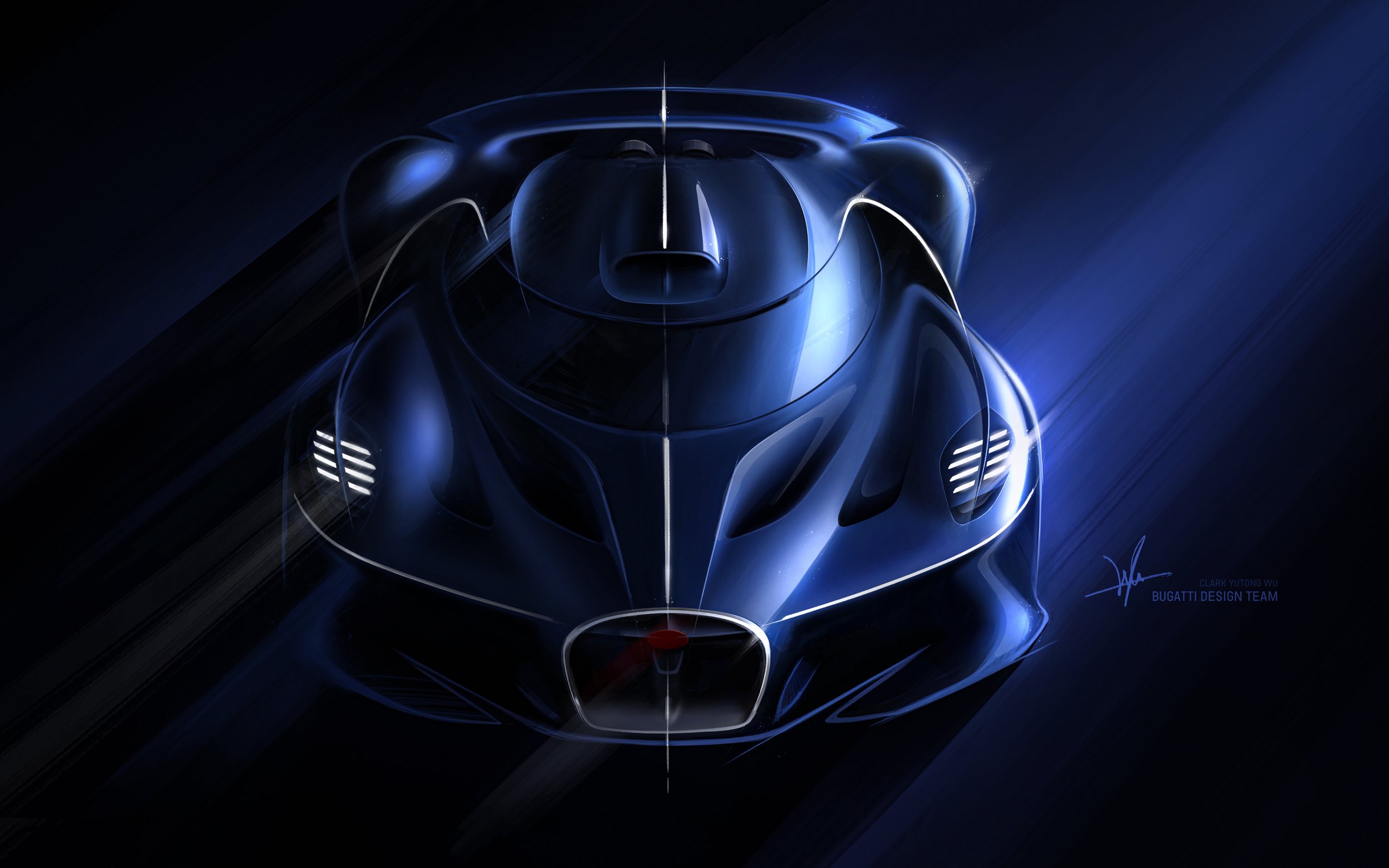
Built on the Bolide's carbon fibre monocoque, the Destrier opens a fresh chapter in Bugatti's design vocabulary. The signature Bugatti C-line, which traditionally forms an unbroken curve of brightwork framing each side, "breathes": it pauses just before the front wheel well, letting bare bodywork show through before resuming its path to meet the horseshoe grille.
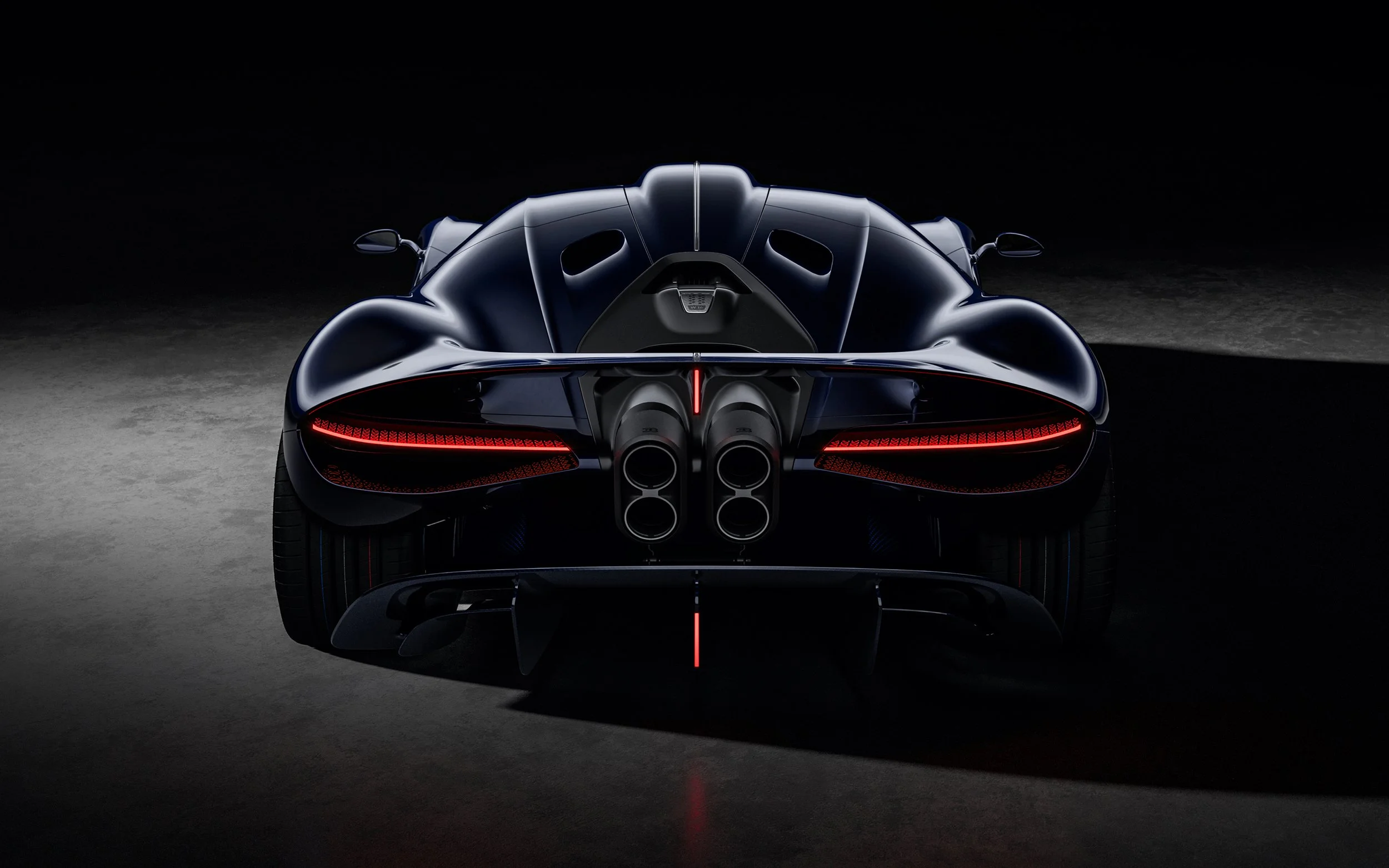
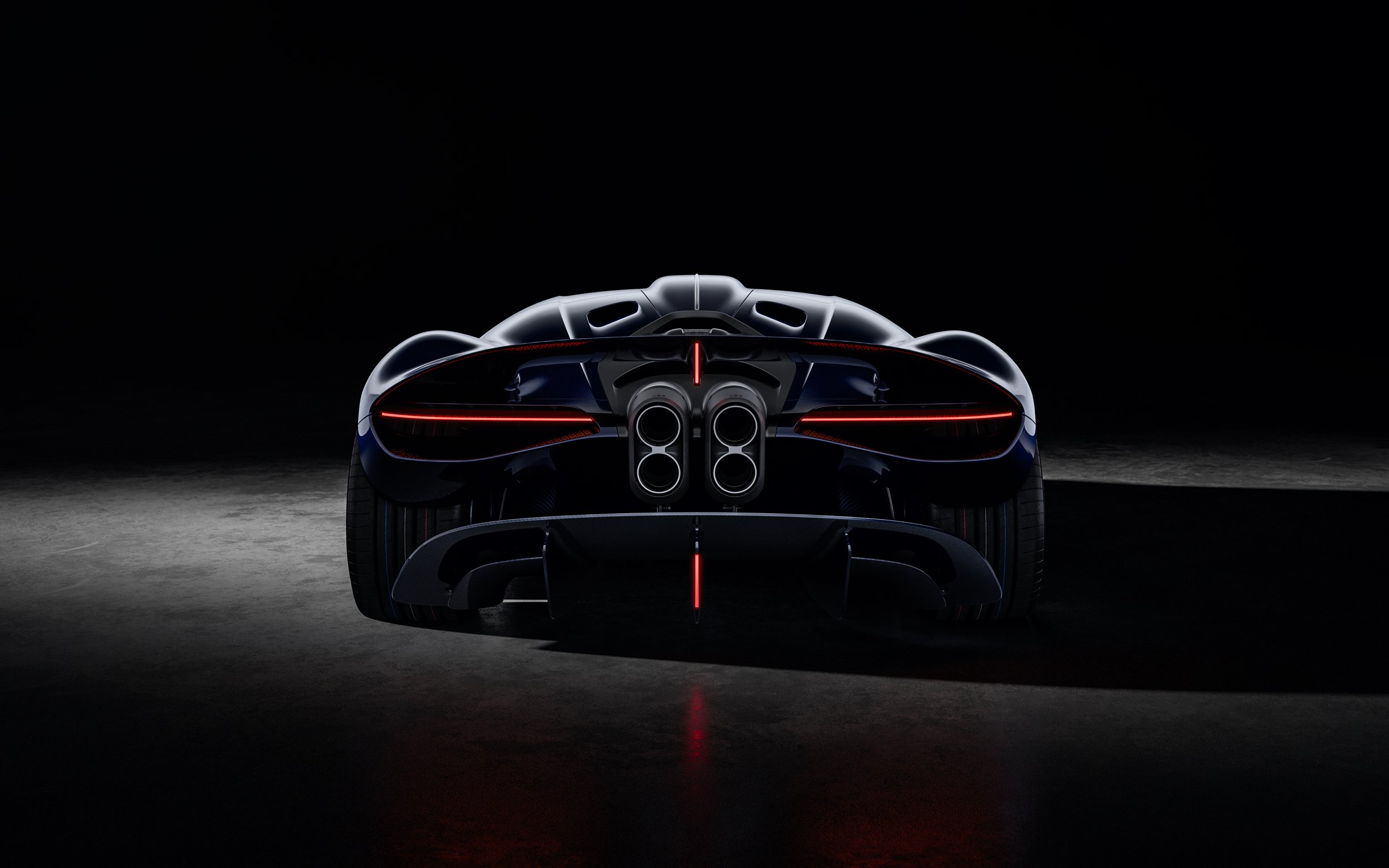
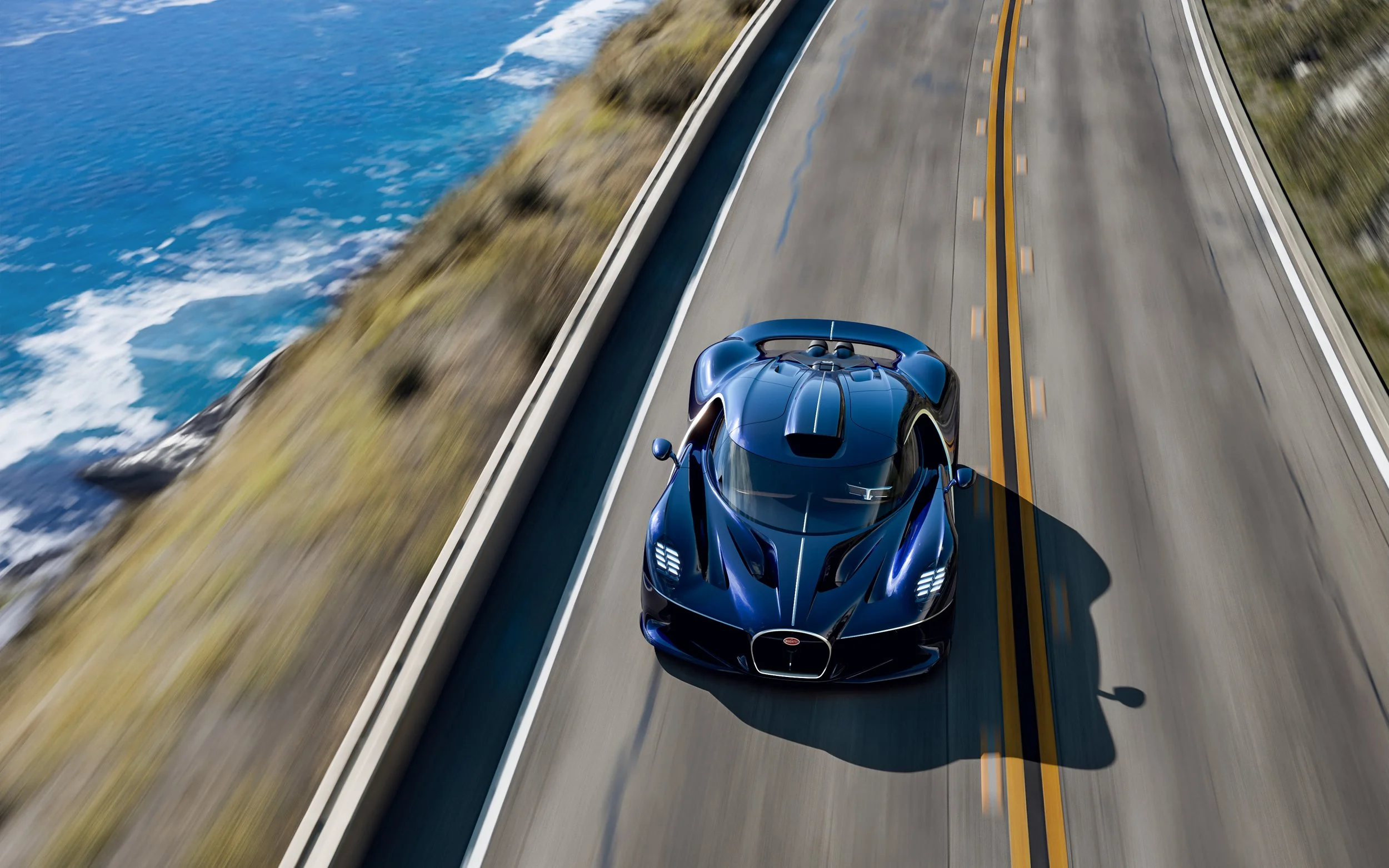
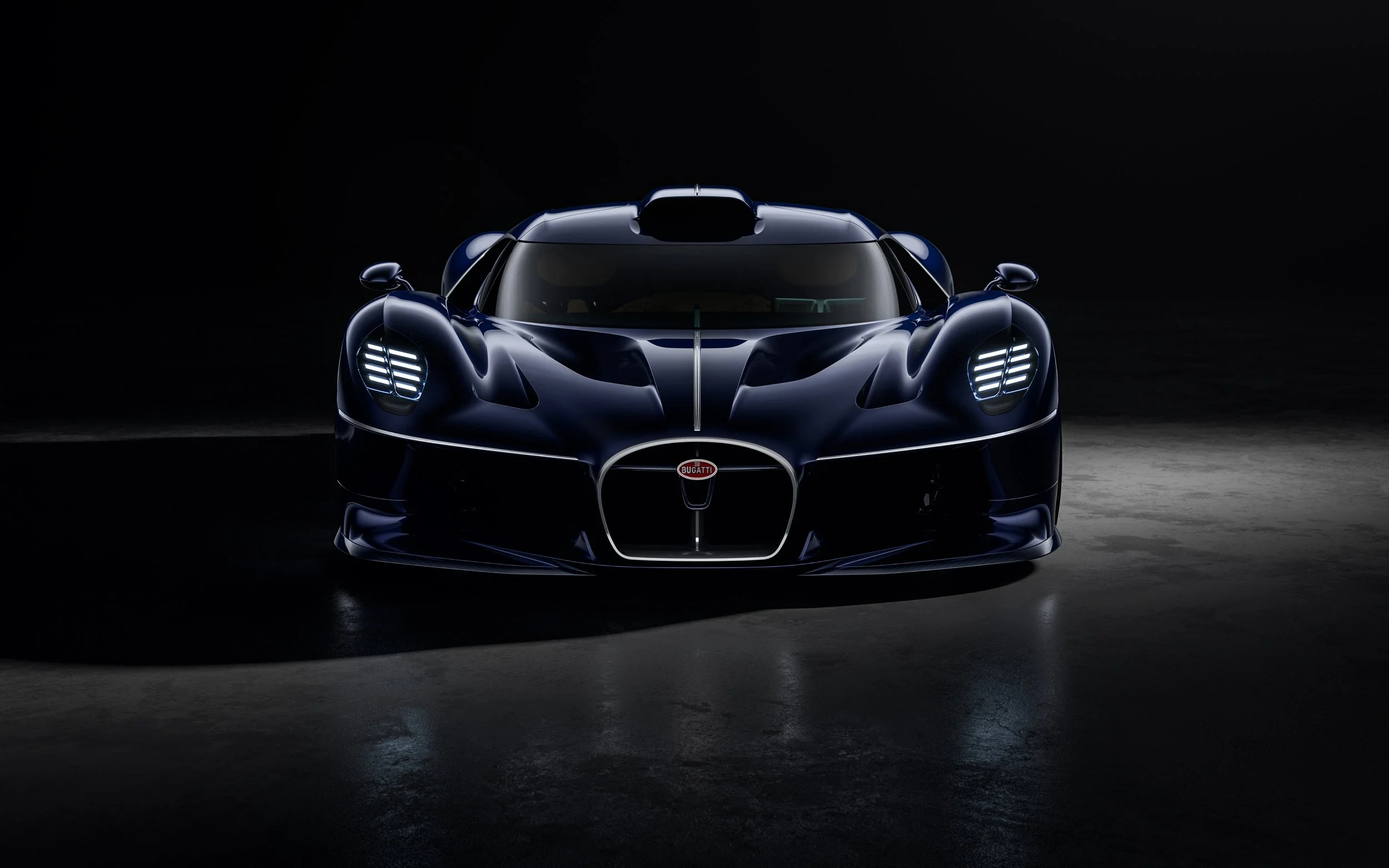
The horseshoe grille, wider than on the Bolide, anchors a face defined by restraint rather than aggression. At the rear, details such as the elegant blended wing echo the Chiron Profilée, closing the silhouette with the same quiet grace.
The Destrier's stance best reveals the wonder of this Solitaire. The Bolide's extreme package lets the cabin crouch low between the two front wings, giving the car the posture of a powerful horse poised to pounce, even at a standstill. Behind the doors, the bodywork draws inward into a dramatic waist before swelling out over the rear wheels into a powerful hip, creating an extreme body posture normally reserved for dramatic initial design sketches rather than fully formed production models.
Bugatti finishes the Destrier in "Sapphire Celeste", a bespoke, multi-layered exterior colour created exclusively for this car and its owner. A diamond-inspired sparkle within the paint's structure elevates the bodywork's sculptural form to its highest level, while polished aluminium brightwork provides an elegant contrast to the refined blue hue. The choice also carries a quiet historical echo: the Type 57SC Atlantic chassis 57591, the celebrated "Pope" Atlantic, originally wore blue before its current owner repainted it black. Bugatti has tinted the car's exposed carbon fibre, limited to the front splitter and rear diffuser, to complement "Sapphire Celeste precisely". In the engine bay, brightwork components carry a hammered surface finish, a subtle nod to the hand-beaten armour of the medieval knight.
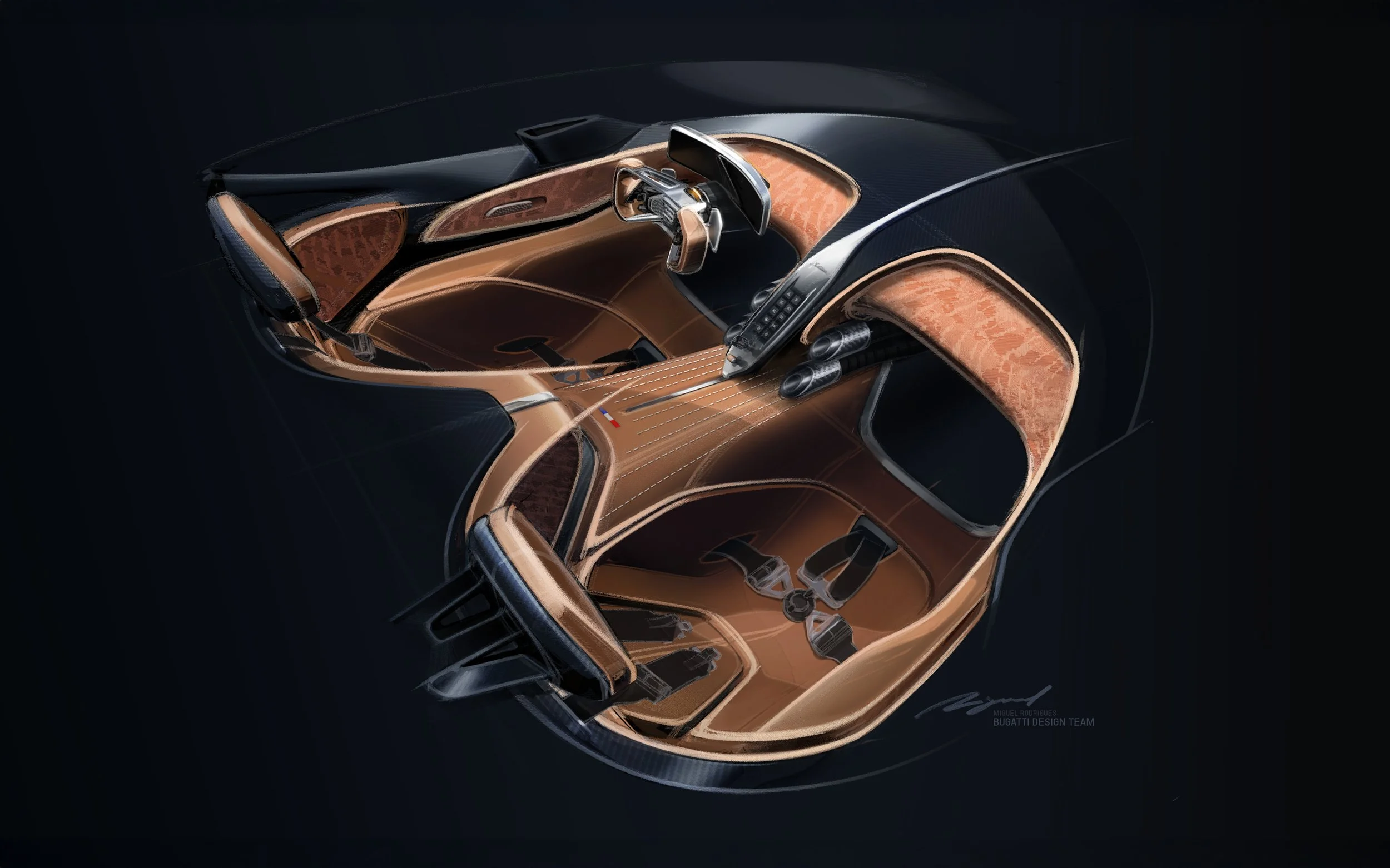
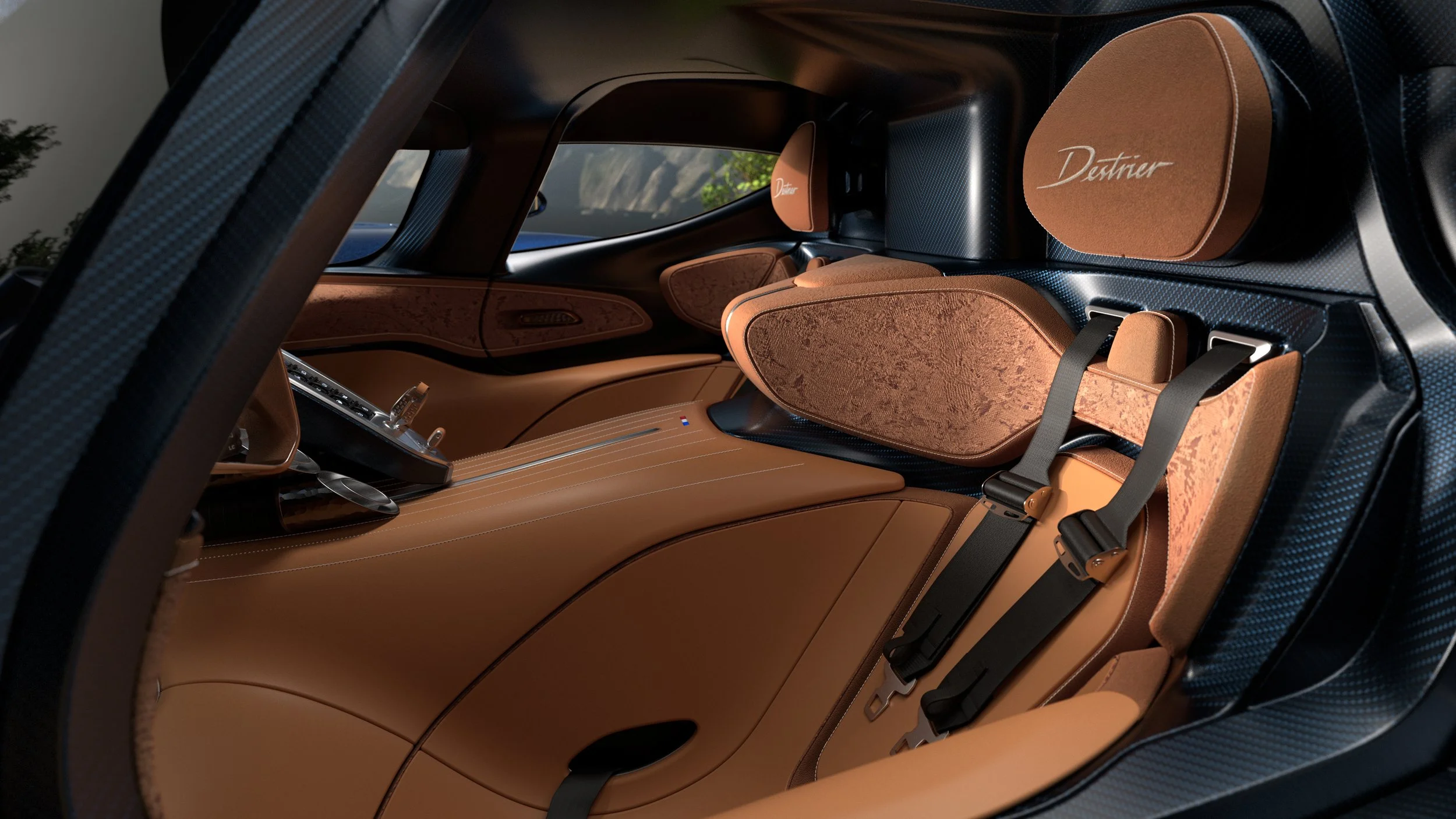
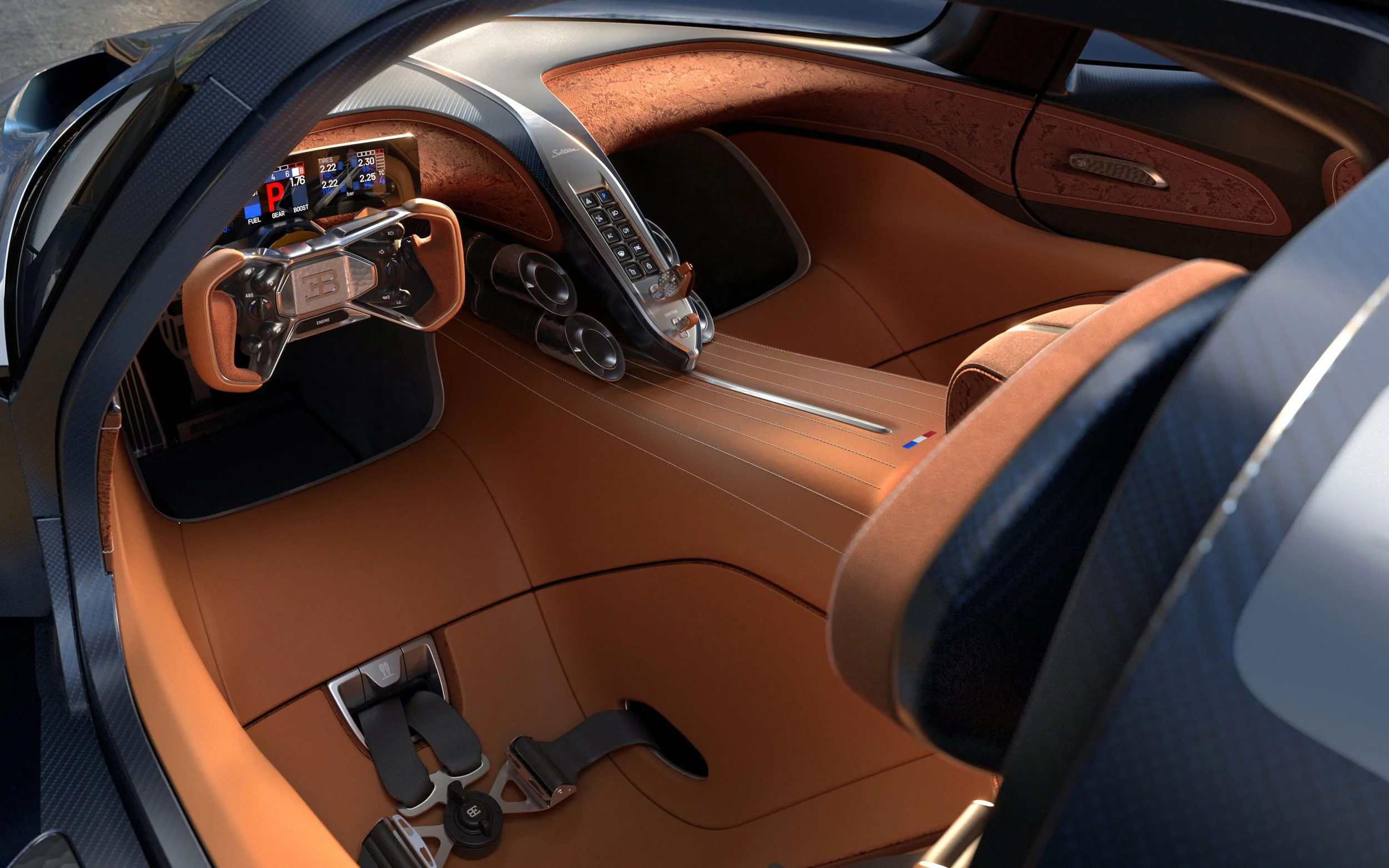
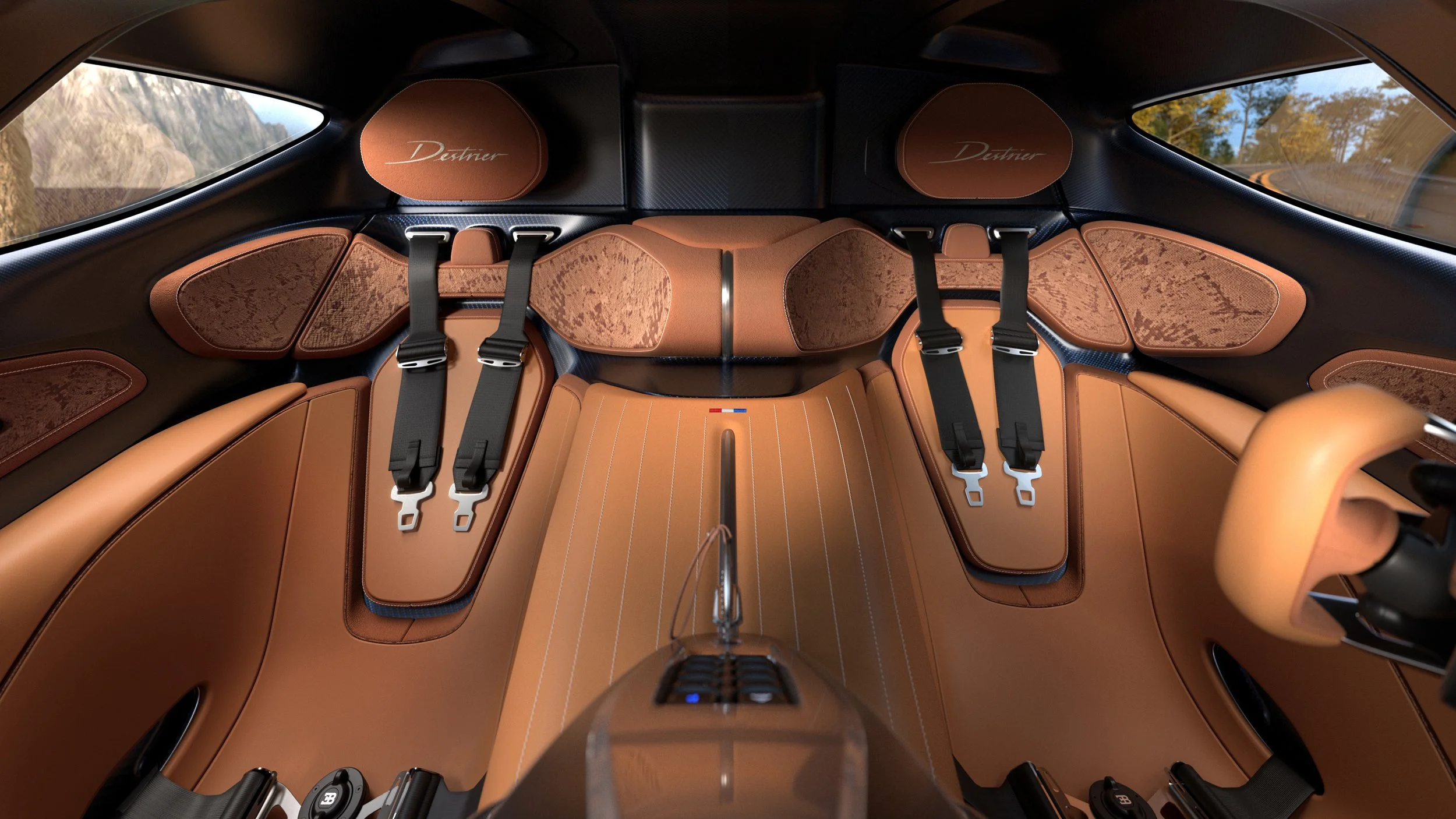
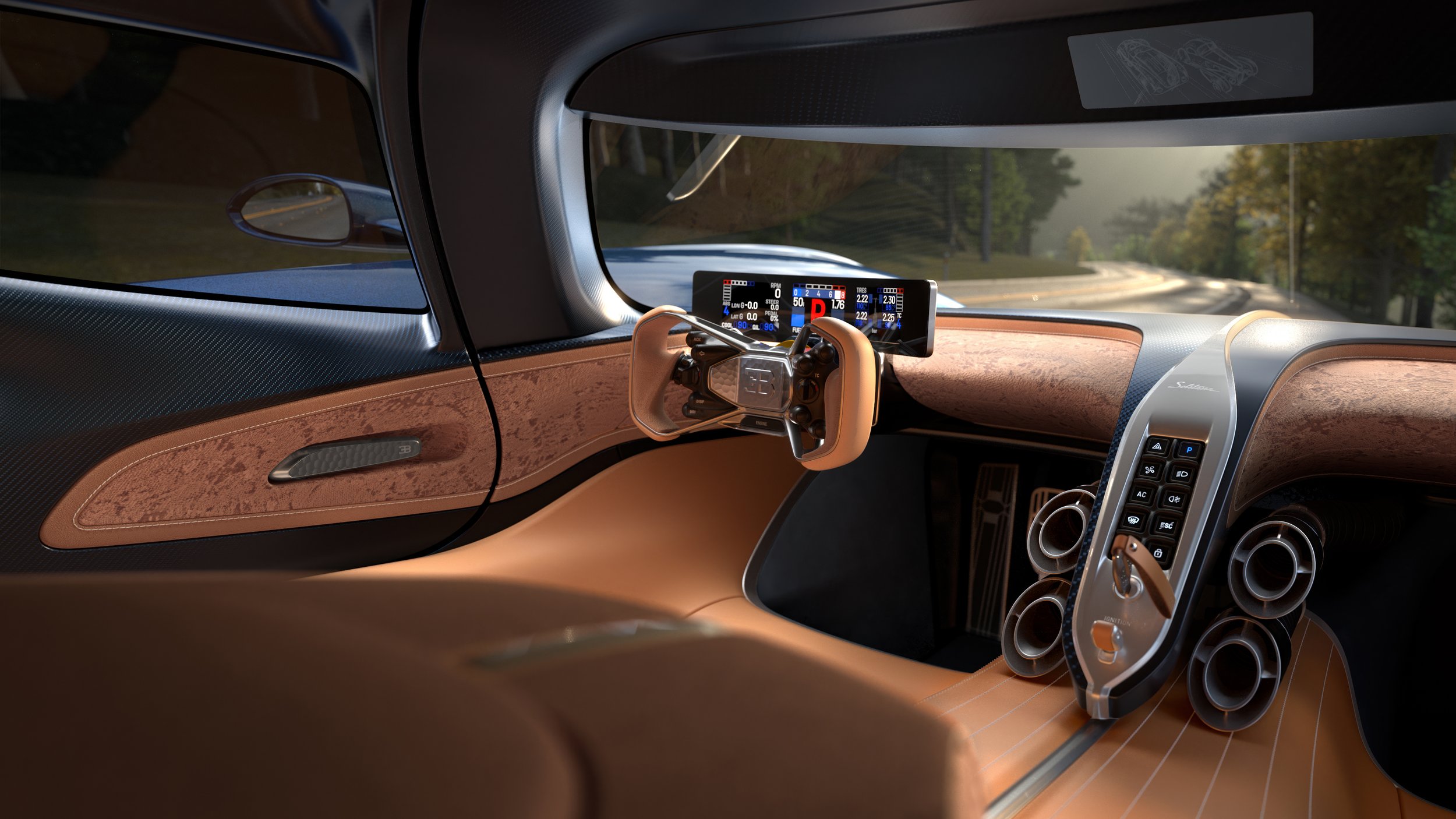
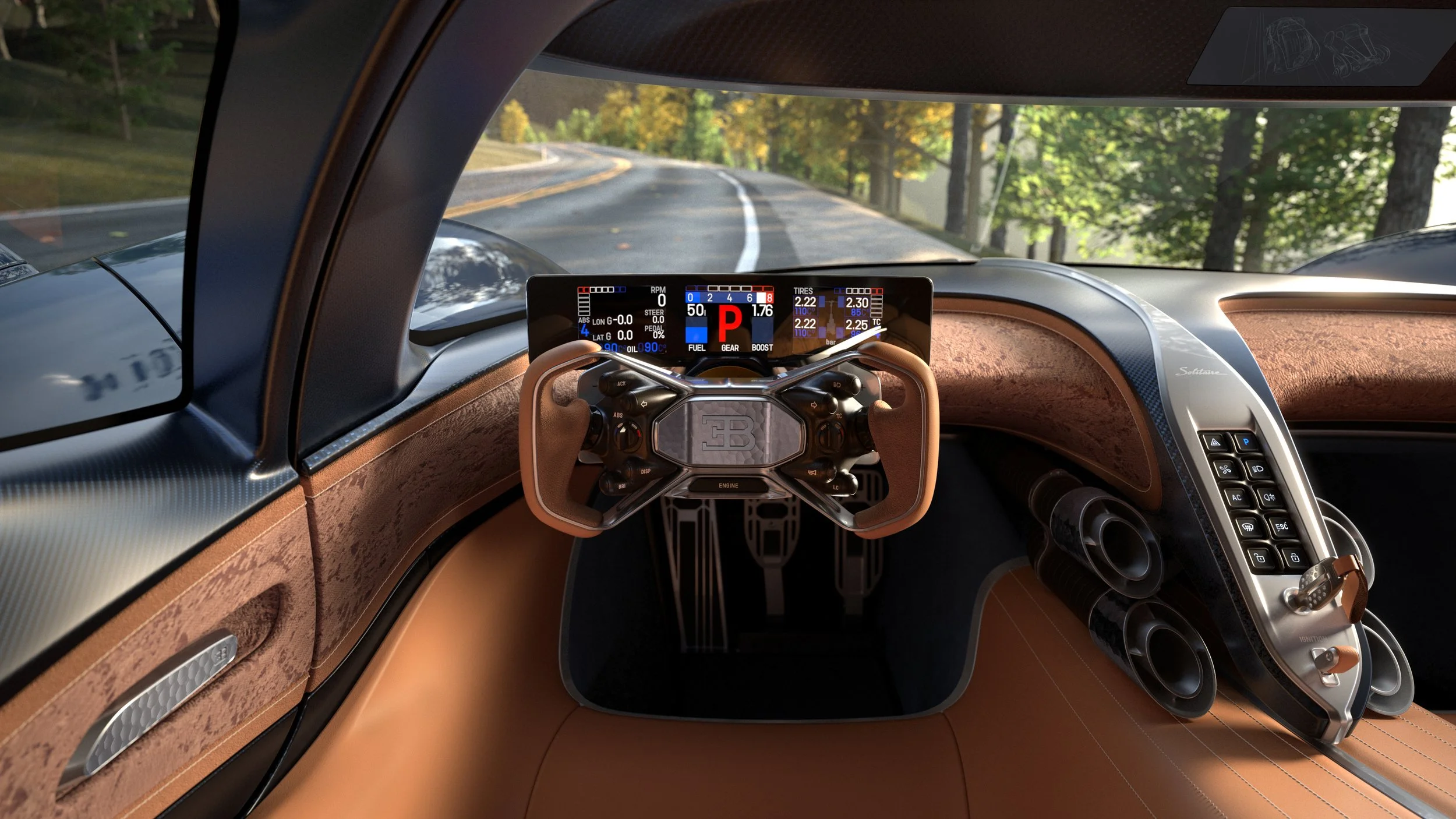
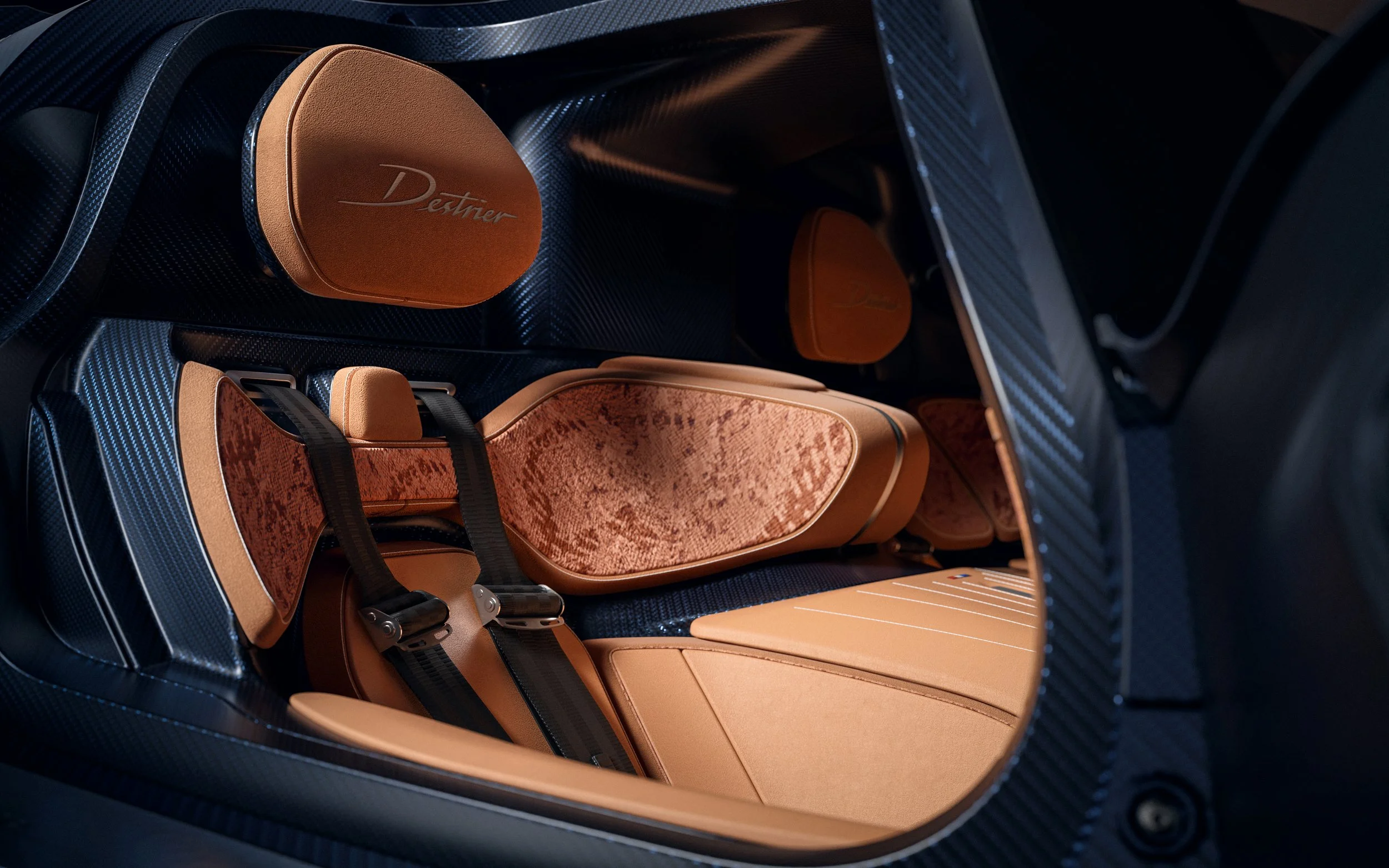
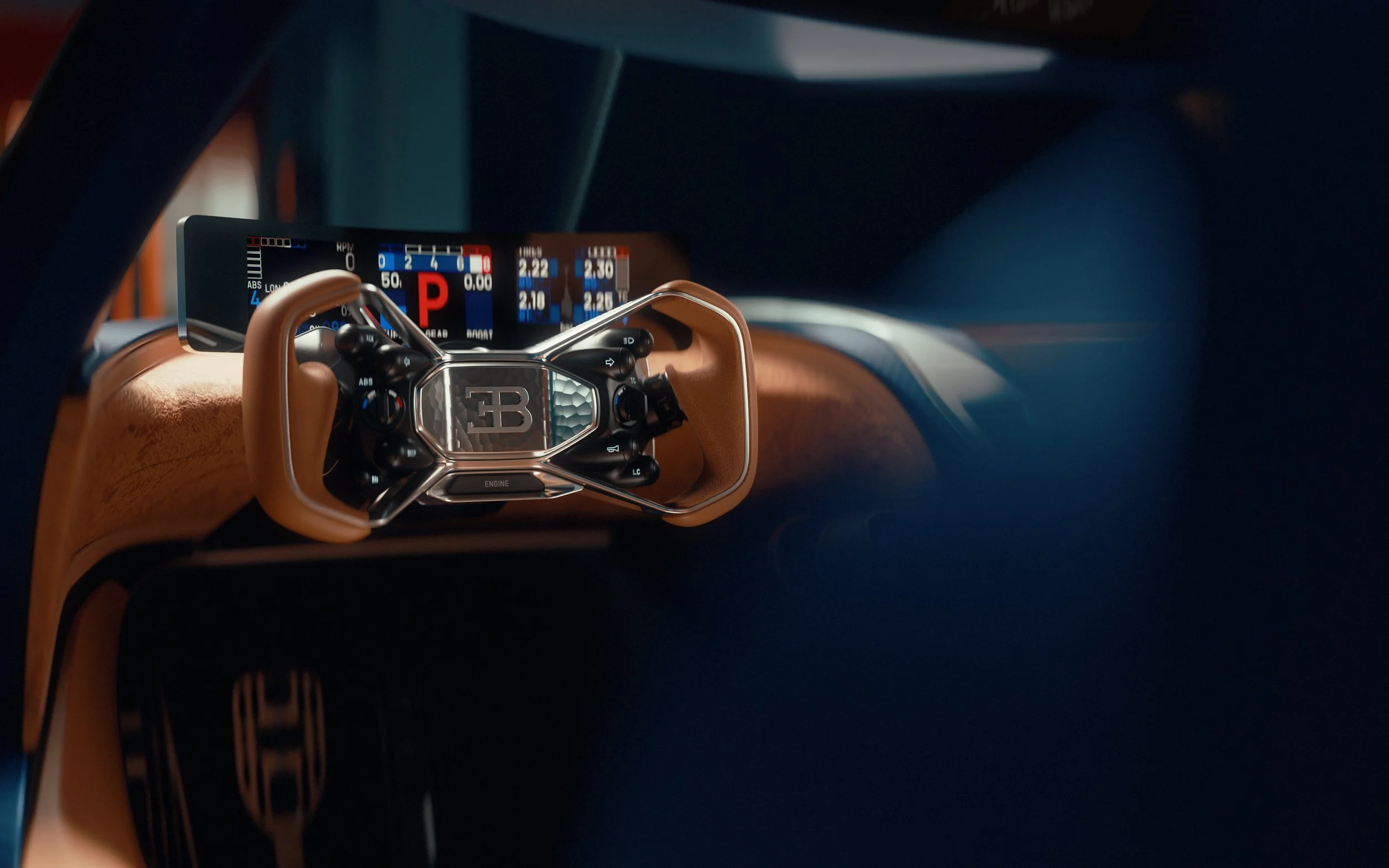
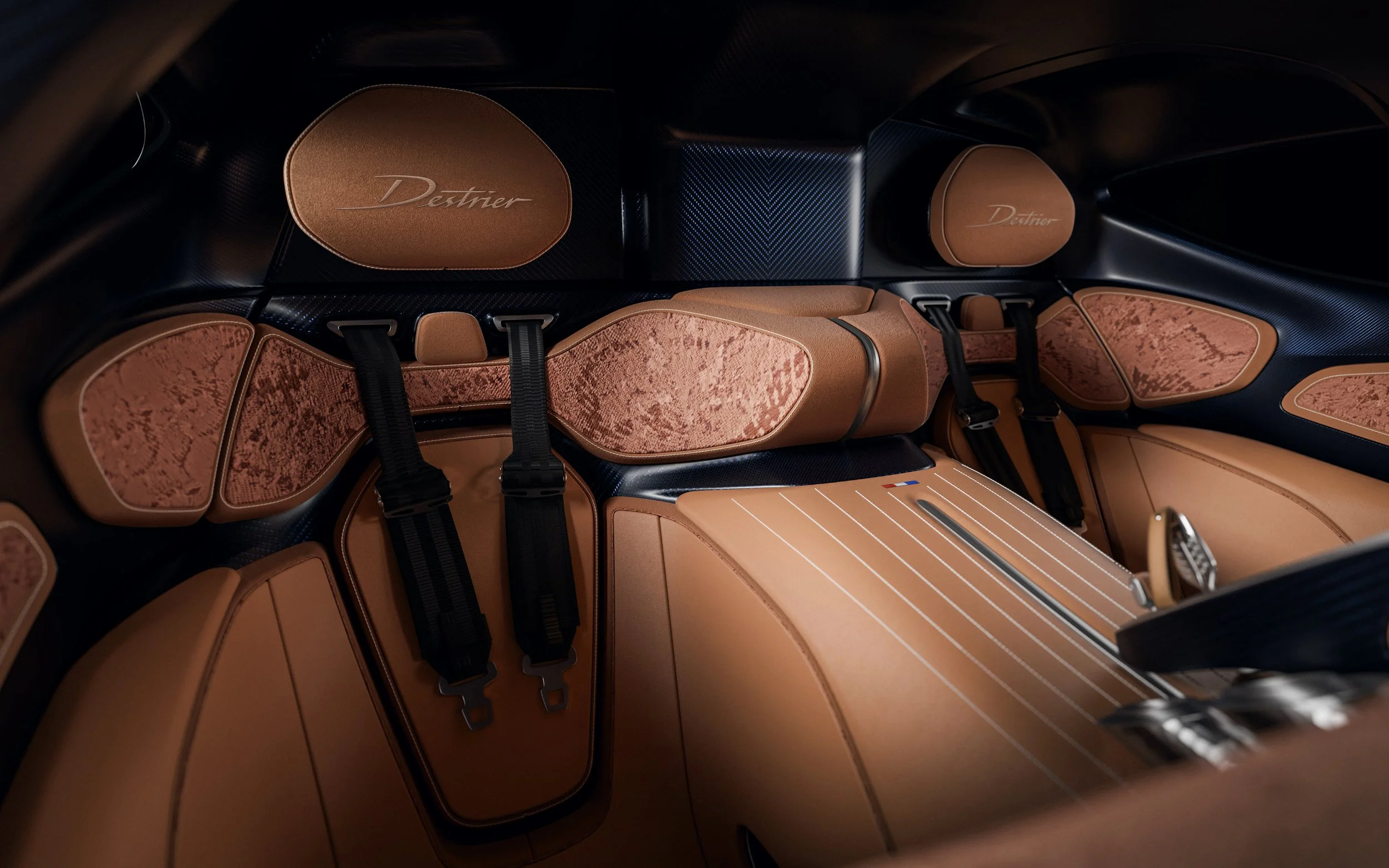
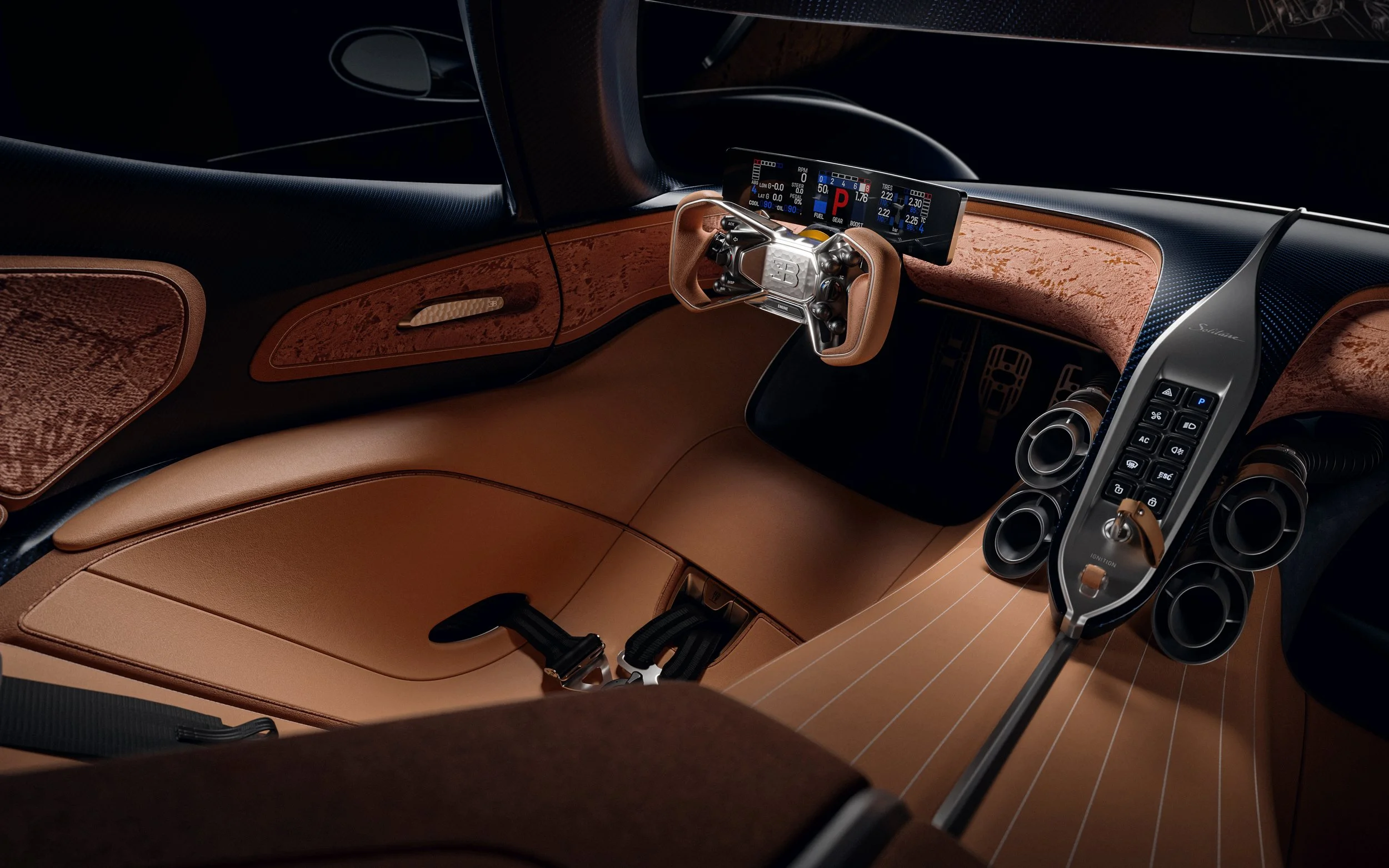
Inside, the Destrier moves considerably further from the Bolide's stripped-back, motorsport-focused cockpit and draws instead on the quiet warmth of a tailor's atelier. Bugatti has individually selected every material and crafted every surface around the car's single owner. Three materials define the cabin: leather and nubuck, both in "Ambre Voyageur", a timeless warm brown, and an advanced 3D-knitted textile.
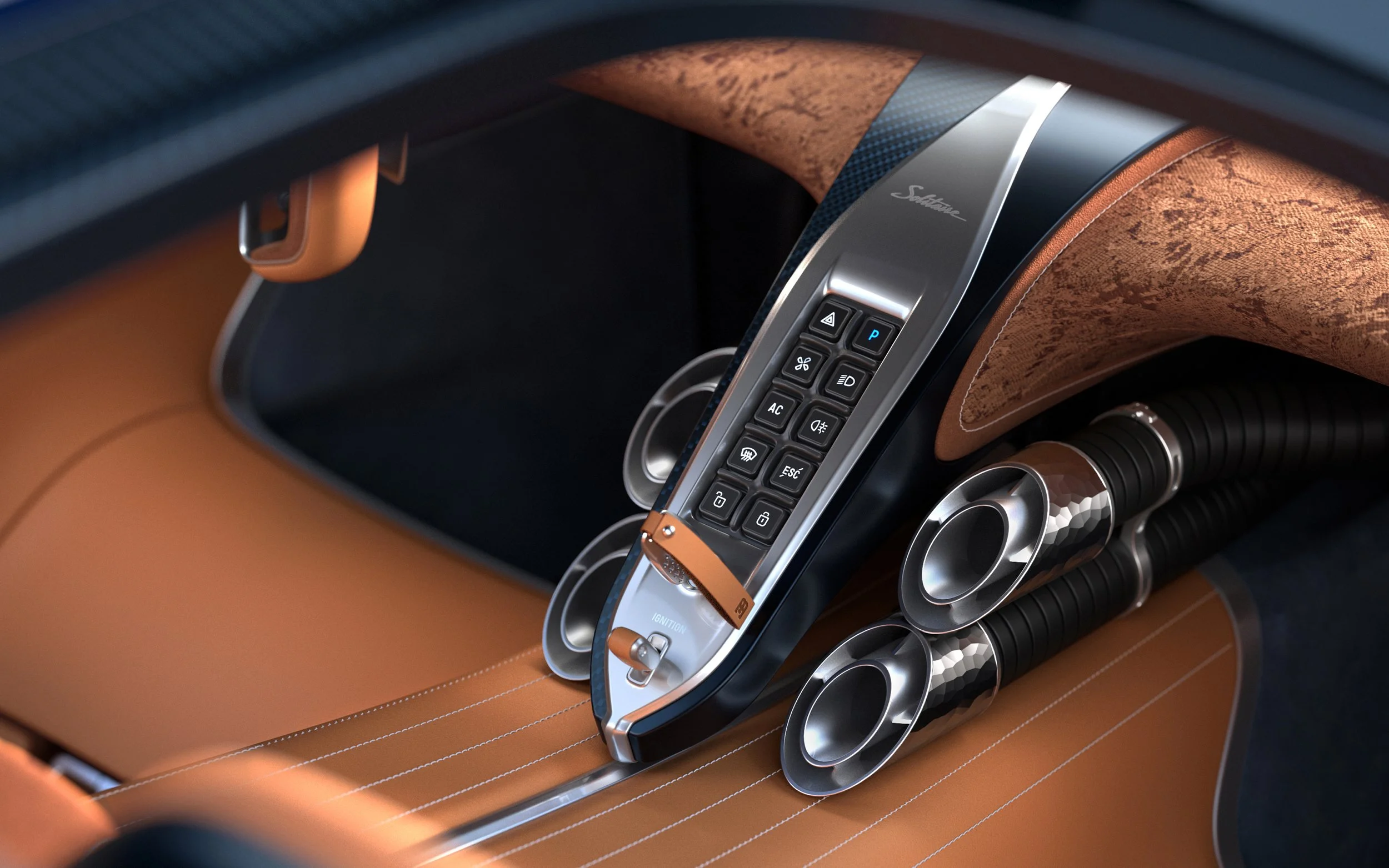
The knitted material draws on techniques from haute couture and performance sportswear to form seamless, three-dimensional surfaces that feel as technical as they are tactile. Copper yarns run through it as sparkling highlights, woven into a circular "halo-line" pattern that flows around the cabin. Contrasting stitch lines pick out each component's geometry and repeat in the headrest embroidery and the flowing lines of the centre console. The hammered brightwork finish from the exterior returns inside across four further touchpoints: the door opener, air vents, steering wheel hub and entry plate. And in a nod to the marque's origins, a small French flag sits at the heart of the cabin.
Modern parametric patterns are featured on the head and tail lamps, while the oil filler cap, a visible signature of the car's status as Bugatti's third Solitaire model, carries the Destrier emblem alongside its "1/1" designation.
The Bolide's complete W16 powertrain sits beneath the bodywork, producing 1,600 PS at peak output for Bugatti's quad-turbocharged 8.0-litre engine. True to the spirit of the project, Bugatti offers this detail almost in passing: as with the great Concours-winning cars of the past, the Destrier's story centres on proportion and craftsmanship rather than outright performance.
Bugatti will unveil the Destrier during Monterey Car Week, culminating in the Pebble Beach Concours d'Elegance on 16 August 2026.