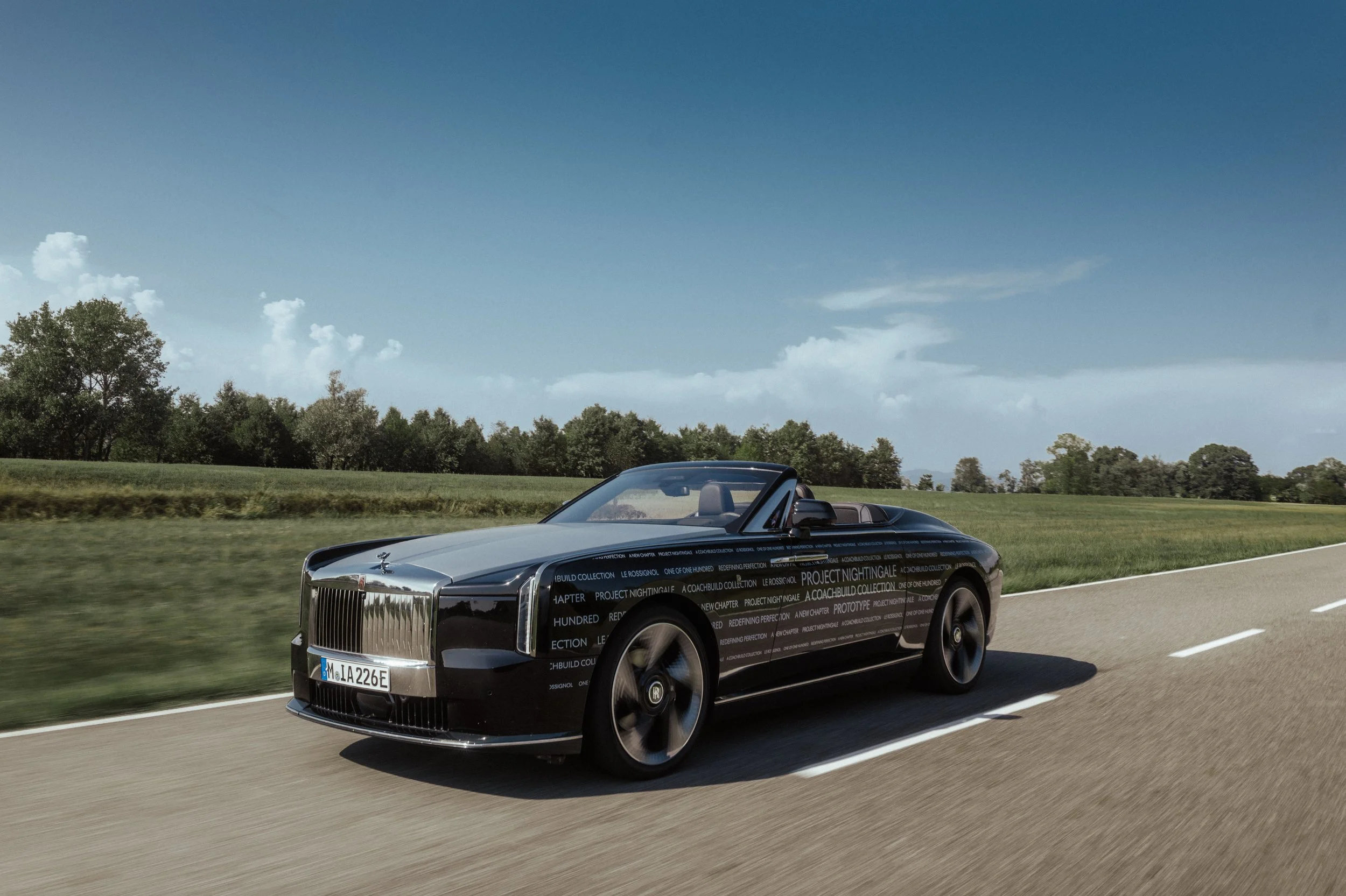
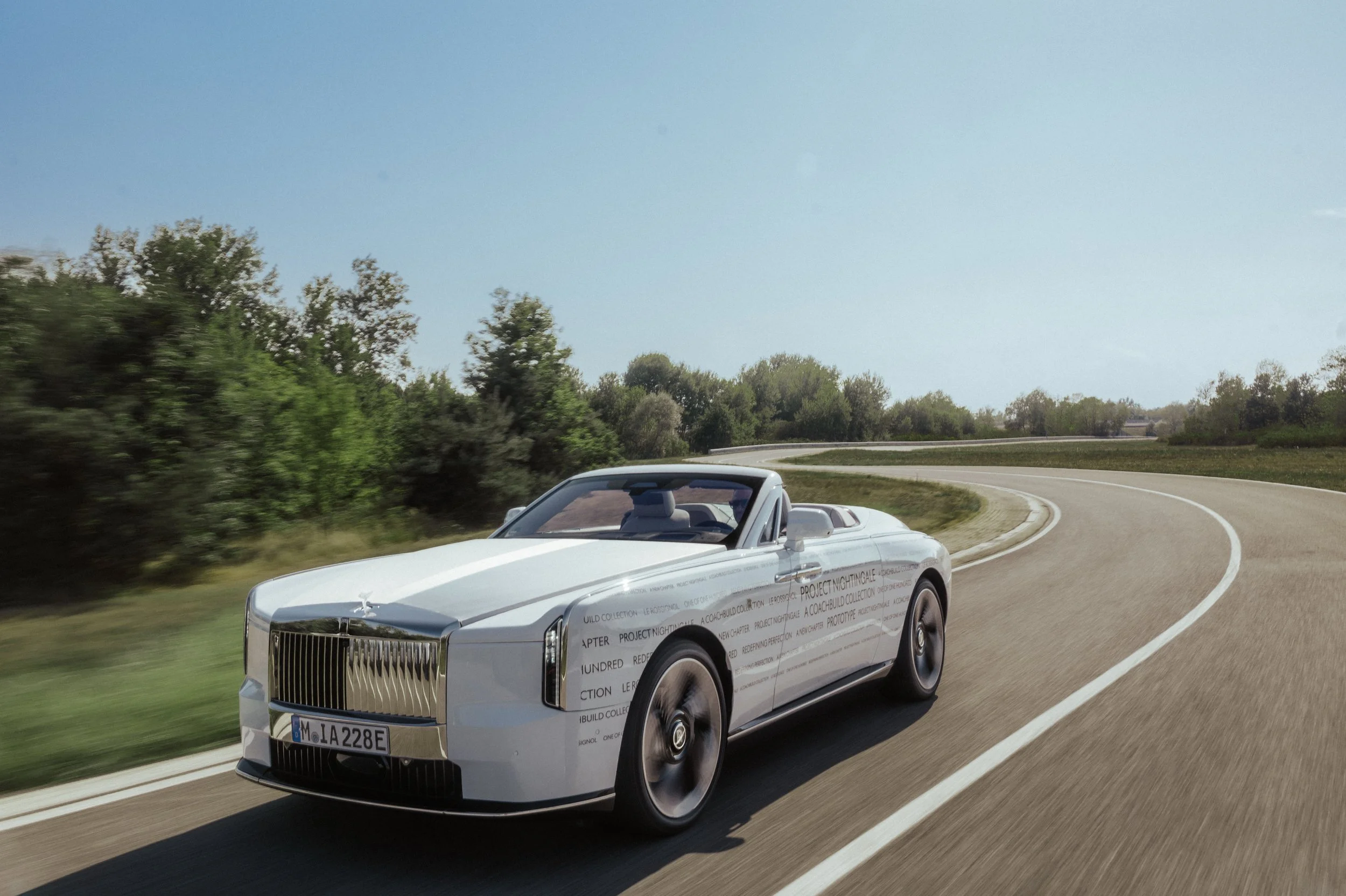
Rolls-Royce Project Nightingale Begins Global Testing
“Project Nightingale captures the same audacious spirit that drove Sir Henry Royce to build his experimental ‘EX’ motor cars in the 1920s: a desire to discover what Rolls-Royce is truly capable of, unconstrained by convention. Few motor cars in the marque’s history have asked so much of those who create them. That is why Project Nightingale is being tested with the same rigour with which it was imagined. The programme begins on the roads of Europe, where Rolls-Royce first proved itself to the world a century ago, before continuing across every climate in which our clients may choose to drive. Every detail is being refined to an extraordinary degree, down to the sound of the Piano Boot closing after 15,000 operating cycles. Nothing less would be worthy of the brand, or this truly exceptional motor car”, Chris Brownridge, Chief Executive, Rolls-Royce Motor Cars.
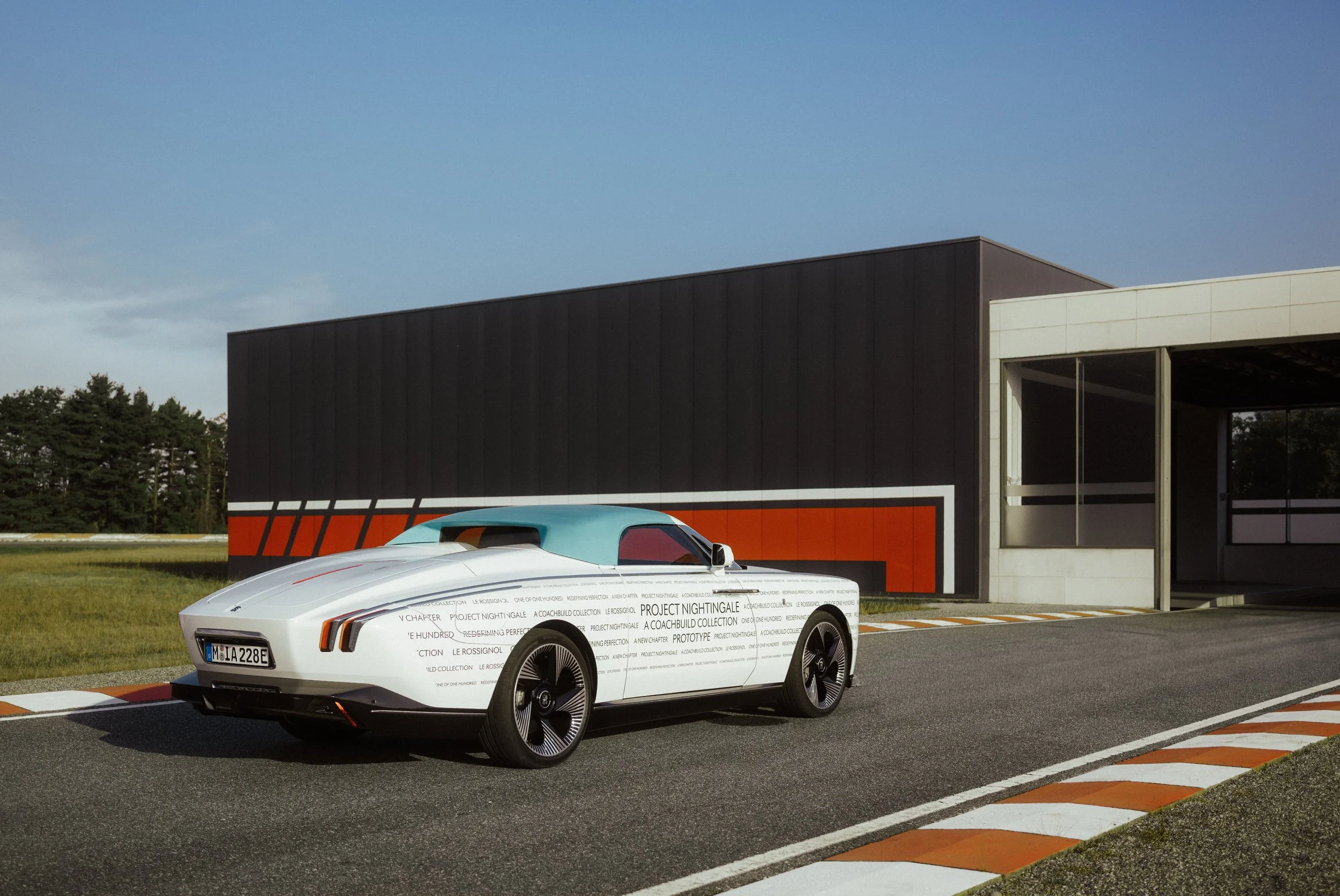
In April 2026, Rolls-Royce Motor Cars announced Rolls-Royce Project Nightingale, a Coachbuild Collection of just 100 client motor cars. It unites the complete design freedom of coachbuilding with the marque’s uncompromising all-electric powertrain. The result is the most extravagant expression of what Rolls-Royce can achieve today, and a tantalising glimpse of its future. From the moment Rolls-Royce presented the project, commissioning clients made one thing clear: they would drive and enjoy these motor cars worldwide. To prepare Project Nightingale for those journeys, Rolls-Royce has gone to extraordinary lengths, putting prototypes through one of the most rigorous testing programmes in its history.
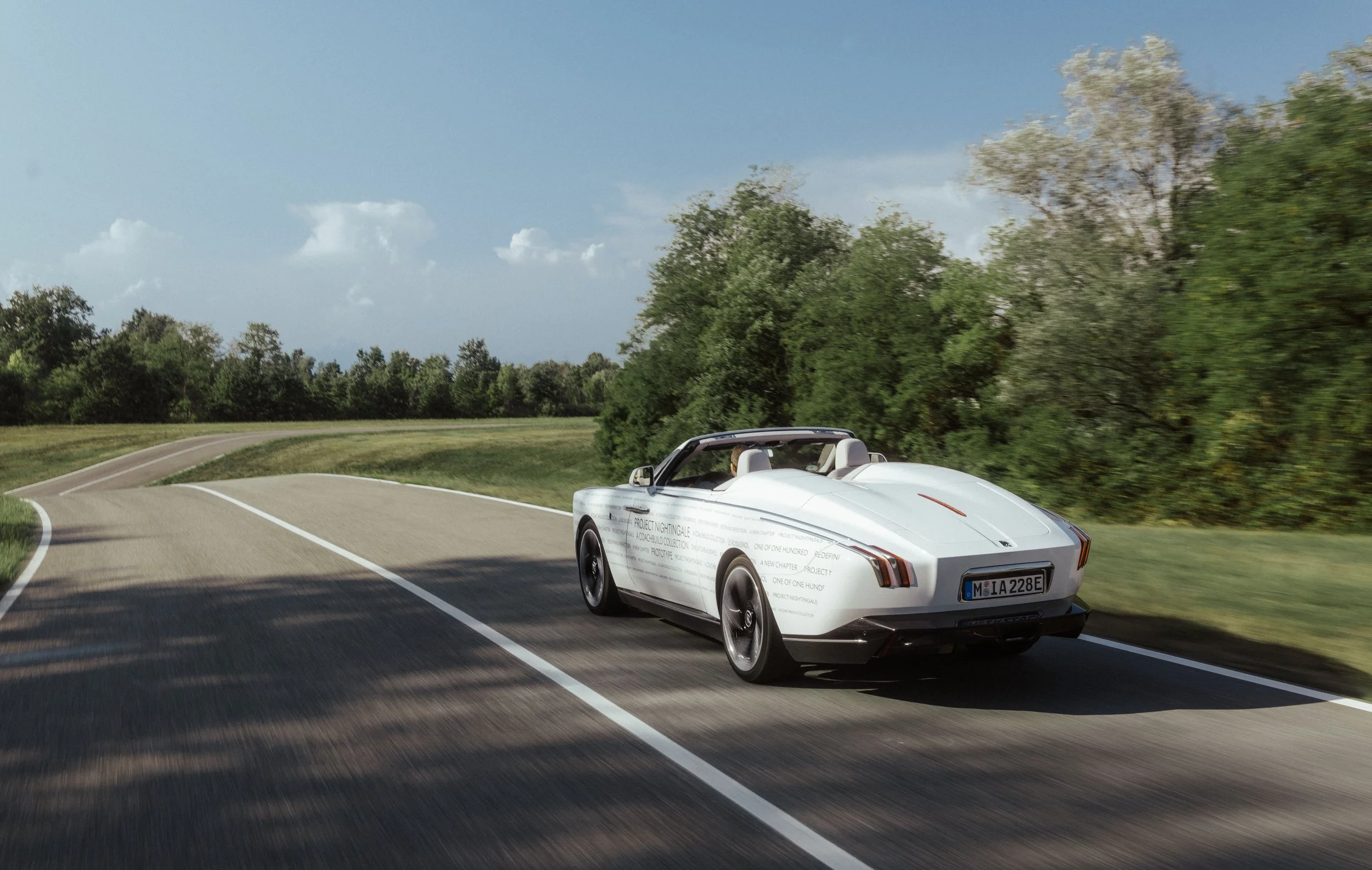
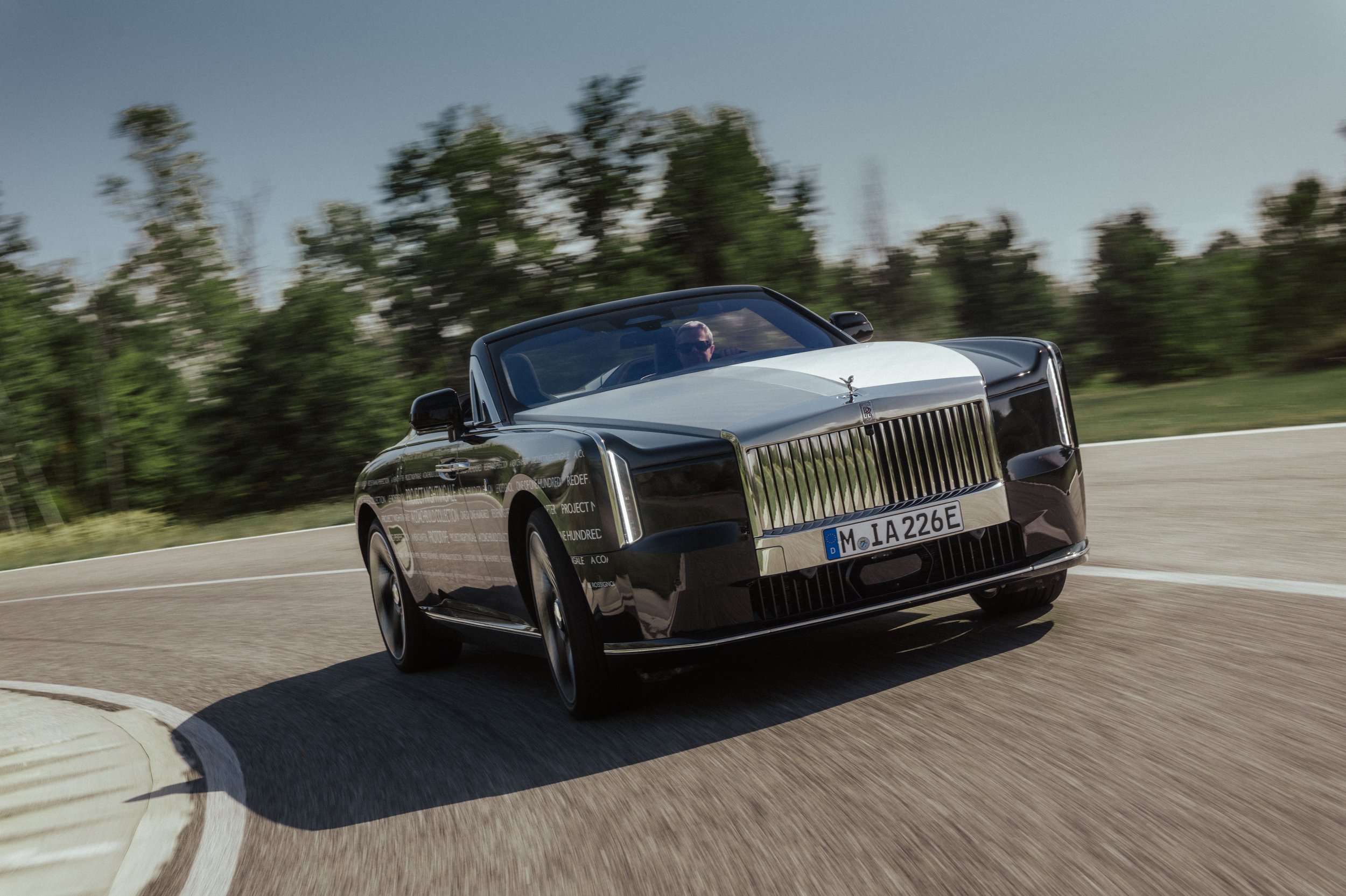
Rolls-Royce engineers will devote 350 collective weeks to proving Project Nightingale at the extremes of where and how its clients plan to drive. Prototypes will travel from Mediterranean corniches and the Arctic Circle to the deserts of the Arabian Peninsula, facing extreme temperatures and altitudes of up to 2,750 metres.
The programme opens in Southern Europe, taking Project Nightingale back to the roads where Rolls-Royce first developed its meticulous approach to motor car development more than 100 years ago. The link runs especially deep in Southern France. Project Nightingale takes its name from Le Rossignol (French for ‘the nightingale’), the house Henry Royce built for his designers and engineers near his own winter home on the French Riviera. In the early 20th century, Rolls-Royce engineers put motor cars through relentless speed and durability tests from this base and from the marque’s test facility in Châteauroux. They also tested them on the roads between Monte Carlo and London. More than a century later, Project Nightingale continues this tradition, bringing the same exacting rigour to a motor car unlike any Rolls-Royce before it.
The on-road programme marks the latest stage of a development journey that began almost three years ago. Static prototypes have already completed more than 1,430 hours of aerodynamic modelling, including advanced digital simulations and wind tunnel testing. Engineers will now validate this exhaustive laboratory work at a private high-speed test facility, where Project Nightingale will reach speeds of up to 155 mph. There, they will also analyse the motor cars in depth to suppress wind noise until it is barely perceptible. This preserves the peerless blend of potency, serenity and absolute effortlessness that defines the Coachbuild Collection.
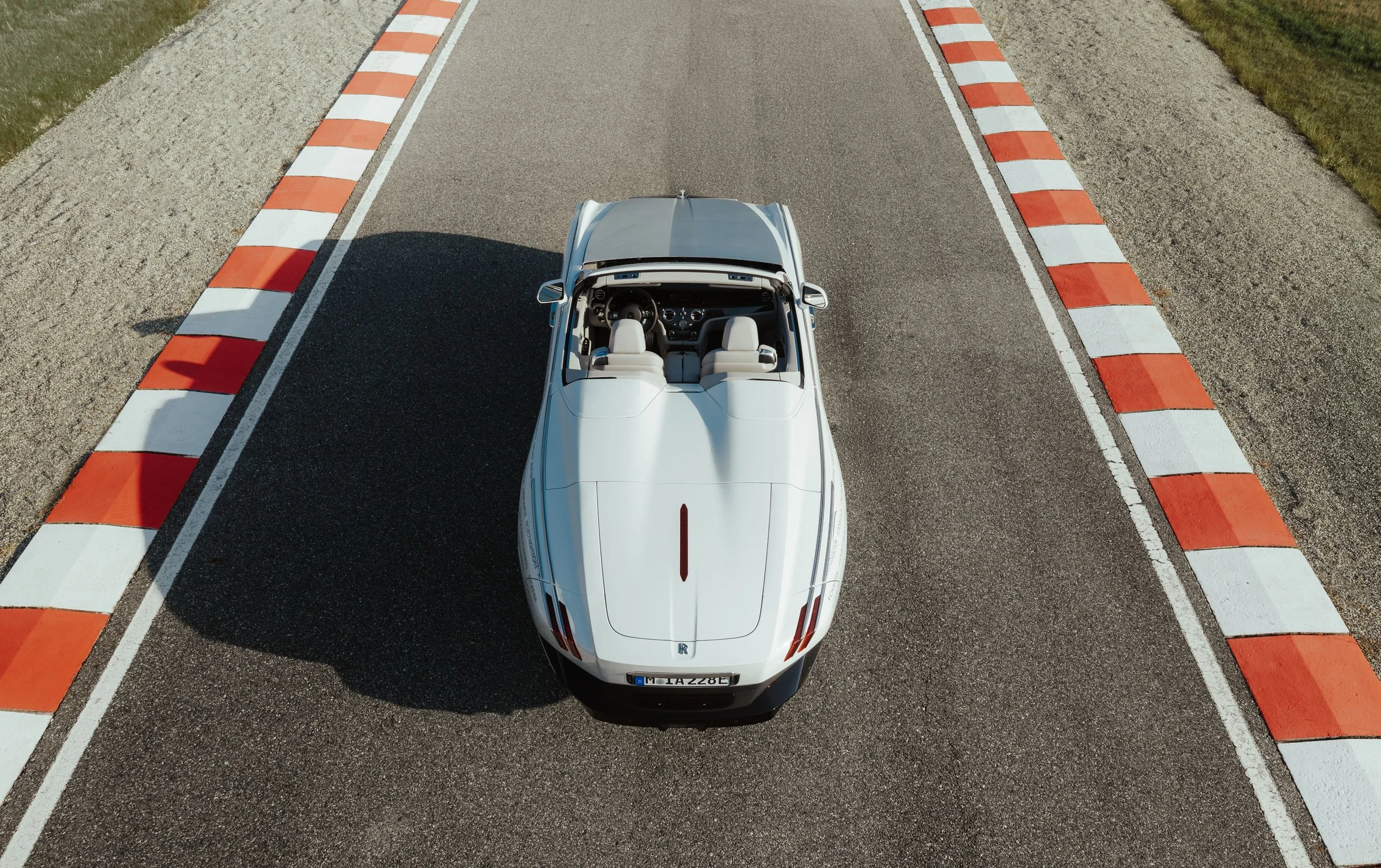
The same obsessive attention applies to how air moves within the motor car. Rolls-Royce has developed a fully electric wind deflector especially for Project Nightingale. Exquisitely engineered and beautifully resolved, it stops high-pressure air from looping forward into the interior suite from behind. Engineers will test it at a range of speeds to reduce already minimal interior turbulence. It will also help retain warmth when clients drive with the roof lowered in colder climates.
This drive to preserve exceptional refinement in almost any environment extends to the roof itself. A unique sound-deadening lining of cashmere, fabric and high-performance composites sits beneath it. The roof will face 10 separate tests covering its fabric, closing mechanism, and performance at temperatures up to 80°C. These extremes reflect the global lifestyles of Project Nightingale’s commissioning clients, who intend to drive their motor cars year-round, in every corner of the world.
Elsewhere, the programme focuses on the remarkable engineering details that set Project Nightingale apart. Chief among them is the Piano Boot, a feature no Rolls-Royce has offered before. It opens sideways on a cantilever, and engineers will open and close it up to 15,000 times. This ensures that repeated use never disturbs the perfect theatre and effortless operation of this signature gesture, for generations to come.
Yet some qualities of Project Nightingale defy measurement. Instruments can record precise data, but the judgement and instinct of Rolls-Royce’s most experienced engineers ultimately decide whether a motor car has achieved the serenity and authority that make Rolls-Royce renowned.