GM Unveils AI, Autonomy and EV Tech for 2028 and Beyond
At the GM Forward media event in New York, General Motors demonstrated how its manufacturing scale, software expertise, and artificial intelligence now transform the car from a means of transportation into an intelligent assistant. Chair and CEO Mary Barra and senior leaders unveiled advances across AI, robotics, energy and autonomy, signalling how the company is entering a new era of mobility.
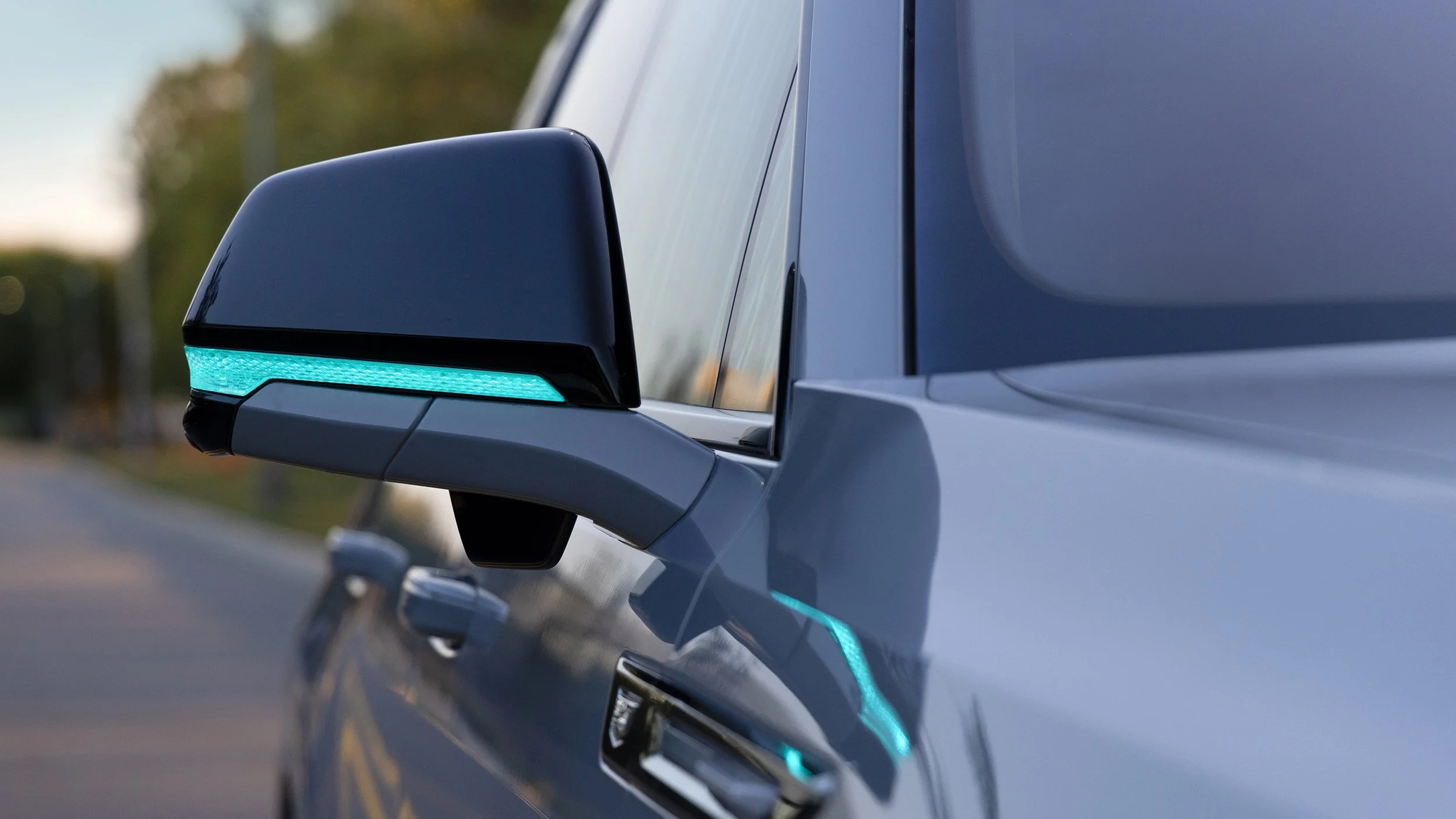
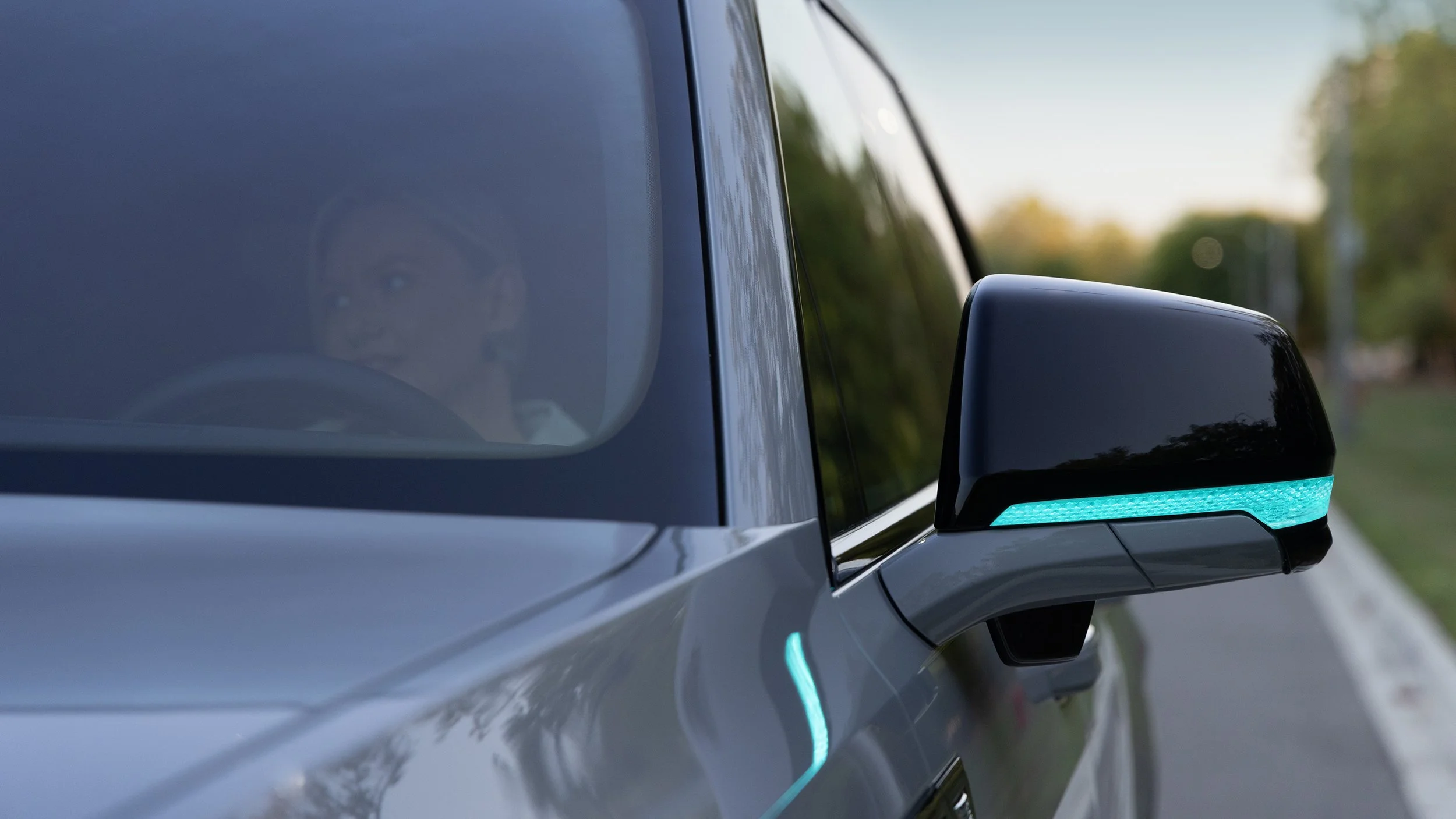
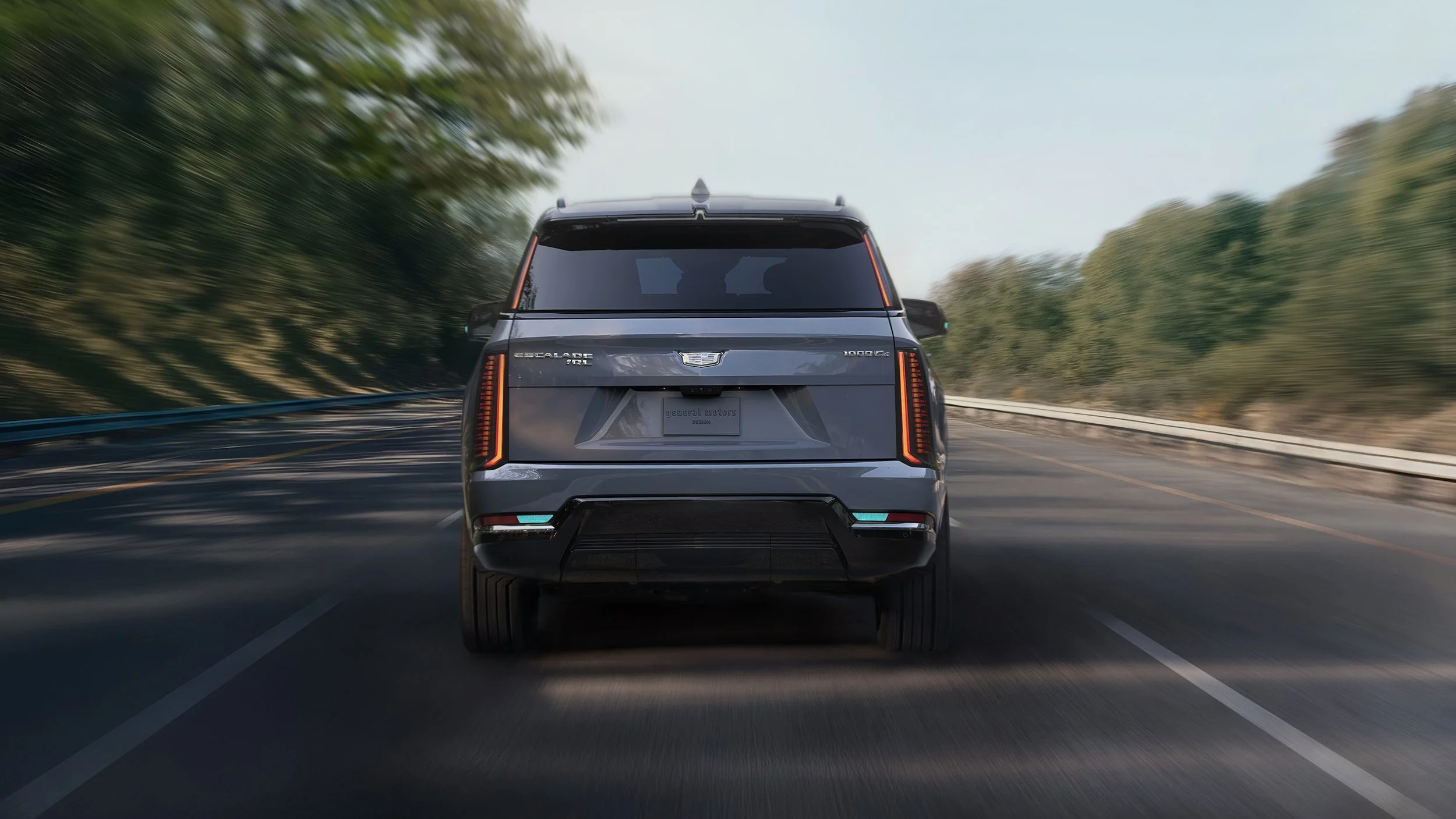
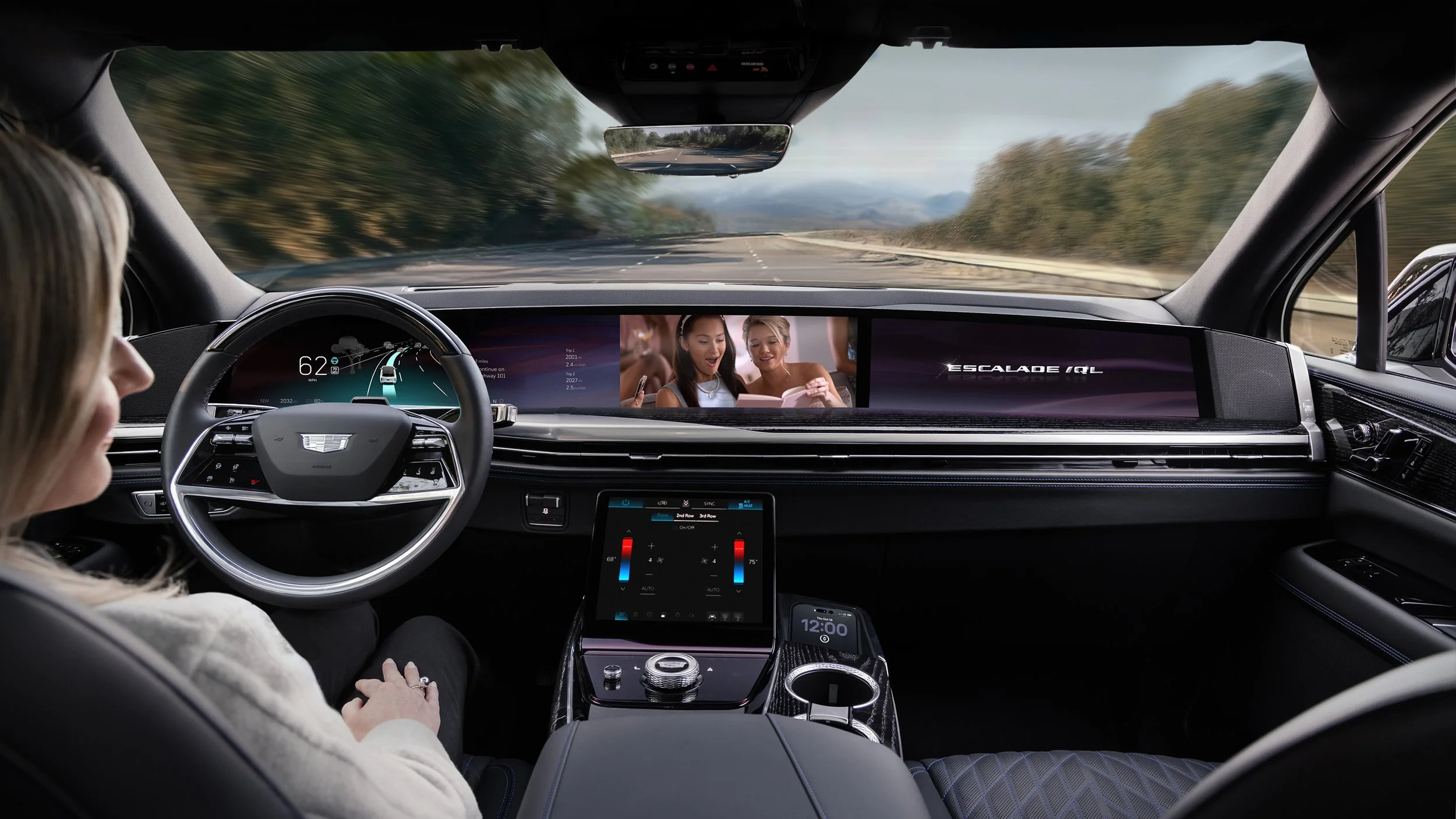
GM has set out a clear path to autonomy and will launch eyes-off driving in 2028, initially on the Cadillac Escalade IQ electric SUV. The company has already mapped 600,000 miles of hands-free roads in North America, and customers have driven 700 million miles with Super Cruise without a single reported crash attributed to the system. Cruise's technology and validation frameworks have logged more than 5 million fully driverless miles. This mix of scale, real-world deployment, and safety systems proven with Super Cruise provides the foundation for delivering the next phase of personal autonomy.
Starting next year, GM vehicles will feature conversational AI powered by Google Gemini, so drivers can speak to the car as naturally as they would to a passenger. GM will later introduce its own AI, custom-built for each vehicle. With permission, it will fine-tune itself with the vehicle’s intelligence and a driver’s preferences, all connected by OnStar. It can explain one-pedal driving in a new car, flag a maintenance issue early, or find the ideal restaurant en route.
In 2028, GM will debut a new centralised computing platform, starting with the Cadillac ESCALADE IQ. This redesign changes how vehicles are engineered, updated and improved over time. Built to power both electric and petrol models, the architecture unites propulsion, steering, infotainment and safety on a single high-speed computing core. The platform enables ten times more over-the-air software update capacity, 1,000 times more bandwidth, and up to 35 times more AI performance for autonomy and advanced features. It creates a foundation for continuous learning, so GM vehicles keep evolving long after they leave the showroom.
GM also detailed progress in advanced robotics at the Autonomous Robotics Centre in Warren, Michigan, and a sister lab in Mountain View, California. More than 100 roboticists, AI engineers, and hardware specialists are building systems trained on decades of GM production data, including telemetry, quality metrics, and sensor feeds from thousands of robots, so the AI improves with every manufacturing cycle. The team is developing software and manipulation components for collaborative robots, or “cobots,” which GM will deploy in its US assembly plants this year to enhance safety and workplace quality while increasing efficiency.
Most new GM electric vehicles already provide backup power to properly equipped homes from their batteries, and soon they will supply power back to the grid. GM offers a range of EV charging and home energy options. From 2026, the company will provide the complete GM Energy Home System, which combines bidirectional EV charging with a stationary home battery, via leasing with terms to be announced. The rollout will begin with GM EV owners, followed by other homeowners interested in backup power and solar integration. Both GM EVs and home energy systems use a smartphone app that educates customers and can evolve to include new capabilities, including future vehicle-to-grid programmes.
Together, these innovations mark a decisive shift in GM’s evolution. The company is moving toward a unified vision for mobility, driven by intelligence, safety and scale. Through AI, advanced robotics and a powerful computing platform, GM aims to deliver a new generation of vehicles that provide a personalised, connected driving experience.