Hennessey Blackbird Debuts as an Analogue Manual Hypercar
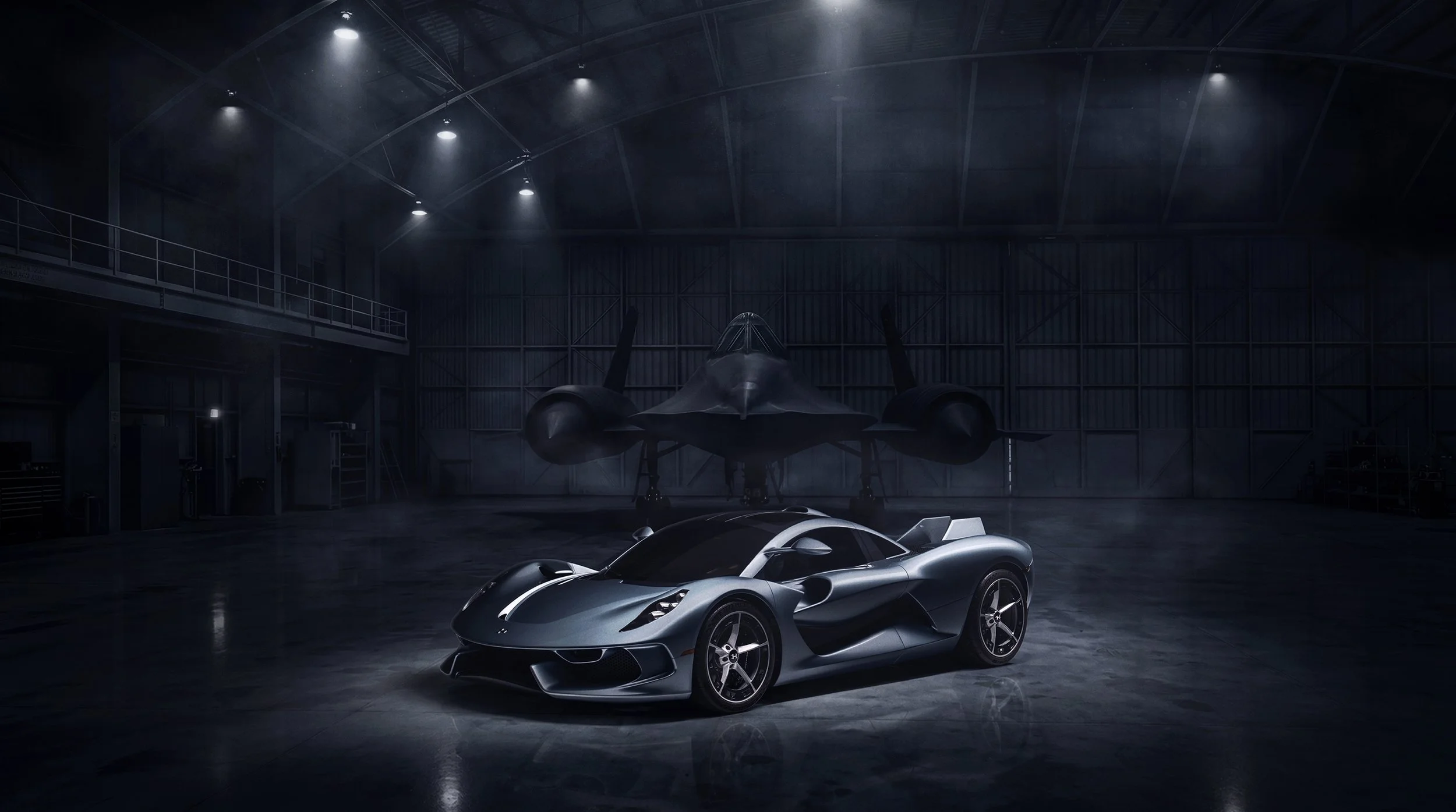
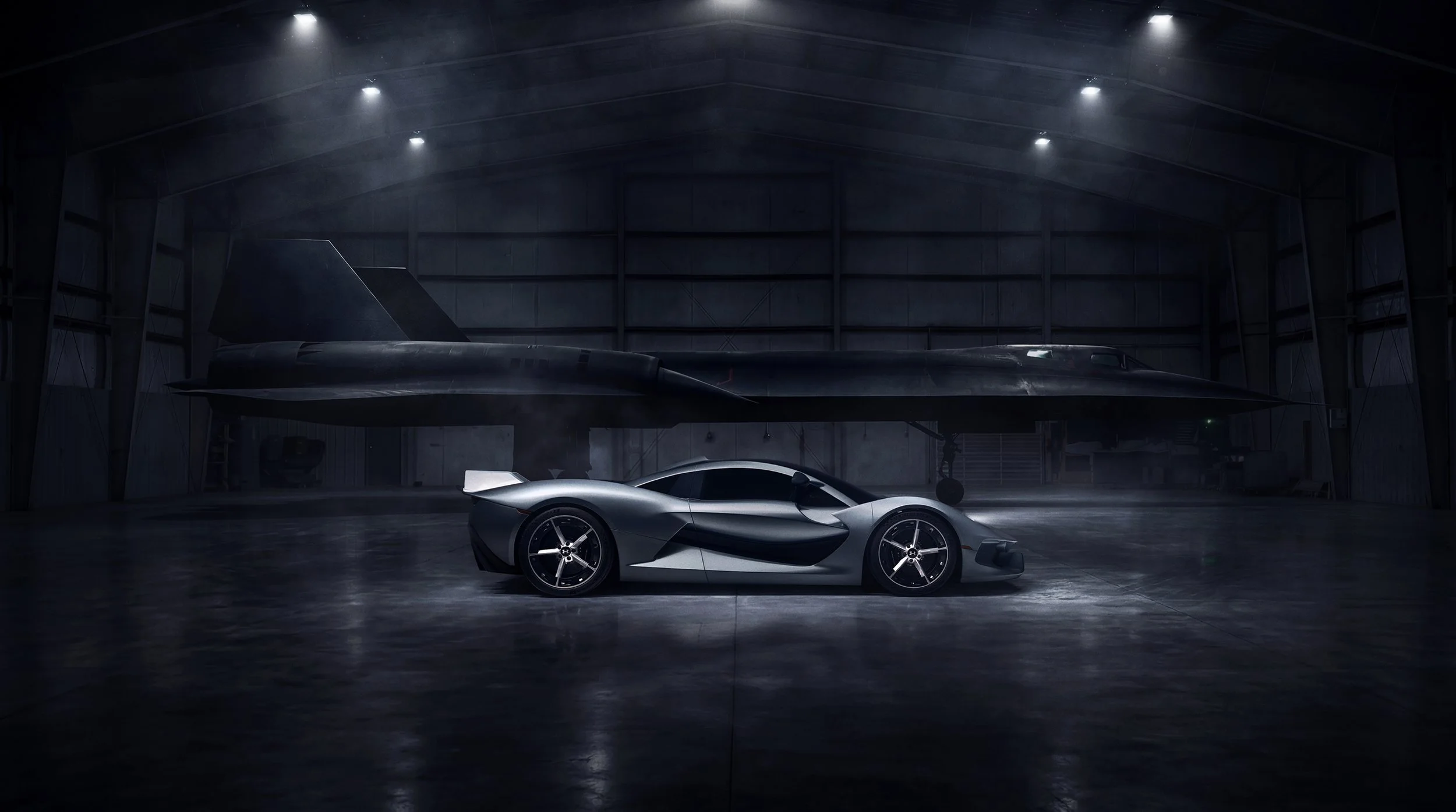
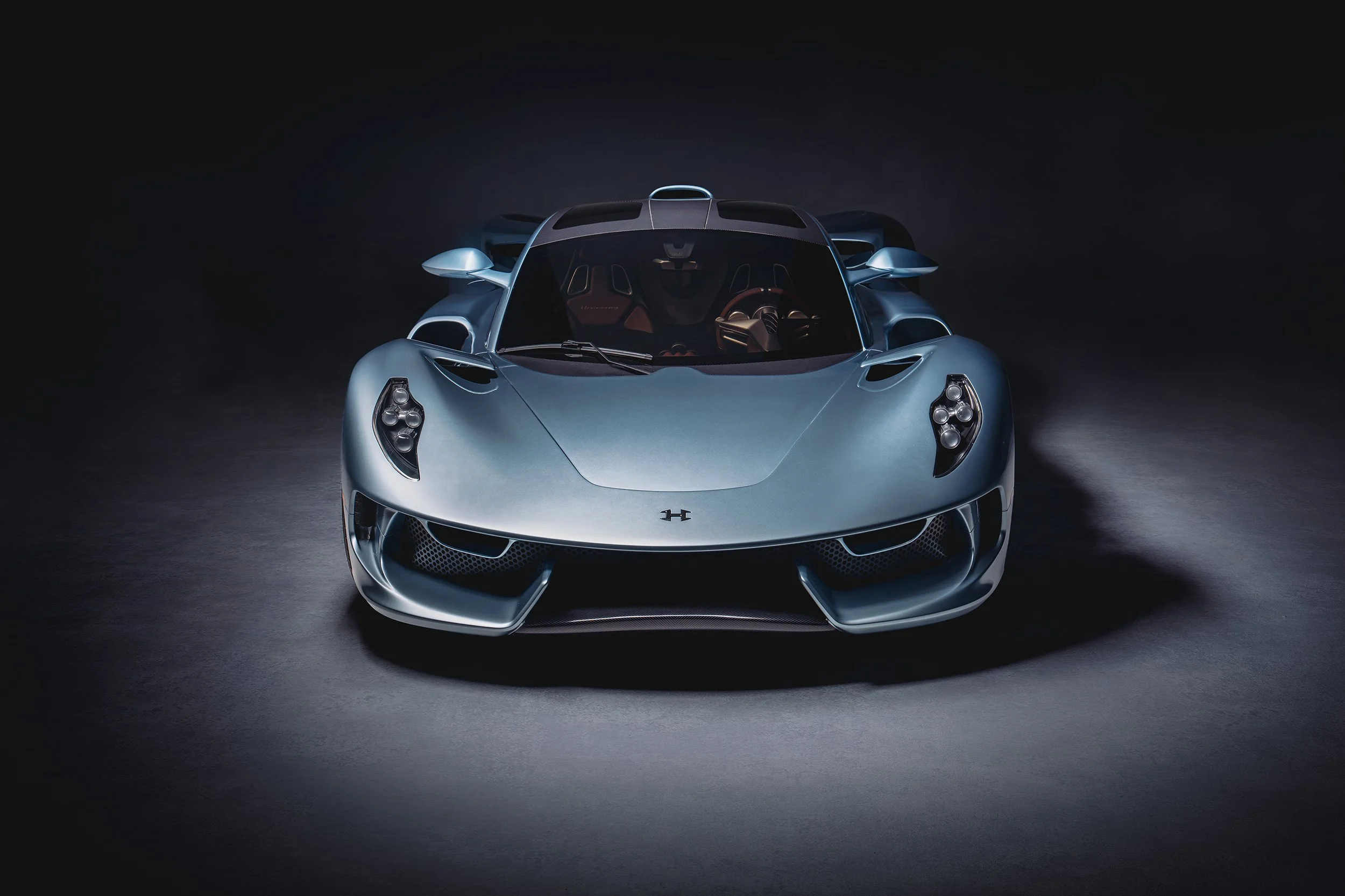
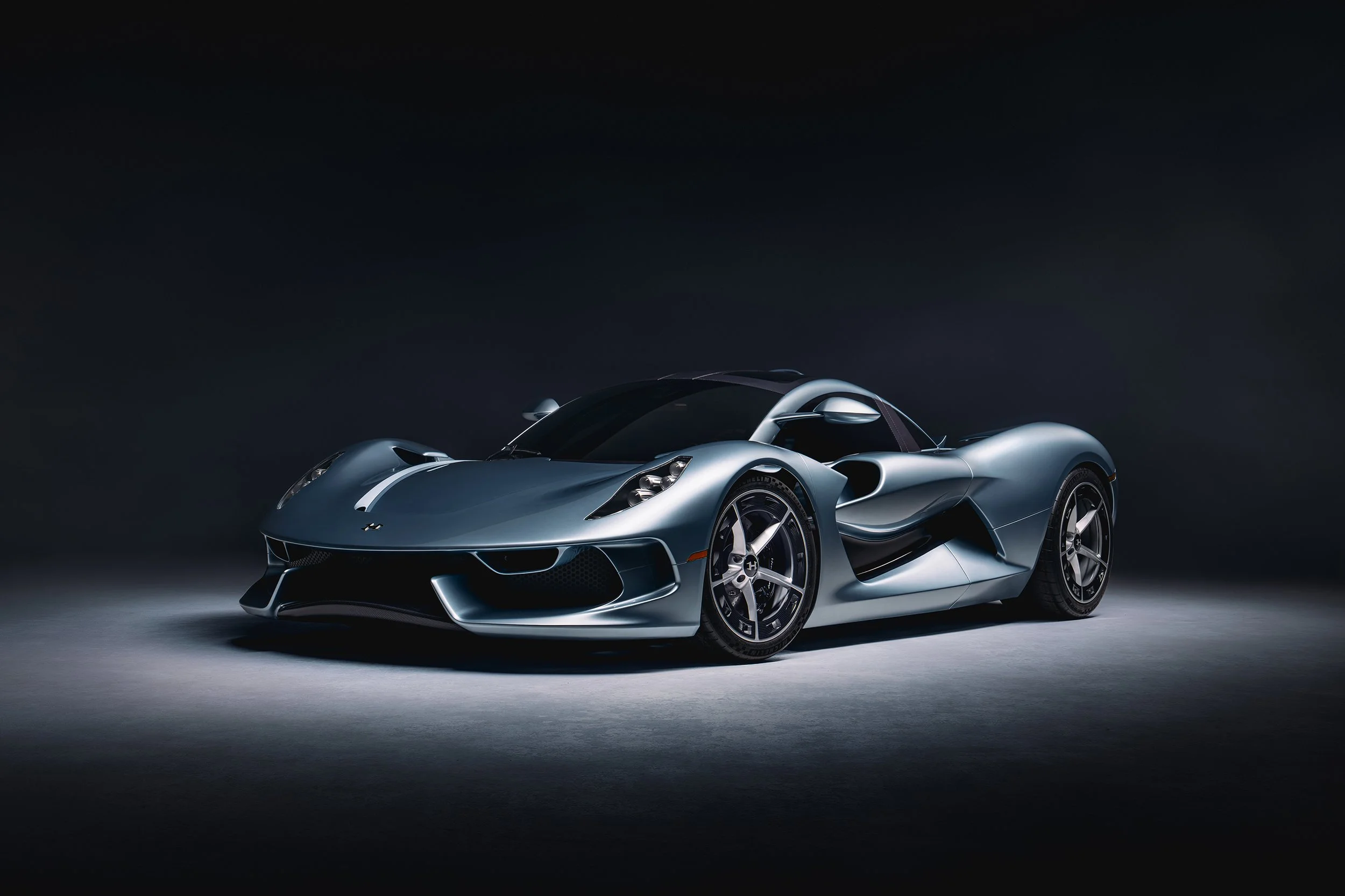
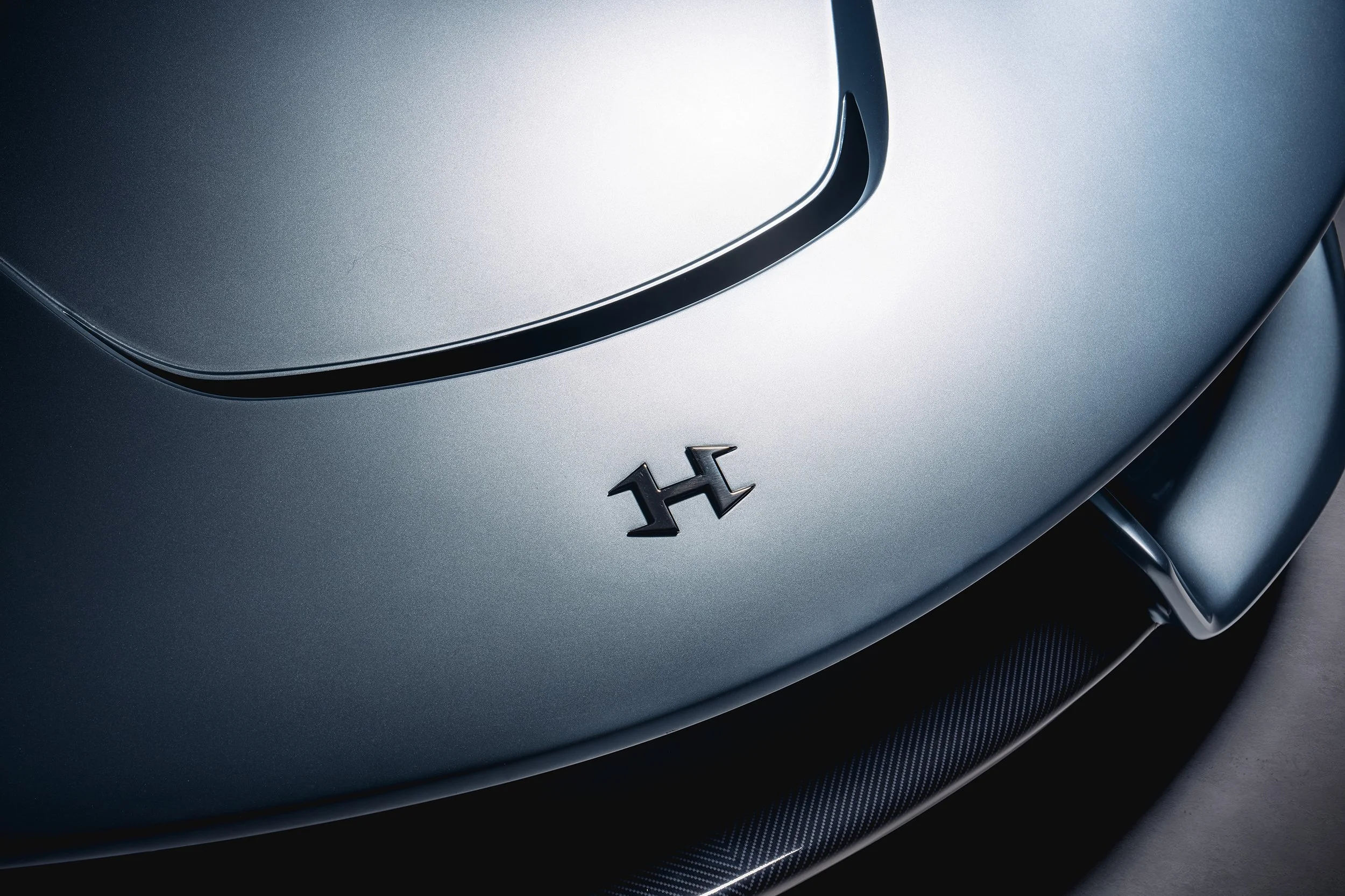
Hennessey Special Vehicles has revealed the all-new Hennessey Blackbird, an aerospace-inspired, naturally aspirated, manual-transmission touring hypercar. The brand created this car for drivers who value emotion, engagement and long-distance usability, and it prioritises sculptural beauty and analogue interaction alongside serious performance. The Lockheed SR-71 Blackbird aircraft inspired the new Hennessey hypercar, offering a genuine alternative to the increasingly complex, digitised and hybridised modern hypercar landscape.
Blackbird is the third hypercar Hennessey Special Vehicles has developed, following the Venom GT and Venom F5, but the brand measures its performance differently this time. While the Venom F5 explores the outer limits of speed, power and intensity, Blackbird builds its identity around the connection between driver, machine and road. Natural aspiration, a six-speed gated manual gearbox, rear-wheel drive, lightweight carbon construction and a screen-free cockpit define the experience.
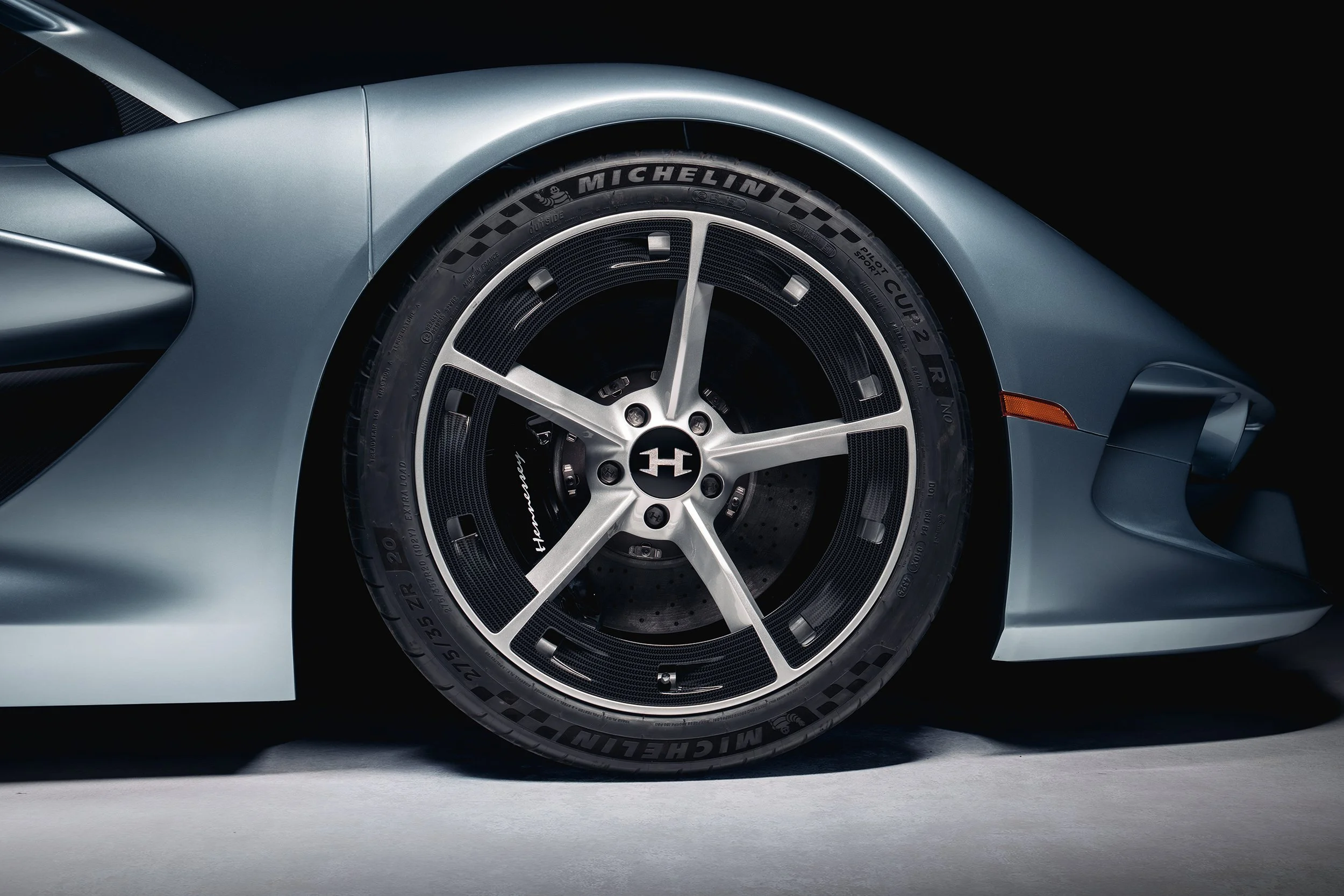
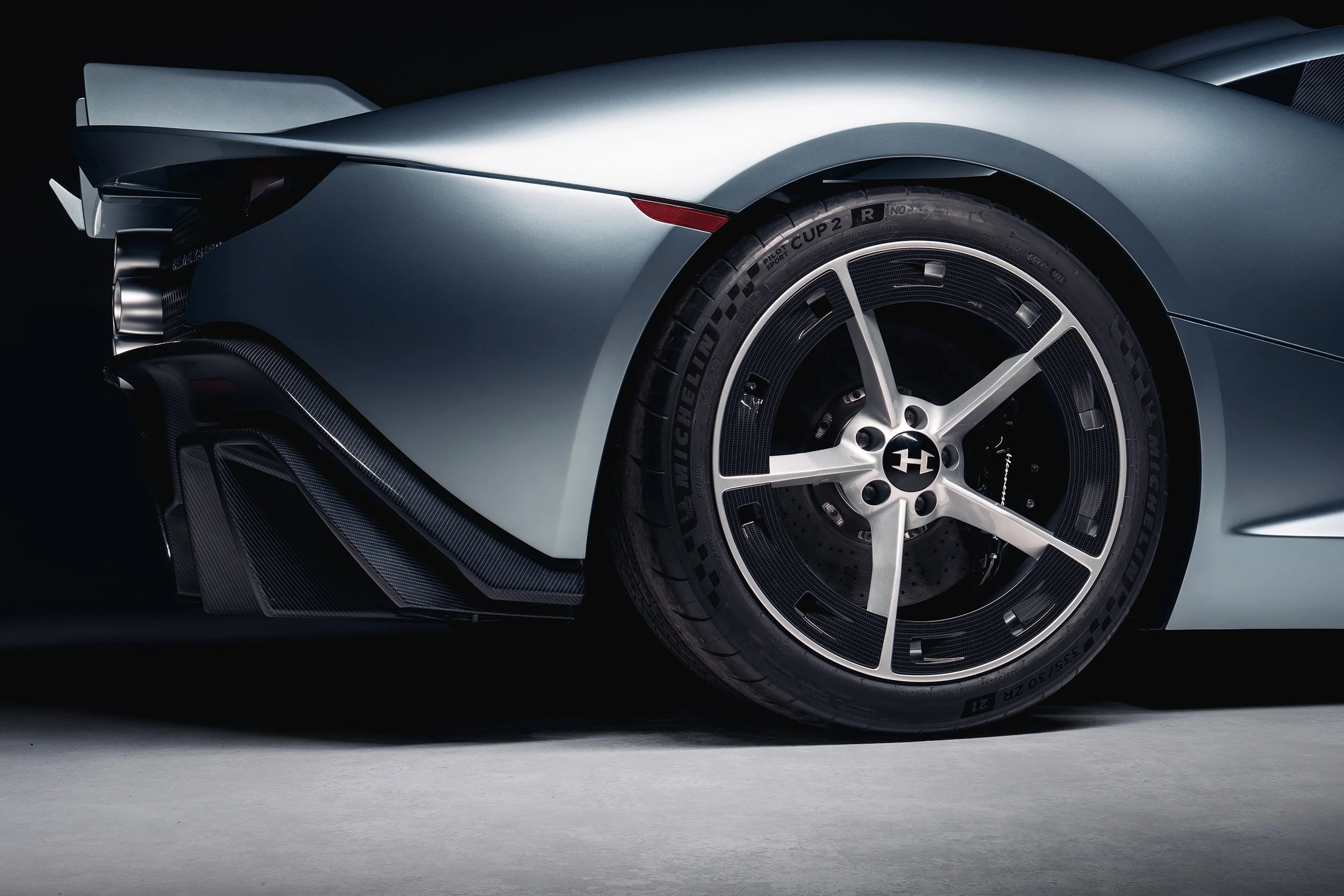
An all-new naturally aspirated 6.2-litre V8, developed with Ilmor Engineering, sits at the heart of the car. Hennessey targets 800 to 850 hp and more than 9,000 rpm, and the manual hypercar should reach 0-60 mph in 2.5 seconds with a top speed of 220 mph. An all-new bespoke Hennessey full-carbon tub, carbon-fibre bodywork, a target weight under 3,000 lbs, adaptive suspension, ABS, traction control and Michelin Pilot Sport Cup 2 tyres give Blackbird the technical credibility to match its analogue character.
John Hennessey, Company Founder and CEO, said: "Blackbird isn't just the next chapter in the Hennessey story; it represents the beginning of a new book. Our third hypercar, Blackbird, is unexpected by design, yet it's exactly what I wanted to create and what our customers have been asking for. Challenging expectations has always been part of our DNA. From the beginning, Blackbird was guided by a simple idea: to deliver an analogue experience where beauty and drama define every moment. This is not a numbers car. We set out to create an unparalleled emotional experience, from the first time you see it to the moment you take the wheel and feel the connection between driver and machine."
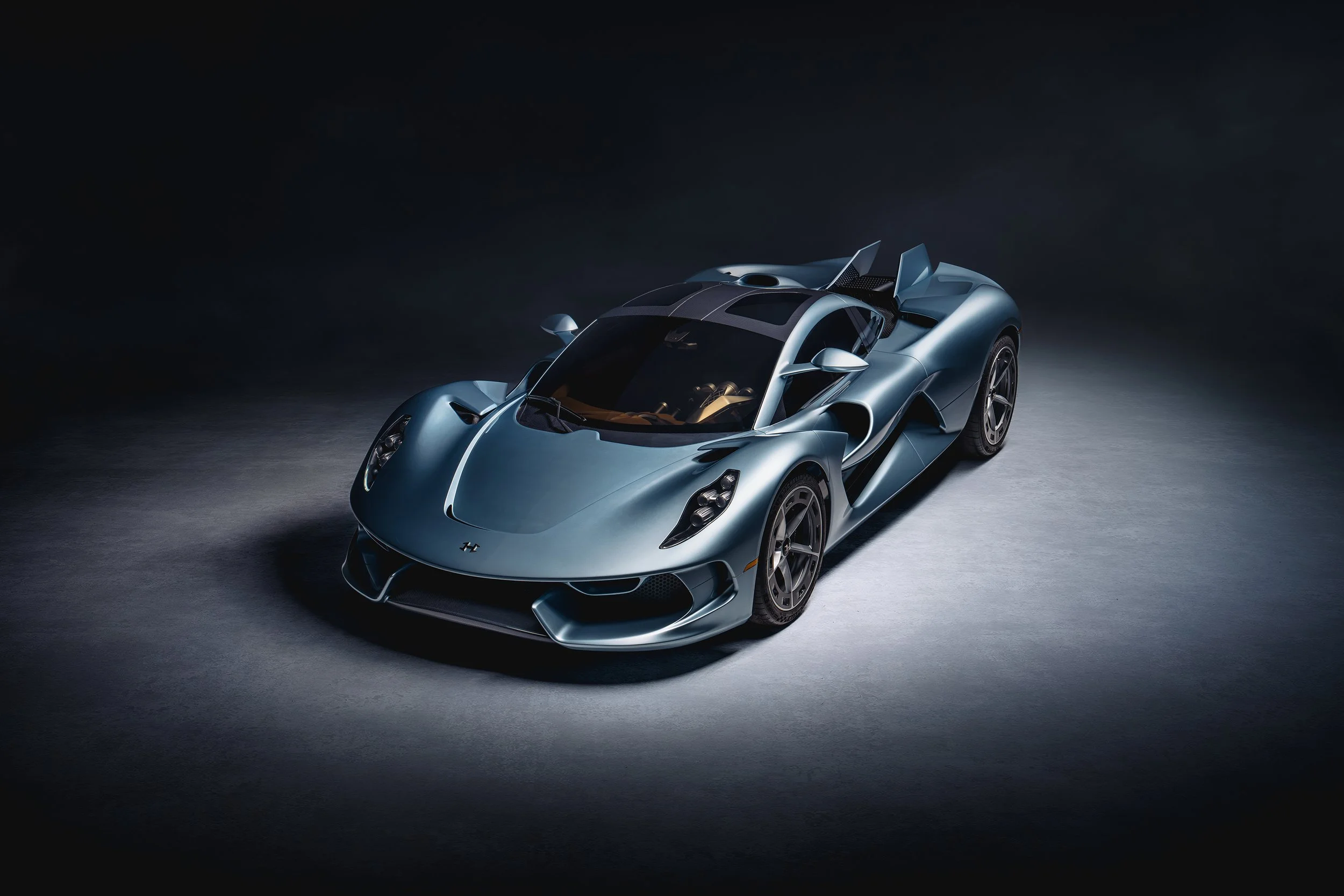
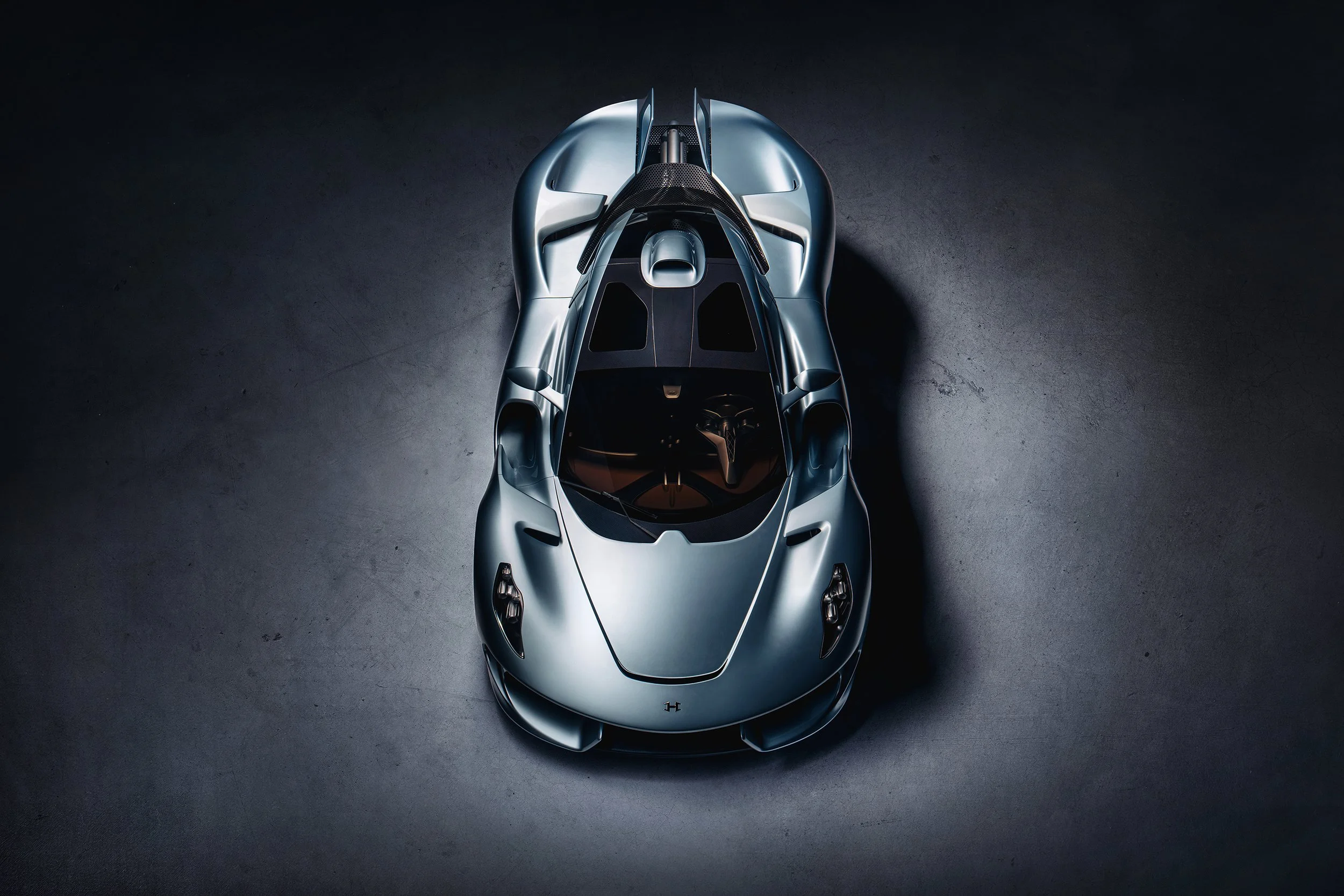
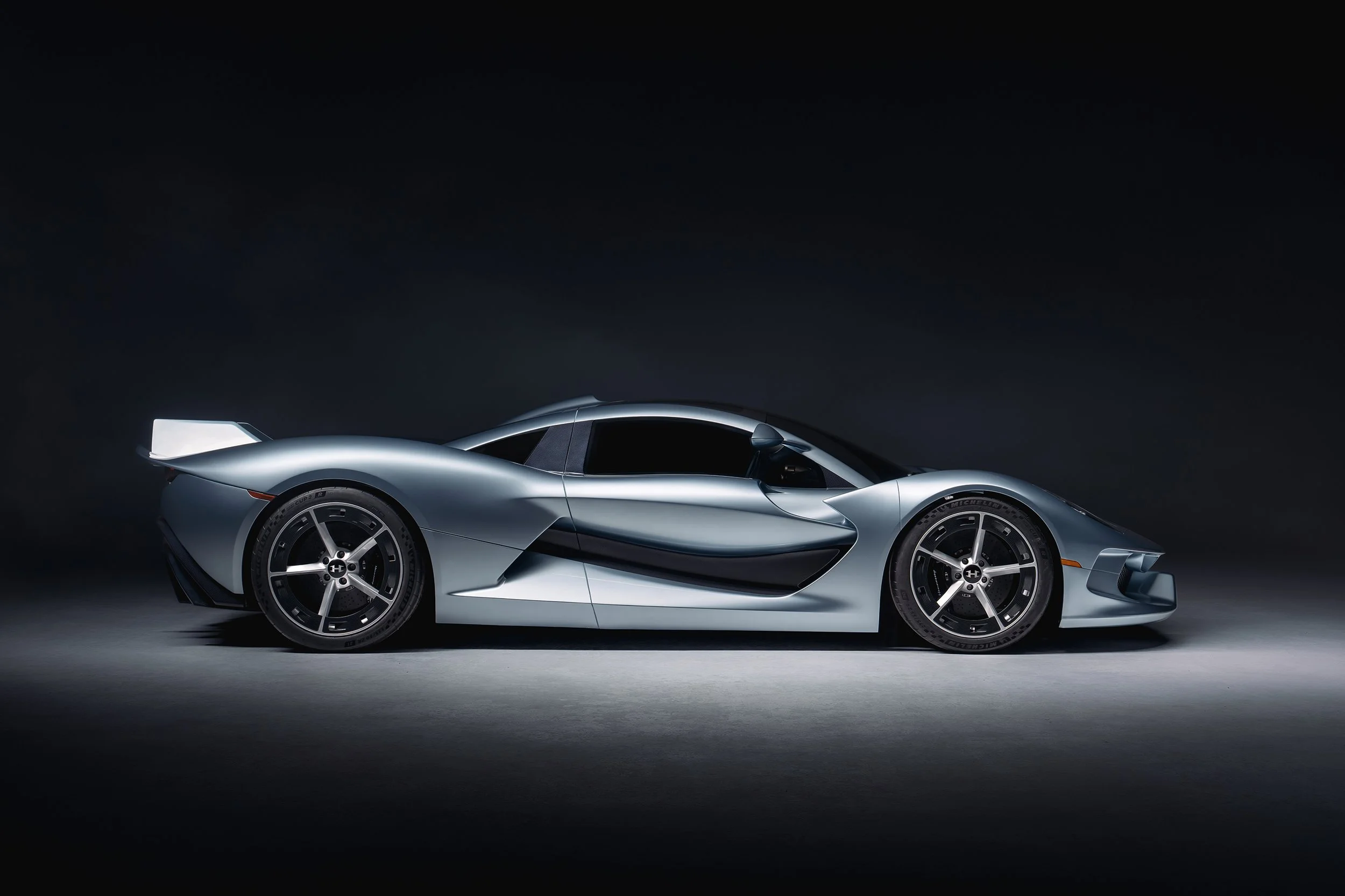
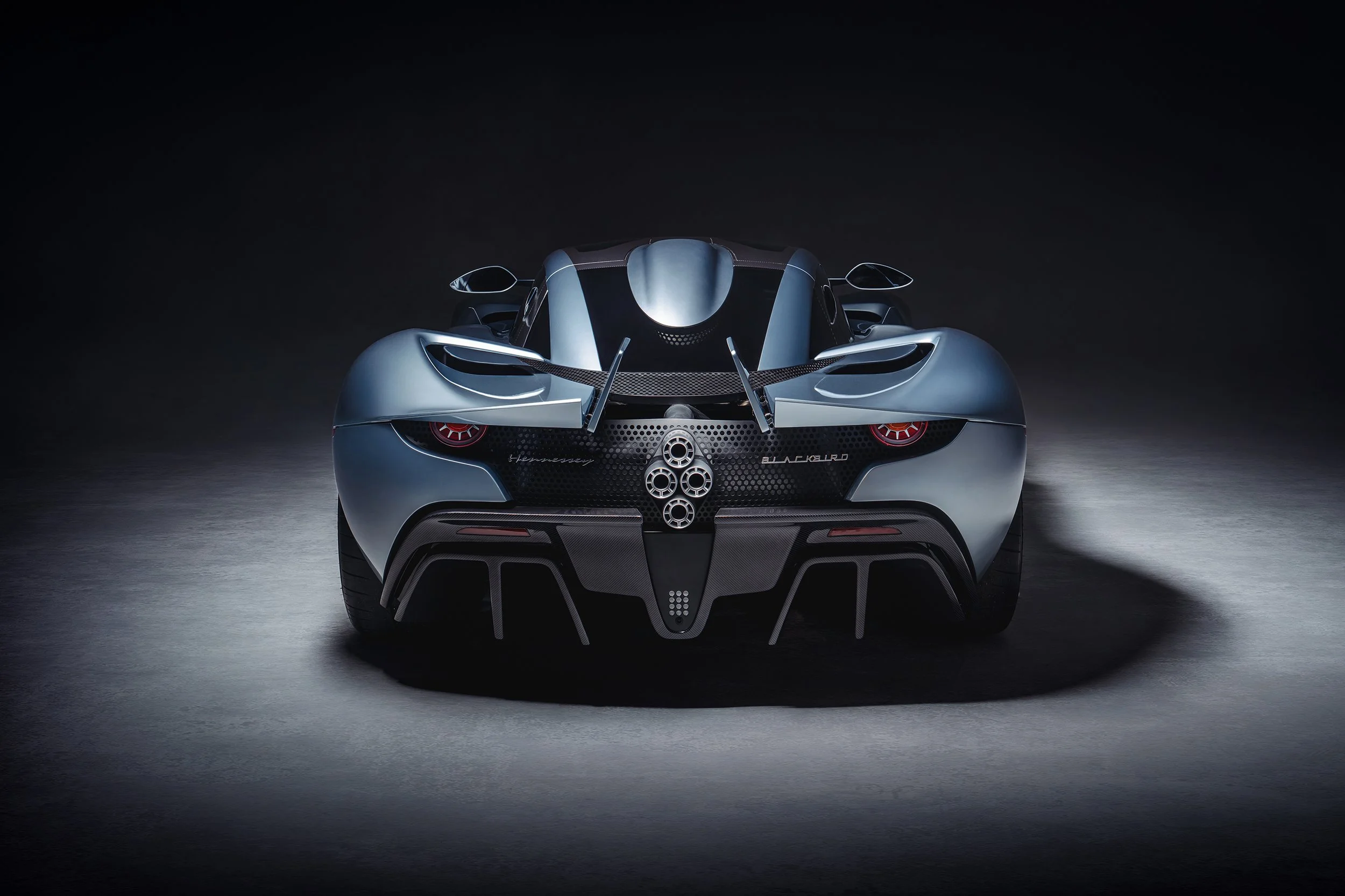
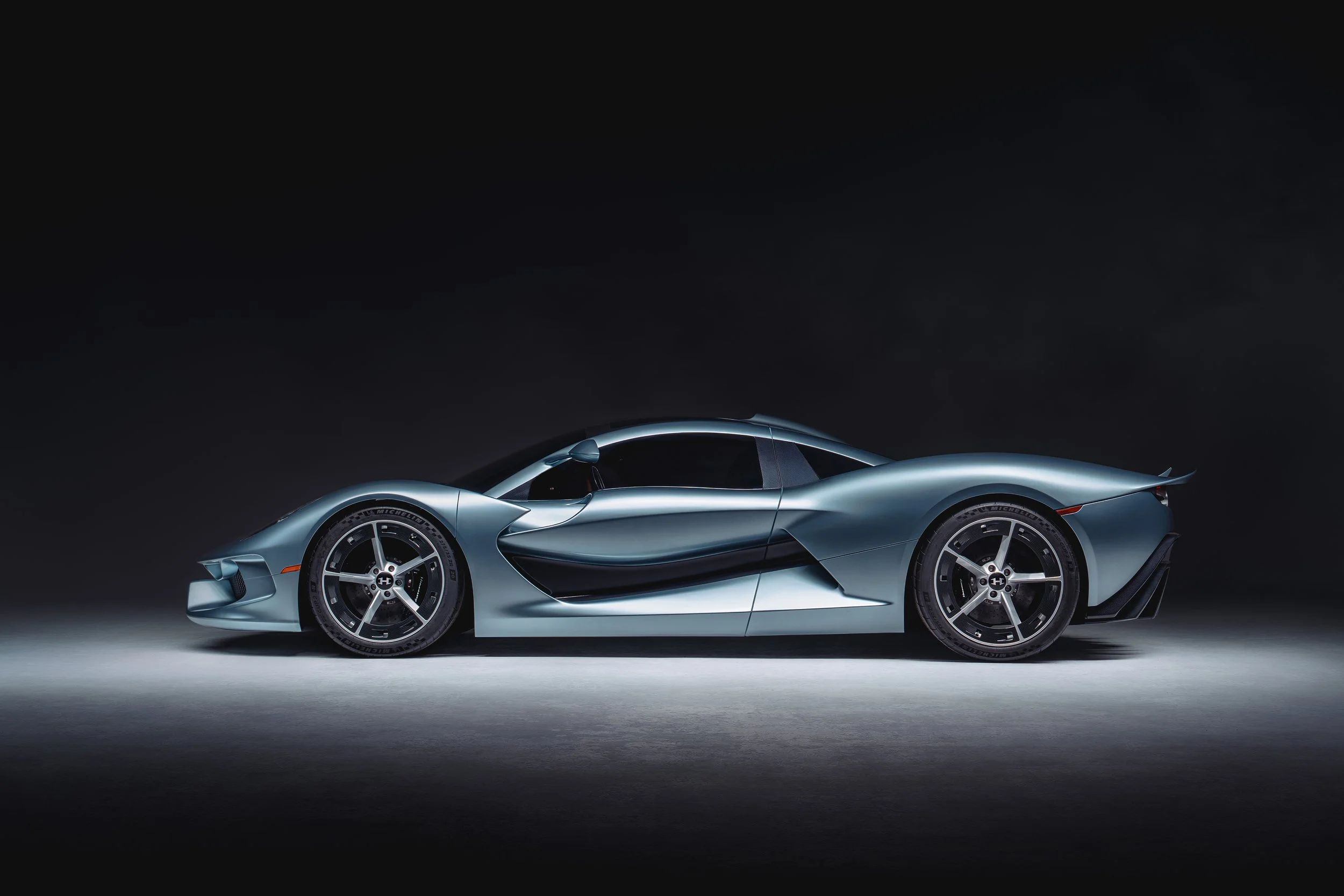
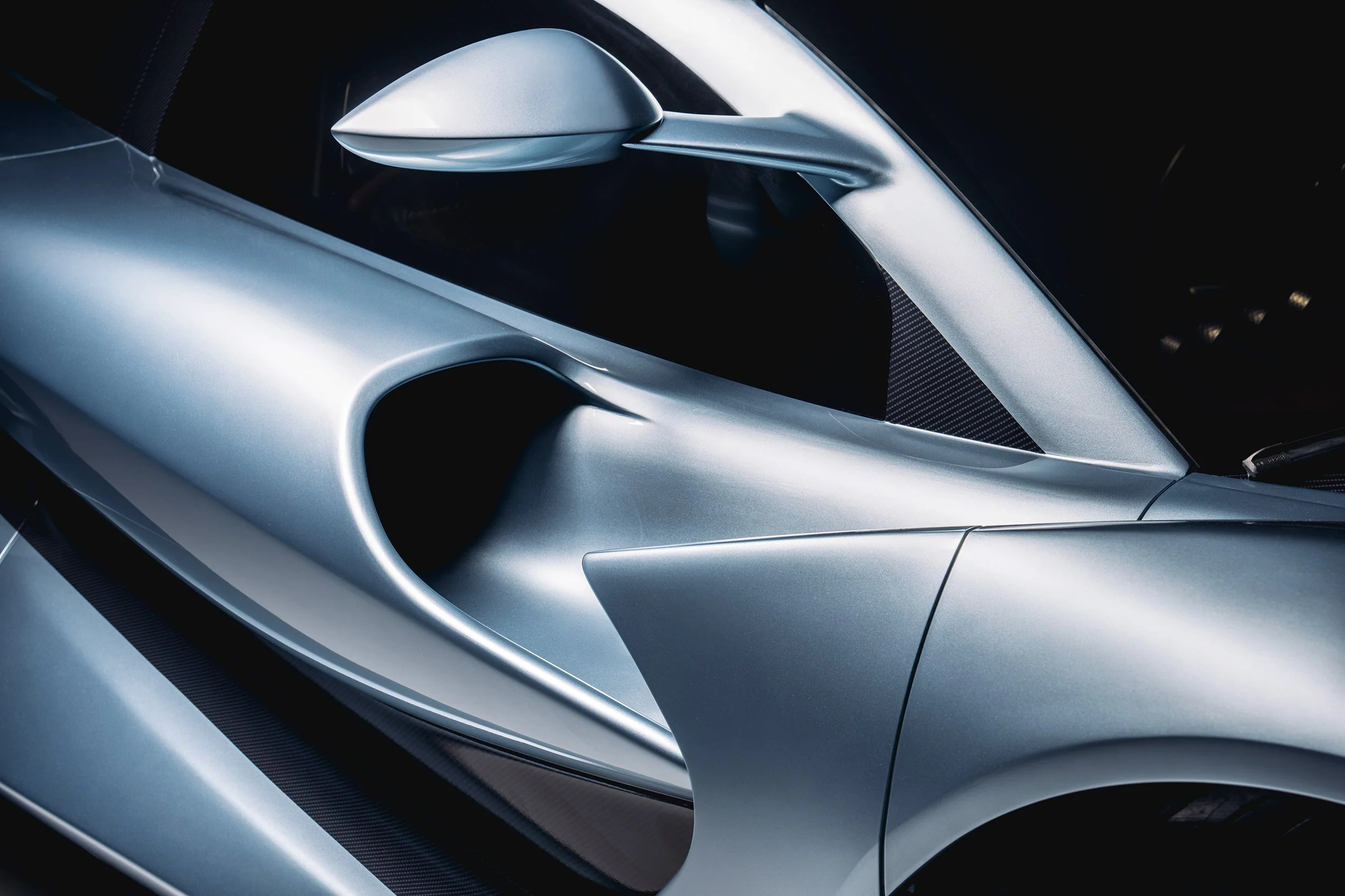
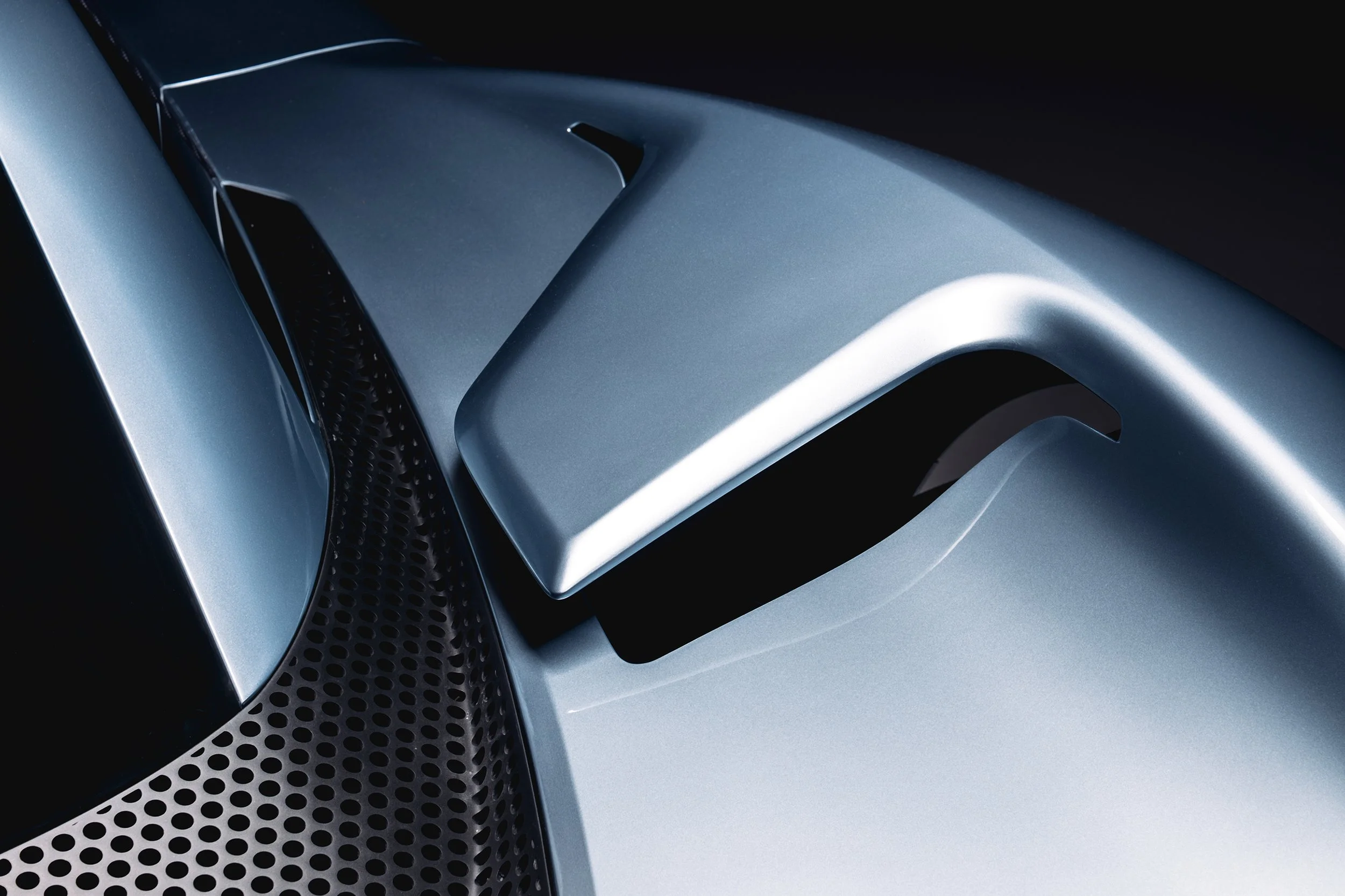
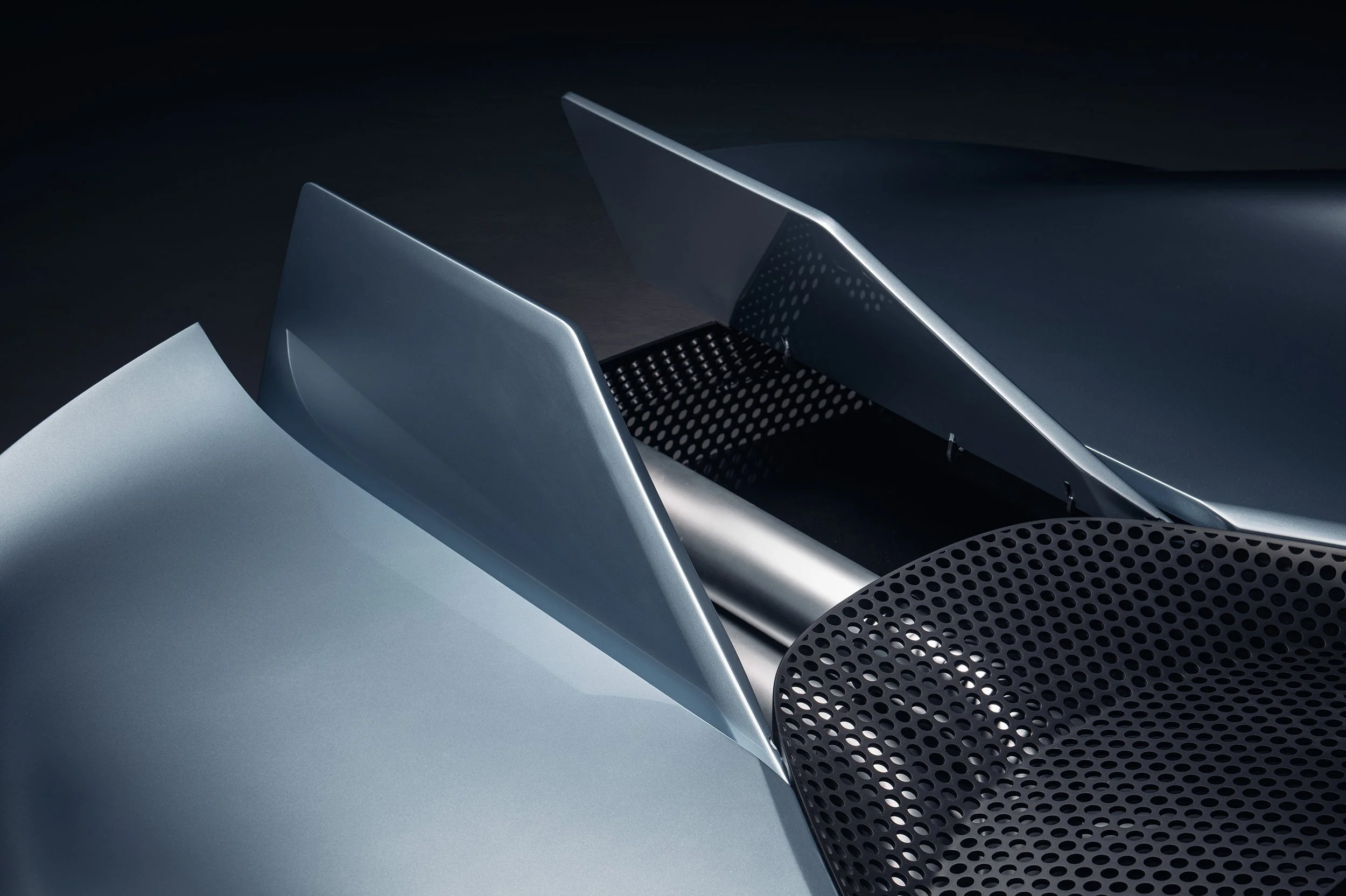
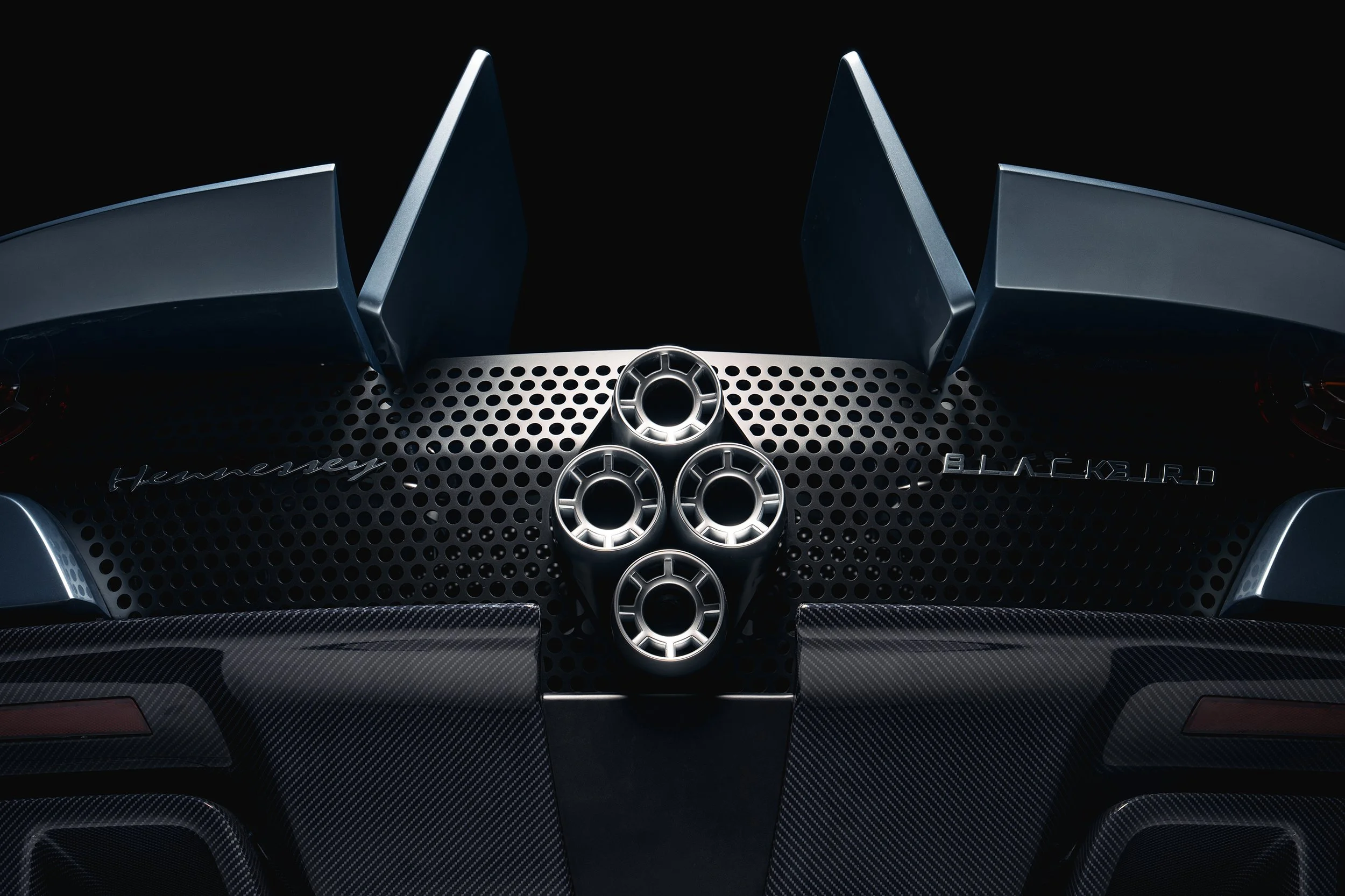
The SR-71 influence extends well beyond the name. Blackbird's long stance, disciplined surfacing, crisp body-side chine line and active vertical stabilisers translate aerospace inspiration into a modern Hennessey design language. The stabilisers deploy automatically at 71 mph and sit at plus or minus 71 degrees, creating one of the car's most distinctive links between design, aerodynamic function and narrative.
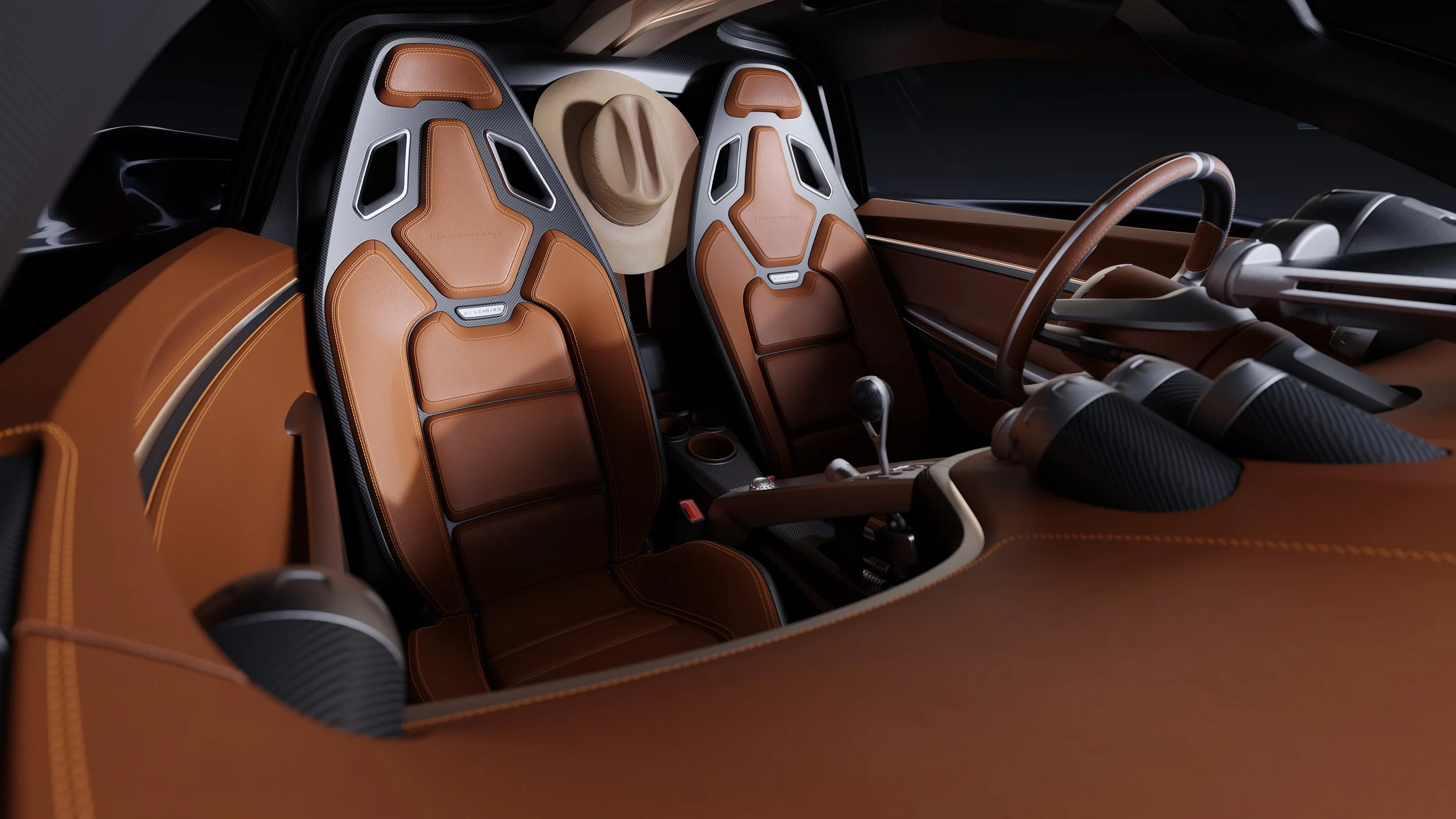
Touring ability sits at the centre of the concept. Engineers built Blackbird to cover more than 800 miles in a single day, and it offers a larger glasshouse, gullwing doors, more cabin space than the Venom F5, adaptive suspension, strong NVH targets, four cup holders, discreet device integration and luggage capacity for two full-size carry-on bags plus additional rear-quarter and cabin storage. Hennessey will limit the naturally aspirated hypercar to 71 examples worldwide, price it from $2.5 million before taxes, and design and build it in Texas. Customer production is targeted for 2029 to 2030, and the brand has already allocated more than two-thirds of production ahead of the car's public debut at The Quail in California on 14 August.
The Hennessey Blackbird stands as a deliberate counterpoint to the hypercar world's drift towards greater weight, complexity, electrification and digital mediation. While performance remains significant, the experience takes priority: natural aspiration, manual control, direct feedback, elegant design, long-distance usability and a cabin centred on the driver rather than a screen. The design brief set out to create one of the most beautiful and desirable drivers' cars of the modern era, a car owners will want to look at almost as much as they want to drive. The SR-71 shaped the car's naming, proportions, chine line, vertical stabilisers and sense of long-distance purpose, while the execution remains a distinctly modern expression of Hennessey's design identity.
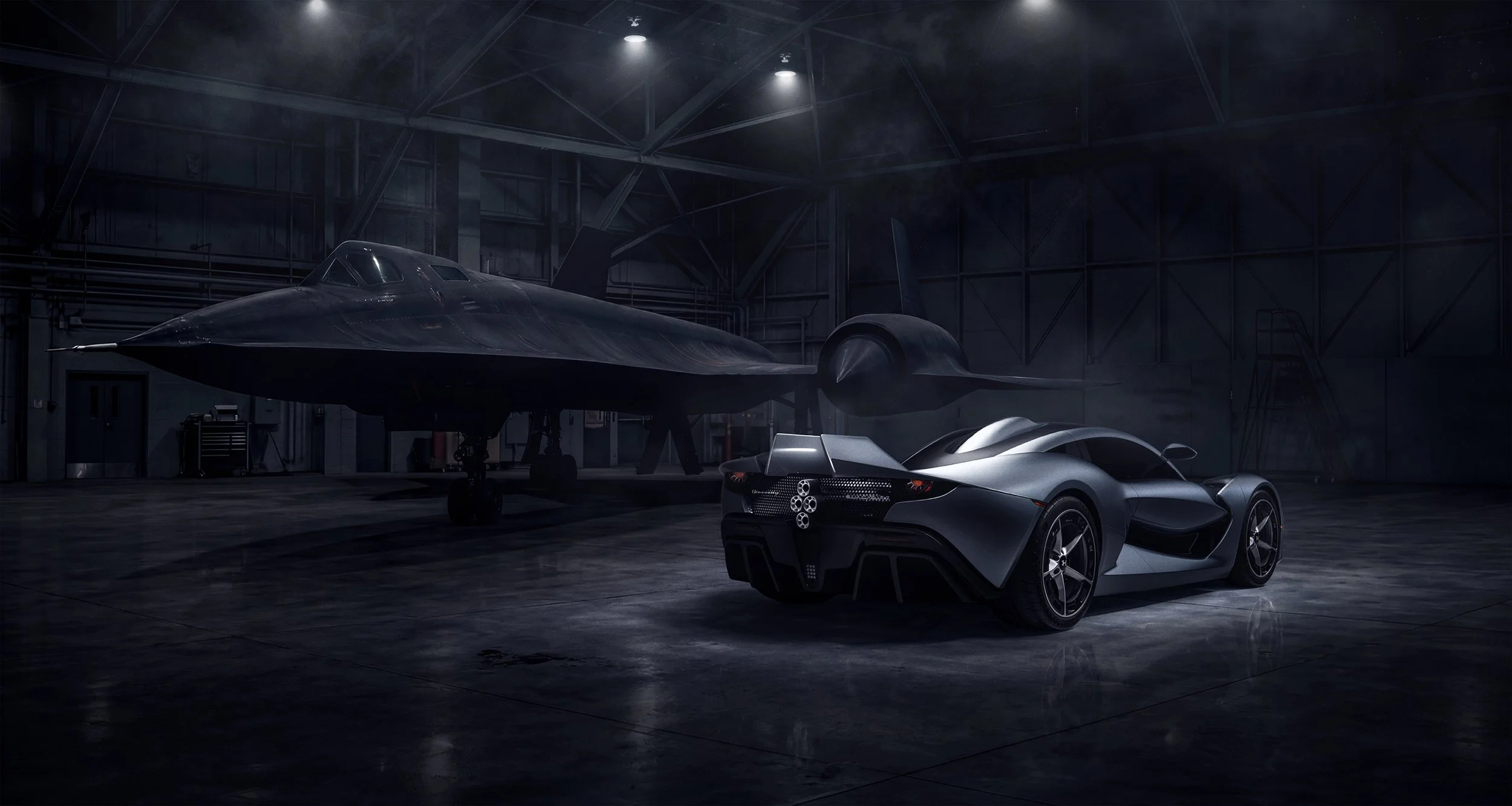
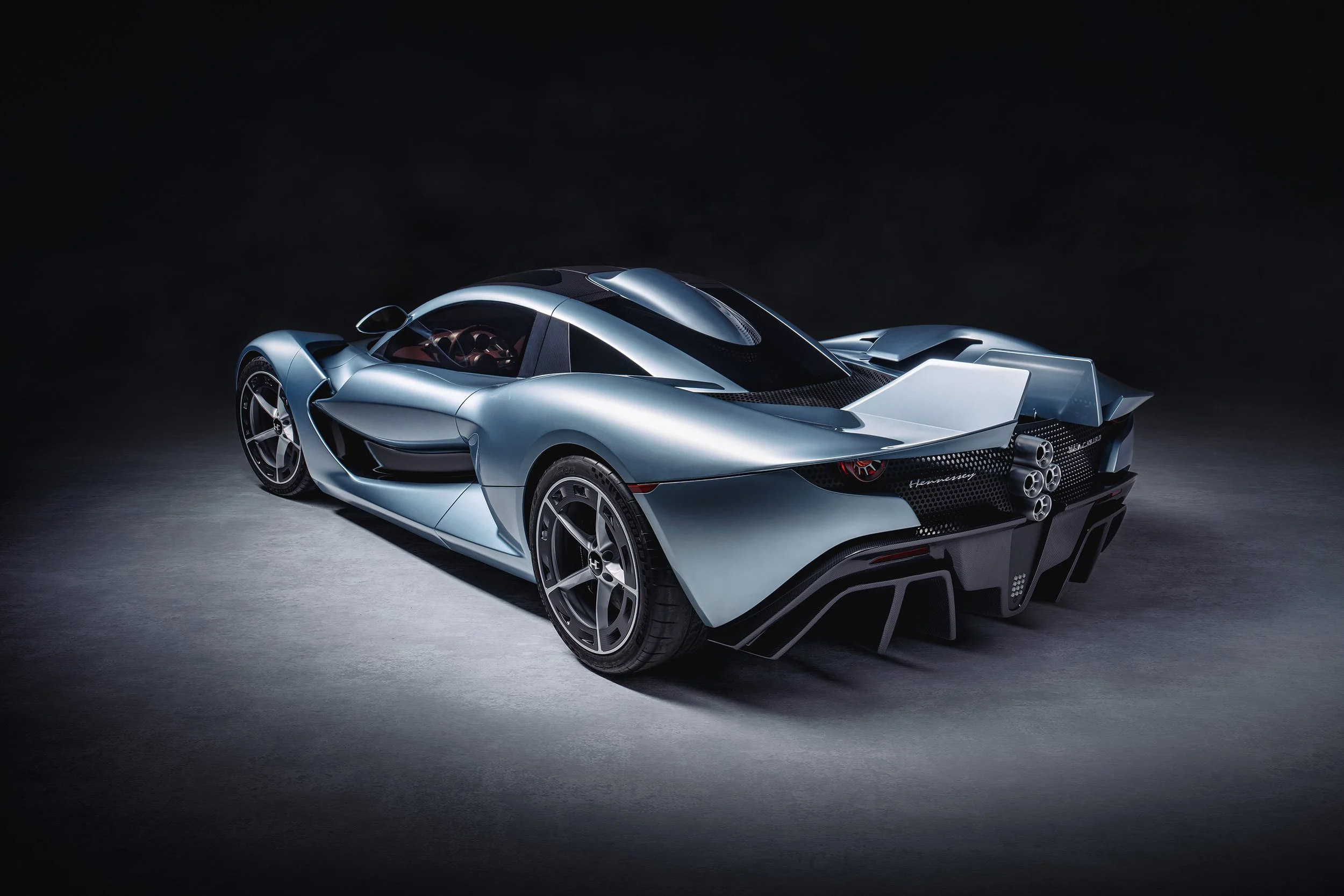
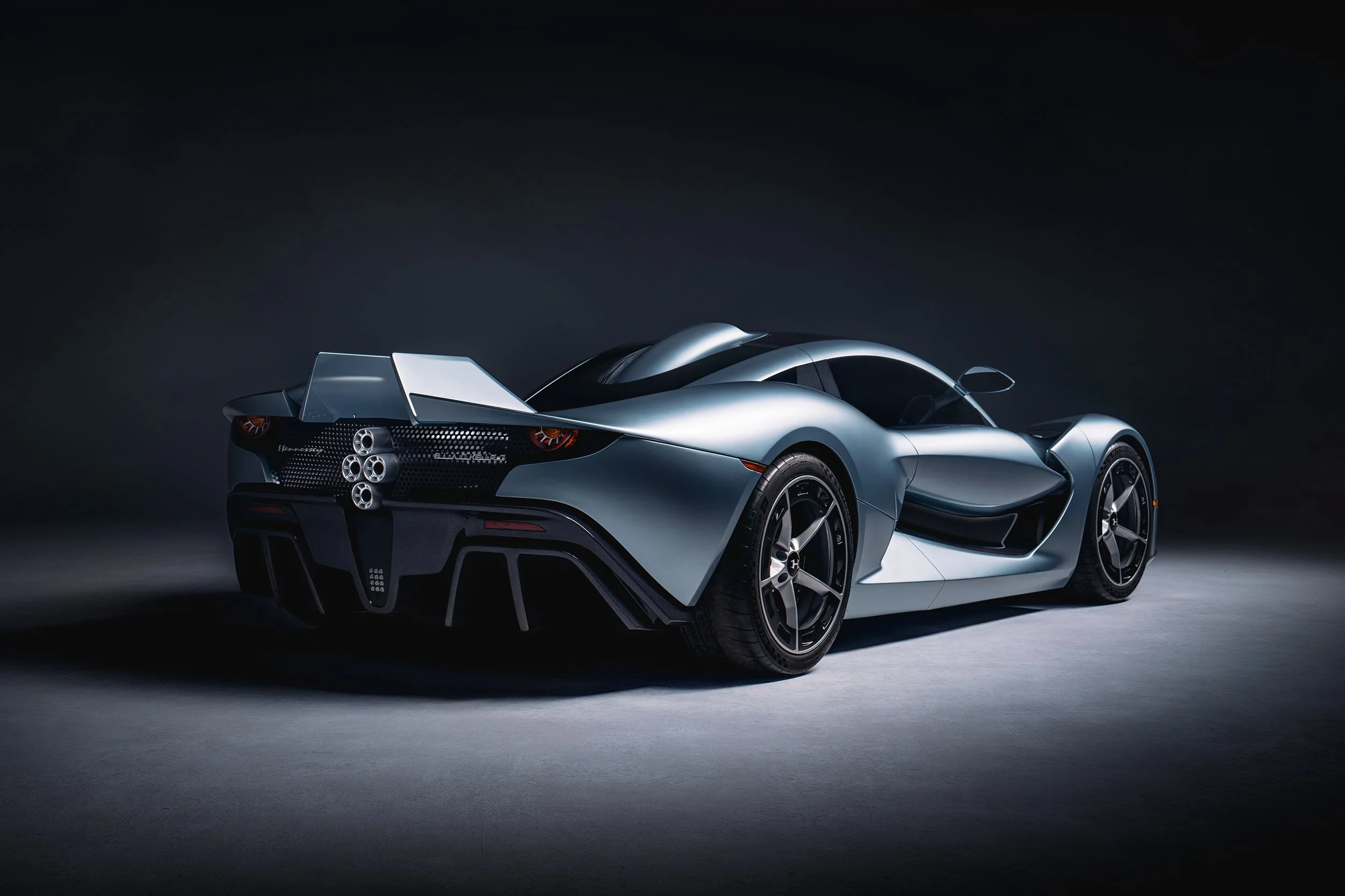
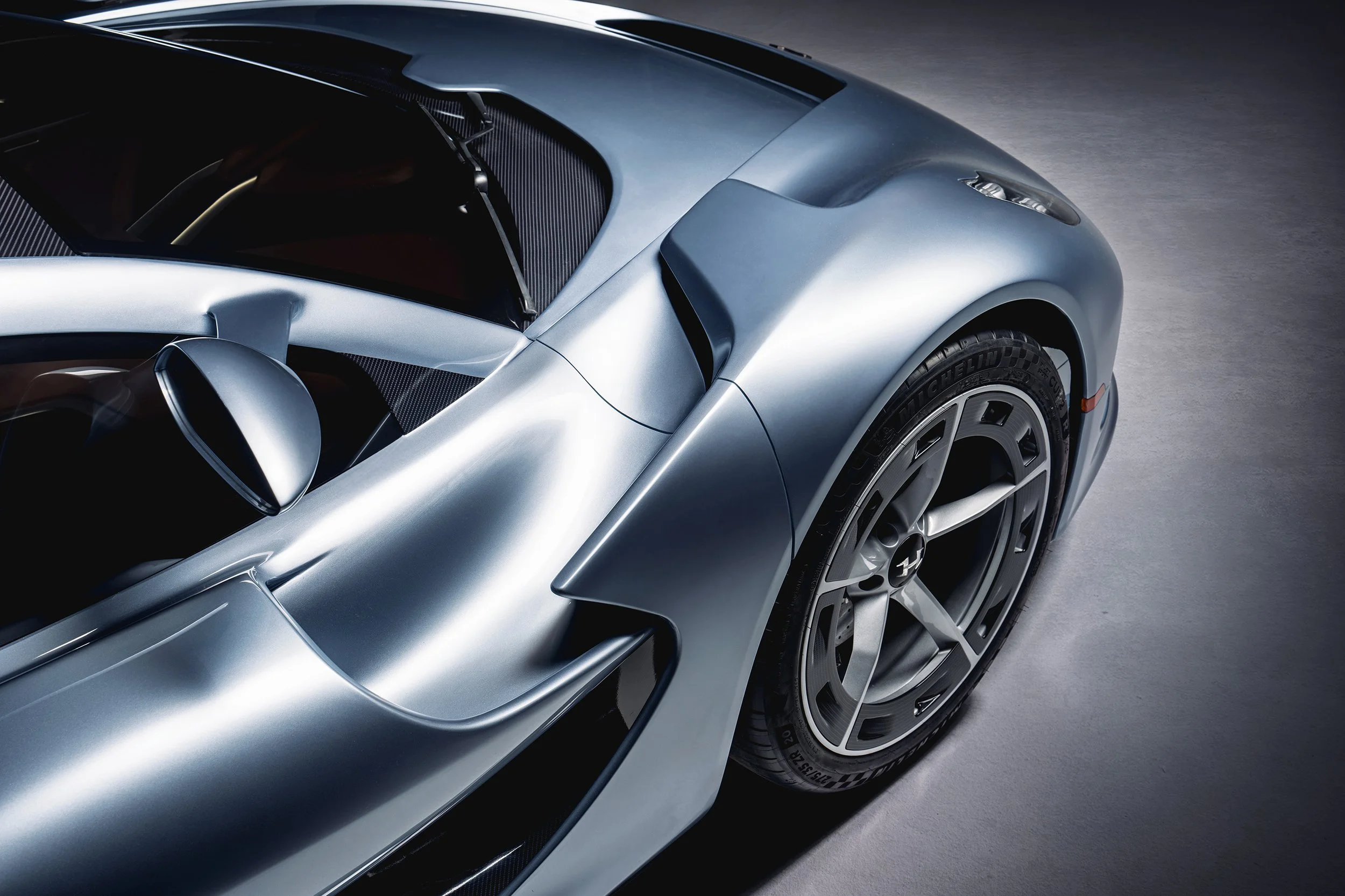
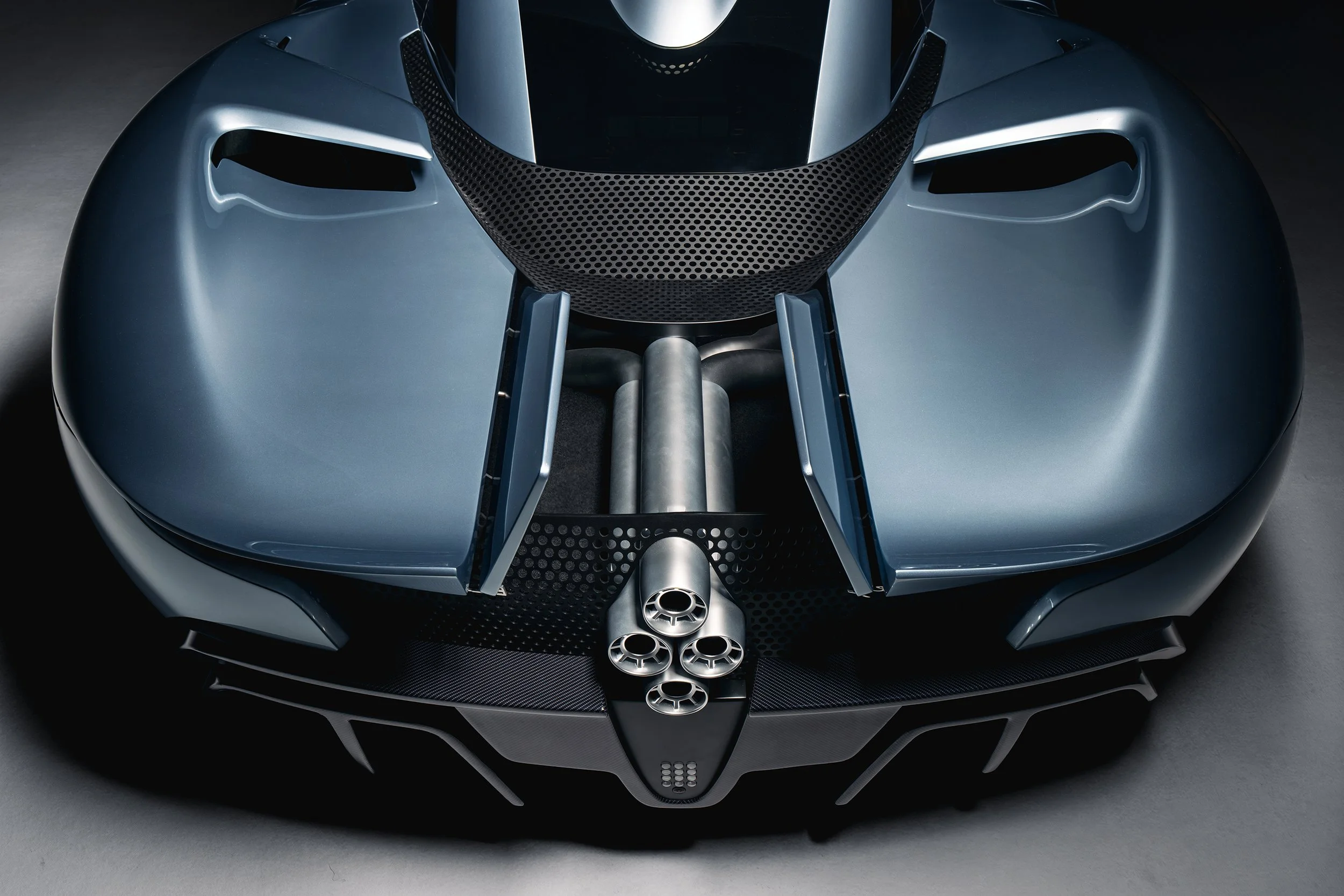
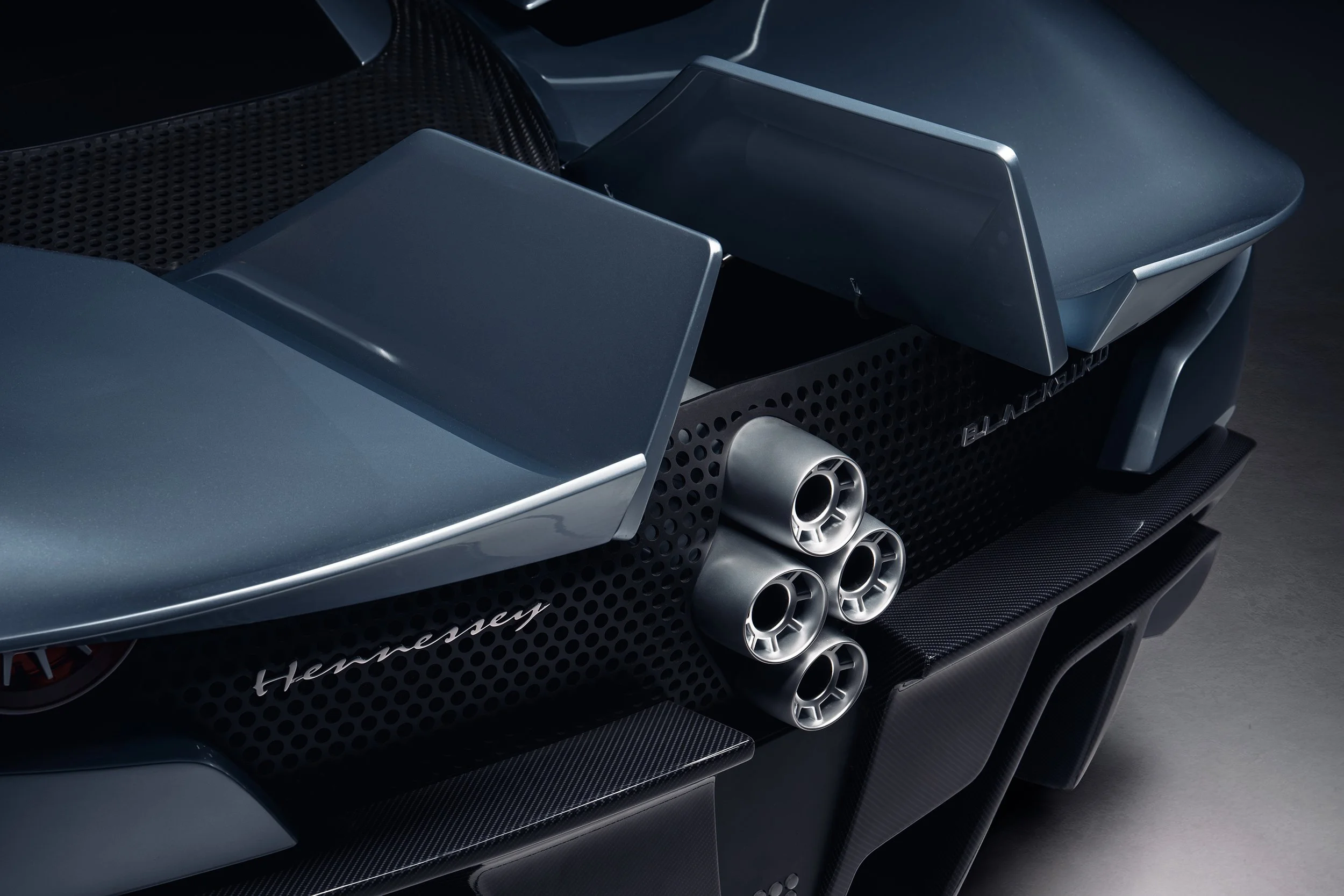
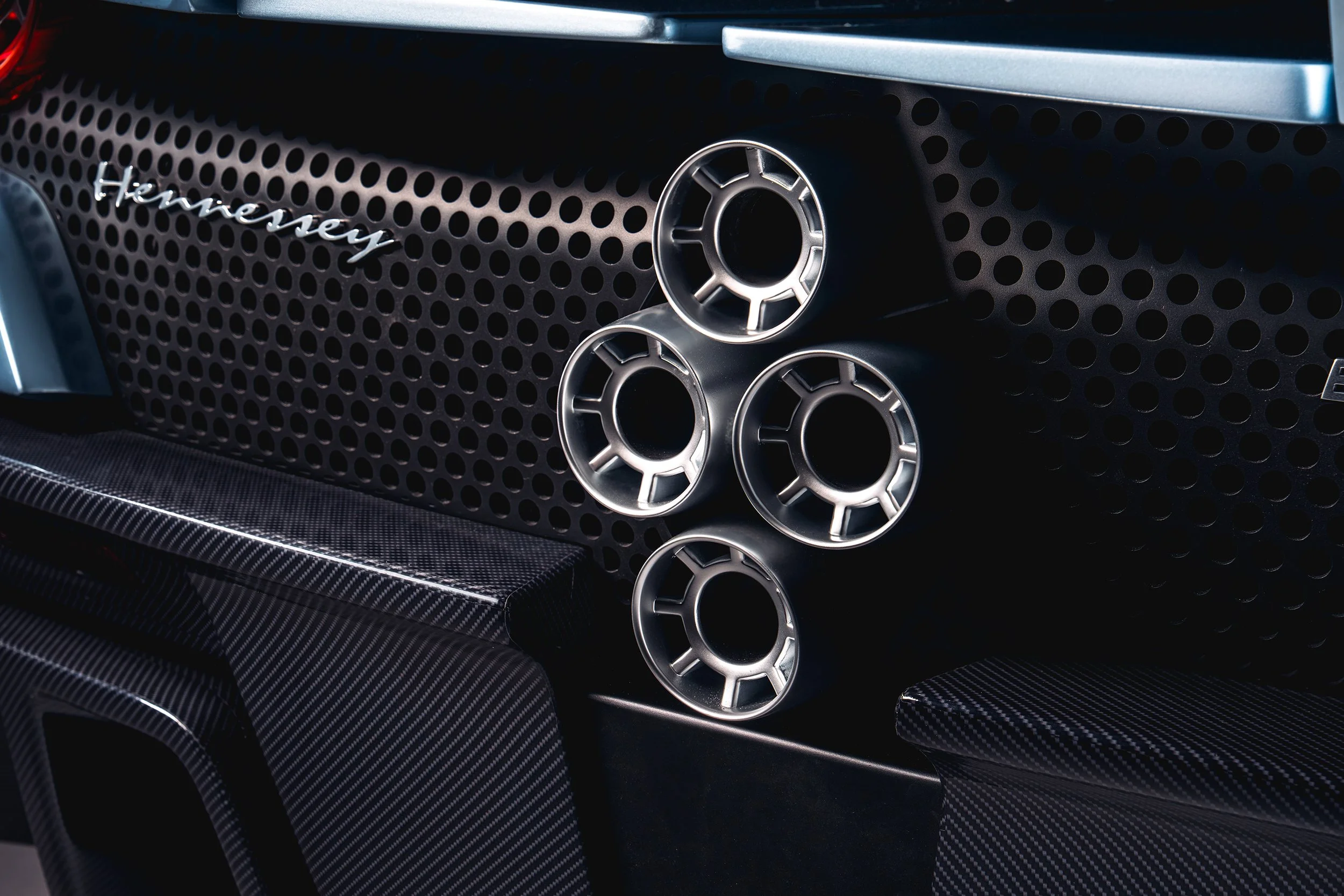
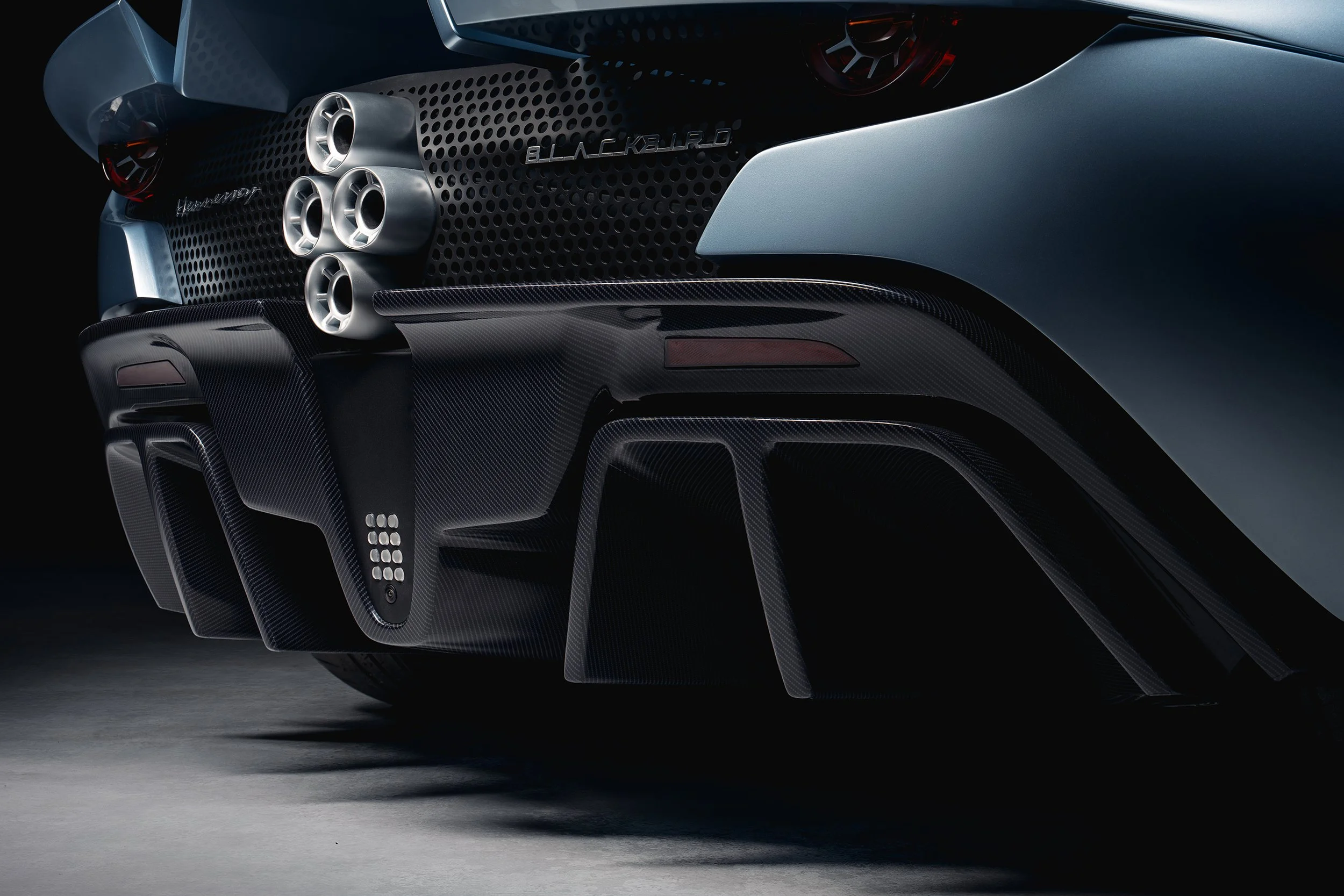
Additional motorsport and aerospace cues add further depth to Blackbird's design and purpose. The hypercar's distinctive diamond-shaped quad exhaust draws its clearest aerospace reference from the exhaust of the record-breaking Bell X-1, which became the first aeroplane to fly faster than the speed of sound on 14 October 1947. U.S. Air Force Capt. Charles E. "Chuck" Yeager piloted the X-1 to Mach 1.06, or 700 mph, at an altitude of 43,000 feet (13,000 metres). Formula One-inspired side pods and LMP1-inspired winglets further enhance the car's Hennessey-rooted design language.
Blackbird places emotional performance on equal footing with technical performance. Its expected 0-60 mph time of 2.5 seconds and 220 mph top speed establish the car's capability, but sound, responsiveness, feel, visibility, usability and the memory of the drive define it, rather than headline numbers alone. Engineers expect the Ilmor-developed V8 to become the highest-revving and most powerful naturally aspirated road-car V8 on the market. With no turbochargers, no hybrid assistance and no artificial response layers, the engine delivers immediate throttle response, linear power and a direct connection to the rear wheels.
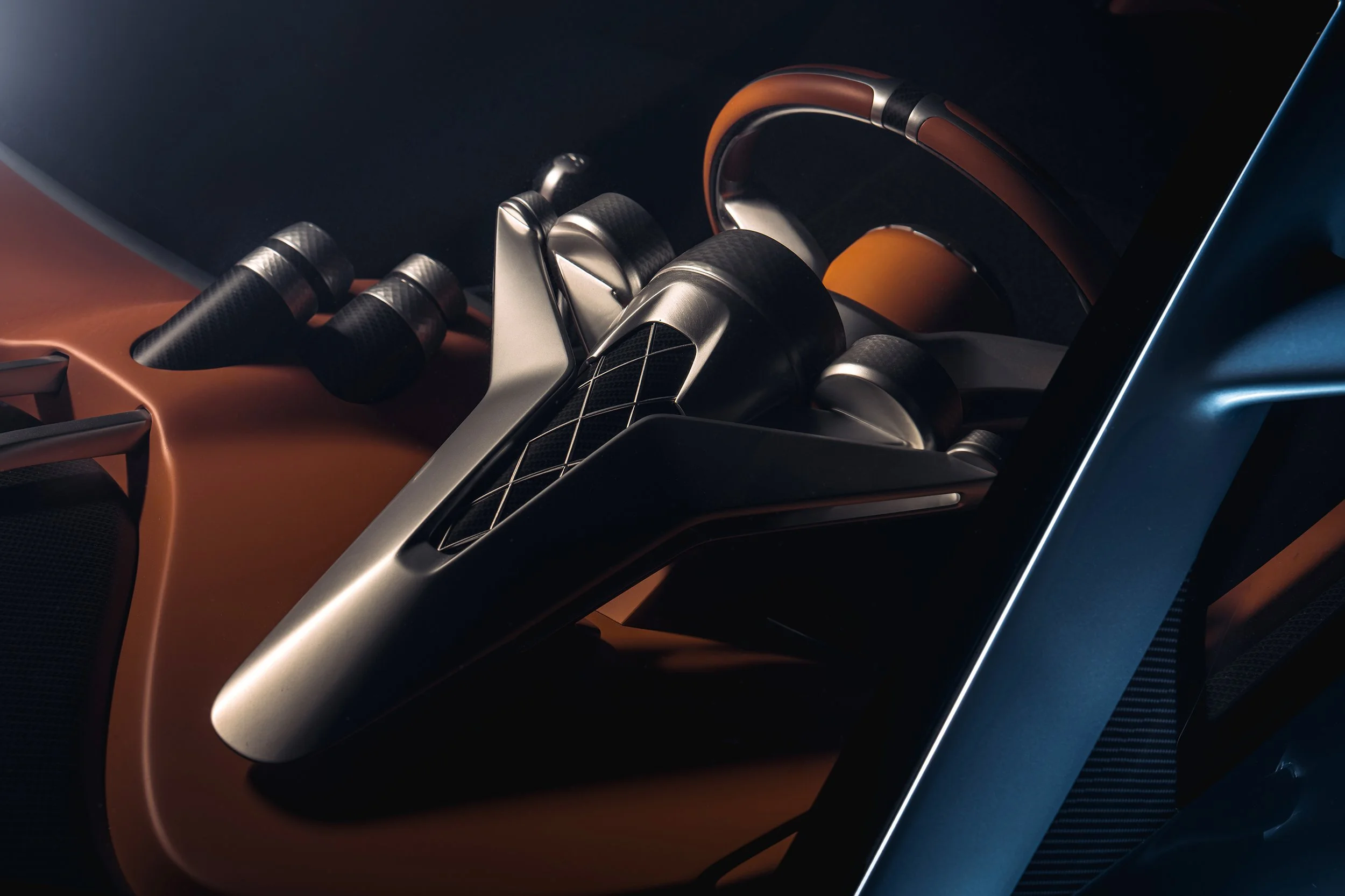
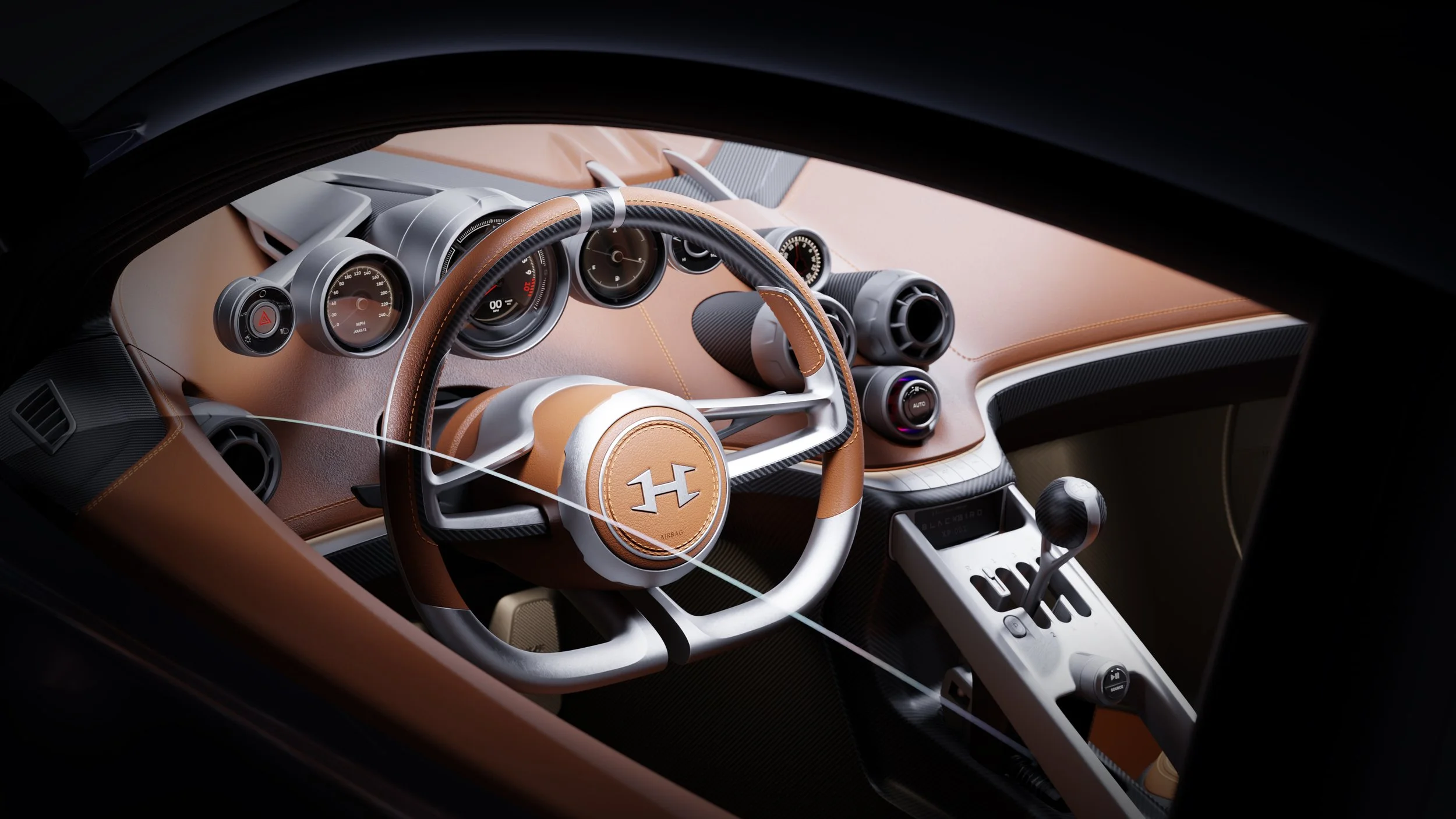
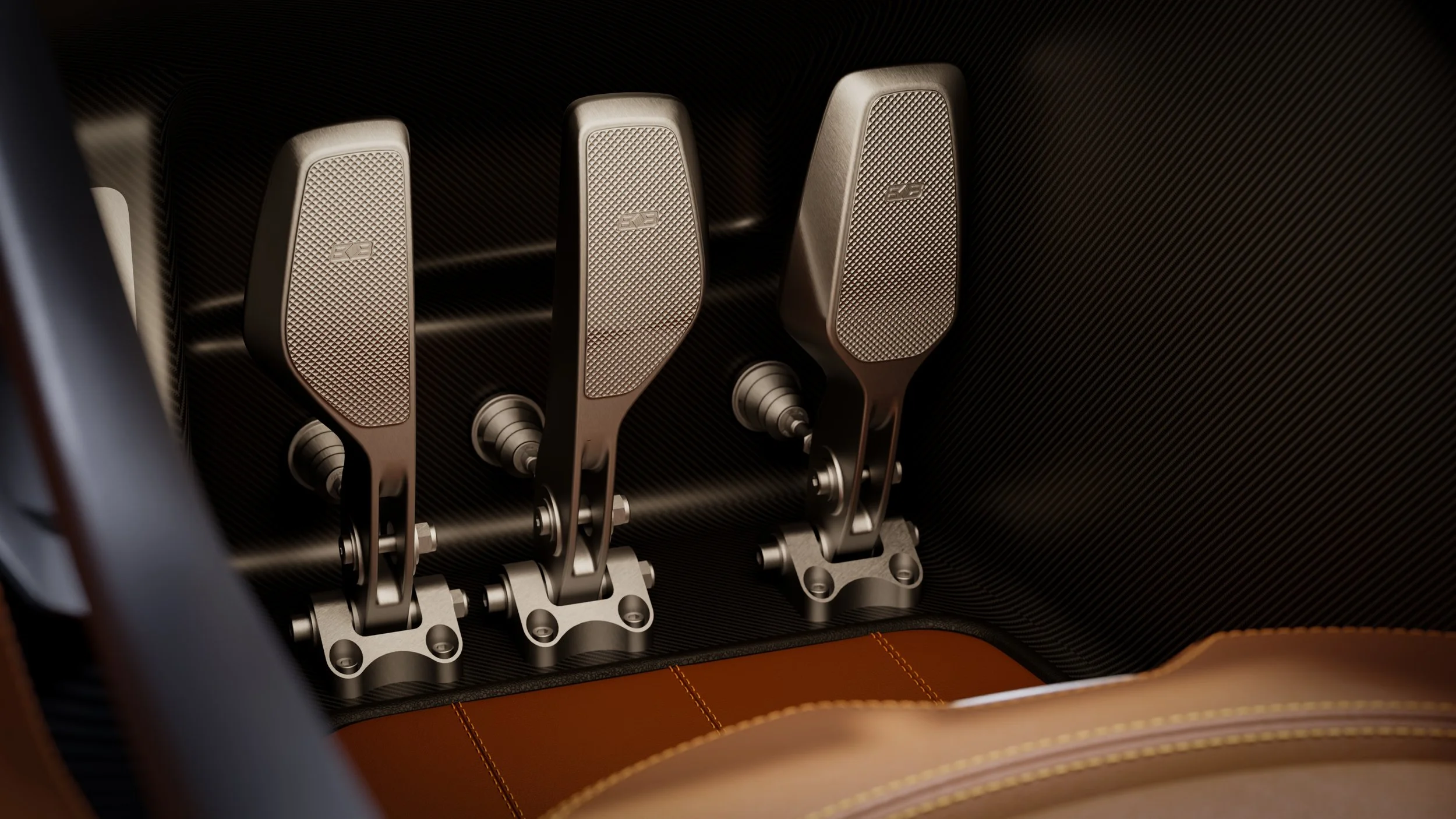
The six-speed gated manual gearbox, exposed shift linkage, physical ignition key, analogue controls and screen-free cabin create an environment that demands and rewards participation. Hennessey designed Blackbird to celebrate skill, rhythm, attention and mechanical sympathy rather than isolate the driver from the experience. The all-new bespoke full-carbon tub and carbon-fibre body provide a lightweight, rigid foundation for both performance and touring, and a combined target weight under 3,000 lbs, with 800 to 850 horsepower, delivers the performance customers expect from a modern Hennessey hypercar. Yet the touring capability sets Blackbird apart. Engineers built it to cover more than 800 miles in a single day comfortably and to feel at home on motorways, mountain roads and destination drives, with luggage space for two full-size carry-on bags, rear-quarter storage, in-cabin stowage and more cabin space than the Venom F5.
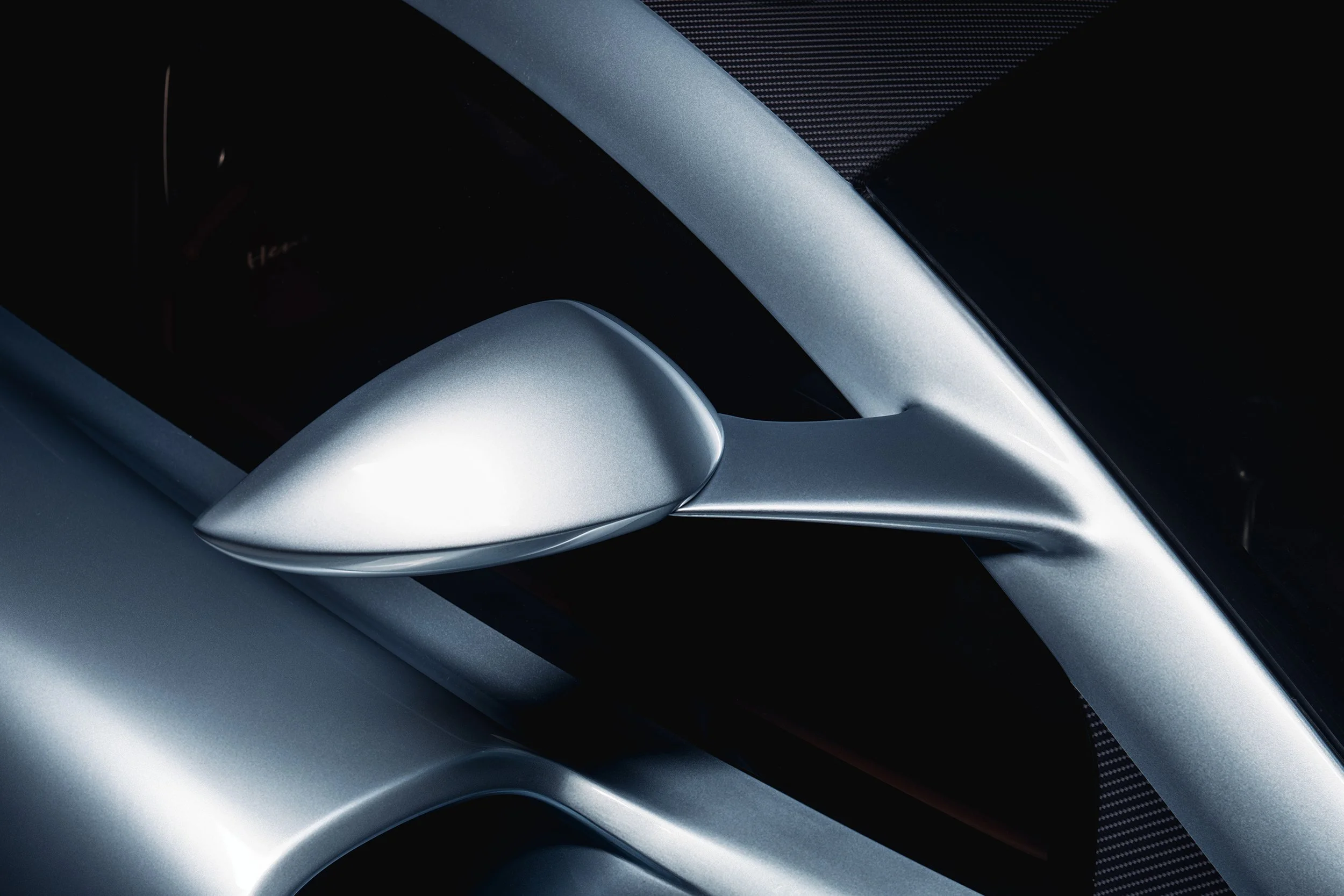
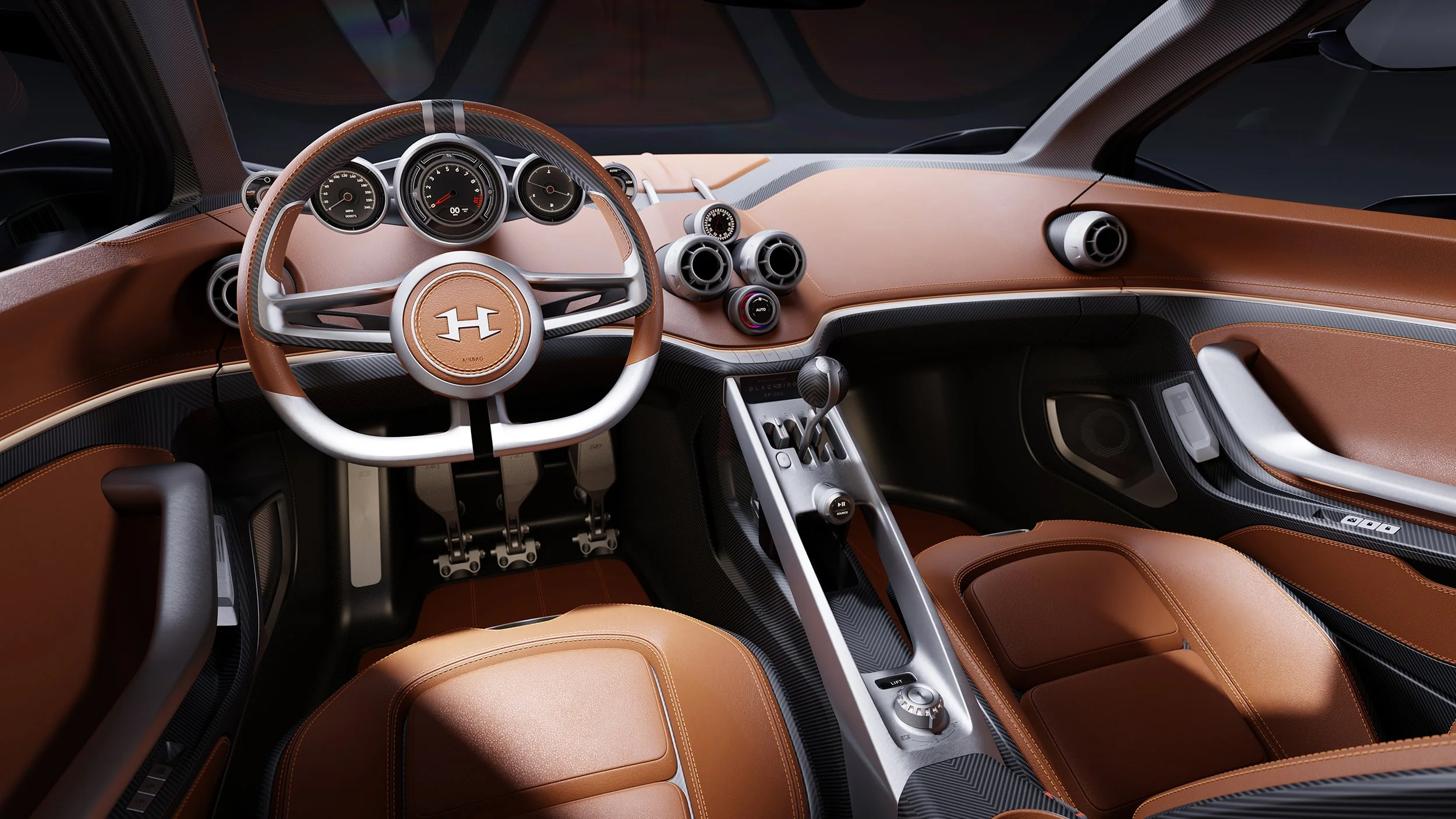
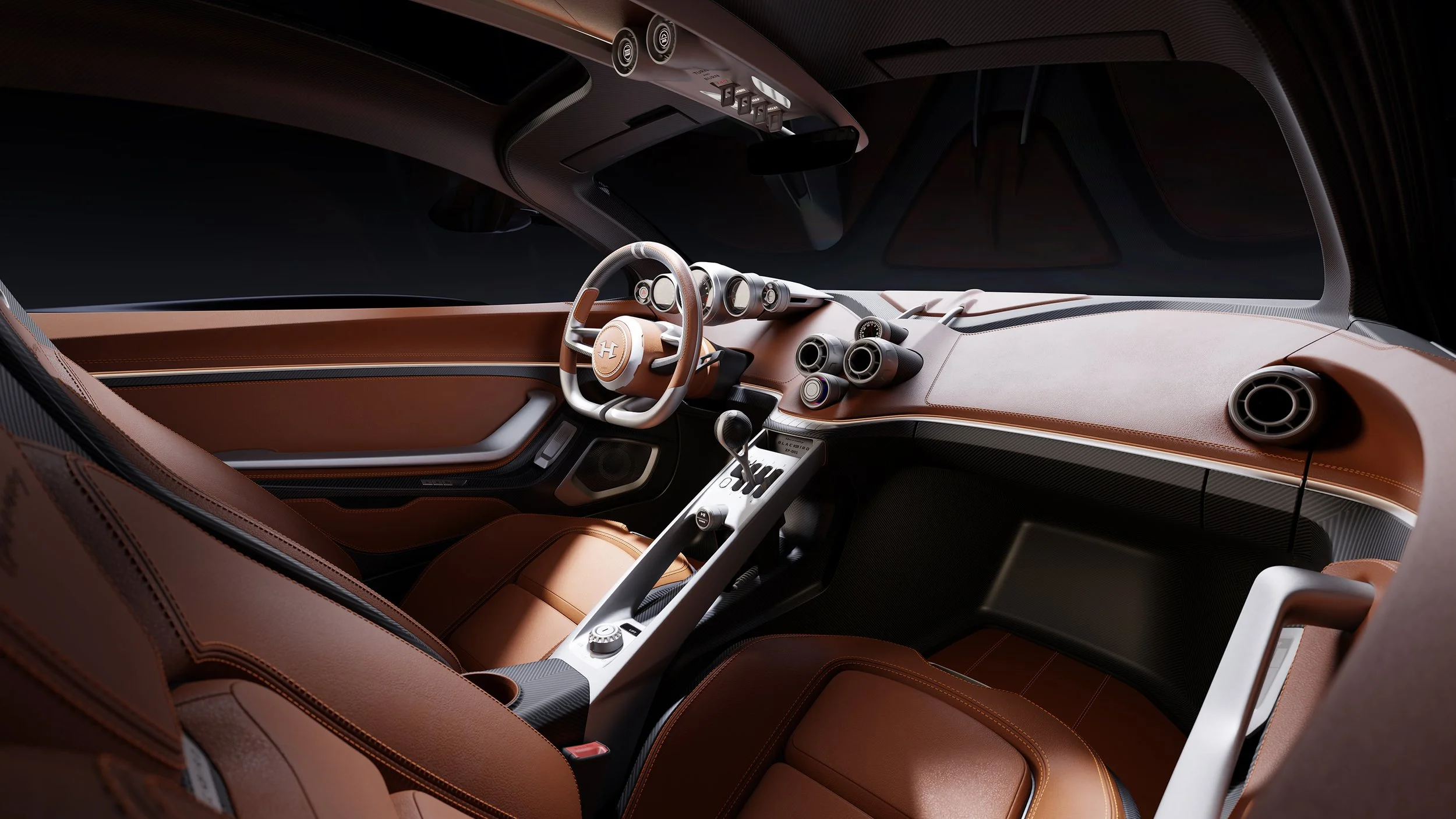
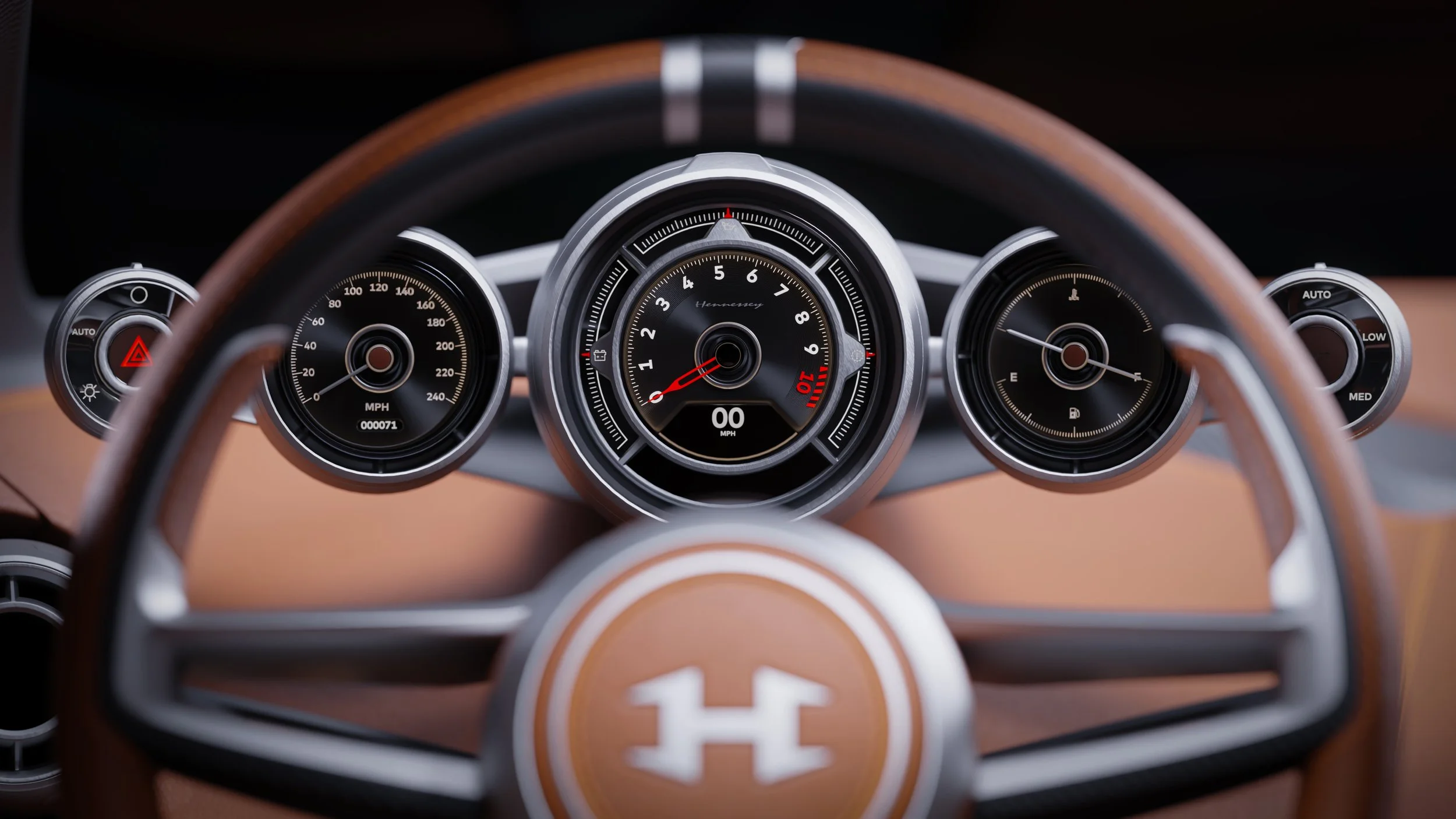
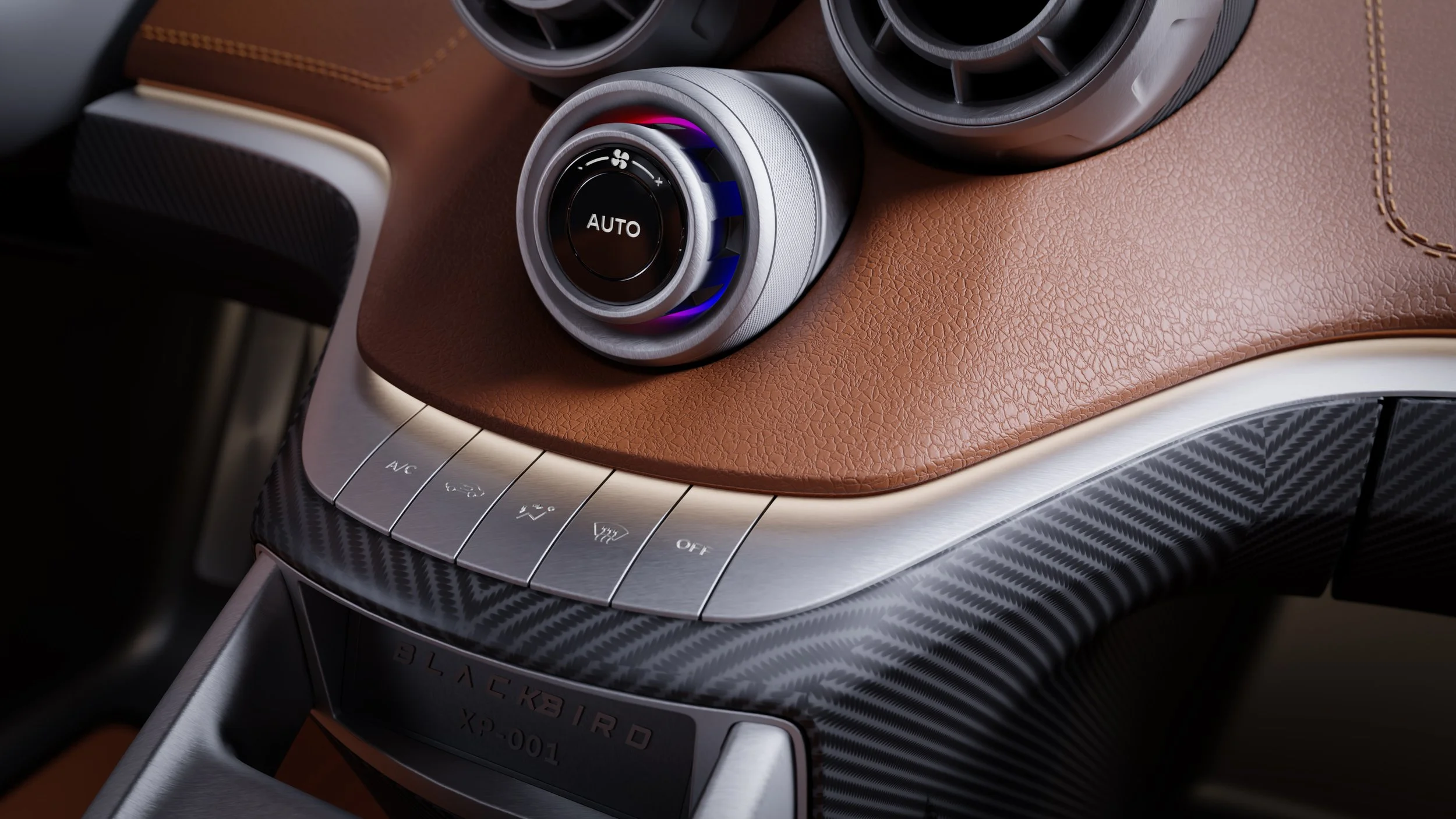
Comfort and usability sit at the core of the design. Adaptive suspension, low NVH targets, improved visibility, distinctive gullwing doors, four cup holders, premium audio and discreet device connectivity support long-distance use without softening the car's analogue character. Inside, Blackbird follows an analogue-first philosophy: no infotainment screen, no digital displays, no steering-wheel buttons, and a large analogue central tachometer forms the cabin's visual and emotional focus. Hidden technological integration retains and future-proofs connectivity, preserving functionality without letting technology dominate the experience. This deliberately digital-free approach protects long-term desirability, and Hennessey designed Blackbird to remain timeless through proportion, materials, craftsmanship and the satisfying feel of physical systems working together.
Blackbird also advances Hennessey's manual hypercar story. The Venom GT established the company's record-setting credibility; the Venom F5 proved Hennessey Special Vehicles could create a fully bespoke, Texas-built hypercar; and the manual Venom F5-M showed that a six-speed gated transmission could sit at the centre of an extreme modern Hennessey. With production of the Venom F5 expected to end by 2028, Blackbird becomes the next cornerstone programme for Hennessey Special Vehicles. It carries forward the capability, lessons and customer demand created by the F5 era. Still, it applies them to a new proposition: a beautiful, usable, naturally aspirated, manual hypercar built around the pursuit of the greatest drive rather than the highest number.
Blackbird carries a clear ethos: beauty, emotion, engagement and real-world driving enjoyment come first, while performance remains significant but serves the experience rather than defines it. With the Venom F5 positioned as the fastest, most powerful and most extreme Hennessey, Blackbird becomes free to stand as the most emotionally engaging Hennessey hypercar yet. The car responds to a growing group of collectors and drivers who want a car that feels special at any speed, who value throttle response, steering feel, shift quality, engine character, visibility, comfort and the sense of occasion created by a beautiful machine.
Blackbird's design began with desirability. Hennessey prioritised beauty from the outset, creating a car intended to make an emotional connection before the engine starts, and to sustain it through proportion, surfacing, detail, and function. The Lockheed SR-71 Blackbird provided the defining inspiration, and Hennessey owns the registered Blackbird® trademark for high-performance vehicles and automotive applications, with the name supported by a complete design philosophy rather than a visual reference alone. The SR-71 influenced the car's long stance, directional confidence, disciplined surfacing and signature lines.
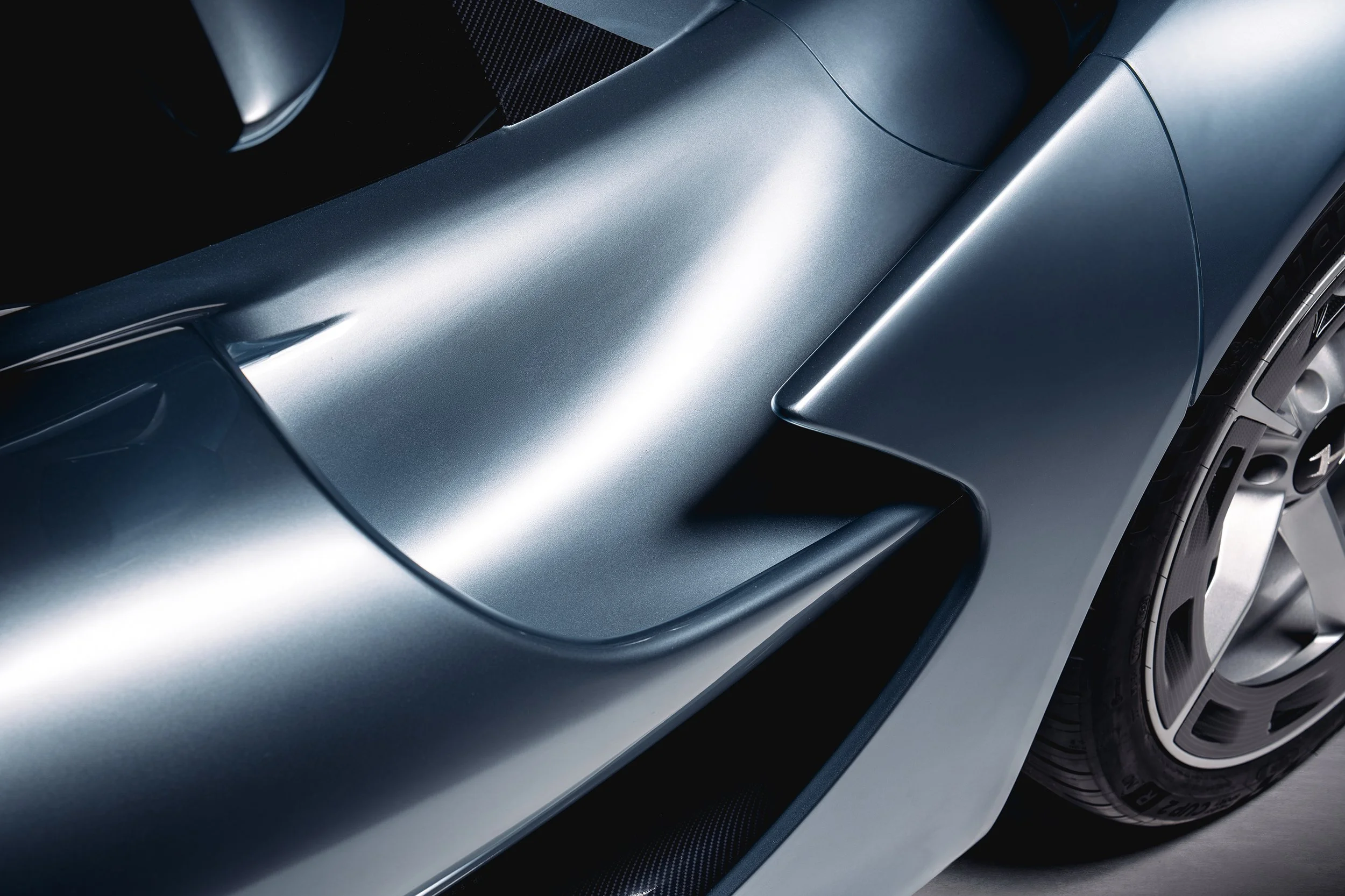
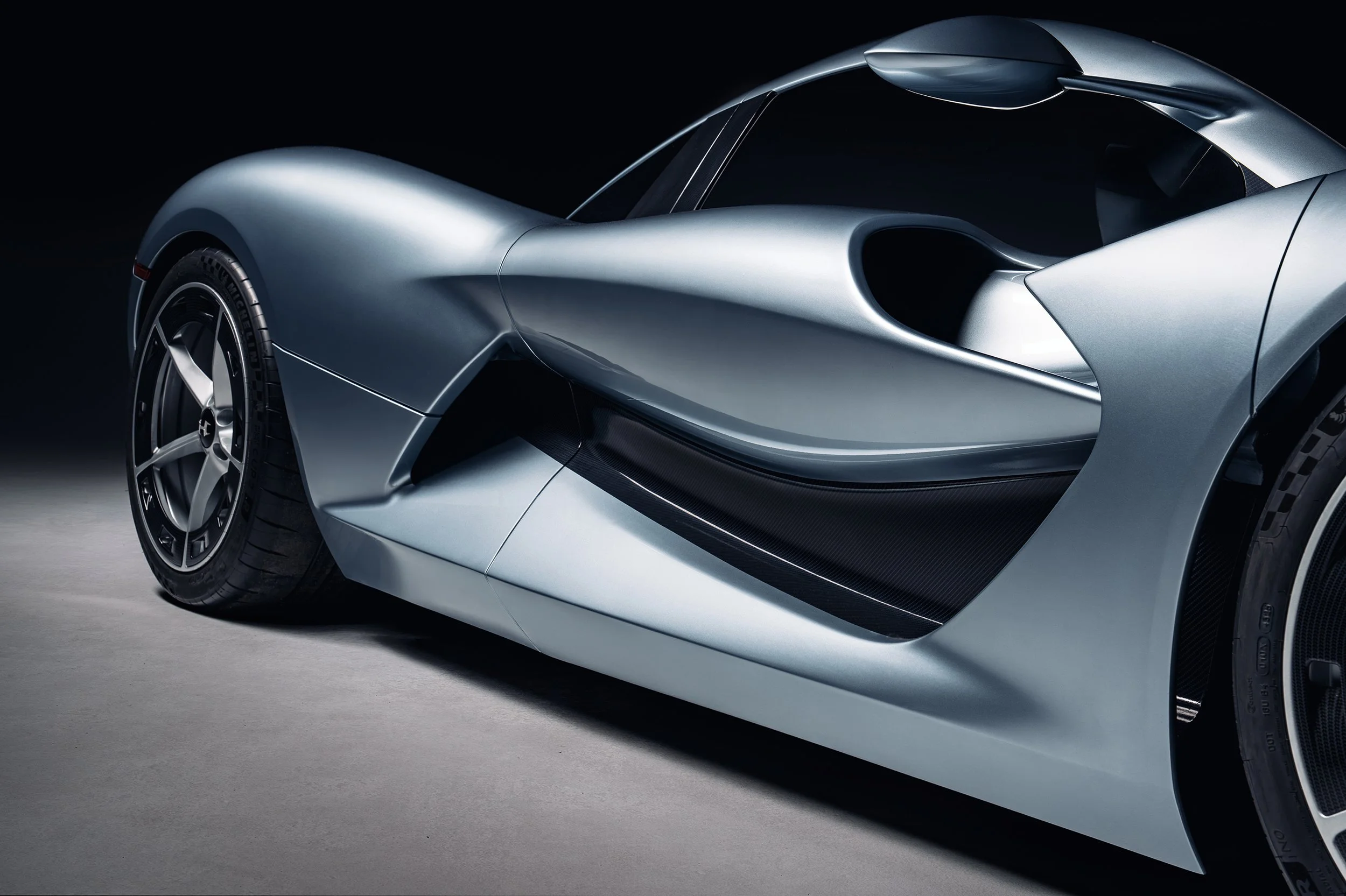
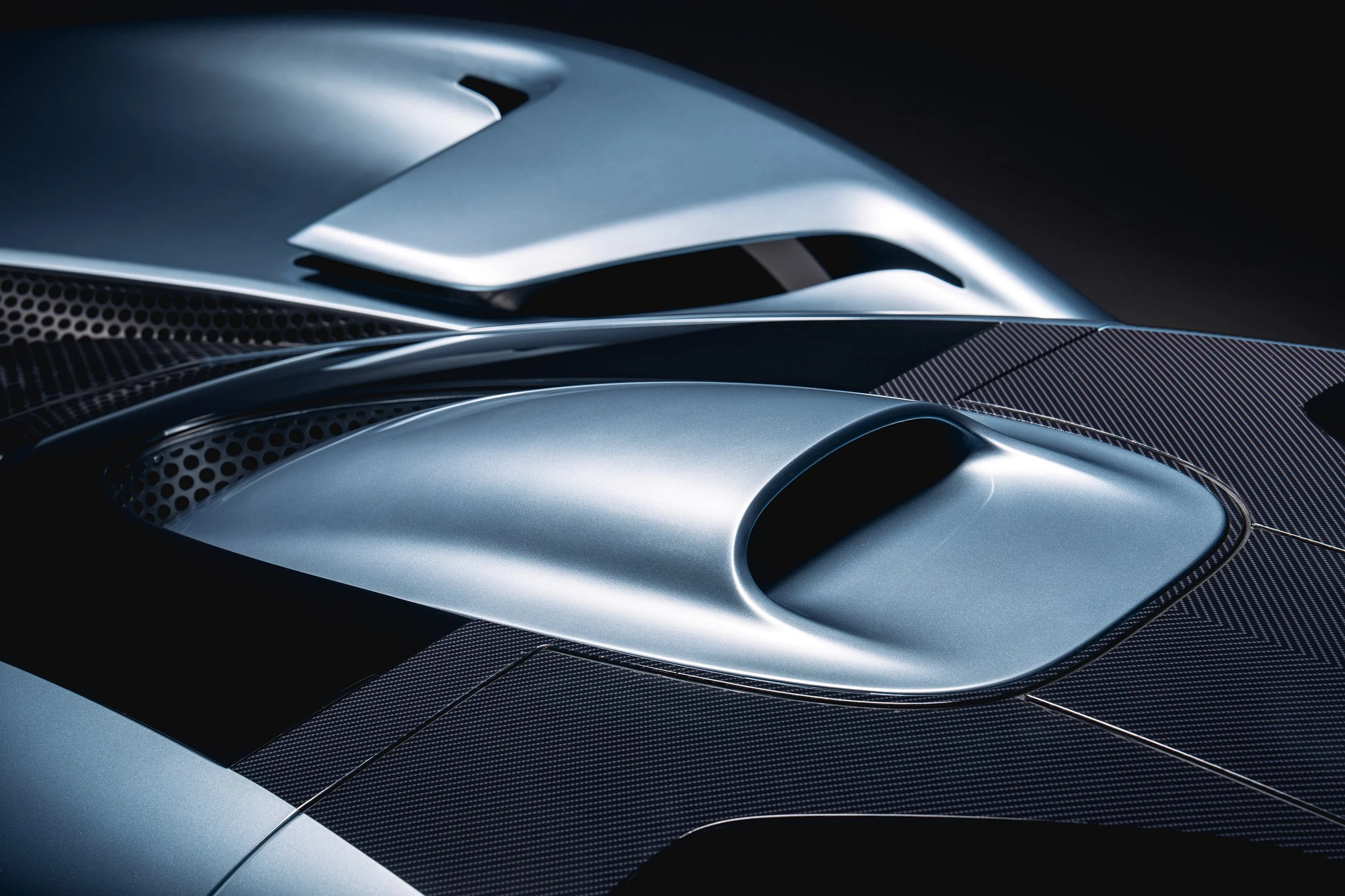
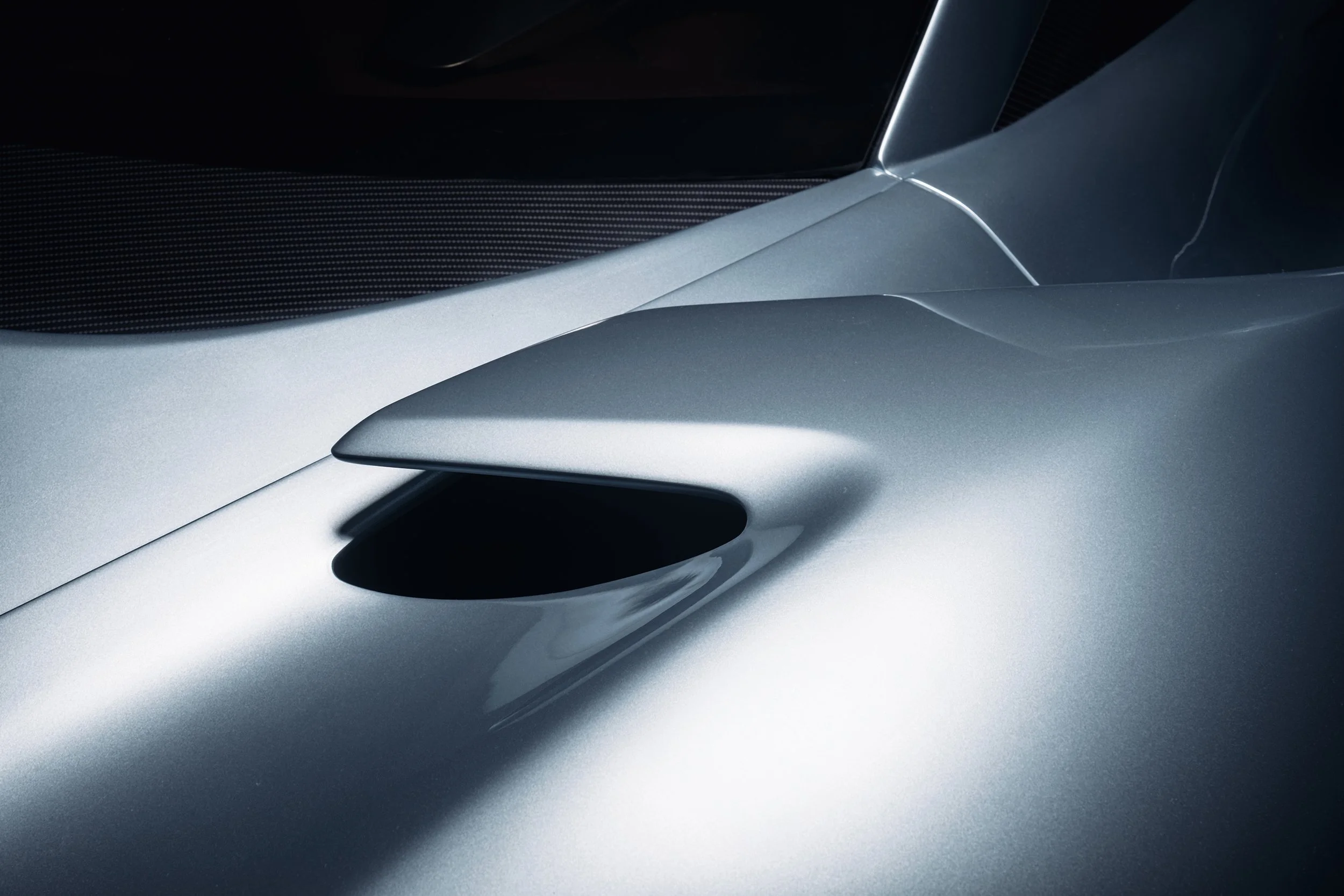
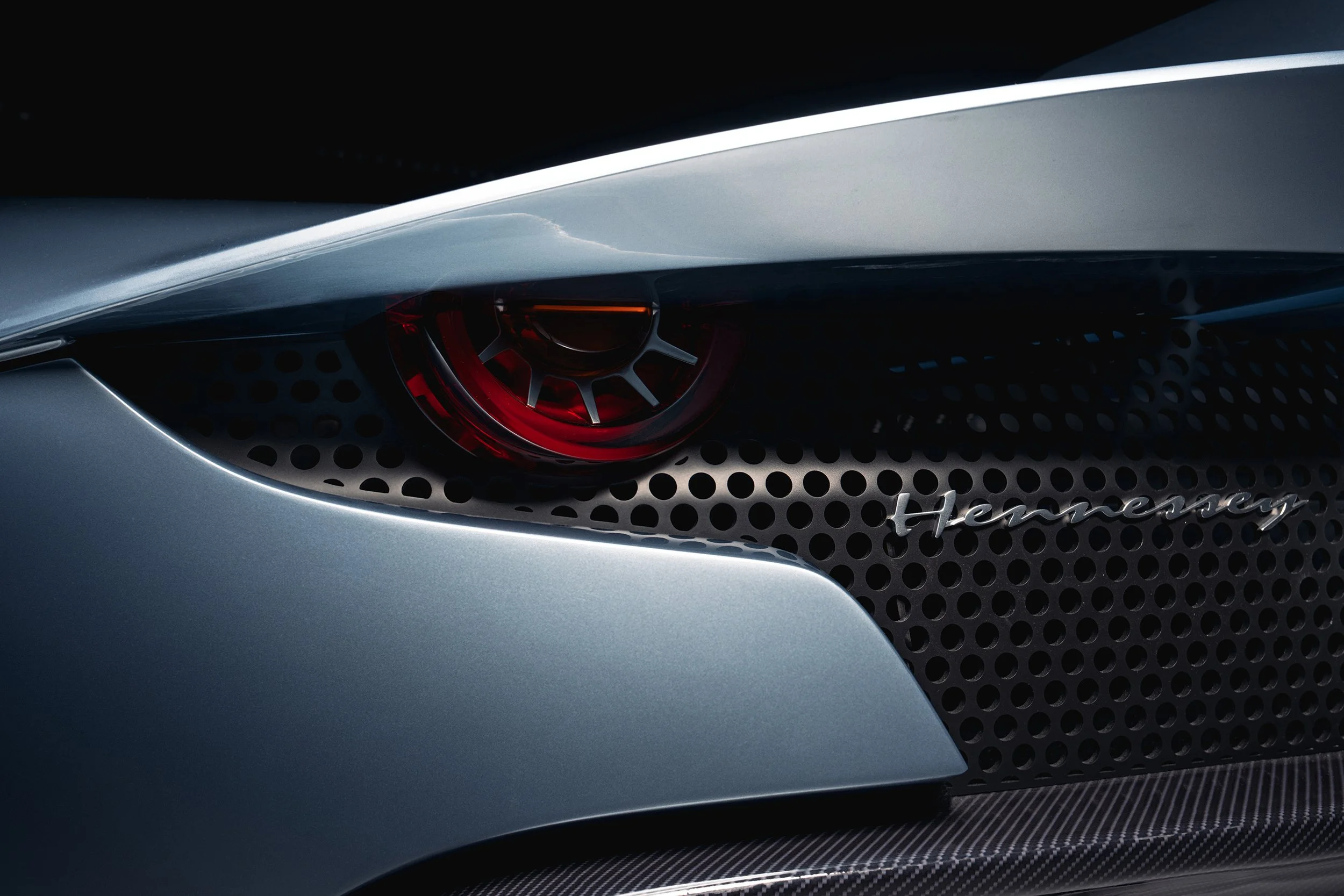
The crisp body-side chine line stands as one of Blackbird's defining details. Echoing the SR-71's tightly pinched meeting of upper and lower surfaces, it becomes the car's primary hard line, giving tension to the flowing surfacing and creating a clear bridge between aerospace inspiration and automotive sculpture. Active vertical rear stabilisers provide the clearest SR-71 reference, deploying automatically at 71 mph and setting to plus or minus 71 degrees in recognition of the aircraft's designation, while also allowing manual activation at any speed. The feature combines design, aero function, engineering theatre, and narrative into a single distinctive element. Other high-performance influences add further depth, including Bell X-1-inspired diamond exhaust detailing, diamond motifs in the headlights and cabin, Formula One-style side pods and LMP1-inspired winglets that bring motorsport precision to the aerospace-led design language.
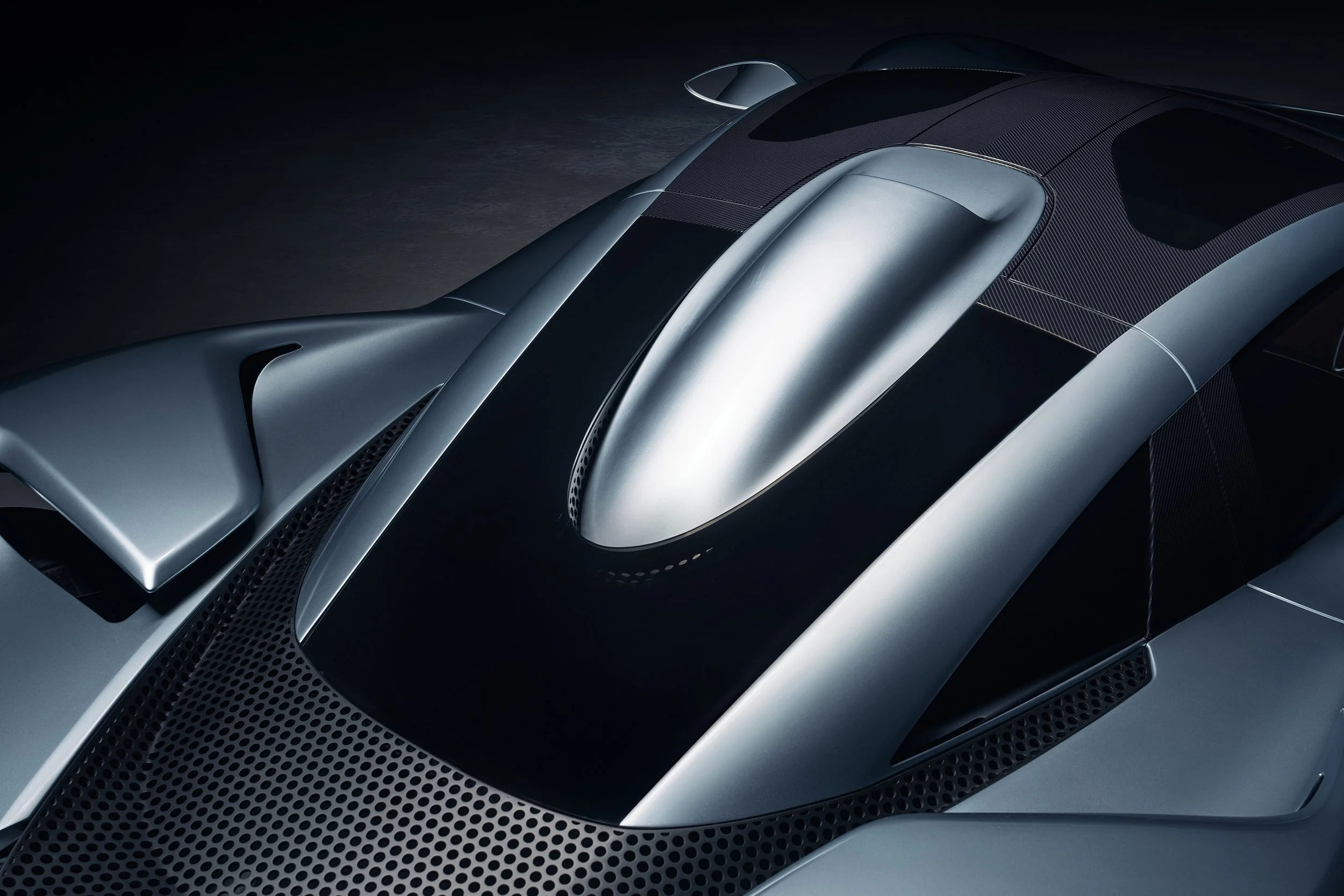
The optional Sky Glass, featuring an asymmetrical tapering shape inspired by the SR-71's canopy, optimises the light and airy feel of the Blackbird's cabin, while further glass in the rear bulkhead aperture and covering the engine bay amplifies interior light even more, reinforcing the cabin as a place to spend long drives in comfort. Timelessness guided both the exterior and interior. Blackbird avoids short-term trends in favour of enduring proportion, elegant surfacing, purposeful aero features, and mechanical authenticity, so it will feel as special in fifty years as it does today.
Nathan Malinick, Hennessey Director of Design, said: "Beauty is not a byproduct; it must be intentional. With Blackbird, every decision our team made, inside and out, was guided by our vision to create the ultimate touring hypercar: one that strikes a perfect balance between elegance and aggression, beauty and purpose, inspiring people to fall in love at first sight. As Hennessey's third hypercar, Blackbird represents the next evolution of our design DNA and the incredible work of an entire team committed to creating something truly timeless."
Hennessey engineered Blackbird as a driver's car: fast, engaging, comfortable and rewarding over hundreds of miles. The team designed it for great roads rather than lap times, placing the driver at the centre through mechanical interaction, natural response and a distraction-free cockpit. The six-speed gated manual expresses that approach most clearly, and its exposed linkage, physical gate and deliberate shift action make every gear change part of the experience rather than a background function. The naturally aspirated V8 reinforces the character, targeting more than 9,000 rpm with linear response and an intentional focus on emotional sound, and the absence of turbochargers and hybrid assistance protects immediacy and interaction by design. The cabin removes visual and cognitive clutter, with no visible infotainment screens, no digital displays, and no steering-wheel buttons. At the same time,e a large central tachometer, a physical key, and analogue controls make the interface feel permanent rather than transient. Touring ability broadens the engagement further, and adaptive suspension, traction control, ABS, low NVH targets and considered ergonomics support long days and special roads without diluting the analogue character.
Blackbird runs on an all-new naturally aspirated 6.2-litre V8 developed with Ilmor Engineering, and Hennessey targets around 800 to 850 hp and more than 9,000 rpm, with the engine expected to become both the highest-revving and most powerful naturally aspirated road-car V8. The numbers matter, but character matters more, and the engine delivers immediate throttle response, linear power, and an emotional sound that stays mechanical, unfiltered, and directly connected to the driver. The emphasis on beauty and attention to detail extends to the engine itself, with its visibility through the rear glass engine cover carrying as much significance as its unique sound signature. Performance targets include 0-60 mph in 2.5 seconds and a top speed of 220 mph, placing Blackbird firmly in hypercar territory. However,h its purpose favours usable, memorable performance over the pursuit of a single number.
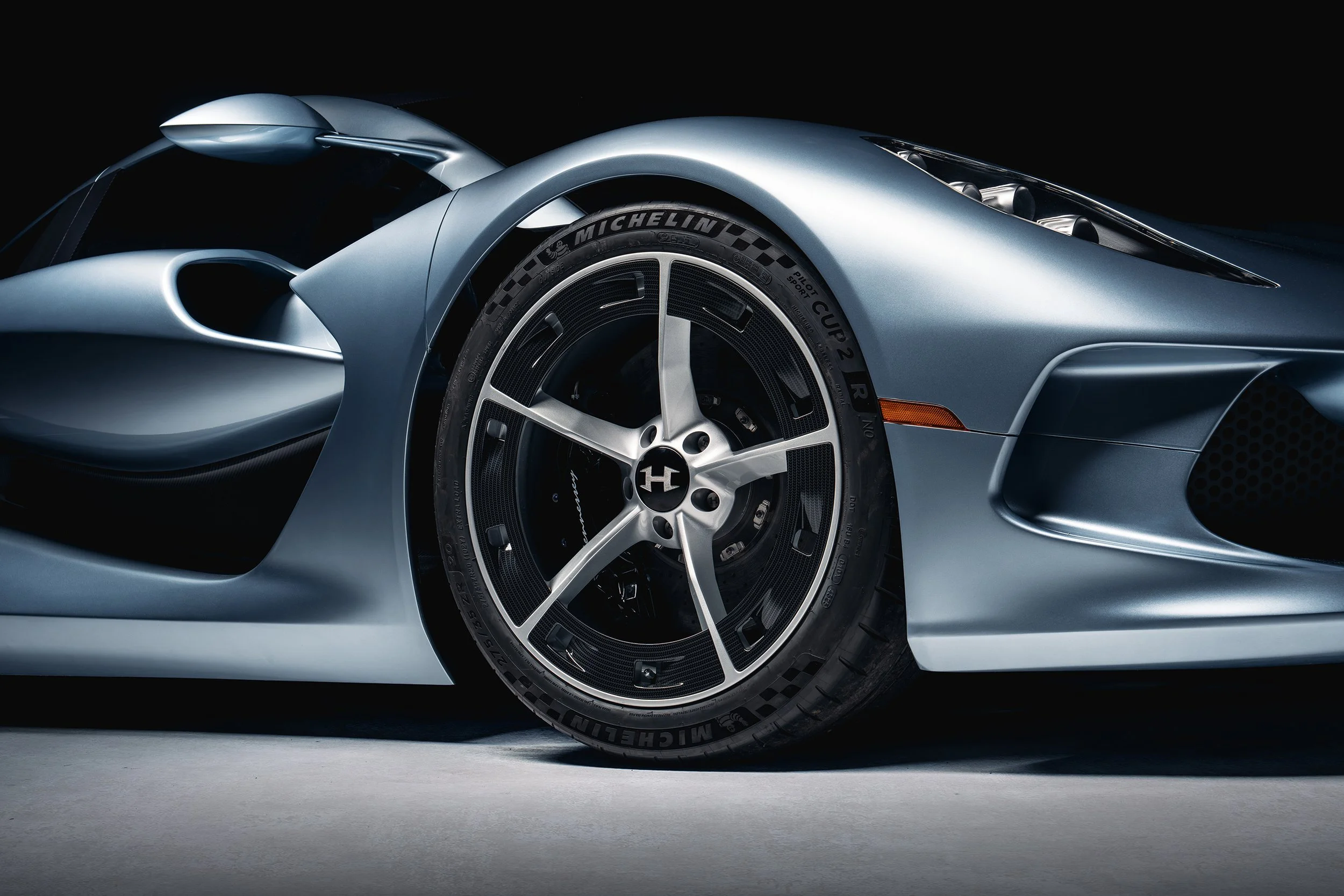
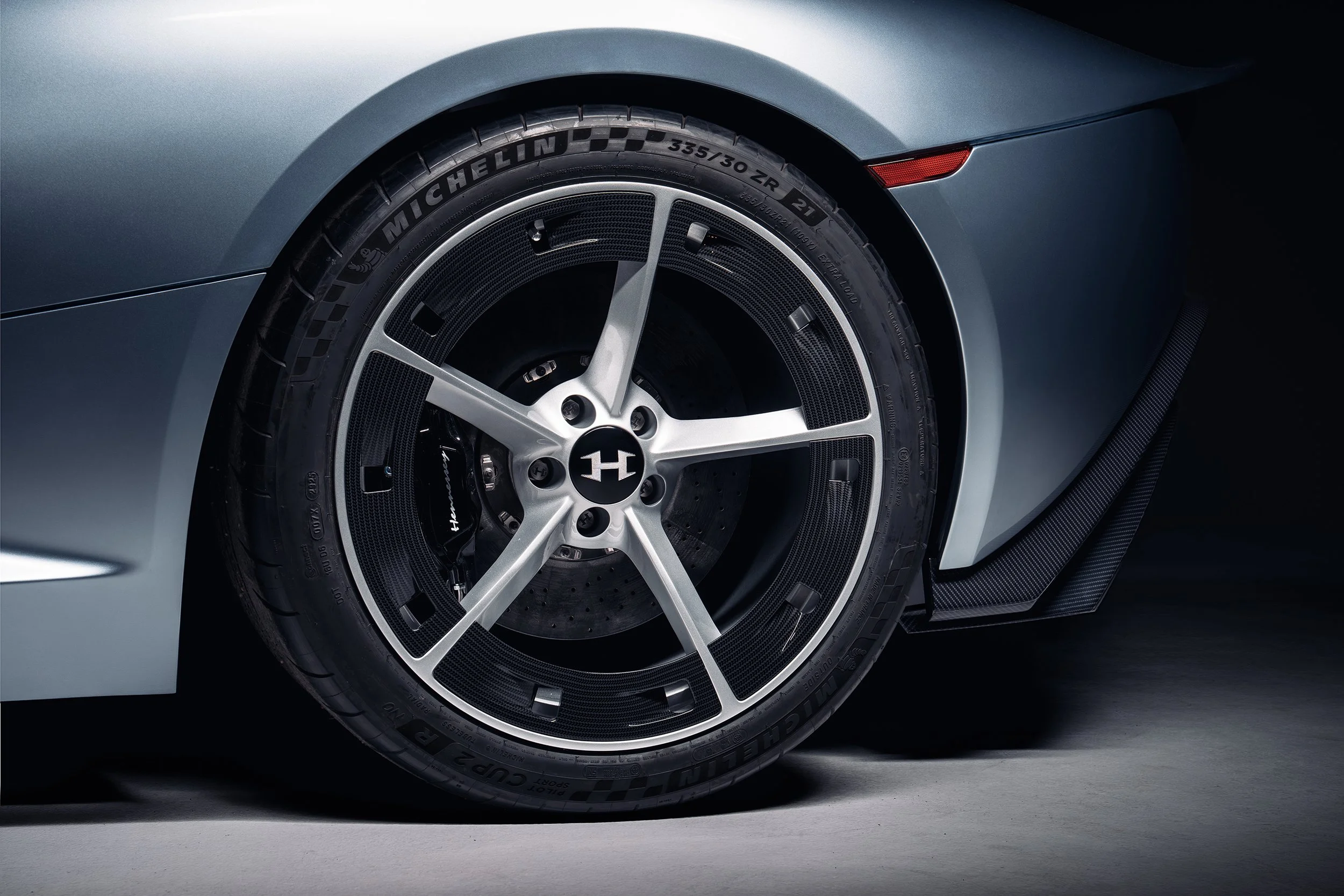
An all-new bespoke Hennessey full-carbon tub, carbon-fibre bodywork and inboard suspension architecture provide the foundation. In contrast, adaptive suspension supports both comfortable cruising and spirited driving, with Michelin Pilot Sport Cup 2 tyres fitted as standard and two unique Hennessey wheel options available. Rear-wheel drive and a six-speed manual gearbox form the only drivetrain configuration offered, ensuring every Blackbird shares the same core character: involving, confidence-inspiring and precise rather than remote. Traction control and ABS enable confidence-inspiring progression while preserving the balance between analogue connection and carefully integrated engineering.
Angela Edgar, Vice President of Lubricants Marketing at Pennzoil, said: "Pennzoil and Hennessey have built a longstanding relationship rooted in a shared passion for engineering excellence and pushing the limits of what's possible. The all-new Blackbird is another exciting milestone in that journey. We're proud to support Hennessey's relentless pursuit of innovation with advanced lubricant technology engineered to help protect high-performance engines and deliver lasting performance. Together, we're proving that exceptional engineering and engine longevity go hand in hand."
The Blackbird interior is built around a maximum man-machine connection, rejecting screen-led complexity in favour of physical interfaces, timeless design cues and a cabin intended to feel special for decades. A large central tachometer gives the cabin its focal point. In a high-revving, naturally aspirated, manual-transmission hypercar, engine speed matters emotionally as much as technically, so it receives visual priority. The six-speed gated manual, exposed shift linkage, physical ignition key, simplified controls, and absence of steering-wheel buttons focus attention on the act of driving. At the same time, technology remains present where useful but never dominates the experience.
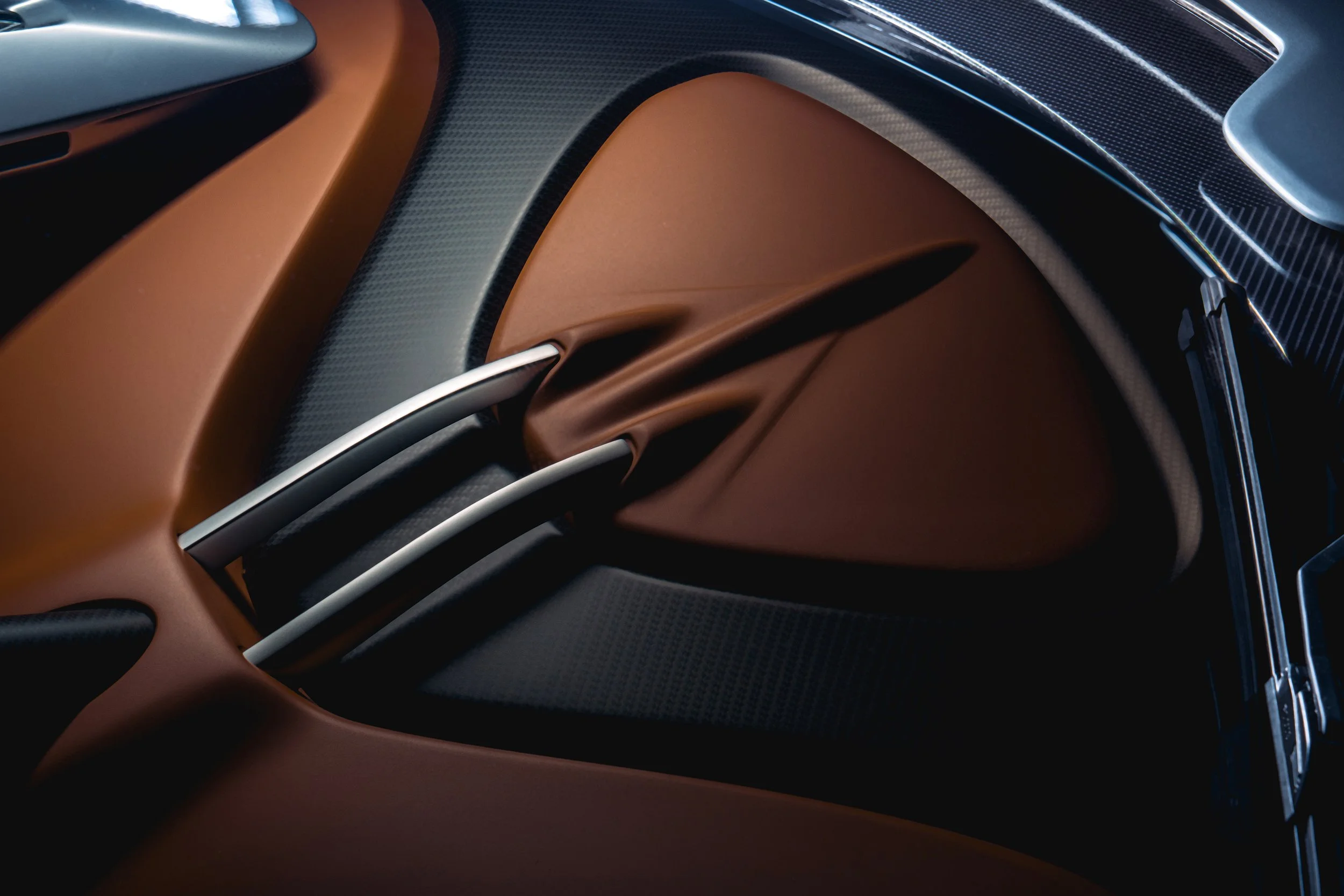
Hennessey handles connectivity through a hidden-technology strategy. Premium speakers deliver excellent audio, while navigation, Apple CarPlay, and Android Auto run through the driver's device, which is held securely in a bespoke Hennessey holster, preserving functionality without a conventional infotainment screen. Aviation cues continue inside, including a dash-mounted whiskey compass fitted as standard with an optional timepiece available, while the broader cockpit architecture prioritises visibility, clarity and permanence. Shrouded in leather at the centre of the dash, a subtle, artful representation of the SR-71 connects the car to its inspiration, with dual feature rails extending back into the cabin like the afterburner plume produced during take-off. Practicality pairs with strong comfort and refinement targets to support the touring brief, and alongside the front trunk storage space for two carry-on bags and the rear luggage pods, Blackbird features further useful storage space inside the cabin, along with four cup holders and a valet tray integrated into the dash.
Brycen Hicklin, Hennessey Senior Designer, said: "The Blackbird interior delivers a cockpit worthy of its name. Thoughtfully balancing mechanical tactility with refined luxury, it elevates the driver and passenger experience. Every interaction rewards the driver with an authentic connection to the machine, while exceptional comfort and generous luggage capacity encourage long journeys without compromise."
Blackbird stands as Hennessey's third hypercar and the second clean-sheet model after the Venom F5, expanding the company's portfolio beyond outright speed into a distinct, emotionally led driving proposition. The car answers customer demand for a more analogue, engaging hypercar, and Hennessey has already allocated more than two-thirds of the 71-car production run ahead of public launch, with each car designed, engineered and built in Texas. Customer production is targeted for 2029 to 2030, with deliveries to follow. As Venom F5 production is expected to end around 2028, Blackbird creates a clear transition from Hennessey's speed-record era into its next driver-focused chapter. Homologated for key global markets, Blackbird represents Hennessey's most significant engineering and development commitment to date, with pricing starting from $2.5 million before taxes.
Hennessey built its reputation on extreme speed, bold engineering and a willingness to challenge hypercar convention. The Venom GT proved the company could compete with the world's most ambitious performance car makers through record-setting acceleration, top speed, and manual-transmission performance. The Venom F5 then turned that disruptive credibility into a dedicated Special Vehicles program. As a 100% bespoke hypercar designed, developed and built in Texas, it established the engineering, design, manufacturing and customer delivery capabilities required for future clean-sheet vehicles. The broader F5 programme created the bridge to Blackbird, exploring power, carbon architecture, aerodynamics, high-speed stability and bespoke production, while the manual Venom F5-M proved that a six-speed gated transmission could sit at the centre of an extreme modern Hennessey hypercar.
Together, the Venom GT, the manual Venom F5 and Blackbird form Hennessey's manual hypercar trilogy: a raw record-breaker, an extreme modern evolution, and now a touring hypercar built around the pursuit of the greatest drive rather than the highest number. Blackbird represents far more than Hennessey's latest chapter; it stands as a new book, applying the achievements of the Venom GT, the capabilities of the Venom F5, and the manual philosophy of the F5-M to a touring hypercar designed to be driven, heard, shifted, and remembered.
In summary, the Hennessey Blackbird pairs an all-new naturally aspirated 6.2-litre V8, developed with Ilmor Engineering, with a target output of 800-850 hp and an engine speed exceeding 9,000 rpm. It reaches 0-60 mph in 2.5 seconds and a top speed of 220 mph through a six-speed gated manual transmission and rear-wheel drive. A bespoke Hennessey full-carbon tub and carbon-fibre bodywork sit on an inboard suspension architecture with adaptive suspension, targeting a dry weight under 3,000 lbs (1,360 kg), and the car rides on Michelin Pilot Sport Cup 2 tyres with two unique Hennessey wheel options. Traction control and ABS support the driver, while the screen-free interior centres on a large analogue tachometer, analogue controls and device connectivity, with front trunk storage for two full-size carry-on bags plus rear-quarter and in-cabin storage.