Bugatti F.K.P. Hommage: Veyron Tribute and W16 Legacy
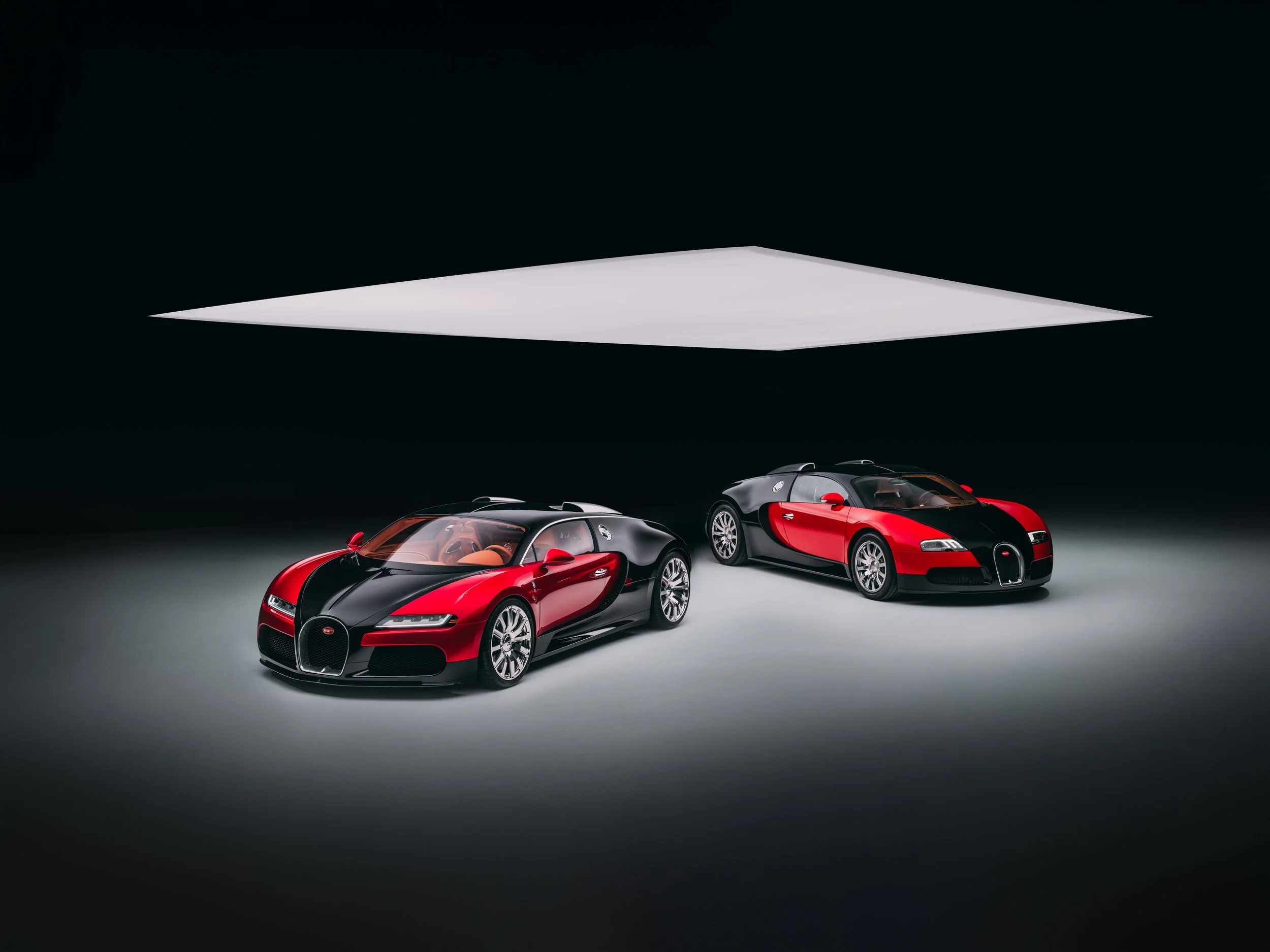
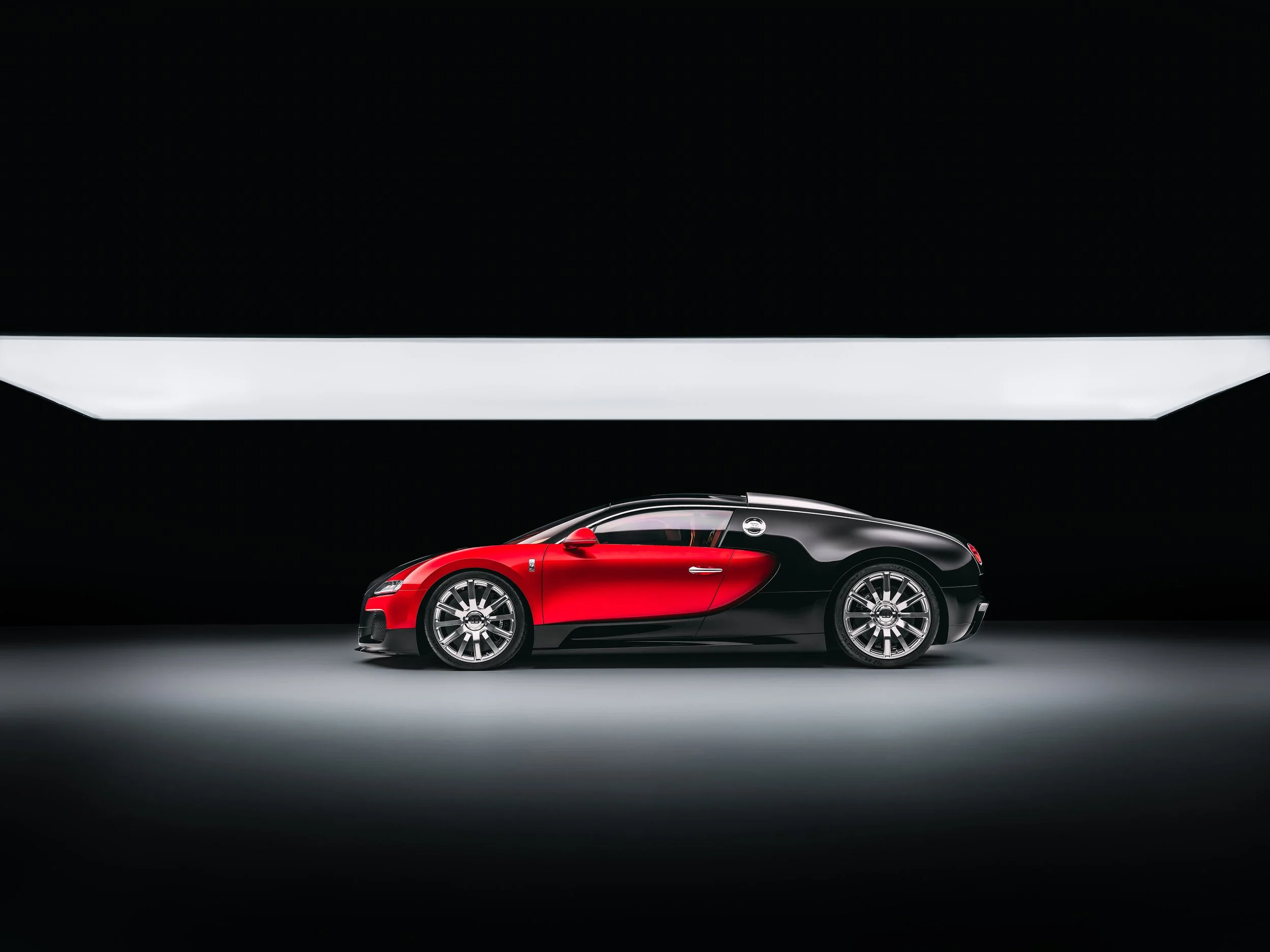
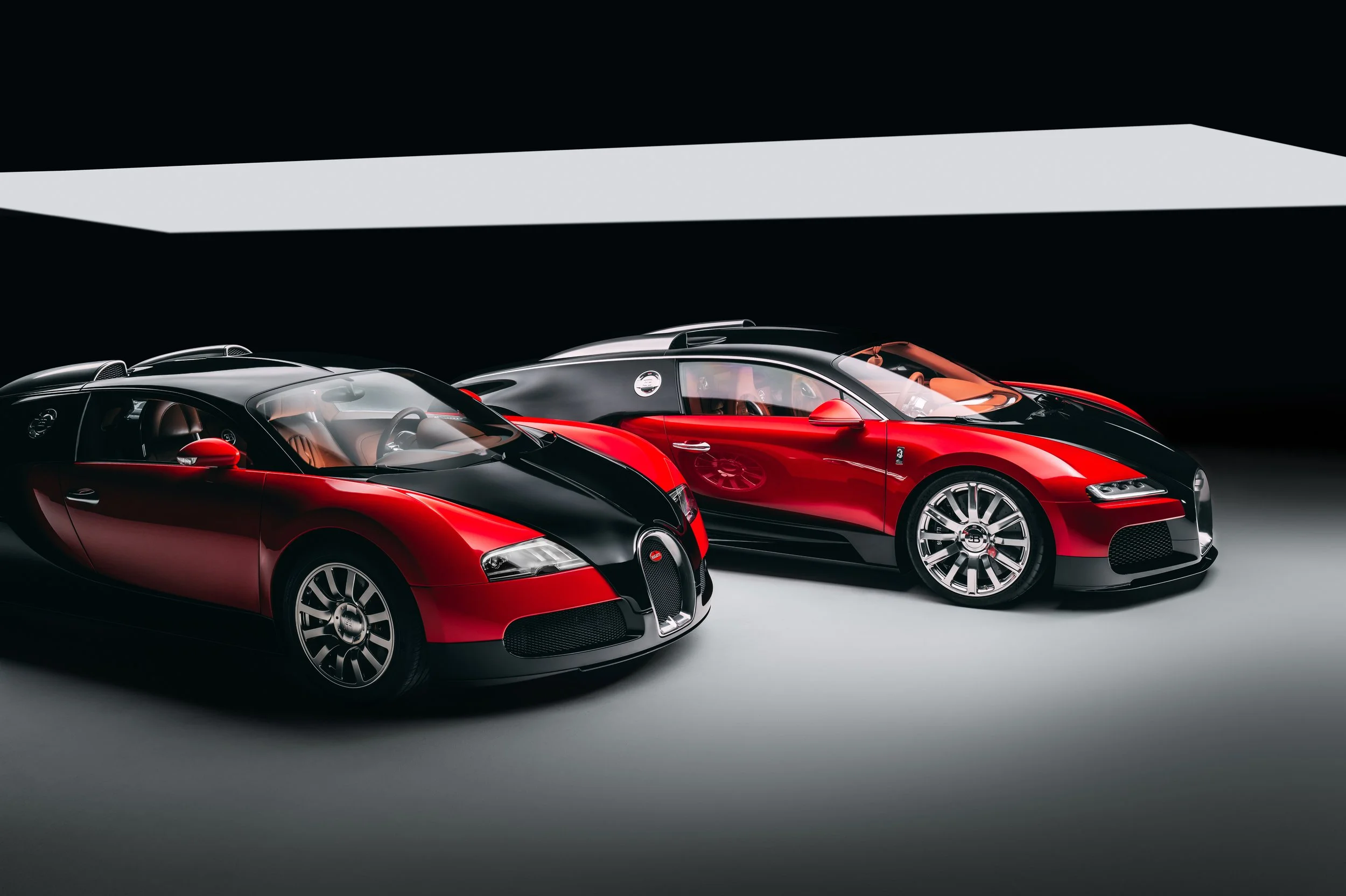
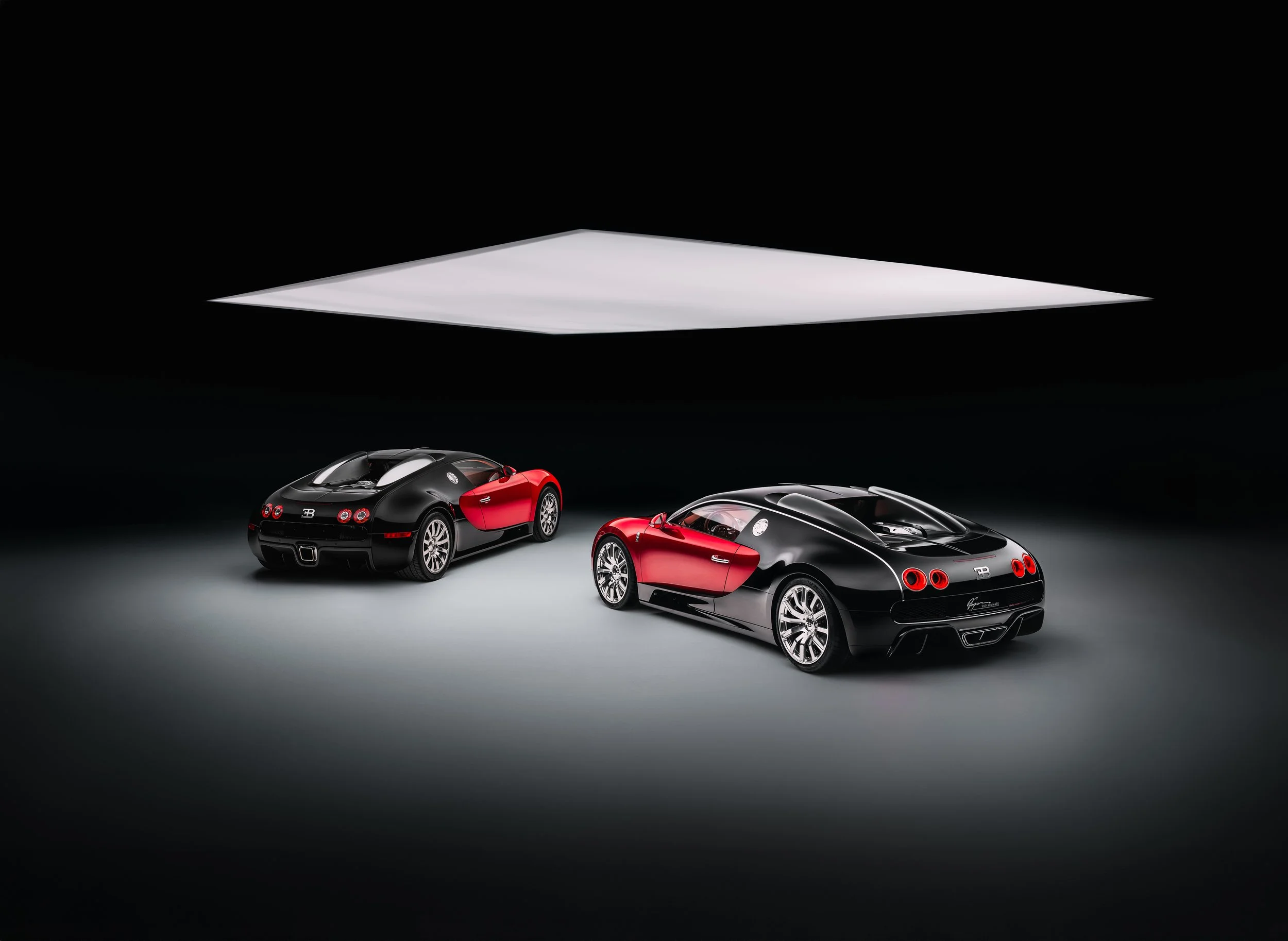
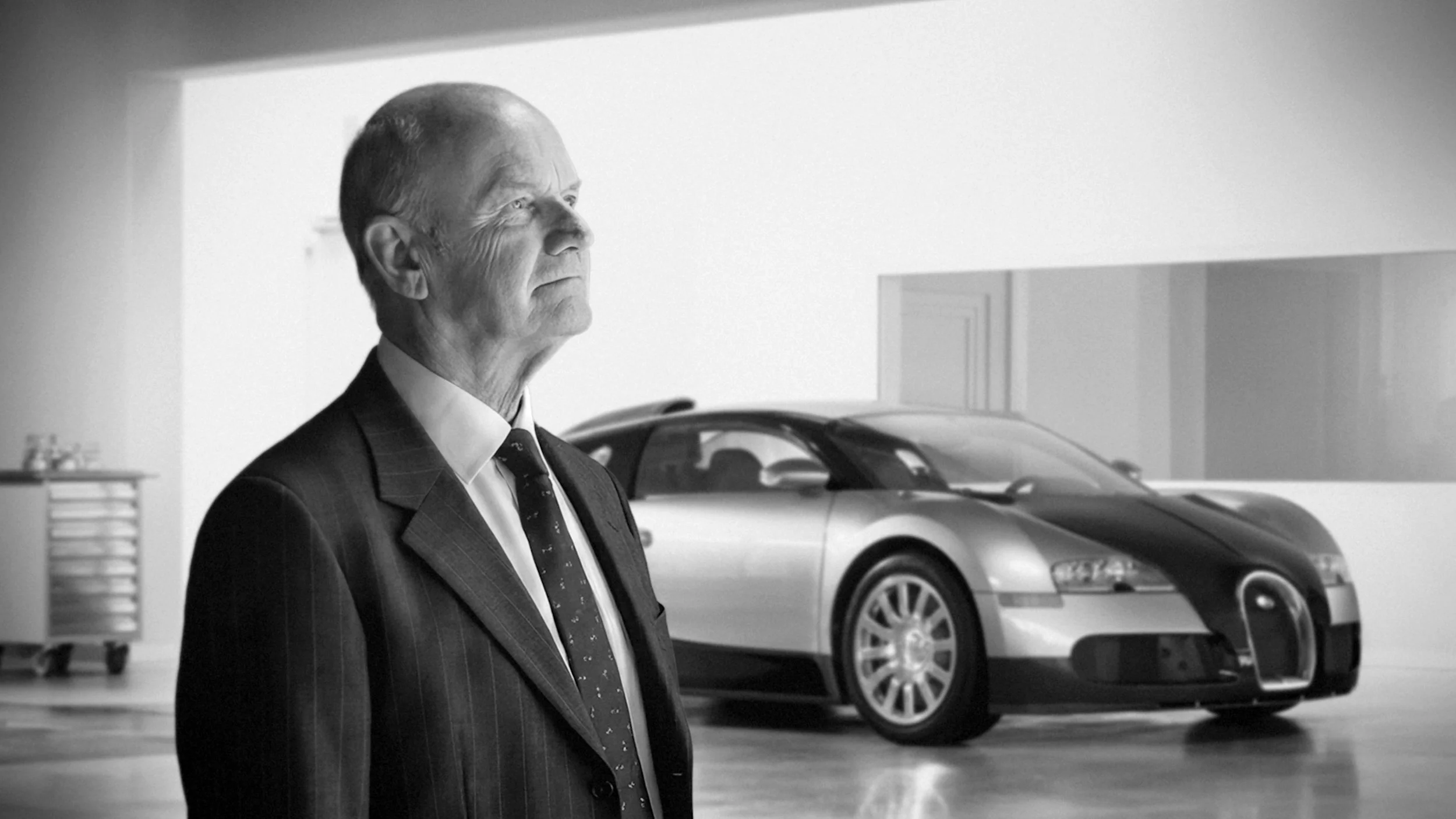
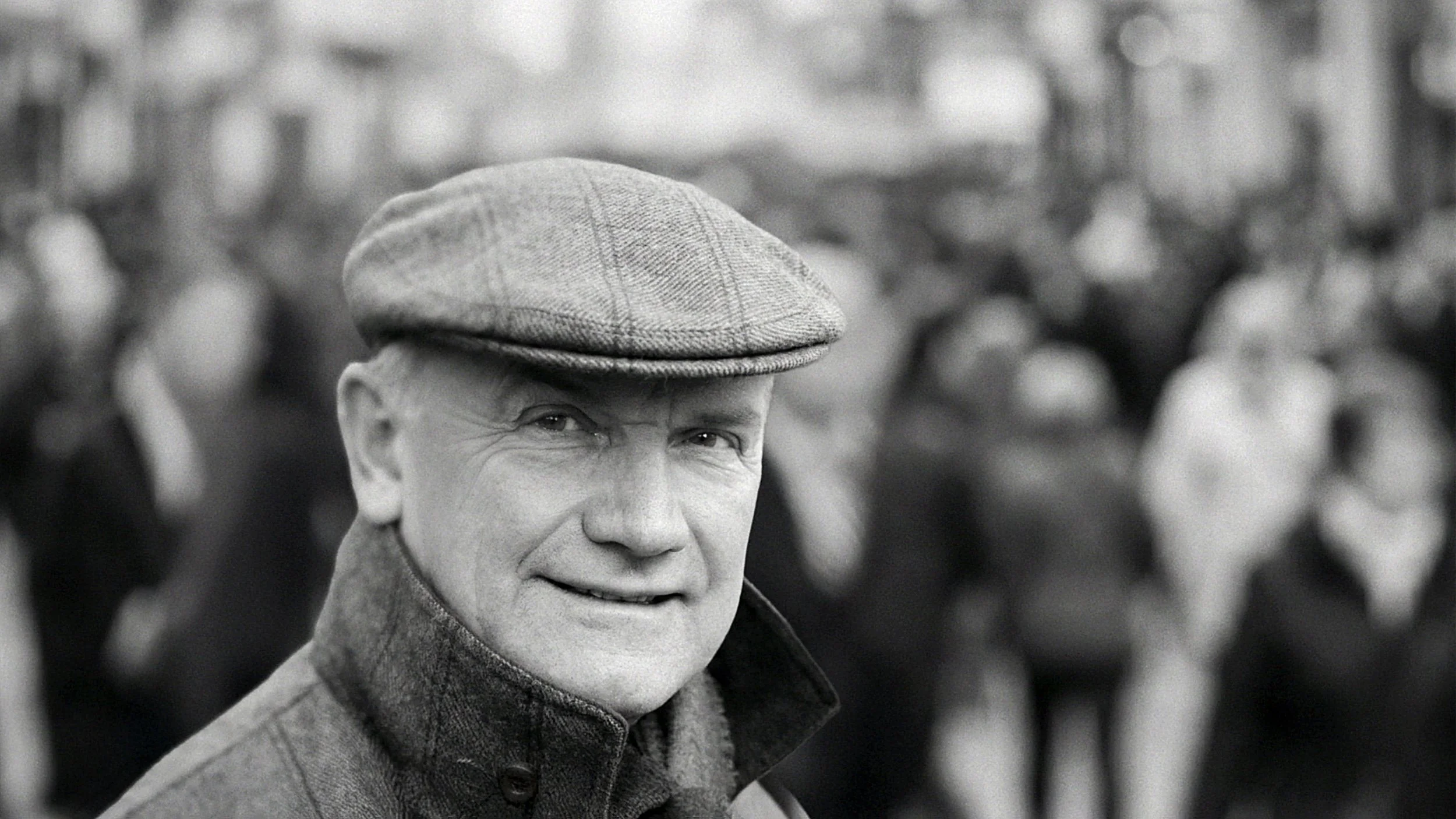
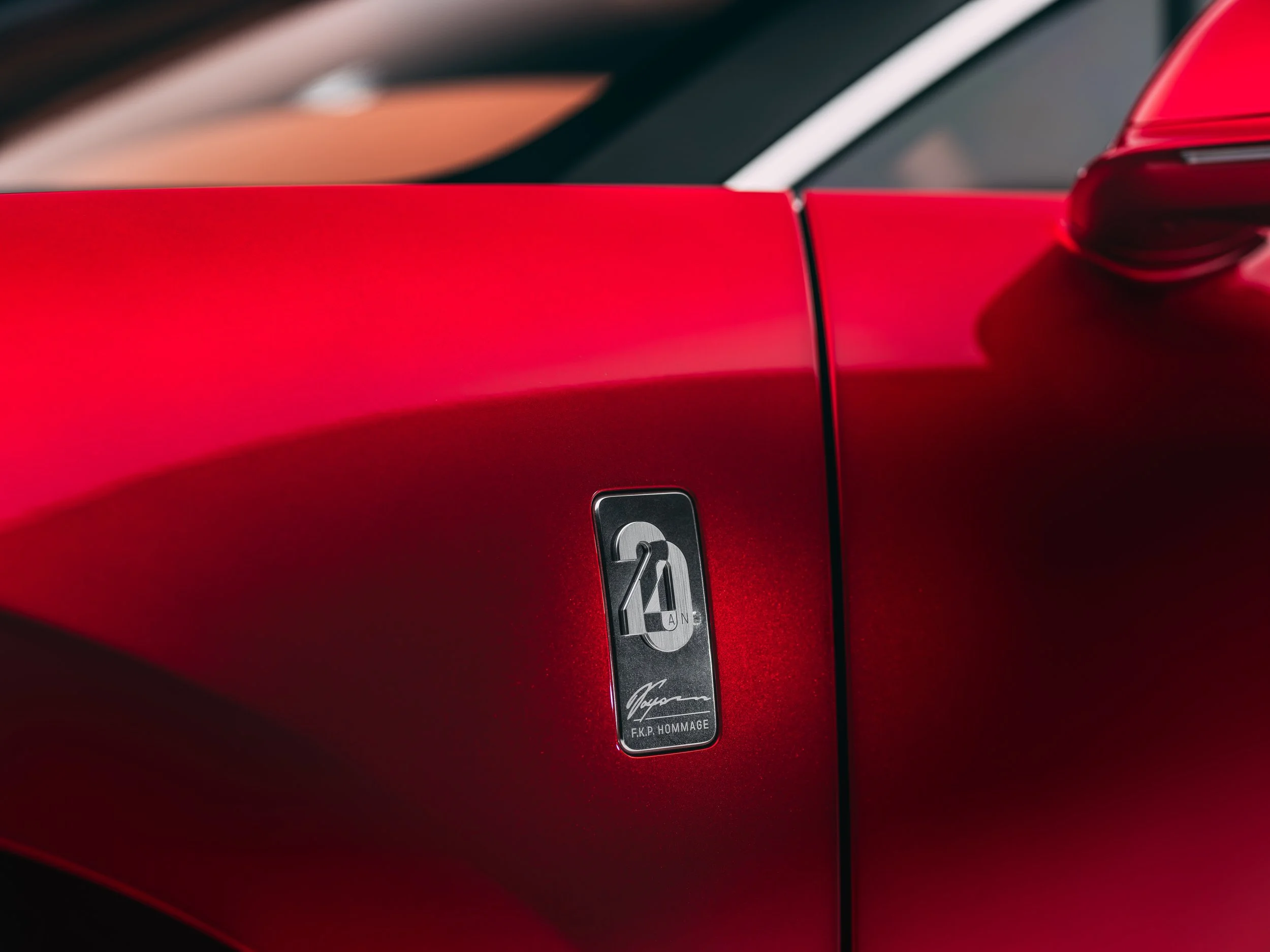
Twenty years ago, the Bugatti Veyron rewrote the rules of automotive possibility. It delivered 1,001 hp, a top speed exceeding 400 km/h, and a level of refinement unmatched by any performance car. It created a new category: the hyper-GT. Today, Bugatti unveils the F.K.P. Hommage, the second creation of the Programme Solitaire. This masterpiece honours the revolutionary spirit of the original Veyron and the visionary engineer who made it possible: Prof. Dr Ferdinand Karl Piëch.
The story of the Veyron begins not in Molsheim, but on a bullet train in Japan. Prof. Dr Ferdinand Karl Piëch sketched the revolutionary W-engine configuration there. That concept became the beating heart of Bugatti’s renaissance. As Chairman of the Volkswagen Group, Piëch had already proven his engineering genius through Volkswagen’s unique VR engine architecture. He developed the compact VR6 that transformed the Golf. He also brought the W8 and W12 to the Passat and Bentley models. He then pushed the idea to its ultimate expression: the quad-turbocharged W16.
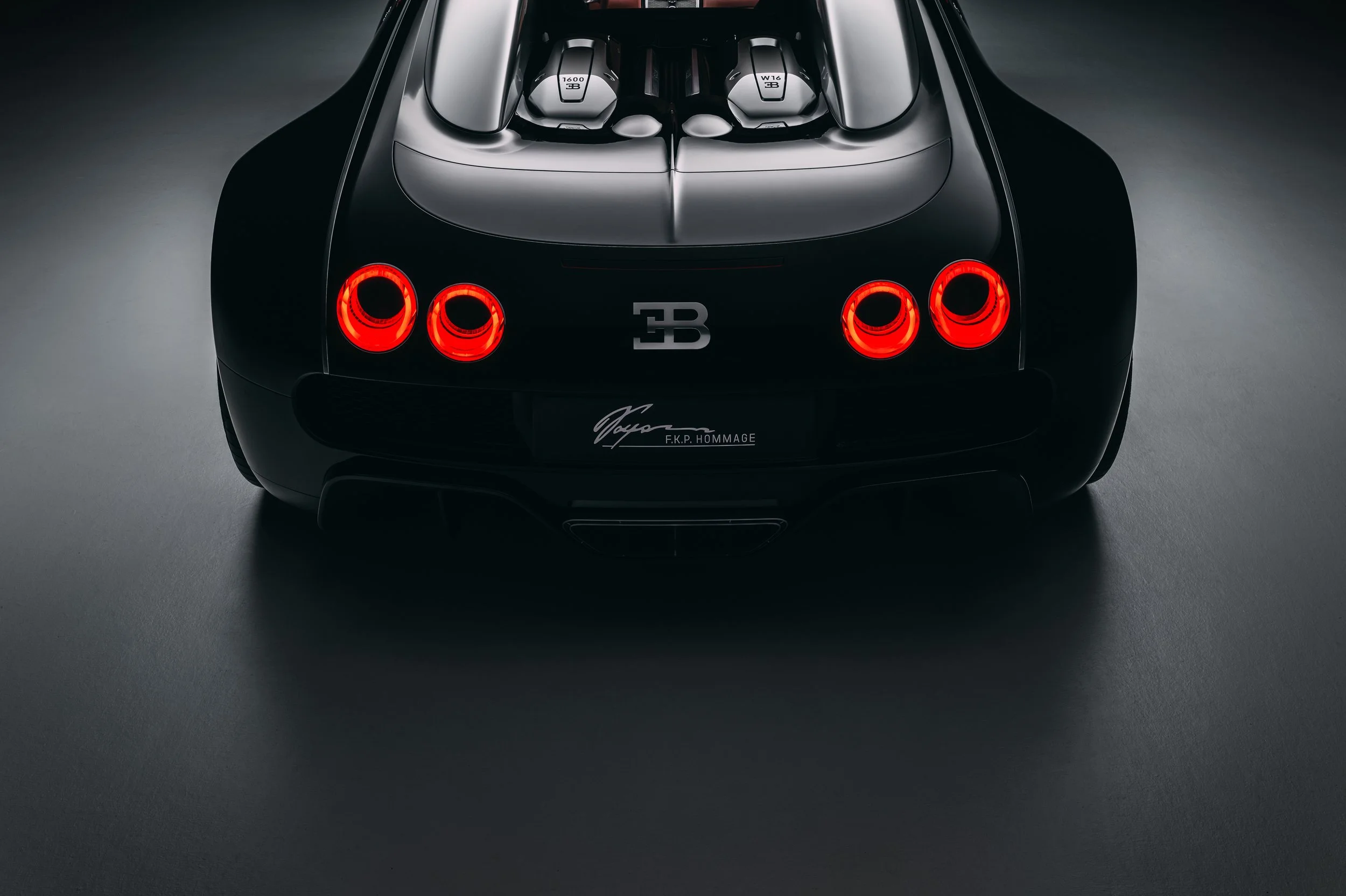
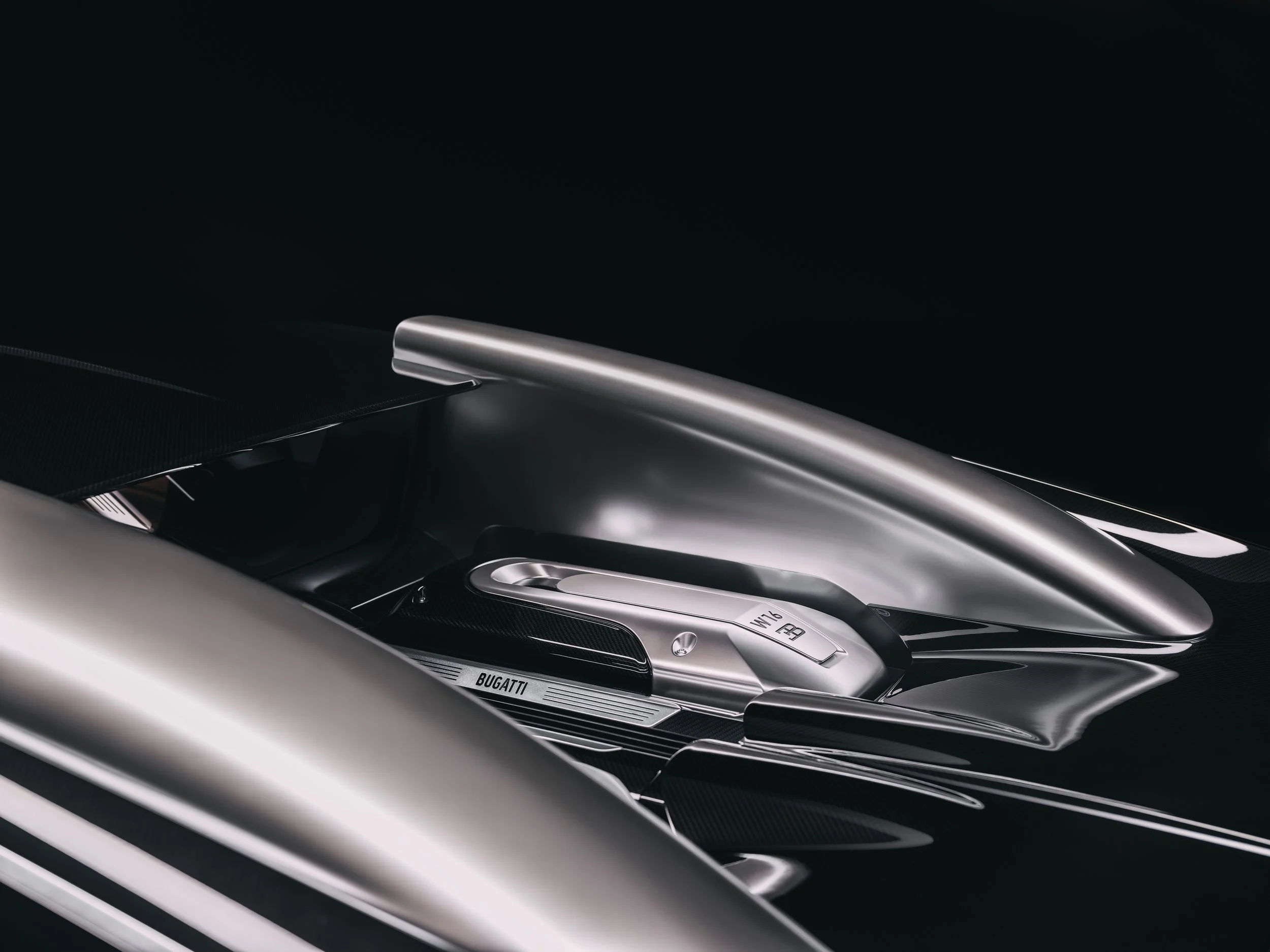
The W16 engine represents a marvel of packaging. Engineers staggered the cylinders in a short, wide-bank configuration. They compressed what would typically be a metre-long power plant into just 645 millimetres. That choice enabled the Veyron’s remarkably compact 2,700mm wheelbase. This architectural brilliance was complemented by all-wheel drive and near-perfect weight distribution. Together, they created a hypercar that felt as civilised as it proved devastating.
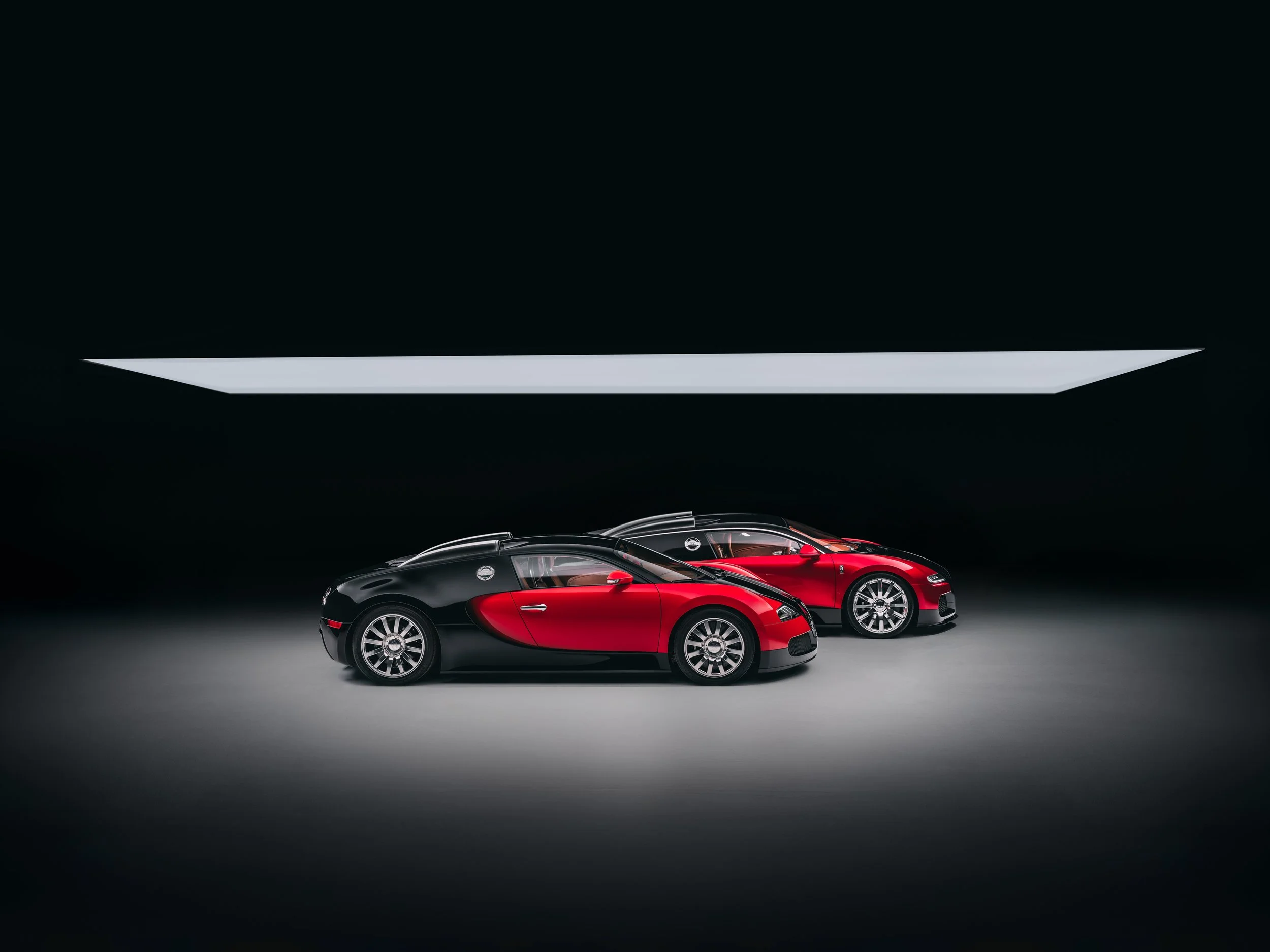
When the Veyron debuted at the 1999 Tokyo Motor Show, it brought a radically different design philosophy. A young Jozef Kabaň designed it under the direction of Hartmut Warkuß. Many supercars still followed the forward-leaning wedge shapes popularised by Gandini. The Veyron leaned back instead. It looked noble and self-assured. It delivered 1,000-horsepower composure rather than spectacle. This Bauhaus-influenced design language has aged remarkably well and still looks contemporary two decades later.
Bugatti built the F.K.P. Hommage on the highest evolution of its W16 platform. It uses the 1,600 hp quad-turbocharged engine first introduced in the Chiron Super Sport. That car fulfilled Piëch’s speed ambitions when it exceeded 300 mph. This specification marks the pinnacle of W16 development. It pairs larger turbochargers with enhanced intercoolers. It also adds upgraded cooling systems and a reinforced gearbox that can handle the increased torque.
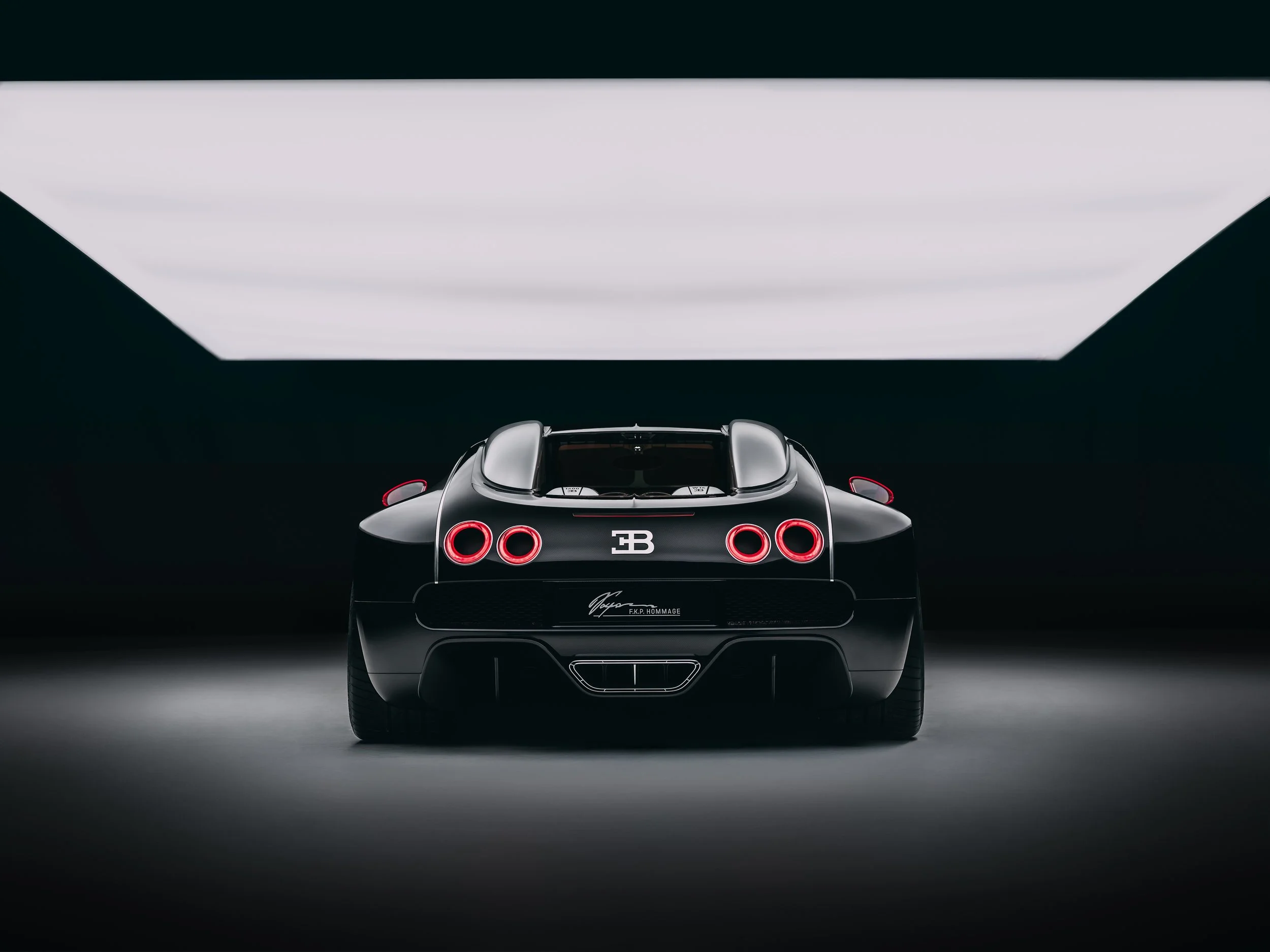
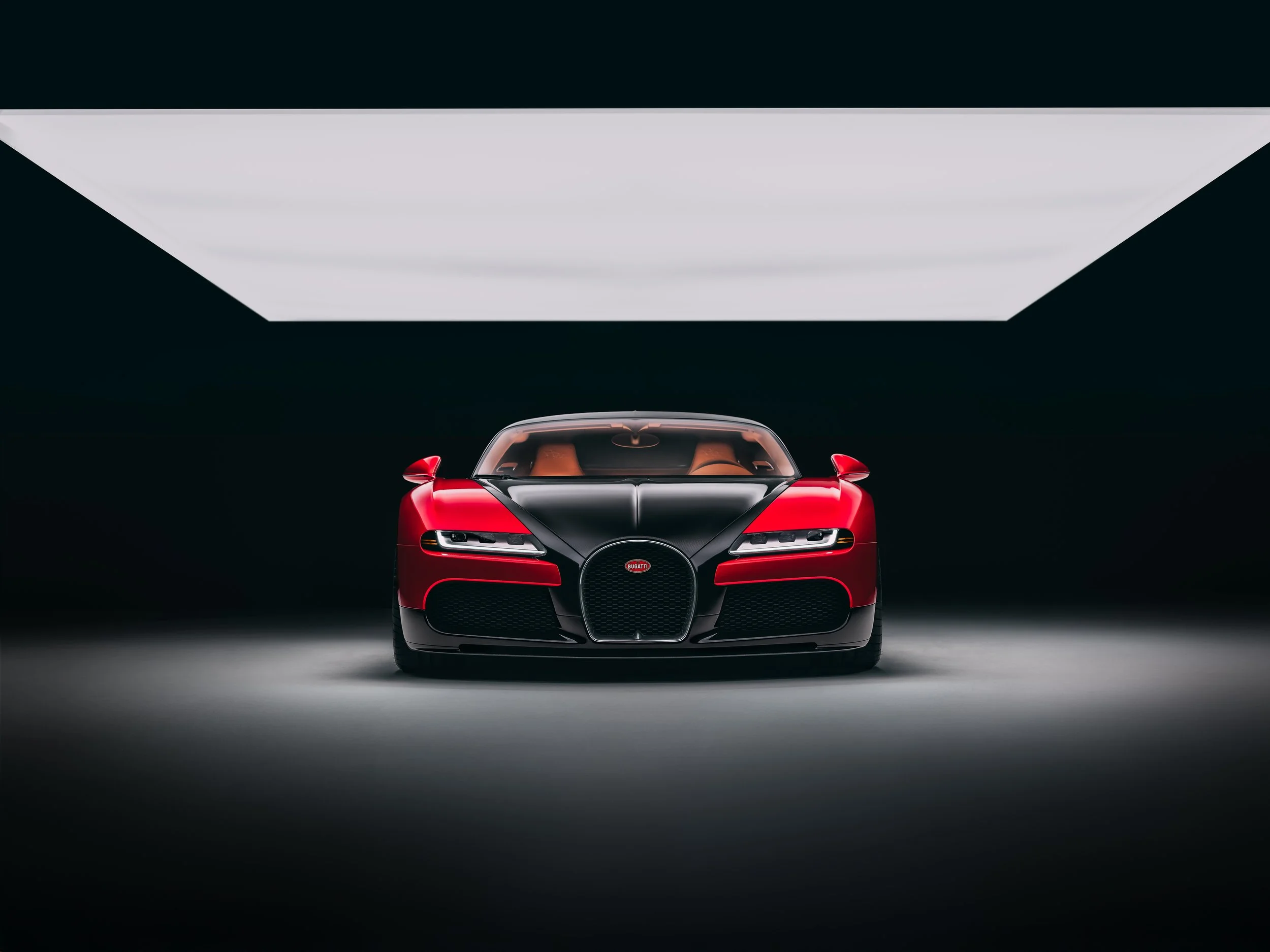
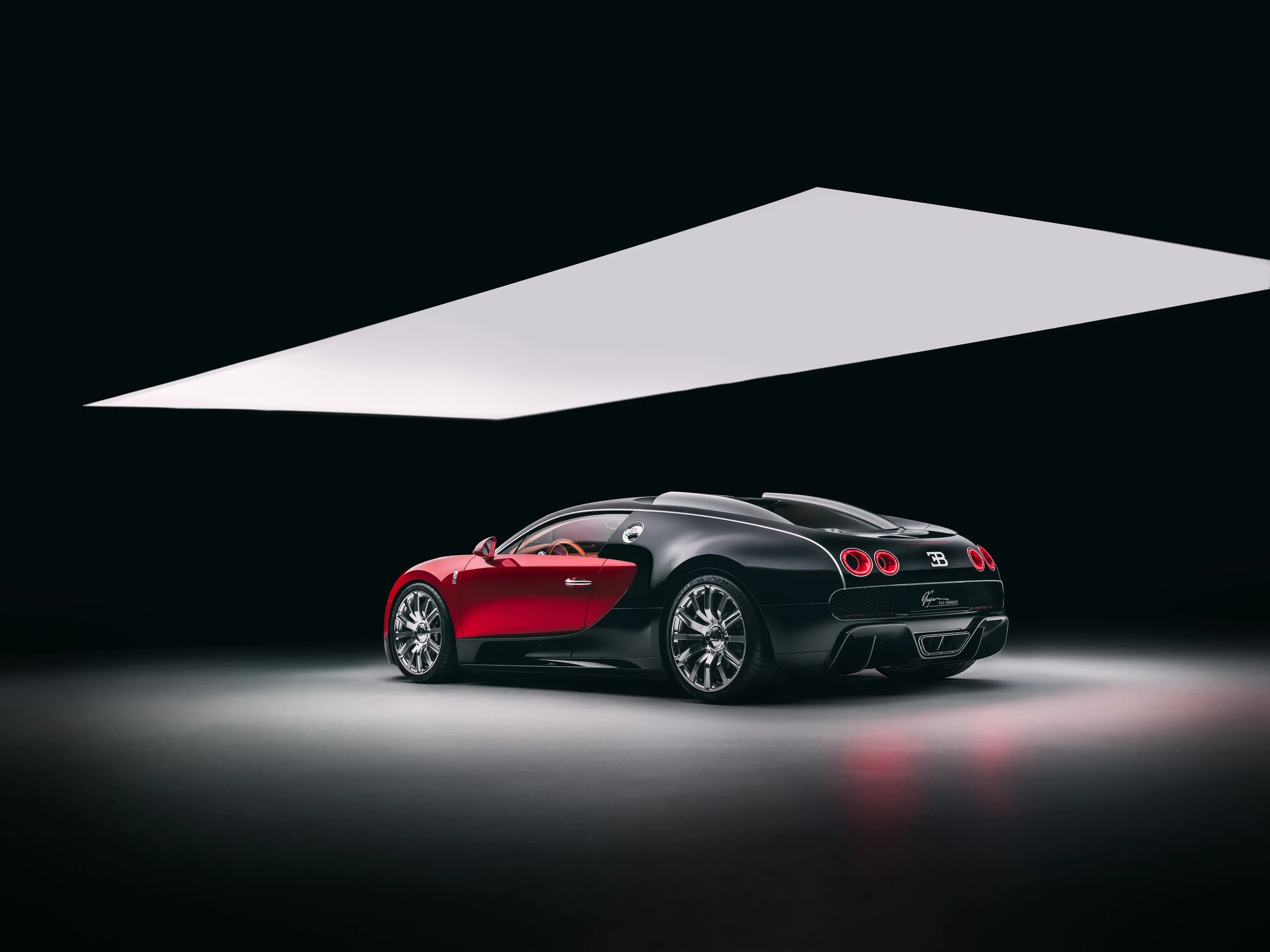
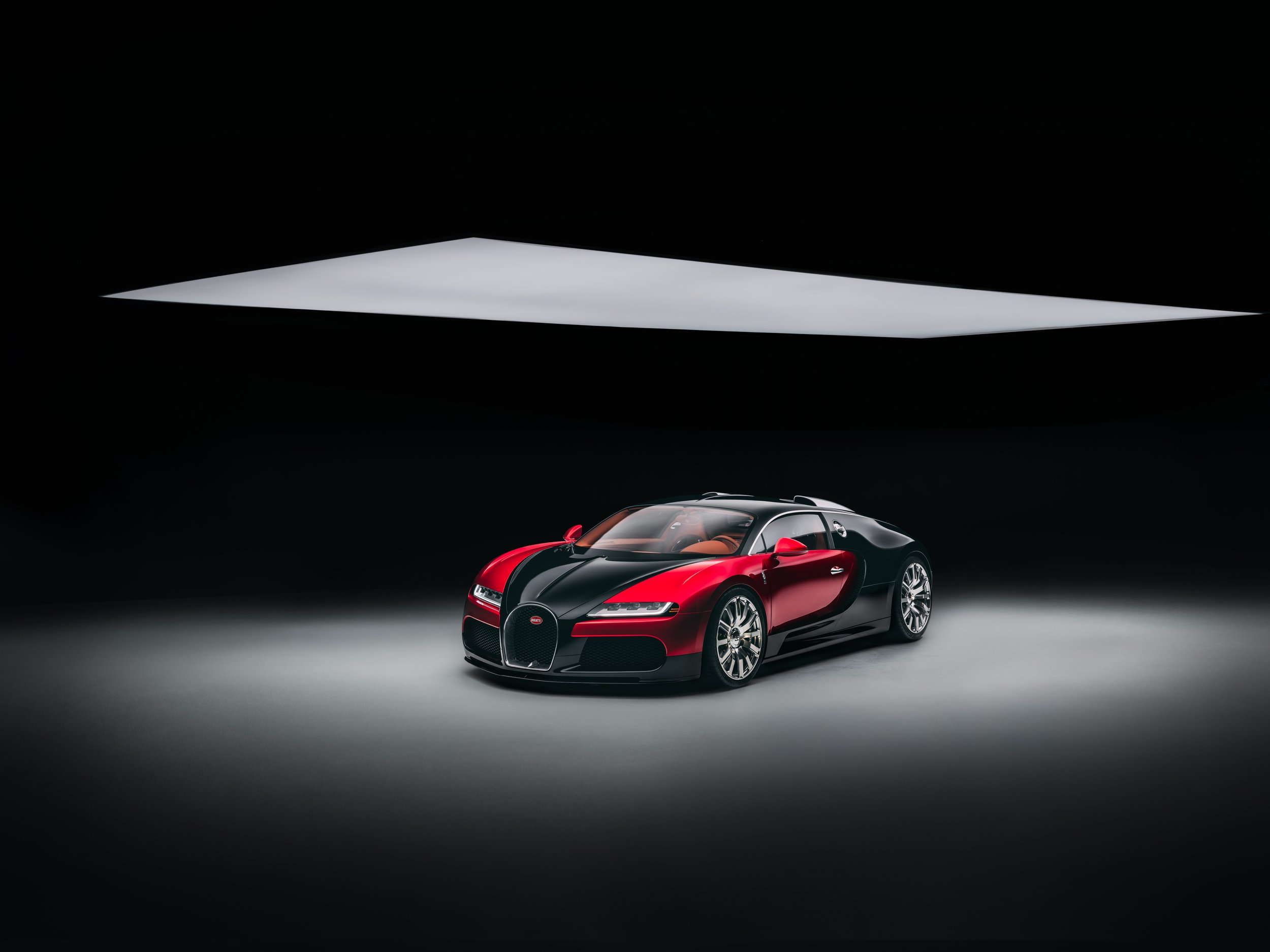
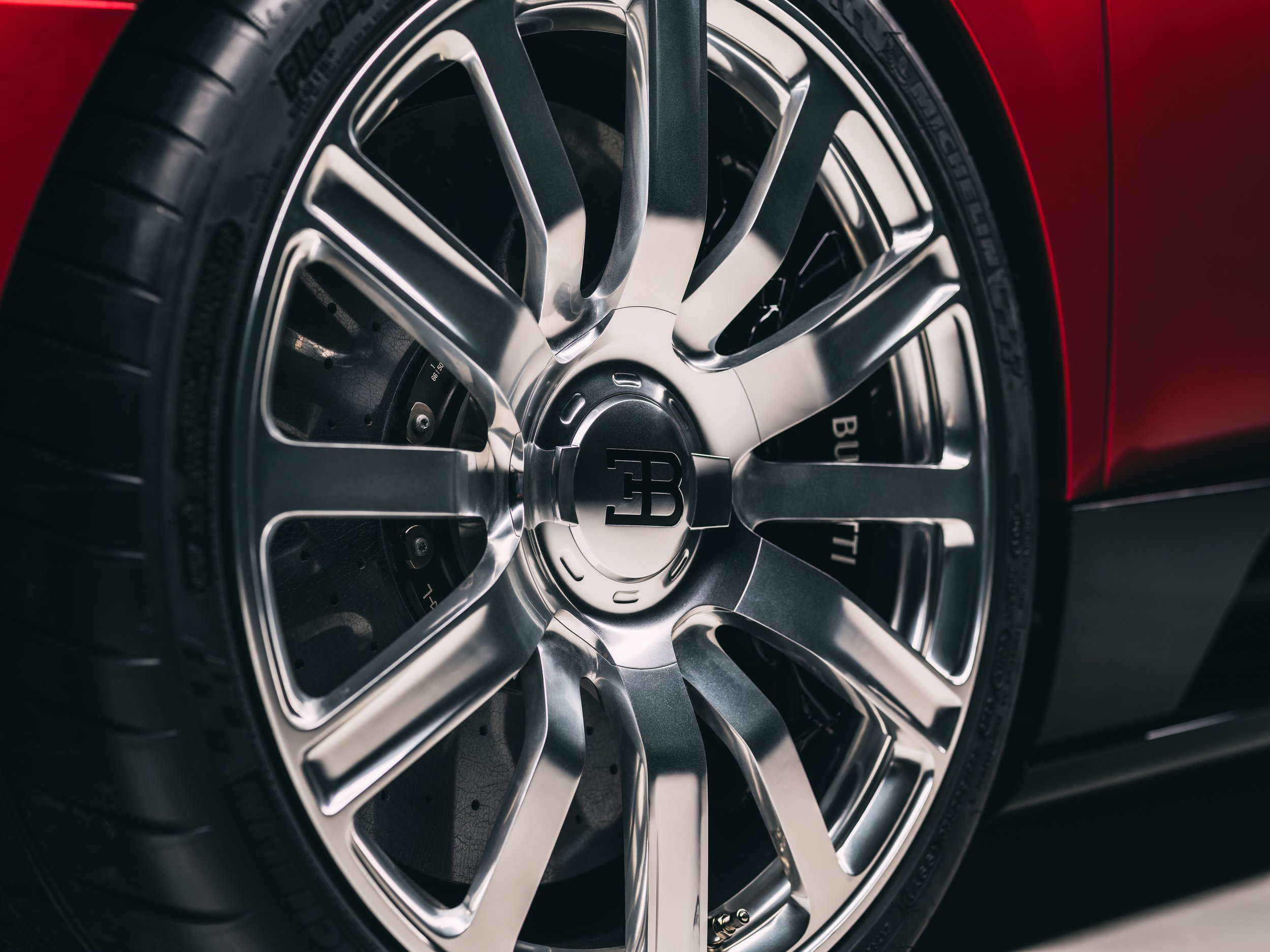
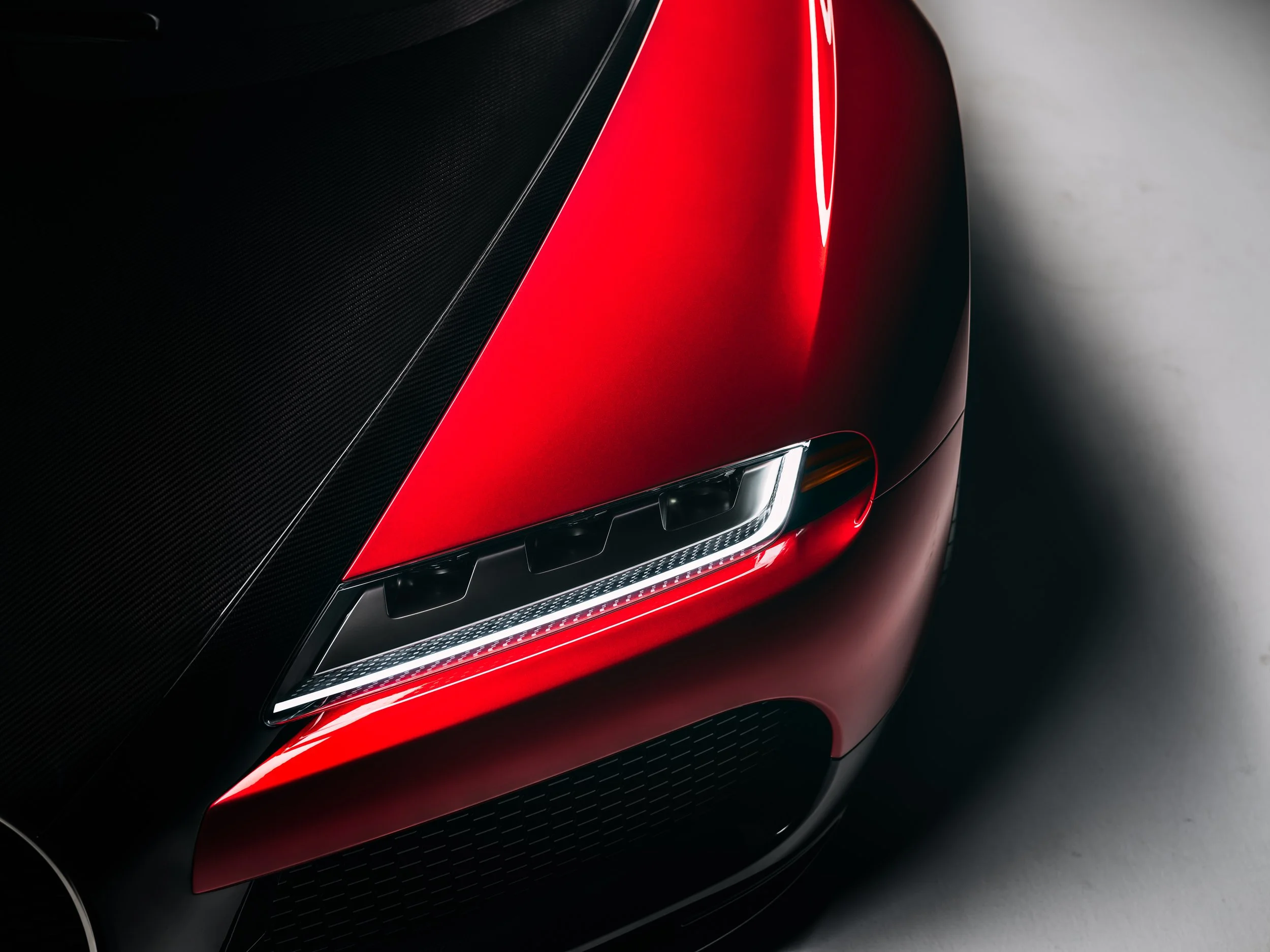
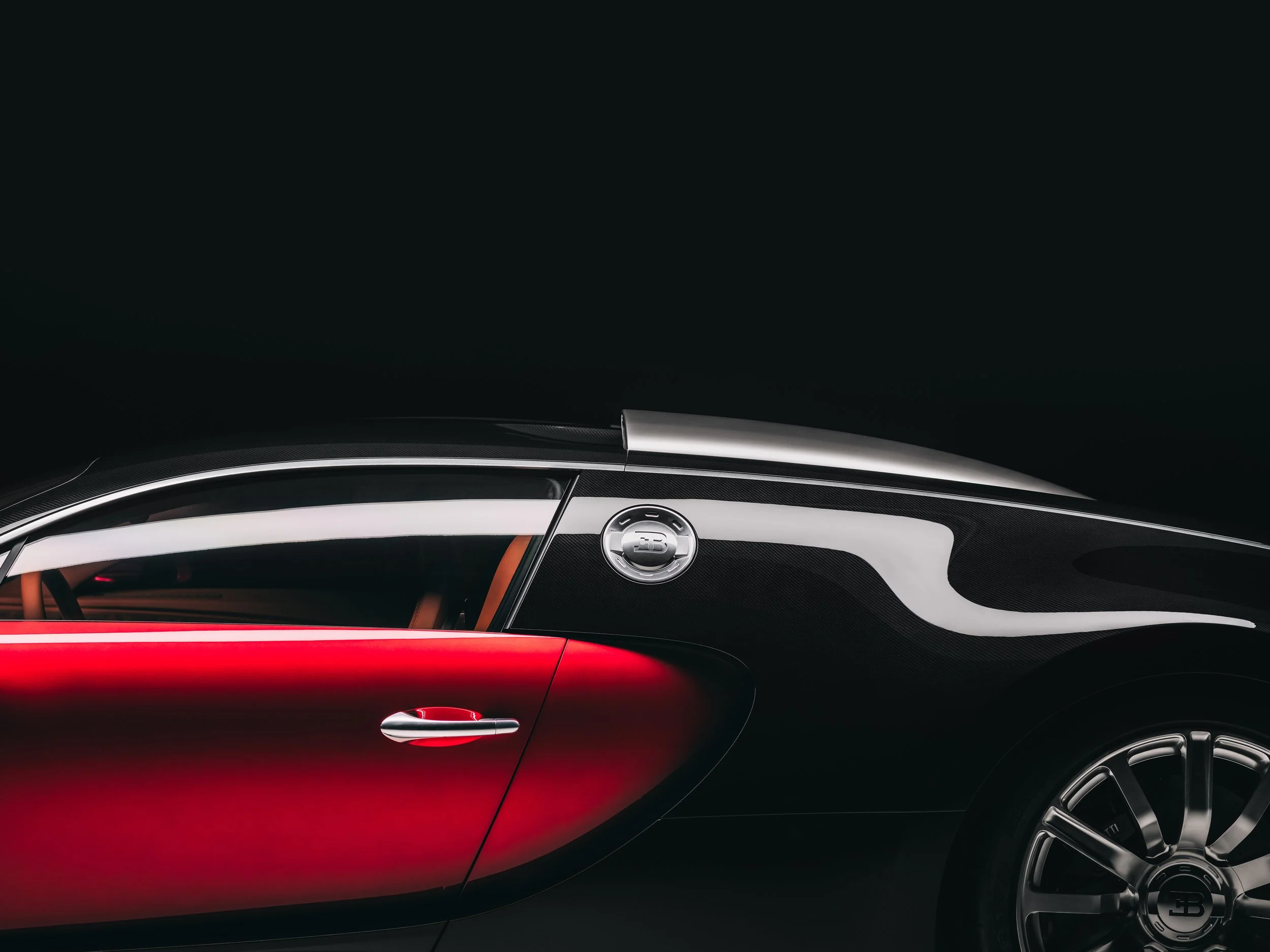
The exterior delivers a subtle but significant evolution of the Veyron-inspired silhouette. It keeps the leaning-back posture and the dropping belt line. It does so in an era when many supercars repeat the wedge-shaped, forward-angled look. Bugatti refined every surface for greater clarity. The three-dimensional horseshoe grille now flows organically into the surrounding bodywork. Engineers machine it from a solid block of aluminium, replacing the earlier, more two-dimensional approach. This clarity also shapes the colour division. It aligns precisely with the updated panel layout, creating a more harmonious split across the body. Larger front air intakes feed the more powerful quad-turbo W16, while the signature air ducts remain right behind the occupants’ heads. Updated wheel sizes measure 20-inch at the front and 21-inch at the rear. They use the latest Michelin tyre technology to improve performance and visual balance.
Paint technology has advanced dramatically since the Veyron’s introduction, and the F.K.P. Hommage sits at the forefront of those gains. A distinctive red exterior finish is achieved through advanced layering techniques. It places a silver aluminium-based coat beneath a red-tinted clear coat. This combination creates extraordinary depth and three-dimensionality as you move around the car. Black-tinted exposed carbon fibre provides contrast without relying on standard black paint. Bugatti integrates a 10% black pigment into the clear coat. This approach adds visual and tactile richness on close inspection.
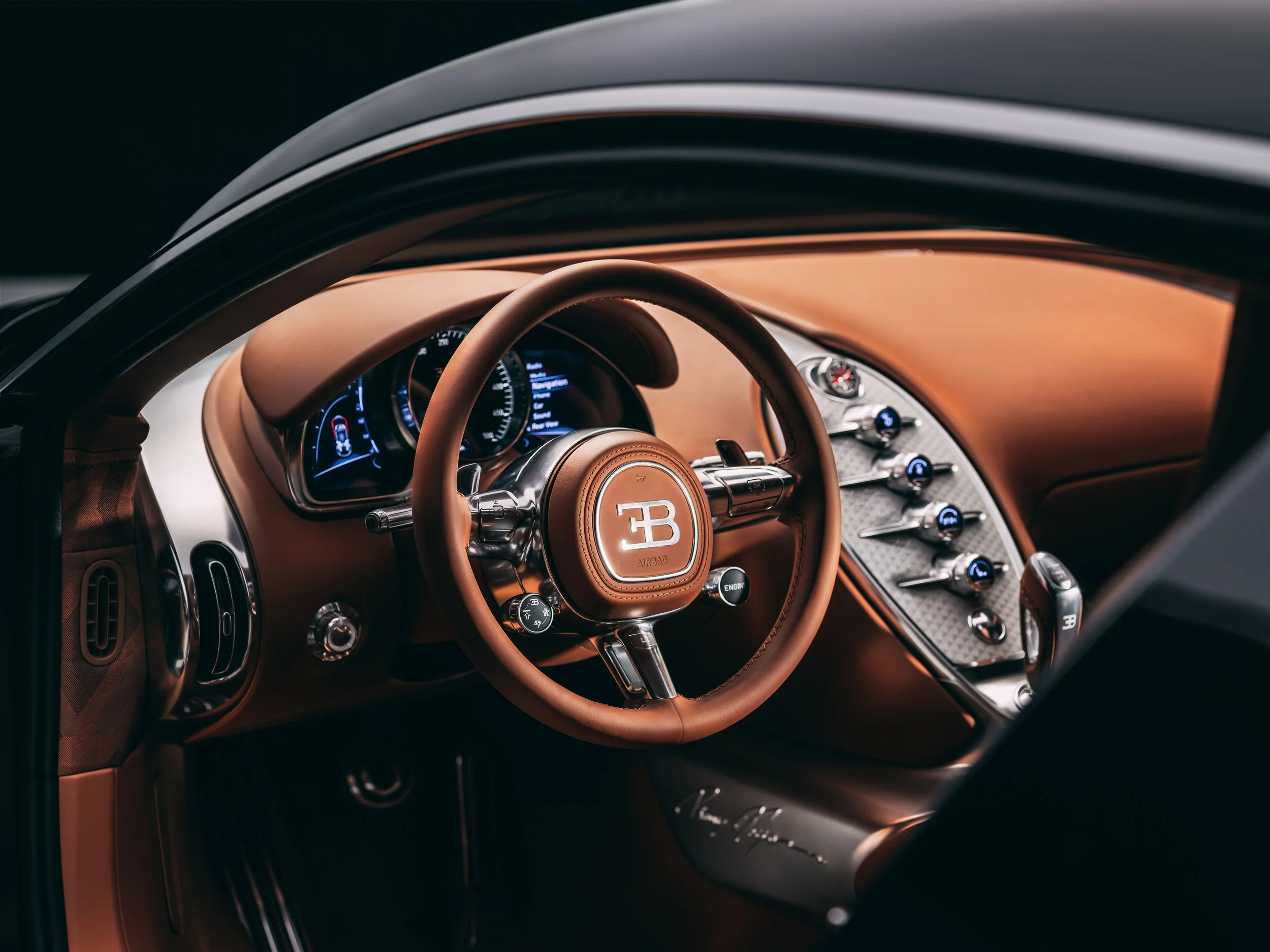
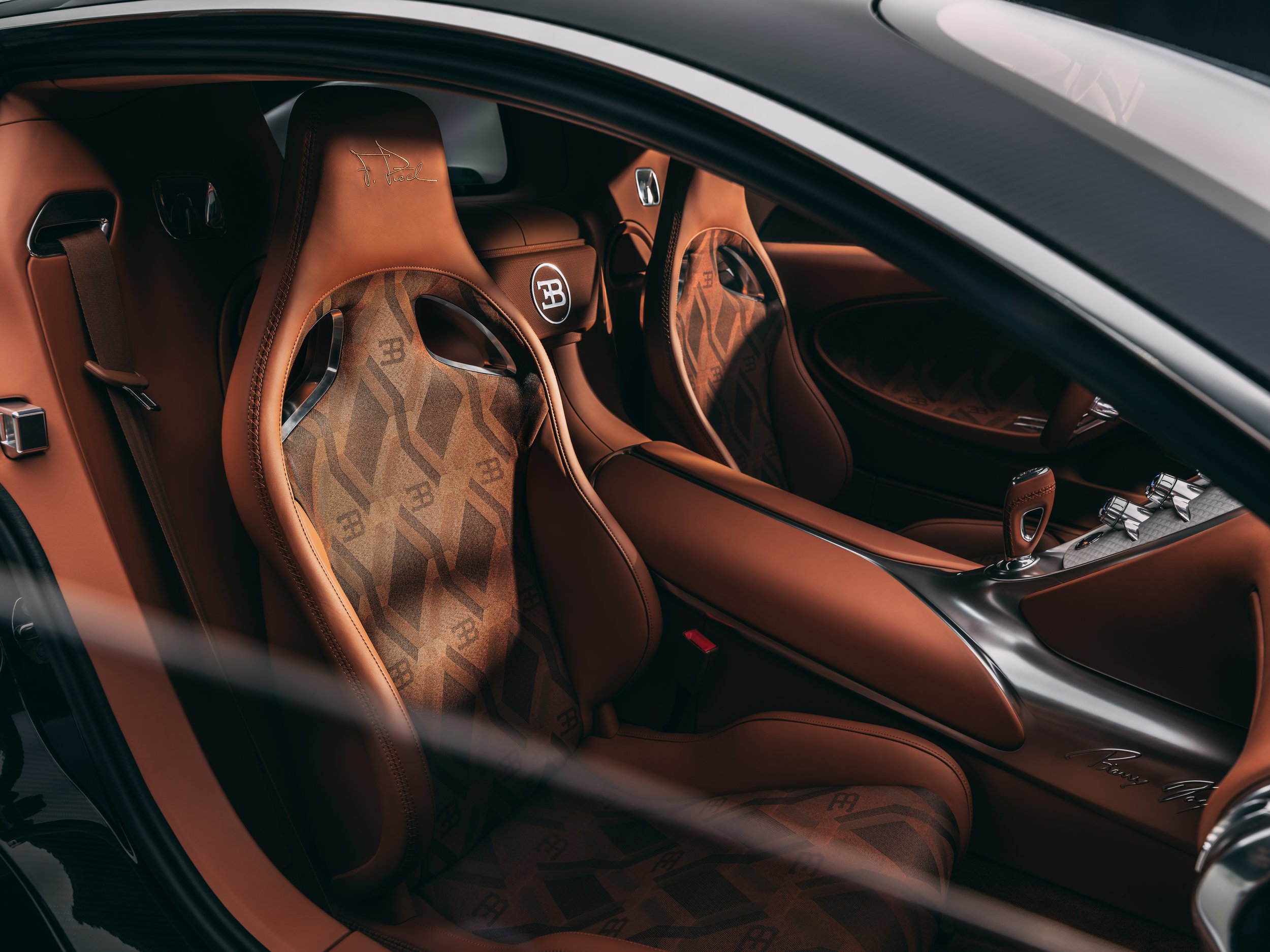
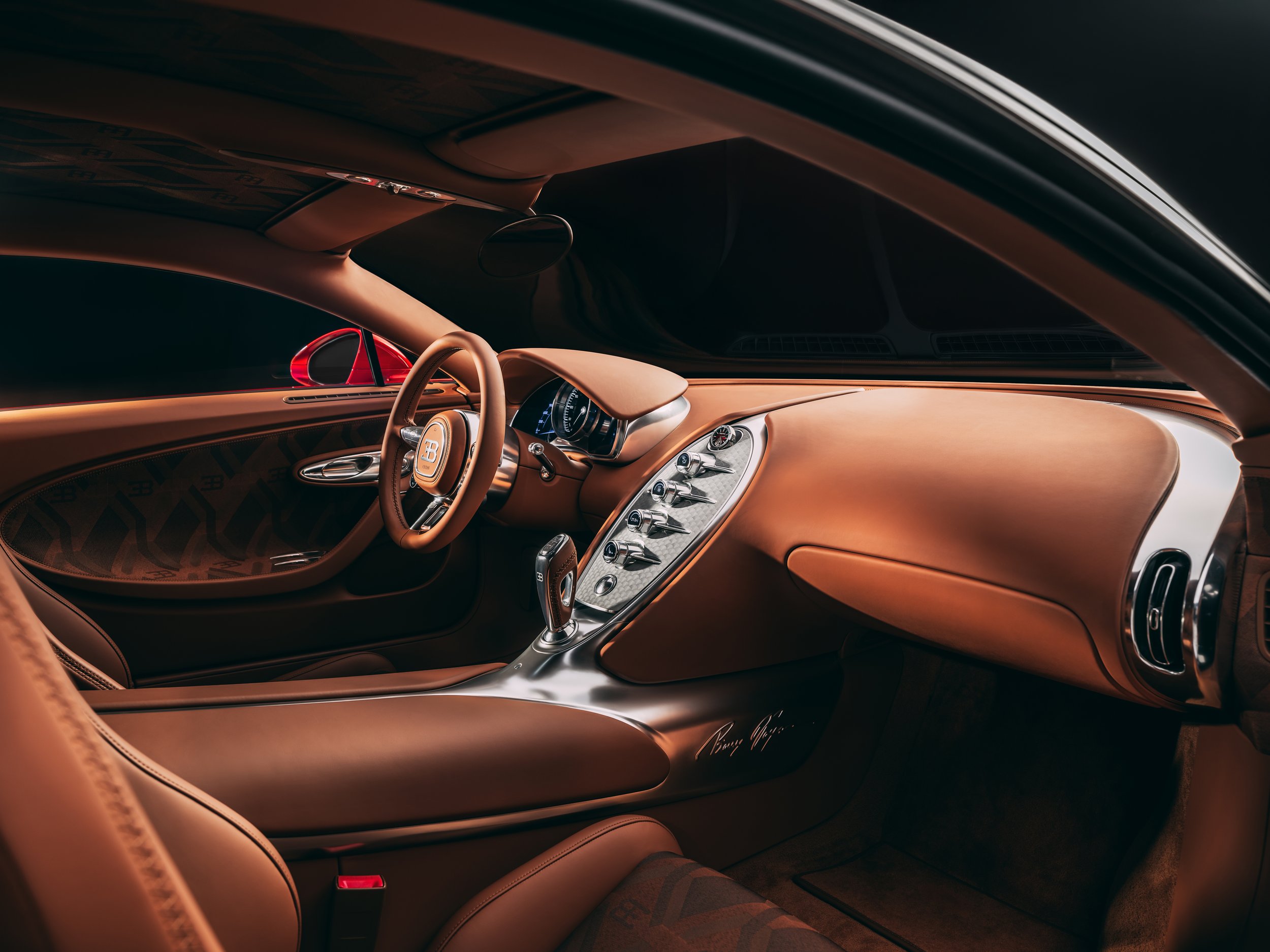
The F.K.P. Hommage’s interior represents a near-complete revolution compared with those of other recent W16 models, including the Chiron and the Mistral. A unique steering wheel features a circular, Bauhaus-inspired design that recalls the original Veyron. It sits alongside a completely bespoke centre console and tunnel cover, both machined from solid aluminium blocks. Custom Car Couture fabrics add another layer of craftsmanship. Artisans weave them exclusively in Paris. They represent Bugatti’s latest advancement in interior personalisation, introduced with the Tourbillon, and they evolve the Veyron's leather-only interiors.
An Audemars Piguet Royal Oak Tourbillon dominates the dashboard. It is a 41mm timepiece integrated into this vehicle at the request of the future owner of F.K.P. Hommage. The octagonal watch sits within an “island” finished in engine-turned polish. This technique borrows from the finishing of Ettore Bugatti's original straight-eight cylinder heads. The watch includes an ingenious self-winding mechanism. A gondola rotates on a diagonal axis several times per hour. The car powers itself without an electrical connection. This unique integration reflects the customer’s personal vision and Bugatti’s ability to accommodate highly individual requests within the Programme Solitaire.
The F.K.P. Hommage joins Brouillard as the second creation of Programme Solitaire. Bugatti runs this exclusive initiative to create up to two bespoke masterpieces annually. Like all Solitaire projects, it completely reimagines the bodywork and interior details. It also delivers ultimate personalisation that celebrates the deep stories woven throughout Bugatti’s heritage.
Bugatti will physically unveil the Bugatti F.K.P. Hommage at Ultimate Supercar Garage during Rétromobile Paris from January 29 to February 1 2026.