Restored BRM P351 Group C Le Mans Racer Returns to Silverstone
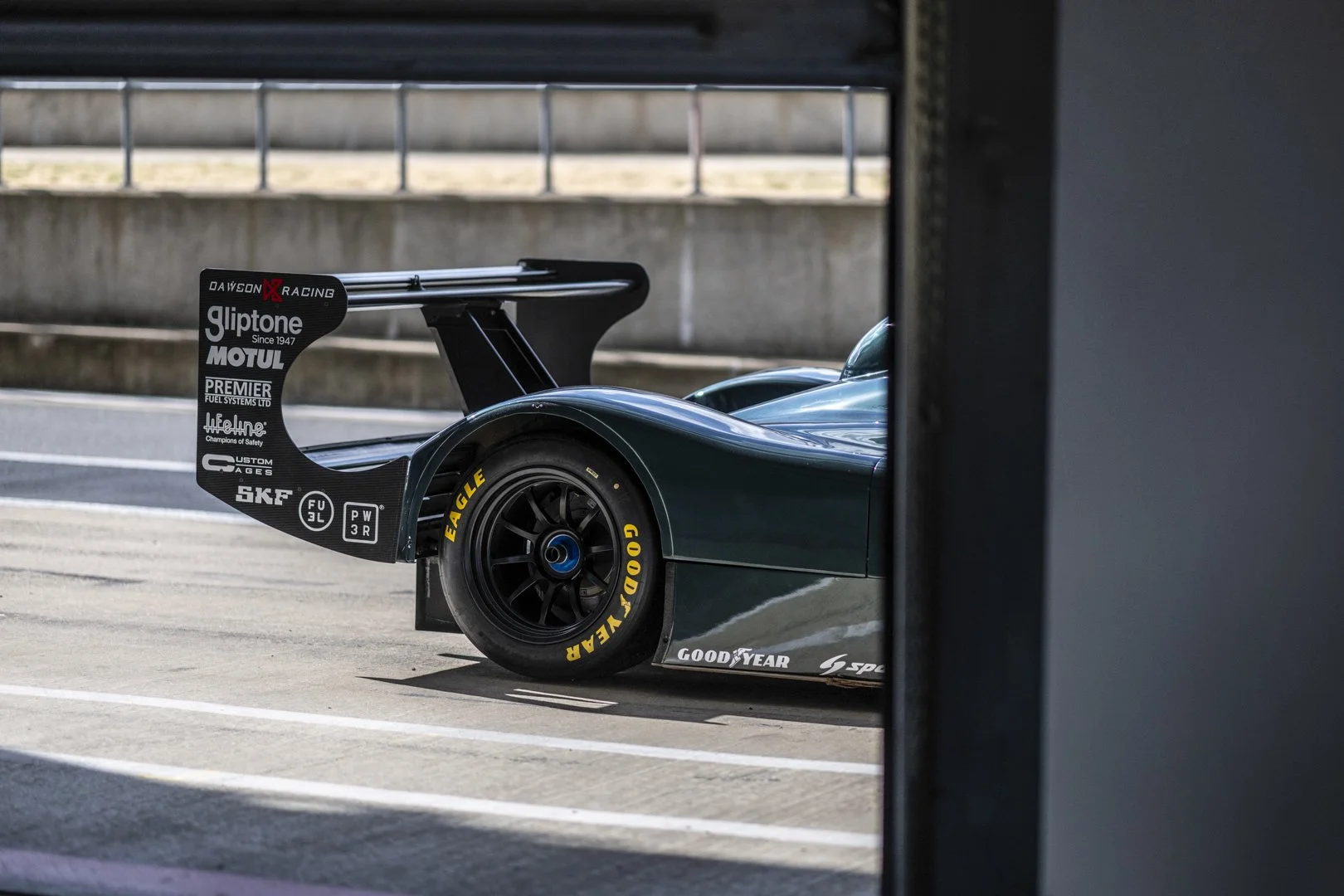
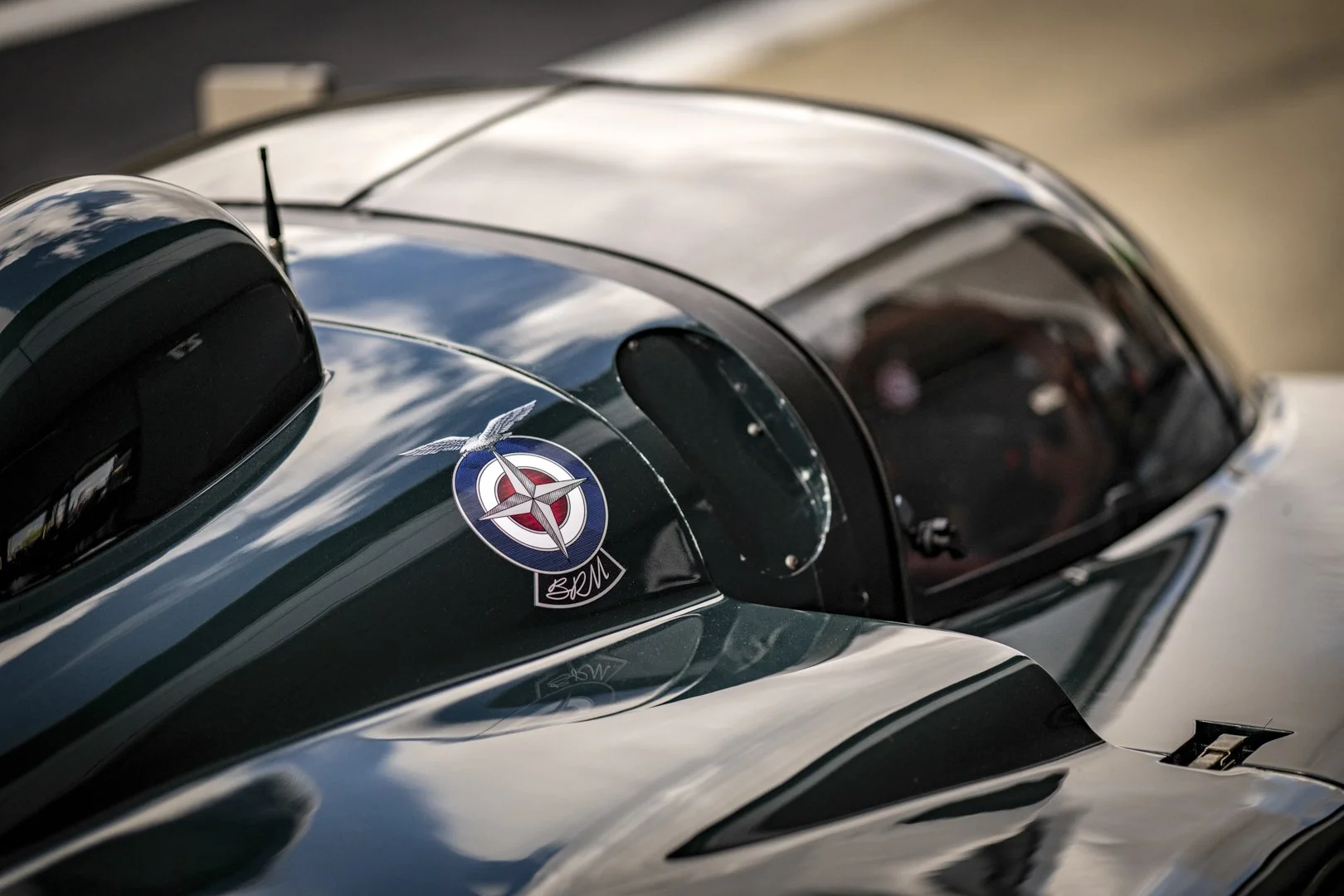
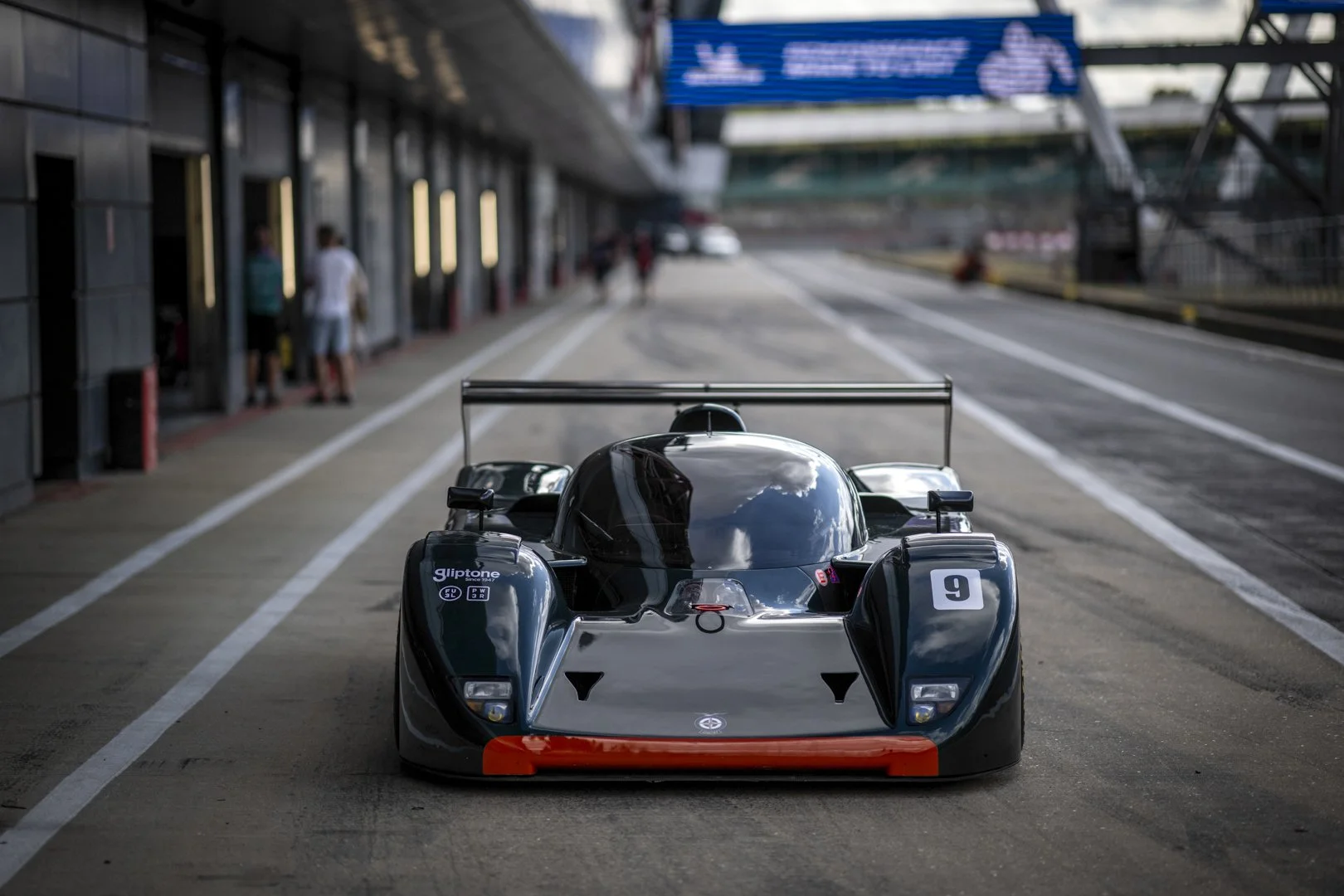
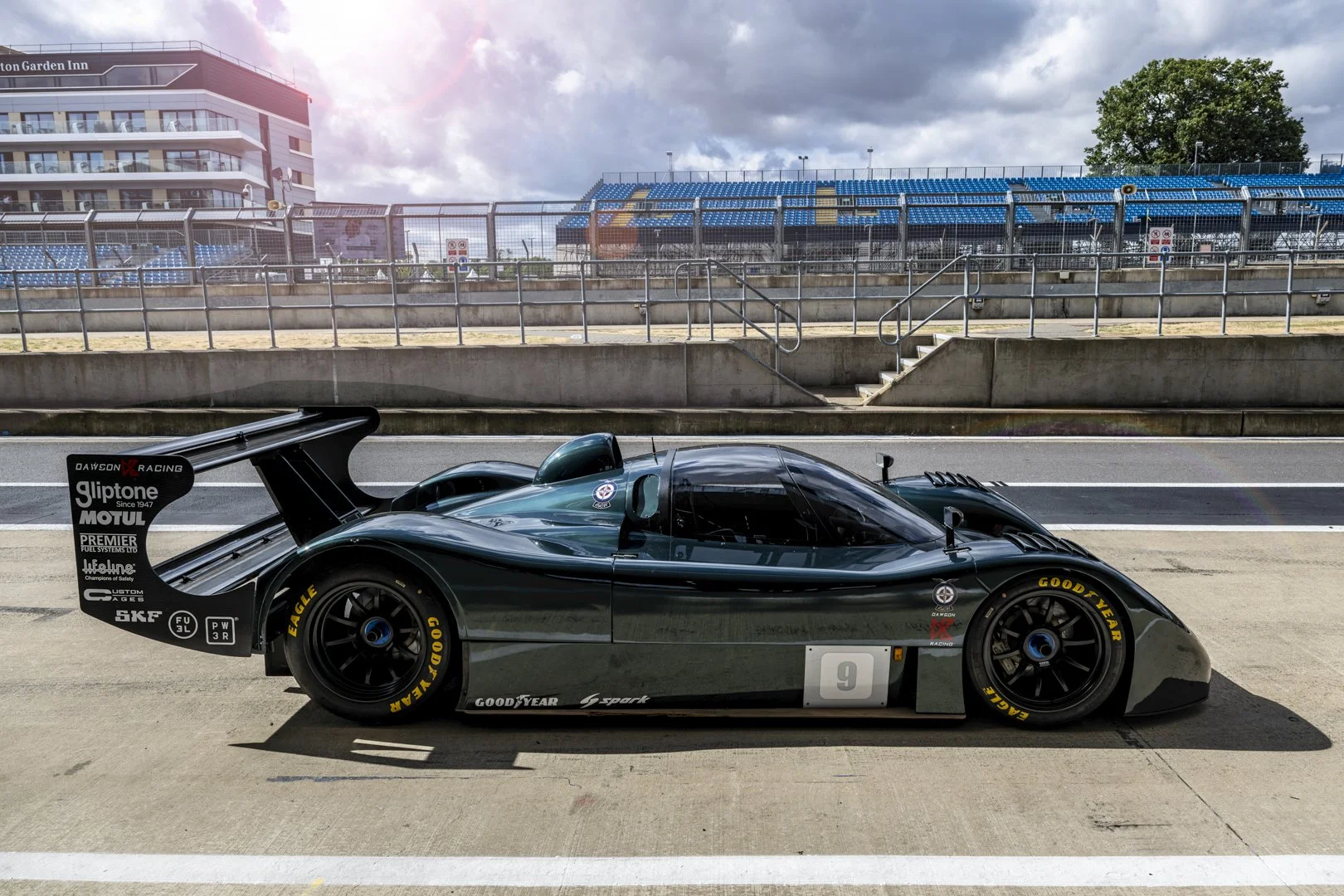
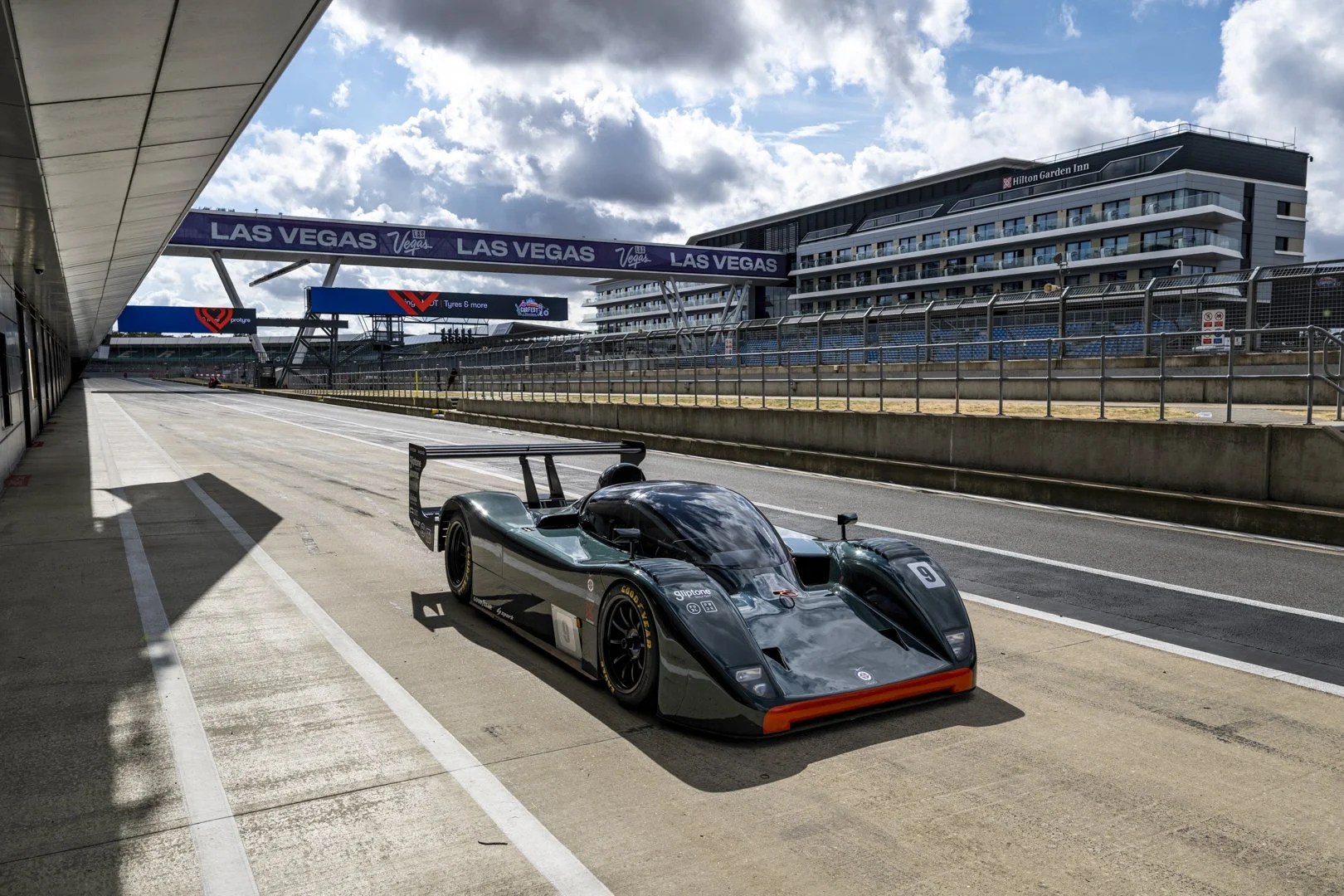
British Racing Motors has unveiled the fully restored BRM P351, its one-of-one Group C sports prototype and the newest racing chassis in the marque's history. CarFest gave the public its first look at the restored car. The 1992 Le Mans racer returned to Silverstone 34 years after it made its competition debut there. BRM has returned it to its original specification and is now preparing it to race again.
BRM built the P351 for the 1992 World Sportscar Championship. It pairs a carbon-composite monocoque with a naturally aspirated 3.5-litre BRM V12. The team only ever completed one. The car raced at Silverstone and at the 24 Hours of Le Mans, where it hit 216mph on the Mulsanne Straight in qualifying. That speed matched the factory Peugeot and Toyota entries. Dawson Racing has completely rebuilt the original V12 and gearbox, and the restored car now runs on sustainable fuel ahead of its return to competitive motorsport.
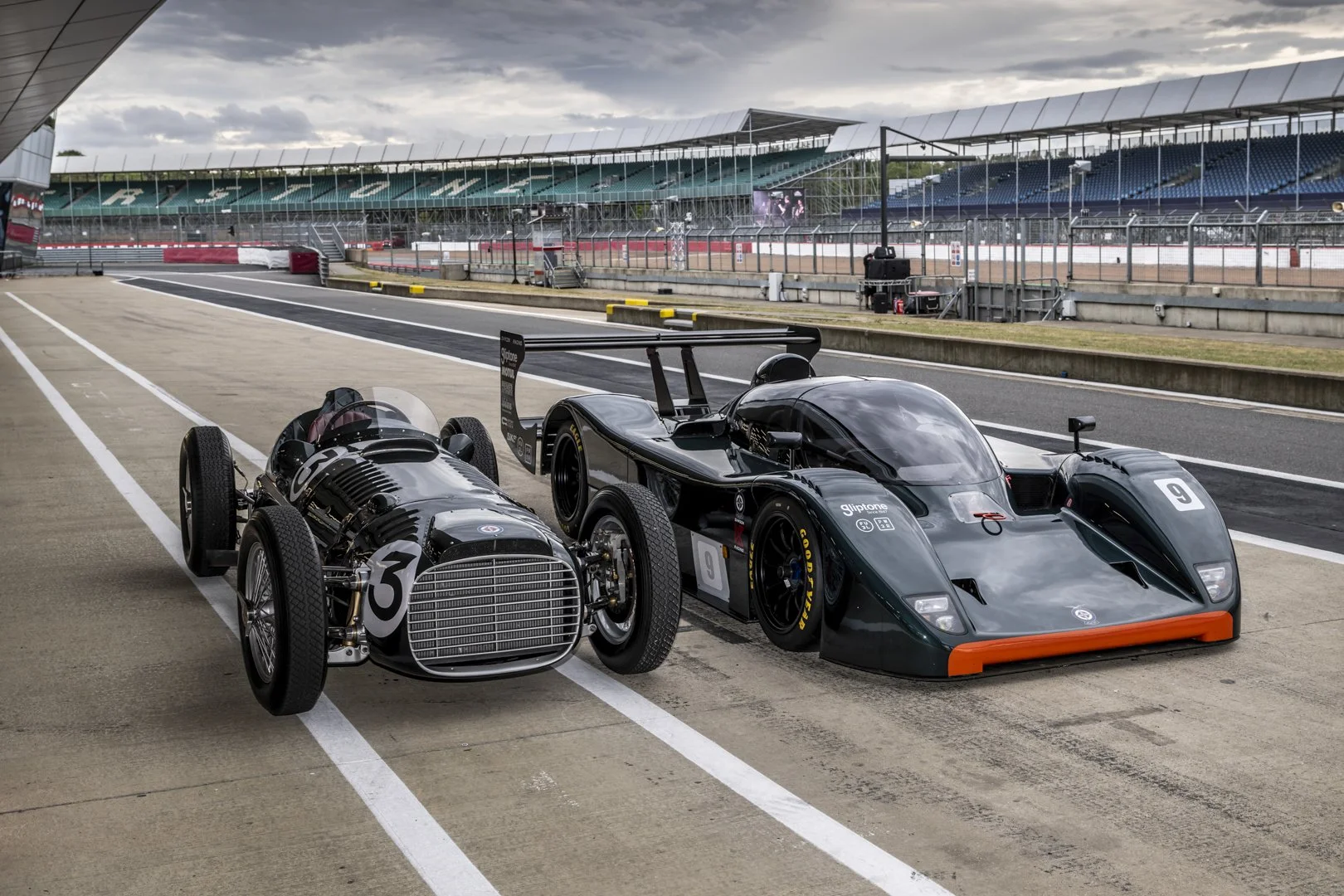
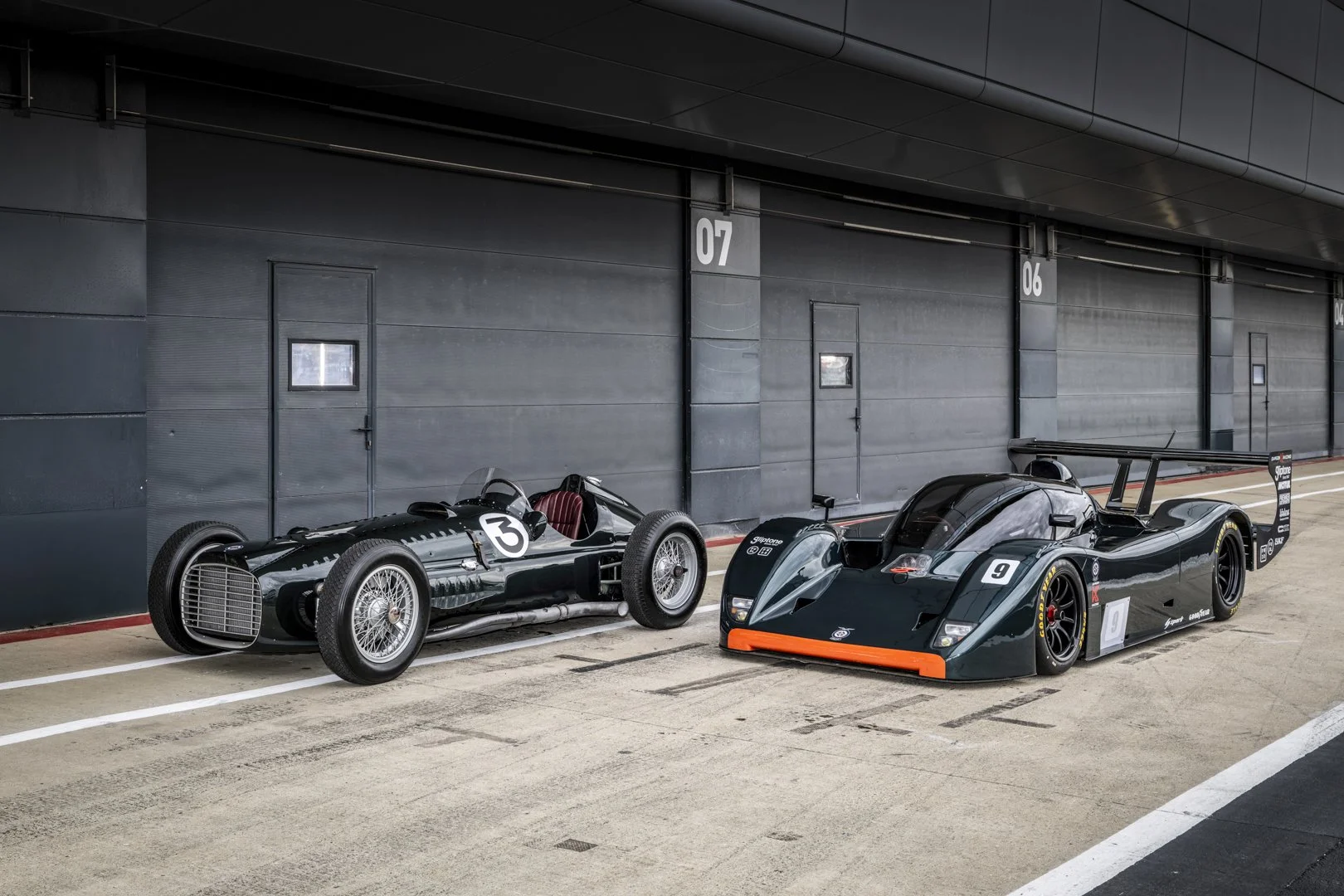
For the unveiling, BRM P15 V16 Chassis IV joined the P351 on the Silverstone grid. The P15 was Britain's first Formula One car, marking the start of the BRM story in 1949. Side by side, the two cars brought together the earliest and newest chapters of BRM's racing history: Formula One to Group C, V16 to V12, and more than four decades of British racing engineering. Both cars remain active, and BRM built both of them to race.
BRM acquired the P351 in late 2024 and entrusted its restoration to Ian Dawson of Dawson Racing, an engineer with his own history with the car.
After its original Group C career, the P351 underwent major rework in the 1990s and became the open-top BRM P301. Engineers removed its roof and replaced its BRM V12 with a Nissan twin-turbo V6. Dawson worked on the car during this later chapter at Pacific Racing. Almost three decades later, his task was to put it all back.
The team has now returned the P351 to its original closed-cockpit 1992 specification. Dawson completely rebuilt both the original naturally aspirated BRM V12 and the original gearbox. The team reverse-engineered the missing cockpit roof using surviving original paperwork and period photography.
The finished car runs on sustainable fuel and, crucially, BRM has not restored it simply for display. The team is preparing the P351 for a return to competitive racing.
The P15 that stood beside it at Silverstone represents where the BRM story began, more than four decades earlier.
BRM began life in Bourne, Lincolnshire in 1949 as Britain's first Formula One team. It had an extraordinary ambition: to unite British industry and engineering and build a car that could take on the world.
The P15 was that first car. BRM's supercharged 1.5-litre V16 powered it, and it launched a story that would see BRM win the 1962 Formula One Drivers' and Constructors' World Championships with Graham Hill, claim 17 World Championship Grands Prix and race with some of the greatest drivers of the era.
Yet Formula One never defined BRM's history alone. Over the following decades, its engineering reached into sports cars, endurance racing, Can-Am, rallying and Le Mans, including the remarkable Rover-BRM Gas Turbine programme of the 1960s. In 1992, the P351 became the newest chapter of that competition history. It was not another Formula One car but a carbon-composite Group C prototype that BRM designed for endurance racing and Le Mans.
“Seeing the P351 restored and back at Silverstone alongside the P15 shows just how broad the BRM story really is,” said Simon Owen, grandson of BRM owner Sir Alfred Owen. “The P15 represents the extraordinary ambition with which BRM began in 1949. More than 40 years later, the P351 was created with that same ambition for a completely different form of international motorsport. But this isn’t about looking backwards. The P351 was built to race, and that is exactly what we intend for it to do again.”
The Owen family still owns BRM. The P351 restoration forms part of BRM's continuing Re-Awakening, which preserves the marque's history by returning its cars to active use, telling the stories behind them and introducing BRM to a new generation.
The next chapter will see the car racing in anger again, and BRM will soon announce details of its return to competitive motorsport. BRM invites interested parties to get in touch for an invitation to the first test day, later this year.
BRM thanks all the partners who made this moment possible: Motul UK, Goodyear, FU3L, PW3R, Spark Model UK, Lifeline Fire Co UK, Custom Cages UK, SKF Automotive, Premier Fuel Systems Ltd and Dawson Racing.