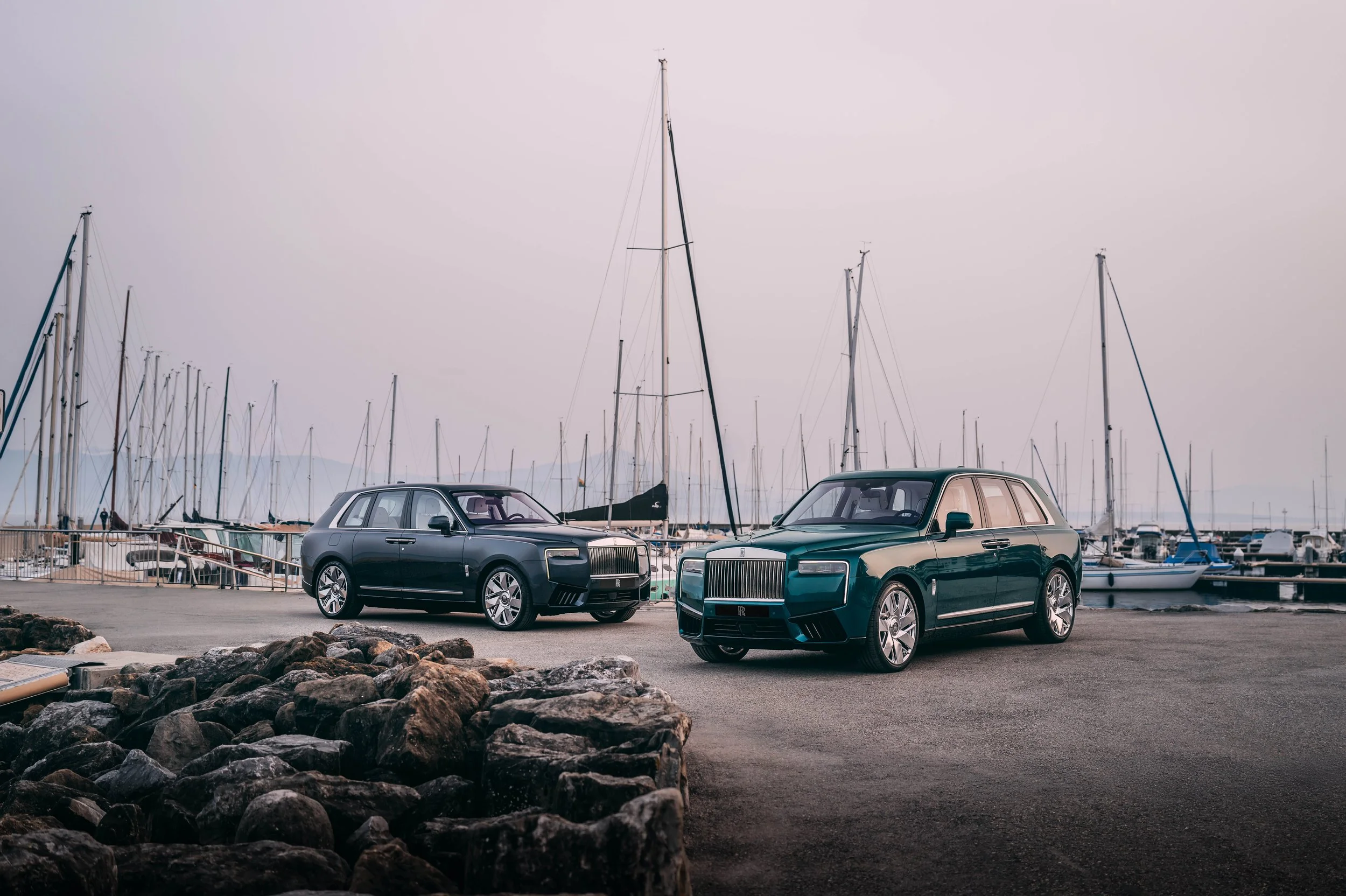
Rolls-Royce Cullinan Yachting Defines Bespoke Luxury
“Yachting is a world inhabited by many of our clients, and one we’ve come to know intimately. These highly Bespoke Cullinan motor cars celebrate the deep connection between that culture and Rolls-Royce: a relationship that began with our founder, Charles Rolls, and continues to this day. From shared design values with racing vessels to collaborations with marine designers for clients who wish to pair their motor car with their yacht, maritime craft has long informed our approach. In these four Bespoke commissions, that long-standing association is expressed through meticulous marine-inspired details and authentic materials, true to the spirit of adventure that defines Cullinan and the world of yachting alike.” Martina Starke, Head of Bespoke Design, Rolls-Royce Motor Cars
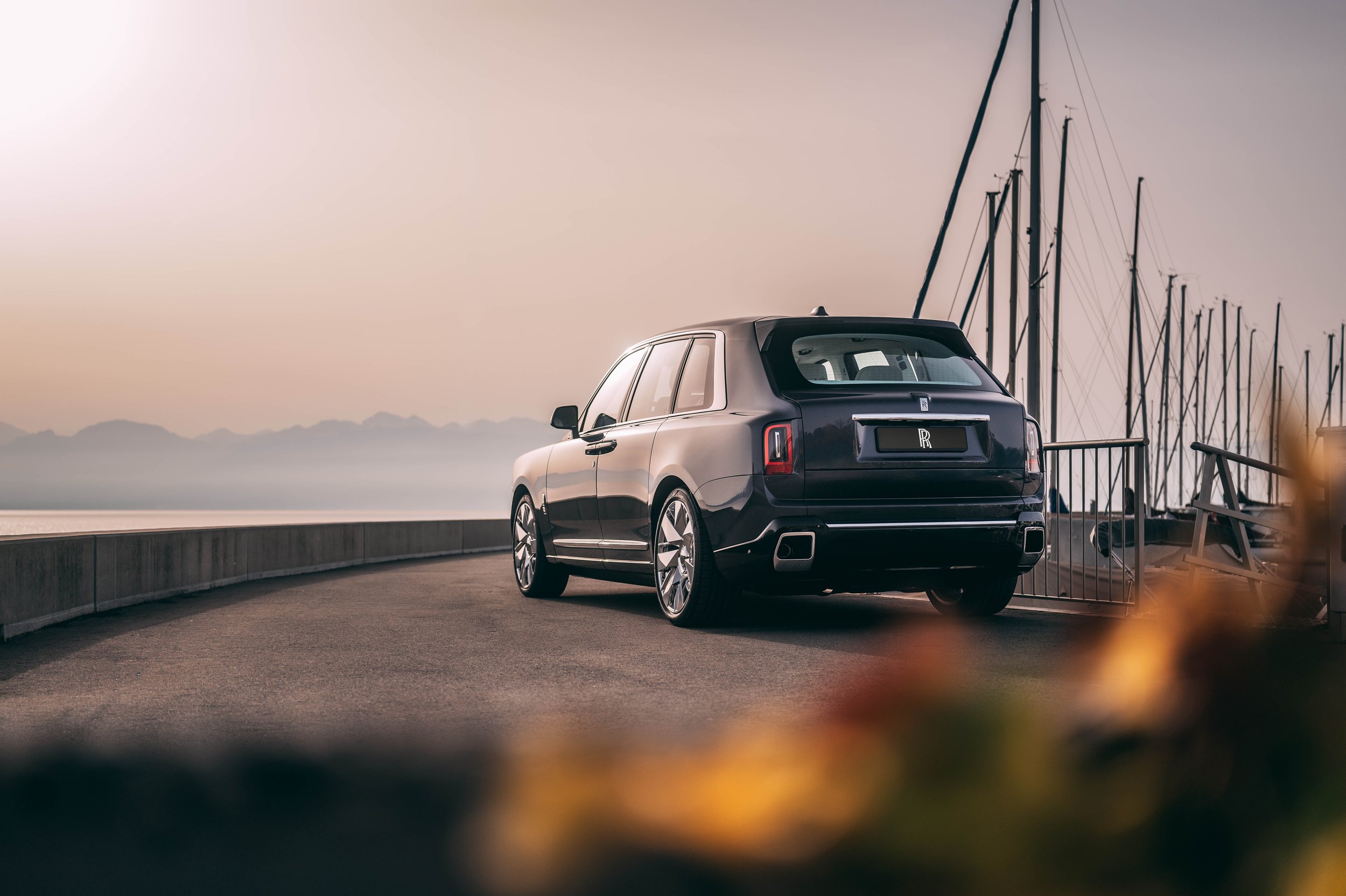
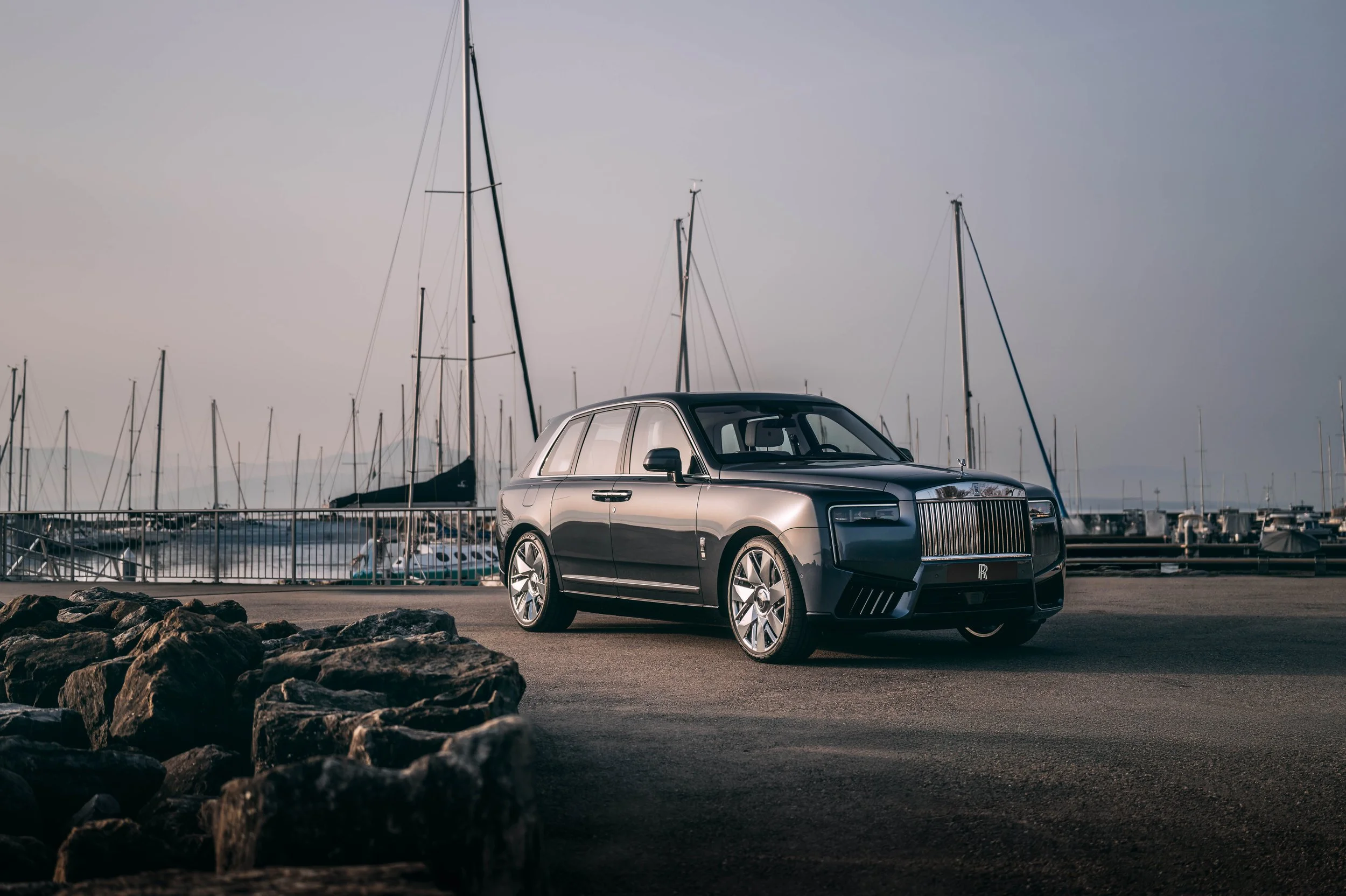
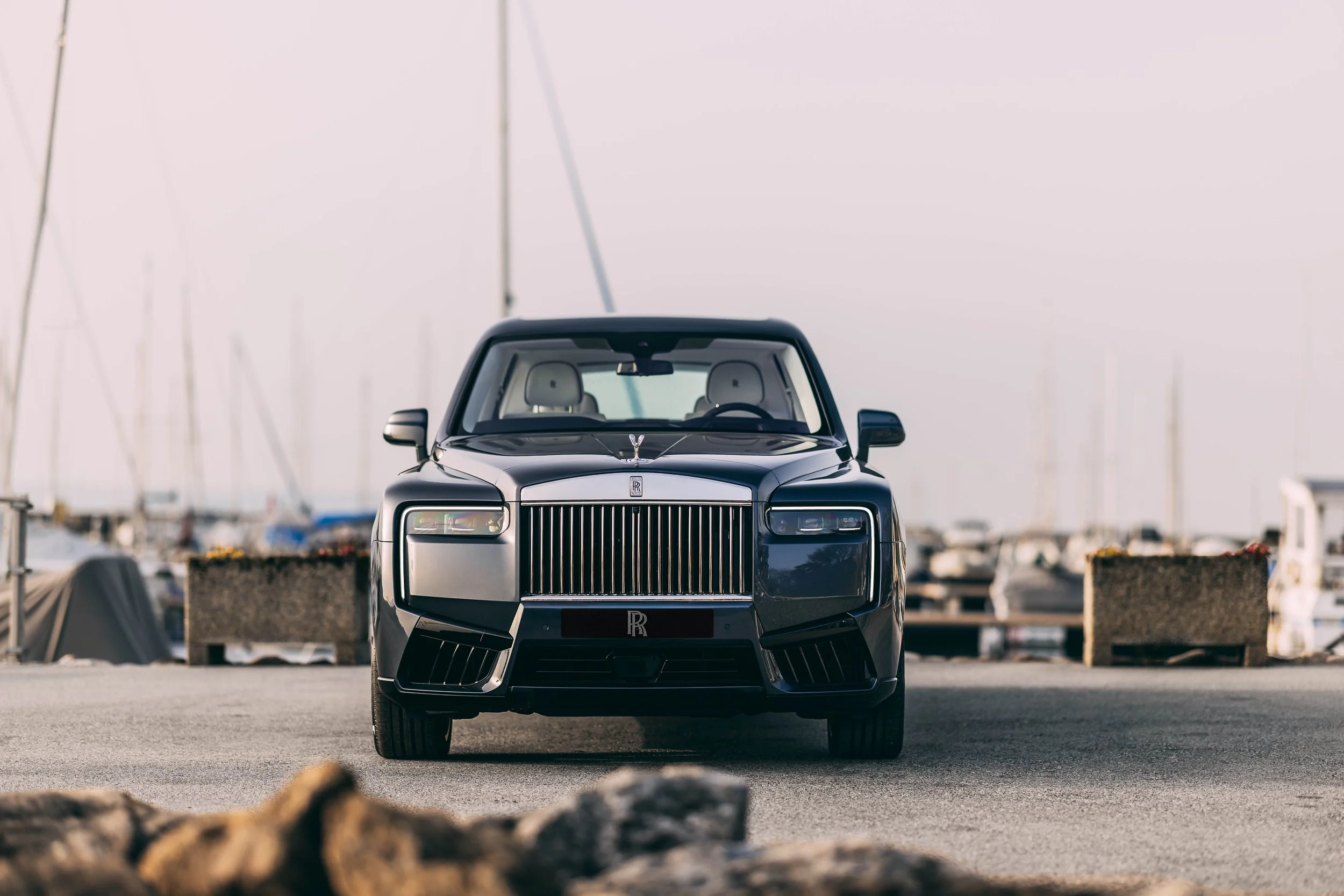
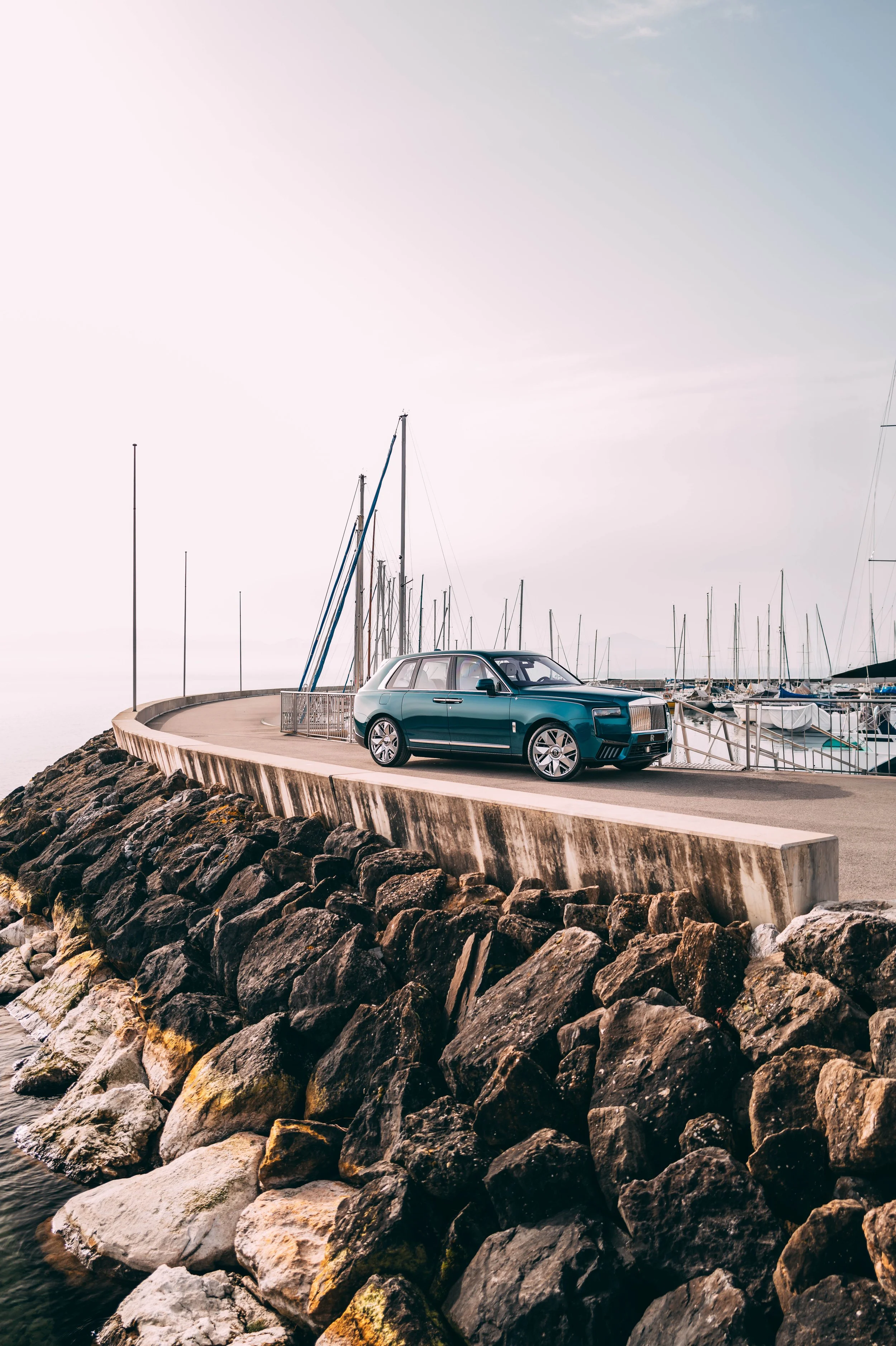
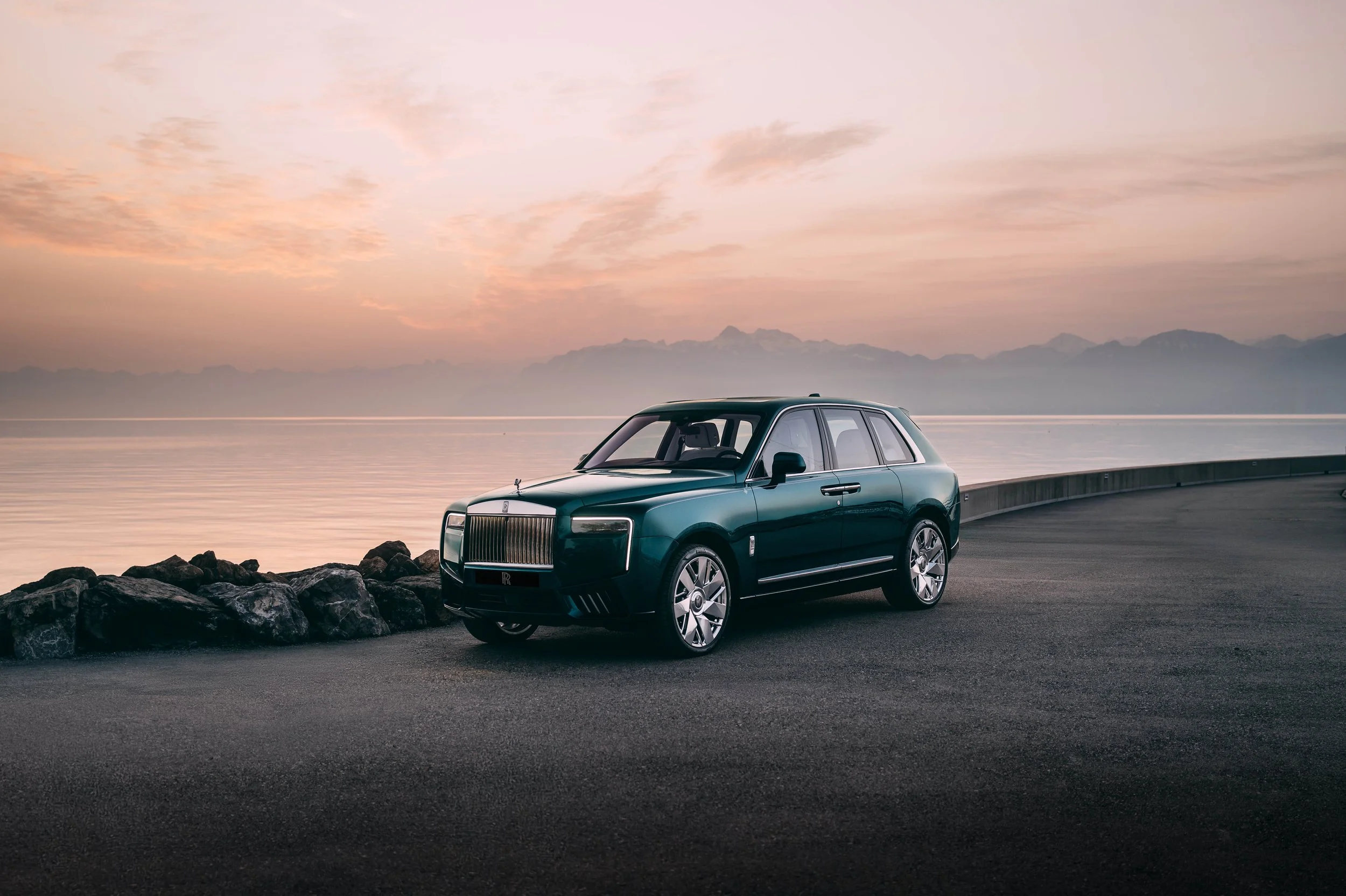
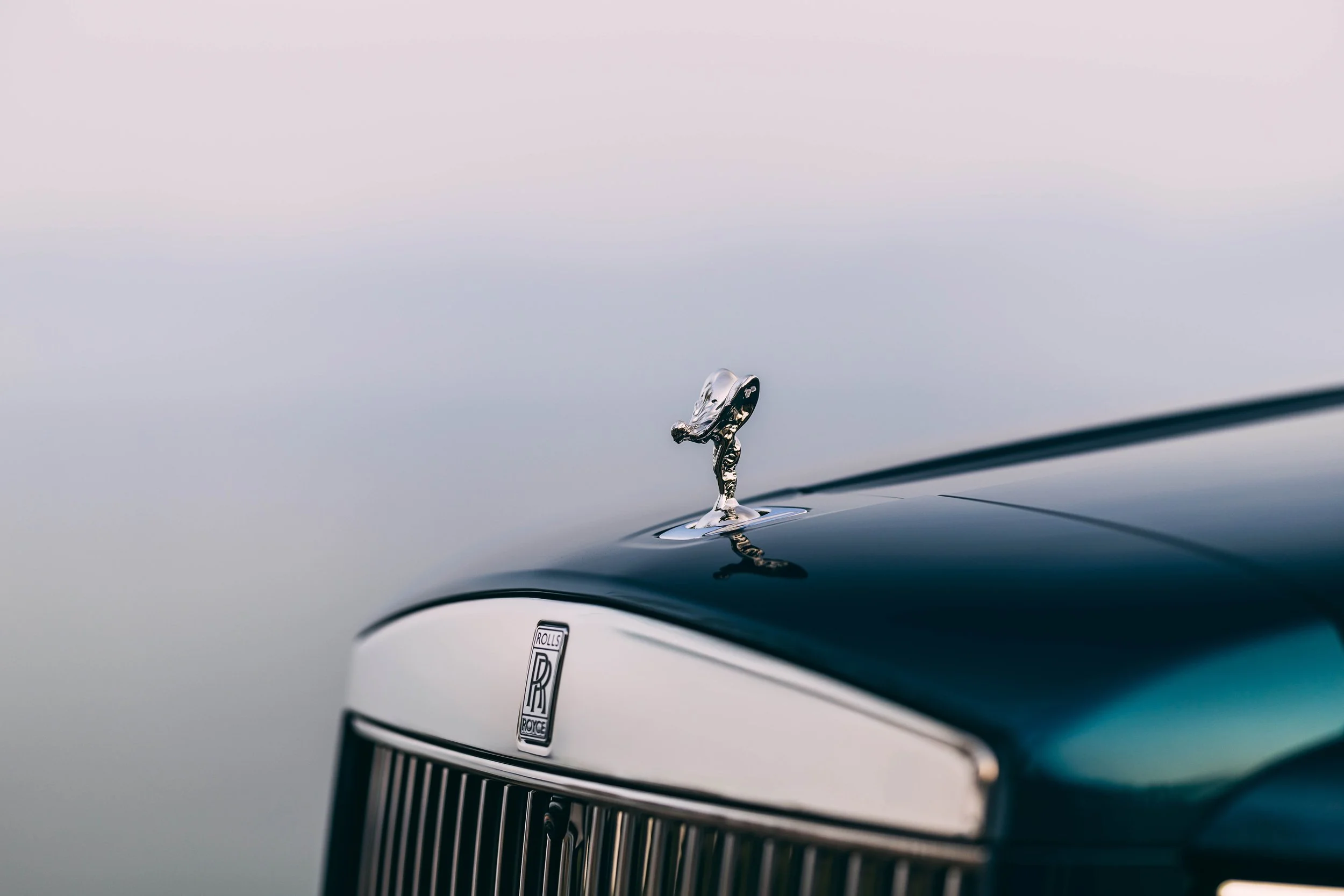
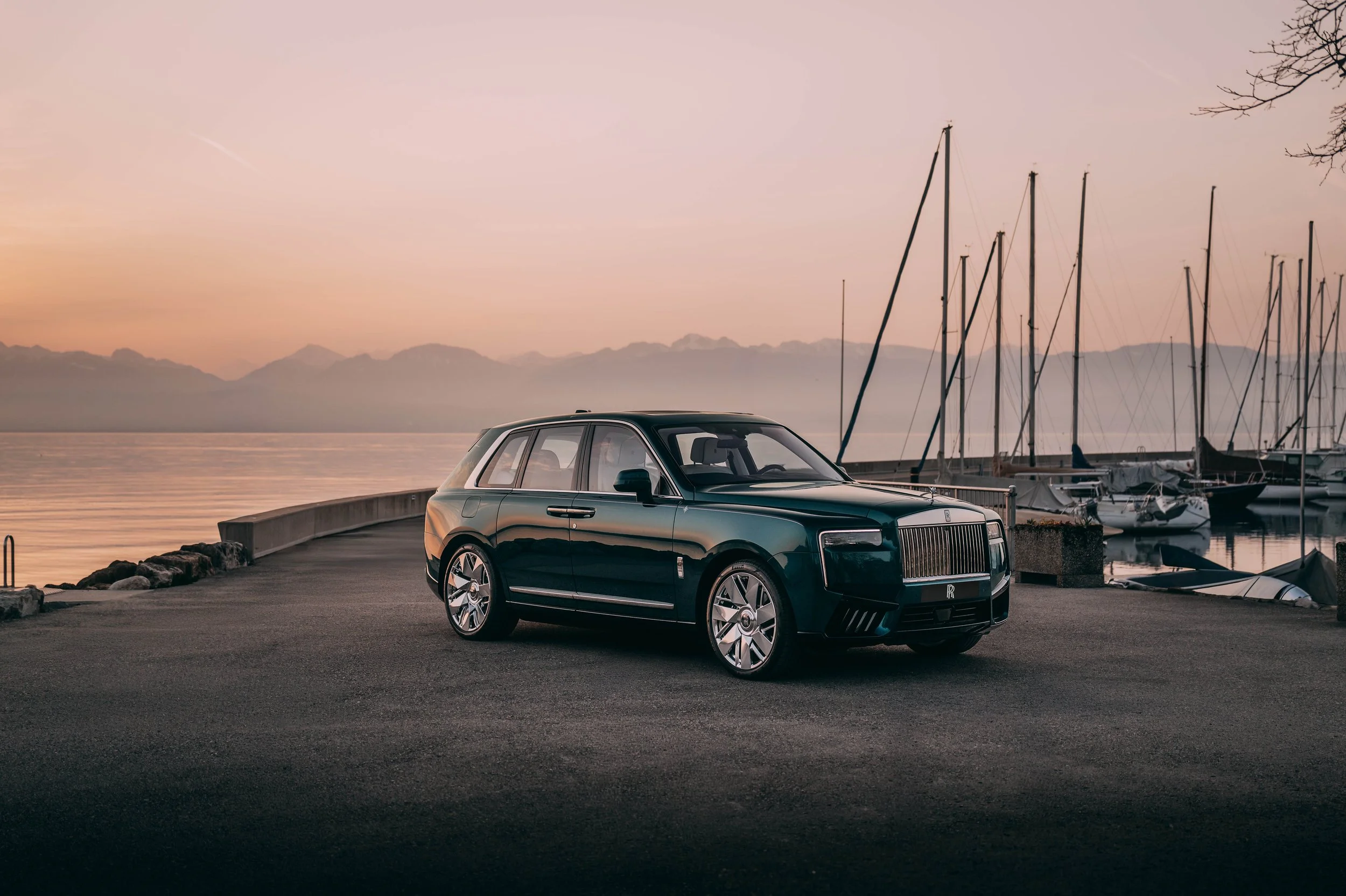
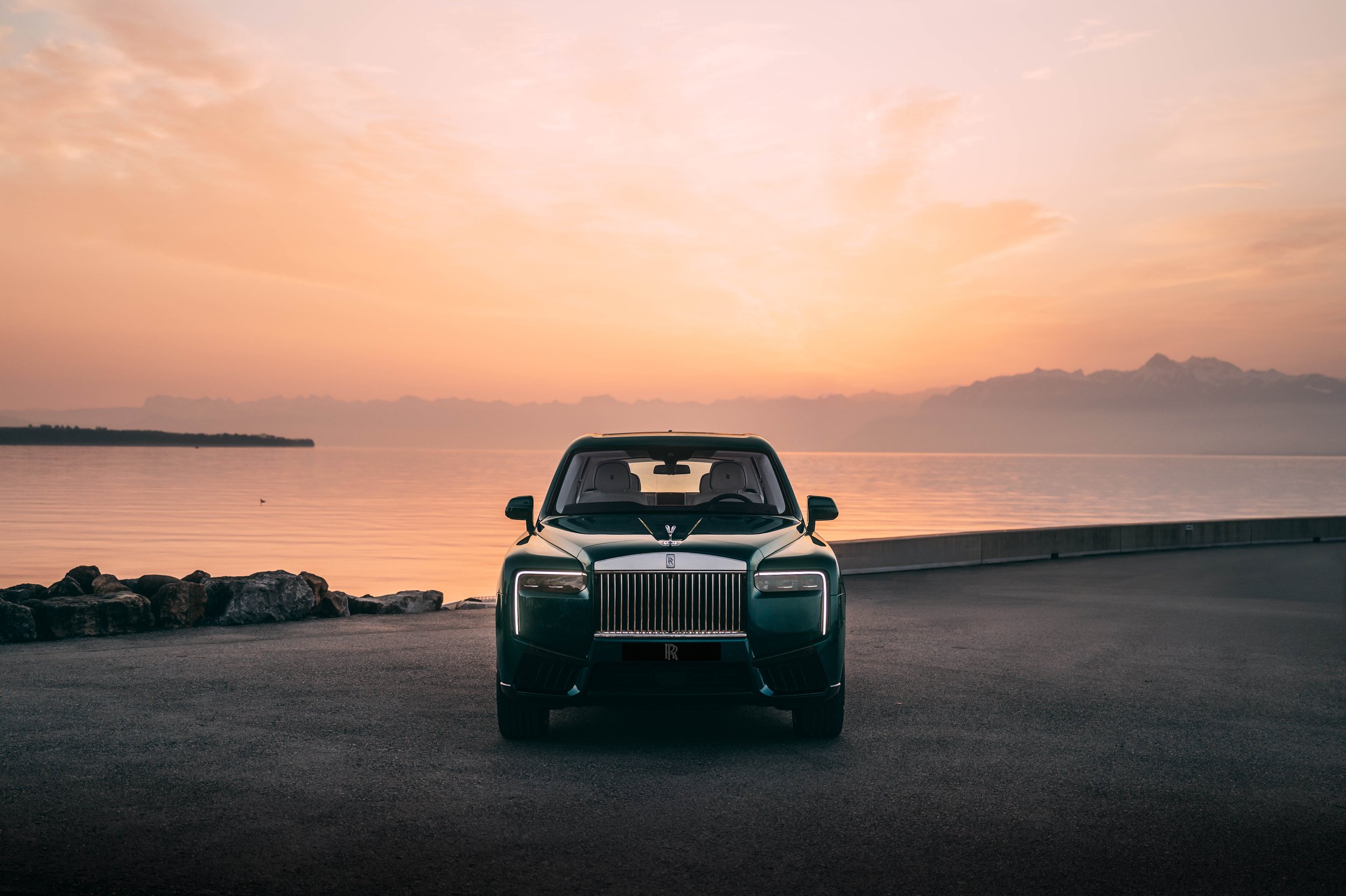
Rolls-Royce presents Cullinan Yachting, four Private Commissions that celebrate the style, materials and spirit of contemporary yachting. Each Bespoke motor car takes its identity from one of the cardinal points of the compass: North, South, East or West. Rolls-Royce carries this theme through the interior and exterior details, creating a distinct character for every Rolls-Royce Cullinan Yachting commission.
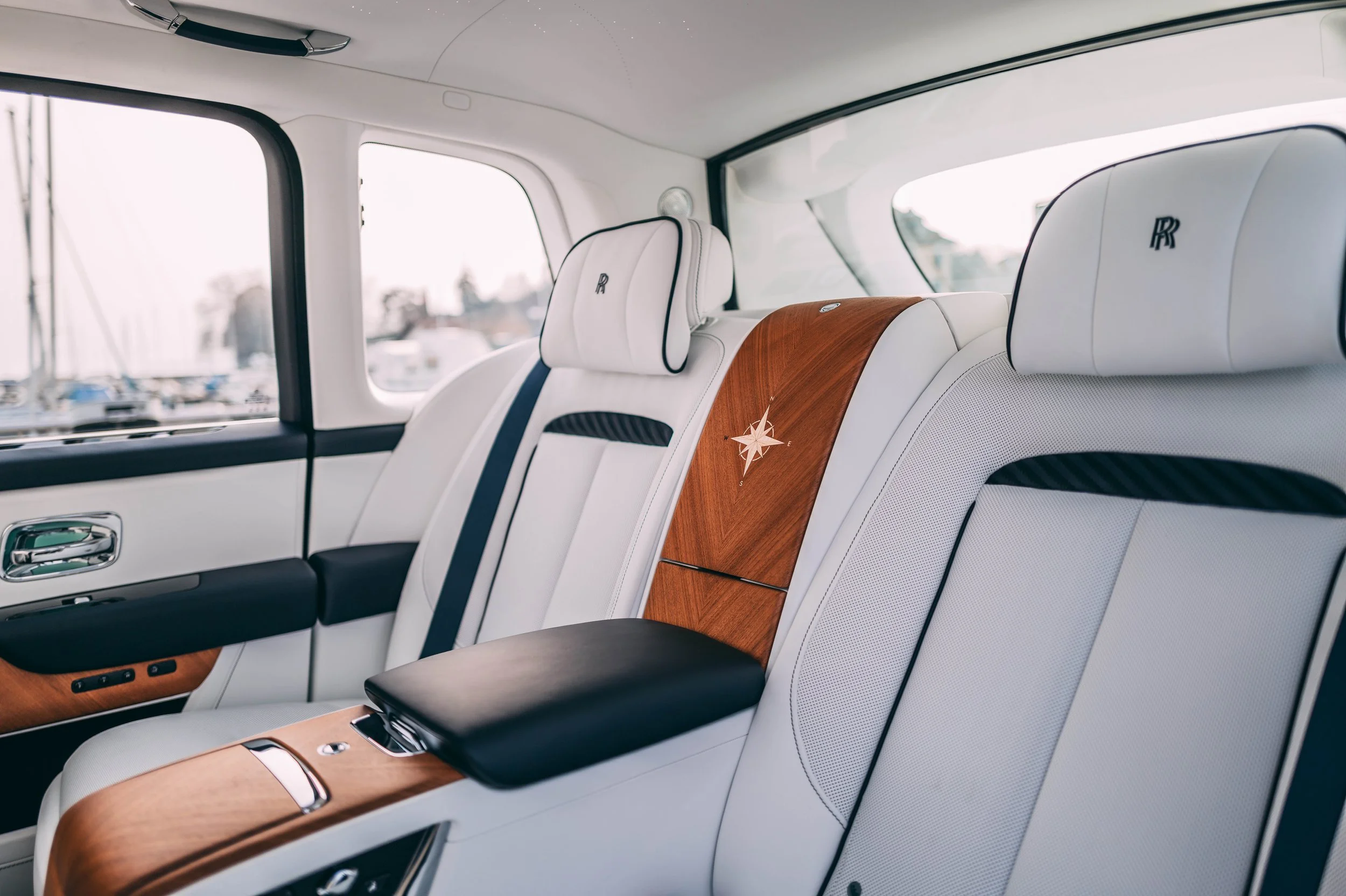
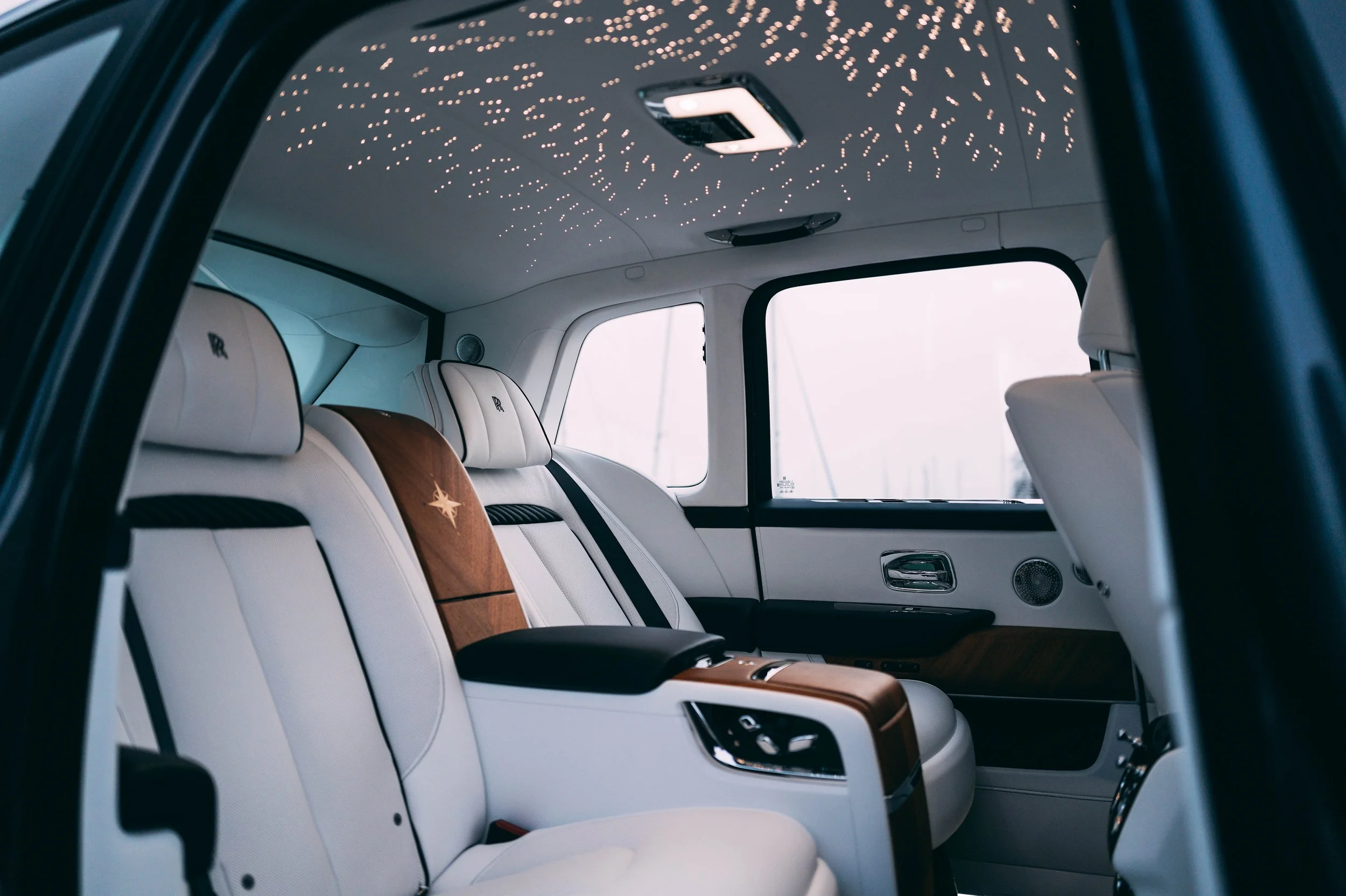
All four commissions feature marine-grade teak detailing, hand-painted nautical fascias, Mediterranean wind-pattern Starlight Headliners and distinctive exterior finishes. Together, these details reflect Rolls-Royce’s long relationship with maritime craft, from Charles Rolls’ family yacht to modern collaborations with leading yacht designers. This luxury SUV collection links the world of yachting with the marque’s Bespoke design language in a way that feels authentic and refined.
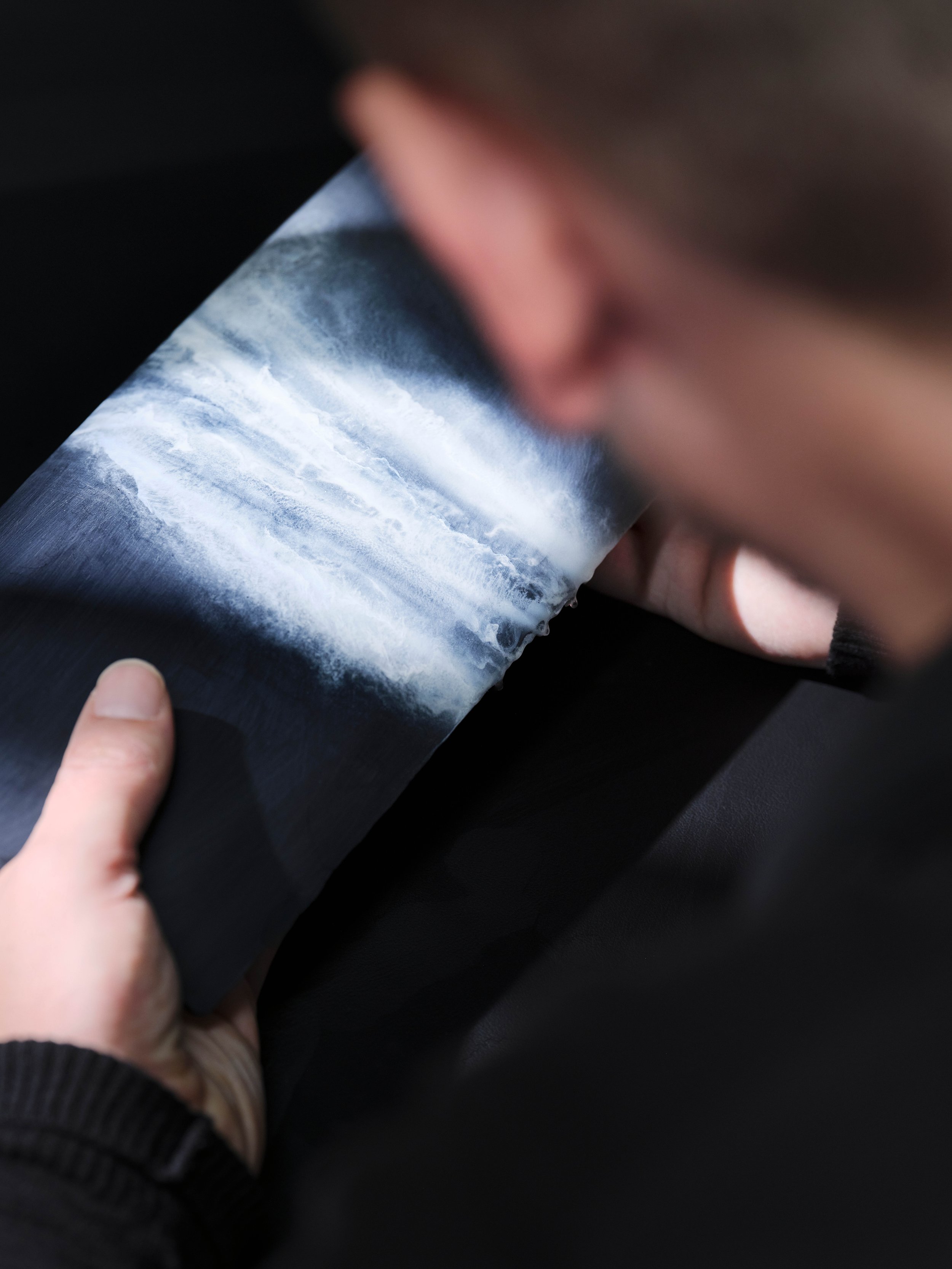
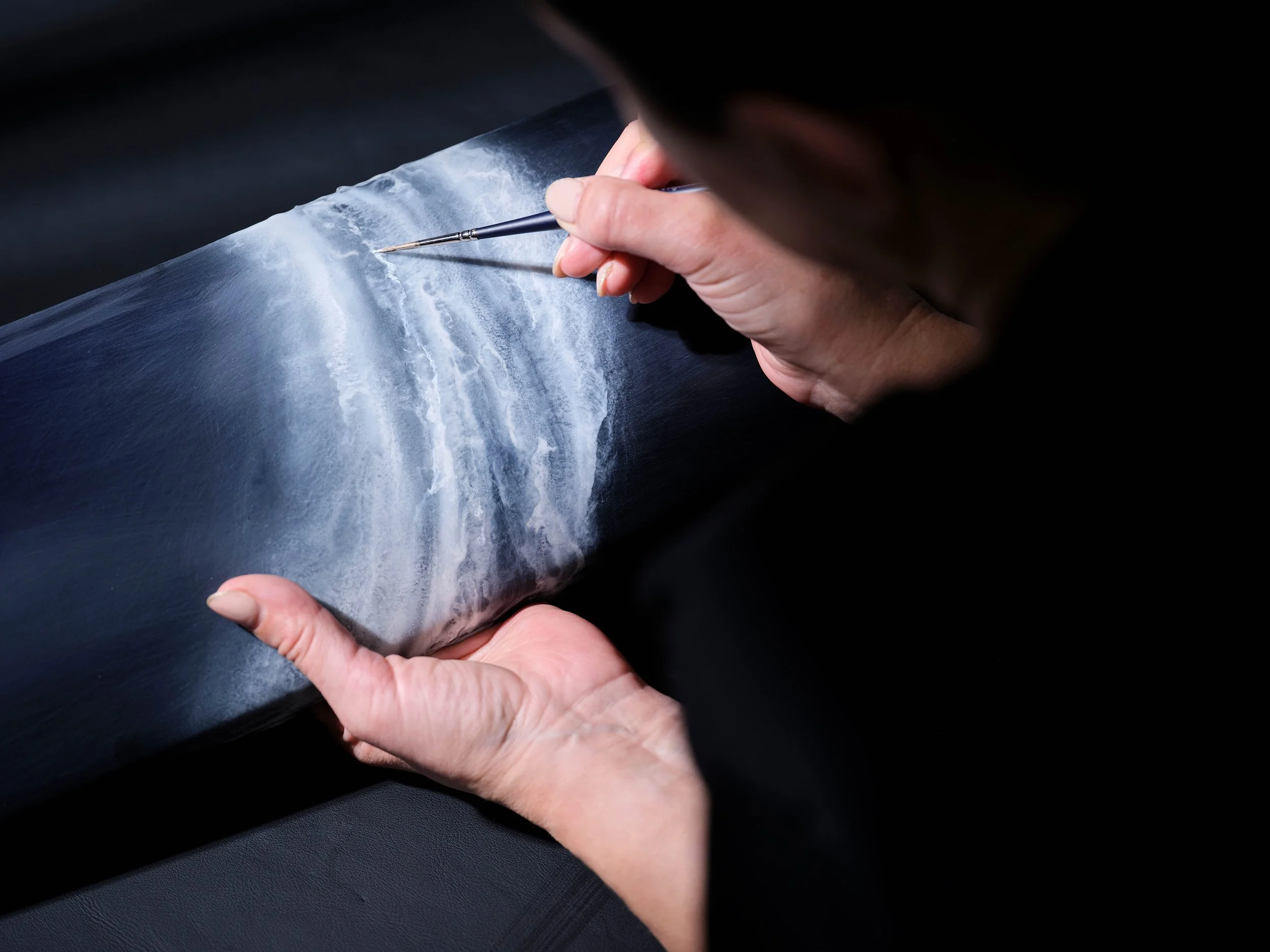
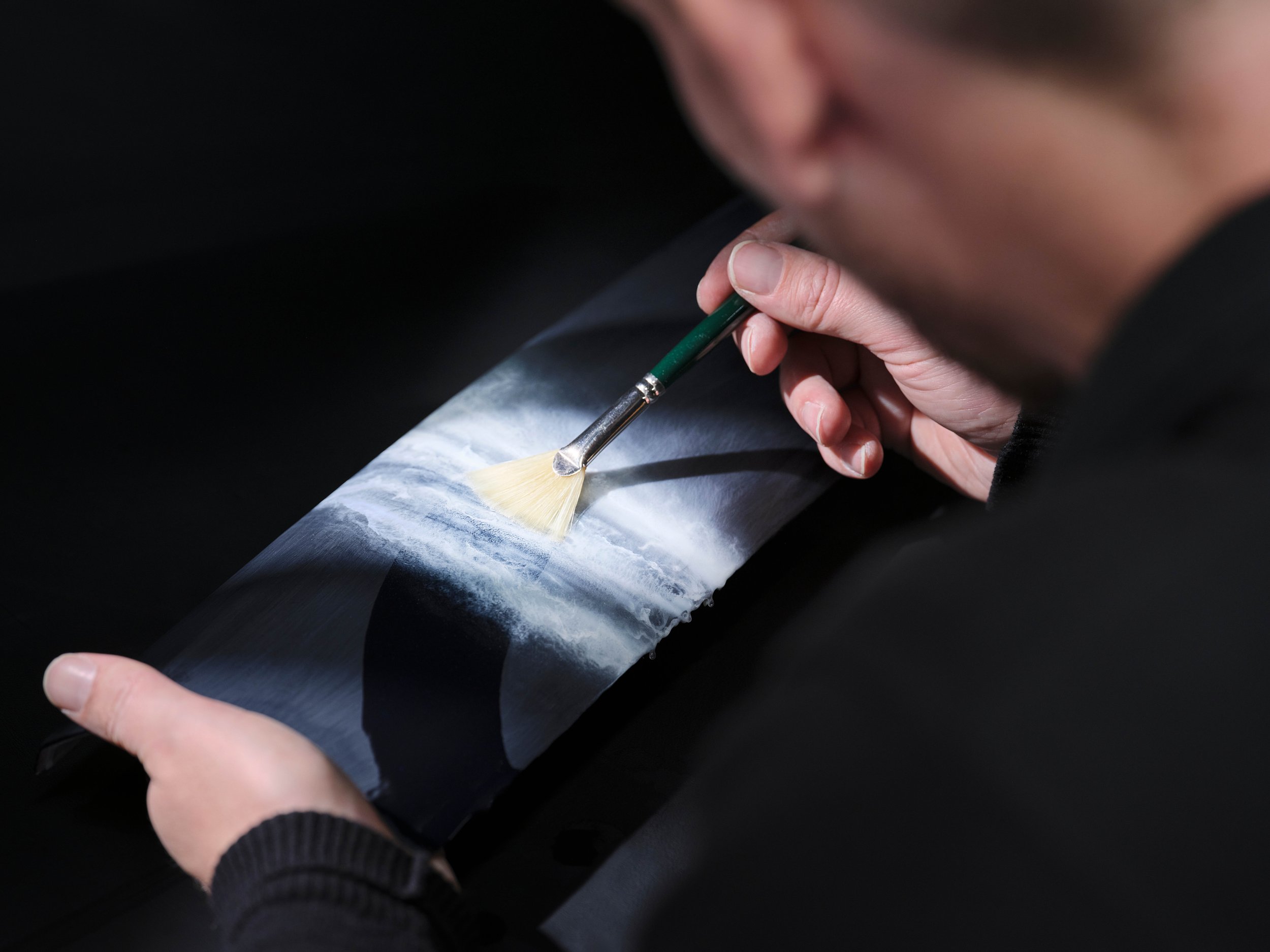
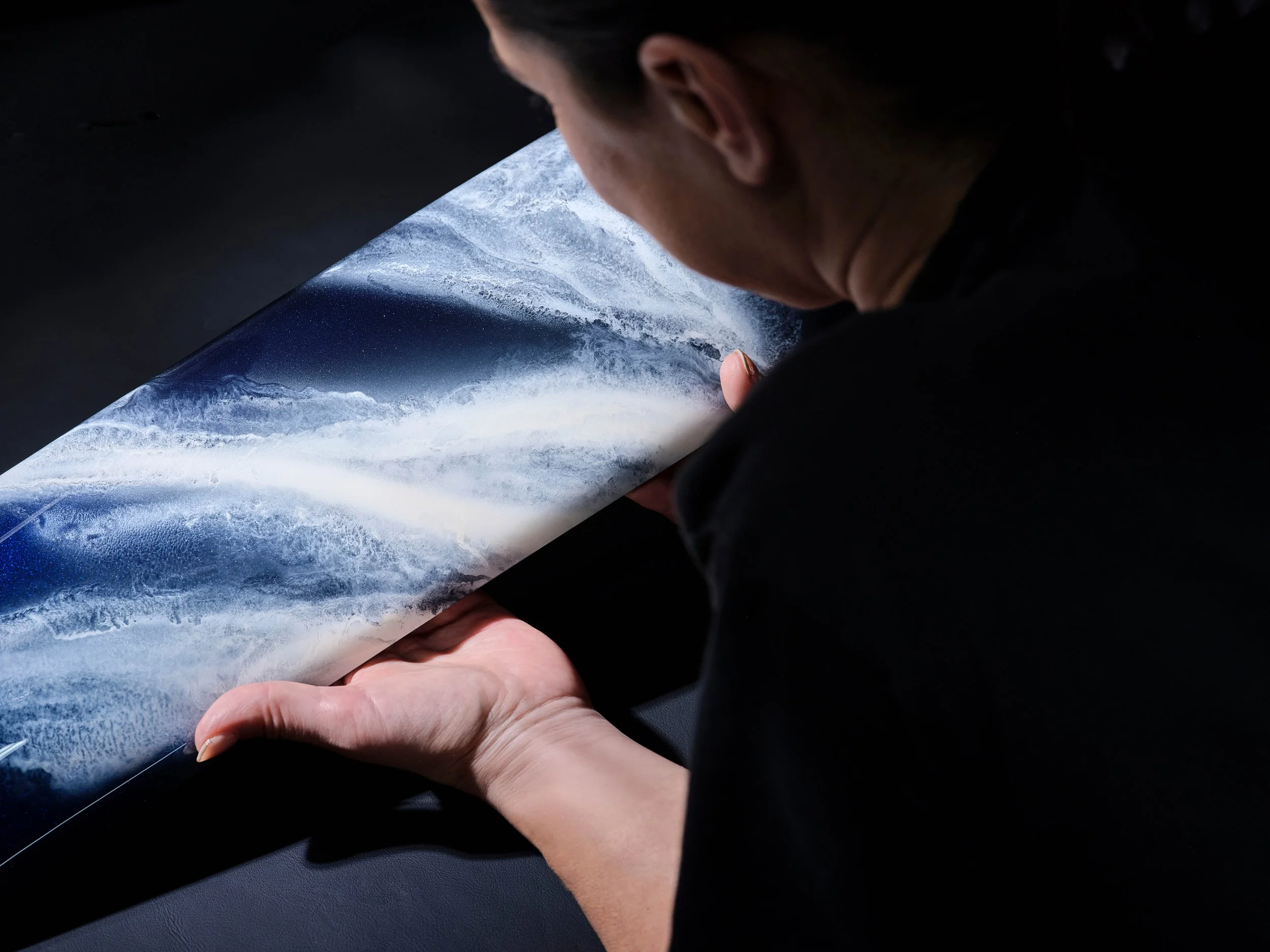
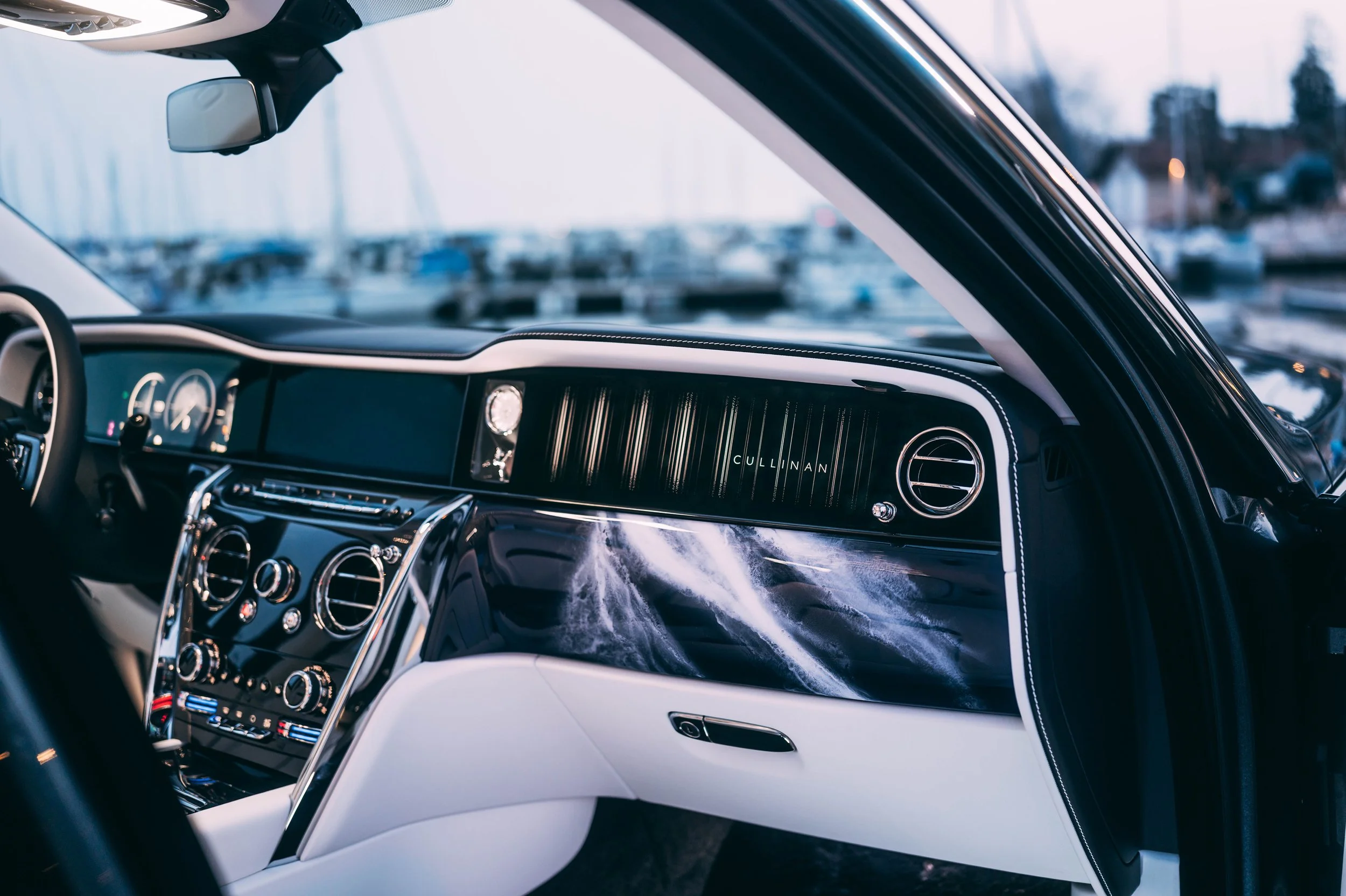
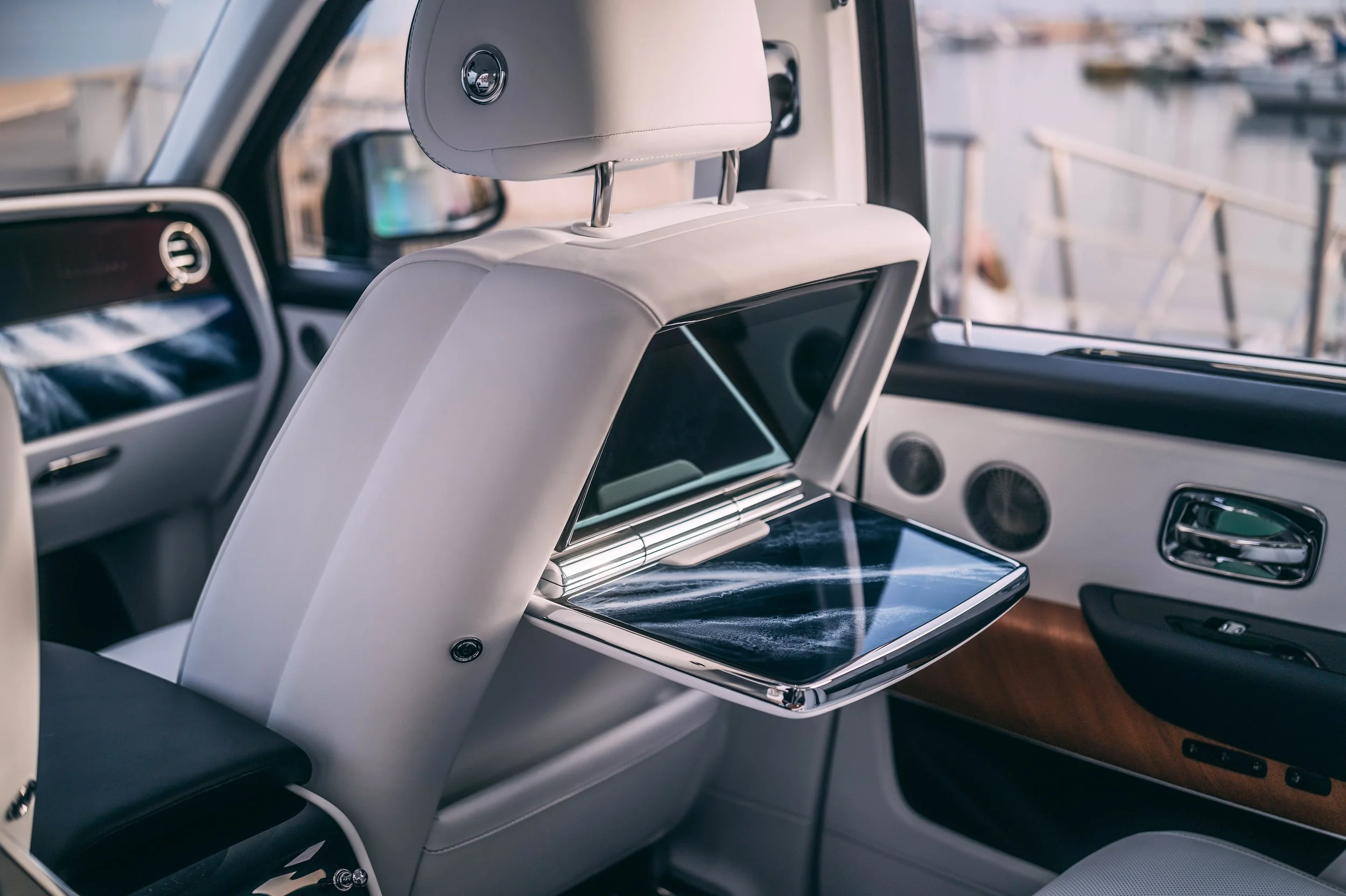
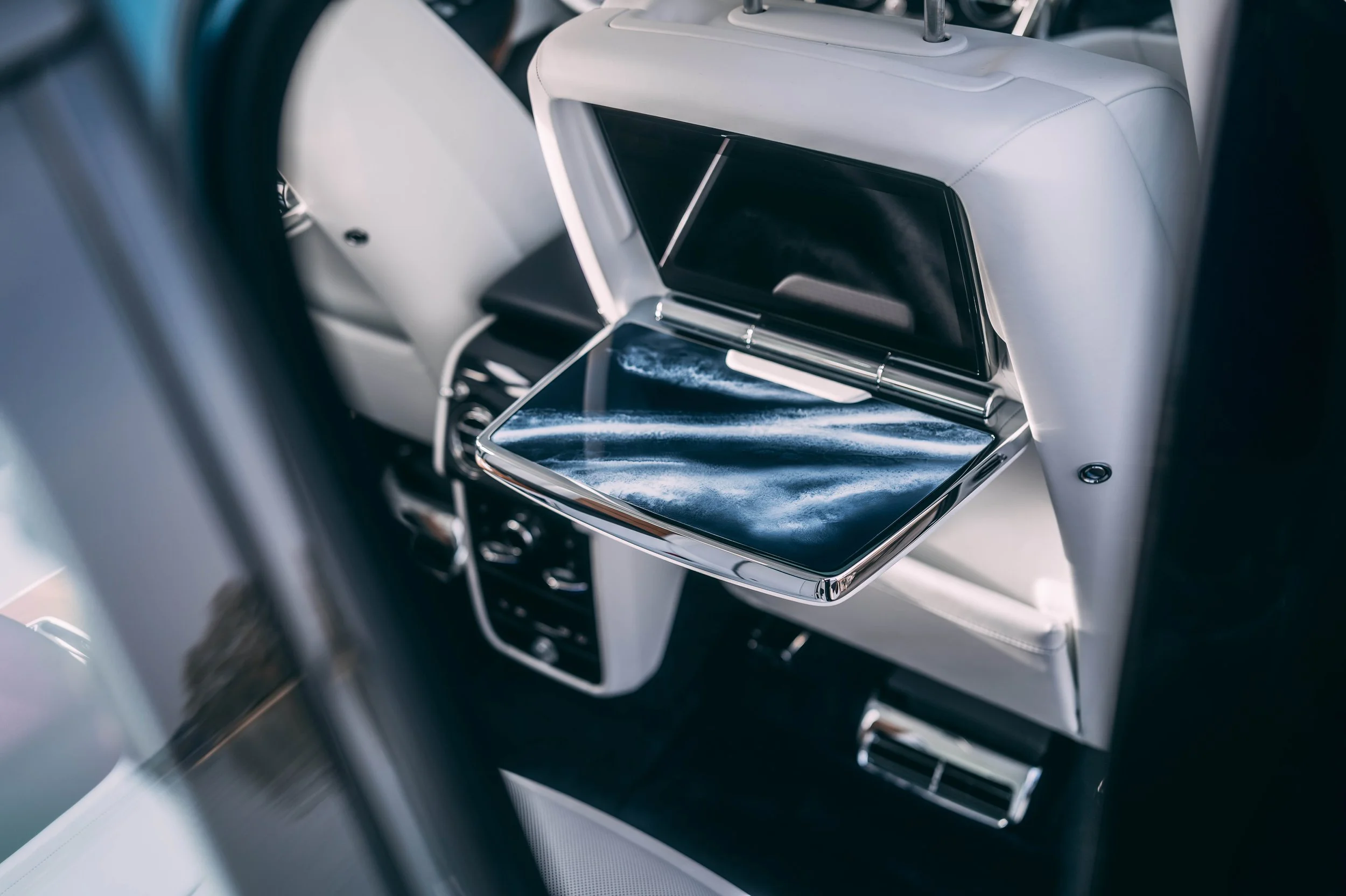
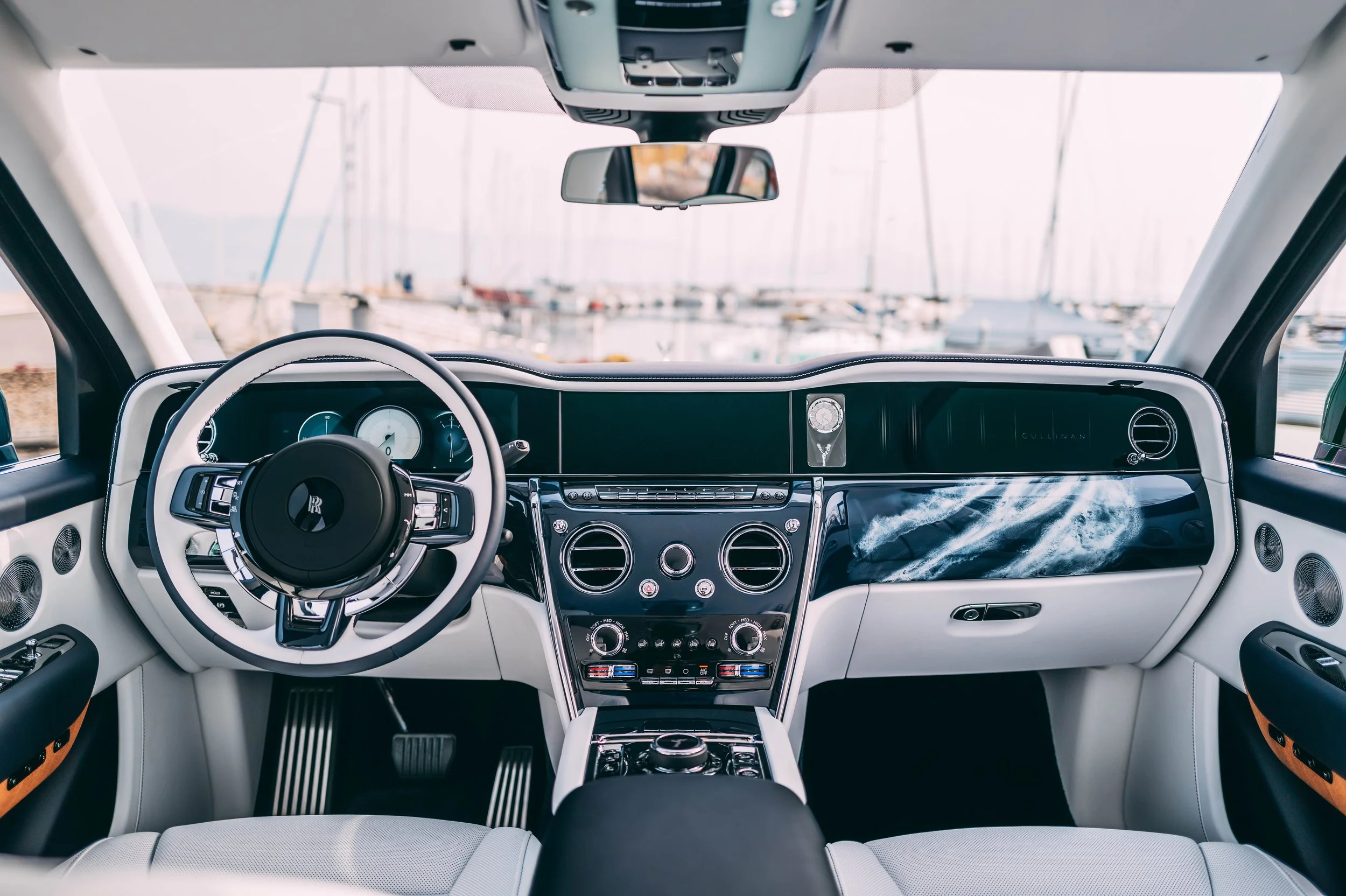
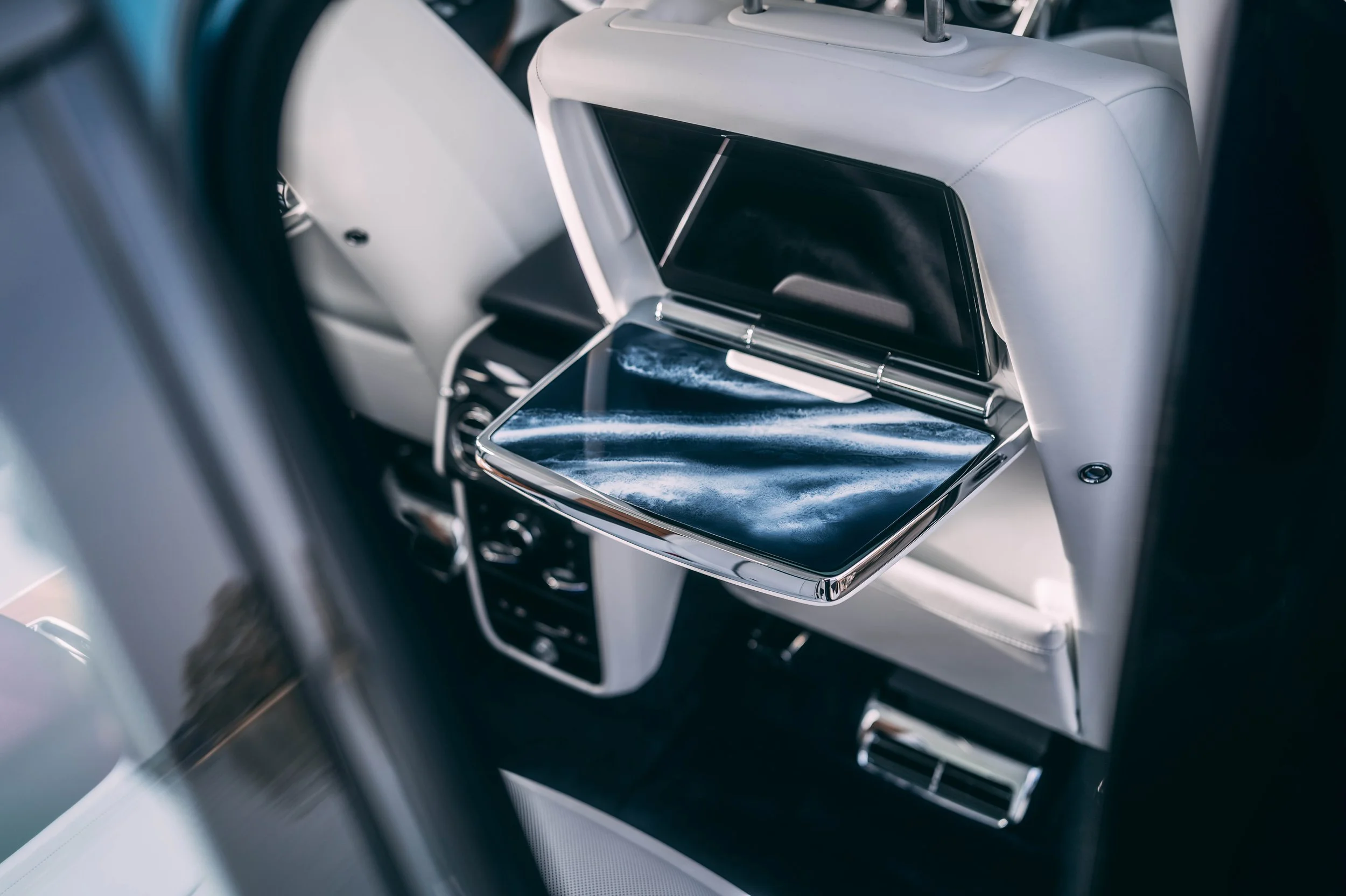
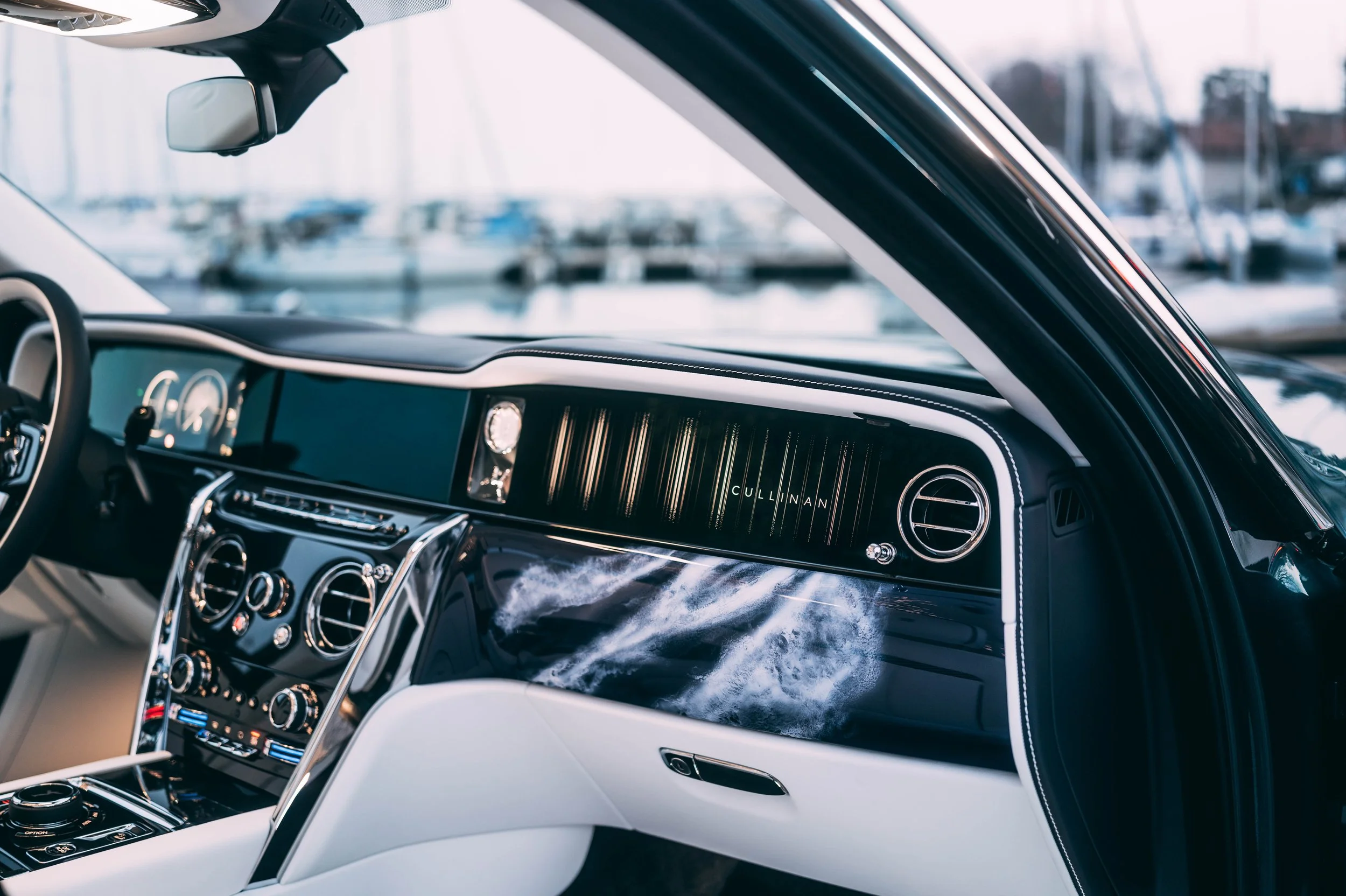
Hand-painted details now rank among the most sought-after forms of Bespoke expression, so Rolls-Royce employs full-time artisans for this specialist craft. In each Cullinan Yachting motor car, the fascia and picnic tables display artwork that captures the wake of a tender racing towards a yacht at anchor. The wake follows the direction of each commission, whether North, South, East or West, which makes every car a true one-of-one.
The team spent two months developing the composition. They refined paint hues, tested application methods and perfected the lacquering process. To create the realistic wave effect, the artist airbrushes pigment onto wet lacquer and then shapes it by hand with a fine brush. The artist directs air across the surface and guides the paint by hand to create a natural sense of movement.
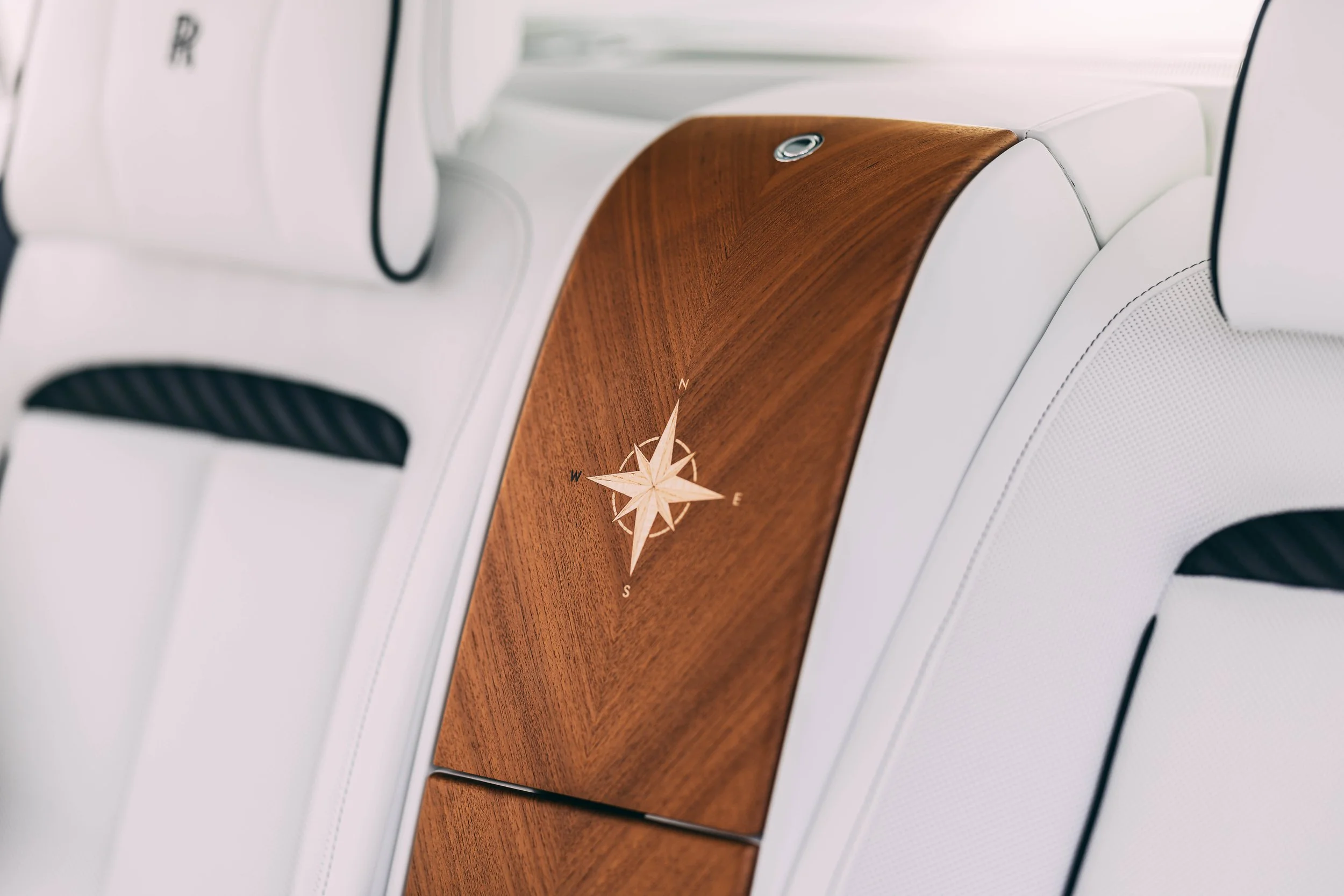
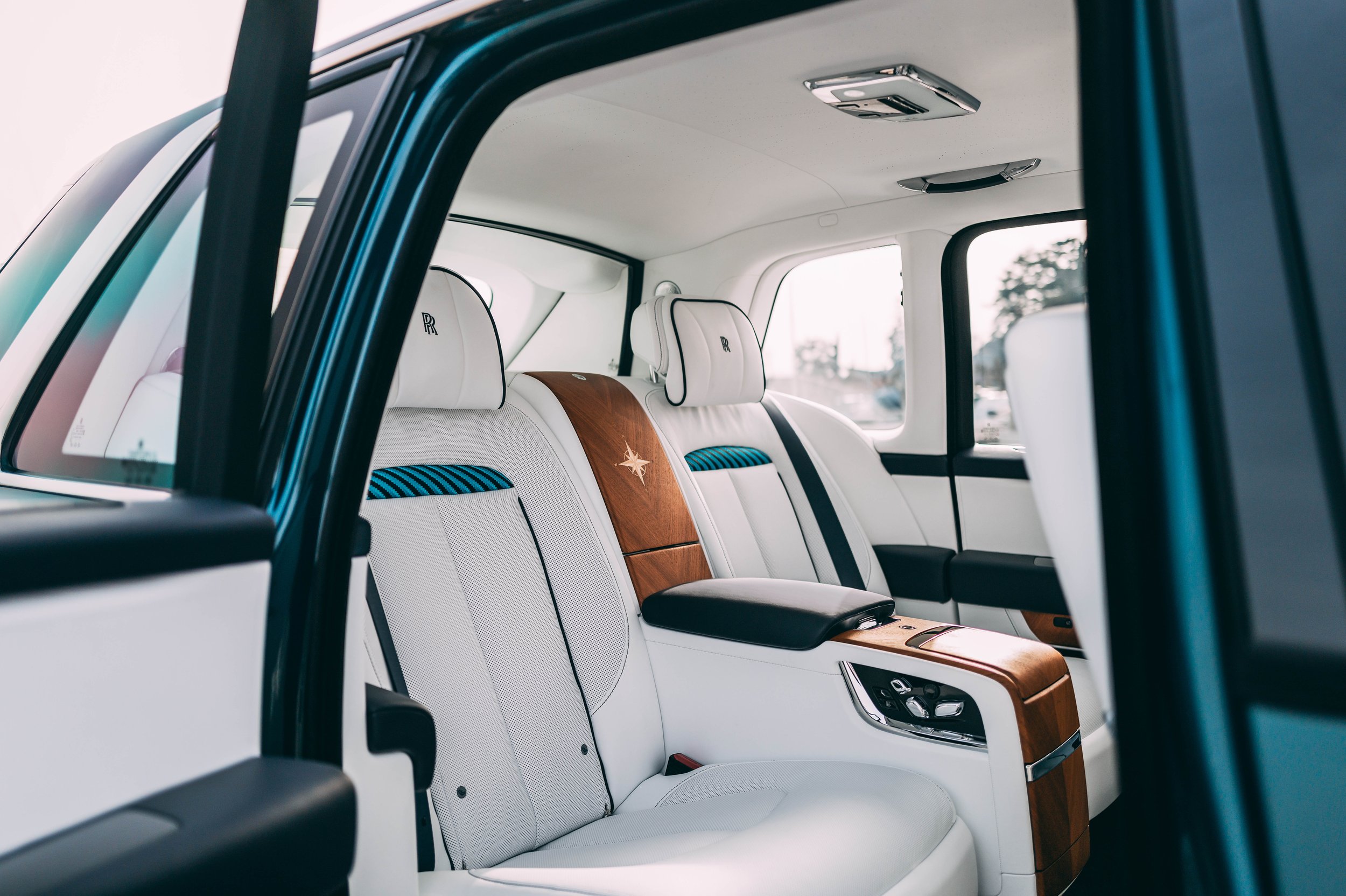
Rolls-Royce extends this painted composition across the full width of the fascia. The marque applies a Bespoke finish called Piano Milori Sparkle, a rich metallic blue that recalls the deep, crystalline tones of the Côte d’Azur. Beyond the fascia, Rolls-Royce uses Open Pore Teak throughout the interior, including the rear Waterfall, rear centre console lid and door panels. Yacht builders often use this material on deck, and Rolls-Royce chose it for its maritime authenticity, tactile quality and understated warmth.
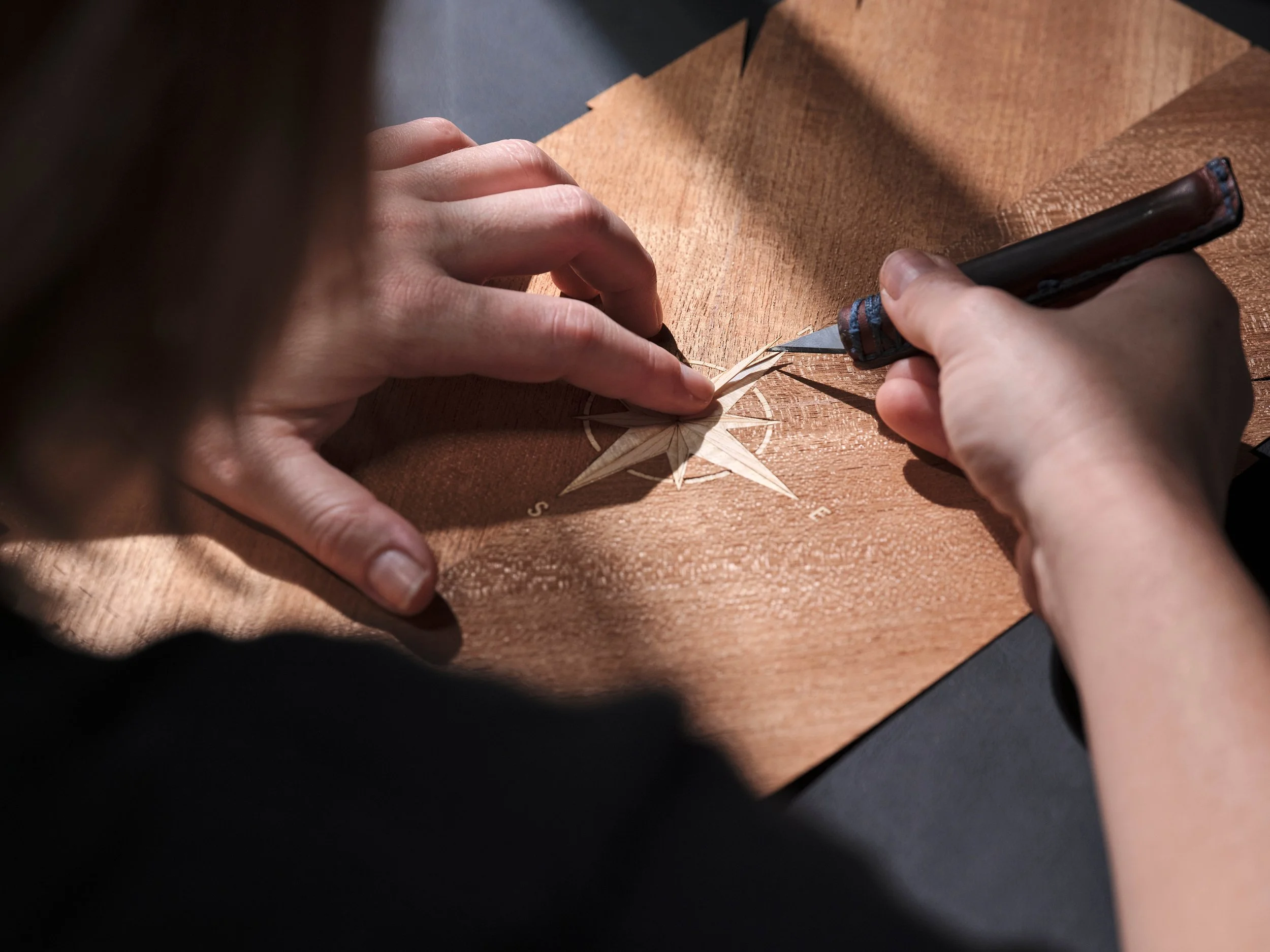
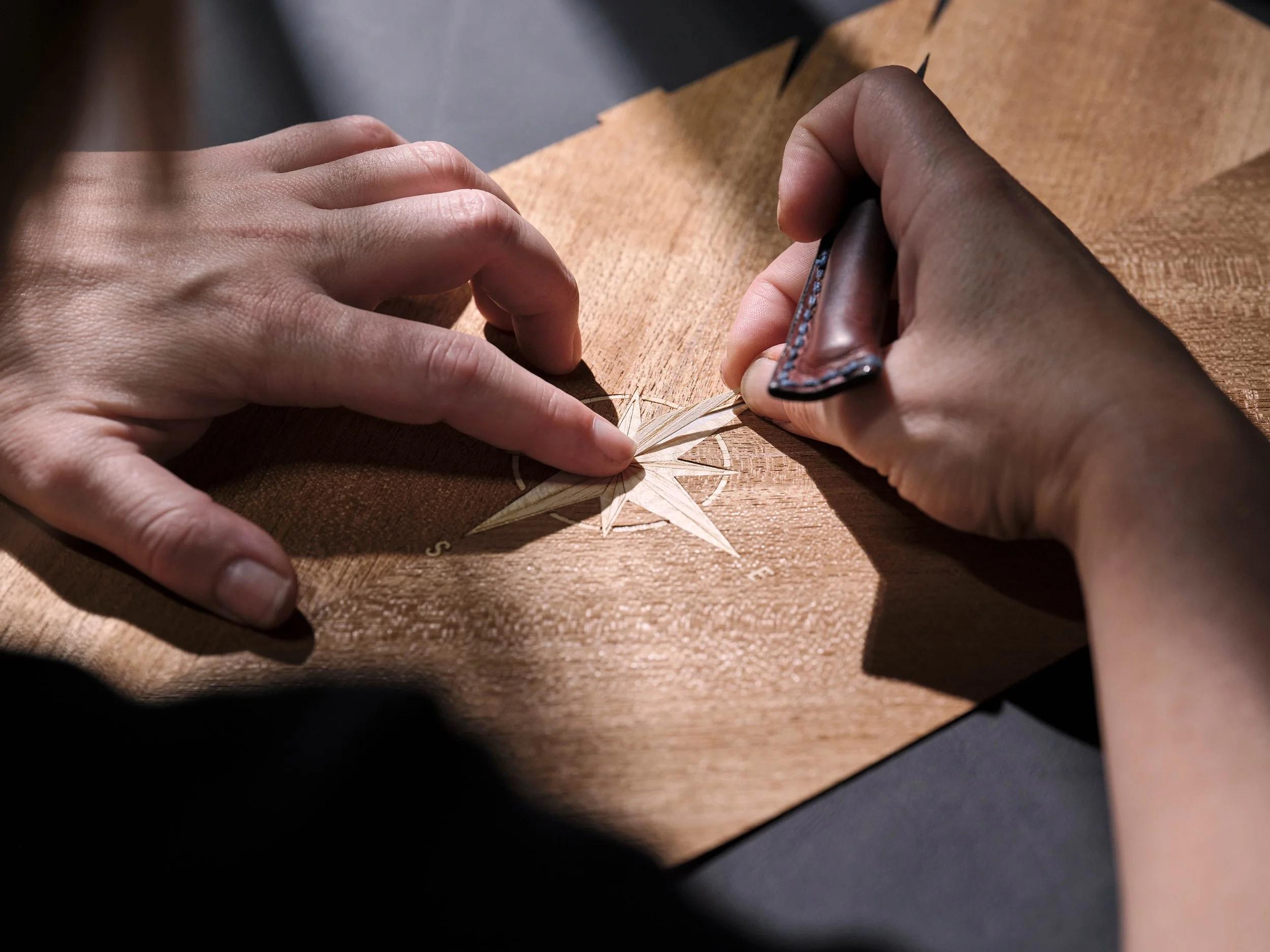
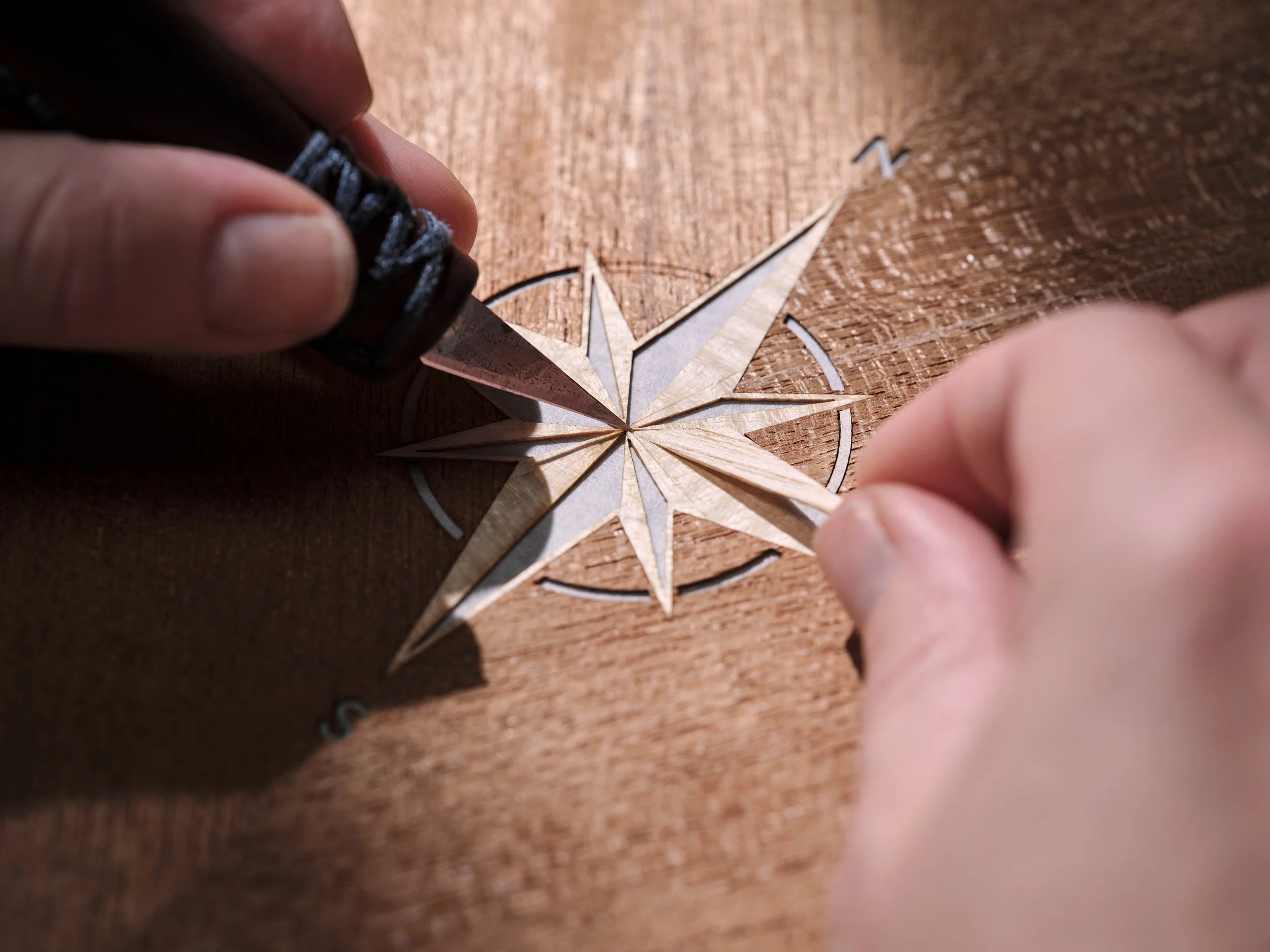
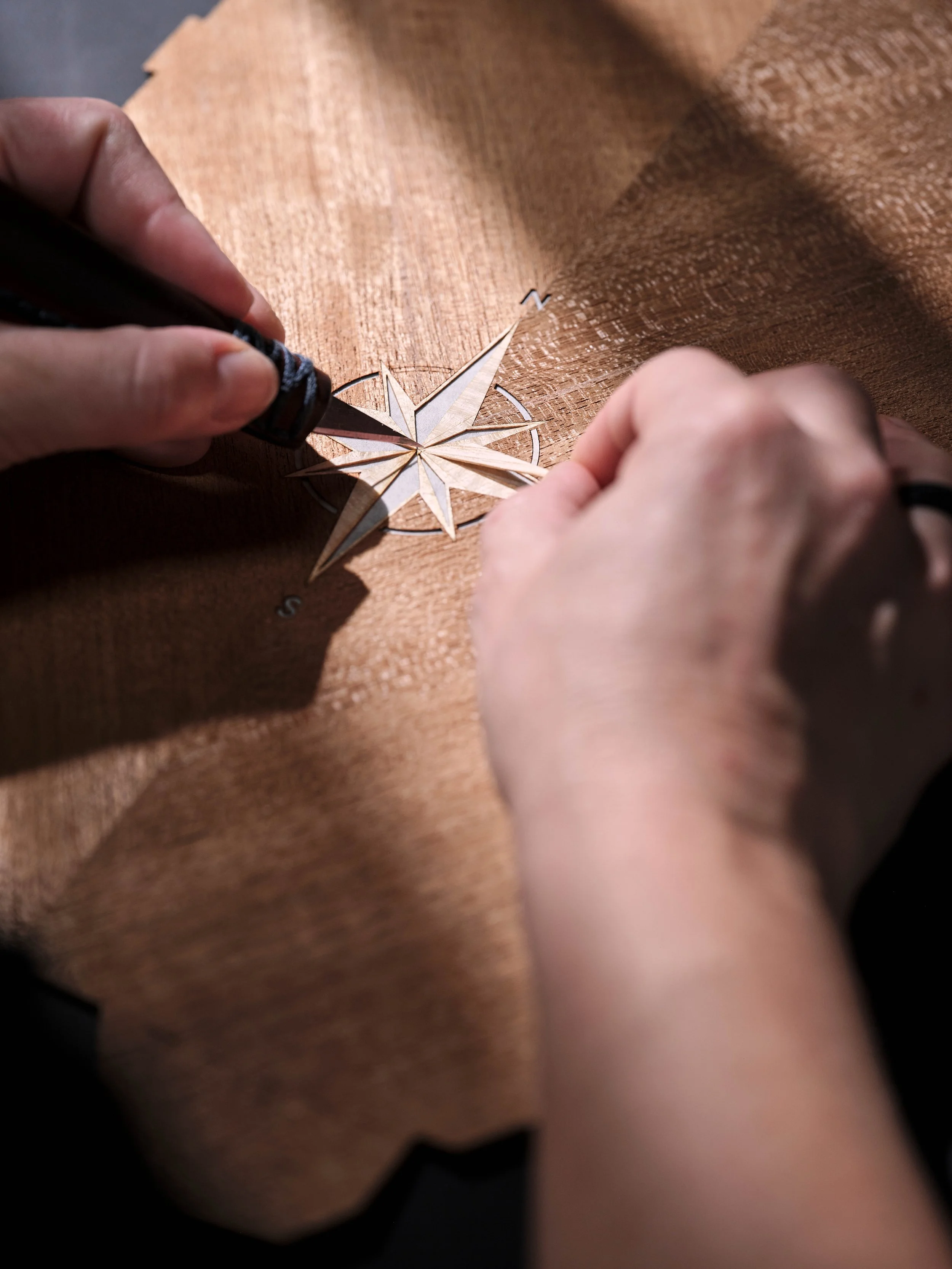
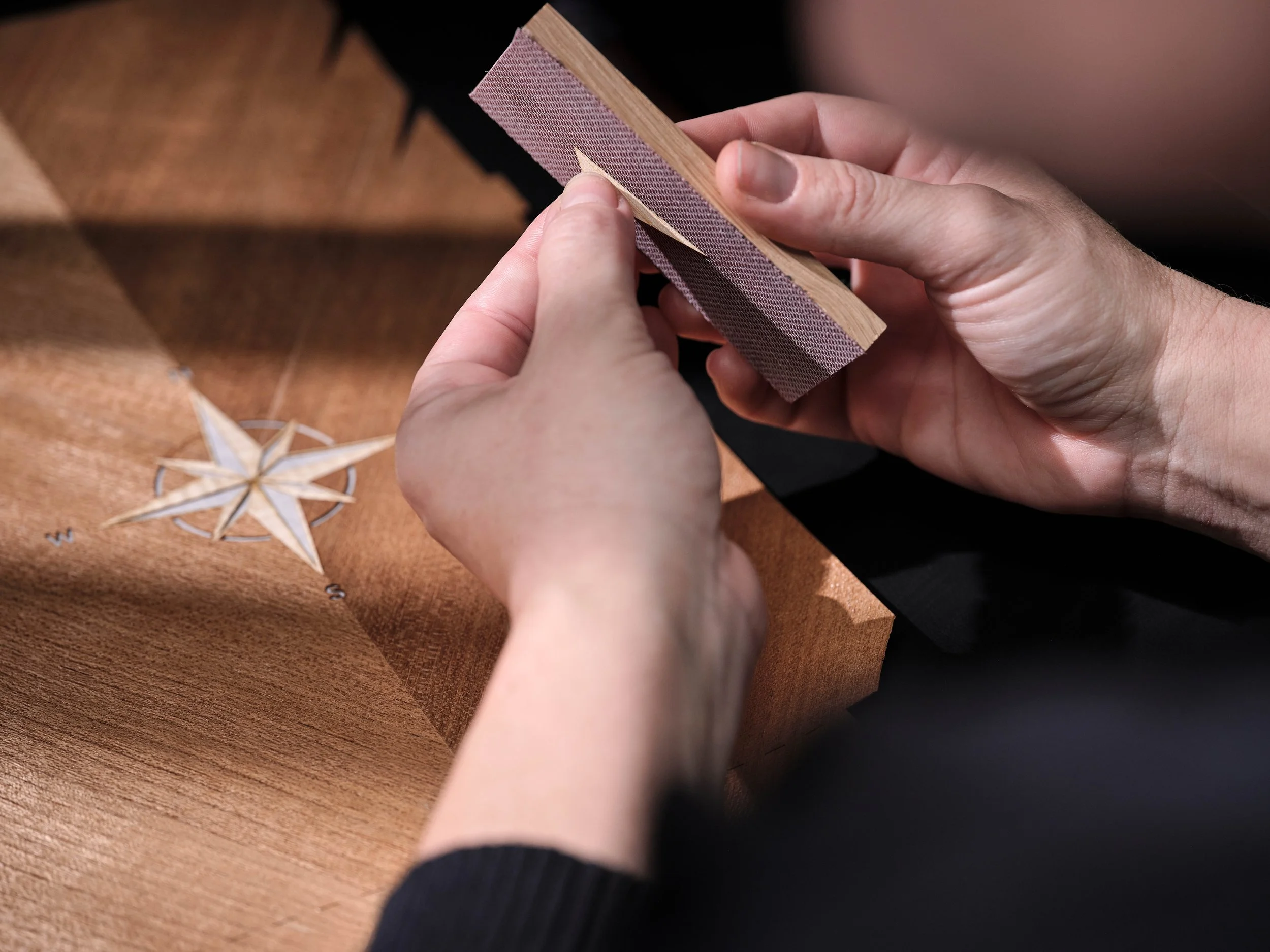
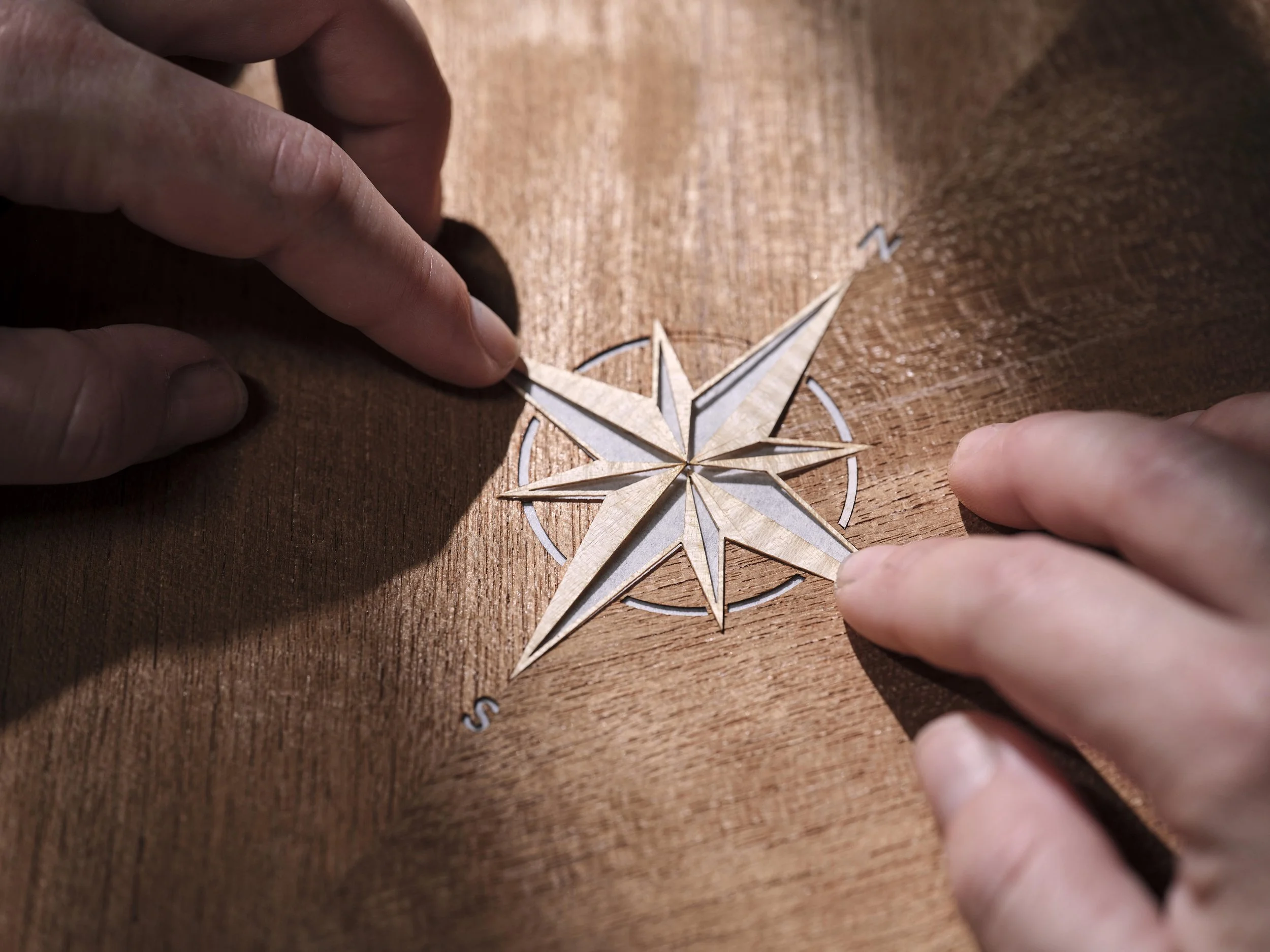
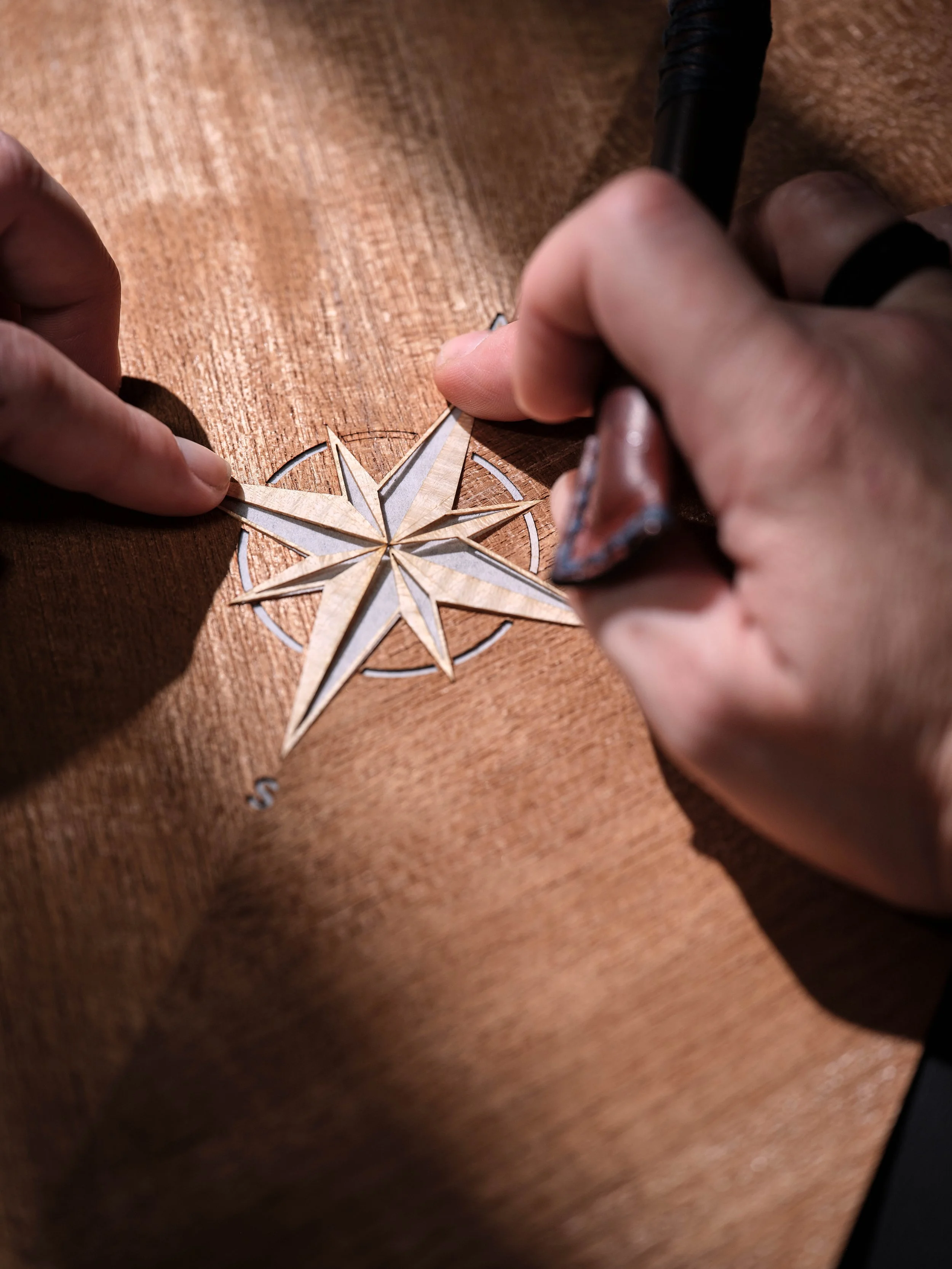
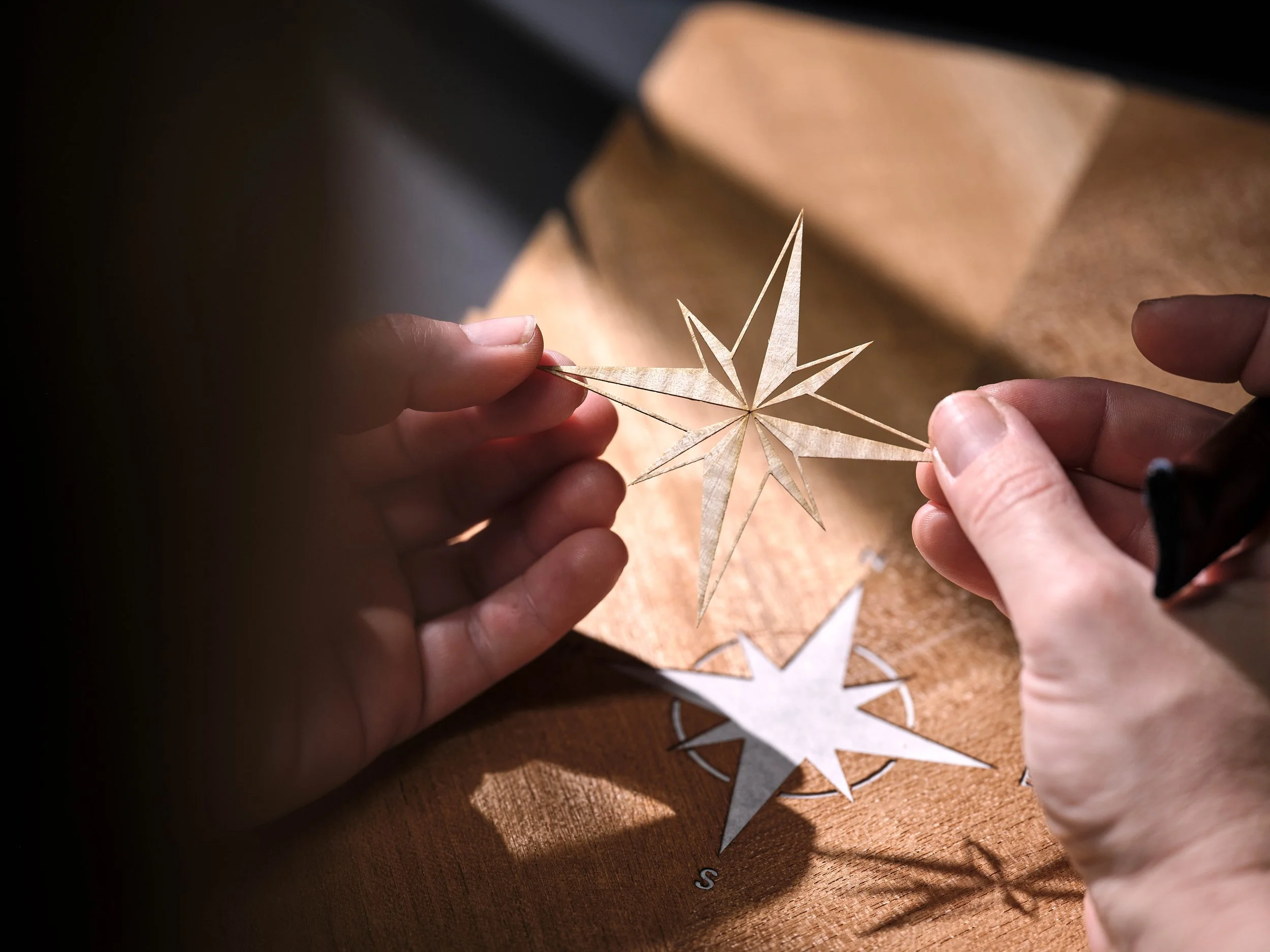
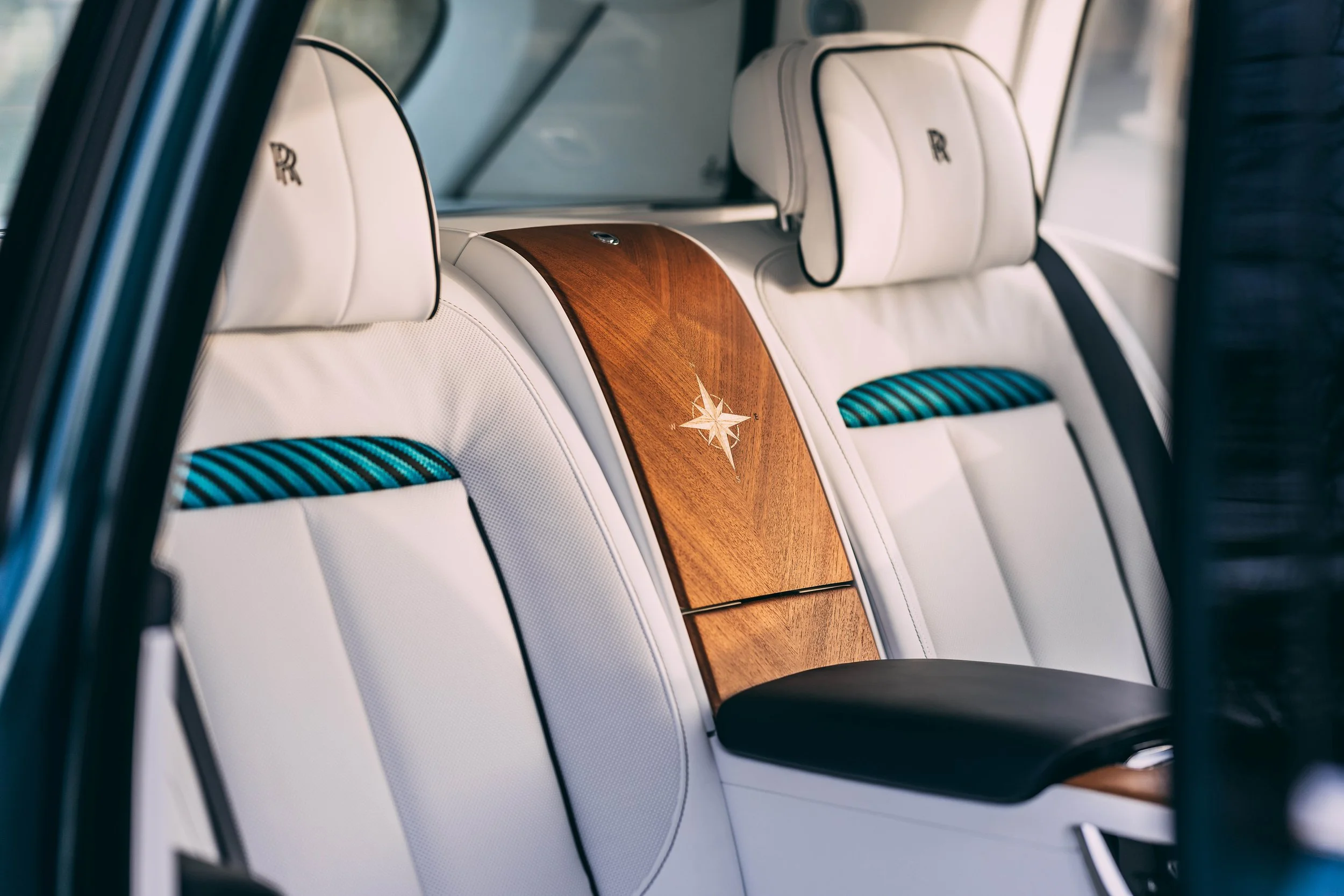
On the rear Waterfall, a marquetry compass motif anchors the design. Craftspeople cut and assemble more than 40 individual pieces of Sycamore, Teak, Ash and Black Bolivar veneer by hand for each motif. This detail adds depth to the cabin and strengthens the yachting theme.
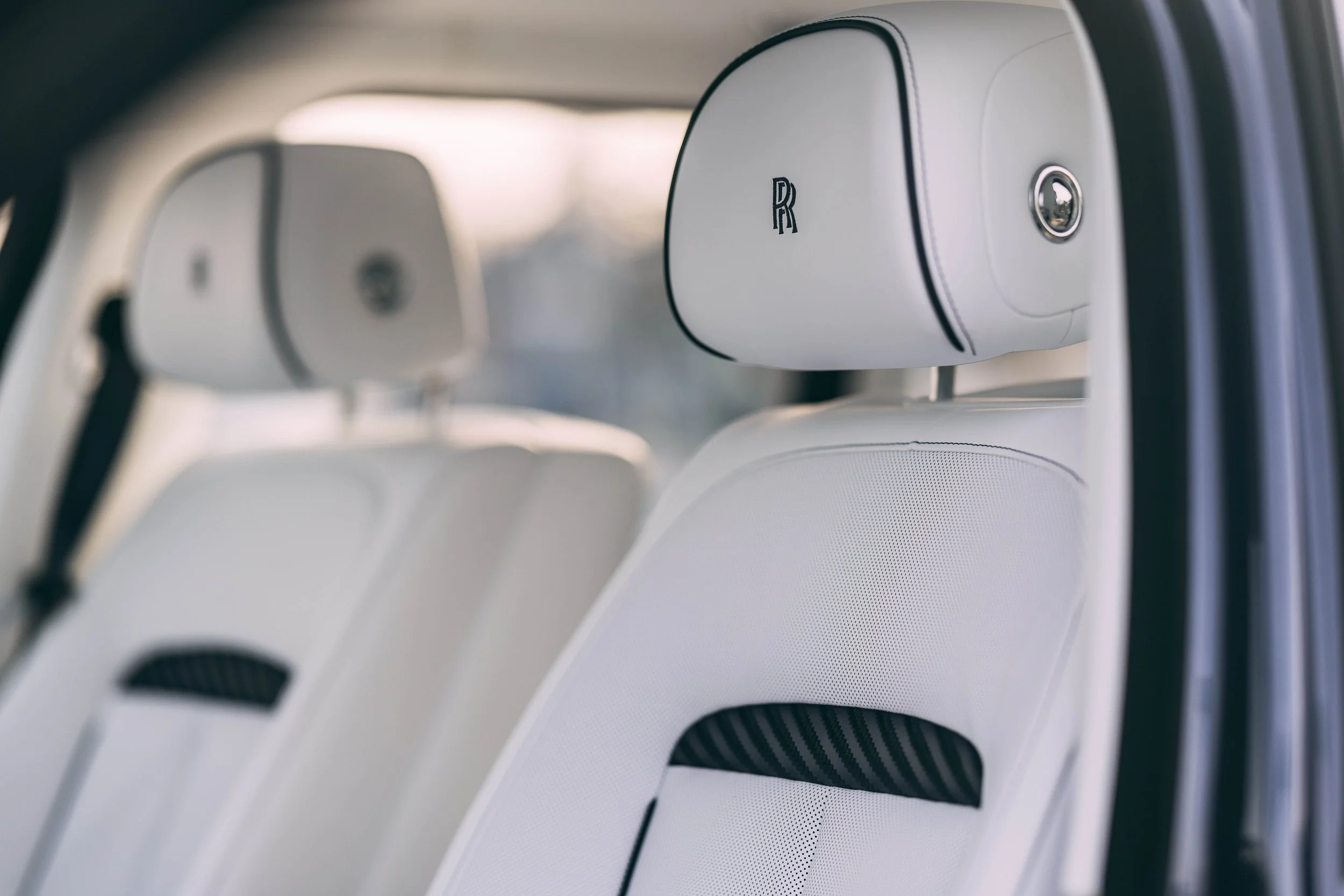
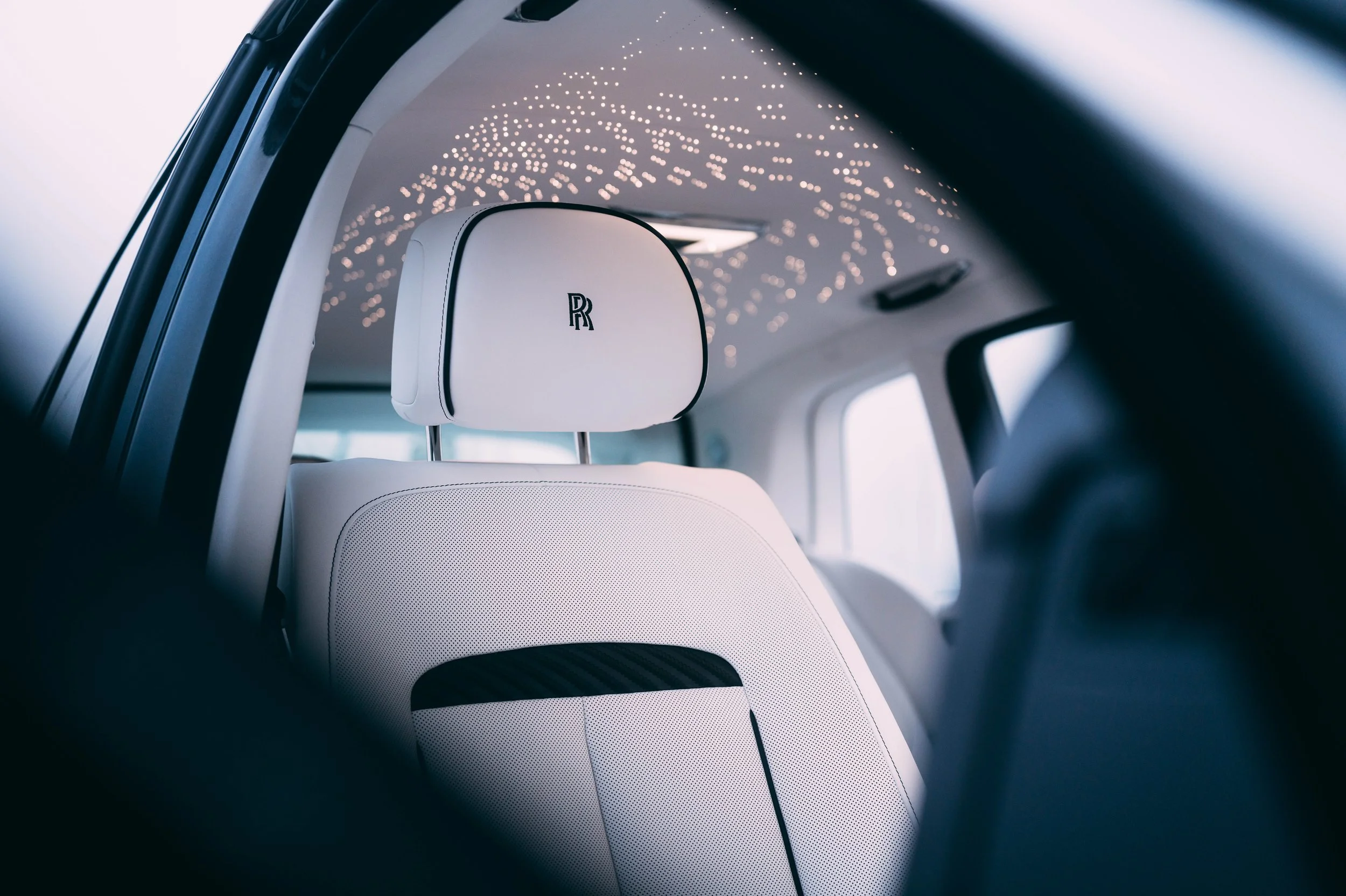
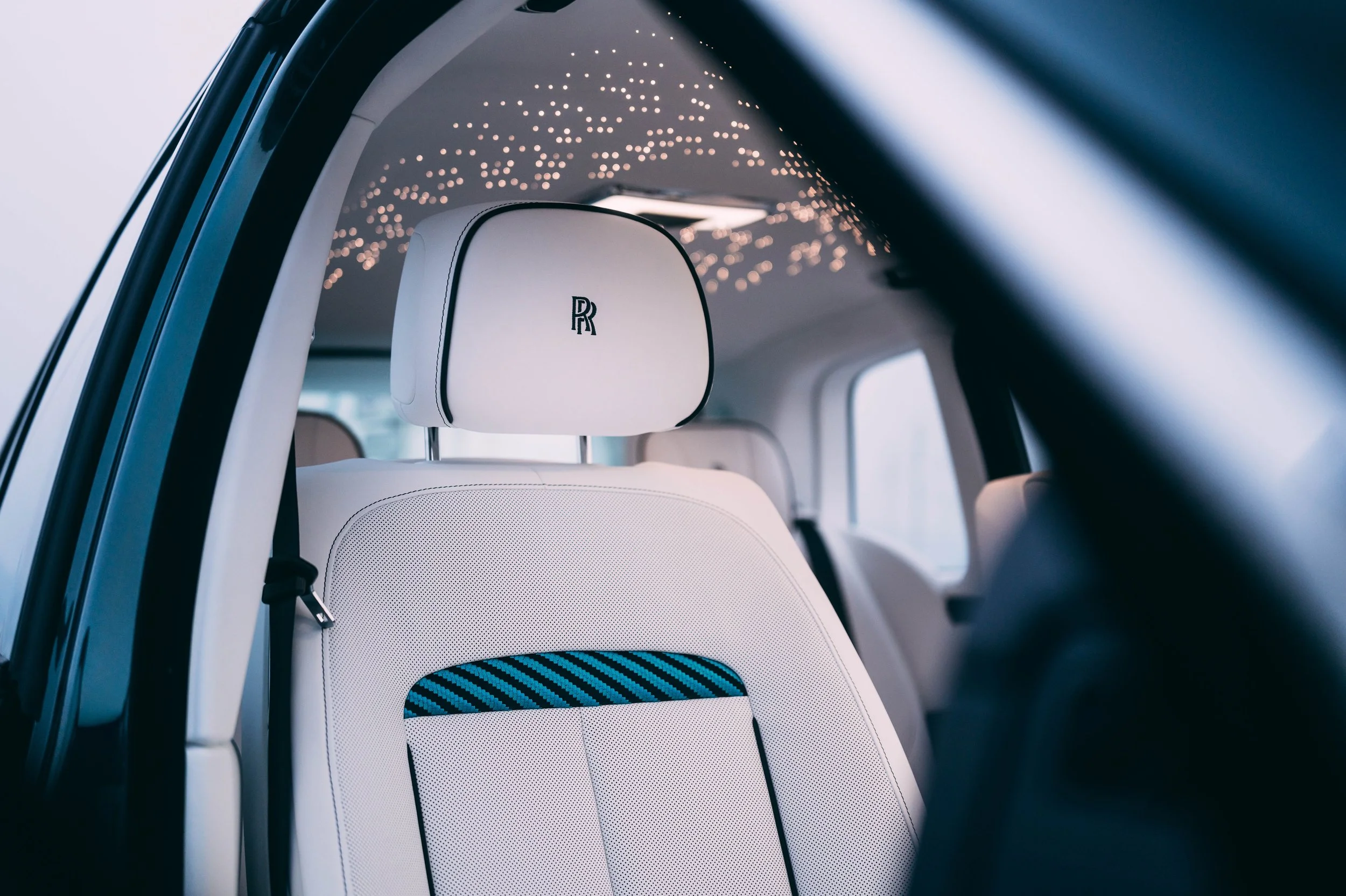
Rolls-Royce trims the interior in Arctic White and Navy Blue leather, with Navy contrast stitching, piping and headrest monograms. The seat inserts feature a Bespoke rigging pattern, which artisans stitch by hand in diagonal bands using Rolls-Royce’s signature thread. One artisan created this design from a personal connection to the Royal Navy and training in yarn, weaving, and embroidery techniques. The pattern echoes the way rope strands twist together to create strength. Each stitch follows the same structure, translating nautical ropework into elegant embroidery. Rolls-Royce also adds a rope motif to the illuminated treadplates, which appears when the coach doors open.
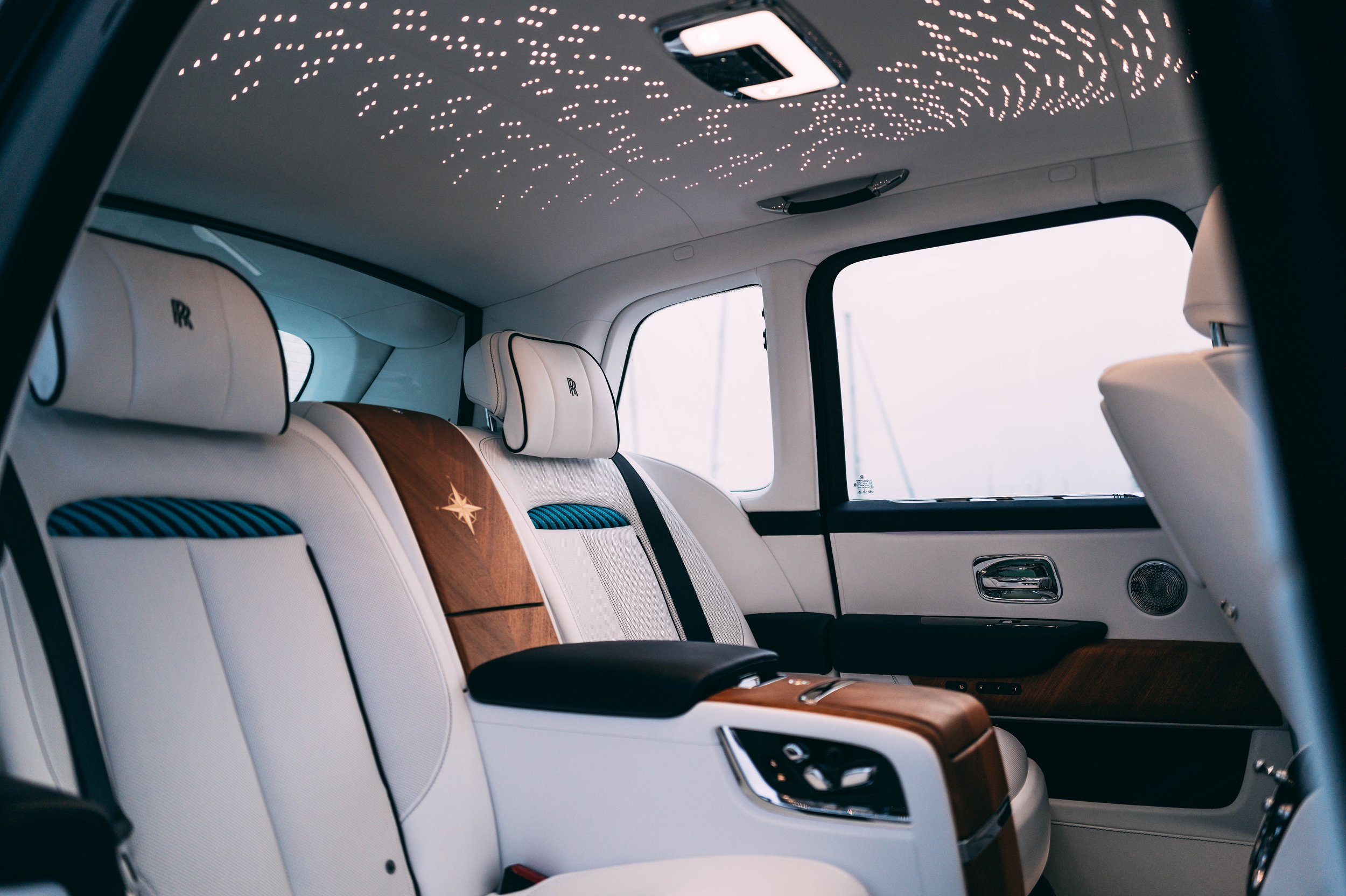
Each Cullinan Yachting features a unique Starlight Headliner. Rolls-Royce combines static and animated hand-placed fibre-optic stars in patterns inspired by Mediterranean wind maps. The Bespoke Collective of designers, craftspeople and engineers charts and interprets these shifting air currents, then recreates them in subtle motion across the roof of the interior suite.
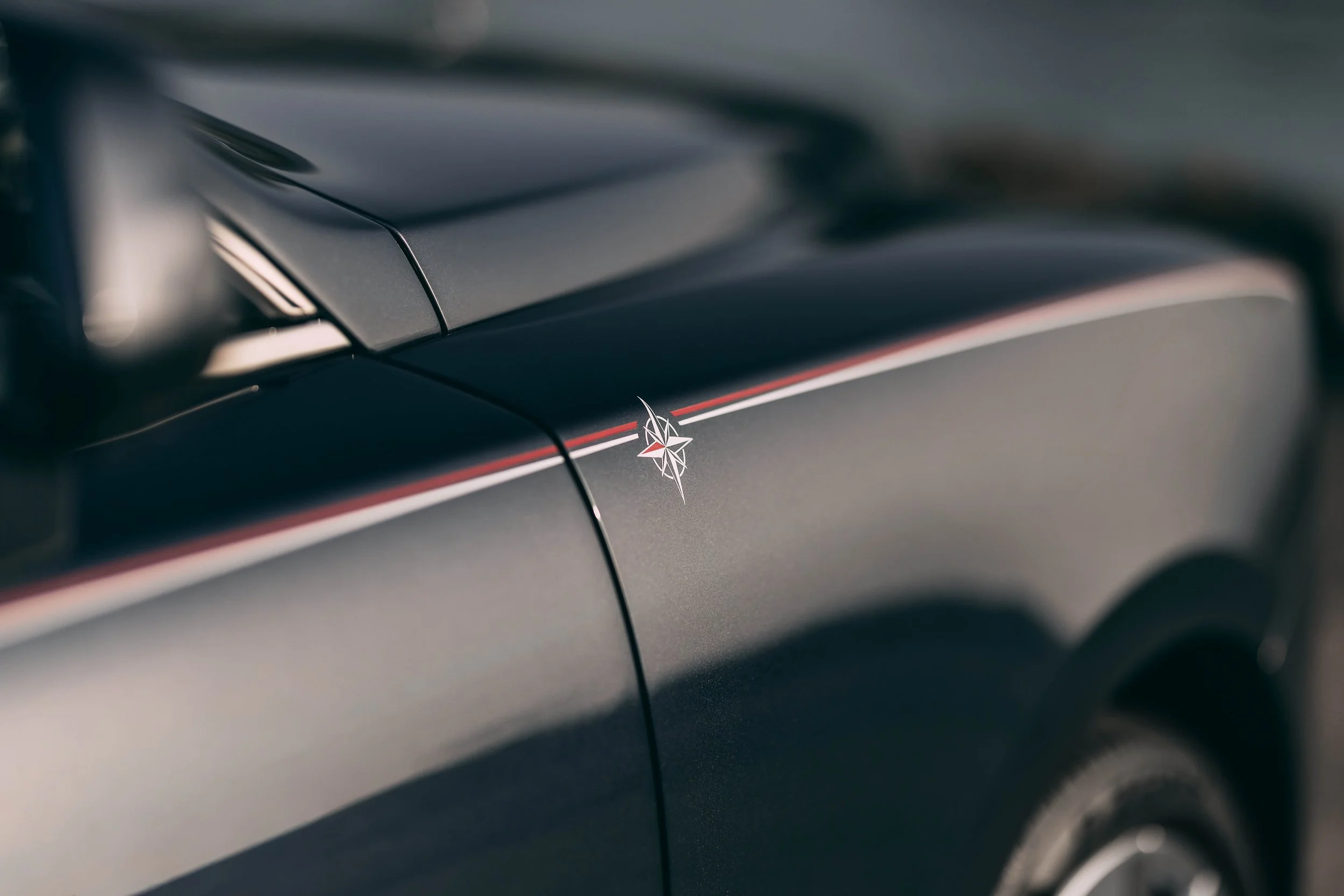
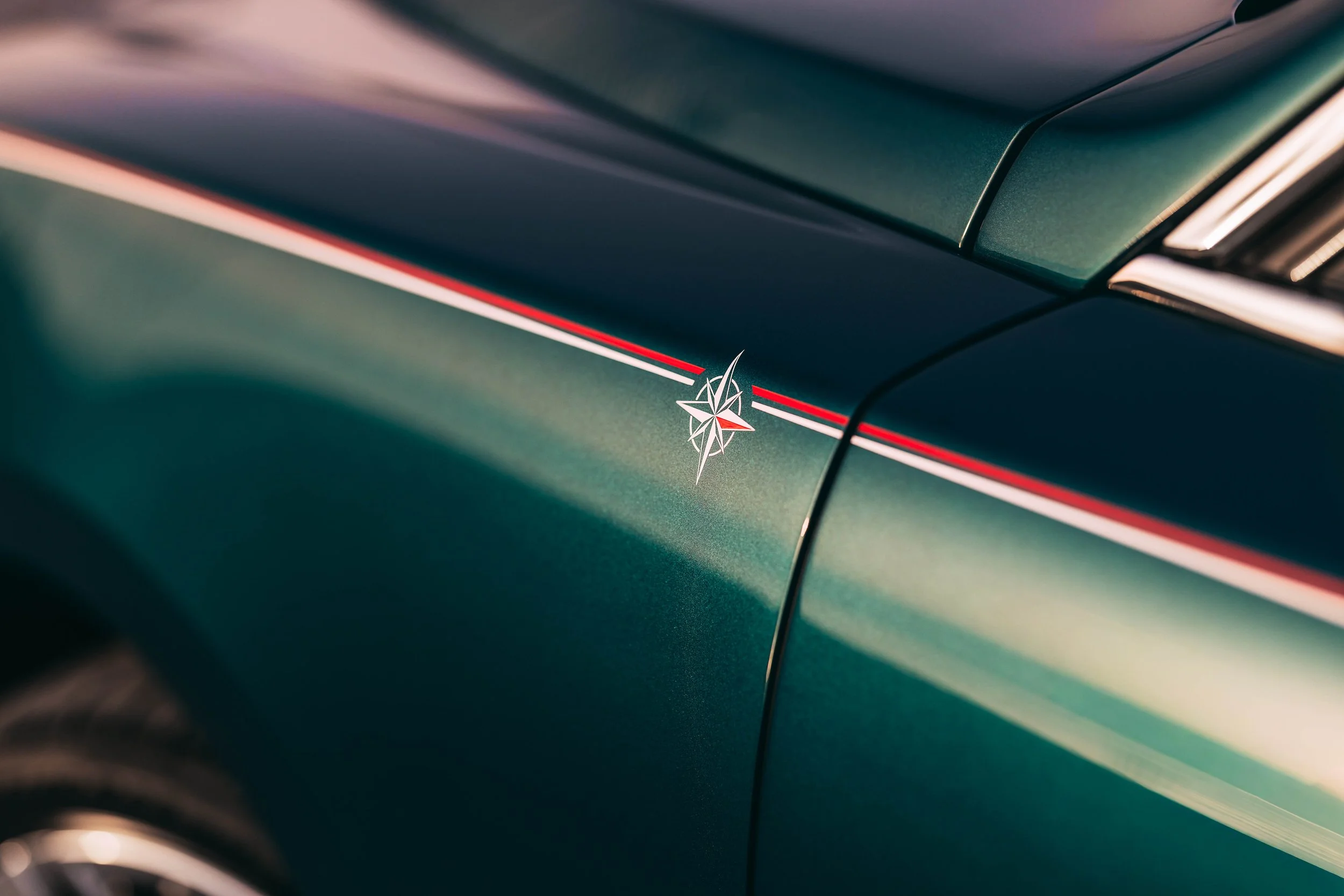
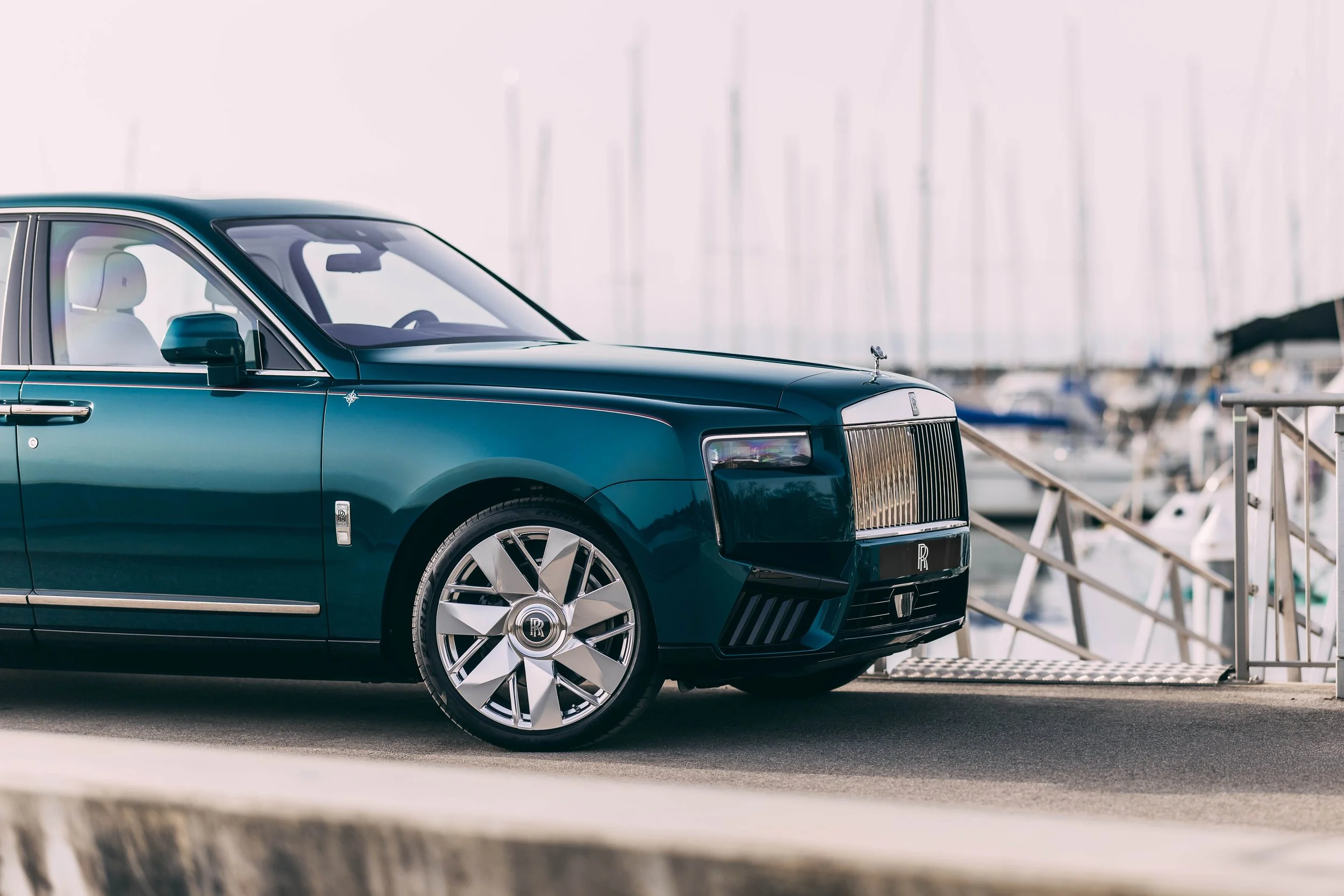
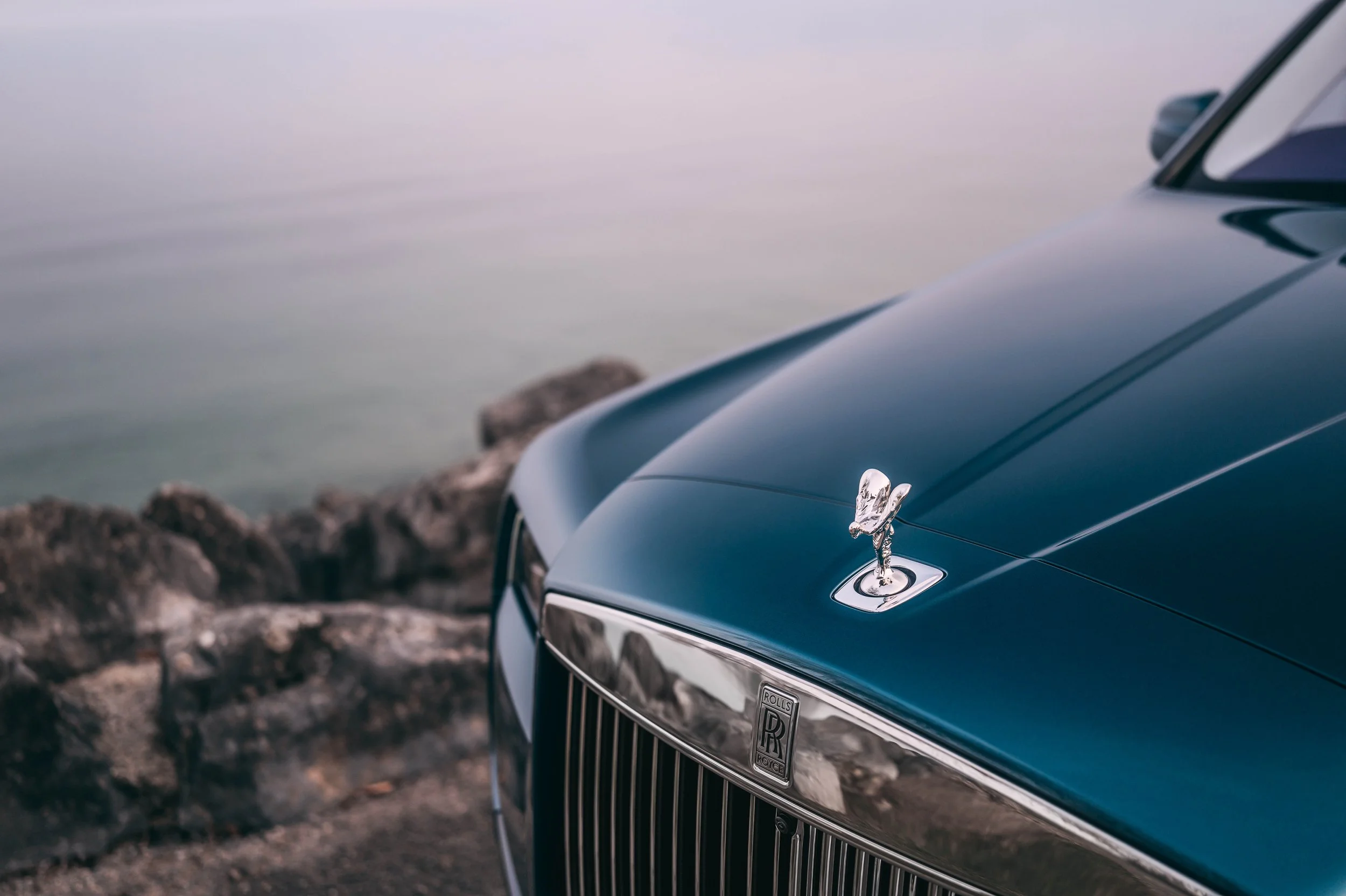
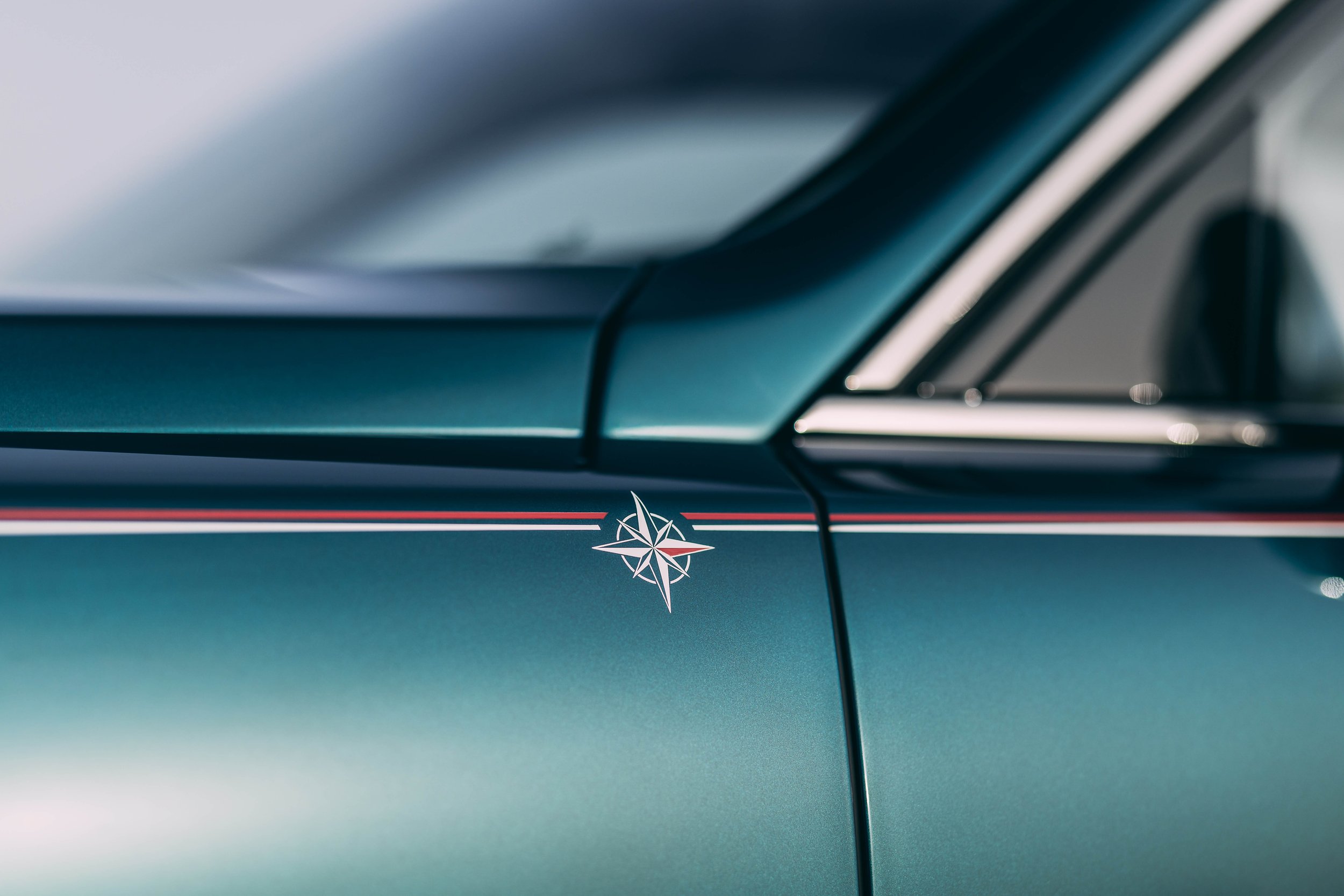
The exterior finish of each Rolls-Royce Cullinan Yachting commission reflects its compass point. North appears in Crystal over Light Blue and evokes colder northern waters. South wears Crystal over Arabian Blue IV, capturing the calm warmth of the southern seas. East takes on Dark Silk Teal, evoking the depth and mystery of open water. West comes in Sapphire Gunmetal and echoes a storm-lit ocean sky. Rolls-Royce completes each motor car with a hand-painted compass motif on the front wings, highlights the relevant directional point in red and adds a hand-applied Twin Coachline in Phoenix Red and Arctic White.
Each commission also features 22-inch Fully Polished alloy wheels. Their finish recalls the mirror-polished brightwork and deck fittings found on contemporary yachts. These details give the luxury SUV a crisp, maritime edge without sacrificing the elegance expected from a Rolls-Royce.
Rolls-Royce’s connection with yachting runs deep and stretches back more than a century. In the marque’s design language, the lower line of the bodywork, known as the waft line, draws directly from yacht design. This line creates a smooth sense of motion by reflecting the road beneath the car, much like a yacht hull reflects the water as it cuts through the sea.
Many heritage motor cars, along with Goodwood-era models such as Phantom Drophead Coupé and Spectre, and the contemporary coachbuilt Boat Tail commissions, draw on racing yachts for design cues and material inspiration. The J-class yachts of the 1930s stand out as a particularly powerful influence. These vessels competed for the America’s Cup and combined elegant proportions, long overhangs, sweeping lines and vast sail plans with remarkable speed. Their beauty and performance still earn them a reputation as floating works of art.
The marque also shares a direct personal link with the maritime world. Before Charles Rolls met Henry Royce, the Rolls family owned Santa Maria, a substantial yet graceful schooner-rigged steam yacht with two masts and auxiliary steam power. This type of vessel suited the fashionable late-Victorian and early-Edwardian nautical society. After graduating from Cambridge in 1898, Charles Rolls briefly served as her Third Engineer, one of his earliest engineering roles, before pursuing his true calling in motoring and aviation.
Logbooks and records from the late 19th and early 20th centuries show Santa Maria taking the family on frequent cruises from Shoreham on the south coast of England to the Mediterranean. Her ports of call included Naples, Malta, Algiers and the Côte d’Azur. That coastline remains a favourite destination and home port for many Rolls-Royce clients who also own yachts, and it now provides the creative focal point for Cullinan Yachting.