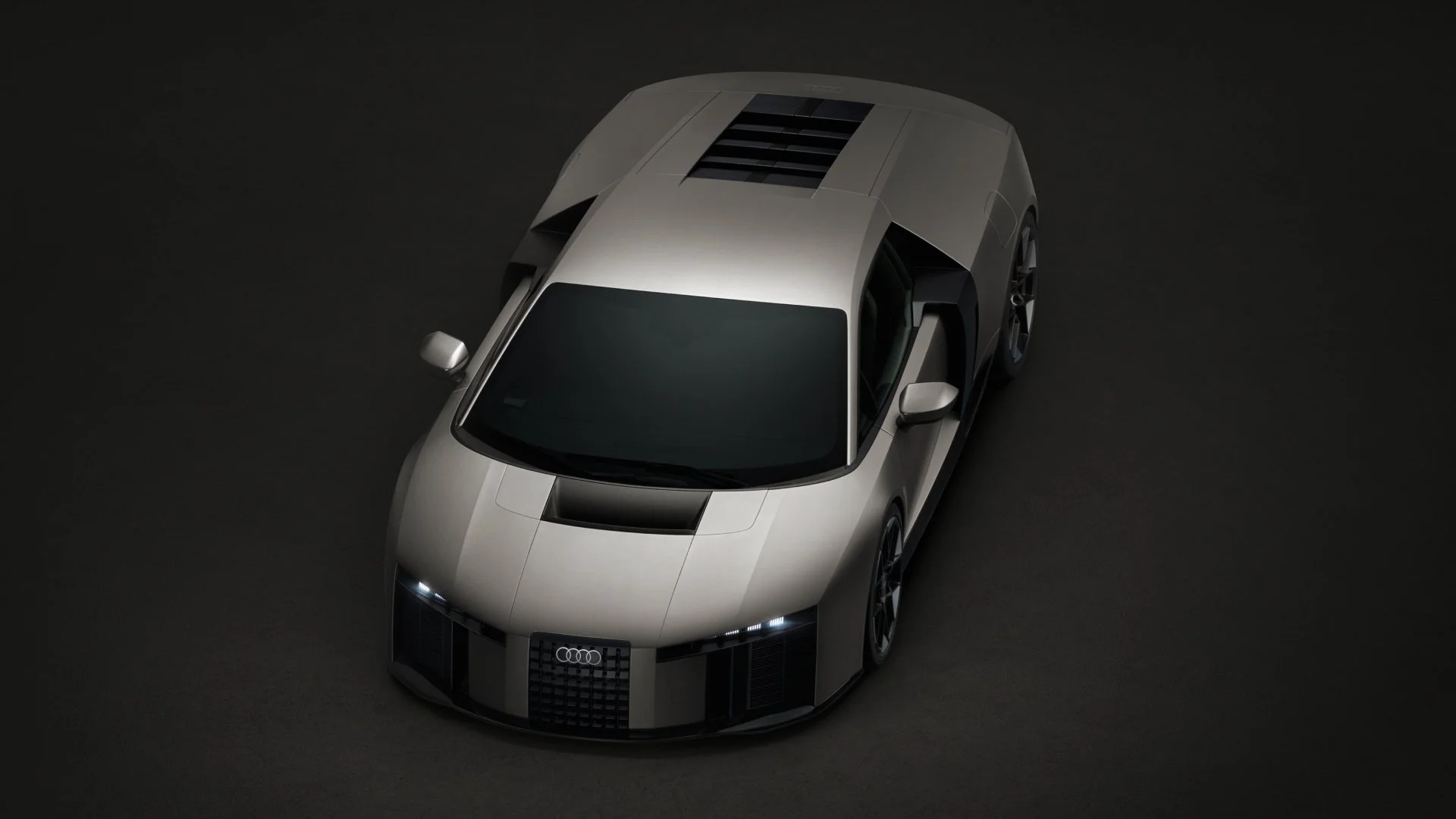
Audi Nuvolari: A New Supercar with Hybrid Power
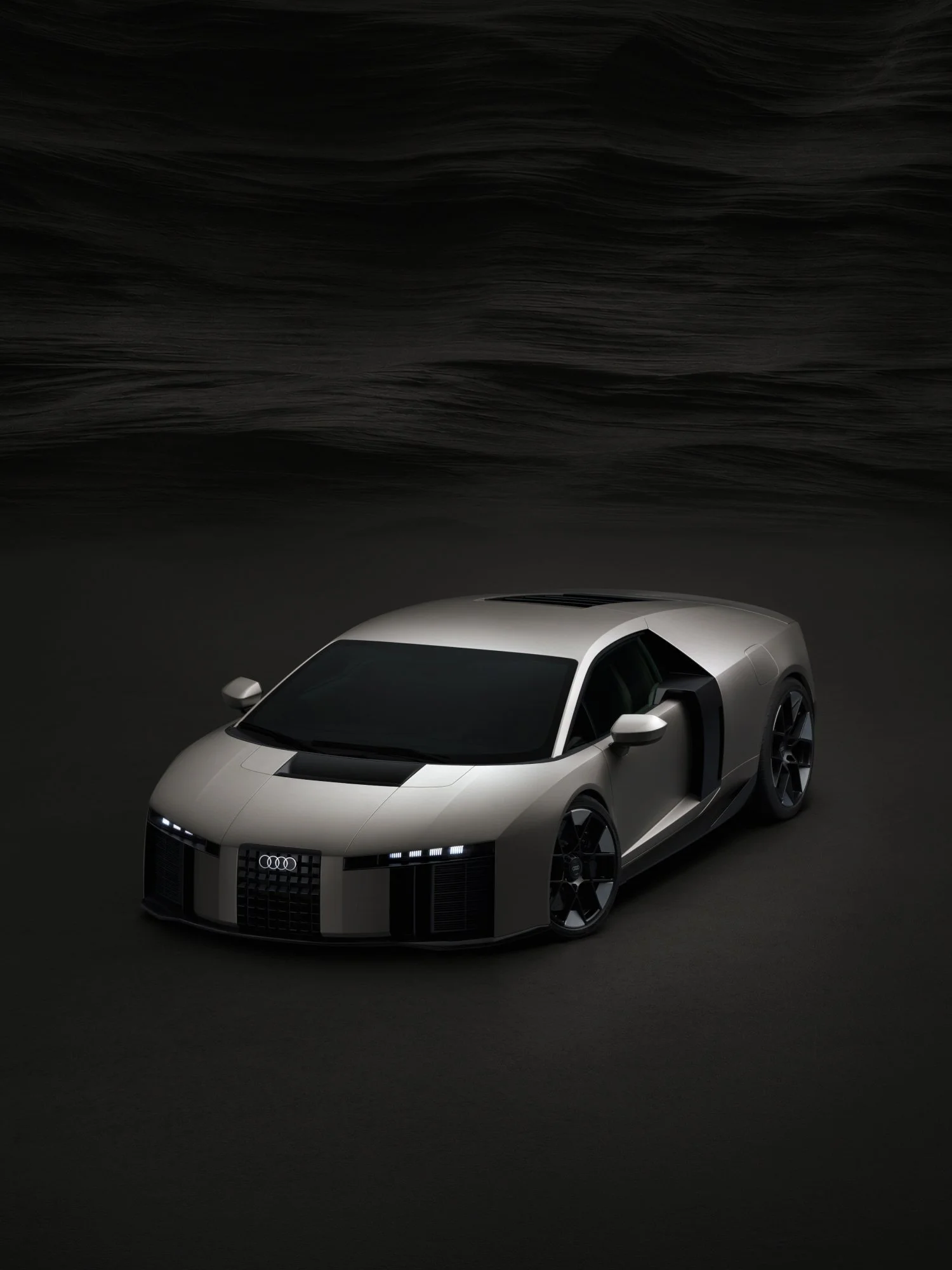
Audi has unveiled the Nuvolari, its first supercar to feature a high-performance hybrid powertrain, marking a bold step forward in automotive technology. Delivering 1,001 PS and a top speed exceeding 217mph, the Nuvolari will become the most powerful and fastest production vehicle in Audi's history. The brand will limit production to 499 units, with deliveries starting in the first half of 2027.
The Audi Nuvolari sprints from 0- 62 mph in just 2.6 seconds and reaches 124mph in 6.8 seconds. Formula 1-inspired innovations make these figures possible, including the hybrid powertrain, quattro predictive ride, active aerodynamics, and the new Audi Space Frame (ASF) with a carbon exterior.
"With the Audi Nuvolari, we are accelerating technological progress," says Gernot Döllner, Chairman of the Board of Management of AUDI AG. "It shows what is possible when the focus is on technology, performance, and execution through teamwork — and when we achieve progress together."
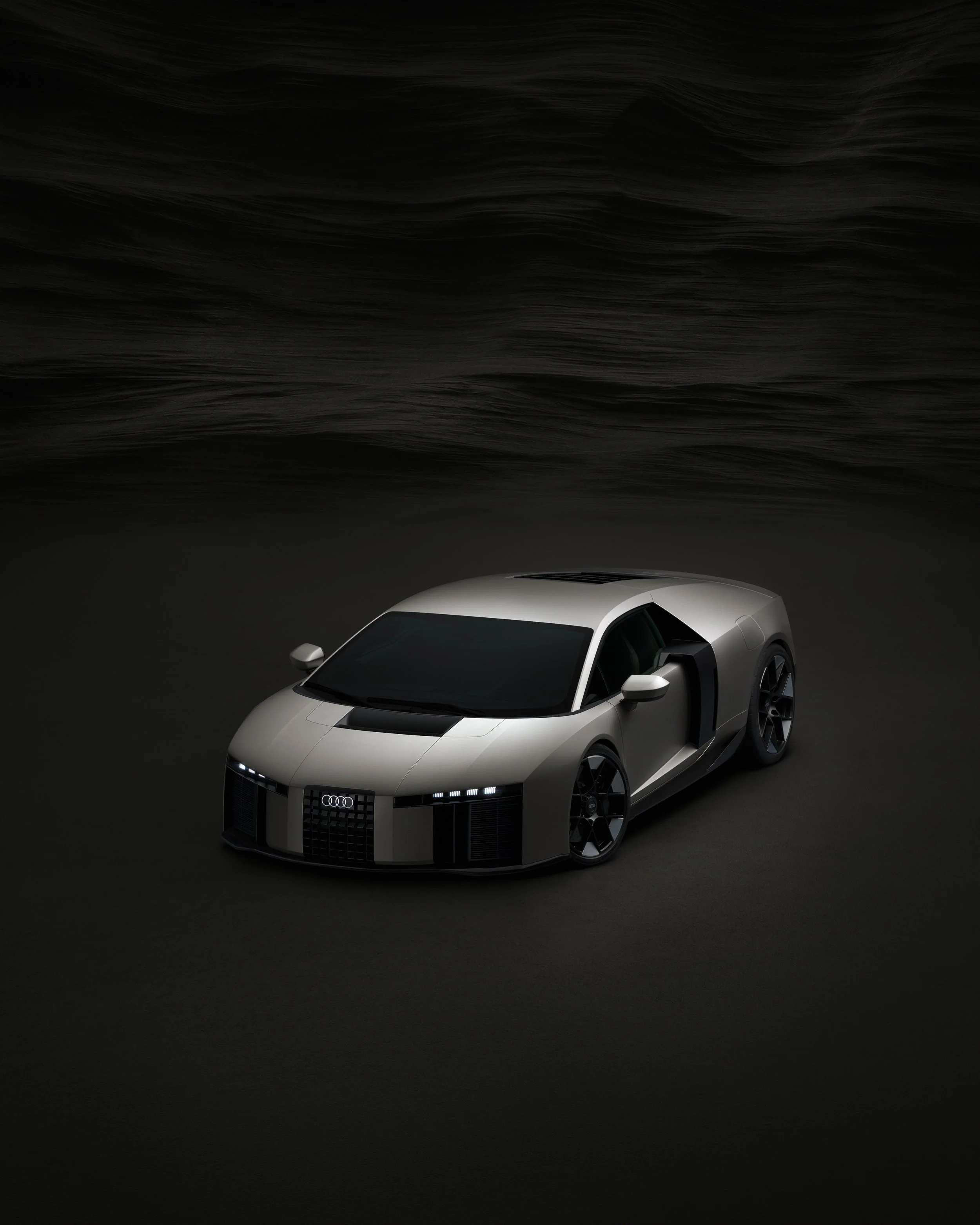
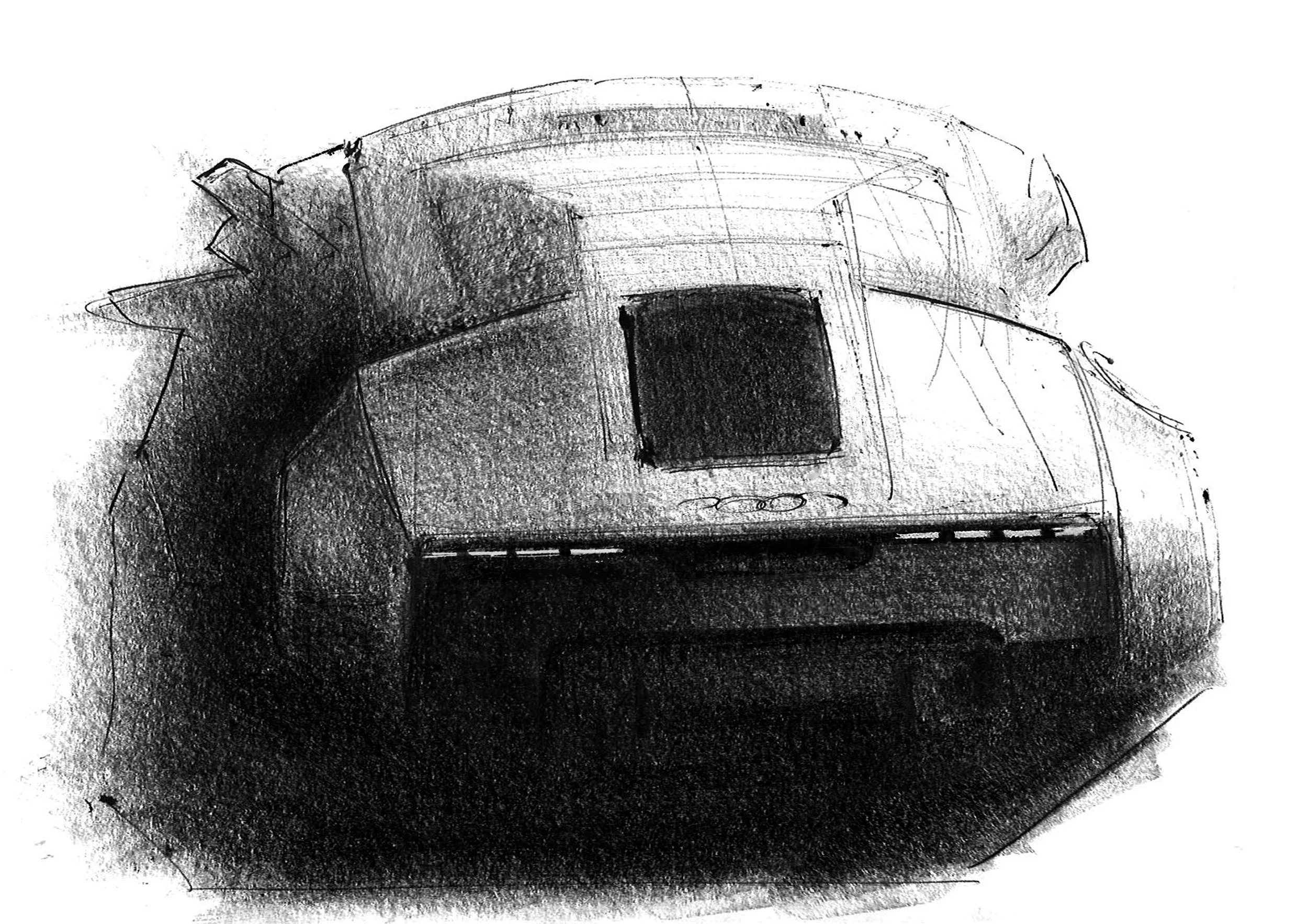
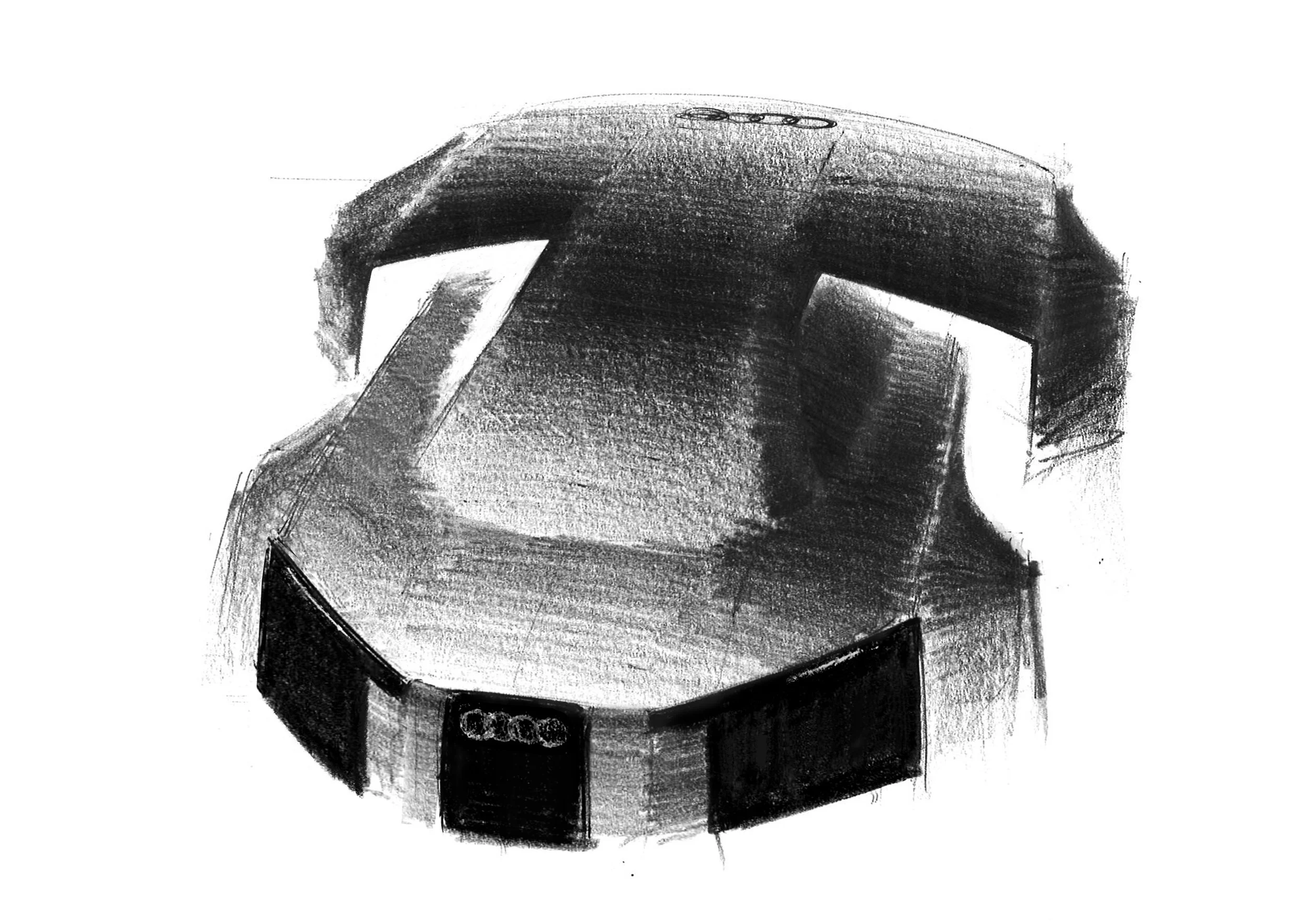
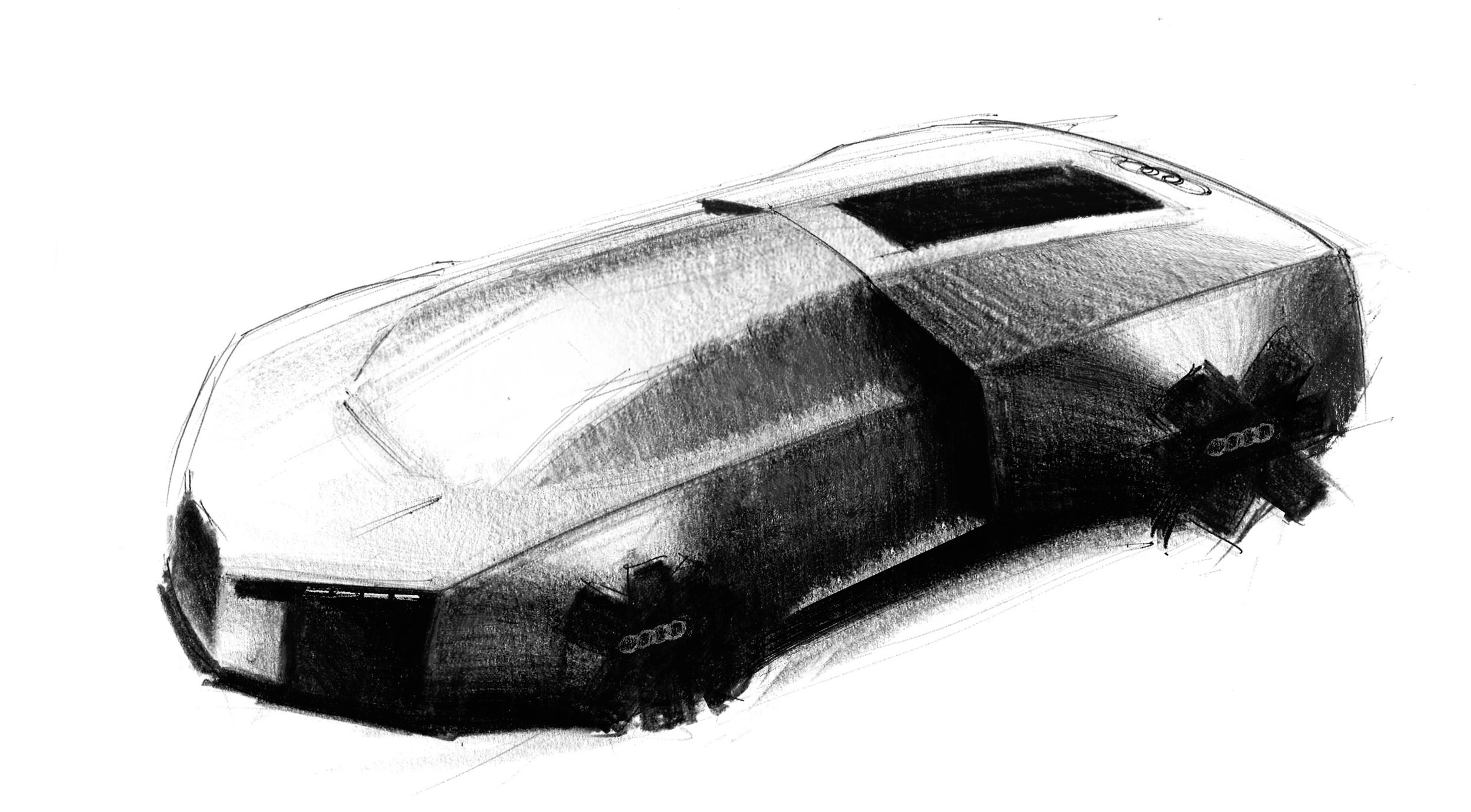
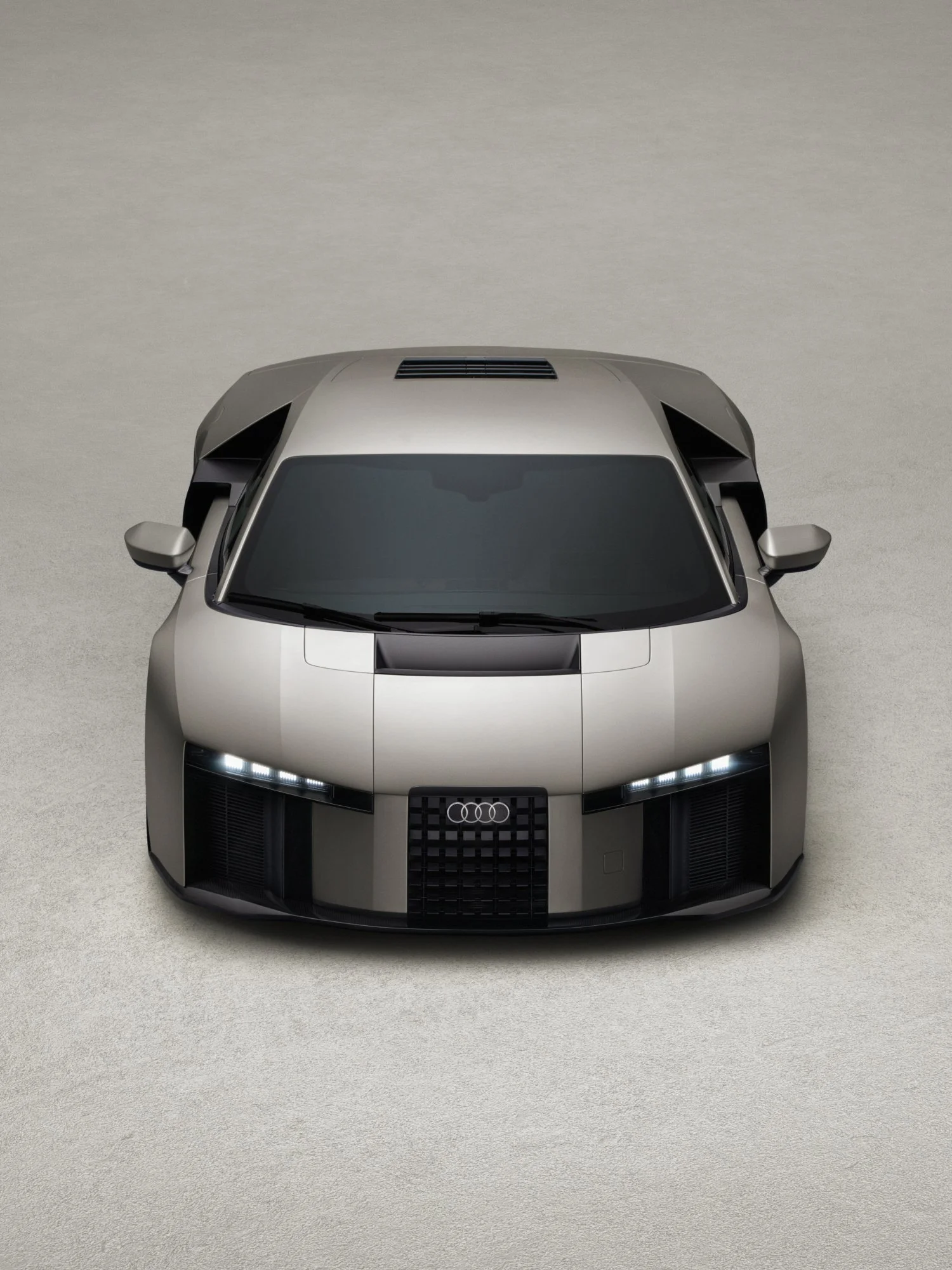
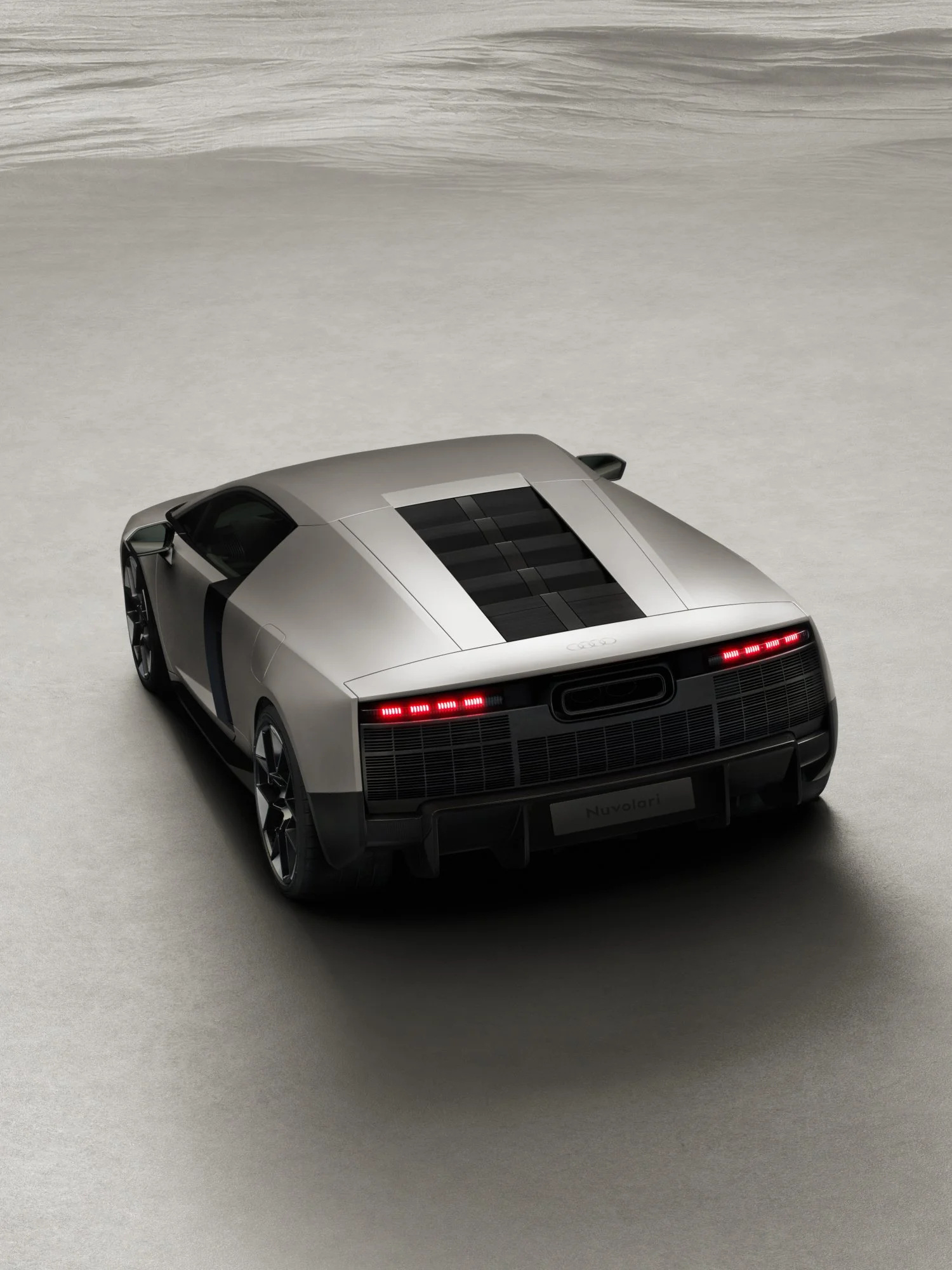
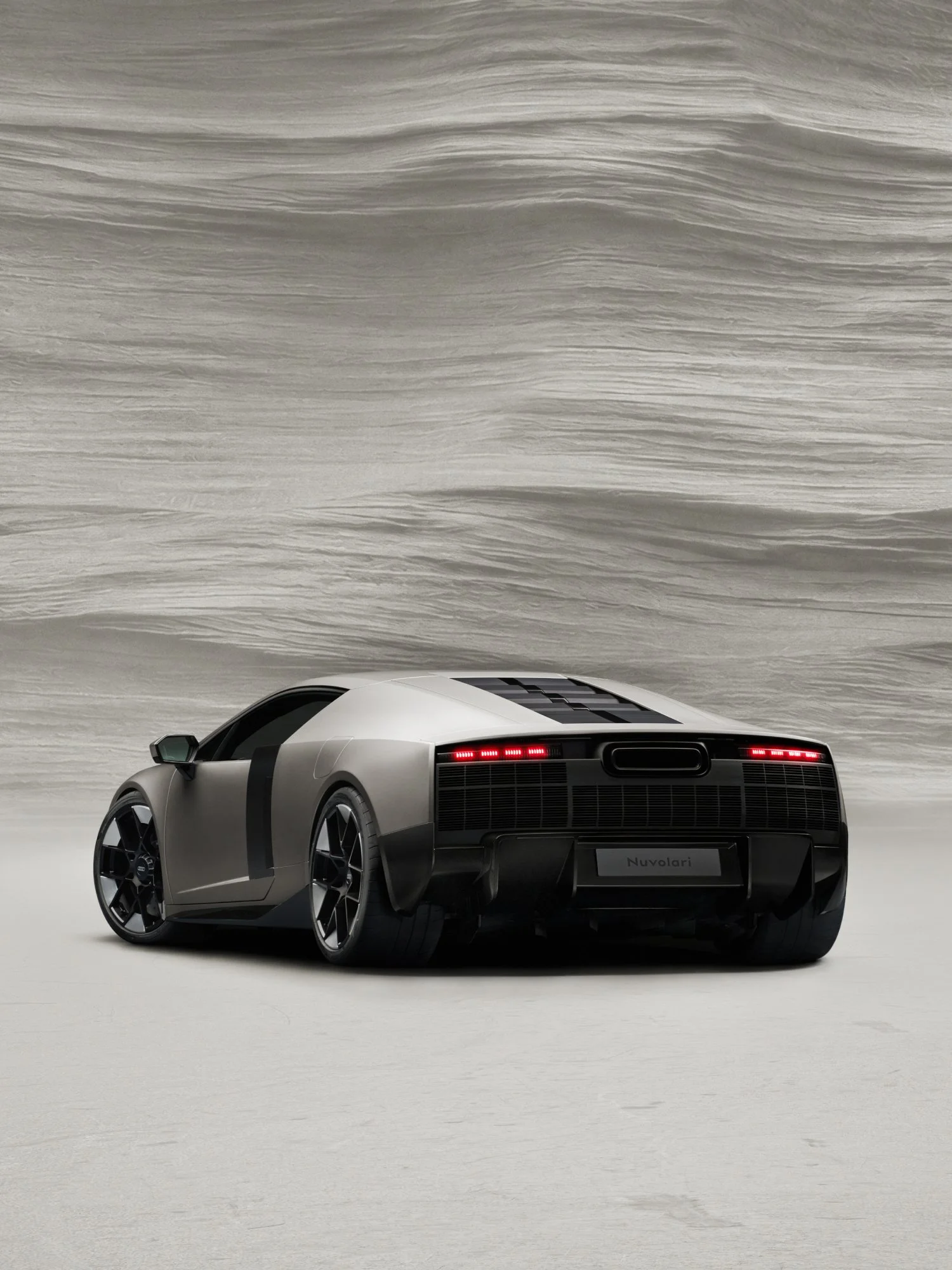
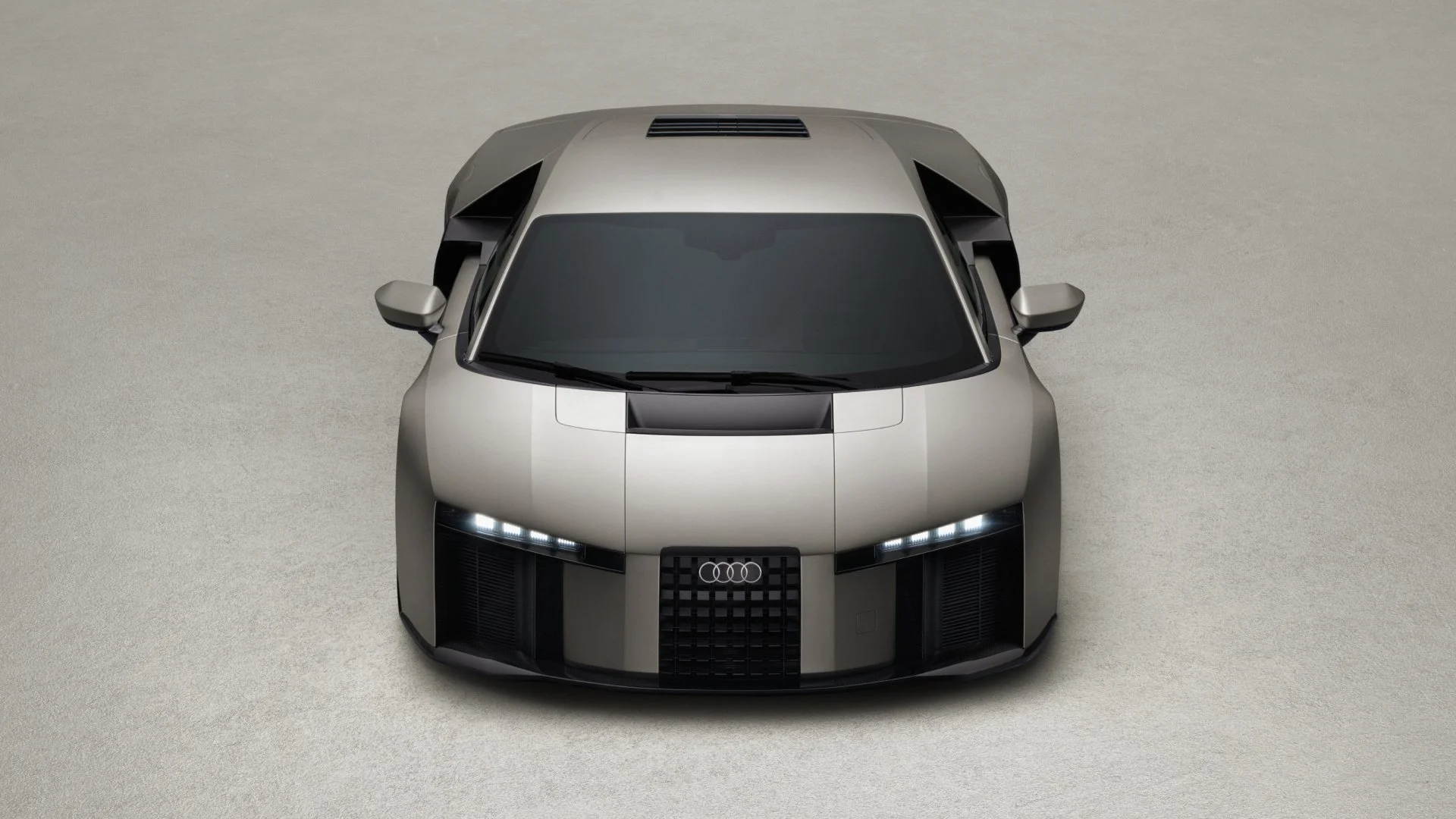
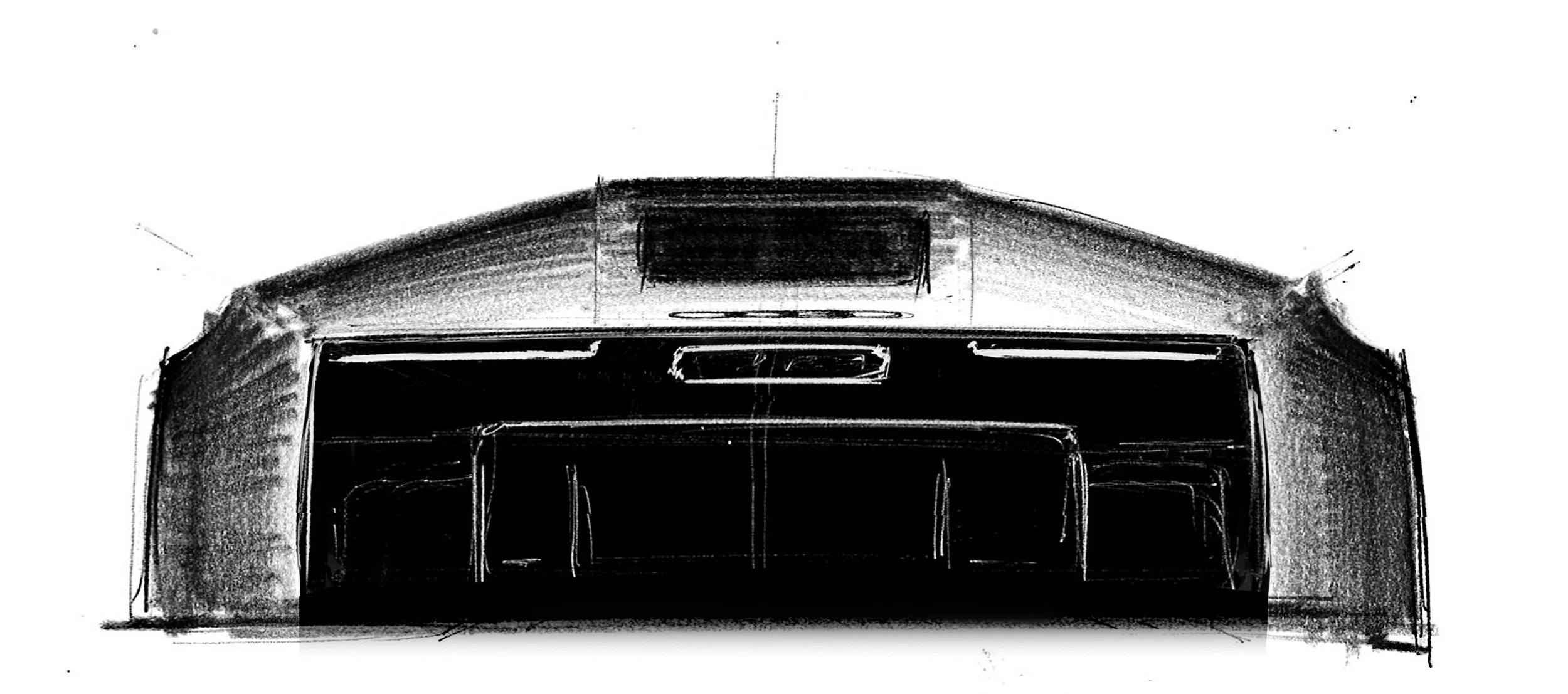
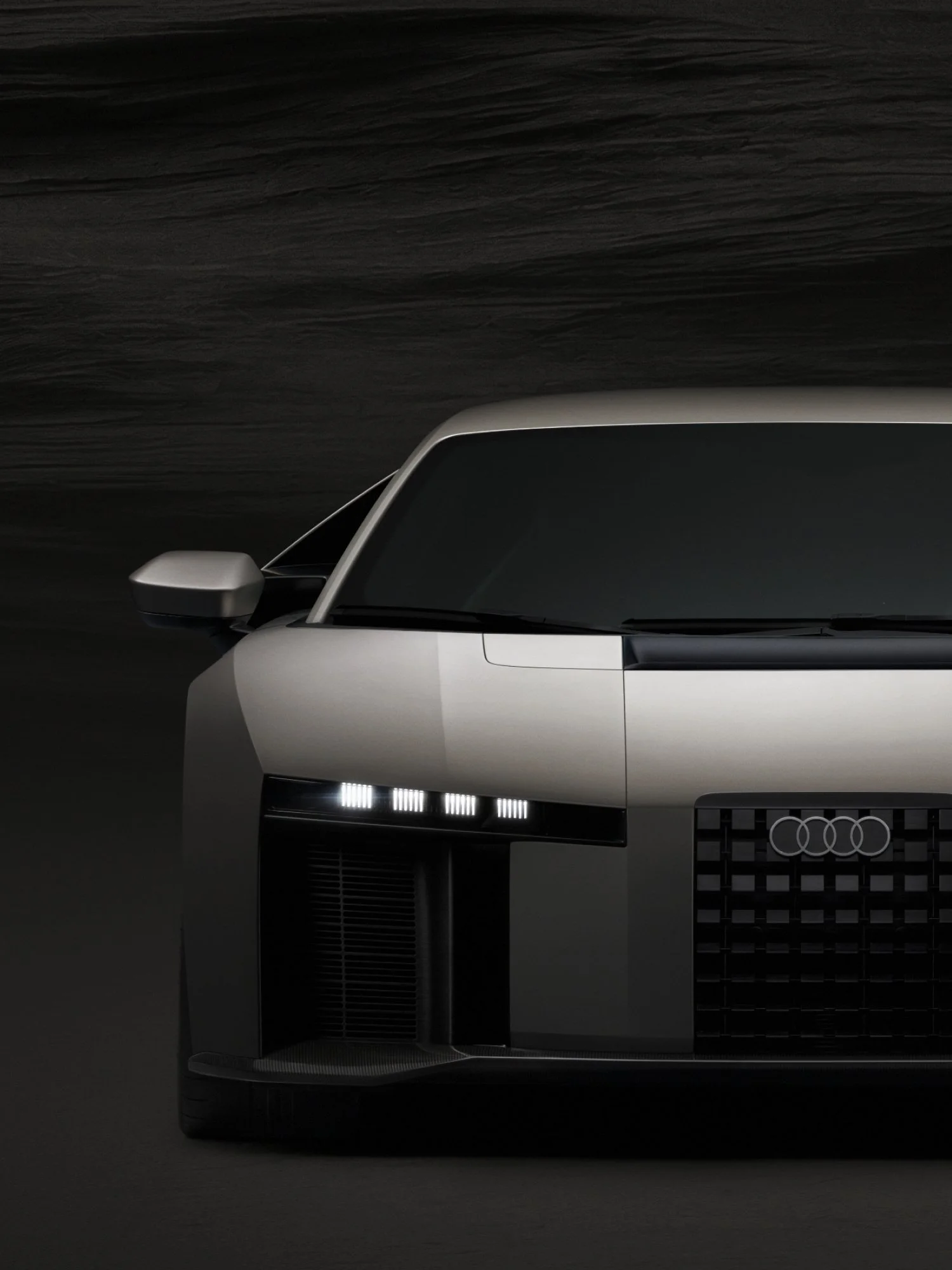
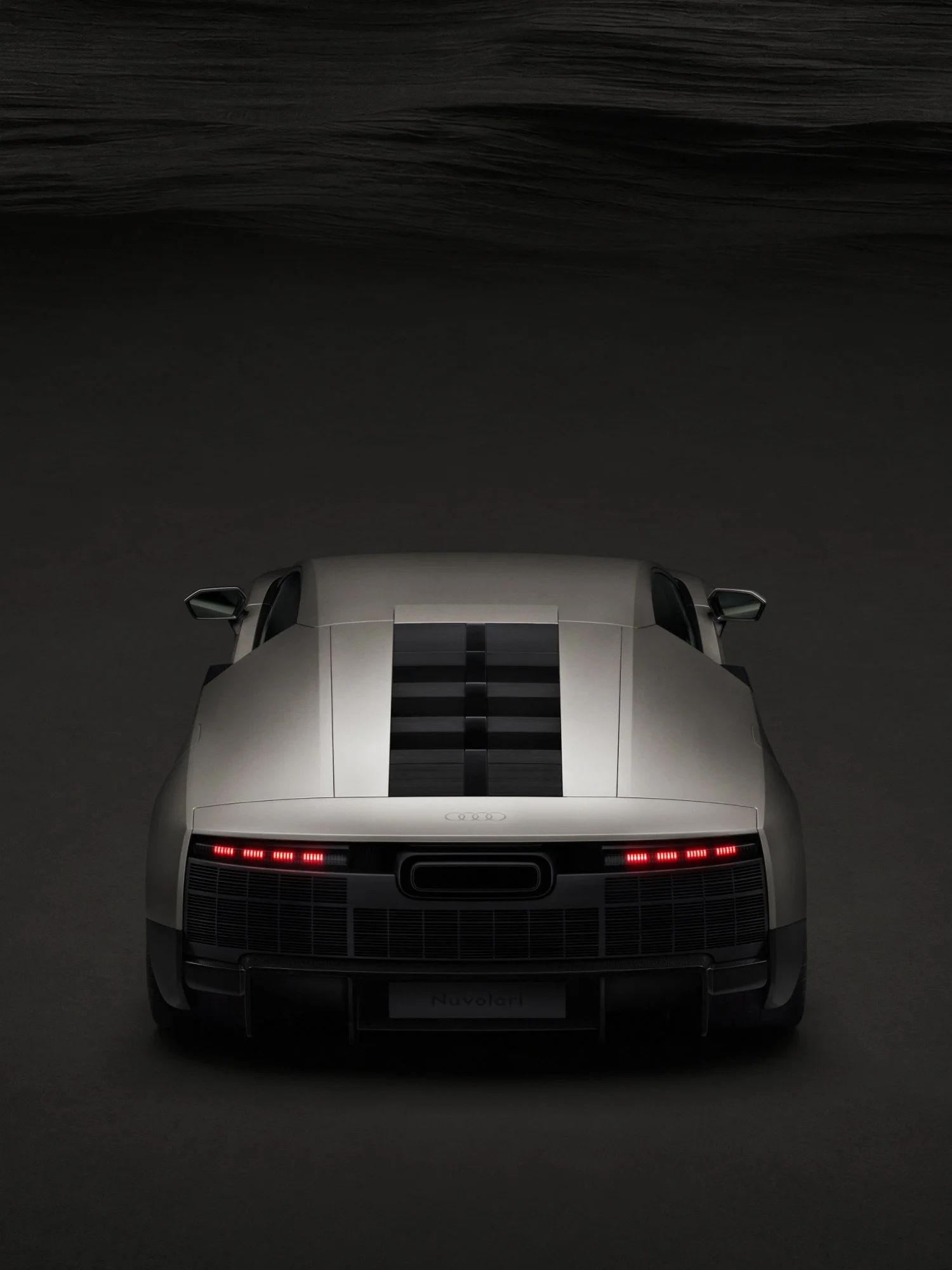
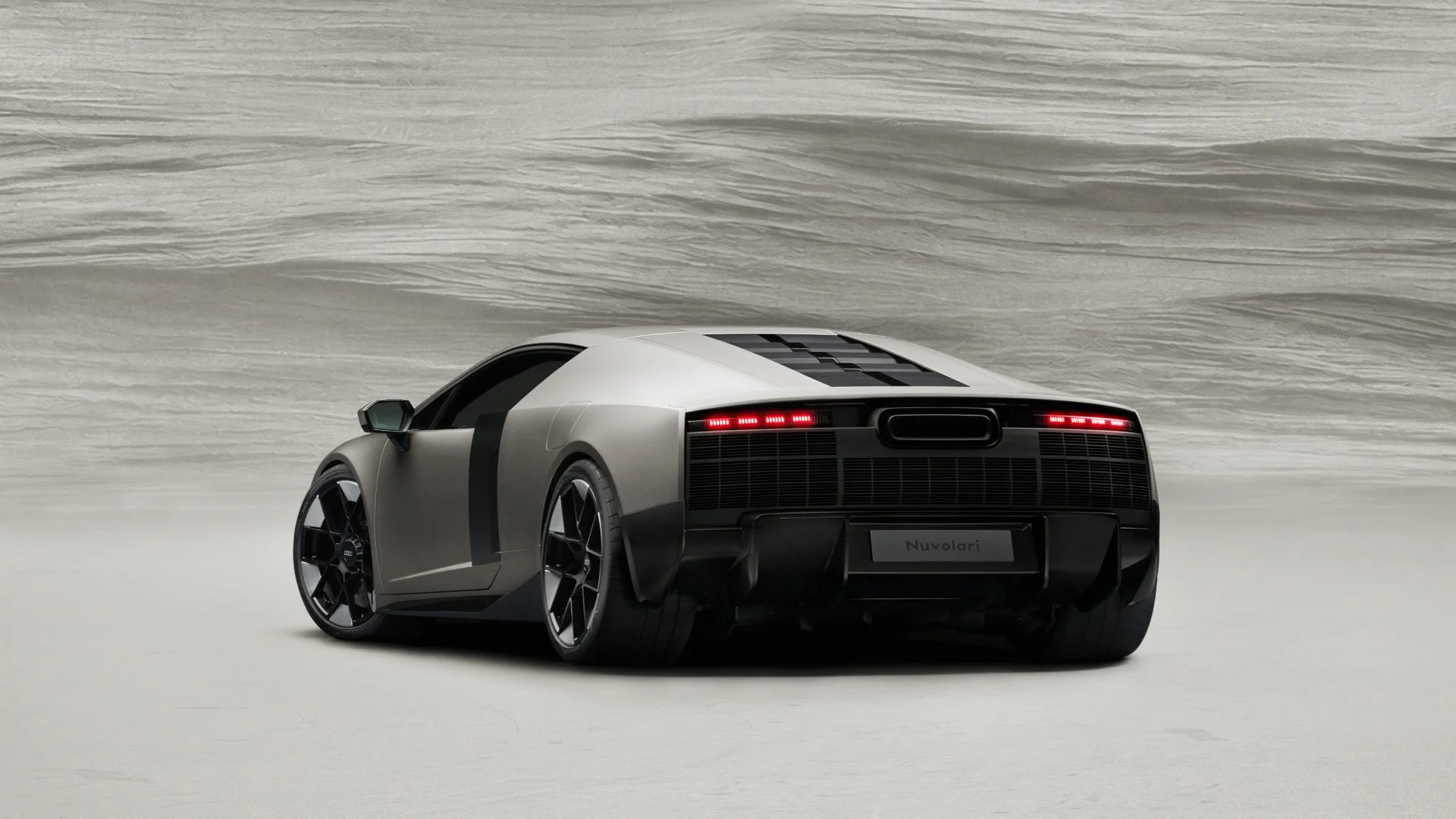
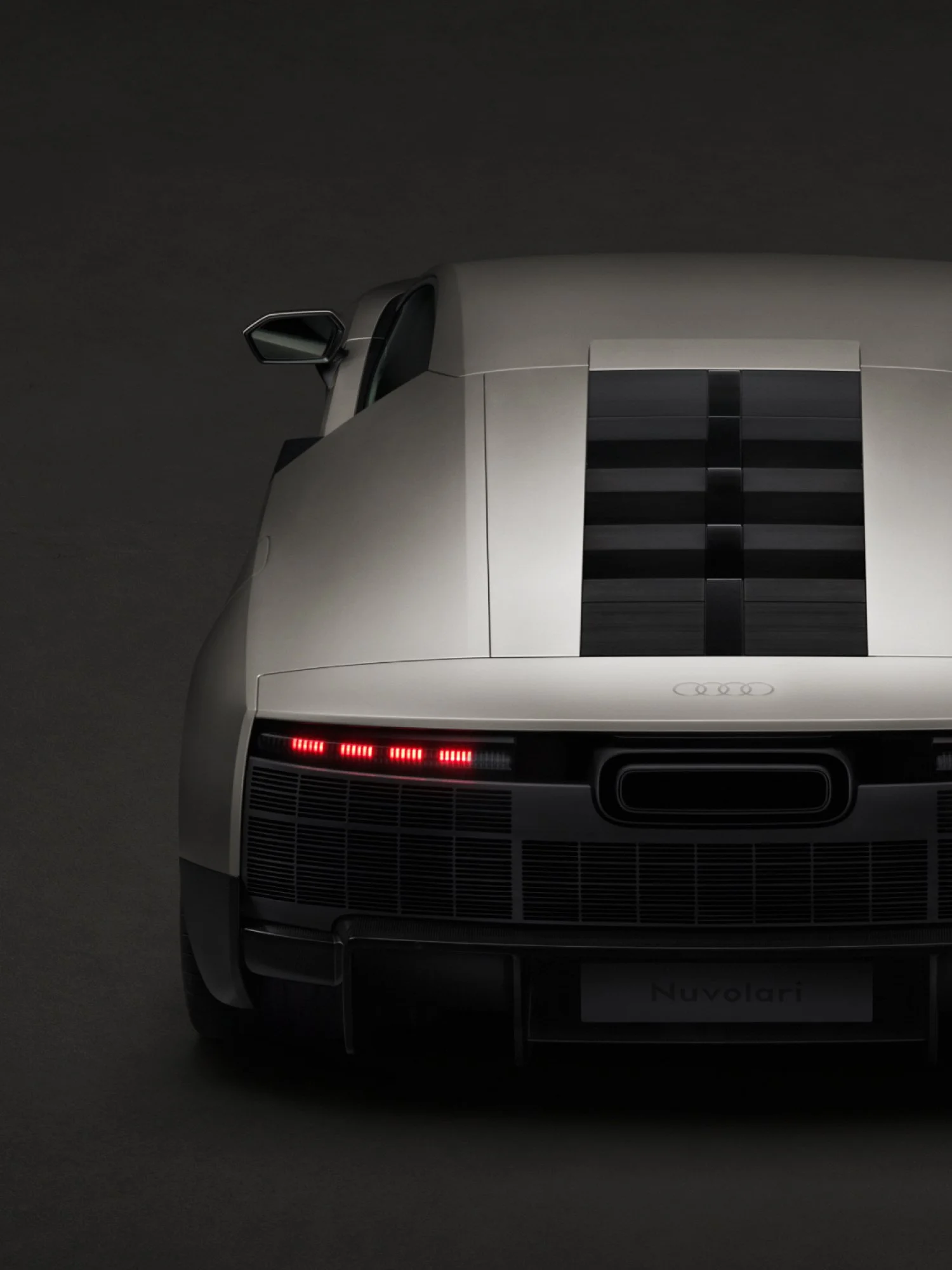
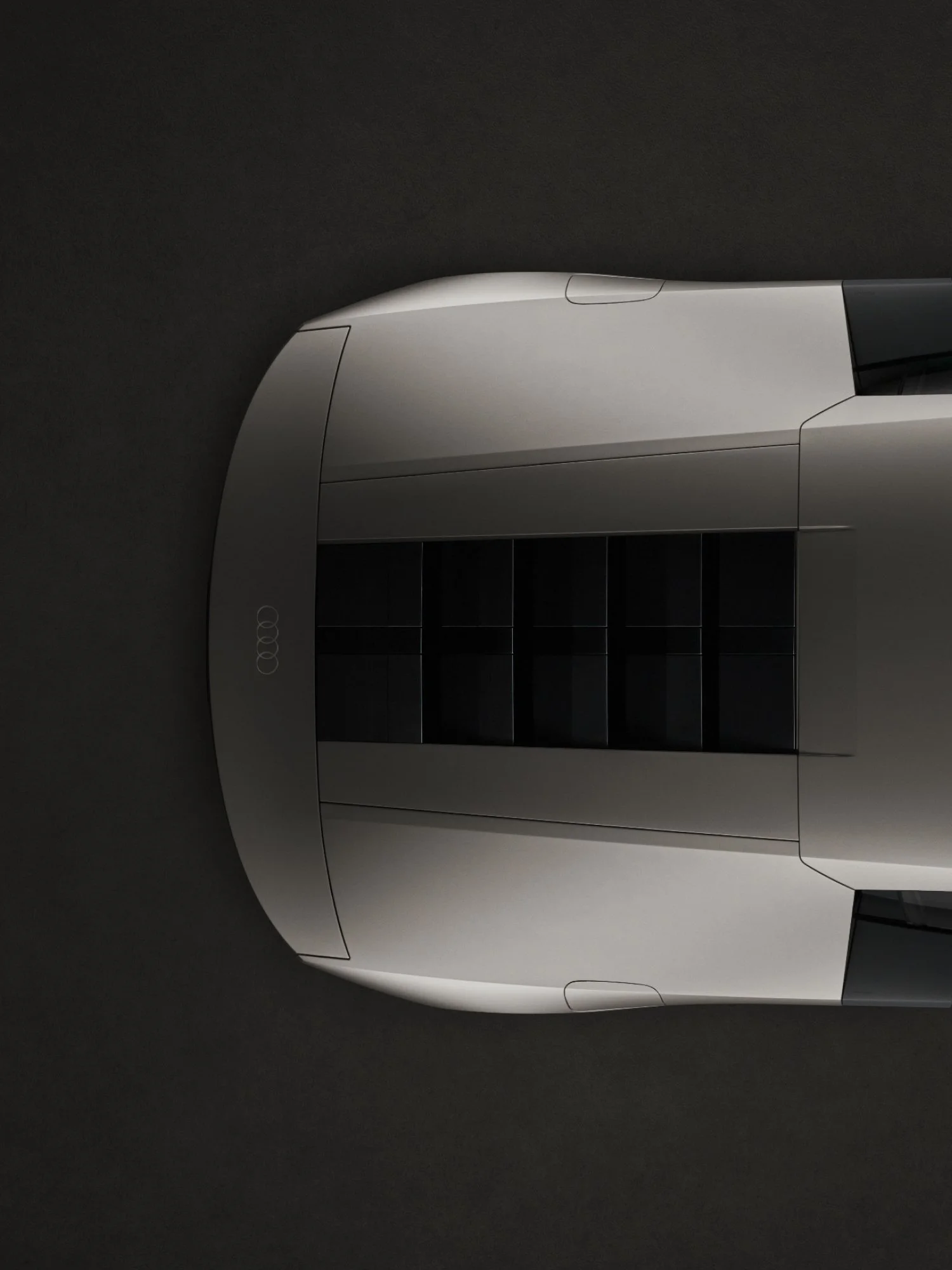
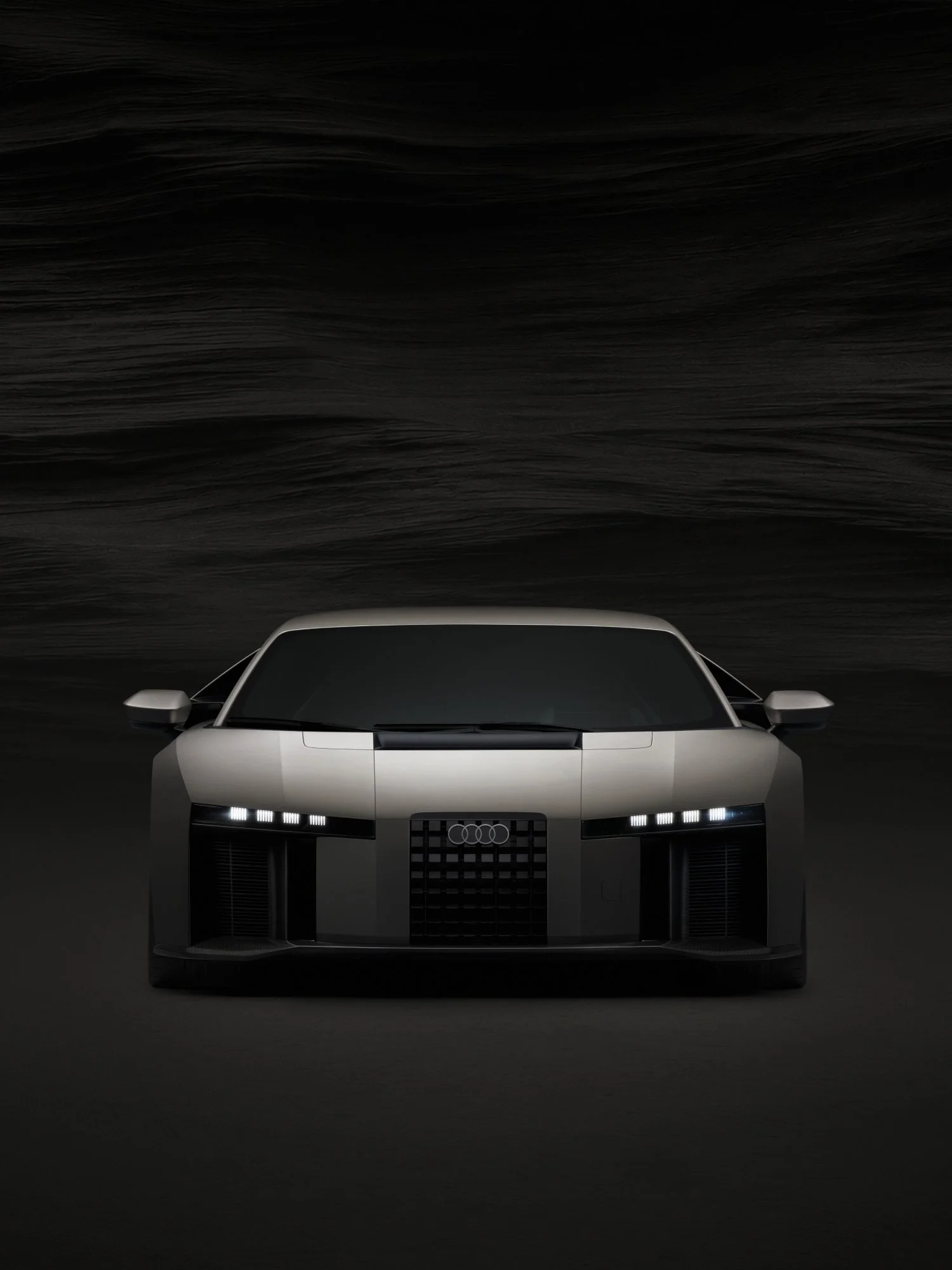
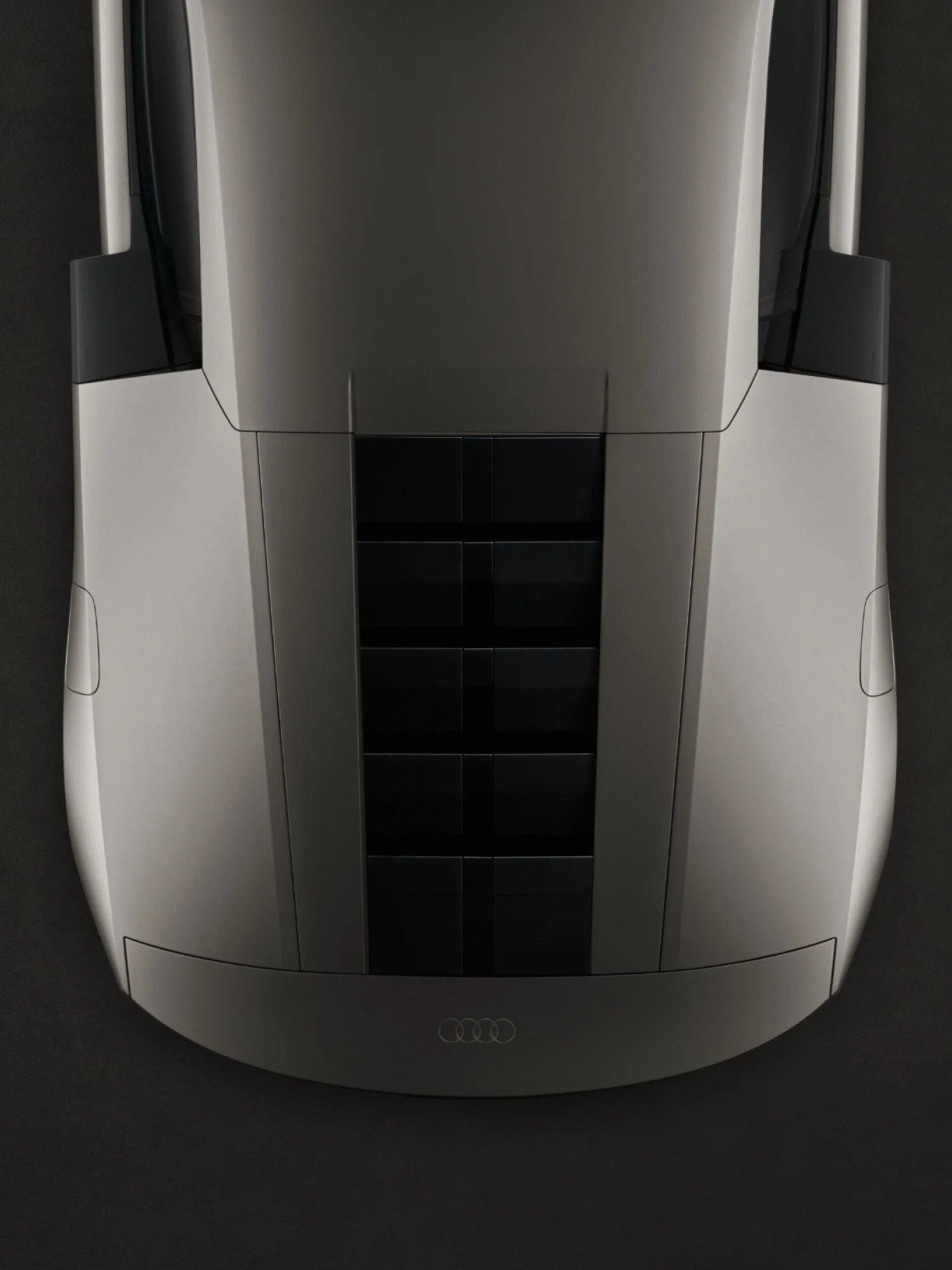
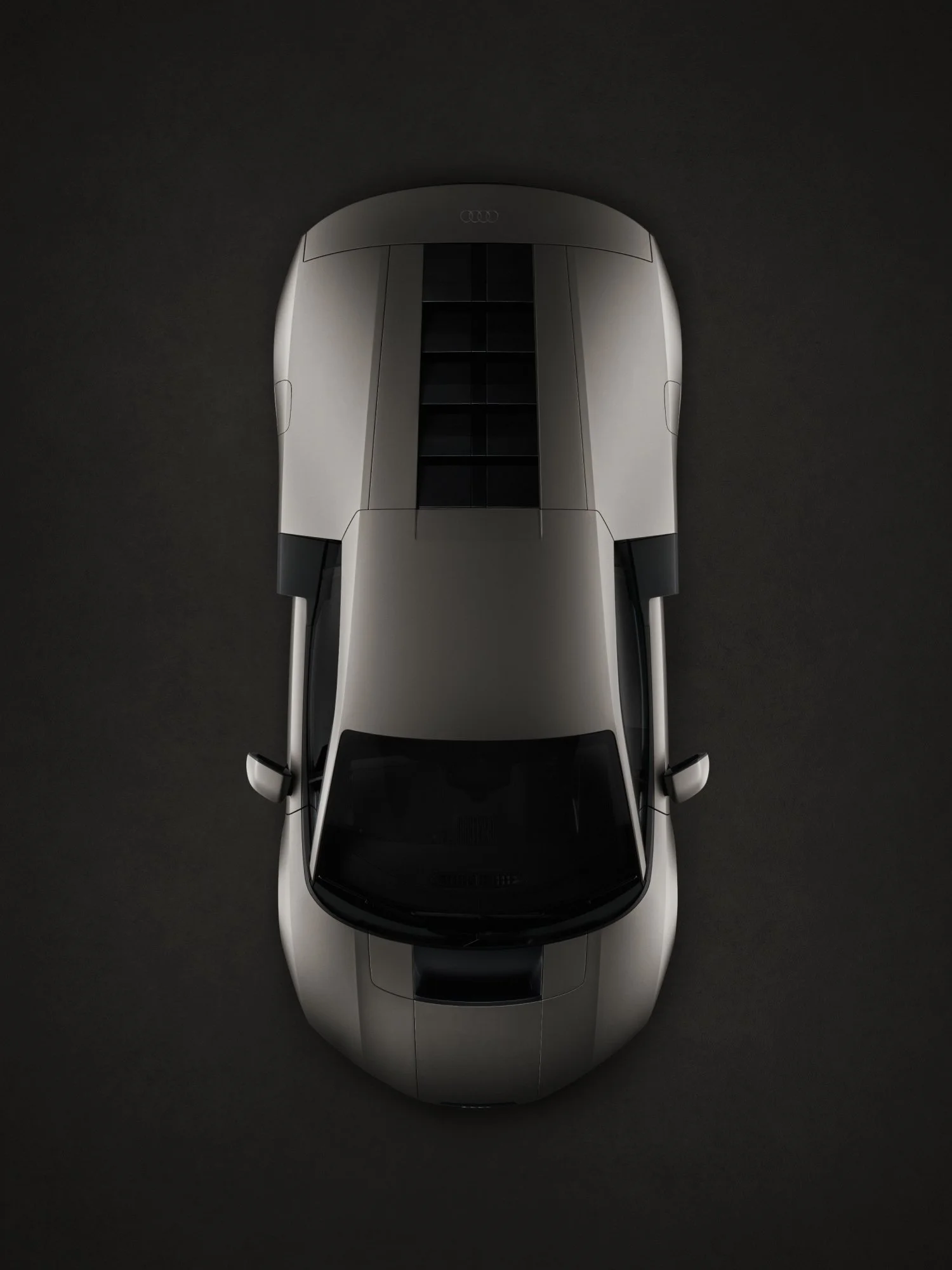
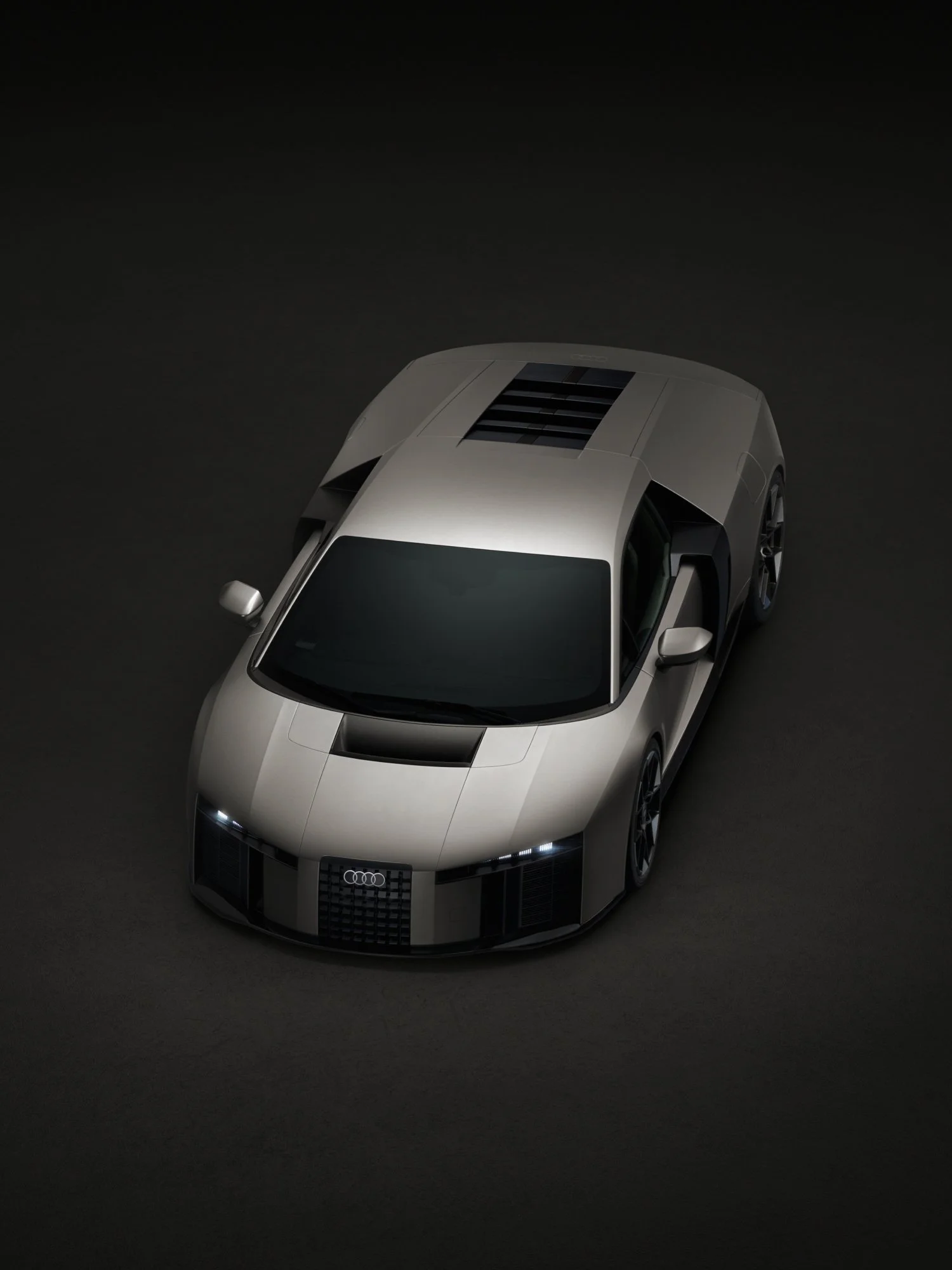
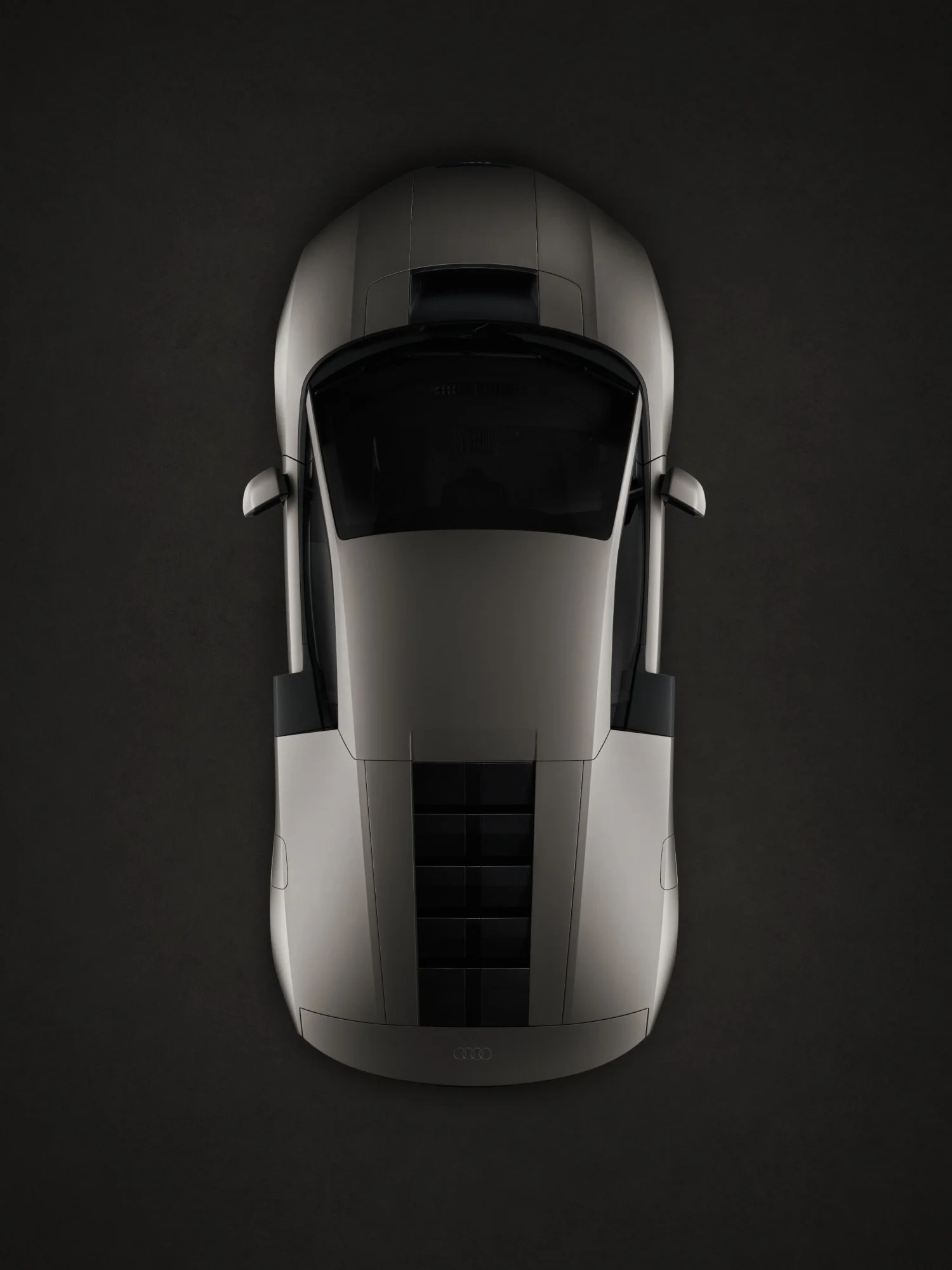
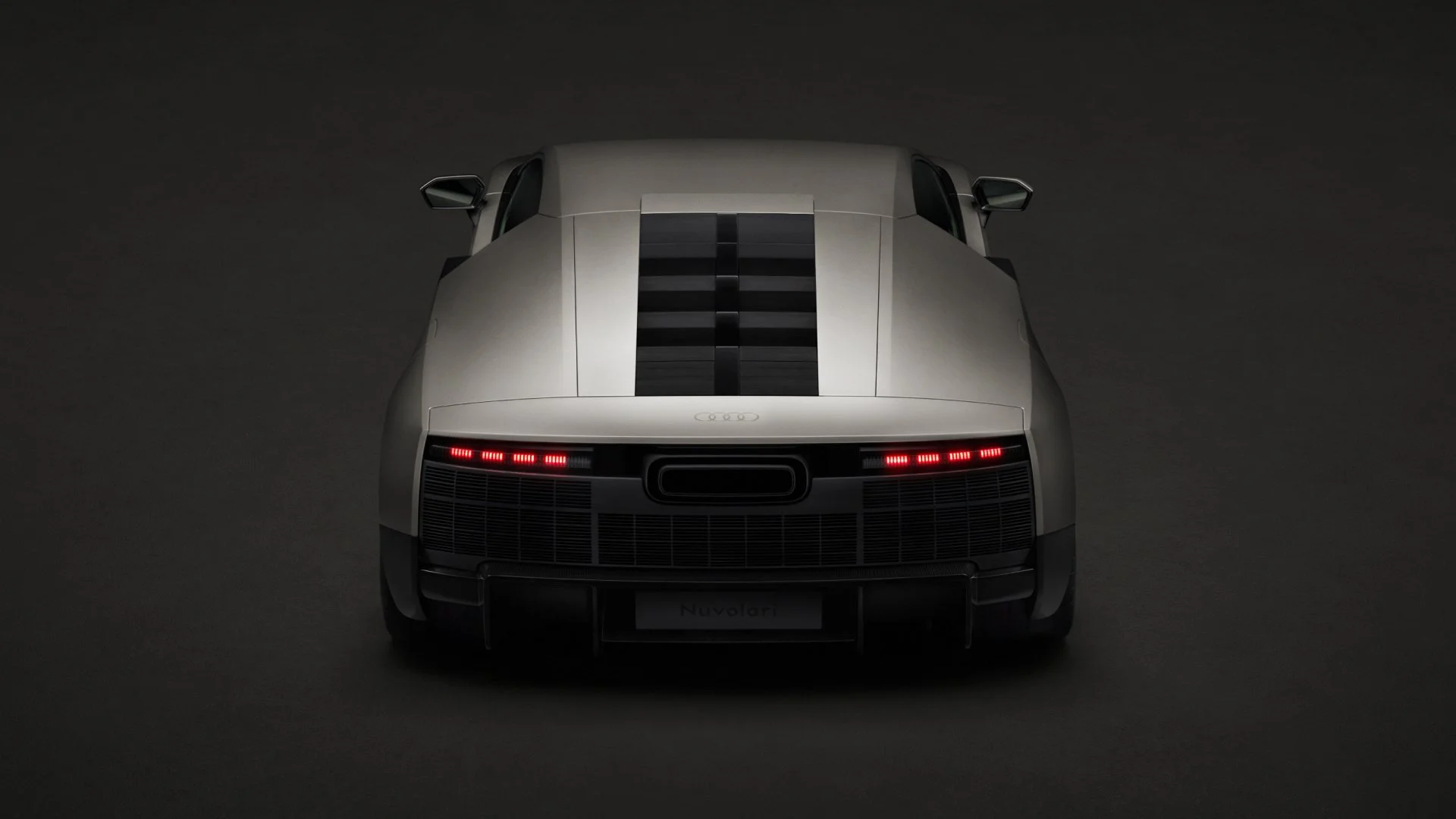
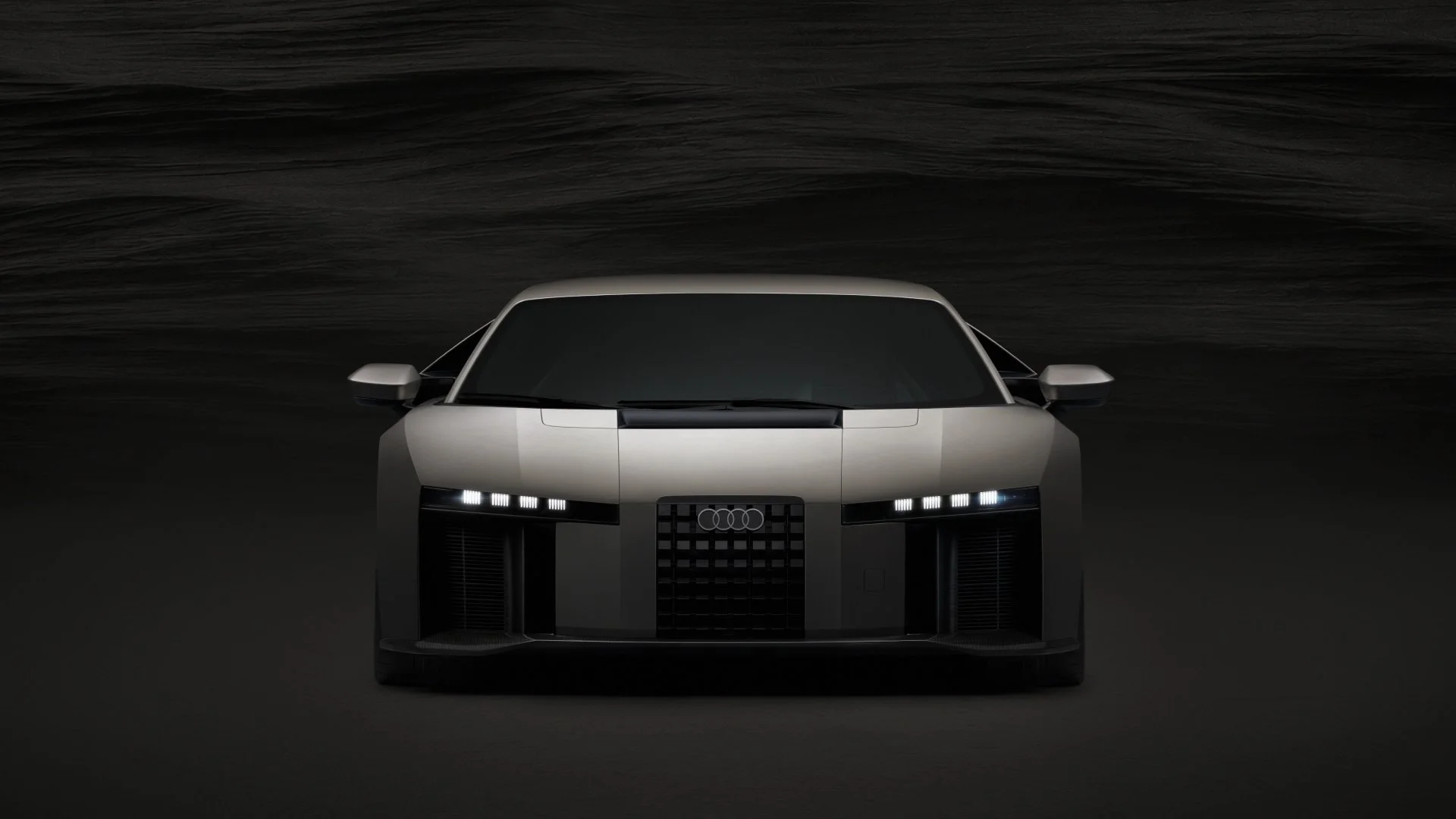
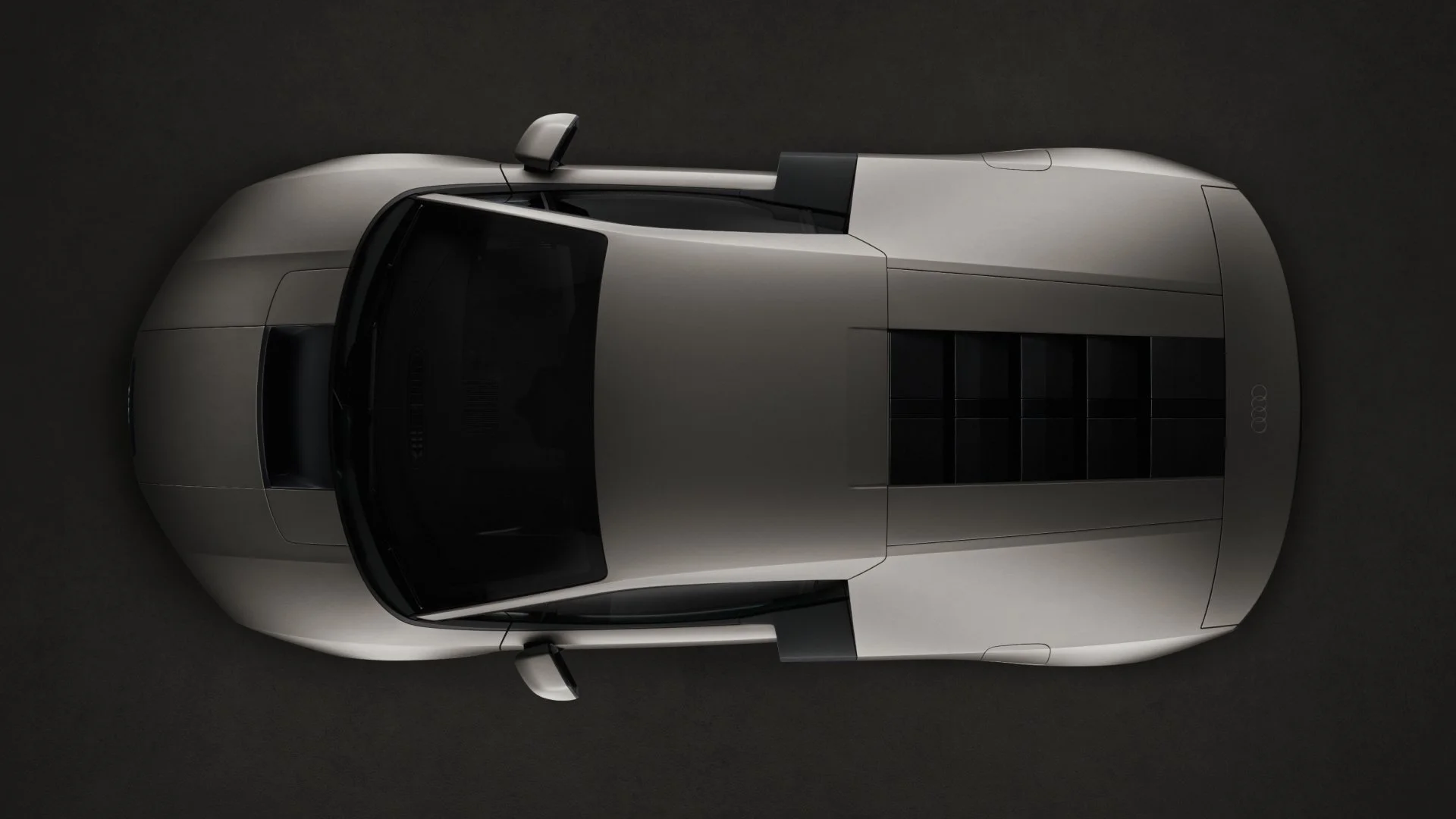
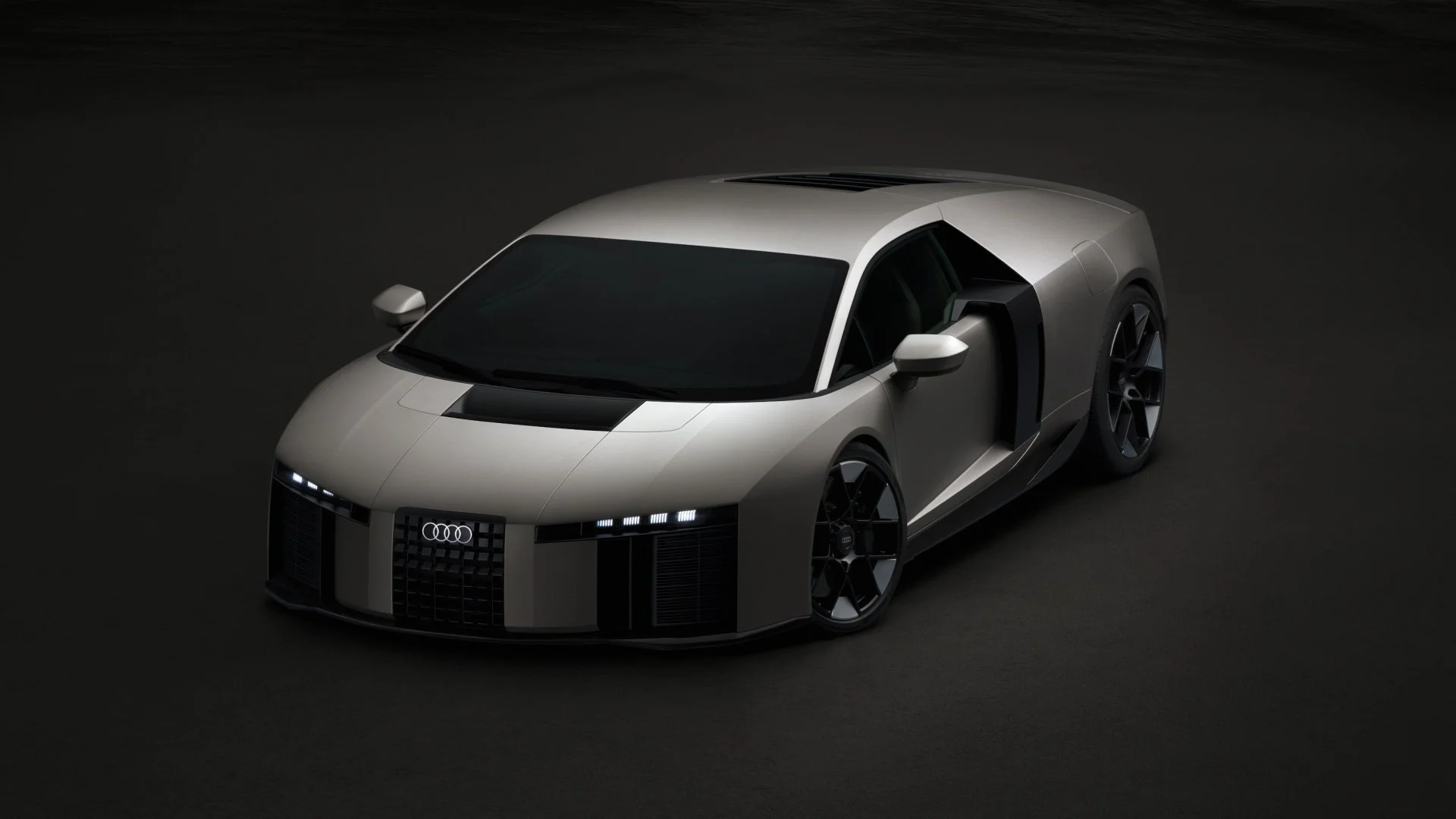
Audi's new design philosophy shapes the Nuvolari, the first production car to embody it. The supercar blends bold performance with striking design, featuring taut surfaces, seamlessly integrated technology, and intelligent aerodynamics. Its mid-engine layout defines the car's proportions, creating a monolithic volume, a powerful stance, and a commanding presence. Audi's new signature Titanium paint, also used on the Audi Concept C and the Audi Formula 1 race car, highlights the Nuvolari's precise lines alongside carbon detailing.
A hybrid high-performance powertrain drives the Audi Nuvolari, generating a maximum system output of 736 kW (1,001 PS). The setup combines a 4.0-litre V8 biturbo engine producing 588 kW (800 hp) with three axial-flux electric motors, each delivering 110 kW, and is supported by a 7.3 kWh lithium-ion battery. The combustion engine produces 730 Nm of torque and revs up to 10,000 rpm, a range once reserved for motorsport.
Two oil-cooled axial flux electric motors at the front axle deliver up to 2,150 Nm of torque and support variable torque distribution as part of the quattro system. A third electric motor sits between the V8 mid-engine and the transmission, completing the drivetrain. Together, these components accelerate the car from 0-62 mph in 2.6 seconds and 0-124 mph in 6.8 seconds, reaching a top speed beyond 217mph.
"With the Audi Nuvolari, our entire team has once again demonstrated its technical expertise, innovative strength, and dedication," says Rouven Mohr, CTO of Audi. "This is reflected not only in the vehicle's performance and its Formula 1-inspired technologies, but also in the ability to transfer innovations quickly and precisely into a production vehicle."
Audi builds on its defining quattro drive principle by introducing quattro predictive ride in the Nuvolari, setting the stage for the next generation of all-wheel drive. The system processes the car's current driving state using a highly precise vehicle model, drawing on detailed sensor data such as steering angle, acceleration, yaw rate, and grip level. When it detects a potential loss of grip in a corner, the system responds proactively as an integrated whole. The drive units distribute torque precisely along both axes, the brakes stabilise the vehicle through targeted intervention, and the aerodynamics adjust downforce to suit the situation. The front-axle electric motors play a key role in this predictive system, enabling variable torque vectoring for agile cornering and high-speed stability. This intelligent tuning ensures maximum traction and control, even in demanding conditions such as wet or snowy roads and shifting grip levels.
Drivers can also shape the car's behaviour using rotary controls on the steering wheel, choosing from four driving modes. E-Hybrid enables fully electric driving for urban and short journeys. Balanced blends comfort, efficiency, and performance. Dynamic sharpens the car's responses for greater agility and precision. Dynamic+ dedicates the powertrain entirely to an emotional driving experience. For track use, Track Mode allows further fine-tuning of traction control, ranging from Wet to Dry and from Race to Traction Control Off, giving drivers transparent and controllable handling right up to the car's limits.
Audi has designed the Nuvolari's architecture for lightweight construction and high torsional rigidity, combining proven Audi Space Frame technology with a carbon exterior for the first time. This pairing delivers low weight alongside high structural strength, forming the foundation for precise handling and controlled performance. Almost every exterior component is made from carbon fibre-reinforced polymer (CFRP), developed with Formula 1 expertise. Prepreg autoclave technology plays a central role, shaping pre-impregnated carbon fibres before curing them under high pressure and temperature to achieve maximum structural performance with minimal weight.
Skilled technicians produce the carbon elements through precise, manual layup processes that demand experience and craftsmanship, both for structural integrity and visual finish. This manufacturing approach allows for highly complex geometries, from intricate door panel structures to precisely aligned vertical frame elements that guide airflow through the concealed S-duct. In areas exposed to high temperatures, Audi uses specially tuned heat-resistant materials that combine function with distinctive visual accents. The Nuvolari also introduces forged centre-lock wheels to Audi's production range for the first time.
Active aerodynamics, inspired by Formula 1, allow Audi to balance performance and efficiency in the Nuvolari. The system adjusts downforce, drag, and aerodynamic balance according to driving conditions, ensuring stability and precise control. Every exterior element serves a defined aerodynamic purpose, from the front splitter to the rear diffuser, and Audi's Formula 1 drivers contributed feedback during development to refine performance. Front air intakes cool the brakes and manage heat from the combustion engine and hybrid components. At the same time, a vented front-end S-duct boosts aerodynamic efficiency, adds downforce, reduces high-speed lift, and improves powertrain cooling.
A deployable adaptive rear wing forms the centrepiece of the active aerodynamic system, controlling downforce and drag across three settings: Closed, Low Downforce (LD), and High Downforce (HD). The Closed position retracts the wing to minimise drag and maximise efficiency, while LD and HD generate different downforce levels depending on driving dynamics and mode. In performance modes such as Dynamic, Dynamic+, and Track, the wing operates automatically, shifting to LD on straights to optimise speed and stability. Drivers can also activate the Drag Reduction System (DRS) manually via a steering wheel button, lowering the wing further to reduce drag and increase top speed. Under braking and through corners, the wing moves to HD to maximise downforce, generating more than 400 kg of downforce depending on the situation. A rotary steering wheel control lets drivers manage the wing automatically or manually in every mode except E-Hybrid. Even small details, such as the solid-metal Audi rings set into the rear wing, reflect the refined aerodynamic concept that underpins the car's cornering speed and lap times.
Motorsport also inspires Nuvolari's energy management system, which closely links boost and recuperation strategies to torque distribution. This integrated system continuously balances power delivery and energy recovery based on driving conditions, grip, and driver intent. Adaptive coasting and brake recuperation strategies extend energy recovery across nearly all driving phases. The front axle handles a significant share of braking through electric deceleration, while the rear axle recovers energy during coasting, partial load, and traction control. Purely electric deceleration of up to 0.3 g covers a large proportion of everyday and dynamic braking events, stabilising the car while charging the battery. This integration of power delivery, torque distribution, and energy recovery becomes especially clear in the Launch Control function, which draws on stored energy for maximum acceleration, a concept taken directly from Formula 1 that delivers peak performance with controlled traction.
Audi has engineered the Nuvolari's braking system for maximum performance under extreme conditions, combining hydraulic braking with electric deceleration. A motorsport-inspired brake-by-wire system allows variable distribution between recuperation and hydraulic braking, decoupling the brake pedal from the actual braking force at the wheels to deliver consistent, precise pedal feel. The new Audi Ceramic Pro braking system sits at the heart of this setup, providing high deceleration and precise control even under sustained track use. Ten-piston fixed callipers and 420 x 40 mm discs handle the front axle. In comparison, four-piston callipers and 410 x 32 mm discs cover the rear, together delivering balanced braking with strong thermal stability and precise feedback across all speeds.
Derived directly from Formula 1, the brake discs use a long-fibre carbon structure built to withstand extreme thermal loads while maintaining structural integrity and consistent friction. A specially designed internal cooling system improves airflow and increases heat dissipation by up to 21 per cent compared with conventional carbon-ceramic systems. This reduces longitudinal vibration under heavy braking, improves directional stability, and sharpens steering response, shortening braking distances at high speed while boosting control and safety. Under suitable conditions, the car provides much of its deceleration purely electrically, engaging hydraulic brakes only when demand rises or the car approaches its dynamic limits. With an energy absorption capacity of up to 2.8 megawatts, matching that of a current Formula 1 car, the braking system consistently handles extreme deceleration loads, resisting fade and overheating even under intense track conditions.
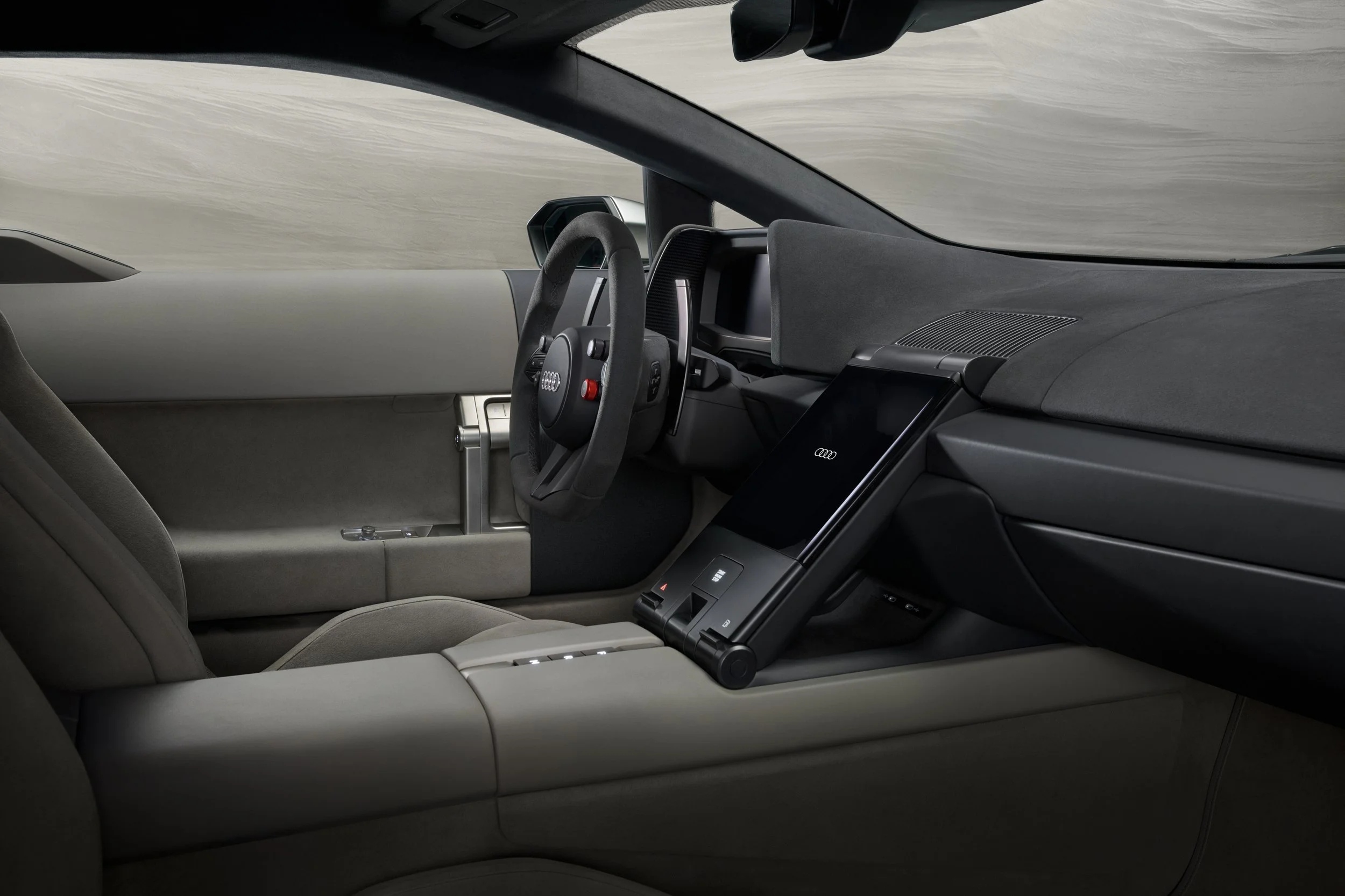
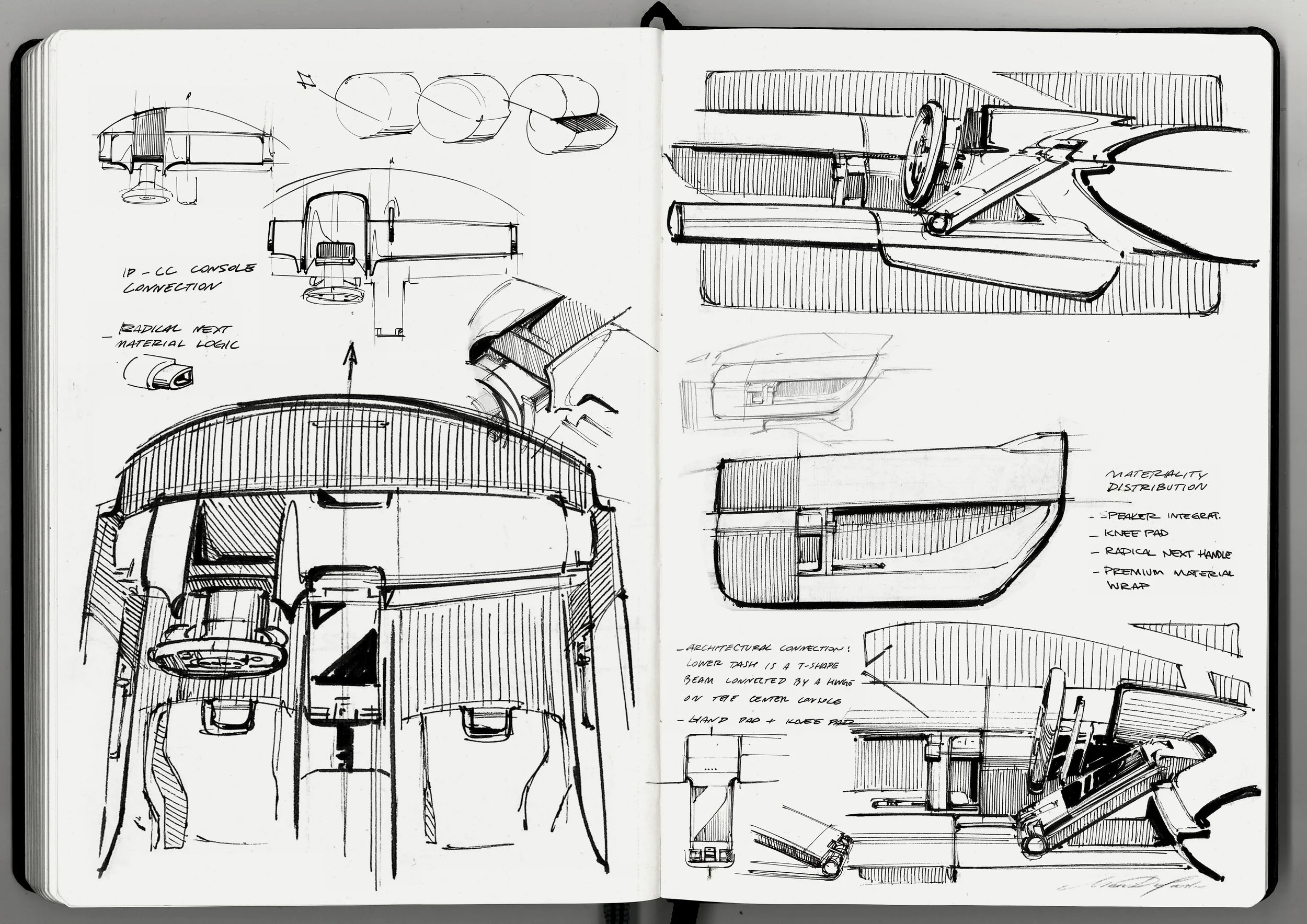
Inside, the Audi Nuvolari's design keeps the driver's focus firmly on the road. A streamlined architecture places all essential controls, including key elements of the human machine interface (HMI), directly within the driver's field of view. This driver-centric approach highlights relevant information while keeping secondary content in the background, and digital displays work alongside physical controls in a consistent, intuitive way.
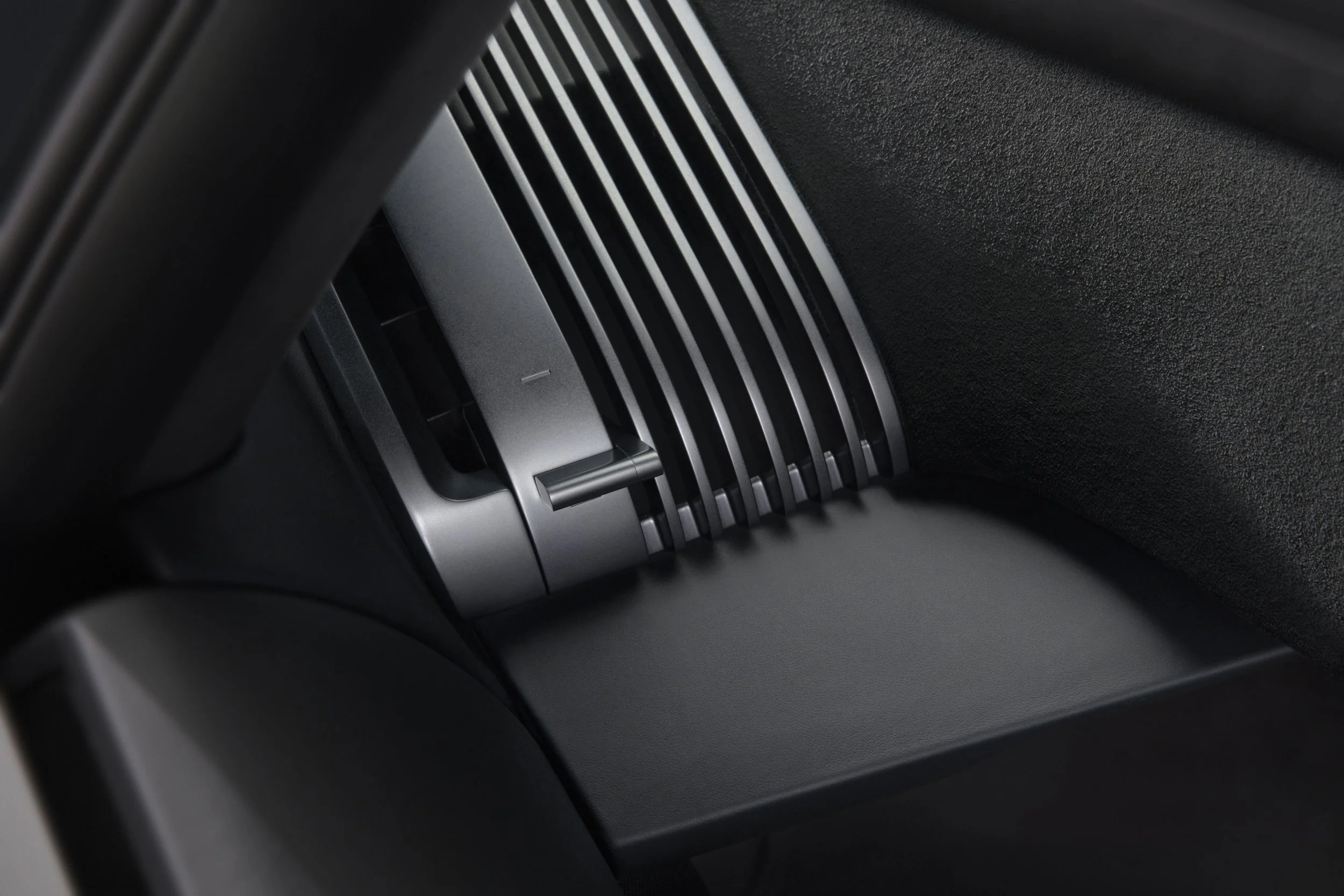
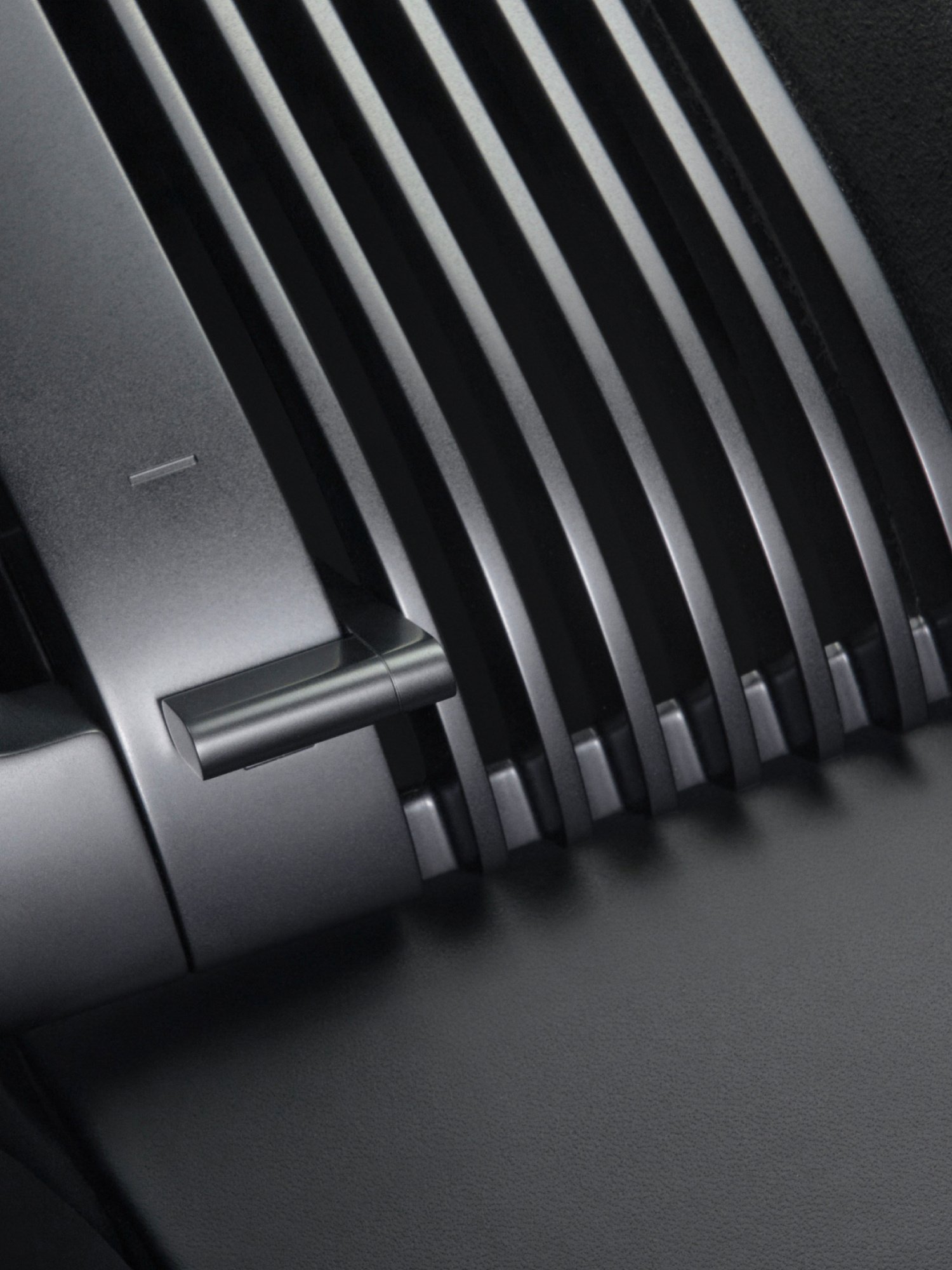
Colour accents throughout the HMI pay tribute to the legendary Auto Union Type C race car, evoking the record-breaking motorsport era of the 1930s. This purposeful use of colour extends through the wider cabin, which Audi divides into two zones. The front section features a deep, dark tone designed to aid concentration, with surfaces, materials, and accents aligned to match. The rear section introduces a lighter shade called Shadow Dune. Precision and craftsmanship run throughout the interior, from the controls and air vents to the anodised aluminium frame surrounding the central display. Lightweight seats complete the driver-focused cabin, with carbon fibre structures in the base and backrest reducing weight while maintaining rigidity and strong lateral support. Their ergonomic design encourages a natural seating position and gives drivers direct feedback from both car and road.
The Audi Nuvolari embodies uncompromising performance and total focus. Audi's international team developed this pre-production prototype in a remarkably short time through close collaboration. The car takes its name from Tazio Nuvolari, one of motorsport's most celebrated figures, an Italian driver renowned for his fearlessness, ingenuity, dedication, and unwavering will to win.