BYD FLASH Charging and Blade Battery 2.0 Boost EV Range
BYD, the world’s leading manufacturer of new energy vehicles, is preparing to remove the final barriers to mass EV adoption with its self-developed FLASH Charging technology and the second generation of its Blade Battery. The new FLASH Charging system delivers up to 1500kW through a single connector, while Blade Battery 2.0 strengthens performance and efficiency.
Together, these technologies provide exceptional EV charging speed in a wide range of conditions. Drivers can recharge from 10% to 70% in as little as five minutes, while a 10% to 97% charge takes only nine minutes. Even at -30°C, which normally reduces charging performance, the FLASH Charger can charge a Blade Battery 2.0 from 20% to 97% in just 12 minutes. The battery also supports longer driving distances on a single charge. A five per cent increase in energy density now enables ranges of more than 621 miles or 1,000km under the Chinese CLTC efficiency test.
BYD developed these technologies after extensive research into the barriers that still prevent many consumers from switching to electric vehicles. EV adoption continues to grow in major global markets, yet many buyers of petrol or diesel vehicles rarely consider fuel tank size. By contrast, EV buyers often focus closely on battery capacity and driving range, and some pay significant premiums for only a few extra kilometres.
Wang Chuanfu, Chairman and President of BYD, addressed the issue during a showcase in China. He explained that the industry must address the ongoing challenges of slow EV charging speeds and weak low-temperature charging performance if remaining consumers are to commit to electric mobility fully.
BYD built the second-generation Blade Battery. The battery forms the foundation of the company’s FLASH Charging breakthrough. Traditional battery design often treats fast charging and high energy density as competing technical goals. BYD has resolved this conflict. The company increased energy density by five per cent while significantly improving charging speed.
To achieve this result without compromising safety or durability, BYD created the FlashPass Ion Transport System. This system pushes the limits of lithium iron phosphate battery technology.
The FlashPass system relies on three key innovations. The Flash Release cathode uses a directionally engineered, multi-level particle-size structure that enables dense packing and rapid deintercalation. The Flash Flow electrolyte applies AI-driven precision optimisation to achieve high ionic conductivity and fast ion mobility. The Flash Intercalate anode uses a multi-dimensional lithium insertion-site structure that enables 360-degree, three-dimensional, high-speed lithium-ion intercalation. Together, these innovations reduce internal resistance and cut heat generation at the source.
BYD also introduced further innovation in the anode design. Engineers restructured the electrode for high-throughput performance and aligned graphite particles perpendicular to the electrode plane. This structure reduces lithium-ion transport resistance and enables smoother, faster intercalation. The result supports both FLASH Charging performance and the five per cent gain in energy density.
Blade Battery 2.0 also introduces a breakthrough Solid Electrolyte Interphase (SEI) layer, a critical element in lithium-ion batteries. BYD engineered this layer at the molecular level and optimised its macroscopic structure. The result produces an ultra-thin layer that supports higher ionic conductivity while remaining highly dense to maintain chemical stability. The layer also includes dynamic self-repairing technology that maintains the balance between strength and thinness.
These gains in energy density and charging speed do not reduce safety or durability. Blade Battery 2.0 has passed a series of demanding safety evaluations. The battery completed the world’s first simultaneous FLASH Charging and Nail Penetration Test. The test produced no thermal runaway, smoke or fire even after 500 FLASH Charging cycles. Blade Battery 2.0 also passed a thermal-runaway test after engineers forced a short circuit across four cells simultaneously. The battery showed no fire or explosion even when temperatures exceeded 700°C.
Blade Battery 2.0 also improves durability in lithium iron phosphate batteries. Compared with the original Blade Battery, the new version reduces overall capacity degradation by 2.5 per cent.
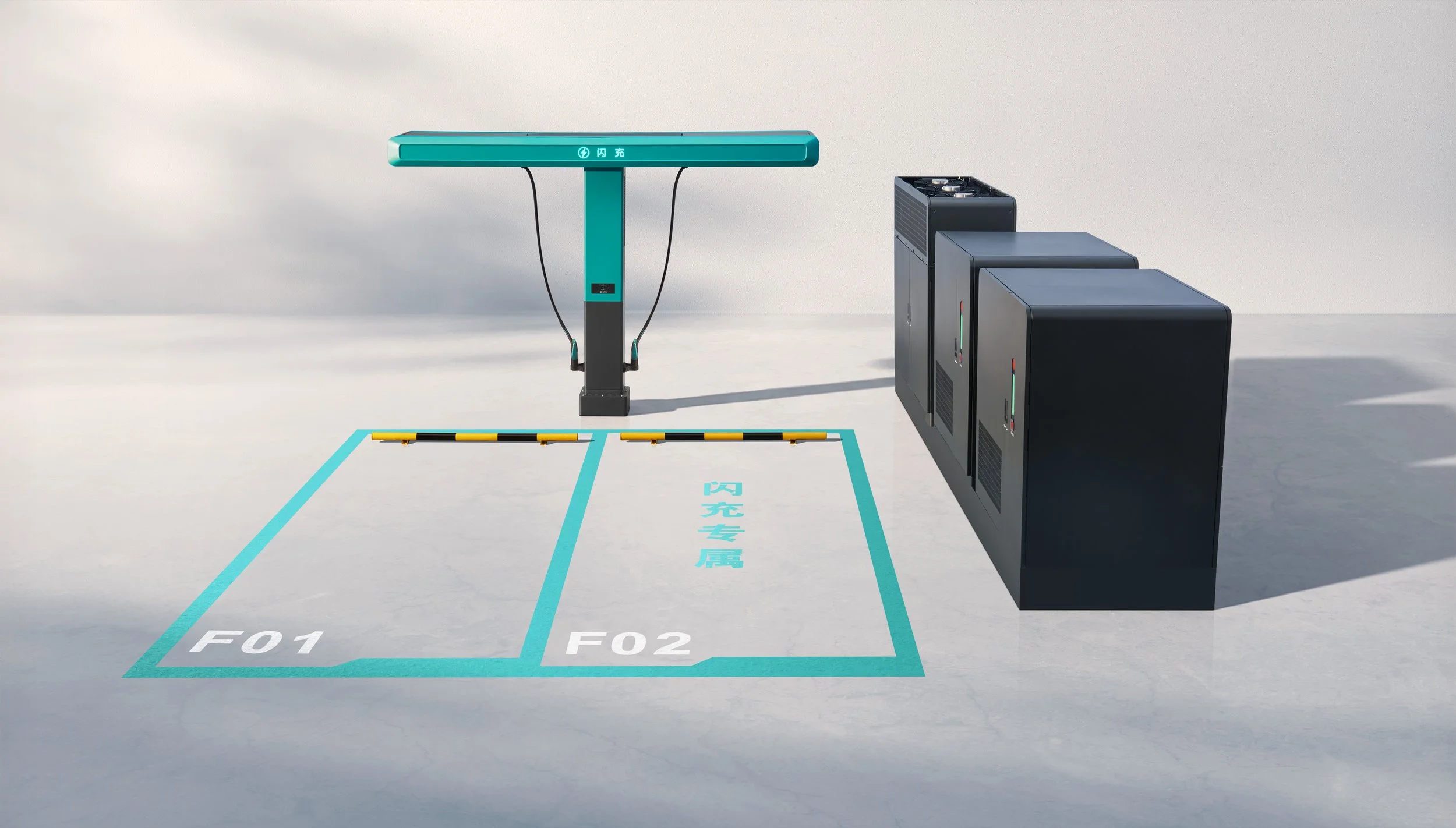
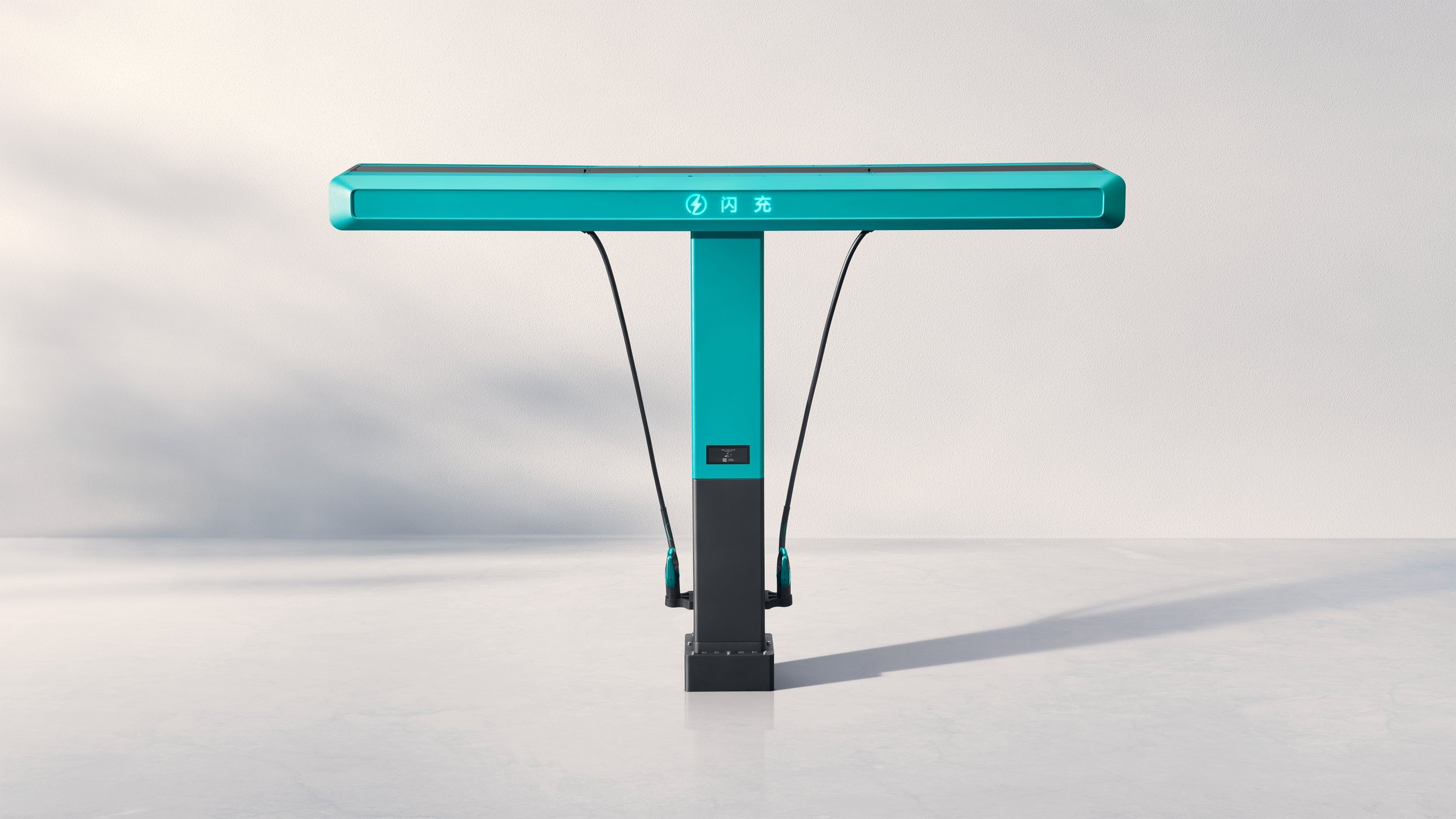
The second pillar of BYD’s breakthrough is the FLASH Charger. This system can deliver up to 1,500kW through a single connector in the Chinese market specification. The charger also introduces a distinctive T-shaped overhead design that improves the charging experience.
BYD has installed 4,239 FLASH Charging stations across China. The company expects to operate 20,000 stations by the end of the year. Each station uses an ultra-fast discharge energy storage system to help overcome grid limitations. The system uses a battery that recharges more slowly and stores energy in advance. This battery acts as a reservoir to prevent grid overload and as a power amplifier to enable high-power EV charging.
Conventional charging stations often attract criticism because their heavy connectors and cables can become dirty or wet when left on the ground. The FLASH Charger’s T-shaped structure lifts these components away from potential contaminants. The lighter connector and a pulley-based rail-sliding cable system make it easier to connect the vehicle, regardless of the charging port's location.
The first vehicle in Europe to feature FLASH Charging and Blade Battery 2.0 will be the DENZA Z9GT. This model serves as the flagship shooting brake grand tourer from BYD’s premium brand. The company will release final specifications for the European version of the vehicle in the coming weeks.
BYD has also committed to rolling out FLASH Charging stations globally. The company will share further details about international deployment plans in the near future.