Hyundai’s On-Device AI Chip Powers Autonomous Robots
Hyundai Motor Group’s Robotics LAB revealed a significant milestone in physical artificial intelligence (AI) at the inaugural CES Foundry 2026. The team showcased the results of its three-year partnership with AI semiconductor specialist DEEPX. The Group confirmed the start of mass production of an “edge brain” on-device AI chip co-developed by the Robotics LAB and DEEPX. DEEPX will manufacture the chip and integrate the Robotics LAB’s proprietary software. This on-device AI chip gives robots the computing power to act autonomously without external connectivity.
The CES Foundry is part of CES 2026 as a dedicated exhibition highlighting innovation in AI, blockchain, and quantum technologies. Hyundai Motor Group used this setting to show how edge AI moves from research into real-world robotics.
"Hyundai Motor Group’s Robotics LAB is not just focused on building robots but on creating a sustainable robotics ecosystem. We aim to deliver real value at the final touchpoint of the Physical AI pipeline, where users directly interact with the technology, and to make efficient, smart, and low-power robots accessible to a wider audience." Dong Jin Hyun, Vice President and Head of Hyundai Motor Group's Robotics LAB, said.
The “edge brain” on-device AI chip builds on three years of joint work that began with a 2023 memorandum of understanding (MOU). The Robotics LAB designed the control software that runs on the chip, and DEEPX led the chip’s production design and manufacturing plan. Together, they shaped a low-power AI solution that targets reliable, offline autonomy at the edge.
The ultra-low-power chip consumes less than 5 watts during operation. It functions as an "edge AI brain" that helps robots recognise their surroundings in real time, make autonomous decisions, and control systems without cloud or network connectivity. This edge brain capability underpins physical AI deployment in daily life and industrial settings, where robots need consistent performance and fast response times.
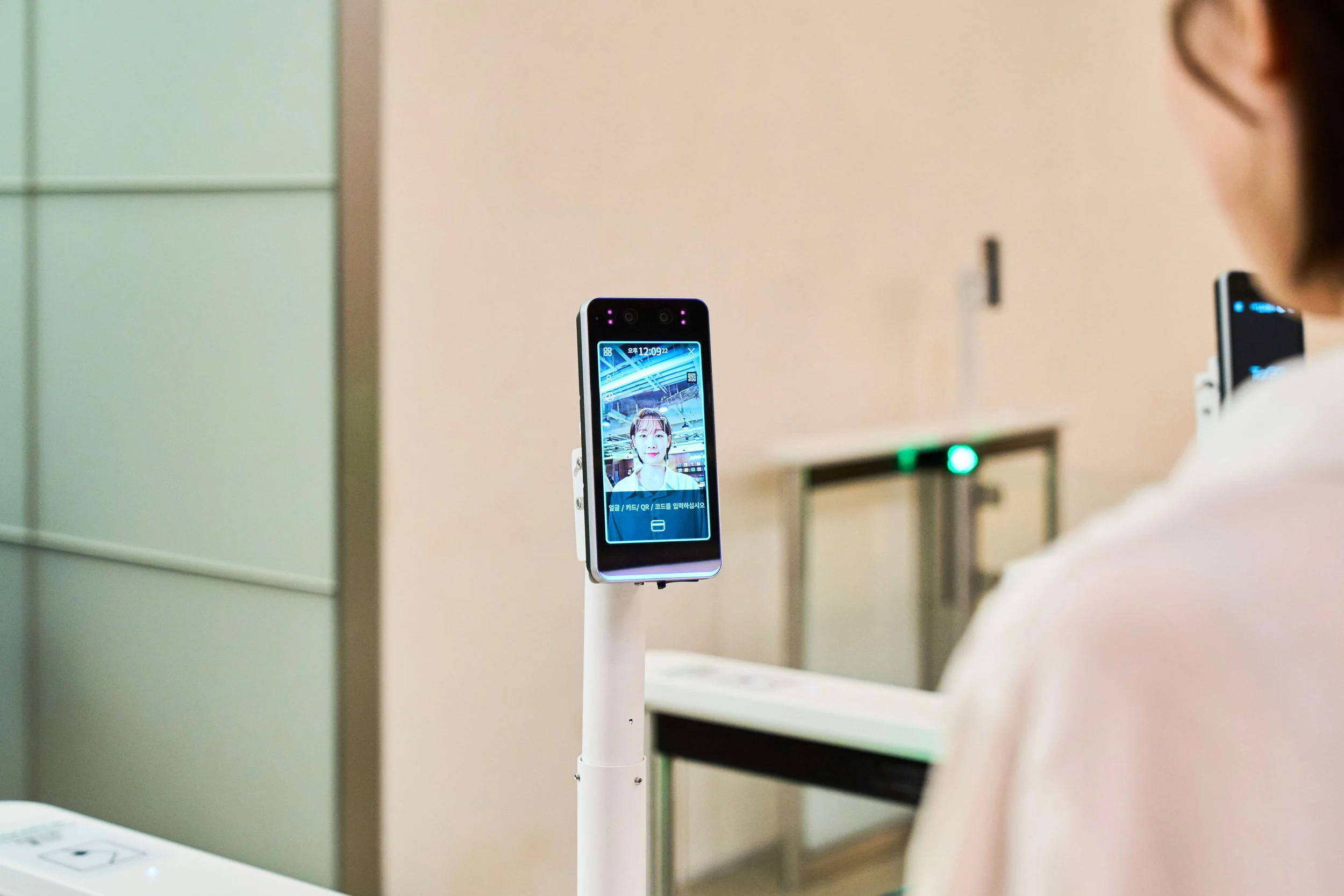
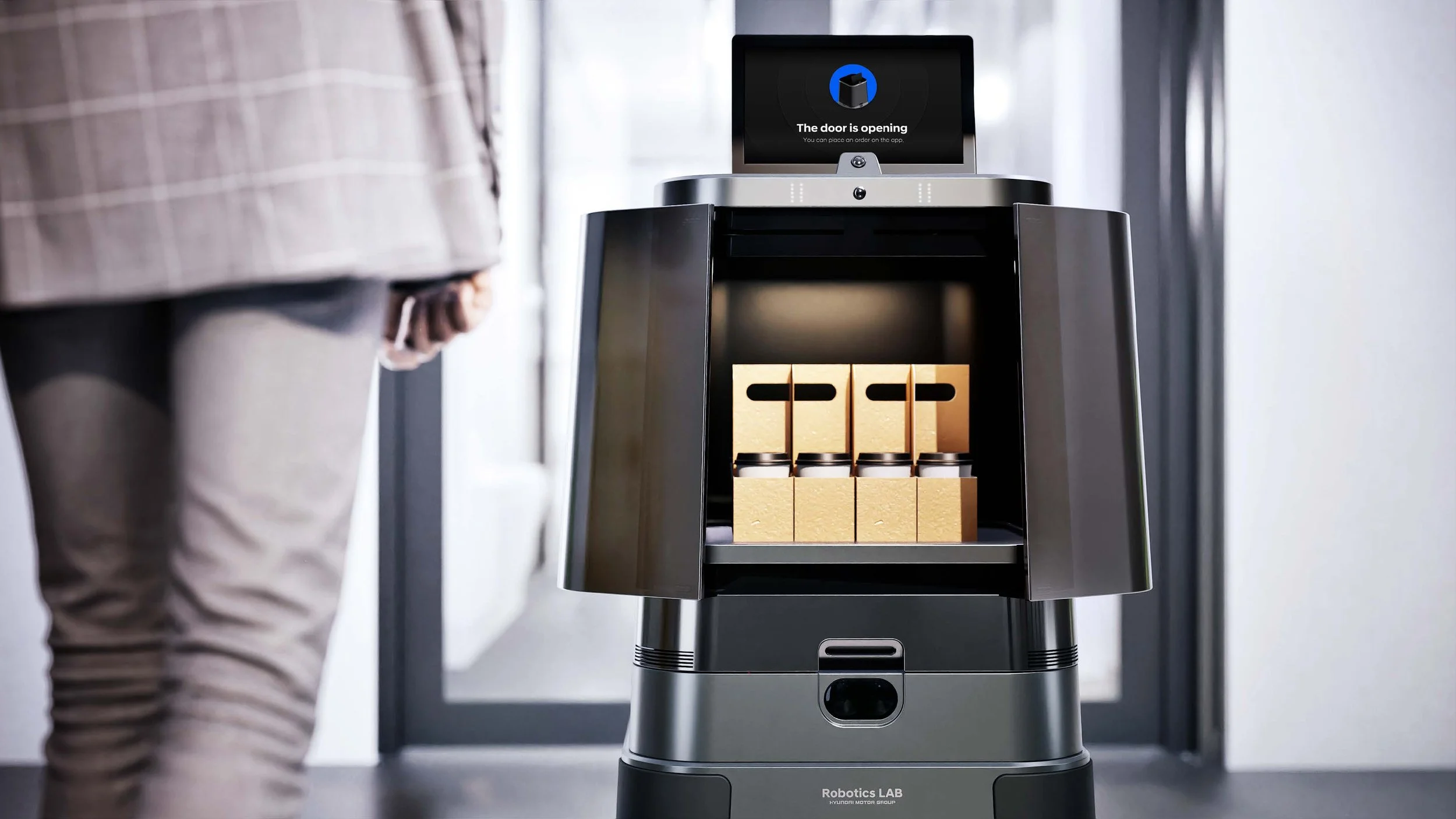
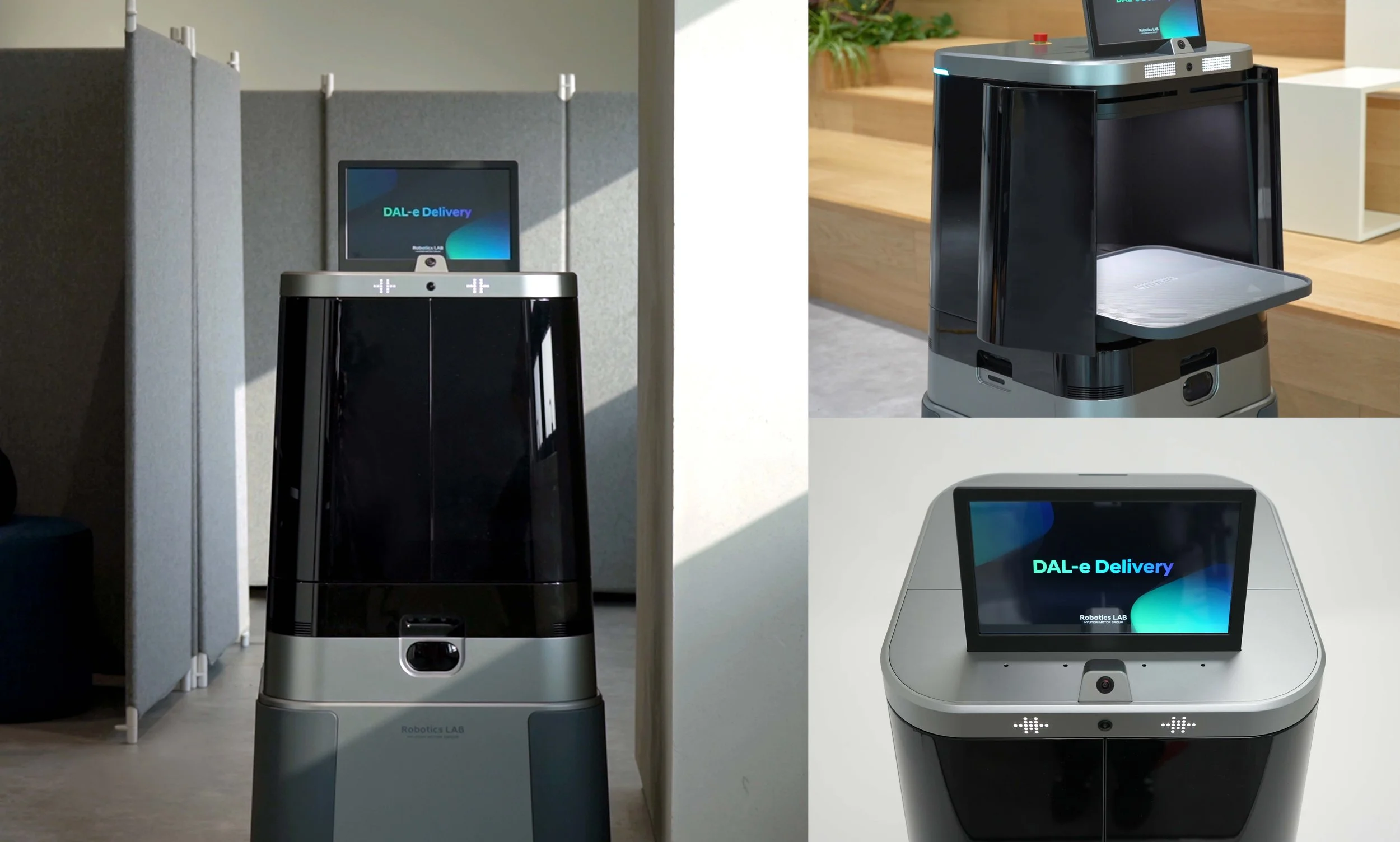
The Robotics LAB has already integrated this on-device AI chip technology into its workstreams. The team is developing Facey, a next-generation facial recognition technology, and it is validating DAL-e Delivery, an advanced delivery robot, through demonstrations and trials. The Robotics LAB plans to apply the on-device AI chip in sequence to its AI security solutions and its next-generation mobile robots.
The Group’s robotics roadmap prioritises a shift from standalone robot products to a Robotics Total Solution (RTS) that unifies hardware and software. This on-device AI chip embodies the RTS approach by combining Robotics LAB’s control software expertise with DEEPX’s AI semiconductor capabilities. The partnership also helps the Group secure optimised solutions for future mass-produced robots and strengthen supply chain flexibility and stability.
The Group also links dependable autonomous robots to broader societal needs. It expects real-world capable robots to support responses to ageing populations, industrial safety risks, and labour shortages. The Group anticipates that this edge AI infrastructure, built around the on-device AI chip, will help establish stable physical AI foundations that support those goals.
Hyundai Motor Group draws on decades of experience in the automotive value chain to support stable robot mass production. The Group also strengthens partnerships with the domestic battery industry to improve scalability and deployment readiness. It continues to expand industrial applications through pilot projects in settings such as airports and hospitals, and it aims to broaden the domestic robotics ecosystem through these deployments.
The Group also highlighted recent progress delivered with partners. In December 2025, the Group launched MobED (Mobile Eccentric Droid), its autonomous mobile robot platform, at iREX. The platform targets mass-production readiness in the global automotive sector and earned the Best of Innovation Award in Robotics at CES 2026.
The latest DEEPX partnership reinforces the Group’s focus on validating its RTS early, advancing convergence technologies, and maintaining a resilient supply chain. The Group positions the low-power on-device AI chip as a practical edge brain that can accelerate the rollout of autonomous robots across security, mobility, and delivery use cases.